下载App
资质规则
旅行
账户

Imliooper
A must see heritage building
商人之家博物馆的点评
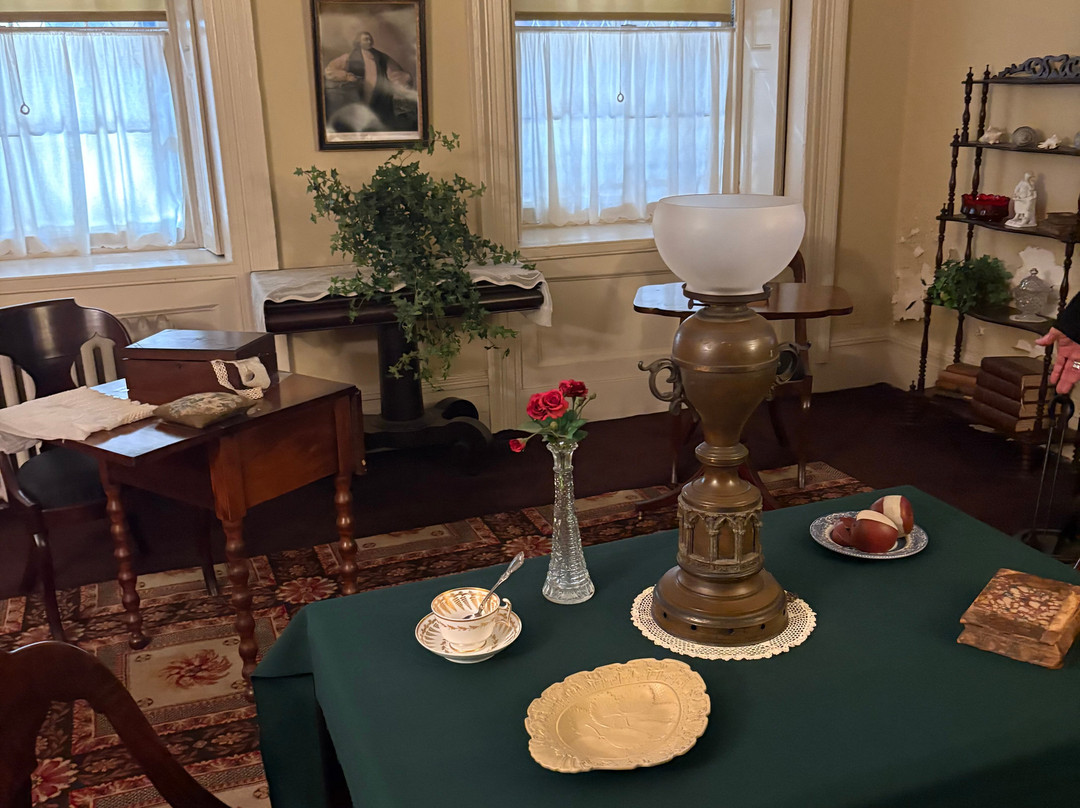
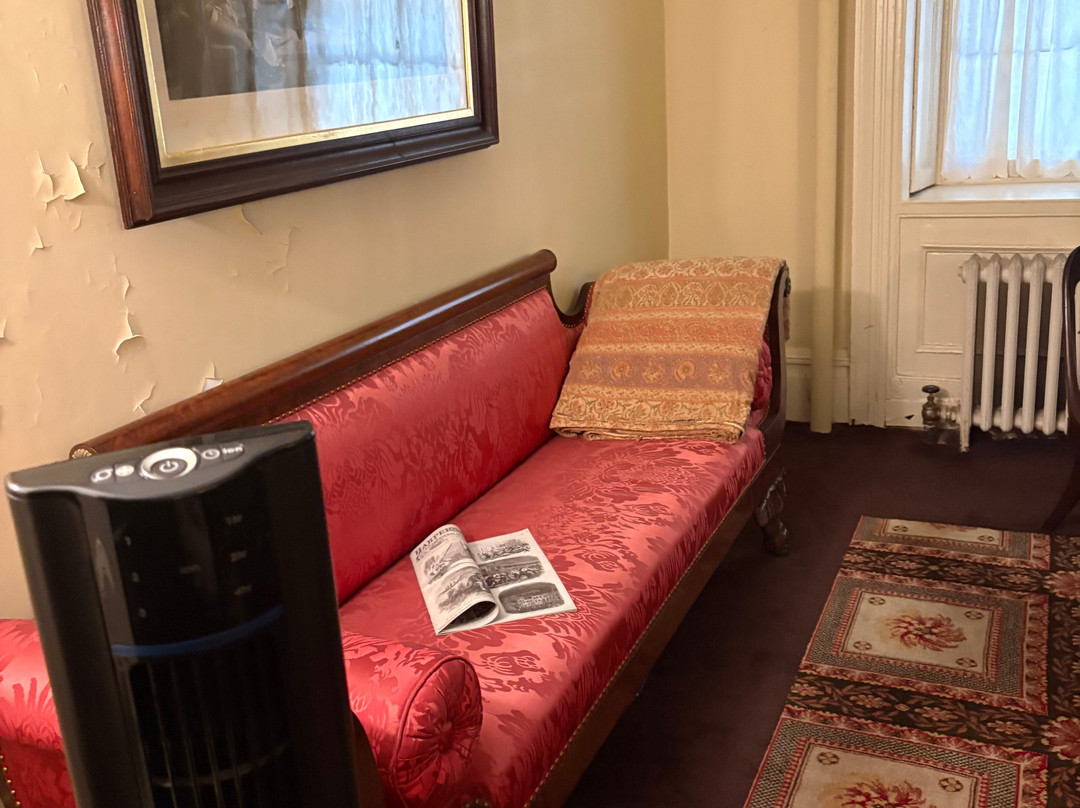
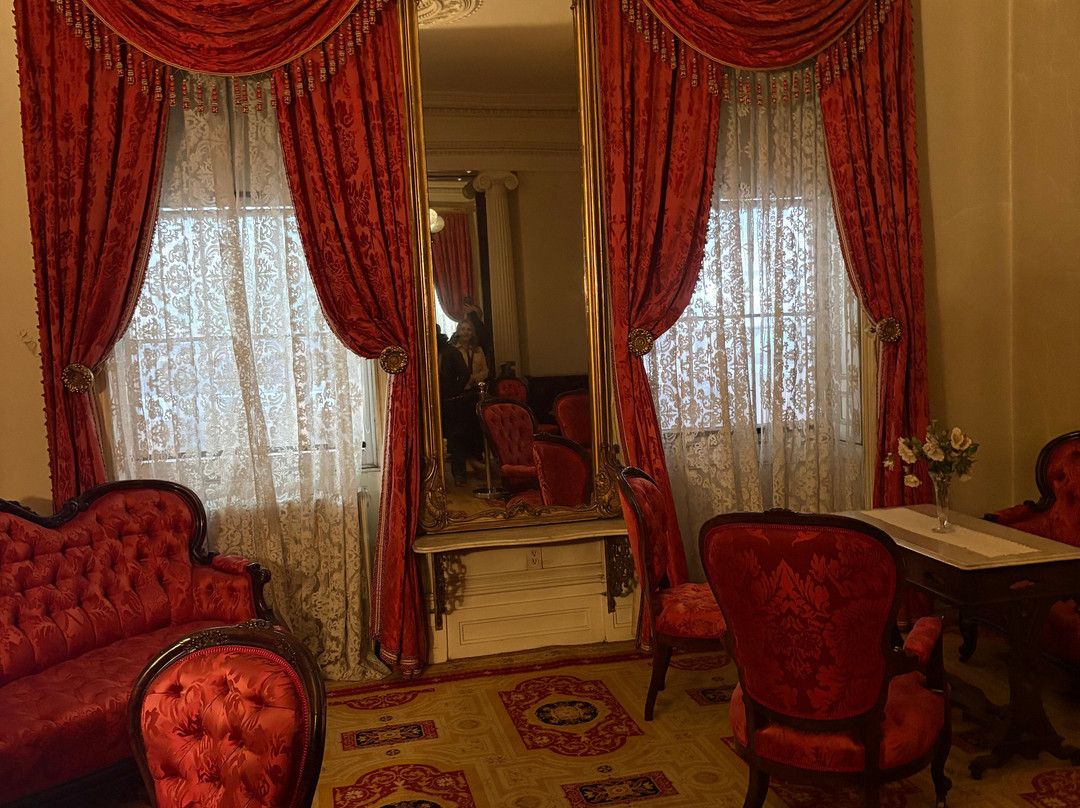
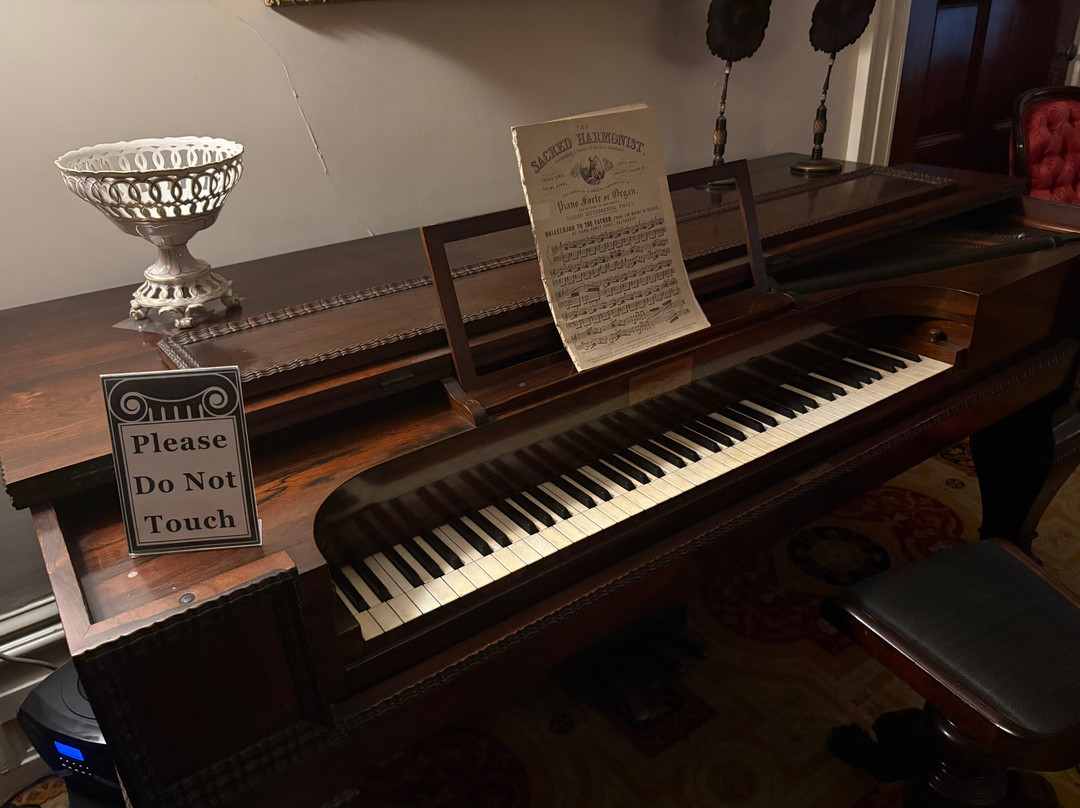
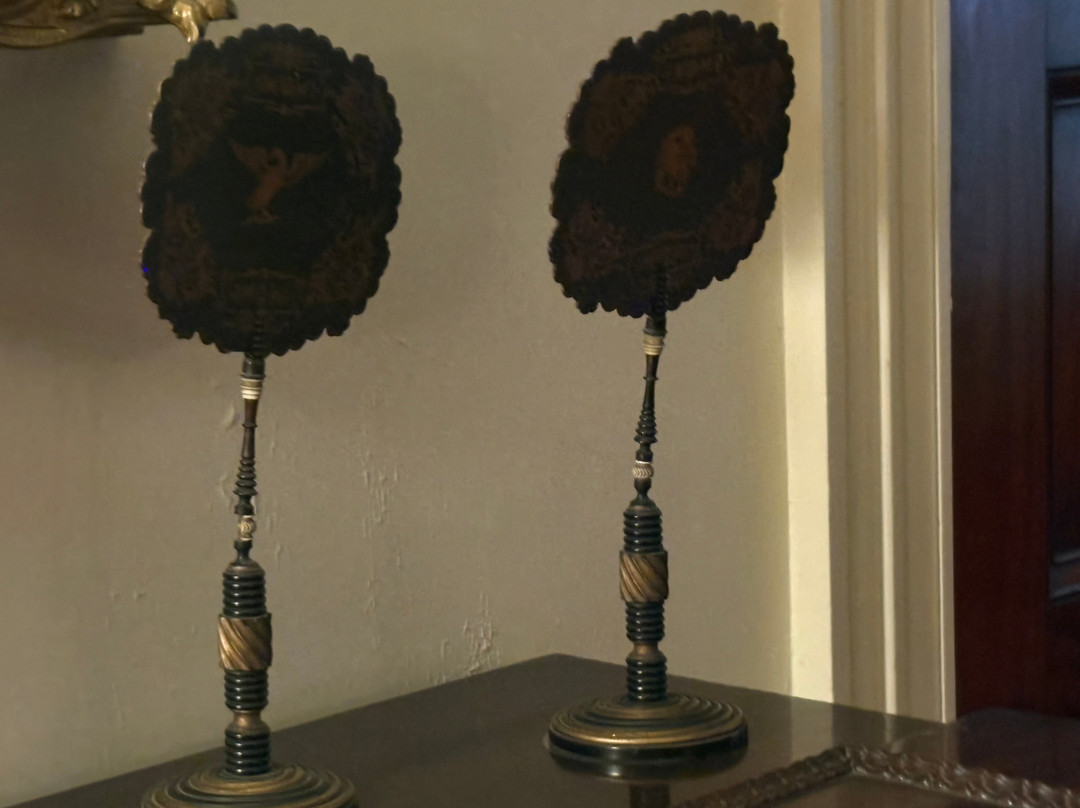
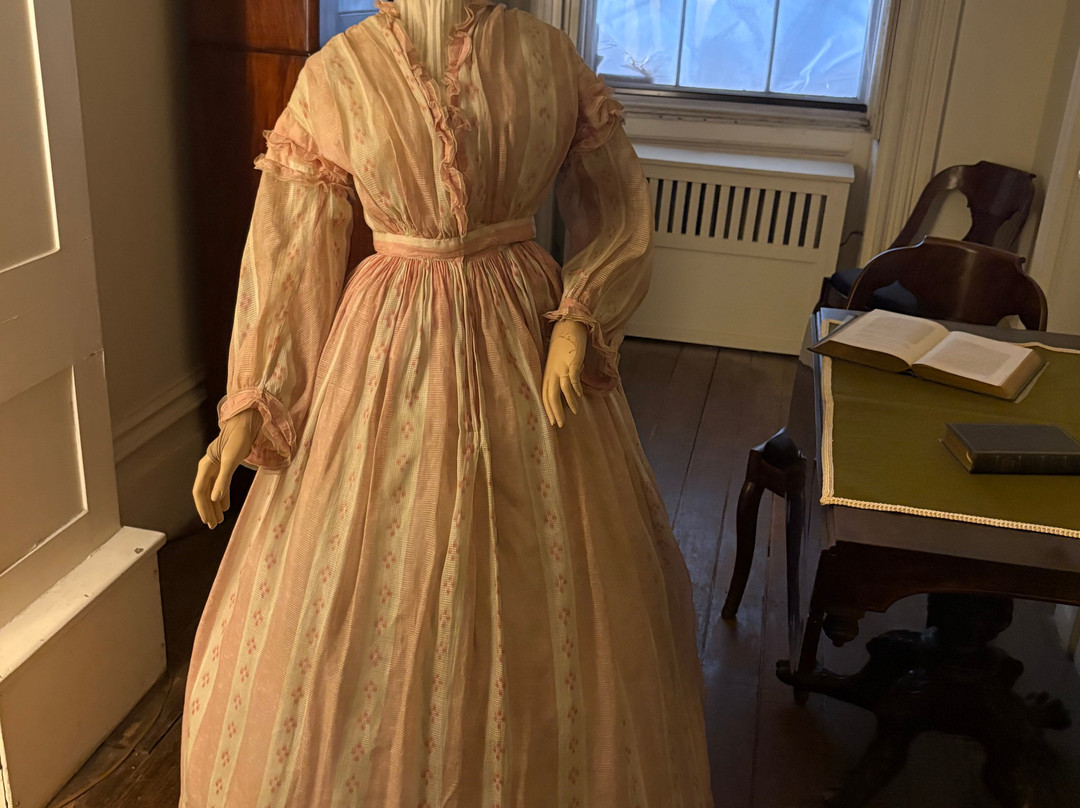
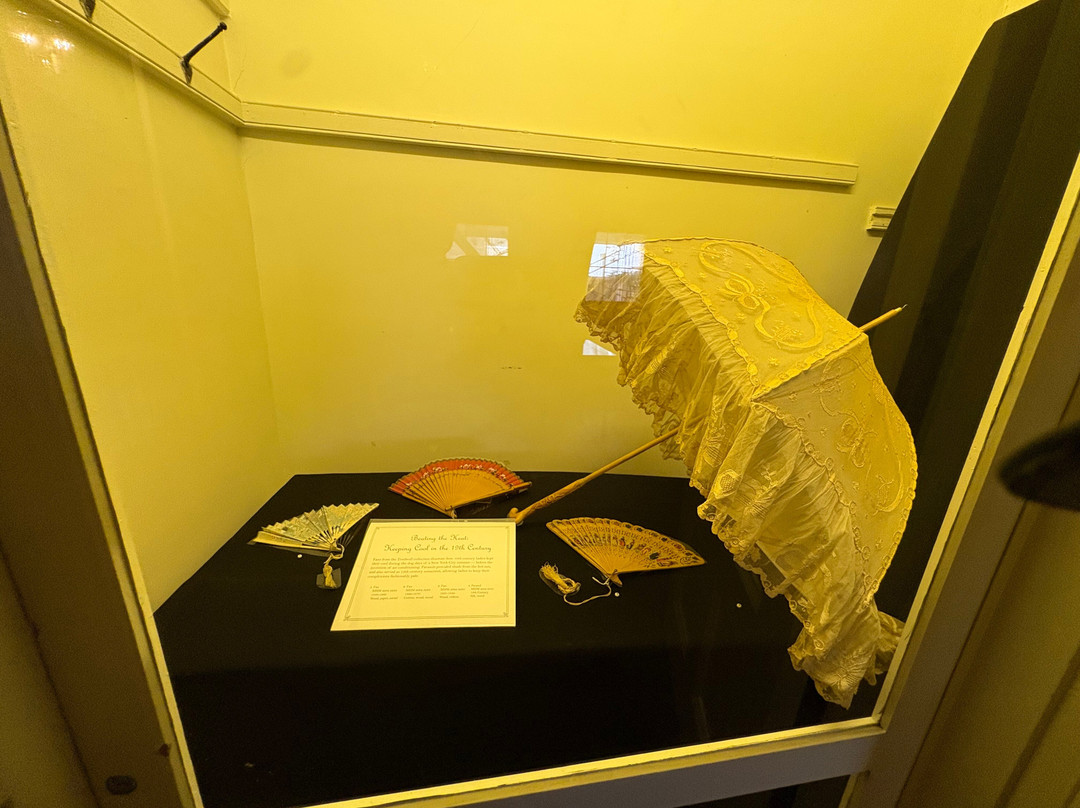
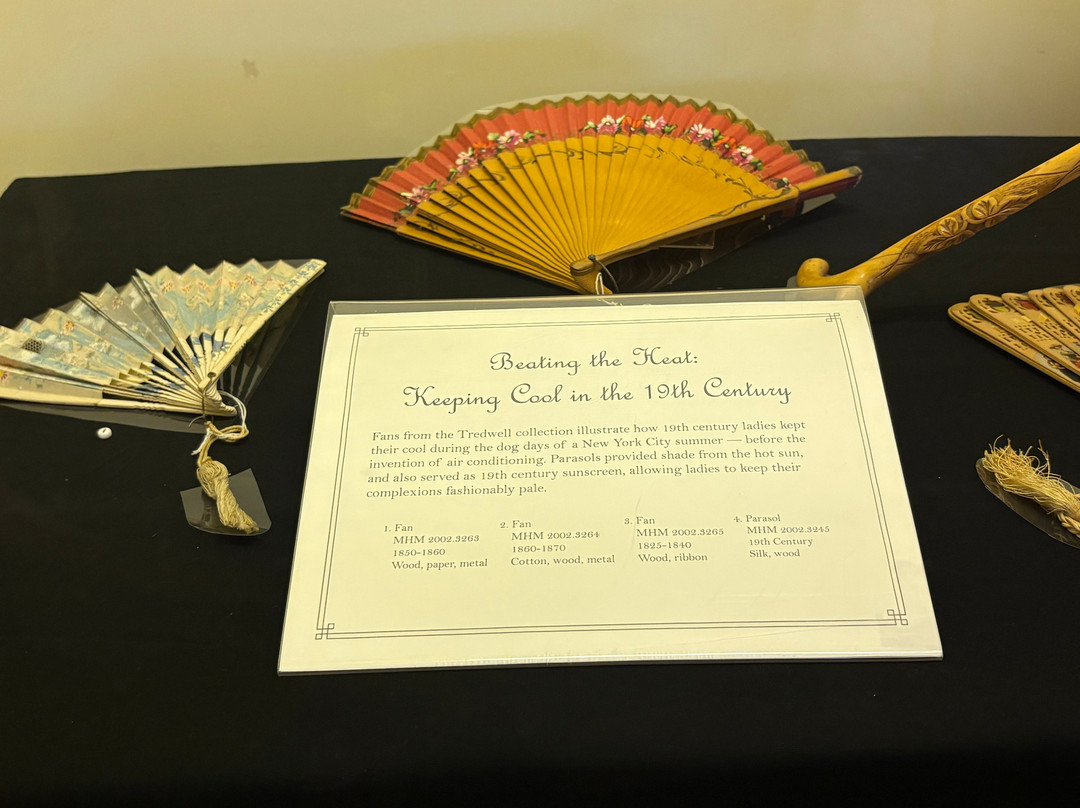
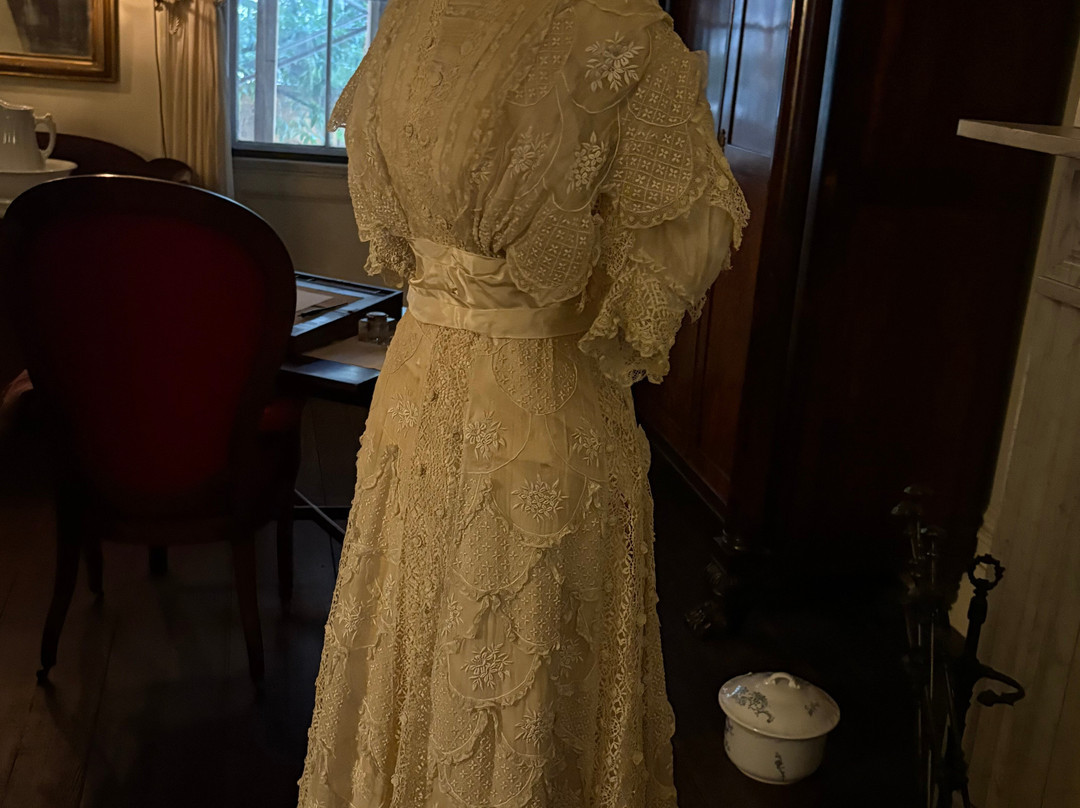
点评:This is a must see in New York City if for no other reason than just because it is unique in being the only building from the nineteenth century, with classic features to have survived the ravages of time and progress. Almost all of its contents including furniture, furnishings, portraits in oil, personal belongings, and artefacts are perfectly preserved, and intact. This therefore represents an amazing time capsule of the period. It is what makes this the most unusual museum of lived history.
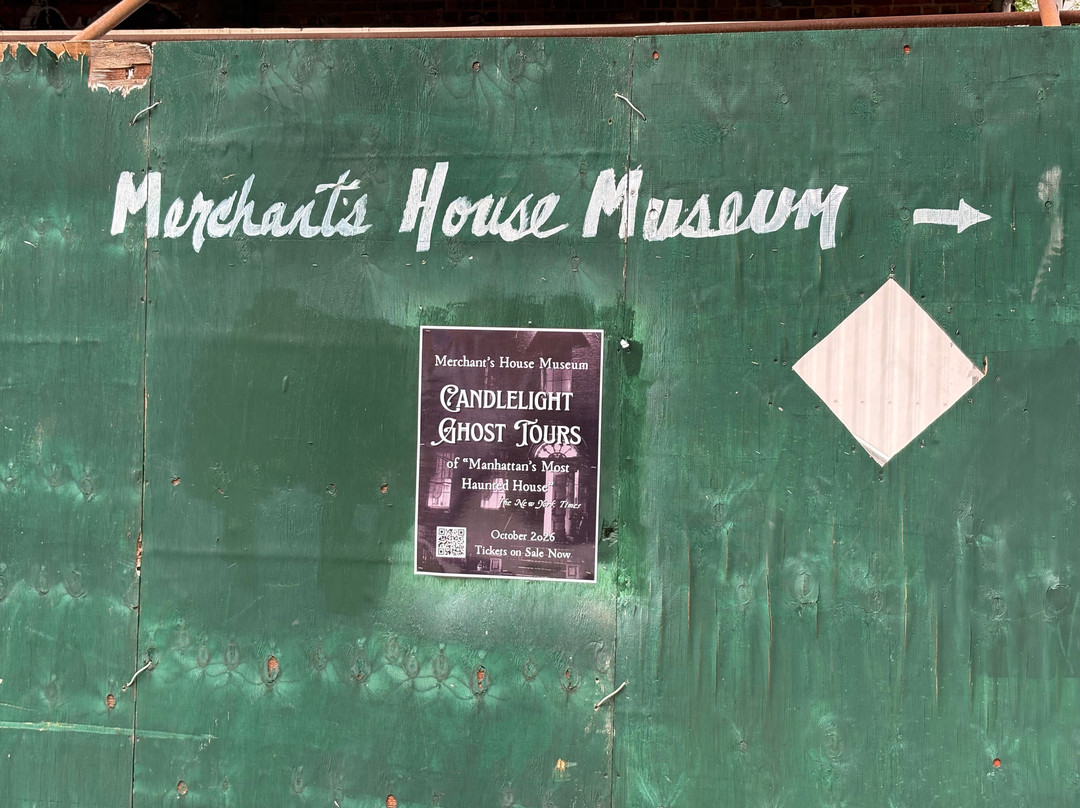
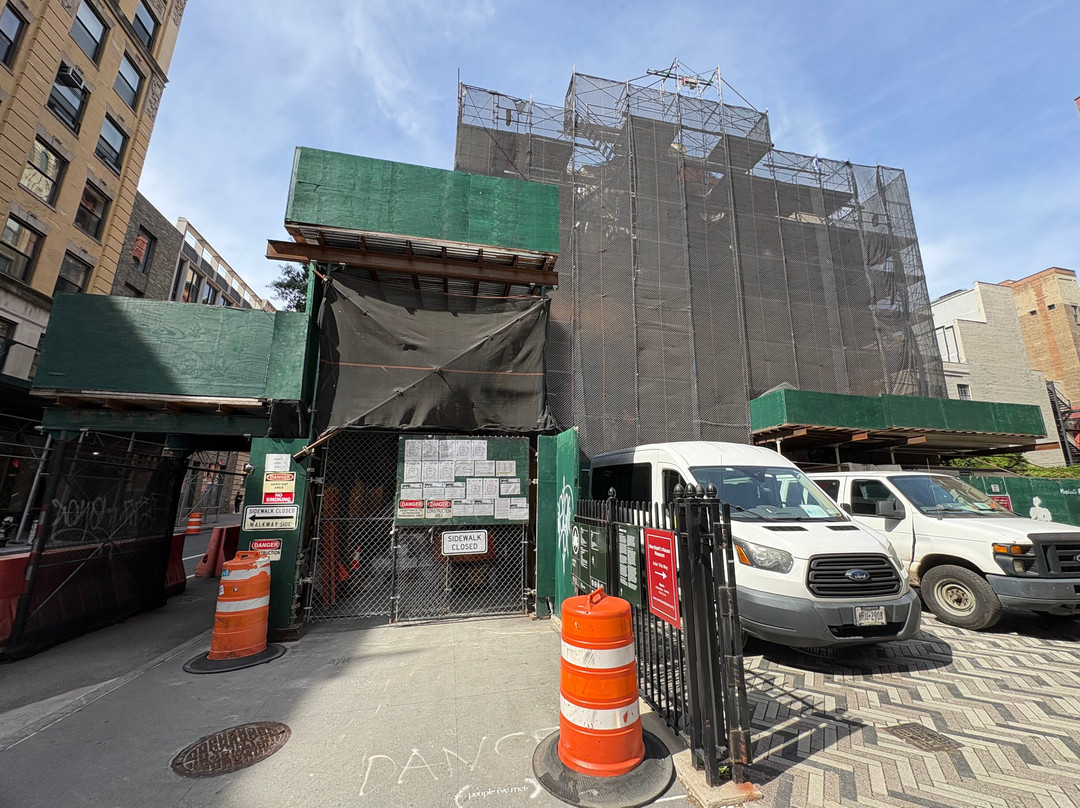
When we visited it the exterior was covered in netting and scaffolding. Major restoration of the outside was in progress. The scaffolding was expected to be removed by December 2026
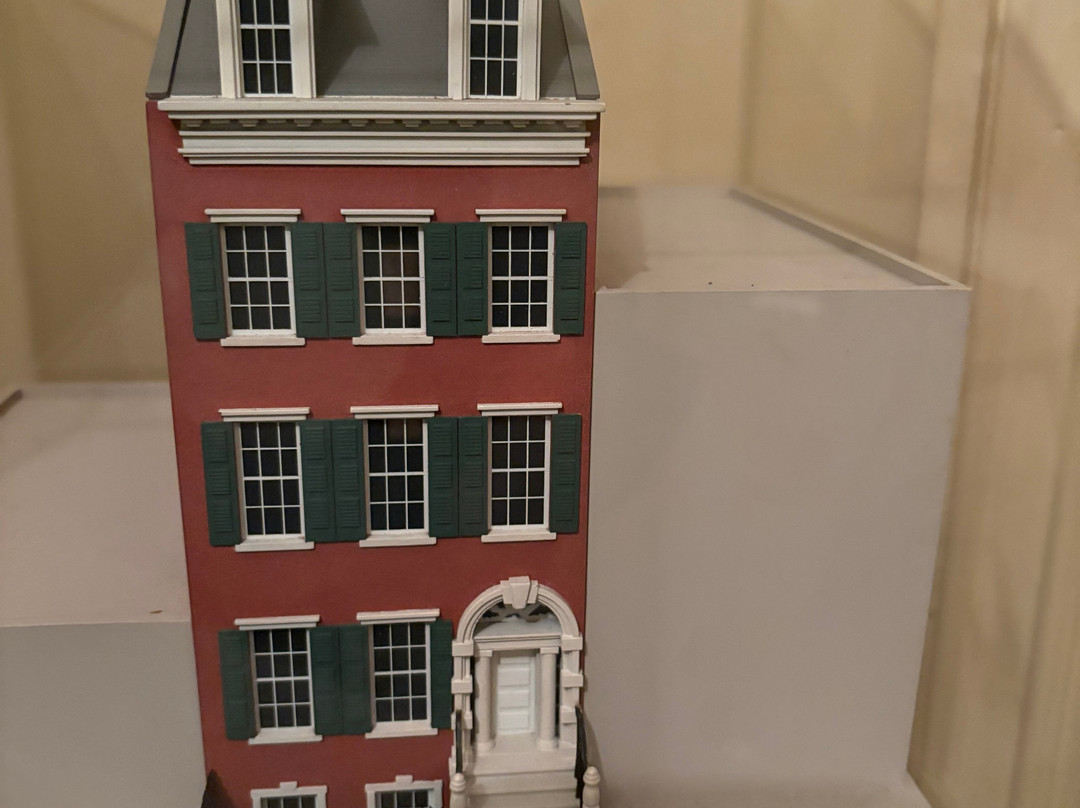
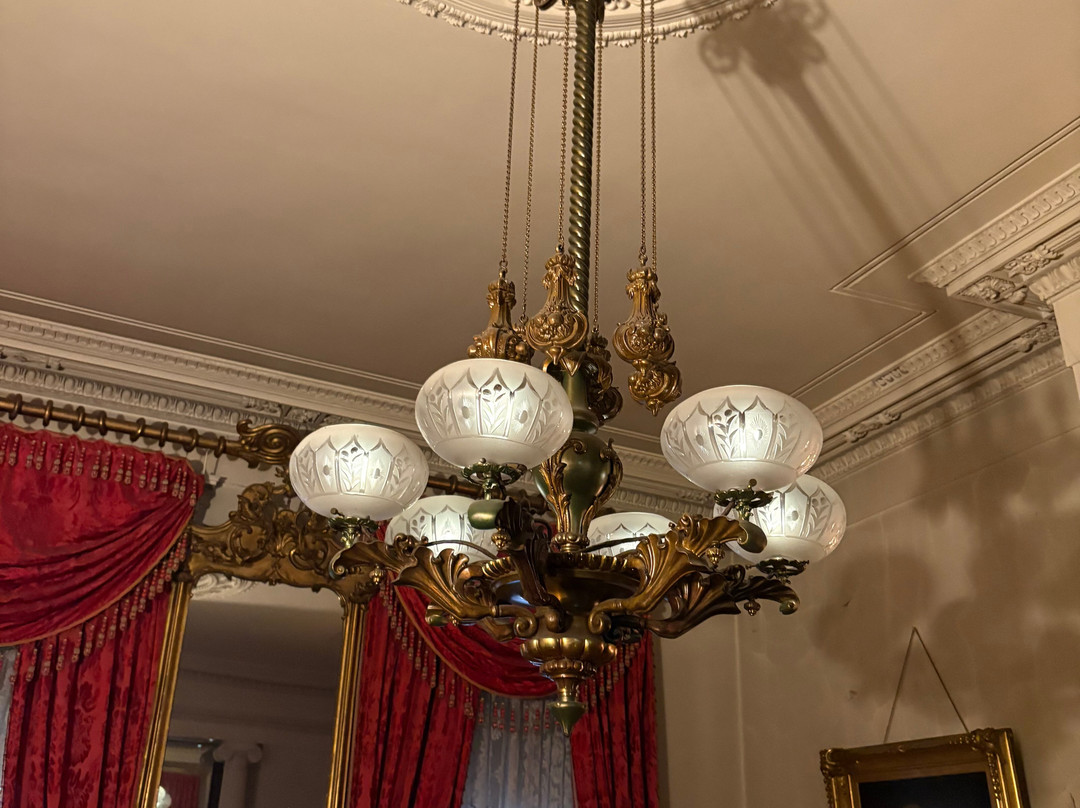
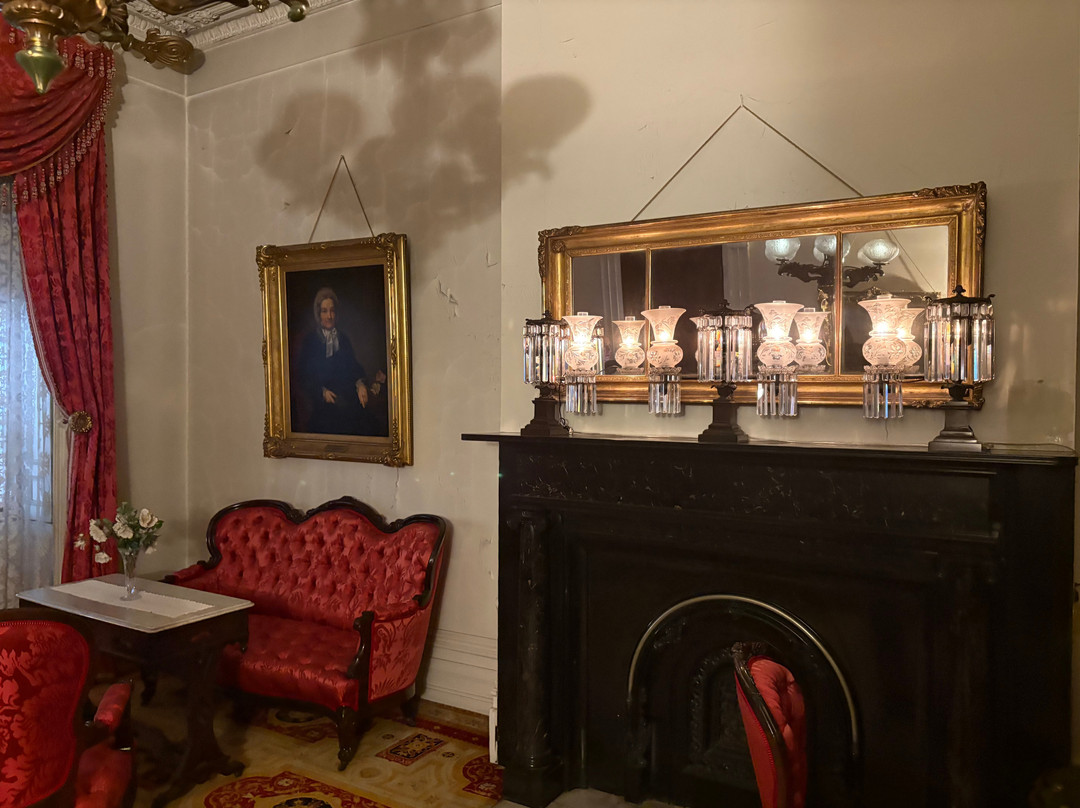
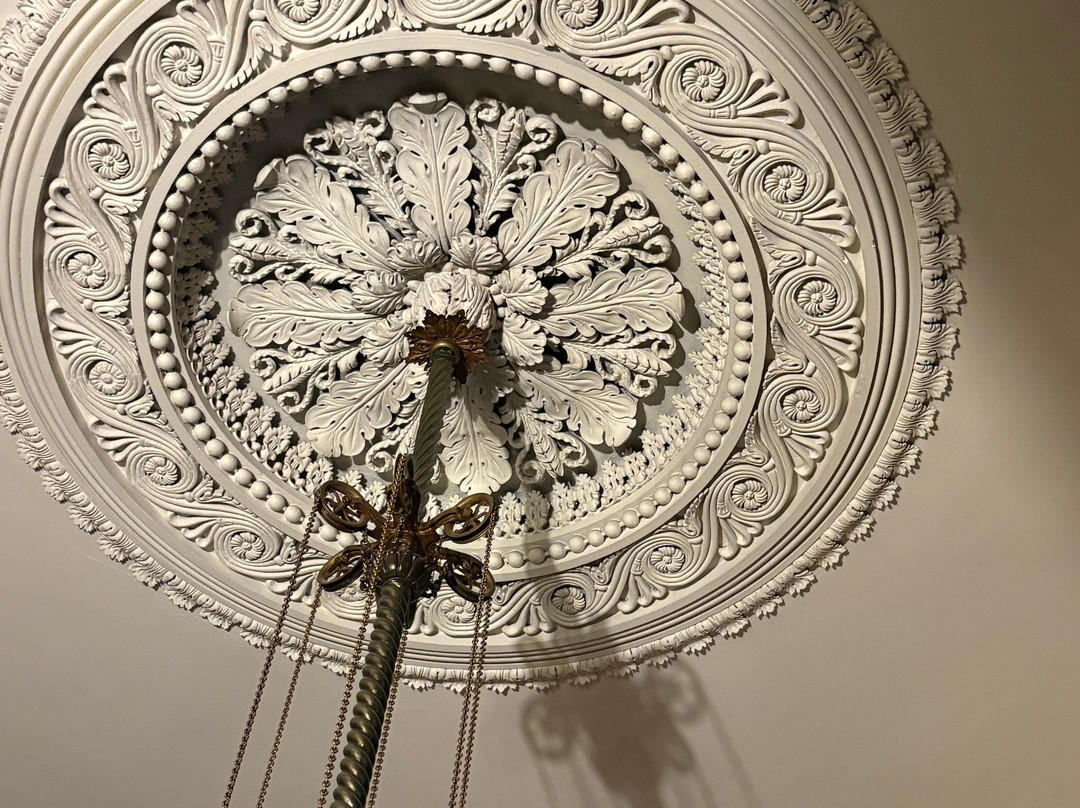
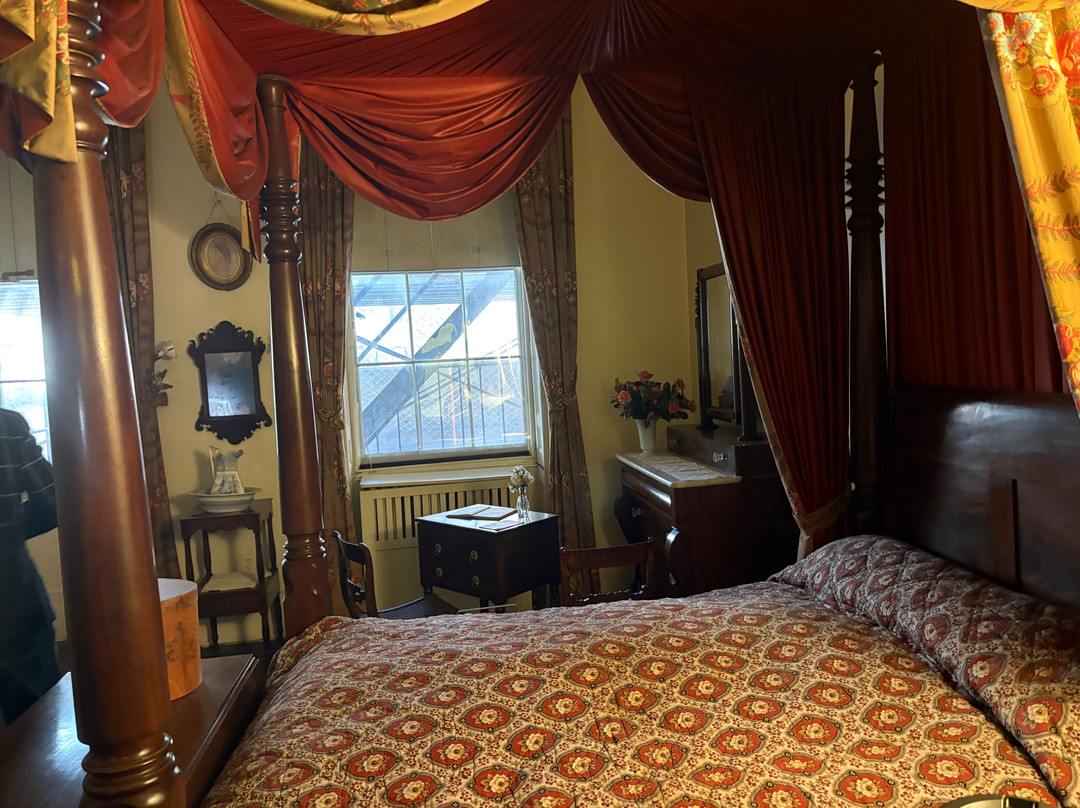
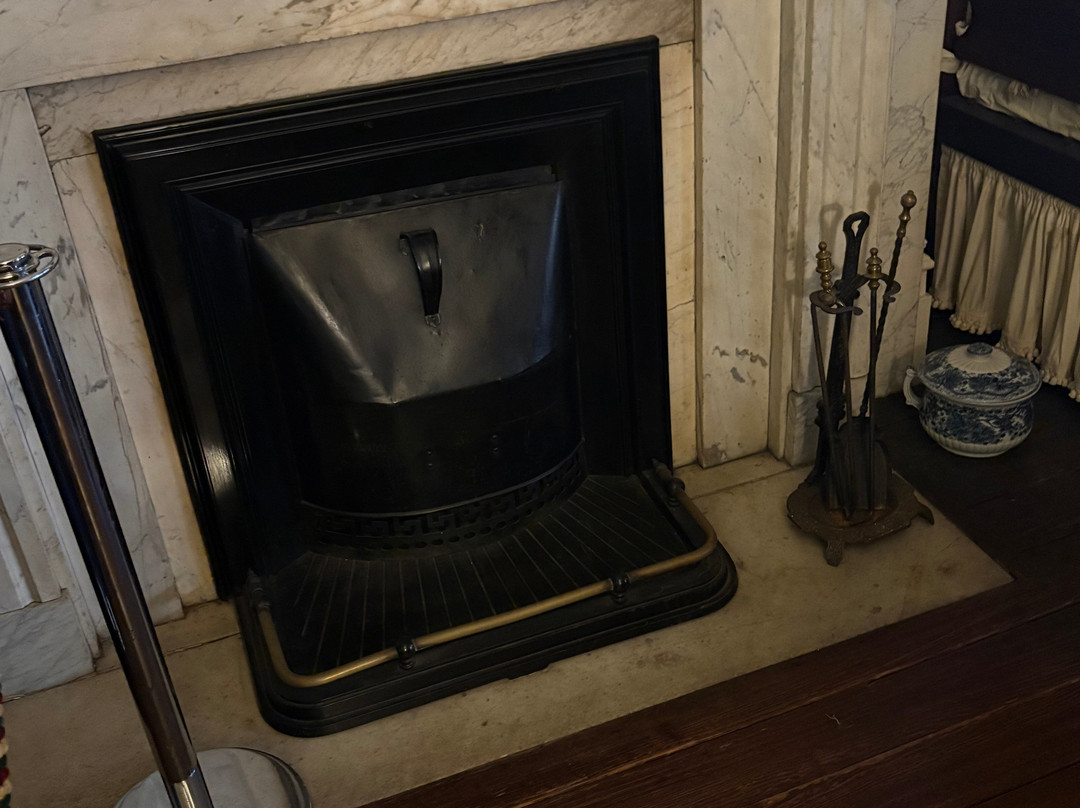
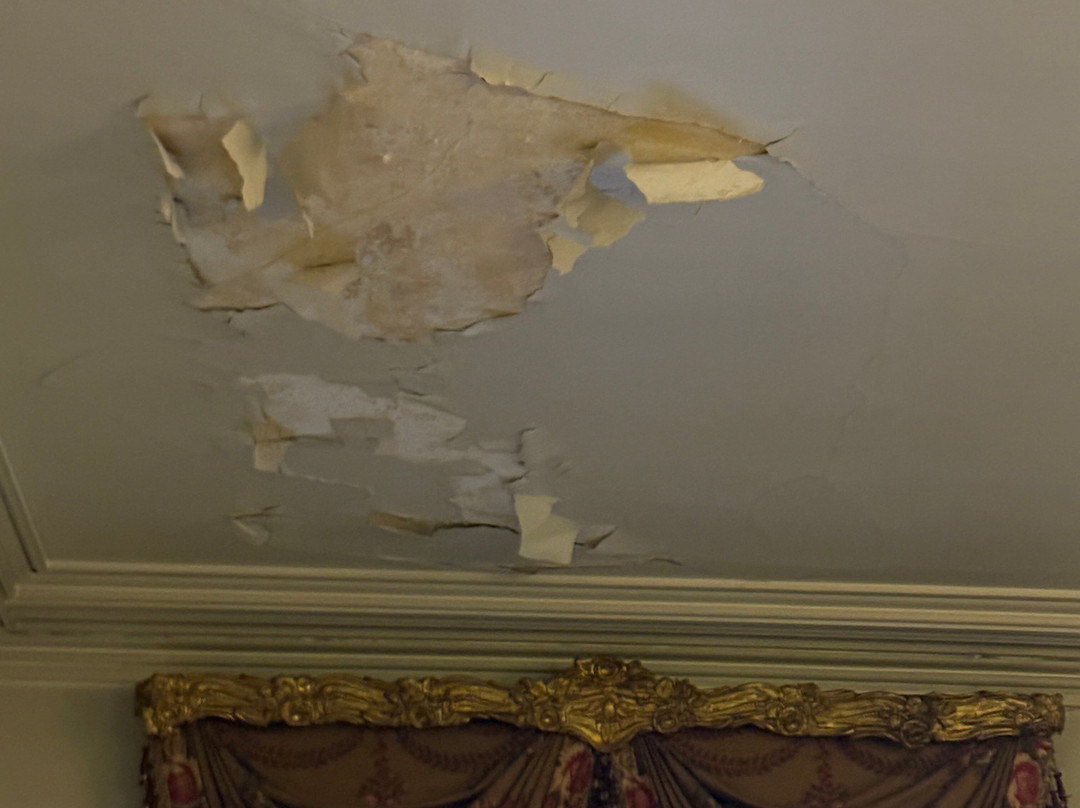
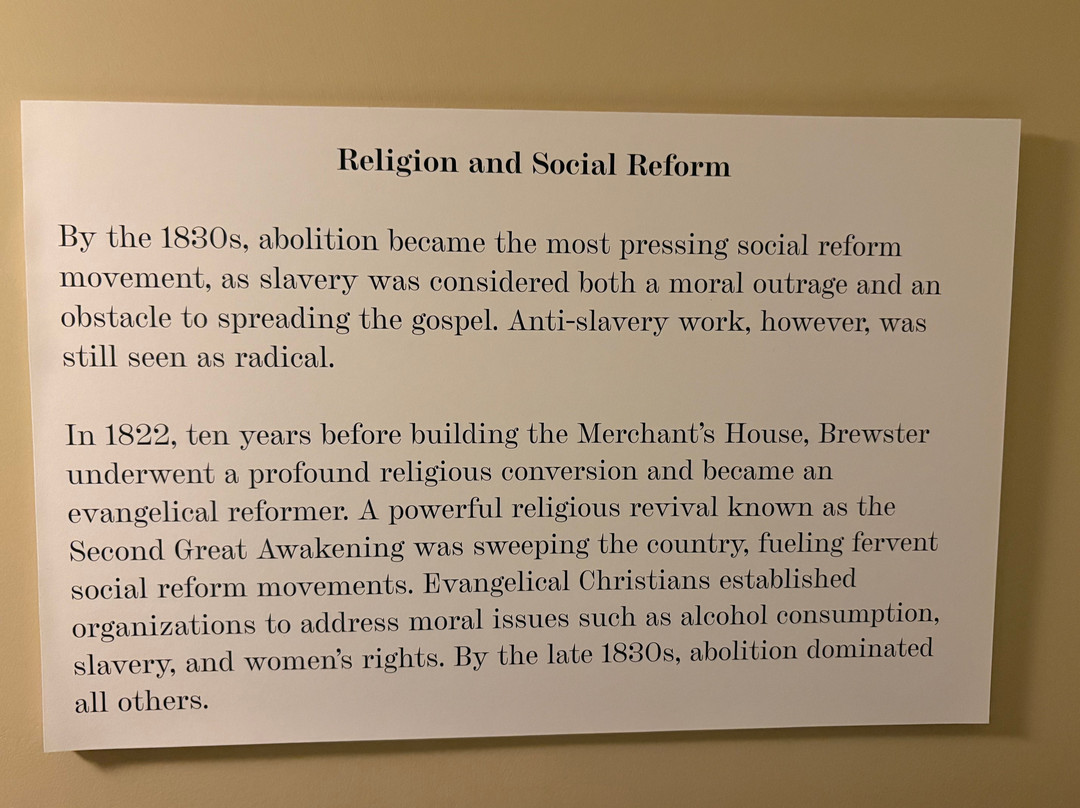
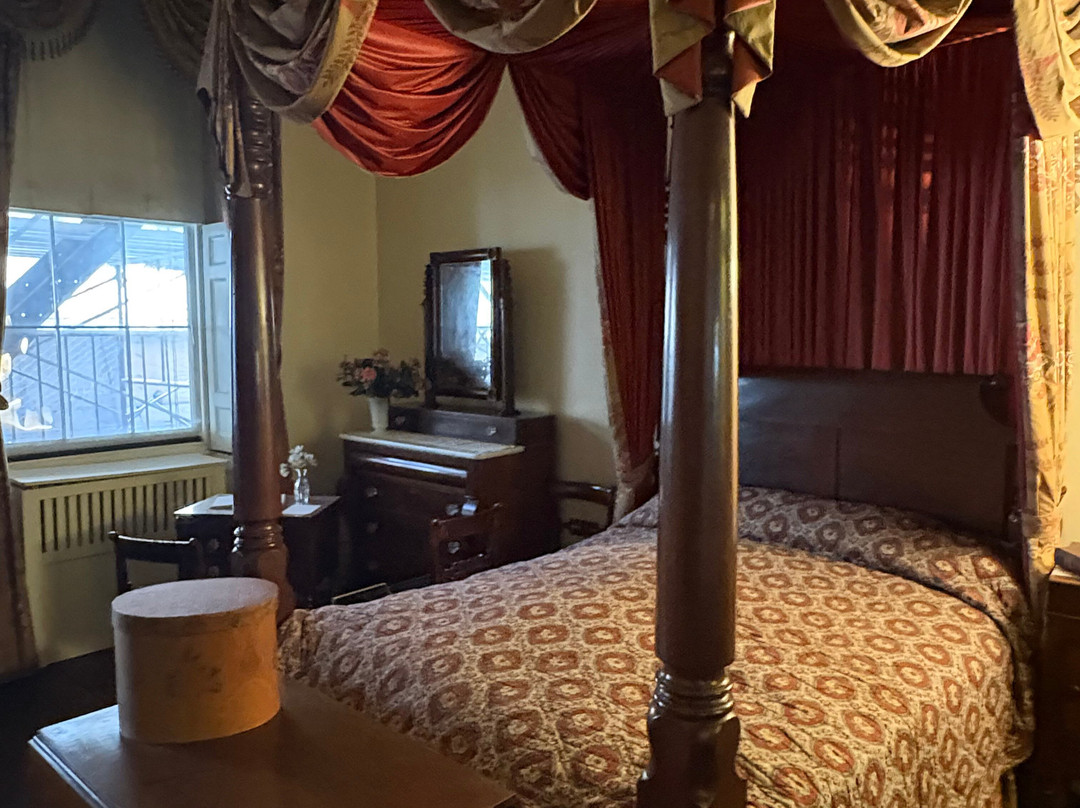
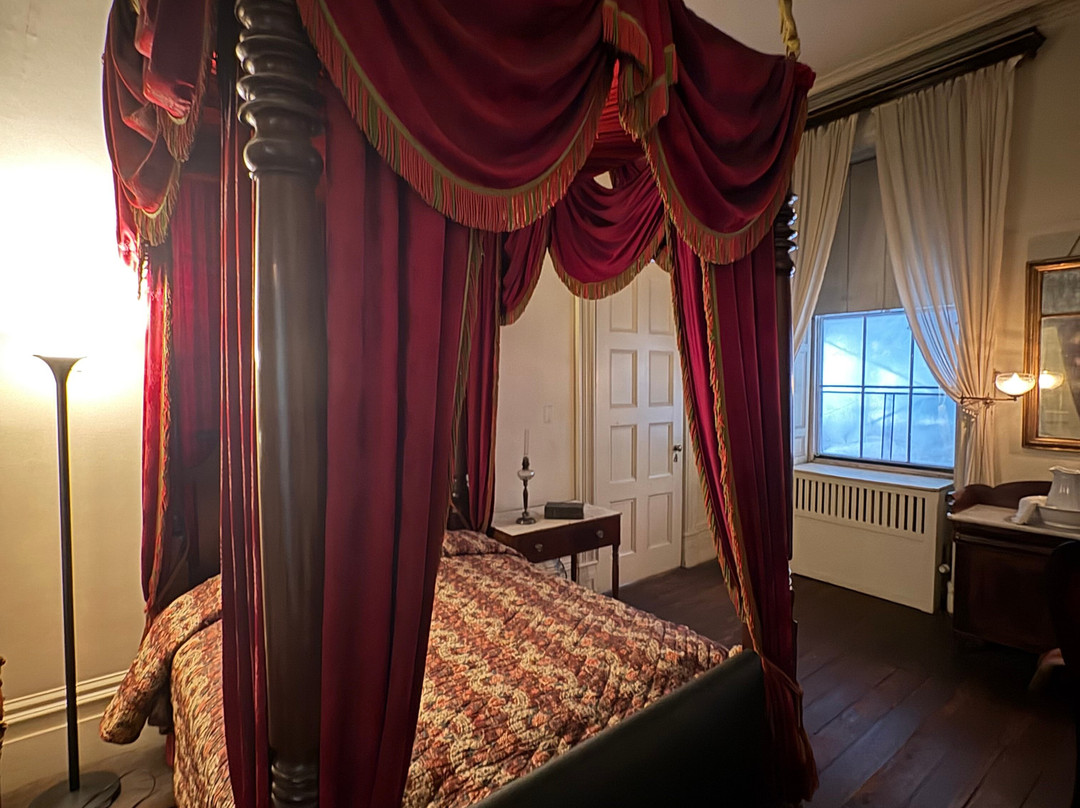
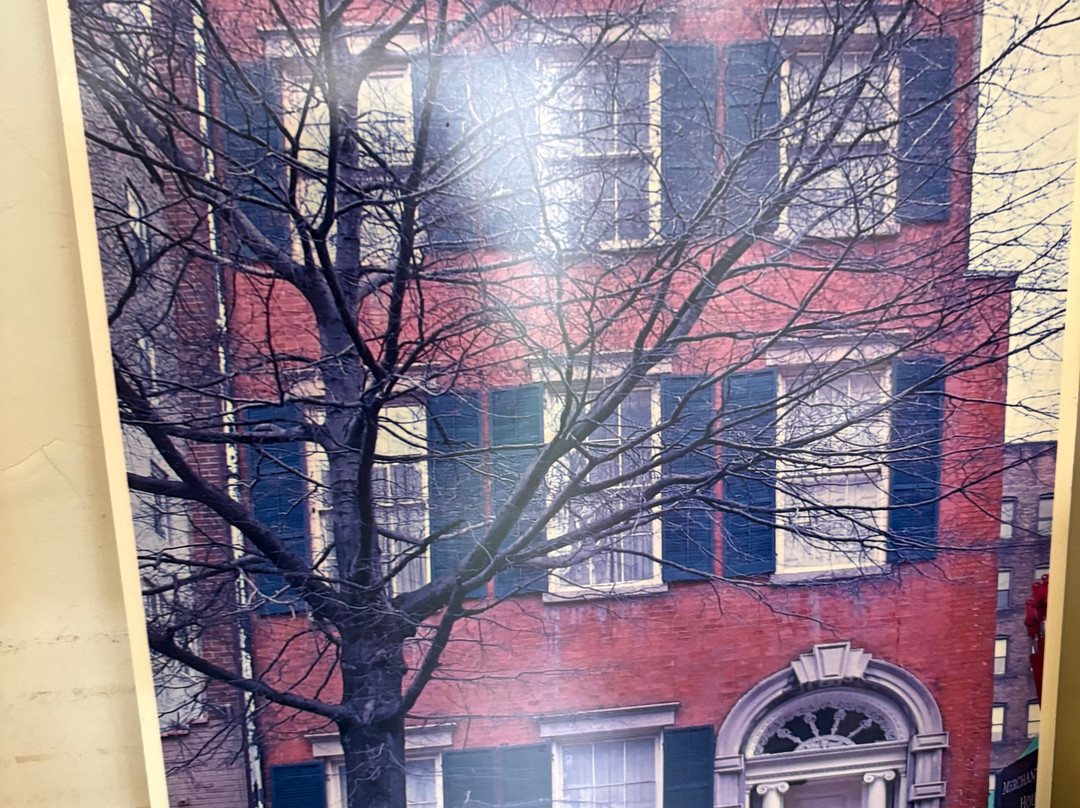
This place was built in 1832 by the abolitionist Joseph Brewster, a builder by trade, to showcase wealth, grandeur and pomp at the time. The inside of the building retains its structure and character, for instance, its expensive black marble fireplace. The hallway at the entrance has hand painted walls (using a feather to give them a faux marble appearance). The house has ornamental ceilings and purely decorative doors placed for symmetry, not serving any useful function. The chandeliers suspended from the ceiling could be moved down and up on a system of pulleys and counterweights to light or extinguish the candles, and later perhaps gas lamps at a time when electricity had not arrived in homes. There was some peeling in the ceiling in one of the bedrooms, attributed to casein (milk protein) used in the paint.
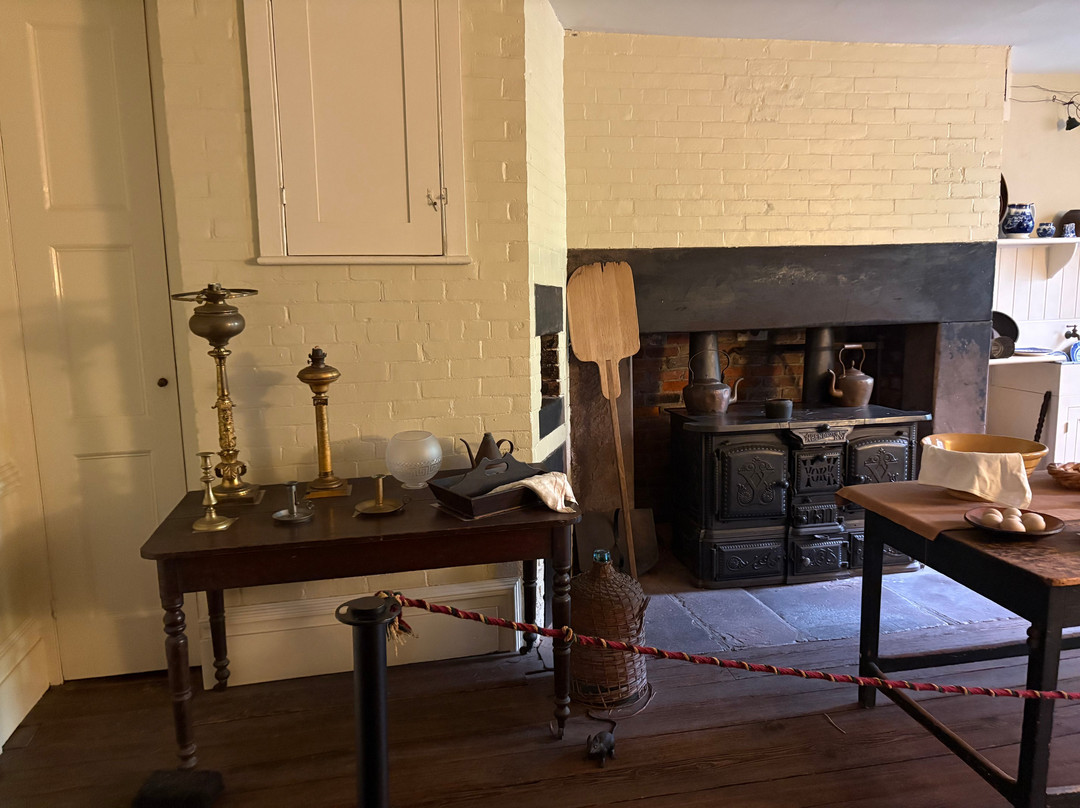
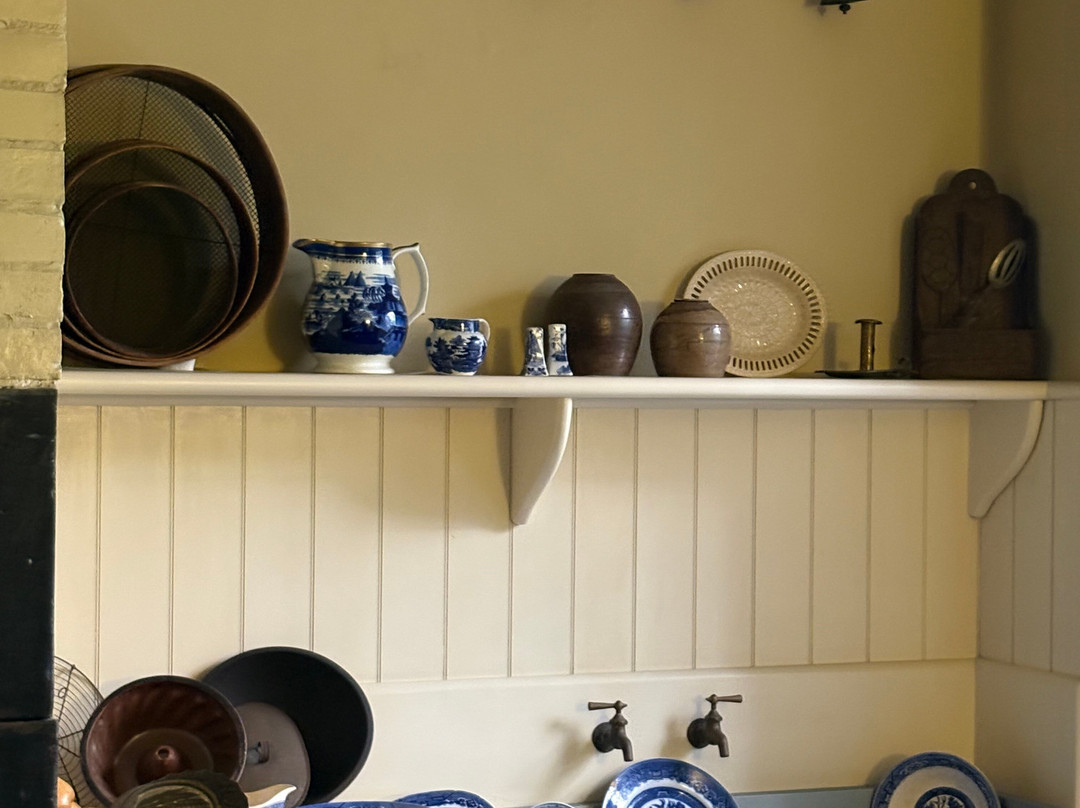
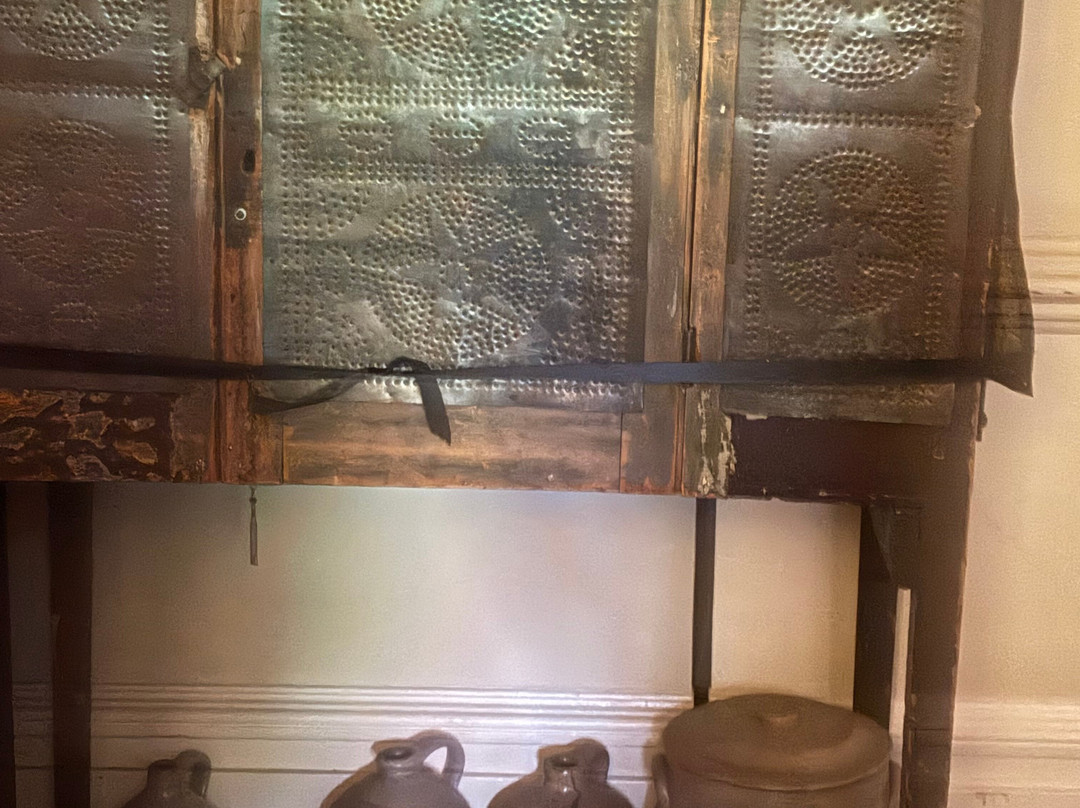
The kitchen boasts of an impressive cooker with twin stacks which would be the envy of the modern housewife. A beehive oven was used to bake bread and pies. The discoloured lower few inches of the wooden legs of the pie-safe is the result of being immersed in bowls containing poison. This was to prevent rats from clambering up those wooden legs and accessing the pies.
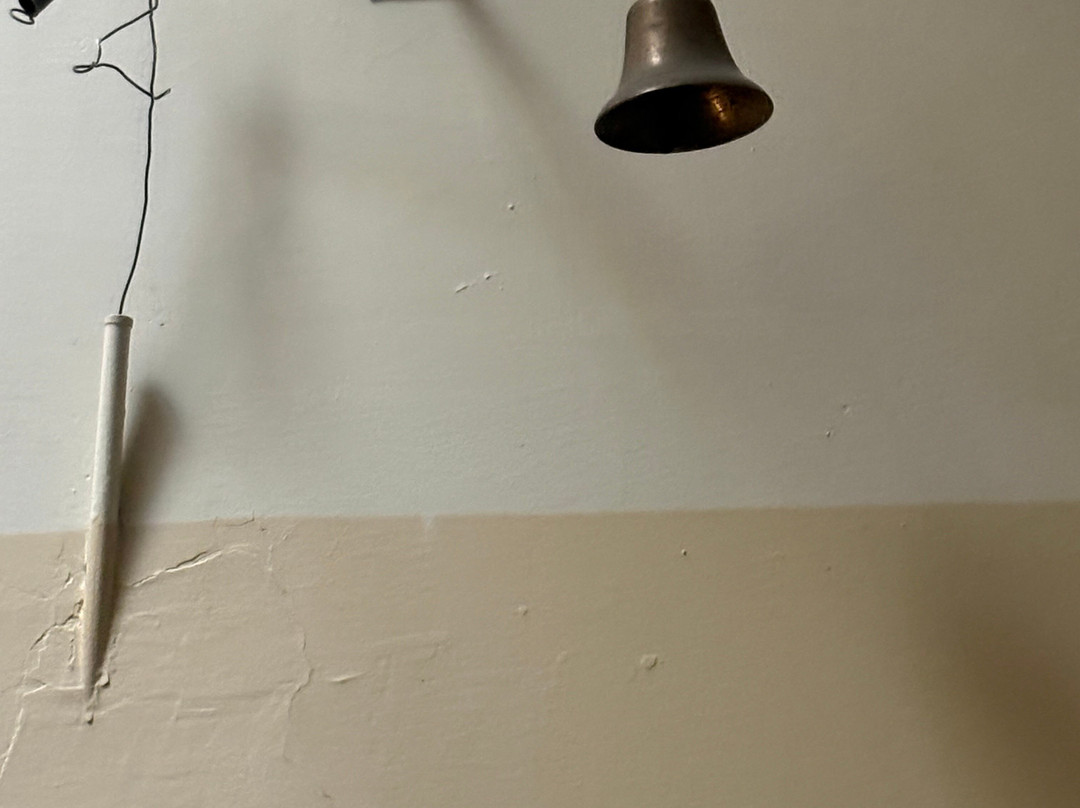
There was an arrangement of calling bells with differential rings/tones in the kitchen from the various rooms in the house to summon the Irish maids who worked here. The maids themselves had the use of the penthouse on the fifth floor to be their living quarters.
Three years later the house was bought by the merchant Seaway Tredwell accounting for the moniker it acquired as Merchant’s House. It remained with the Tredwells for the better part of a century.
When their seventh child Sarah Tredwell injured her ankle, the family brought home a hand cranked chair lift for her use. This chair lift can be seen parked on the fifth floor.
Gertrude who was eighth child of the family was born here in 1840. She remained single and never moved out. Gertrude Tredwell having outlived her siblings died in the house in 1933 at the age of 93. Merchant’s House then opened as a museum in 1936.
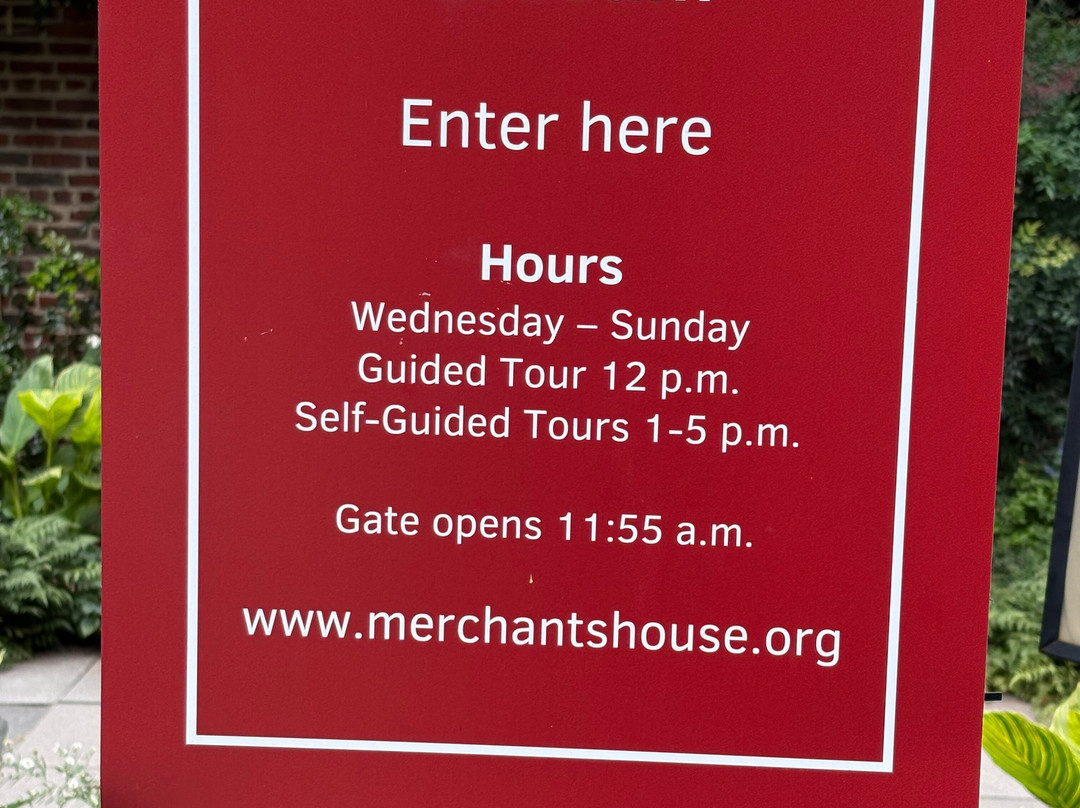
This is a town house constructed over five floors. It opens for pre-booked conducted tours, Wednesday through Sunday (tickets $20.50) at 12 noon,. These guided tours are informative and well worth the extra money that one pays for it. Our guide showed us pictures, on an iPad, of the house and its environs, as it was then and now, and also NYC itself as it has grown from being a small seaport to becoming a bustling metropolis.
Walk-ins for self-guided tours is possible from 1 pm (tickets $15.50, Seniors and students with ID $10.50). Docents may be on hand. The museum closes at 5 pm; last entry 4.30 pm.
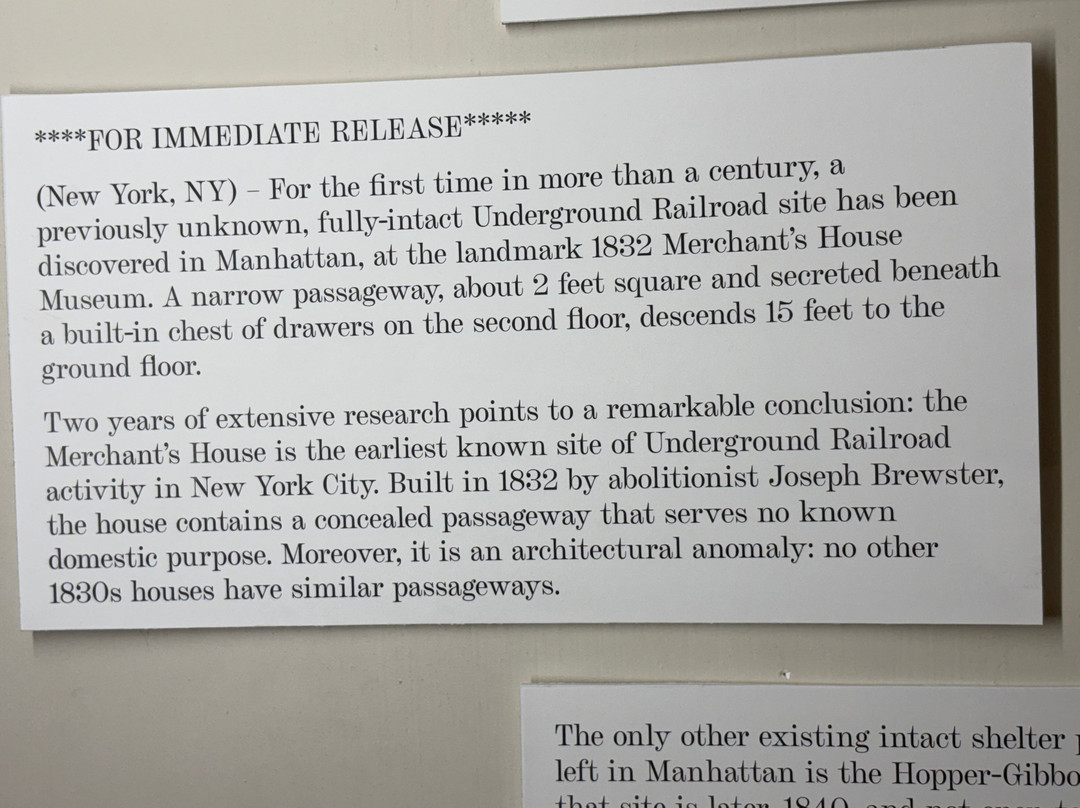
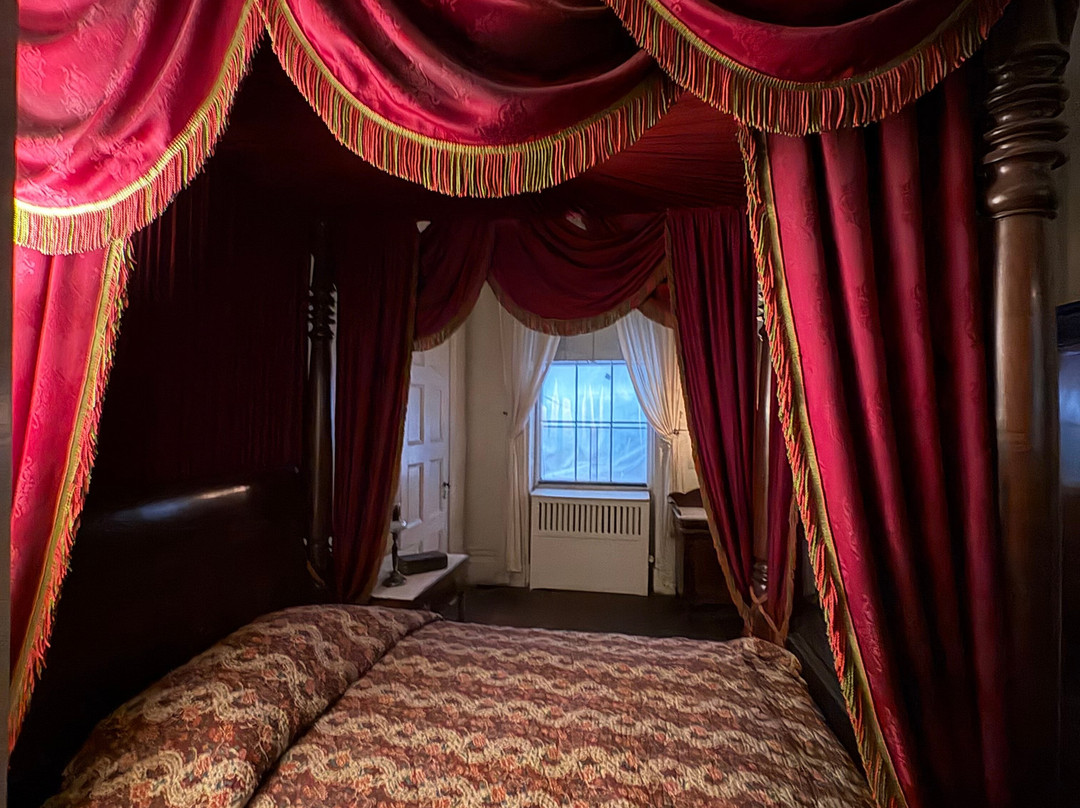
A secret, narrow passageway was a late discovery, hidden behind a cupboard and drawers in the first floor bedroom. It consisted of a square opening 2x2 feet that went two floors (15 feet) down the west wall, ending at the basement. There is a ladder leading down the opening to what has mysteriously been called the New York Underground Railroad. (Of course it has nothing to do with the NY Subway system which came into existence only in 1904). Interestingly, when the opening was first uncovered it was hailed as “not serving any known domestic purpose …an architectural anomaly: no other 1830s house has similar passageways.”
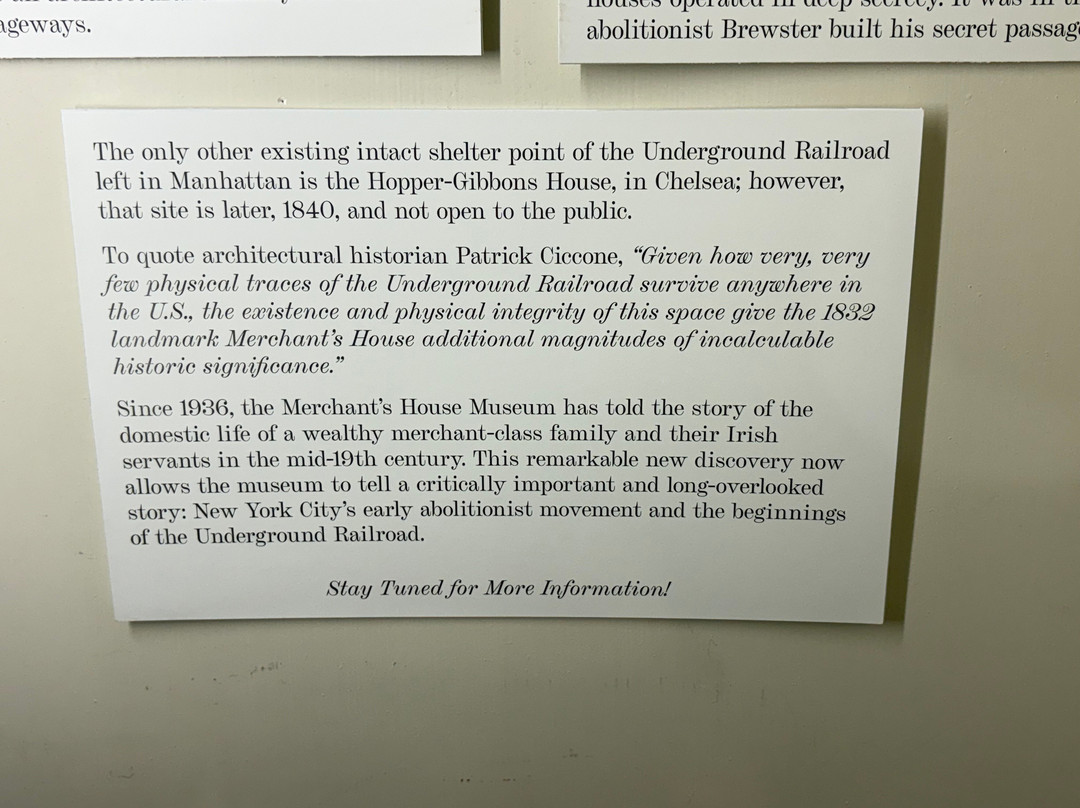
The passageway was obviously the brainchild of the abolitionist Brewster. It was actually connected to a network of safe houses that sheltered freedom seekers as they journeyed north. The railroad terminology was a useful code where safe houses were “stations” and were helped along by so called “conductors”. It was said that the discovery of the secret passageway allowed the Merchant’s House Museum to retell the story of “New York City’s early abolitionist movement and the beginnings of the Underground Railroad “.
The building itself is currently owned by the New York City Department of Parks and Recreation. The museum is operated independently by a non-profit organisation - The Old Merchant's House of New York, Inc. which maintains the museum.
When we visited it the exterior was covered in netting and scaffolding. Major restoration of the outside was in progress. The scaffolding was expected to be removed by December 2026
This place was built in 1832 by the abolitionist Joseph Brewster, a builder by trade, to showcase wealth, grandeur and pomp at the time. The inside of the building retains its structure and character, for instance, its expensive black marble fireplace. The hallway at the entrance has hand painted walls (using a feather to give them a faux marble appearance). The house has ornamental ceilings and purely decorative doors placed for symmetry, not serving any useful function. The chandeliers suspended from the ceiling could be moved down and up on a system of pulleys and counterweights to light or extinguish the candles, and later perhaps gas lamps at a time when electricity had not arrived in homes. There was some peeling in the ceiling in one of the bedrooms, attributed to casein (milk protein) used in the paint.
The kitchen boasts of an impressive cooker with twin stacks which would be the envy of the modern housewife. A beehive oven was used to bake bread and pies. The discoloured lower few inches of the wooden legs of the pie-safe is the result of being immersed in bowls containing poison. This was to prevent rats from clambering up those wooden legs and accessing the pies.
There was an arrangement of calling bells with differential rings/tones in the kitchen from the various rooms in the house to summon the Irish maids who worked here. The maids themselves had the use of the penthouse on the fifth floor to be their living quarters.
Three years later the house was bought by the merchant Seaway Tredwell accounting for the moniker it acquired as Merchant’s House. It remained with the Tredwells for the better part of a century.
When their seventh child Sarah Tredwell injured her ankle, the family brought home a hand cranked chair lift for her use. This chair lift can be seen parked on the fifth floor.
Gertrude who was eighth child of the family was born here in 1840. She remained single and never moved out. Gertrude Tredwell having outlived her siblings died in the house in 1933 at the age of 93. Merchant’s House then opened as a museum in 1936.
This is a town house constructed over five floors. It opens for pre-booked conducted tours, Wednesday through Sunday (tickets $20.50) at 12 noon,. These guided tours are informative and well worth the extra money that one pays for it. Our guide showed us pictures, on an iPad, of the house and its environs, as it was then and now, and also NYC itself as it has grown from being a small seaport to becoming a bustling metropolis.
Walk-ins for self-guided tours is possible from 1 pm (tickets $15.50, Seniors and students with ID $10.50). Docents may be on hand. The museum closes at 5 pm; last entry 4.30 pm.
A secret, narrow passageway was a late discovery, hidden behind a cupboard and drawers in the first floor bedroom. It consisted of a square opening 2x2 feet that went two floors (15 feet) down the west wall, ending at the basement. There is a ladder leading down the opening to what has mysteriously been called the New York Underground Railroad. (Of course it has nothing to do with the NY Subway system which came into existence only in 1904). Interestingly, when the opening was first uncovered it was hailed as “not serving any known domestic purpose …an architectural anomaly: no other 1830s house has similar passageways.”
The passageway was obviously the brainchild of the abolitionist Brewster. It was actually connected to a network of safe houses that sheltered freedom seekers as they journeyed north. The railroad terminology was a useful code where safe houses were “stations” and were helped along by so called “conductors”. It was said that the discovery of the secret passageway allowed the Merchant’s House Museum to retell the story of “New York City’s early abolitionist movement and the beginnings of the Underground Railroad “.
The building itself is currently owned by the New York City Department of Parks and Recreation. The museum is operated independently by a non-profit organisation - The Old Merchant's House of New York, Inc. which maintains the museum.
翻译:如果在纽约市只能参观一处景点,那一定是这里——它堪称独一无二:作为19世纪建造的建筑物,它保留了诸多古典特征,且历经岁月与时代的变迁仍完好无损。馆内几乎所有的物品,包括家具、装饰品、油画肖像、个人遗物以及各种文物都保存完好、原封未动。因此,这里堪称那个时代的绝佳“时间胶囊”。也正因如此,它才成为最别具一格的活历史博物馆。我们参观时,建筑外部覆盖着防护网和脚手架。外部的大规模修缮工作正在进行中,预计脚手架将于2026年12月拆除。
这座建筑建于1832年,由职业为建筑师的废奴主义者约瑟夫·布鲁斯特所建,旨在展现当时的财富、宏伟与奢华。建筑内部的结构与特色得以保留,比如那用昂贵黑大理石制成的壁炉。入口处的走廊墙面上有手工绘制的图案(画家用羽毛笔勾勒出仿大理石的纹理)。屋内设有装饰性天花板,还安装了一些纯粹为了对称效果而设的门,这些门并无任何实际用途。天花板上悬挂的枝形吊灯可通过滑轮和配重系统上下移动,以此来点燃或熄灭蜡烛;在电力尚未普及的年代,这些灯或许还能用来点亮煤气灯。其中一个卧室的天花板有些剥落,经查明这是由于油漆中使用了酪蛋白(牛奶蛋白)所致。
厨房里有一台非常出色的双炉灶,足以让现代家庭主妇羡慕不已。当时人们使用蜂窝状炉灶来烘烤面包和馅饼。那个用来存放馅饼的木柜,其底部几英寸处出现变色现象,是因为曾被浸泡在装有毒药的容器里——这么做是为了防止老鼠沿着木腿爬上去偷吃馅饼。厨房里安装了一组带有不同铃声/音调的呼叫铃,用于从房屋的各个房间召唤在这里工作的爱尔兰女佣。这些女佣则可以使用五楼的顶层公寓作为她们的住所。
三年后,这座房子被商人西韦·特雷德韦尔买下,这也是它后来被称为“商人之屋”的由来。此后近一个世纪的时间里,该宅邸一直为特雷德韦尔家族所拥有。他们的第七个孩子莎拉·特雷德韦尔扭伤了脚踝,于是全家人为她买了一台手动摇杆式轮椅升降机供其使用。如今,这台升降机就停放在五楼。
作为家中的第八个孩子,格特鲁德于1840年出生在这里。她终身未婚,也从未搬离此屋。格特鲁德·特雷德韦尔比她的兄弟姐妹们都活得久,最终于1933年在这所房子里去世,享年93岁。此后,这座房子便于1936年作为博物馆对公众开放。
这是一座共有五层楼的联排住宅。该景点在周三至周日中午12点对外开放,仅限预先预约的导览团参观(门票价格为20.50美元)。这些导览服务内容丰富且极具教育意义,花这笔钱绝对物有所值。我们的导游还用iPad向我们展示了这座房子及其周边环境的往昔与今貌,以及纽约市如何从一座小港口逐步发展成为一座繁华的大都市。
若无预约,也可从下午1点起自行参观(门票价格为15.50美元;持身份证的老年人及学生可享受10.50美元的优惠票价)。可能会有讲解员在场。博物馆下午5点闭馆,最后入场时间为下午4点半。
后来人们才发现一条隐蔽且狭窄的通道,它隐藏在一楼卧室的橱柜和抽屉后面。这条通道是一个2英尺乘2英尺的正方形开口,沿着西墙向下延伸两层楼高(约15英尺),最终通往地下室。通道内有一架梯子,可由此下到那个被神秘地称为“纽约地下铁路”的地方。(当然,这与1904年才建成的纽约地铁系统毫无关系。)有趣的是,这条通道最初被发现时,人们称其“毫无任何已知的实用价值……堪称建筑史上的异例:在19世纪30年代建造的房屋中,没有第二座拥有类似通道的建筑。”
这条通道显然是废奴主义者布鲁斯特的杰作。它实际上与一个安全屋网络相连,这些安全屋为那些北上寻求自由的奴隶提供庇护。这种铁路术语实际上是一种实用的暗语:安全屋被称为“车站”,而所谓的“列车长”则负责为这些安全屋提供帮助。据说,这条秘密通道的发现使得商人住宅博物馆能够重新讲述“纽约市早期废奴运动以及地下铁路的起源”这一历史故事。
这座建筑目前由纽约市公园与娱乐局所有。该博物馆由一个非营利组织——纽约老商人住宅协会负责独立运营与维护。
这座建筑建于1832年,由职业为建筑师的废奴主义者约瑟夫·布鲁斯特所建,旨在展现当时的财富、宏伟与奢华。建筑内部的结构与特色得以保留,比如那用昂贵黑大理石制成的壁炉。入口处的走廊墙面上有手工绘制的图案(画家用羽毛笔勾勒出仿大理石的纹理)。屋内设有装饰性天花板,还安装了一些纯粹为了对称效果而设的门,这些门并无任何实际用途。天花板上悬挂的枝形吊灯可通过滑轮和配重系统上下移动,以此来点燃或熄灭蜡烛;在电力尚未普及的年代,这些灯或许还能用来点亮煤气灯。其中一个卧室的天花板有些剥落,经查明这是由于油漆中使用了酪蛋白(牛奶蛋白)所致。
厨房里有一台非常出色的双炉灶,足以让现代家庭主妇羡慕不已。当时人们使用蜂窝状炉灶来烘烤面包和馅饼。那个用来存放馅饼的木柜,其底部几英寸处出现变色现象,是因为曾被浸泡在装有毒药的容器里——这么做是为了防止老鼠沿着木腿爬上去偷吃馅饼。厨房里安装了一组带有不同铃声/音调的呼叫铃,用于从房屋的各个房间召唤在这里工作的爱尔兰女佣。这些女佣则可以使用五楼的顶层公寓作为她们的住所。
三年后,这座房子被商人西韦·特雷德韦尔买下,这也是它后来被称为“商人之屋”的由来。此后近一个世纪的时间里,该宅邸一直为特雷德韦尔家族所拥有。他们的第七个孩子莎拉·特雷德韦尔扭伤了脚踝,于是全家人为她买了一台手动摇杆式轮椅升降机供其使用。如今,这台升降机就停放在五楼。
作为家中的第八个孩子,格特鲁德于1840年出生在这里。她终身未婚,也从未搬离此屋。格特鲁德·特雷德韦尔比她的兄弟姐妹们都活得久,最终于1933年在这所房子里去世,享年93岁。此后,这座房子便于1936年作为博物馆对公众开放。
这是一座共有五层楼的联排住宅。该景点在周三至周日中午12点对外开放,仅限预先预约的导览团参观(门票价格为20.50美元)。这些导览服务内容丰富且极具教育意义,花这笔钱绝对物有所值。我们的导游还用iPad向我们展示了这座房子及其周边环境的往昔与今貌,以及纽约市如何从一座小港口逐步发展成为一座繁华的大都市。
若无预约,也可从下午1点起自行参观(门票价格为15.50美元;持身份证的老年人及学生可享受10.50美元的优惠票价)。可能会有讲解员在场。博物馆下午5点闭馆,最后入场时间为下午4点半。
后来人们才发现一条隐蔽且狭窄的通道,它隐藏在一楼卧室的橱柜和抽屉后面。这条通道是一个2英尺乘2英尺的正方形开口,沿着西墙向下延伸两层楼高(约15英尺),最终通往地下室。通道内有一架梯子,可由此下到那个被神秘地称为“纽约地下铁路”的地方。(当然,这与1904年才建成的纽约地铁系统毫无关系。)有趣的是,这条通道最初被发现时,人们称其“毫无任何已知的实用价值……堪称建筑史上的异例:在19世纪30年代建造的房屋中,没有第二座拥有类似通道的建筑。”
这条通道显然是废奴主义者布鲁斯特的杰作。它实际上与一个安全屋网络相连,这些安全屋为那些北上寻求自由的奴隶提供庇护。这种铁路术语实际上是一种实用的暗语:安全屋被称为“车站”,而所谓的“列车长”则负责为这些安全屋提供帮助。据说,这条秘密通道的发现使得商人住宅博物馆能够重新讲述“纽约市早期废奴运动以及地下铁路的起源”这一历史故事。
这座建筑目前由纽约市公园与娱乐局所有。该博物馆由一个非营利组织——纽约老商人住宅协会负责独立运营与维护。

© 2026 Tripadvisor 版权所有。
部分照片由 VFM Leonardo 提供。
TripAdvisor公司对外部网站的内容一概不负责。优惠价格中不含税和其他费用。
ICP证:沪B2-20200433
沪ICP备20013175号
 沪公网安备31010502005427号
鹰程信息技术(上海)有限公司