下载App
资质规则
旅行
账户

ioannis p
Bad
Masai Tribe的点评
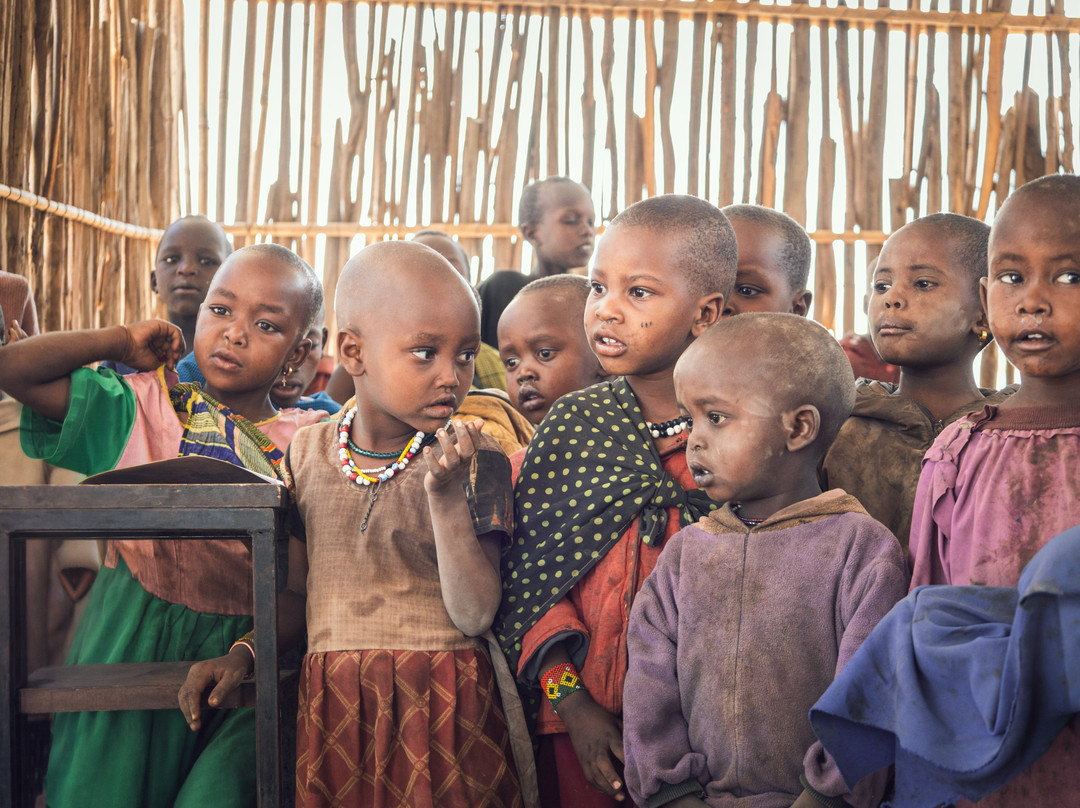
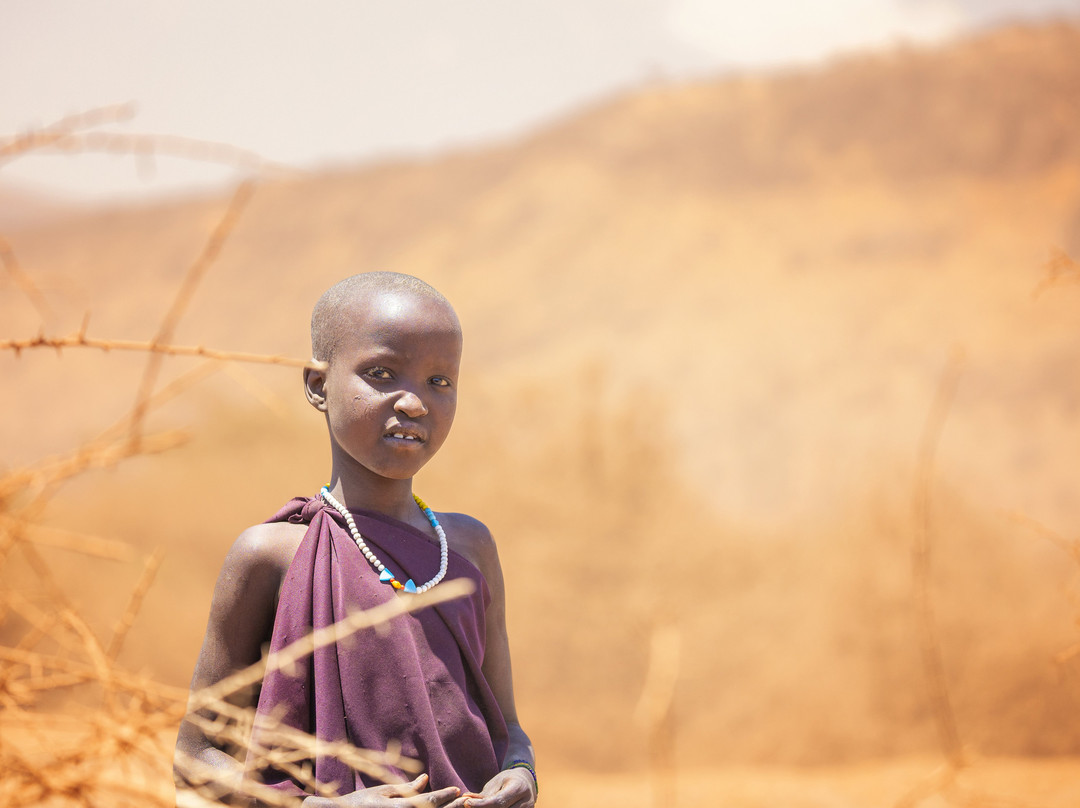
点评:As soon as we arrived, we were greeted by the "chief's son," who had an evident mastery of the iPhone and a flashy gold ring that, according to what we were told, was "fake" (I mention this because along the way we saw several people glued to their phones, and anyone who has seen them surely saw the same as we did). Throughout the visit, we were constantly urged to buy products and support the community. They sold bracelets and other items that can easily be found in many other places for a fraction of the price. What impacted us the most was the visit to a supposed school, where we saw children in conditions that we found very concerning: dirty clothes, flies everywhere, runny noses, tears, and a clear lack of care. I prefer not to delve into the images we took away from there. What bothered us the most was the feeling that they were using the children themselves to evoke pity in the visitors and obtain more money. Instead of an authentic experience of community support, we were left with the impression of participating in something designed to generate guilt and economic pressure on tourists, a clearly structural problem.
翻译:我们刚到,就有“头目之子”前来迎接。他显然对iPhone运用得得心应手,还戴着一枚耀眼的金戒指——据我们了解,那戒指是“假的”(我提到这点是因为沿途我们看到好几个人都全神贯注地盯着手机,凡是见过他们的人肯定也看到了和我们一样的情景)。在整个参观过程中,我们不断被劝说购买产品并支持这个社区。他们售卖手链及其他商品,这些物品在其他许多地方也能轻易买到,且价格仅为这里的一小部分。最让我们深受触动的是参观一所所谓的学校——在那里,我们看到孩子们的处境令人十分担忧:衣服脏兮兮的,到处都是苍蝇,流鼻涕、泪流满面,显然缺乏应有的照料。关于我们在那里拍下的画面,我宁愿不再详述。最让我们困扰的是:他们似乎在利用这些孩子来博取游客的同情,从而骗取更多钱财。我们并未获得真正的社区互助体验,反而觉得自己参与了一场旨在激起游客愧疚感并向他们施加经济压力的活动——这显然是一个结构性问题。

© 2026 Tripadvisor 版权所有。
部分照片由 VFM Leonardo 提供。
TripAdvisor公司对外部网站的内容一概不负责。优惠价格中不含税和其他费用。
ICP证:沪B2-20200433
沪ICP备20013175号
 沪公网安备31010502005427号
鹰程信息技术(上海)有限公司