下载App
资质规则
旅行
账户

Suren A
Armenia’s Legendary Observatory
Byurakan Astrophysical Observatory的点评
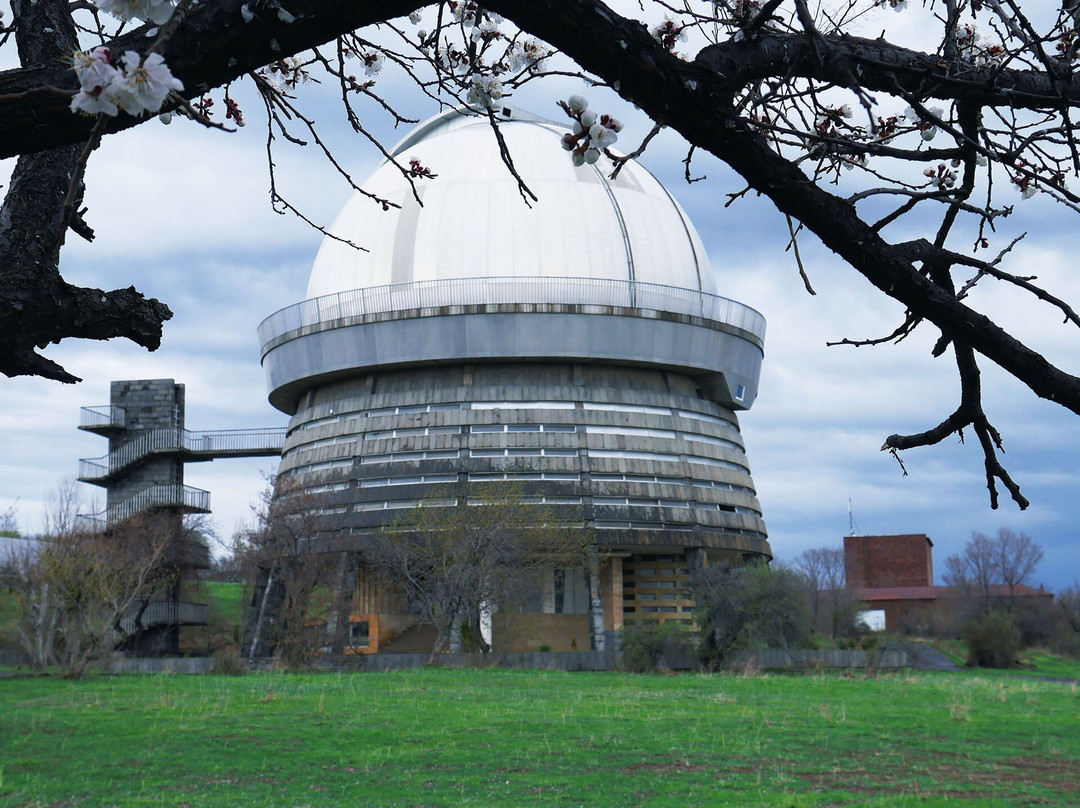
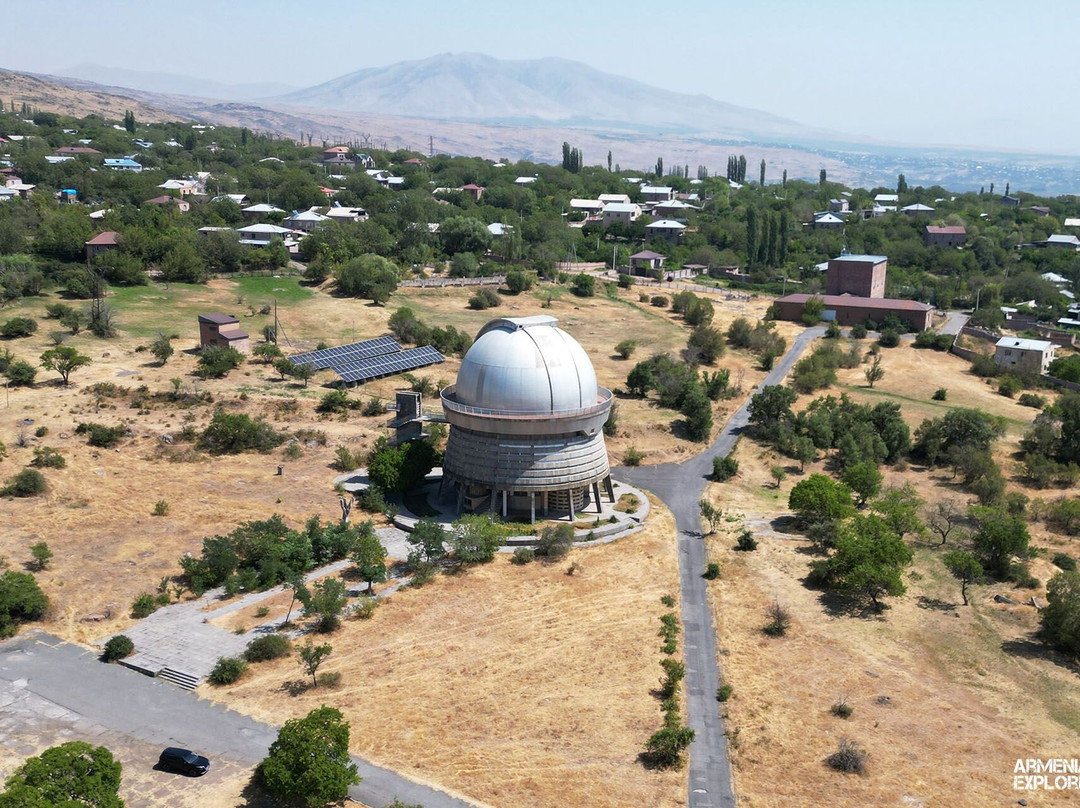
点评:As an urbex guide in Armenia, I always include a visit to the Byurakan Astrophysical Observatory in my tours. This place has a rich history and a major scientific legacy, and it attracts visitors from all over the world. Most people leave with genuinely strong impressions.
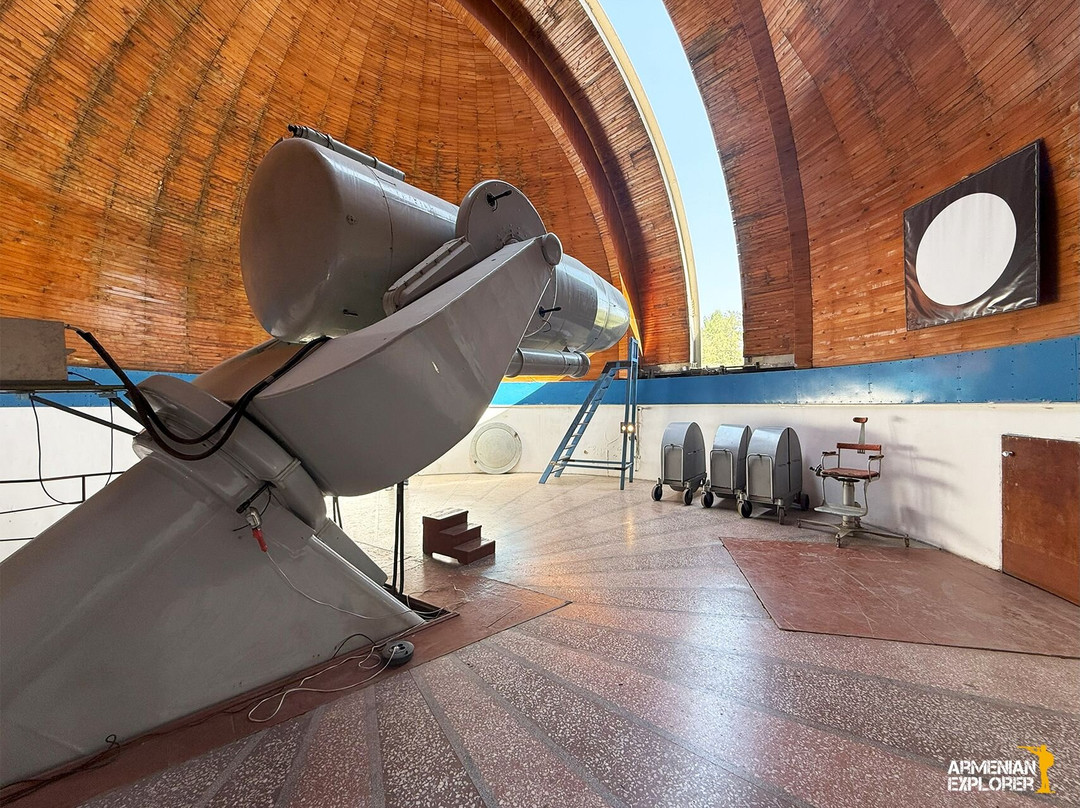
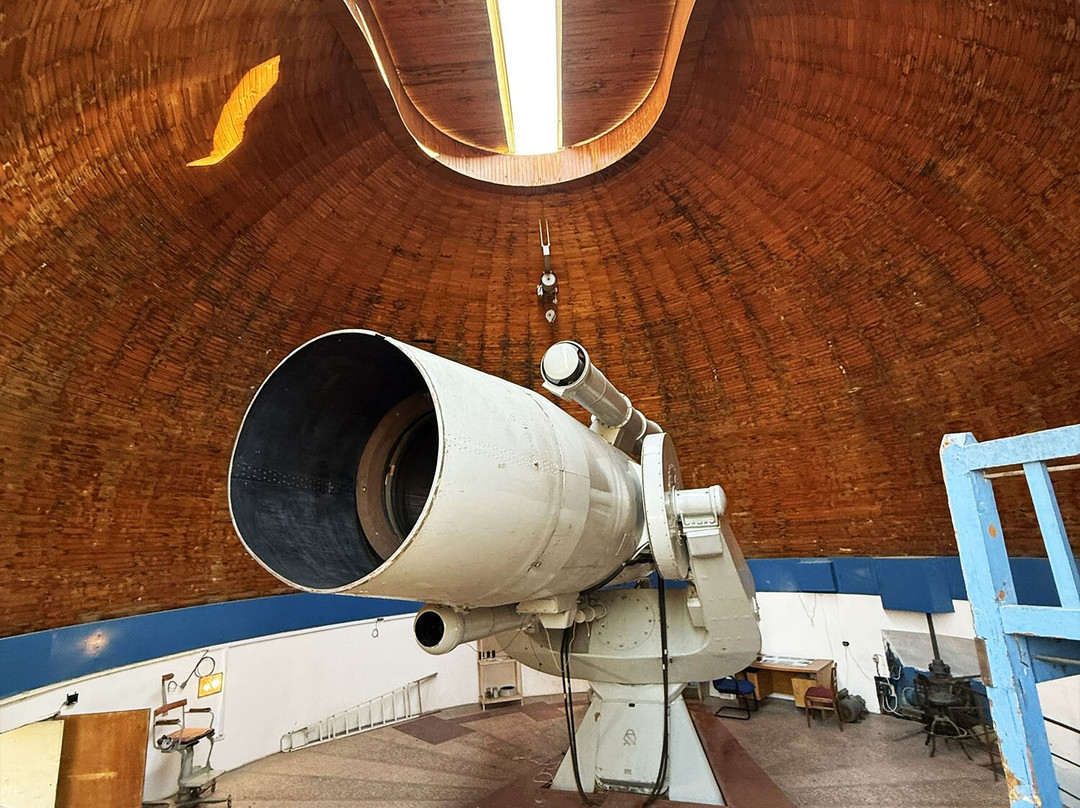
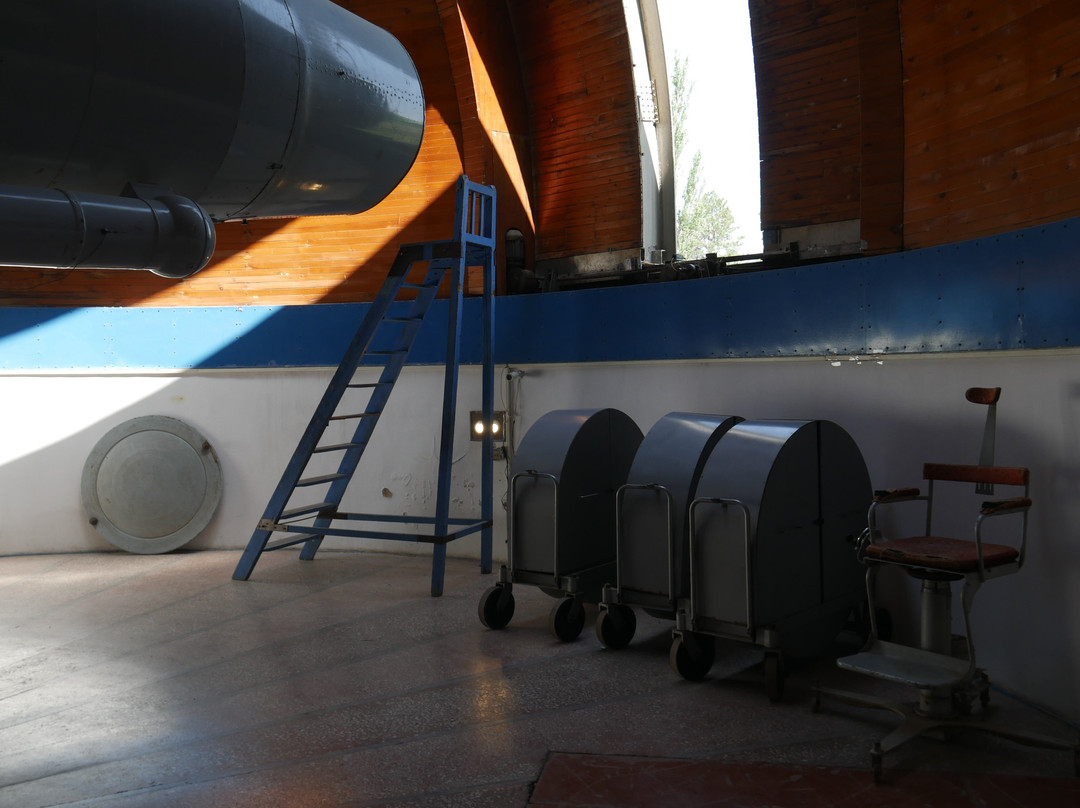
One of the main highlights is the 1-meter Schmidt telescope, famously known as a gift from Adolf Hitler to Benito Mussolini. In 1965, astronomer Benjamin Markarian used this telescope to conduct the First Byurakan Survey (FBS). During this work, he discovered numerous faint galaxies with strong ultraviolet radiation. These objects later became known as Markarian galaxies, named in his honor.
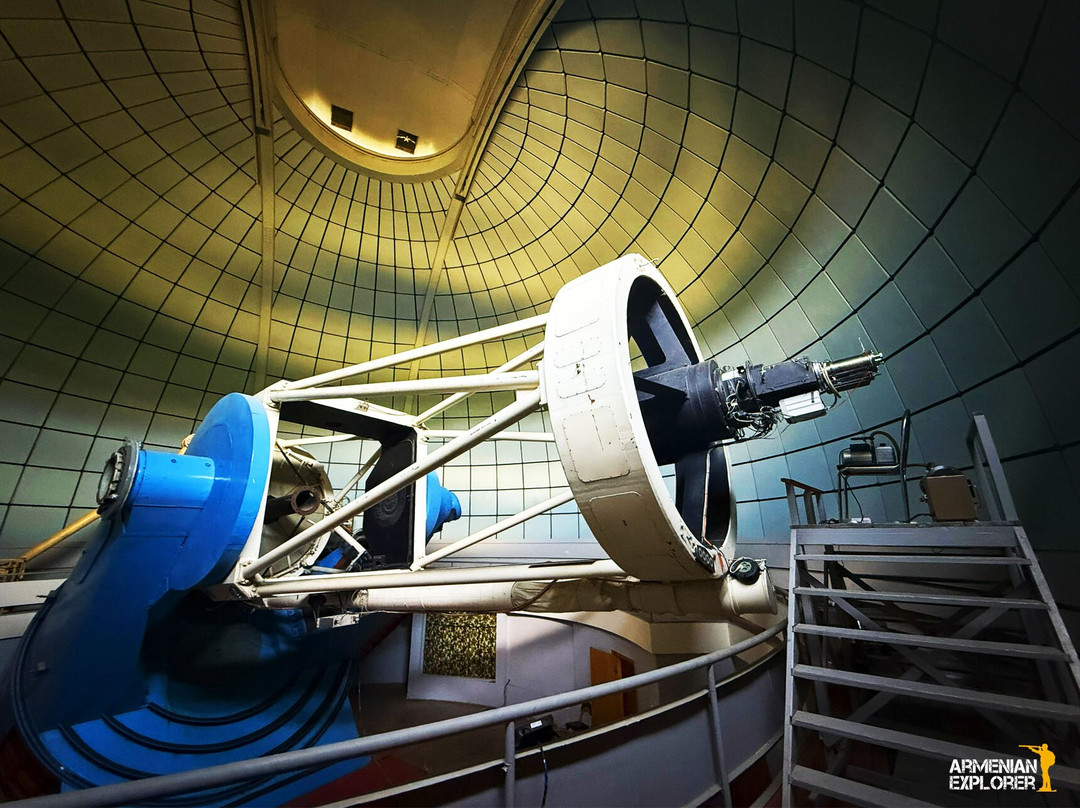
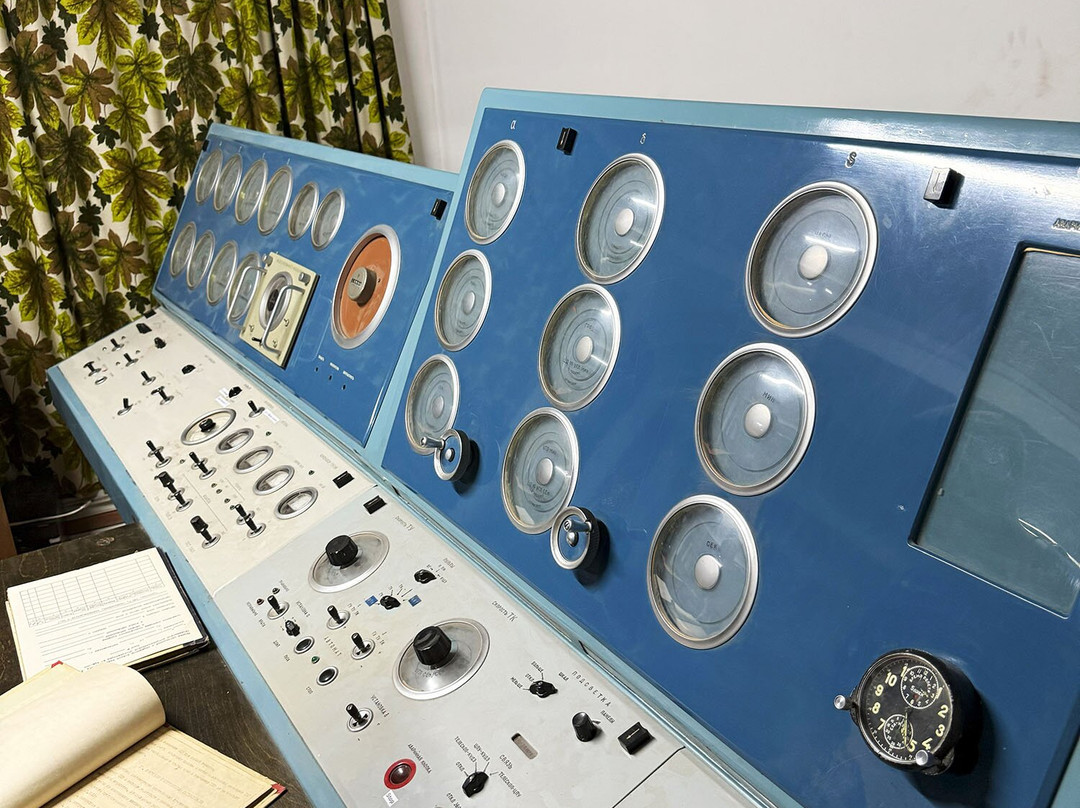
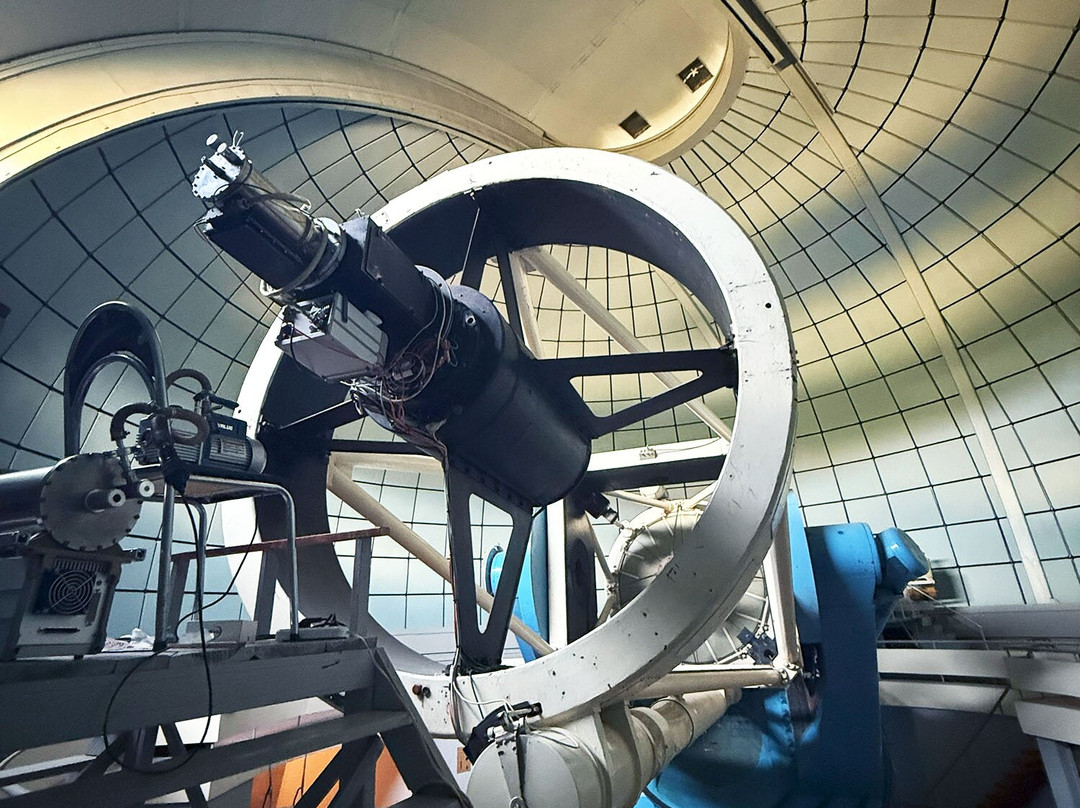
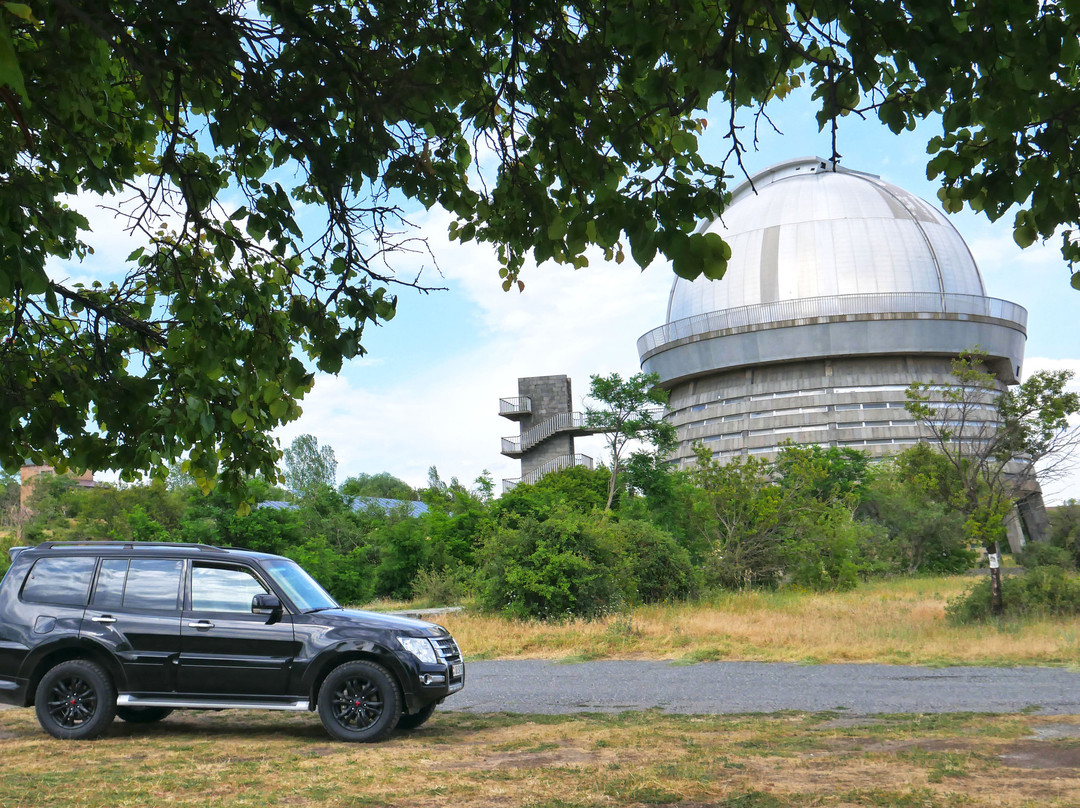
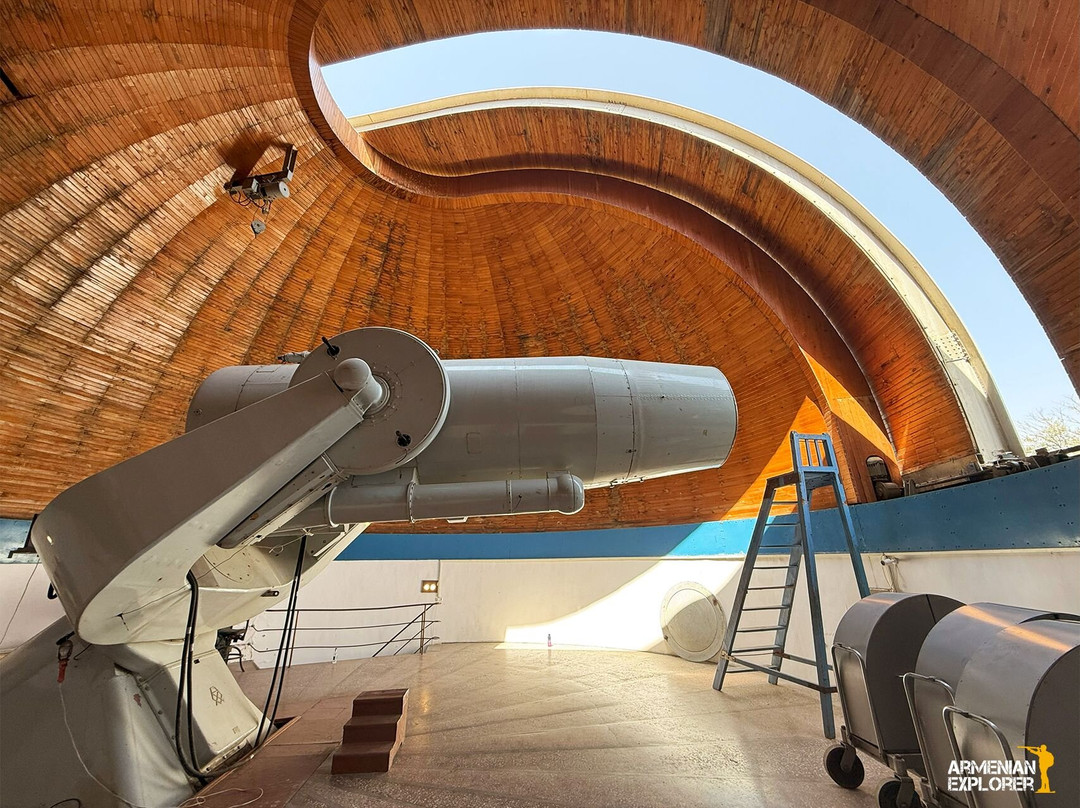
Another powerful attraction is the ZTA-2.6 telescope, the largest instrument at the observatory. Its massive dome, original control panels, and authentic scientific atmosphere make a strong impact on visitors, especially those interested in space, science, and Soviet-era research facilities.
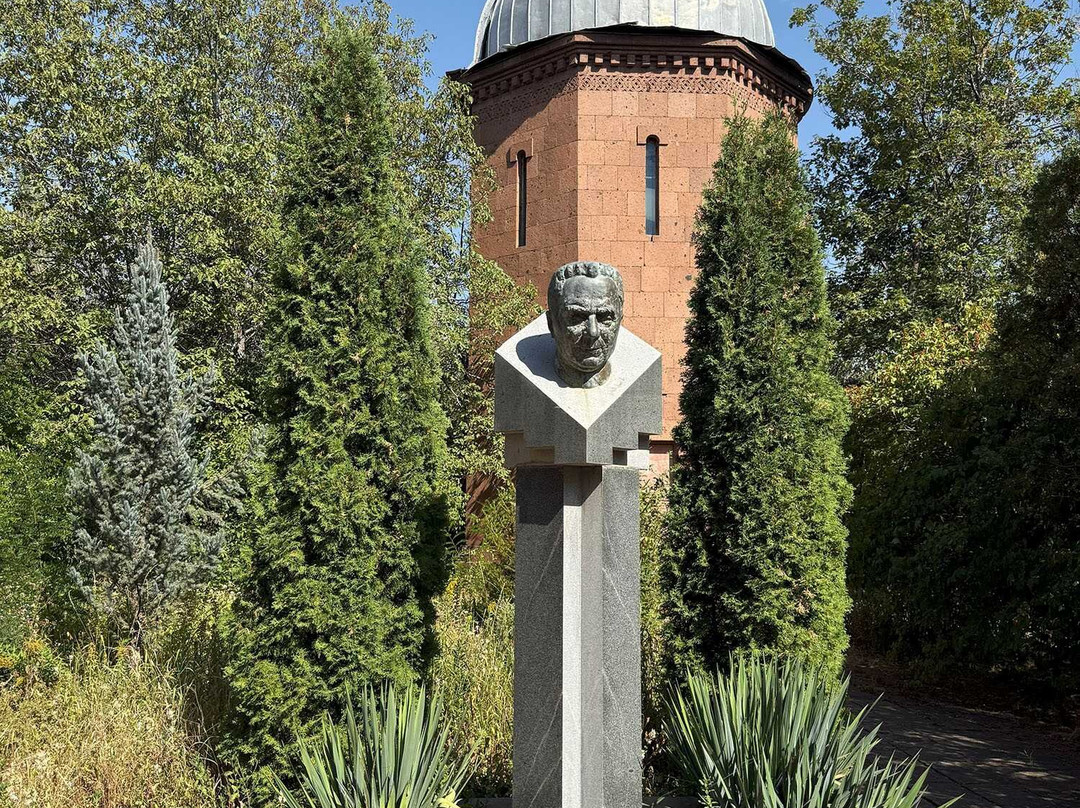
Visitors can also explore Viktor Hambartsumyan’s house museum, the founder of the observatory, which offers insight into both his scientific life and everyday world. Upon request, it is also possible to visit the Culture House, where guests can feel the atmosphere of Soviet modernist architecture.
One of the main highlights is the 1-meter Schmidt telescope, famously known as a gift from Adolf Hitler to Benito Mussolini. In 1965, astronomer Benjamin Markarian used this telescope to conduct the First Byurakan Survey (FBS). During this work, he discovered numerous faint galaxies with strong ultraviolet radiation. These objects later became known as Markarian galaxies, named in his honor.
Another powerful attraction is the ZTA-2.6 telescope, the largest instrument at the observatory. Its massive dome, original control panels, and authentic scientific atmosphere make a strong impact on visitors, especially those interested in space, science, and Soviet-era research facilities.
Visitors can also explore Viktor Hambartsumyan’s house museum, the founder of the observatory, which offers insight into both his scientific life and everyday world. Upon request, it is also possible to visit the Culture House, where guests can feel the atmosphere of Soviet modernist architecture.
翻译:作为一名亚美尼亚的城市探险向导,我总会在我的行程中安排参观比尤拉坎天体物理天文台。这里历史悠久,拥有重要的科学遗产,吸引着来自世界各地的游客。大多数游客离开时都留下了深刻的印象。
其中最引人注目的是那架著名的1米施密特望远镜,它曾是希特勒送给墨索里尼的礼物。1965年,天文学家本杰明·马卡良利用这架望远镜进行了第一次比尤拉坎巡天(FBS)。在这次巡天中,他发现了许多具有强烈紫外辐射的暗淡星系。这些星系后来被称为马卡良星系,以纪念他。
另一大亮点是ZTA-2.6望远镜,它是天文台最大的仪器。它巨大的圆顶、原始的控制面板以及浓厚的科学氛围,都给游客留下了深刻的印象,尤其是那些对太空、科学和苏联时期科研设施感兴趣的游客。
游客还可以参观天文台创始人维克托·汉巴尔楚米扬的故居博物馆,深入了解他的科学生涯和日常生活。如有需要,游客还可以参观文化馆,感受苏联现代主义建筑的氛围。
其中最引人注目的是那架著名的1米施密特望远镜,它曾是希特勒送给墨索里尼的礼物。1965年,天文学家本杰明·马卡良利用这架望远镜进行了第一次比尤拉坎巡天(FBS)。在这次巡天中,他发现了许多具有强烈紫外辐射的暗淡星系。这些星系后来被称为马卡良星系,以纪念他。
另一大亮点是ZTA-2.6望远镜,它是天文台最大的仪器。它巨大的圆顶、原始的控制面板以及浓厚的科学氛围,都给游客留下了深刻的印象,尤其是那些对太空、科学和苏联时期科研设施感兴趣的游客。
游客还可以参观天文台创始人维克托·汉巴尔楚米扬的故居博物馆,深入了解他的科学生涯和日常生活。如有需要,游客还可以参观文化馆,感受苏联现代主义建筑的氛围。


© 2026 Tripadvisor 版权所有。
部分照片由 VFM Leonardo 提供。
TripAdvisor公司对外部网站的内容一概不负责。优惠价格中不含税和其他费用。
ICP证:沪B2-20200433
沪ICP备20013175号
 沪公网安备31010502005427号
鹰程信息技术(上海)有限公司