下载App
资质规则
旅行
账户
Alexander I
It leaves you with a heavy, existential weight.
Lycian Way Trail的点评
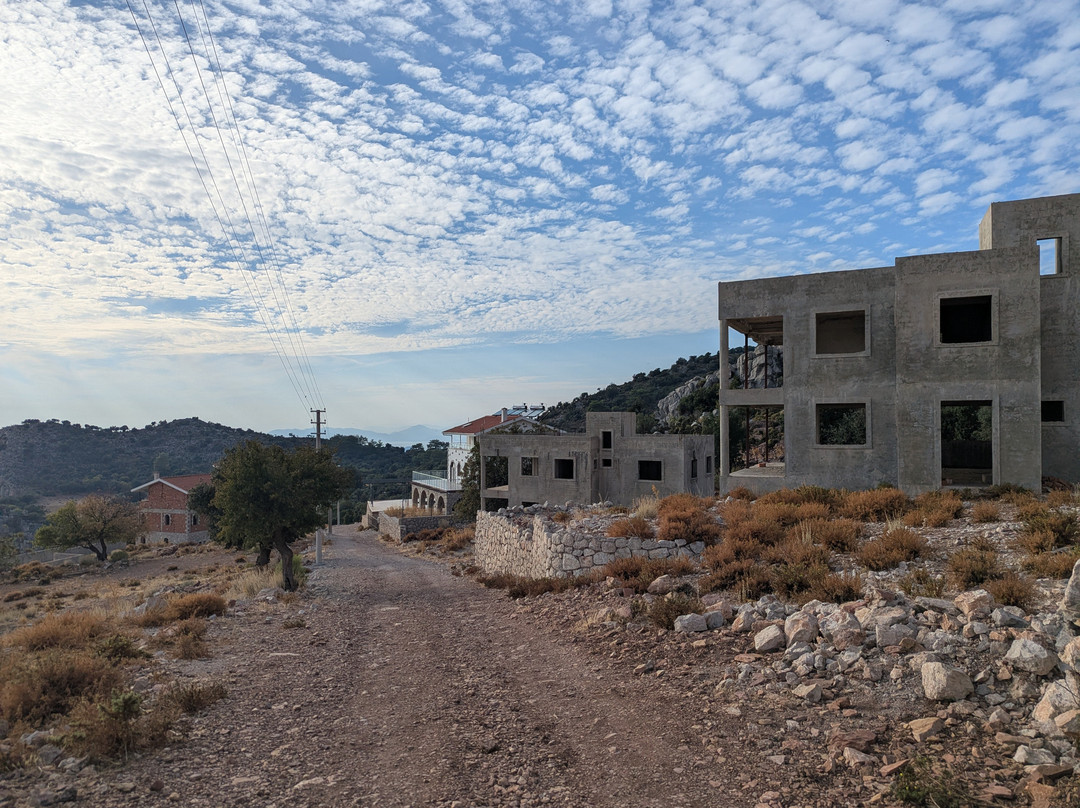
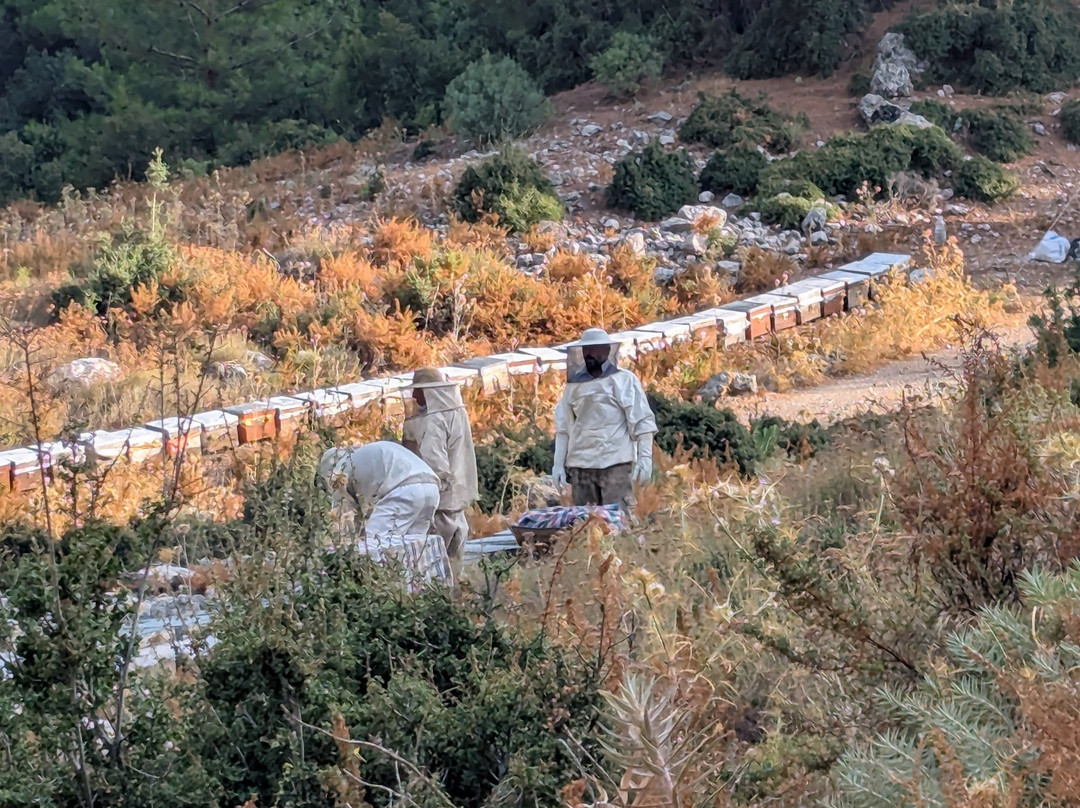
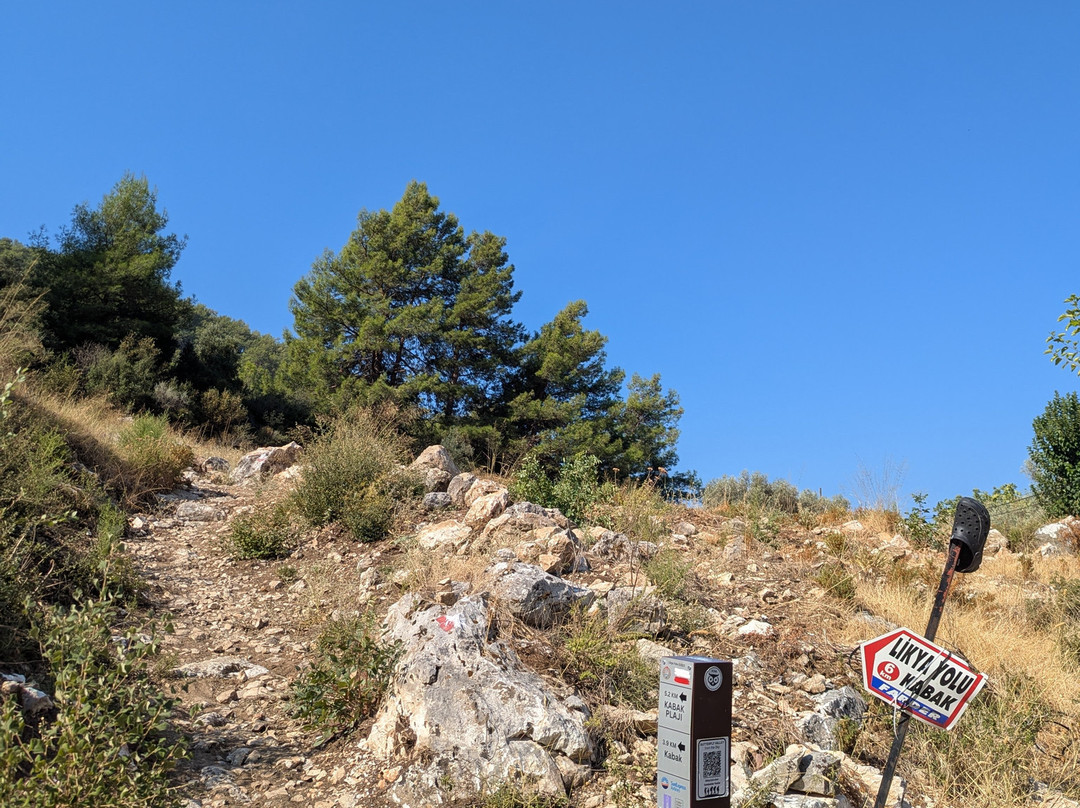
点评:Not the brightest idea of an English woman to create a hiking experience in rural Turkey. It feels like local people are not at all pleased about this idea, hence bee hives and gates are right on the track.
When you have seen the reality of the place without the polished tourist filters, this journey brings bitterness and a sense of internal emptiness instead of pure inspiration.
The idea behind Kate Clow's project created a harsh social and cultural paradox that the region was simply not prepared for:
- Why the Lycian Way felt "forced" upon the region?
* Imported cultural concepts: The British founder brought a purely Western concept of long-distance hiking and backpacking into conservative, isolated Turkish villages. For the local villagers, the idea of "walking hundreds of miles for pleasure with a heavy backpack" seemed—and often still seems—completely bizarre.
* Invasion of private property: The trail blazers often mapped the route along ancient pastoral and caravan paths. Over the centuries, however, these paths had naturally become parts of private lands, backyards, or family pastures. The locals were rarely consulted. Therefore, the fences and beehives you see blocking the path are their passive-aggressive way of reclaiming control over their own land.
* The tourist as a nuisance: Instead of a few mindful travelers, the trail eventually brought thousands of people. For conservative mountain villagers, hikers walking around in shorts and skimpy clothing, setting up wild campsites, became a cultural shock—and a massive source of litter that the villages had to deal with on their own.
Why the bitter taste?
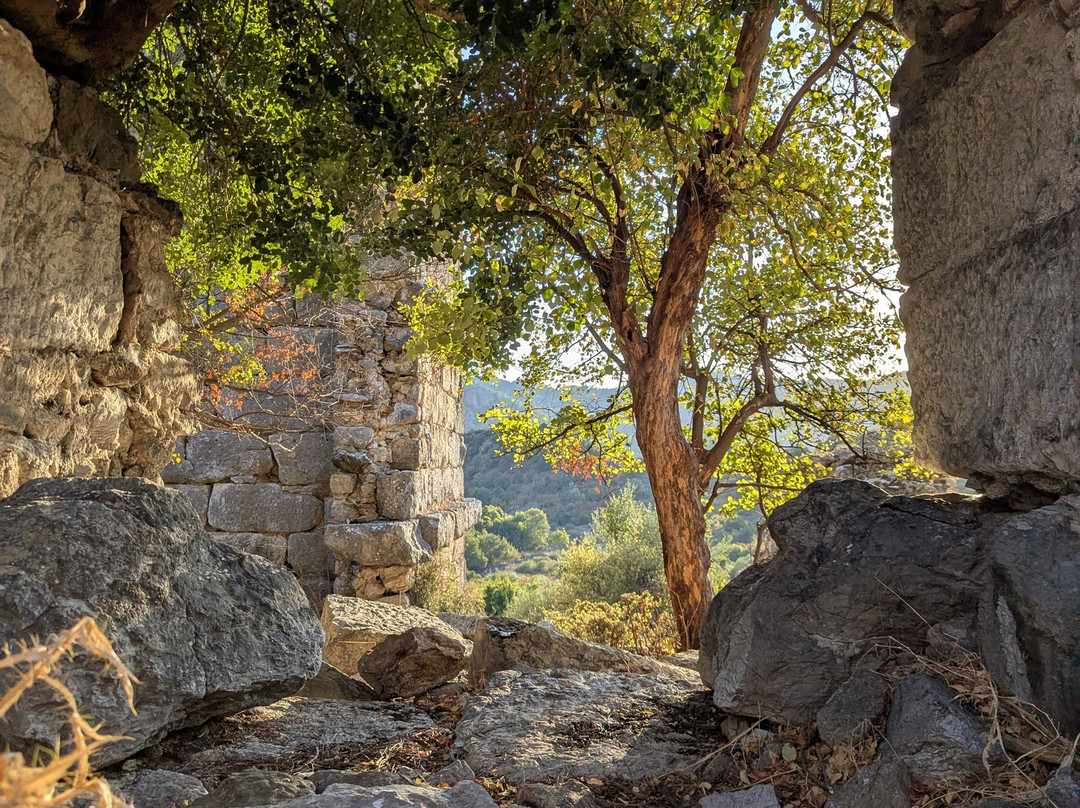
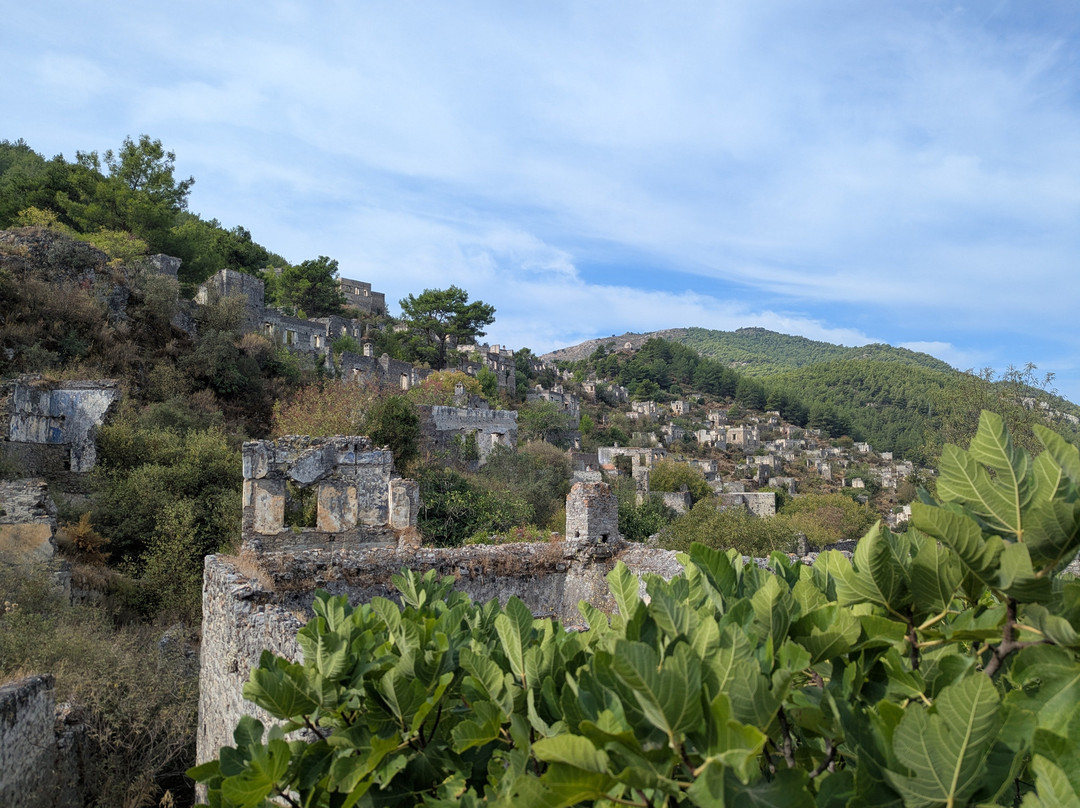
It leaves a lingering feeling of disconnect. On one hand, you have a grand history (Lycians, Romans, Byzantine Greeks) and breathtaking nature. On the other hand, you see the modern inhabitants living in this ornamental space without sharing any spiritual or cultural bond with it.
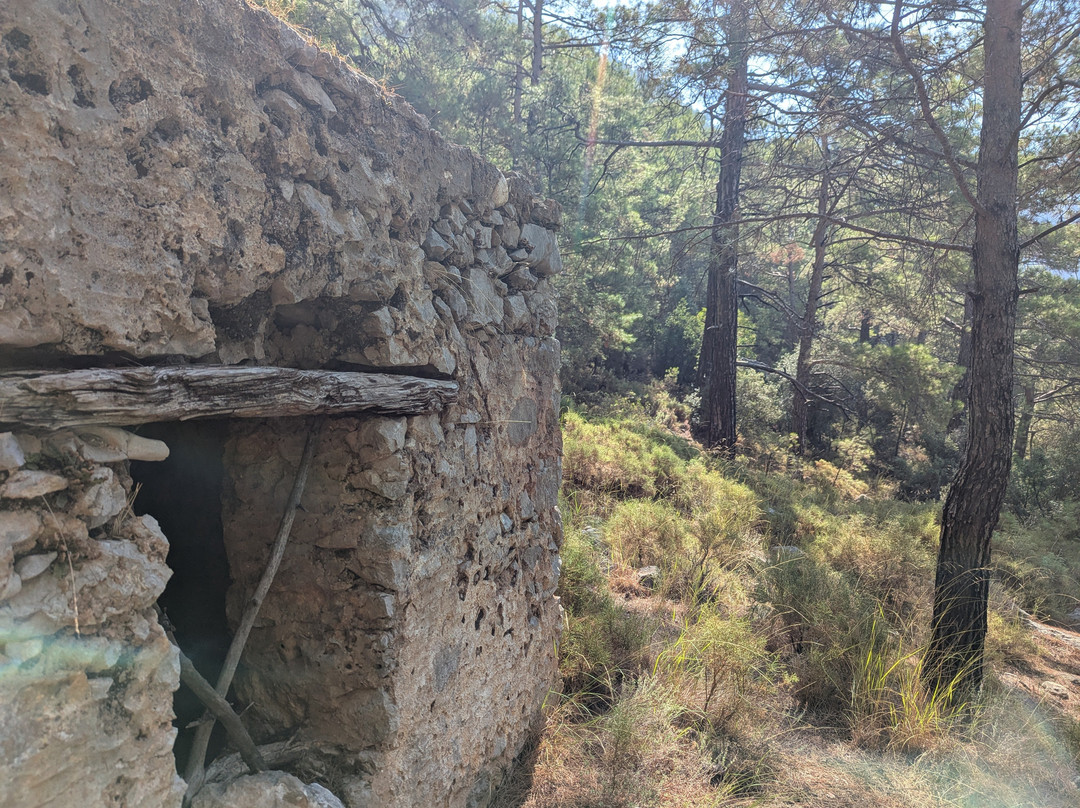
The route exposes a massive humanitarian crisis of memory: civilizations replace one another, historical memory gets erased, pillaged greek cities get monetized, goat pens are built right on top of ancient temple foundations.
When you have seen the reality of the place without the polished tourist filters, this journey brings bitterness and a sense of internal emptiness instead of pure inspiration.
The idea behind Kate Clow's project created a harsh social and cultural paradox that the region was simply not prepared for:
- Why the Lycian Way felt "forced" upon the region?
* Imported cultural concepts: The British founder brought a purely Western concept of long-distance hiking and backpacking into conservative, isolated Turkish villages. For the local villagers, the idea of "walking hundreds of miles for pleasure with a heavy backpack" seemed—and often still seems—completely bizarre.
* Invasion of private property: The trail blazers often mapped the route along ancient pastoral and caravan paths. Over the centuries, however, these paths had naturally become parts of private lands, backyards, or family pastures. The locals were rarely consulted. Therefore, the fences and beehives you see blocking the path are their passive-aggressive way of reclaiming control over their own land.
* The tourist as a nuisance: Instead of a few mindful travelers, the trail eventually brought thousands of people. For conservative mountain villagers, hikers walking around in shorts and skimpy clothing, setting up wild campsites, became a cultural shock—and a massive source of litter that the villages had to deal with on their own.
Why the bitter taste?
It leaves a lingering feeling of disconnect. On one hand, you have a grand history (Lycians, Romans, Byzantine Greeks) and breathtaking nature. On the other hand, you see the modern inhabitants living in this ornamental space without sharing any spiritual or cultural bond with it.
The route exposes a massive humanitarian crisis of memory: civilizations replace one another, historical memory gets erased, pillaged greek cities get monetized, goat pens are built right on top of ancient temple foundations.
翻译:对于一个英国女性来说,打算在土耳其的乡村地区打造徒步旅游项目实在不是个好主意。当地居民显然对此颇有不满,所以蜂箱和栅栏都被直接设置在徒步路径上。
当你抛开那些精心包装的旅游宣传,亲眼见到那里的真实面貌后,这次旅行带给你的不是纯粹的灵感与愉悦,而是苦涩的感受以及内心的空虚。凯特·克洛所发起的项目引发了一个该地区完全无法应对的严酷社会与文化悖论:
- 为何“利西亚之路”会给该地区带来一种“强加感”?
* 外来文化理念:这位英国创始人将源自西方的“长途徒步与背包旅行”理念引入了那些保守且与世隔绝的土耳其村庄。对当地村民而言,“背着沉重的背包行走数百英里以求娱乐”这种想法过去如此,如今依然显得极其荒谬。* 对私人财产的侵犯:开拓者们通常沿着古老的牧道或商队路线来规划路线。然而几个世纪以来,这些道路自然而然地成了私人土地、后院或家族牧场的一部分。当地居民很少被征询意见。因此,那些挡在路上的围栏和蜂箱其实是他们试图重新掌控自己土地的一种消极抵抗方式。
* 游客成了麻烦制造者:如今出现的并非少数有素质的旅行者,这条路线最终吸引了成千上万的人前来。对于那些保守的山区村民来说,穿着短裤、衣着暴露的徒步旅行者随意扎营的行为简直是一种文化冲击——这些人还制造了大量垃圾,而村民们只能自行清理。
为何会有这种苦涩的滋味呢?
它给人留下了一种割裂感。一方面,这里有辉煌的历史(吕西亚人、罗马人、拜占庭希腊人)以及令人叹为观止的自然风光;另一方面……你可以看到,现代的居民们生活在这个充满装饰性的空间中,却与它毫无任何精神或文化上的联系。
这条路线揭示了一场严重的人道主义记忆危机:各种文明彼此更迭,历史记忆被抹去;被洗劫一空的希腊城市变成了赚钱的工具;而羊圈则直接建在古老神庙的基石之上。
当你抛开那些精心包装的旅游宣传,亲眼见到那里的真实面貌后,这次旅行带给你的不是纯粹的灵感与愉悦,而是苦涩的感受以及内心的空虚。凯特·克洛所发起的项目引发了一个该地区完全无法应对的严酷社会与文化悖论:
- 为何“利西亚之路”会给该地区带来一种“强加感”?
* 外来文化理念:这位英国创始人将源自西方的“长途徒步与背包旅行”理念引入了那些保守且与世隔绝的土耳其村庄。对当地村民而言,“背着沉重的背包行走数百英里以求娱乐”这种想法过去如此,如今依然显得极其荒谬。* 对私人财产的侵犯:开拓者们通常沿着古老的牧道或商队路线来规划路线。然而几个世纪以来,这些道路自然而然地成了私人土地、后院或家族牧场的一部分。当地居民很少被征询意见。因此,那些挡在路上的围栏和蜂箱其实是他们试图重新掌控自己土地的一种消极抵抗方式。
* 游客成了麻烦制造者:如今出现的并非少数有素质的旅行者,这条路线最终吸引了成千上万的人前来。对于那些保守的山区村民来说,穿着短裤、衣着暴露的徒步旅行者随意扎营的行为简直是一种文化冲击——这些人还制造了大量垃圾,而村民们只能自行清理。
为何会有这种苦涩的滋味呢?
它给人留下了一种割裂感。一方面,这里有辉煌的历史(吕西亚人、罗马人、拜占庭希腊人)以及令人叹为观止的自然风光;另一方面……你可以看到,现代的居民们生活在这个充满装饰性的空间中,却与它毫无任何精神或文化上的联系。
这条路线揭示了一场严重的人道主义记忆危机:各种文明彼此更迭,历史记忆被抹去;被洗劫一空的希腊城市变成了赚钱的工具;而羊圈则直接建在古老神庙的基石之上。

© 2026 Tripadvisor 版权所有。
部分照片由 VFM Leonardo 提供。
TripAdvisor公司对外部网站的内容一概不负责。优惠价格中不含税和其他费用。
ICP证:沪B2-20200433
沪ICP备20013175号
 沪公网安备31010502005427号
鹰程信息技术(上海)有限公司