下载App
资质规则
旅行
账户

debislinger
Great local market - watch your pockets though
Osh Bazaar的点评
点评:Osh Bazaar isn’t beautiful.
Not in the polished, postcard sense.
It’s noisy.
It’s crowded.
It’s a little overwhelming.
And that’s exactly why I loved it.
Markets like this aren’t built for visitors.
They’re built for everyday life.
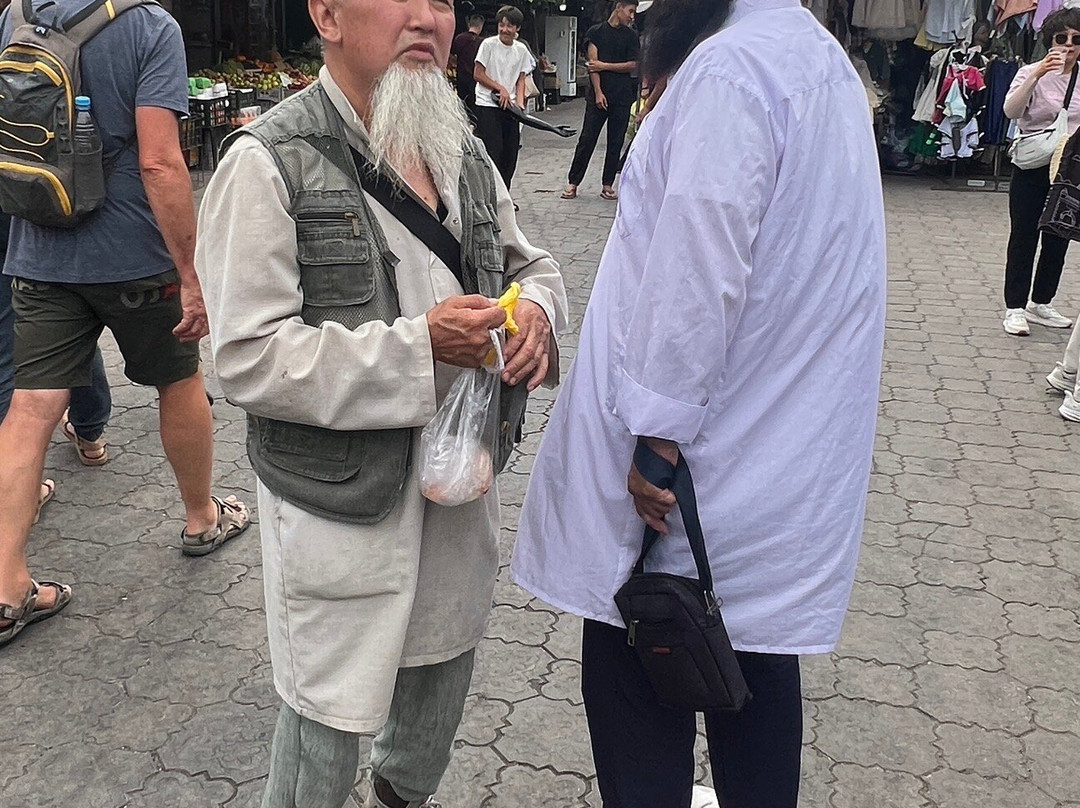
Grandparents choosing vegetables.
Young men loading sacks of walnuts.
Friends stopping for a chat.
Families buying enough dried fruit to last through winter.
You don’t wander through Osh Bazaar…
You become part of it.
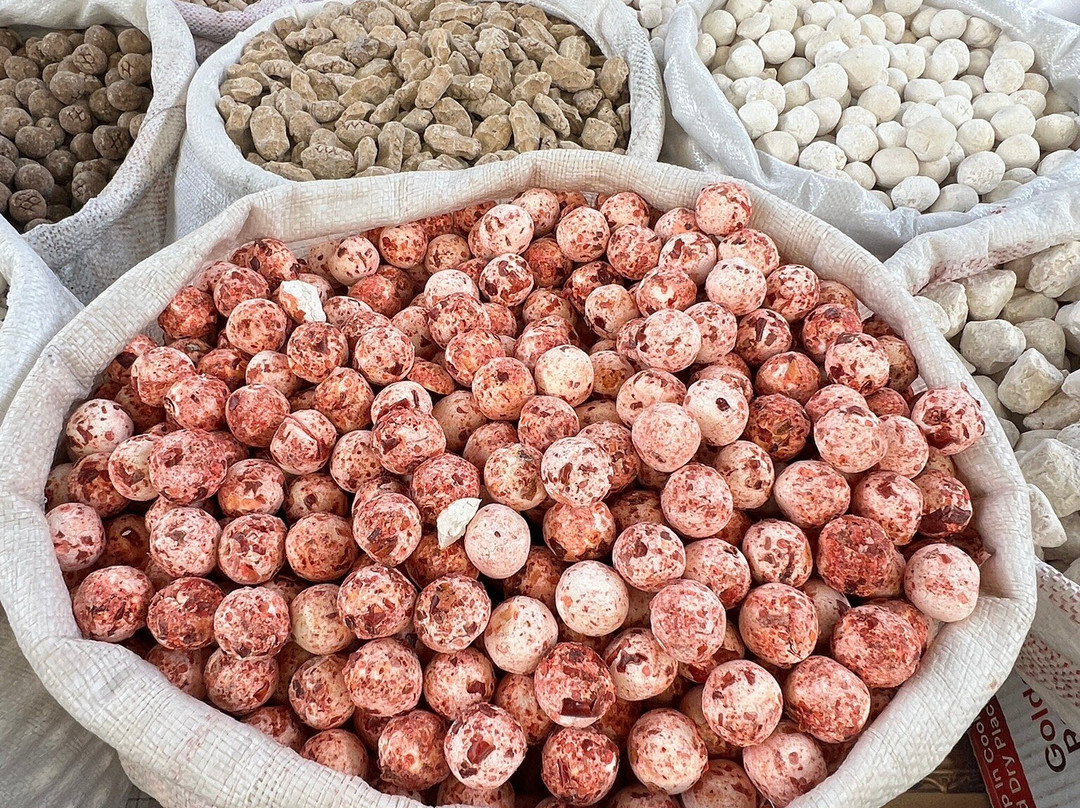
The colours are impossible to ignore.
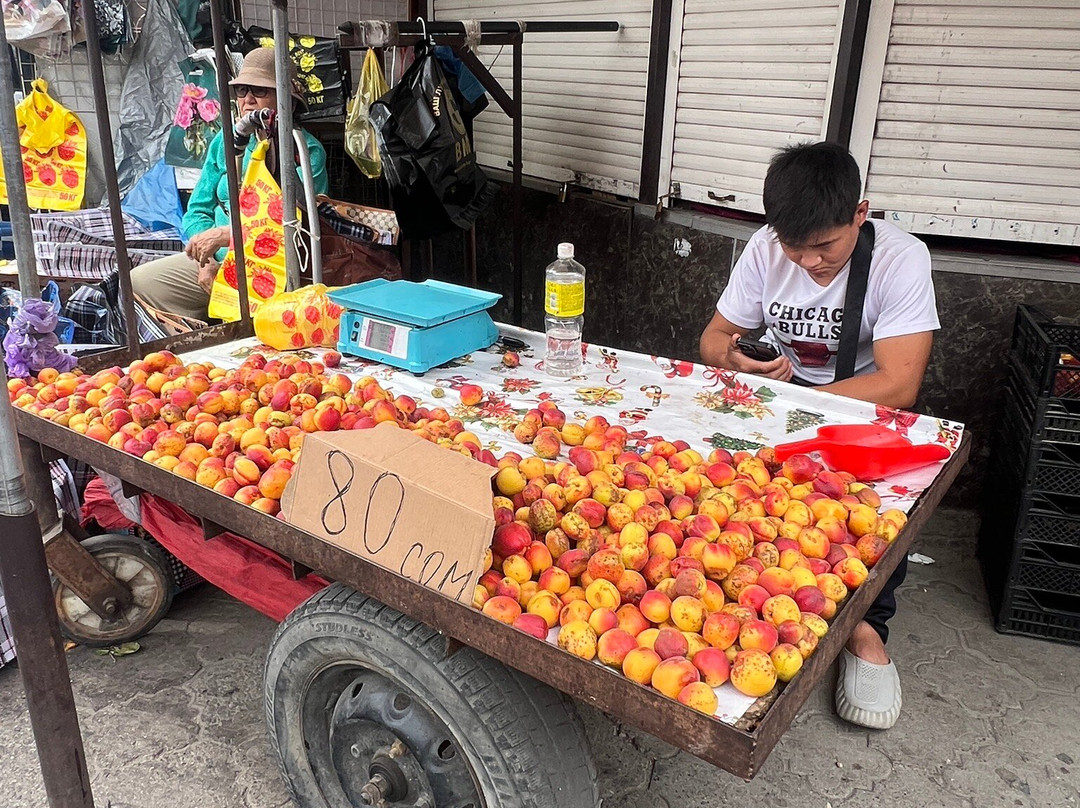
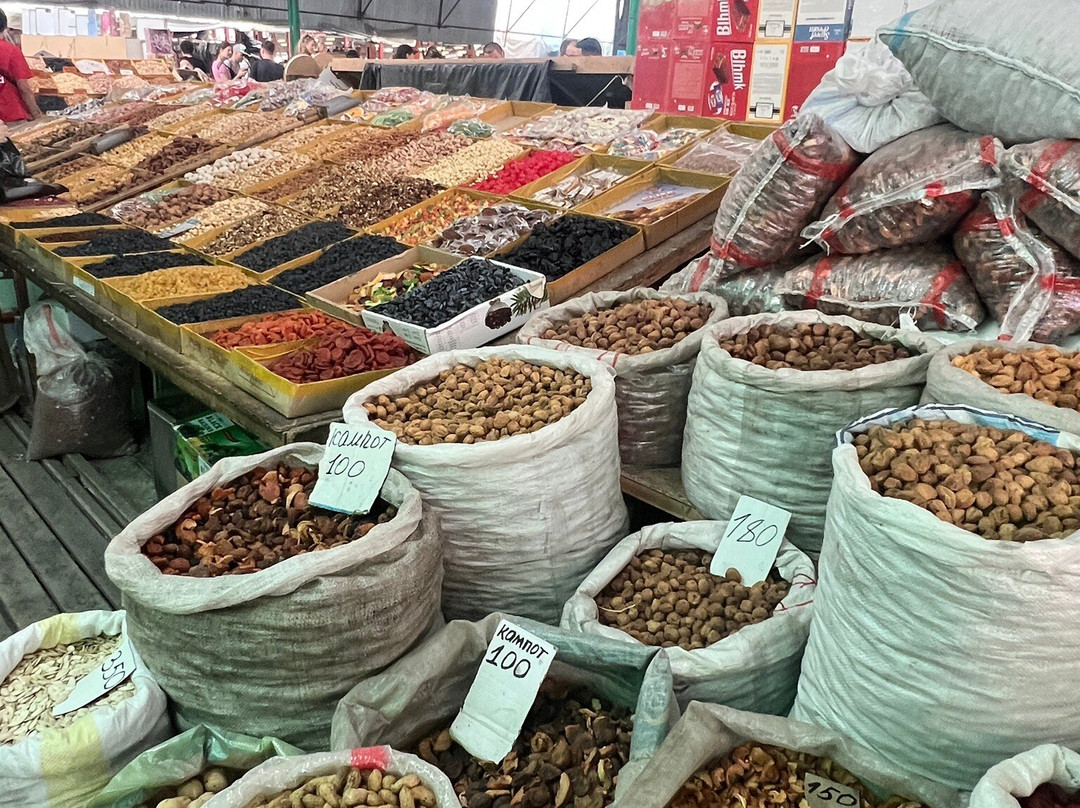
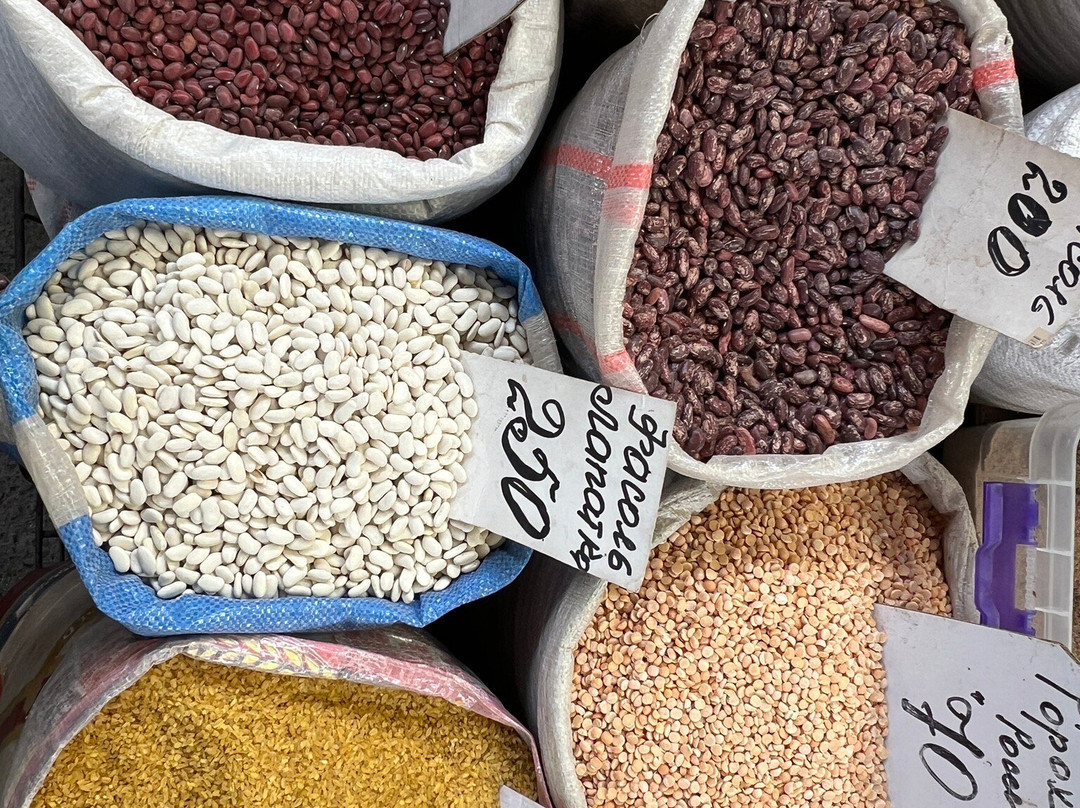
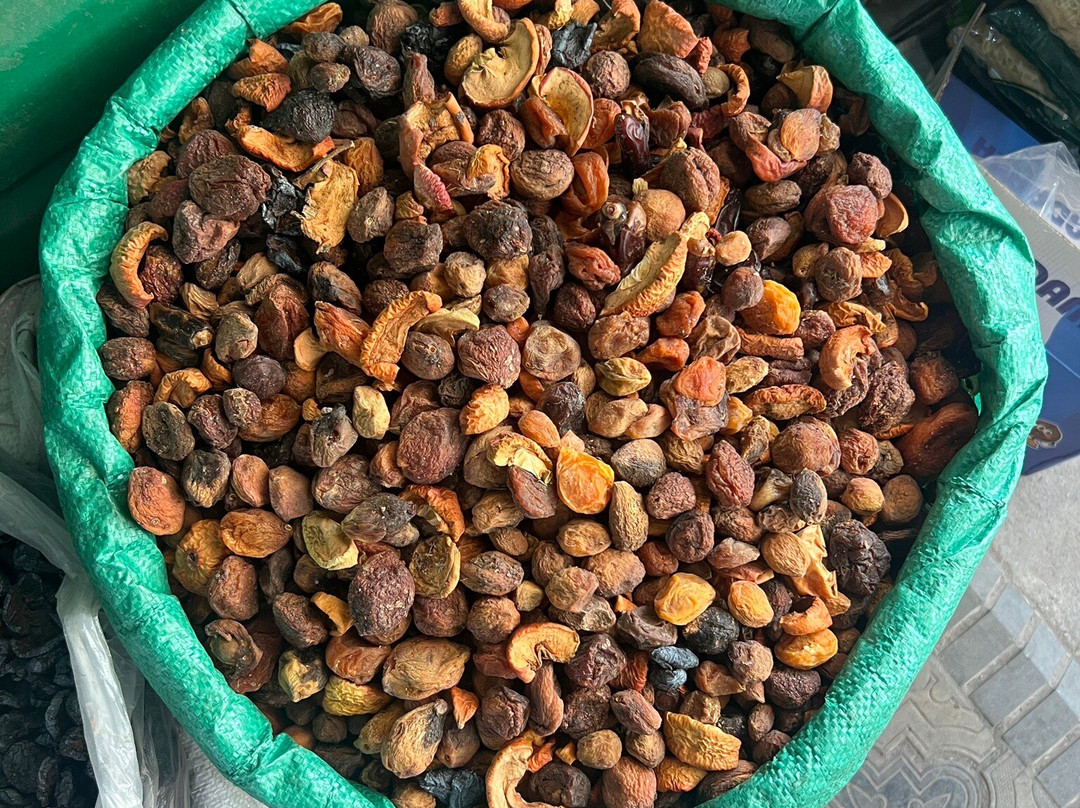
Towering piles of apricots, raisins and walnuts.
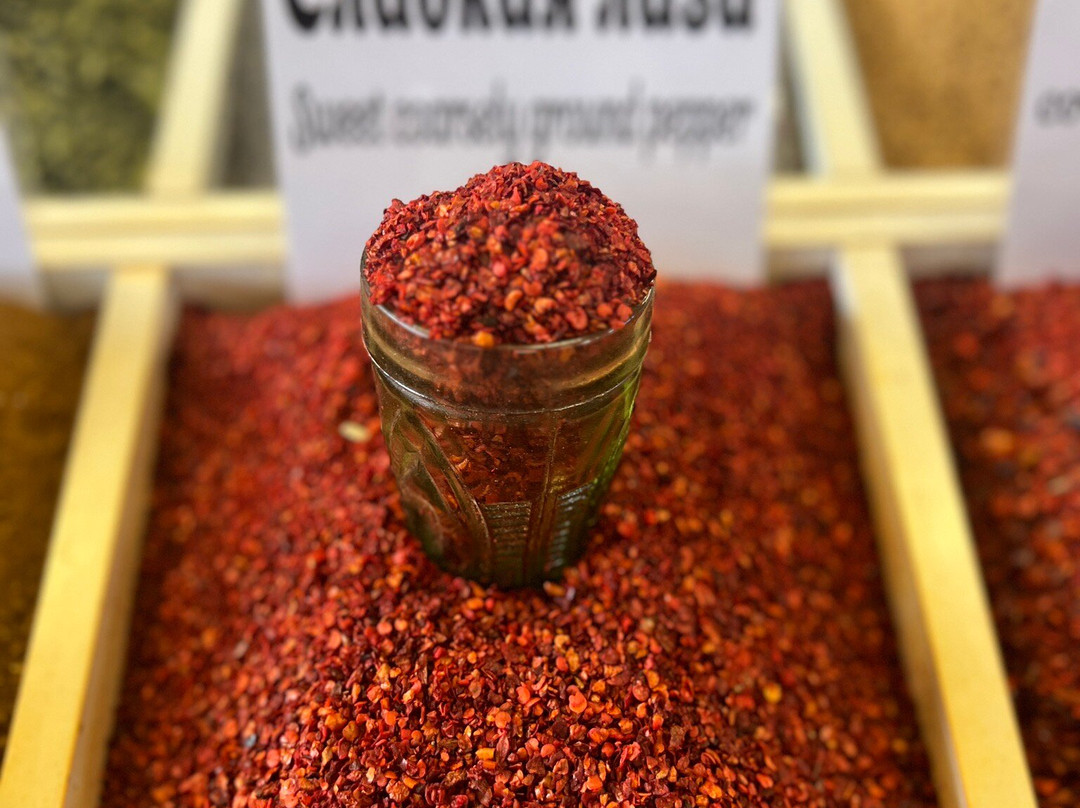
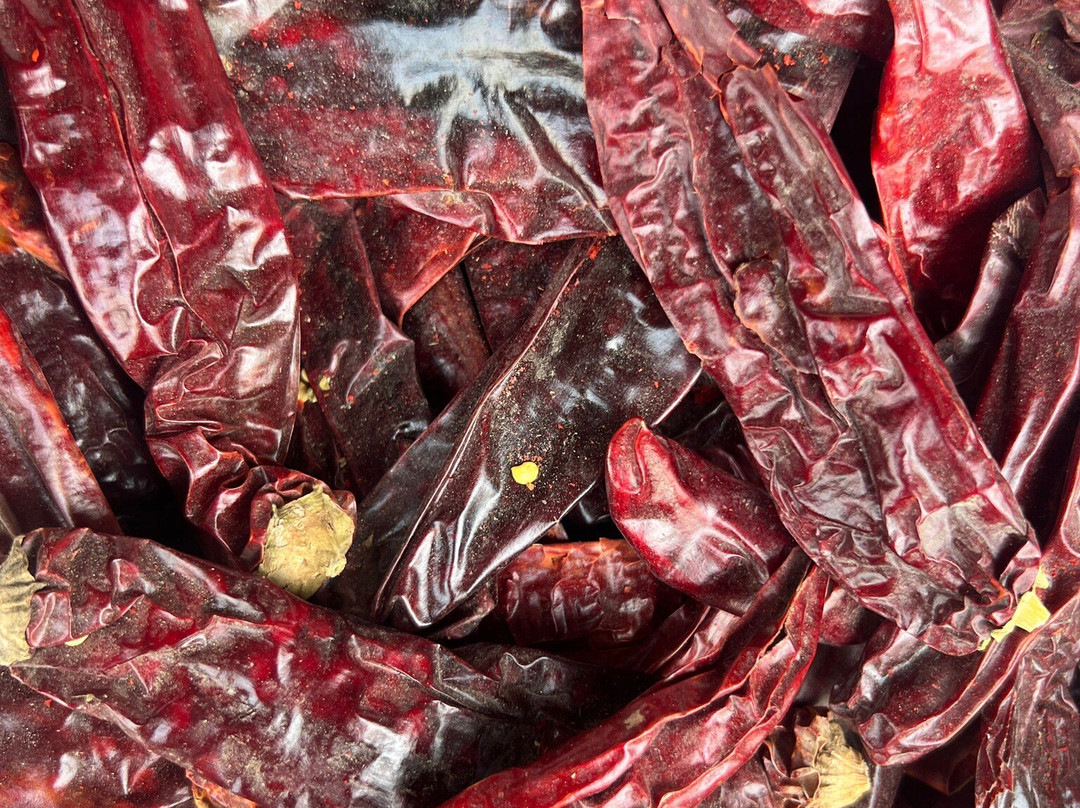
Spices in every shade imaginable.
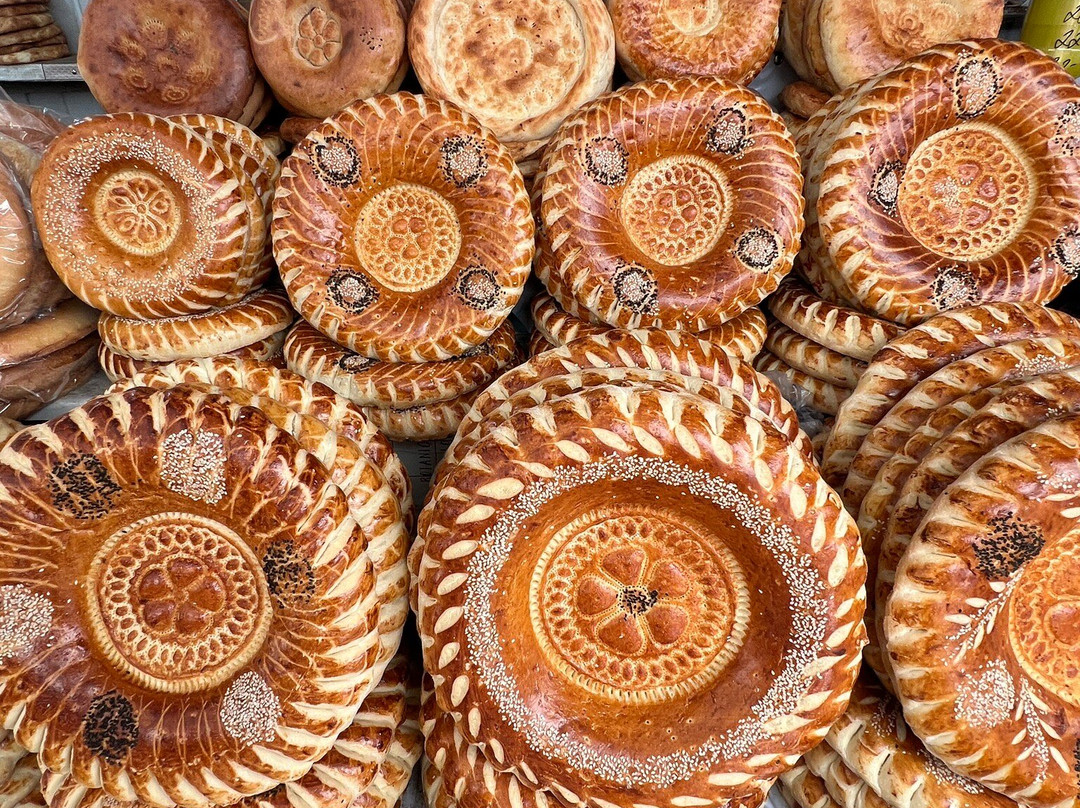
Fresh bread still warm.
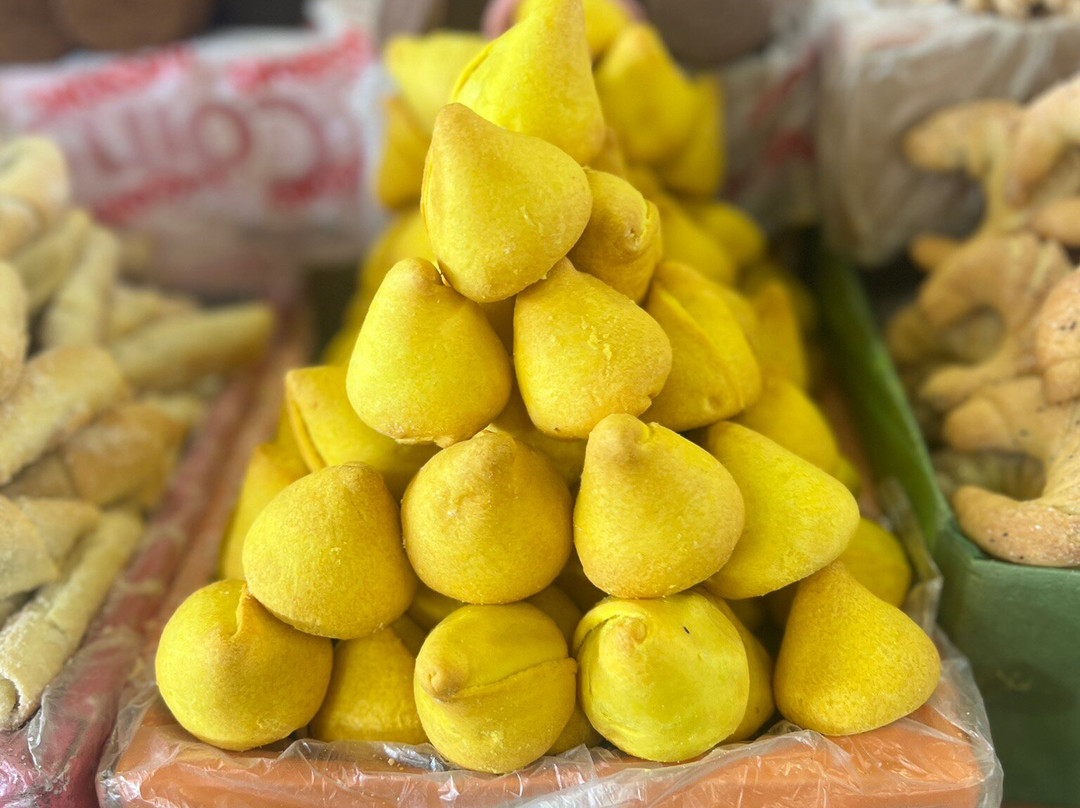
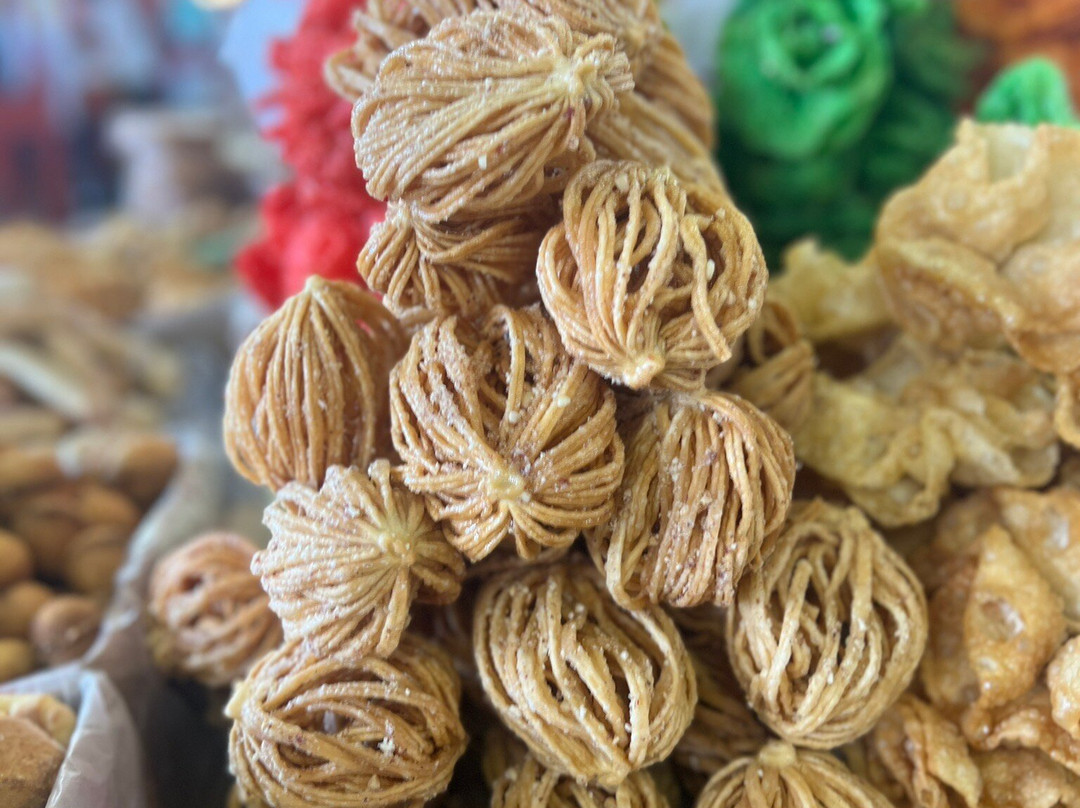
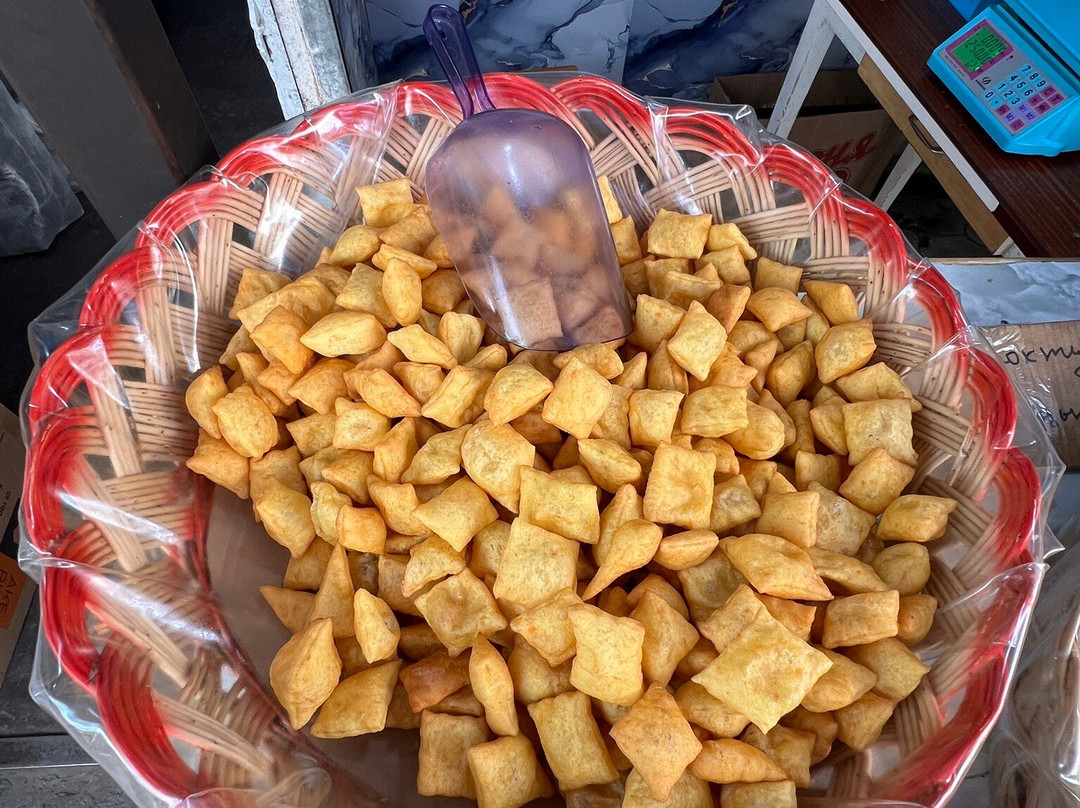
Rows of mysterious local sweets.
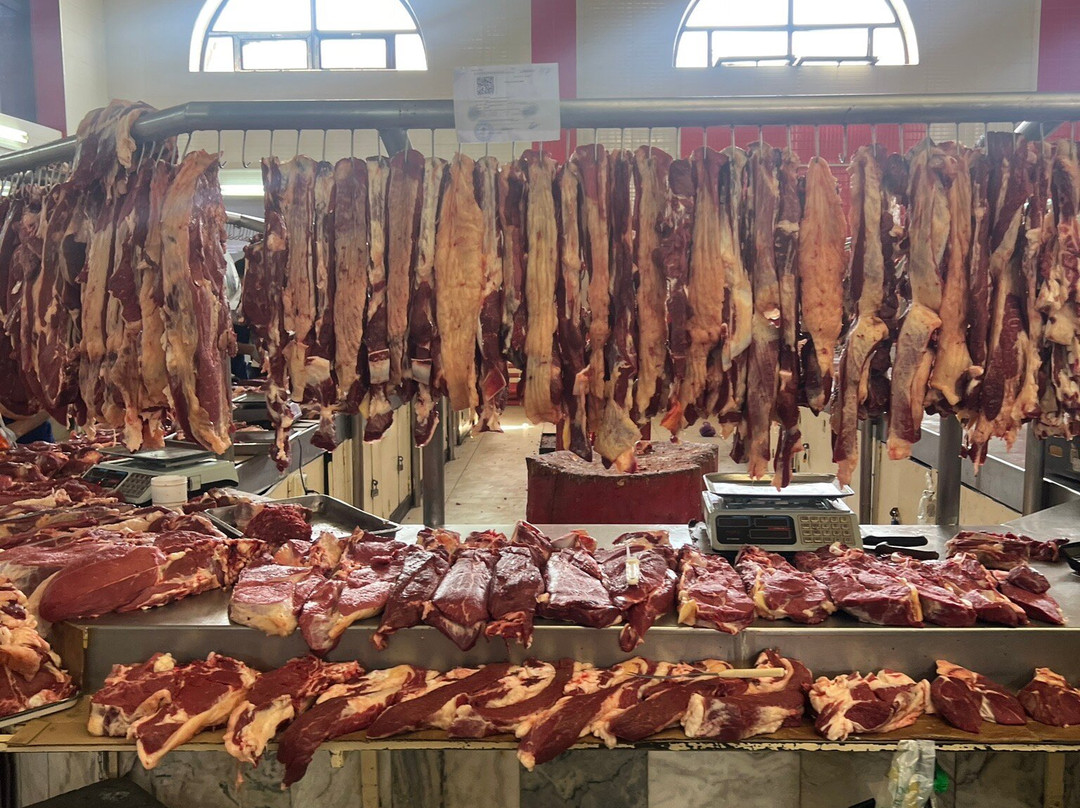
Entire halls devoted to meat.
And somewhere in amongst it all, our wonderful guide was trying to explain Kyrgyz walnuts while laughing so hard he could barely get the words out. It became one of those completely unplanned travel moments that no itinerary could ever promise.
I’ve learned that markets aren’t really about shopping.
They’re about watching life happen.
If museums tell you where a country has been…
Markets tell you where it is today.
Allow at least a half hour, wear comfortable shoes, bring cash, and arrive with an empty shopping bag… because curiosity has a habit of becoming luggage.
Still wandering. Still writing.
Not in the polished, postcard sense.
It’s noisy.
It’s crowded.
It’s a little overwhelming.
And that’s exactly why I loved it.
Markets like this aren’t built for visitors.
They’re built for everyday life.
Grandparents choosing vegetables.
Young men loading sacks of walnuts.
Friends stopping for a chat.
Families buying enough dried fruit to last through winter.
You don’t wander through Osh Bazaar…
You become part of it.
The colours are impossible to ignore.
Towering piles of apricots, raisins and walnuts.
Spices in every shade imaginable.
Fresh bread still warm.
Rows of mysterious local sweets.
Entire halls devoted to meat.
And somewhere in amongst it all, our wonderful guide was trying to explain Kyrgyz walnuts while laughing so hard he could barely get the words out. It became one of those completely unplanned travel moments that no itinerary could ever promise.
I’ve learned that markets aren’t really about shopping.
They’re about watching life happen.
If museums tell you where a country has been…
Markets tell you where it is today.
Allow at least a half hour, wear comfortable shoes, bring cash, and arrive with an empty shopping bag… because curiosity has a habit of becoming luggage.
Still wandering. Still writing.
翻译:奥什集市并不漂亮。
不是那种精致如明信片般的美丽。
它很吵闹。
它很拥挤。
它有点让人不知所措。
而这正是我喜欢它的原因。
像这样的集市不是为了游客而建。
它是为日常生活而建的。
祖父母在挑选蔬菜。
年轻人在搬运核桃。
朋友们停下来聊天。
一家人购买足够过冬的干果。
你不会只是在奥什集市里闲逛……
你会成为它的一部分。
那些色彩令人无法忽视。
堆积如山的杏干、葡萄干和核桃。
各种你能想象到的香料。
新鲜出炉、还带着余温的面包。
一排排神秘的当地甜点。
整整几个大厅都摆满了肉类。
在这一切喧嚣之中,我们那位可爱的导游一边努力解释吉尔吉斯斯坦的核桃,一边笑得几乎说不出话来。这成了旅行中那些完全意料之外的惊喜之一,任何行程安排都无法预料。
我发现,逛市场其实并不是为了购物。
而是为了观察生活百态。
如果说博物馆告诉你一个国家过去是什么样子……
那么市场则告诉你它现在是什么样子。
至少预留半小时,穿上舒适的鞋子,带上现金,并且最好带个空购物袋……因为好奇心往往会变成你的行李。
仍在游历。仍在写作。
不是那种精致如明信片般的美丽。
它很吵闹。
它很拥挤。
它有点让人不知所措。
而这正是我喜欢它的原因。
像这样的集市不是为了游客而建。
它是为日常生活而建的。
祖父母在挑选蔬菜。
年轻人在搬运核桃。
朋友们停下来聊天。
一家人购买足够过冬的干果。
你不会只是在奥什集市里闲逛……
你会成为它的一部分。
那些色彩令人无法忽视。
堆积如山的杏干、葡萄干和核桃。
各种你能想象到的香料。
新鲜出炉、还带着余温的面包。
一排排神秘的当地甜点。
整整几个大厅都摆满了肉类。
在这一切喧嚣之中,我们那位可爱的导游一边努力解释吉尔吉斯斯坦的核桃,一边笑得几乎说不出话来。这成了旅行中那些完全意料之外的惊喜之一,任何行程安排都无法预料。
我发现,逛市场其实并不是为了购物。
而是为了观察生活百态。
如果说博物馆告诉你一个国家过去是什么样子……
那么市场则告诉你它现在是什么样子。
至少预留半小时,穿上舒适的鞋子,带上现金,并且最好带个空购物袋……因为好奇心往往会变成你的行李。
仍在游历。仍在写作。

© 2026 Tripadvisor 版权所有。
部分照片由 VFM Leonardo 提供。
TripAdvisor公司对外部网站的内容一概不负责。优惠价格中不含税和其他费用。
ICP证:沪B2-20200433
沪ICP备20013175号
 沪公网安备31010502005427号
鹰程信息技术(上海)有限公司