下载App
资质规则
旅行
账户

ah tee s
Present day Kaifeng vs North Song era
鼓楼广场的点评
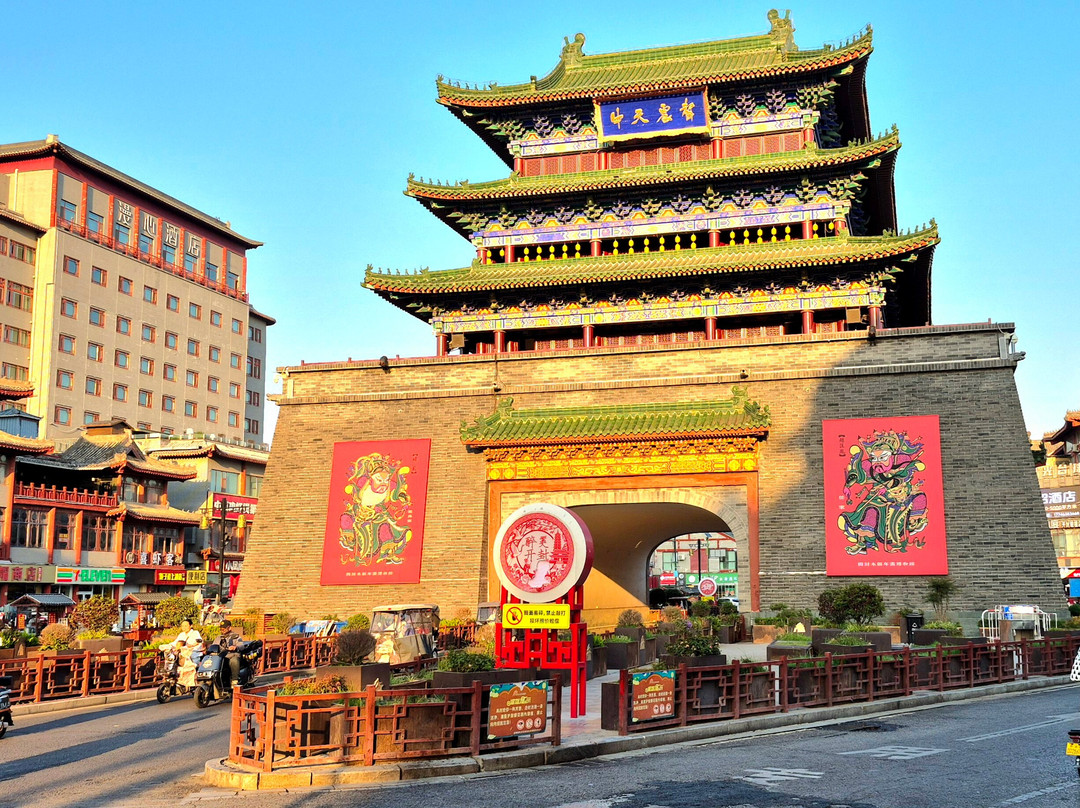
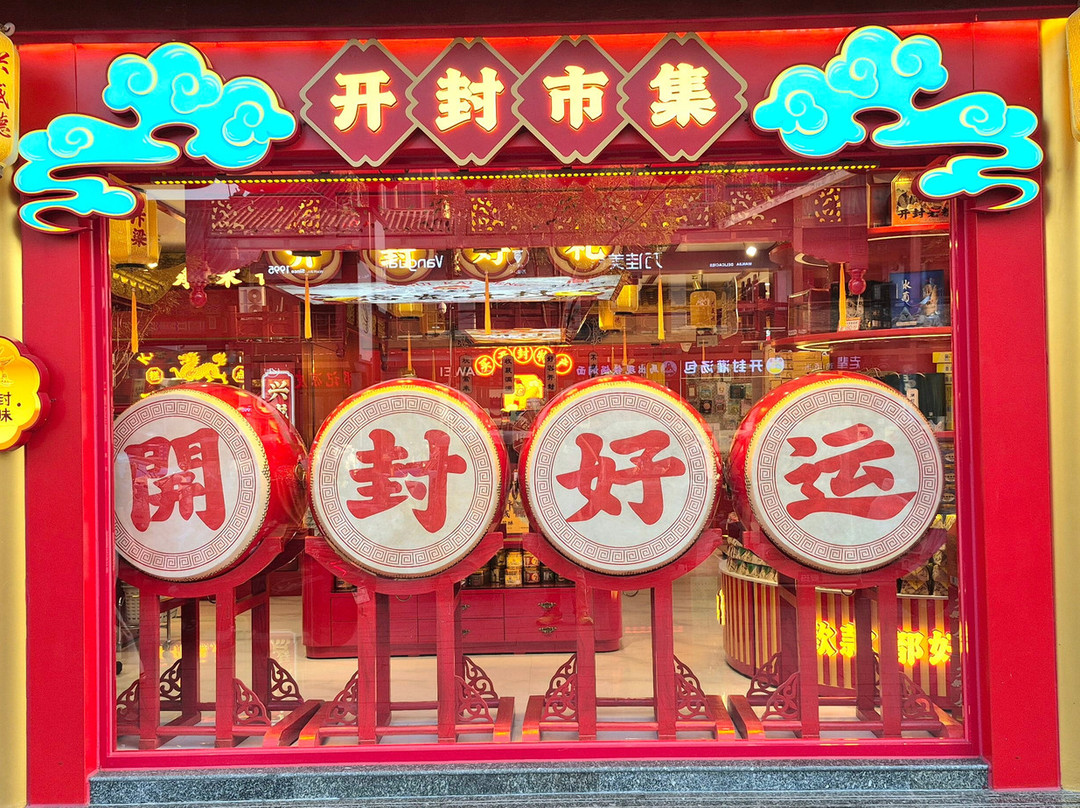
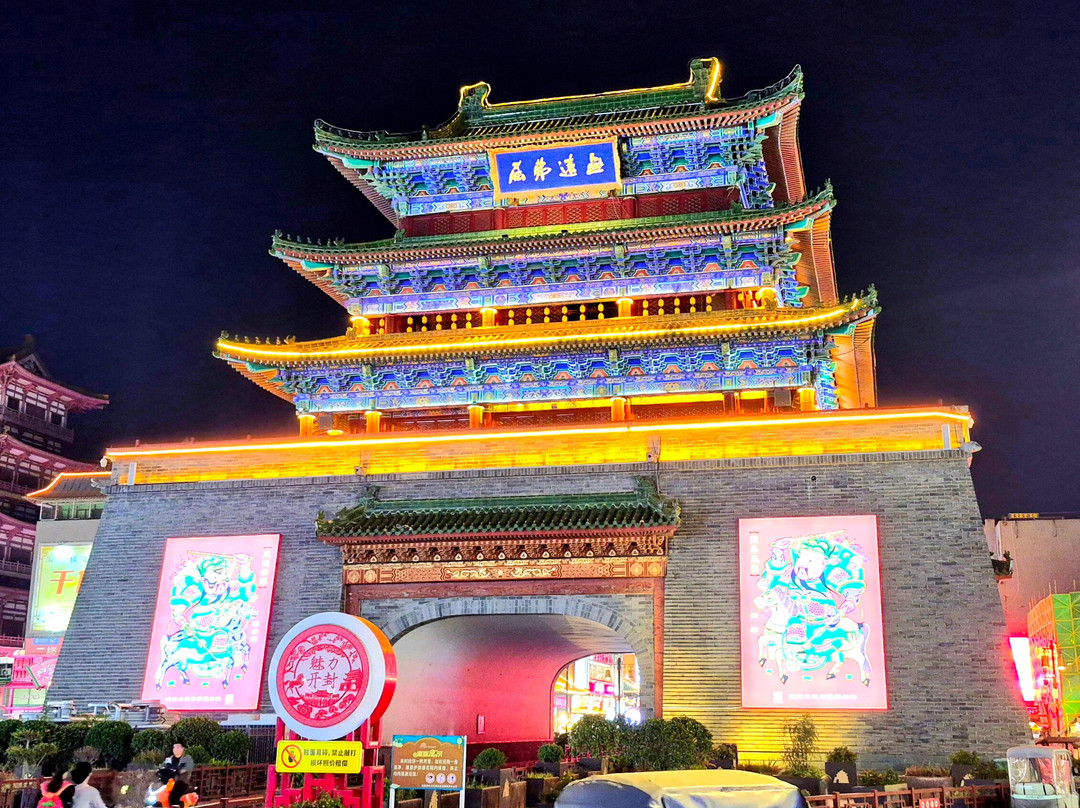
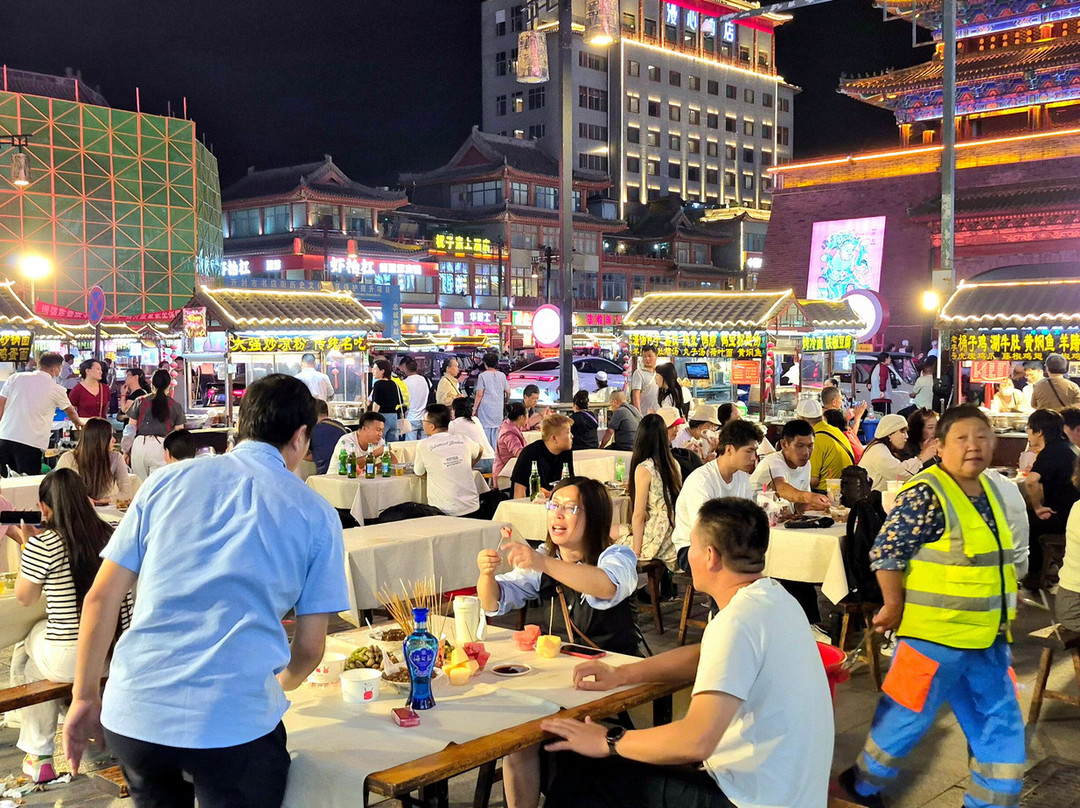
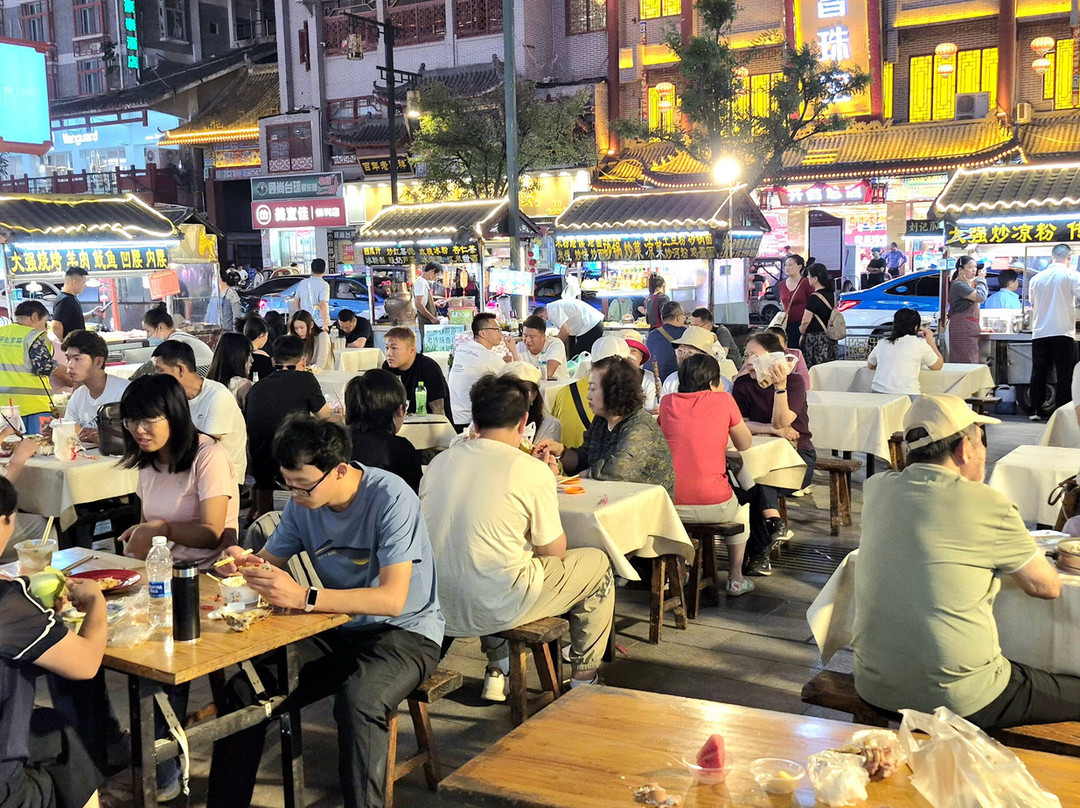
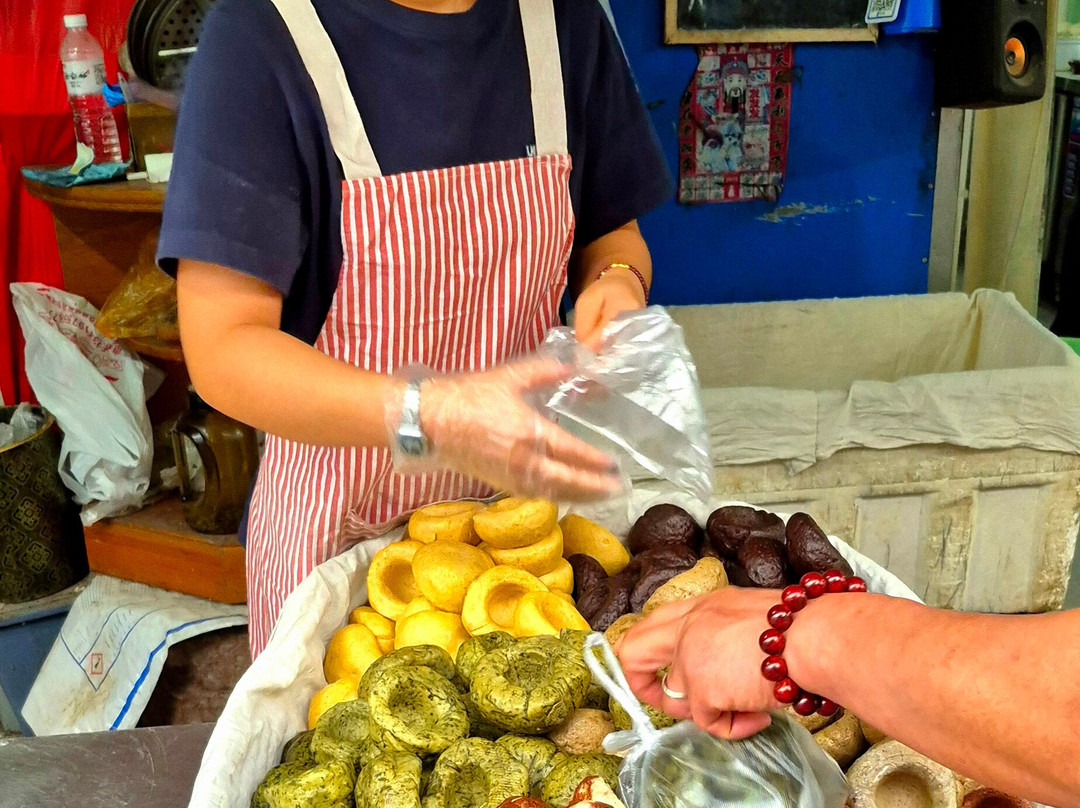
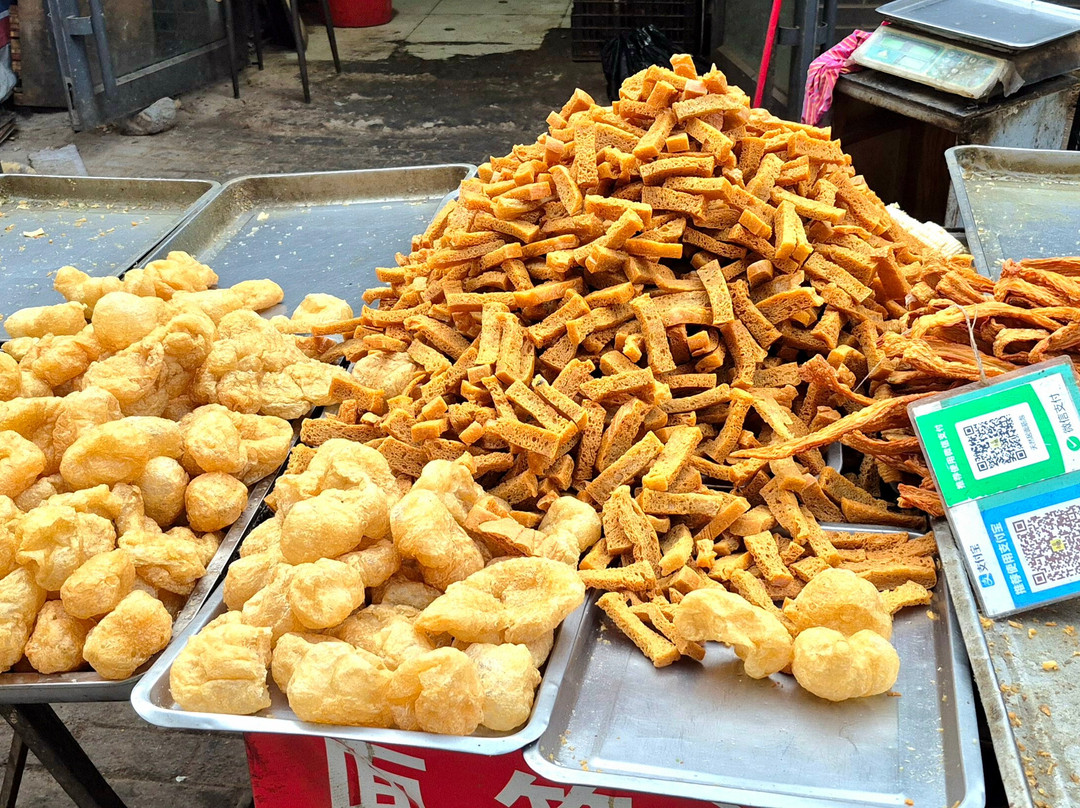
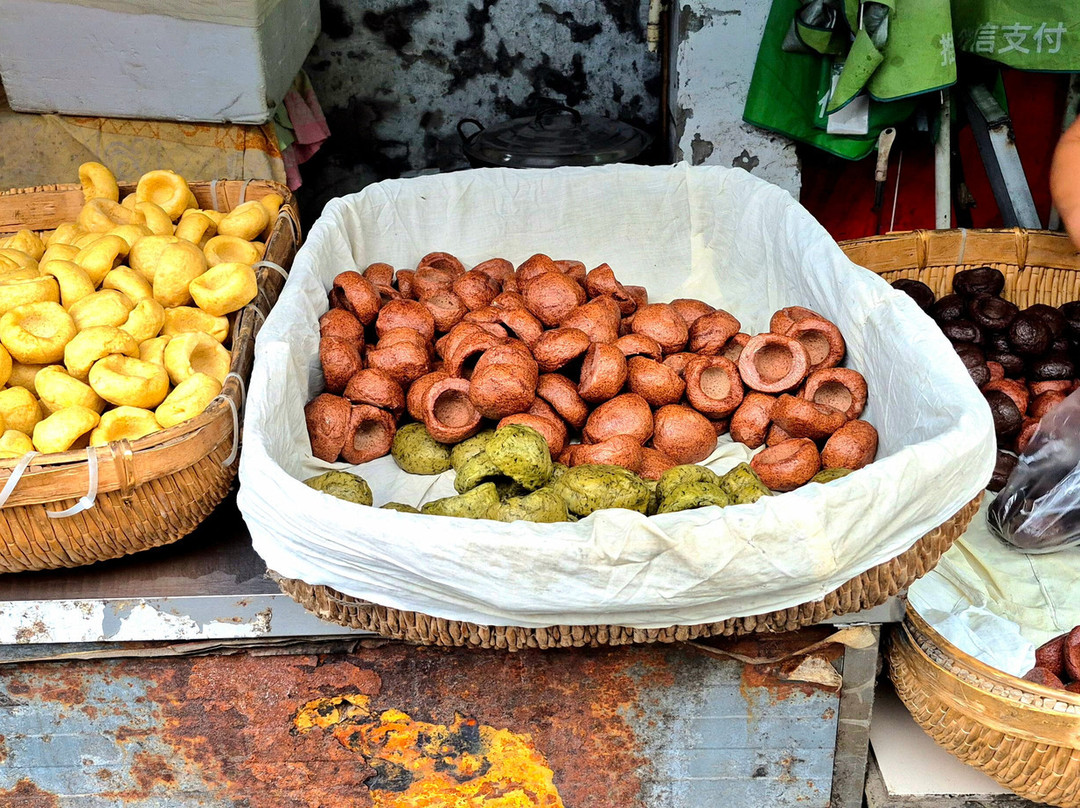
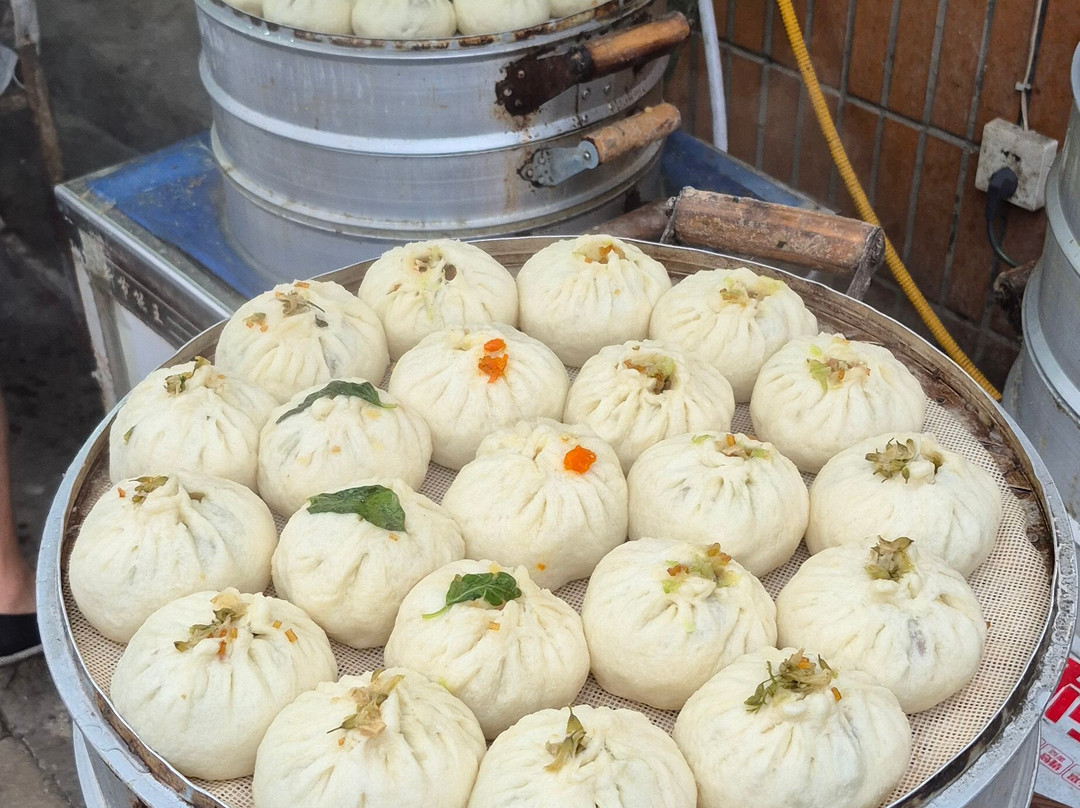
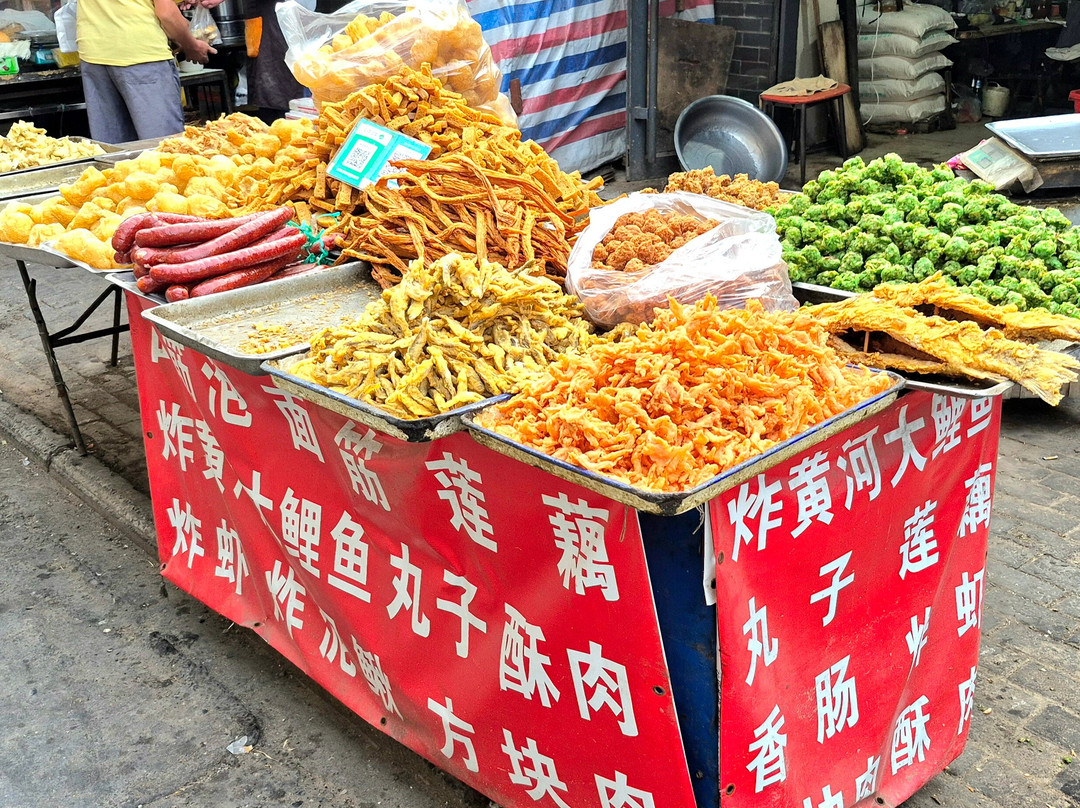
点评:When I visited Kaifeng, I stayed at a hotel near Gulou Square, easily accessible from the train station by public bus No. 10 or Y1 (fare: RMB 1). At night, the entire Gulou area came alive — lanterns lit the streets, tourists filled the square, and stall carts offered a dazzling array of traditional Henan snacks: iconic soup dumplings, crispy barrel chicken, fragrant almond tea, sweet fried red‑sweet potato cakes, and cooling yogurt ice. Yet we chose not to eat at the stalls, finding the atmosphere too touristy and commercialized.
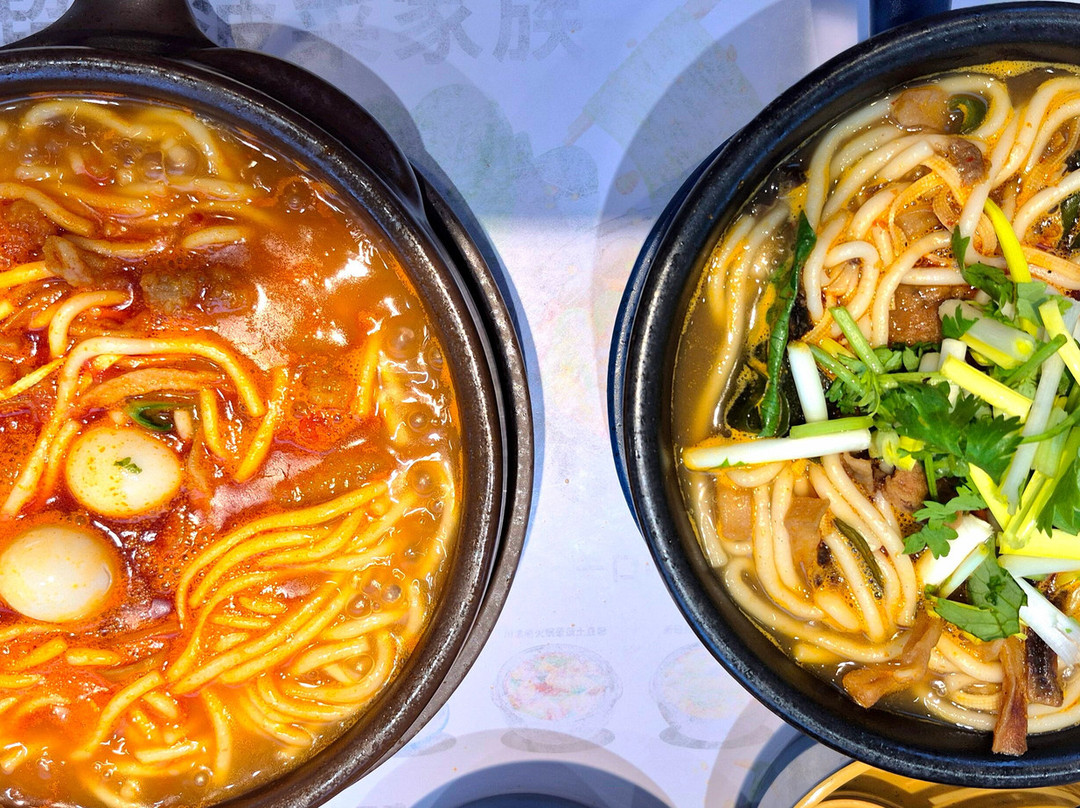
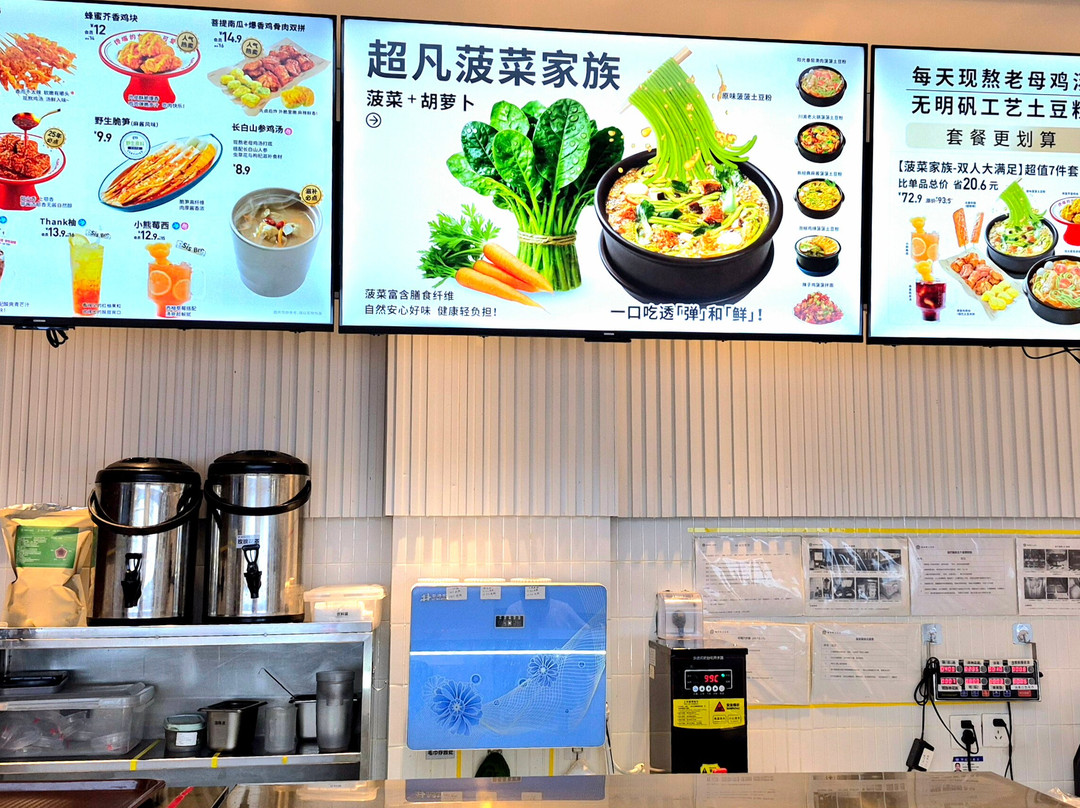
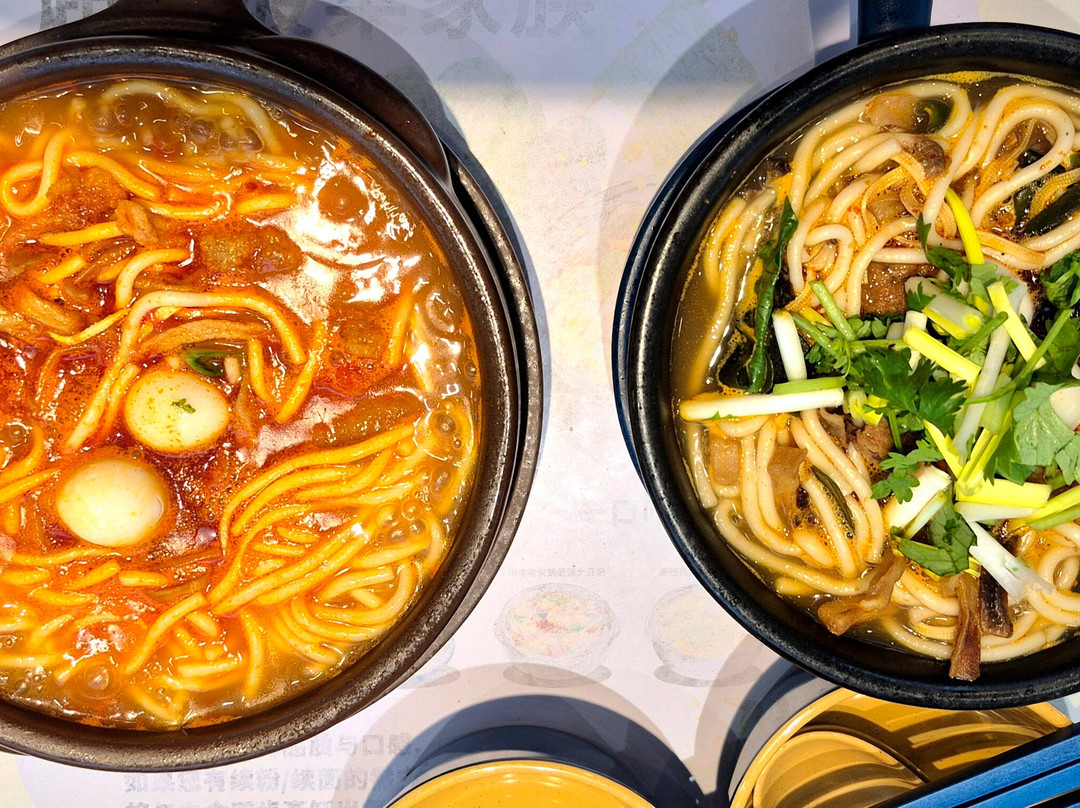
Instead, on our first night we dined at SisBro Eatery (兄妹餐馆), sampling two of their signature noodle styles: the original flavor noodles (原味面) and the tomato with meat noodles (番茄肉面). The thick, chewy wheat noodles — the backbone of Henan cuisine — absorbed the richness of a long‑simmered beef or mutton bone broth, making both bowls deeply satisfying.
The following evening we tried Machuxian Tieguomenmian (马厨鲜铁锅焖面), a shop near Bookstore Street that specializes in Henan’s rustic iron‑pot braised noodles (铁锅焖面). We ordered their vegetarian version, a hearty wok‑braised dish where the noodles arrived piping hot, infused with a smoky wok aroma and layered with seasonal vegetables.
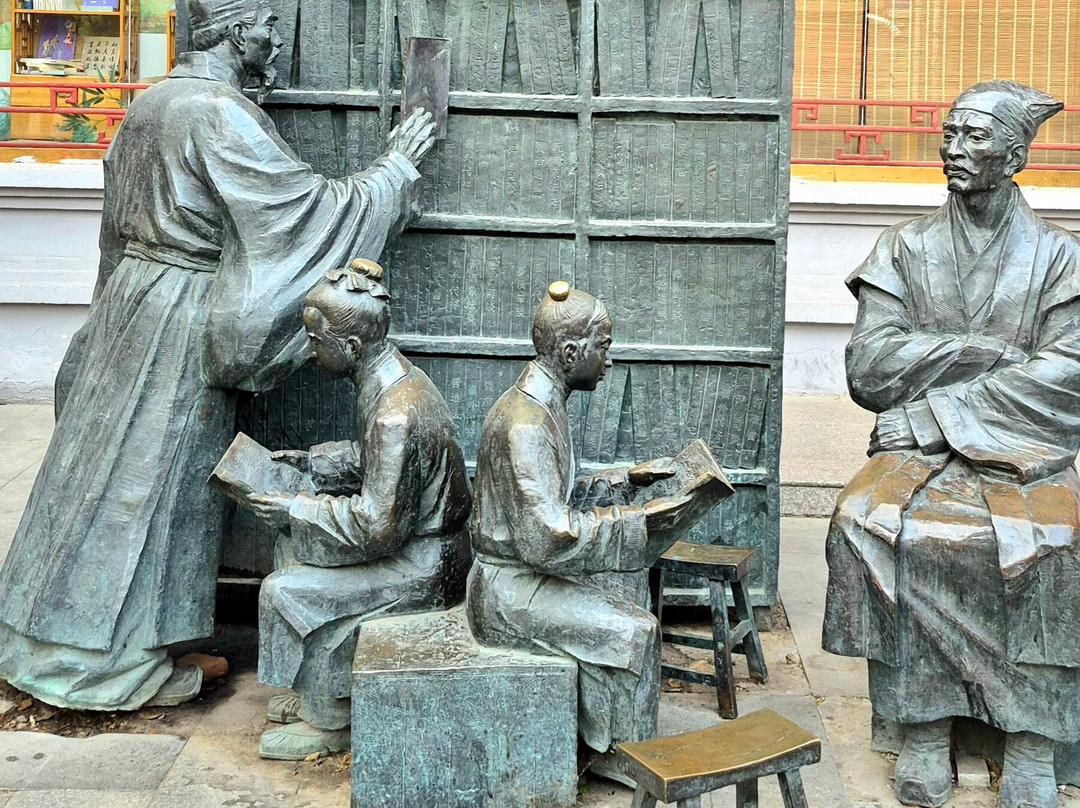
On the second morning, I wandered through the remnants of old village‑style lanes hidden behind Gulou’s commercial streets. I watched daily life unfold — breakfasts at corner stalls, bustling markets, and families in traditional courtyard houses. Travel here is not only about scenic attractions; the hidden alleys reveal Kaifeng’s living culture: snack stalls along Madao Street (马道街), tea houses on Bookstore Street (书店街), incense shops behind Xiangguo Temple (大相国寺), and finally my walk toward the entrance of Qingming Shanghe Yuan (清明上河园).
Inside Qingming Shanghe Yuan, I saw a replica of Northern Song life. But outside, in Gulou’s streets and alleys, I experienced the real, present‑day Kaifeng — vibrant, layered, and alive.
Instead, on our first night we dined at SisBro Eatery (兄妹餐馆), sampling two of their signature noodle styles: the original flavor noodles (原味面) and the tomato with meat noodles (番茄肉面). The thick, chewy wheat noodles — the backbone of Henan cuisine — absorbed the richness of a long‑simmered beef or mutton bone broth, making both bowls deeply satisfying.
The following evening we tried Machuxian Tieguomenmian (马厨鲜铁锅焖面), a shop near Bookstore Street that specializes in Henan’s rustic iron‑pot braised noodles (铁锅焖面). We ordered their vegetarian version, a hearty wok‑braised dish where the noodles arrived piping hot, infused with a smoky wok aroma and layered with seasonal vegetables.
On the second morning, I wandered through the remnants of old village‑style lanes hidden behind Gulou’s commercial streets. I watched daily life unfold — breakfasts at corner stalls, bustling markets, and families in traditional courtyard houses. Travel here is not only about scenic attractions; the hidden alleys reveal Kaifeng’s living culture: snack stalls along Madao Street (马道街), tea houses on Bookstore Street (书店街), incense shops behind Xiangguo Temple (大相国寺), and finally my walk toward the entrance of Qingming Shanghe Yuan (清明上河园).
Inside Qingming Shanghe Yuan, I saw a replica of Northern Song life. But outside, in Gulou’s streets and alleys, I experienced the real, present‑day Kaifeng — vibrant, layered, and alive.
翻译:我游览开封时,下榻在鼓楼广场附近的一家酒店。从火车站出发,乘坐10路公交或Y1路公交即可轻松抵达,车费仅为1元人民币。夜幕降临时,整个鼓楼片区热闹非凡——灯笼照亮了街道,游客们挤满了广场,各式各样的传统河南小吃摊也纷纷出摊:极具代表性的灌汤包、酥脆可口的桶子鸡、香醇的杏仁茶、甜而不腻的炸红薯饼,还有清凉解暑的酸奶冰。不过我们最终并没有在这些摊位上用餐。觉得那里的氛围过于商业化、充斥着游客气息。
于是,第一天晚上我们在“兄妹餐馆”用餐,品尝了他们两款招牌面条:原味面和番茄肉面。这些粗厚而富有弹性的小麦面条是河南菜的基础,它们充分吸收了经长时间熬煮的牛骨或羊骨高汤的鲜美滋味,令每一碗面都令人回味无穷。
第二天晚上,我们又去尝了“马厨鲜铁锅焖面”。这是一家位于书店街附近的店铺,专营河南风味的传统铁锅焖面。我们点了素食版的焖面——这是一道用料丰富的炒菜,面条端上来时还滚烫不已,带着浓郁的锅气,上面还铺满了应季蔬菜。
第二天早上,我漫步在鼓楼商业街背后那些保存完好的古朴村巷中。我观察着当地人的日常生活:街角小摊上的早餐摊贩、热闹非凡的市场……在传统的四合院里,人们与家人和谐共处。这里的旅行并不仅仅是为了欣赏风景;那些隐蔽的小巷则展现了开封的生活文化:马道街上的小吃摊、书店街上的茶馆、大相国寺后的香铺,最后我沿着路走向清明上河园的入口。
在清明上河园里,我看到了北宋生活的复原场景。而园外,在鼓楼的街巷间,我真切地体验到了现实中的生活。如今的开封——充满活力、层次丰富且生机盎然。
于是,第一天晚上我们在“兄妹餐馆”用餐,品尝了他们两款招牌面条:原味面和番茄肉面。这些粗厚而富有弹性的小麦面条是河南菜的基础,它们充分吸收了经长时间熬煮的牛骨或羊骨高汤的鲜美滋味,令每一碗面都令人回味无穷。
第二天晚上,我们又去尝了“马厨鲜铁锅焖面”。这是一家位于书店街附近的店铺,专营河南风味的传统铁锅焖面。我们点了素食版的焖面——这是一道用料丰富的炒菜,面条端上来时还滚烫不已,带着浓郁的锅气,上面还铺满了应季蔬菜。
第二天早上,我漫步在鼓楼商业街背后那些保存完好的古朴村巷中。我观察着当地人的日常生活:街角小摊上的早餐摊贩、热闹非凡的市场……在传统的四合院里,人们与家人和谐共处。这里的旅行并不仅仅是为了欣赏风景;那些隐蔽的小巷则展现了开封的生活文化:马道街上的小吃摊、书店街上的茶馆、大相国寺后的香铺,最后我沿着路走向清明上河园的入口。
在清明上河园里,我看到了北宋生活的复原场景。而园外,在鼓楼的街巷间,我真切地体验到了现实中的生活。如今的开封——充满活力、层次丰富且生机盎然。


© 2026 Tripadvisor 版权所有。
部分照片由 VFM Leonardo 提供。
TripAdvisor公司对外部网站的内容一概不负责。优惠价格中不含税和其他费用。
ICP证:沪B2-20200433
沪ICP备20013175号
 沪公网安备31010502005427号
鹰程信息技术(上海)有限公司