下载App
资质规则
旅行
账户
JimmySumKahWai
some hiking up the steps to reach the shrine…
大崎八幡宫的点评
点评:From the Sendaijo Ato we took the loople bus and alight a few stops later.
History had it that Date Masamune ordered the construction of Osaki 大崎八幡宮, Ōsaki Hachimangū back in 1607. The shrine's deity Hachiman, is considered to be a general guardian and protector of the city.
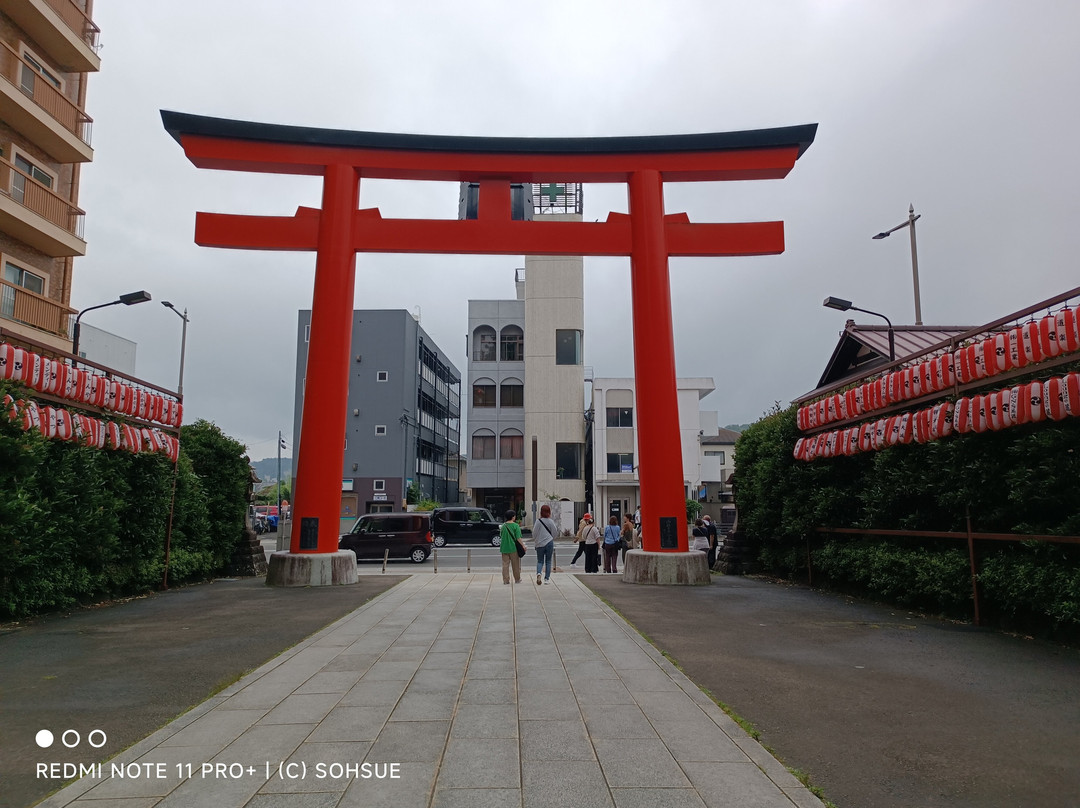
Upon alighting at the bus stop we already saw queue of people waiting (after their visits). And infront of us is the large massive stone torii gate, designated as a prefectural important cultural property!
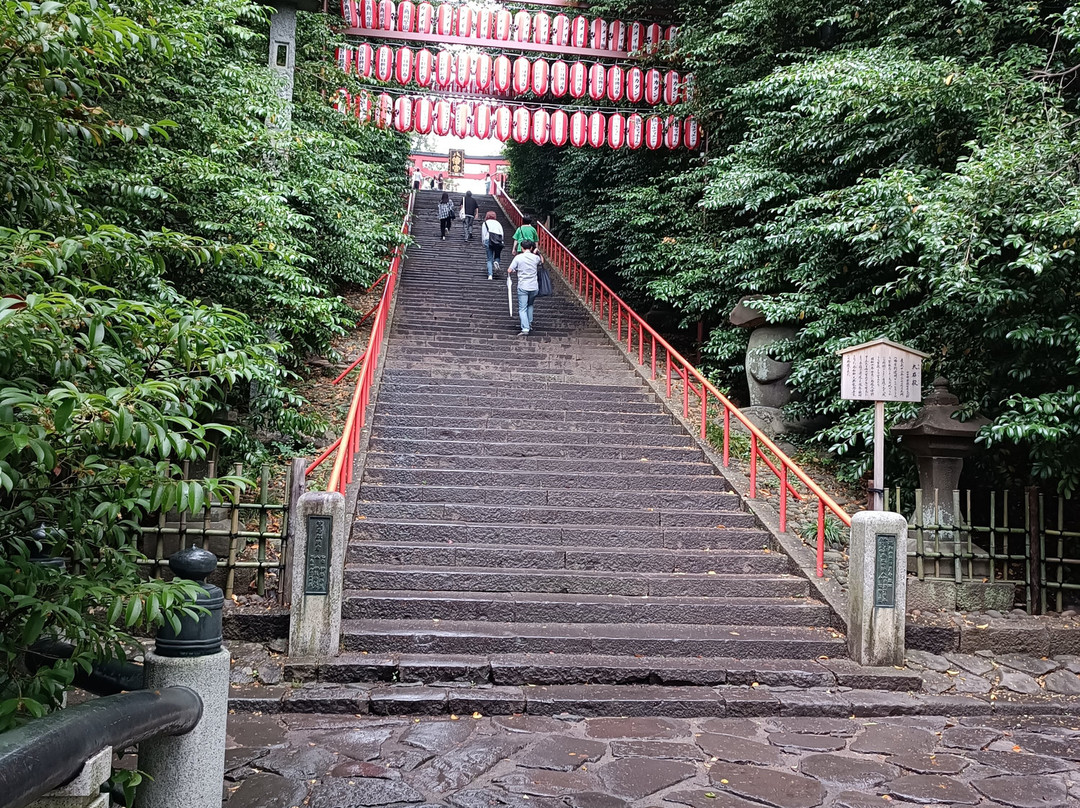
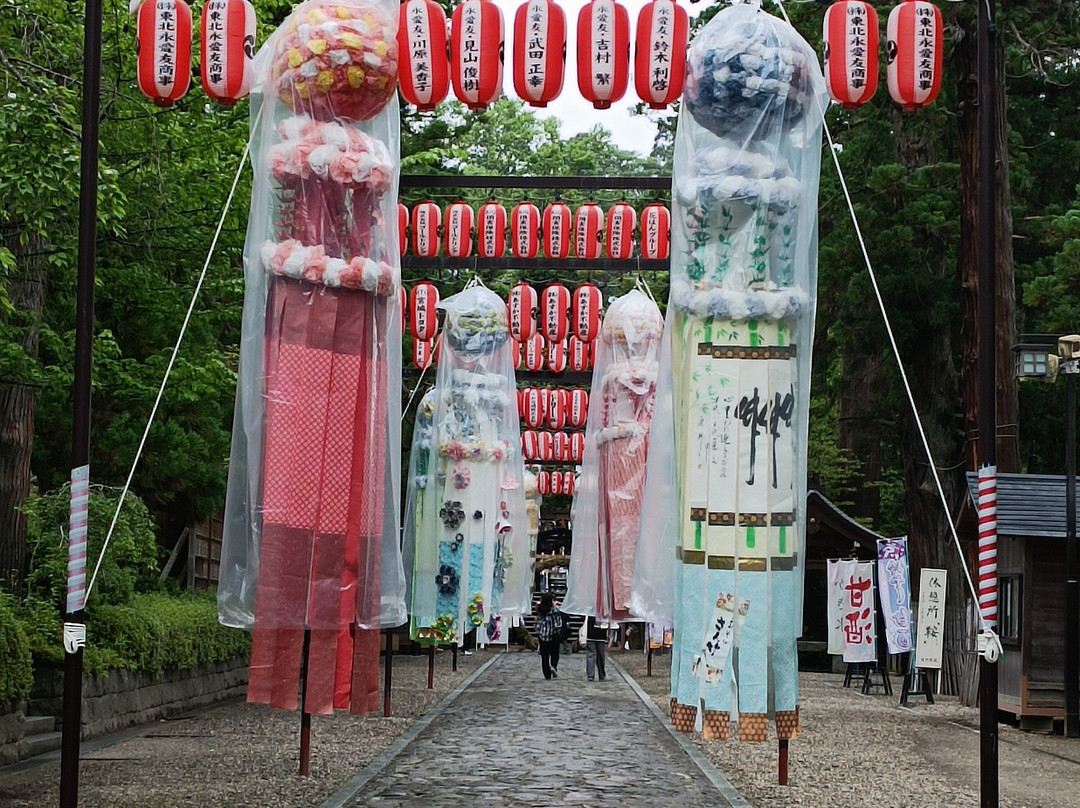
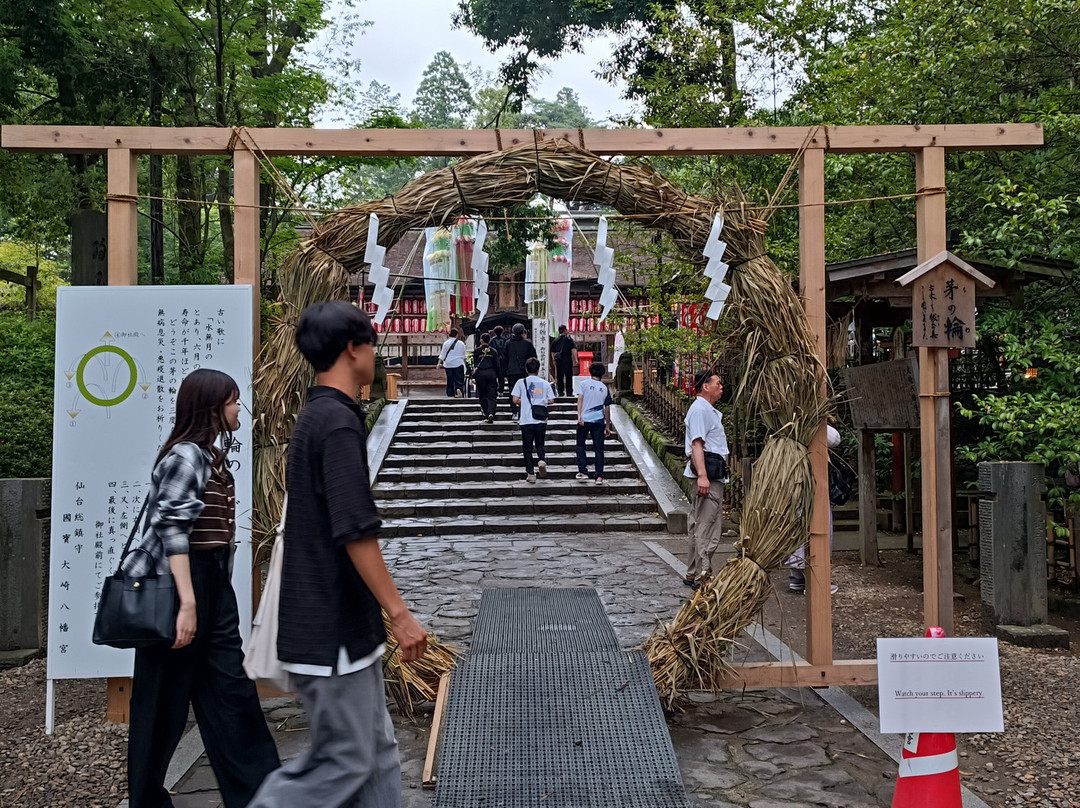
Further as we walked there are 2 more torris (smaller) gates. To reach the shrine's main ground you have to climb high stone staircase. Really a hike to us (city folks, rushing through a packed tour itinerary).
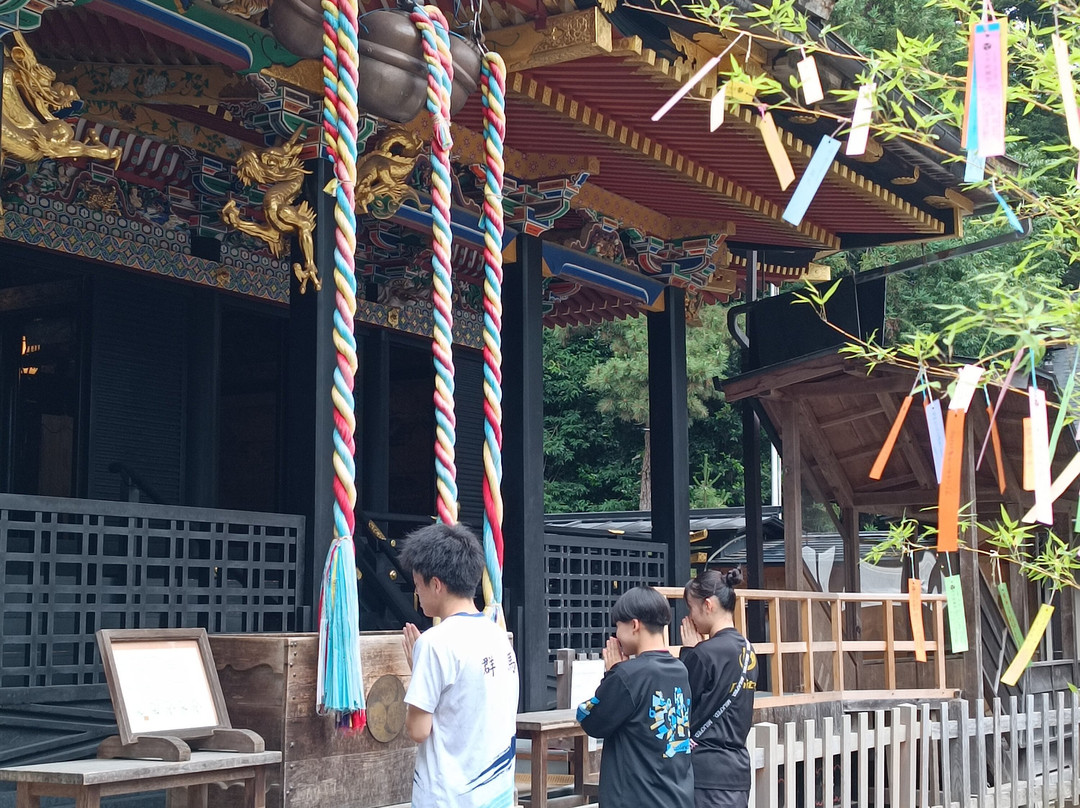
Quite an effort to reach the “top”. The main building consists of a main hall (honden) and offering hall (haiden) joined under a common roof, quite a differing architecture from many other shrines. They are covered in black lacquer, gold leaf and brilliant colours. There are 3 deities enshrined here.
The well-preserved vivid red shrine buildings and intricate wooden carvings represent top-level Edo-period shrine craftsmanship. Well regarded as masterpiece of this architectural style and designated as a National Treasure. The towering ancient cedar trees and quiet shrine paths form a solemn sacred atmosphere.
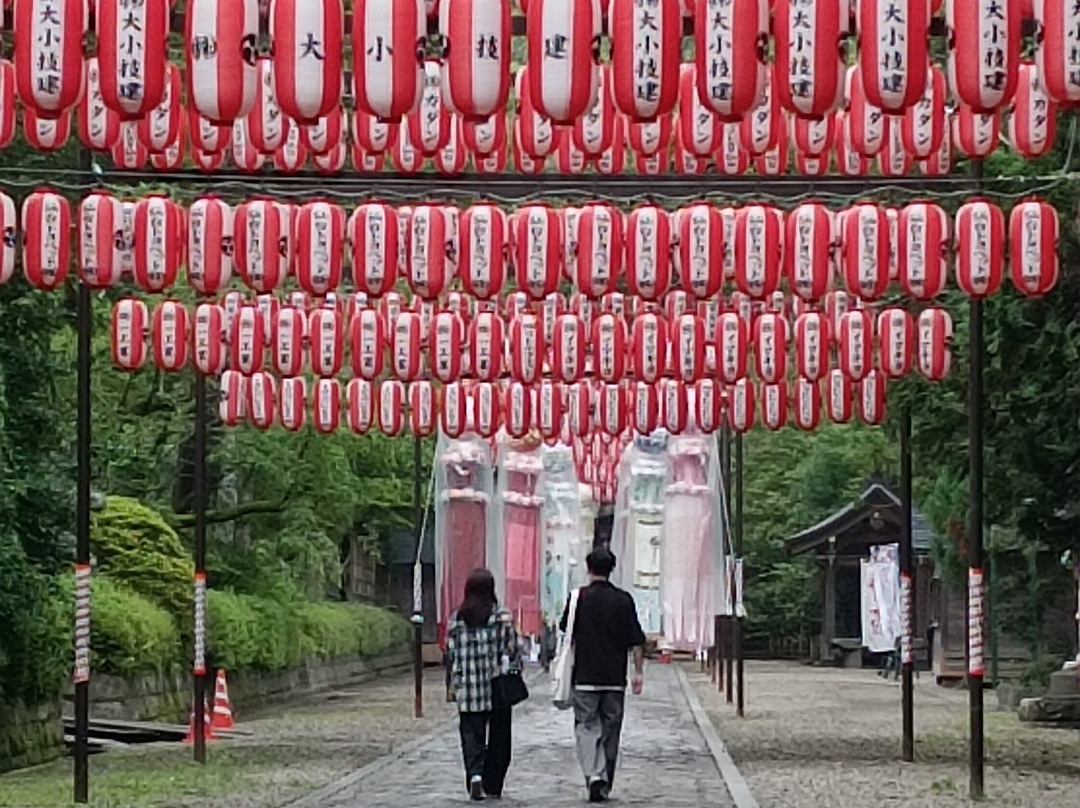
The premise is not small, with some subsidiary shrines & even a Cafe.
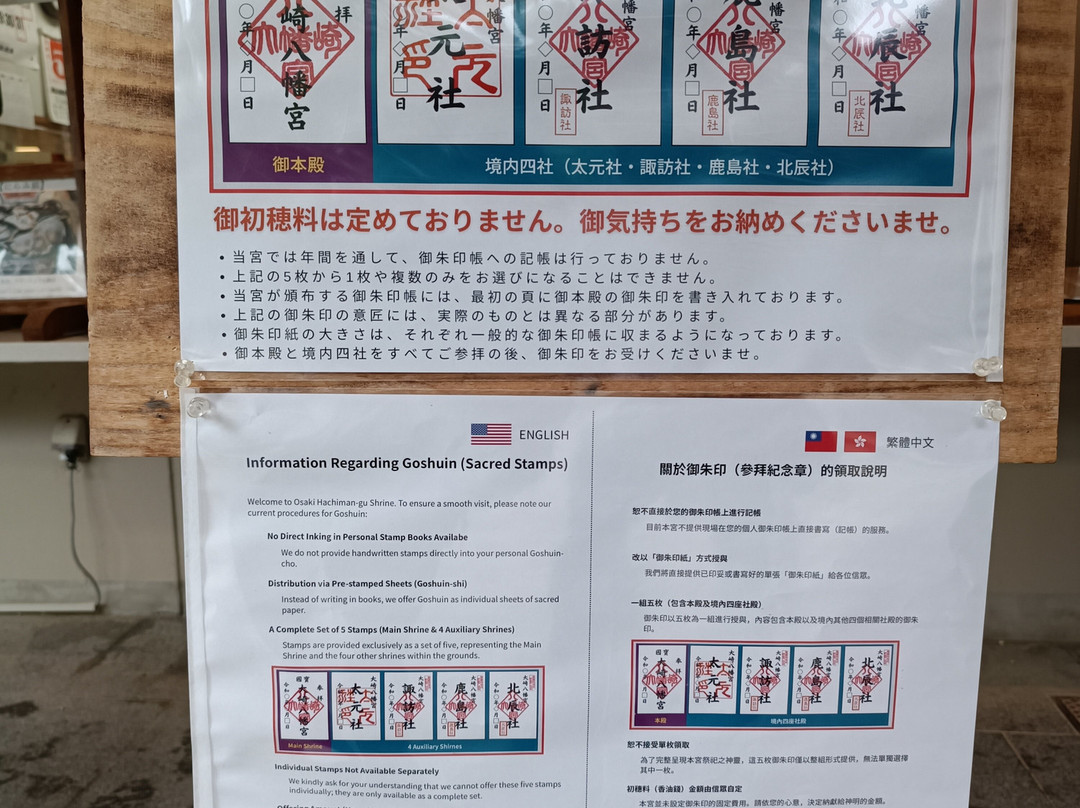
Quite a crowd when we were there just after Lunch. We spent over an hour and even purchased the shrine goshuin.
History had it that Date Masamune ordered the construction of Osaki 大崎八幡宮, Ōsaki Hachimangū back in 1607. The shrine's deity Hachiman, is considered to be a general guardian and protector of the city.
Upon alighting at the bus stop we already saw queue of people waiting (after their visits). And infront of us is the large massive stone torii gate, designated as a prefectural important cultural property!
Further as we walked there are 2 more torris (smaller) gates. To reach the shrine's main ground you have to climb high stone staircase. Really a hike to us (city folks, rushing through a packed tour itinerary).
Quite an effort to reach the “top”. The main building consists of a main hall (honden) and offering hall (haiden) joined under a common roof, quite a differing architecture from many other shrines. They are covered in black lacquer, gold leaf and brilliant colours. There are 3 deities enshrined here.
The well-preserved vivid red shrine buildings and intricate wooden carvings represent top-level Edo-period shrine craftsmanship. Well regarded as masterpiece of this architectural style and designated as a National Treasure. The towering ancient cedar trees and quiet shrine paths form a solemn sacred atmosphere.
The premise is not small, with some subsidiary shrines & even a Cafe.
Quite a crowd when we were there just after Lunch. We spent over an hour and even purchased the shrine goshuin.
翻译:从仙台城迹出发,我们乘坐了循环巴士,几站之后便下了车。
据史载,1607年伊达政宗下令修建了大崎八幡宫。该神社的主祭神八幡大神被视为这座城市的守护神。
在巴士站下车后,我们就看到有一排人正在等候(参观结束后)。就在我们面前,是一座巨大的石制鸟居,它已被列为县内重要文化财产!继续前行后,我们又看到了两座较小的门楼。要到达神社的主要区域,必须登上高高的石阶。对我们这些按着紧凑行程表匆匆赶路的城里人来说,这真算得上一场“徒步旅行”了。
登上“顶峰”着实需要一番努力。主建筑由主殿(本殿)与供物殿(拝殿)组成,两者共用一个屋顶,其建筑风格与其他许多神社大不相同。整个建筑表面涂有黑漆,还装饰着金箔与鲜艳的色彩。这里供奉着3位神明。
保存完好的鲜红色神社建筑以及精致的木雕,体现了江户时期神社建筑工艺的巅峰水平。它被誉为此类建筑风格的杰作,并被指定为国宝。高耸的古老杉树与宁静的神社小径共同营造出庄严肃穆的神圣氛围。
神社的占地面积不小,还有几座分社,甚至还有一家咖啡馆。
我们中午刚过去的时候,那里人头攒动。我们待了一个多小时,甚至还买了神社的御朱印。
据史载,1607年伊达政宗下令修建了大崎八幡宫。该神社的主祭神八幡大神被视为这座城市的守护神。
在巴士站下车后,我们就看到有一排人正在等候(参观结束后)。就在我们面前,是一座巨大的石制鸟居,它已被列为县内重要文化财产!继续前行后,我们又看到了两座较小的门楼。要到达神社的主要区域,必须登上高高的石阶。对我们这些按着紧凑行程表匆匆赶路的城里人来说,这真算得上一场“徒步旅行”了。
登上“顶峰”着实需要一番努力。主建筑由主殿(本殿)与供物殿(拝殿)组成,两者共用一个屋顶,其建筑风格与其他许多神社大不相同。整个建筑表面涂有黑漆,还装饰着金箔与鲜艳的色彩。这里供奉着3位神明。
保存完好的鲜红色神社建筑以及精致的木雕,体现了江户时期神社建筑工艺的巅峰水平。它被誉为此类建筑风格的杰作,并被指定为国宝。高耸的古老杉树与宁静的神社小径共同营造出庄严肃穆的神圣氛围。
神社的占地面积不小,还有几座分社,甚至还有一家咖啡馆。
我们中午刚过去的时候,那里人头攒动。我们待了一个多小时,甚至还买了神社的御朱印。

© 2026 Tripadvisor 版权所有。
部分照片由 VFM Leonardo 提供。
TripAdvisor公司对外部网站的内容一概不负责。优惠价格中不含税和其他费用。
ICP证:沪B2-20200433
沪ICP备20013175号
 沪公网安备31010502005427号
鹰程信息技术(上海)有限公司