下载App
资质规则
旅行
账户

unescotravelbug
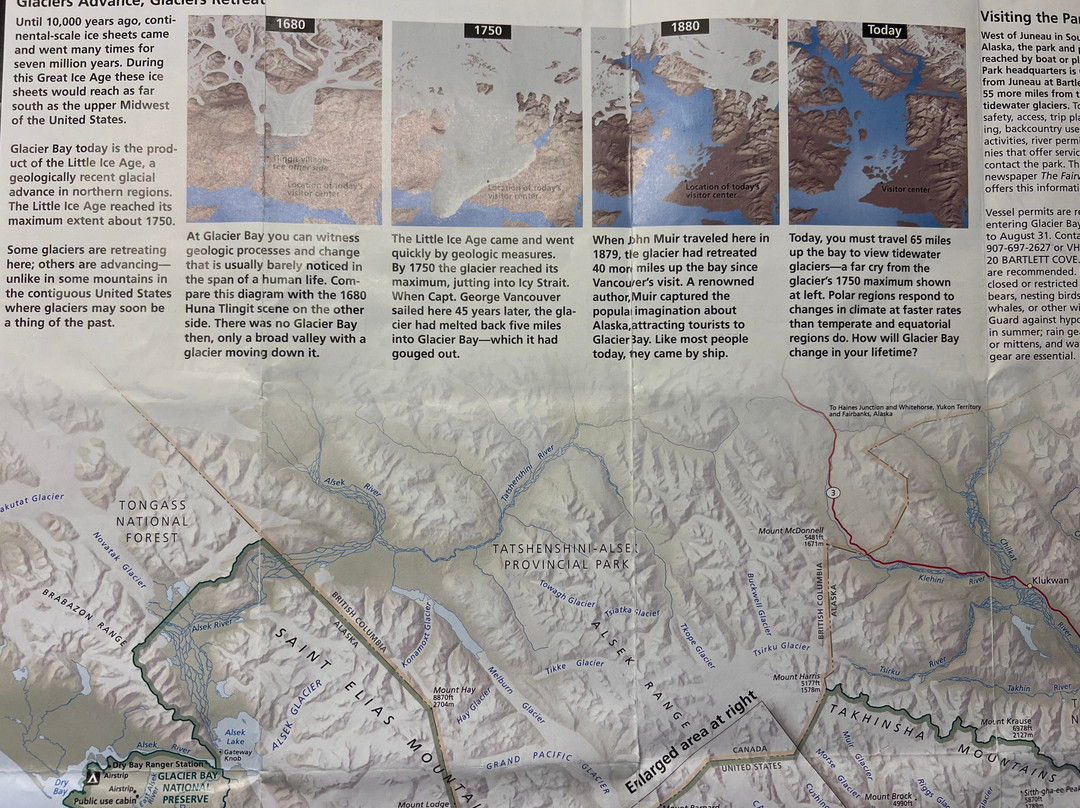
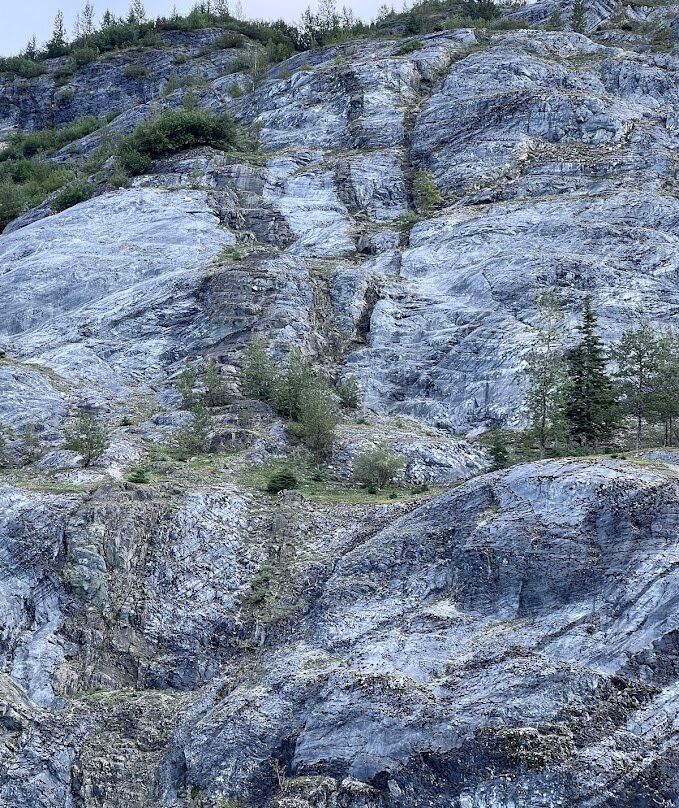
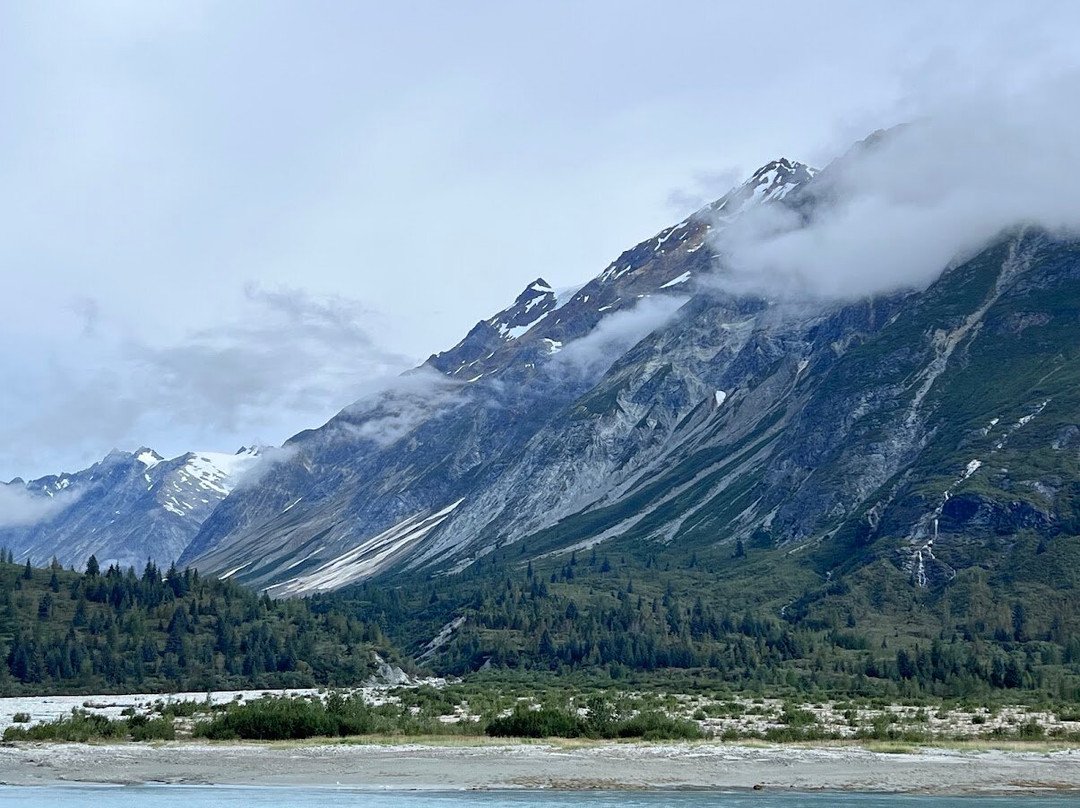
A personal journey of learning glaciers discovery, plant succession, wildness, human and cultural connections.
冰川湾的点评
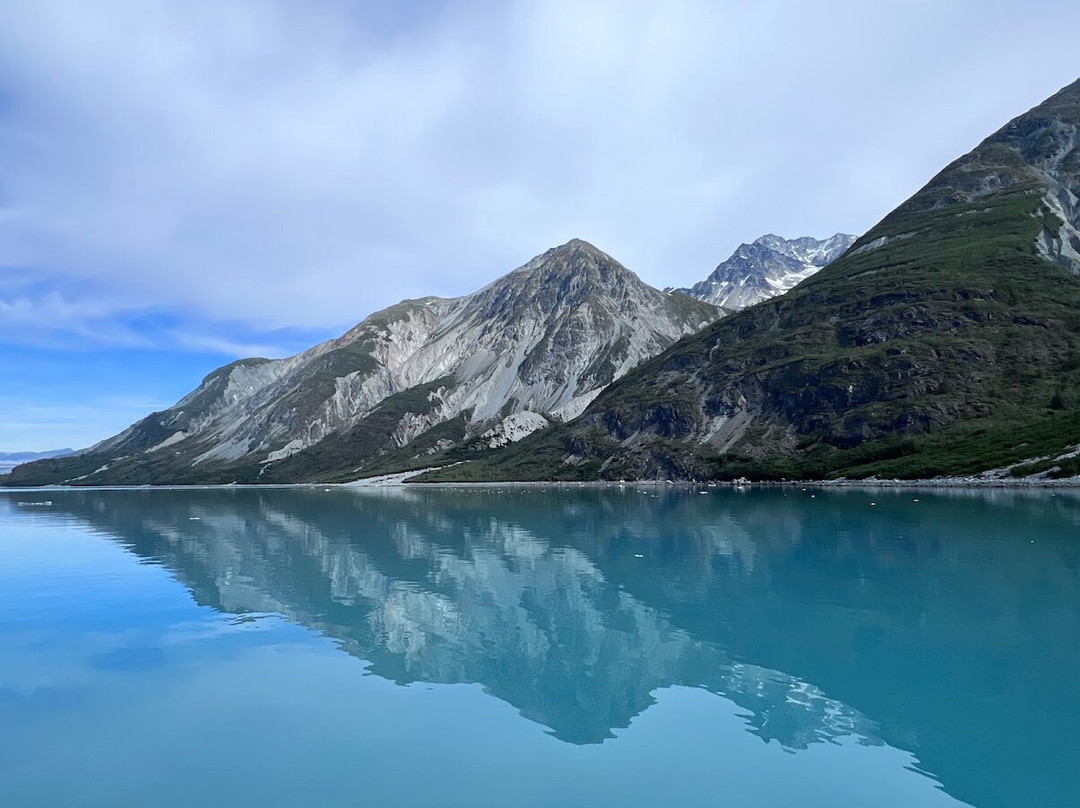
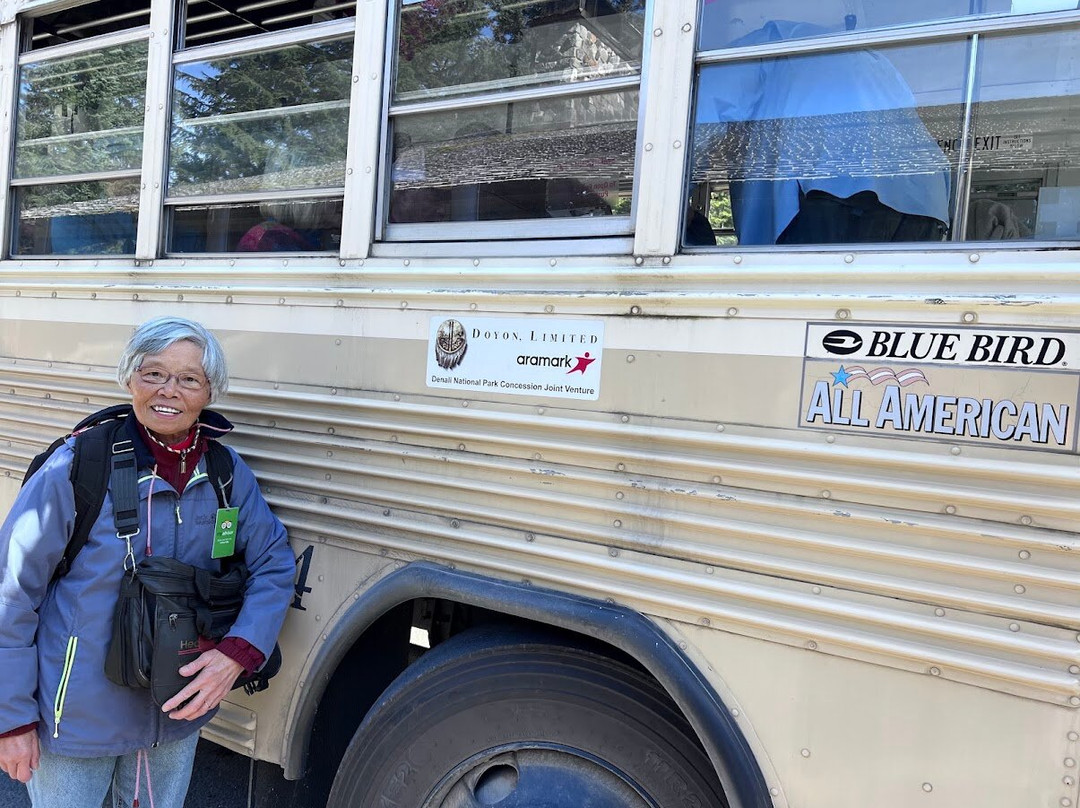
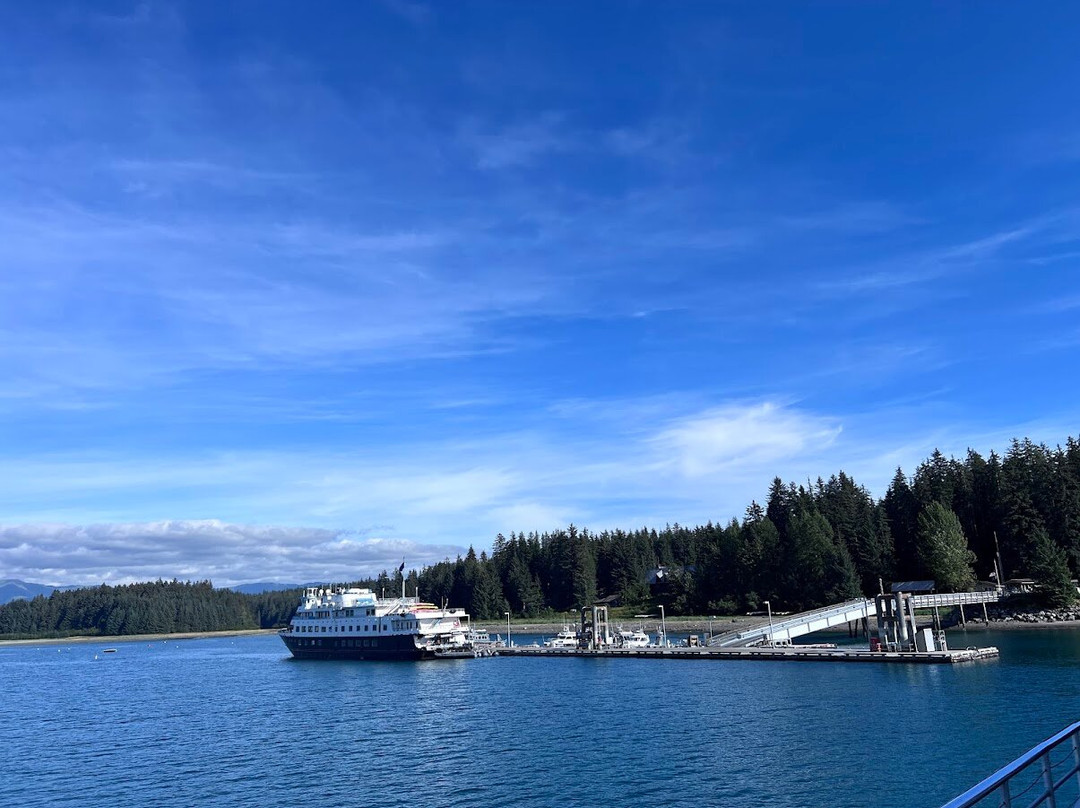
点评:Glacier Bay National Park and Preserve, the ancestral homeland of the Huna Tlingit Tribe, was at the very top of our itinerary during our visit to the Southeast Inner Passage of Alaska last August. Due to its remote location, the only way to reach it is by air or water. Because we were traveling on the final day of the park's summer boat tour season, arranging the logistics to get there and back to Juneau required careful attention. We booked a two-day turnaround trip between Juneau and Gustavus on Alaska Airlines, which only flies once a day during the summer and ended its seasonal service on August 31st. Upon arriving at Gustavus Airport, we boarded the Aramark bus transport to the Glacier Bay Lodge, located inside the national park, for our overnight stay.
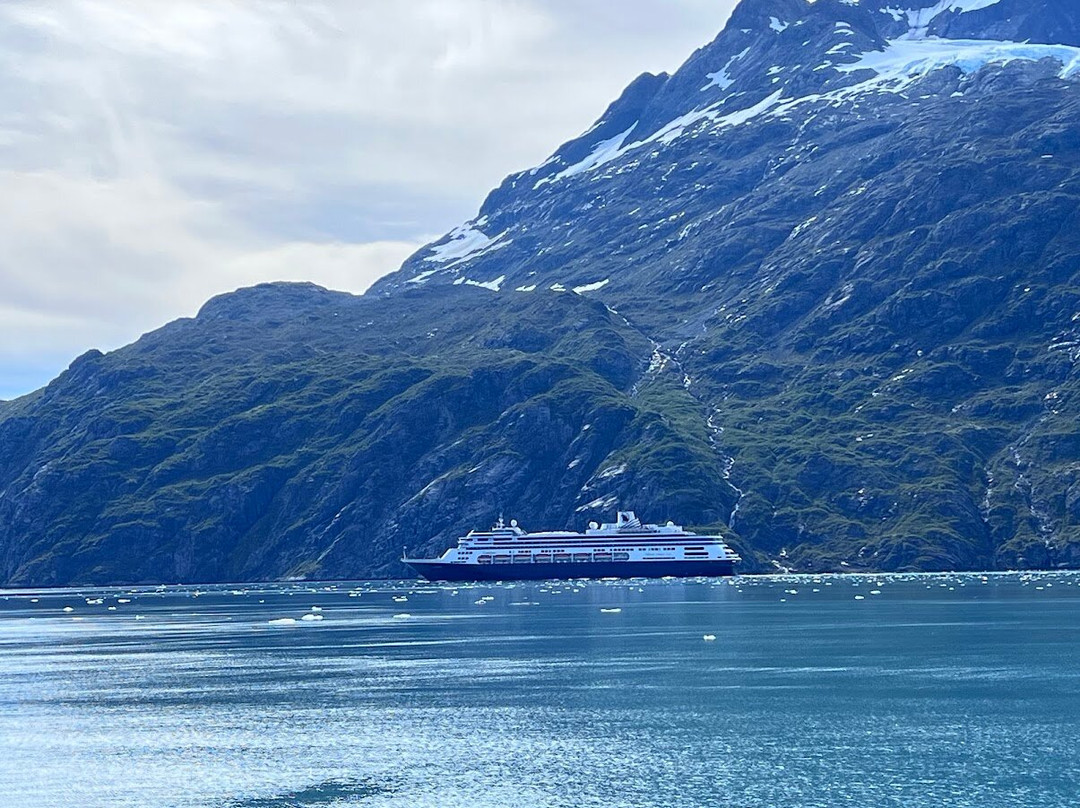
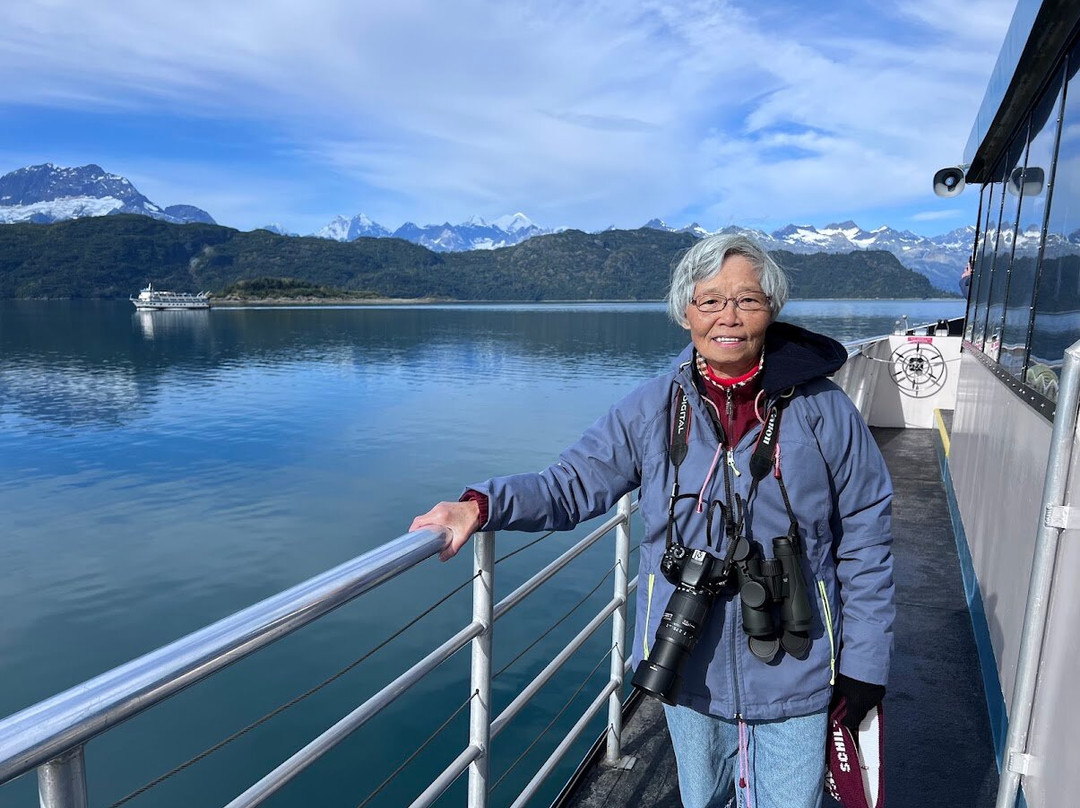
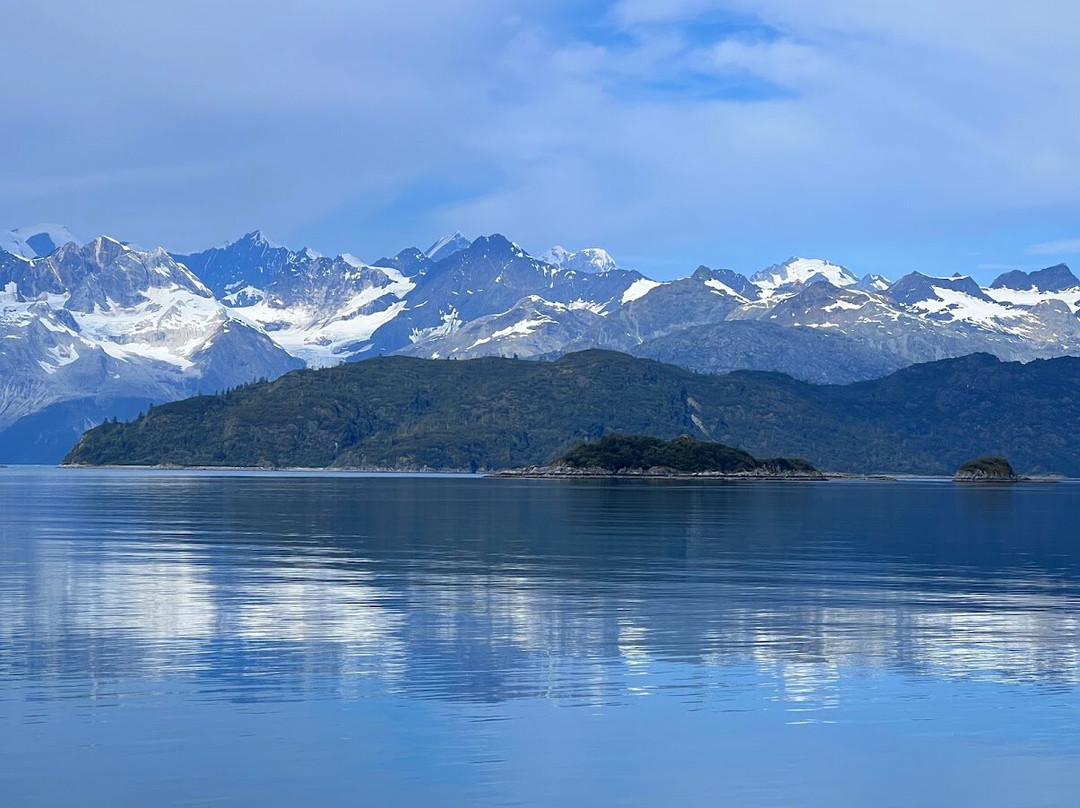
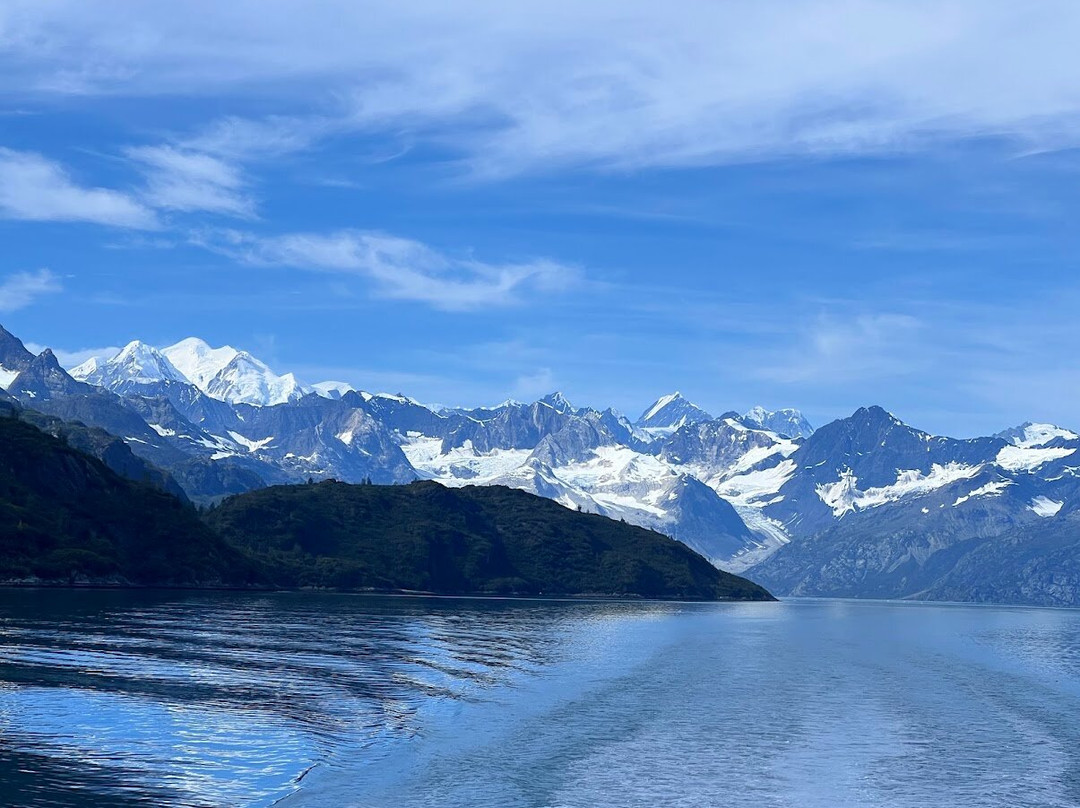
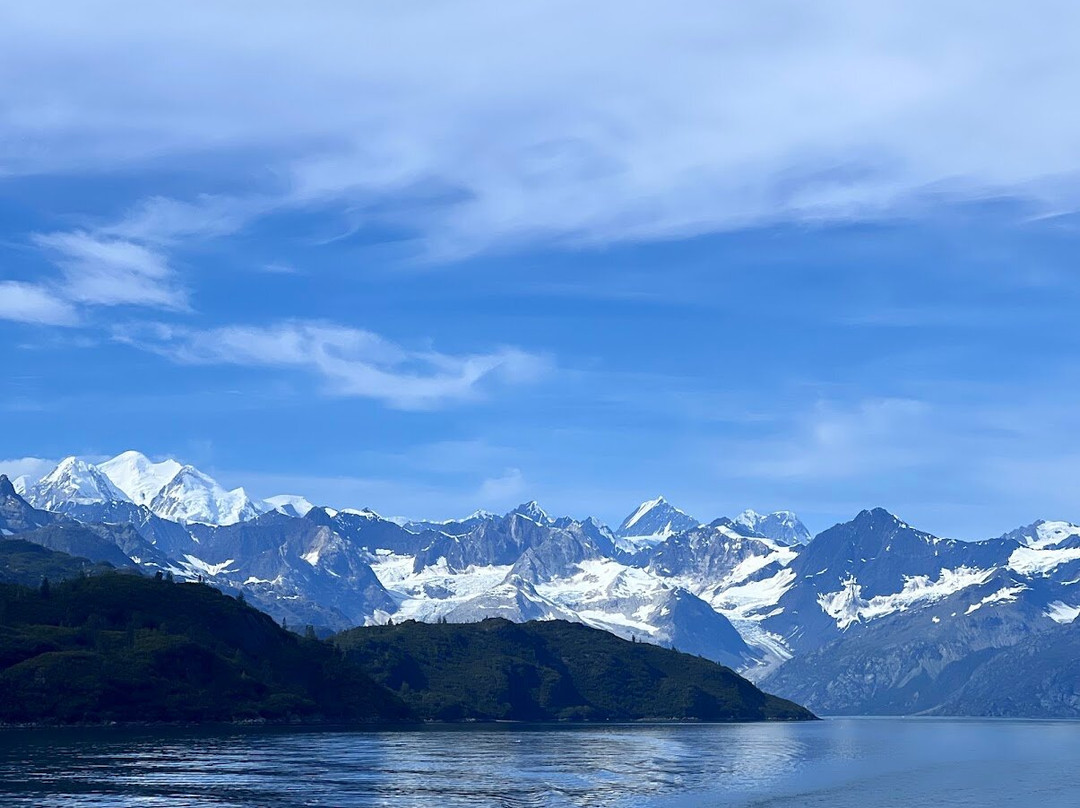
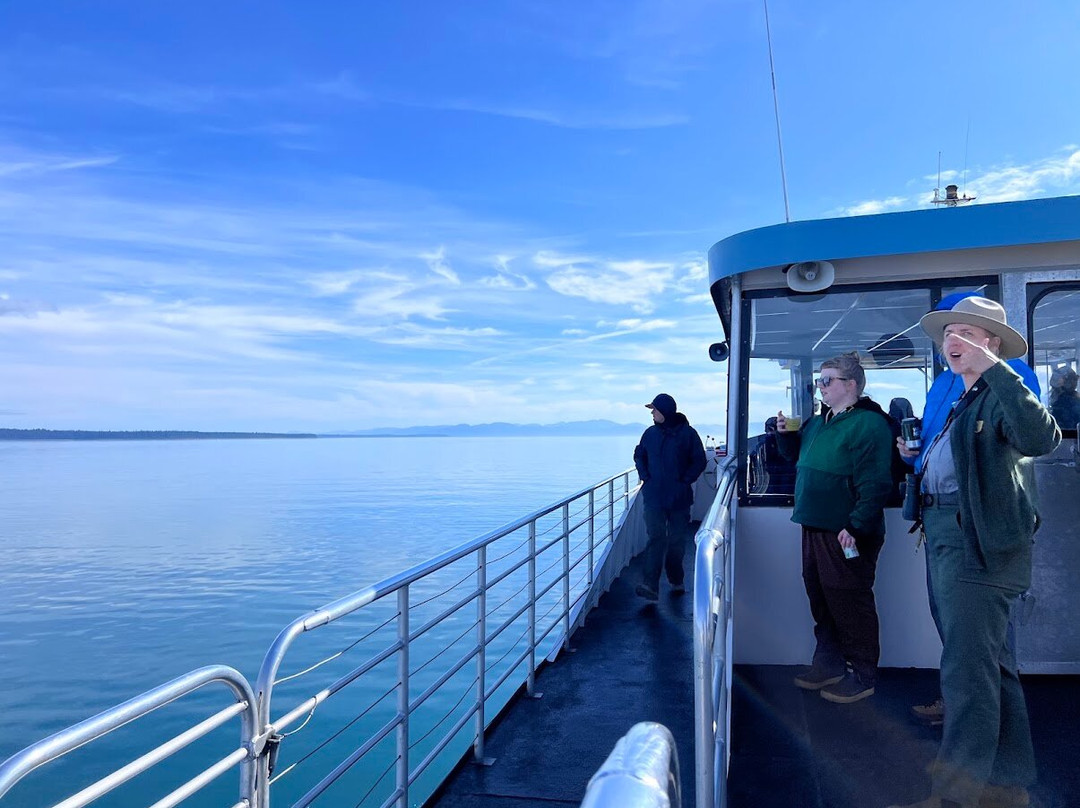
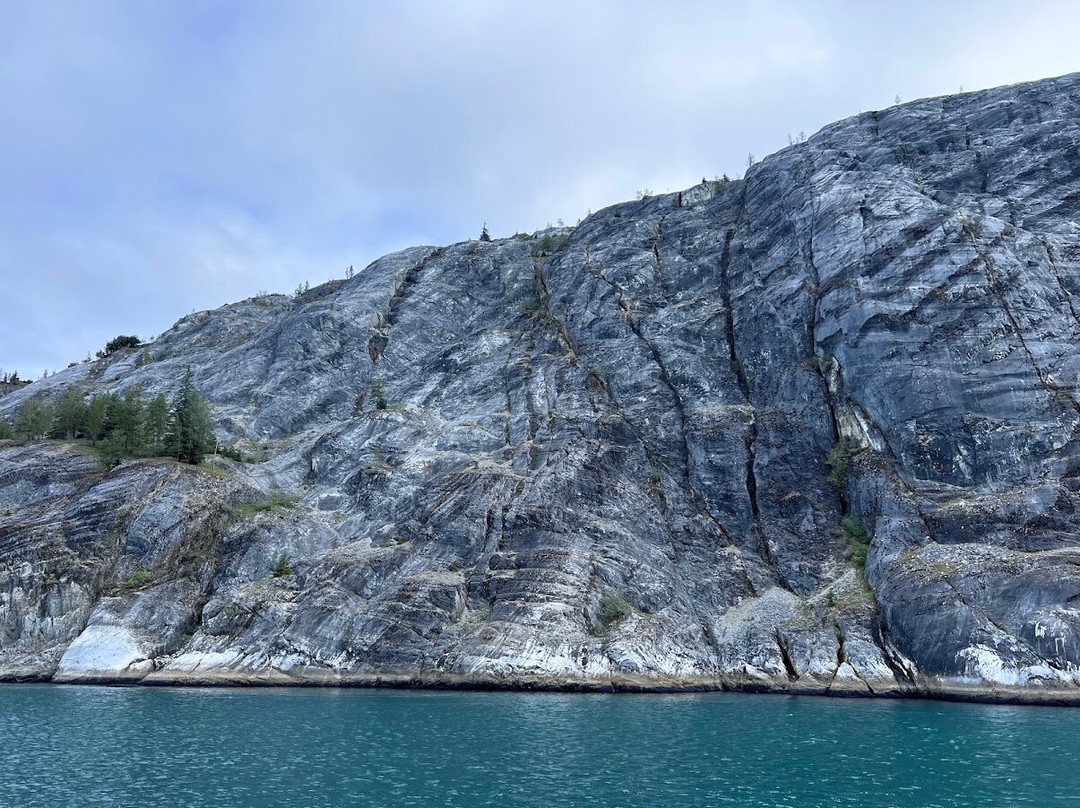
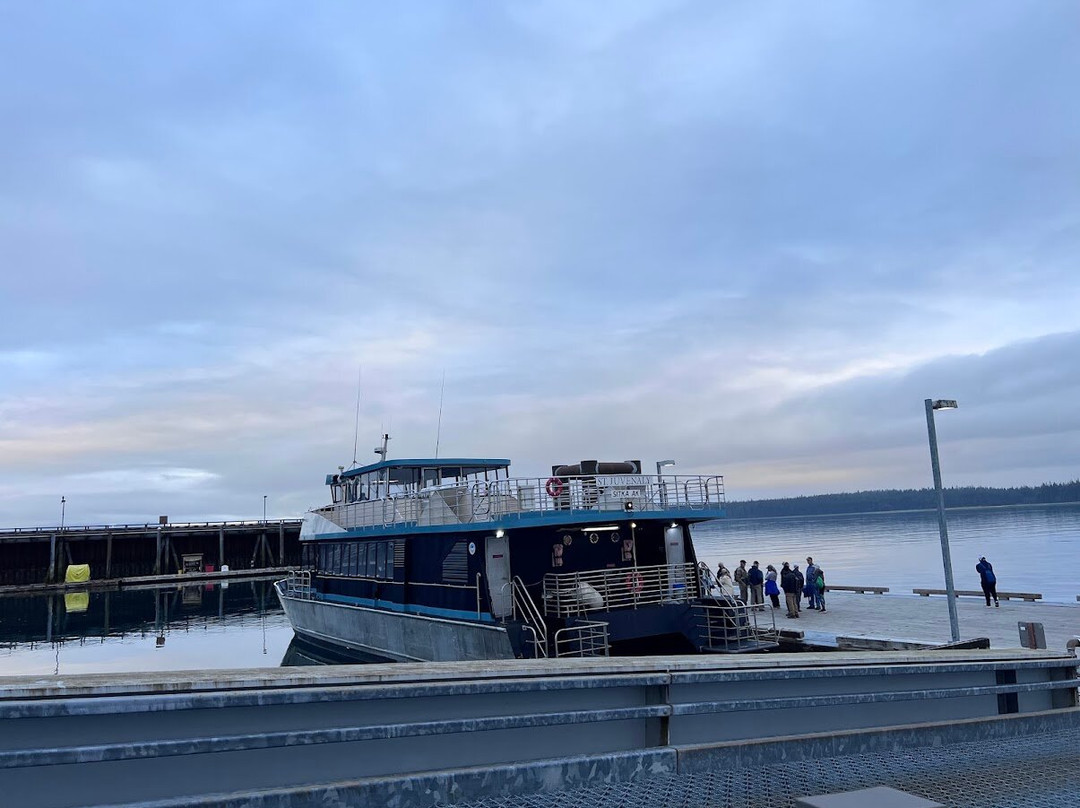
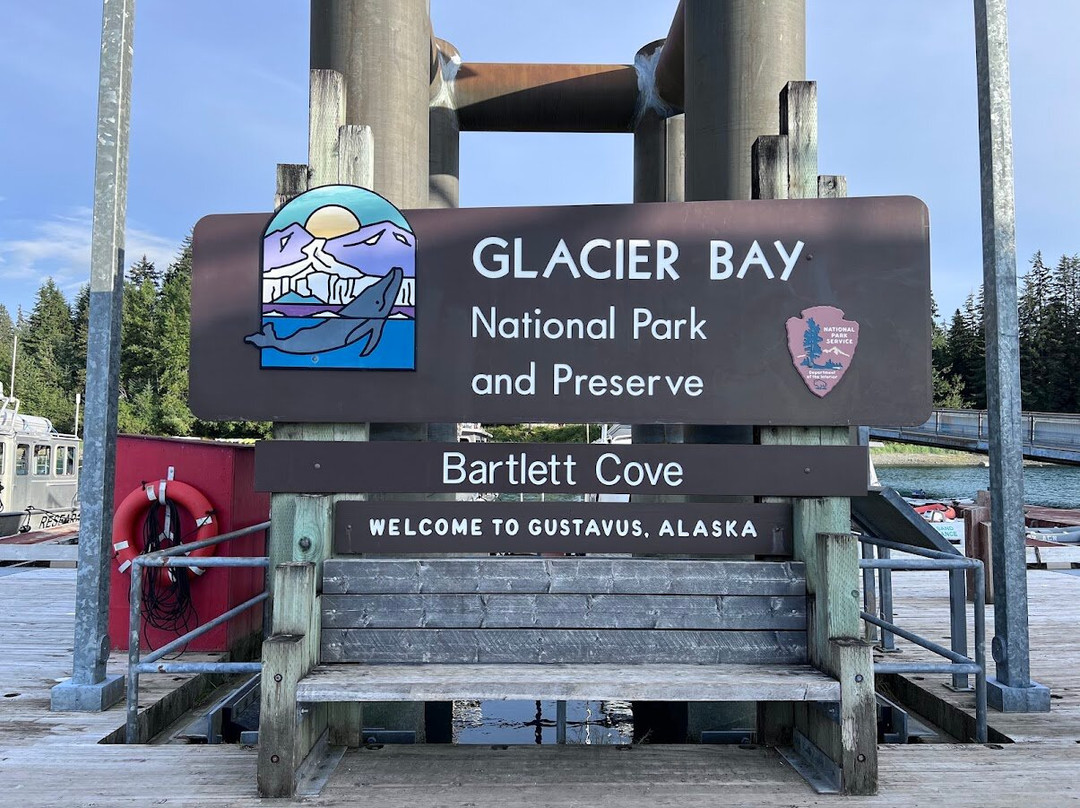
The next morning, we departed from the Bartlett Cove boat dock and began our eight-hour tour aboard a high-speed catamaran. This 8-hour tour is narrated by a National Park Service Ranger, who can answer all your questions about the tour and what you will see. We had booked this excursion directly through the Glacier Bay Lodge, which is operated by the National Park Service's authorized concessioner, Aramark. The Glacier Bay Day Cruise of the West Arm is the only scheduled daily tour boat permitted to enter the park's tidewater glaciers, fjords, wildlife sanctuaries, lush rainforests, and protected wilderness areas during the summer. It is a renowned UNESCO World Heritage Site and one of the premier tidewater glacier sanctuaries in the United States.
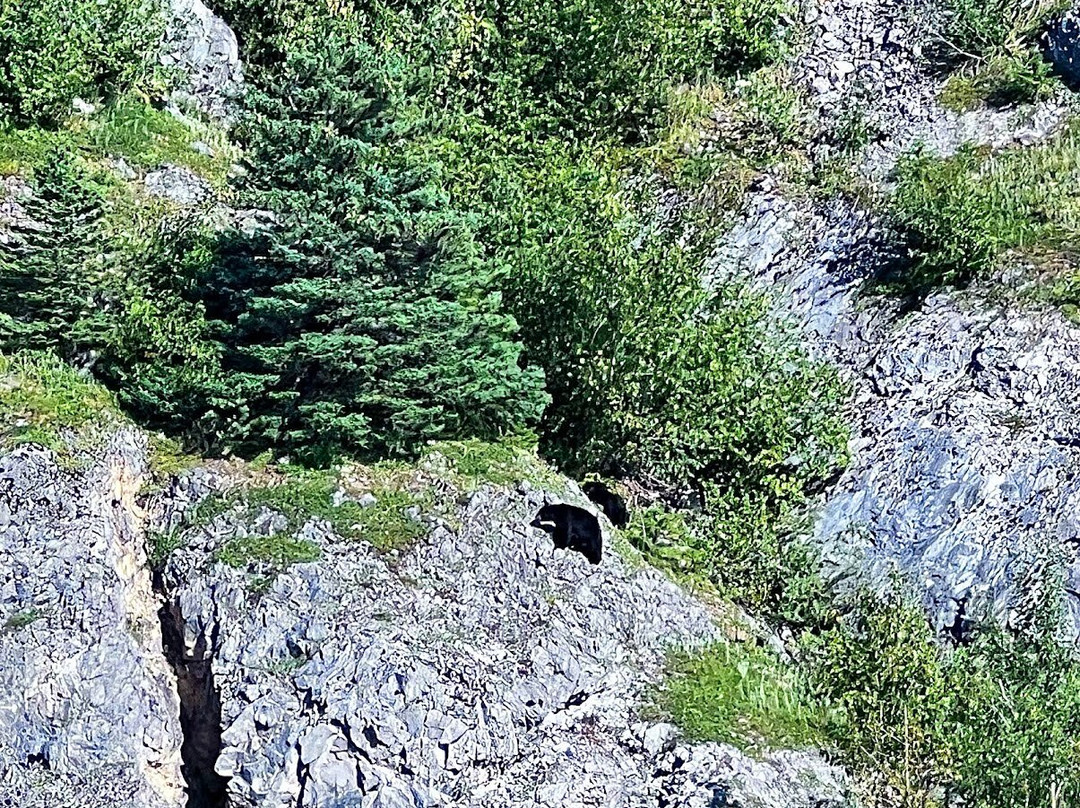
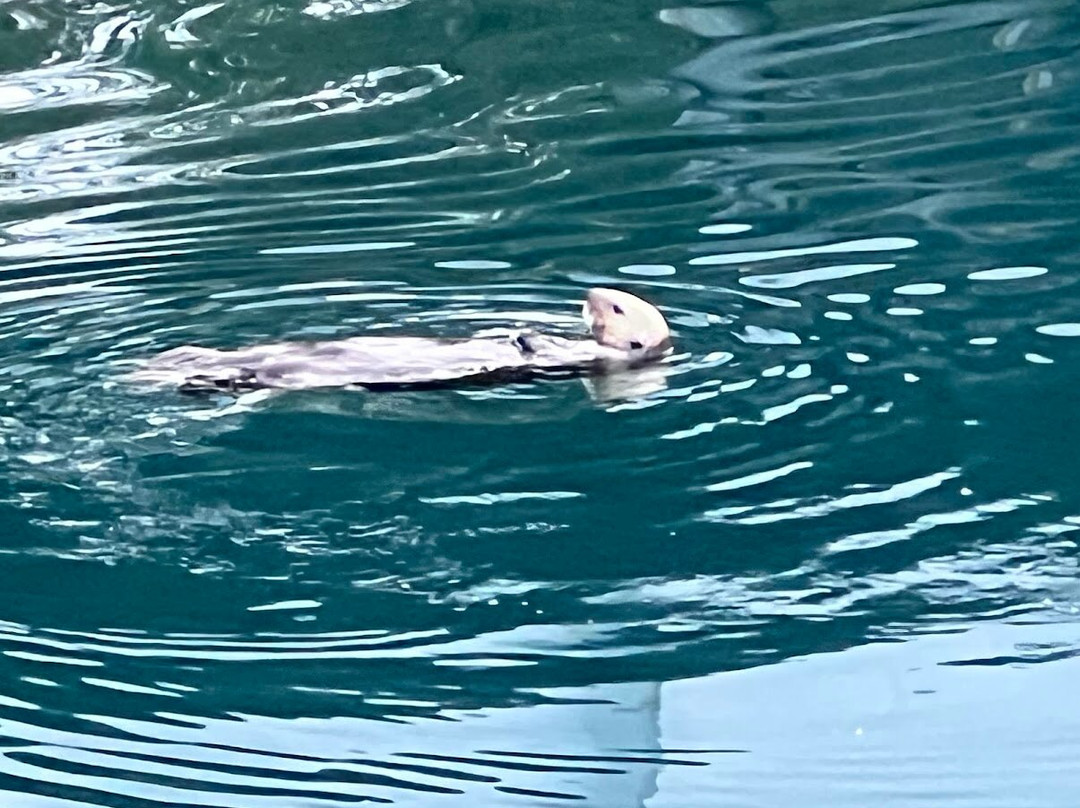
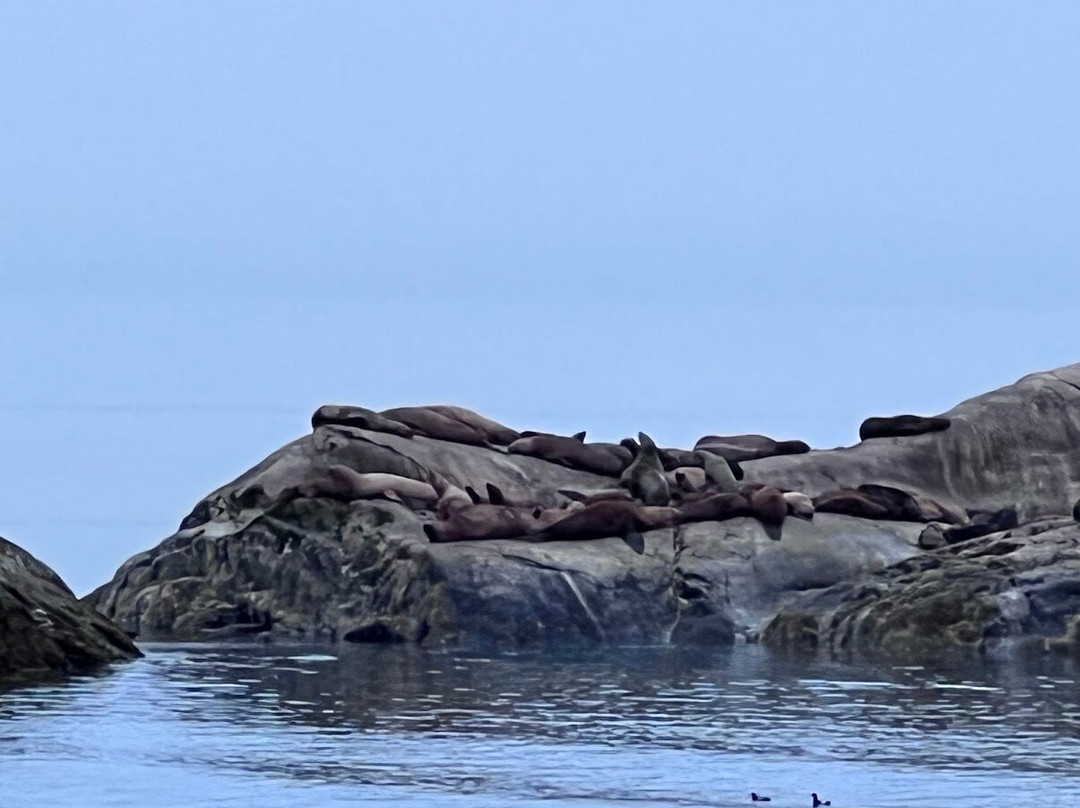
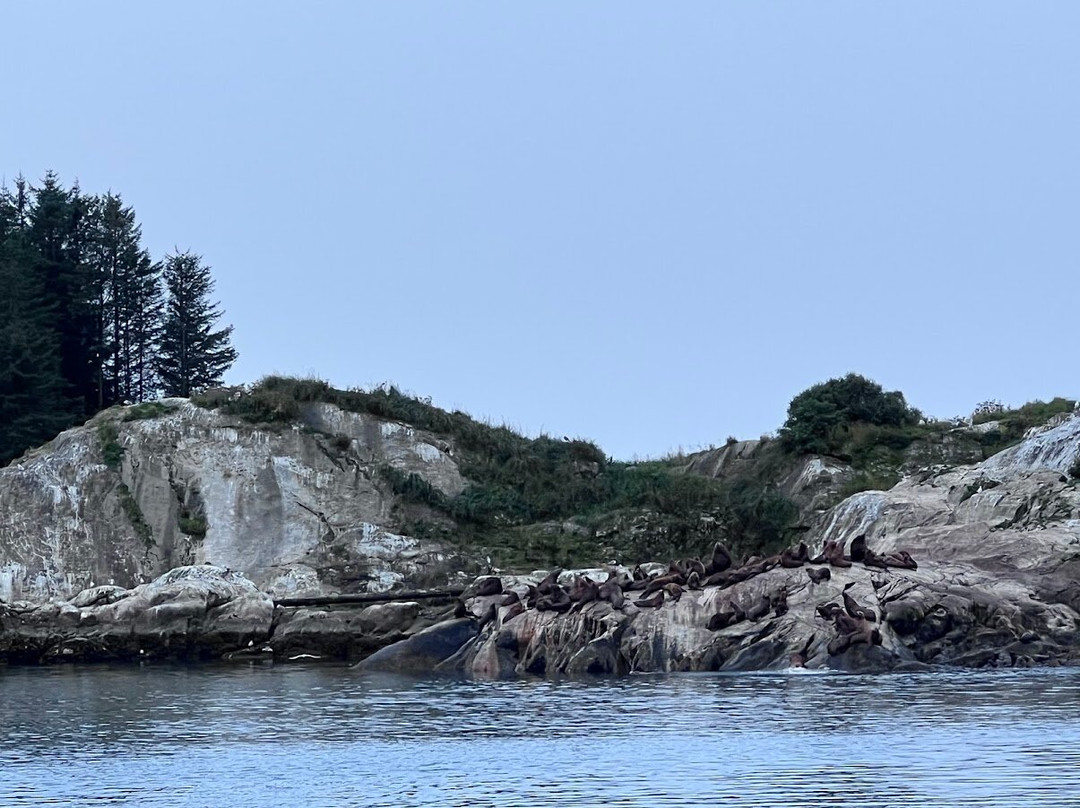
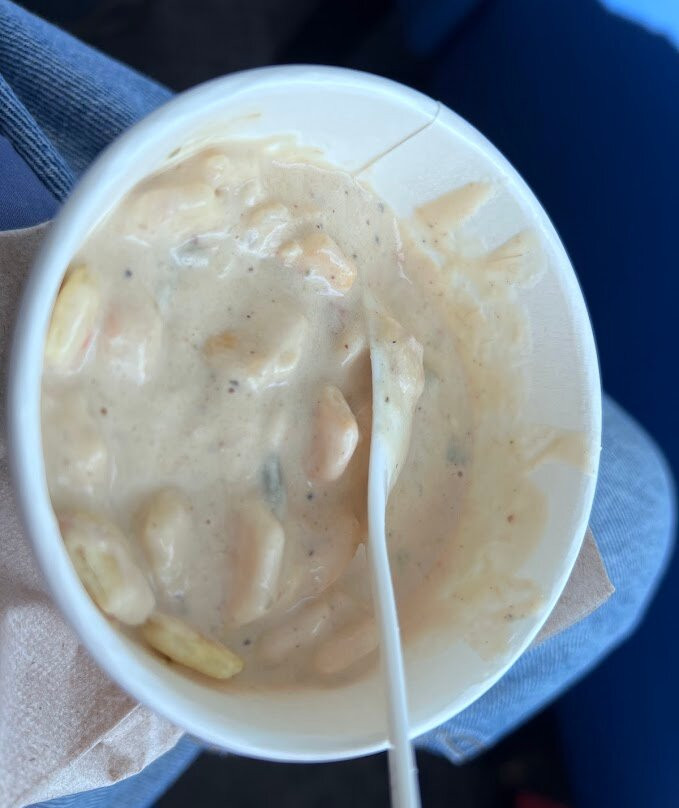
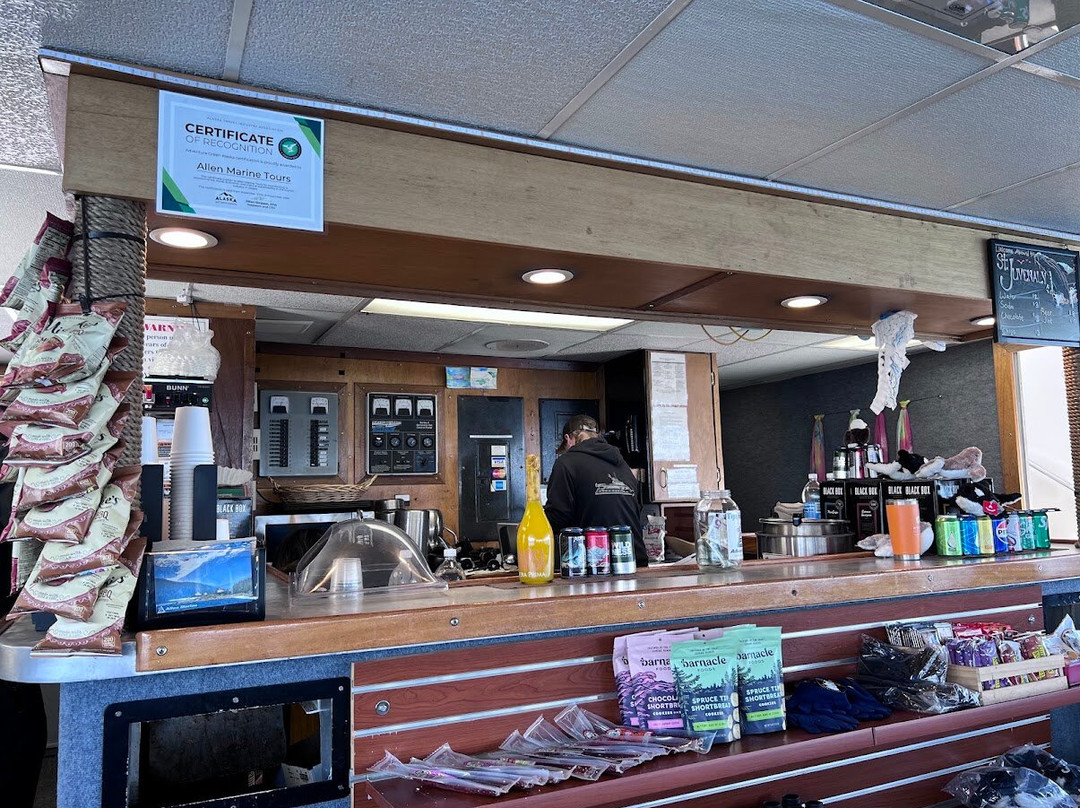
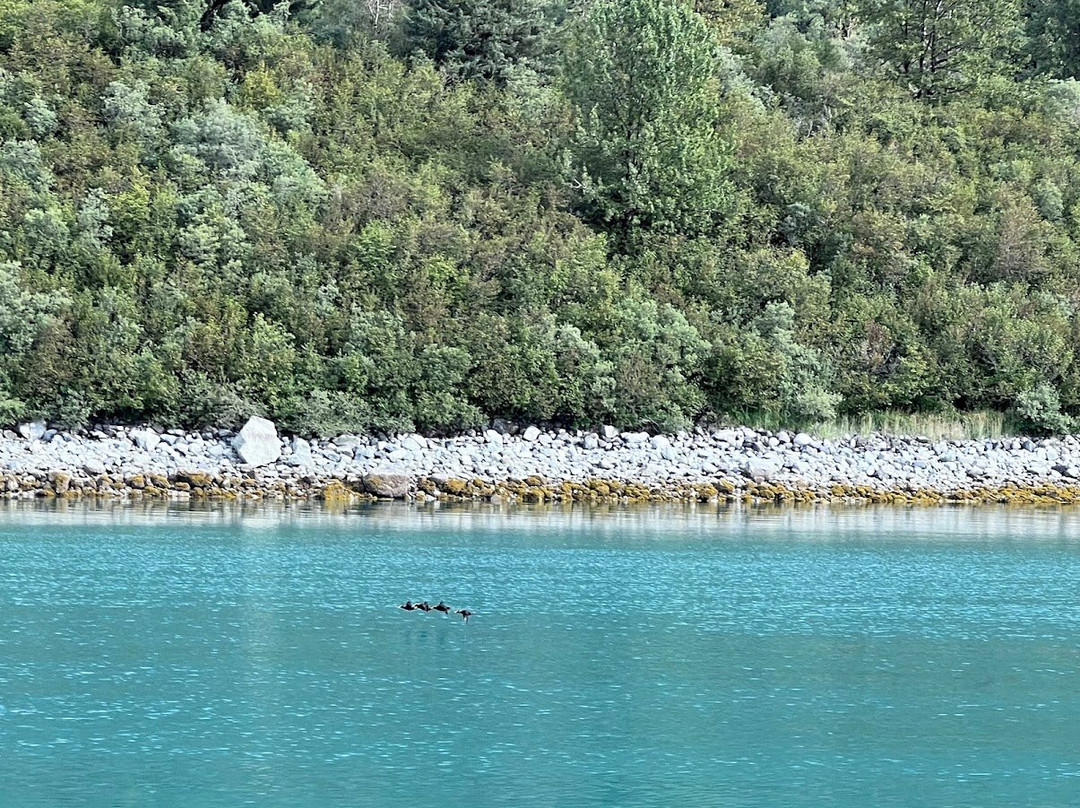
Our tour departed early at 7:15 AM, and we were welcomed by an incredibly energetic and warm crew. The onboard service included sandwiches for lunch, hot beverages throughout the trip, canned soda, and light snacks. As we cruised through the designated routes, sea otters were in my very first sight among the abundant marine wildlife thriving in this protected environment. Our first dedicated wildlife stop was South Marble Island, where families of Steller sea lions hauled out on the rocks, basking under warm sunshine and enjoying the fresh air together. We also encountered various species of seabirds, saw pigeon guillemots skimming over the icy water for their catch, spotted black mama and baby bears distance away on the mountains' rocky terrain.
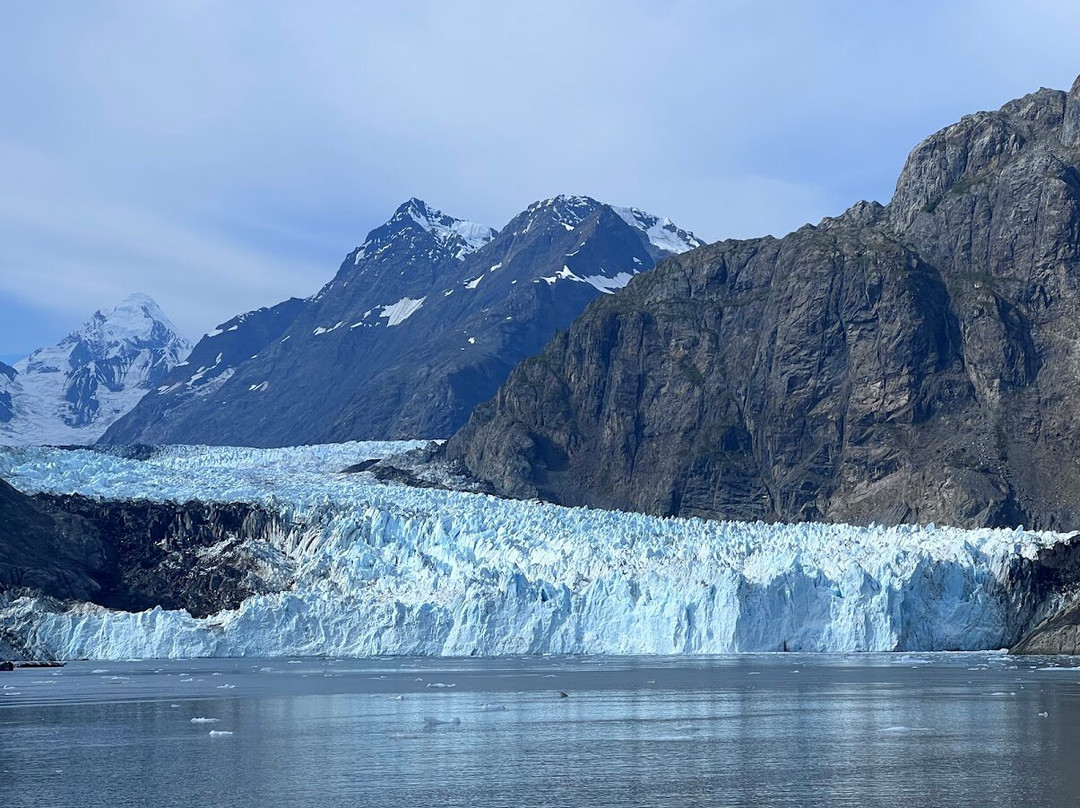
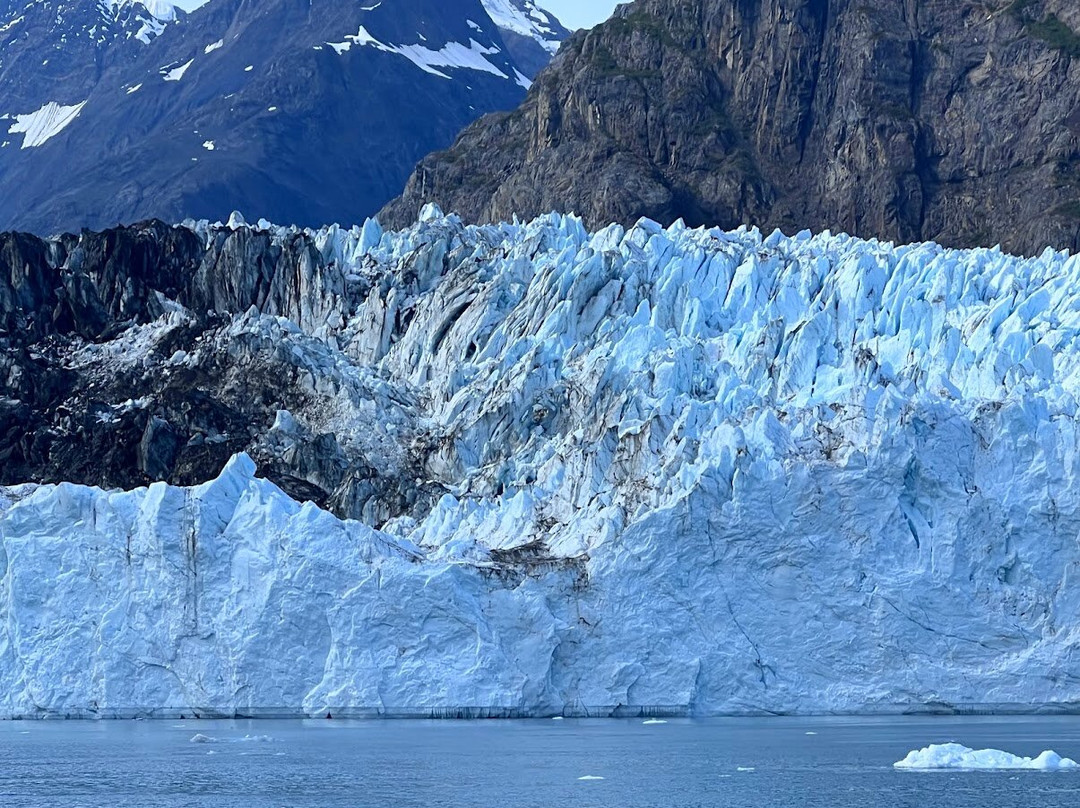
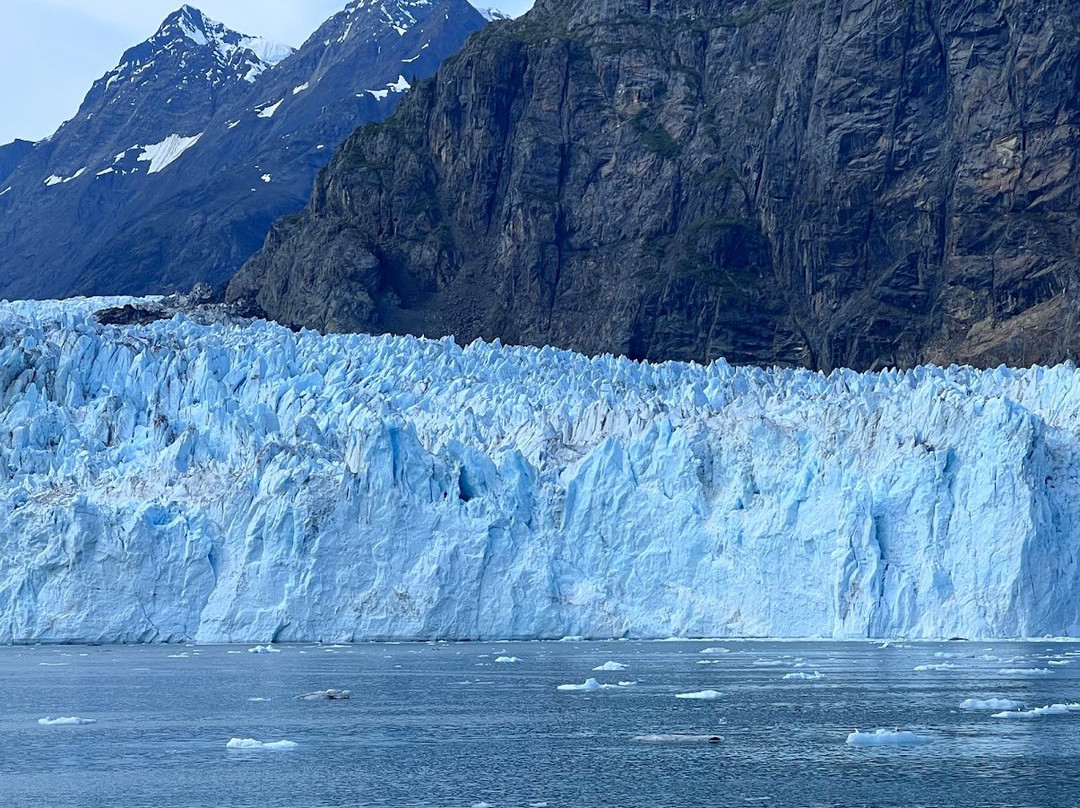
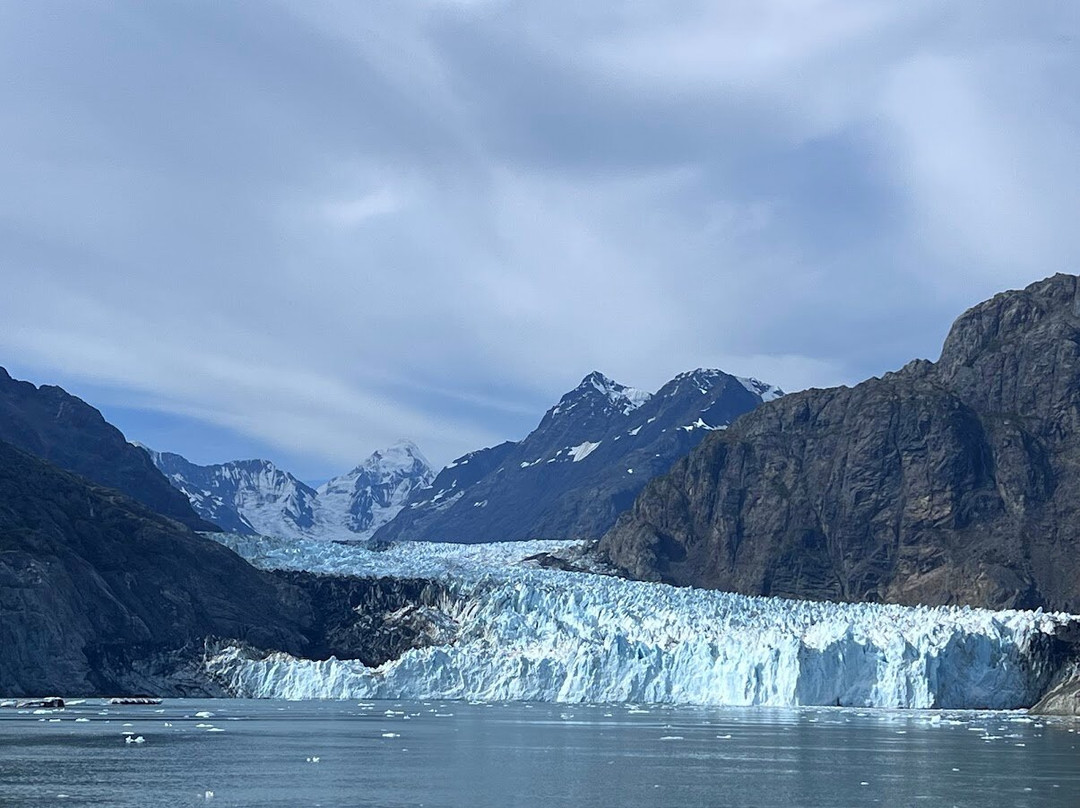
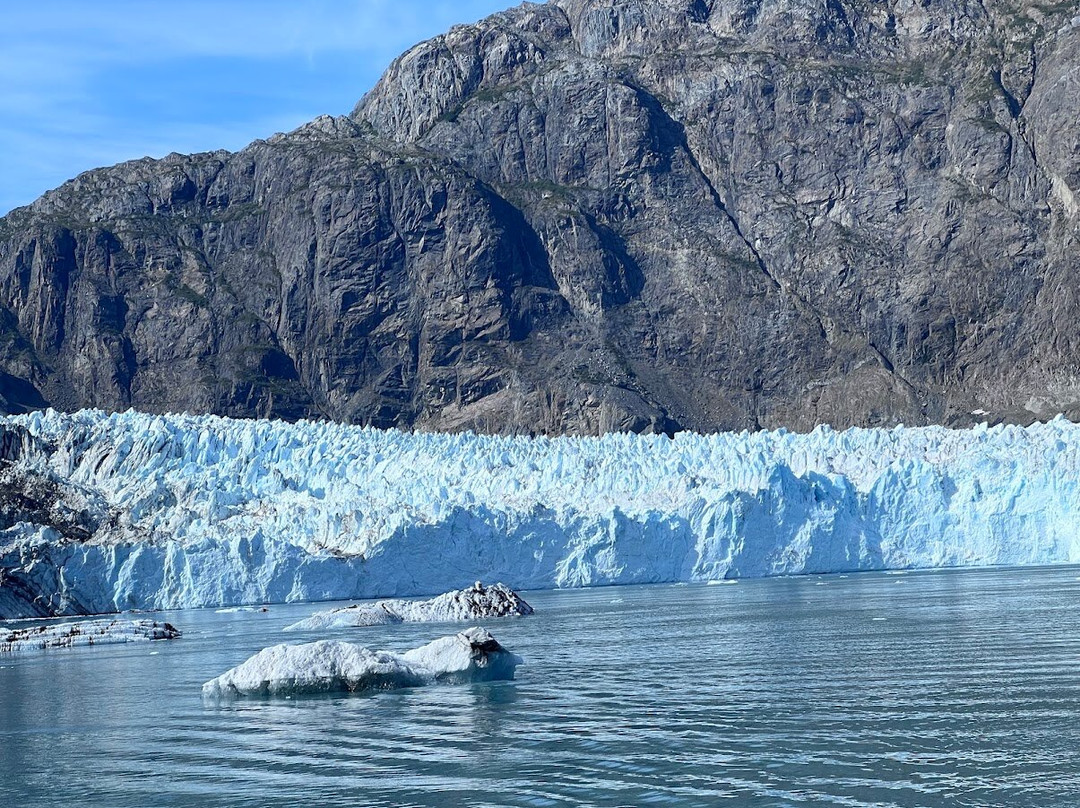
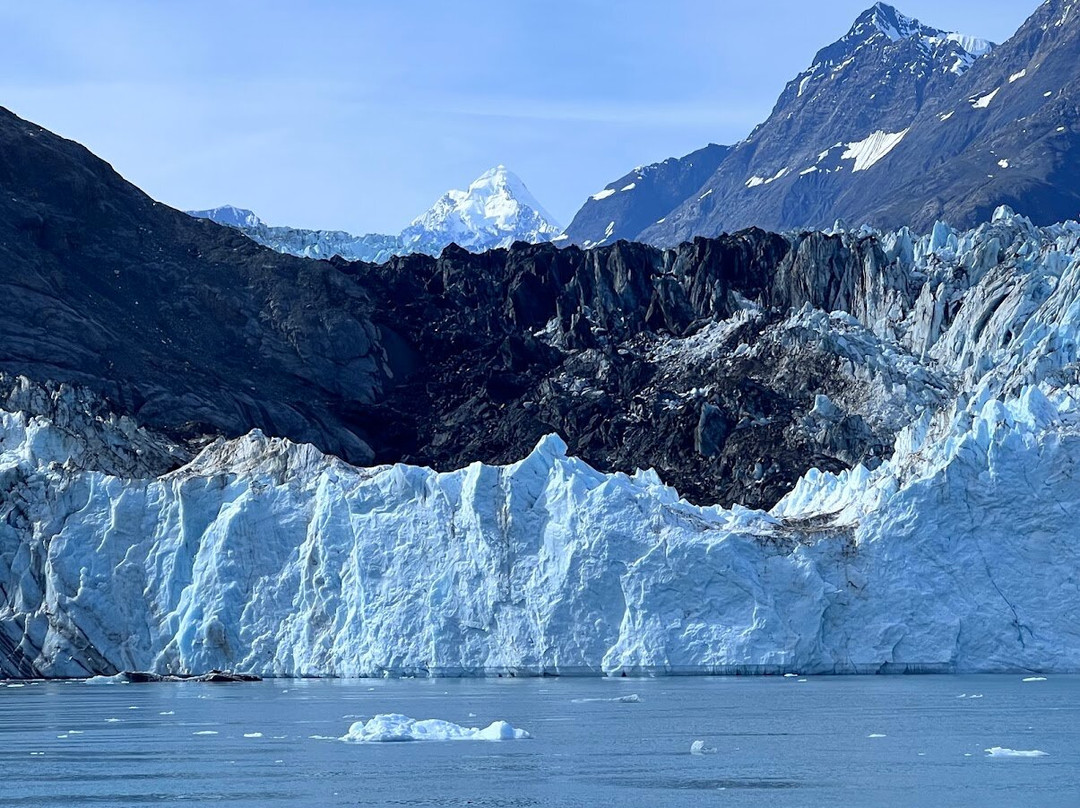
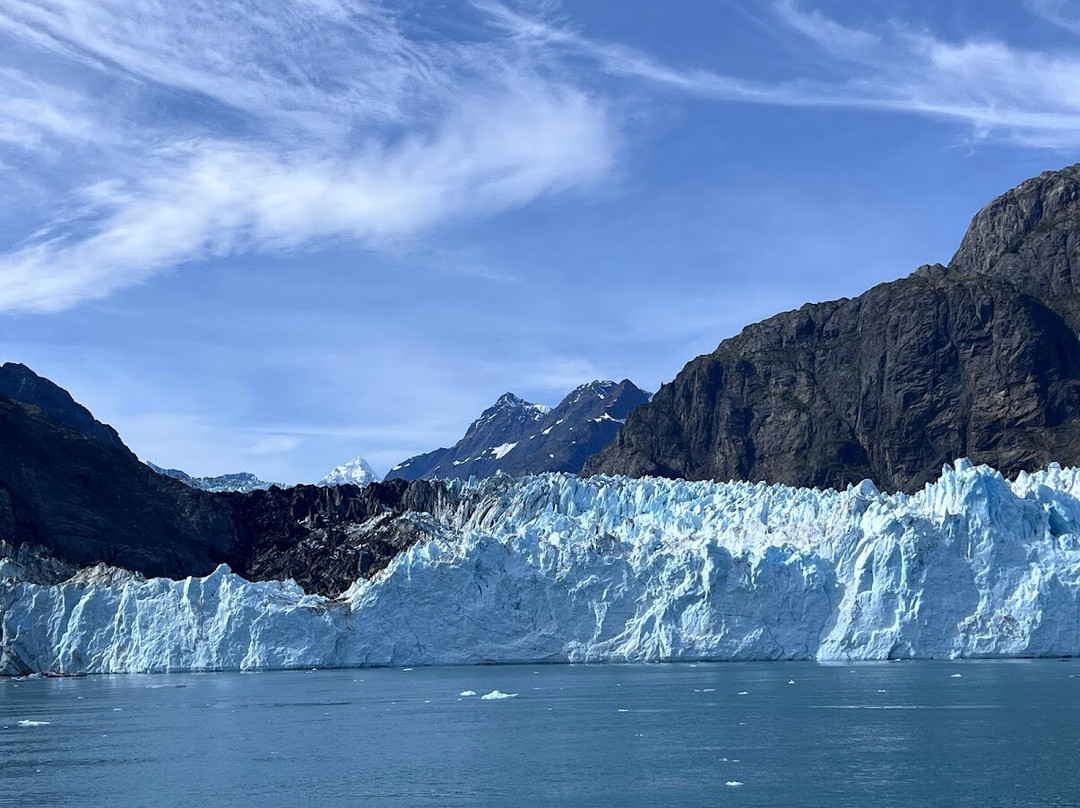
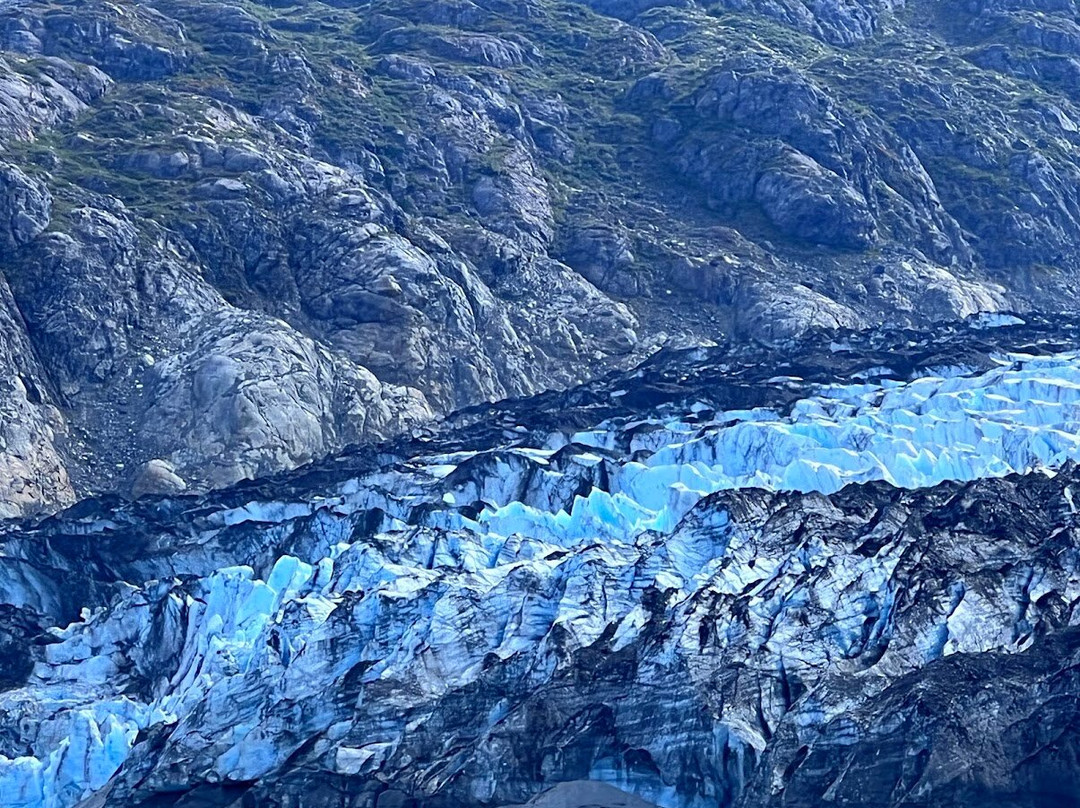
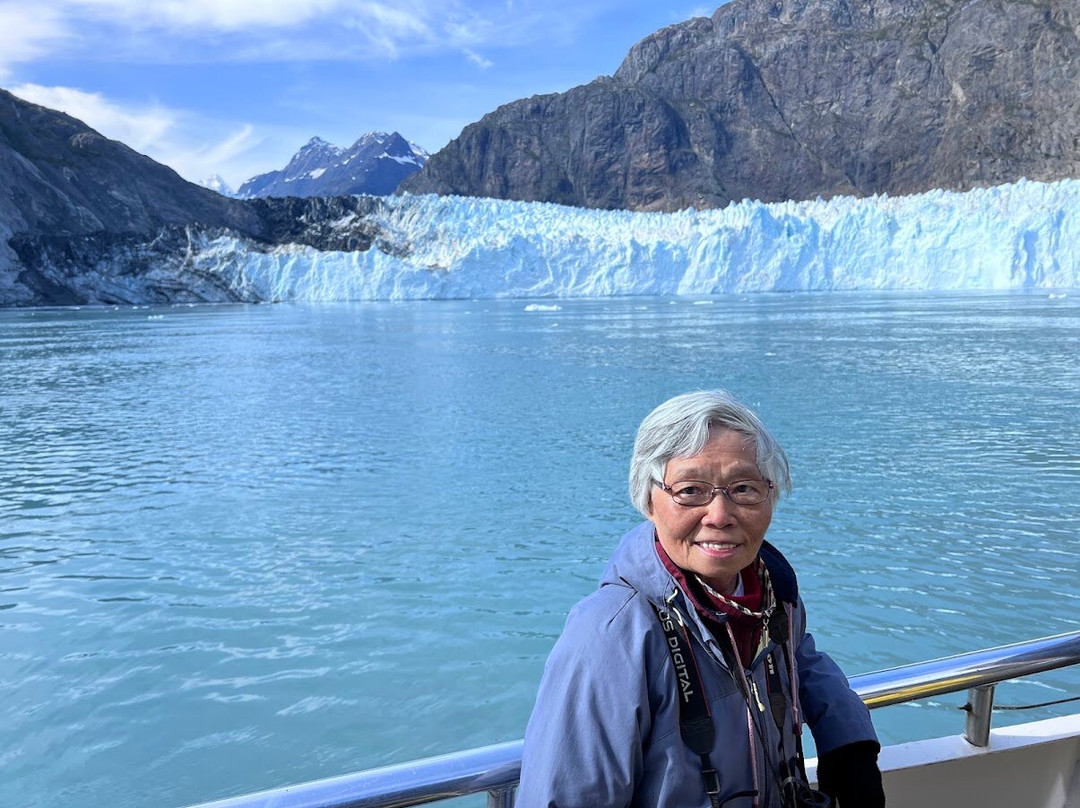
The absolute best part of the day was visiting the famous Margerie Glacier. As we approached its sprawling mass and towering face, enthusiastic passengers gathered on the outer deck, aiming their camera lenses at the wide profile of the upper glacier, its deep crevasses, and the dramatic wall where the ice meets the sea. Everyone was eagerly waiting for a once-in-a-lifetime glimpse of glacier calving. The captain stopped the boat about a quarter-of-a-mile away and quieted the engines. After we waited for about 10 to 15 minutes, a loud, crushing boom echoed from a distance. Within seconds, a massive block of ice broke away and crashed violently into the icy water. The passengers cheered in absolute awe—it was the most thrilling moment of the entire trip.
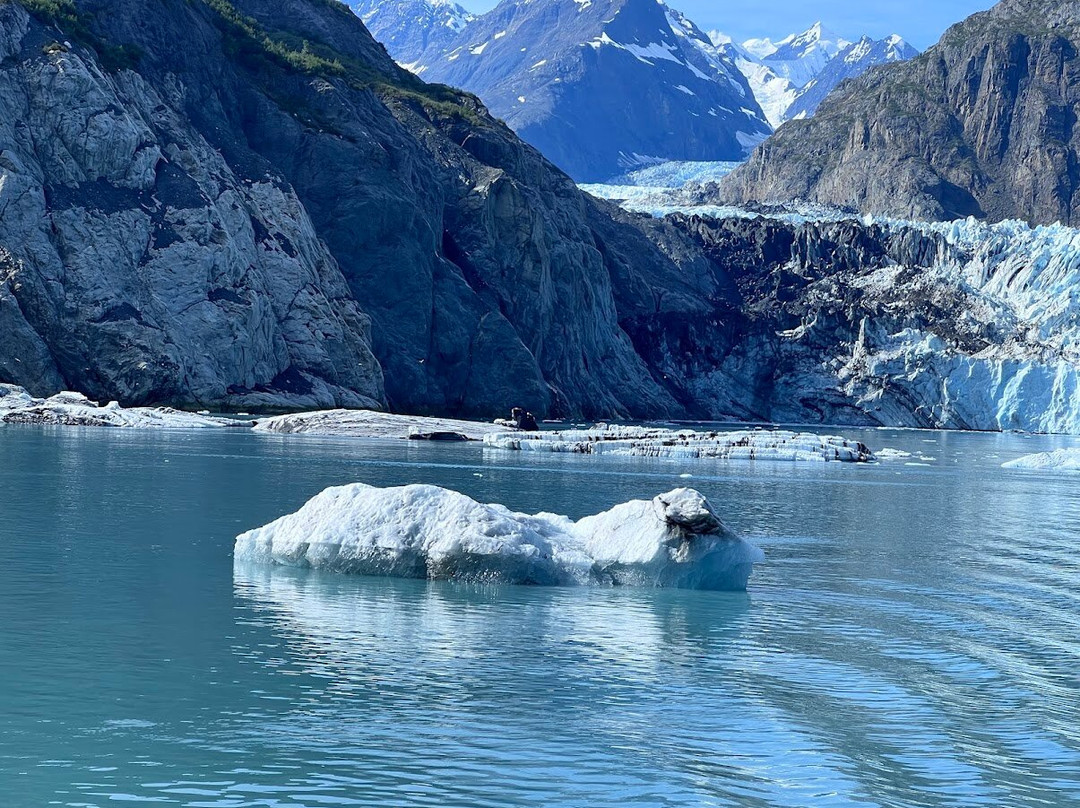
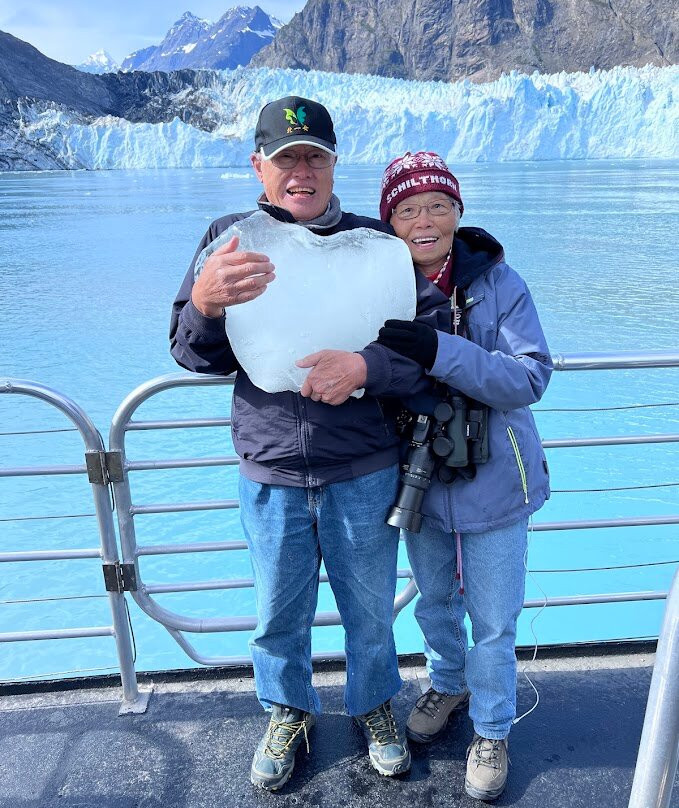
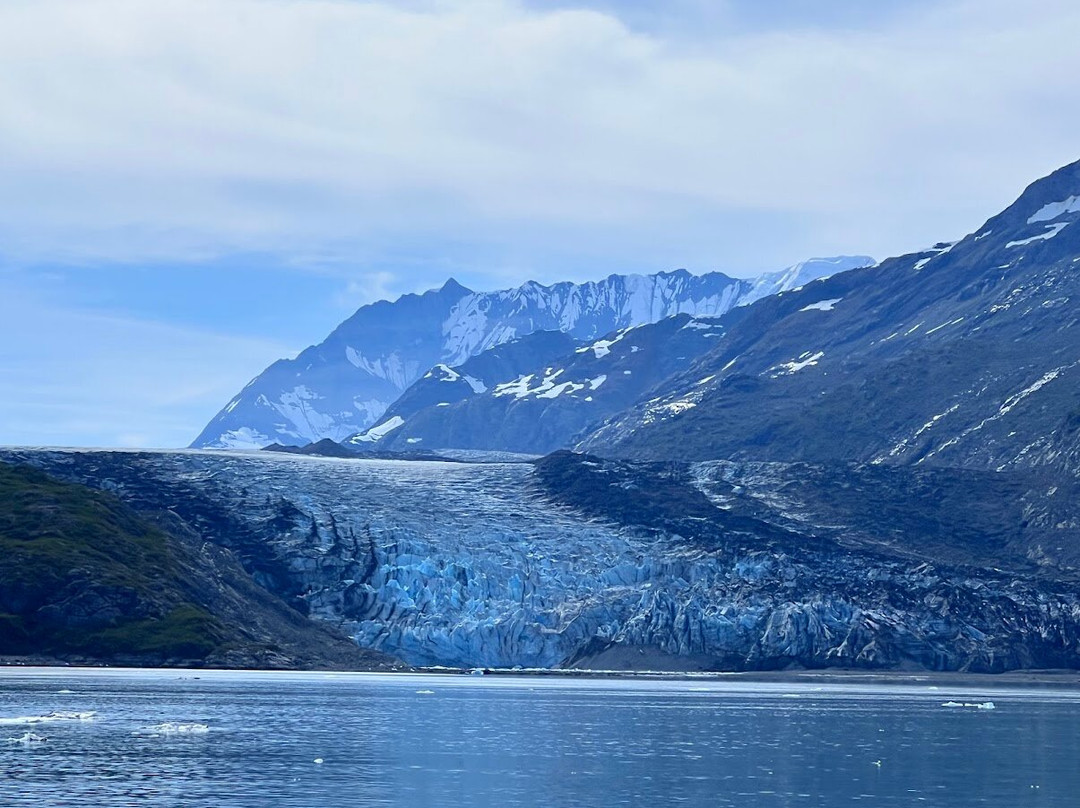
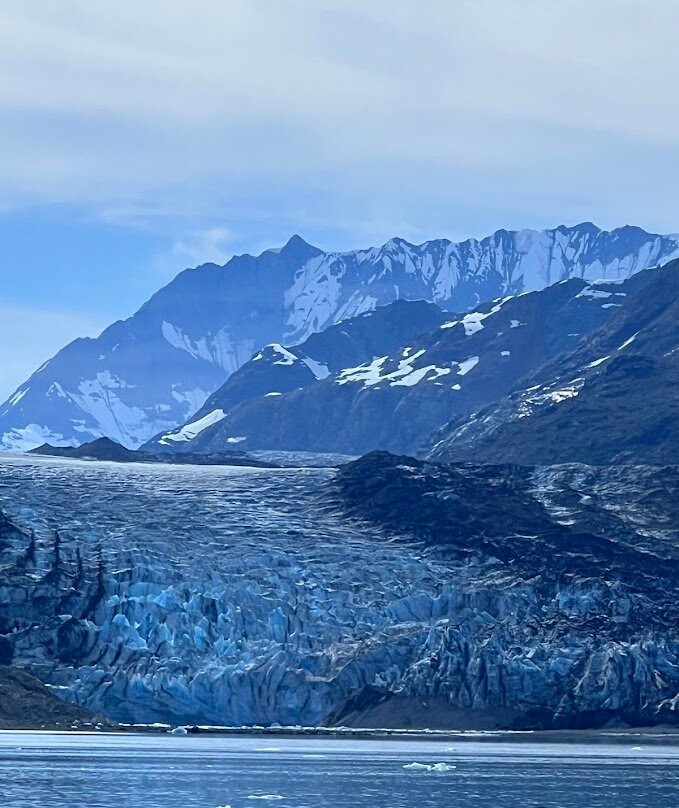
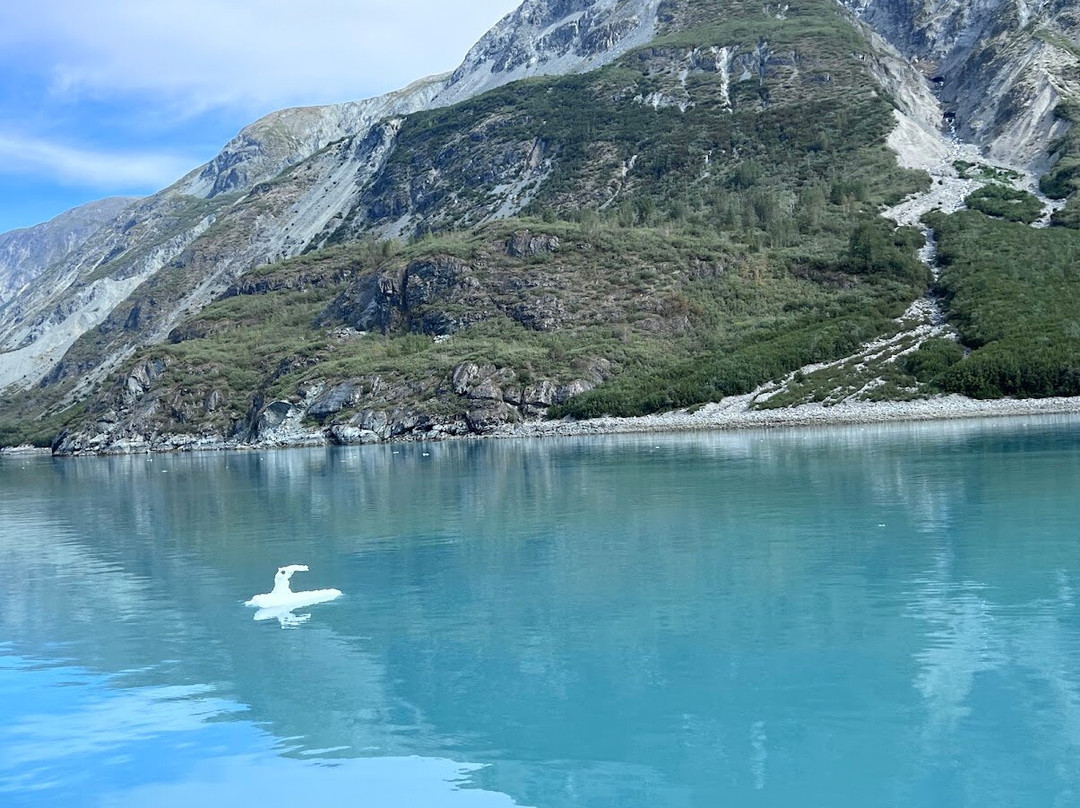
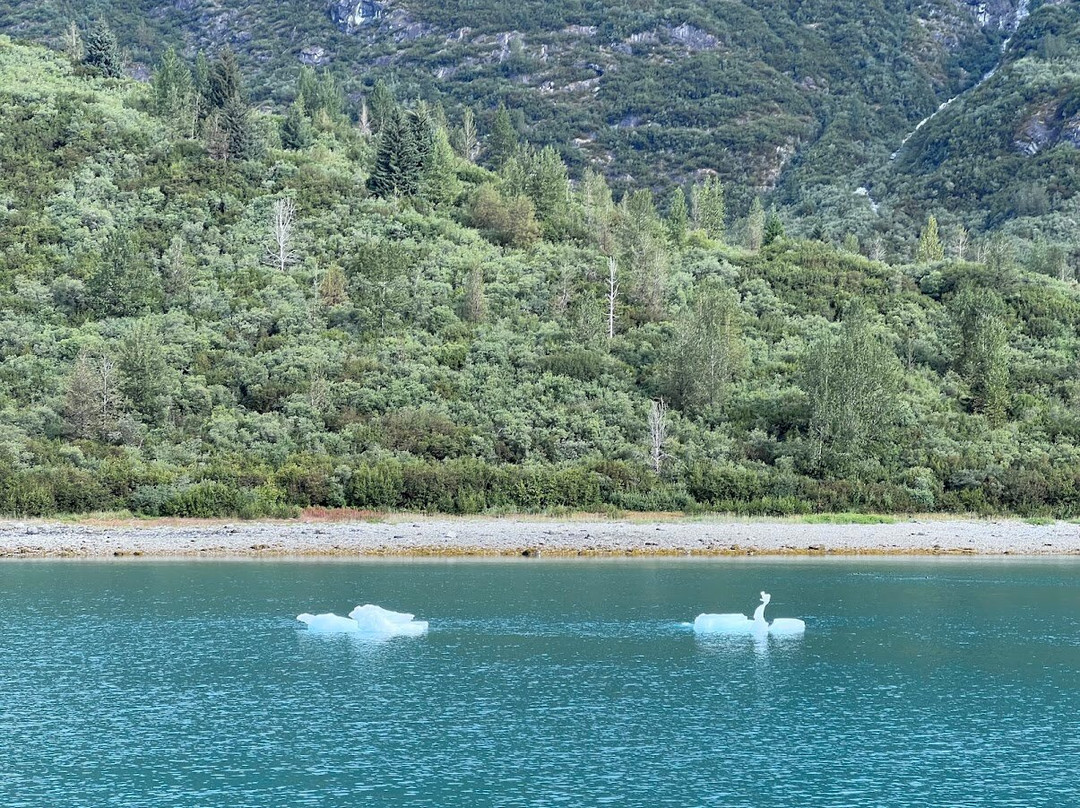
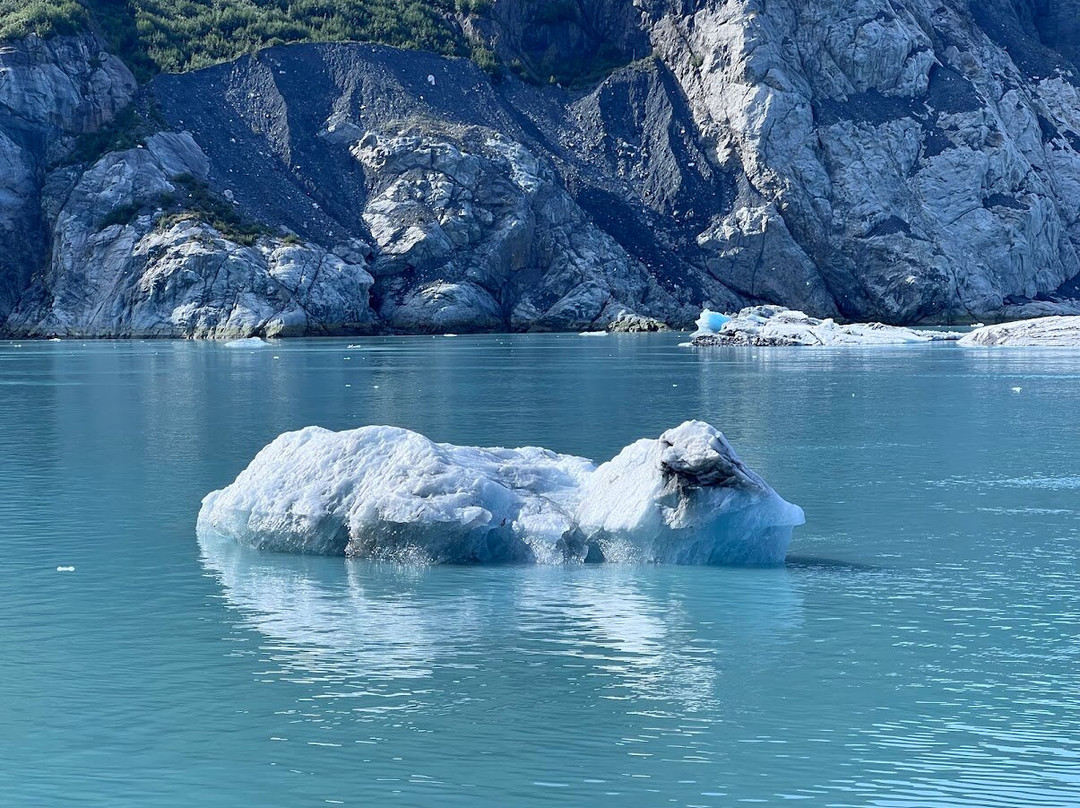
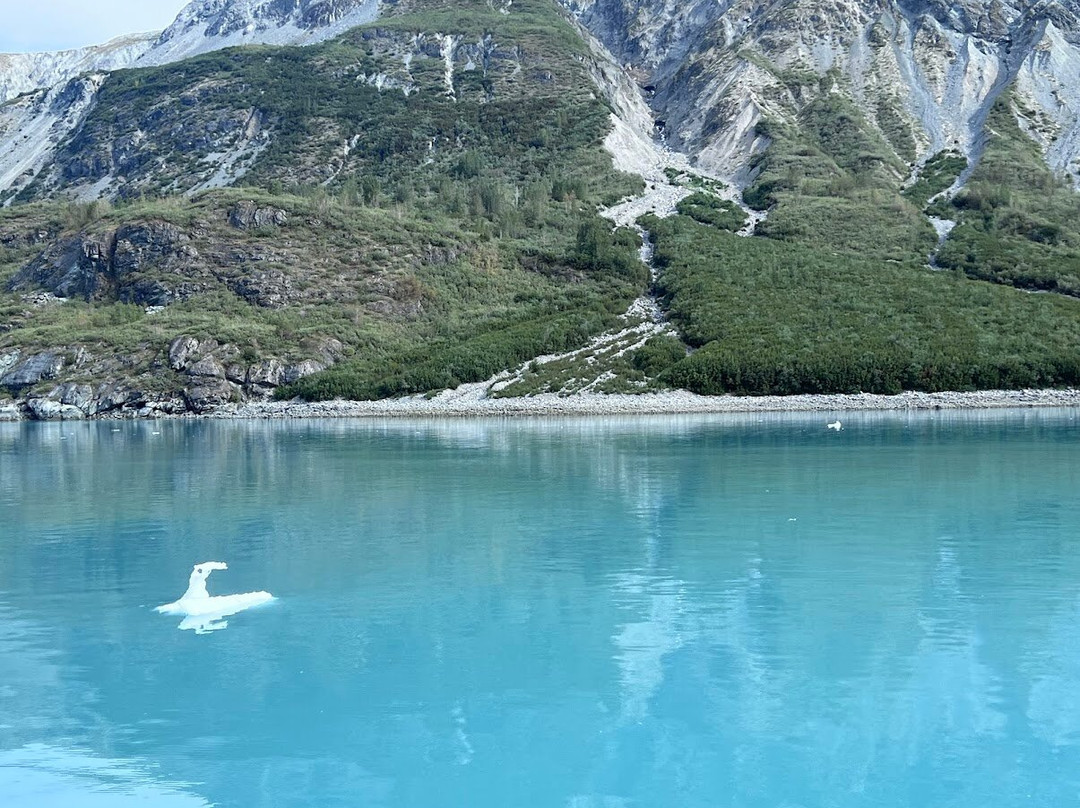
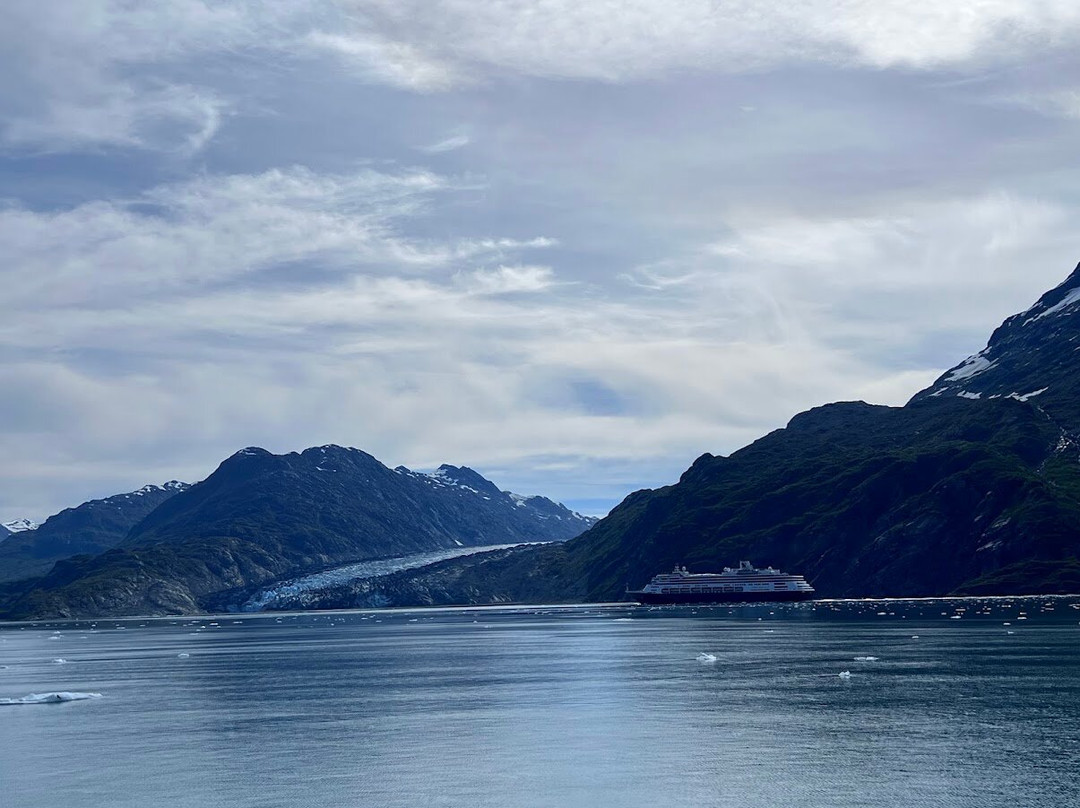
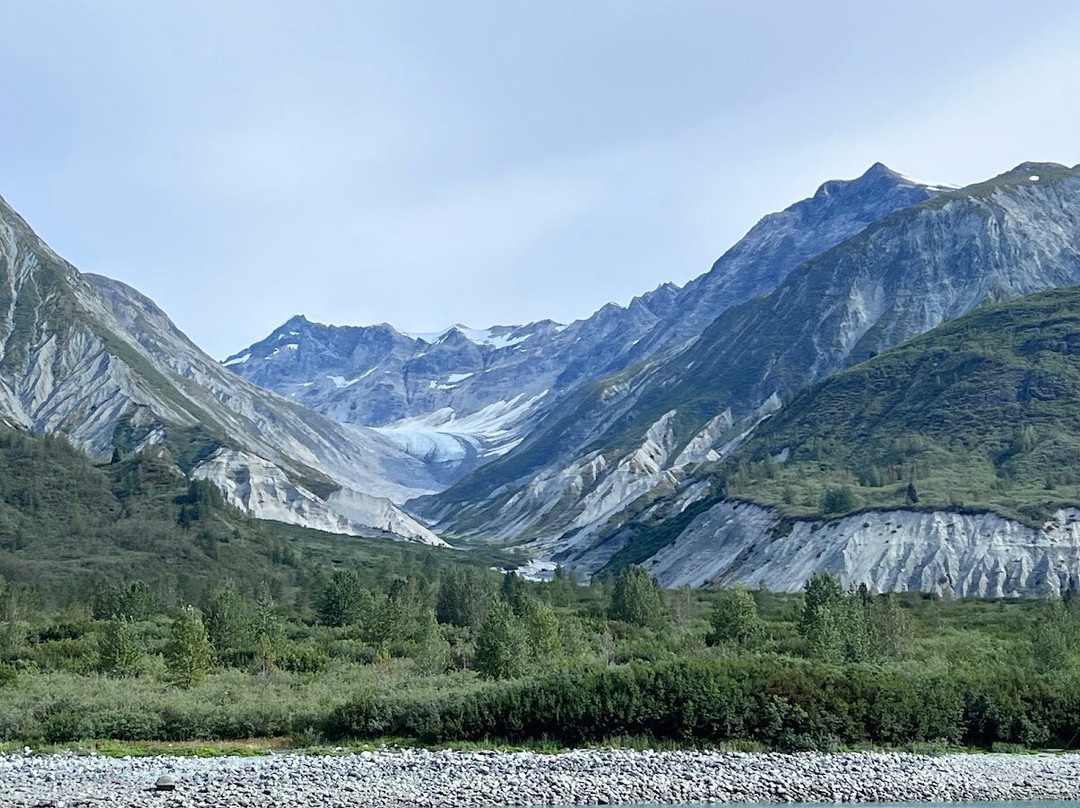
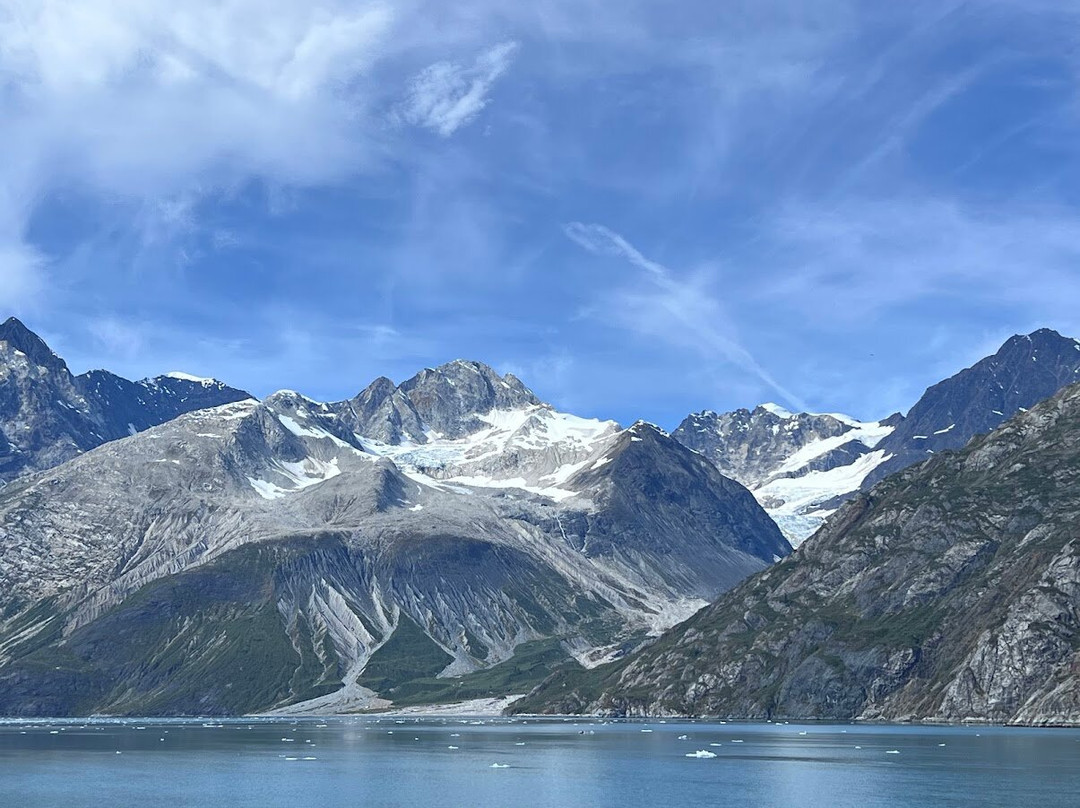
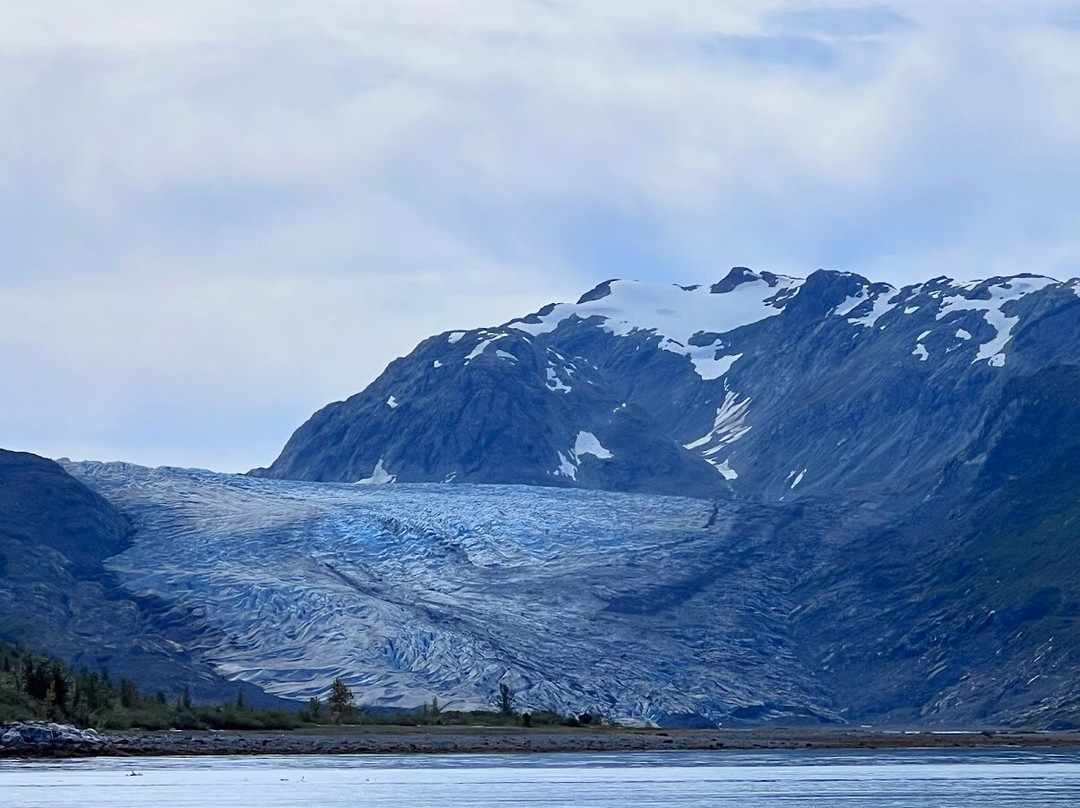
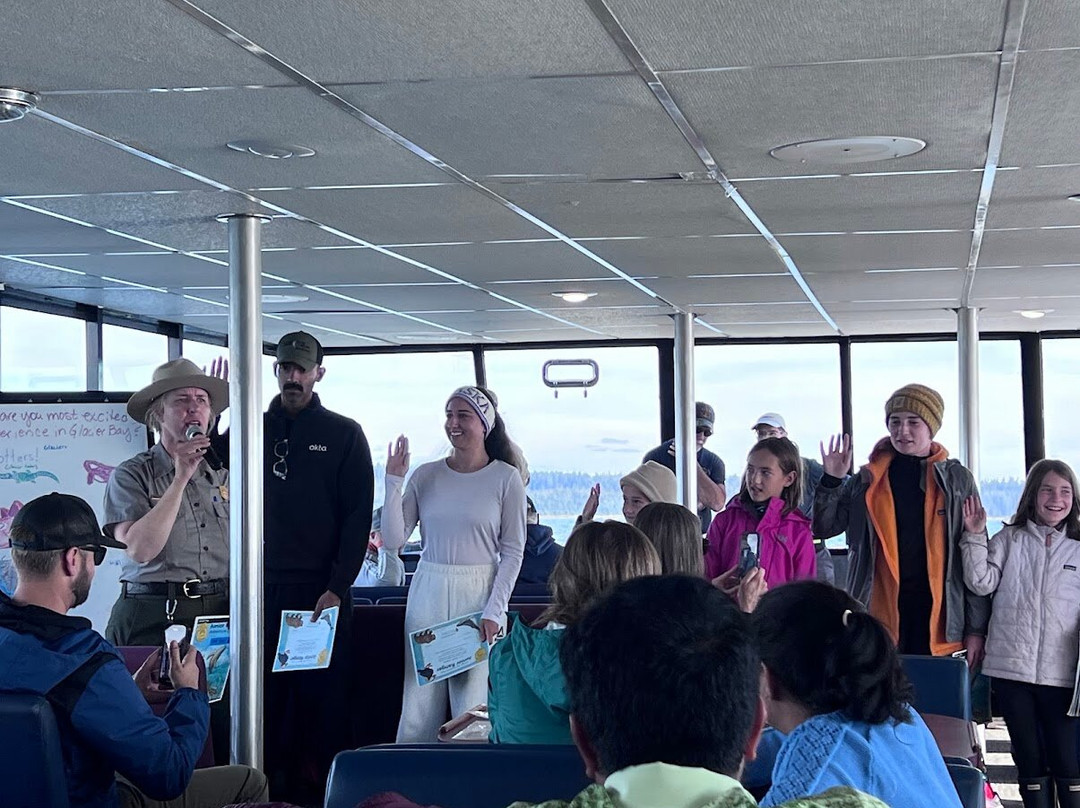
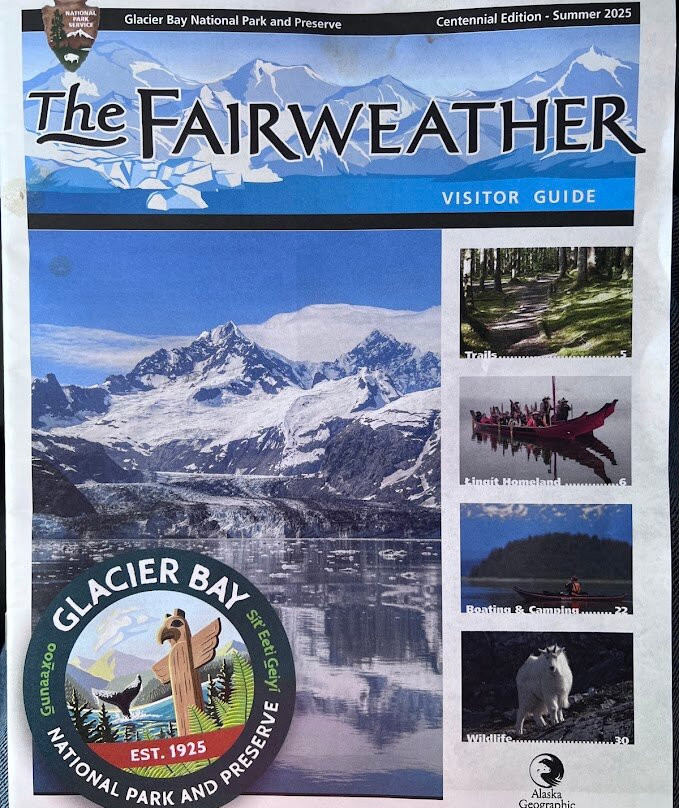
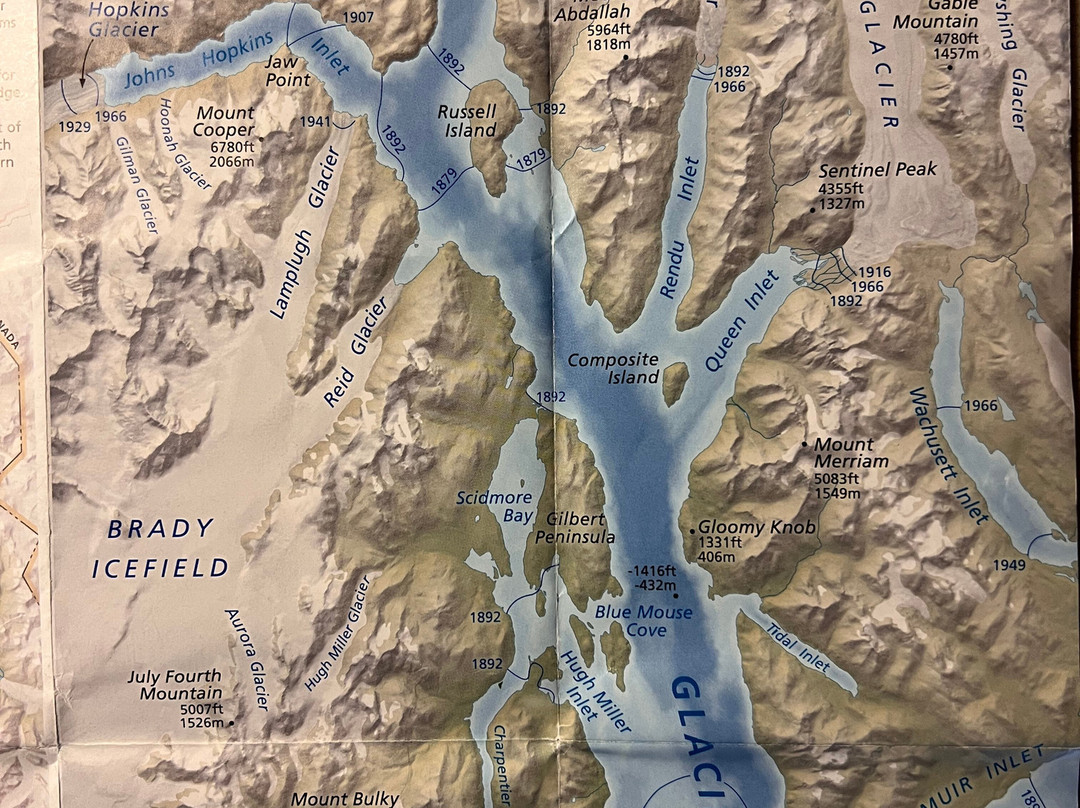
Another wonderful highlight was a crew activity where they fetched a floating shard of ancient ice out of Tarr Inlet and carved it into a beautiful, heart-shaped sculpture. They passed it around to couples and solo travelers for a memorable portrait. We then continued our cruise past the Johns Hopkins Glacier—one of the few glaciers in the area that is actually advancing. Next, we passed Lamplugh (The Blue) Glacier, famous for its characteristic deep blue color, and Reid Glacier, which is no longer a tidewater glacier because it has retreated so far inland that its terminus no longer meets the ocean. The boat trip also offered opportunities to earn a junior ranger badge. Passengers on the boat trip can earn a Junior Ranger badge by filling out a fun program booklet. During the cruise, a park ranger will lead an official swearing-in ceremony for kids and "young at heart" adults who successfully finish the challenges to get their badges. At the end of the tour, the crew generously gave away all the remaining perishable food items since it was the final voyage of the season. It was a long day, but it never felt boring.
Ultimately, the tour of Glacier Bay National Park was the most rewarding part of my Alaskan journey. I was fascinated to learn how the Huna Tlingit tribe was forced from their homeland by the advancing ice during the Little Ice Age, only to see life return to the same land two and a half centuries later. We owe a debt of gratitude to plant ecologist Dr. William Cooper, whose knowledge, vision, and passion spearheaded the efforts to protect this vast, untamed wilderness. His work laid the foundation for the legislative acts, compromises, and eventual reconciliations between the Huna Tribe and local and national governments that allowed this area to become a protected National Park and UNESCO site.
I gained a profound understanding of Glacier Bay's delicate ecosystem, the ongoing impacts of global warming, and what we can do to preserve this pristine natural wonder. As a dedicated UNESCO fan, I am thrilled to officially add this spectacular park to my lifetime checklist.
The next morning, we departed from the Bartlett Cove boat dock and began our eight-hour tour aboard a high-speed catamaran. This 8-hour tour is narrated by a National Park Service Ranger, who can answer all your questions about the tour and what you will see. We had booked this excursion directly through the Glacier Bay Lodge, which is operated by the National Park Service's authorized concessioner, Aramark. The Glacier Bay Day Cruise of the West Arm is the only scheduled daily tour boat permitted to enter the park's tidewater glaciers, fjords, wildlife sanctuaries, lush rainforests, and protected wilderness areas during the summer. It is a renowned UNESCO World Heritage Site and one of the premier tidewater glacier sanctuaries in the United States.
Our tour departed early at 7:15 AM, and we were welcomed by an incredibly energetic and warm crew. The onboard service included sandwiches for lunch, hot beverages throughout the trip, canned soda, and light snacks. As we cruised through the designated routes, sea otters were in my very first sight among the abundant marine wildlife thriving in this protected environment. Our first dedicated wildlife stop was South Marble Island, where families of Steller sea lions hauled out on the rocks, basking under warm sunshine and enjoying the fresh air together. We also encountered various species of seabirds, saw pigeon guillemots skimming over the icy water for their catch, spotted black mama and baby bears distance away on the mountains' rocky terrain.
The absolute best part of the day was visiting the famous Margerie Glacier. As we approached its sprawling mass and towering face, enthusiastic passengers gathered on the outer deck, aiming their camera lenses at the wide profile of the upper glacier, its deep crevasses, and the dramatic wall where the ice meets the sea. Everyone was eagerly waiting for a once-in-a-lifetime glimpse of glacier calving. The captain stopped the boat about a quarter-of-a-mile away and quieted the engines. After we waited for about 10 to 15 minutes, a loud, crushing boom echoed from a distance. Within seconds, a massive block of ice broke away and crashed violently into the icy water. The passengers cheered in absolute awe—it was the most thrilling moment of the entire trip.
Another wonderful highlight was a crew activity where they fetched a floating shard of ancient ice out of Tarr Inlet and carved it into a beautiful, heart-shaped sculpture. They passed it around to couples and solo travelers for a memorable portrait. We then continued our cruise past the Johns Hopkins Glacier—one of the few glaciers in the area that is actually advancing. Next, we passed Lamplugh (The Blue) Glacier, famous for its characteristic deep blue color, and Reid Glacier, which is no longer a tidewater glacier because it has retreated so far inland that its terminus no longer meets the ocean. The boat trip also offered opportunities to earn a junior ranger badge. Passengers on the boat trip can earn a Junior Ranger badge by filling out a fun program booklet. During the cruise, a park ranger will lead an official swearing-in ceremony for kids and "young at heart" adults who successfully finish the challenges to get their badges. At the end of the tour, the crew generously gave away all the remaining perishable food items since it was the final voyage of the season. It was a long day, but it never felt boring.
Ultimately, the tour of Glacier Bay National Park was the most rewarding part of my Alaskan journey. I was fascinated to learn how the Huna Tlingit tribe was forced from their homeland by the advancing ice during the Little Ice Age, only to see life return to the same land two and a half centuries later. We owe a debt of gratitude to plant ecologist Dr. William Cooper, whose knowledge, vision, and passion spearheaded the efforts to protect this vast, untamed wilderness. His work laid the foundation for the legislative acts, compromises, and eventual reconciliations between the Huna Tribe and local and national governments that allowed this area to become a protected National Park and UNESCO site.
I gained a profound understanding of Glacier Bay's delicate ecosystem, the ongoing impacts of global warming, and what we can do to preserve this pristine natural wonder. As a dedicated UNESCO fan, I am thrilled to officially add this spectacular park to my lifetime checklist.
翻译:冰川湾国家公园及保护区是胡纳特林吉特族的祖居地。去年八月,当我们游览阿拉斯加州东南部的内航道地区时,这里理所当然地位列行程之首。由于地处偏远,前往那里的唯一方式就是乘飞机或乘船。由于我们是在公园夏季游船季的最后一天出行,因此安排往返朱诺的交通事宜需要格外谨慎。我们通过阿拉斯加航空公司预订了 Juneau 与 Gustavus 之间的两日往返行程。该航空公司夏季时每天仅有一班航班,且其季节性服务已于8月31日结束。抵达 Gustavus机场后,我们乘上 Aramark公司的巴士,前往位于国家公园内的冰川湾旅馆过夜。
次日清晨,我们从巴特利特湾的码头出发,乘坐高速双体船开始了为期八小时的游览。这条8小时的游览线路由国家公园管理局的护林员负责讲解,他们可以回答您关于行程及沿途景点的所有问题。我们是通过冰川湾旅馆直接预订的这次游览,该旅馆由国家公园管理局授权的特许经营商Aramark负责管理。“西臂湾一日游”是唯一一个获准每日进入公园内潮水冰川、峡湾以及野生动物保护区和茂密雨林区域的观光游船线路。夏季时,这里还有受保护的荒野区域。它是联合国教科文组织认定的世界遗产地,也是美国最著名的临海冰川保护区之一。
我们的游船于早上7点15分出发,热情洋溢且精力充沛的船员们热情地迎接了我们。船上服务包括午餐三明治、全程供应的热饮、罐装汽水以及各种小零食。当我们沿着指定航线航行时……在这片受保护的生态环境中,众多海洋生物繁衍生息,而我首先看到的便是海獭。我们此行的第一个野生动物观赏点就是南马布尔岛:在那里,成群的北海狮 families爬上岩石,在温暖的阳光下尽情晒太阳,享受着清新的空气。我们还遇到了多种海鸟,看到斑尾鹱在冰冷的湖面上低空飞行以捕捉猎物;远处山区的岩石地带,还能看见母熊带着幼崽的身影。一天中最精彩的环节就是参观著名的马杰里冰川。当我们靠近那庞大的冰川体及其高耸的冰壁时,兴奋不已的乘客们纷纷聚集到甲板外侧,用相机对准冰川的上部轮廓、那些深深的裂隙,以及冰层与海水交汇处的壮观景象。大家都急切地等待着能亲眼目睹一生仅有一次的冰川崩解场面。船长将船停在距离冰川约四分之一英里的地方,随后关闭了引擎。我们等待了大约10到15分钟后,远处传来了巨大而震撼的轰鸣声。几秒钟内,一大块冰块便断裂开来,重重地坠入冰冷的湖水中。乘客们都惊叹不已,欢呼雀跃——这堪称整个旅程中最激动人心的时刻。
另一个精彩的环节是船员们的表演:他们从塔尔湾中捞起一块漂浮的古老冰块,并将其雕刻成一件心形的精美艺术品。他们把相机传给成双成对的情侣以及独自旅行的游客,让他们拍下难忘的纪念照。随后,我们继续乘船航行,经过了约翰斯·霍普金斯冰川——这是该地区为数不多仍在向前推进的冰川之一。接着,我们又经过了以特有的深蓝色而闻名的兰普卢冰川,以及里德冰川;由于冰川向后退缩得过于厉害,其末端已不再与海洋相接,因此它如今已不再是冰川入海的典型例子了。这次乘船之旅还提供了获得“少年护林员”徽章的机会。参与活动的乘客只需填写一本有趣的互动手册,便可获得该徽章。在游船航行期间,公园护林员还会为那些成功完成各项挑战、获得徽章的孩子们以及“心态年轻”的成年人主持正式的宣誓仪式。由于这是本季的最后一次航行,所以在行程结束时,船员们慷慨地将所有剩余的易腐食品都分发了出去。这一天真是漫长啊。不过,整个过程也从不让人觉得枯燥乏味。
最终,冰川湾国家公园的游览成了我阿拉斯加之旅中最值得回味的部分。我深感着迷地了解到:在小冰河时期,胡纳特林吉特部落如何被不断推进的冰川逼离家园;而两个半世纪之后,生命又重新在这片土地上复苏。我们理应感谢植物生态学家威廉·库珀博士——正是他的学识、远见与热情推动了对这一广袤区域的保护工作。未经开发的荒野。他的工作为胡纳部落与地方及中央政府之间的各项立法举措、妥协协议以及最终的和解奠定了基础,正是这些努力使得该地区得以成为受保护的国家公园及联合国教科文组织世界遗产地。
我深刻理解了冰川湾脆弱的生态系统、全球变暖所带来的持续影响,以及我们能为保护这一原始自然奇观做些什么。作为一名忠实的联合国教科文组织爱好者,我激动不已,终于可以将这座绝美的公园正式列入我一生的愿望清单了。
次日清晨,我们从巴特利特湾的码头出发,乘坐高速双体船开始了为期八小时的游览。这条8小时的游览线路由国家公园管理局的护林员负责讲解,他们可以回答您关于行程及沿途景点的所有问题。我们是通过冰川湾旅馆直接预订的这次游览,该旅馆由国家公园管理局授权的特许经营商Aramark负责管理。“西臂湾一日游”是唯一一个获准每日进入公园内潮水冰川、峡湾以及野生动物保护区和茂密雨林区域的观光游船线路。夏季时,这里还有受保护的荒野区域。它是联合国教科文组织认定的世界遗产地,也是美国最著名的临海冰川保护区之一。
我们的游船于早上7点15分出发,热情洋溢且精力充沛的船员们热情地迎接了我们。船上服务包括午餐三明治、全程供应的热饮、罐装汽水以及各种小零食。当我们沿着指定航线航行时……在这片受保护的生态环境中,众多海洋生物繁衍生息,而我首先看到的便是海獭。我们此行的第一个野生动物观赏点就是南马布尔岛:在那里,成群的北海狮 families爬上岩石,在温暖的阳光下尽情晒太阳,享受着清新的空气。我们还遇到了多种海鸟,看到斑尾鹱在冰冷的湖面上低空飞行以捕捉猎物;远处山区的岩石地带,还能看见母熊带着幼崽的身影。一天中最精彩的环节就是参观著名的马杰里冰川。当我们靠近那庞大的冰川体及其高耸的冰壁时,兴奋不已的乘客们纷纷聚集到甲板外侧,用相机对准冰川的上部轮廓、那些深深的裂隙,以及冰层与海水交汇处的壮观景象。大家都急切地等待着能亲眼目睹一生仅有一次的冰川崩解场面。船长将船停在距离冰川约四分之一英里的地方,随后关闭了引擎。我们等待了大约10到15分钟后,远处传来了巨大而震撼的轰鸣声。几秒钟内,一大块冰块便断裂开来,重重地坠入冰冷的湖水中。乘客们都惊叹不已,欢呼雀跃——这堪称整个旅程中最激动人心的时刻。
另一个精彩的环节是船员们的表演:他们从塔尔湾中捞起一块漂浮的古老冰块,并将其雕刻成一件心形的精美艺术品。他们把相机传给成双成对的情侣以及独自旅行的游客,让他们拍下难忘的纪念照。随后,我们继续乘船航行,经过了约翰斯·霍普金斯冰川——这是该地区为数不多仍在向前推进的冰川之一。接着,我们又经过了以特有的深蓝色而闻名的兰普卢冰川,以及里德冰川;由于冰川向后退缩得过于厉害,其末端已不再与海洋相接,因此它如今已不再是冰川入海的典型例子了。这次乘船之旅还提供了获得“少年护林员”徽章的机会。参与活动的乘客只需填写一本有趣的互动手册,便可获得该徽章。在游船航行期间,公园护林员还会为那些成功完成各项挑战、获得徽章的孩子们以及“心态年轻”的成年人主持正式的宣誓仪式。由于这是本季的最后一次航行,所以在行程结束时,船员们慷慨地将所有剩余的易腐食品都分发了出去。这一天真是漫长啊。不过,整个过程也从不让人觉得枯燥乏味。
最终,冰川湾国家公园的游览成了我阿拉斯加之旅中最值得回味的部分。我深感着迷地了解到:在小冰河时期,胡纳特林吉特部落如何被不断推进的冰川逼离家园;而两个半世纪之后,生命又重新在这片土地上复苏。我们理应感谢植物生态学家威廉·库珀博士——正是他的学识、远见与热情推动了对这一广袤区域的保护工作。未经开发的荒野。他的工作为胡纳部落与地方及中央政府之间的各项立法举措、妥协协议以及最终的和解奠定了基础,正是这些努力使得该地区得以成为受保护的国家公园及联合国教科文组织世界遗产地。
我深刻理解了冰川湾脆弱的生态系统、全球变暖所带来的持续影响,以及我们能为保护这一原始自然奇观做些什么。作为一名忠实的联合国教科文组织爱好者,我激动不已,终于可以将这座绝美的公园正式列入我一生的愿望清单了。

© 2026 Tripadvisor 版权所有。
部分照片由 VFM Leonardo 提供。
TripAdvisor公司对外部网站的内容一概不负责。优惠价格中不含税和其他费用。
ICP证:沪B2-20200433
沪ICP备20013175号
 沪公网安备31010502005427号
鹰程信息技术(上海)有限公司