下载App
资质规则
旅行
账户

DeanMurphy2020
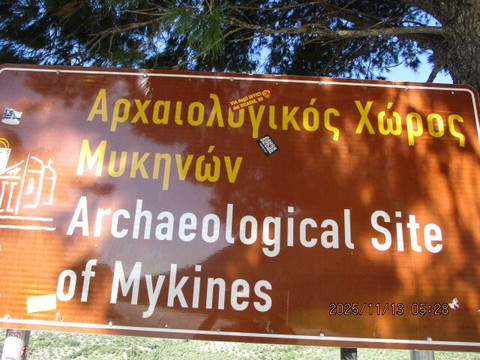
aka Mykines Archaeological Site☺
迈锡尼古遗址的点评
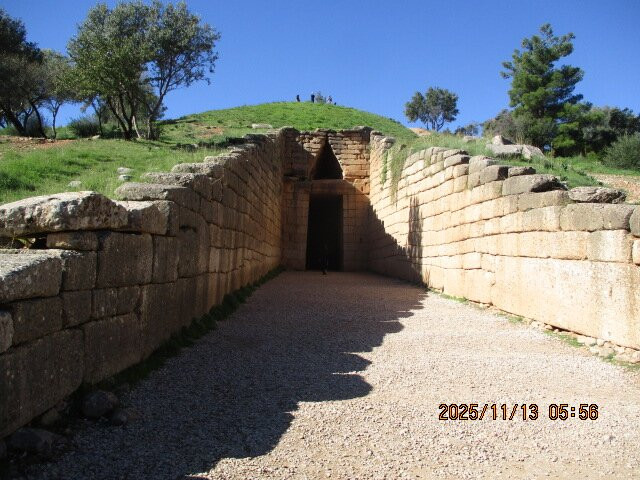
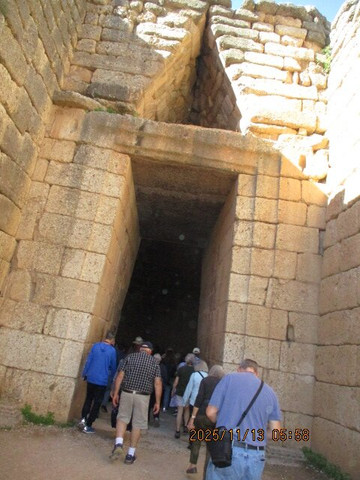
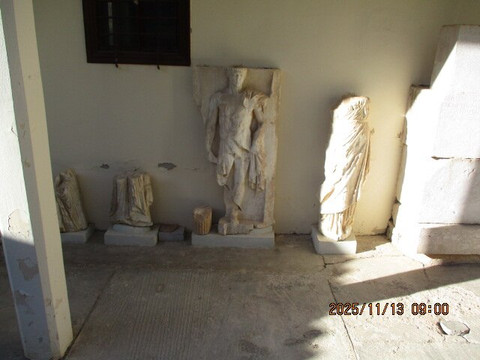
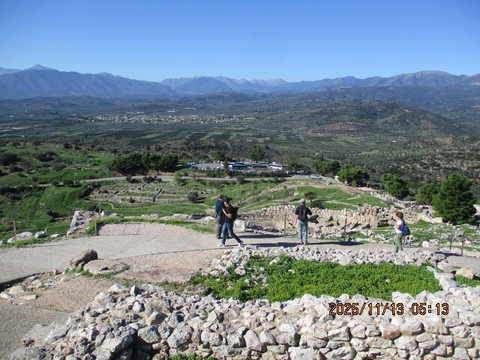
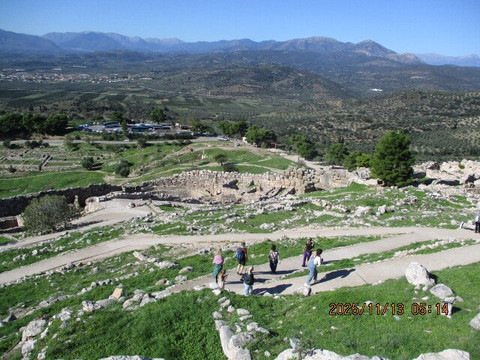
点评:This site 90 miles southwest of Athens, near Corinth Canal, includes the separate attractions identified as Lion Gate, Archaeological Museum of Ancient Mycenae, and Citadel & Treasury of Atreus. It’s best to research these sites before arriving. The Greek Mycenaeans had learned many things from other lands. By 1400BCE, they were known for art, literature and philosophy, truly the Cradle of Civilization. I learned that my name is based on Greek “dec,” as in decade or decimal, meaning ten. In Spanish, Dean is Decano. Who’d have thunk it?
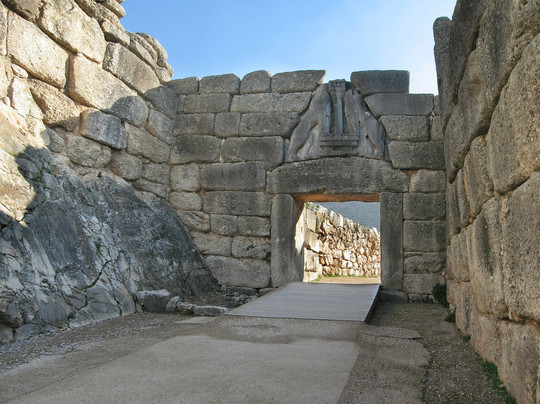
A century before these achievements, a king built a wall 23 feet wide and 60 feet high. Enormous stone blocks formed a corbel arch, where each stone hung a little further beyond the one below. A triangular stone supported the arch and was carved with heraldic [stylized stance of an animal with outstretched body] lions in a pose that stands above the entrance is now known as Lion Gate. The triangular stone is an example of a corbel arch and is still admired today. Not much remains of Citadel & Treasury. By 1200BCE, Mycenae was declining. The eventual destruction was part of general Bronze Age collapse. Within a short time, all palaces of southern Greece were burnt, including that at Mycenae. The reasons for the Bronze Age collapse are unknown. This is a must-see site.
A century before these achievements, a king built a wall 23 feet wide and 60 feet high. Enormous stone blocks formed a corbel arch, where each stone hung a little further beyond the one below. A triangular stone supported the arch and was carved with heraldic [stylized stance of an animal with outstretched body] lions in a pose that stands above the entrance is now known as Lion Gate. The triangular stone is an example of a corbel arch and is still admired today. Not much remains of Citadel & Treasury. By 1200BCE, Mycenae was declining. The eventual destruction was part of general Bronze Age collapse. Within a short time, all palaces of southern Greece were burnt, including that at Mycenae. The reasons for the Bronze Age collapse are unknown. This is a must-see site.
翻译:这个位于雅典西南90英里、科林斯运河附近的遗址,包括狮子门、迈锡尼古城考古博物馆和阿特柔斯城堡及宝库这几个独立的景点。最好在抵达之前先了解一下这些景点。希腊迈锡尼人从其他地区汲取了许多知识。到公元前1400年,他们以艺术、文学和哲学闻名,堪称文明的摇篮。我了解到我的名字源于希腊语“dec”,意为“十”,就像“十年”或“十进制”一样。在西班牙语中,“院长”是“Decano”。真是令人意想不到!
在这些成就诞生的一个世纪之前,一位国王建造了一道宽23英尺、高60英尺的城墙。巨大的石块构成了一个拱形托架,每块石头都比下面的石头略微突出一些。一块三角形的石头支撑着拱门,上面雕刻着纹章狮子(一种姿态舒展的动物的程式化姿势),它矗立在入口上方,如今被称为狮子门。这块三角形石头是拱托的典型例子,至今仍令人赞叹。城堡和宝库的遗迹所剩无几。公元前1200年,迈锡尼开始衰落。最终的毁灭是青铜时代整体崩溃的一部分。在很短的时间内,希腊南部的所有宫殿都被焚毁,包括迈锡尼的宫殿。青铜时代崩溃的原因至今仍是个谜。这里绝对值得一游。
在这些成就诞生的一个世纪之前,一位国王建造了一道宽23英尺、高60英尺的城墙。巨大的石块构成了一个拱形托架,每块石头都比下面的石头略微突出一些。一块三角形的石头支撑着拱门,上面雕刻着纹章狮子(一种姿态舒展的动物的程式化姿势),它矗立在入口上方,如今被称为狮子门。这块三角形石头是拱托的典型例子,至今仍令人赞叹。城堡和宝库的遗迹所剩无几。公元前1200年,迈锡尼开始衰落。最终的毁灭是青铜时代整体崩溃的一部分。在很短的时间内,希腊南部的所有宫殿都被焚毁,包括迈锡尼的宫殿。青铜时代崩溃的原因至今仍是个谜。这里绝对值得一游。

© 2026 Tripadvisor 版权所有。
部分照片由 VFM Leonardo 提供。
TripAdvisor公司对外部网站的内容一概不负责。优惠价格中不含税和其他费用。
ICP证:沪B2-20200433
沪ICP备20013175号
 沪公网安备31010502005427号
鹰程信息技术(上海)有限公司