下载App
资质规则
旅行
账户

ah tee s
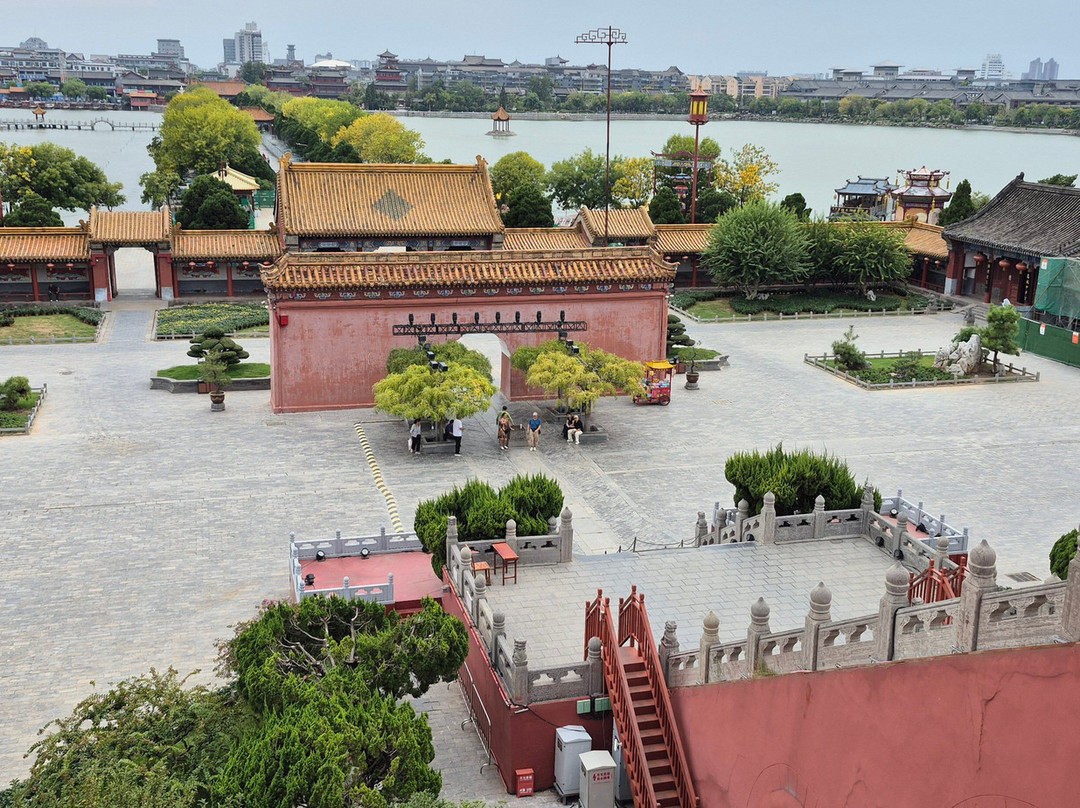
The Imperial Palace of the North Song
龙亭公园的点评
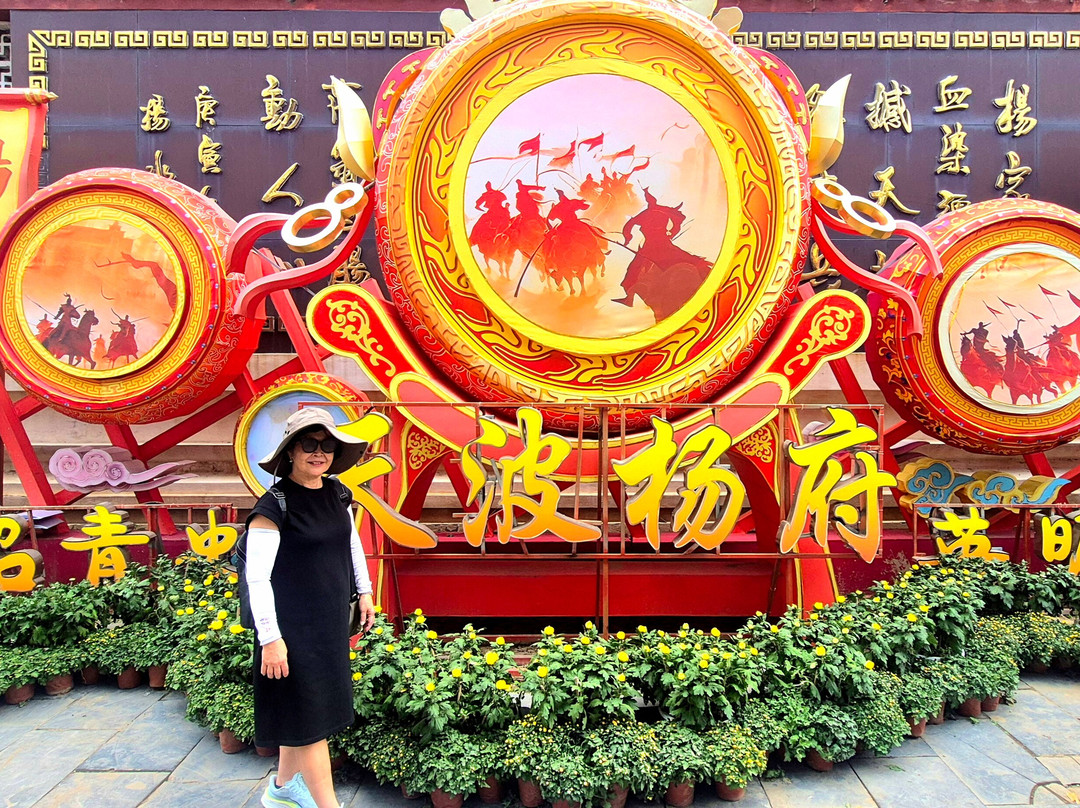
点评:When we visited Kaifeng, we stumbled into the Hanyuan Stele Forest (中国翰园碑林) after leaving the Millennium Park (清明上河园). Admission was free for seniors aged 60 and above, so both my wife and I explored without charge. On exiting the Stele Forest, we found ourselves right at the Tianbo Yang House (天波杨府) and Dragon Pavilion Park (龙亭公园) — three attractions conveniently linked by a combo ticket, though seniors like us enjoyed them all for free.
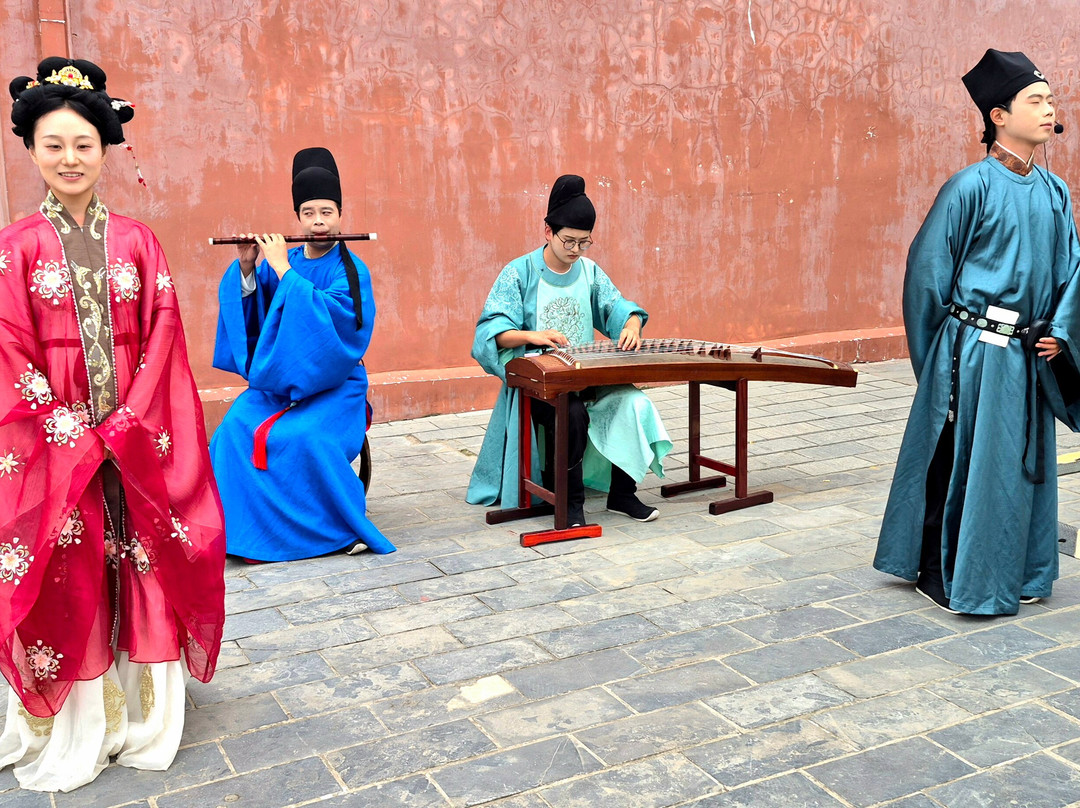
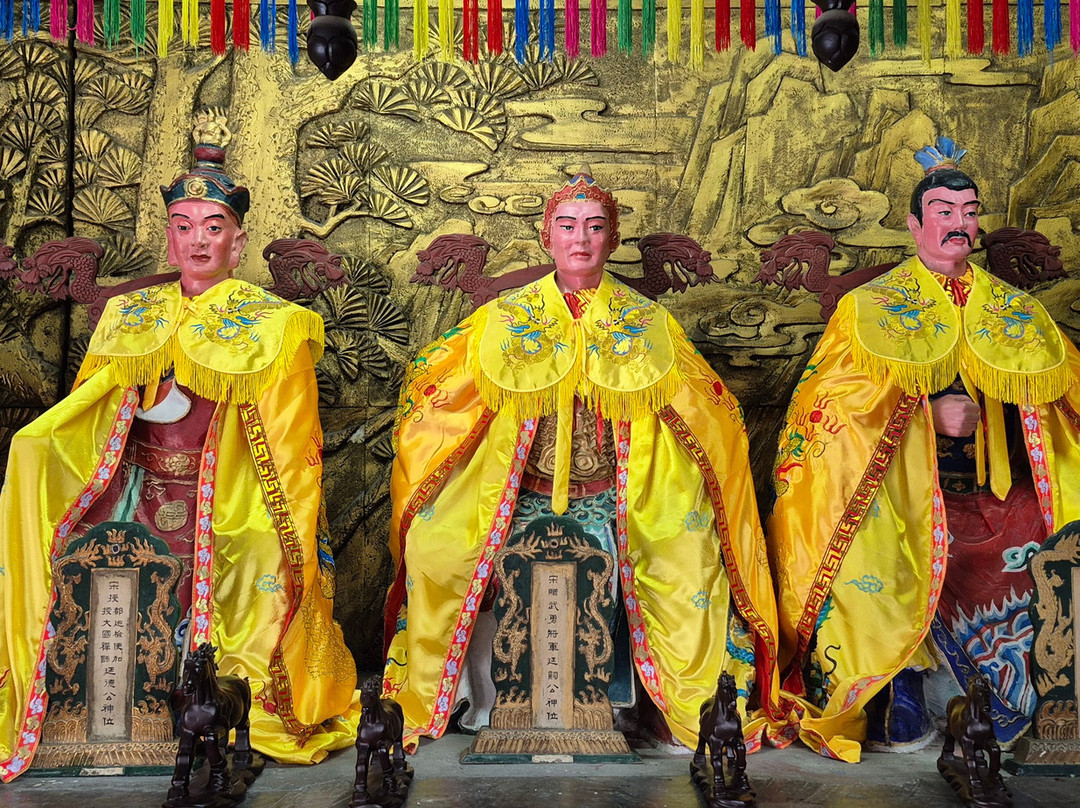
The Hanyuan Stele Forest is dedicated to calligraphy, with thousands of steles displayed in landscaped gardens beside Tianbo Yang House and Longting Park. From there, we explored Tianbo Yang House, a memorial park honoring the legendary Yang family generals and their female warriors. It recreates Song dynasty architecture and martial heritage, with daily performances that bring their stories to life. This was once the residence of Yang Ye (杨业), the Northern Song general who defended the empire against northern invaders. When the men fell, heroines like She Saihua (佘太君) and her daughters‑in‑law took up arms, becoming rare female warriors in Chinese history. Although I had already seen the grand performance “Women Generals of the Yang Family (大宋·杨门女将)” at Millennium Park, I was curious about the more intimate martial shows here — Yang Family Horse Battle (杨家马战) and Seventh Son’s Challenge (七郎打擂).
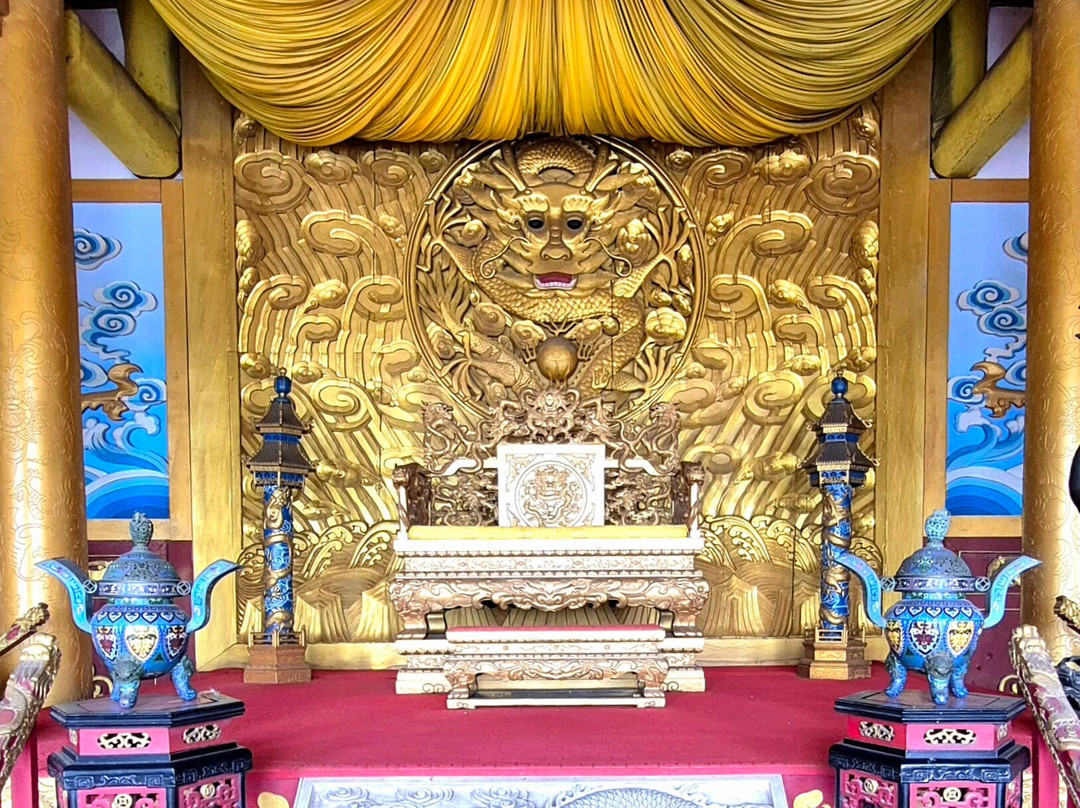
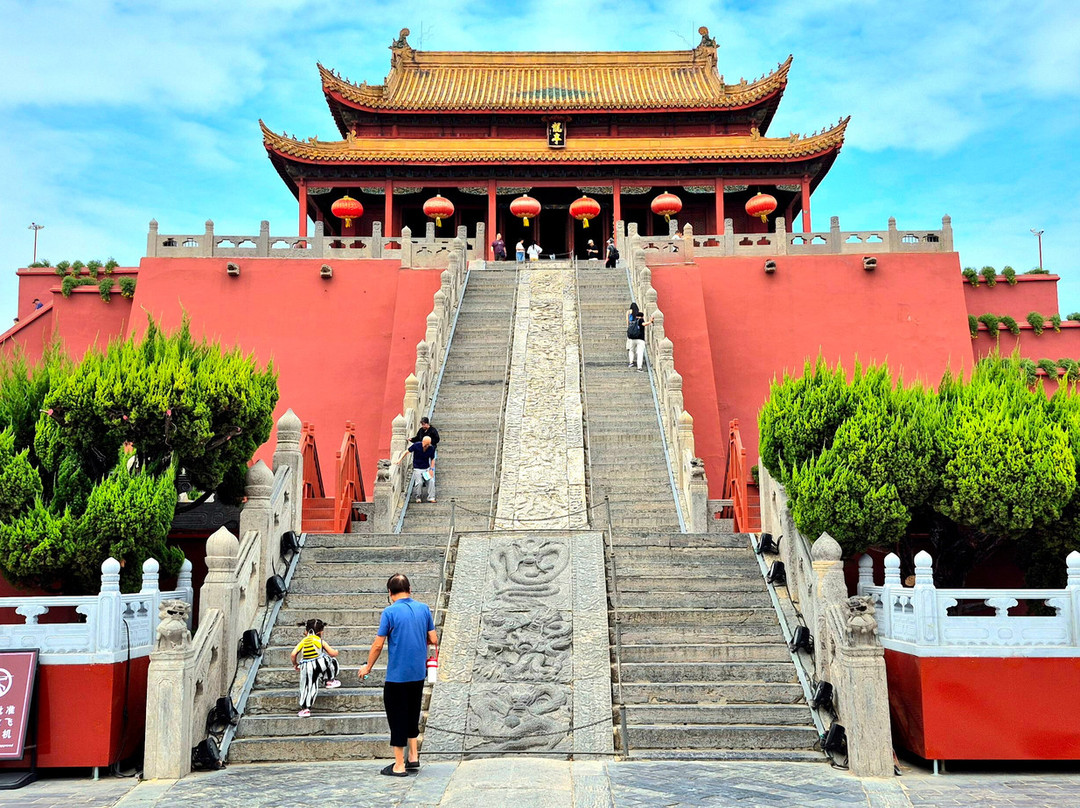
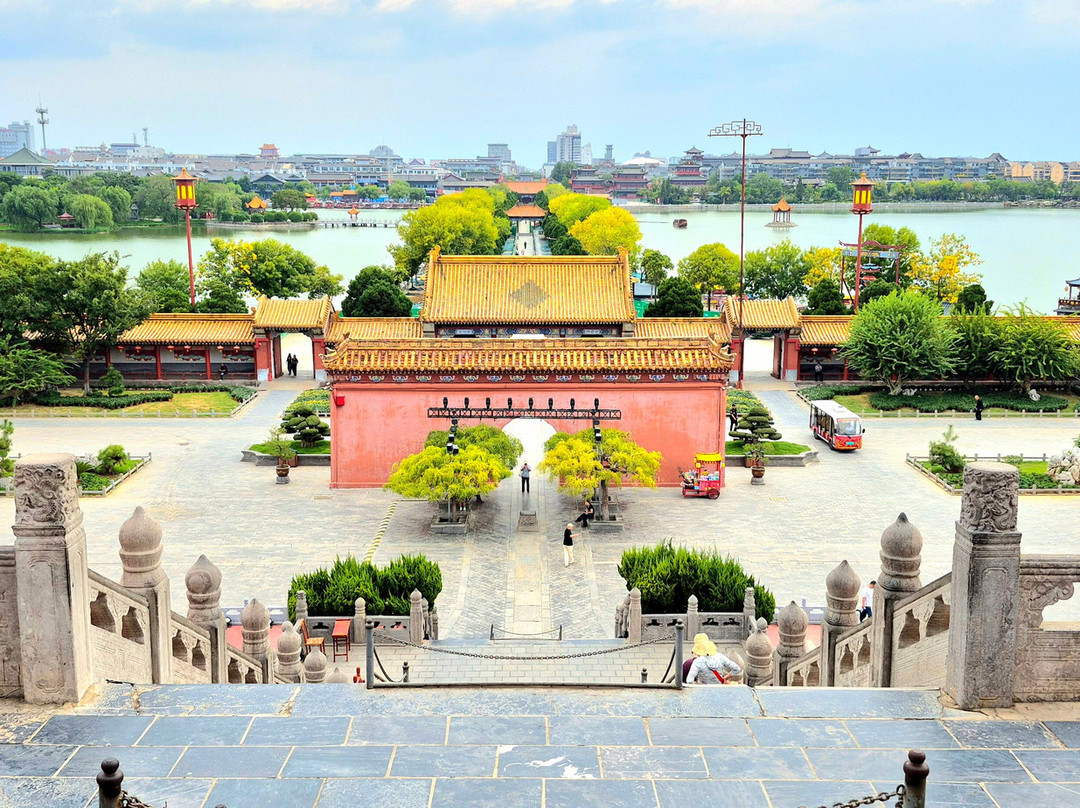
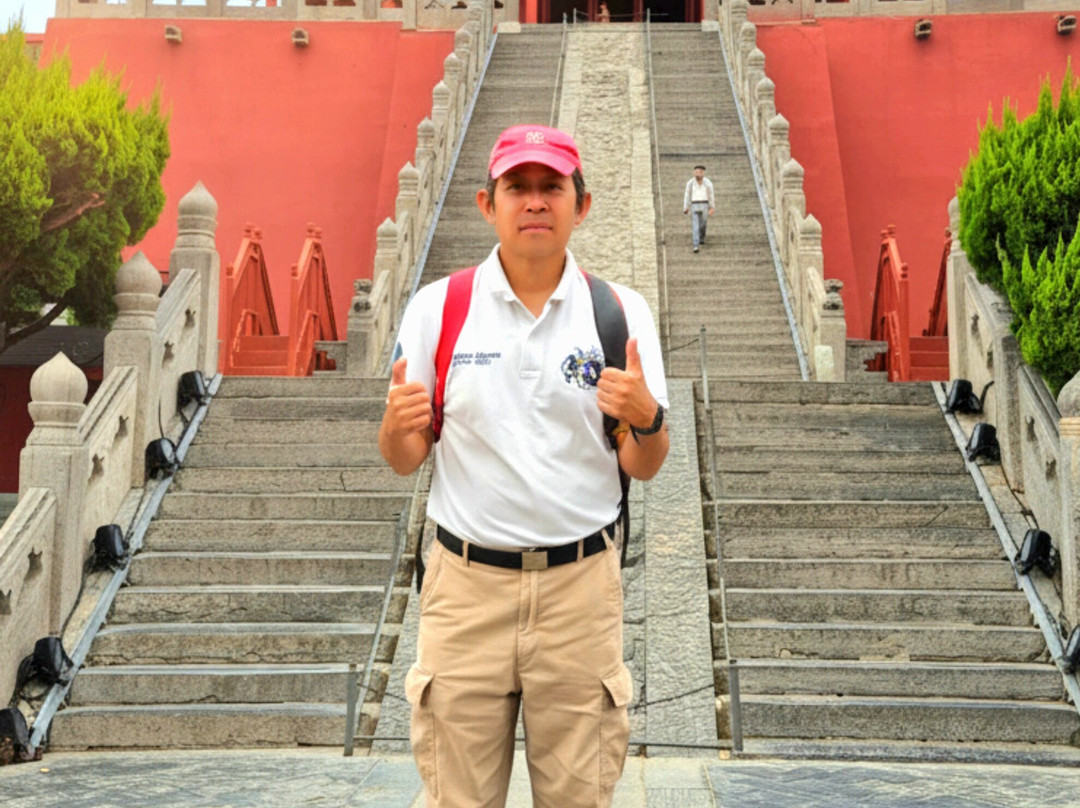
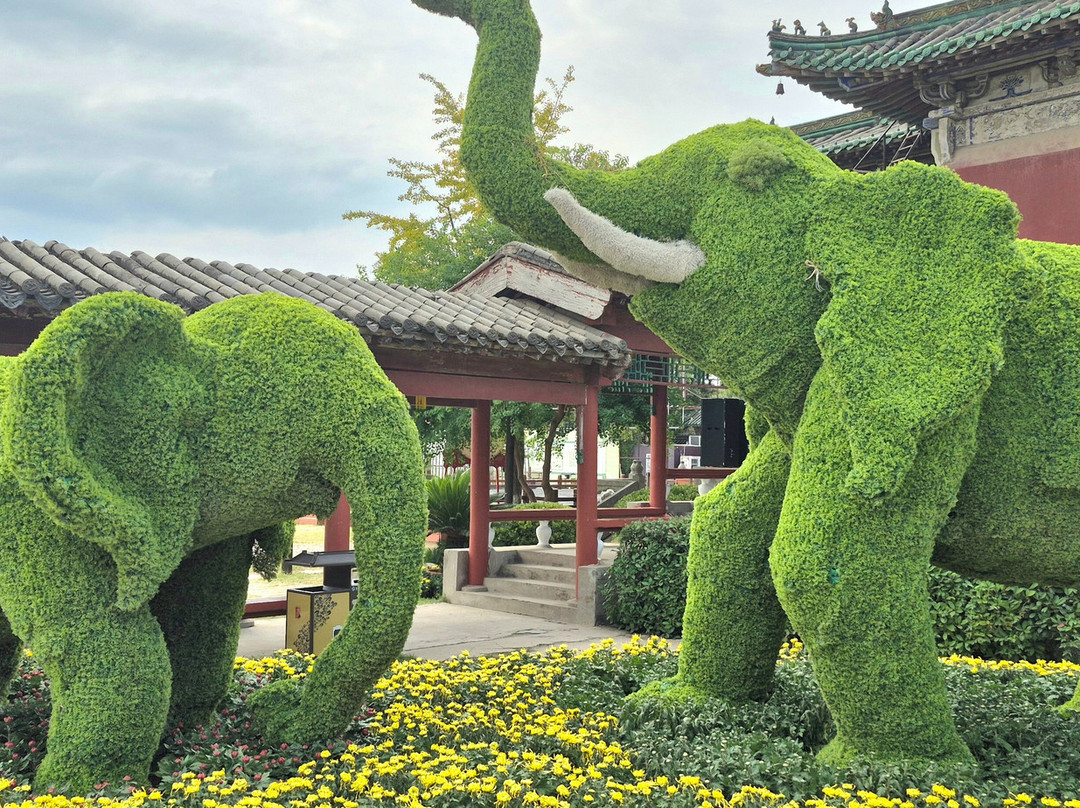
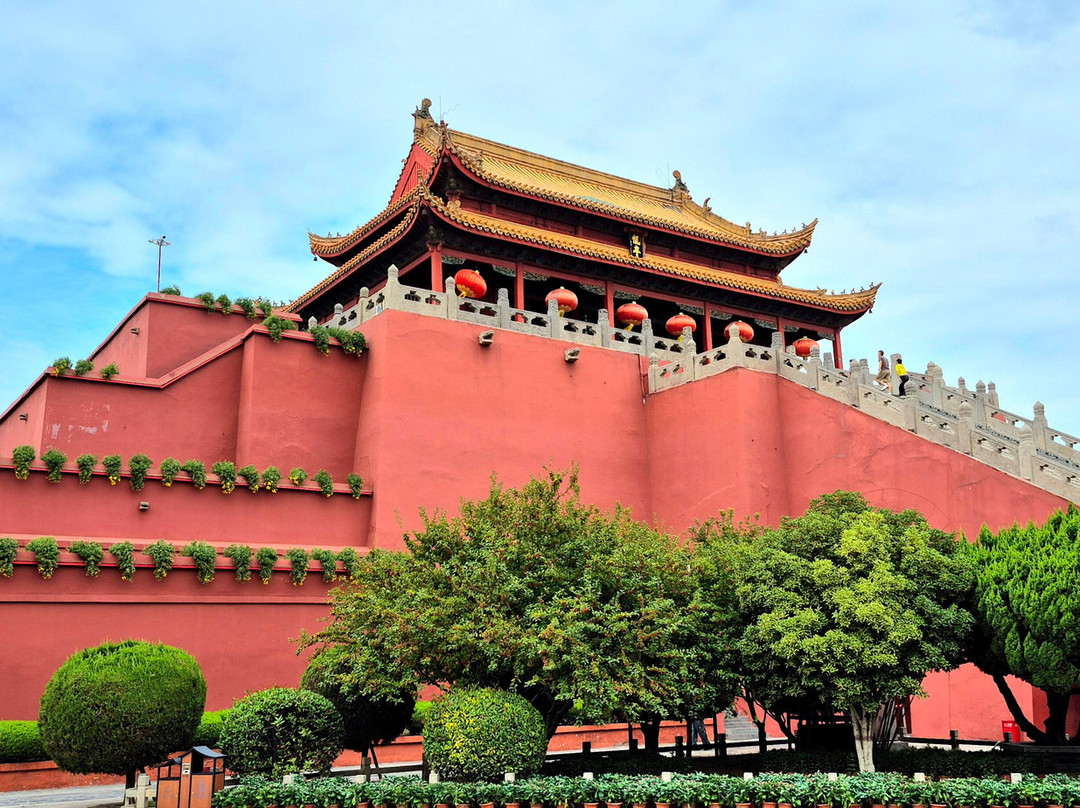
The performance was scheduled for 2:30 pm, but we wandered off and ended up at Dragon Pavilion Park instead. There, I was captivated by the palace. Unlike Beijing’s Forbidden City (紫禁城), this palace is a much smaller version. It took me 72 stone steps to climb up to the Dragon Pavilion, perched on a 13‑meter terrace. From the top, I enjoyed a panoramic view of Kaifeng — an eye‑opening experience. I wondered how the emperor of the Song dynasty summoned his generals and officials to the palace, but I understood that in the Song era the imperial palace was laid out on flat courtyards, not terraces.
This visit gave me a deeper appreciation of the imperial palace traditions of the Song dynasty, and how Kaifeng preserves its heritage through these interconnected cultural sites.
翻译:我们游览开封时,离开清明上河园后偶然发现了中国翰园碑林。60岁及以上的老人可免费入园,因此我和妻子都得以免费参观。离开碑林后,我们便来到了天波杨府和龙亭公园——这三处景点其实可以通过联票一并游览,不过像我们这样的老年人则可以免费畅游全部景点。
中国翰园碑林以书法艺术为主题。成千上万的石碑陈列在杨延昭故居和龙亭公园旁的园林之中。随后我们参观了杨延昭故居,这是一座为了纪念传奇的杨家将及其女将们而建的纪念公园。园内再现了宋代的建筑风格与武术传统,每日还有表演将他们的故事生动地呈现给游客。这里曾是北宋名将杨业的居所,他曾率领军队抵御北方的入侵者。当男人们倒下后……像佘太君及其儿媳们这样的女性们也披甲上阵,成为了中国历史上罕见的女战士。虽然我此前已在千禧公园观看过盛大的演出《大宋·杨门女将》,但仍对这里更为近距离的武术表演——杨家马战与七郎打擂——充满好奇。
演出原定下午2点半开始,但我们闲逛了一番,结果来到了龙亭公园。在那里……这座宫殿深深吸引了我。与北京的紫禁城不同,这里的宫殿规模要小得多。我沿着72级石阶攀登,才抵达位于13米高台地上的龙亭。从亭顶俯瞰,开封的全景尽收眼底——真是一次令人大开眼界的体验。我不禁遐想:宋代的皇帝究竟是如何召集将军和官员进入宫殿的?不过后来我了解到,宋代的皇宫其实是由多个平坦的庭院构成的,而非建在高台上。这次访问让我对宋代的皇宫传统有了更深的理解,也让我看到开封是如何通过这些紧密相连的文化遗址来传承其历史遗产的。

© 2026 Tripadvisor 版权所有。
部分照片由 VFM Leonardo 提供。
TripAdvisor公司对外部网站的内容一概不负责。优惠价格中不含税和其他费用。
ICP证:沪B2-20200433
沪ICP备20013175号
 沪公网安备31010502005427号
鹰程信息技术(上海)有限公司