下载App
资质规则
旅行
账户

ah tee s
1
A Temple of miraculous aura
相国寺的点评
点评:Kaifeng is one of China’s most storied cities, revered as the “Ancient Capital of Eight Dynasties.” It rose to prominence during the Northern Song Dynasty (960–1127 CE), when it became the largest city in the world, a thriving hub of commerce and culture. Yet Kaifeng also endured the wrath of the Yellow River, suffering repeated floods — most devastatingly in 1642, when the city was buried under silt and clay.
When I arrived in Kaifeng, I carried with me a heart heavy with sorrow. This is a buried city, where excavations have unearthed human skeletons, household relics, and temple treasures sealed beneath flood deposits. The 1642 disaster drowned an estimated 300,000 people, many entombed alive in mud — a haunting reminder of impermanence.
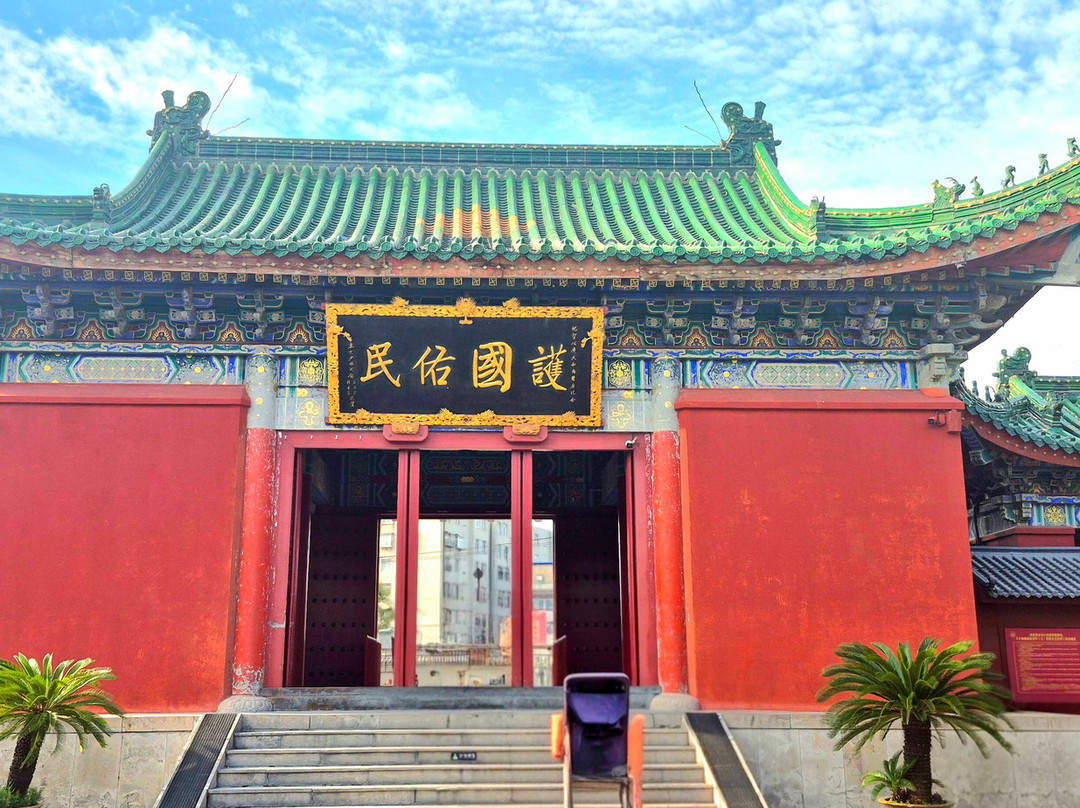
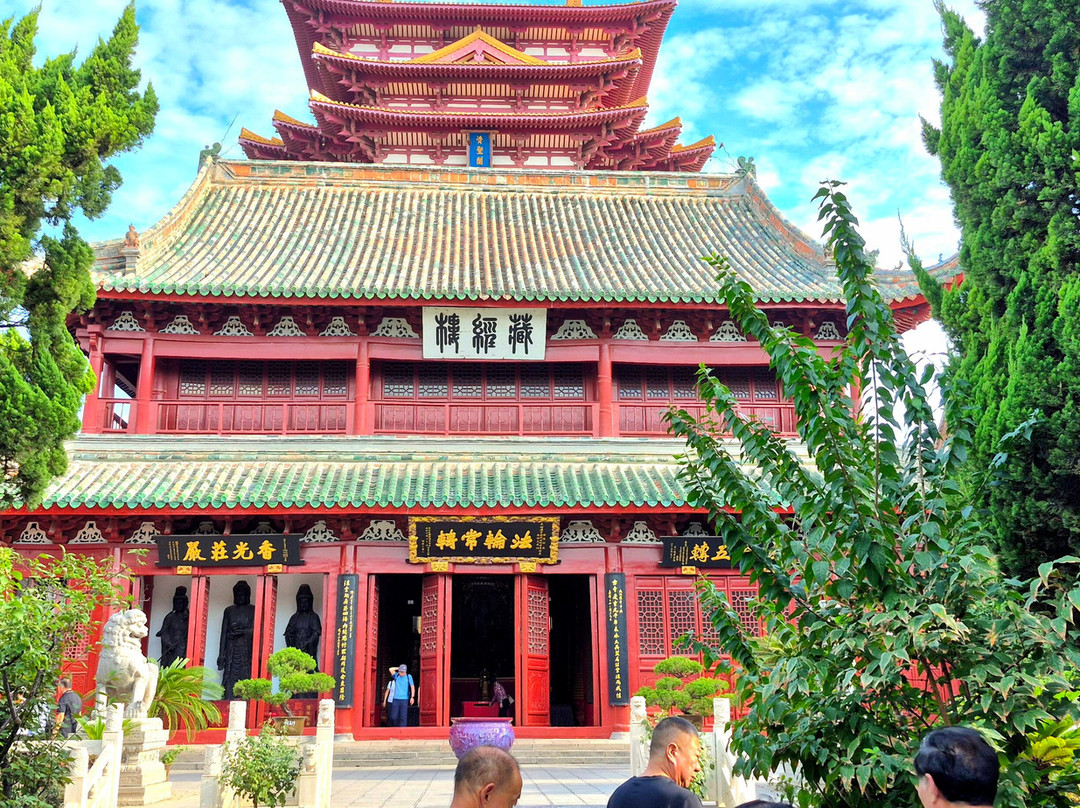
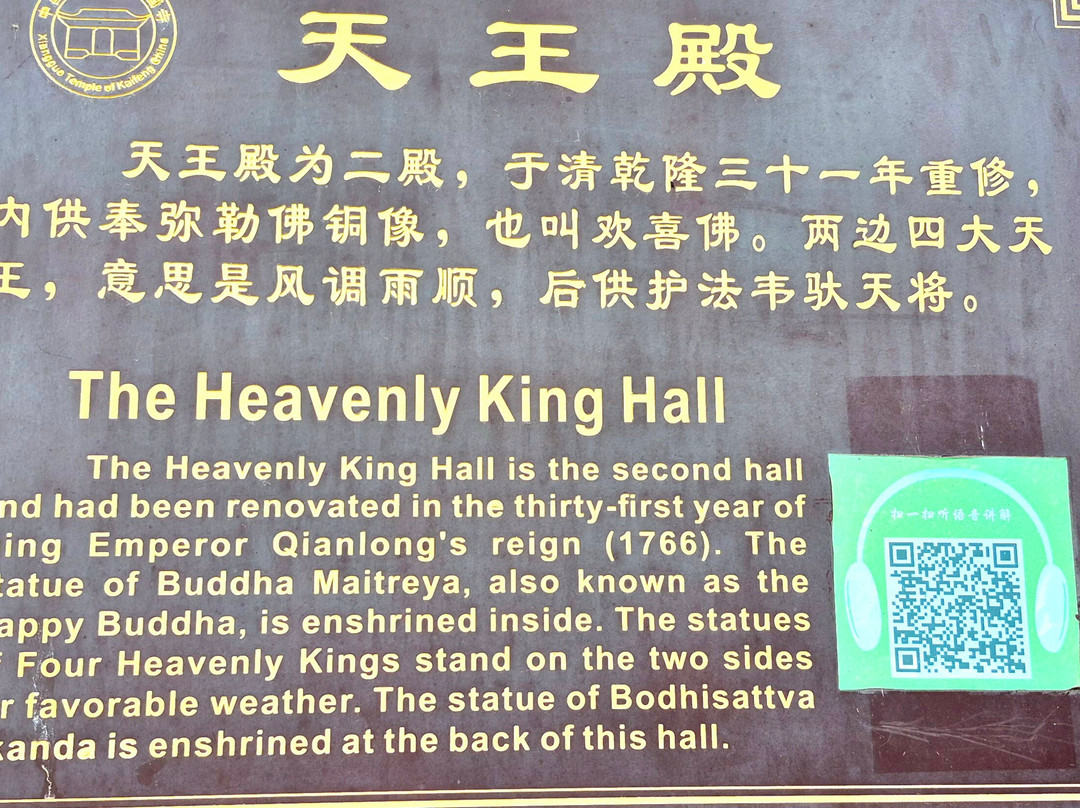
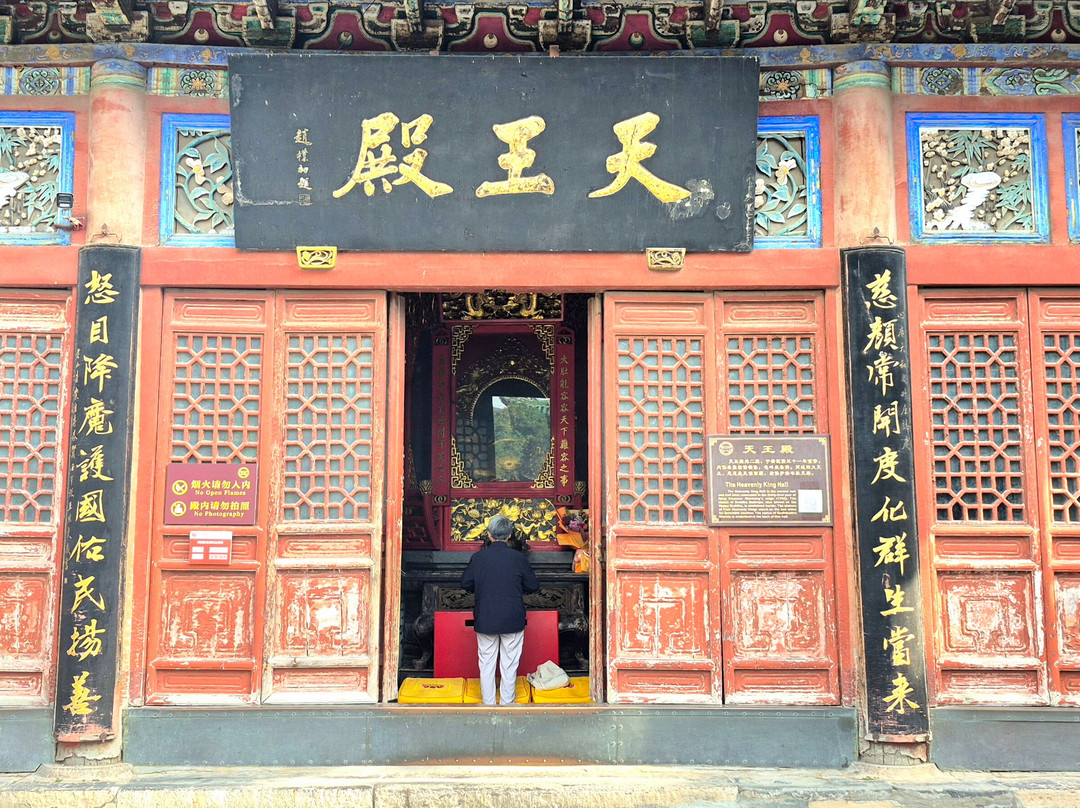
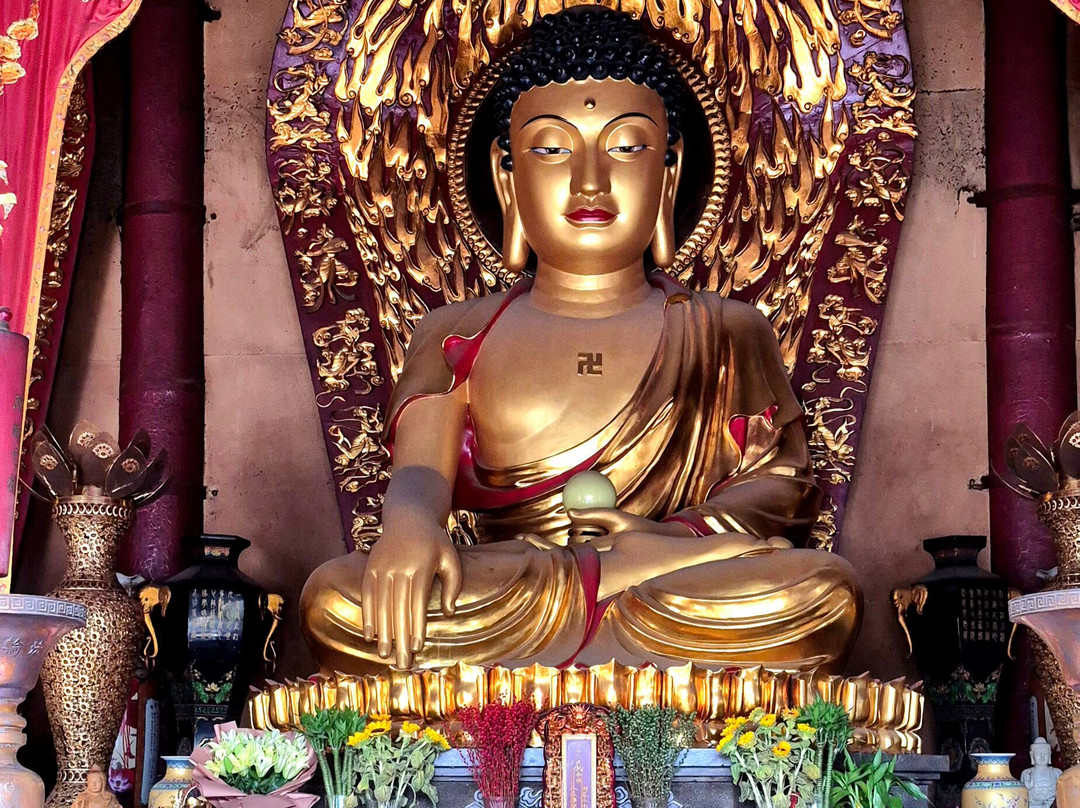
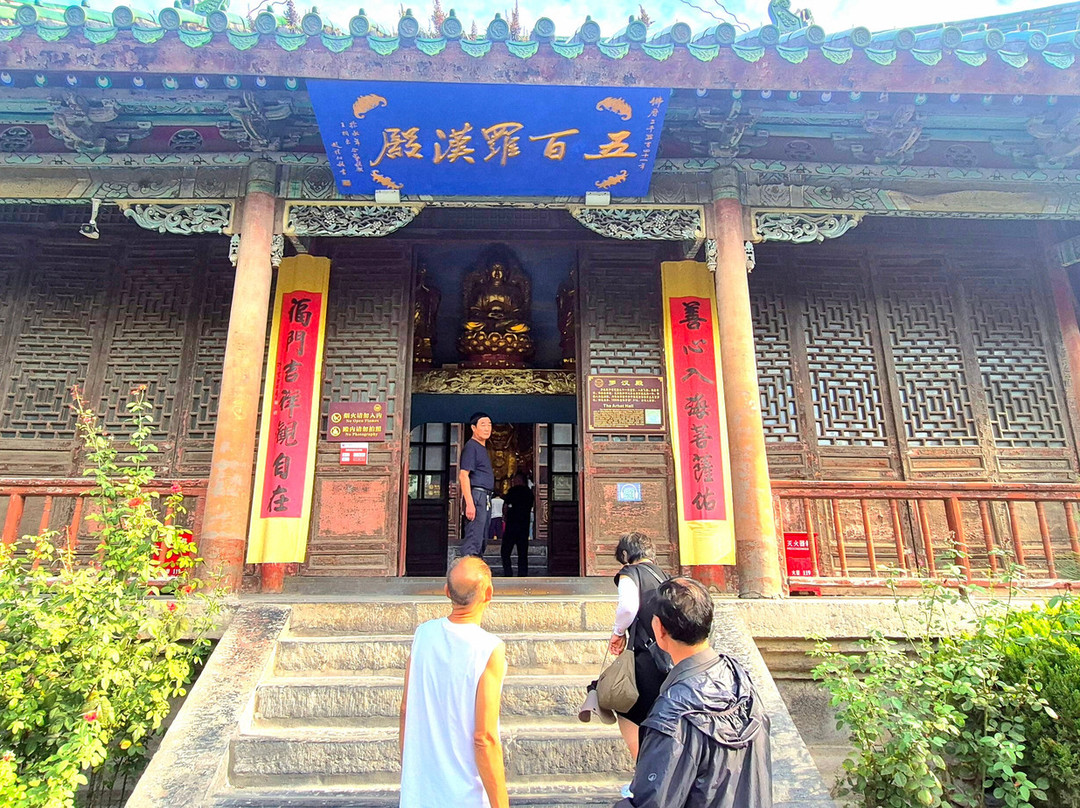
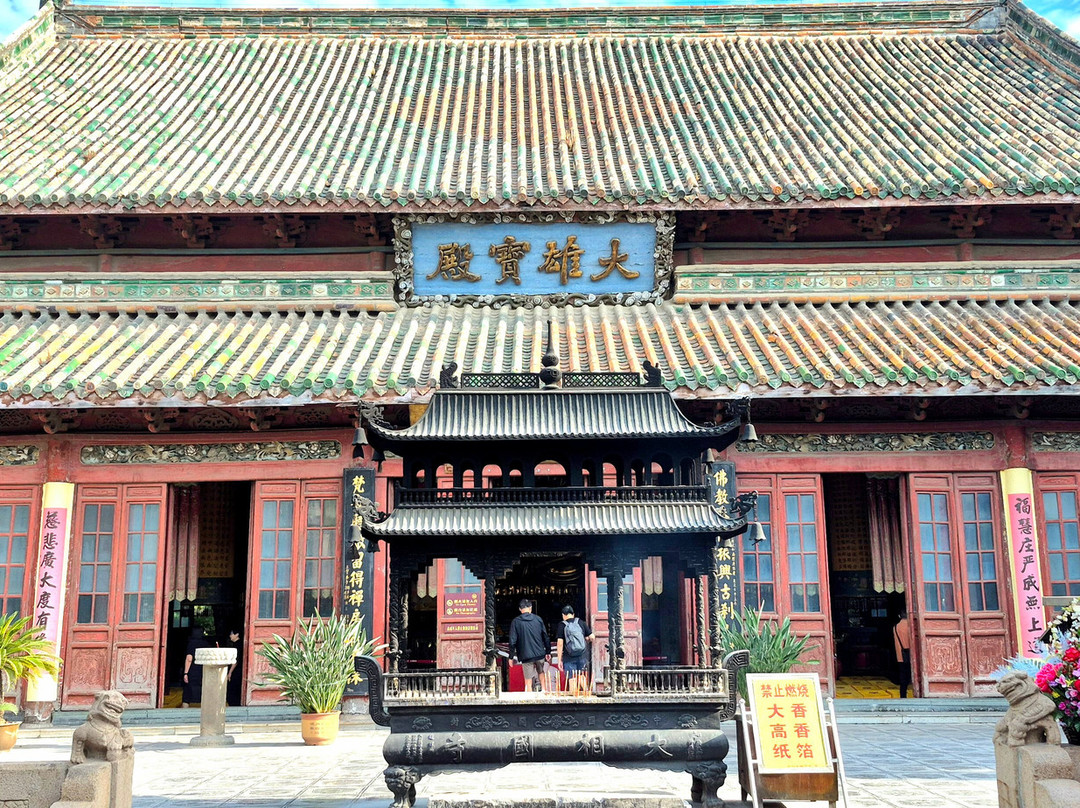
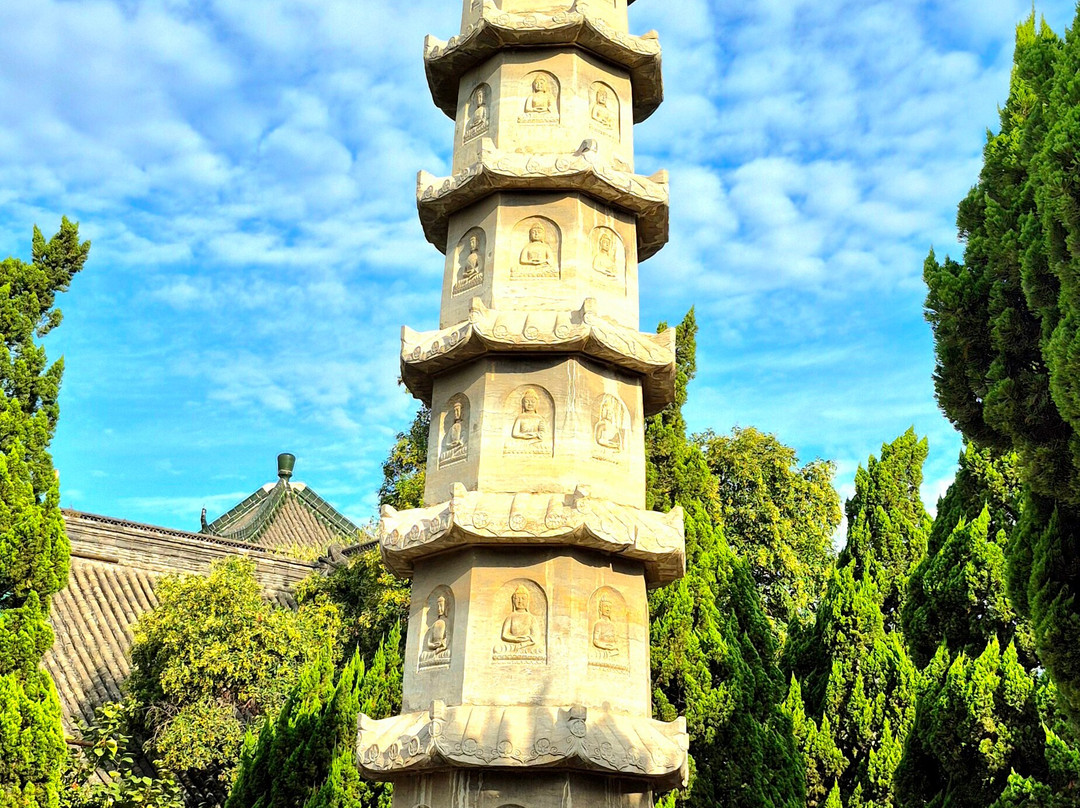
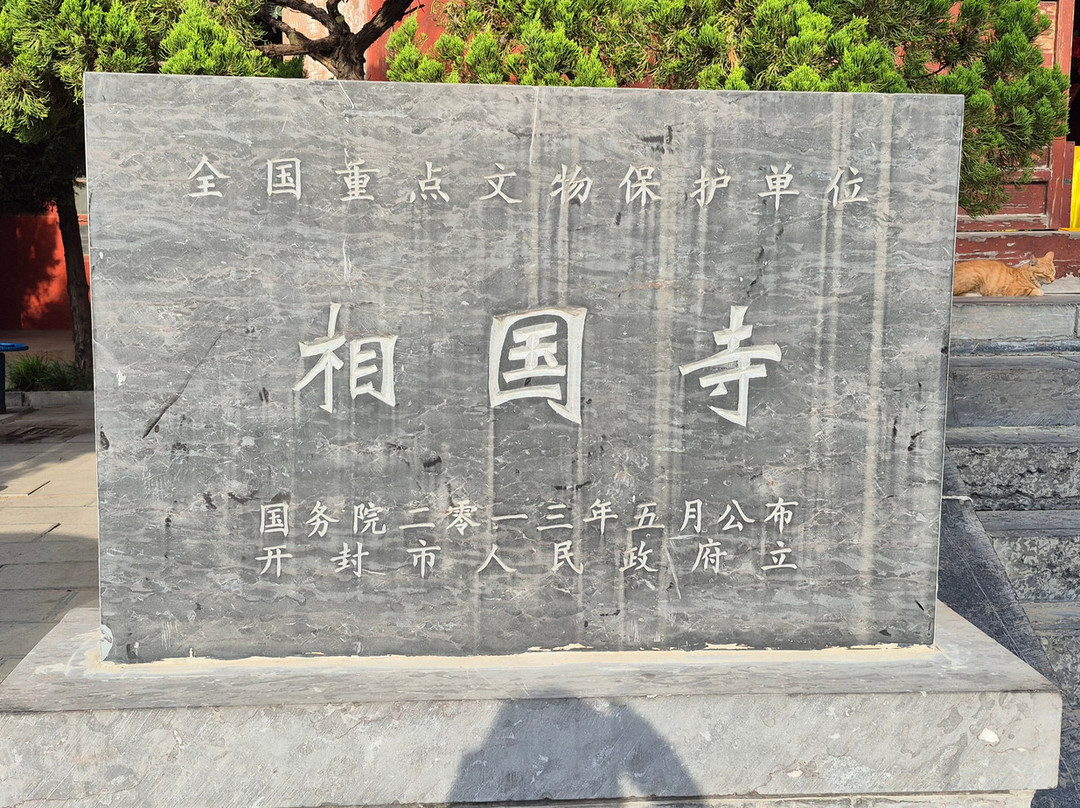
Among Kaifeng’s survivors stands Daxiangguo Temple, first built in 555 CE under the Northern Qi dynasty. It flourished in the Northern Song as a royal temple, was destroyed by floods and wars, and rebuilt many times. Its present form largely reflects Qing dynasty restorations. Today, it is honored as one of China’s Top Ten Famous Temples, central to Chan Buddhism. By chance — or affinity — the temple lay only a five‑minute walk from my hotel, as if drawing me into its orbit. Admission for seniors aged 60 and above is free.
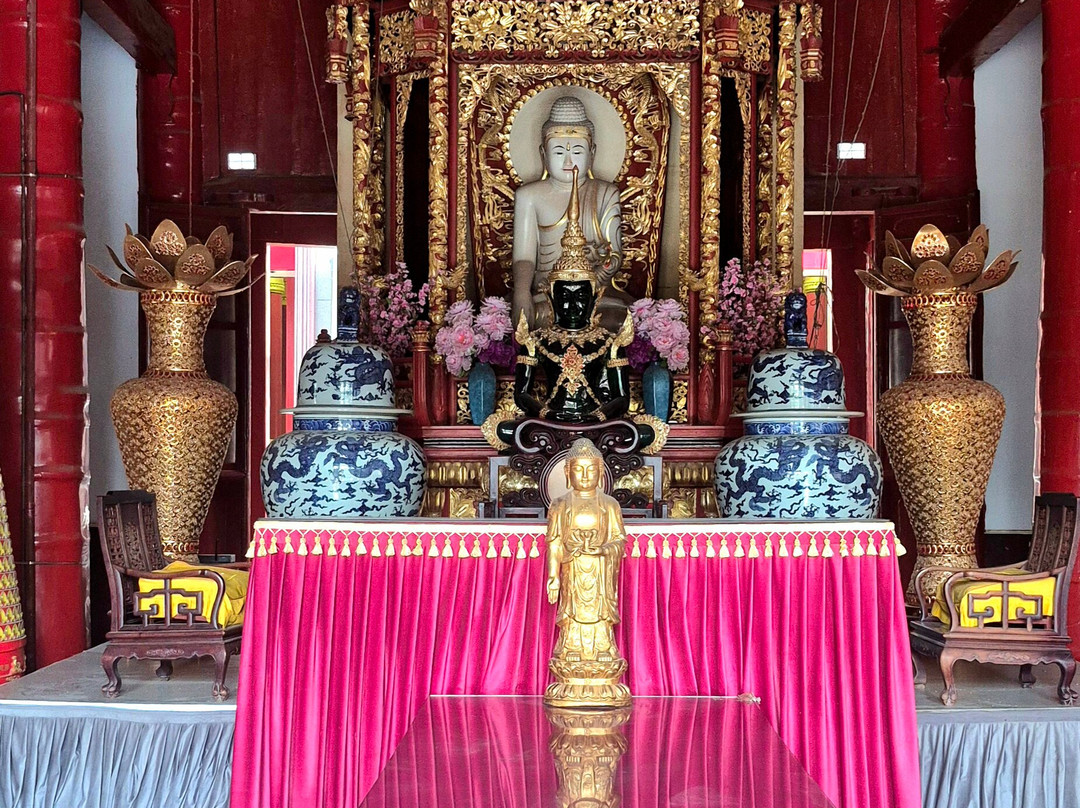
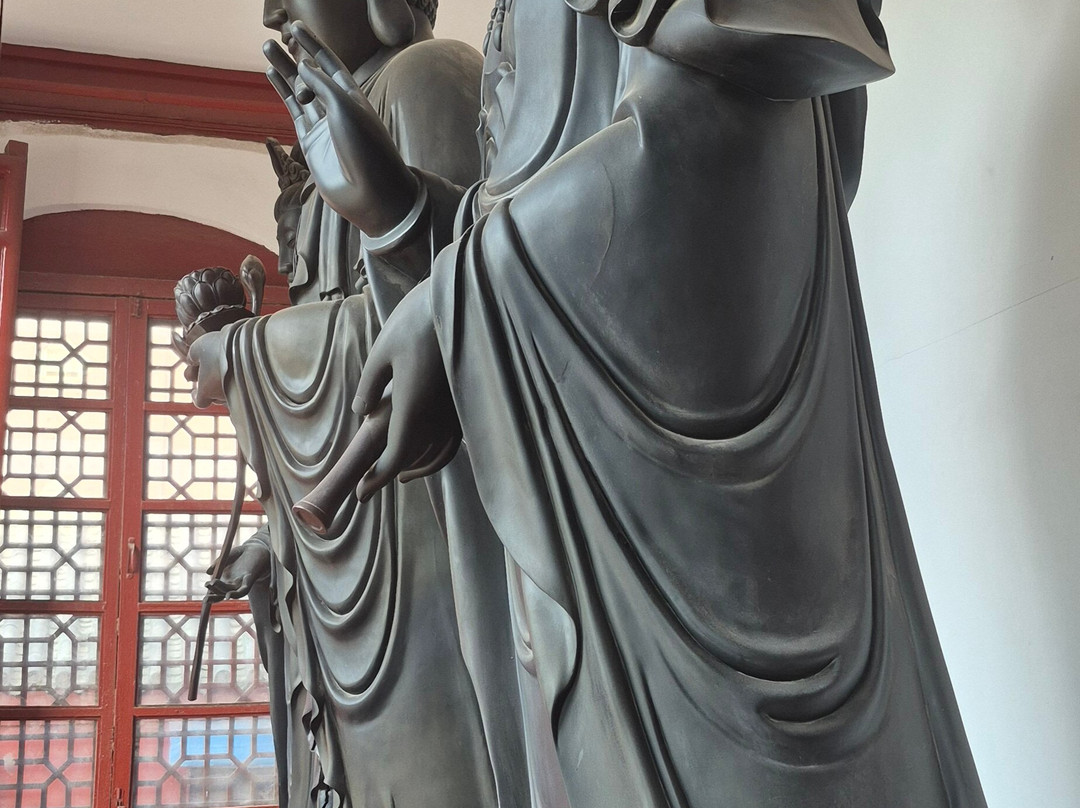
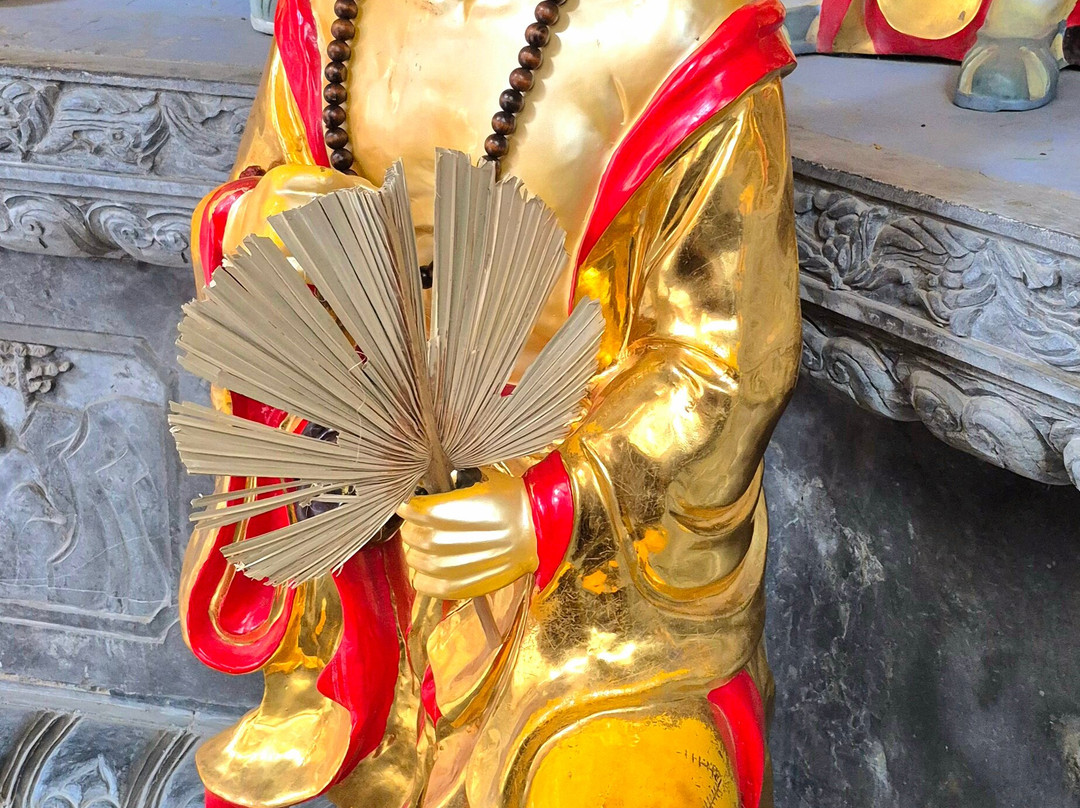
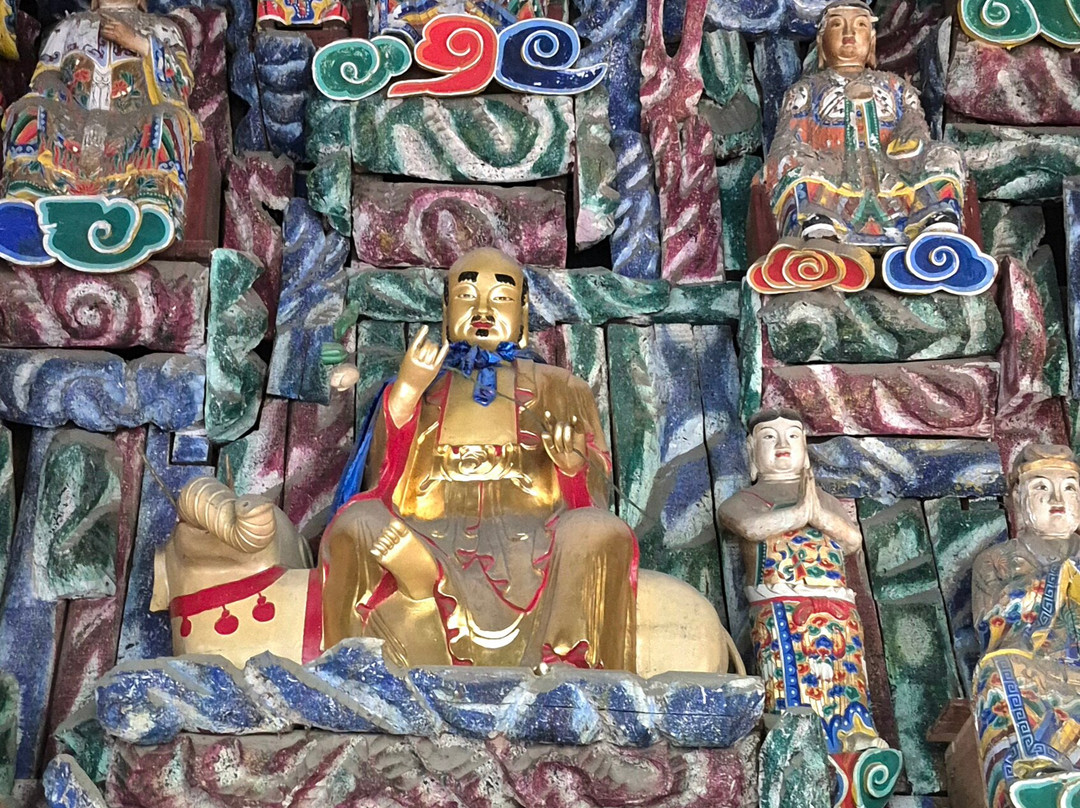
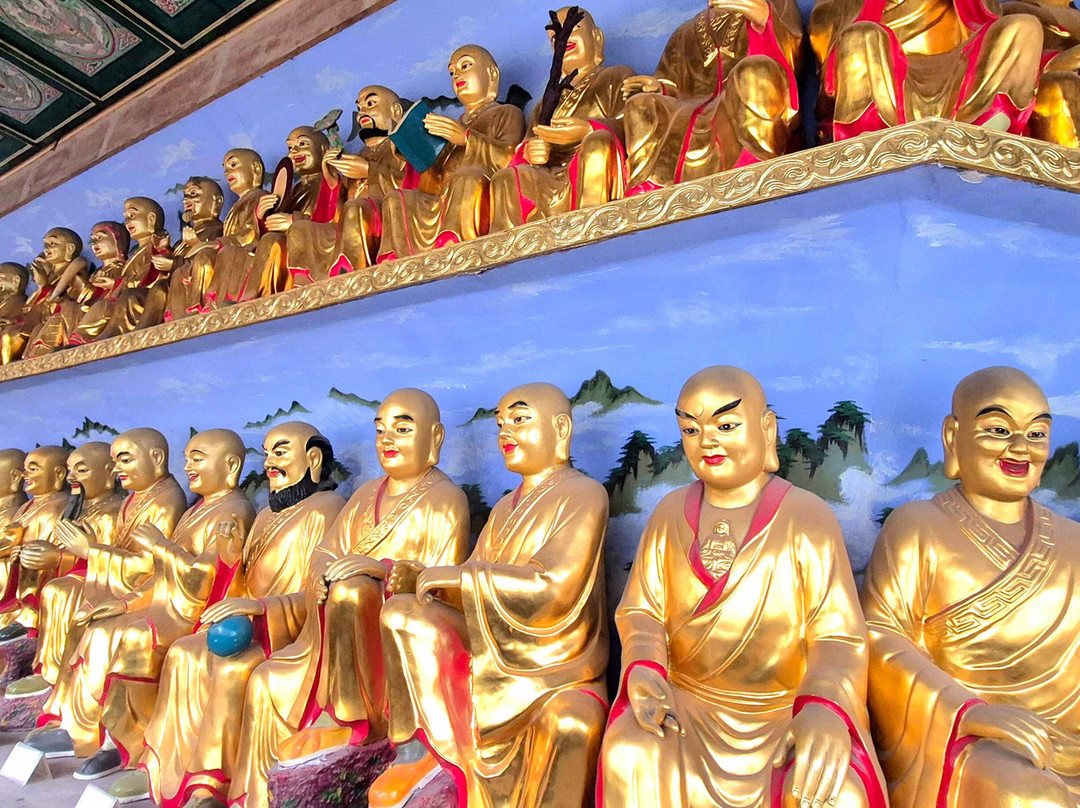
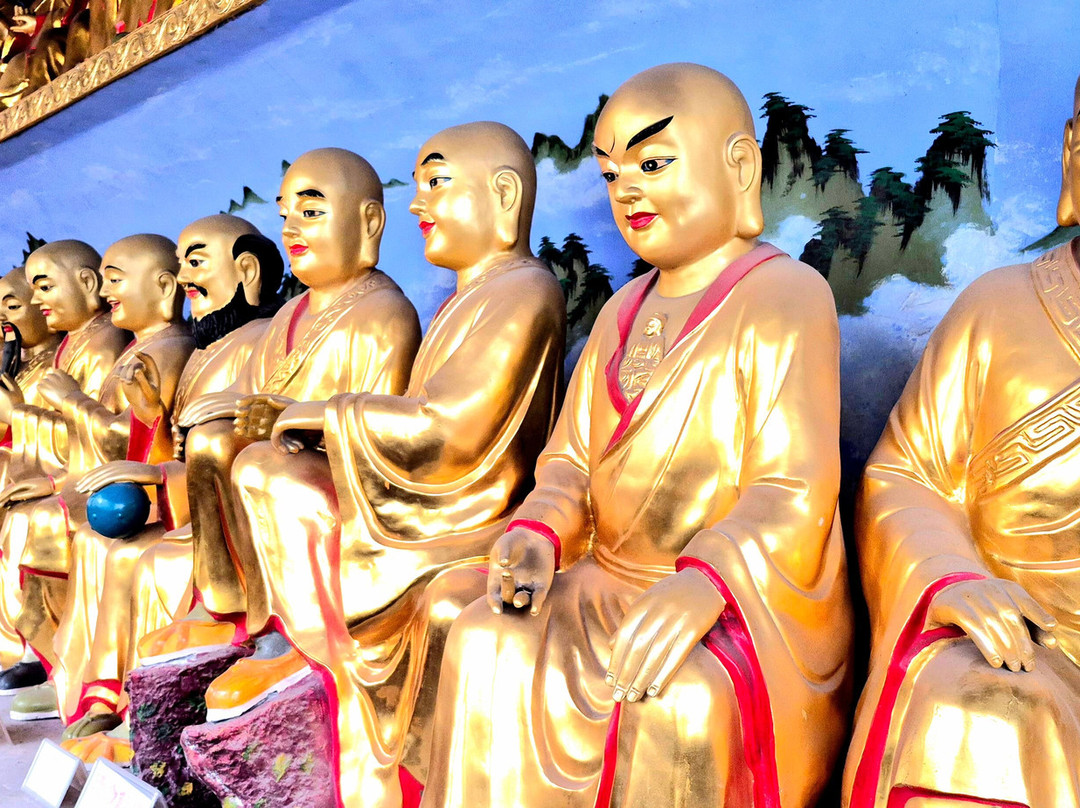
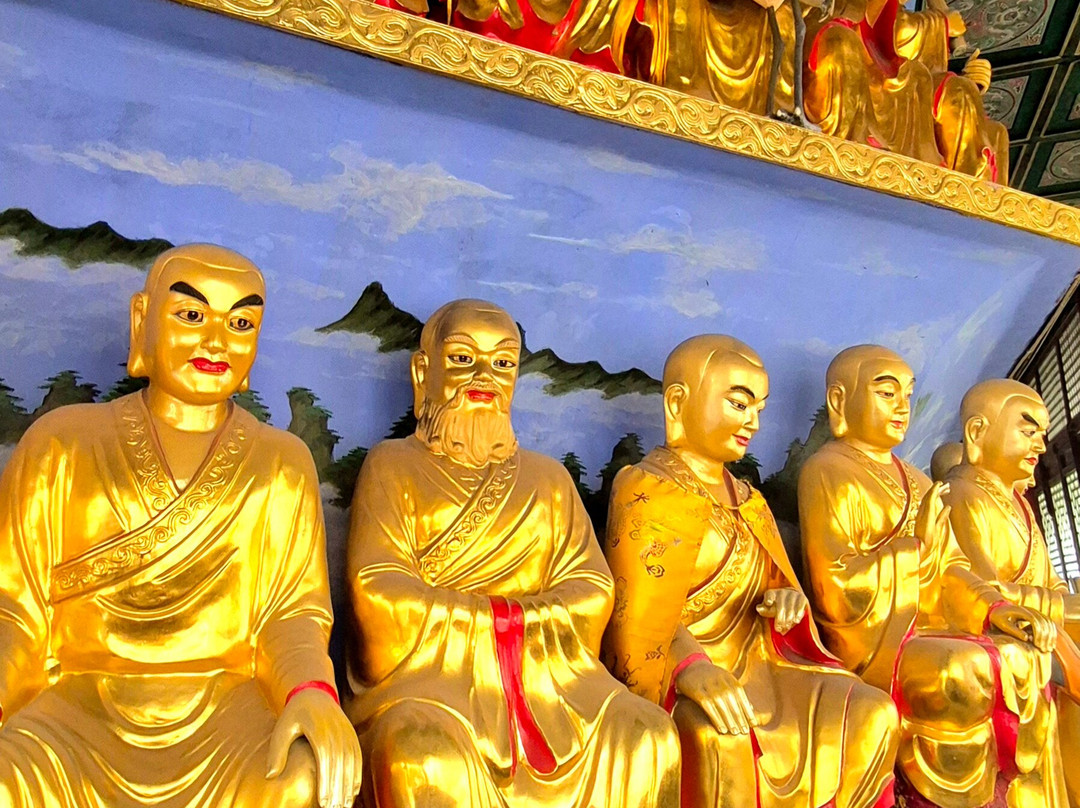
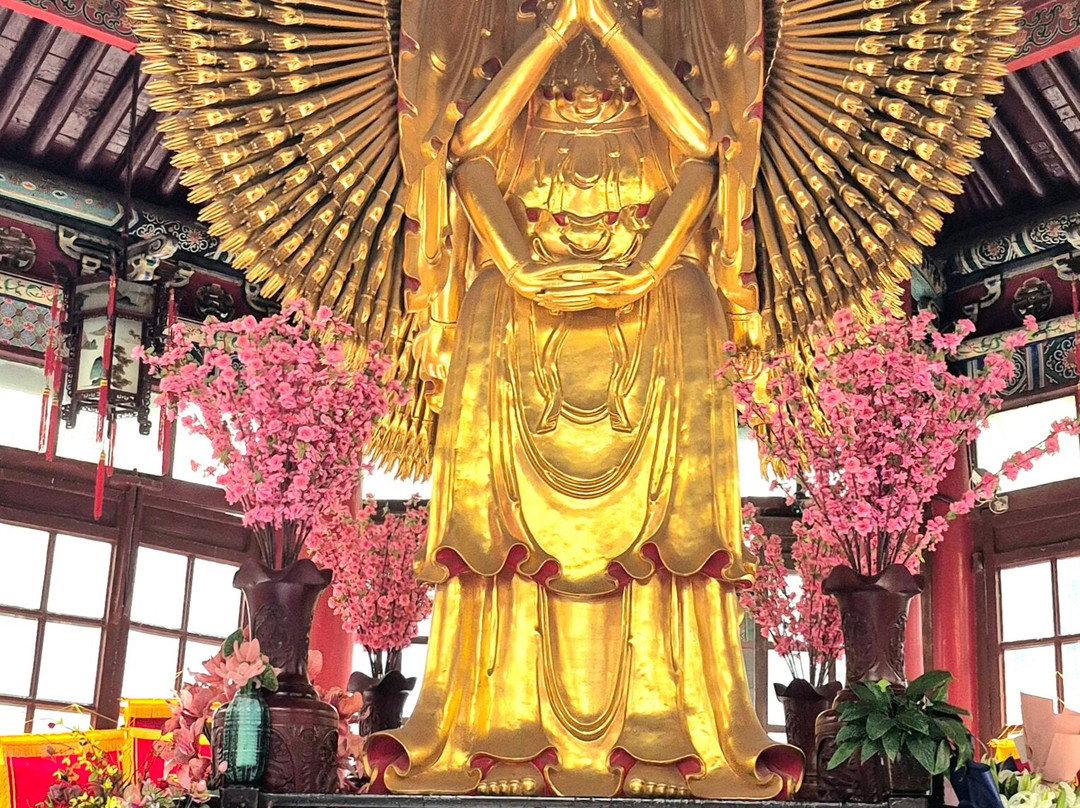
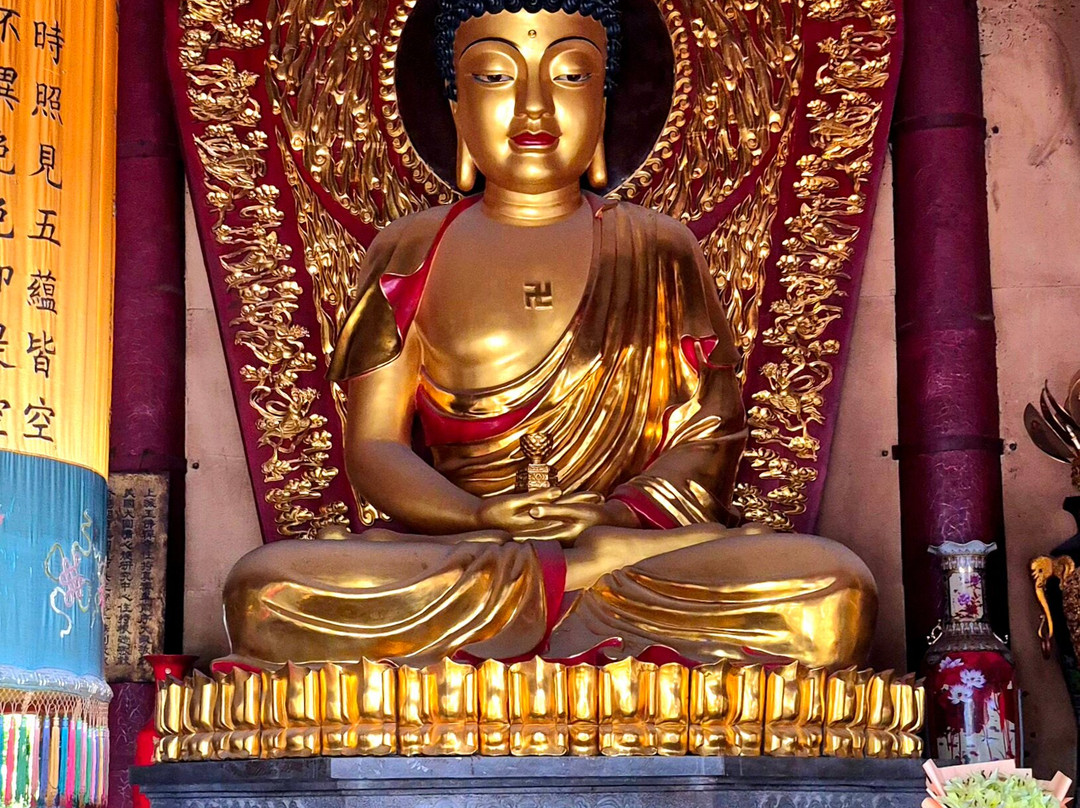
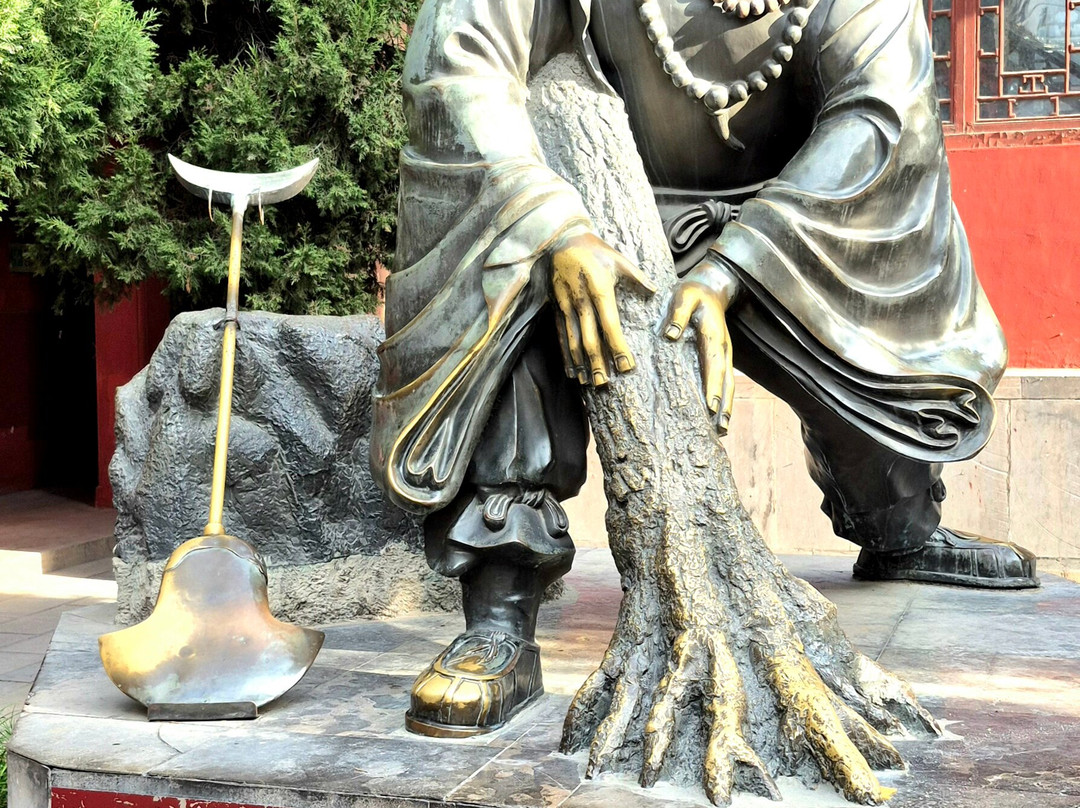
Though Kaifeng never again suffered a burial flood like 1642, its proximity to the Yellow River means flood risk remains woven into its identity. The temple’s survival through centuries of water disasters imbues it with an aura of resilience and spiritual strength. Within its halls, the Thousand‑Hand Guanyin, the bronze bell engraved with the Diamond Sutra, and the assembly of 500 Arhats radiate a miraculous presence, filling the space with compassion and wisdom.
大相国寺钟声起,
众生平等共安宁。
洪水埋城仍不灭,
佛土光辉照古今。
The bell of Daxiangguo Temple resounds,
All beings equal, all at peace.
Though floods may bury the city, faith endures,
The Buddha’s radiance shines across time.
翻译:开封是中国历史上最负盛名的城市之一,被誉为“八朝古都”。它在北宋时期(公元960年至1127年)声名卓著,当时堪称世界上最大的城市,是商业与文化繁荣的中心。然而,开封也饱受黄河之患,洪水频发——其中最惨重的一次发生在1642年,整座城池被泥沙掩埋。
当我抵达开封时,心中满是哀伤。这是一座被掩埋的城市,考古发掘出埋藏在洪水沉积层下的人类骸骨、生活用品以及寺庙珍宝。1642年的一场灾难导致约30万人丧生,许多人被淤泥活活掩埋——这一惨状时刻提醒着人们生命的短暂与无常。
在开封的幸存遗迹中,大相国寺尤为显眼。该寺始建于公元555年,当时正值北齐王朝时期。在北宋时期,它作为皇家寺院而盛极一时,但后来屡遭洪水与战火的破坏,又多次重建。如今的庙宇形态主要是清代修复后的结果。如今,它被誉为中国十大名寺之一,也是禅宗的重要道场。或许是巧合,又或许是缘分,这座寺庙离我的酒店仅有五分钟步行路程,仿佛在吸引我步入它的怀抱。60岁及以上的长者可免费入内参观。
虽然开封此后再未遭遇类似1642年的洪水侵袭,但由于其紧邻黄河,洪水风险依然是其城市特征的一部分。这座寺庙历经数个世纪的水患却依然屹立不倒,这赋予了它坚韧不拔与精神强大的特质。寺内,千手观音像、刻有《金刚经》的青铜巨钟以及五百罗汉群像共同散发出一种神秘而神圣的气息,让整个殿堂充满了慈悲与智慧。
大相国寺钟声起,
众生平等共安宁。
洪水埋城仍不灭,
佛土光辉照古今。佛陀的光辉穿越时空,永不磨灭。

© 2026 Tripadvisor 版权所有。
部分照片由 VFM Leonardo 提供。
TripAdvisor公司对外部网站的内容一概不负责。优惠价格中不含税和其他费用。
ICP证:沪B2-20200433
沪ICP备20013175号
 沪公网安备31010502005427号
鹰程信息技术(上海)有限公司