下载App
资质规则
旅行
账户

Nithin M
Well Maintained Temple!
维查雅瓦达古迹的点评
点评:My TA Review # 000467
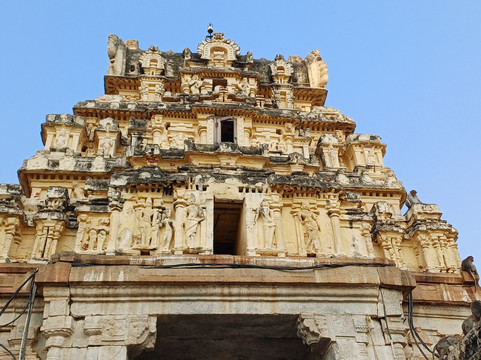
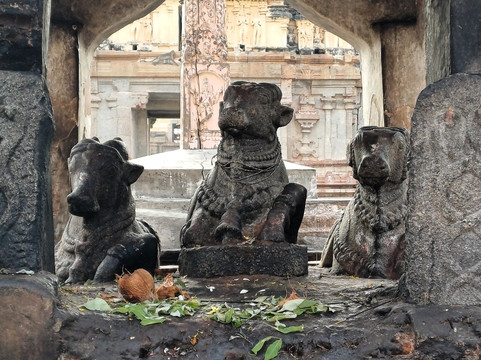
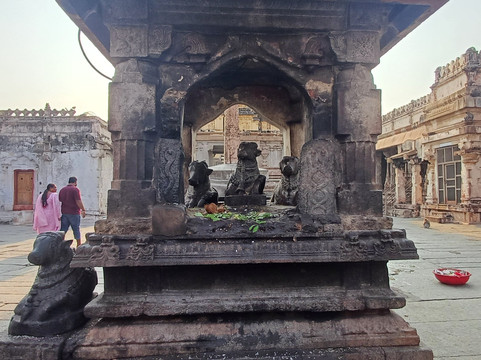
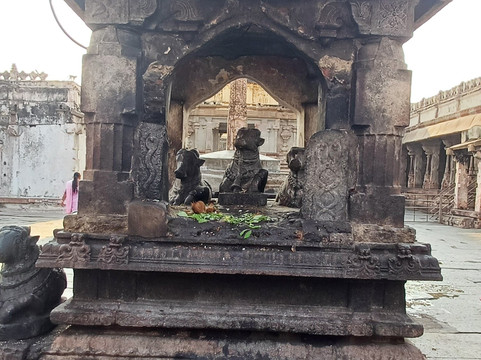
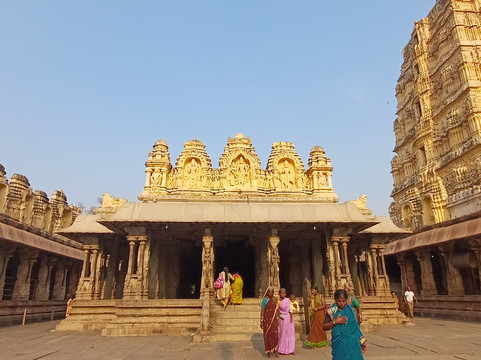
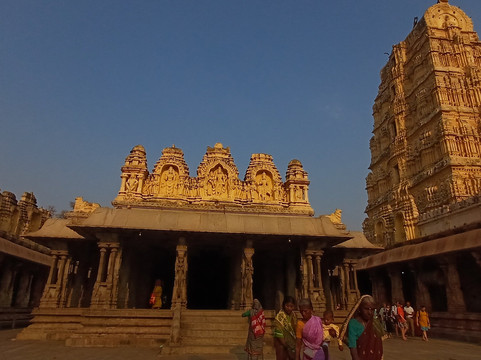
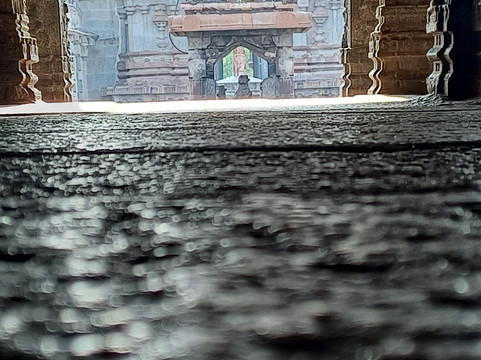
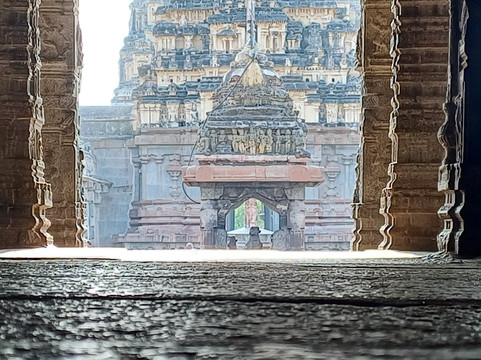
Virupaksha Mandir stands tall and echoes the time period or should I say eons that have passed since it has witnessed the ups and downs of Sanatan.
Well, this is amongst the few temples amongst 1000+ sites which were not destroyed by our Mughal Friends! Thanks to them or to ASI or to the residents for preserving the culture and continuing the daily worship rituals.
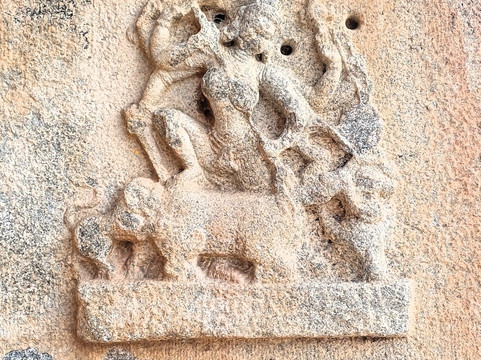
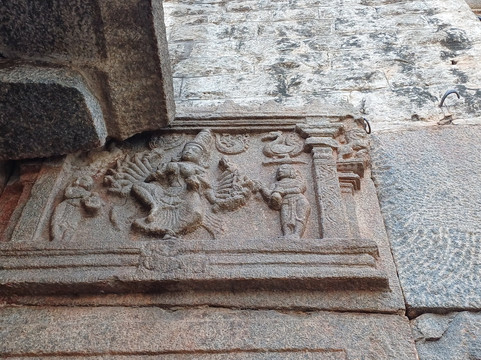
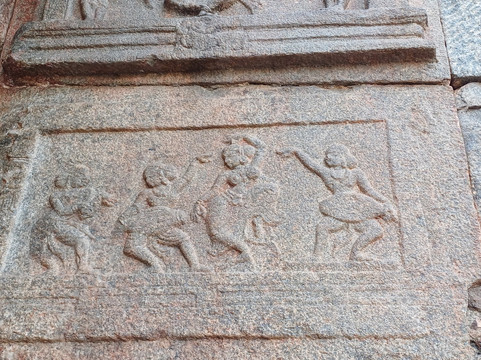
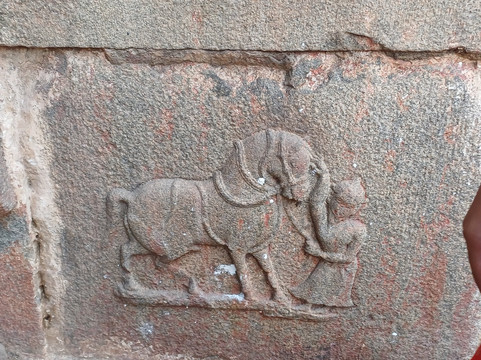
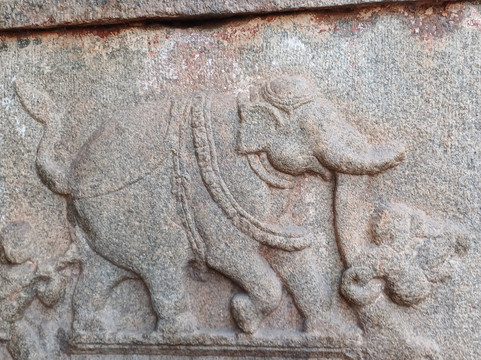
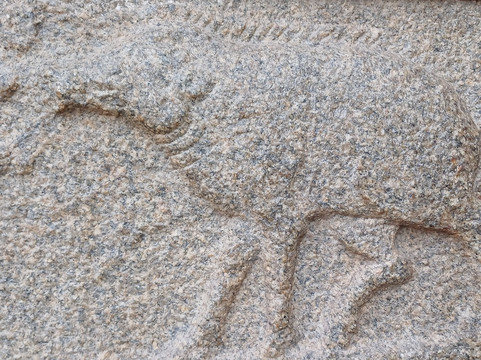
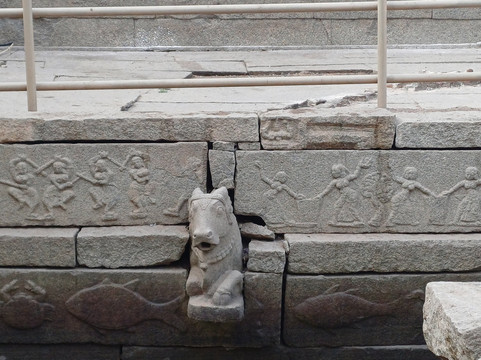
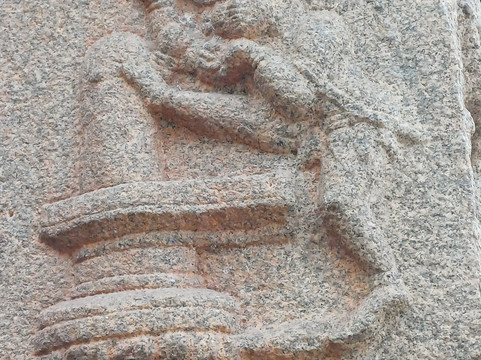
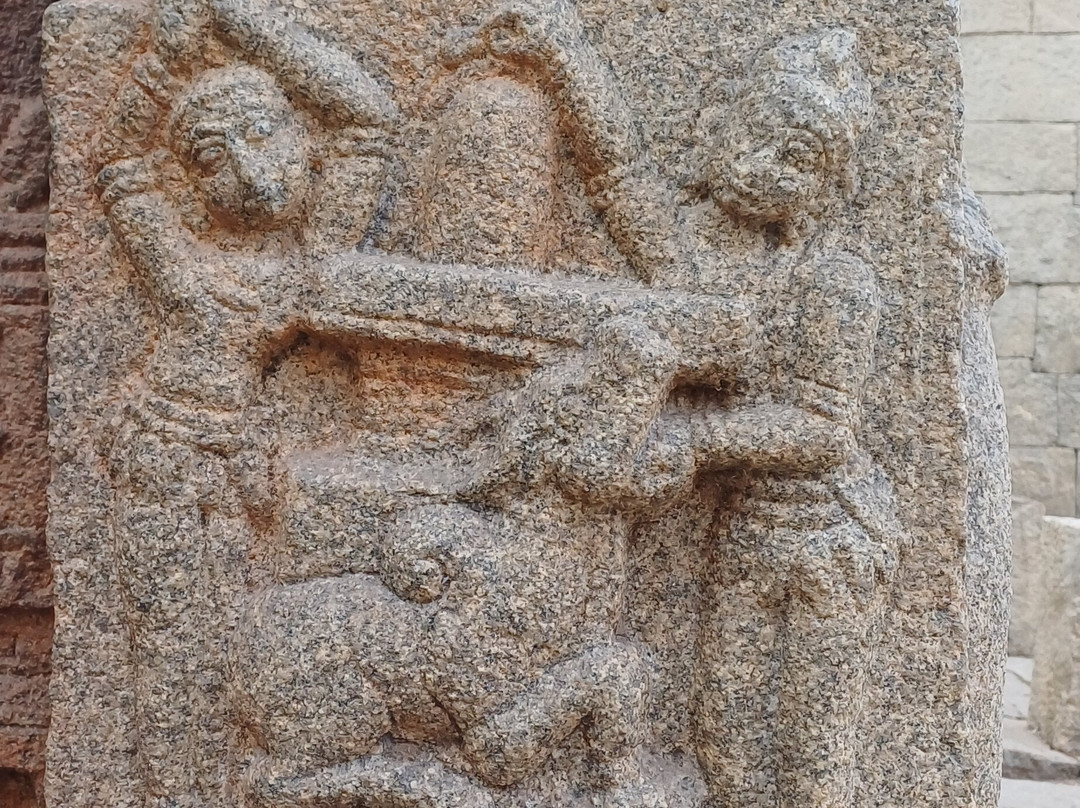
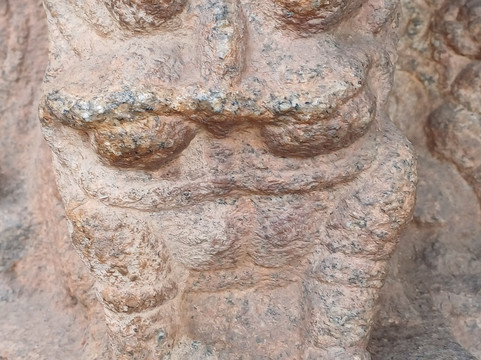
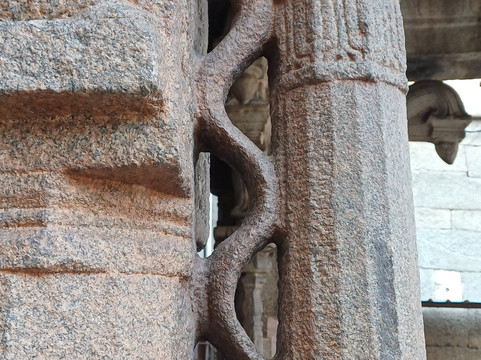
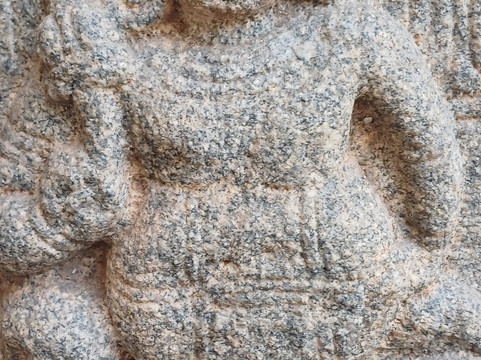
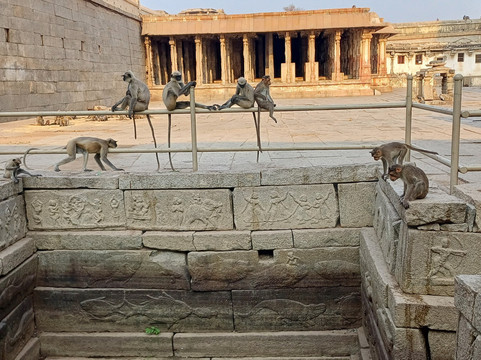
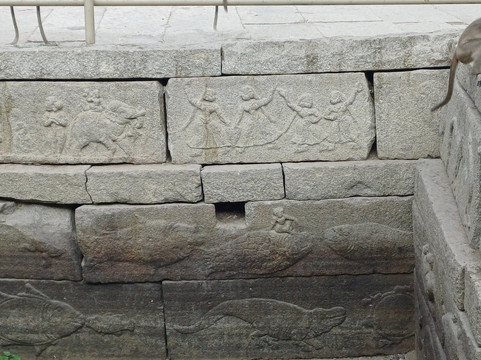
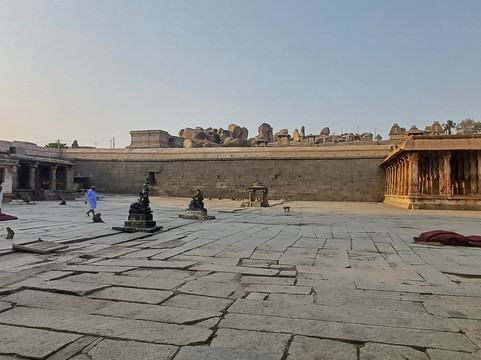
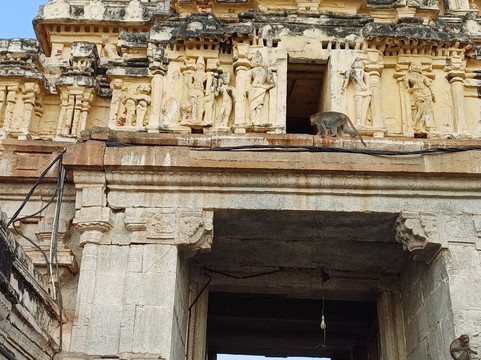
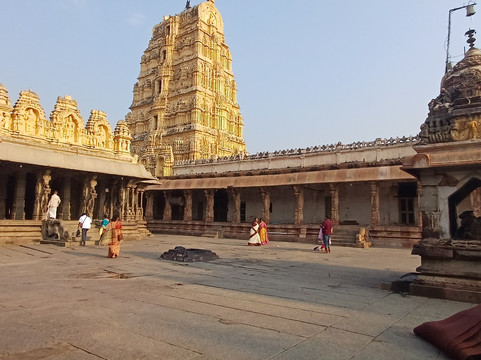
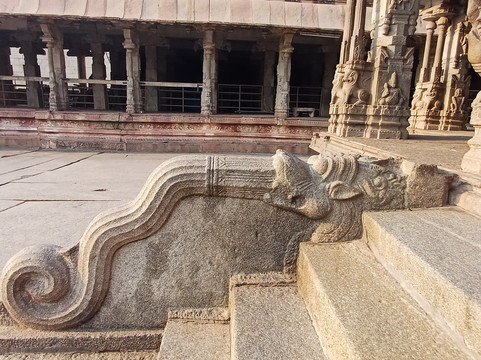
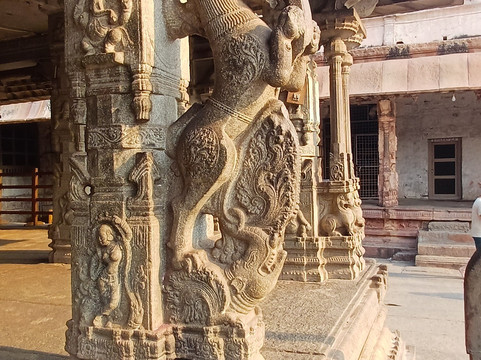
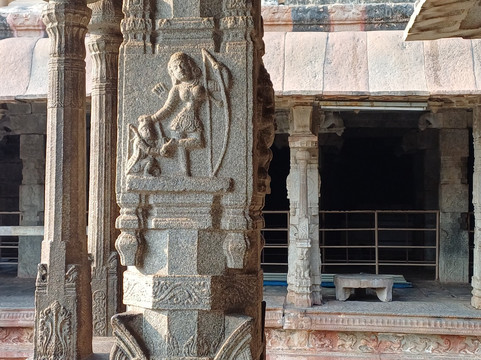
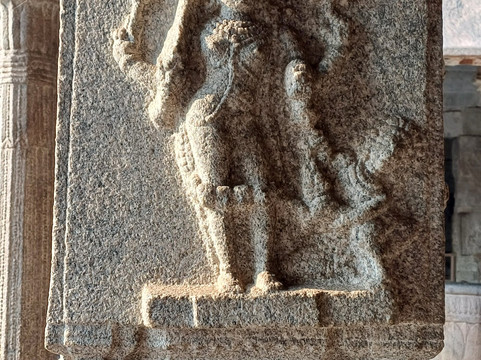
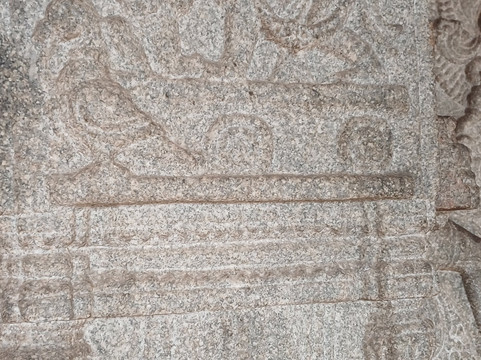
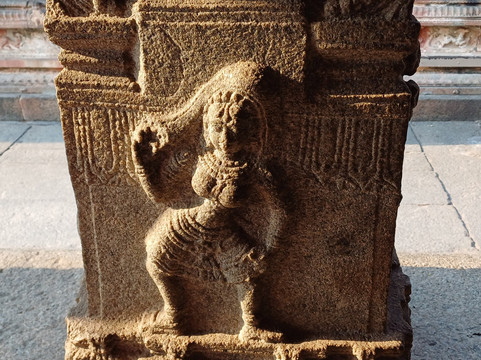
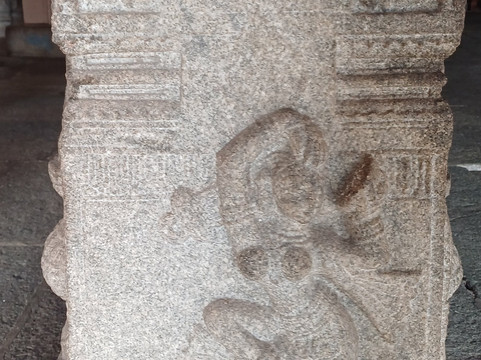
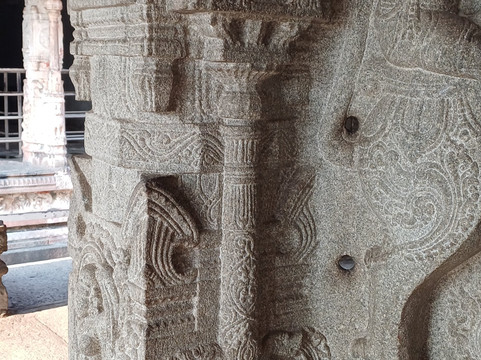
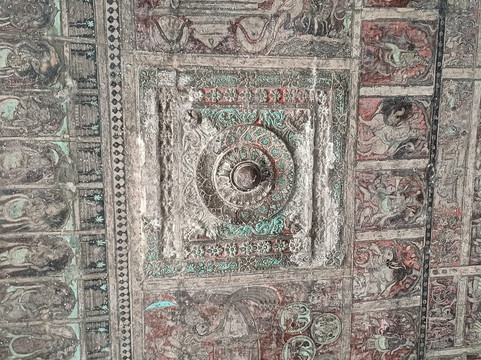
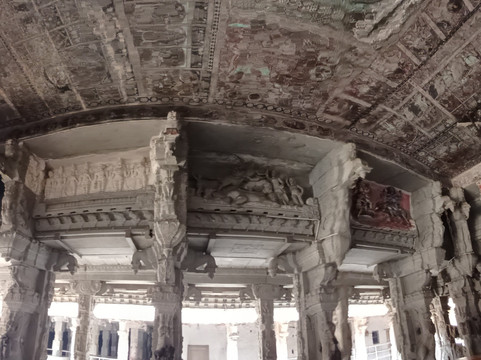
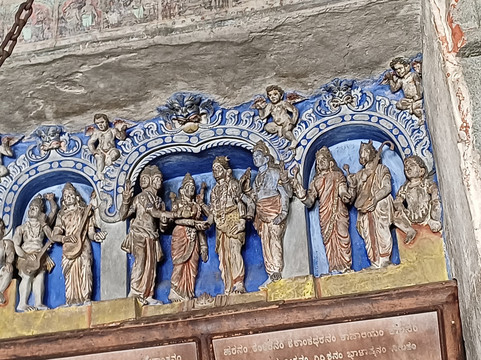
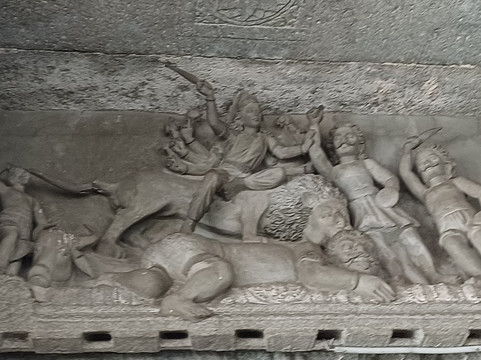
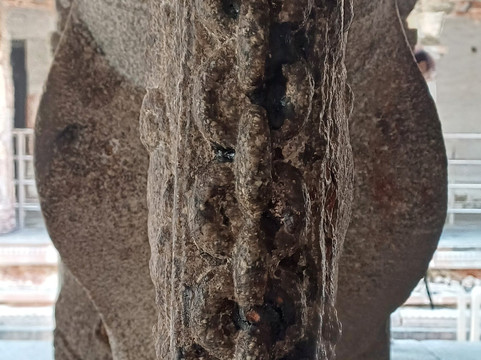
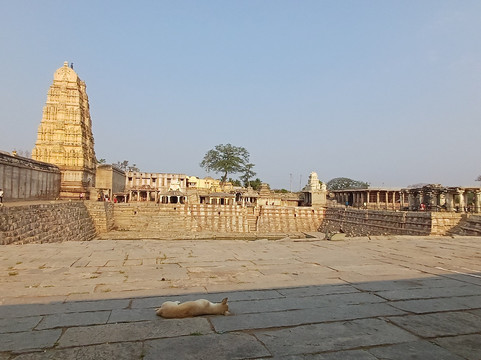
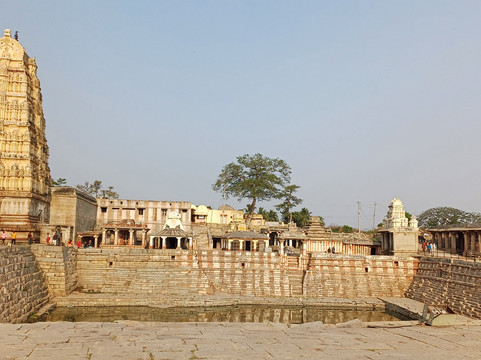
The complex is huge and figures many elements – right from the water pond, the engravings on the stone walls, the MahishasurMardini (Durga Maa), the exile of Shri Ram and many more.
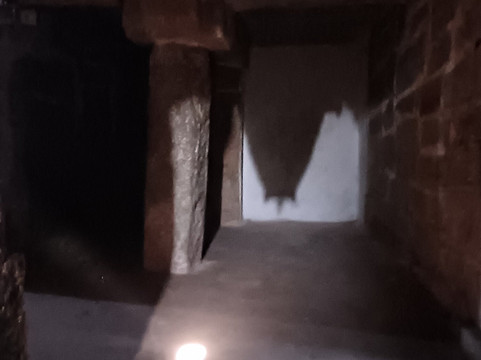
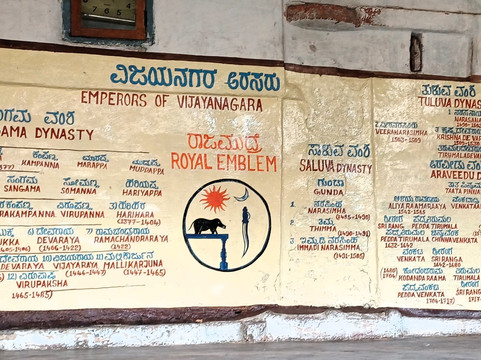
Also, you can see the Sangama Dynasty emblem and the most famous inverted image capturing design created in the stone wall. All this was done much before the camera was actually invented.
Spend at least 2-3 hours here with a guide, to get a real glimpse on what this place treasures. A camera along with you would really help take good close-up photos for much better memories.
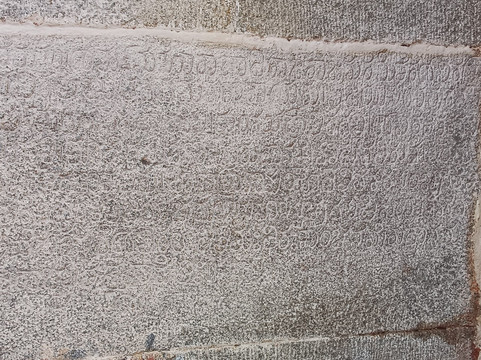
Some of the walls also have the old texts engraved completely in ancient Kannada language, I suppose.
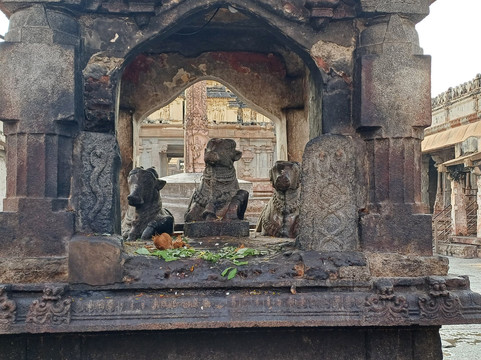
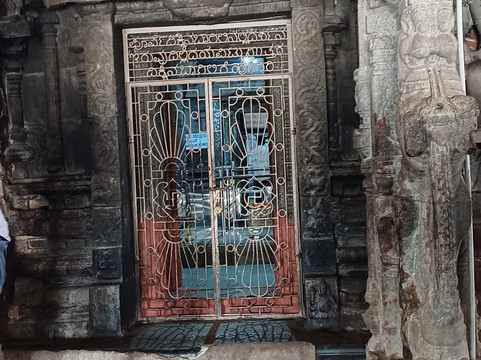
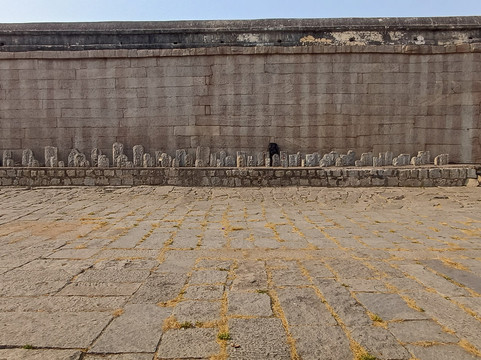
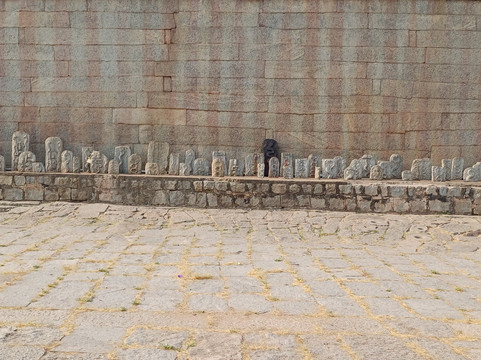
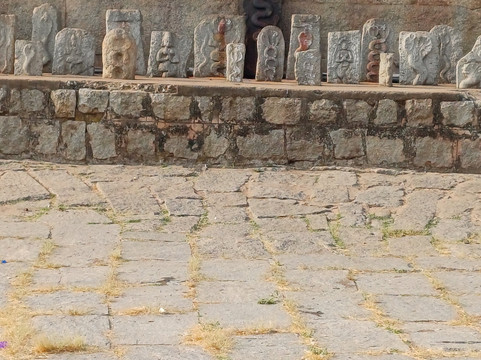
You would also see a lot of Naag Devta shrines kept along one side of the complex, which supposedly guard the entire region here.
Virupaksha Mandir stands tall and echoes the time period or should I say eons that have passed since it has witnessed the ups and downs of Sanatan.
Well, this is amongst the few temples amongst 1000+ sites which were not destroyed by our Mughal Friends! Thanks to them or to ASI or to the residents for preserving the culture and continuing the daily worship rituals.
The complex is huge and figures many elements – right from the water pond, the engravings on the stone walls, the MahishasurMardini (Durga Maa), the exile of Shri Ram and many more.
Also, you can see the Sangama Dynasty emblem and the most famous inverted image capturing design created in the stone wall. All this was done much before the camera was actually invented.
Spend at least 2-3 hours here with a guide, to get a real glimpse on what this place treasures. A camera along with you would really help take good close-up photos for much better memories.
Some of the walls also have the old texts engraved completely in ancient Kannada language, I suppose.
You would also see a lot of Naag Devta shrines kept along one side of the complex, which supposedly guard the entire region here.
翻译:我的TA点评 # 000467
维鲁帕克沙神庙巍然屹立,仿佛在诉说着它见证的漫长岁月,见证了印度教的兴衰更迭。
值得一提的是,在印度教一千多处遗址中,这座神庙是少数几座幸免于莫卧儿王朝破坏的寺庙之一!感谢他们,感谢印度考古调查局(ASI),也感谢当地居民,是他们保护了文化,并延续了每日的祭祀仪式。
这座建筑群规模宏大,包含众多元素——从水池、石墙上的雕刻、玛希沙苏拉·玛尔迪尼(杜尔迦女神)、罗摩的流放等等,不胜枚举。
此外,您还可以看到桑伽摩王朝的徽章,以及石墙上著名的倒置图像图案。所有这些都是在相机发明之前完成的。
建议您至少花2-3个小时,跟随导游参观,才能真正领略这座神庙的珍贵之处。带上相机能帮你拍出很棒的特写照片,留下更美好的回忆。
有些墙壁上还刻着古老的文字,我猜是用古卡纳达语写的。
你还会看到建筑群的一侧有很多蛇神(Naag Devta)的神龛,据说它们守护着这片区域。
维鲁帕克沙神庙巍然屹立,仿佛在诉说着它见证的漫长岁月,见证了印度教的兴衰更迭。
值得一提的是,在印度教一千多处遗址中,这座神庙是少数几座幸免于莫卧儿王朝破坏的寺庙之一!感谢他们,感谢印度考古调查局(ASI),也感谢当地居民,是他们保护了文化,并延续了每日的祭祀仪式。
这座建筑群规模宏大,包含众多元素——从水池、石墙上的雕刻、玛希沙苏拉·玛尔迪尼(杜尔迦女神)、罗摩的流放等等,不胜枚举。
此外,您还可以看到桑伽摩王朝的徽章,以及石墙上著名的倒置图像图案。所有这些都是在相机发明之前完成的。
建议您至少花2-3个小时,跟随导游参观,才能真正领略这座神庙的珍贵之处。带上相机能帮你拍出很棒的特写照片,留下更美好的回忆。
有些墙壁上还刻着古老的文字,我猜是用古卡纳达语写的。
你还会看到建筑群的一侧有很多蛇神(Naag Devta)的神龛,据说它们守护着这片区域。

© 2026 Tripadvisor 版权所有。
部分照片由 VFM Leonardo 提供。
TripAdvisor公司对外部网站的内容一概不负责。优惠价格中不含税和其他费用。
ICP证:沪B2-20200433
沪ICP备20013175号
 沪公网安备31010502005427号
鹰程信息技术(上海)有限公司