下载App
资质规则
旅行
账户

Carol B
ROCKBOURNE ROMAN VILLA
Rockbourne Roman Villa的点评
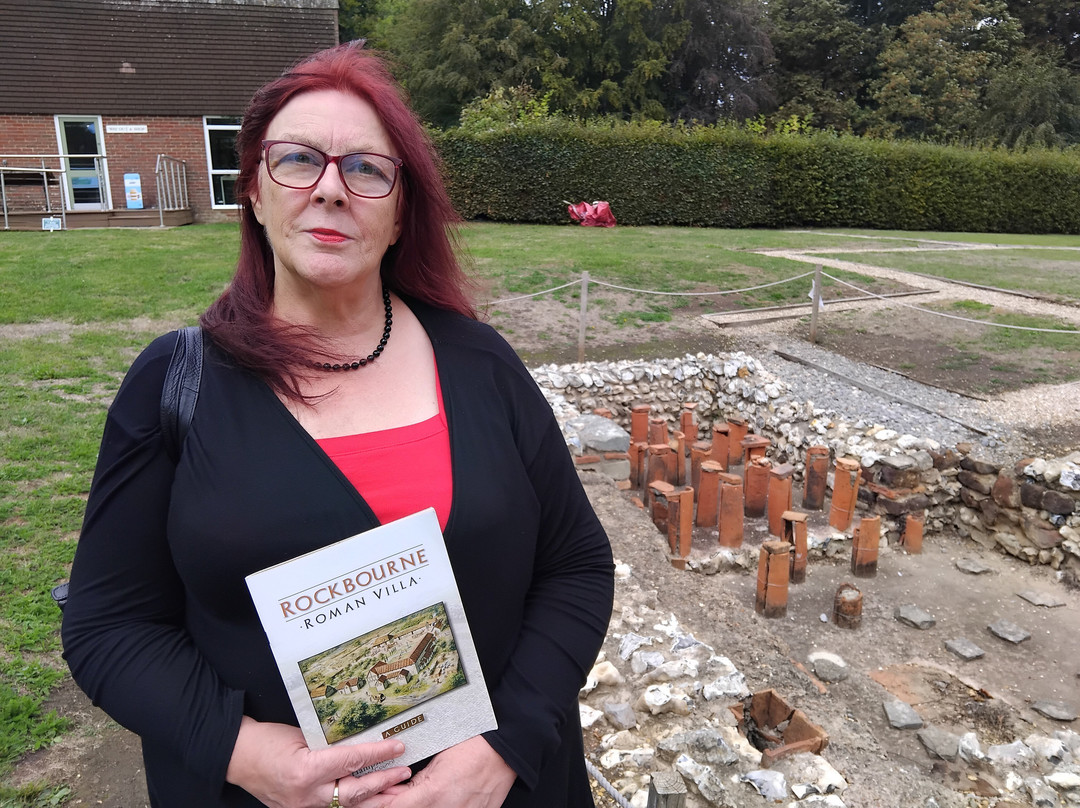
点评:Thursday 10th September 2026, My husband and I went to visit Rockbourne Roman Villa and Museum at the nearby village of Rockbourne. Rockbourne Roman Villa is the largest known villa complex in the local Hampshire area, with a history spanning from the Iron Age through to the 5th century AD.
The site initially started as a simple Iron Age roundhouse before Roman influence reached the local Belgae tribe. The roundhouse was replaced by an initial Roman building, which steadily expanded over 400 years into a luxurious courtyard villa with around 40 rooms. It served as the centre of a bustling agricultural estate, complete with living quarters, bath houses, workshops, and farm buildings.
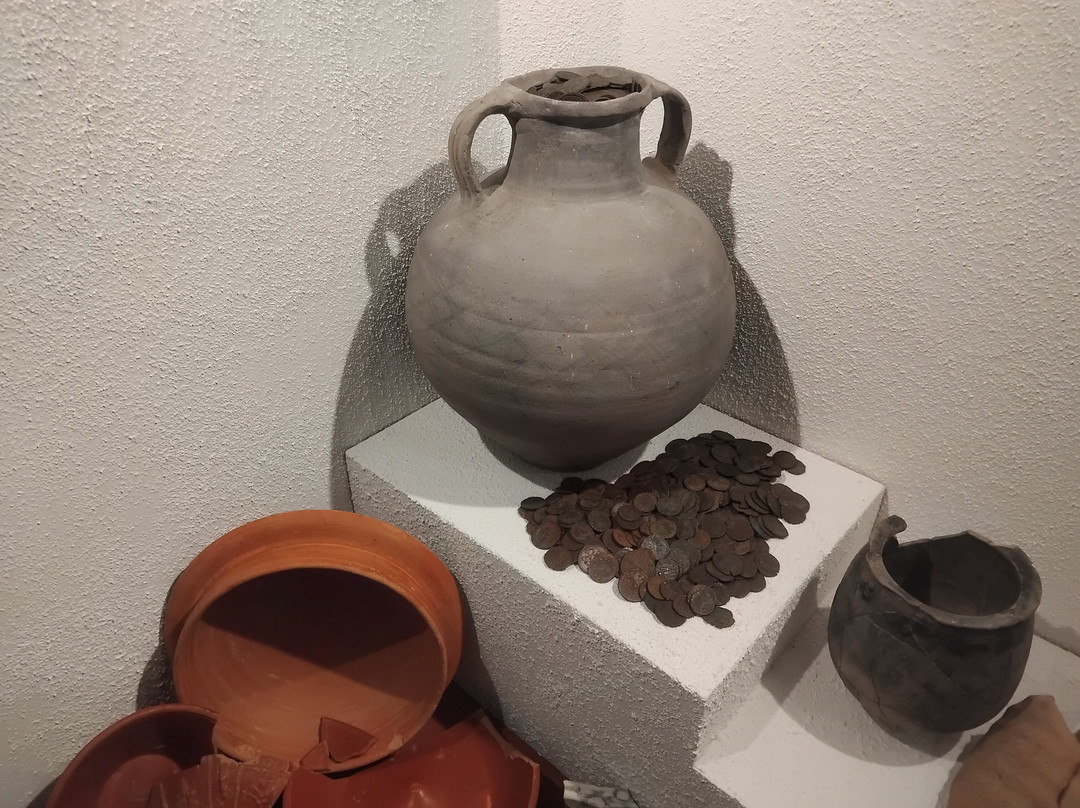
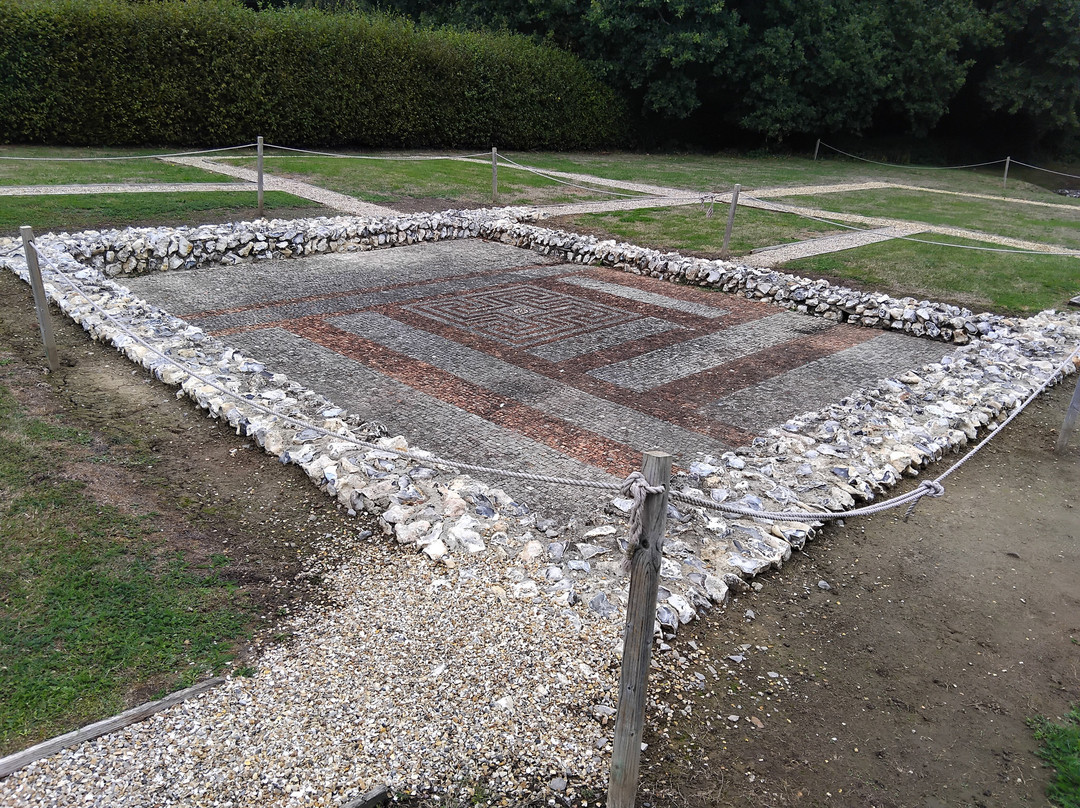
The villa was discovered in 1942 when a local farmer, A. T. Morley Hewitt, was trying to dig out a ferret and struck a mosaic floor. Morley Hewitt subsequently bought the land and spent the next thirty years carefully excavating the extensive property. These excavations revealed a notable hoard of over 7,000 late 3rd-to-4th-century Roman coins hidden or offered as a tribute on the site.
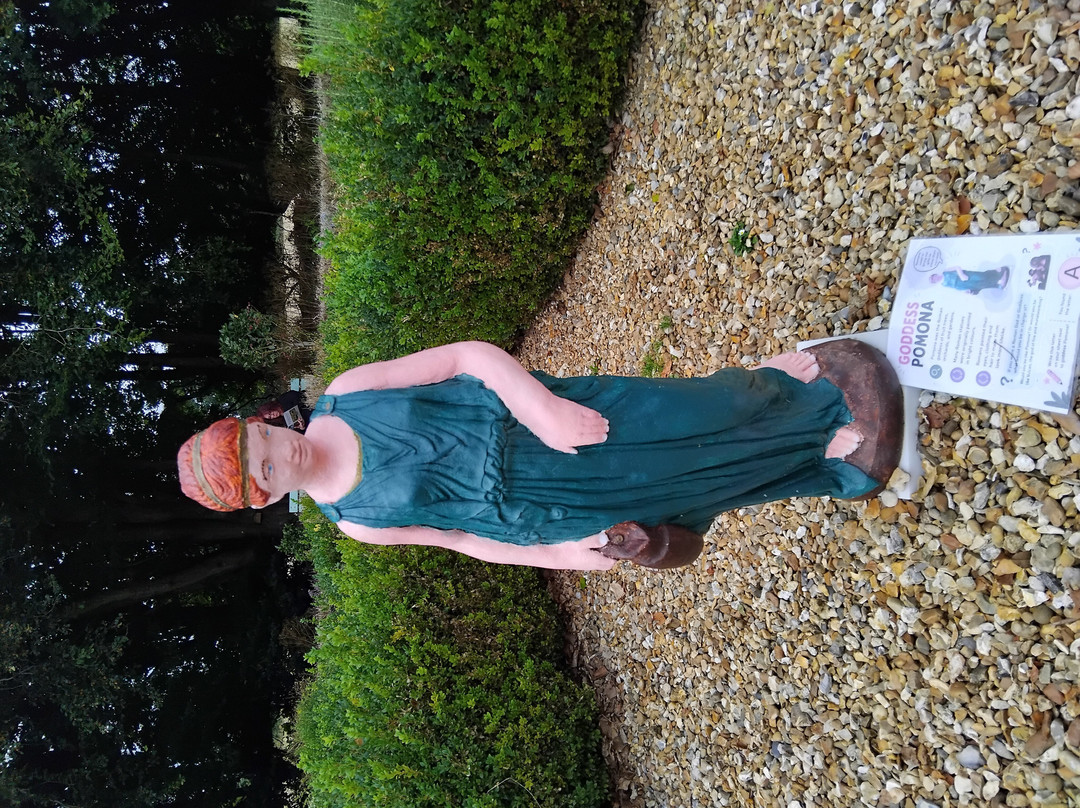
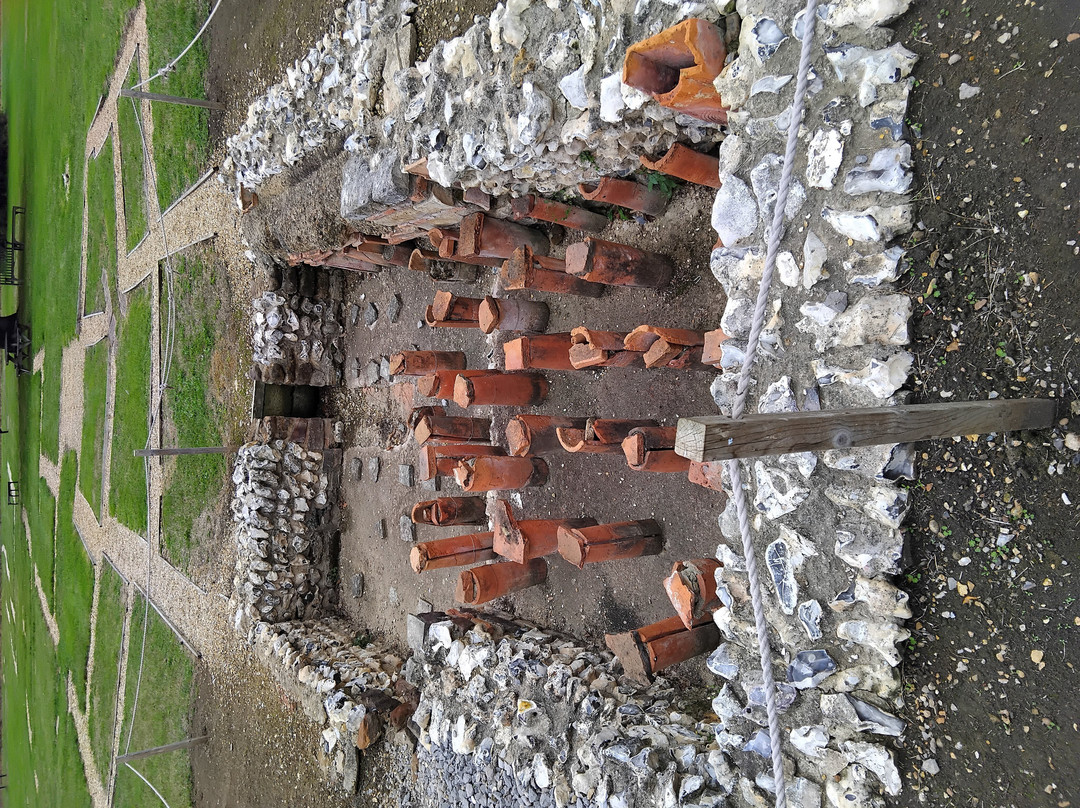
Today, you can view the preserved foundations, hypocaust (underfloor heating) systems, intricate mosaics. My husband and I spent two hours wandering round the site and spent some time sitting in re-created roman garden where I found inspiration and wrote a poem called ‘Respiciens’, Latin for looking back.
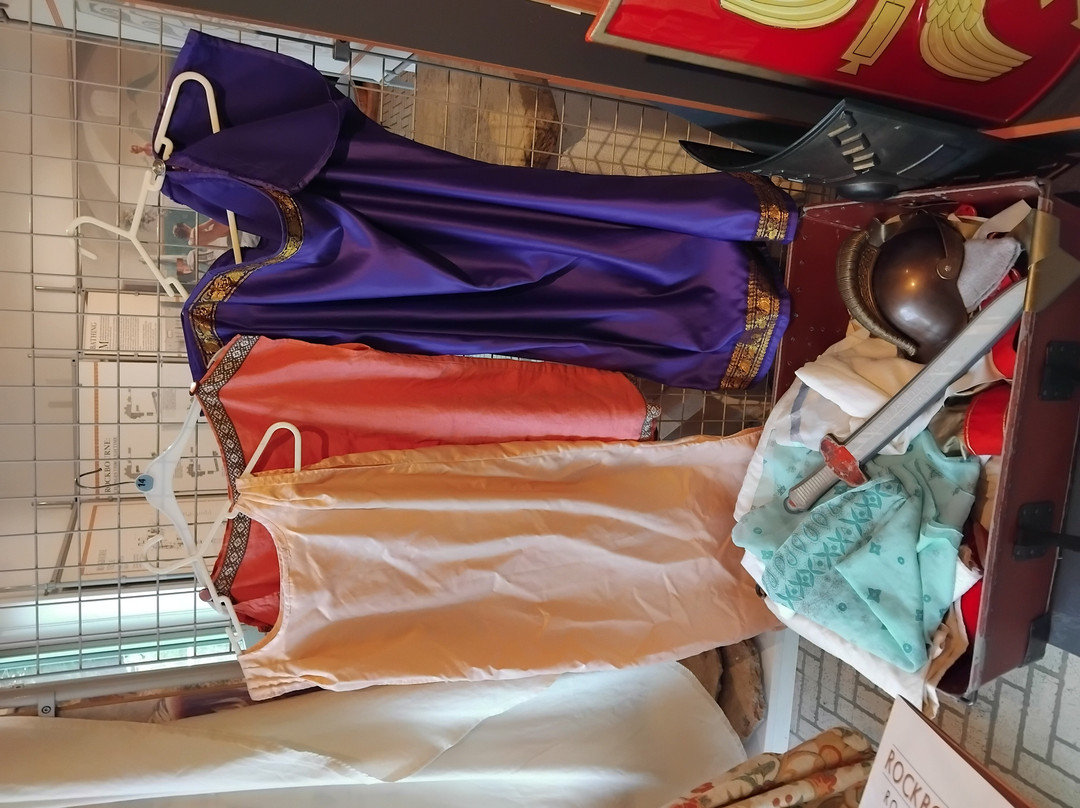
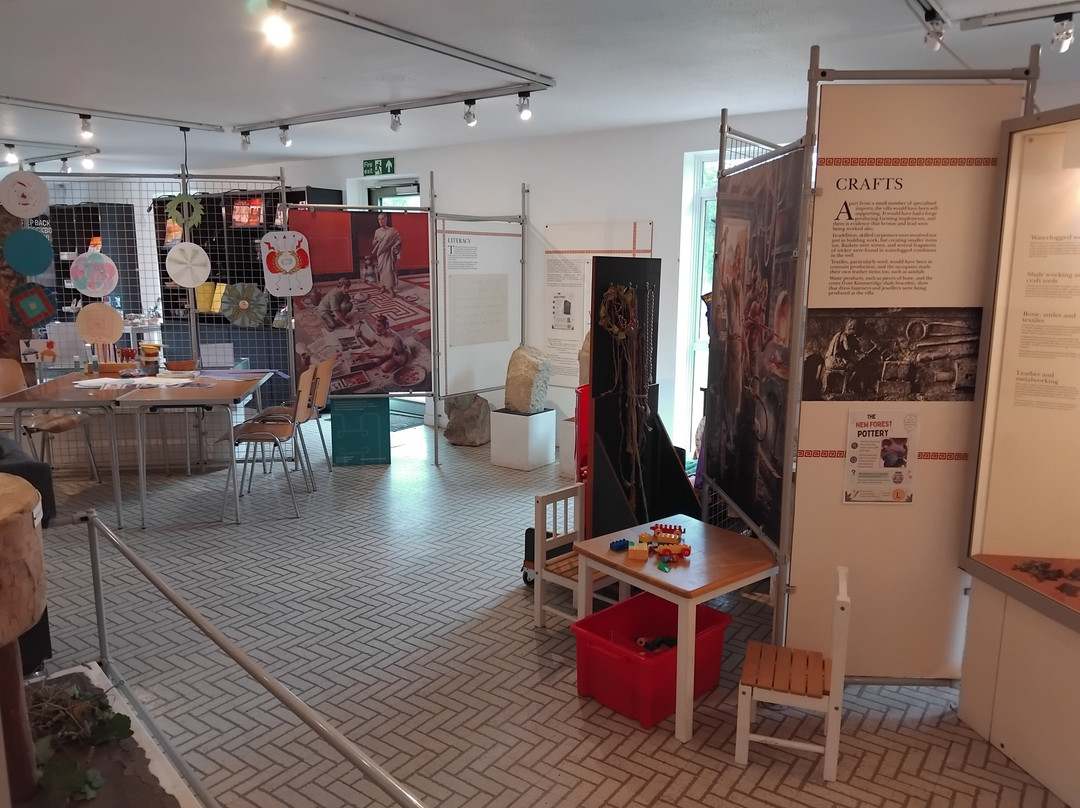
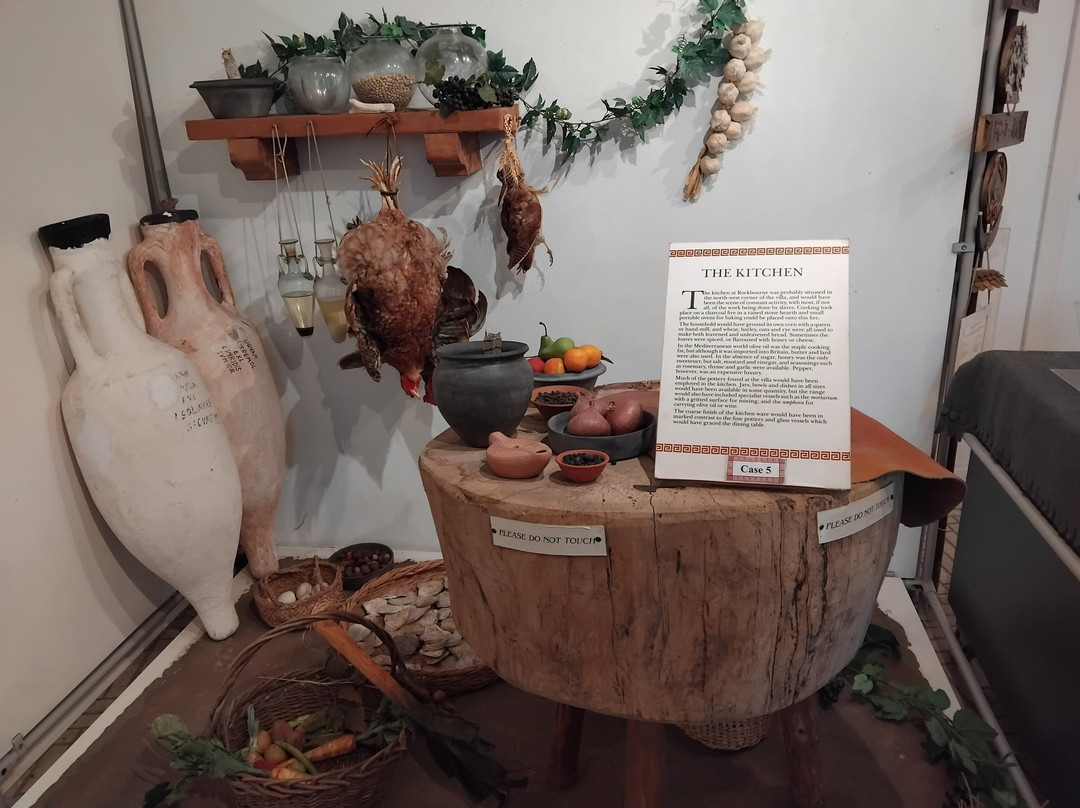
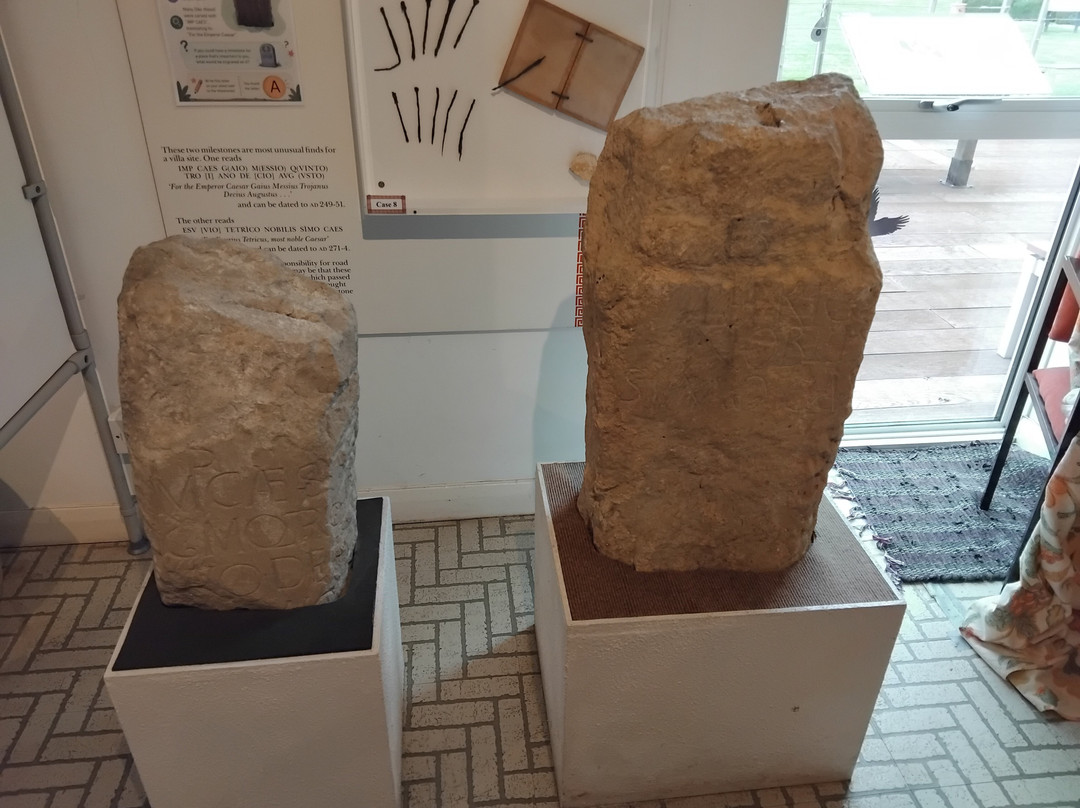
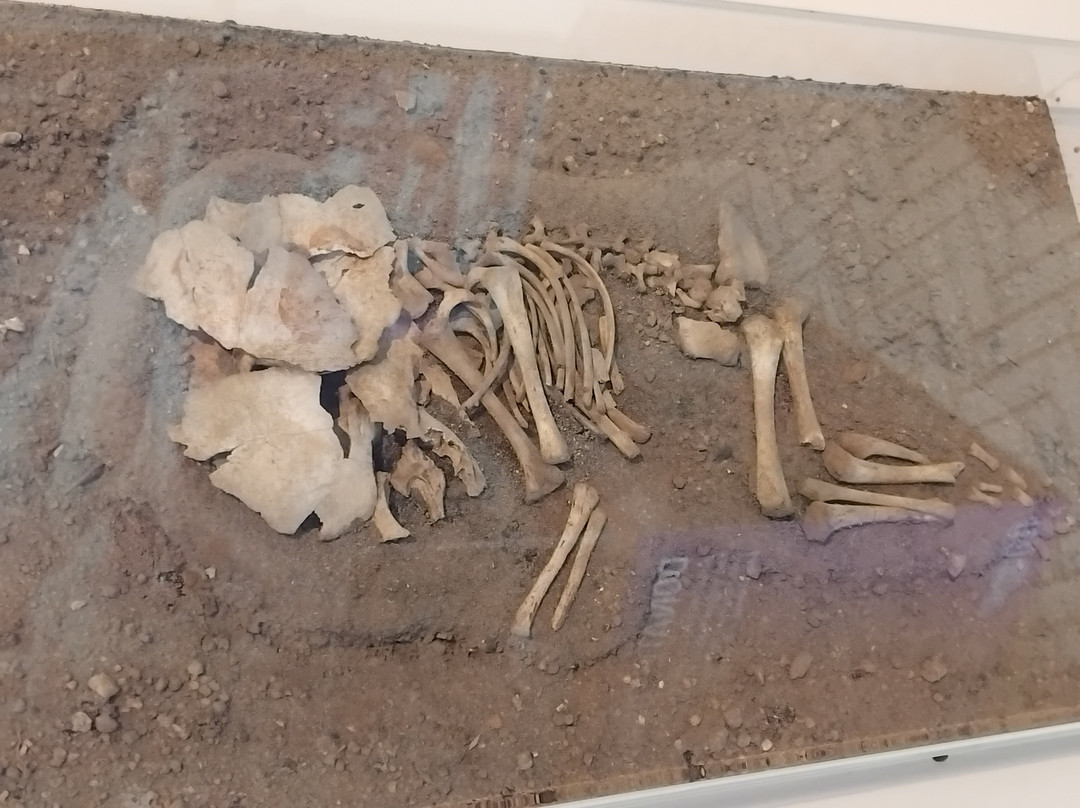
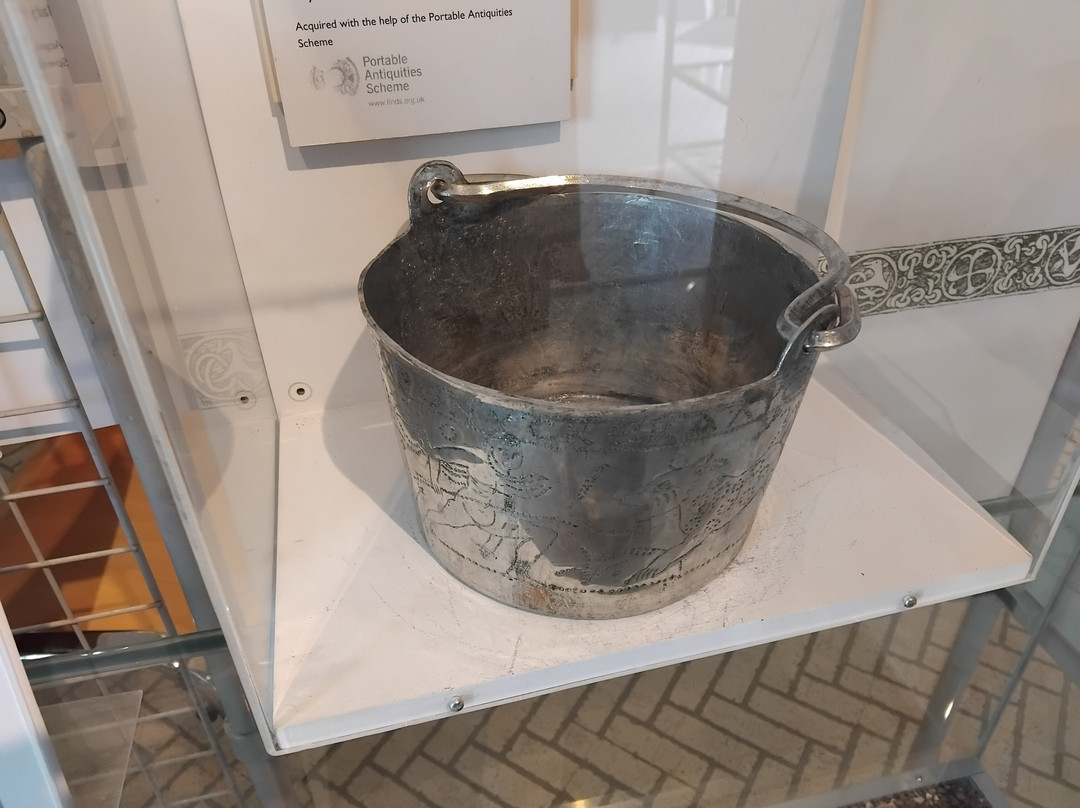
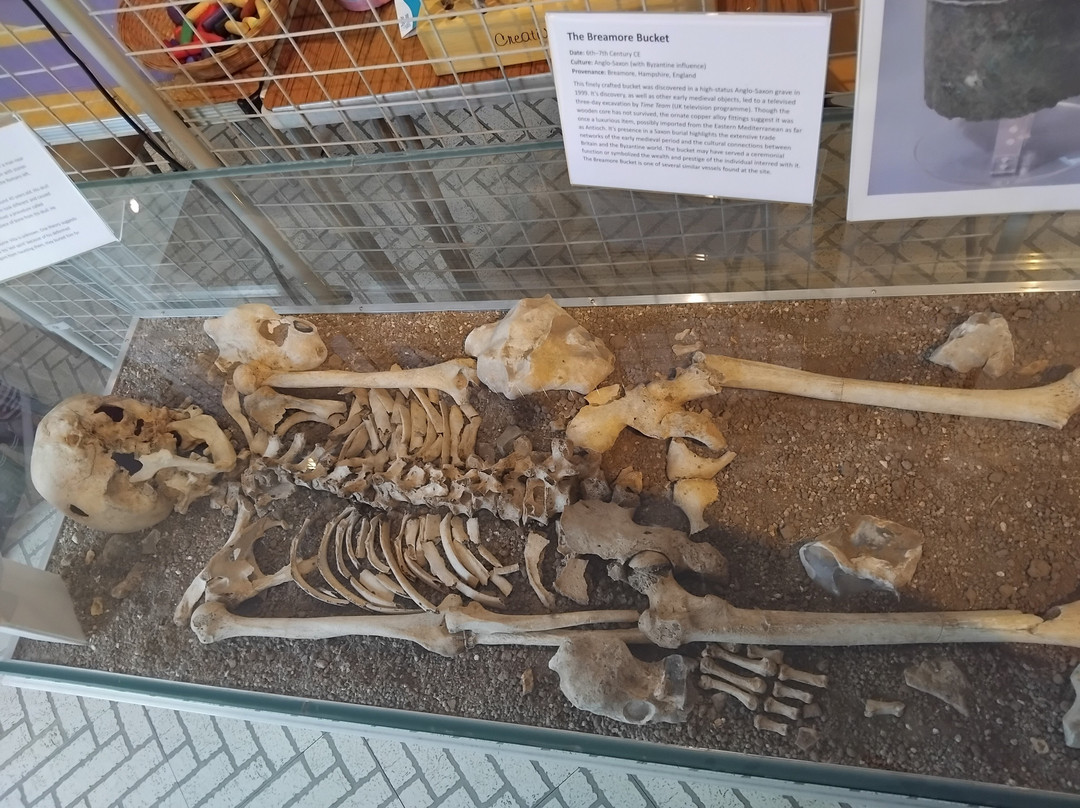
My husband and I then went to the dedicated site museum with a model of the villa, displays of items found on the site i.e. hair pins, buckles, shoes, silver bucket and a pot full of roman coins. There were also the skeletal remains of a male adult and child found on the site. The museum also gave a clear and concise history of the area and what life was like living and working at the villa and the crafts and trades of the local crafts people. My husband and I found this very interesting and spent over three hours here.
The site initially started as a simple Iron Age roundhouse before Roman influence reached the local Belgae tribe. The roundhouse was replaced by an initial Roman building, which steadily expanded over 400 years into a luxurious courtyard villa with around 40 rooms. It served as the centre of a bustling agricultural estate, complete with living quarters, bath houses, workshops, and farm buildings.
The villa was discovered in 1942 when a local farmer, A. T. Morley Hewitt, was trying to dig out a ferret and struck a mosaic floor. Morley Hewitt subsequently bought the land and spent the next thirty years carefully excavating the extensive property. These excavations revealed a notable hoard of over 7,000 late 3rd-to-4th-century Roman coins hidden or offered as a tribute on the site.
Today, you can view the preserved foundations, hypocaust (underfloor heating) systems, intricate mosaics. My husband and I spent two hours wandering round the site and spent some time sitting in re-created roman garden where I found inspiration and wrote a poem called ‘Respiciens’, Latin for looking back.
My husband and I then went to the dedicated site museum with a model of the villa, displays of items found on the site i.e. hair pins, buckles, shoes, silver bucket and a pot full of roman coins. There were also the skeletal remains of a male adult and child found on the site. The museum also gave a clear and concise history of the area and what life was like living and working at the villa and the crafts and trades of the local crafts people. My husband and I found this very interesting and spent over three hours here.
翻译:2026年9月10日星期四,我和丈夫前往附近的罗克伯恩村参观了罗克伯恩罗马别墅及博物馆。罗克伯恩罗马别墅是汉普郡地区目前已知规模最大的罗马别墅遗址,其历史可追溯至铁器时代直至公元5世纪。
最初,这里只是一个简单的铁器时代圆形房屋,后来罗马文化影响到当地的贝尔盖部落,该圆形房屋才被早期的罗马式建筑所取代。这座别墅历经400余年逐渐扩建,最终成为一座拥有约40个房间的豪华庭院式庄园。它曾是繁荣农业庄园的中心,园内配有居住区、浴室、作坊以及各类农用建筑。
1942年,当地农民A·T·莫利·休伊特在试图捉出一只雪貂时意外发现了马赛克地面,由此发现了这座别墅。随后,莫利·休伊特买下了这片土地,并在接下来的三十年里悉心发掘这片广阔的领地。这些发掘工作发现了一批数量惊人的文物——超过7,000枚藏于此处或作为贡品献上的公元3世纪末至4世纪的罗马硬币。
如今,游客可以参观保存完好的遗址地基、地暖系统以及精美的马赛克图案。我和丈夫花了两个小时在这处遗址中漫步,还特意坐在仿造的罗马花园里休息。正是在那里,我获得了灵感,写下了一首题为《Respiciens》的诗,其拉丁文含义正是“回首往事”。随后,我和丈夫前往专门的遗址博物馆。馆内有一个别墅的模型,还陈列着在遗址上发现的各类物品,比如发夹、扣环、鞋子、银制水桶,以及一个装满罗马硬币的罐子。此外,博物馆还展出了在遗址上发现的成年男子与儿童的遗骸。博物馆还简明清晰地介绍了这一地区的历史,以及人们在别墅中的生活与工作情况,还有当地工匠们所从事的各种手艺和行业。我和丈夫觉得这里非常有趣,我们在这里呆了三个多小时。
最初,这里只是一个简单的铁器时代圆形房屋,后来罗马文化影响到当地的贝尔盖部落,该圆形房屋才被早期的罗马式建筑所取代。这座别墅历经400余年逐渐扩建,最终成为一座拥有约40个房间的豪华庭院式庄园。它曾是繁荣农业庄园的中心,园内配有居住区、浴室、作坊以及各类农用建筑。
1942年,当地农民A·T·莫利·休伊特在试图捉出一只雪貂时意外发现了马赛克地面,由此发现了这座别墅。随后,莫利·休伊特买下了这片土地,并在接下来的三十年里悉心发掘这片广阔的领地。这些发掘工作发现了一批数量惊人的文物——超过7,000枚藏于此处或作为贡品献上的公元3世纪末至4世纪的罗马硬币。
如今,游客可以参观保存完好的遗址地基、地暖系统以及精美的马赛克图案。我和丈夫花了两个小时在这处遗址中漫步,还特意坐在仿造的罗马花园里休息。正是在那里,我获得了灵感,写下了一首题为《Respiciens》的诗,其拉丁文含义正是“回首往事”。随后,我和丈夫前往专门的遗址博物馆。馆内有一个别墅的模型,还陈列着在遗址上发现的各类物品,比如发夹、扣环、鞋子、银制水桶,以及一个装满罗马硬币的罐子。此外,博物馆还展出了在遗址上发现的成年男子与儿童的遗骸。博物馆还简明清晰地介绍了这一地区的历史,以及人们在别墅中的生活与工作情况,还有当地工匠们所从事的各种手艺和行业。我和丈夫觉得这里非常有趣,我们在这里呆了三个多小时。

© 2026 Tripadvisor 版权所有。
部分照片由 VFM Leonardo 提供。
TripAdvisor公司对外部网站的内容一概不负责。优惠价格中不含税和其他费用。
ICP证:沪B2-20200433
沪ICP备20013175号
 沪公网安备31010502005427号
鹰程信息技术(上海)有限公司