下载App
旅行
账户

Dingo_dude
A slice of the City's history
塔山寺的点评
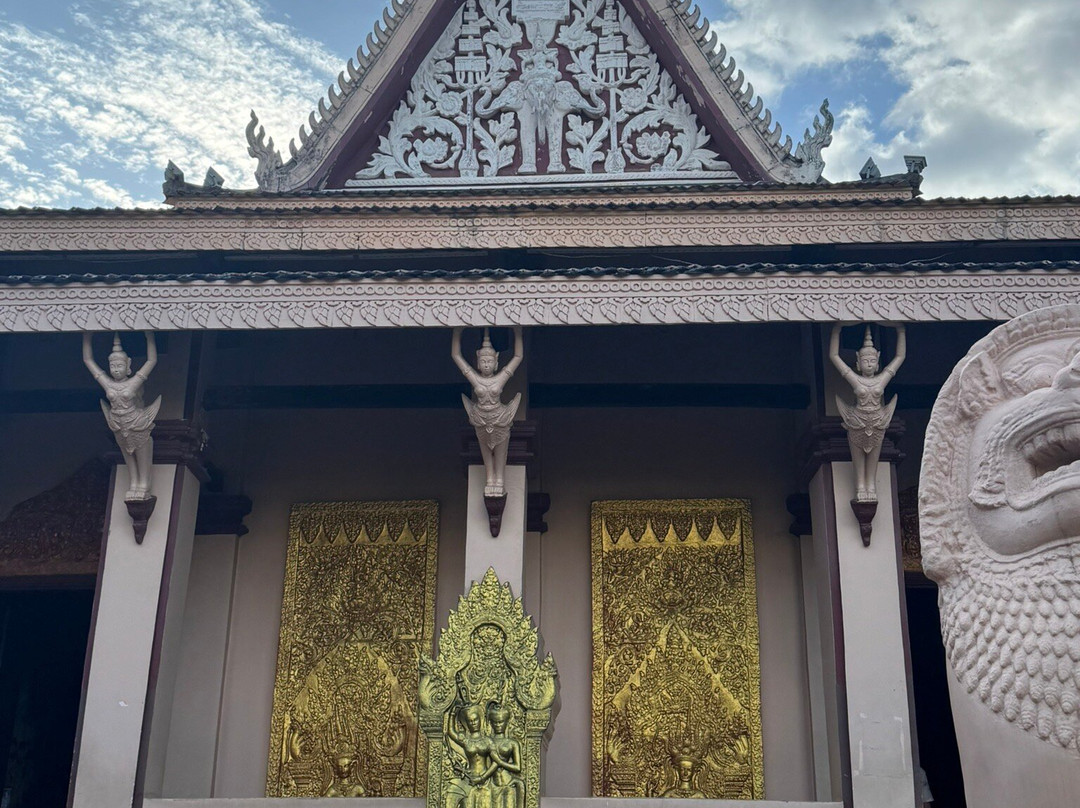
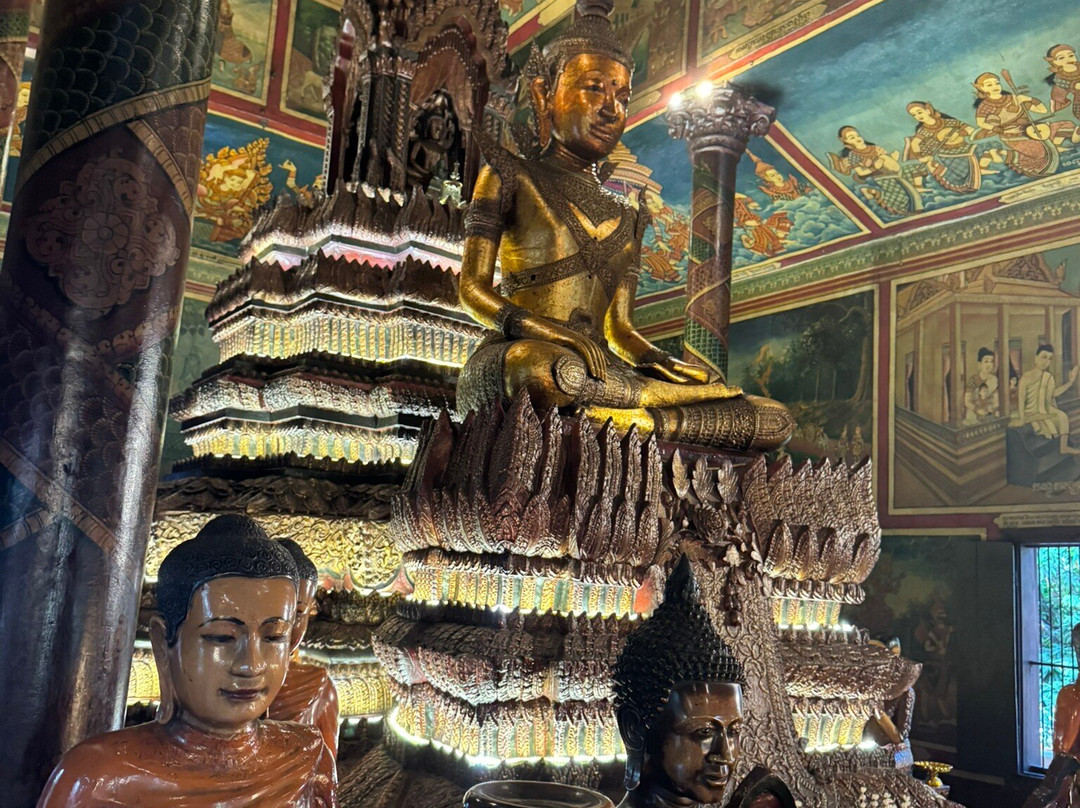
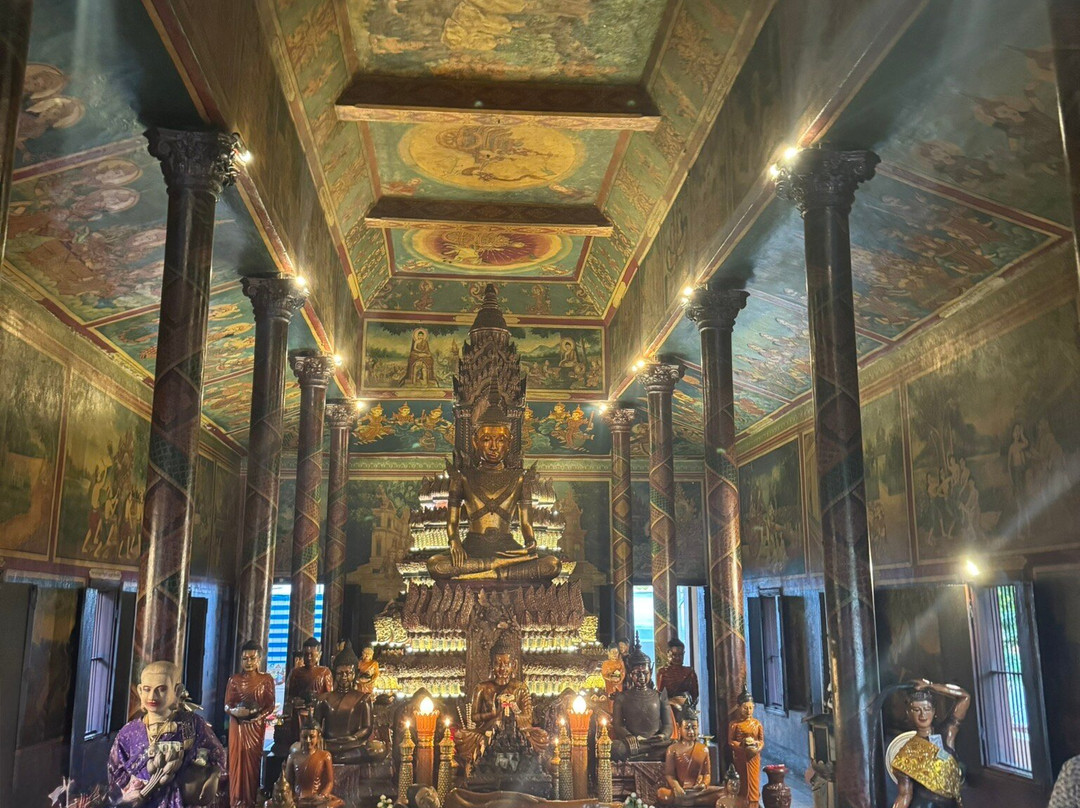
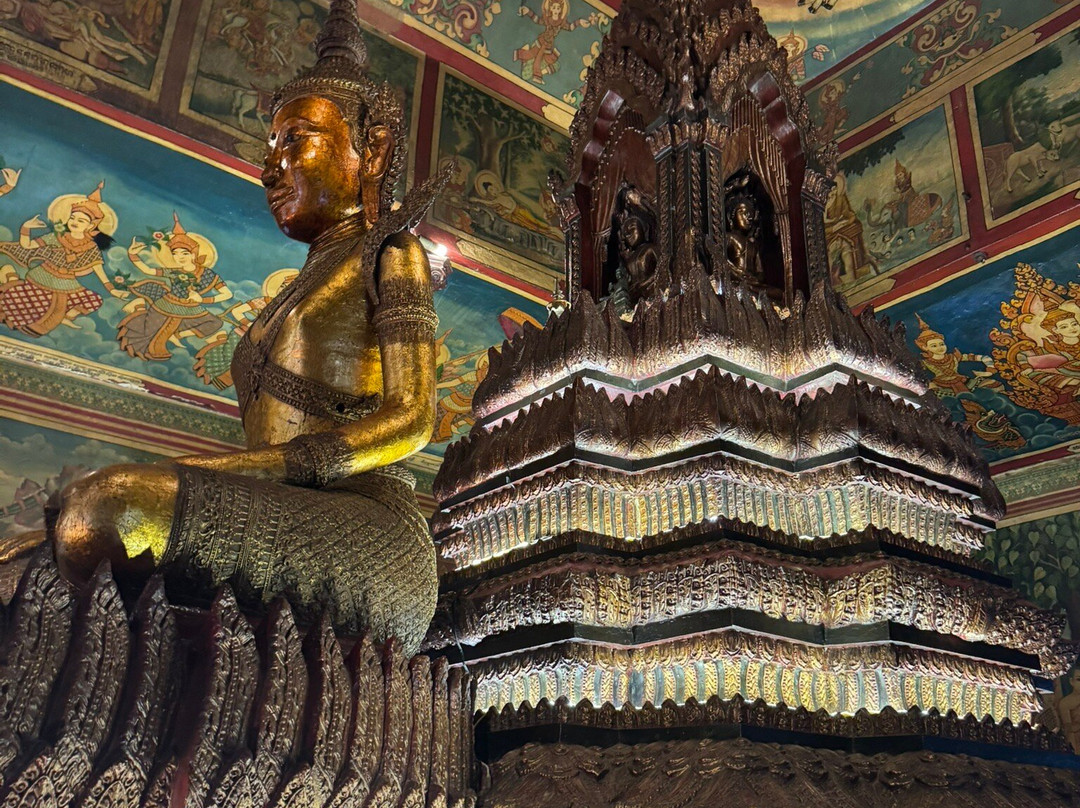
点评:Wat Phnom has its origins in the late 14th century, when according to local folklore, a wealthy old lady, Penh, found four Buddhist statues in a log on a riverbank. She then got the villagers to build a small hill, where they built a wooden temple to house the statues. The Buddhist monks, who blessed the statues, named the temple Wat Phnom. In 1396 the King of Cambodia moved the capital to the area, naming it Phnom Penh (hill of Penh), after the site. He also rebuilt the temple and when he died a stupa was built for him at the site. The temple has been rebuilt numerous times since then, with the latest version in 1926.
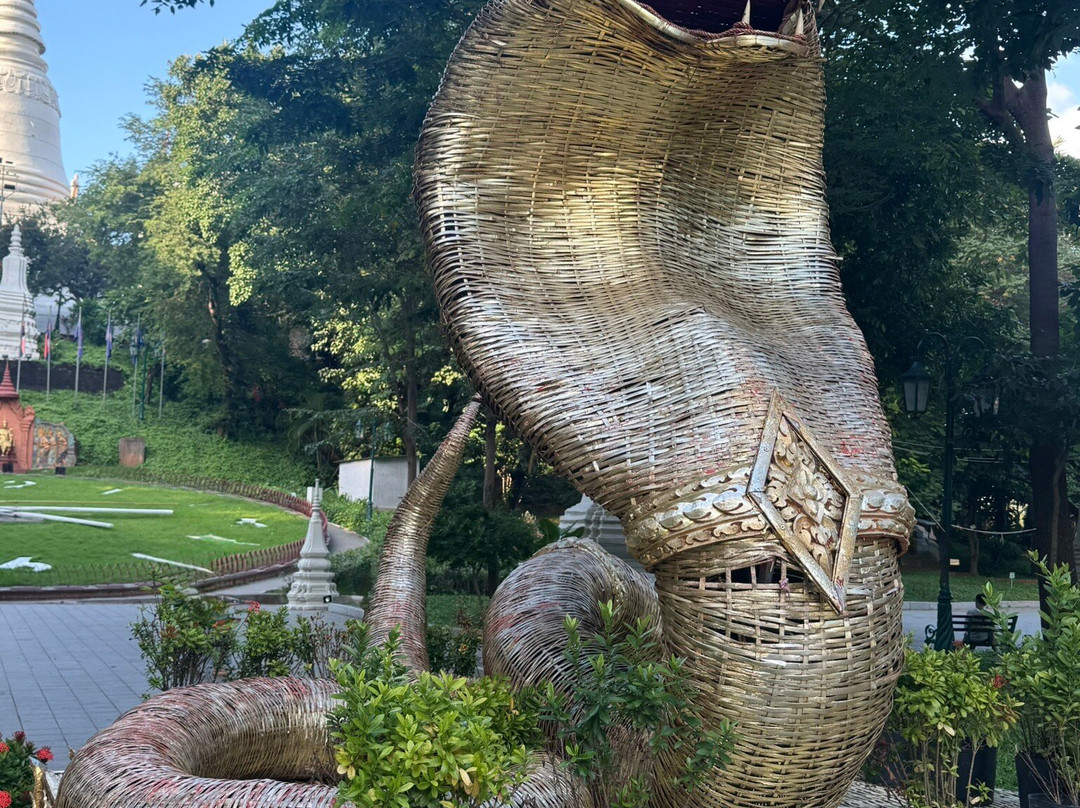
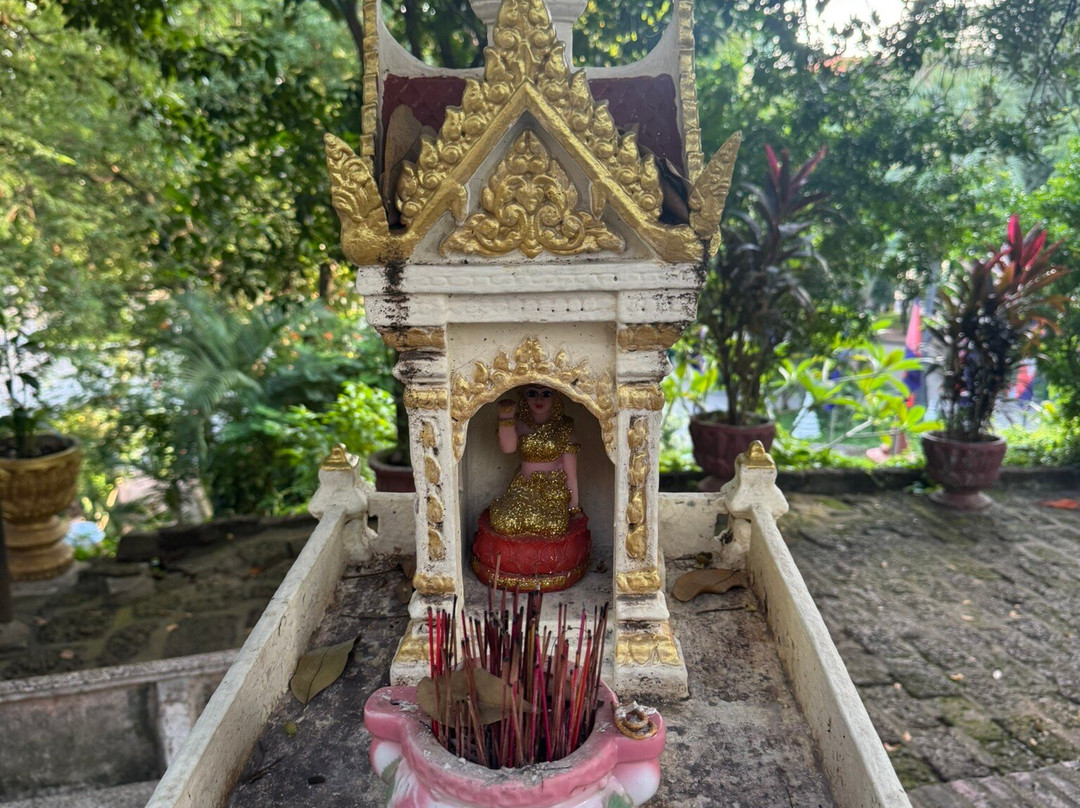
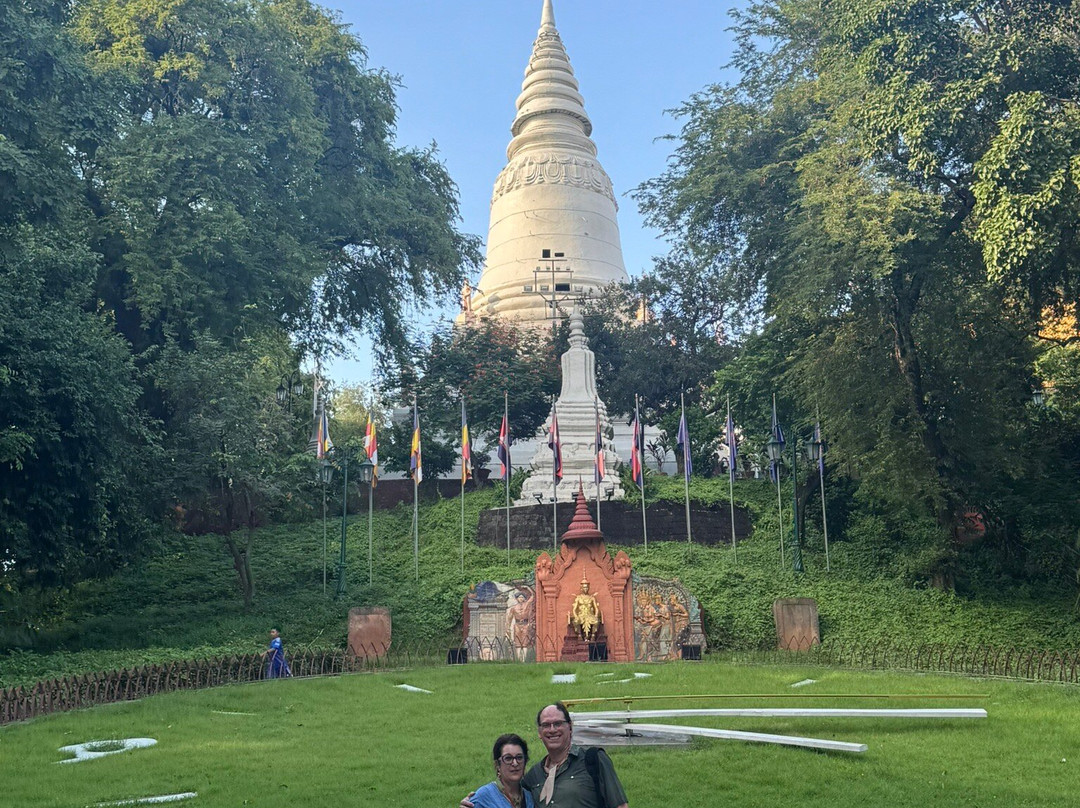
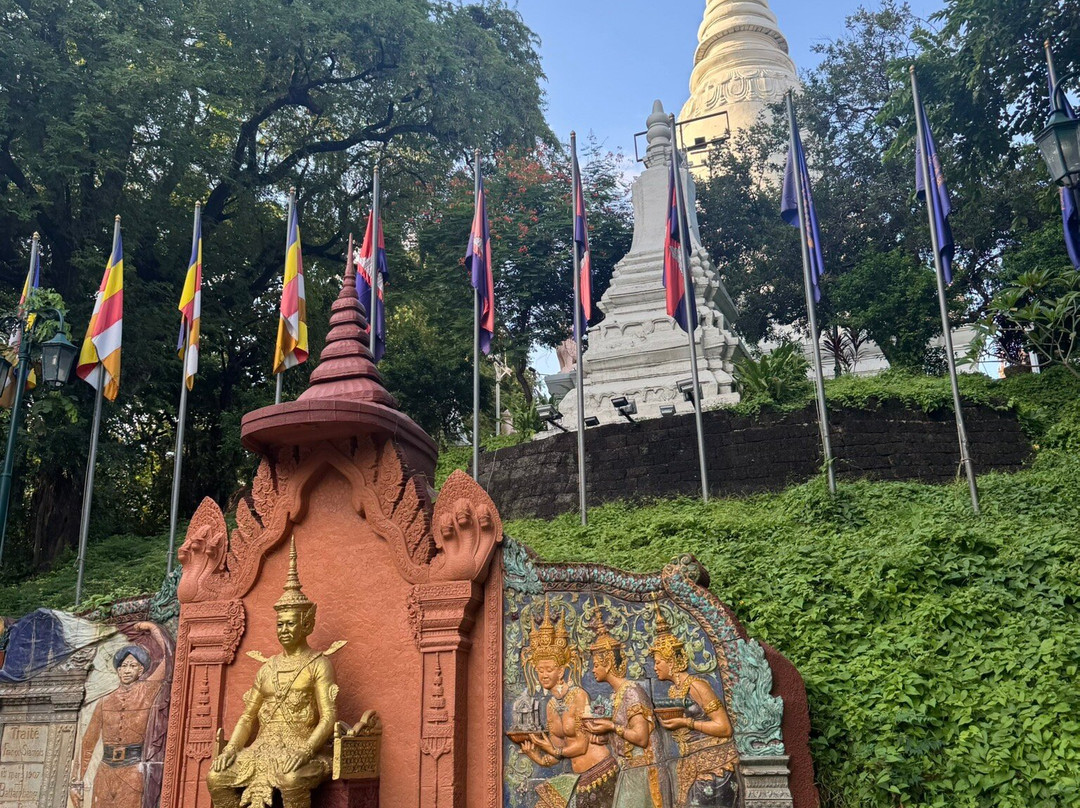
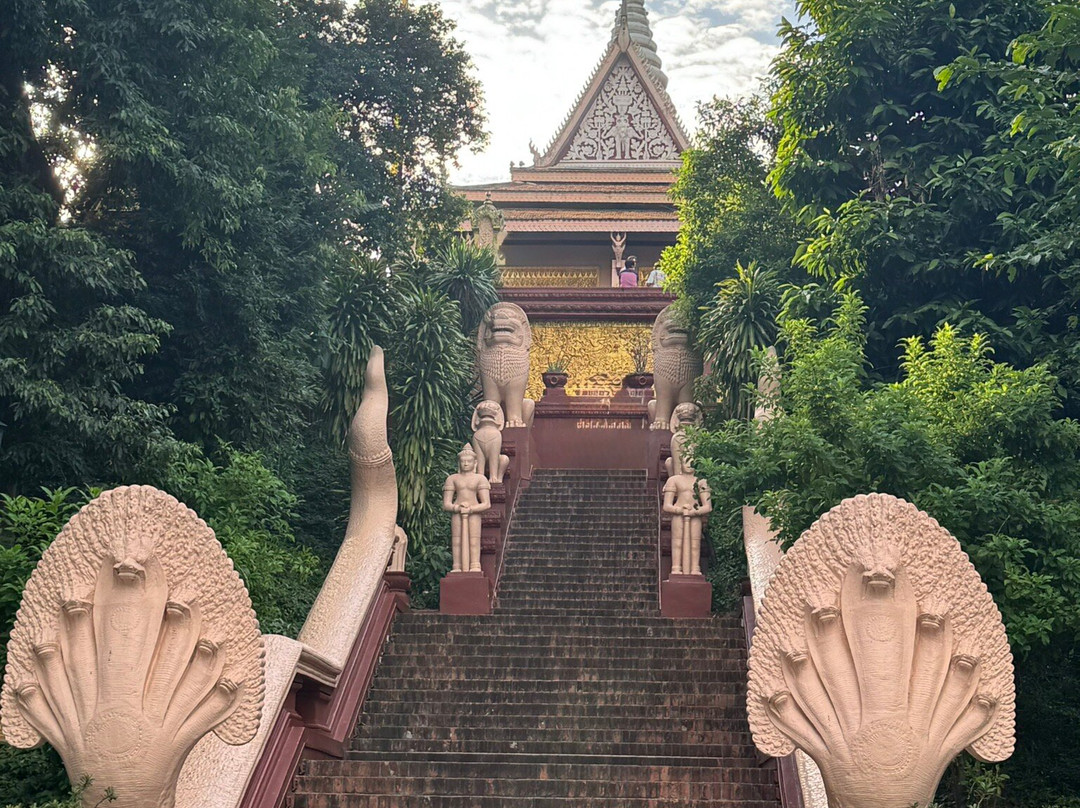
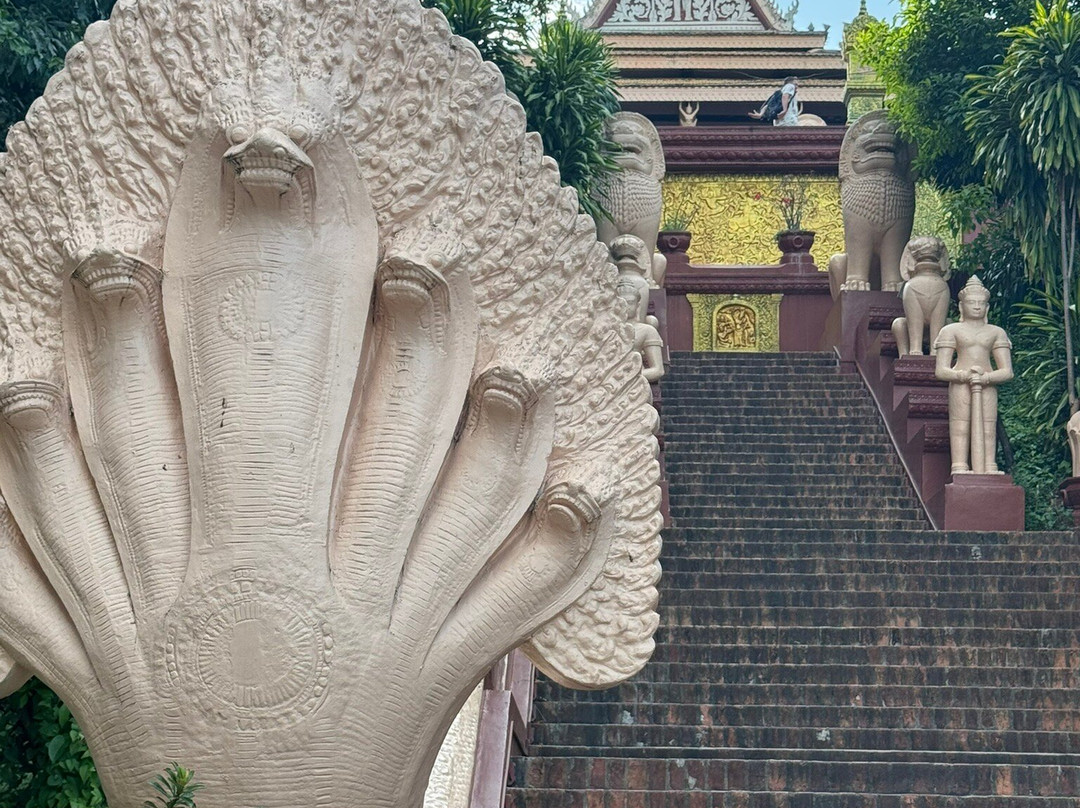
The hill is only 27m high, with the main entrance via a staircase on the eastern side, which is guarded by lions and naga. The main temple building houses the four statues, with a pavilion on the south housing a statue of Lady Penh, and an eclectic shrine dedicated to the genie Preah Chau to the north. West of the temple is the 42m stupa, which contains the ashes of the king. The large garden surrounding the hill, with a giant clock, though it runs a few seconds ahead of Cambodia's official time.
The garden is densely forested with nearly forty species of trees, some of which are over 90 years old. There is also a tomb of a Frenchman named Fourcros, hidden among the plants and foliage to the left of the main entrance stairs.
It is a bit of an oasis amongst the hustle and bustle of Phnom Peng and represents a significant piece of the City's history.
The hill is only 27m high, with the main entrance via a staircase on the eastern side, which is guarded by lions and naga. The main temple building houses the four statues, with a pavilion on the south housing a statue of Lady Penh, and an eclectic shrine dedicated to the genie Preah Chau to the north. West of the temple is the 42m stupa, which contains the ashes of the king. The large garden surrounding the hill, with a giant clock, though it runs a few seconds ahead of Cambodia's official time.
The garden is densely forested with nearly forty species of trees, some of which are over 90 years old. There is also a tomb of a Frenchman named Fourcros, hidden among the plants and foliage to the left of the main entrance stairs.
It is a bit of an oasis amongst the hustle and bustle of Phnom Peng and represents a significant piece of the City's history.
翻译:塔山寺的历史可以追溯到14世纪末。据当地传说,一位名叫彭(Penh)的富裕老妇人在河岸边的一根圆木中发现了四尊佛像。她随后召集村民建造了一座小山,并在山上建造了一座木制寺庙来供奉这些佛像。为佛像加持的僧侣们将这座寺庙命名为塔山寺(Wat Phnom)。1396年,柬埔寨国王将首都迁至此地,并以塔山为名将其命名为金边(Phnom Penh,意为彭之山)。国王还重建了这座寺庙,在他去世后,人们在原址为他建造了一座佛塔。此后,塔山寺经历了多次重建,最近一次是在1926年。
这座小山只有27米高,主入口位于东侧,需拾阶而上,入口处有狮子和那伽守护。主殿内供奉着四尊佛像,南侧的亭子里供奉着彭夫人的雕像,北侧则是一座风格独特的佛龛,供奉着精灵普雷乔(Preah Chau)。主殿西侧是一座42米高的佛塔,里面安放着国王的骨灰。环绕山丘的大花园里有一座巨大的钟,不过它的时间比柬埔寨官方时间快几秒。
花园里树木茂密,种植着近四十种树木,其中一些树龄超过90年。在主入口台阶左侧的植物丛中,还隐藏着一位名叫福克罗斯(Fourcros)的法国人的陵墓。
在熙熙攘攘的金边城中,这里宛如一片绿洲,也是这座城市历史的重要组成部分。
这座小山只有27米高,主入口位于东侧,需拾阶而上,入口处有狮子和那伽守护。主殿内供奉着四尊佛像,南侧的亭子里供奉着彭夫人的雕像,北侧则是一座风格独特的佛龛,供奉着精灵普雷乔(Preah Chau)。主殿西侧是一座42米高的佛塔,里面安放着国王的骨灰。环绕山丘的大花园里有一座巨大的钟,不过它的时间比柬埔寨官方时间快几秒。
花园里树木茂密,种植着近四十种树木,其中一些树龄超过90年。在主入口台阶左侧的植物丛中,还隐藏着一位名叫福克罗斯(Fourcros)的法国人的陵墓。
在熙熙攘攘的金边城中,这里宛如一片绿洲,也是这座城市历史的重要组成部分。

© 2026 Tripadvisor 版权所有。
部分照片由 VFM Leonardo 提供。
TripAdvisor公司对外部网站的内容一概不负责。优惠价格中不含税和其他费用。
ICP证:沪B2-20200433
沪ICP备20013175号
 沪公网安备31010502005427号
鹰程信息技术(上海)有限公司