下载App
资质规则
旅行
账户

MarcusHurley
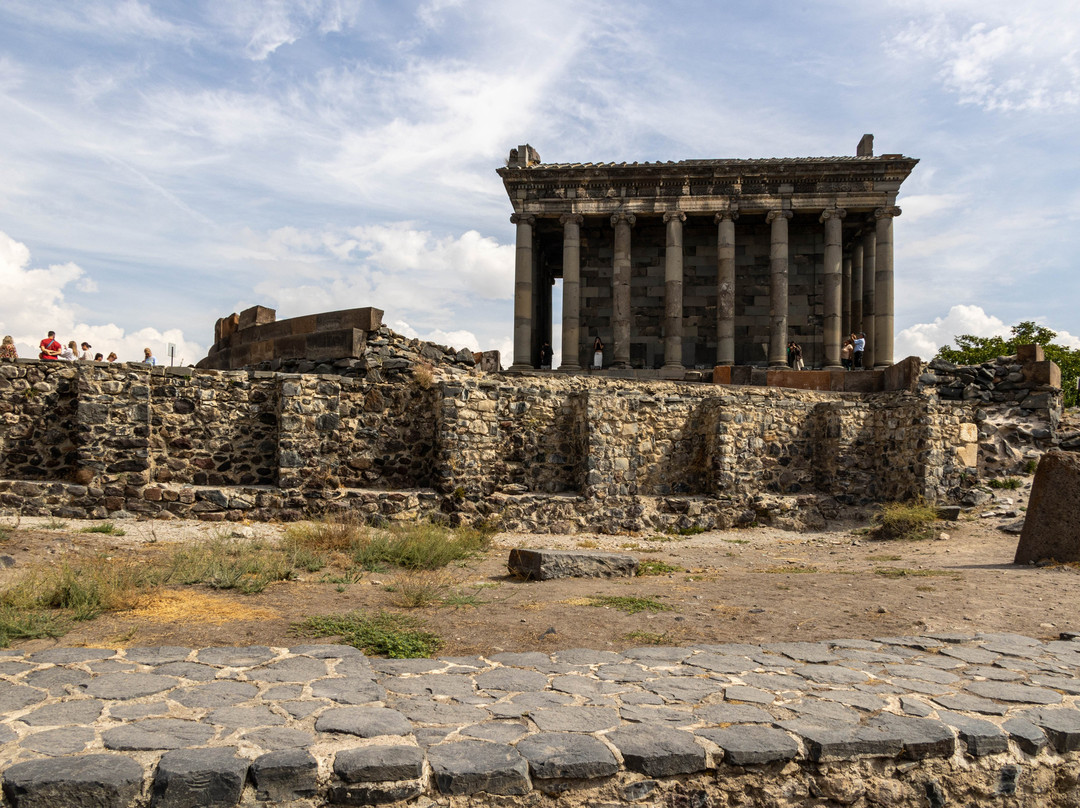
Reconstructed Roman temple
Garni Temple的点评
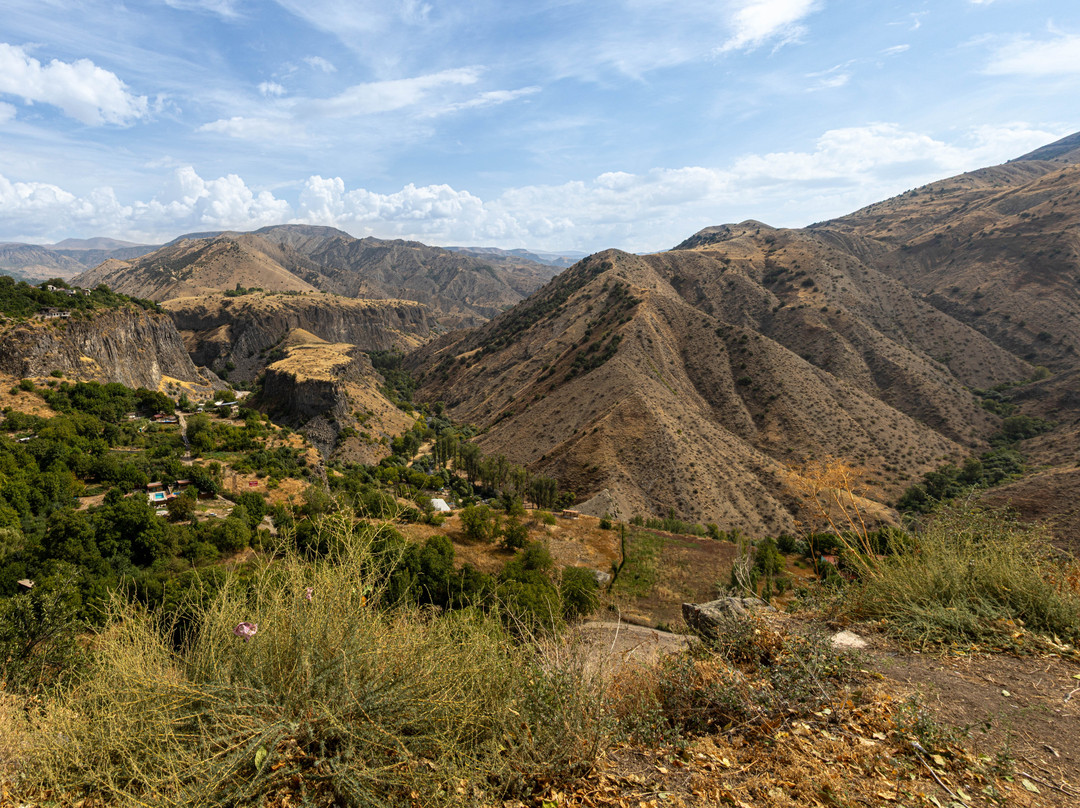
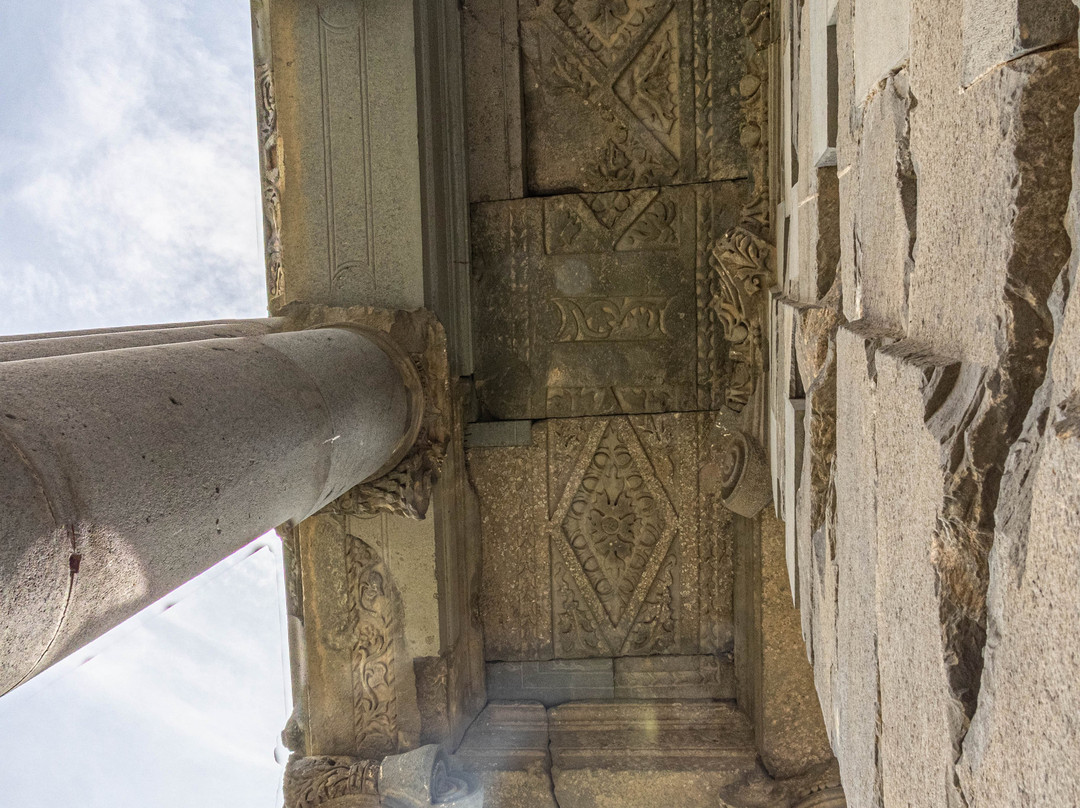
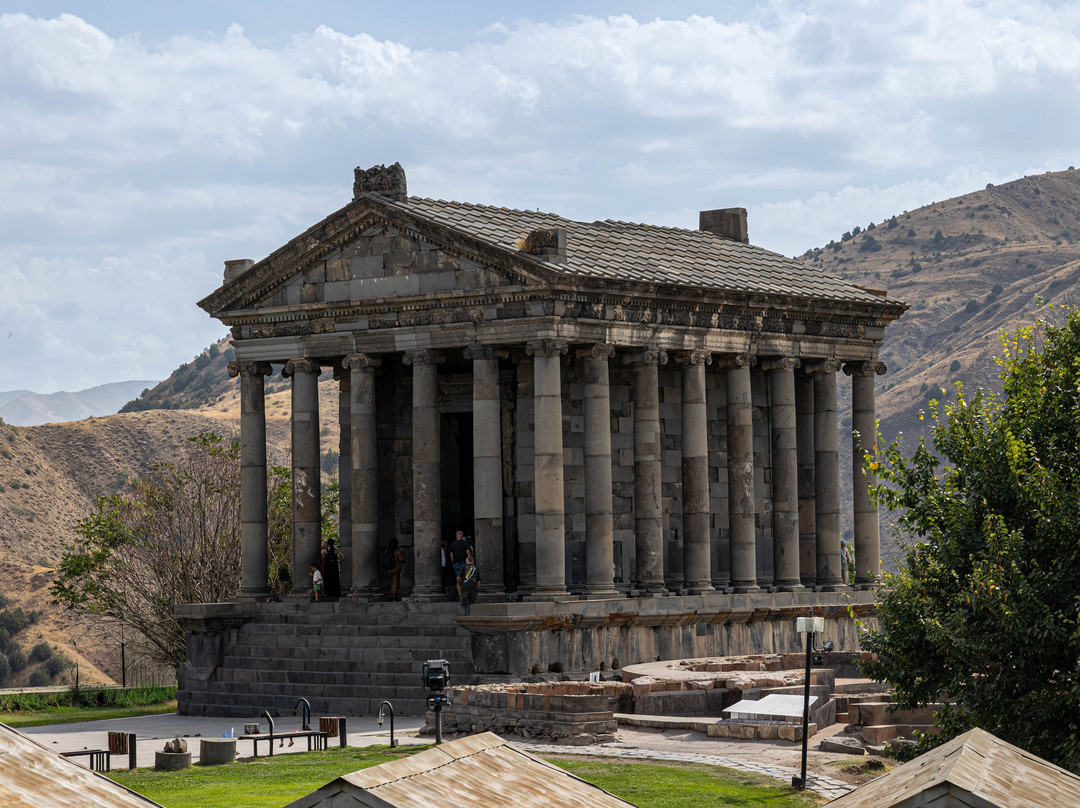
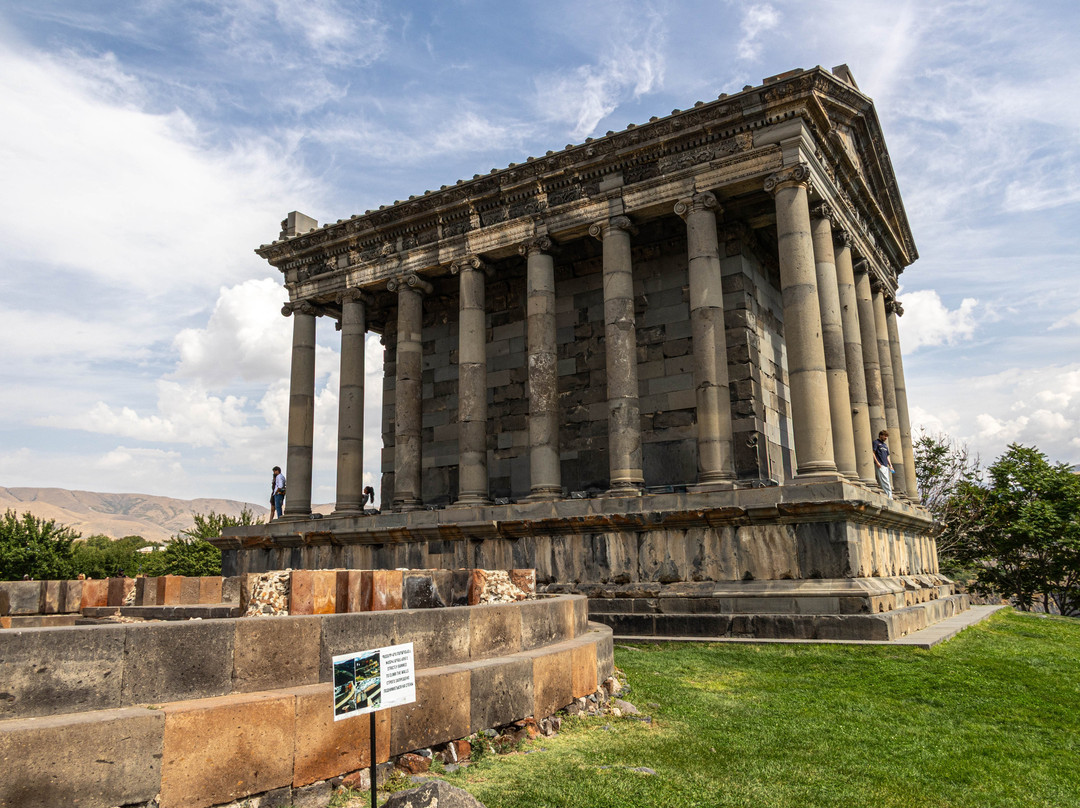
点评:From Khor Virap, close to Yerevan and in a fertile valley, we drove to Garni Roman temple. This was in the mountains which were incredibly barren and treeless but strangely scenic too. The temple was another place without a nearby carpark so we were dropped off and then walked into the site. The temple to Mithras was built in the 2nd century AD but then destroyed by an earthquake in the 17th century and eventually rebuilt in the 1970s so it is remarkably intact!
As we visited on a Sunday around midday the temple was busy, very busy. Originally part of a far larger complex the other structures have not yet been restored although you can see the remains of a small chapel next to the temple and some of the walls of the palace buried amongst the grass on the slopes. The building, although a reproduction is quite amazing and the setting on a steep sided promontory only adds to the effect. There is a film on the history of the temple but I think it may only be in Armenian.
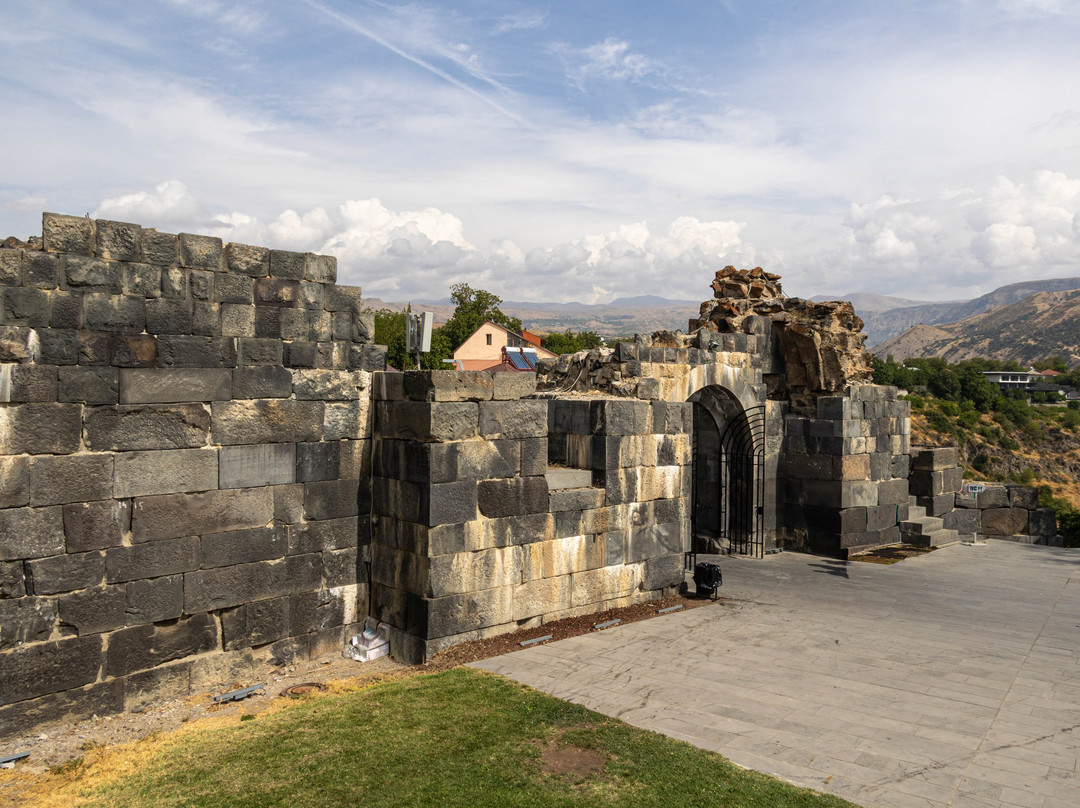
While I wandered around the rest of the group listened to an Armenian flautist in the shade of the trees. I walked back to the fortress entrance while I waited for them and played with another dog.
翻译:从距离埃里温不远的科尔·维拉普出发,沿着一片肥沃的山谷前行,我们驱车前往加尔尼的罗马式神庙。那里群山环绕,虽然荒芜无比且寸草不生,却也别有一番景致。这座神庙附近也没有停车场,因此我们下车后便步行前往遗址。这座密特拉神庙建于公元2世纪,后在17世纪的一场地震中遭到破坏,直到20世纪70年代才得以重建,如今保存状况相当完好!我们在周日中午前后到访,此时寺庙里人头攒动,热闹非凡。这里原本是规模更大的建筑群的一部分,不过其他建筑尚未修复;不过在寺庙旁边仍能看到一座小礼拜堂的遗迹,山坡的草丛中也有部分宫殿的围墙。这座建筑虽为仿制品,却相当令人惊叹,而它坐落于陡峭的海角之上这一地理位置更增添了它的魅力。有一部讲述这座寺庙历史的影片,但我觉得它可能只有亚美尼亚语版本。
我四处闲逛时,其余的人则在树荫下聆听一位亚美尼亚长笛演奏家的演奏。我在等待他们回来的同时,走回堡垒入口处,还和另一只狗玩耍。
我四处闲逛时,其余的人则在树荫下聆听一位亚美尼亚长笛演奏家的演奏。我在等待他们回来的同时,走回堡垒入口处,还和另一只狗玩耍。

© 2026 Tripadvisor 版权所有。
部分照片由 VFM Leonardo 提供。
TripAdvisor公司对外部网站的内容一概不负责。优惠价格中不含税和其他费用。
ICP证:沪B2-20200433
沪ICP备20013175号
 沪公网安备31010502005427号
鹰程信息技术(上海)有限公司