下载App
资质规则
旅行
账户
debislinger
Be prepared to be overwhelmed
Armenian Genocide Museum的点评
点评:I didn’t know.
And that’s the part I’m actually a little ashamed to admit.
I’ve travelled to more than 80 countries. I’ve been to museums, memorials, battlefields and places where some truly horrific things have happened.
But I walked into the @armeniangenocidemuseum in Yerevan knowing very little about the Armenian Genocide.
How did I not know this?
From 1915, during the final years of the Ottoman Empire, Armenian men, women and children were arrested, deported and killed. Hundreds of thousands died in massacres, forced marches, from starvation, exposure and systematic ill-treatment.
But standing inside that museum, numbers become pretty meaningless.
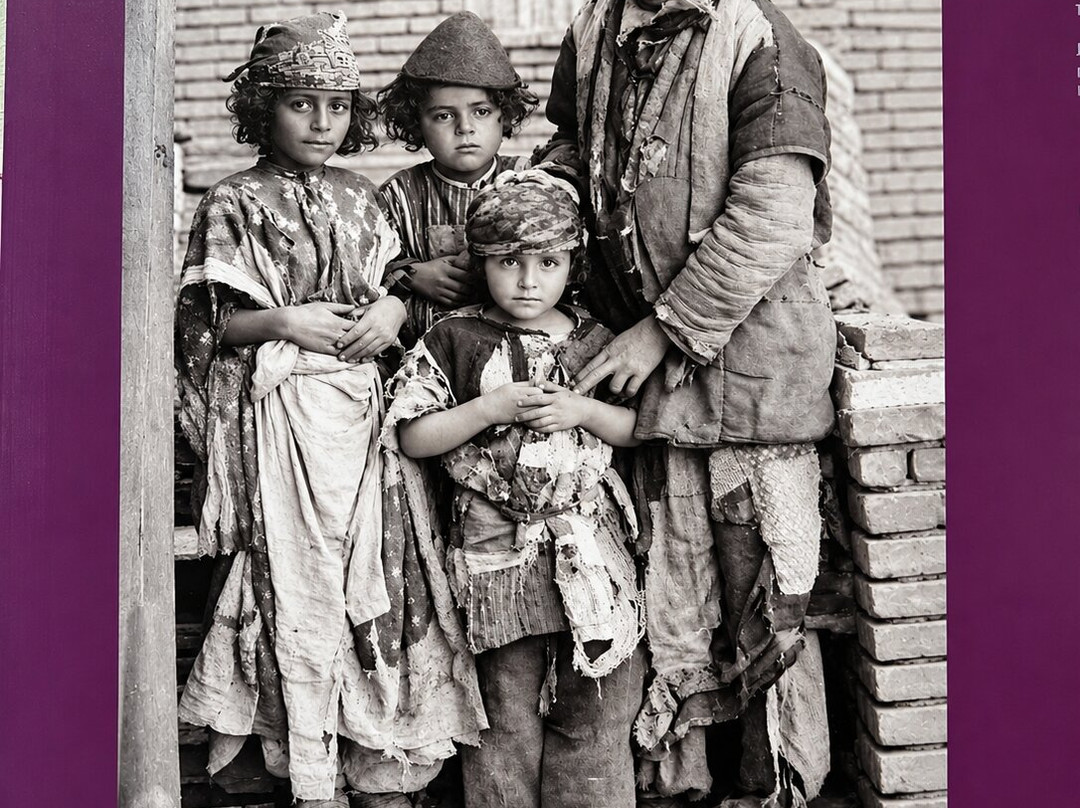
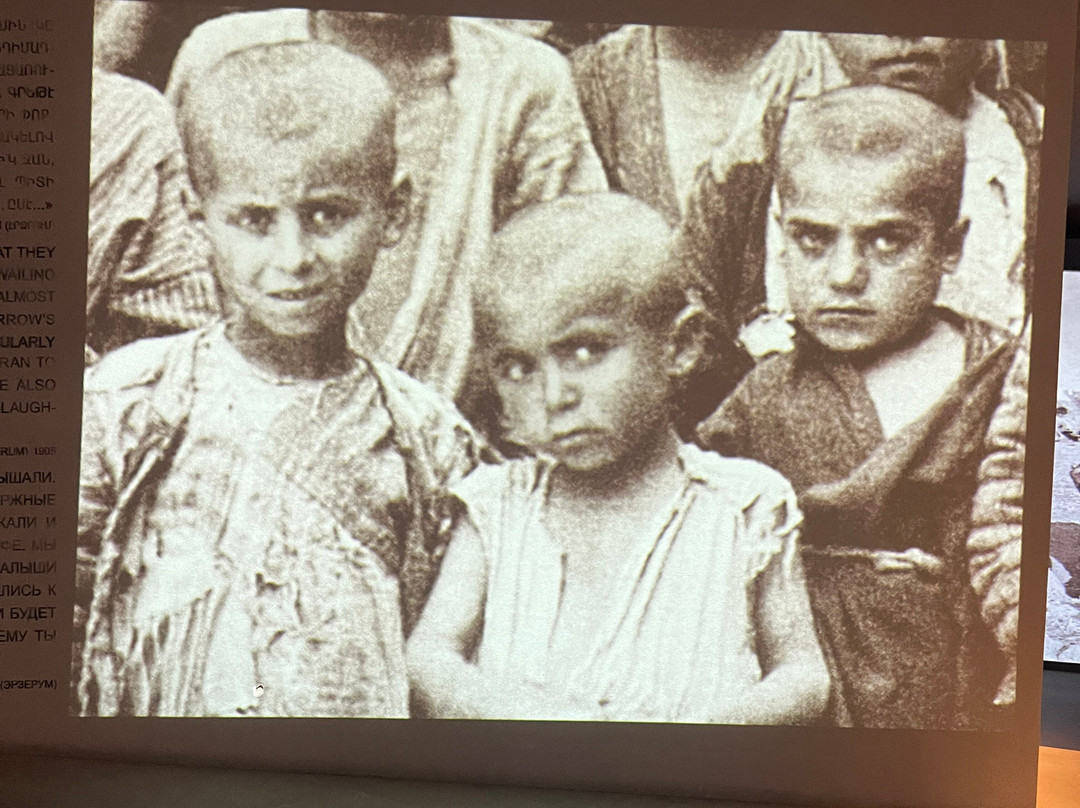
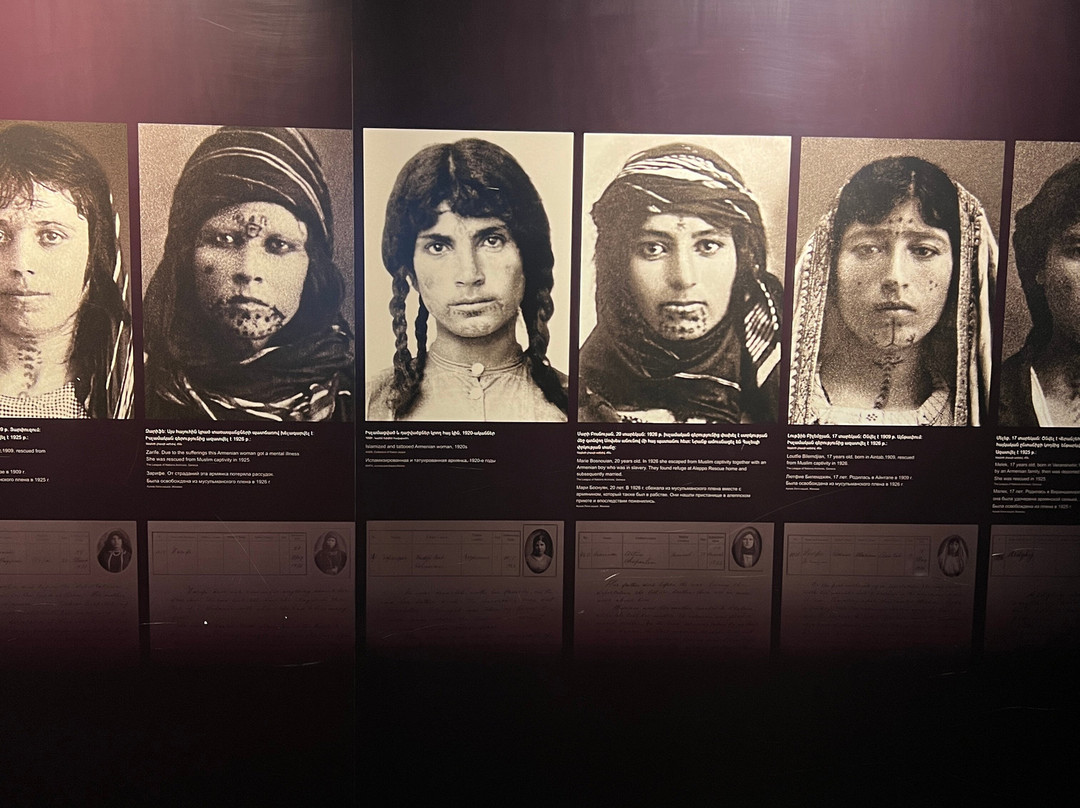
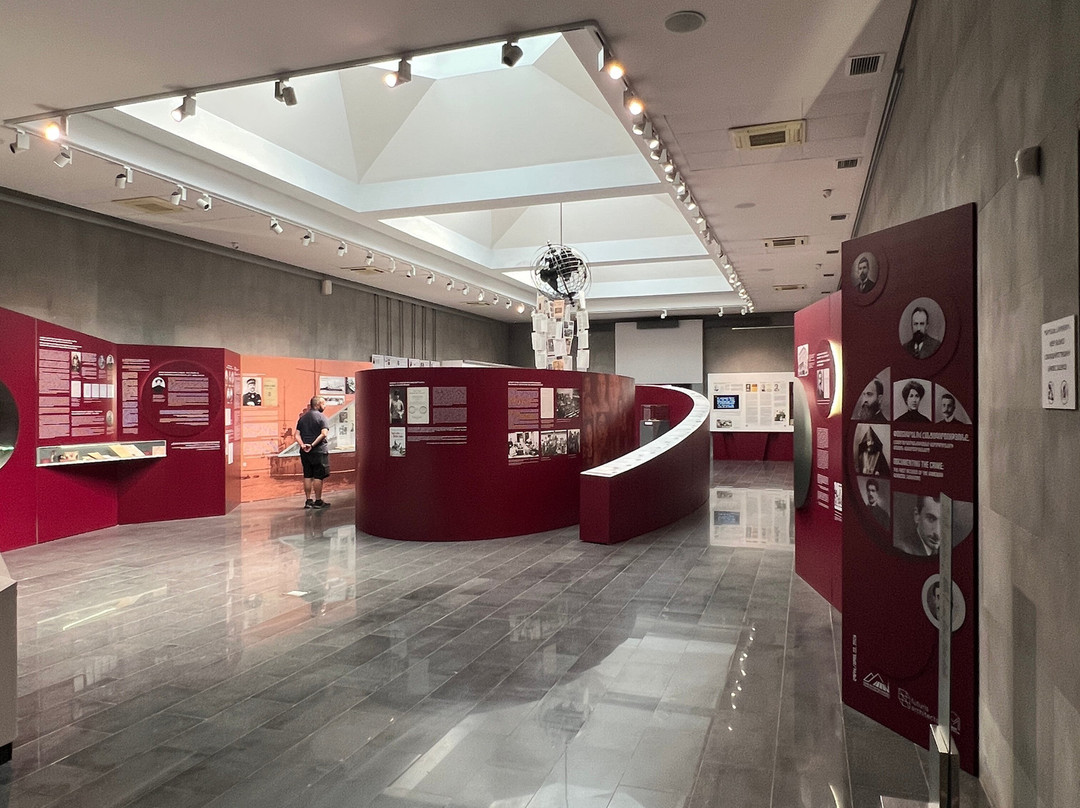
Because you’re looking at faces.
Children. Families. Women. Orphans.
People staring straight back at you from photographs taken more than 100 years ago.
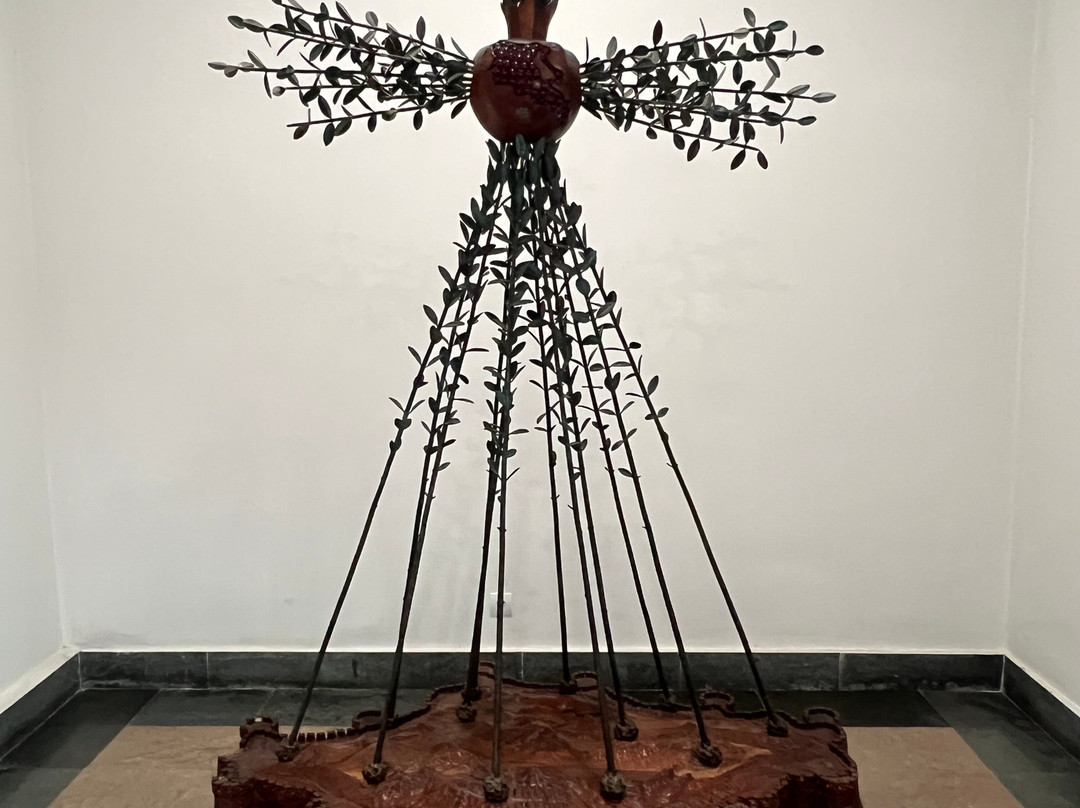
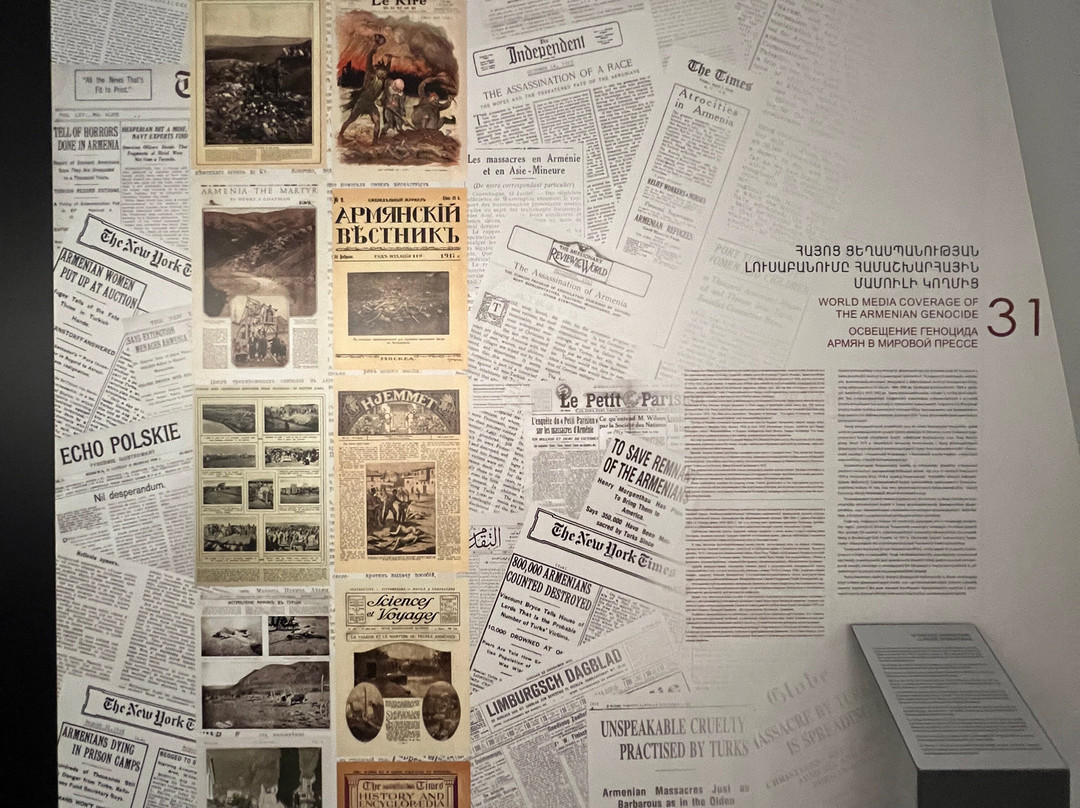
There are personal belongings. Newspaper reports. Testimonies. Old film footage.
Some of it is bloody awful.
I took photographs of things I won’t share here. Not because they shouldn’t be seen, but because I don’t think filling your screen with horror makes the story any more important.
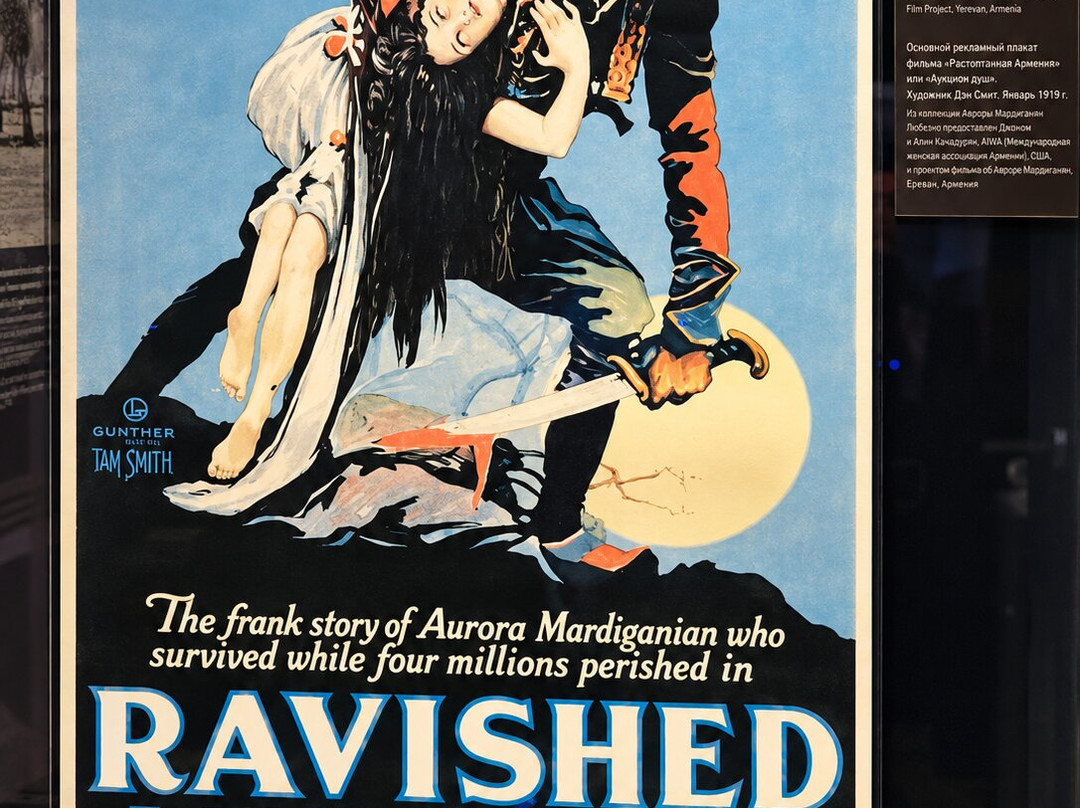
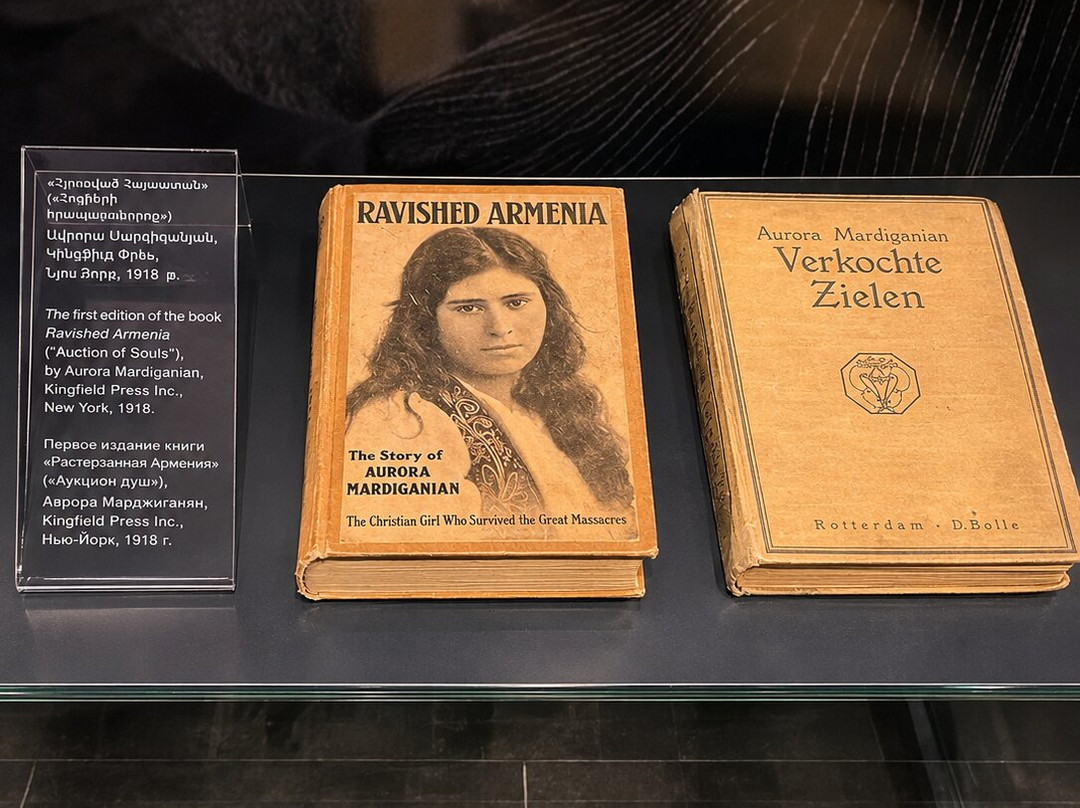
And then I found Aurora Mardiganian.
She survived the genocide and her story became the 1919 silent film Ravished Armenia.
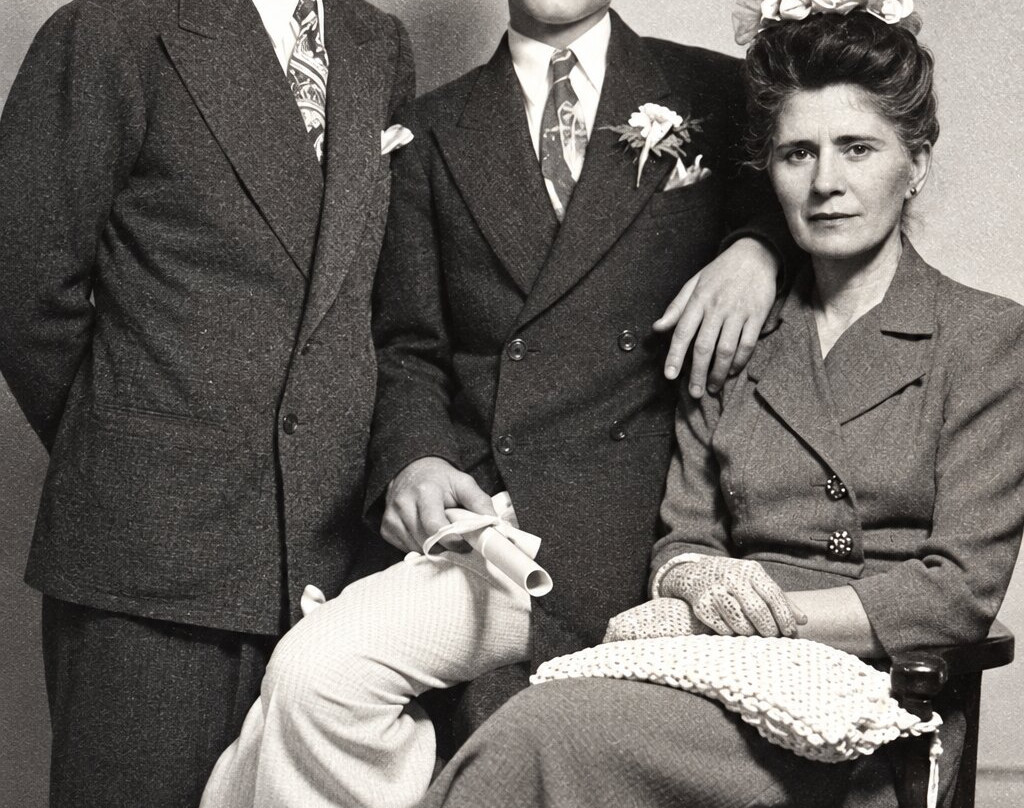
Later in the museum I came across another photograph of her. New York, 1944. Aurora with her husband and son.
That one got me.
After everything I’d just seen, there she was.
Alive.
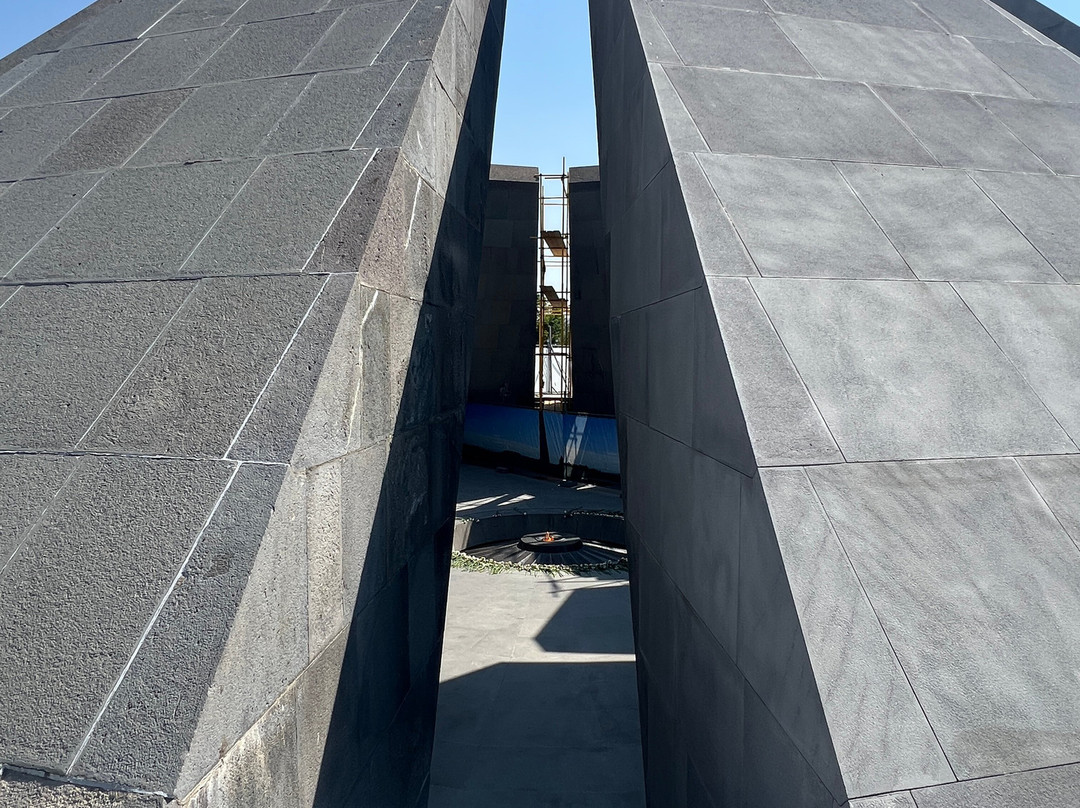
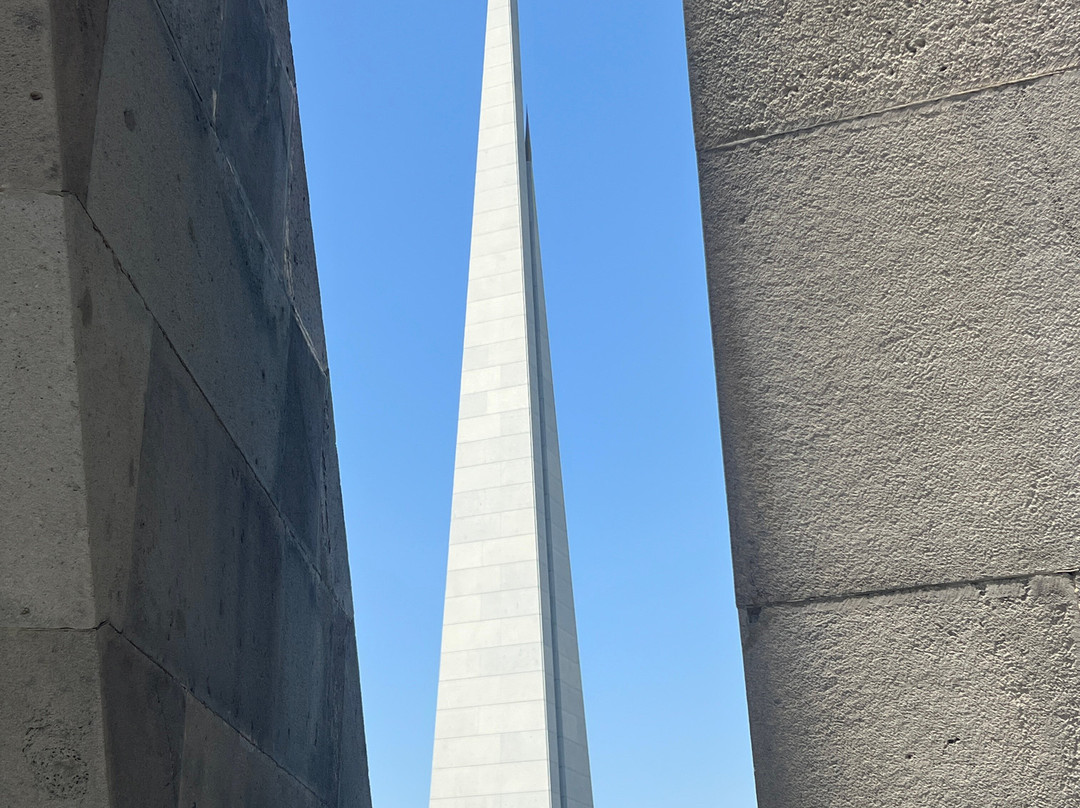
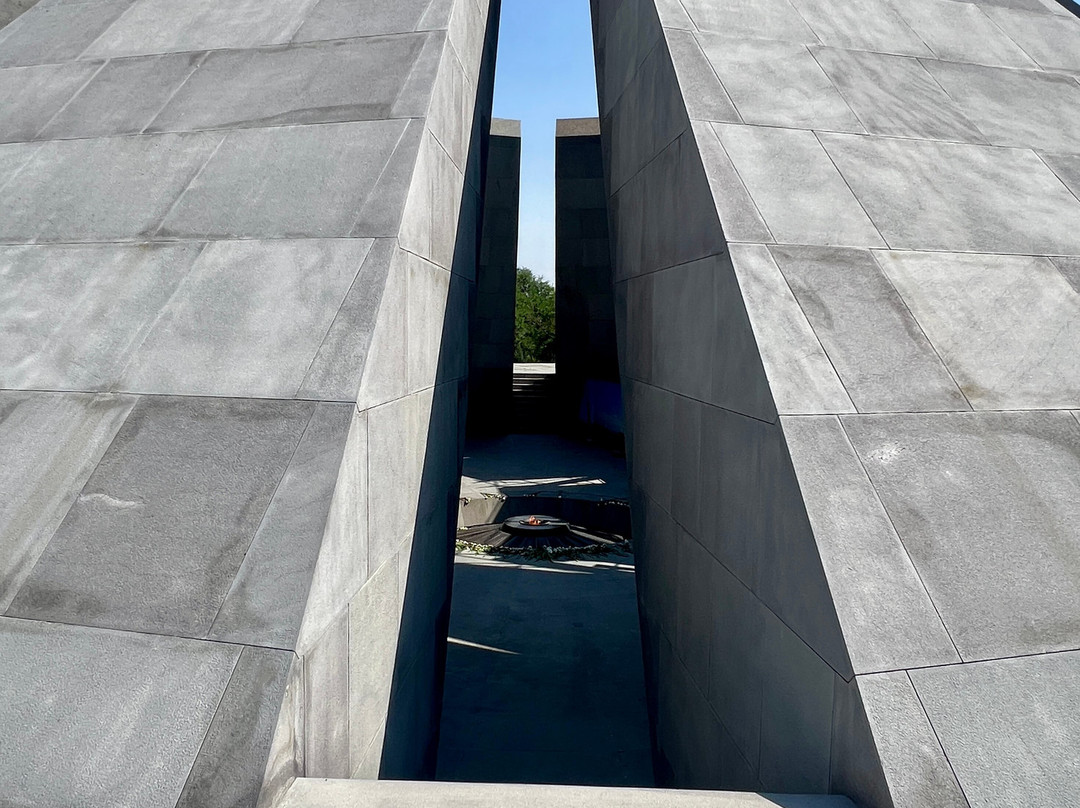
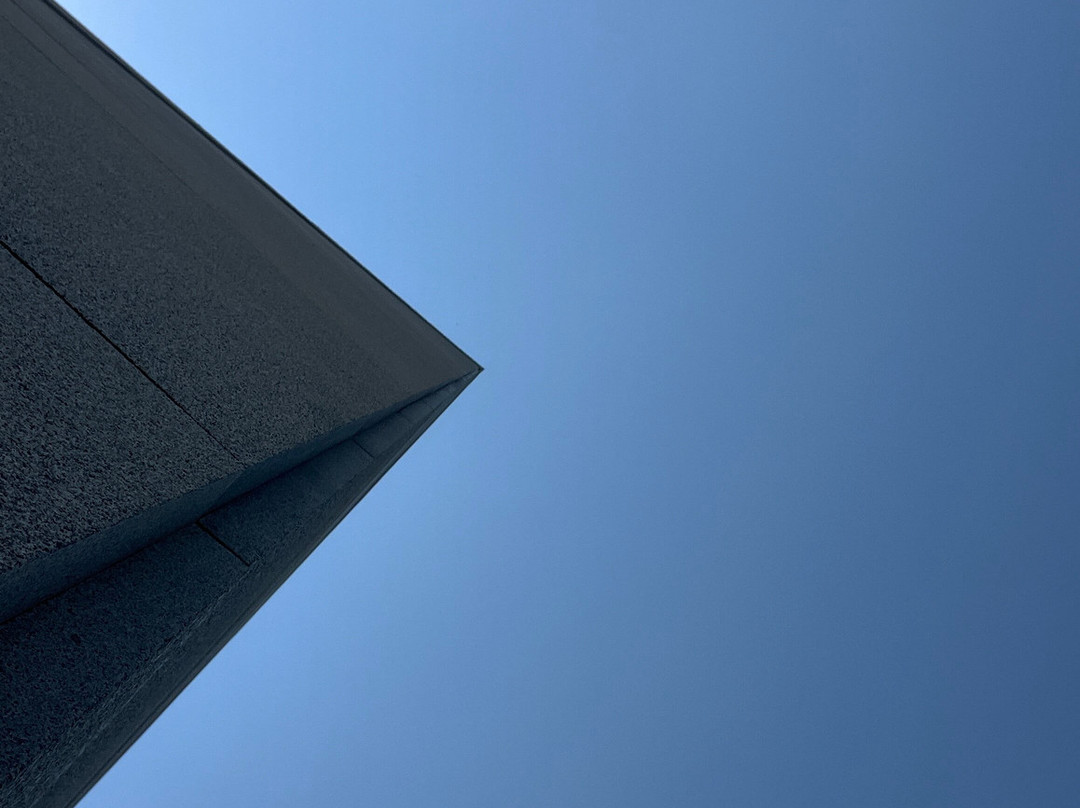
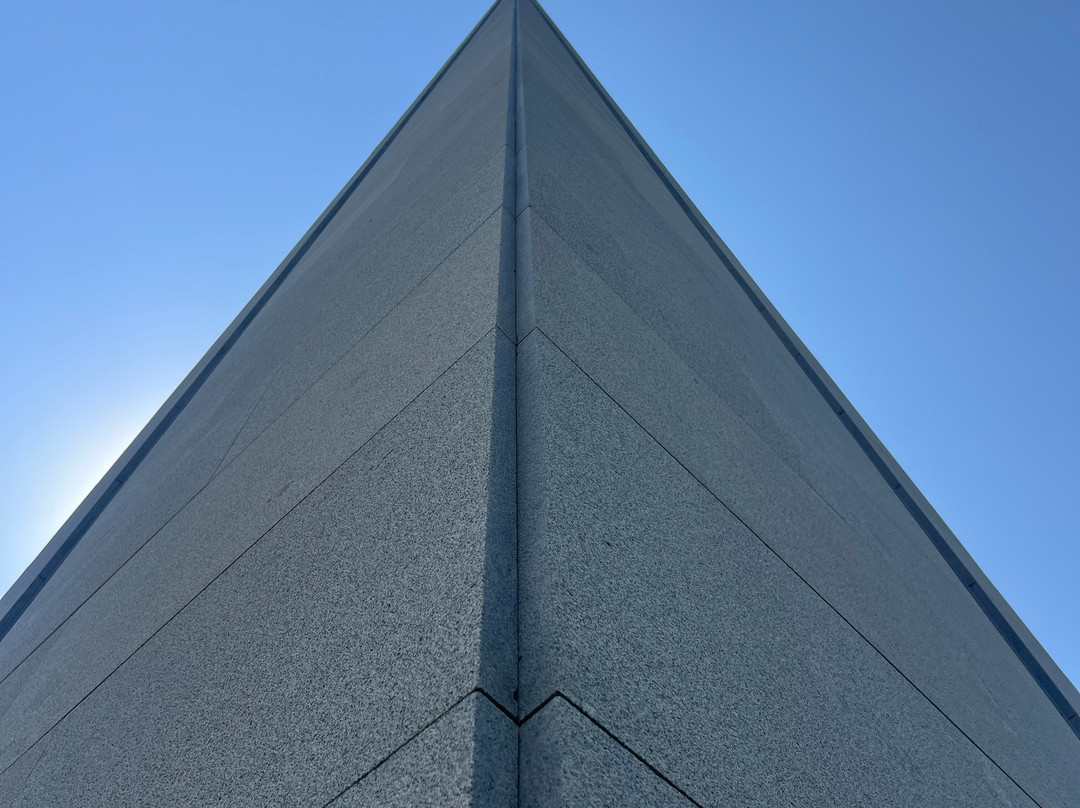
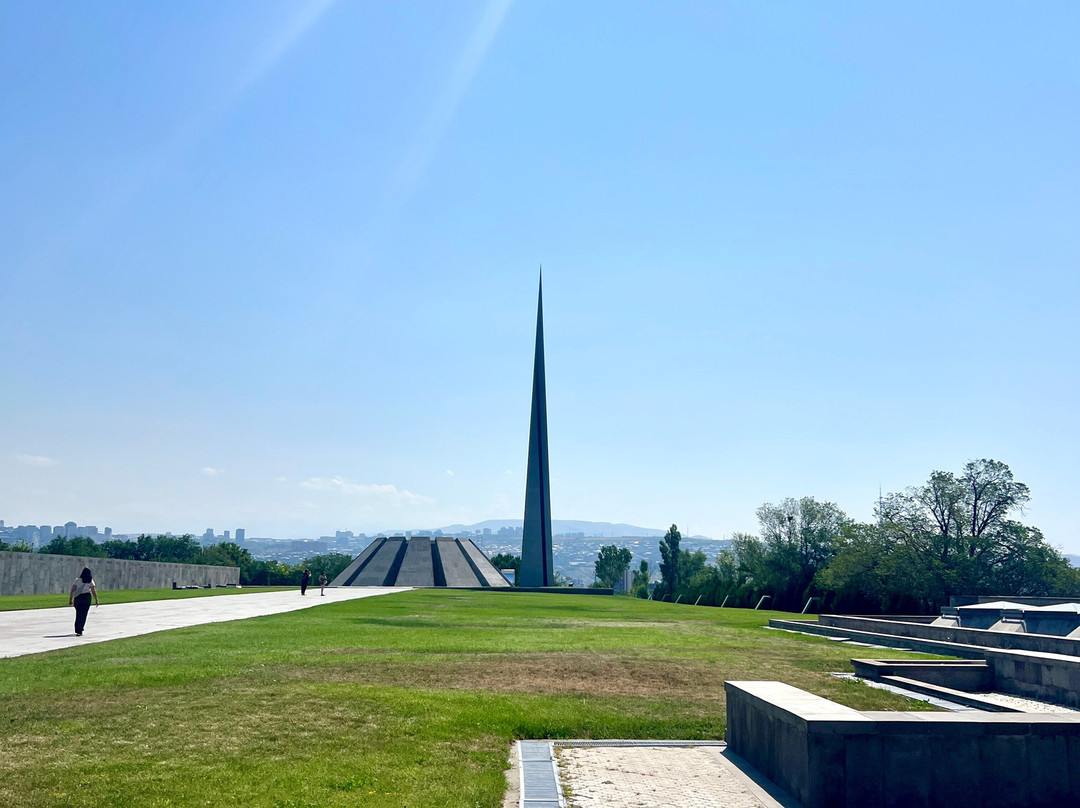
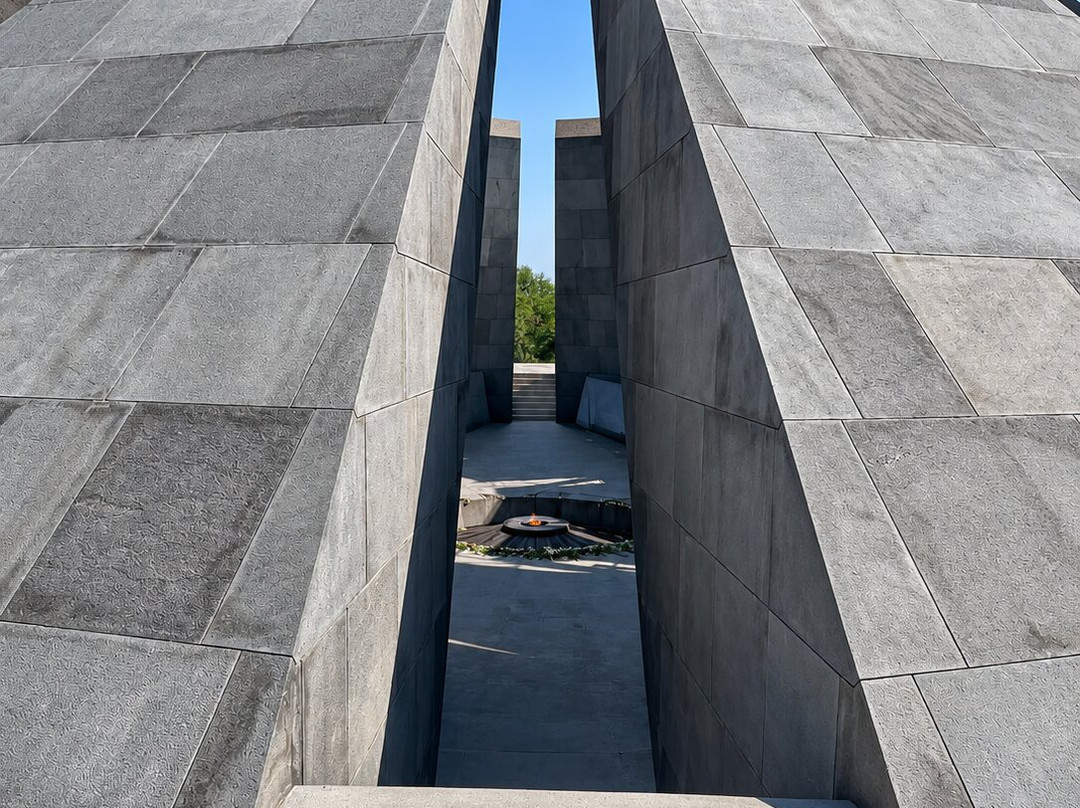
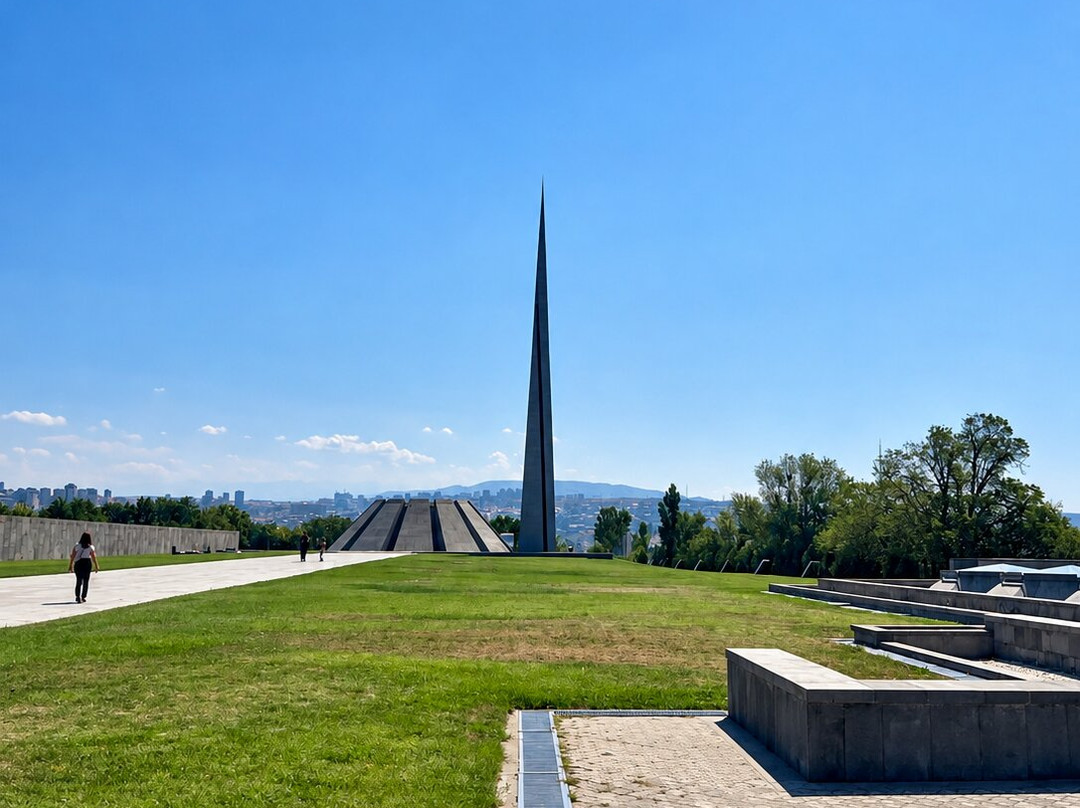
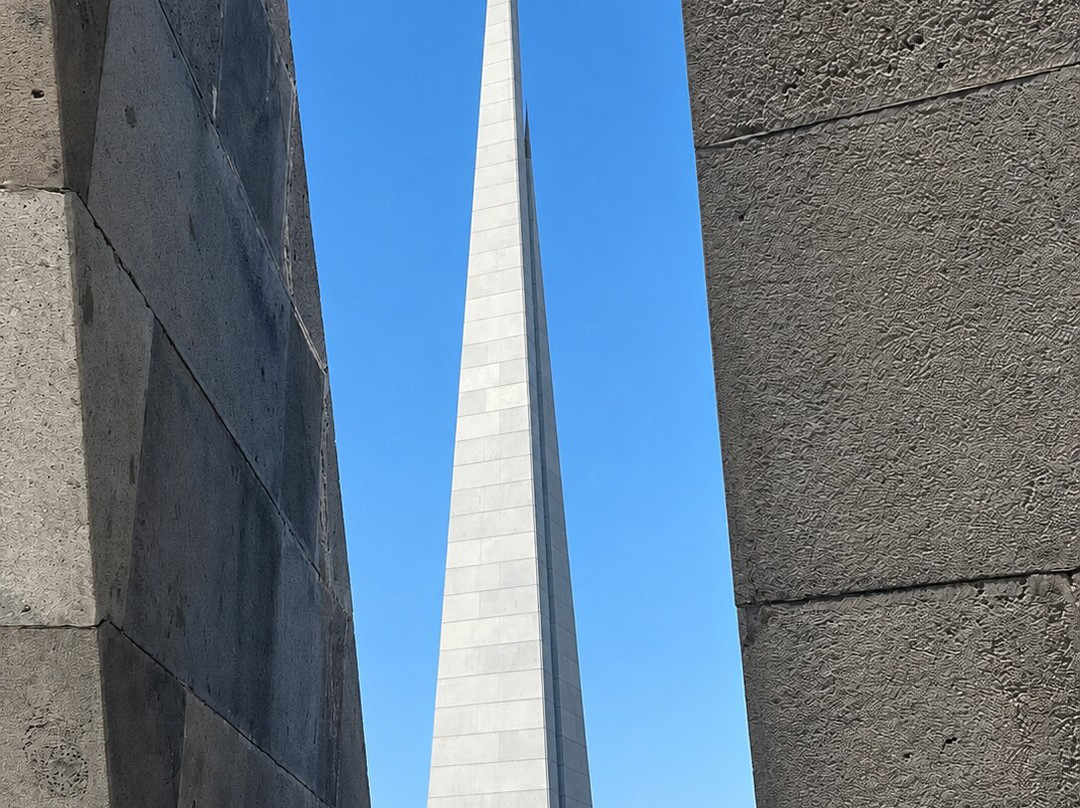
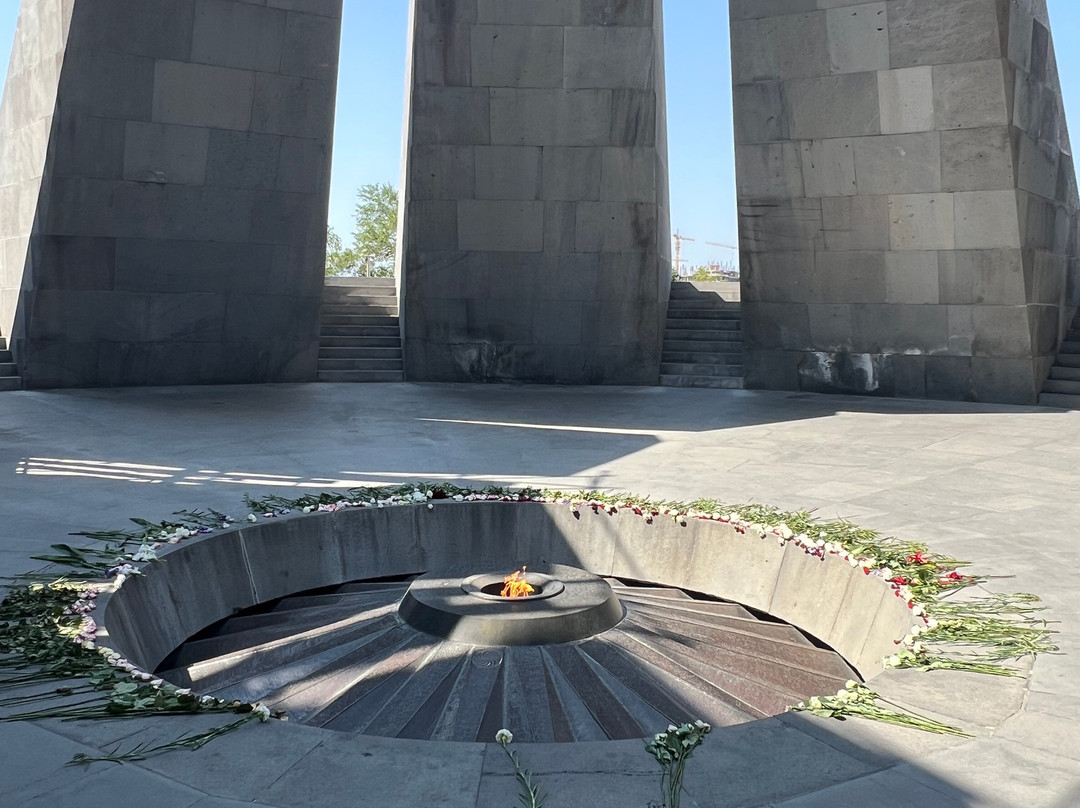
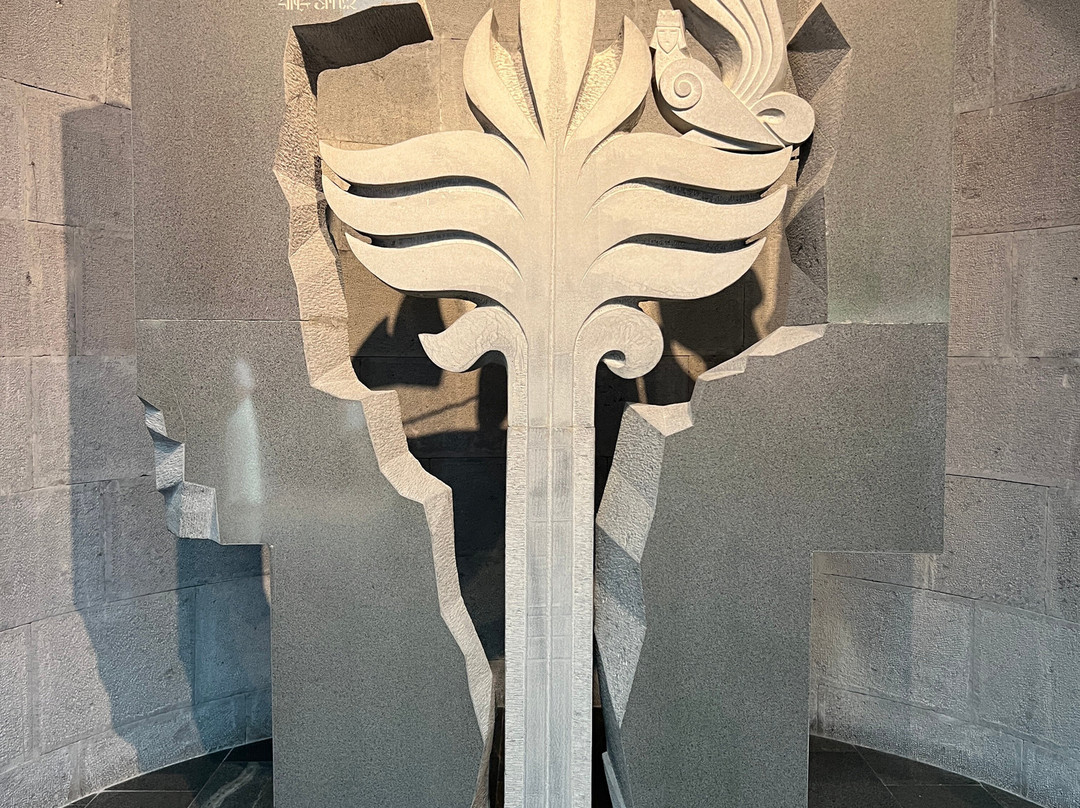
Outside, the memorial is stark. Almost brutally simple.
Inside is another world.
I spent a long time there and I walked out feeling quite shaken. But mostly I kept thinking the same thing.
How did I not know?
How does something this enormous happen to an entire people and somehow barely touch the education of someone on the other side of the world?
Maybe other people know far more about it than I did.
I didn’t.
I do now.
And that’s why I’m sharing this.
Not every place I visit needs to be beautiful, entertaining or somewhere I’d tell you to put on your bucket list.
Some places simply need to be remembered.
This is one of them.
翻译:我之前并不知道。
其实,这一点让我有些不好意思承认。
我去过80多个国家。我参观过博物馆、纪念馆、战场,以及那些发生过极其可怕事件的地方。
然而,当我走进埃里温的@armeniangenocidemuseum时,我对亚美尼亚大屠杀几乎一无所知。
我怎么会不知道呢?
1915年起,在奥斯曼帝国濒临灭亡的那些年里,无数的亚美尼亚男性、女性和儿童遭到逮捕、驱逐并杀害。数十万人在大屠杀、强行行军、饥饿、严寒以及有组织的虐待中丧生。
但站在那座博物馆里,这些数字就显得毫无意义了。
因为映入眼帘的是一张张面孔——
孩子、家人、妇女、孤儿。
这些人从100多年前的照片中直直地凝视着你。
馆内还有个人物品、报纸报道、幸存者证言以及老旧的电影片段。
其中有些内容惨烈得令人难以忍受。
我拍下了一些照片,但不会在这里分享。并非因为这些画面不该被看到,而是我觉得在屏幕上充斥着恐怖场景也并不会让故事显得更加重要。
后来我发现了奥罗拉·马尔迪吉安尼。
她在种族灭绝中幸存下来,她的经历后来被拍成了1919年的默片《被蹂躏的亚美尼亚》。
后来在博物馆里,我又看到了她的另一张照片。1944年,纽约。奥罗拉和她的丈夫及儿子在一起。
那张照片深深打动了我。
在我刚看完那些场景之后,她就在那里——活生生地站在我面前。
室外的纪念碑则极为简朴,甚至可以说简单得近乎残酷。里面是另一个世界。
我在那里待了很长时间,出来时心情十分震撼。但大多数时候,我一直在想同一件事。
我怎么会不知道呢?
如此巨大的事件竟能影响到整个民族,却似乎几乎没对地球另一端的普通人产生任何影响,这是怎么做到的?
或许其他人对此的了解远远多于我。
我以前并不了解。
现在我知道了。
正因如此,我才要分享这些。
并非我到访的每一个地方都非得美丽不可。是个很有趣的地方,或者说是我会建议你列入“人生必去清单”的地方。
有些地方就是值得被铭记的。
这里就是其中之一。

© 2026 Tripadvisor 版权所有。
部分照片由 VFM Leonardo 提供。
TripAdvisor公司对外部网站的内容一概不负责。优惠价格中不含税和其他费用。
ICP证:沪B2-20200433
沪ICP备20013175号
 沪公网安备31010502005427号
鹰程信息技术(上海)有限公司