下载App
资质规则
旅行
账户

VIPIN_GOEL_TP_Impex
‘Bagnath’ means ‘The Tiger Lord’ is Lord Shiva Temple
Bagnath Temple的点评
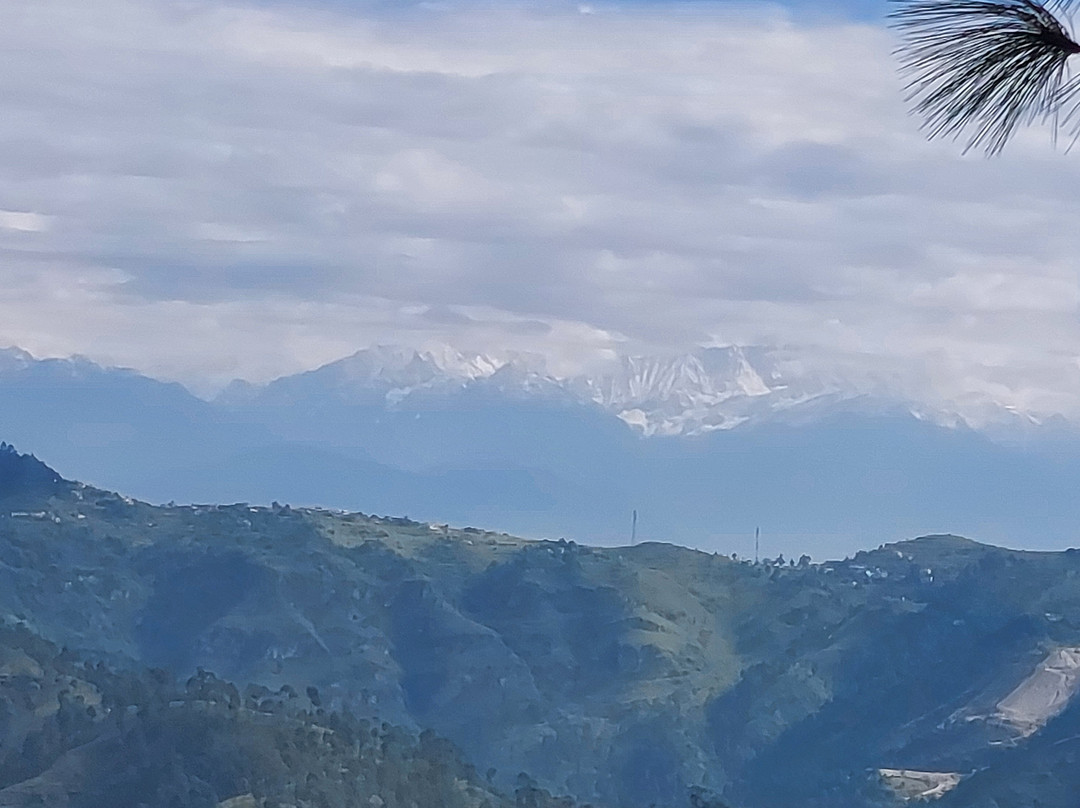
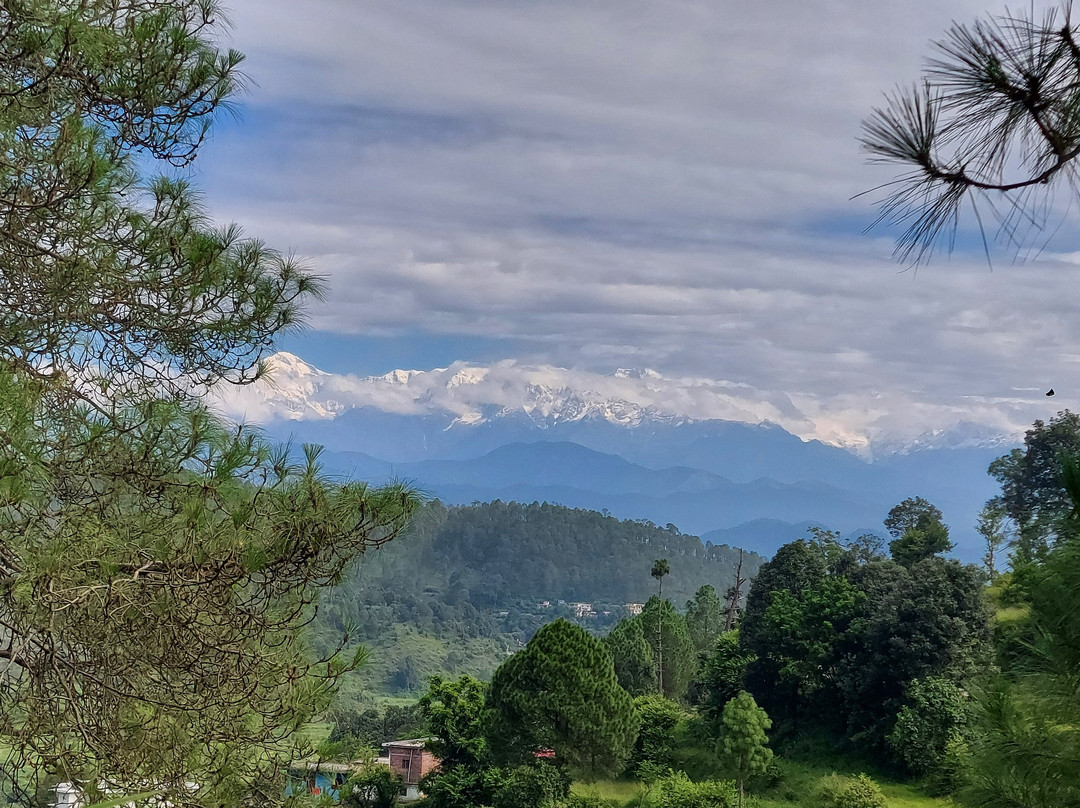
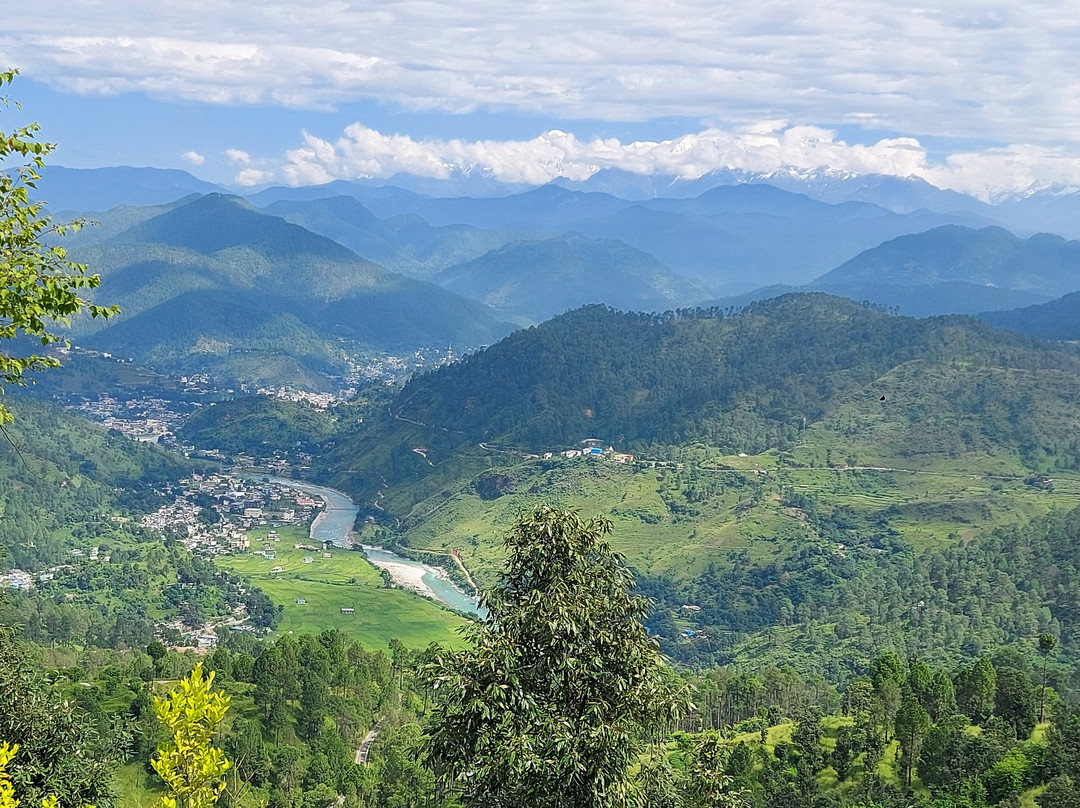
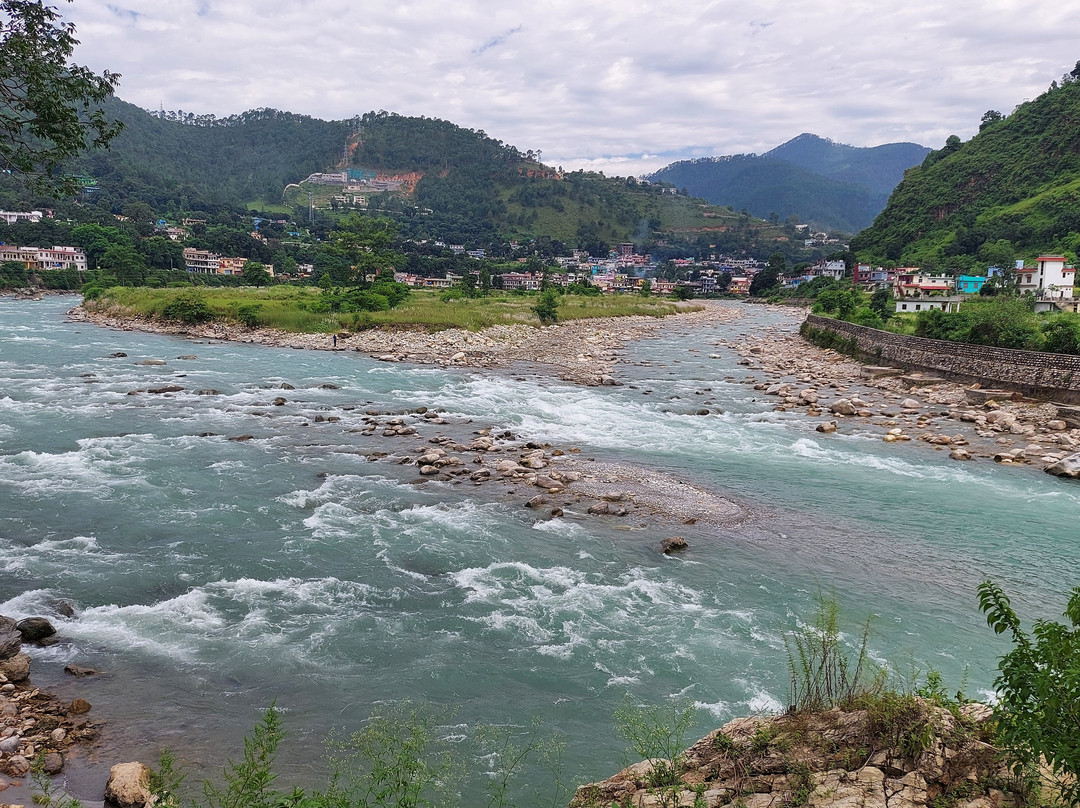
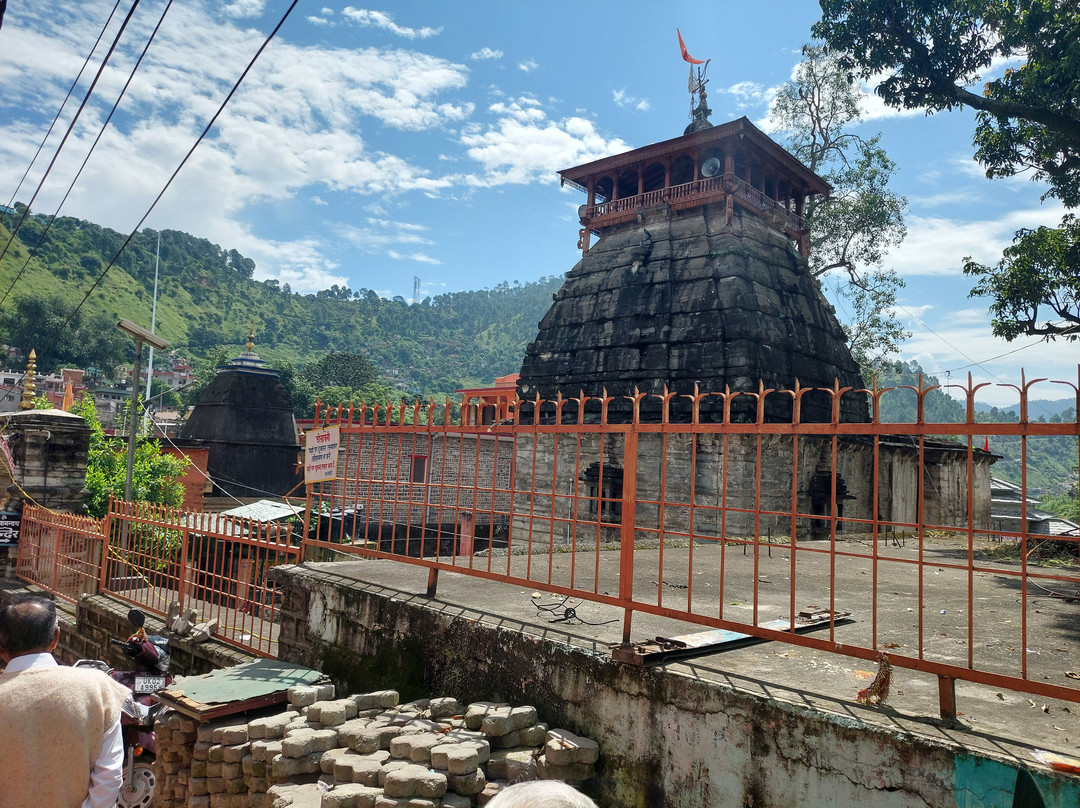
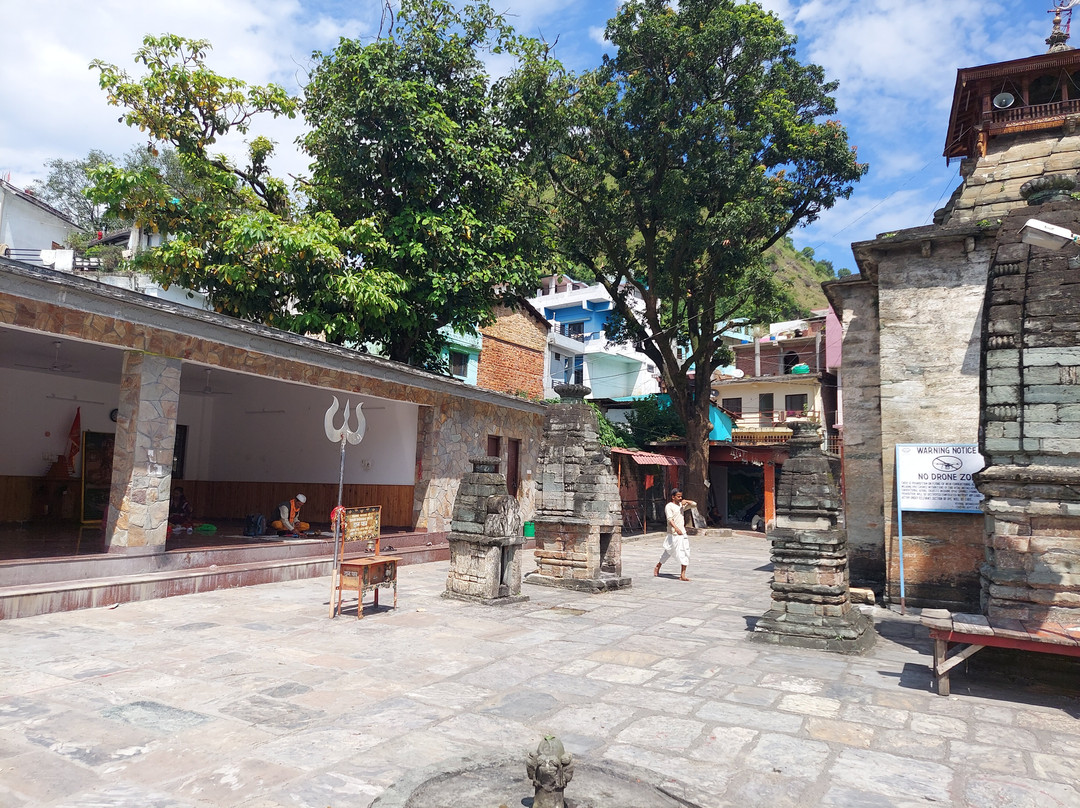
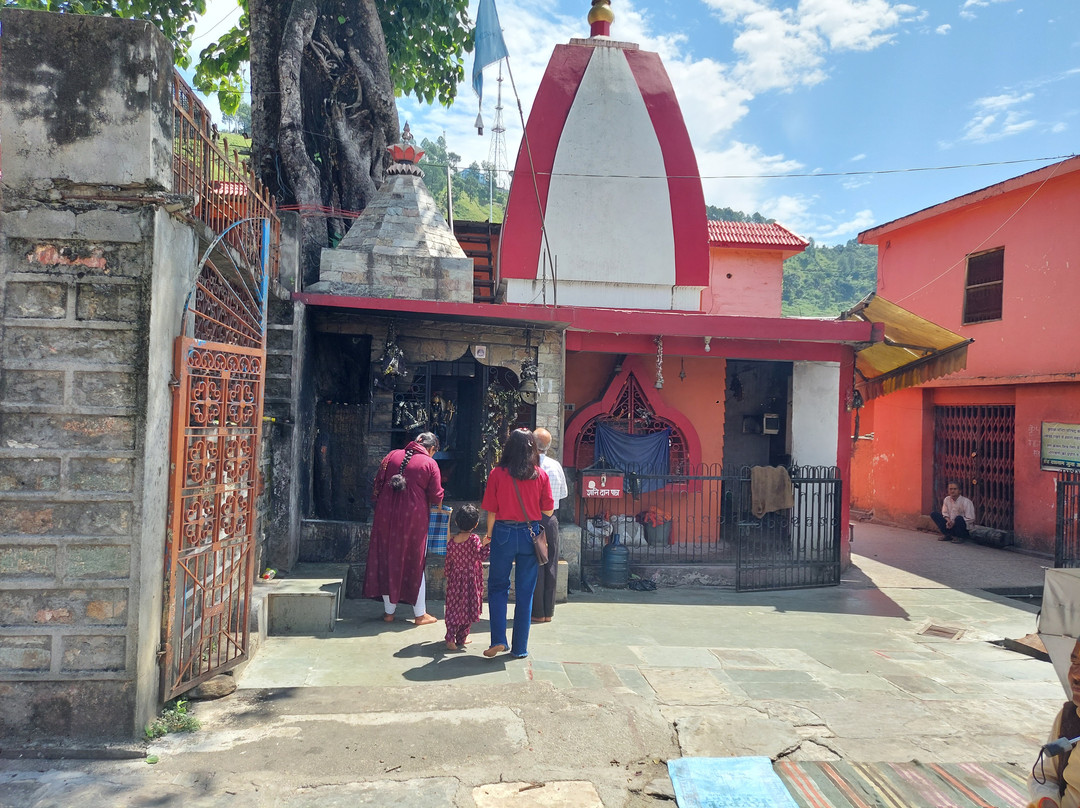
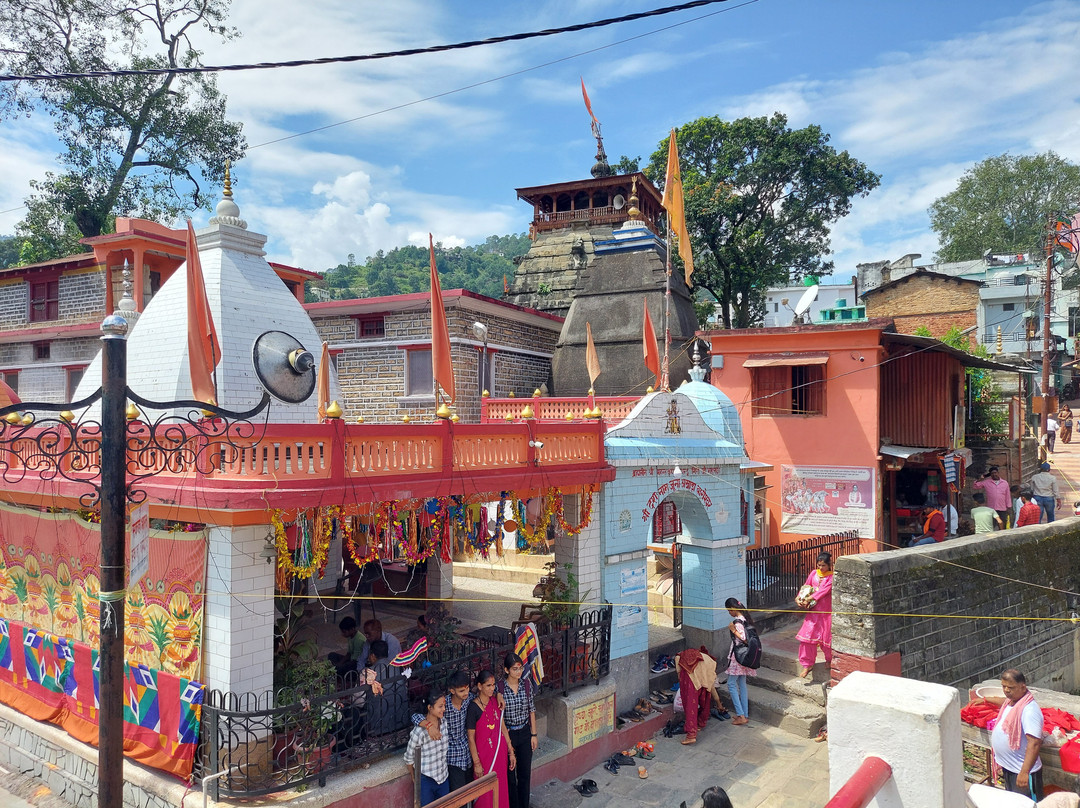
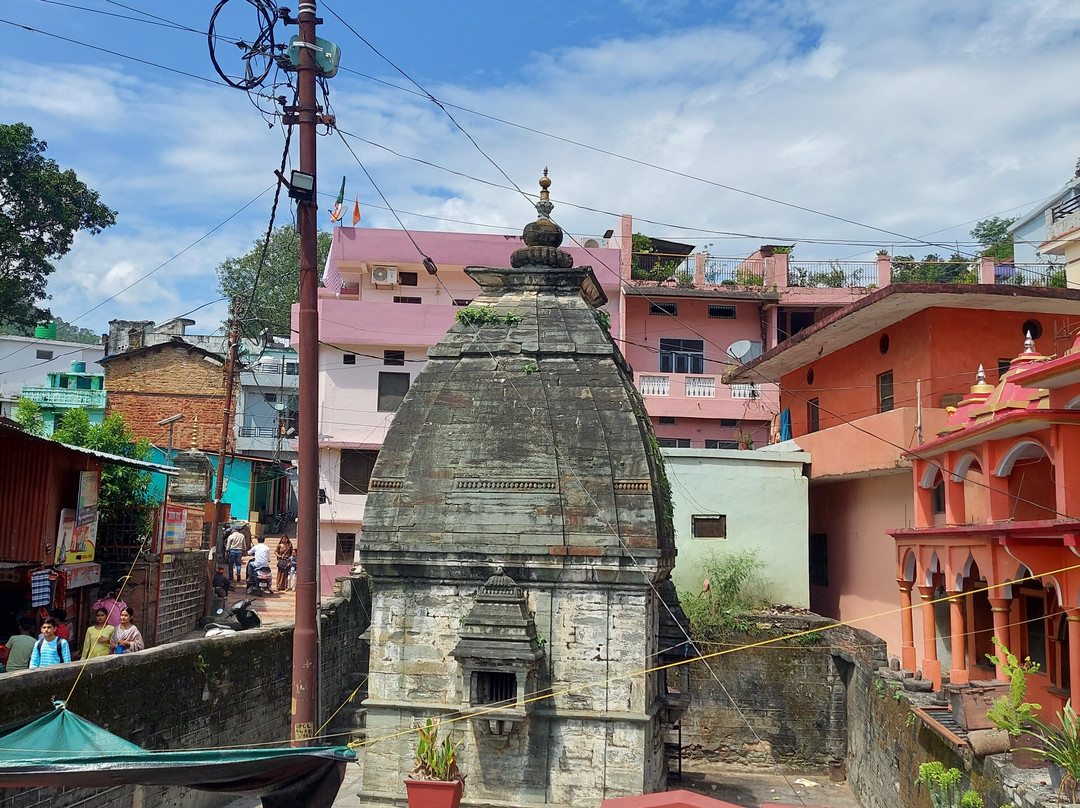
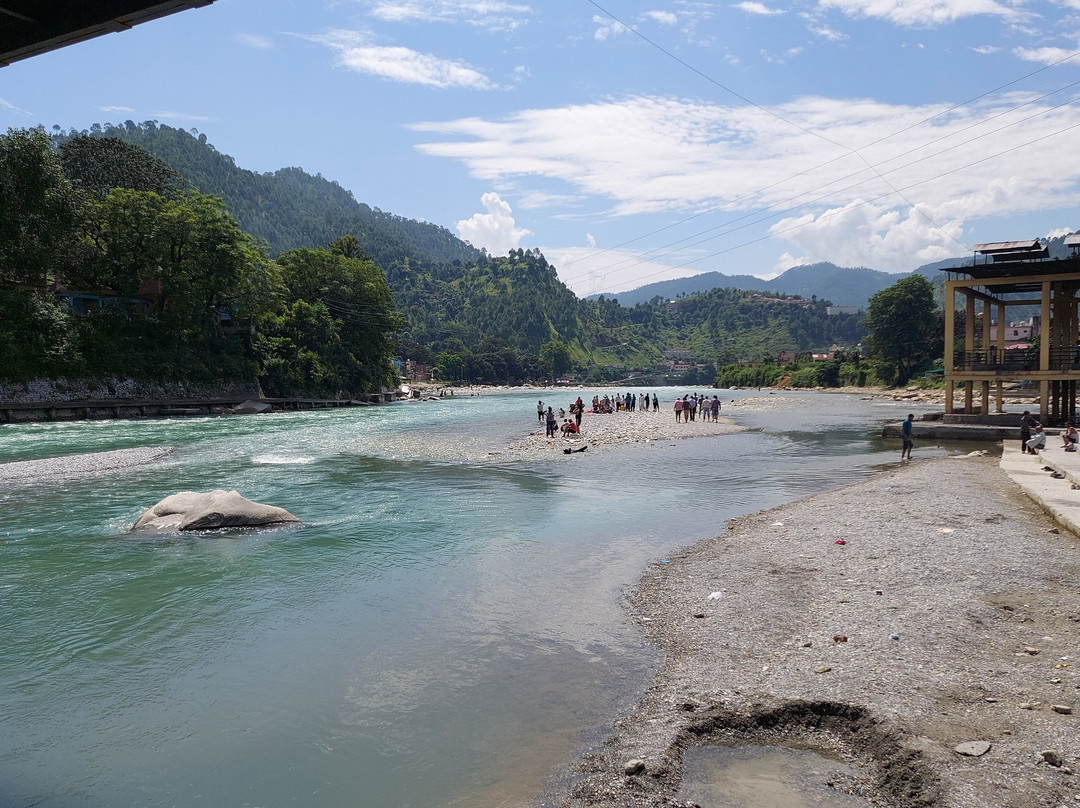
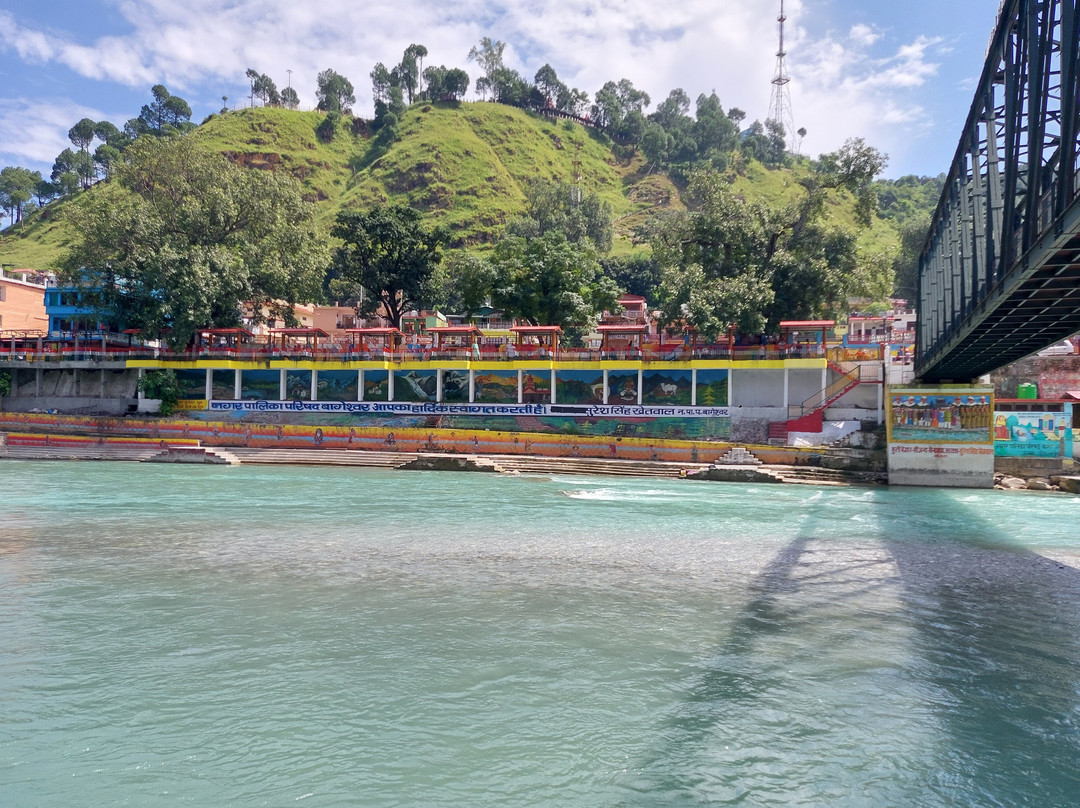
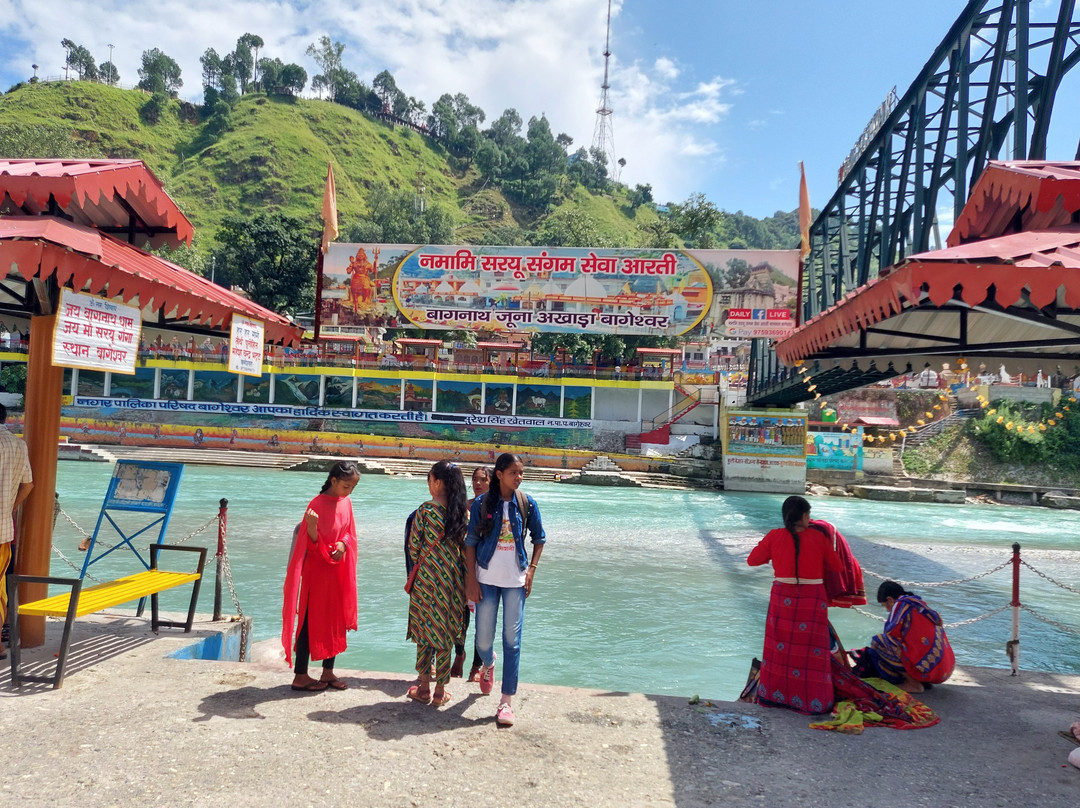
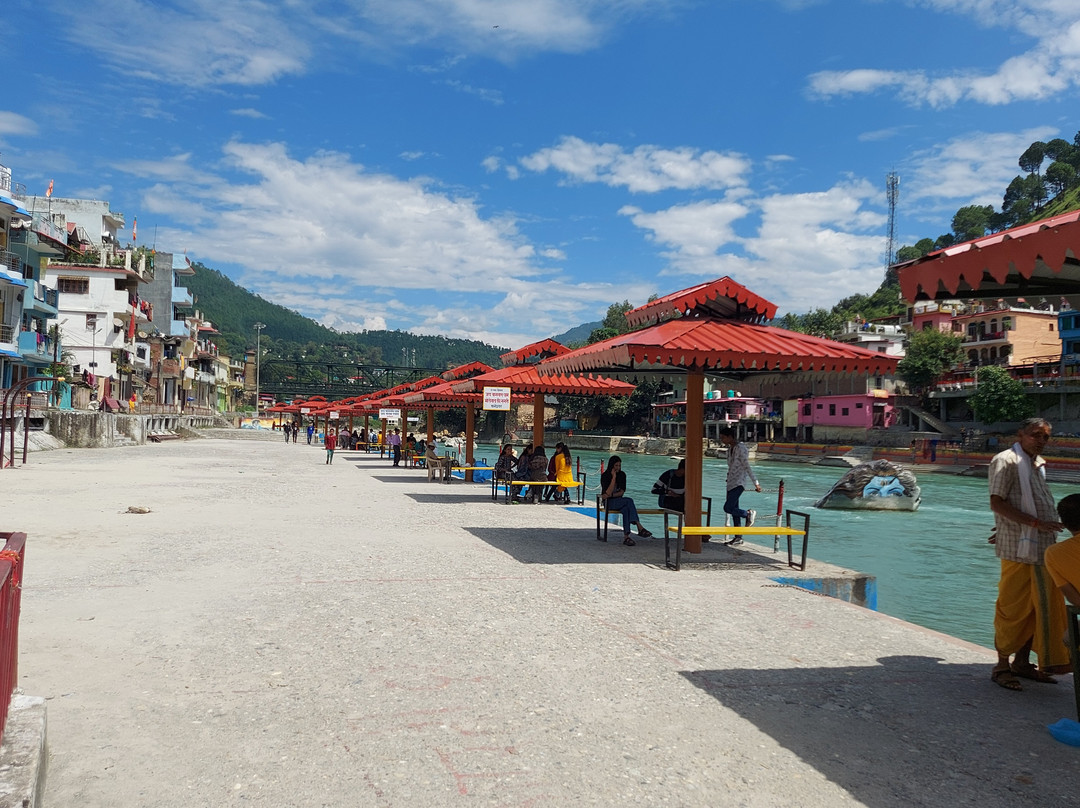
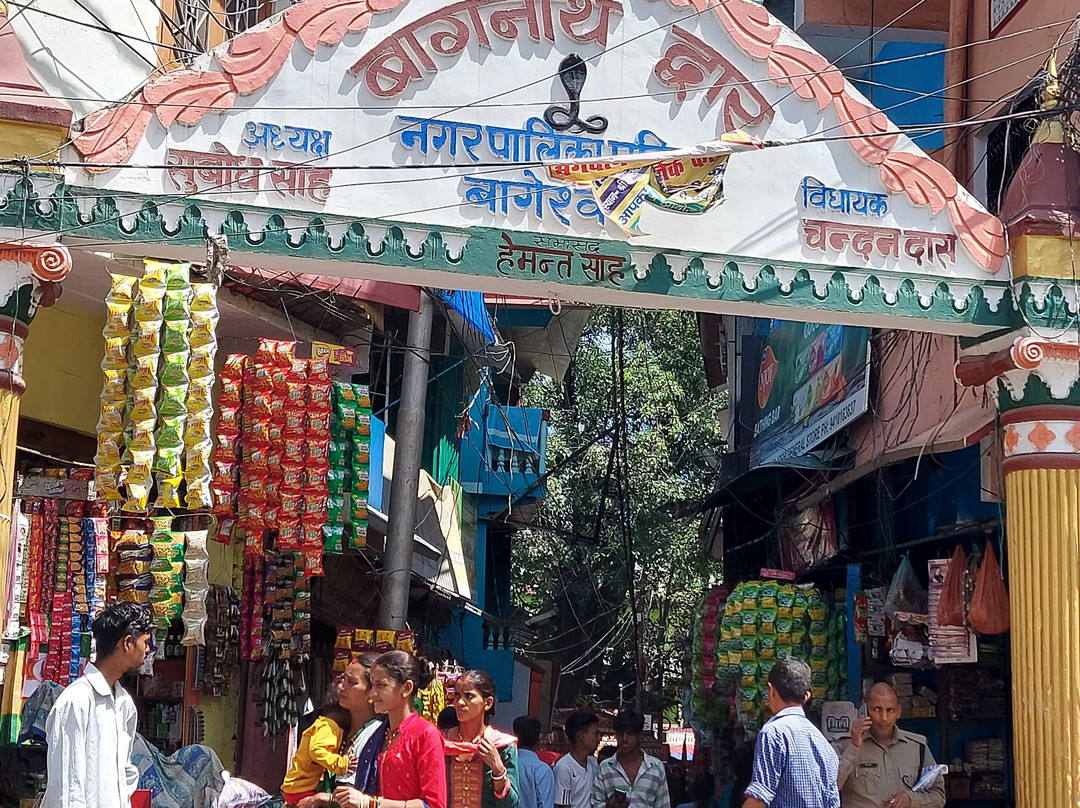
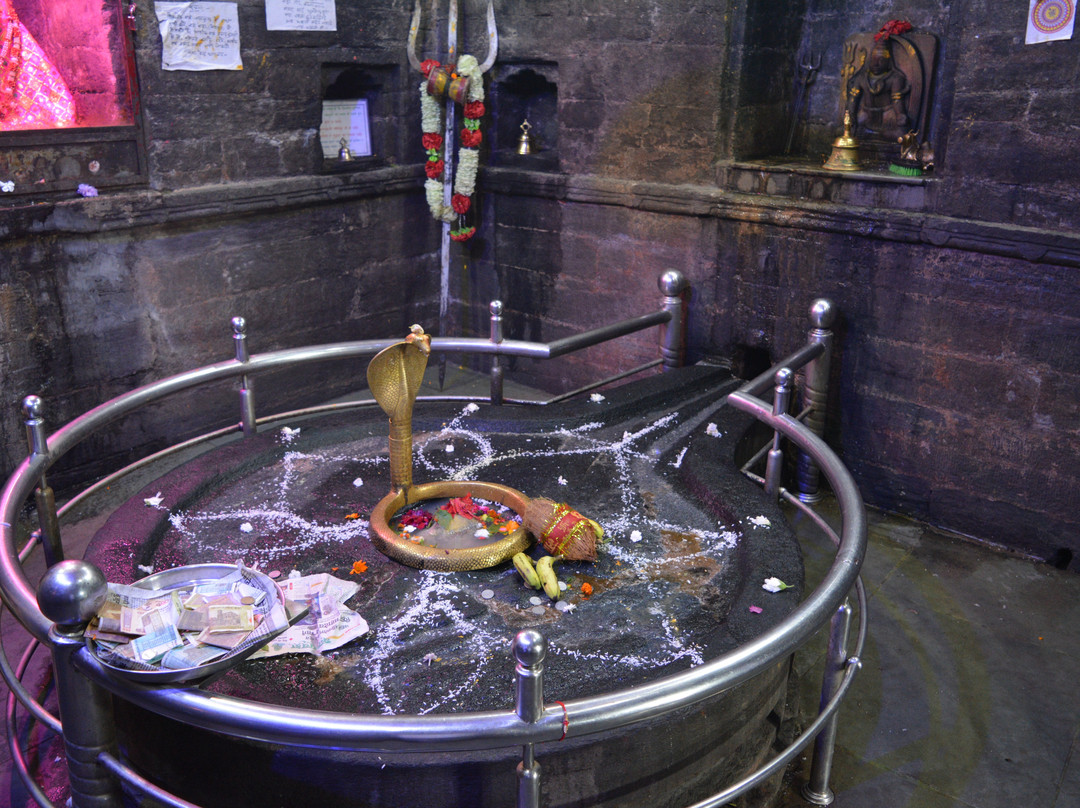
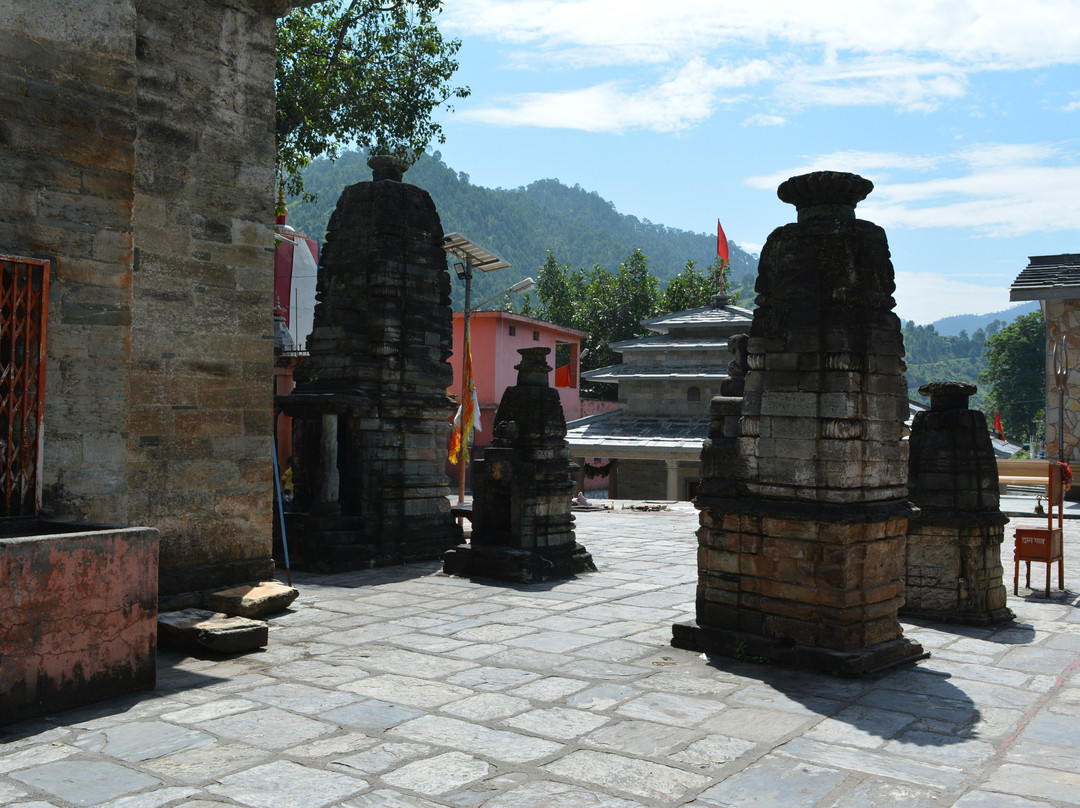
点评:We travelled around 47km from Club Mahindra Resort, Binsar to Bageshwar through the scenic road having views of snow clapped hills and dense forests. Before reaching Bageshwar one can see the Saryu river in full flow in the valley. Bagnath Temple is situated deep inside the Bageshwar town. We parked our car in authorised parking and then walked 500m through narrow streets and markets. One can have taste of Kumaon local sweet ‘Bal Mithai’ and snacks like Samosas while moving there. The temple is situated at the confluence of Saryu and Gomati rivers at 1004m above sea level.
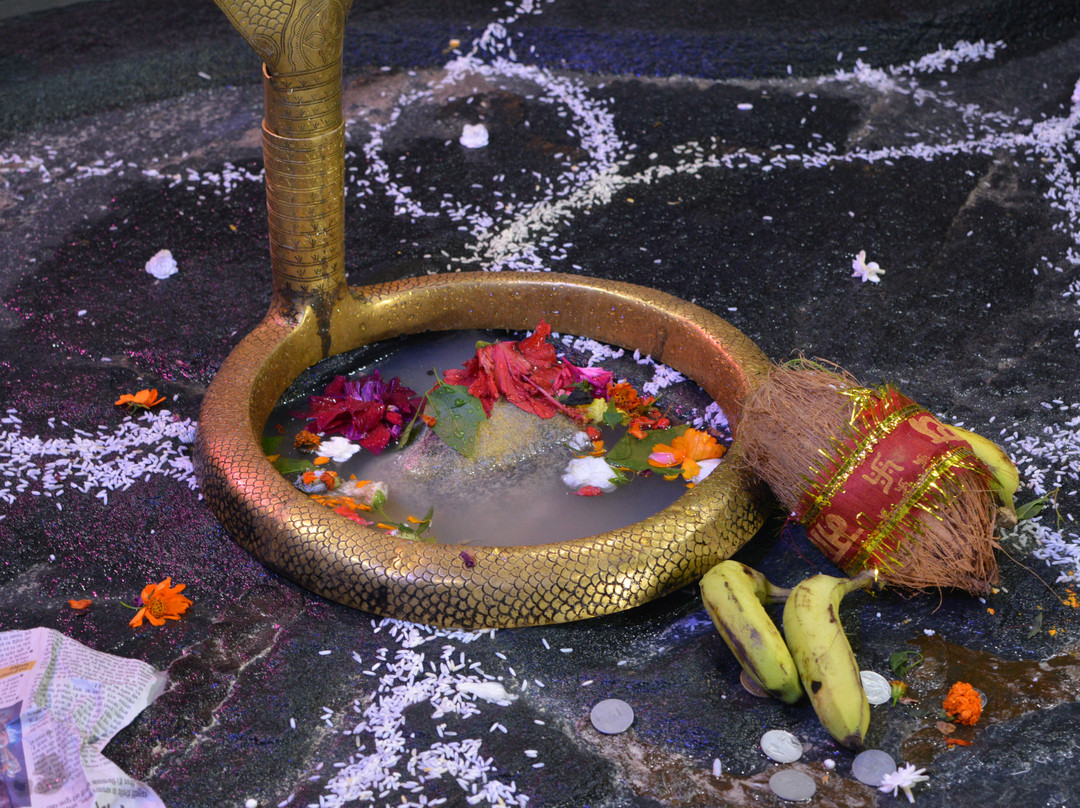
As told by priests there according to Hindu Legend, Rishi (Sage) Markandeya worshipped Shiva here. Lord Shiva blessed Rishi Markandeya by visiting here in the form of a Tiger. ‘Bagh’ means Tiger and ‘Nath’ means lord, protector or master. So the name Bagnath means ‘The Tiger Lord’.
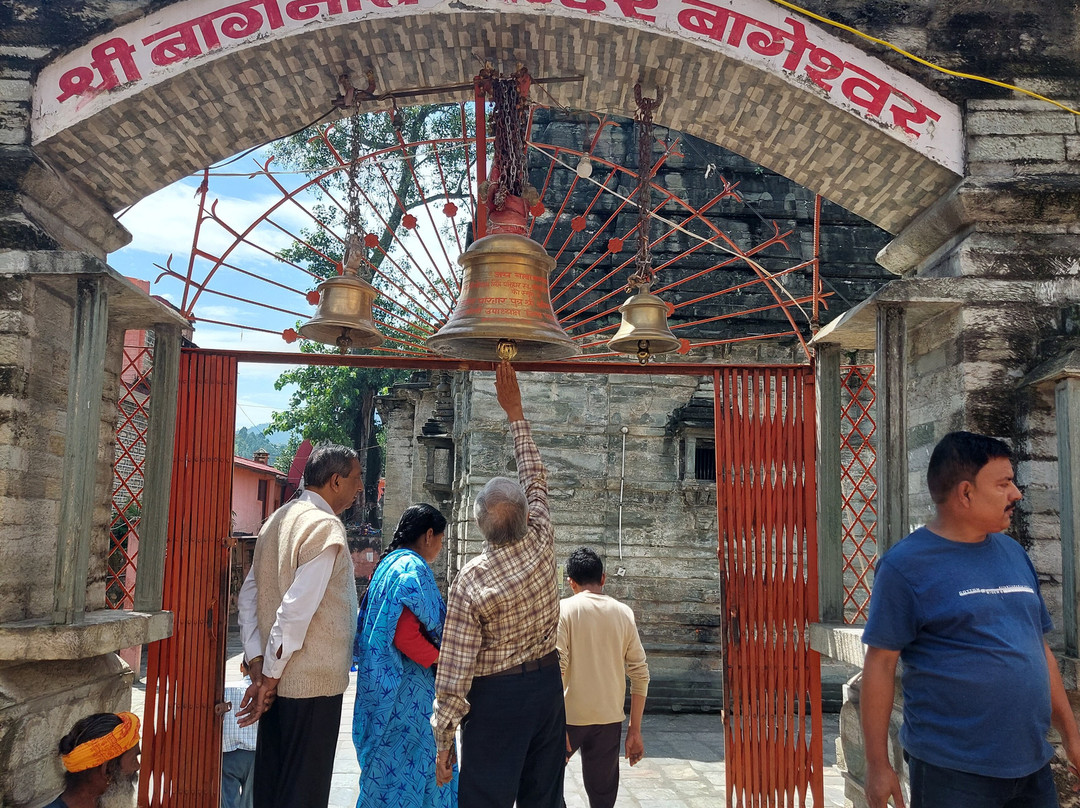
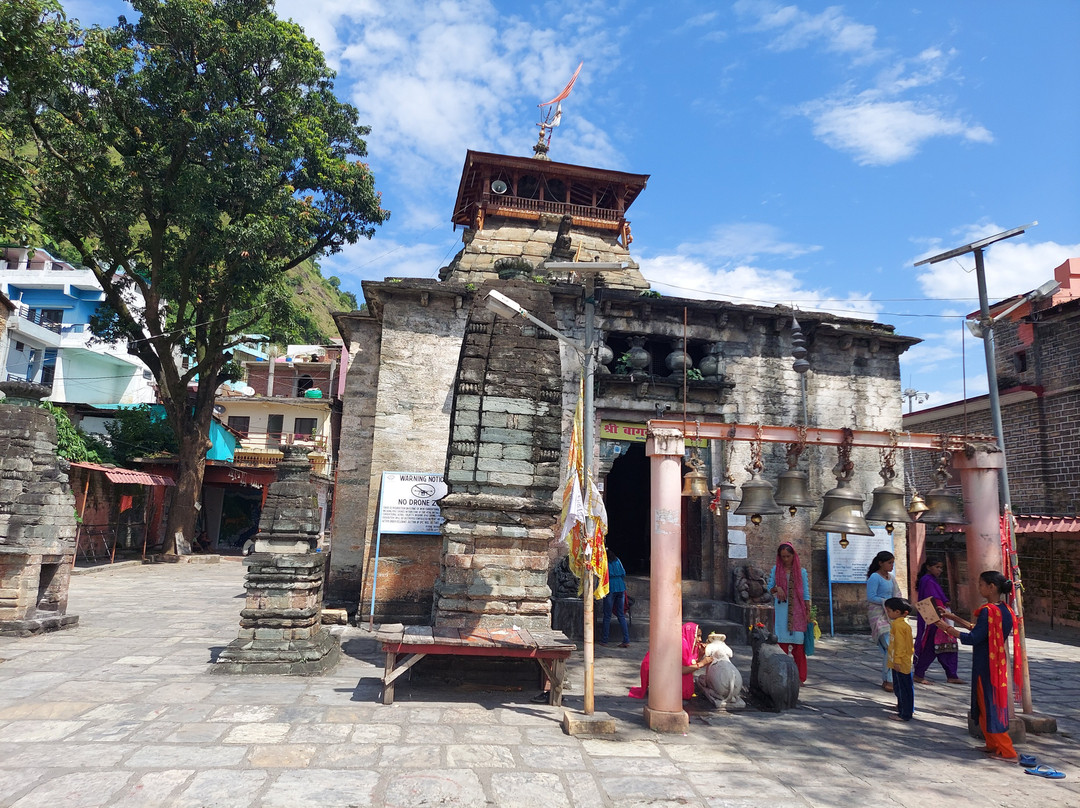
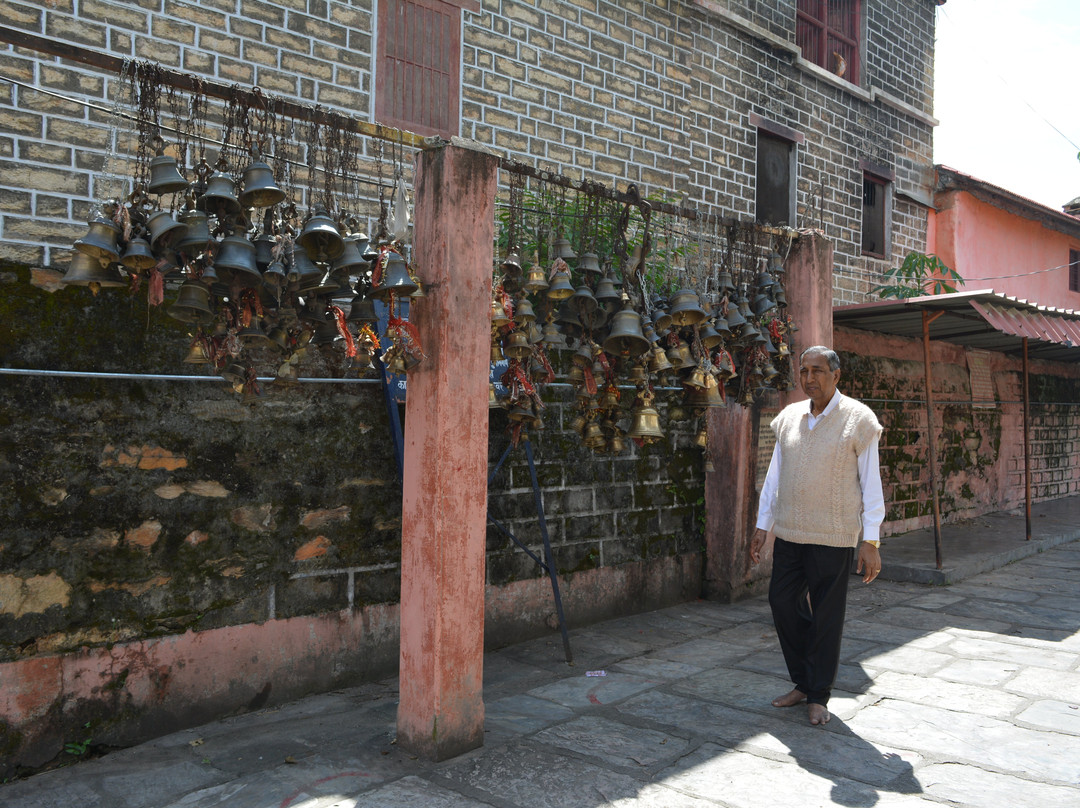
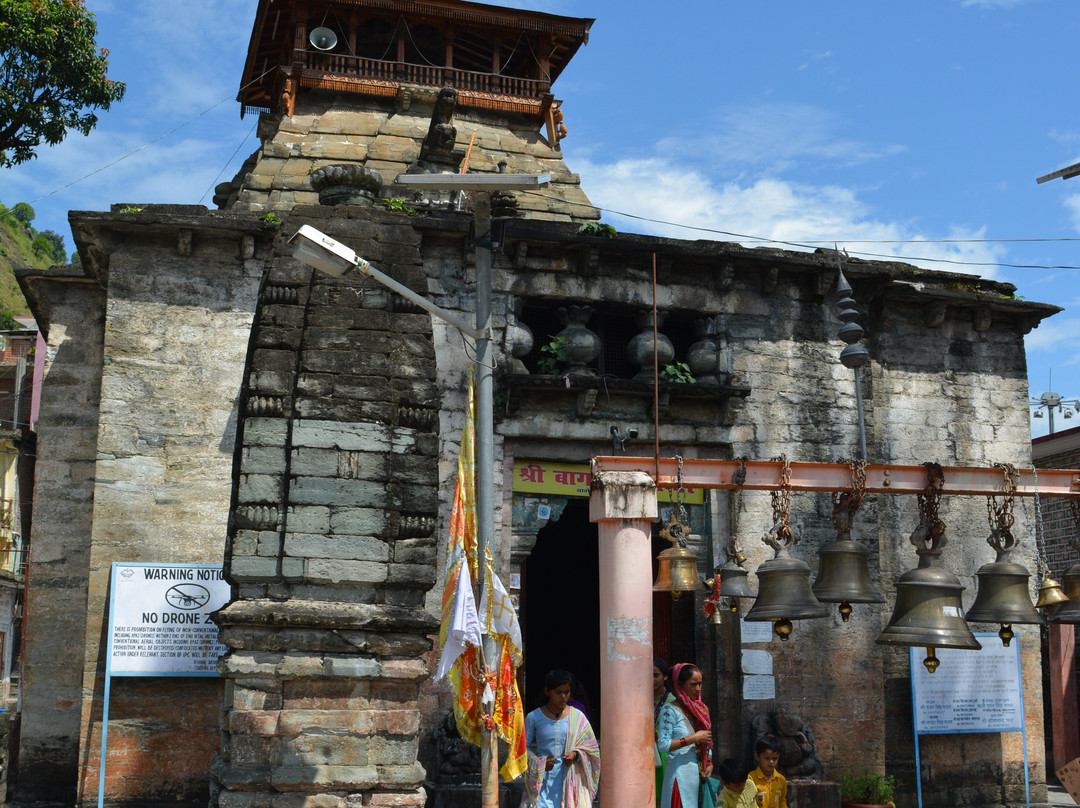
The main entrance and Temple entrance has huge bells, which reverberate throughout the day, owing to the wish granting ability of the Bagnath. One can see hundreds of bells on a wall offered by devotees for fulfilment of their wishes.
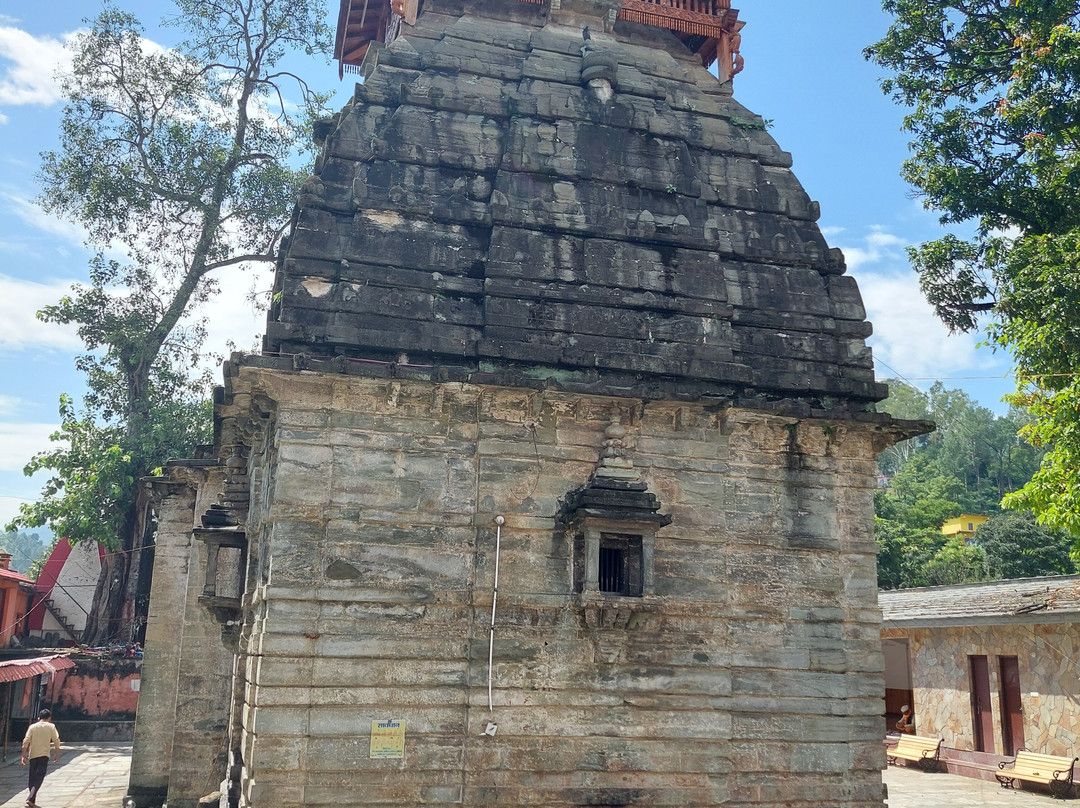
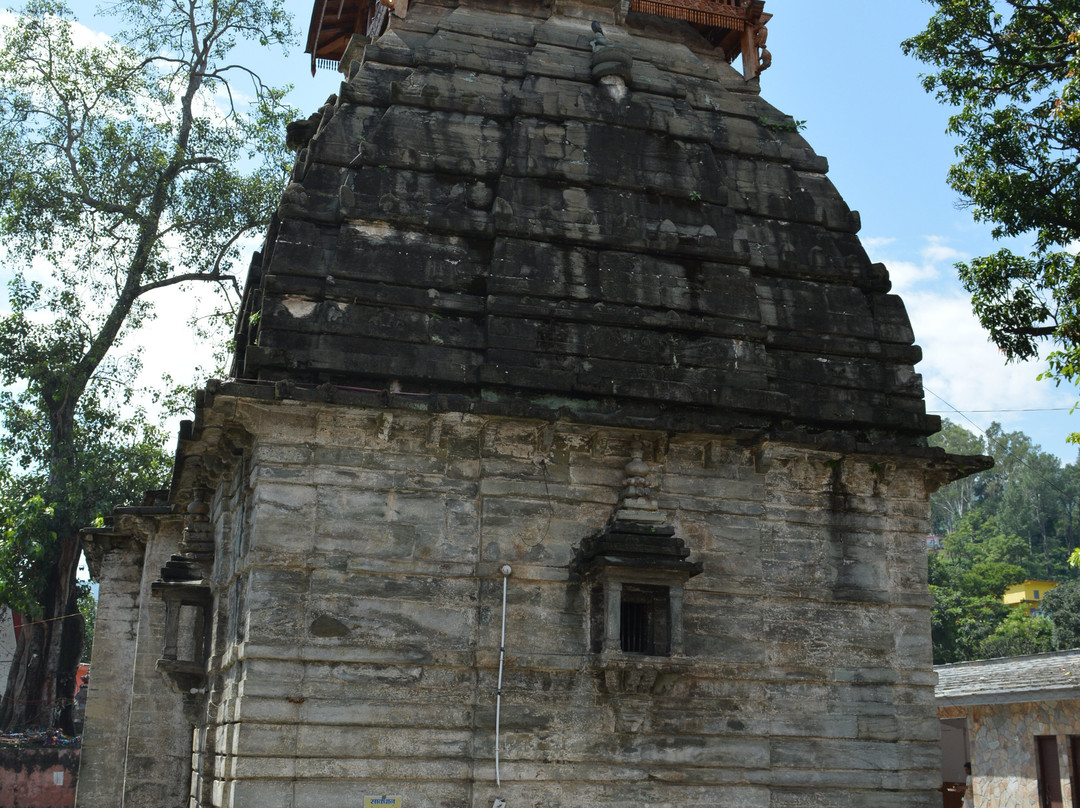
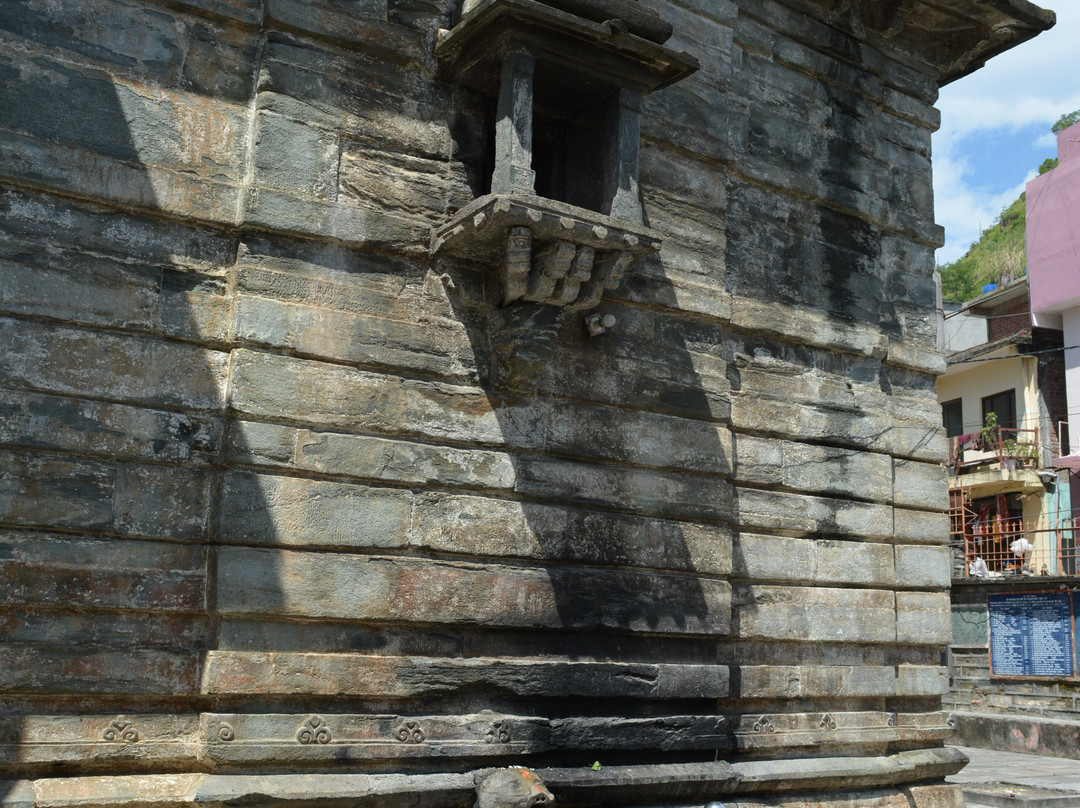
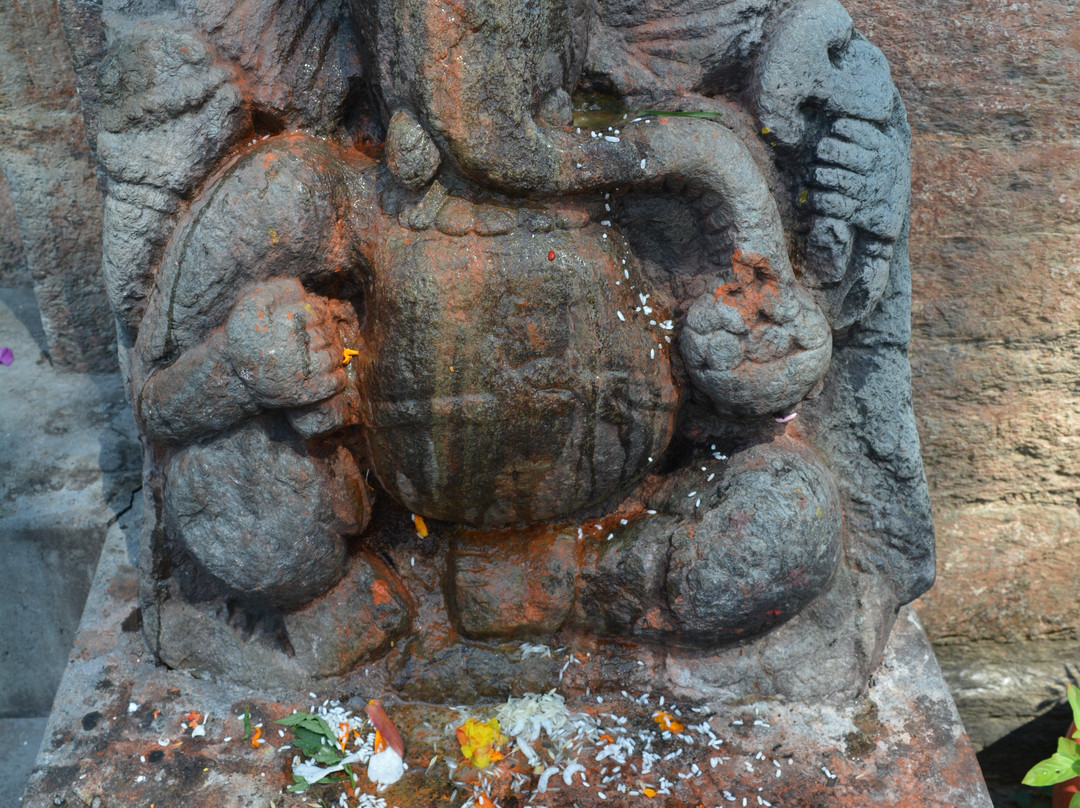
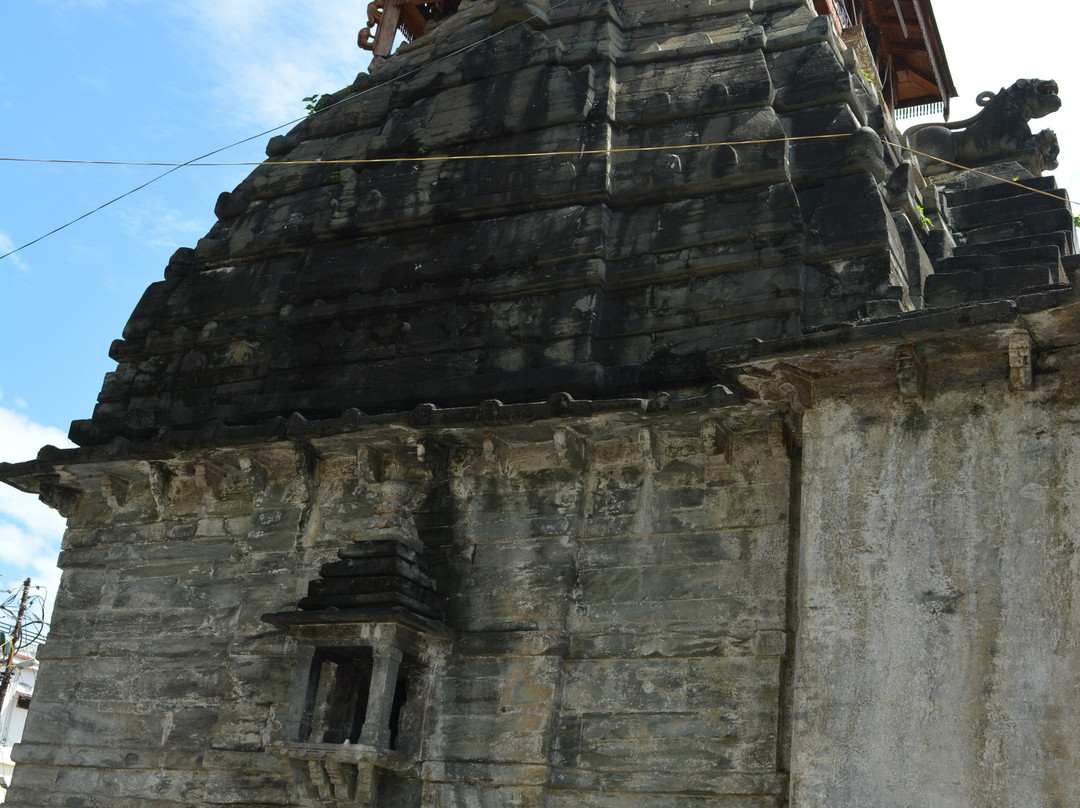
Regarding its construction, some sources state the existence of Bagnath temple since 7th Century, but the present building in Nagara style was built in 1450 by Chand ruler, Laxmi Chand. The various statues in the temple date back from 7th century AD to 16th century AD.
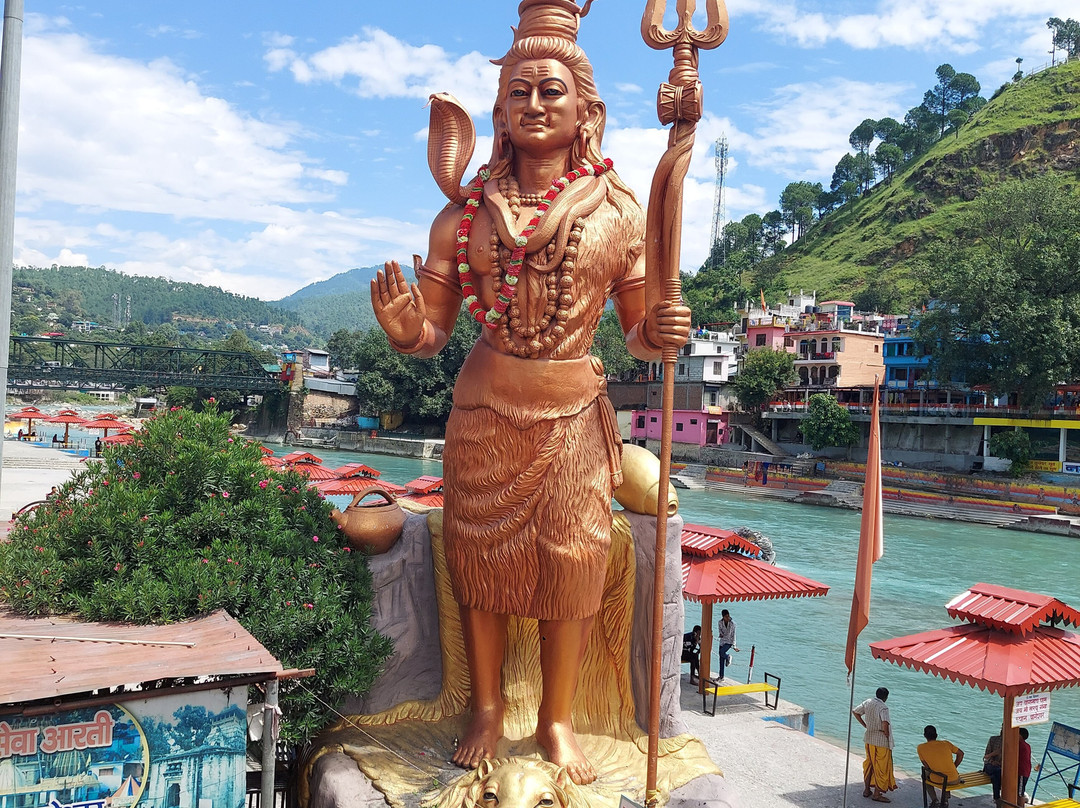
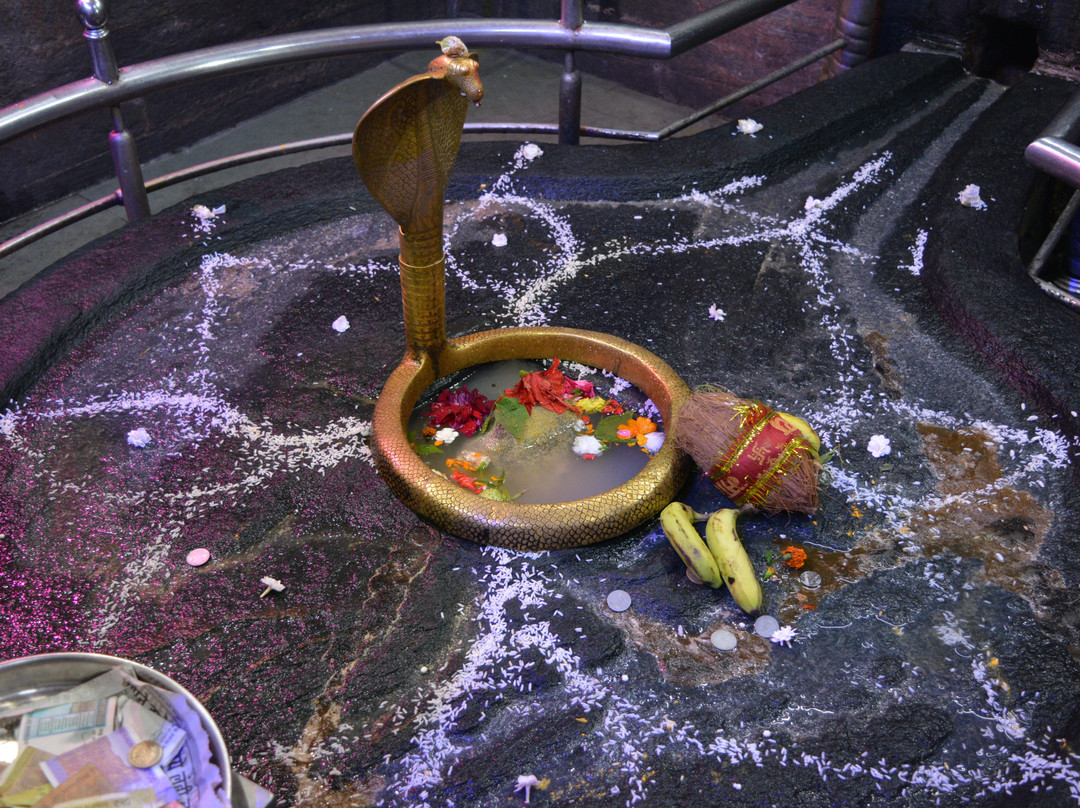
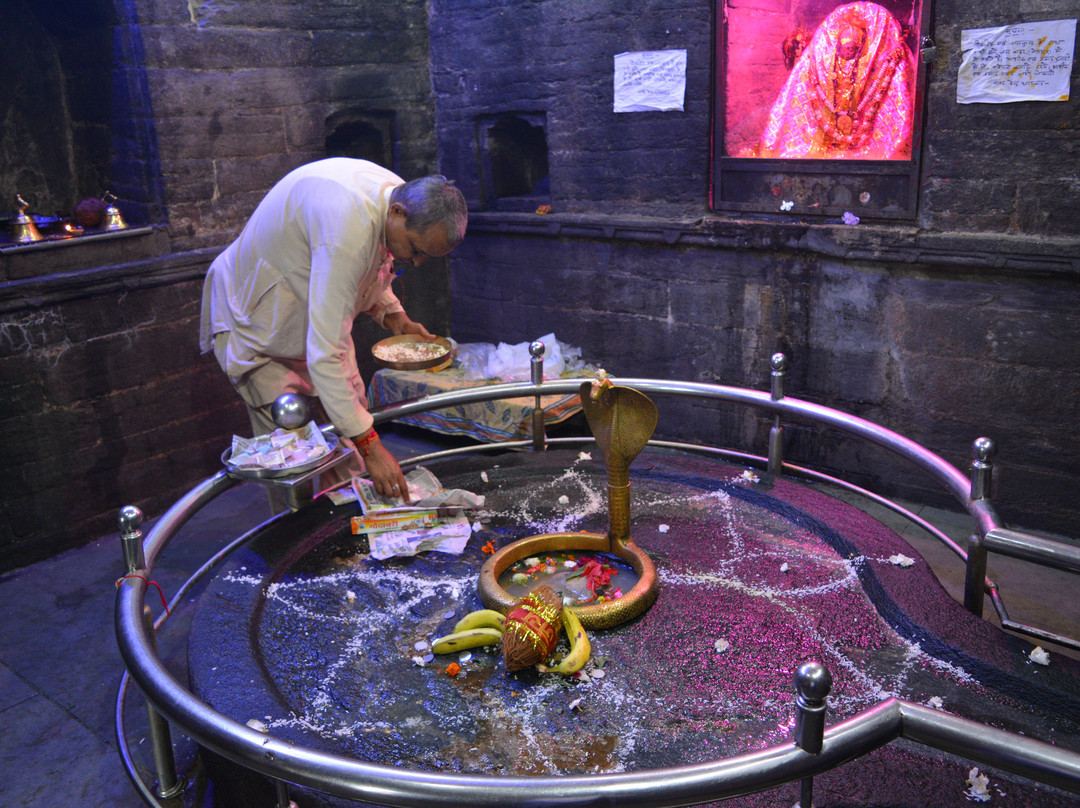
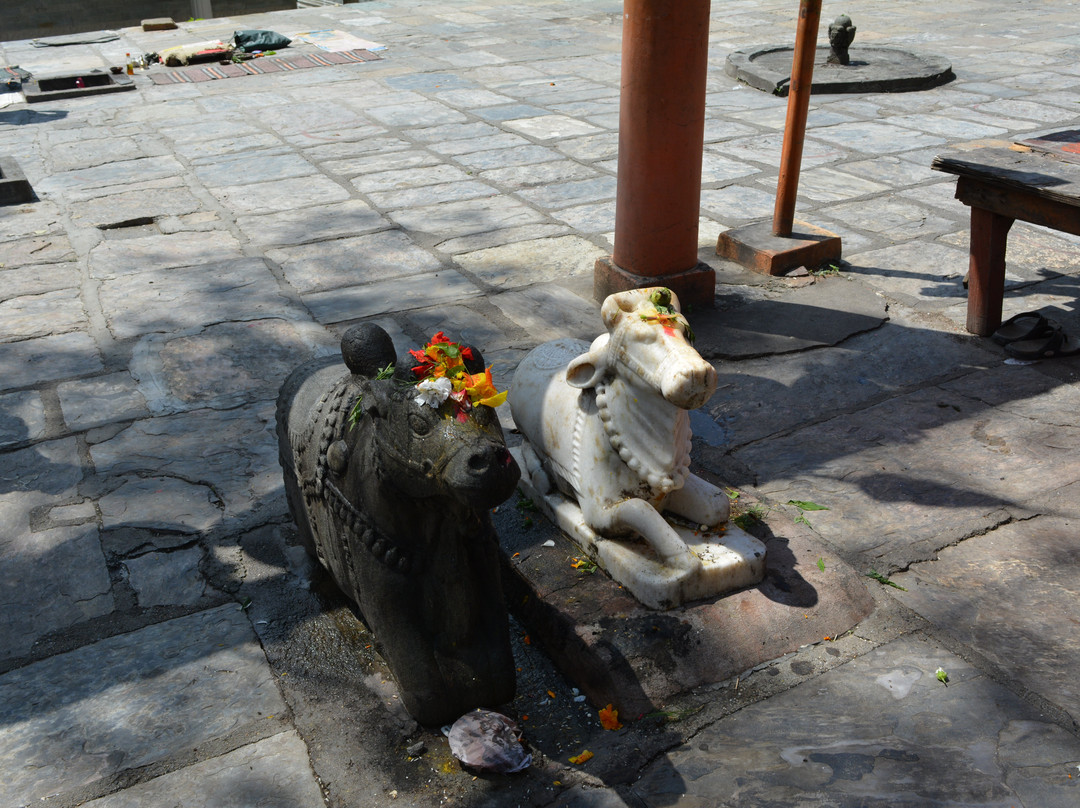
The importance of the temple finds mention in the ‘Skanda Purana’. Hindu Pilgrims throng in throughout the year to worship here. The Uttarayani fair is held in January every year on the occasion of Makar Sankranti attracts maximum devotees. The religious ritual of the fair consists in bathing before sunrise at the confluence. After Bathing, an offering of water to Lord Shiva inside the Temple is essential. More religiously disposed people, continue this practice (called ‘Trimaghi’) for three days in a row. One can see the grand idol of Lord Shiva on banks of the river Saryu outside the temple.
As told by priests there according to Hindu Legend, Rishi (Sage) Markandeya worshipped Shiva here. Lord Shiva blessed Rishi Markandeya by visiting here in the form of a Tiger. ‘Bagh’ means Tiger and ‘Nath’ means lord, protector or master. So the name Bagnath means ‘The Tiger Lord’.
The main entrance and Temple entrance has huge bells, which reverberate throughout the day, owing to the wish granting ability of the Bagnath. One can see hundreds of bells on a wall offered by devotees for fulfilment of their wishes.
Regarding its construction, some sources state the existence of Bagnath temple since 7th Century, but the present building in Nagara style was built in 1450 by Chand ruler, Laxmi Chand. The various statues in the temple date back from 7th century AD to 16th century AD.
The importance of the temple finds mention in the ‘Skanda Purana’. Hindu Pilgrims throng in throughout the year to worship here. The Uttarayani fair is held in January every year on the occasion of Makar Sankranti attracts maximum devotees. The religious ritual of the fair consists in bathing before sunrise at the confluence. After Bathing, an offering of water to Lord Shiva inside the Temple is essential. More religiously disposed people, continue this practice (called ‘Trimaghi’) for three days in a row. One can see the grand idol of Lord Shiva on banks of the river Saryu outside the temple.
翻译:我们从宾萨尔马恒达俱乐部度假村 (Club Mahindra Resort) 出发,经过风景优美的道路前往巴格什瓦尔 (Bageshwar),全程约 47 公里,可以看到白雪皑皑的山丘和茂密的森林。在到达巴格什瓦尔之前,人们可以看到山谷中汹涌的萨尤河。巴格纳特神庙位于巴格什瓦尔镇深处。我们把车停在授权停车场,然后步行500m穿过狭窄的街道和市场。搬到那里时,您可以品尝库马恩当地的甜品“Bal Mithai”和萨莫萨三角饺等小吃。该寺庙位于萨尤河和戈马蒂河的交汇处,海拔1004米。
根据印度教传说,那里的祭司讲述,圣人马坎德亚 (Rishi (Sage) Markandeya) 在这里崇拜湿婆神。湿婆神以老虎的形式来到这里,祝福里希·马尔坎德亚 (Rishi Markandeya)。 “Bagh”的意思是老虎,“Nath”的意思是领主、保护者或主人。所以巴格纳斯这个名字的意思是“虎王”。
主入口和寺庙入口处有巨大的钟声,由于巴格纳特具有实现愿望的能力,钟声全天回响。人们可以在墙上看到数百个铃铛,这些铃铛都是信徒为了实现自己的愿望而献上的。
关于其建筑,一些消息来源称巴格纳特神庙自 7 世纪以来就已存在,但目前的 Nagara 风格建筑是由昌德统治者 Laxmi Chand 于 1450 年建造的。寺庙内的各种雕像可以追溯到公元7世纪至公元16世纪。
《斯堪达往世书》中提到了寺庙的重要性。印度教朝圣者全年都涌入这里朝拜。每年一月的 Makar Sankranti 之际都会举办 Uttarayani 集市,吸引最多的信徒。集市的宗教仪式包括日出前在交汇处沐浴。沐浴后,必须在寺庙内向湿婆神献水。比较虔诚的人可以连续三天继续这种做法(称为“Trimaghi”)。人们可以在寺庙外的萨尤河畔看到湿婆神的宏伟雕像。
根据印度教传说,那里的祭司讲述,圣人马坎德亚 (Rishi (Sage) Markandeya) 在这里崇拜湿婆神。湿婆神以老虎的形式来到这里,祝福里希·马尔坎德亚 (Rishi Markandeya)。 “Bagh”的意思是老虎,“Nath”的意思是领主、保护者或主人。所以巴格纳斯这个名字的意思是“虎王”。
主入口和寺庙入口处有巨大的钟声,由于巴格纳特具有实现愿望的能力,钟声全天回响。人们可以在墙上看到数百个铃铛,这些铃铛都是信徒为了实现自己的愿望而献上的。
关于其建筑,一些消息来源称巴格纳特神庙自 7 世纪以来就已存在,但目前的 Nagara 风格建筑是由昌德统治者 Laxmi Chand 于 1450 年建造的。寺庙内的各种雕像可以追溯到公元7世纪至公元16世纪。
《斯堪达往世书》中提到了寺庙的重要性。印度教朝圣者全年都涌入这里朝拜。每年一月的 Makar Sankranti 之际都会举办 Uttarayani 集市,吸引最多的信徒。集市的宗教仪式包括日出前在交汇处沐浴。沐浴后,必须在寺庙内向湿婆神献水。比较虔诚的人可以连续三天继续这种做法(称为“Trimaghi”)。人们可以在寺庙外的萨尤河畔看到湿婆神的宏伟雕像。




© 2026 Tripadvisor 版权所有。
部分照片由 VFM Leonardo 提供。
TripAdvisor公司对外部网站的内容一概不负责。优惠价格中不含税和其他费用。
ICP证:沪B2-20200433
沪ICP备20013175号
 沪公网安备31010502005427号
鹰程信息技术(上海)有限公司