下载App
资质规则
旅行
账户
Ankitasri2008
3
A beautiful place that deserves to remain beautiful
Landour的点评
点评:Landour was one of the places I enjoyed the most during our trip, and also the place that made me think the most about responsible tourism.
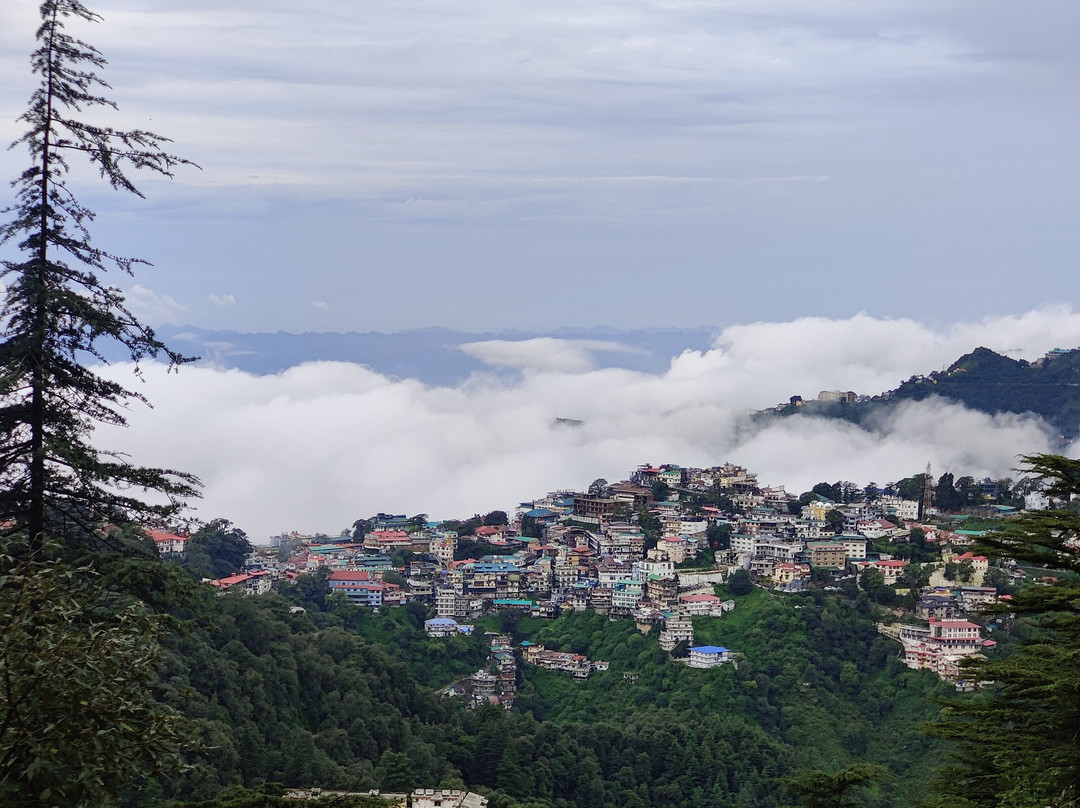
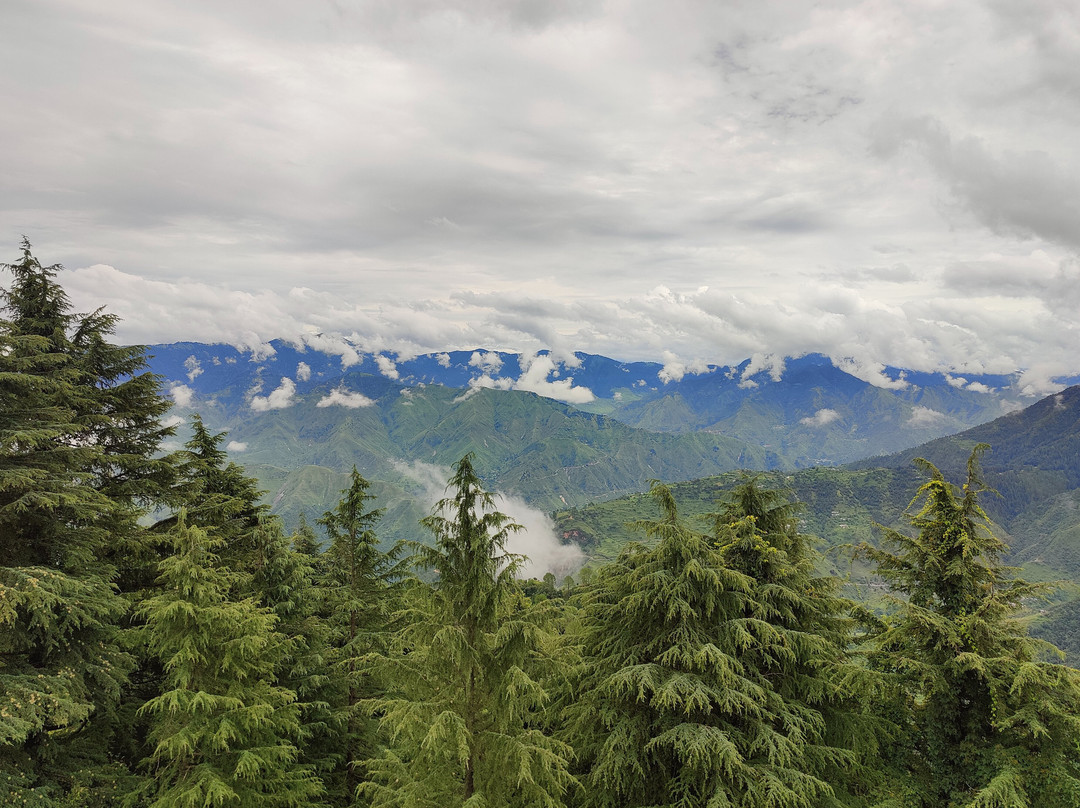
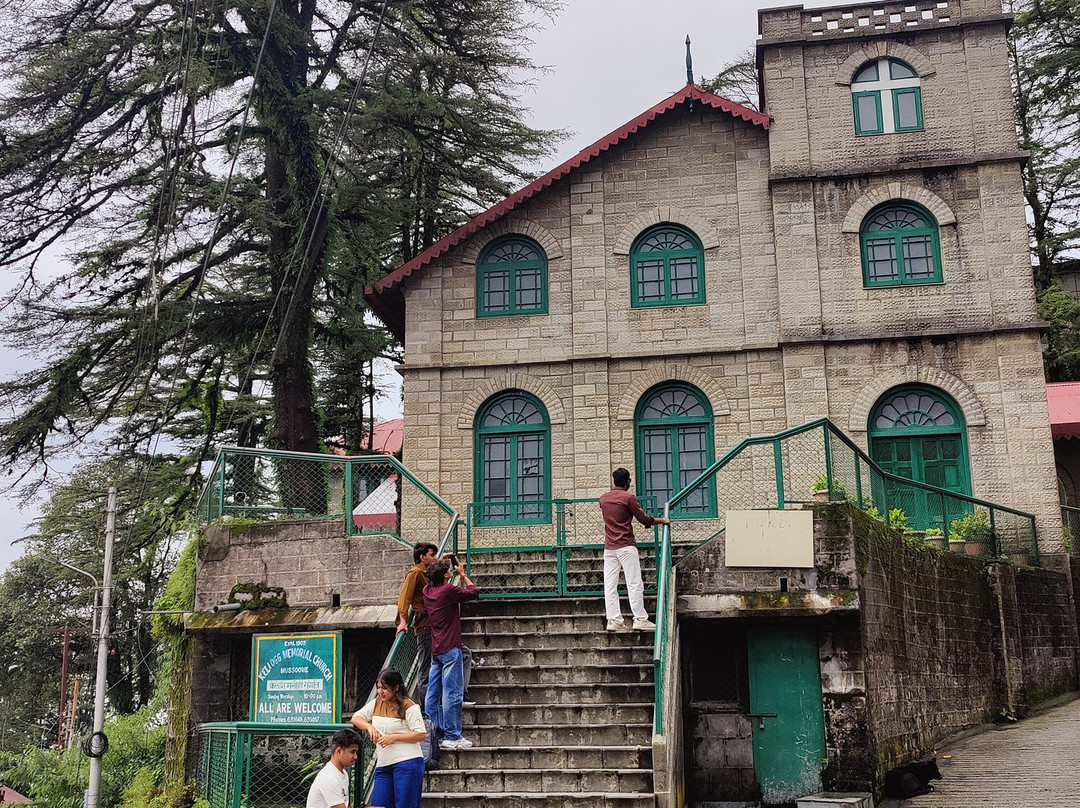
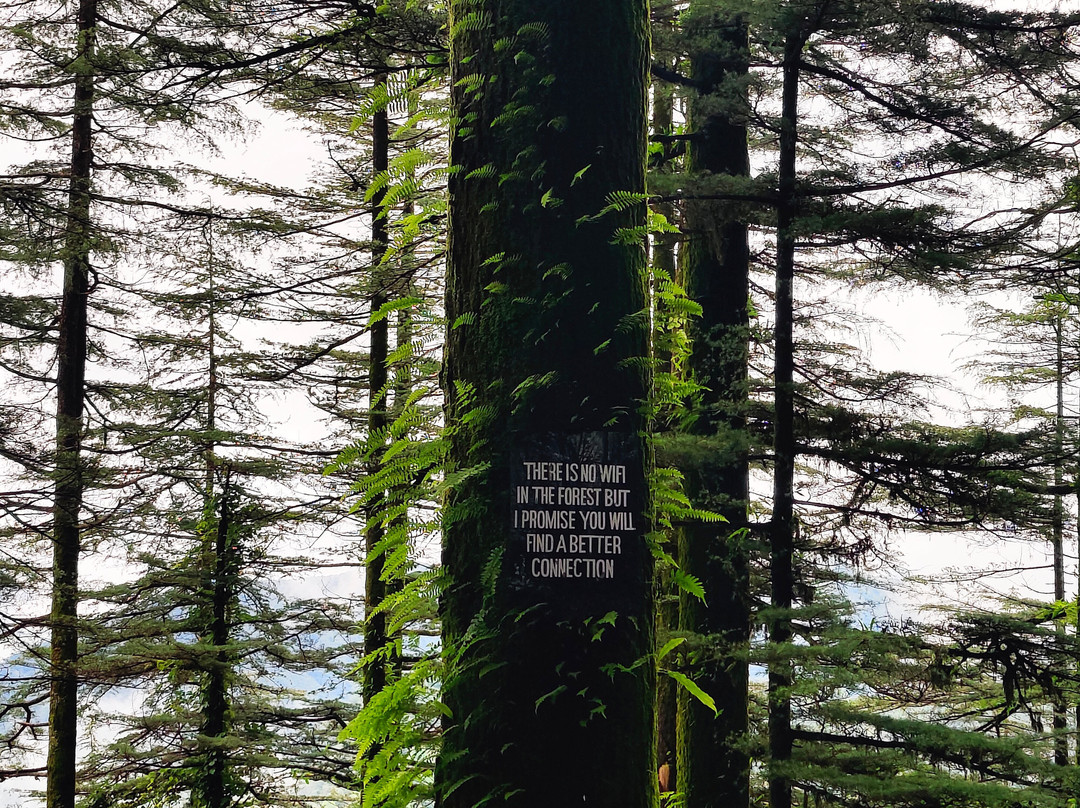
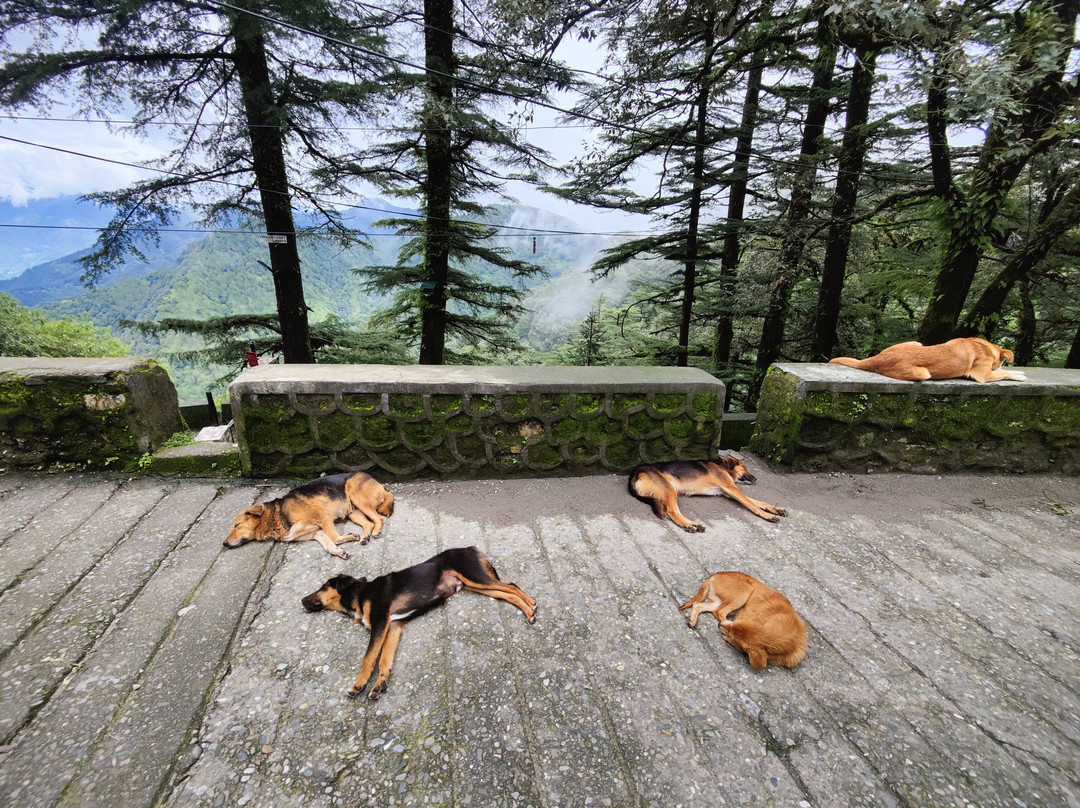
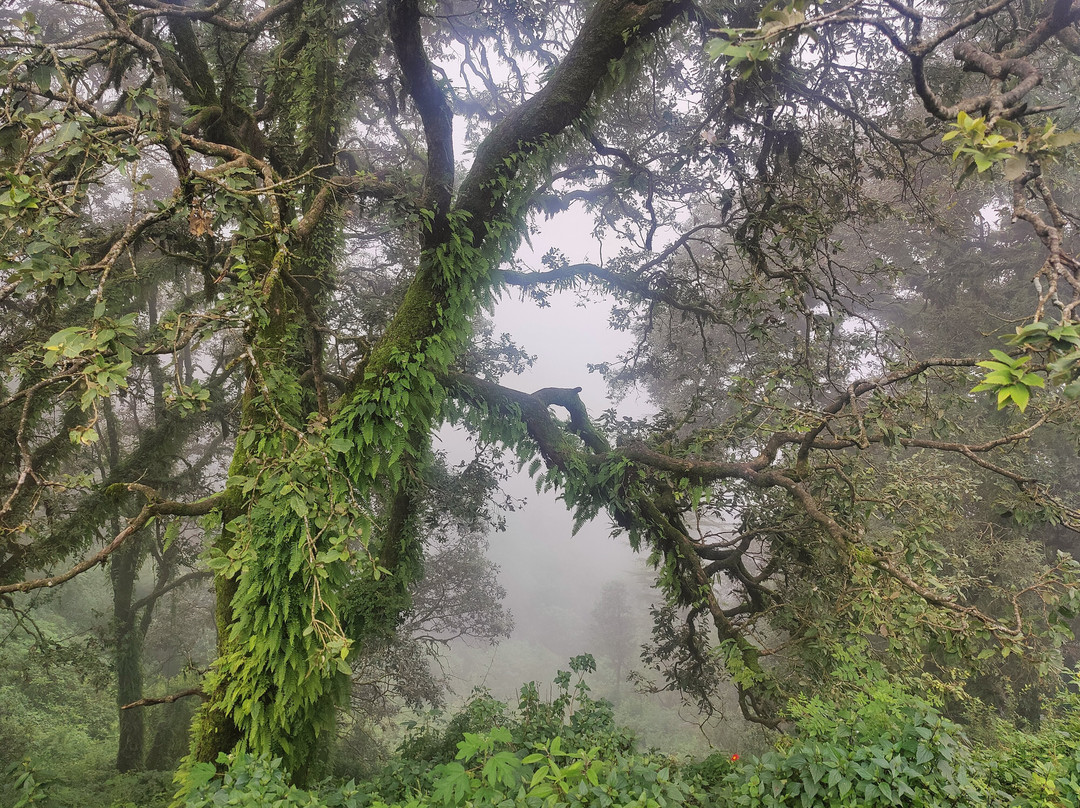
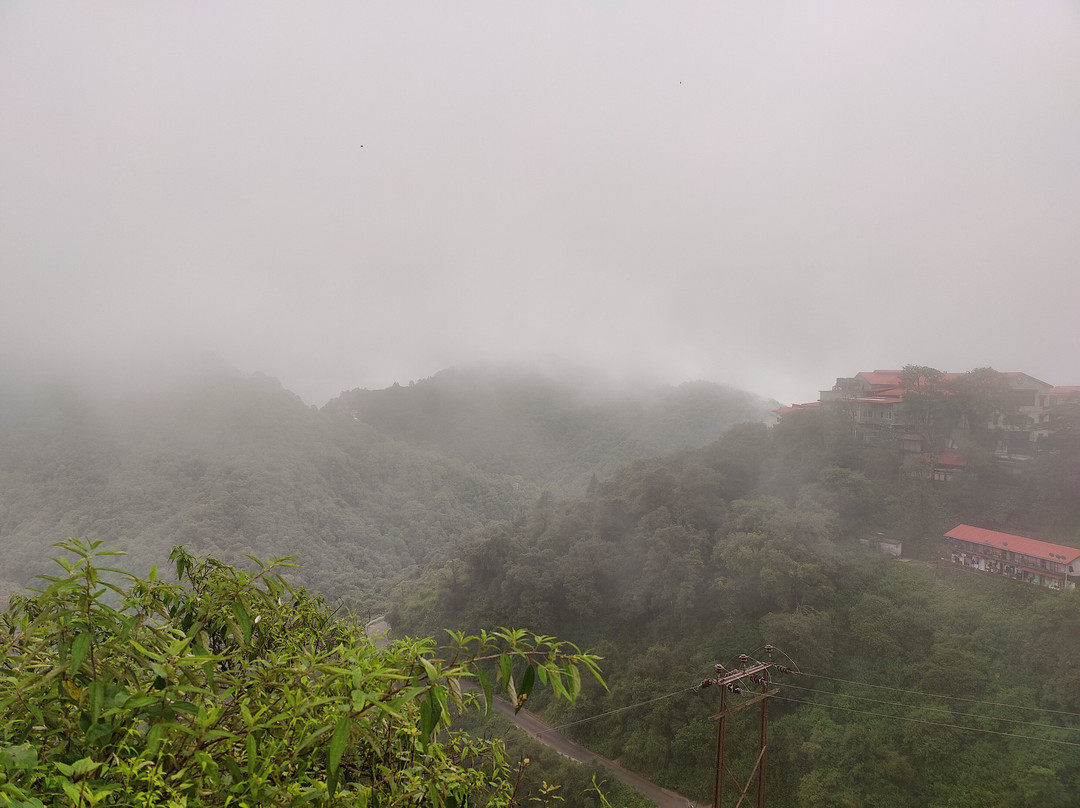
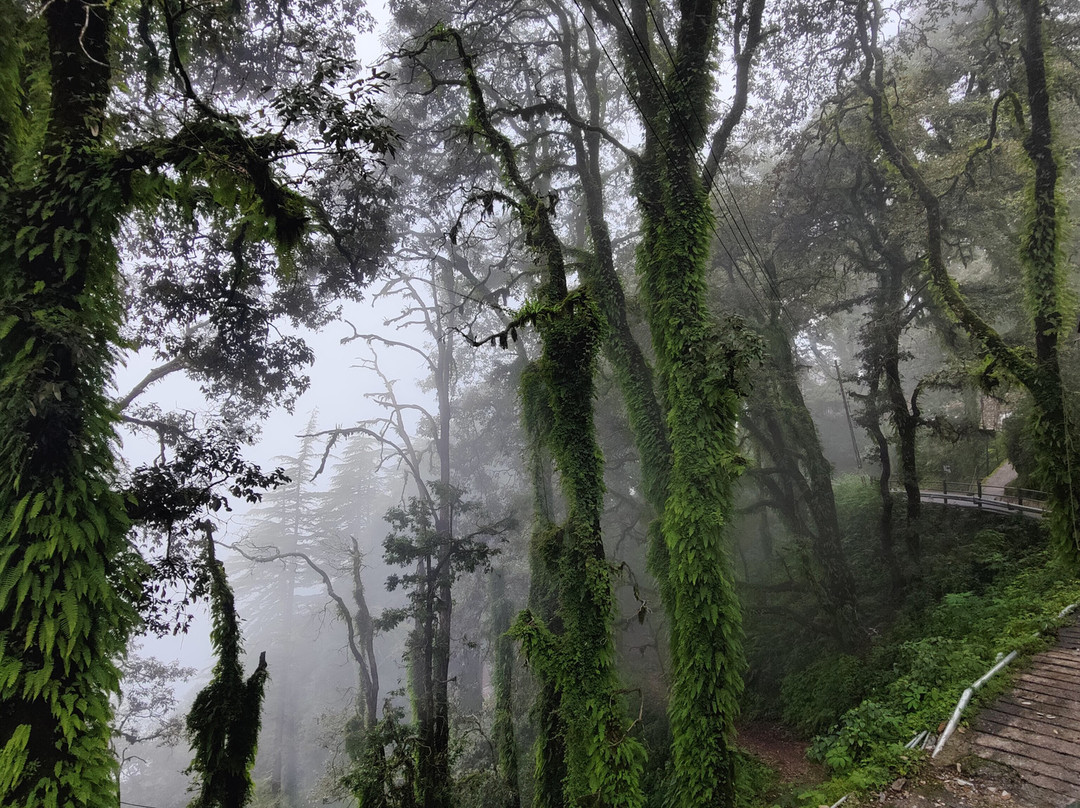
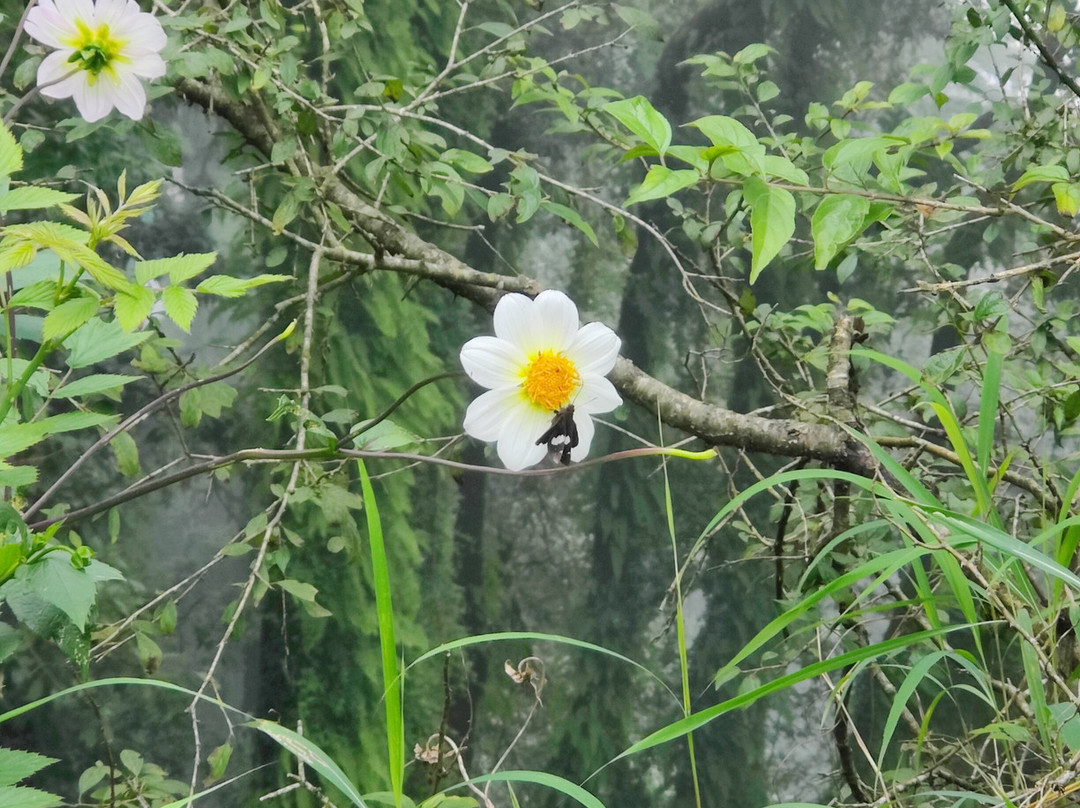
We first visited on Friday, and it was beautiful. The greenery, the clouds moving through the hills, the smell of the pine trees and the quiet made the entire walk feel almost therapeutic. It is the kind of place where simply walking slowly and breathing feels good for your mind.
That quiet was exactly what I had travelled to the hills for.
We enjoyed the experience so much that we decided to return on Saturday. That was when we saw a completely different side of the same place.
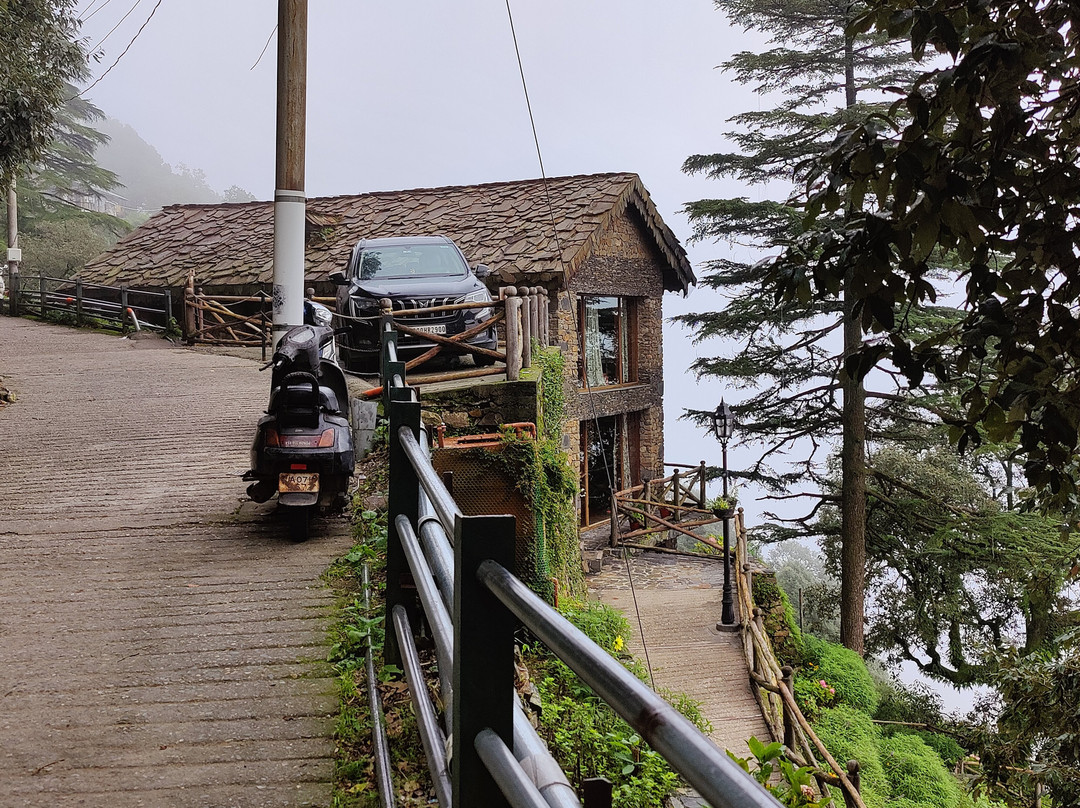
It was much busier. There were more vehicles, cars parked along the route, honking, people playing loud music and a lot more noise. I completely understand that not everybody can travel on a weekday. People have jobs, families and commitments, and weekends may be the only time they can visit. Everyone has a right to enjoy a beautiful place.
But enjoying a place should also mean taking some responsibility for keeping it beautiful.
For an area like Landour, I personally feel that the walking route should remain primarily for walking. Private vehicles should ideally have designated parking before the main trail. If authorised carts or vehicles are needed for elderly people, people with disabilities, medical needs, official work or similar genuine requirements, then that makes complete sense. But those facilities should be used for the people who actually need them.
We saw a cart operating there, and I feel such services should be managed more strictly. If someone genuinely needs assistance, one accompanying person may also need to travel with them. But it should not become a way for an entire group of people who are perfectly able to walk to avoid walking. If you can walk comfortably, then an eco-walk is exactly where you should walk.
Honking and loud music should also be strongly discouraged. When people come to a place surrounded by trees, birds and mountains, playing loud music through speakers takes away that experience not only from themselves but from everybody around them.
Food and waste management also need more attention.
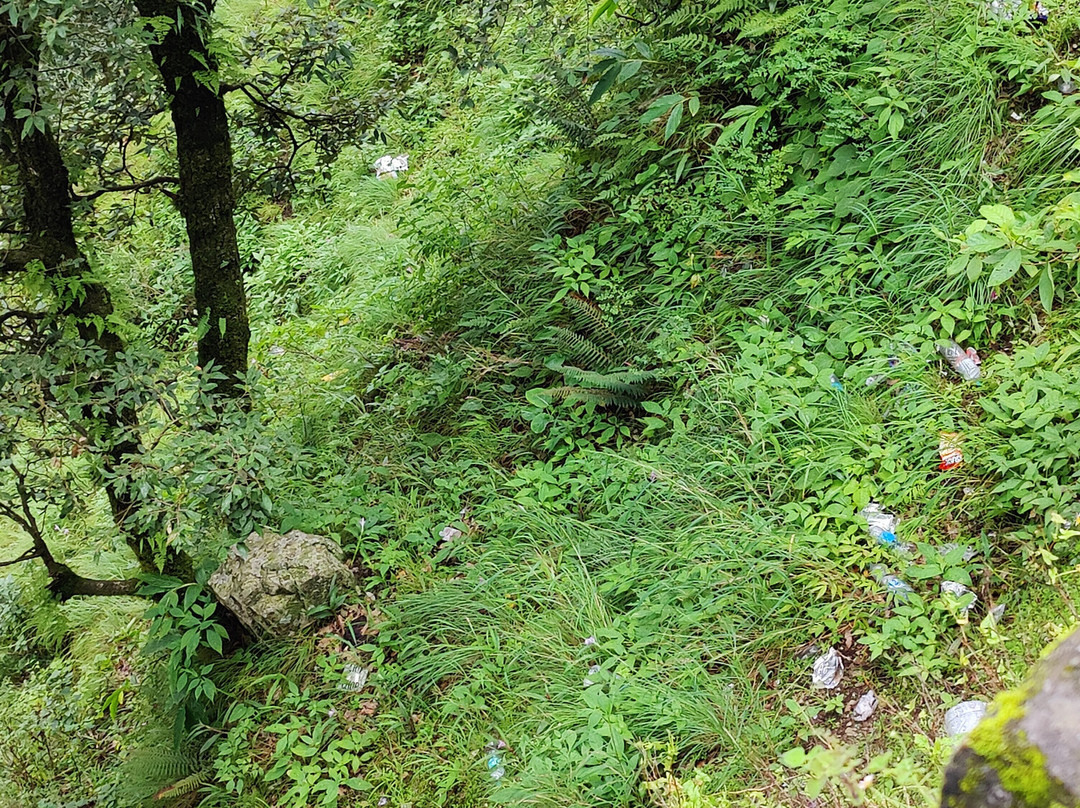
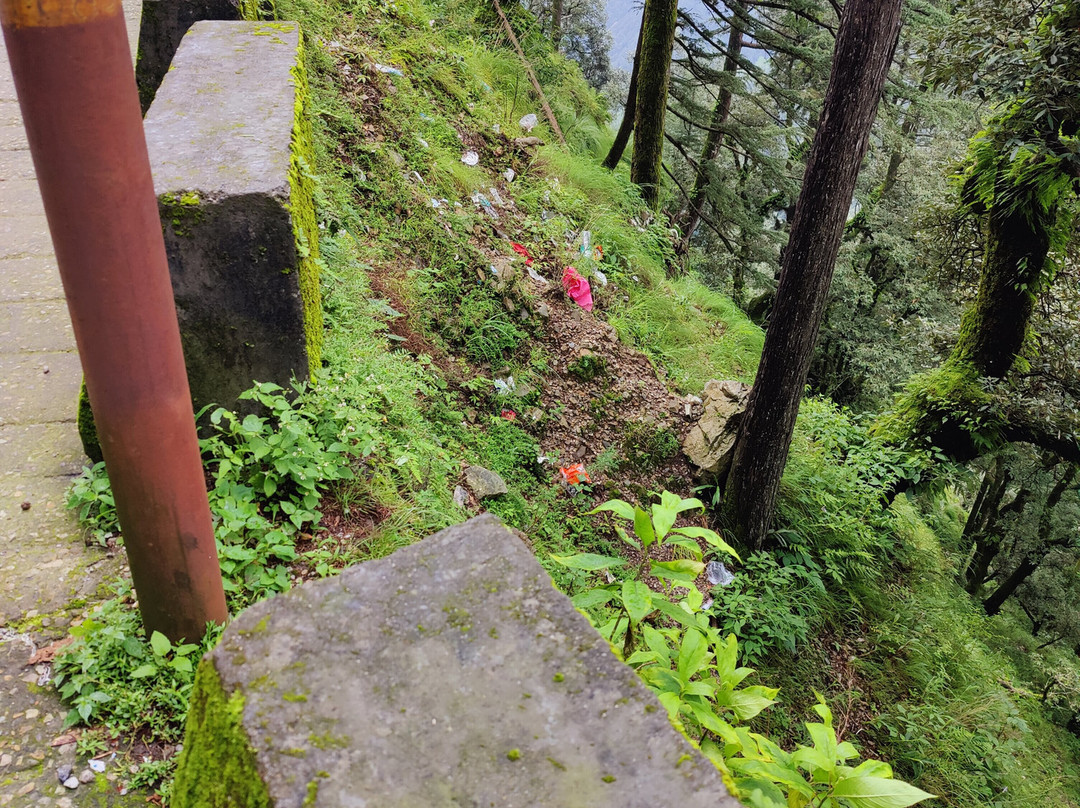
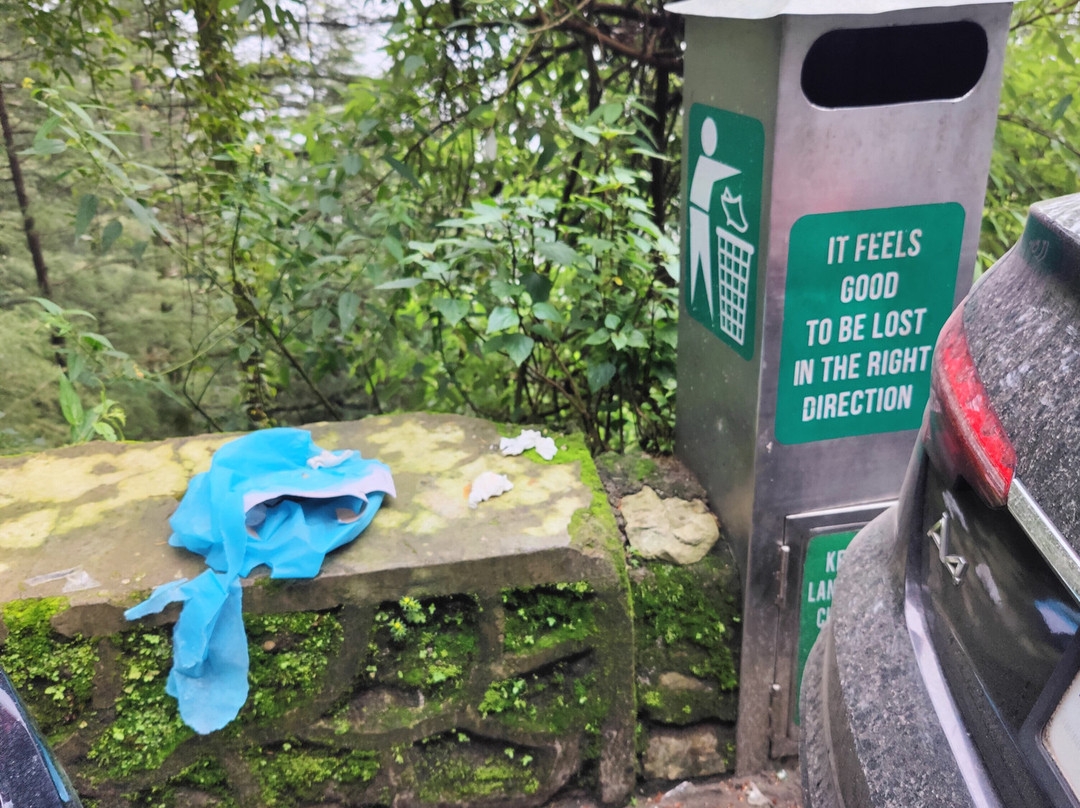
There are dustbins along the route, but unfortunately we still saw waste lying beside them instead of inside them. There are also many monkeys around the food areas. The monkeys are simply behaving like monkeys. Humans have created an environment where food is easily available to them.
Visitors need to stop feeding them and dispose of food properly, but local businesses can also help. Food can be packed more securely, smaller portions can be offered where appropriate so that less food is wasted, and visitors can be encouraged to carry food inside closed bags rather than walking around with it openly. Even simple reusable or secure food bags could be made available before entering monkey-heavy stretches.
Responsibility cannot belong only to tourists. Visitors, local businesses, taxi operators and the authorities all benefit from Landour, so all of them have some responsibility towards protecting it.
Transport operators can also help by informing visitors about expected crowd levels. Had we simply been told, "You enjoyed it yesterday, but Saturday will be considerably busier, would you still like to go?", we could have made an informed decision. That small amount of local guidance can make a difference.
Tourism supports livelihoods, and that is important. But responsible tourism protects those livelihoods for the future. If the greenery, cleanliness, silence and character of Landour slowly disappear because of unmanaged tourism, then eventually the very reason people come here will disappear with them.
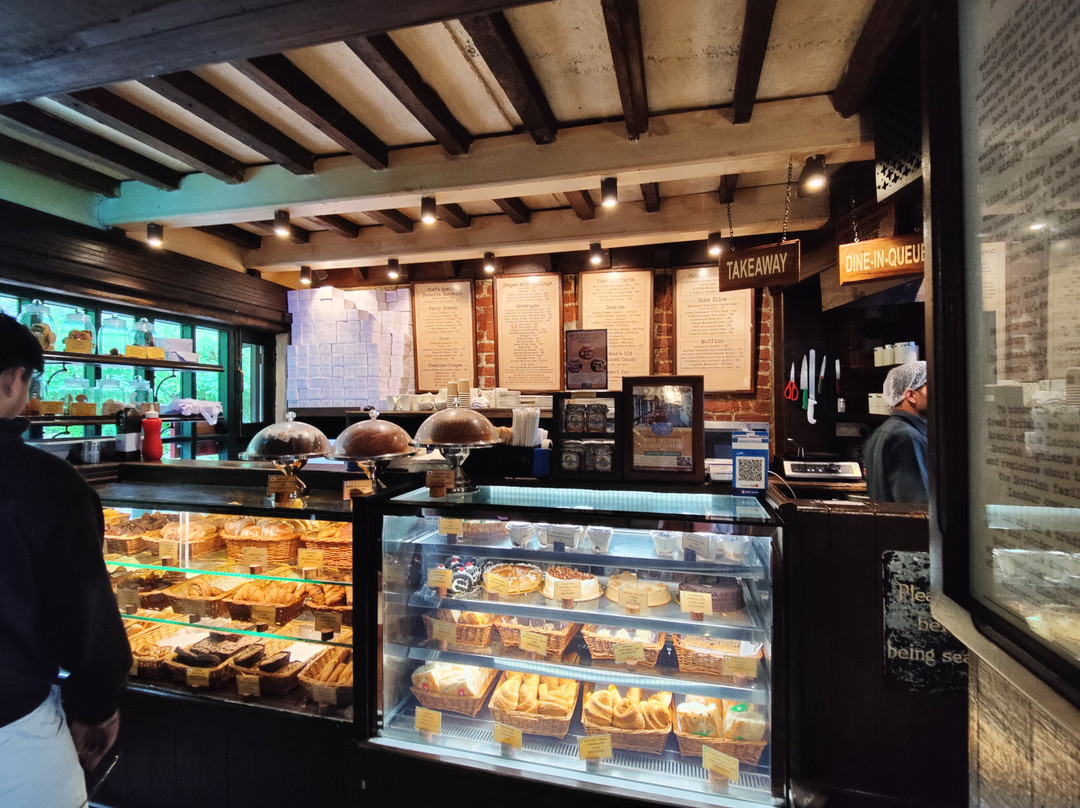
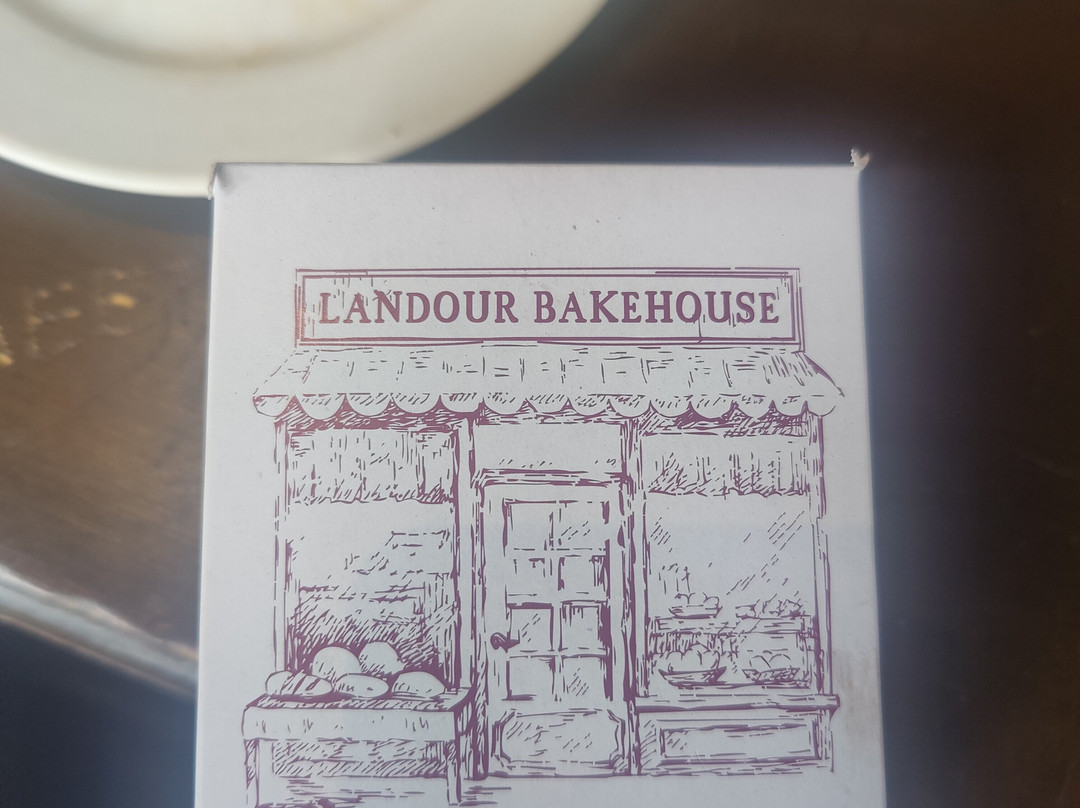
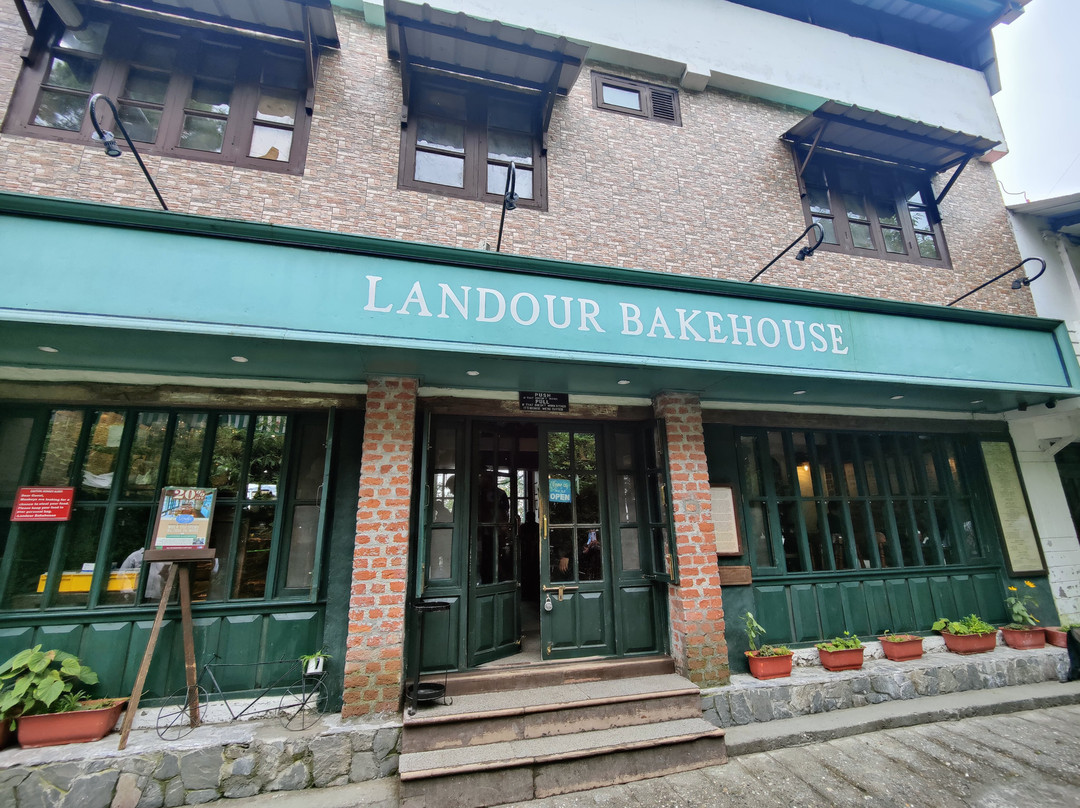
Landour is beautiful. Please visit it, enjoy the bakeries, take photographs, walk around, support local businesses and spend time there.
But also allow the person who comes after you to experience the same pine trees, clouds, birds and quiet that made you fall in love with the place.
A beautiful place should be allowed to remain beautiful after we leave.
We first visited on Friday, and it was beautiful. The greenery, the clouds moving through the hills, the smell of the pine trees and the quiet made the entire walk feel almost therapeutic. It is the kind of place where simply walking slowly and breathing feels good for your mind.
That quiet was exactly what I had travelled to the hills for.
We enjoyed the experience so much that we decided to return on Saturday. That was when we saw a completely different side of the same place.
It was much busier. There were more vehicles, cars parked along the route, honking, people playing loud music and a lot more noise. I completely understand that not everybody can travel on a weekday. People have jobs, families and commitments, and weekends may be the only time they can visit. Everyone has a right to enjoy a beautiful place.
But enjoying a place should also mean taking some responsibility for keeping it beautiful.
For an area like Landour, I personally feel that the walking route should remain primarily for walking. Private vehicles should ideally have designated parking before the main trail. If authorised carts or vehicles are needed for elderly people, people with disabilities, medical needs, official work or similar genuine requirements, then that makes complete sense. But those facilities should be used for the people who actually need them.
We saw a cart operating there, and I feel such services should be managed more strictly. If someone genuinely needs assistance, one accompanying person may also need to travel with them. But it should not become a way for an entire group of people who are perfectly able to walk to avoid walking. If you can walk comfortably, then an eco-walk is exactly where you should walk.
Honking and loud music should also be strongly discouraged. When people come to a place surrounded by trees, birds and mountains, playing loud music through speakers takes away that experience not only from themselves but from everybody around them.
Food and waste management also need more attention.
There are dustbins along the route, but unfortunately we still saw waste lying beside them instead of inside them. There are also many monkeys around the food areas. The monkeys are simply behaving like monkeys. Humans have created an environment where food is easily available to them.
Visitors need to stop feeding them and dispose of food properly, but local businesses can also help. Food can be packed more securely, smaller portions can be offered where appropriate so that less food is wasted, and visitors can be encouraged to carry food inside closed bags rather than walking around with it openly. Even simple reusable or secure food bags could be made available before entering monkey-heavy stretches.
Responsibility cannot belong only to tourists. Visitors, local businesses, taxi operators and the authorities all benefit from Landour, so all of them have some responsibility towards protecting it.
Transport operators can also help by informing visitors about expected crowd levels. Had we simply been told, "You enjoyed it yesterday, but Saturday will be considerably busier, would you still like to go?", we could have made an informed decision. That small amount of local guidance can make a difference.
Tourism supports livelihoods, and that is important. But responsible tourism protects those livelihoods for the future. If the greenery, cleanliness, silence and character of Landour slowly disappear because of unmanaged tourism, then eventually the very reason people come here will disappear with them.
Landour is beautiful. Please visit it, enjoy the bakeries, take photographs, walk around, support local businesses and spend time there.
But also allow the person who comes after you to experience the same pine trees, clouds, birds and quiet that made you fall in love with the place.
A beautiful place should be allowed to remain beautiful after we leave.
翻译:兰多尔是我们旅途中我最喜欢的地方之一,也是让我对负责任旅游产生最多思考的地方。
我们周五第一次到访,那里的景色美不胜收。郁郁葱葱的植被、在山间飘动的云朵、松树的清香以及四周的宁静,让整个漫步过程仿佛具有疗愈效果。在这里,只是慢慢地走走、深呼吸,就能让心灵得到放松。
这种宁静正是我专程前往山区的目的所在。我们非常喜欢这次体验,于是决定周六再去一次。就在那天,我们看到了同一个地方截然不同的一面。
那里热闹得多:车辆更多了,道路两旁停满了汽车,喇叭声此起彼伏,人们放着响亮的音乐,整个地方喧闹不已。我完全理解并非每个人都能在工作日出门旅行——大家都有工作、家庭和责任,周末或许是他们唯一能出游的时间。每个人都有权利享受这样美丽的地方。不过,享受一个地方也意味着要承担起让它保持美丽的责任。
对于兰杜尔这样的地区,我个人认为步行道应主要供人们步行使用。私家车最好在主步道前设有指定的停车场。如果出于老年人、残疾人士、医疗需求、公务或其他类似的正当理由,确实需要经许可的马车或车辆,那也完全合情合理。但是,这些设施应该供真正需要它们的人使用。
我们看到那里有手推车在运行,我觉得这类服务应当受到更严格的管理。如果有人确实需要帮助,或许可以有一名陪同人员随行。但这绝不应成为一群完全能够走路的人偷懒不走的路子。只要你能轻松行走,那么生态步道正是你该走的路。乱按喇叭以及播放嘈杂的音乐也应受到严加制止。当人们来到一个被树木、鸟鸣和群山环绕的地方时,通过扬声器播放大声的音乐不仅会破坏他们自己的体验,也会破坏周围所有人的体验。
食物与垃圾管理同样需要得到更多重视。
沿途虽然设有垃圾桶,但遗憾的是我们仍然看到垃圾被随意丢弃在垃圾桶外。此外,食物区周围还有许多猴子。这些猴子只是在做猴子该做的事罢了。人类创造了一个让它们能轻易获得食物的环境。
游客们应当停止喂食并妥善处理食物残渣,当地商家也能提供帮助。比如,可以改进食品包装方式,视情况提供分量更小的食品以减少浪费;同时还可以引导游客将食物装在密封袋中携带,而不是随意拿着到处走。甚至在进入猴子密集的区域之前,就可以提供简单易用且安全的可重复使用食品袋。
保护兰杜尔的责任不能只由游客承担。游客、当地商家、出租车司机以及政府部门都能从兰杜尔获益,因此他们都有责任共同保护这片区域。
交通运营方也可以通过向游客通报预期的拥挤程度来提供帮助。如果我们事先能得到这样的提示:“昨天这里还算清静,但周六将会拥挤得多。”“你还想去吗?”如果我们能得到这样的信息,就能做出明智的决定。那么一点点当地的建议其实就能产生很大影响。
旅游业能帮助人们谋生,这一点很重要。但负责任的旅游方式才能确保这些生计得以长久维持。倘若因为缺乏管理,兰杜尔的绿意、整洁、宁静与独特魅力逐渐消失,那么人们前来此地的原因最终也会随之不复存在。
兰杜尔很美。请去参观吧,尽情享受那里的面包店吧。拍照、四处走走、支持当地商家,并在那里度过一段时光。
但也要让后来者能够体验到那些曾让你爱上此地的松树、云朵、鸟儿以及宁静的氛围。
一个美丽的地方,理应在我们离开后依然保持美丽。
我们周五第一次到访,那里的景色美不胜收。郁郁葱葱的植被、在山间飘动的云朵、松树的清香以及四周的宁静,让整个漫步过程仿佛具有疗愈效果。在这里,只是慢慢地走走、深呼吸,就能让心灵得到放松。
这种宁静正是我专程前往山区的目的所在。我们非常喜欢这次体验,于是决定周六再去一次。就在那天,我们看到了同一个地方截然不同的一面。
那里热闹得多:车辆更多了,道路两旁停满了汽车,喇叭声此起彼伏,人们放着响亮的音乐,整个地方喧闹不已。我完全理解并非每个人都能在工作日出门旅行——大家都有工作、家庭和责任,周末或许是他们唯一能出游的时间。每个人都有权利享受这样美丽的地方。不过,享受一个地方也意味着要承担起让它保持美丽的责任。
对于兰杜尔这样的地区,我个人认为步行道应主要供人们步行使用。私家车最好在主步道前设有指定的停车场。如果出于老年人、残疾人士、医疗需求、公务或其他类似的正当理由,确实需要经许可的马车或车辆,那也完全合情合理。但是,这些设施应该供真正需要它们的人使用。
我们看到那里有手推车在运行,我觉得这类服务应当受到更严格的管理。如果有人确实需要帮助,或许可以有一名陪同人员随行。但这绝不应成为一群完全能够走路的人偷懒不走的路子。只要你能轻松行走,那么生态步道正是你该走的路。乱按喇叭以及播放嘈杂的音乐也应受到严加制止。当人们来到一个被树木、鸟鸣和群山环绕的地方时,通过扬声器播放大声的音乐不仅会破坏他们自己的体验,也会破坏周围所有人的体验。
食物与垃圾管理同样需要得到更多重视。
沿途虽然设有垃圾桶,但遗憾的是我们仍然看到垃圾被随意丢弃在垃圾桶外。此外,食物区周围还有许多猴子。这些猴子只是在做猴子该做的事罢了。人类创造了一个让它们能轻易获得食物的环境。
游客们应当停止喂食并妥善处理食物残渣,当地商家也能提供帮助。比如,可以改进食品包装方式,视情况提供分量更小的食品以减少浪费;同时还可以引导游客将食物装在密封袋中携带,而不是随意拿着到处走。甚至在进入猴子密集的区域之前,就可以提供简单易用且安全的可重复使用食品袋。
保护兰杜尔的责任不能只由游客承担。游客、当地商家、出租车司机以及政府部门都能从兰杜尔获益,因此他们都有责任共同保护这片区域。
交通运营方也可以通过向游客通报预期的拥挤程度来提供帮助。如果我们事先能得到这样的提示:“昨天这里还算清静,但周六将会拥挤得多。”“你还想去吗?”如果我们能得到这样的信息,就能做出明智的决定。那么一点点当地的建议其实就能产生很大影响。
旅游业能帮助人们谋生,这一点很重要。但负责任的旅游方式才能确保这些生计得以长久维持。倘若因为缺乏管理,兰杜尔的绿意、整洁、宁静与独特魅力逐渐消失,那么人们前来此地的原因最终也会随之不复存在。
兰杜尔很美。请去参观吧,尽情享受那里的面包店吧。拍照、四处走走、支持当地商家,并在那里度过一段时光。
但也要让后来者能够体验到那些曾让你爱上此地的松树、云朵、鸟儿以及宁静的氛围。
一个美丽的地方,理应在我们离开后依然保持美丽。

© 2026 Tripadvisor 版权所有。
部分照片由 VFM Leonardo 提供。
TripAdvisor公司对外部网站的内容一概不负责。优惠价格中不含税和其他费用。
ICP证:沪B2-20200433
沪ICP备20013175号
 沪公网安备31010502005427号
鹰程信息技术(上海)有限公司