下载App
资质规则
旅行
账户
Brun066
Just as interesting as the manastiri is the trail to reach it.
Afkule Manastırı的点评
点评:We took the road to Afkule manastiri after visiting the "ghost town" of Kayakoy.
The turnoff for Kayakoy, which is on the main road, features a notable cluster of shops and eateries. There, we learned that the road to the manastiri can be shortened — even in low season: it was March — by taking a minibus that ends its ride a few kilometers further on, on the road to the village of Gemiler, at the junction with the dirt road leading to the manastiri.
Noteworthy is that minibus tickets on this somewhat secluded route can be paid by tapping your credit card on the onboard reader.
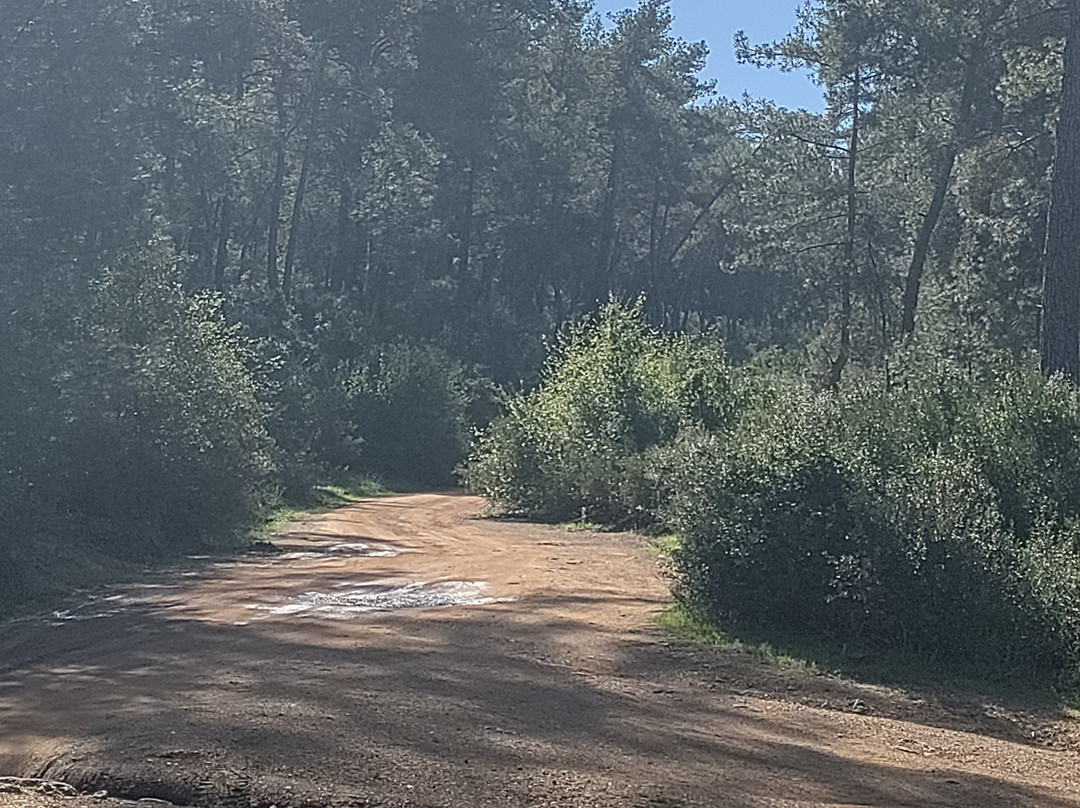
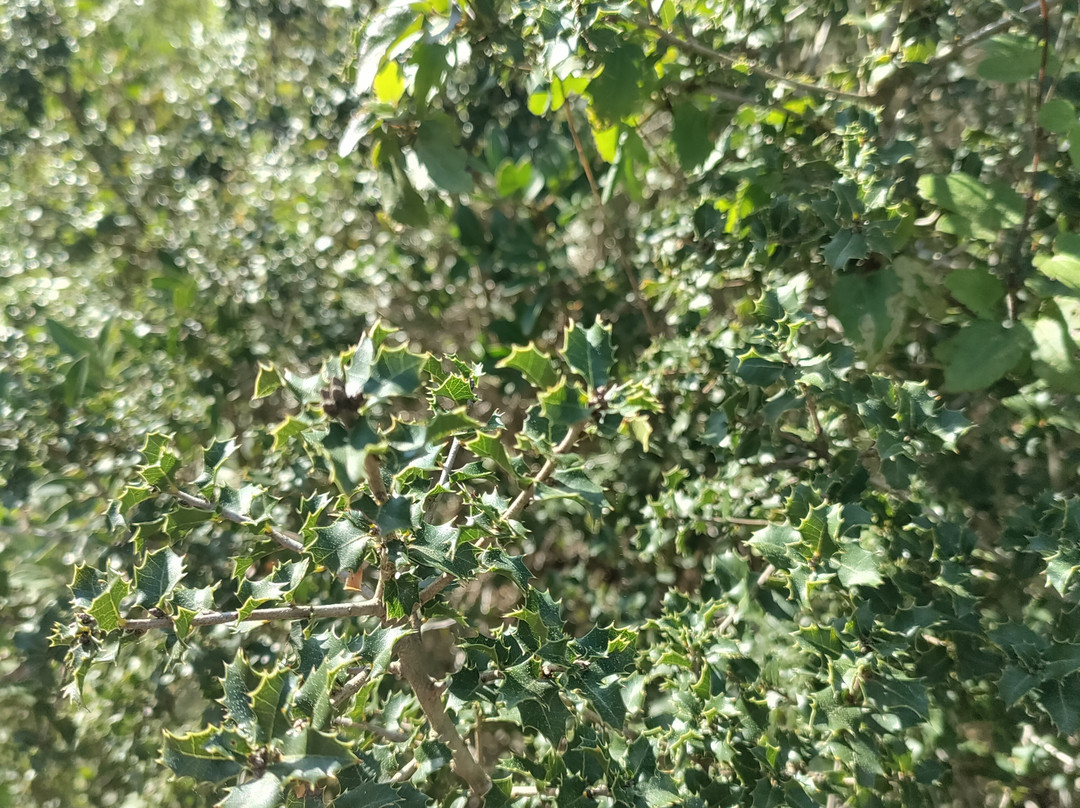
Once we reached the terminus, we set off on the dirt road. This passes through a thick, lush forest, with trees and shrubs typical of the Mediterranean scrub, including mastic and kermes oak.
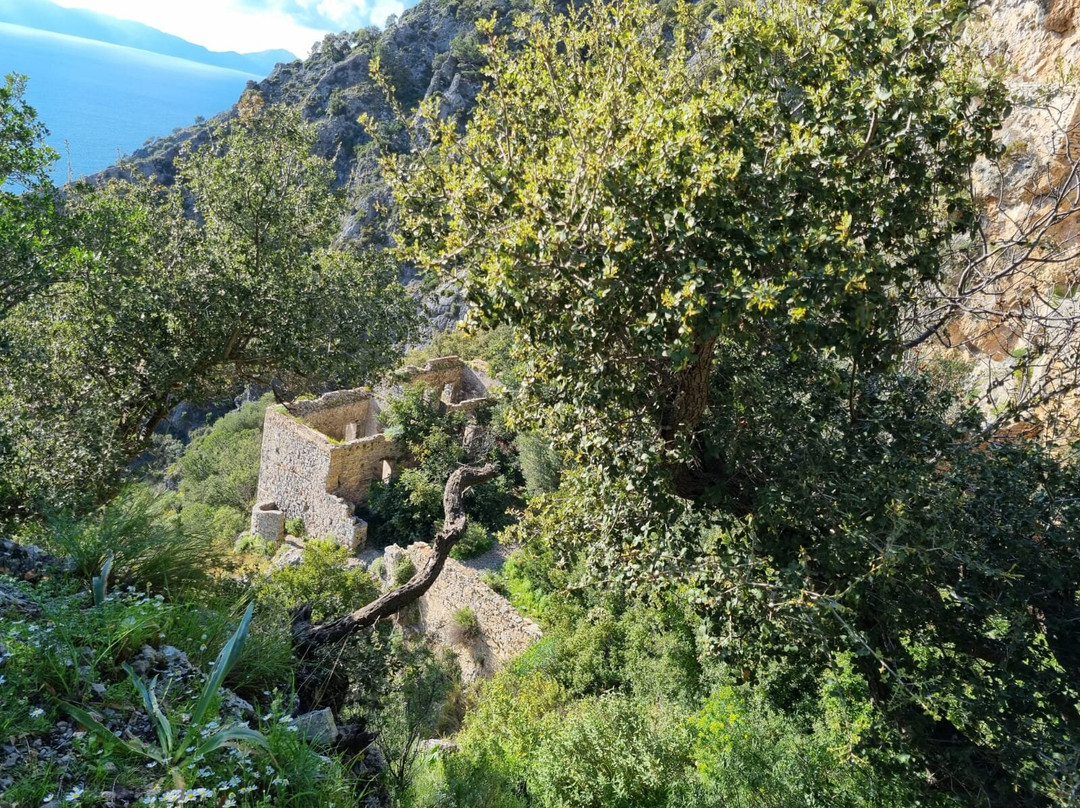
Almost at the end of the trail, the path rises slightly, then drops steeply toward the manastiri, perched on a wooded cliff overlooking the sea of Soğuksu Bay, in a stunning location. The green vegetation and the blue sea surrounding the manastiri are magical.
The monastery itself has been abandoned since a long time, and the building isn't impressive. Its greatest asset is its location, and it's evocative to think that in the past, and for a long span of centuries (from the 6th century onward), monks might have found it acceptable to live in the middle of nowhere, suspended on a cliff between the hill and the sea.
After exploring the area, we returned to the minibus terminus, which took us directly to Fethiye, the place of our stay.
The turnoff for Kayakoy, which is on the main road, features a notable cluster of shops and eateries. There, we learned that the road to the manastiri can be shortened — even in low season: it was March — by taking a minibus that ends its ride a few kilometers further on, on the road to the village of Gemiler, at the junction with the dirt road leading to the manastiri.
Noteworthy is that minibus tickets on this somewhat secluded route can be paid by tapping your credit card on the onboard reader.
Once we reached the terminus, we set off on the dirt road. This passes through a thick, lush forest, with trees and shrubs typical of the Mediterranean scrub, including mastic and kermes oak.
Almost at the end of the trail, the path rises slightly, then drops steeply toward the manastiri, perched on a wooded cliff overlooking the sea of Soğuksu Bay, in a stunning location. The green vegetation and the blue sea surrounding the manastiri are magical.
The monastery itself has been abandoned since a long time, and the building isn't impressive. Its greatest asset is its location, and it's evocative to think that in the past, and for a long span of centuries (from the 6th century onward), monks might have found it acceptable to live in the middle of nowhere, suspended on a cliff between the hill and the sea.
After exploring the area, we returned to the minibus terminus, which took us directly to Fethiye, the place of our stay.
翻译:参观完卡亚科伊“鬼城”后,我们驱车前往阿夫库勒修道院。
卡亚科伊岔路口位于主干道上,那里聚集着不少商店和餐馆。在那里,我们了解到即使在淡季(当时是三月),也可以乘坐小巴缩短前往修道院的路程。小巴的终点站位于几公里外的杰米勒村,与通往修道院的土路交汇处。
值得一提的是,这条略显偏僻的小巴线路可以使用车载读卡器刷卡支付车票。
到达终点站后,我们沿着土路继续前行。这条土路穿过一片茂密的森林,林中生长着典型的地中海灌木丛,包括乳香栎和胭脂栎。
步道接近尽头时,小路略微上升,然后陡然下降,通往一座坐落在树木葱郁的悬崖上的修道院(manastiri)。这座修道院俯瞰着索乌克苏湾(Soğuksu Bay),景色令人叹为观止。环绕修道院的绿色植被和蔚蓝大海,构成了一幅如梦似幻的画面。
修道院本身早已废弃多年,建筑也并不宏伟。它最大的优势在于其地理位置。试想一下,在过去漫长的几个世纪里(从公元6世纪开始),僧侣们或许能够接受居住在这片与世隔绝之地,悬于山海之间的悬崖之上,这种生活令人不禁感慨万千。
游览完这片区域后,我们返回了小巴总站,小巴直接将我们送往了下榻的费特希耶(Fethiye)。
卡亚科伊岔路口位于主干道上,那里聚集着不少商店和餐馆。在那里,我们了解到即使在淡季(当时是三月),也可以乘坐小巴缩短前往修道院的路程。小巴的终点站位于几公里外的杰米勒村,与通往修道院的土路交汇处。
值得一提的是,这条略显偏僻的小巴线路可以使用车载读卡器刷卡支付车票。
到达终点站后,我们沿着土路继续前行。这条土路穿过一片茂密的森林,林中生长着典型的地中海灌木丛,包括乳香栎和胭脂栎。
步道接近尽头时,小路略微上升,然后陡然下降,通往一座坐落在树木葱郁的悬崖上的修道院(manastiri)。这座修道院俯瞰着索乌克苏湾(Soğuksu Bay),景色令人叹为观止。环绕修道院的绿色植被和蔚蓝大海,构成了一幅如梦似幻的画面。
修道院本身早已废弃多年,建筑也并不宏伟。它最大的优势在于其地理位置。试想一下,在过去漫长的几个世纪里(从公元6世纪开始),僧侣们或许能够接受居住在这片与世隔绝之地,悬于山海之间的悬崖之上,这种生活令人不禁感慨万千。
游览完这片区域后,我们返回了小巴总站,小巴直接将我们送往了下榻的费特希耶(Fethiye)。

© 2026 Tripadvisor 版权所有。
部分照片由 VFM Leonardo 提供。
TripAdvisor公司对外部网站的内容一概不负责。优惠价格中不含税和其他费用。
ICP证:沪B2-20200433
沪ICP备20013175号
 沪公网安备31010502005427号
鹰程信息技术(上海)有限公司