下载App
资质规则
旅行
账户

Ashlaysingh R
A Journey Through the Heart of Mauritian Heritage 🇲🇺🌿
Heritage Spice House的点评
点评:Heritage Spice House – A Journey Through the Heart of Mauritian Heritage
Today, I had the privilege of visiting Heritage Spice House, and I can confidently say that it was one of the most enriching cultural experiences I have had in Mauritius. Opened in March 2026, Heritage Spice House is much more than a tourist attraction - it is a living museum where history, culture, agriculture and gastronomy come together to preserve the authentic identity of our island.
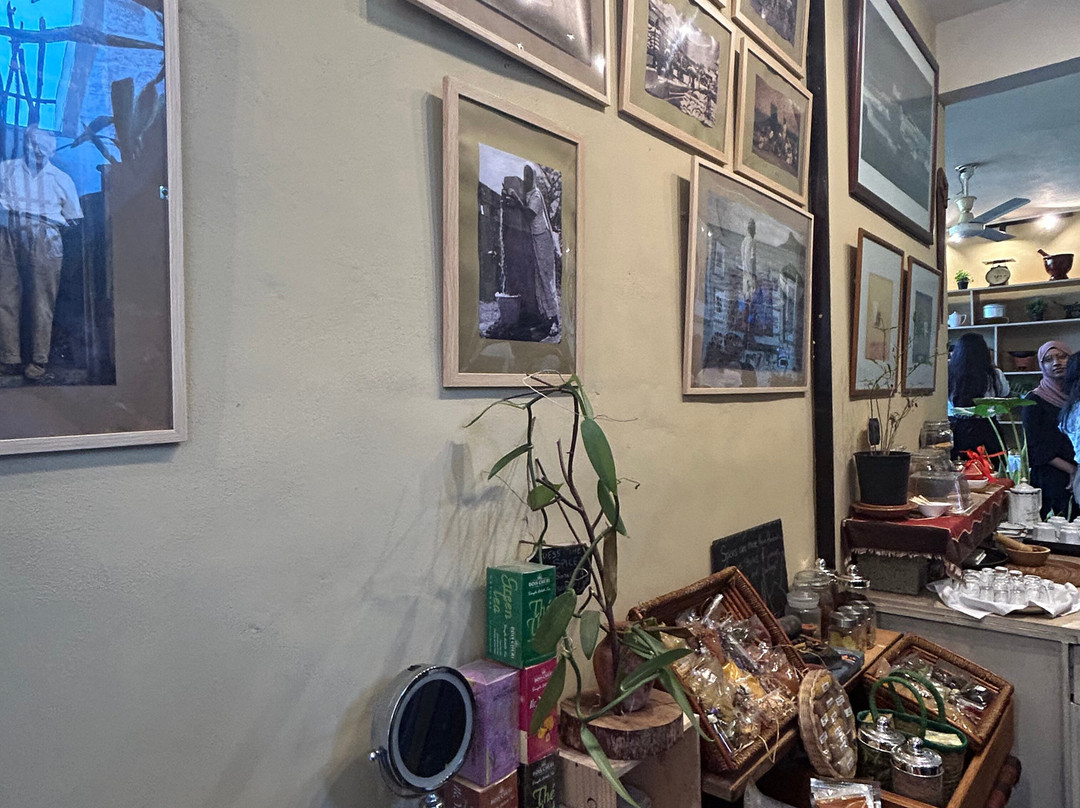
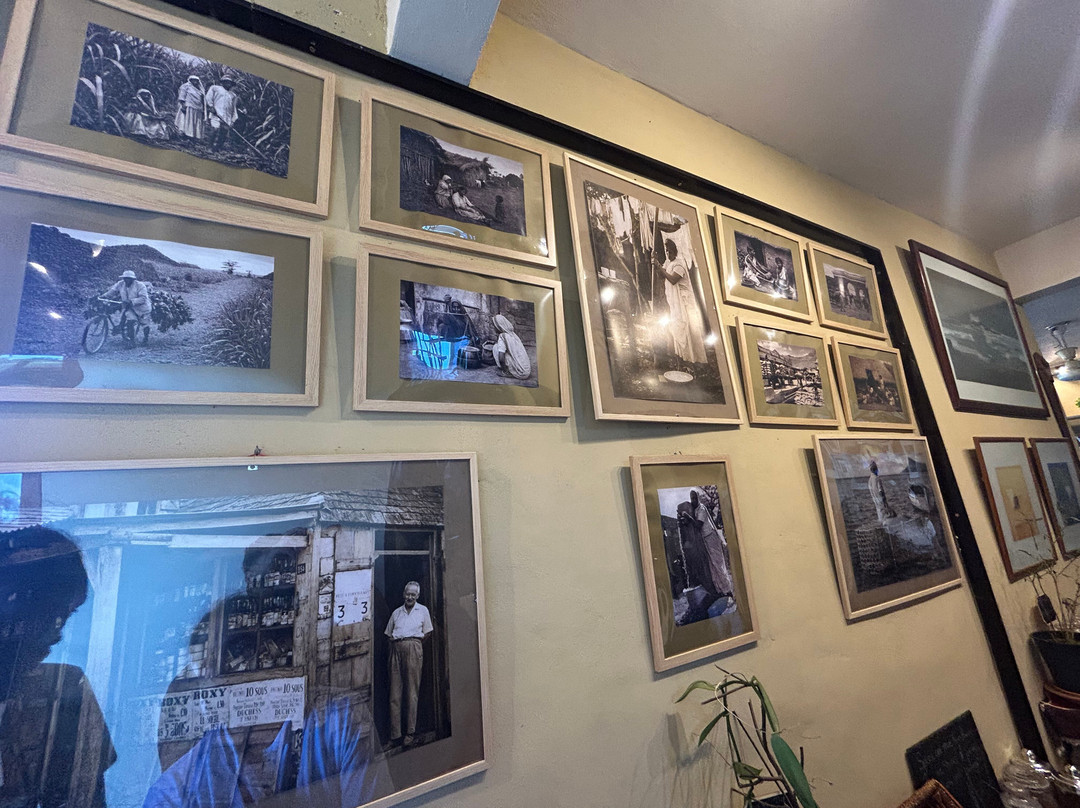
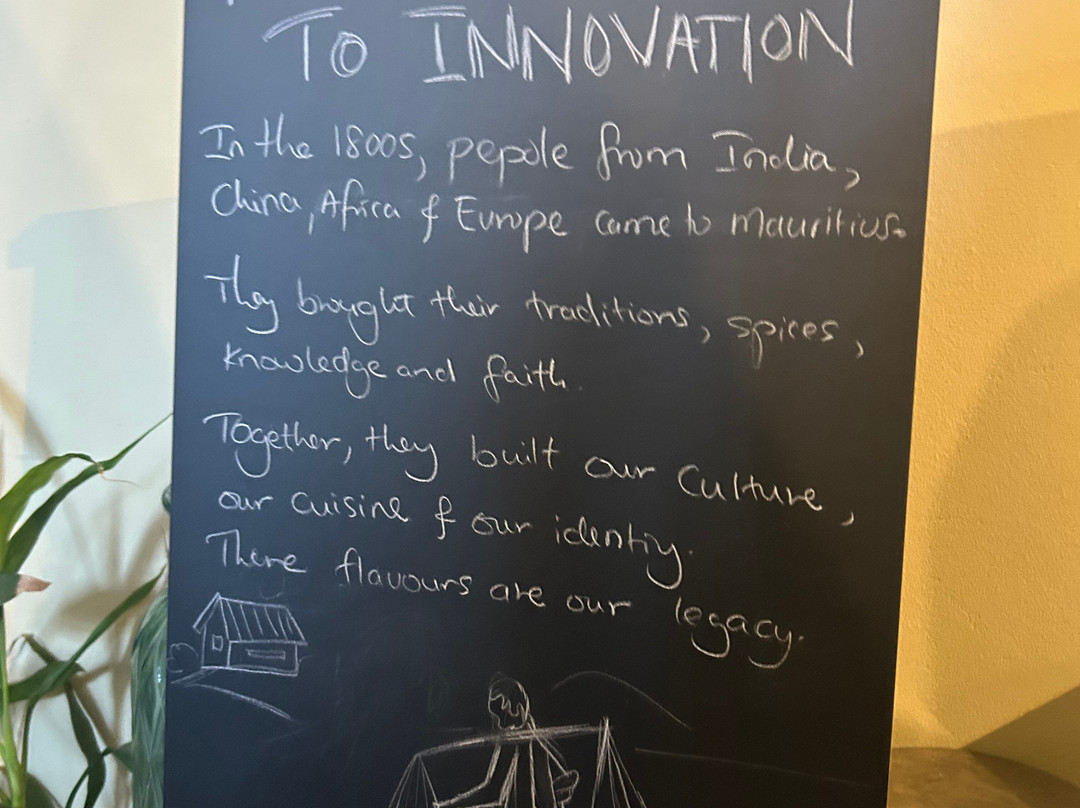
From the moment we entered, it felt as though we had stepped back in time. Every room, historical photograph, traditional utensil and handcrafted display reflected the rich history and multicultural heritage that have shaped Mauritius over generations.
Our guides, Mr Avi and Mrs Jaya, were exceptional. Their passion, knowledge and storytelling transformed the visit into an unforgettable learning experience. Rather than simply presenting facts, they brought history to life by sharing the stories of our ancestors, explaining how families from different regions of the world settled in Mauritius and contributed to the diverse society we know today. I was particularly fascinated by learning about the old La Boutik Sinois, the arrival of immigrants through Port Louis, the significance of the Bal Goni used to transport rice, and the traditional materials used to make sacks and everyday household items.
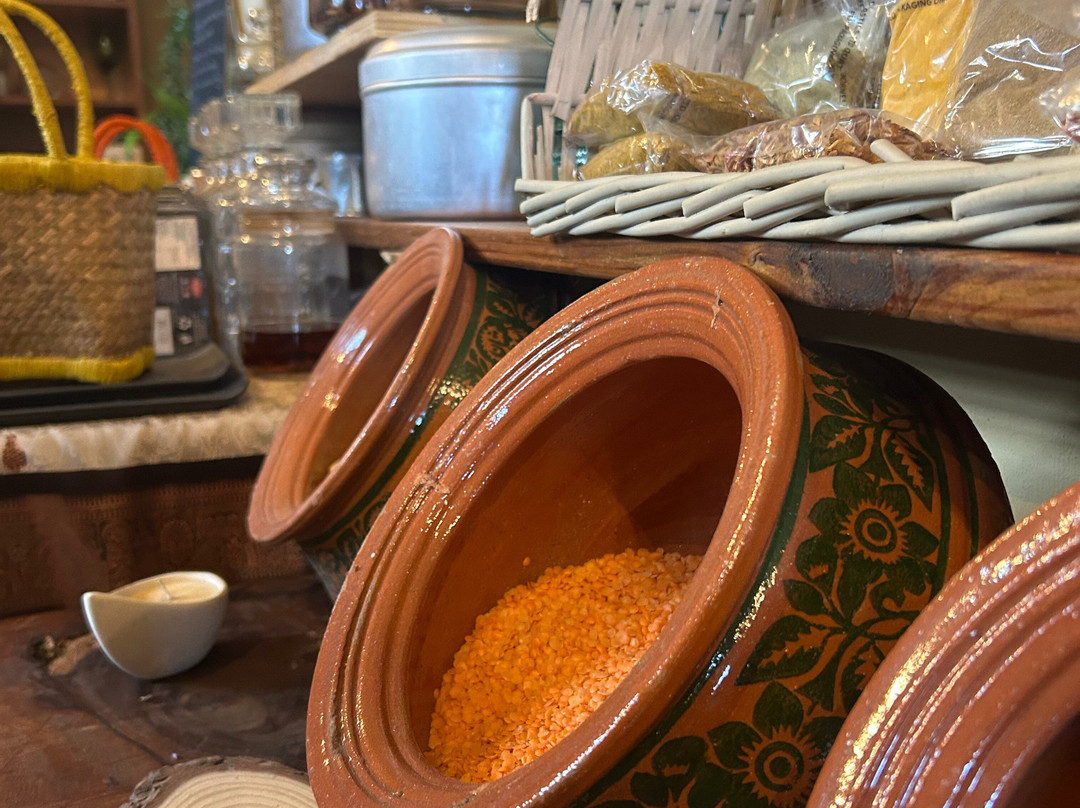
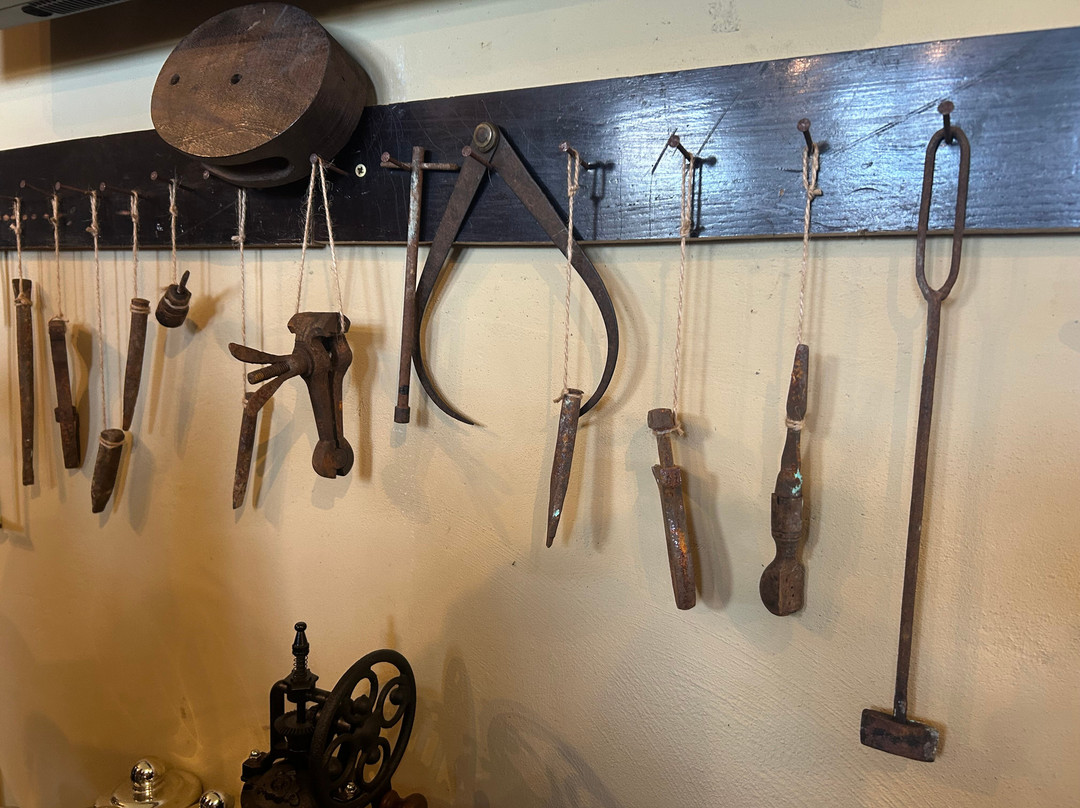
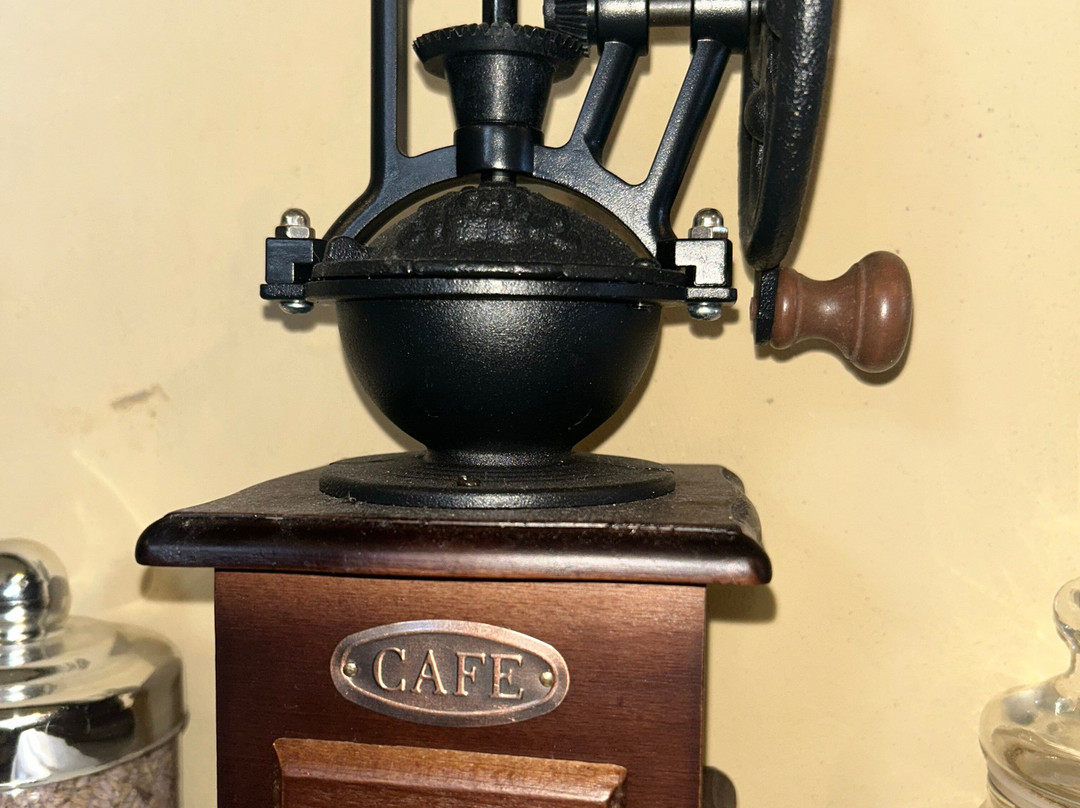
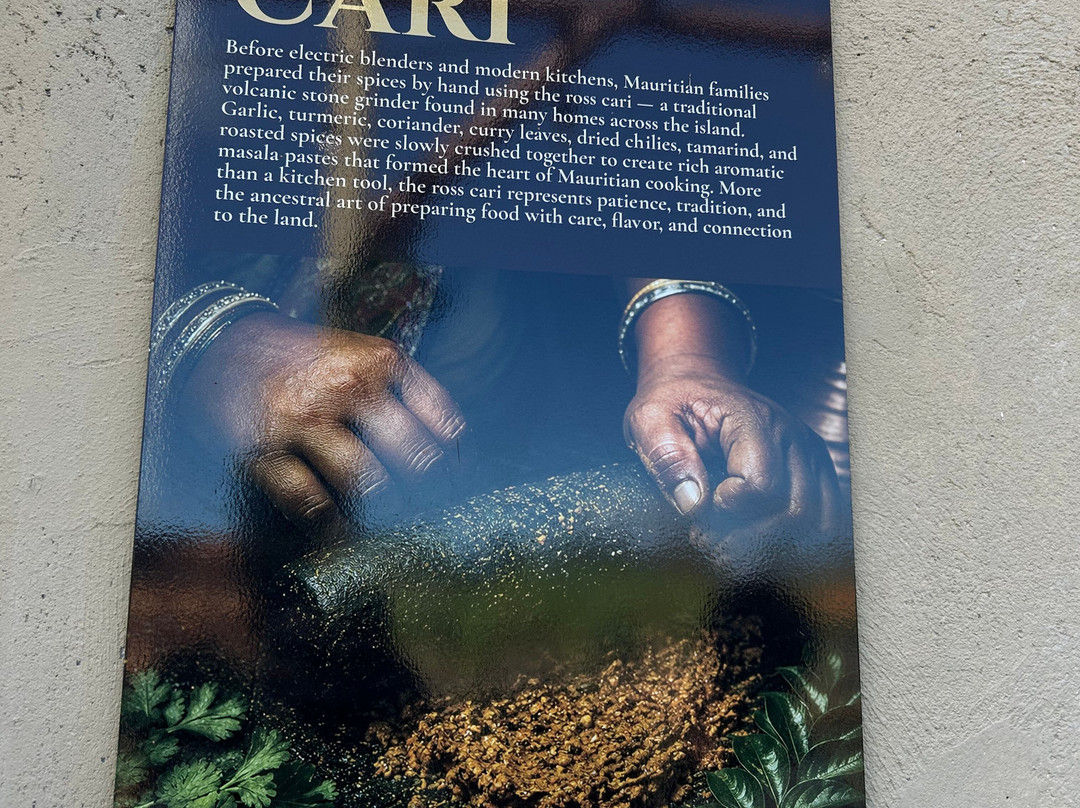
One of my favourite parts of the visit was discovering the traditional Mauritian kitchen. Seeing the beautifully handcrafted clay pots, the famous Ross Cari (traditional volcanic stone grinder), antique coffee grinder and historical cooking utensils reminded us how Mauritian families once prepared meals entirely by hand. It was fascinating to learn how spices such as turmeric, coriander, garlic, dried chillies, tamarind and curry leaves were carefully ground together to create authentic Mauritian flavours that have been passed down from generation to generation.
The spice garden itself was equally impressive. We learned about the different varieties of manioc, chilli, basil, citronella, sugar cane and several medicinal plants traditionally used by Mauritians. Every plant had its own story, showing how nature has always been closely connected to our culture, cuisine and traditional medicine. It was incredible to discover how our ancestors relied on these natural resources long before modern medicine and technology.
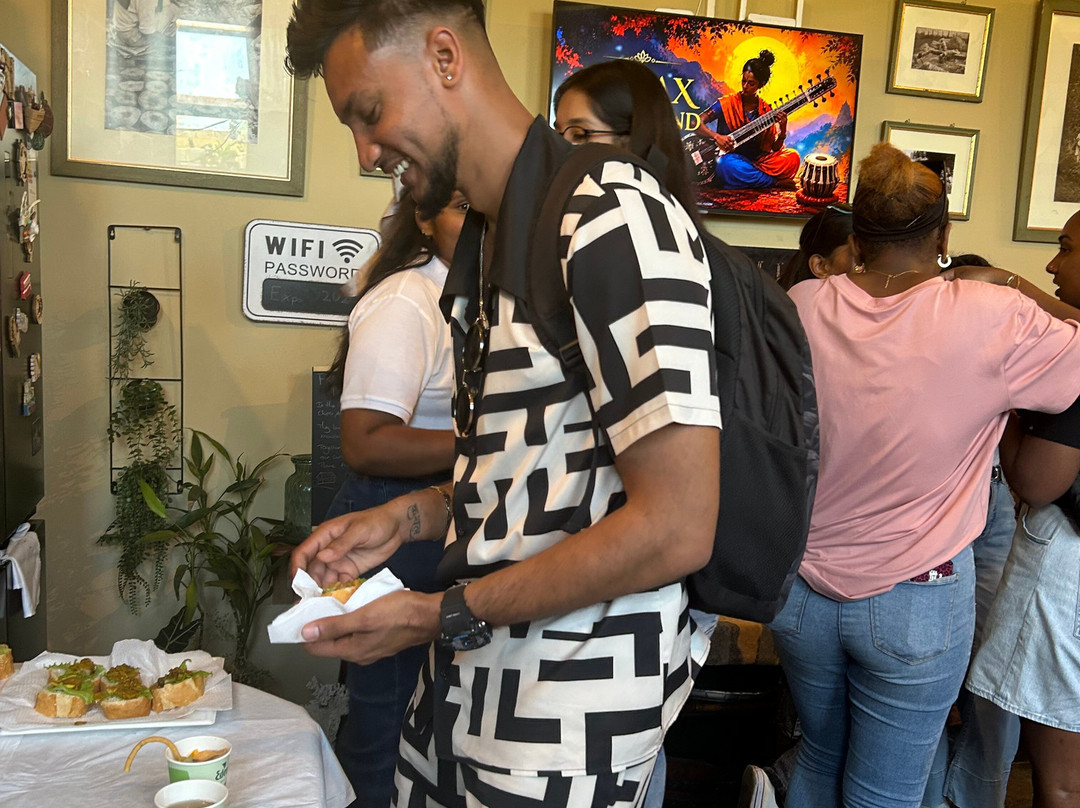
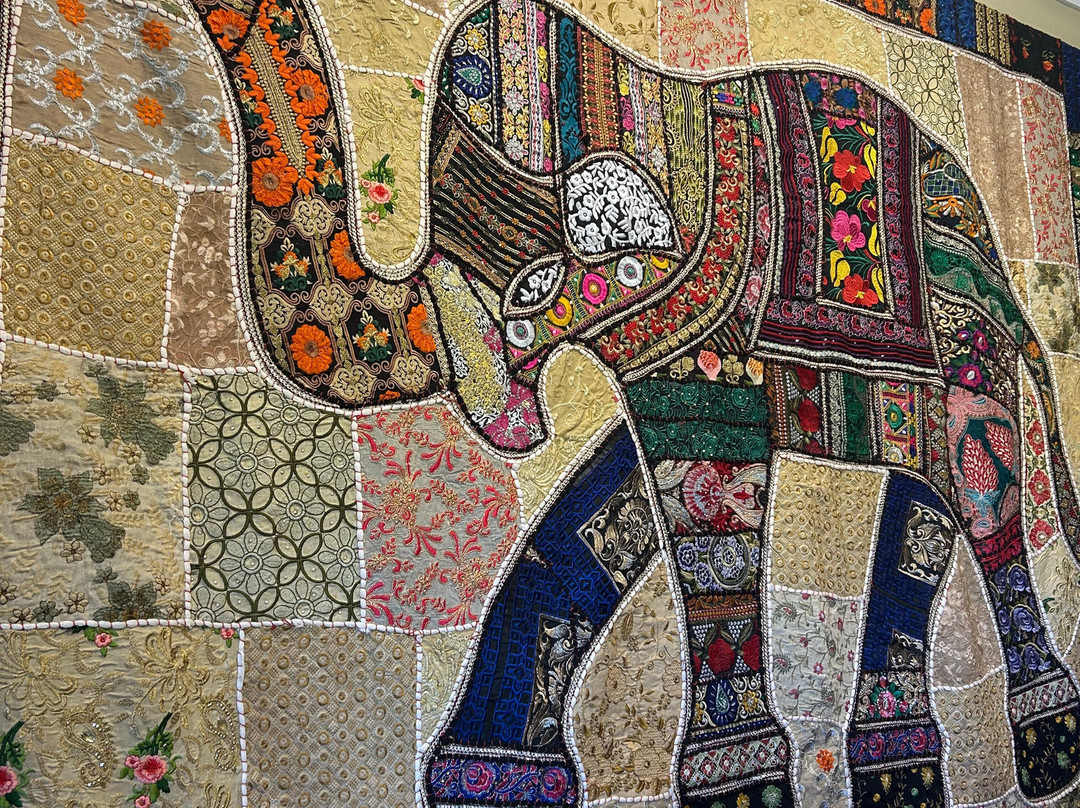
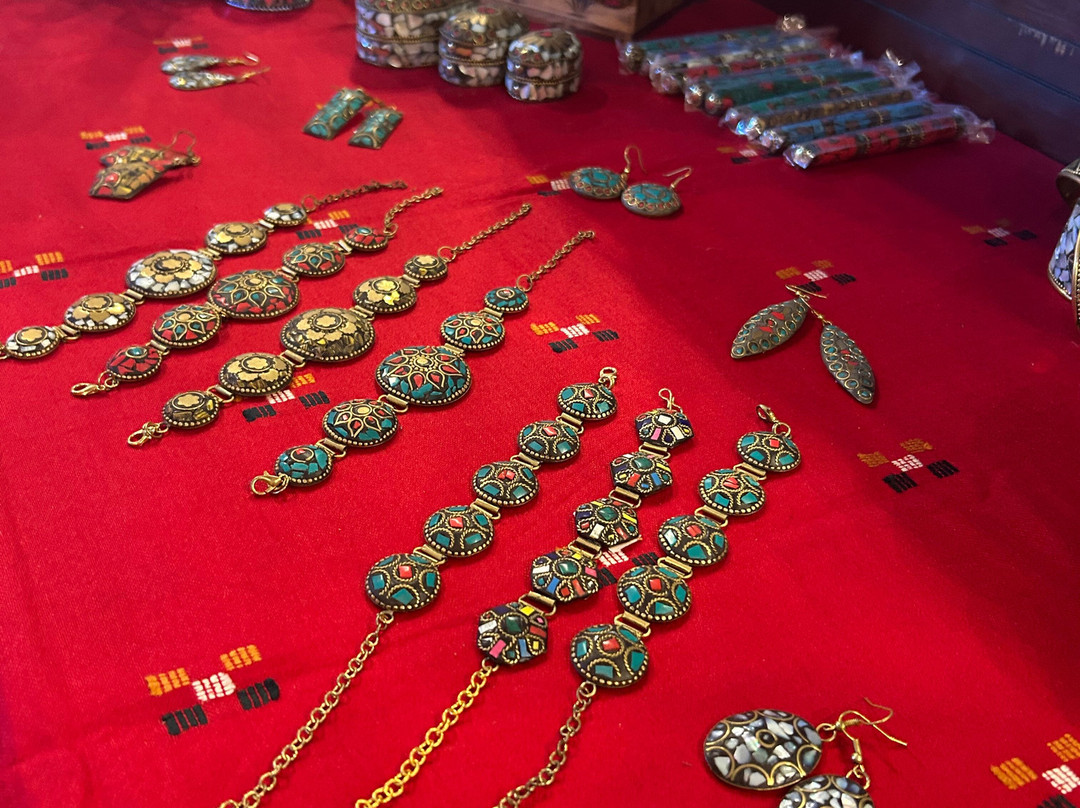
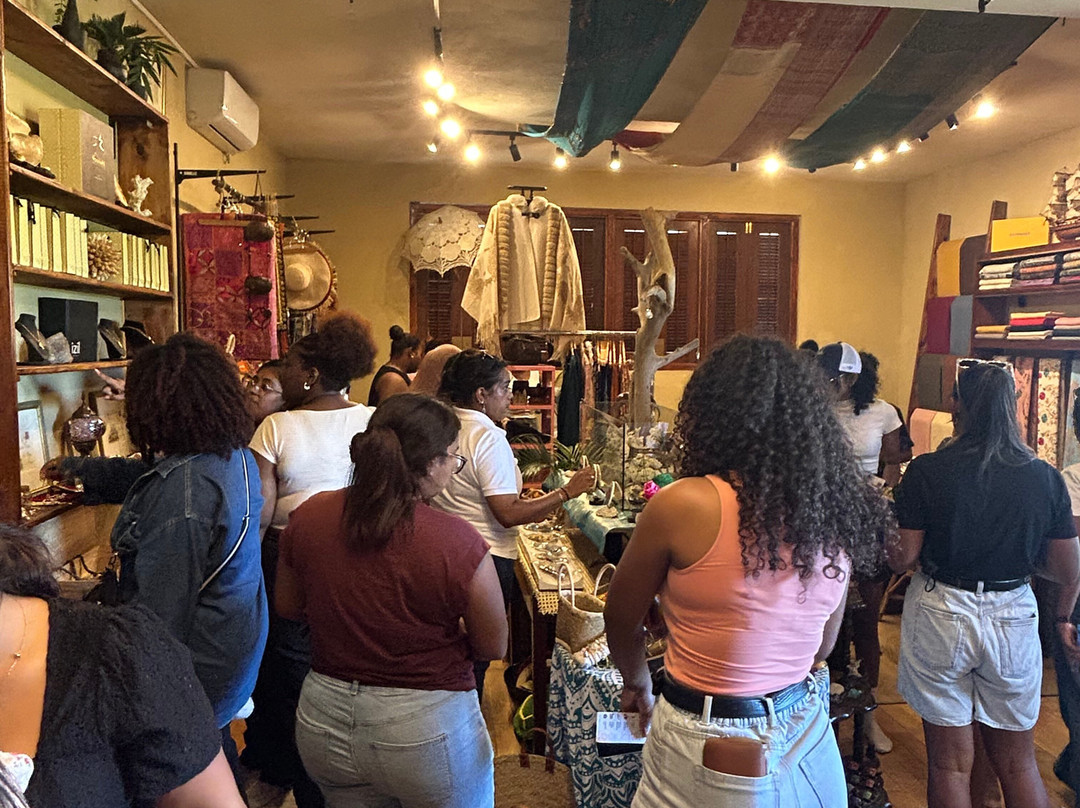
Another highlight was the tasting session, where we sampled delicious traditional Mauritian snacks prepared using authentic local spices. This allowed us not only to learn about our culinary heritage but also to experience it firsthand. The exhibition of locally inspired handicrafts and handmade jewellery further showcased the creativity and craftsmanship that continue to preserve Mauritian traditions today.
What impressed me most was how Heritage Spice House successfully combines history, education and tourism into one immersive experience. Every photograph, artefact, spice, traditional tool and story contributed to a deeper appreciation of Mauritius’ multicultural roots and reminded us of the importance of preserving our heritage for future generations.
As a Tourism and Hospitality Management student, this visit reminded me that the true strength of Mauritian tourism lies not only in our beautiful beaches and landscapes, but also in protecting and sharing our history, traditions and cultural identity. Heritage Spice House is a perfect example of experiential tourism that educates visitors while creating meaningful and memorable experiences.
I would like to sincerely thank Mr Avi and Mrs Jaya for their warm hospitality, engaging explanations and genuine passion for preserving Mauritian heritage and Routes to Routes who have provided us the opportunity to visit Heritage Spice House. Their enthusiasm made this visit truly unforgettable.
I highly recommend Heritage Spice House to both Mauritians and international visitors. It is a place where every spice, every artefact and every story reminds us of who we are, where we come from and why preserving our cultural heritage is so important.
⭐⭐⭐⭐⭐ An exceptional experience that I will remember for a very long time. 🌿🇲🇺
Today, I had the privilege of visiting Heritage Spice House, and I can confidently say that it was one of the most enriching cultural experiences I have had in Mauritius. Opened in March 2026, Heritage Spice House is much more than a tourist attraction - it is a living museum where history, culture, agriculture and gastronomy come together to preserve the authentic identity of our island.
From the moment we entered, it felt as though we had stepped back in time. Every room, historical photograph, traditional utensil and handcrafted display reflected the rich history and multicultural heritage that have shaped Mauritius over generations.
Our guides, Mr Avi and Mrs Jaya, were exceptional. Their passion, knowledge and storytelling transformed the visit into an unforgettable learning experience. Rather than simply presenting facts, they brought history to life by sharing the stories of our ancestors, explaining how families from different regions of the world settled in Mauritius and contributed to the diverse society we know today. I was particularly fascinated by learning about the old La Boutik Sinois, the arrival of immigrants through Port Louis, the significance of the Bal Goni used to transport rice, and the traditional materials used to make sacks and everyday household items.
One of my favourite parts of the visit was discovering the traditional Mauritian kitchen. Seeing the beautifully handcrafted clay pots, the famous Ross Cari (traditional volcanic stone grinder), antique coffee grinder and historical cooking utensils reminded us how Mauritian families once prepared meals entirely by hand. It was fascinating to learn how spices such as turmeric, coriander, garlic, dried chillies, tamarind and curry leaves were carefully ground together to create authentic Mauritian flavours that have been passed down from generation to generation.
The spice garden itself was equally impressive. We learned about the different varieties of manioc, chilli, basil, citronella, sugar cane and several medicinal plants traditionally used by Mauritians. Every plant had its own story, showing how nature has always been closely connected to our culture, cuisine and traditional medicine. It was incredible to discover how our ancestors relied on these natural resources long before modern medicine and technology.
Another highlight was the tasting session, where we sampled delicious traditional Mauritian snacks prepared using authentic local spices. This allowed us not only to learn about our culinary heritage but also to experience it firsthand. The exhibition of locally inspired handicrafts and handmade jewellery further showcased the creativity and craftsmanship that continue to preserve Mauritian traditions today.
What impressed me most was how Heritage Spice House successfully combines history, education and tourism into one immersive experience. Every photograph, artefact, spice, traditional tool and story contributed to a deeper appreciation of Mauritius’ multicultural roots and reminded us of the importance of preserving our heritage for future generations.
As a Tourism and Hospitality Management student, this visit reminded me that the true strength of Mauritian tourism lies not only in our beautiful beaches and landscapes, but also in protecting and sharing our history, traditions and cultural identity. Heritage Spice House is a perfect example of experiential tourism that educates visitors while creating meaningful and memorable experiences.
I would like to sincerely thank Mr Avi and Mrs Jaya for their warm hospitality, engaging explanations and genuine passion for preserving Mauritian heritage and Routes to Routes who have provided us the opportunity to visit Heritage Spice House. Their enthusiasm made this visit truly unforgettable.
I highly recommend Heritage Spice House to both Mauritians and international visitors. It is a place where every spice, every artefact and every story reminds us of who we are, where we come from and why preserving our cultural heritage is so important.
⭐⭐⭐⭐⭐ An exceptional experience that I will remember for a very long time. 🌿🇲🇺
翻译:遗产香料屋——一场探寻毛里求斯文化精髓的旅程
今天,我有幸参观了遗产香料屋。可以肯定地说,这是我目前在毛里求斯经历过的最具文化意义的活动之一。遗产香料屋于2026年3月正式开放,它绝不仅仅是一处旅游景点——更是一座活生生的博物馆,在这里,历史、文化、农业与美食完美融合,共同守护着我们这个岛屿的原真风貌。
从我们踏入门厅的那一刻起……我们仿佛穿越回了过去。每一间房间、每一张历史照片、每一件传统器具以及每一件手工制品,都体现了世代以来塑造毛里求斯的深厚历史与多元文化底蕴。
我们的导游阿维先生和贾雅女士表现得极为出色。他们的热情、渊博的知识以及生动的讲述使这次参观变成了一次令人难忘的学习体验。他们并非只是单纯地罗列事实,而是通过讲述祖先们的故事让历史鲜活起来。这段内容讲述了世界各地的家庭如何定居在毛里求斯,并促成了如今这个多元包容的社会。让我特别着迷的是关于古老的“La Boutik Sinois”的介绍、移民们经路易港抵达毛里求斯的经过、用于运输大米的“Bal Goni”的重要性,以及制作麻袋和各种日常用品所用的传统材料。
此次参观中,我最喜欢的环节就是了解毛里求斯的传统厨房。看到那些手工制作的陶罐、著名的罗斯卡里石磨(一种传统的火山石研磨器)、古董咖啡研磨机以及具有历史意义的烹饪器具,我们不禁联想到毛里求斯的家庭曾是如何完全依靠双手来烹饪食物的。最令人着迷的是,我们了解到姜黄、香菜、大蒜、干辣椒、罗望子以及咖喱叶等香料是如何被精心研磨混合,从而调配出代代相传的纯正毛里求斯风味。这个香料园同样令人叹为观止。我们了解了各种木薯、辣椒、罗勒、香茅、甘蔗,以及毛里求斯人传统上用于药用的多种植物。每一种植物都有属于自己的故事,它们体现了大自然与我们的文化、美食及传统医学之间密不可分的联系。令人惊叹的是,在现代医学与技术出现之前,我们的祖先便已依赖这些自然资源来维持生活。另一个亮点便是品鉴环节:我们品尝了用地道的当地香料制作的传统毛里求斯小吃。这不仅让我们了解了本国的烹饪文化,还让我们亲身体验了其独特风味。而那些以当地文化为灵感的手工艺品与手工珠宝展览,则进一步展现了当今人们为传承毛里求斯传统所展现出的创造力与精湛工艺。
最令我钦佩的是,Heritage Spice House成功地将历史与……将教育与旅游融为一体,打造出一次身临其境的体验。每一张照片、每一件手工艺品、每一种香料、每一种传统工具以及每一个故事,都帮助我们更深入地理解毛里求斯多元文化的根源,也让我们意识到为后代保护文化遗产的重要性。
作为一名旅游与酒店管理专业的学生,这次参观让我深刻体会到:毛里求斯旅游业的真正优势不仅在于我们美丽的海滩和自然景观,更在于对历史的保护与传承。传统与文化认同。遗产香料屋堪称体验式旅游的典范——它既能向游客传授知识,又能创造富有意义且令人难忘的经历。
在此,我谨向阿维先生与贾雅夫人致以诚挚谢意。他们热情好客,讲解生动有趣,还对保护毛里求斯的文化遗产满怀热忱。同时,也要感谢Routes to Routes为我们提供了参观遗产香料屋的机会。他们的热诚让这次参观 truly 令人终生难忘。我强烈向毛里求斯本地人以及各国游客推荐“Heritage Spice House”。在这里,每一种香料、每一件工艺品以及每一个故事都在提醒着我们:我们是谁、我们从何而来,以及保护文化遗产为何如此重要。
⭐⭐⭐⭐⭐ 这是一次难忘的体验,我会铭记许久。🌿🇲🇺
今天,我有幸参观了遗产香料屋。可以肯定地说,这是我目前在毛里求斯经历过的最具文化意义的活动之一。遗产香料屋于2026年3月正式开放,它绝不仅仅是一处旅游景点——更是一座活生生的博物馆,在这里,历史、文化、农业与美食完美融合,共同守护着我们这个岛屿的原真风貌。
从我们踏入门厅的那一刻起……我们仿佛穿越回了过去。每一间房间、每一张历史照片、每一件传统器具以及每一件手工制品,都体现了世代以来塑造毛里求斯的深厚历史与多元文化底蕴。
我们的导游阿维先生和贾雅女士表现得极为出色。他们的热情、渊博的知识以及生动的讲述使这次参观变成了一次令人难忘的学习体验。他们并非只是单纯地罗列事实,而是通过讲述祖先们的故事让历史鲜活起来。这段内容讲述了世界各地的家庭如何定居在毛里求斯,并促成了如今这个多元包容的社会。让我特别着迷的是关于古老的“La Boutik Sinois”的介绍、移民们经路易港抵达毛里求斯的经过、用于运输大米的“Bal Goni”的重要性,以及制作麻袋和各种日常用品所用的传统材料。
此次参观中,我最喜欢的环节就是了解毛里求斯的传统厨房。看到那些手工制作的陶罐、著名的罗斯卡里石磨(一种传统的火山石研磨器)、古董咖啡研磨机以及具有历史意义的烹饪器具,我们不禁联想到毛里求斯的家庭曾是如何完全依靠双手来烹饪食物的。最令人着迷的是,我们了解到姜黄、香菜、大蒜、干辣椒、罗望子以及咖喱叶等香料是如何被精心研磨混合,从而调配出代代相传的纯正毛里求斯风味。这个香料园同样令人叹为观止。我们了解了各种木薯、辣椒、罗勒、香茅、甘蔗,以及毛里求斯人传统上用于药用的多种植物。每一种植物都有属于自己的故事,它们体现了大自然与我们的文化、美食及传统医学之间密不可分的联系。令人惊叹的是,在现代医学与技术出现之前,我们的祖先便已依赖这些自然资源来维持生活。另一个亮点便是品鉴环节:我们品尝了用地道的当地香料制作的传统毛里求斯小吃。这不仅让我们了解了本国的烹饪文化,还让我们亲身体验了其独特风味。而那些以当地文化为灵感的手工艺品与手工珠宝展览,则进一步展现了当今人们为传承毛里求斯传统所展现出的创造力与精湛工艺。
最令我钦佩的是,Heritage Spice House成功地将历史与……将教育与旅游融为一体,打造出一次身临其境的体验。每一张照片、每一件手工艺品、每一种香料、每一种传统工具以及每一个故事,都帮助我们更深入地理解毛里求斯多元文化的根源,也让我们意识到为后代保护文化遗产的重要性。
作为一名旅游与酒店管理专业的学生,这次参观让我深刻体会到:毛里求斯旅游业的真正优势不仅在于我们美丽的海滩和自然景观,更在于对历史的保护与传承。传统与文化认同。遗产香料屋堪称体验式旅游的典范——它既能向游客传授知识,又能创造富有意义且令人难忘的经历。
在此,我谨向阿维先生与贾雅夫人致以诚挚谢意。他们热情好客,讲解生动有趣,还对保护毛里求斯的文化遗产满怀热忱。同时,也要感谢Routes to Routes为我们提供了参观遗产香料屋的机会。他们的热诚让这次参观 truly 令人终生难忘。我强烈向毛里求斯本地人以及各国游客推荐“Heritage Spice House”。在这里,每一种香料、每一件工艺品以及每一个故事都在提醒着我们:我们是谁、我们从何而来,以及保护文化遗产为何如此重要。
⭐⭐⭐⭐⭐ 这是一次难忘的体验,我会铭记许久。🌿🇲🇺

© 2026 Tripadvisor 版权所有。
部分照片由 VFM Leonardo 提供。
TripAdvisor公司对外部网站的内容一概不负责。优惠价格中不含税和其他费用。
ICP证:沪B2-20200433
沪ICP备20013175号
 沪公网安备31010502005427号
鹰程信息技术(上海)有限公司