下载App
资质规则
旅行
账户

drjavedrasheed
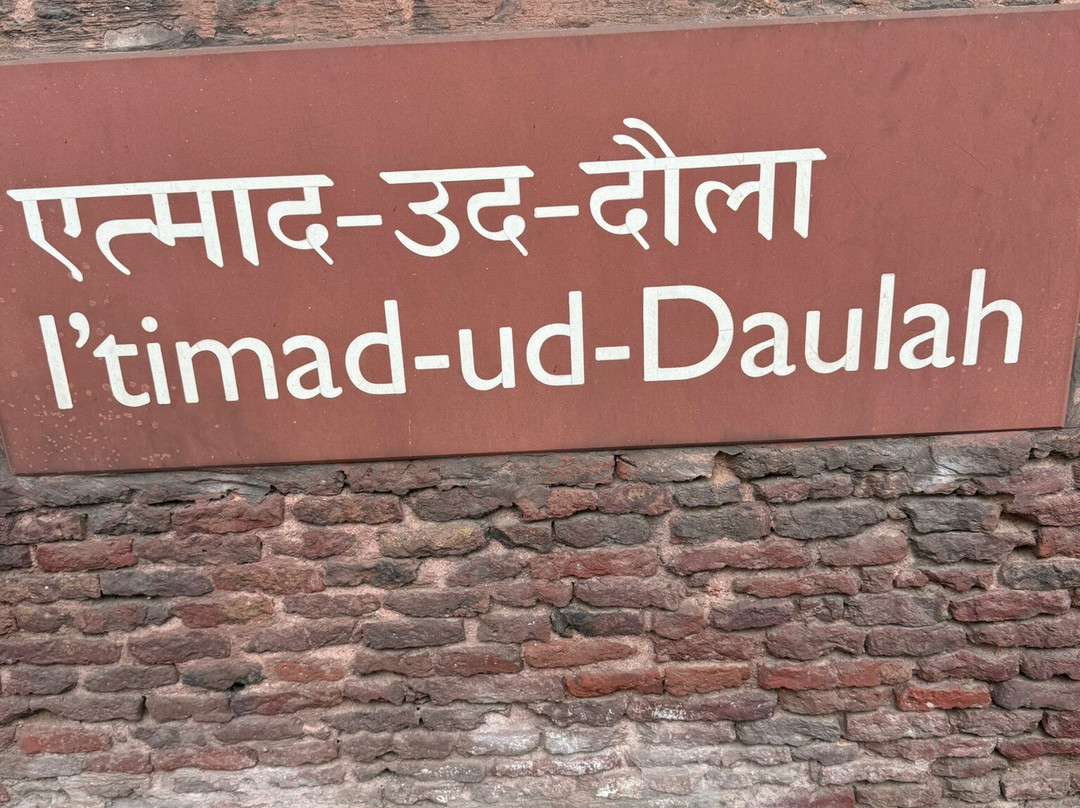
The Baby Taj in Agra
Itmad-ud-Daula的点评
点评:Visited this place for the first time on the 24th September 2026 after visiting the Taj Mahal.
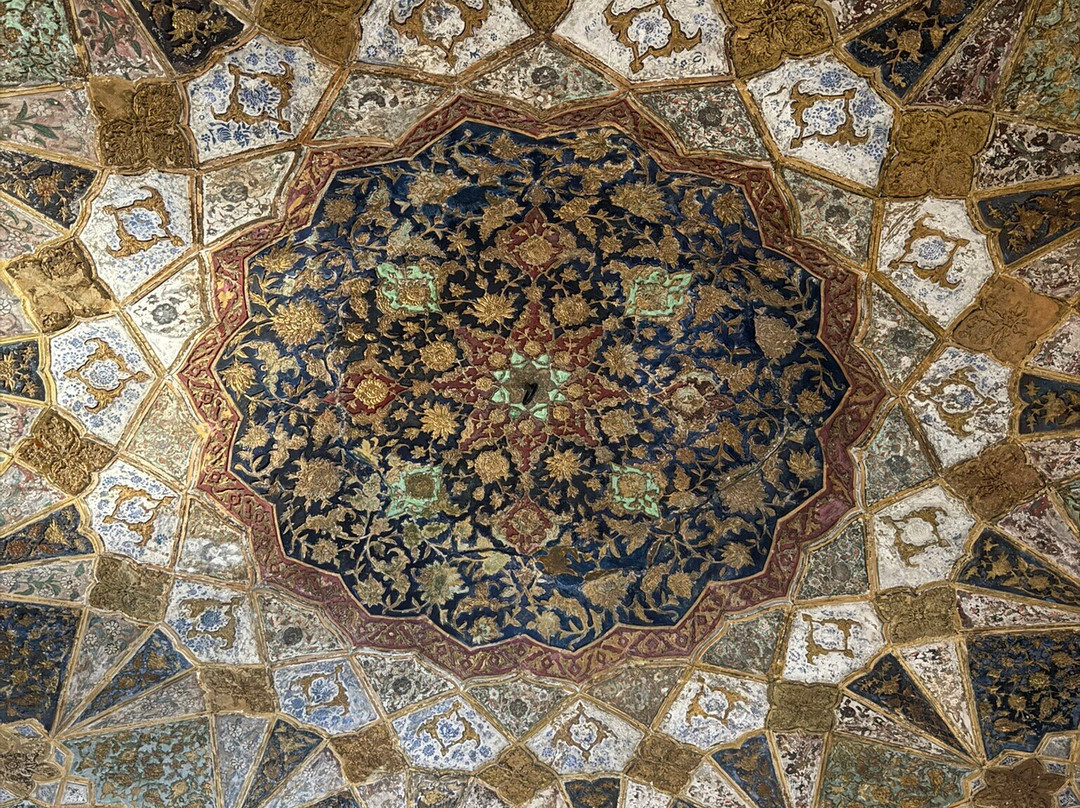
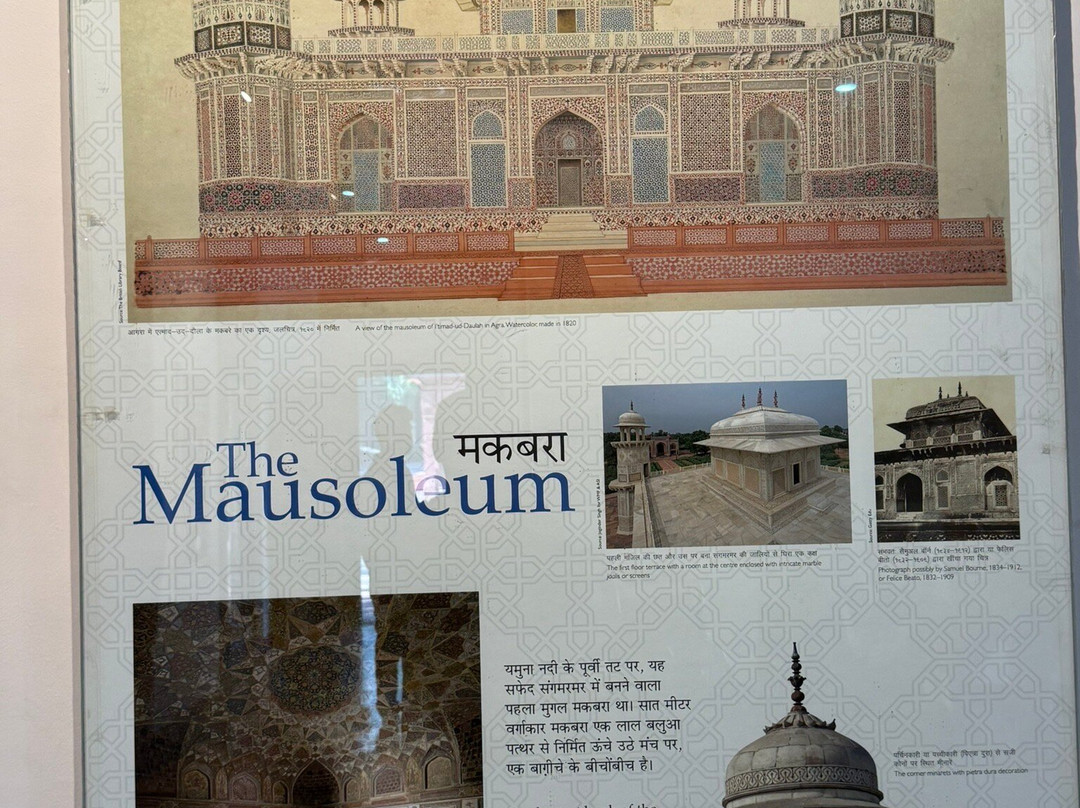
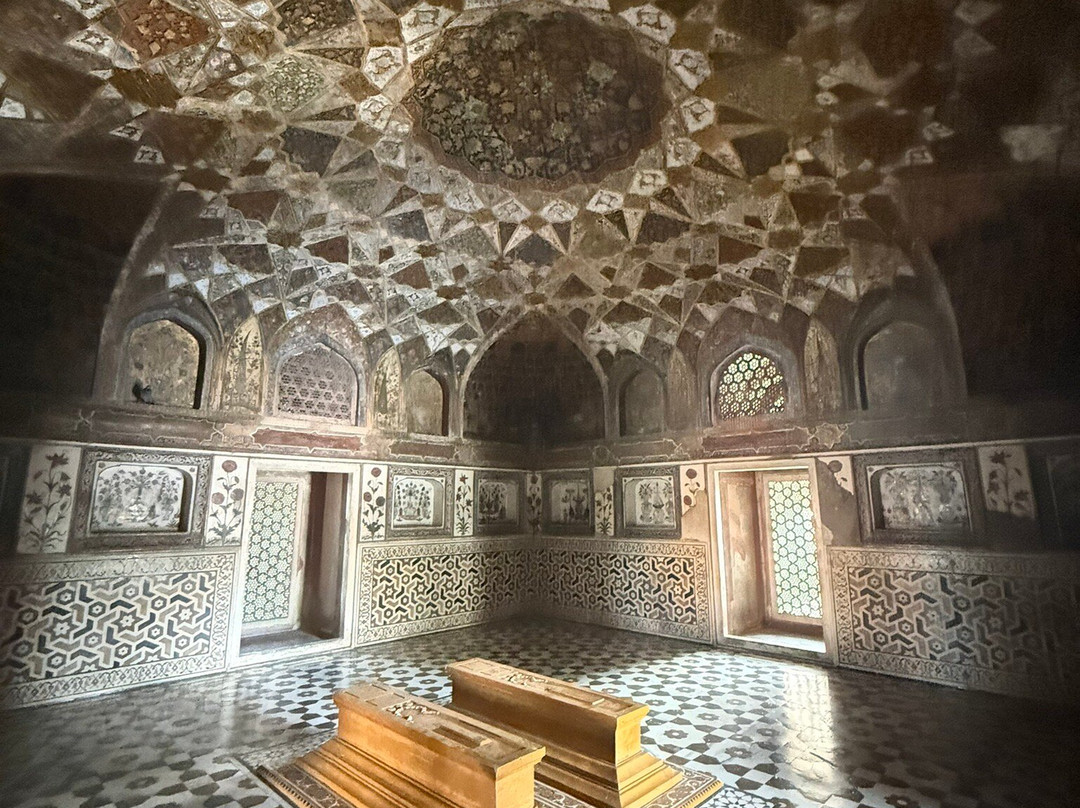
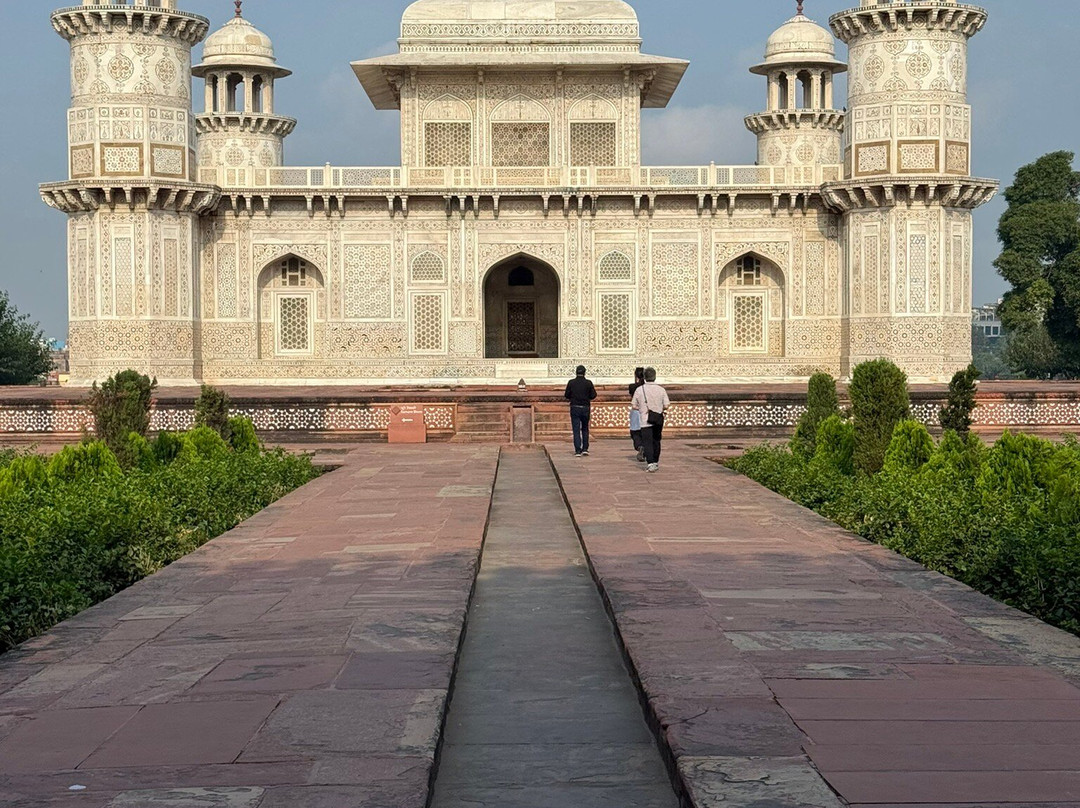
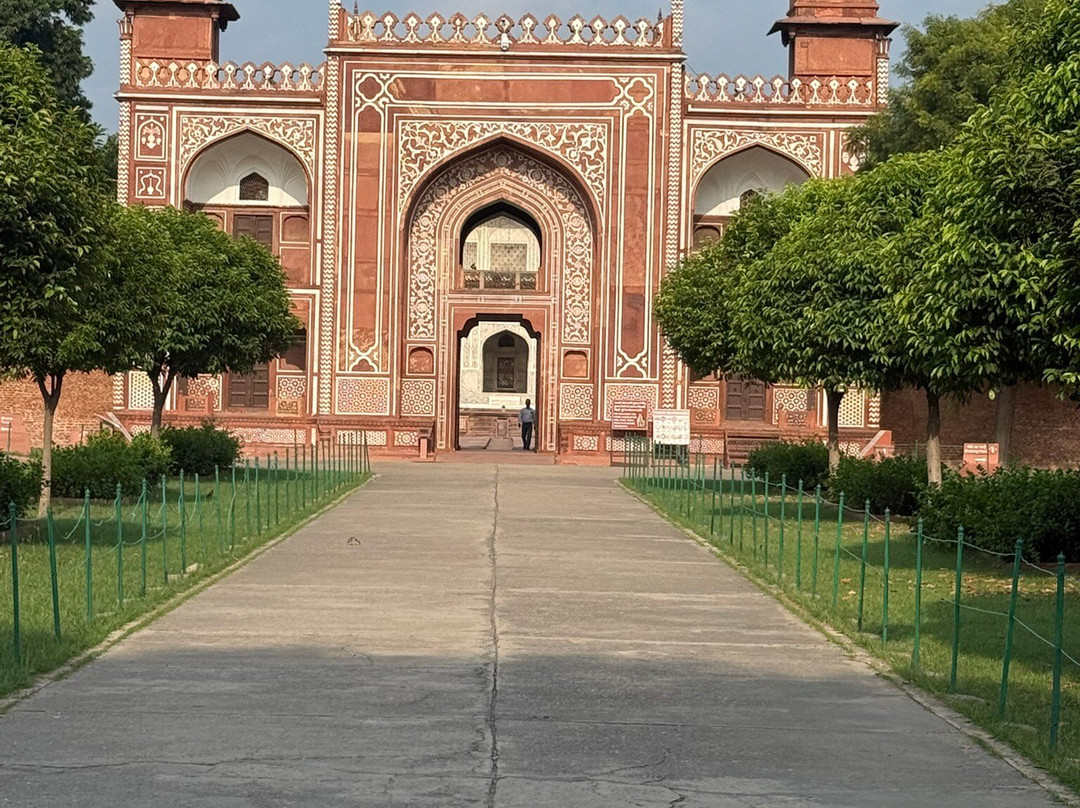
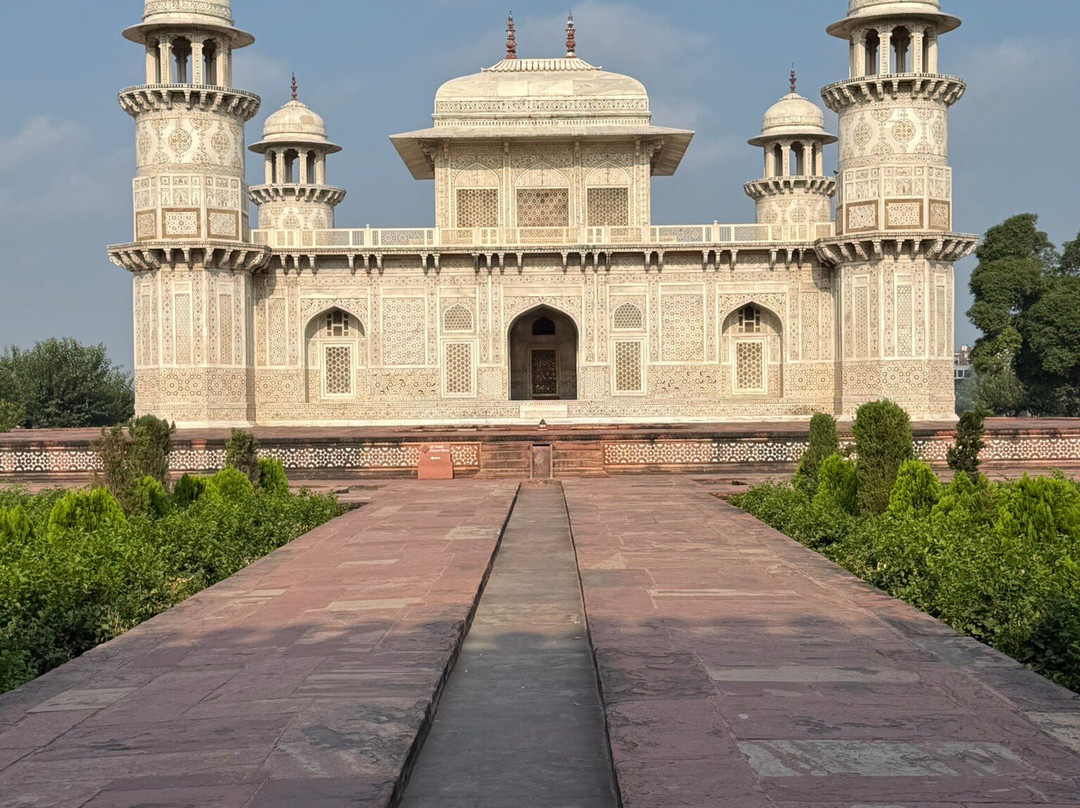
The Tomb of Itimad-ud-Daulah is one of Agra’s most beautiful Mughal monuments. It is often called the “Baby Taj” because of its delicate white-marble architecture and intricate decoration.
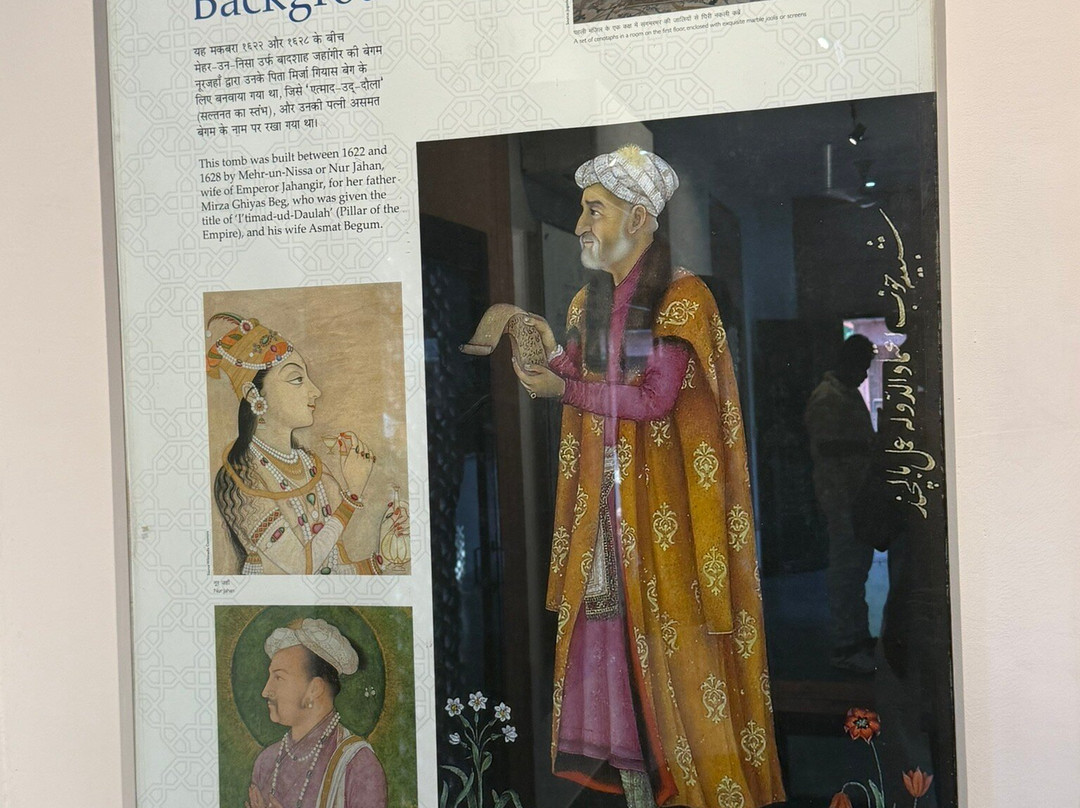
🕌 History
* Built: 1622–1628
* Commissioned by: Nur Jahan, wife of Mughal emperor Jahangir
* For: Her father, Mirza Ghiyas Beg, who was given the title Itimad-ud-Daulah (“Pillar of the State”).
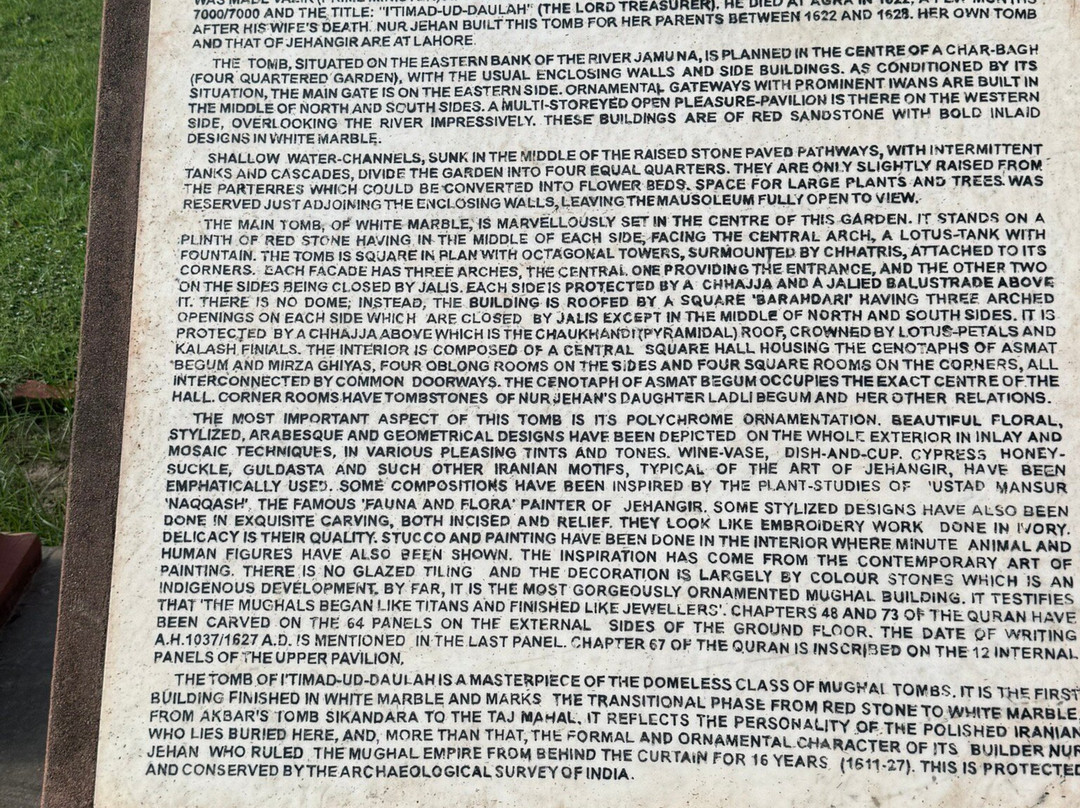
* It stands on the eastern bank of the Yamuna River, in a formal Mughal garden.
✨ Why it is important
Itimad-ud-Daulah is particularly significant because it represents an important transition in Mughal architecture from the earlier red sandstone tradition toward the extensive use of white marble that reached its magnificent expression in the Taj Mahal.
The tomb features:
* Beautiful white Makrana marble
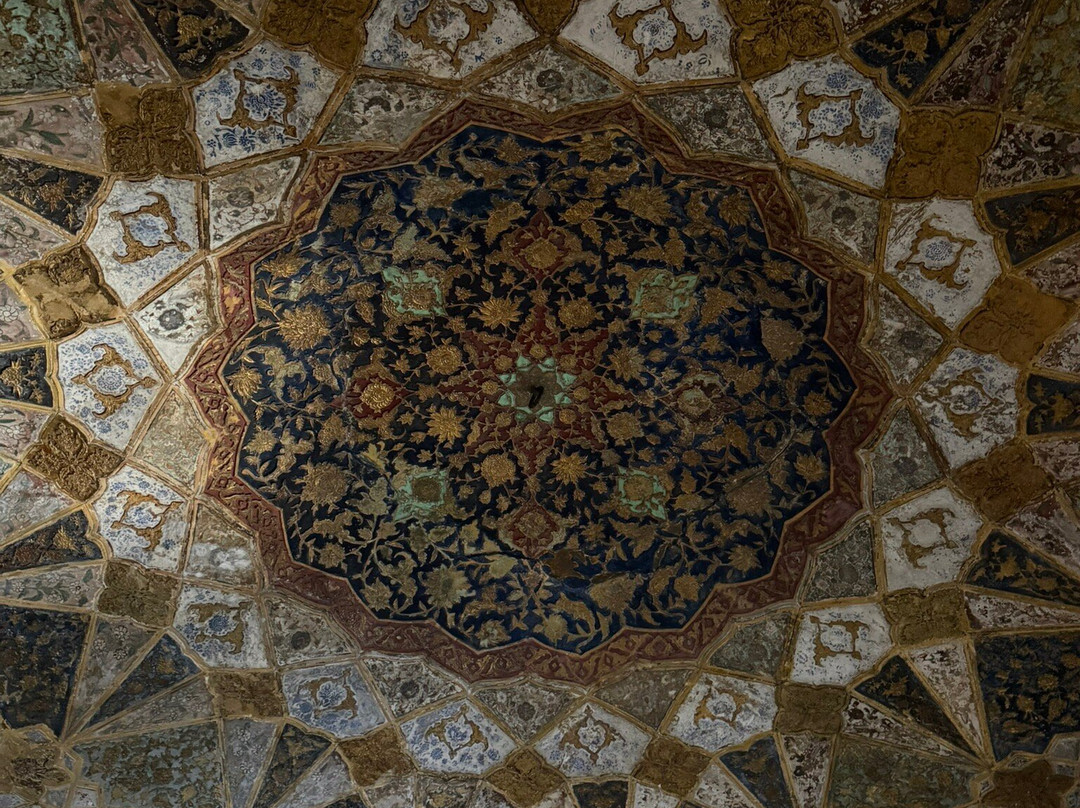
* Extremely fine pietra dura inlay
* Delicate geometric and floral patterns
* Marble jali (lattice) screens
* Four small corner towers
* A charbagh-style garden
Interestingly, many of the decorative techniques seen here were later used on a much grander scale in the Taj Mahal.
🏛️ Itimad-ud-Daulah vs Taj Mahal
A visit to both is worthwhile because you can almost see the architectural evolution:
Itimad-ud-Daulah → Taj Mahal
The Baby Taj is smaller, more intimate and richly detailed; the Taj Mahal takes many of these ideas and transforms them into an enormous, highly symmetrical imperial monument.
Dr. Javed Rasheed
The Tomb of Itimad-ud-Daulah is one of Agra’s most beautiful Mughal monuments. It is often called the “Baby Taj” because of its delicate white-marble architecture and intricate decoration.
🕌 History
* Built: 1622–1628
* Commissioned by: Nur Jahan, wife of Mughal emperor Jahangir
* For: Her father, Mirza Ghiyas Beg, who was given the title Itimad-ud-Daulah (“Pillar of the State”).
* It stands on the eastern bank of the Yamuna River, in a formal Mughal garden.
✨ Why it is important
Itimad-ud-Daulah is particularly significant because it represents an important transition in Mughal architecture from the earlier red sandstone tradition toward the extensive use of white marble that reached its magnificent expression in the Taj Mahal.
The tomb features:
* Beautiful white Makrana marble
* Extremely fine pietra dura inlay
* Delicate geometric and floral patterns
* Marble jali (lattice) screens
* Four small corner towers
* A charbagh-style garden
Interestingly, many of the decorative techniques seen here were later used on a much grander scale in the Taj Mahal.
🏛️ Itimad-ud-Daulah vs Taj Mahal
A visit to both is worthwhile because you can almost see the architectural evolution:
Itimad-ud-Daulah → Taj Mahal
The Baby Taj is smaller, more intimate and richly detailed; the Taj Mahal takes many of these ideas and transforms them into an enormous, highly symmetrical imperial monument.
Dr. Javed Rasheed
翻译:2026年9月24日,在参观完泰姬陵之后,我第一次来到了这里。
伊蒂玛德-乌德-达拉陵墓是阿格拉最精美的莫卧儿式建筑之一。由于其精致的白色大理石结构与复杂的装饰工艺,它常被誉为“小泰姬陵”。
🕌 历史
* 建造时间:1622年至1628年
* 出资建造者:莫卧儿皇帝贾汉吉尔的妻子努尔·贾汉
* 纪念对象:她的父亲米尔扎·吉亚斯·贝格,他曾被授予“伊蒂玛德-乌德-达拉”(意为“国家之柱”)的称号。它坐落于亚穆纳河的东岸,处于一座风格严谨的莫卧儿式花园之中。
✨ 为何它如此重要
伊蒂马德-乌德-达乌拉陵墓具有重要意义,因为它体现了莫卧儿建筑风格的一次关键转变——即从早期使用的红砂岩传统,转向大量使用白色大理石的做法;这种风格后来在泰姬陵上得到了极致展现。这座陵墓的特色如下:
* 精美的白色马克拉纳大理石
* 极为精细的硬石镶嵌工艺
* 精致的几何与花卉图案
* 大理石镂空格栅
* 四个小型角塔
* 以查尔巴格风格设计的花园
有趣的是,这里使用的许多装饰技法后来都在规模更为宏大的泰姬陵上得以运用。🏛️ 伊蒂马德-乌德-达乌拉陵墓 vs 泰姬陵
值得将两处都参观一遍,因为这样几乎能看到建筑风格的演变过程:
伊蒂马德-乌德-达乌拉陵墓 → 泰姬陵
“小泰姬陵”规模较小、氛围更为温馨且细节丰富;而泰姬陵则借鉴了前者的诸多设计理念,将其打造为一座规模宏大且高度对称的皇家纪念碑。
贾韦德·拉希德博士
伊蒂玛德-乌德-达拉陵墓是阿格拉最精美的莫卧儿式建筑之一。由于其精致的白色大理石结构与复杂的装饰工艺,它常被誉为“小泰姬陵”。
🕌 历史
* 建造时间:1622年至1628年
* 出资建造者:莫卧儿皇帝贾汉吉尔的妻子努尔·贾汉
* 纪念对象:她的父亲米尔扎·吉亚斯·贝格,他曾被授予“伊蒂玛德-乌德-达拉”(意为“国家之柱”)的称号。它坐落于亚穆纳河的东岸,处于一座风格严谨的莫卧儿式花园之中。
✨ 为何它如此重要
伊蒂马德-乌德-达乌拉陵墓具有重要意义,因为它体现了莫卧儿建筑风格的一次关键转变——即从早期使用的红砂岩传统,转向大量使用白色大理石的做法;这种风格后来在泰姬陵上得到了极致展现。这座陵墓的特色如下:
* 精美的白色马克拉纳大理石
* 极为精细的硬石镶嵌工艺
* 精致的几何与花卉图案
* 大理石镂空格栅
* 四个小型角塔
* 以查尔巴格风格设计的花园
有趣的是,这里使用的许多装饰技法后来都在规模更为宏大的泰姬陵上得以运用。🏛️ 伊蒂马德-乌德-达乌拉陵墓 vs 泰姬陵
值得将两处都参观一遍,因为这样几乎能看到建筑风格的演变过程:
伊蒂马德-乌德-达乌拉陵墓 → 泰姬陵
“小泰姬陵”规模较小、氛围更为温馨且细节丰富;而泰姬陵则借鉴了前者的诸多设计理念,将其打造为一座规模宏大且高度对称的皇家纪念碑。
贾韦德·拉希德博士

© 2026 Tripadvisor 版权所有。
部分照片由 VFM Leonardo 提供。
TripAdvisor公司对外部网站的内容一概不负责。优惠价格中不含税和其他费用。
ICP证:沪B2-20200433
沪ICP备20013175号
 沪公网安备31010502005427号
鹰程信息技术(上海)有限公司