下载App
资质规则
旅行
账户

kryo_synkronis
Awesome to experience this kind of history. Just amazing
皇居的点评
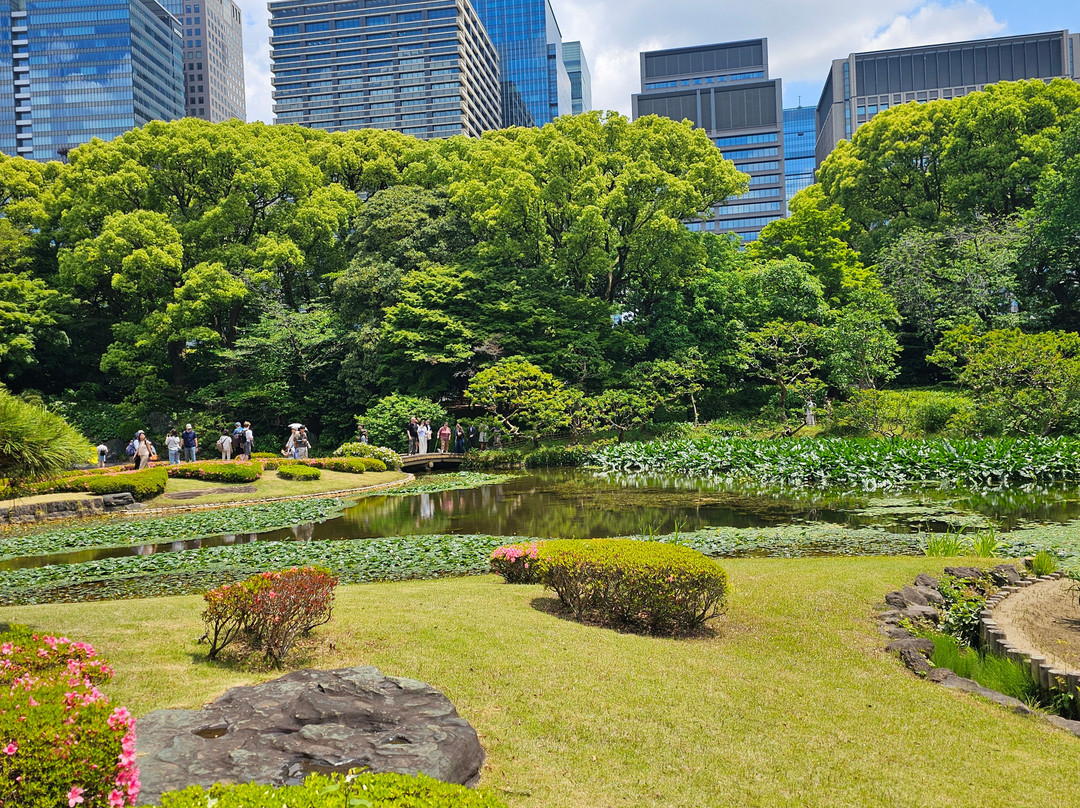
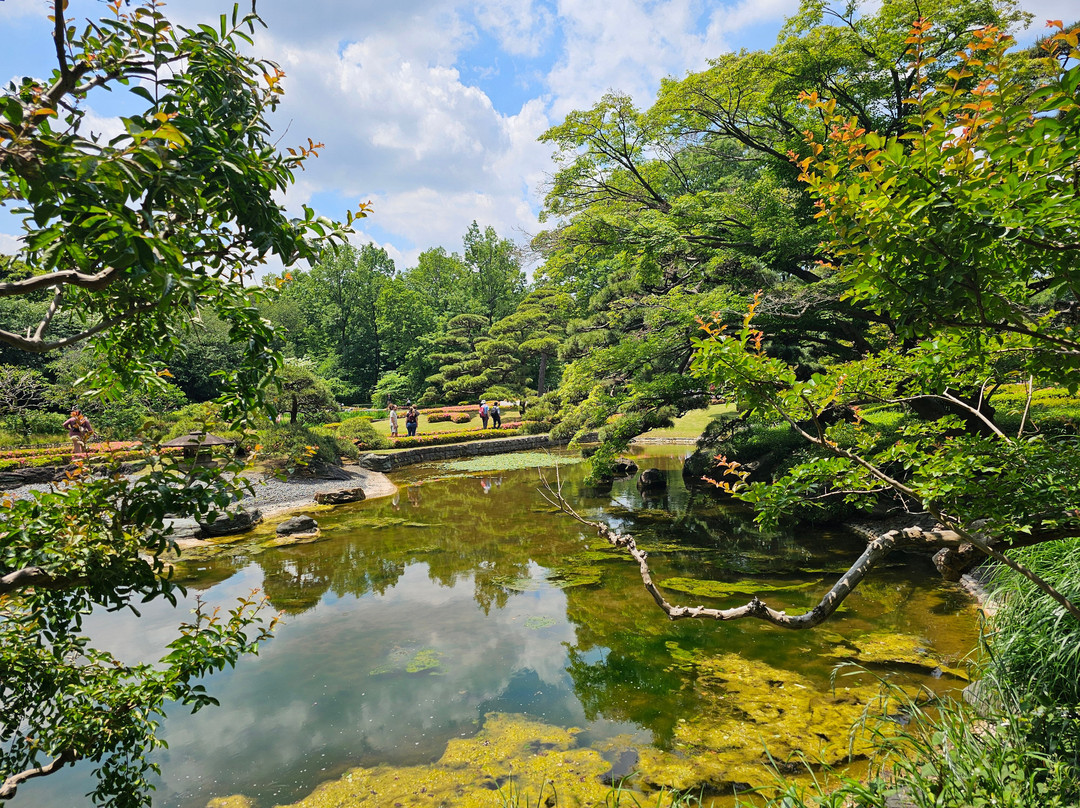
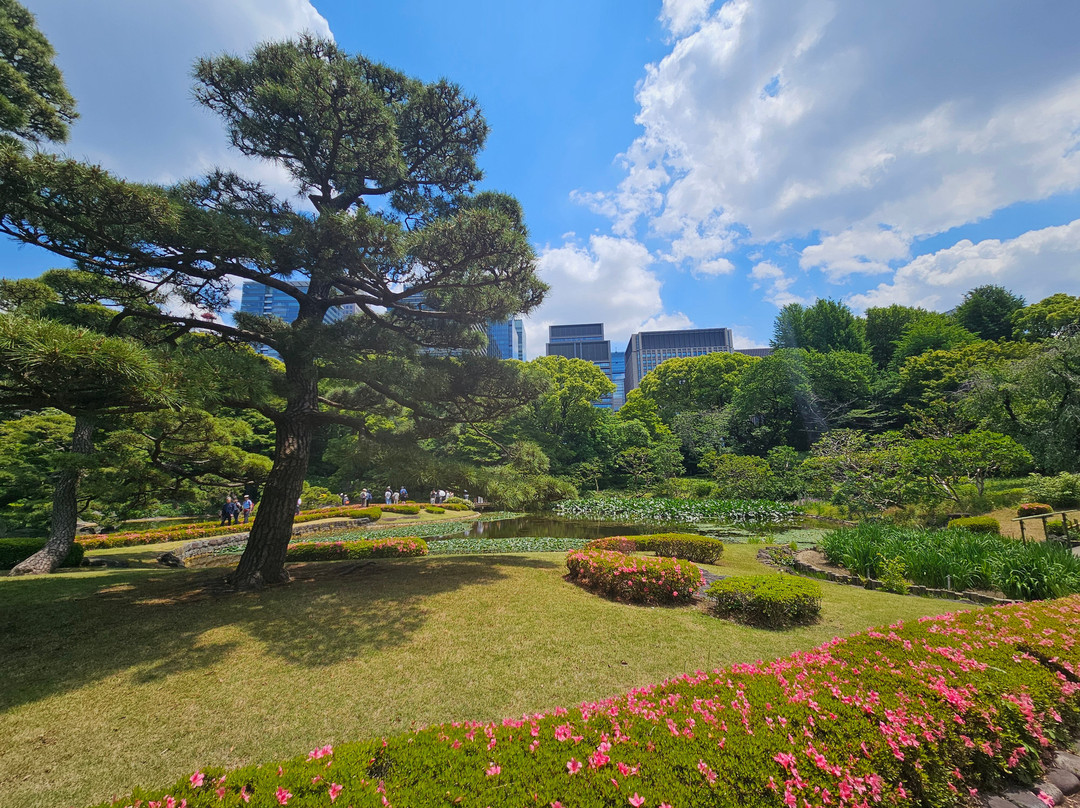
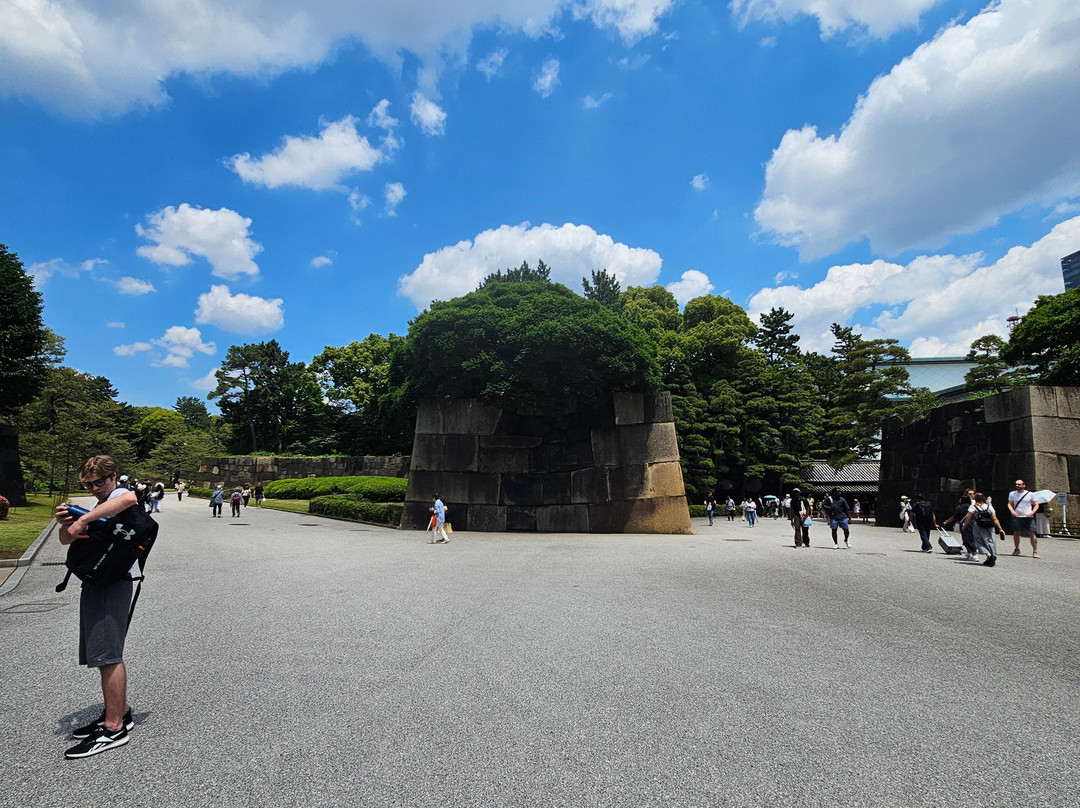
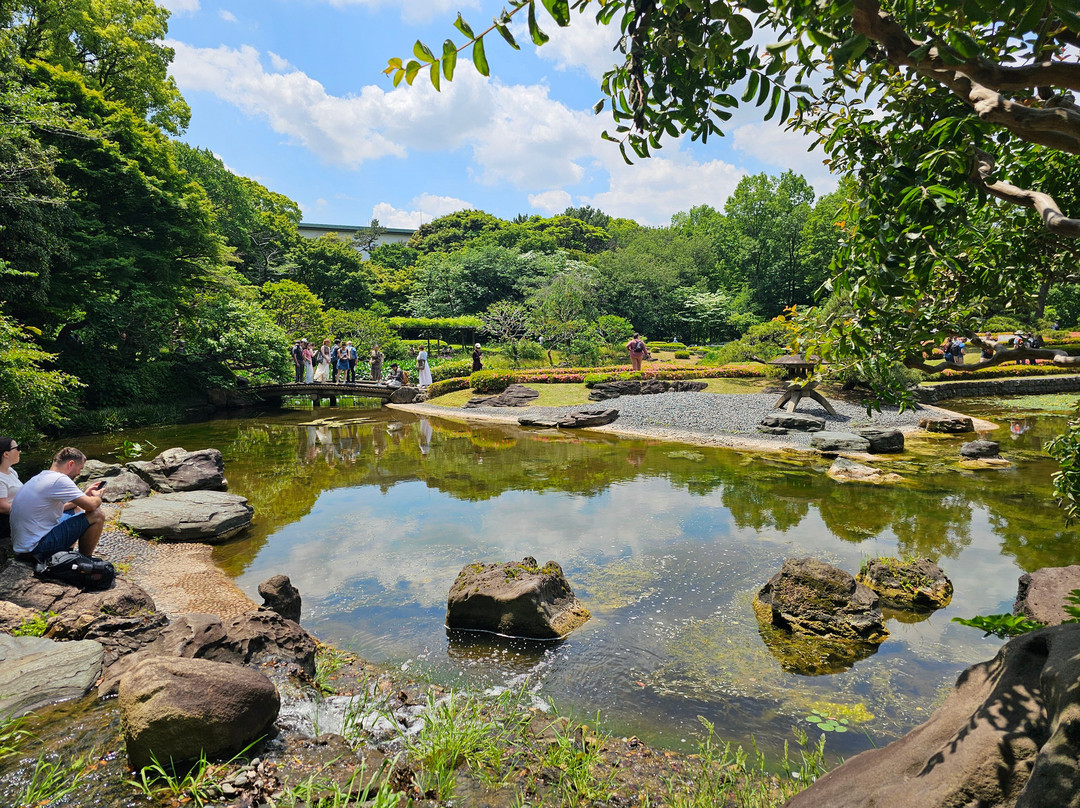
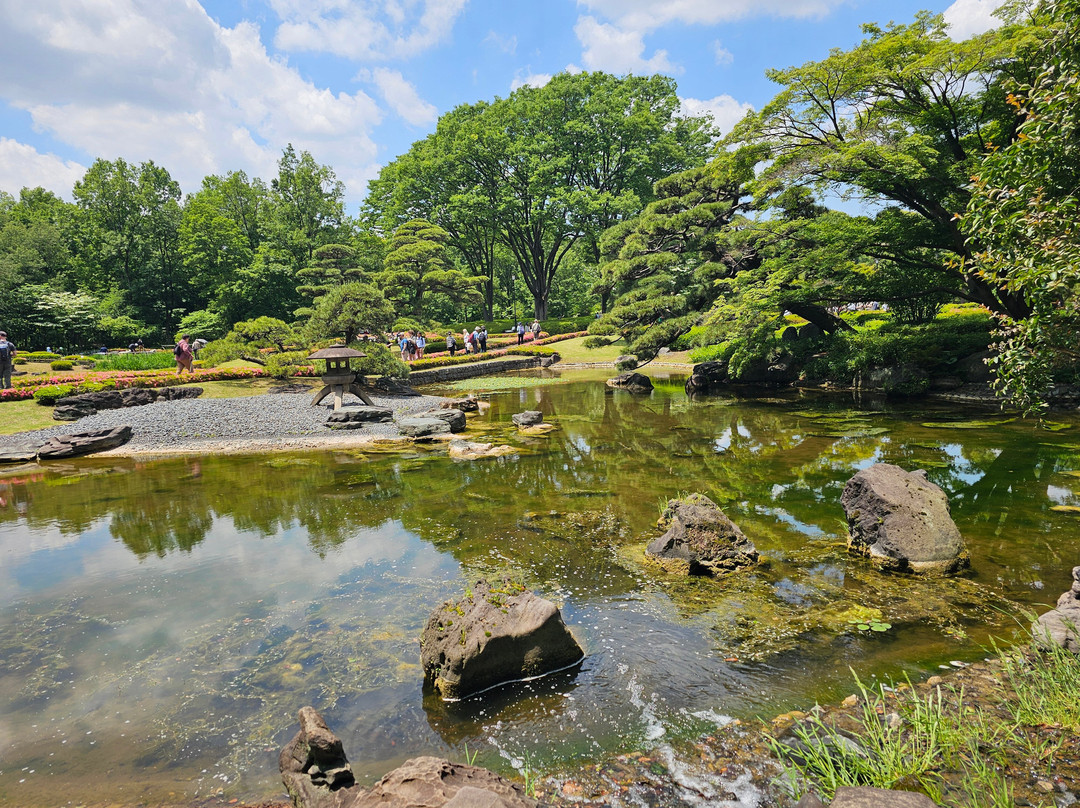
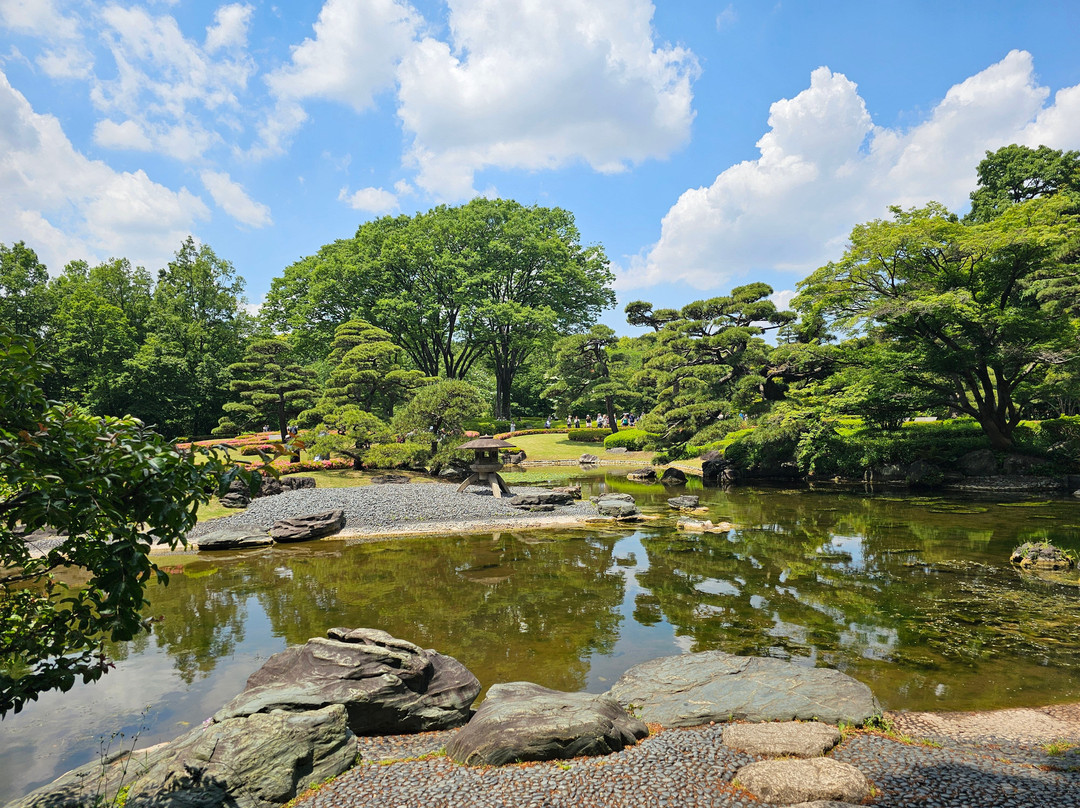
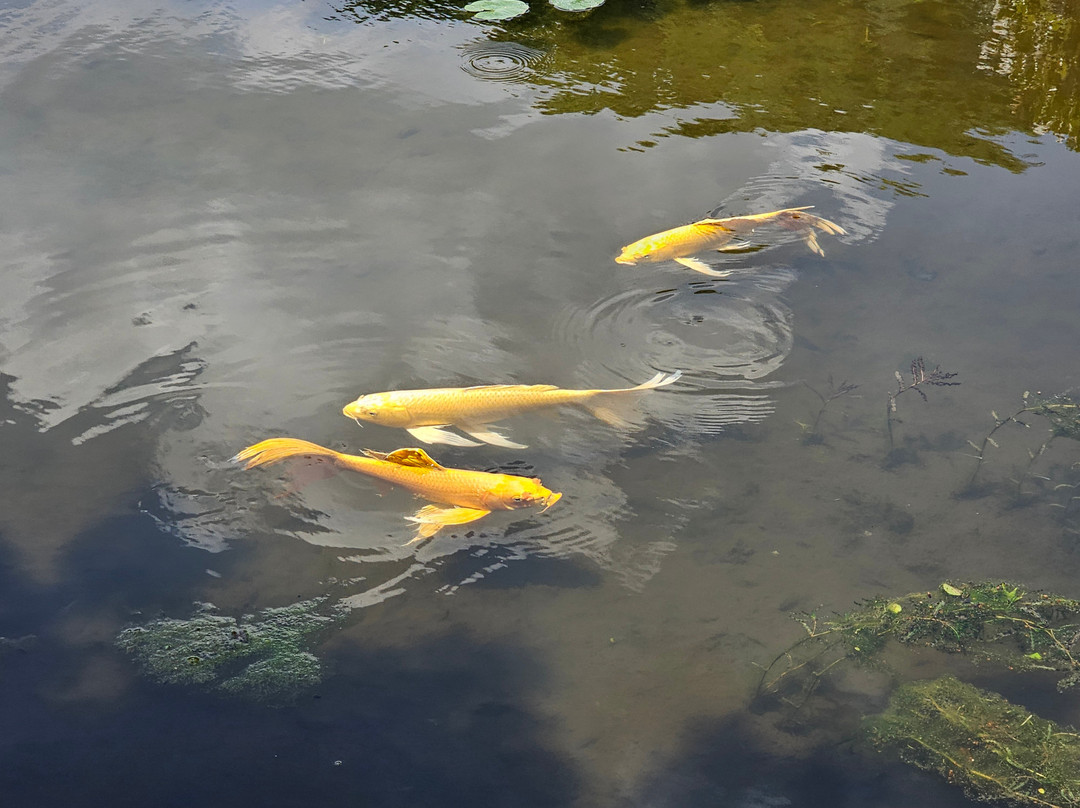
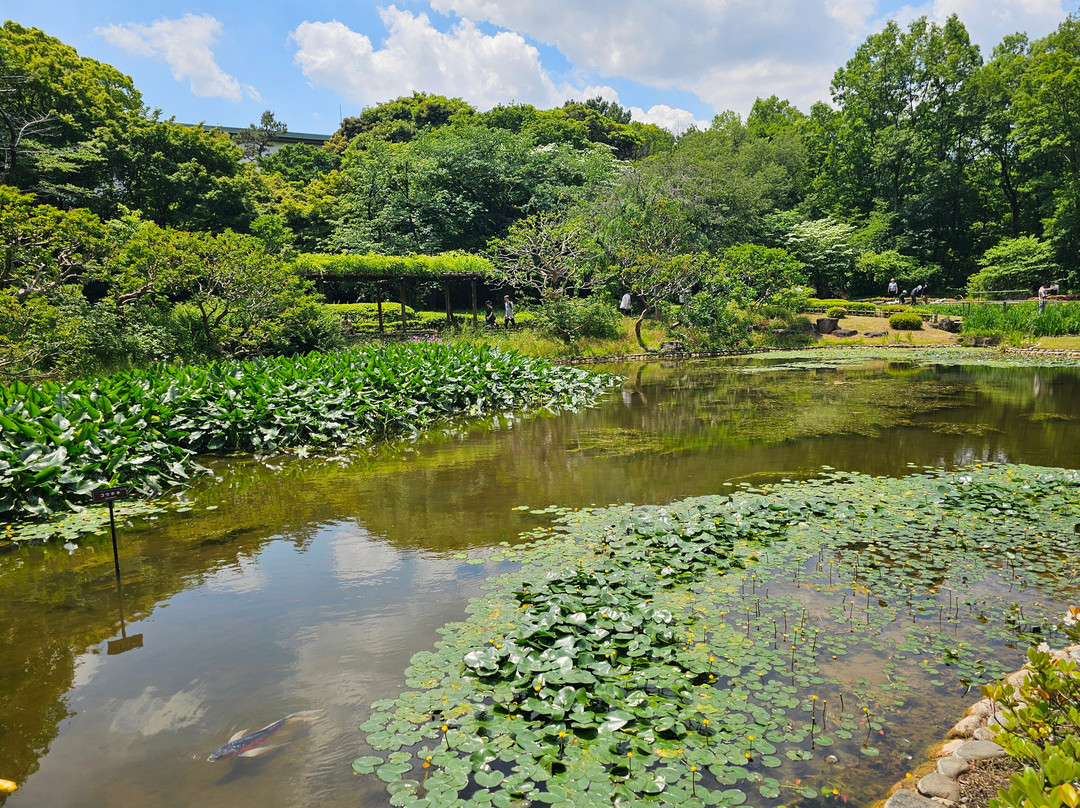
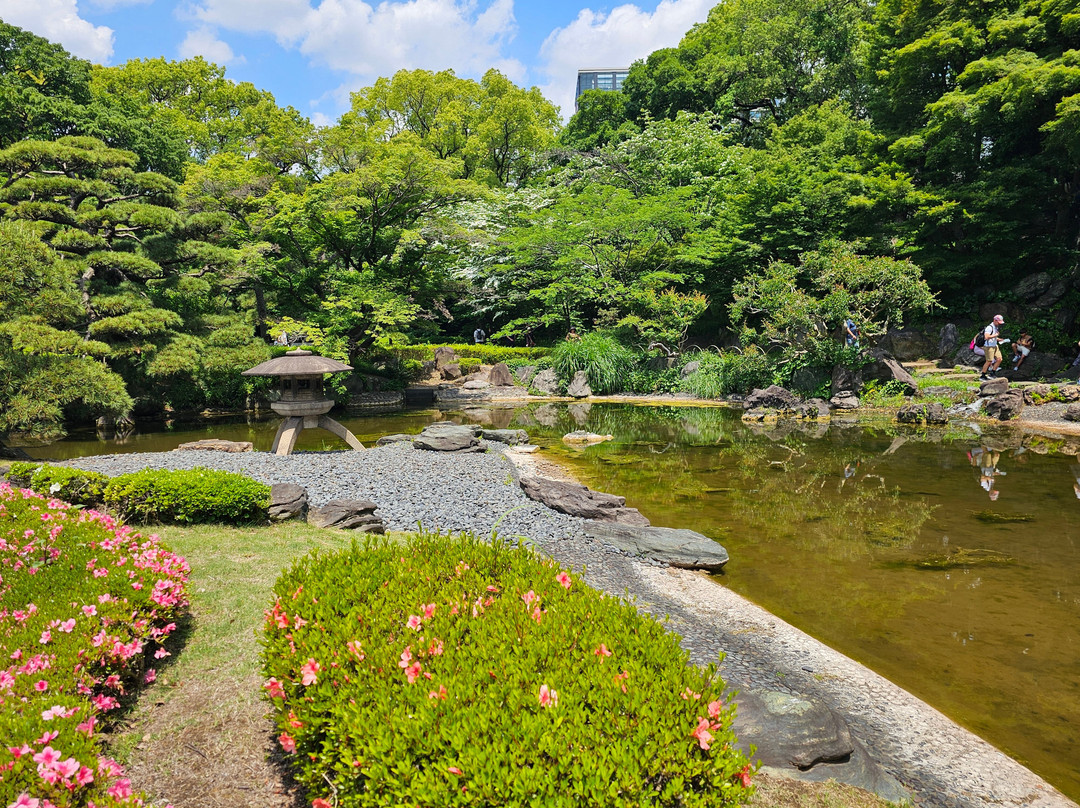
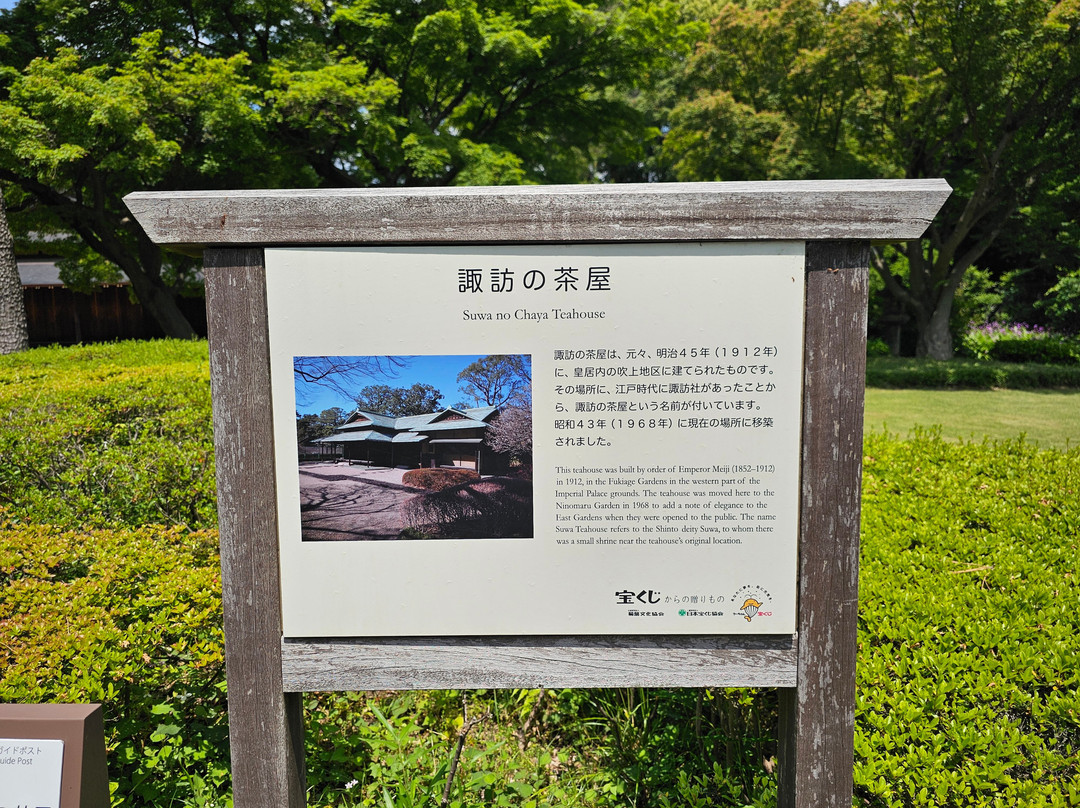
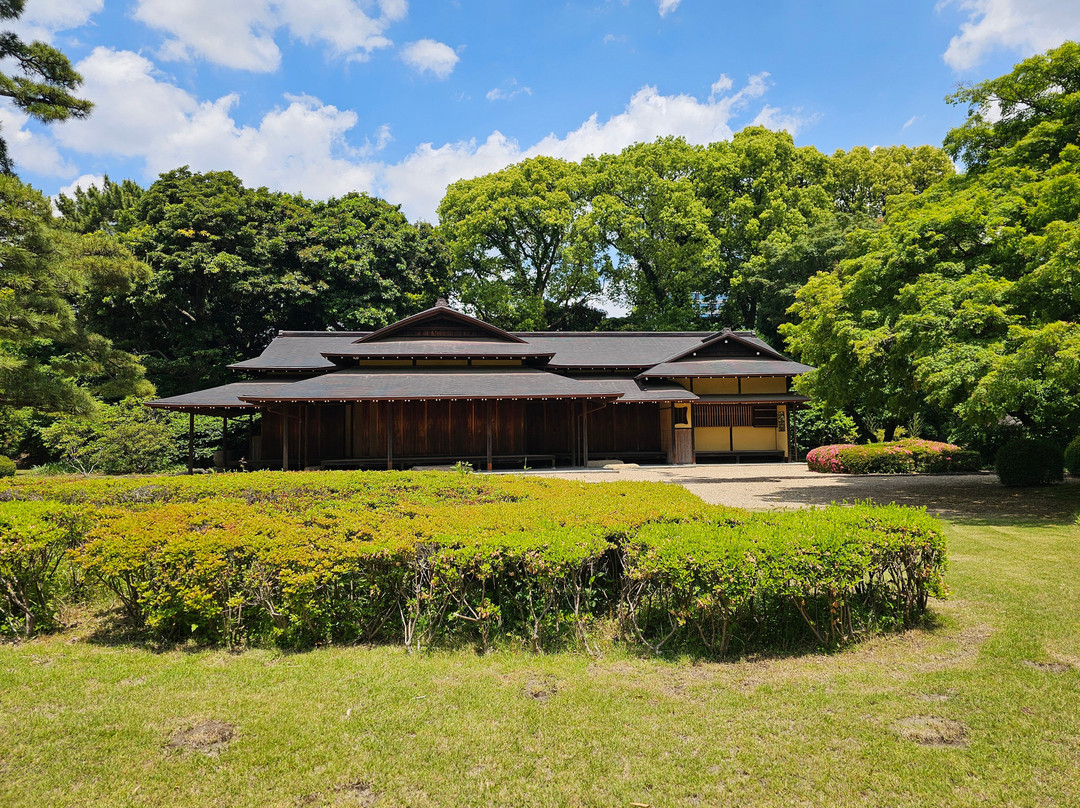
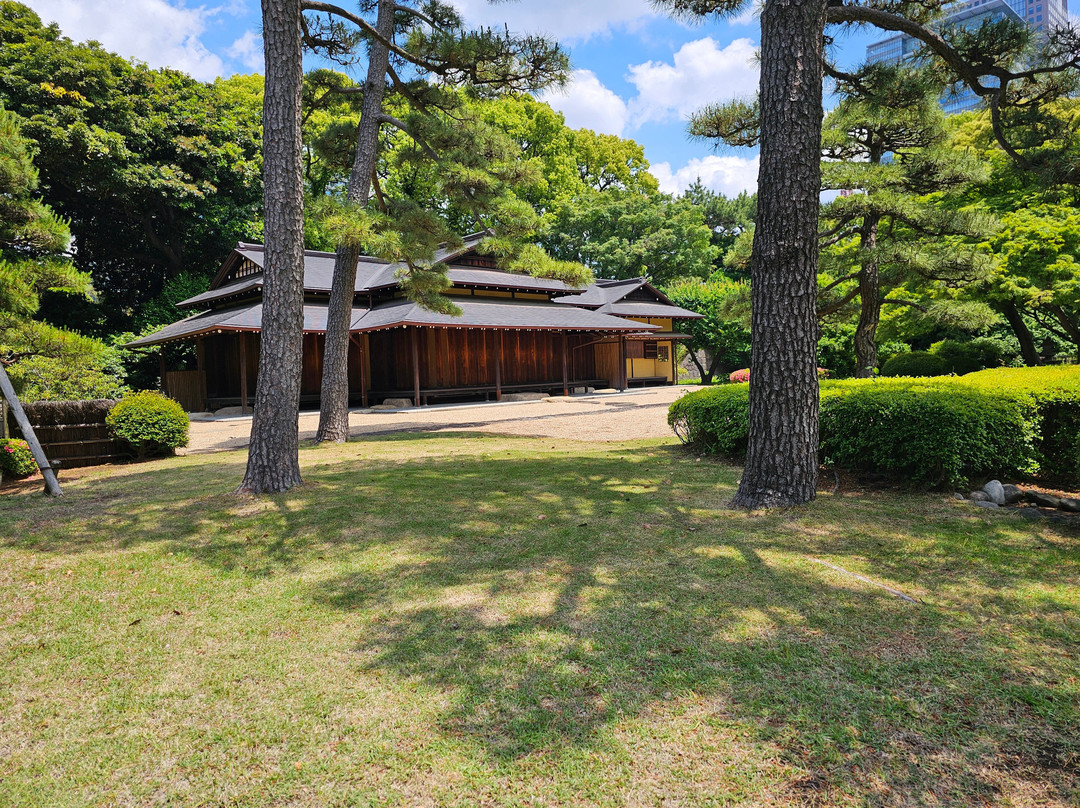
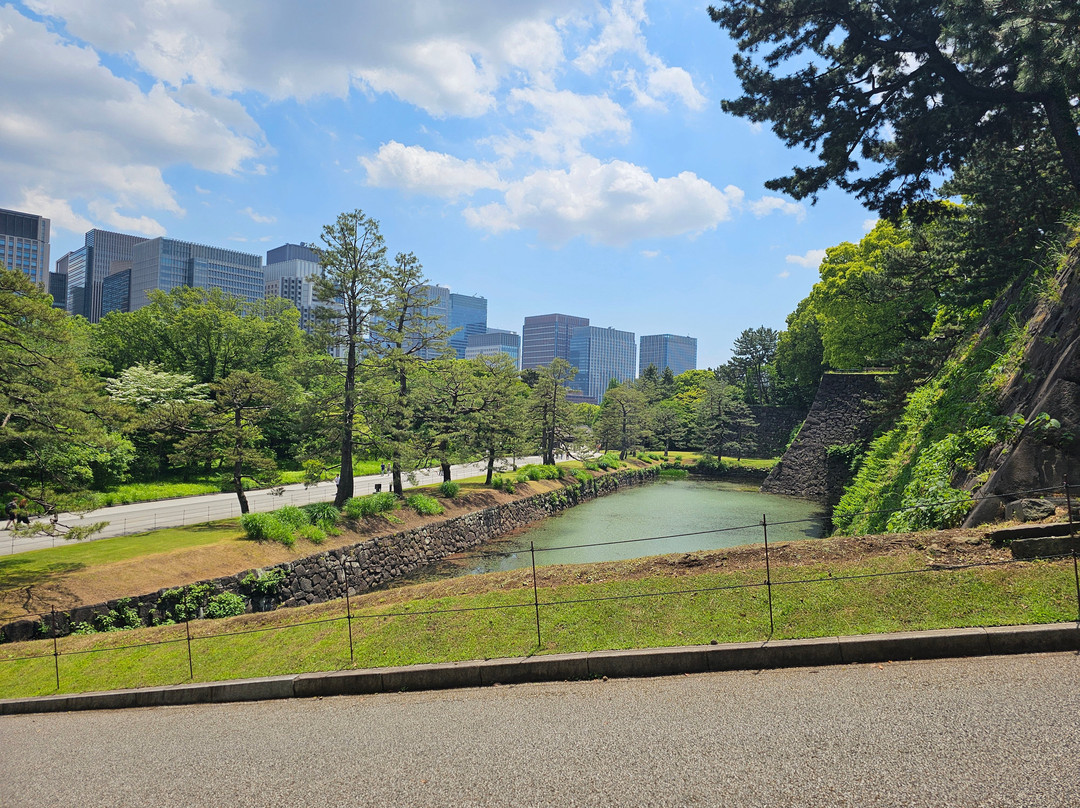
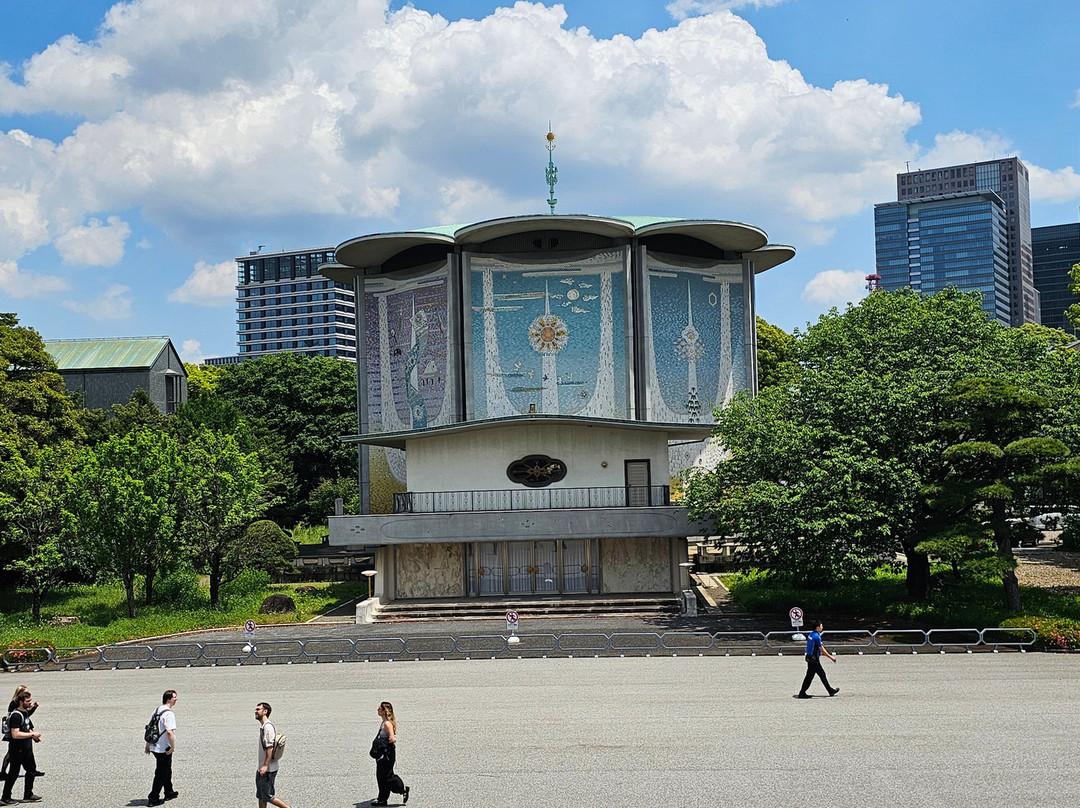
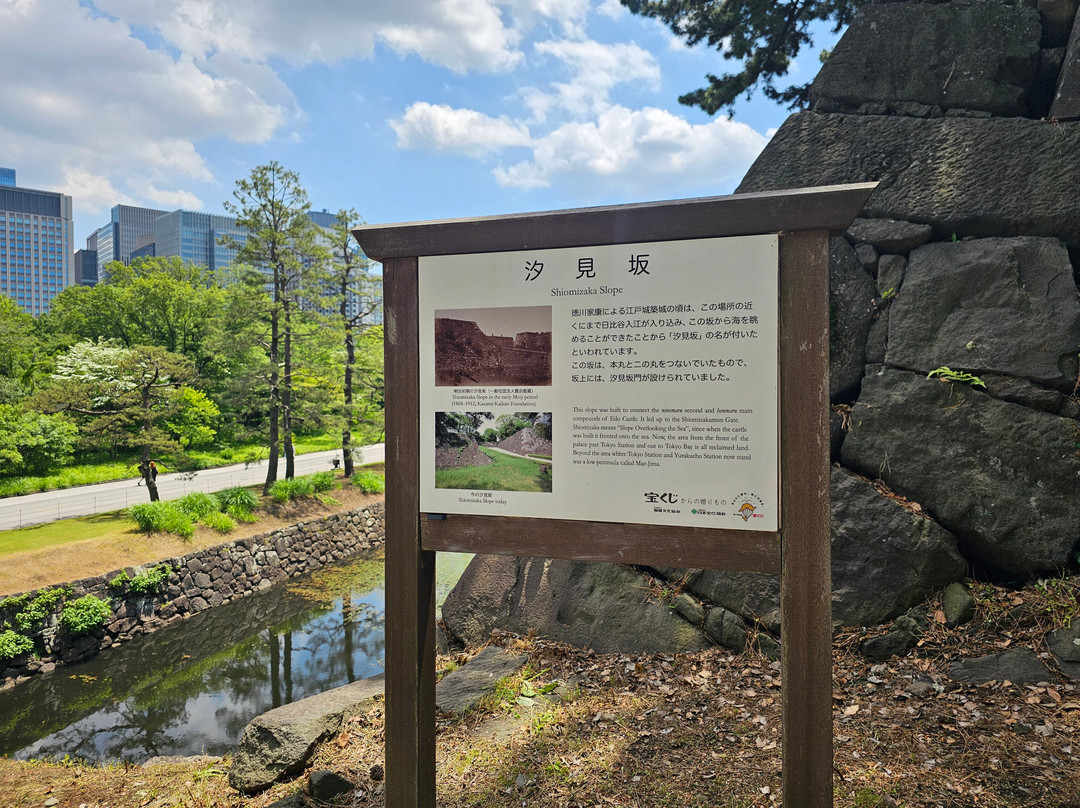
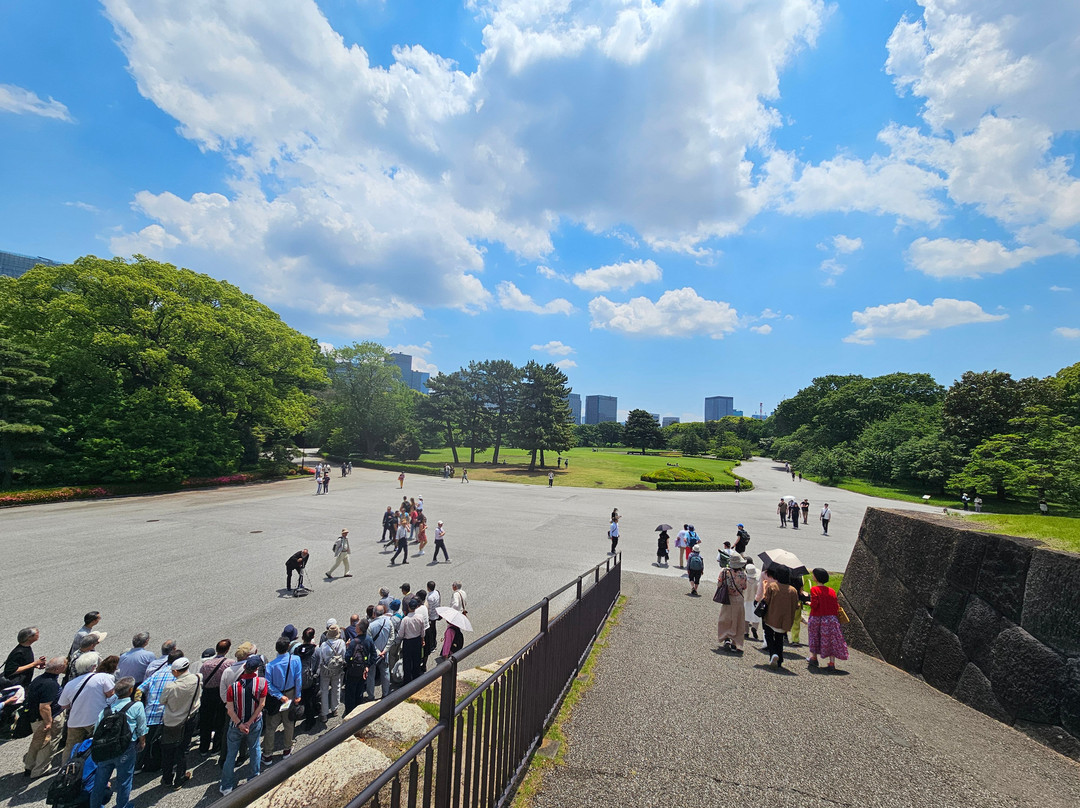
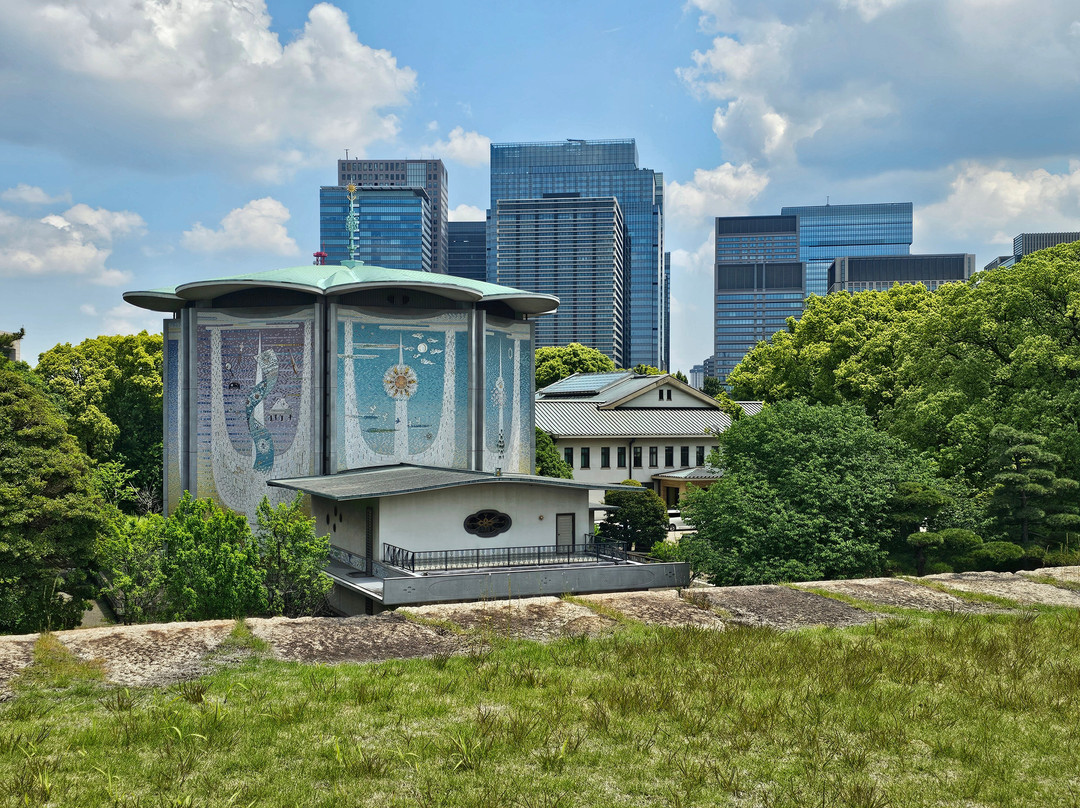
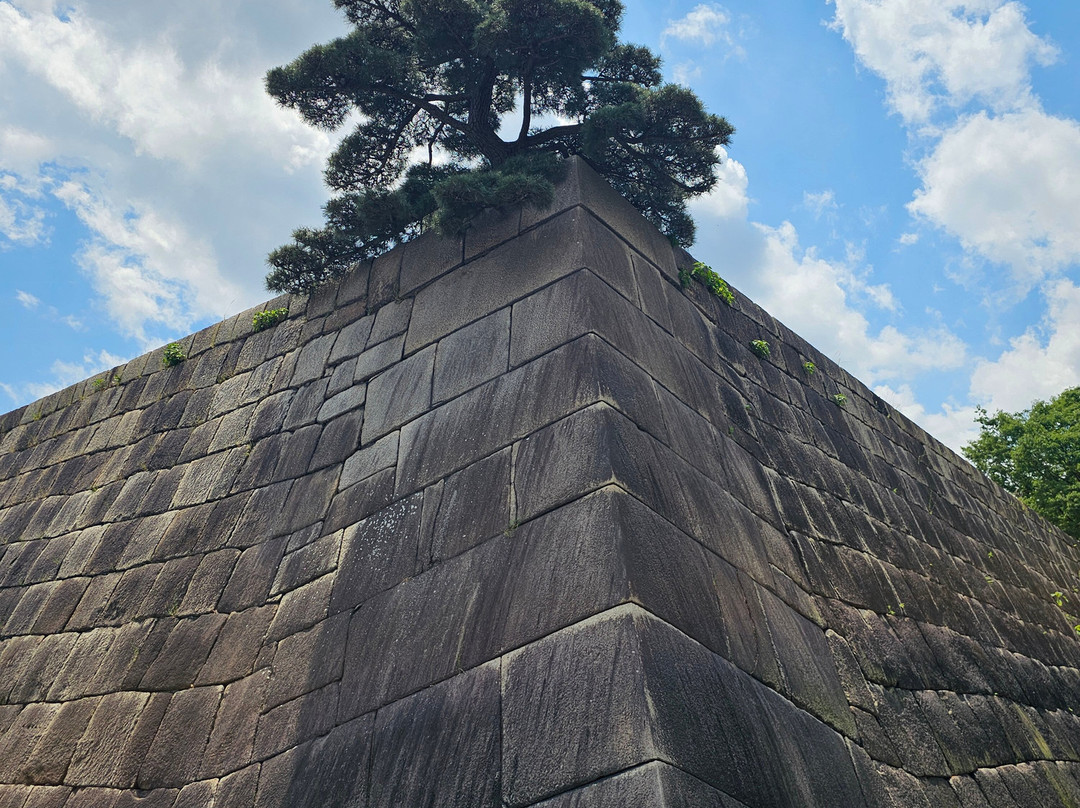
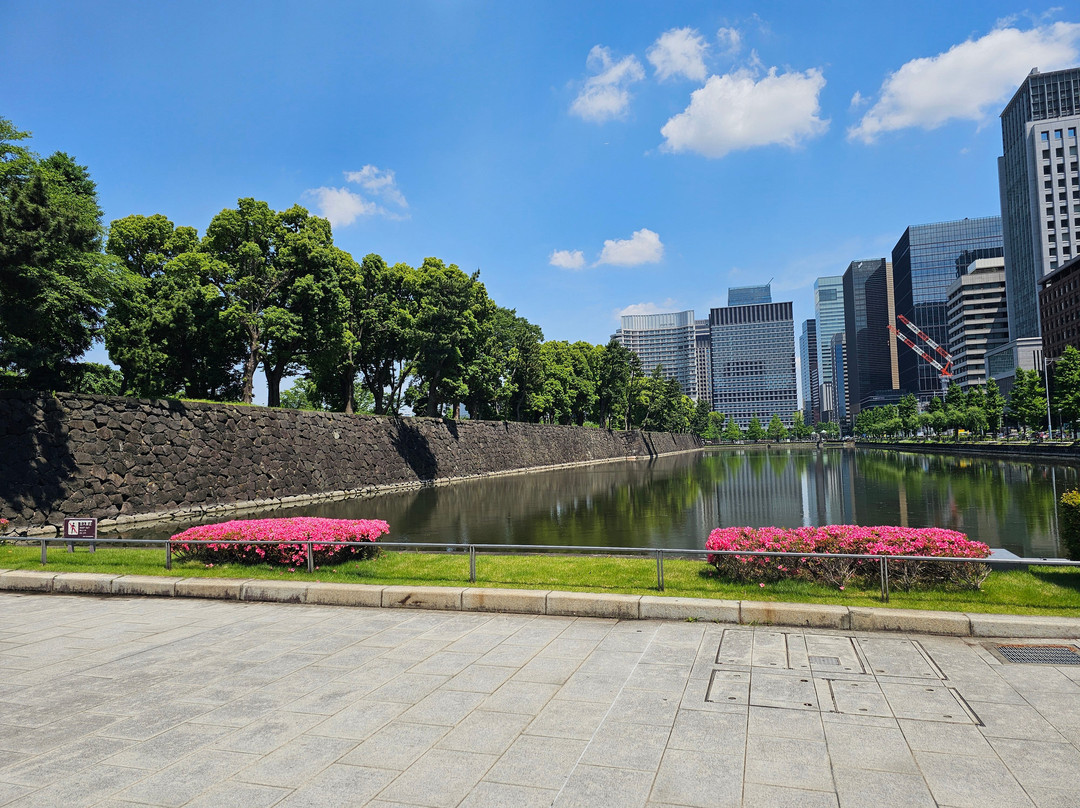
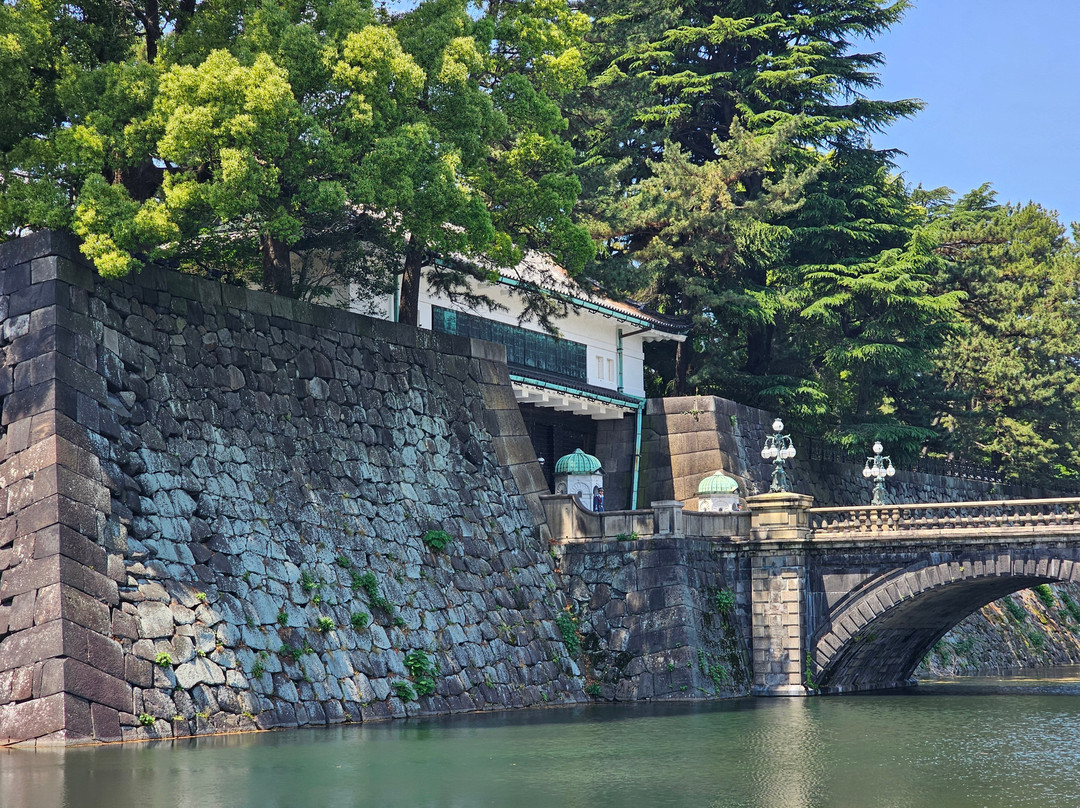
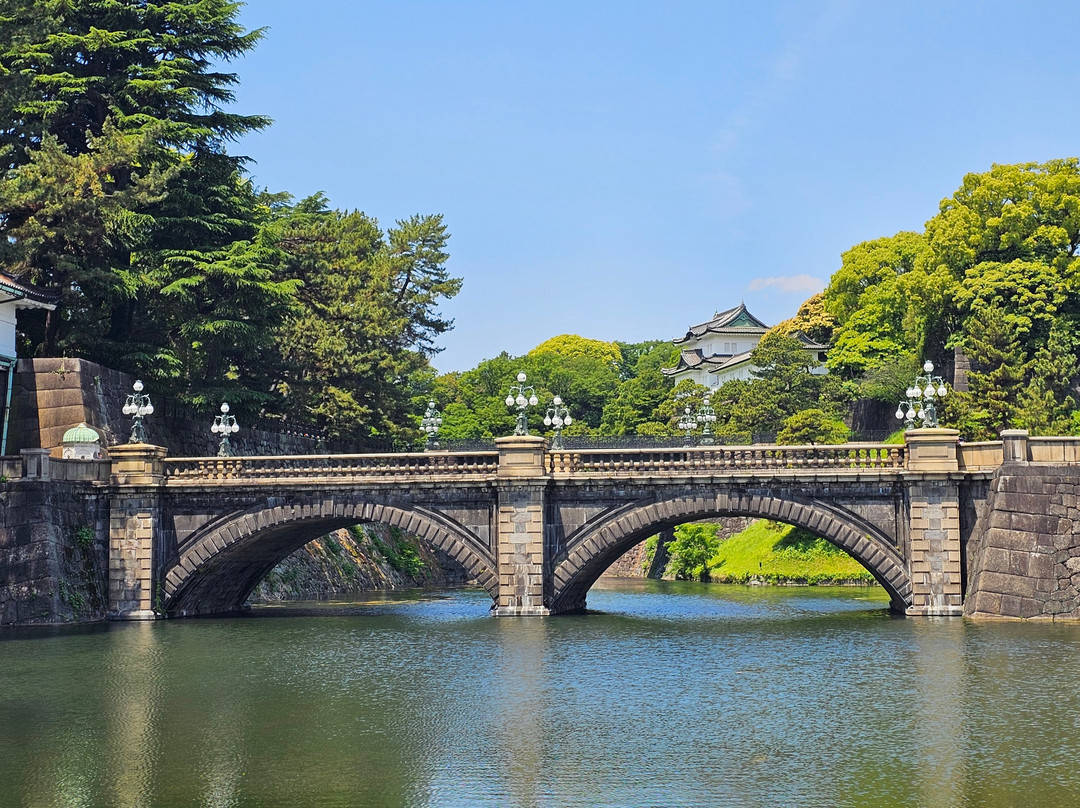
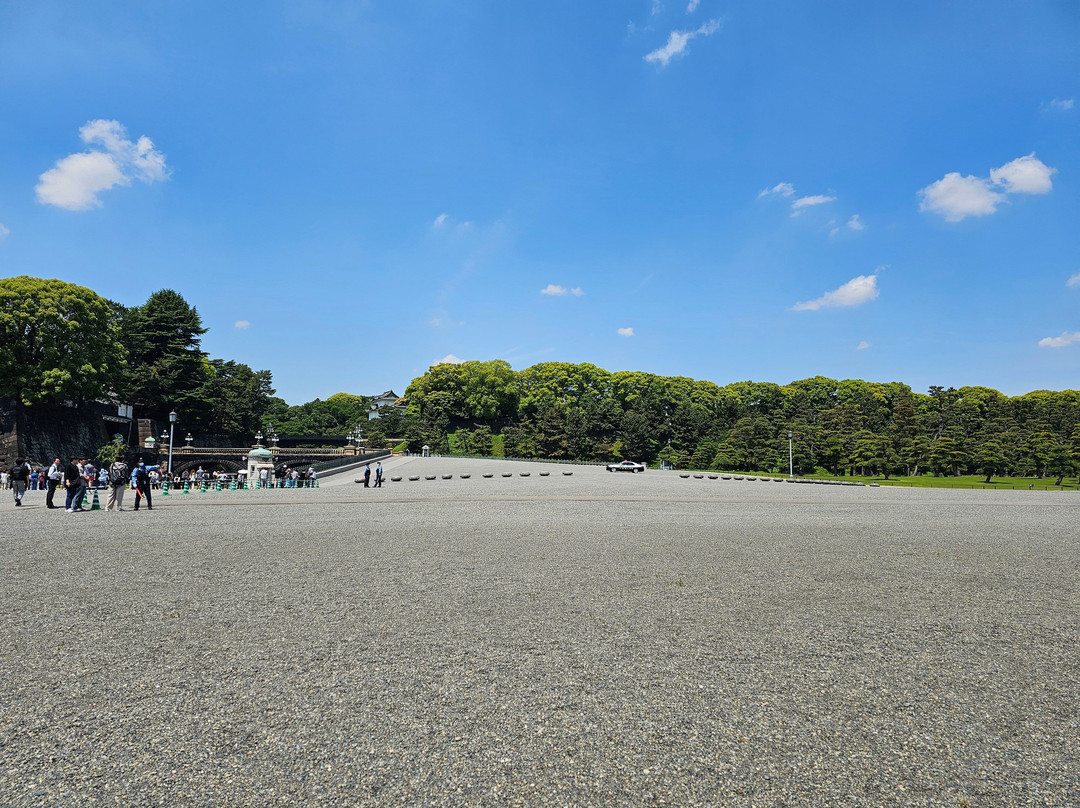
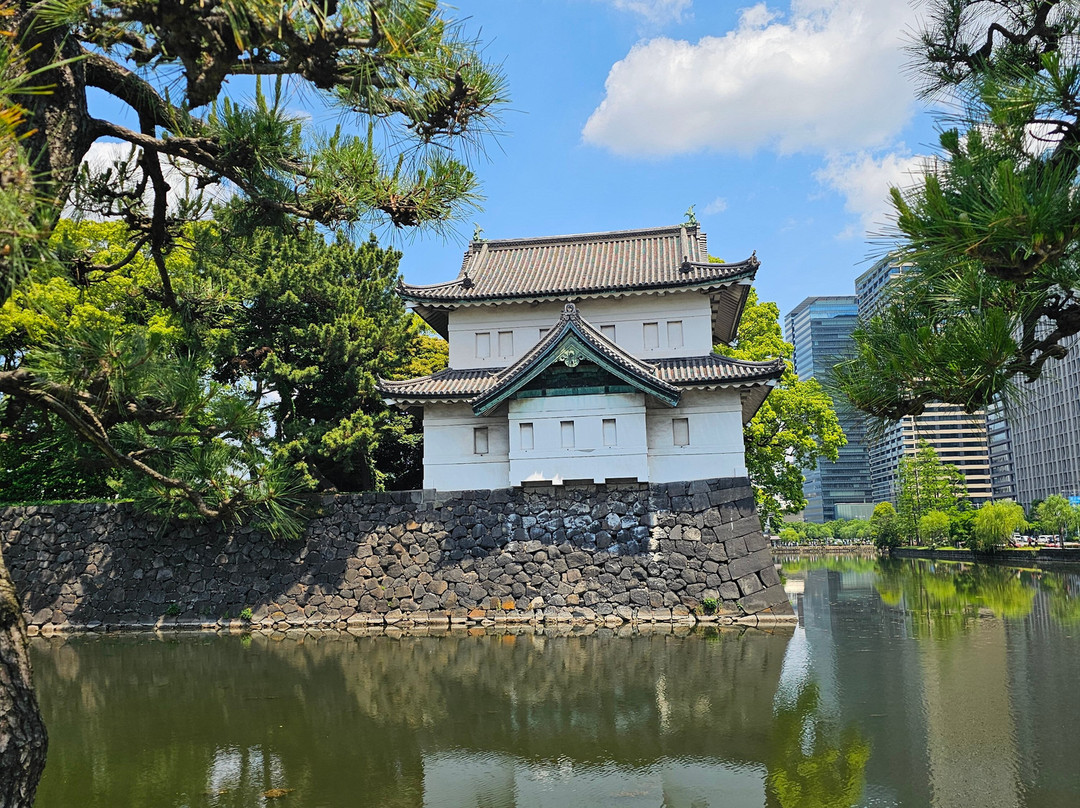
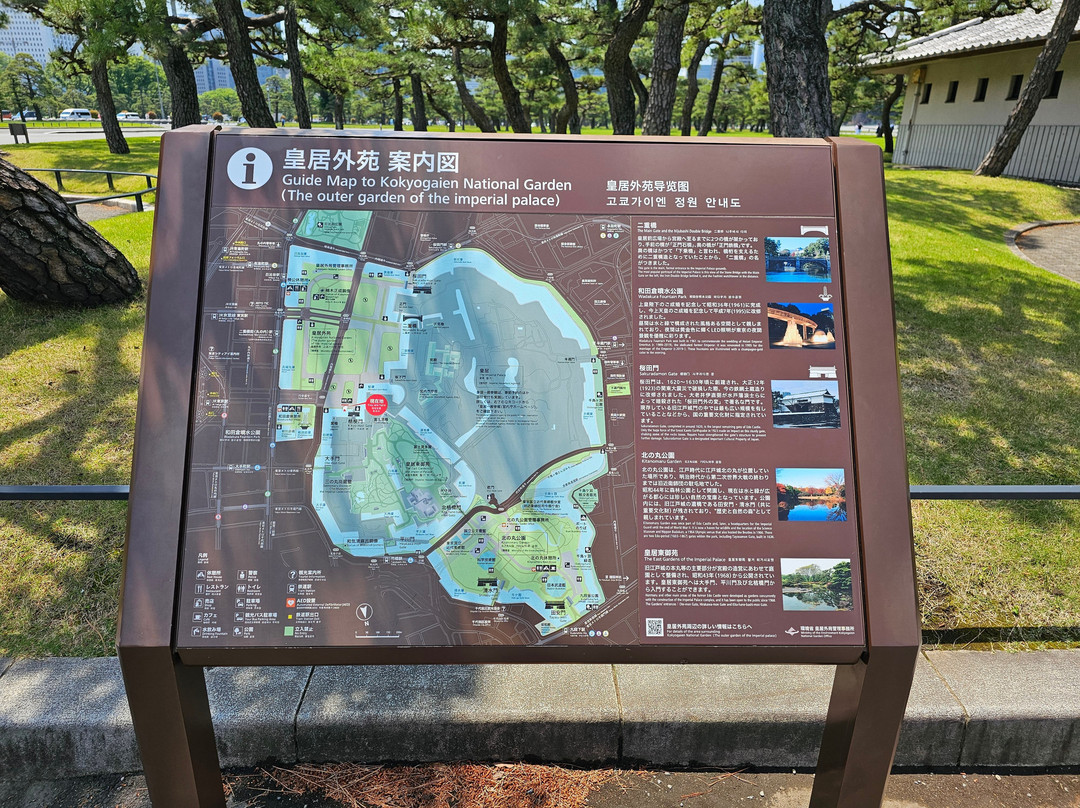
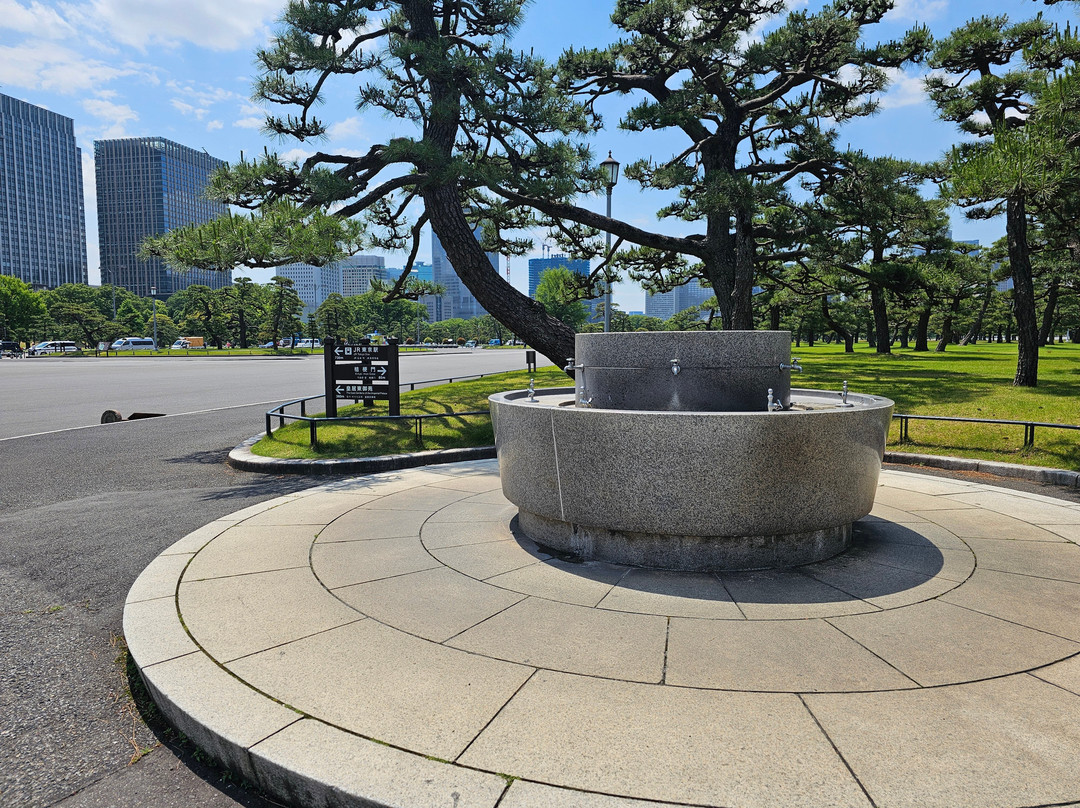
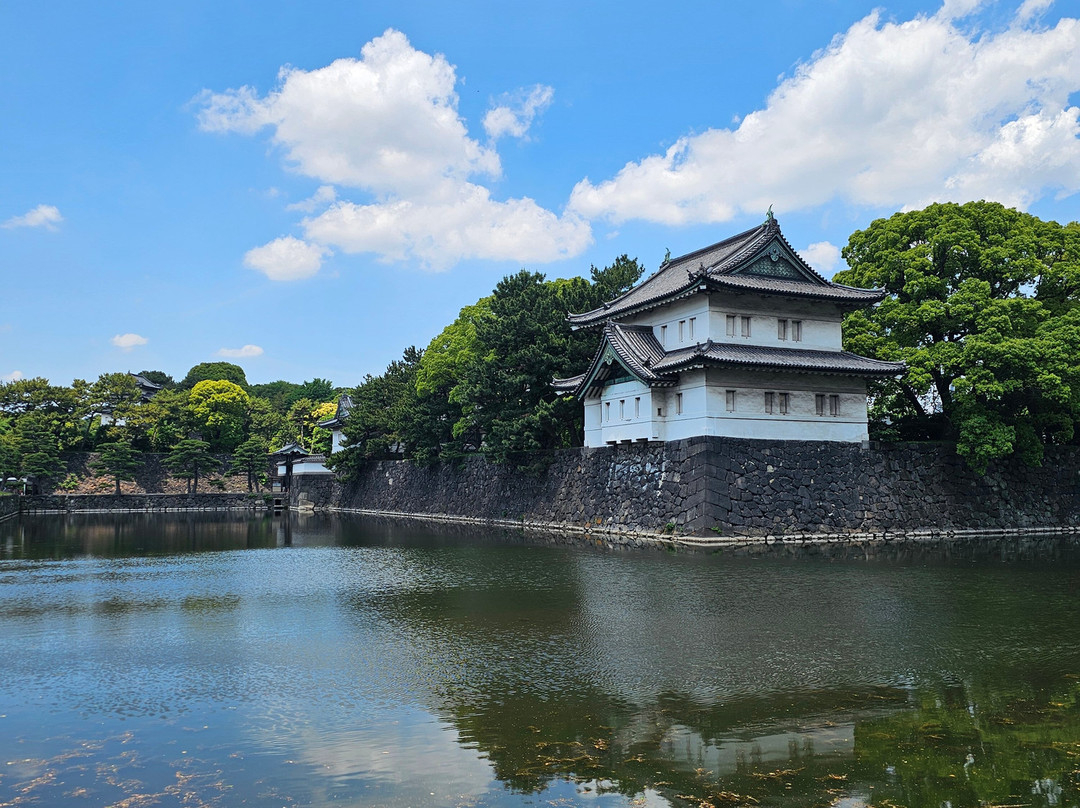
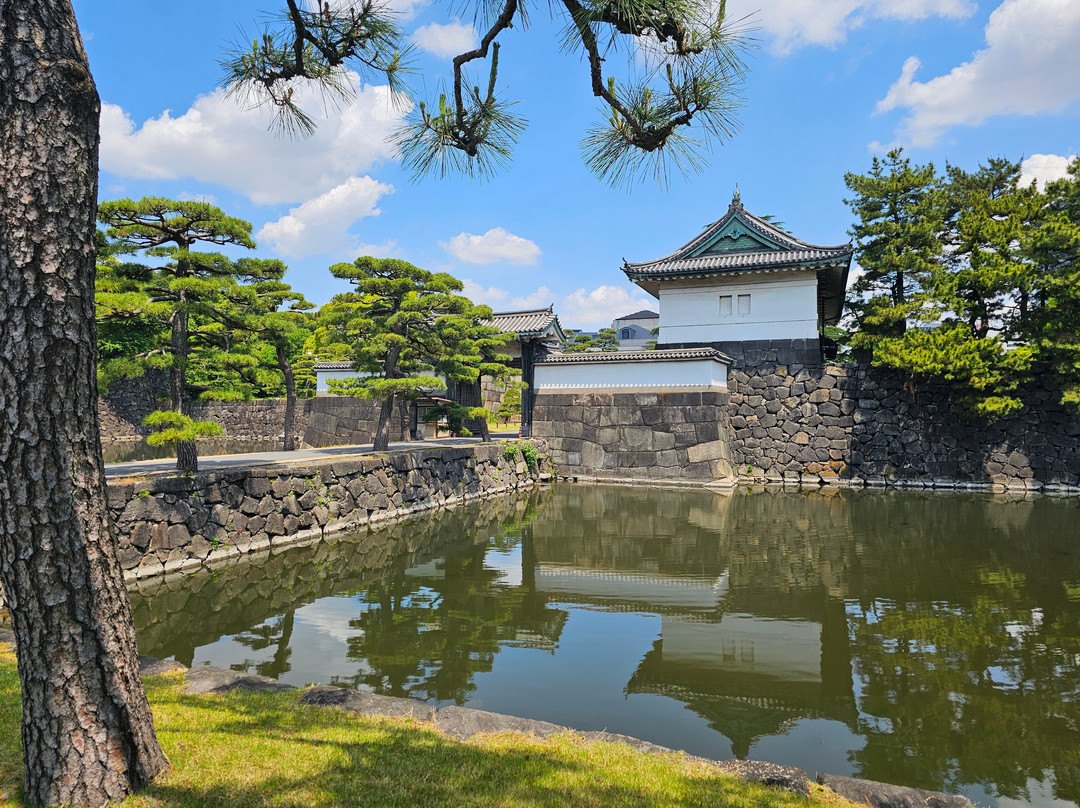
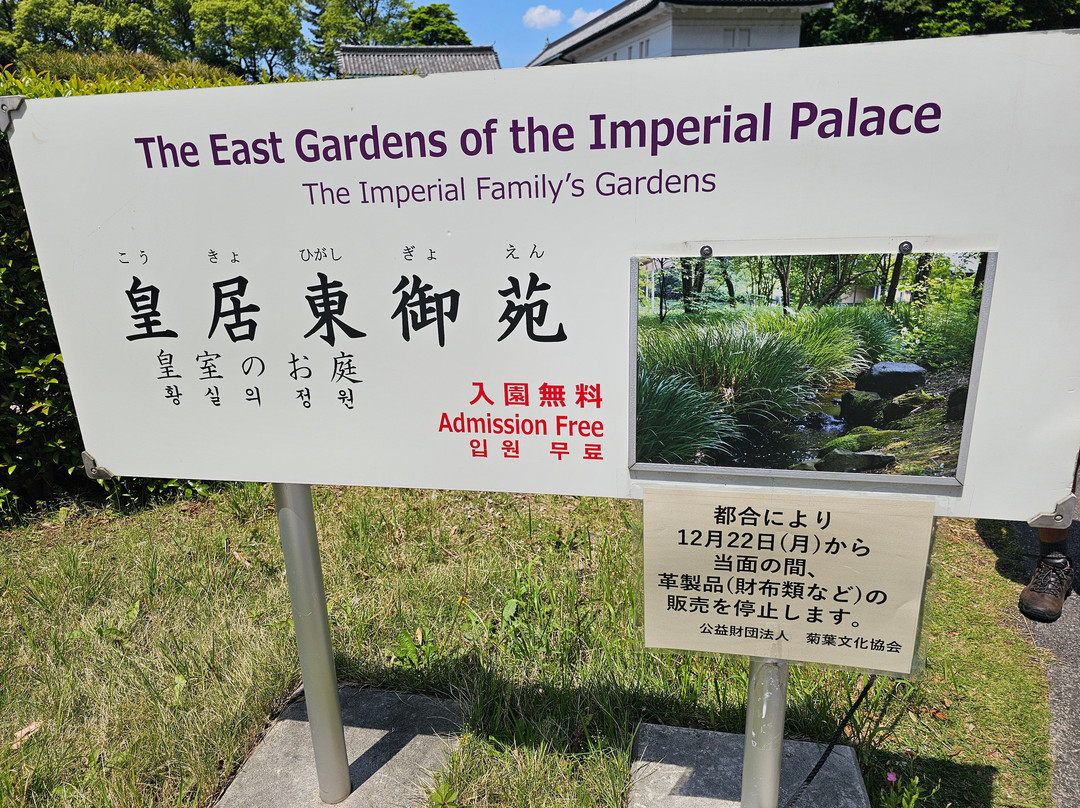
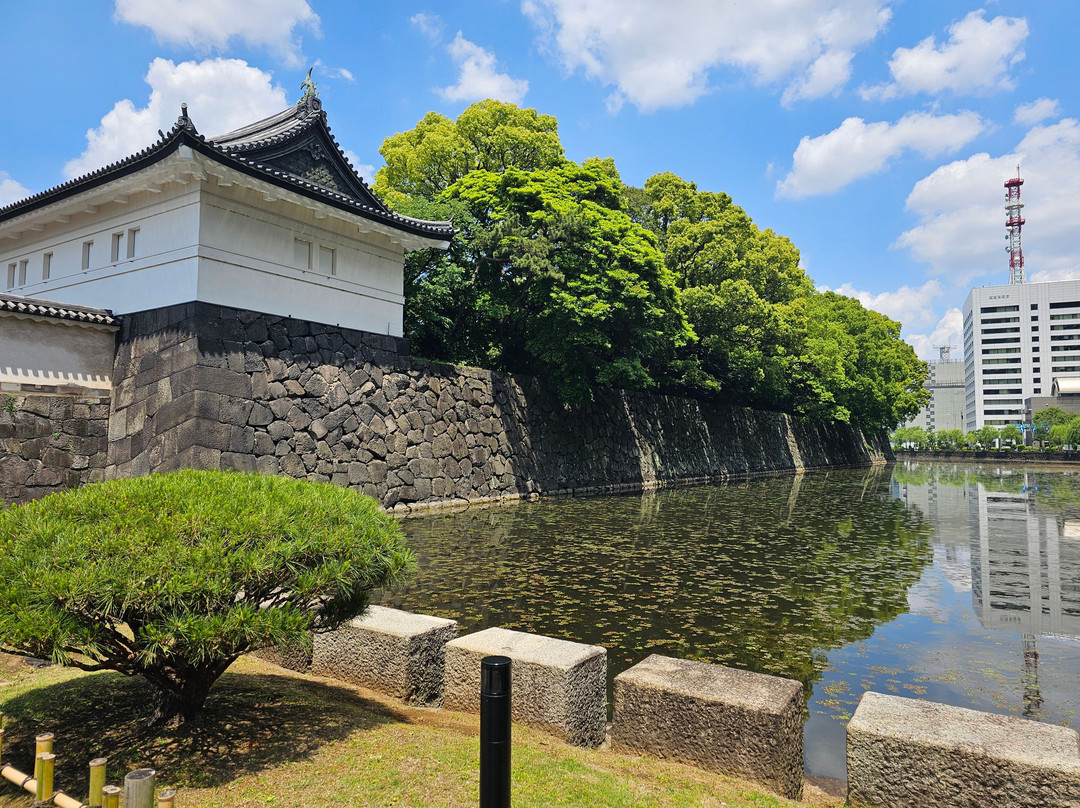
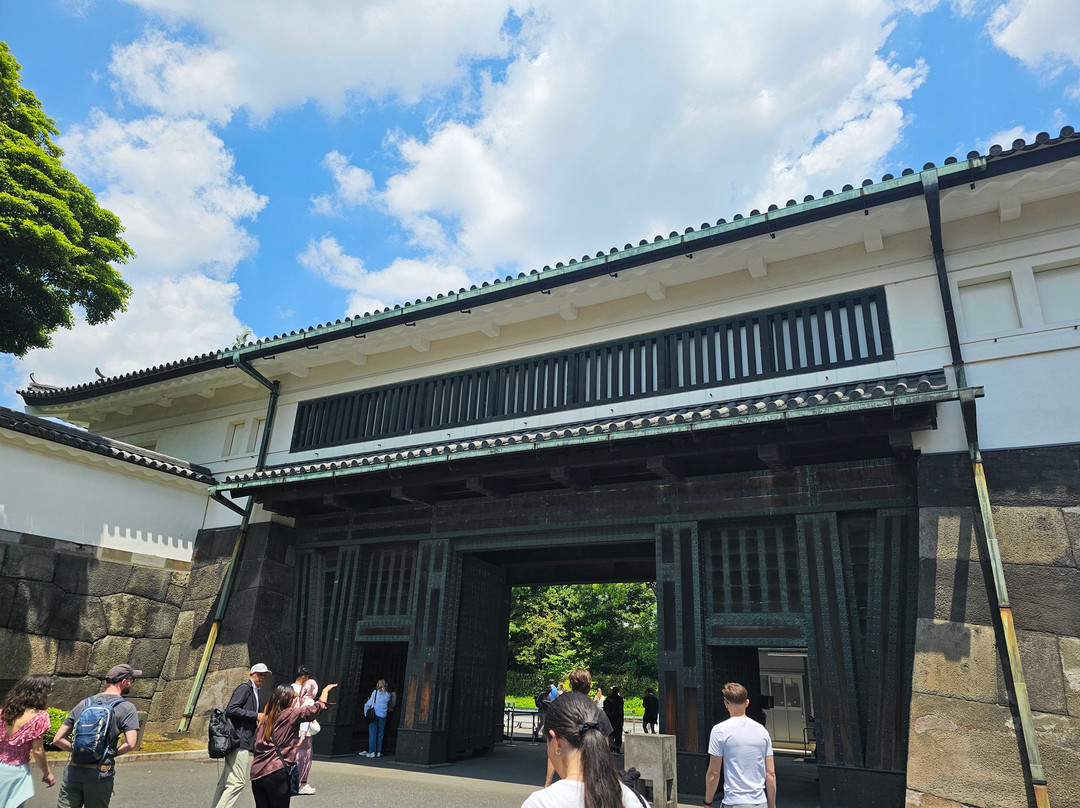
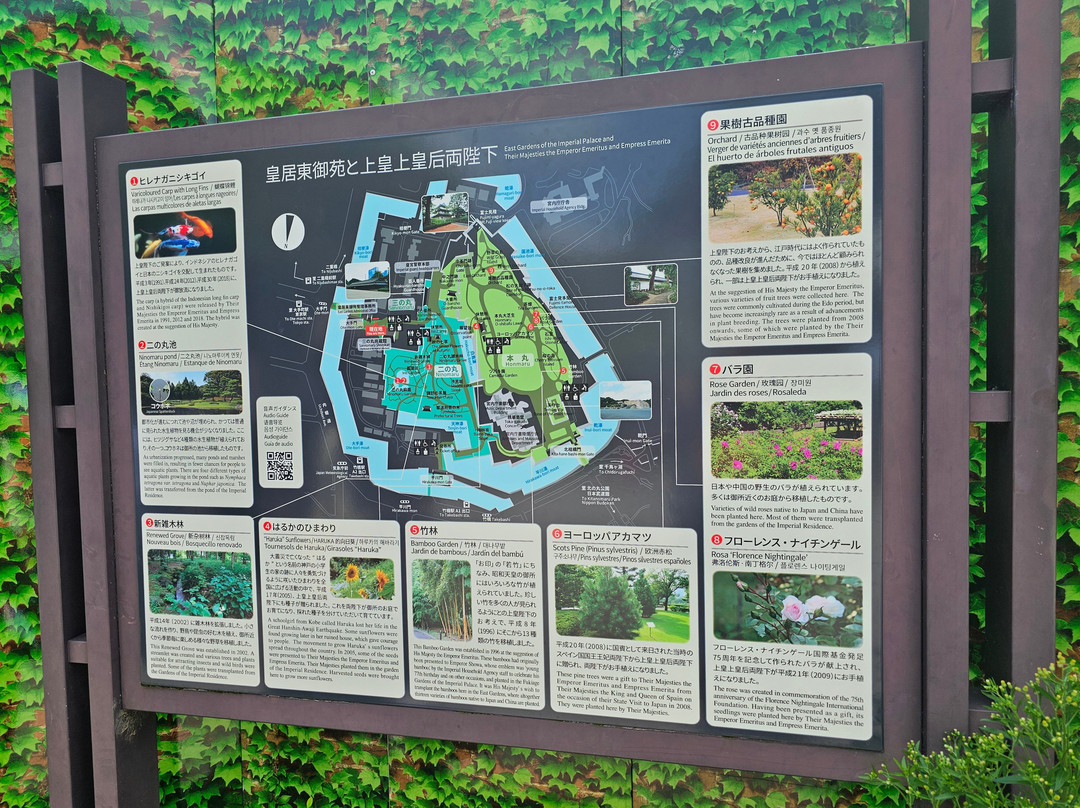
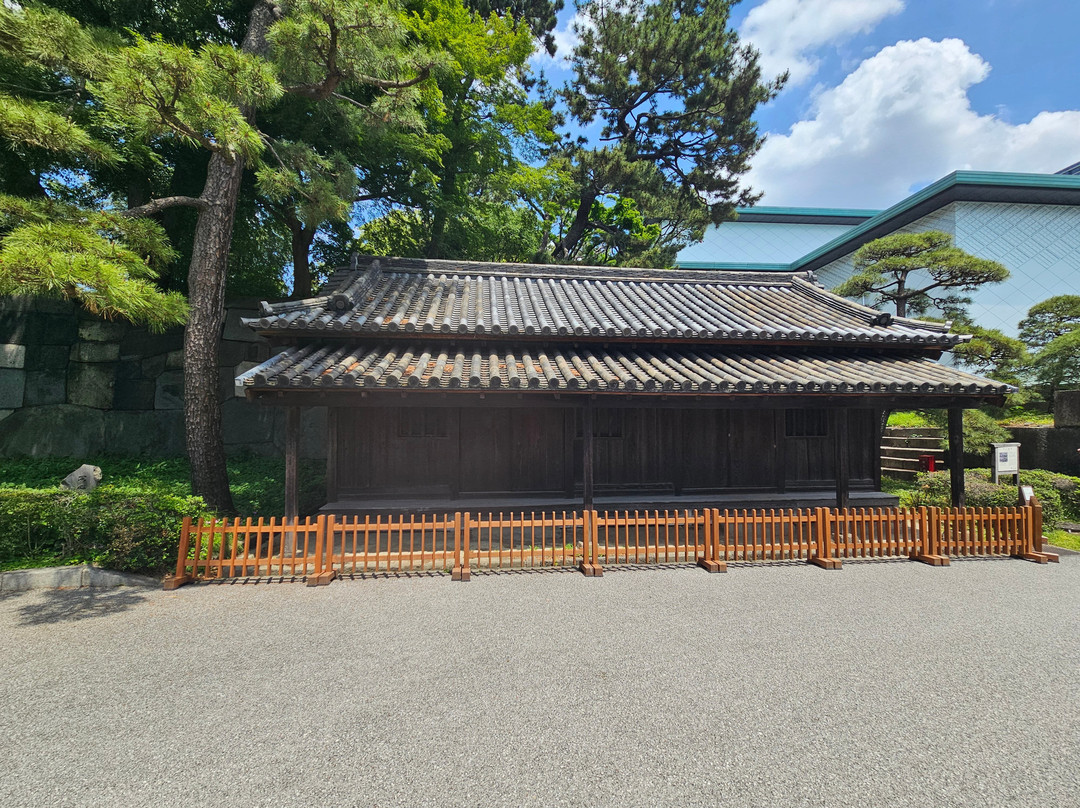
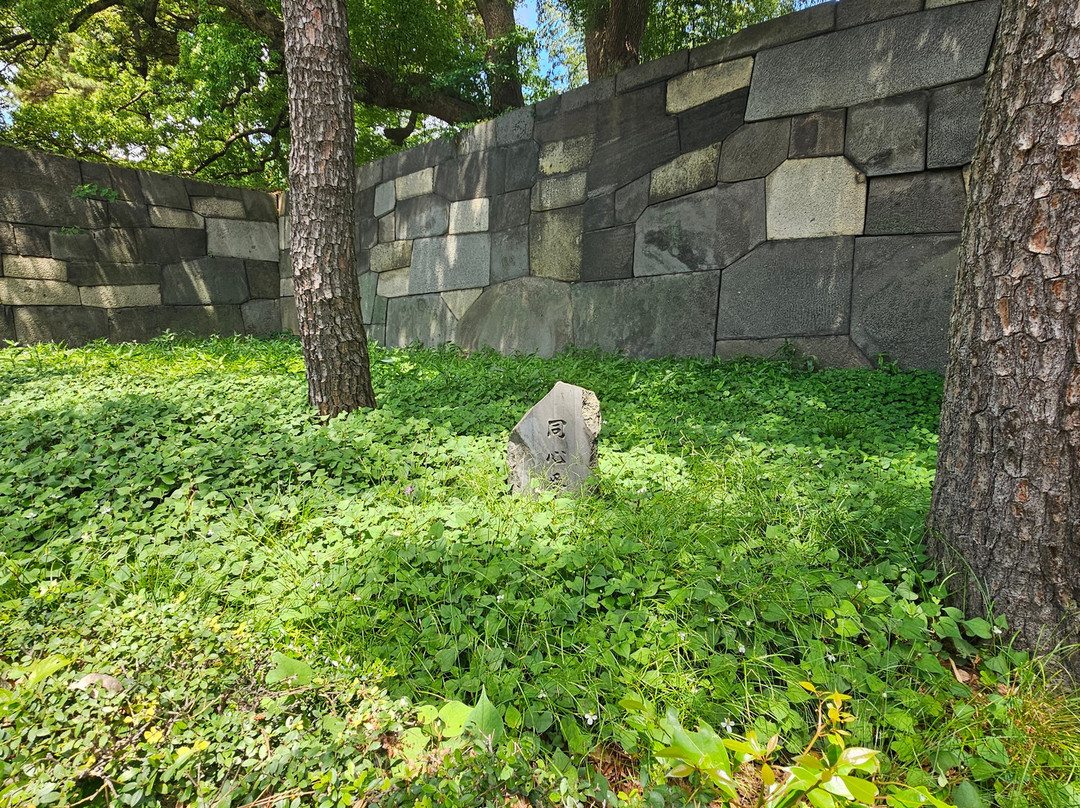
点评:I came here three times and walked around and explore this vast Garden. It is really beautiful and you can enter it at different entrences.
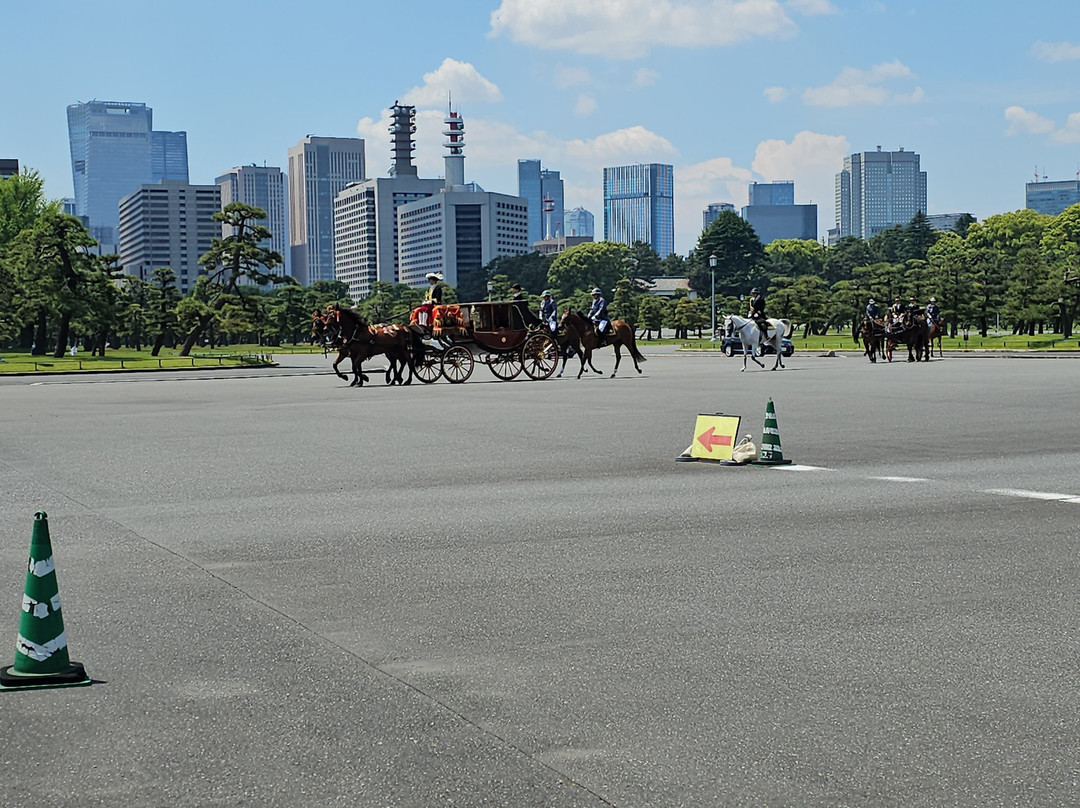
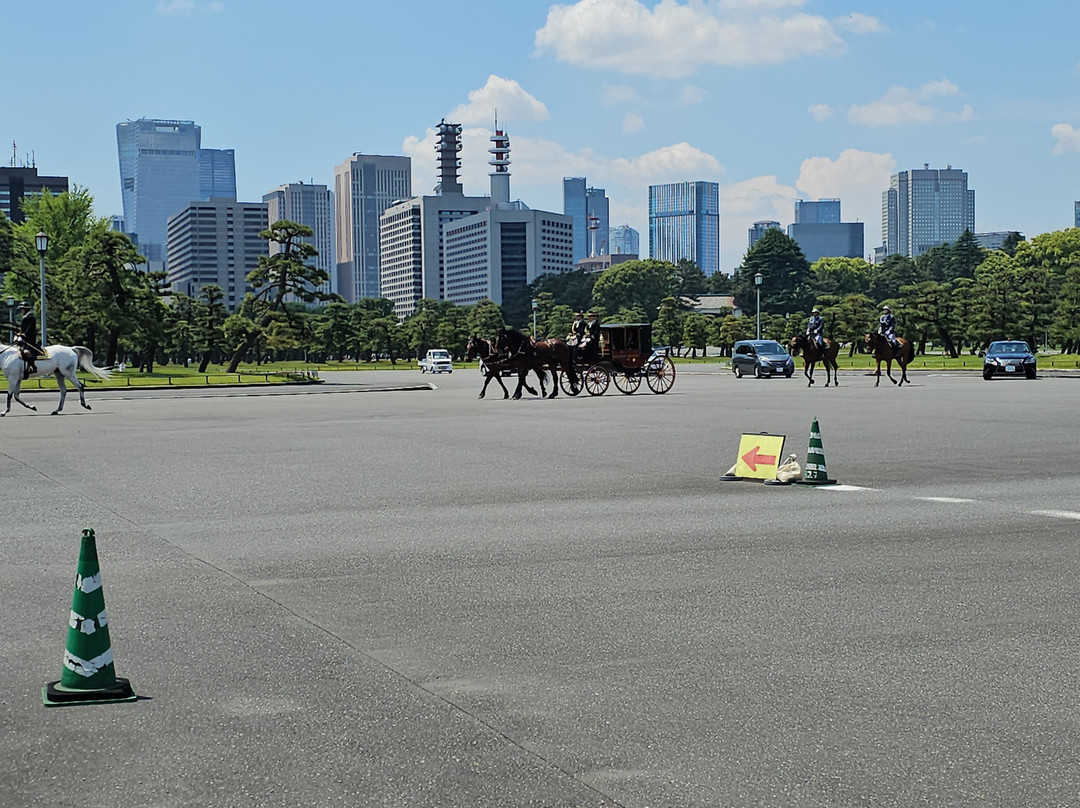
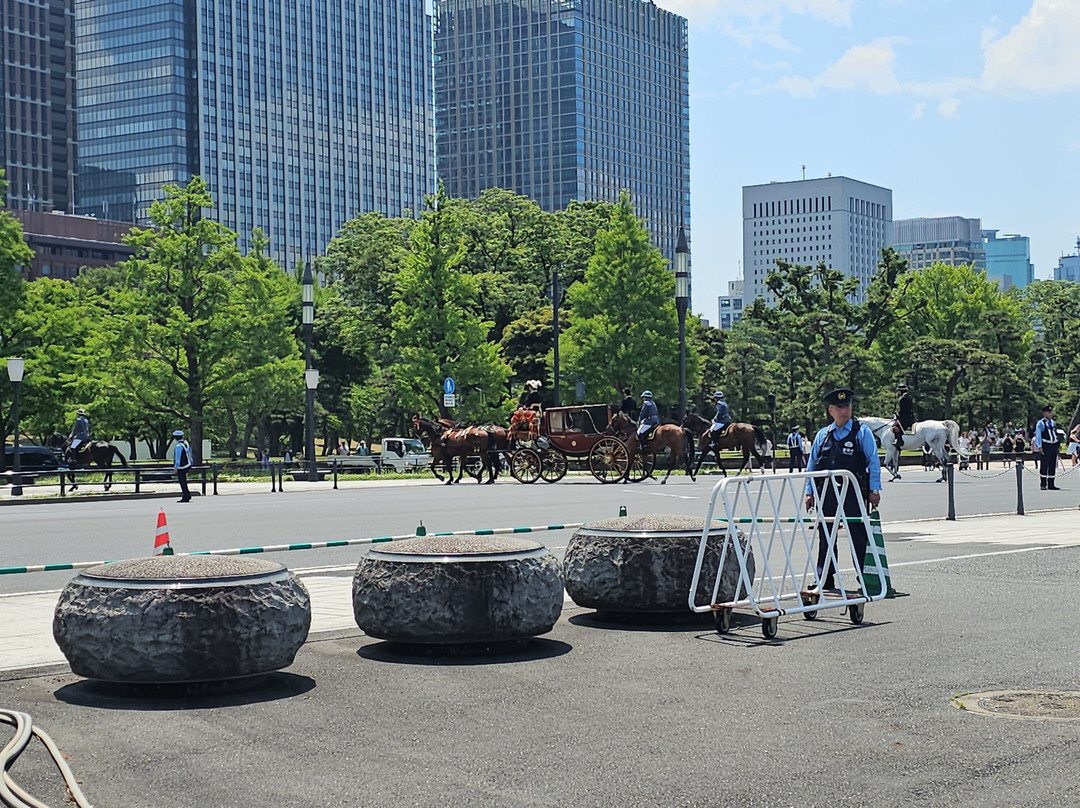
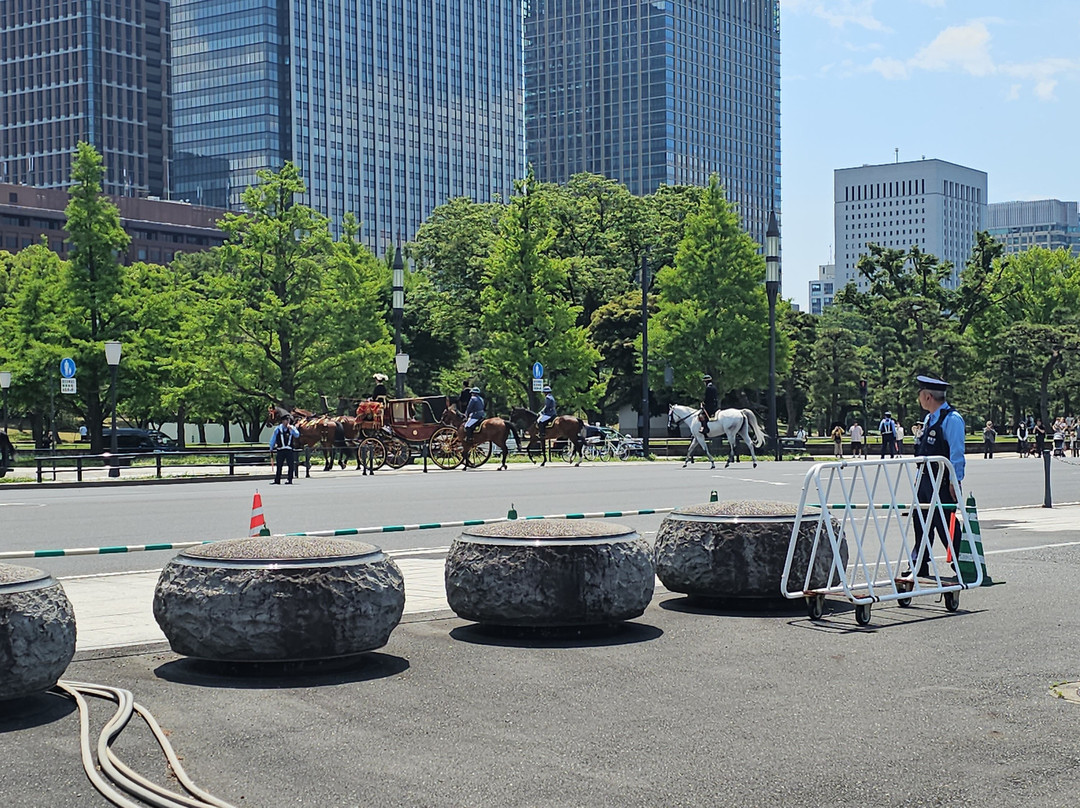
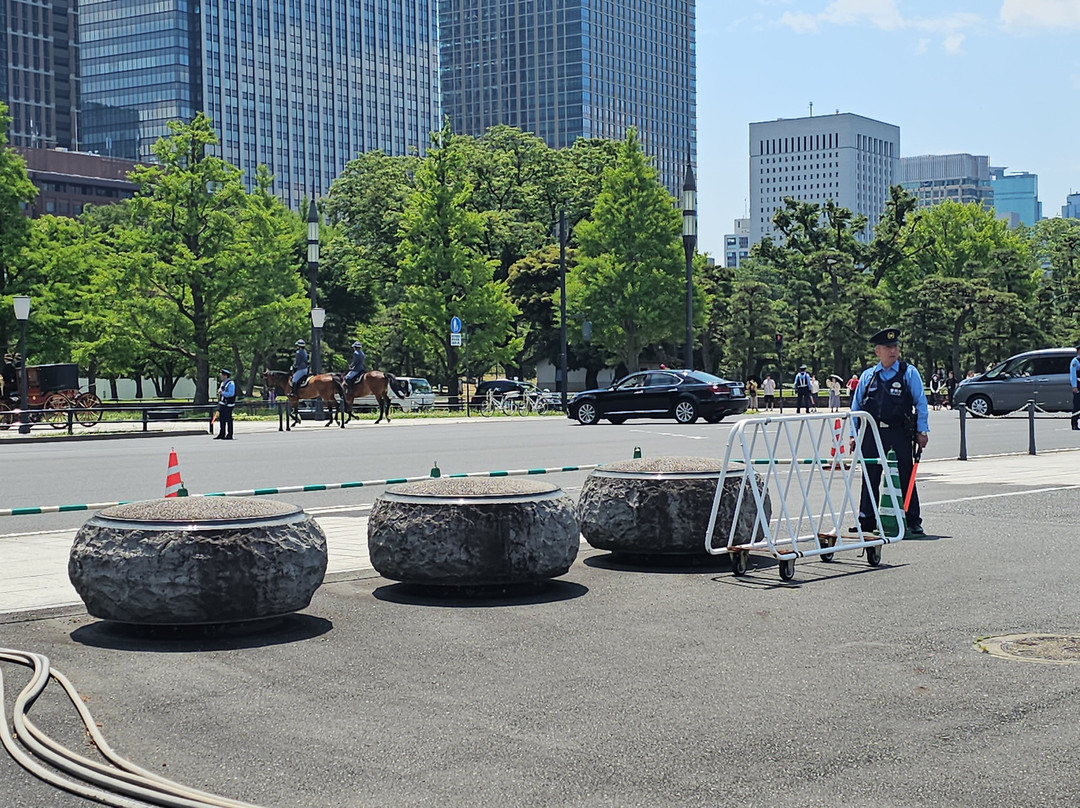
I was lucky to see the Ceremonial Horse-Drawn Carriages on my 1st visit. That was really need and unique to experience.
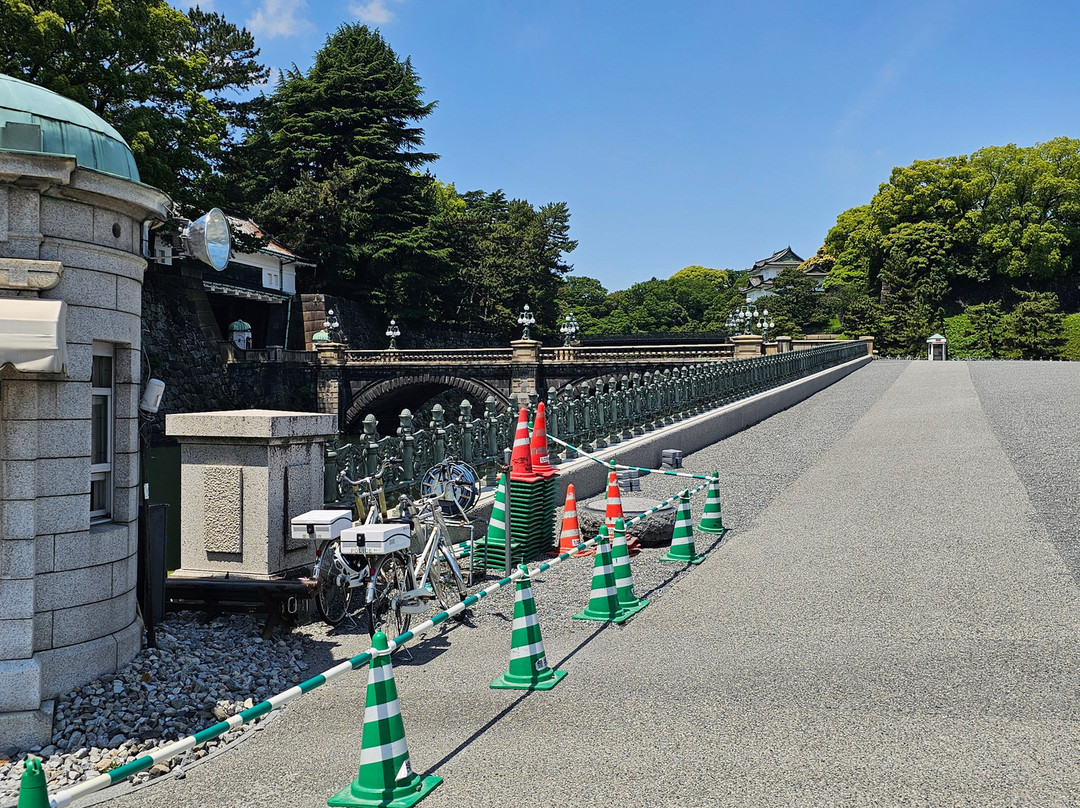
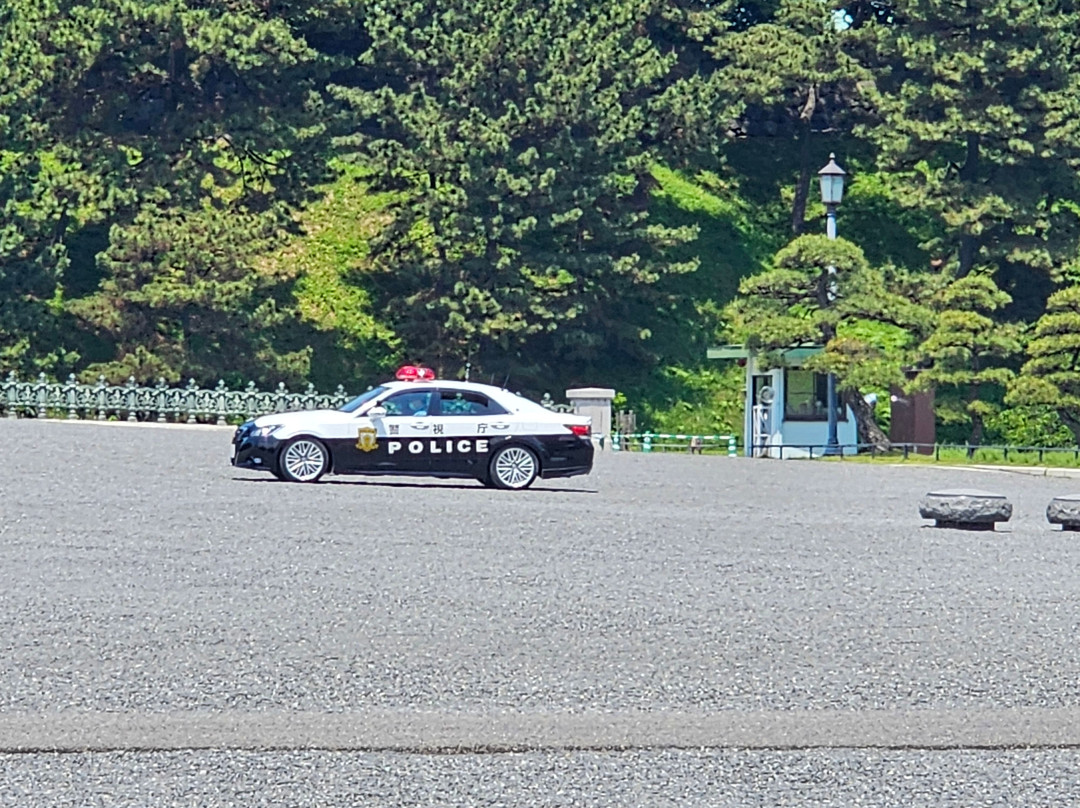
They take security very seriously and be prepared to open your Backpack.
--
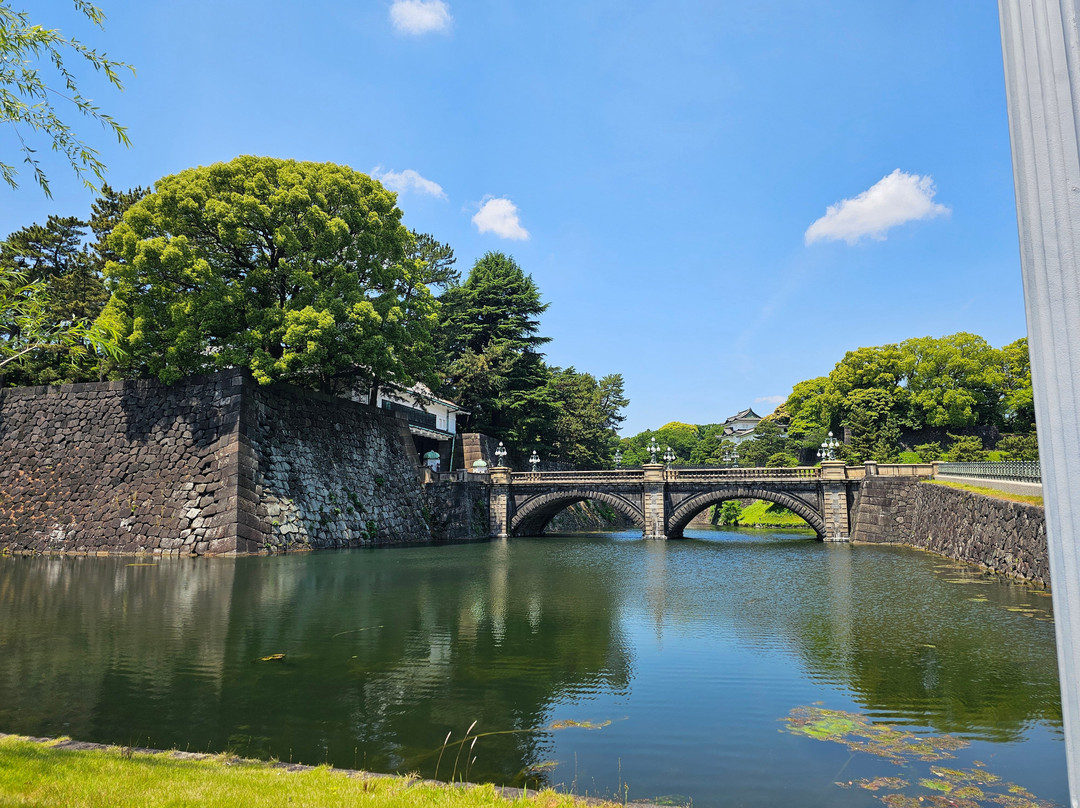
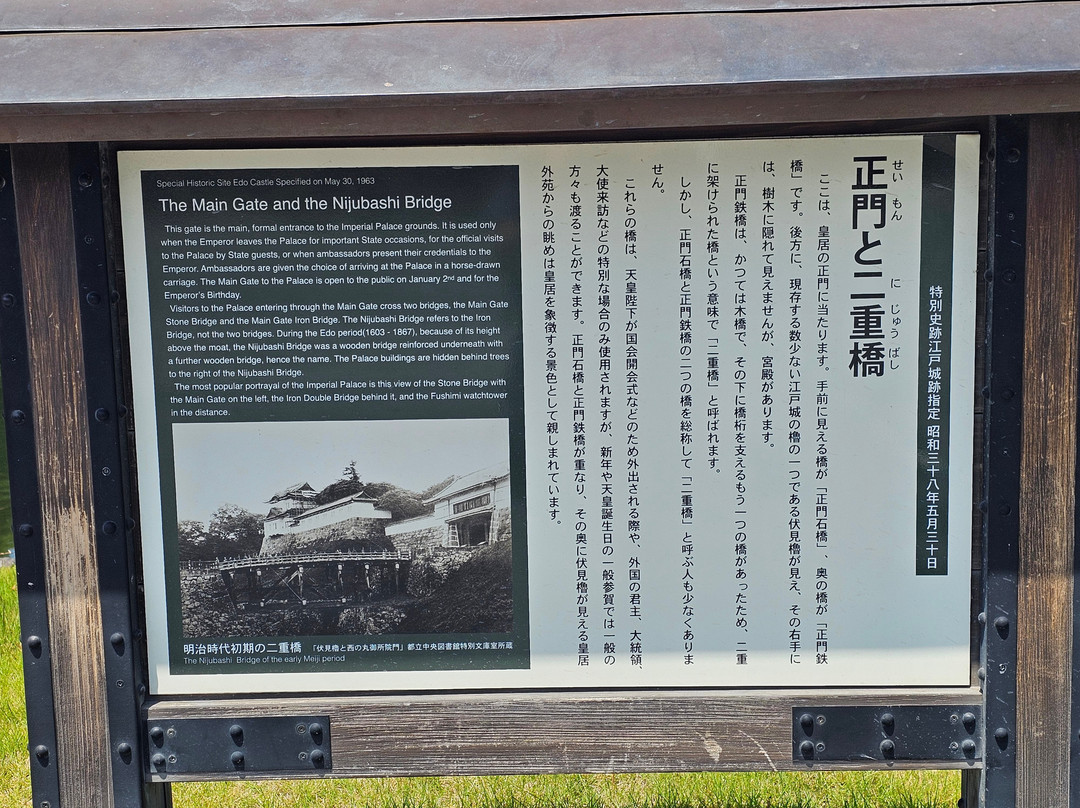
Japanese ceremonial horse carriages are highly preserved, 19th-century-style coaches used by the Imperial Household Agency for state occasions like the Emperor's accession and weddings. Most notably, they convey newly appointed foreign ambassadors to the Imperial Palace for the Presentation of Credentials ceremony.Key Details & TypesCarriage Types: The two-horse coaches used primarily for ambassadors are known as zagyoshiki (usually barouche or phaeton styles).Origin & Age: Most carriages were manufactured between the late Meiji (1868–1912) and early Showa (1926–1989) periods.The Route: The ceremonial procession runs between Tokyo Station and the Imperial Palace South Porch, traveling along Gyoko-dori and through the Kokyogaien National Gardens.Public Viewing: Visitors can watch the procession safely from the Imperial Palace Outer Gardens (near the Nijubashi Bridge). The carriages are replaced by limousines only if there is stormy weather
---
I was lucky to see the Ceremonial Horse-Drawn Carriages on my 1st visit. That was really need and unique to experience.
They take security very seriously and be prepared to open your Backpack.
--
Japanese ceremonial horse carriages are highly preserved, 19th-century-style coaches used by the Imperial Household Agency for state occasions like the Emperor's accession and weddings. Most notably, they convey newly appointed foreign ambassadors to the Imperial Palace for the Presentation of Credentials ceremony.Key Details & TypesCarriage Types: The two-horse coaches used primarily for ambassadors are known as zagyoshiki (usually barouche or phaeton styles).Origin & Age: Most carriages were manufactured between the late Meiji (1868–1912) and early Showa (1926–1989) periods.The Route: The ceremonial procession runs between Tokyo Station and the Imperial Palace South Porch, traveling along Gyoko-dori and through the Kokyogaien National Gardens.Public Viewing: Visitors can watch the procession safely from the Imperial Palace Outer Gardens (near the Nijubashi Bridge). The carriages are replaced by limousines only if there is stormy weather
---
翻译:我来过这里三次,走遍了整个广阔的花园。那里真的非常美丽,而且有多个入口可以进入。
第一次到访时,我很幸运地看到了仪式用的马车队。那种体验真的非常难得且独特。
他们非常重视安全工作,因此请做好打开背包接受检查的准备。
——
日本的仪式用马车保存状况极佳。这些具有19世纪风格的马车由宫内厅用于各项国事活动,如天皇登基仪式和婚礼。其中最为重要的是,它们负责接送新任外国大使前往皇宫,出席递交国书仪式。关键细节与类型:主要用于接送大使的双马马车被称为“座舆式马车”(通常为巴鲁什式或四轮小马车款式)。起源与年代:大多数马车制造于明治晚期(1868–1912年)至昭和初期(1926–1989年)。
行进路线:仪仗车队从东京站出发,沿行幸通行进,最终抵达皇居南门及皇居外苑。
公众观赏:游客可于皇居外苑内(二之桥附近)安全地观看车队经过。只有在天气恶劣时,马车才会被豪华轿车所取代。
第一次到访时,我很幸运地看到了仪式用的马车队。那种体验真的非常难得且独特。
他们非常重视安全工作,因此请做好打开背包接受检查的准备。
——
日本的仪式用马车保存状况极佳。这些具有19世纪风格的马车由宫内厅用于各项国事活动,如天皇登基仪式和婚礼。其中最为重要的是,它们负责接送新任外国大使前往皇宫,出席递交国书仪式。关键细节与类型:主要用于接送大使的双马马车被称为“座舆式马车”(通常为巴鲁什式或四轮小马车款式)。起源与年代:大多数马车制造于明治晚期(1868–1912年)至昭和初期(1926–1989年)。
行进路线:仪仗车队从东京站出发,沿行幸通行进,最终抵达皇居南门及皇居外苑。
公众观赏:游客可于皇居外苑内(二之桥附近)安全地观看车队经过。只有在天气恶劣时,马车才会被豪华轿车所取代。

© 2026 Tripadvisor 版权所有。
部分照片由 VFM Leonardo 提供。
TripAdvisor公司对外部网站的内容一概不负责。优惠价格中不含税和其他费用。
ICP证:沪B2-20200433
沪ICP备20013175号
 沪公网安备31010502005427号
鹰程信息技术(上海)有限公司