下载App
资质规则
旅行
账户

Brun066
A significant legacy of 19th-century public health concerns, it now also serves as a vantage point for observing the "ve
加勒菲斯绿地广场的点评
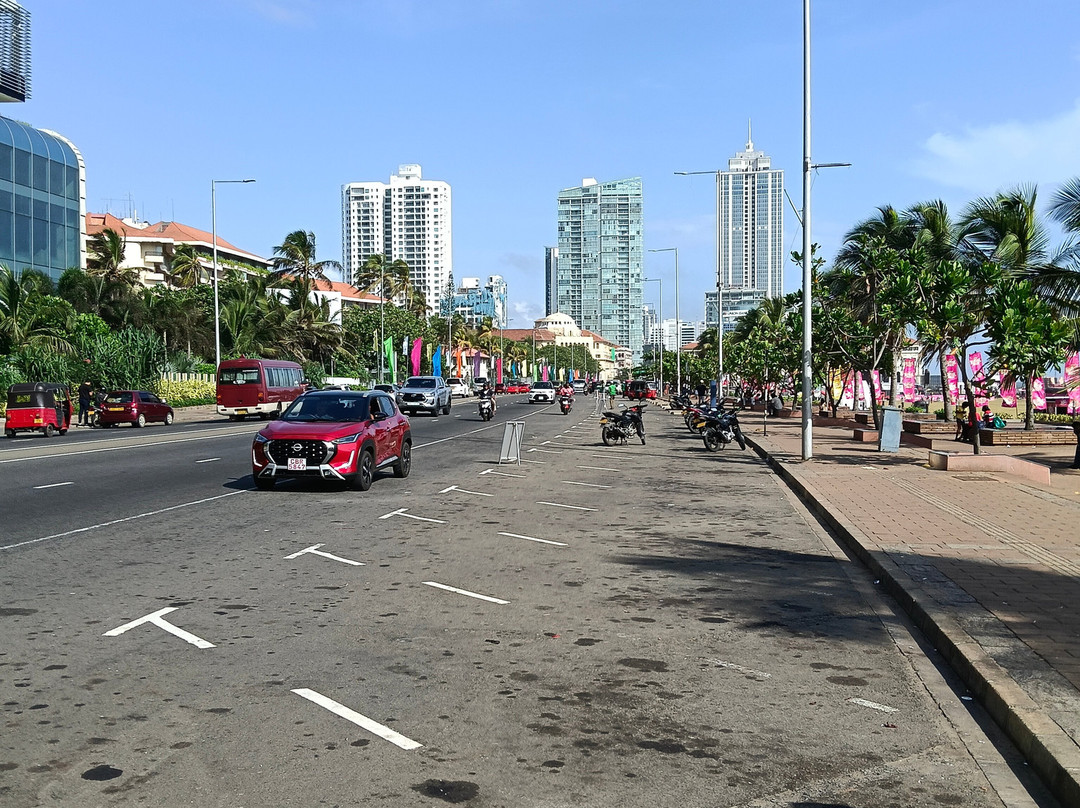
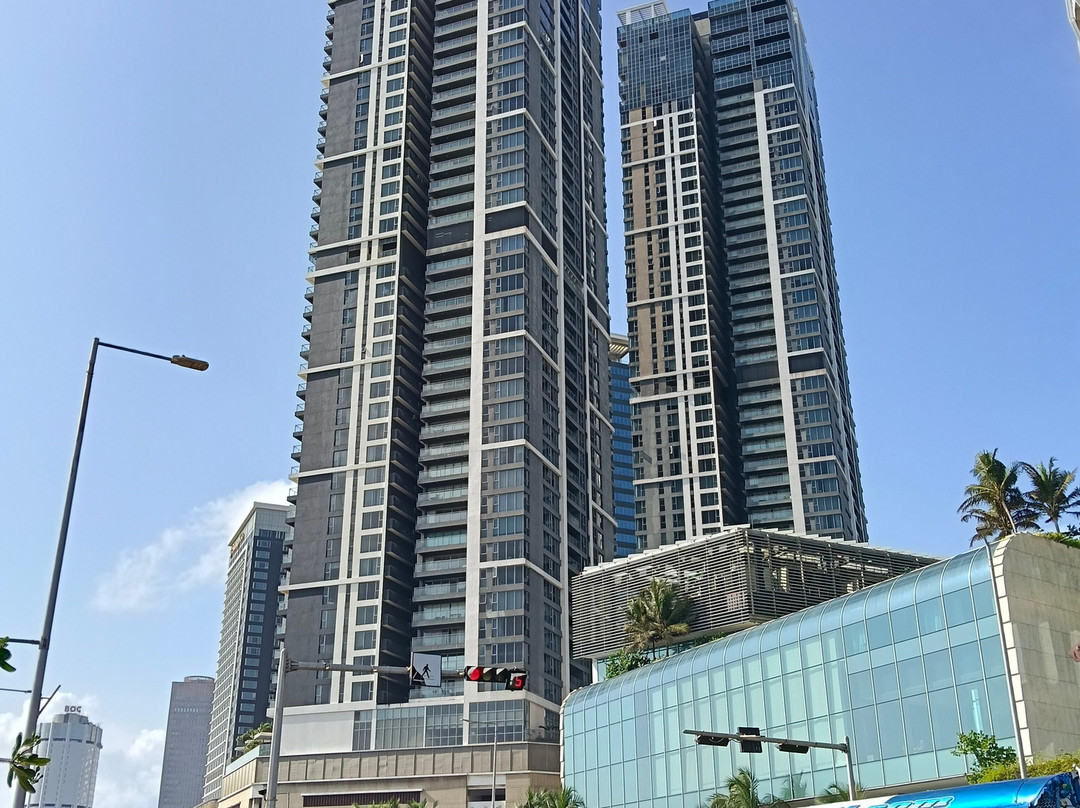
点评:During our stay in Colombo, we walked along the Green, skirting the boulevard that separates it from the hinterland — an area recently transformed by massive skyscraper development.
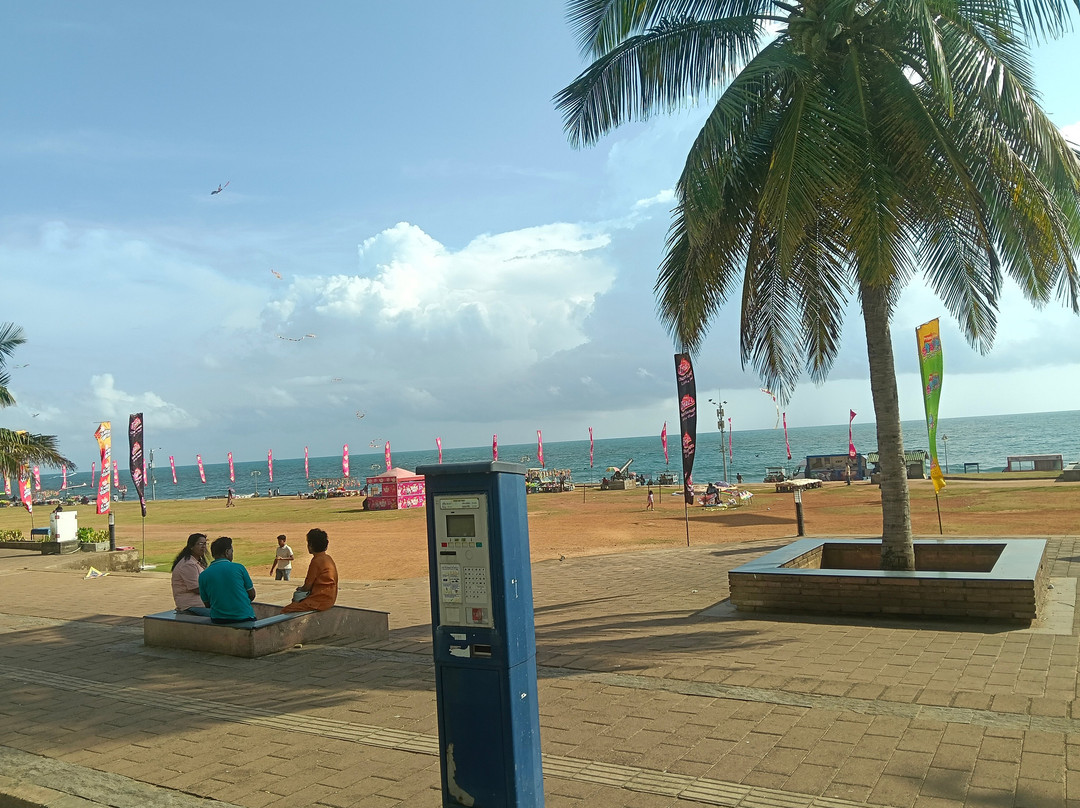
Galle Face Green, stretching north-to-south along the oceanfront, is a prime example of urban green space created in response to the mid-19th-century public health concerns, which has led to the establishment or preservation of green areas within cities (a trend that culminated in the creation of New York’s Central Park).
Galle Face Green cannot even remotely compare to its New York counterpart; the lawn’s current extent is no more than five hectares. Nevertheless, it remains a space set aside for public recreation; specifically, as its founder (City Governor Sir Henry Ward, 1855–1860) wrote, a place "for ladies and children to saunter and 'take in the air'."
The site remained free of buildings because it had served as a parade ground since the era of Dutch rule. Thanks to the Governor’s foresight — and the efforts of his successors — the Green was preserved from encroachment, such as the impact of the southern coastal railway line connecting Colombo and Galle. Built between 1875 and 1895, the line makes in fact a wide inland curve as it passes the Green, avoiding such open space to reach Colombo’s "Fort Station" (the city's main terminal) further north.
However, as often happens in similar cases, the Green was historically used for sporting competitions; the construction of permanent facilities for sports such as golf, rugby, cricket, and — above all — horse racing, somewhat diminished its accessibility for the general public. It must be noted, however, that during the Green’s early decades — when these original functions were active — it was considerably larger than it is today.
From what we could observe, the Green’s recreational role remains today prominent: it is heavily frequented, especially by locals.
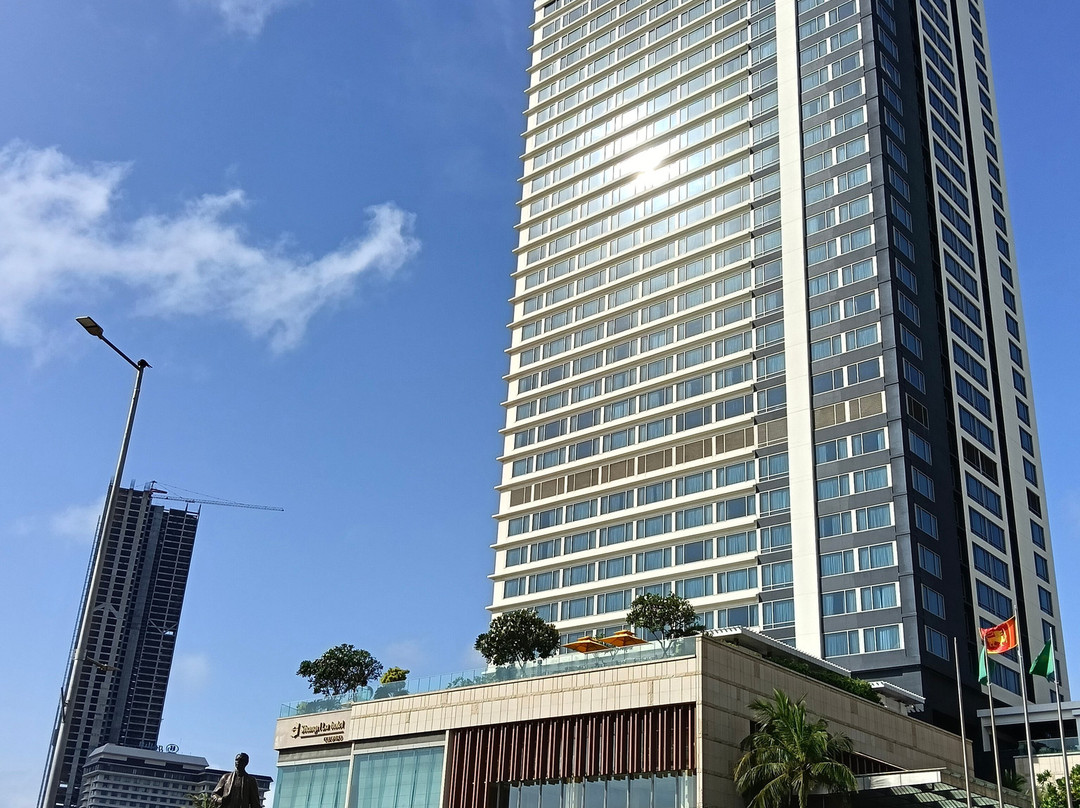
A development dating back only a few decades is the rise of bold, generally quite tall buildings immediately to the east of the Green; they play a major role in shaping a futuristic image of the capital — reminiscent of the most dynamic Asian metropolises — which, to my knowledge, has no parallel elsewhere in Sri Lanka.
翻译:在科伦坡逗留期间,我们沿着格林大道漫步,这条大道与分隔城市与内陆地区的林荫大道相接——该内陆地区近期因大量摩天大楼的兴建而发生了巨大变化。
加勒面海绿带沿海岸线呈南北走向,它是19世纪中叶为应对公共卫生问题而修建的城市绿地的一个典型范例。这一做法促使城市中绿地得以建立或保留(这一趋势最终促成了纽约中央公园的诞生)。
加勒脸绿地远远无法与纽约的中央公园相提并论;如今这片草坪的面积不过五公顷而已。不过,它依然是一处供公众休闲娱乐的场所;正如其创始人——时任城市长官亨利·沃德爵士(1855–1860年在任)所写的那样,这是一个“供女士们和孩子们漫步、呼吸新鲜空气”的地方。这片区域一直没有任何建筑物,因为自荷兰统治时期起它就被用作阅兵场。多亏了总督的远见卓识以及历任继任者的努力,这片绿地才得以免受侵占——比如免受连接科伦坡和加勒的南部沿海铁路线的影响。这条铁路建于1875年至1895年间,在经过绿地时实际上形成了一条大幅向内陆弯曲的线路。为了抵达更北边的科伦坡“Fort车站”(该市的主要客运站),人们会避开这片开阔地带。
不过,正如类似情况时常发生的那样,这片绿地历史上曾被用于举办各类体育比赛;高尔夫、橄榄球、板球,尤其是赛马等运动的永久性设施的建设,使得普通民众越来越难以进入该区域。不过,必须指出的是。在格林公园建立后的最初几十年里——也就是这些最初的功能仍在发挥作用的时期——公园的规模远比如今要大得多。
就我们观察到的情况而言,格林公园的休闲功能如今依然十分突出:它常年游人如织,尤其是当地居民常来光顾。
仅几十年前才出现的一种新现象就是一些大胆的……在绿地东侧,耸立着许多相当高的建筑物;它们在塑造首都的未来形象方面发挥着重要作用——这一形象让人联想到亚洲最具活力的大都市。据我所知,斯里兰卡其他地方都没有类似的景象。

© 2026 Tripadvisor 版权所有。
部分照片由 VFM Leonardo 提供。
TripAdvisor公司对外部网站的内容一概不负责。优惠价格中不含税和其他费用。
ICP证:沪B2-20200433
沪ICP备20013175号
 沪公网安备31010502005427号
鹰程信息技术(上海)有限公司