下载App
资质规则
旅行
账户

toniajs167
A beautiful place with a sorrowful history
Rottnest Island Visitor Centre的点评
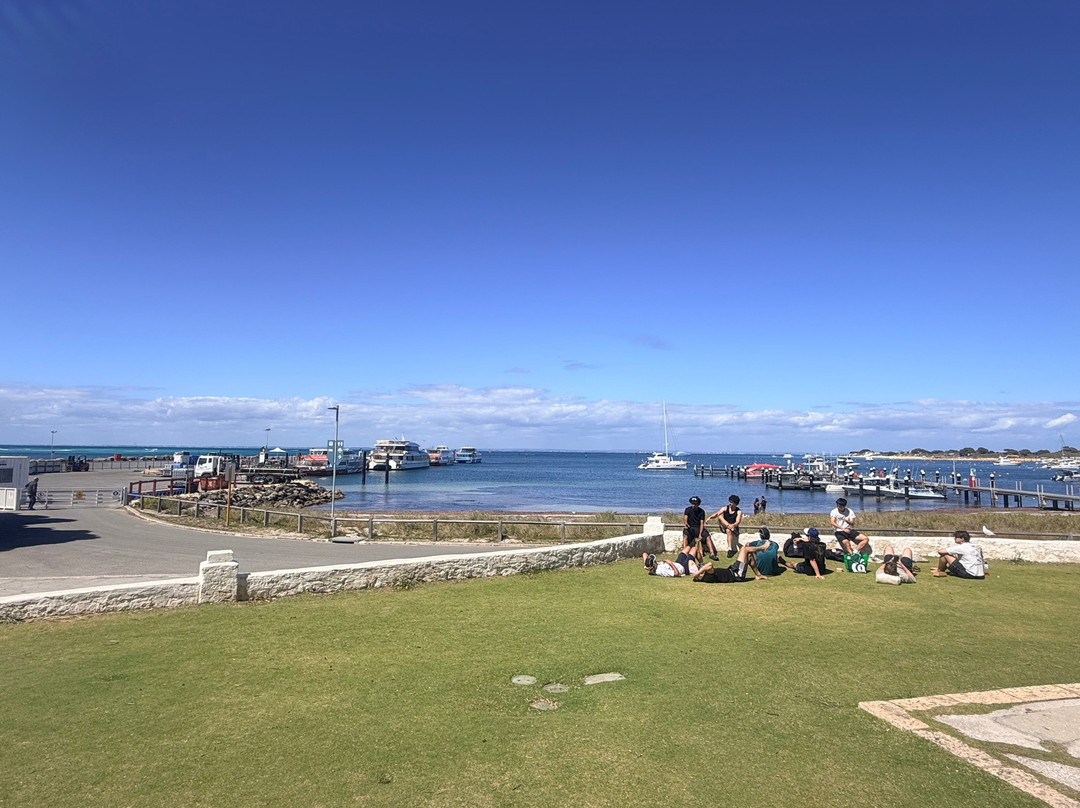
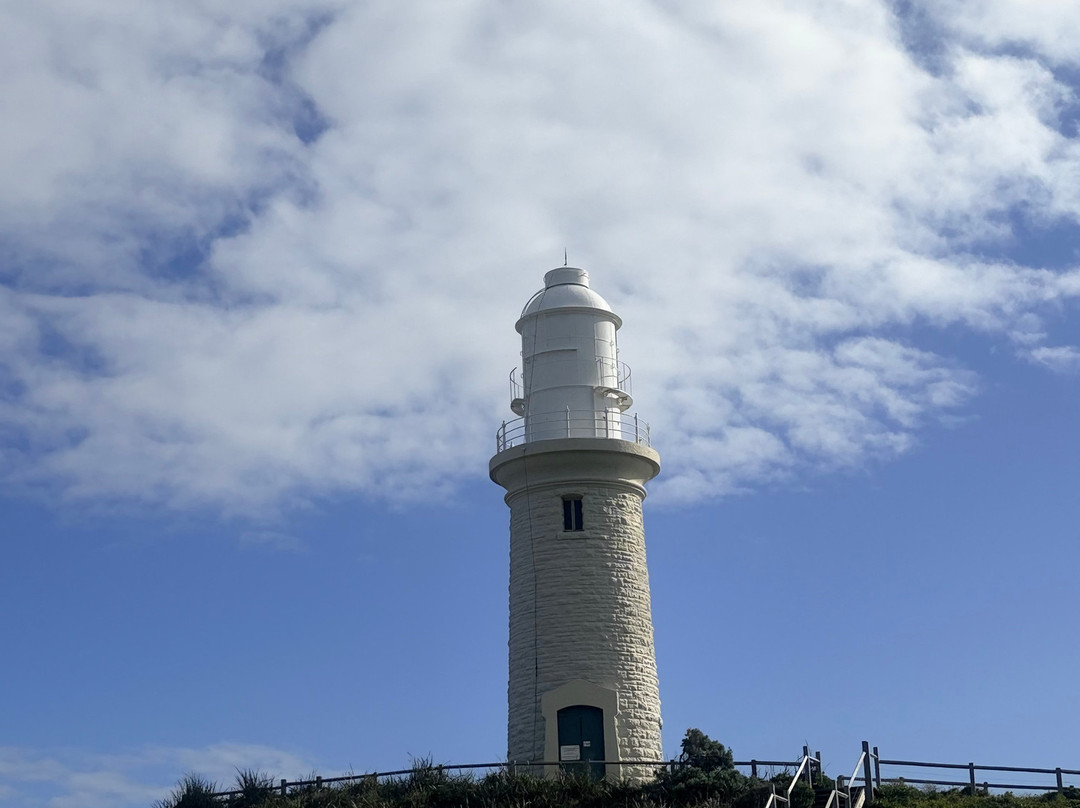
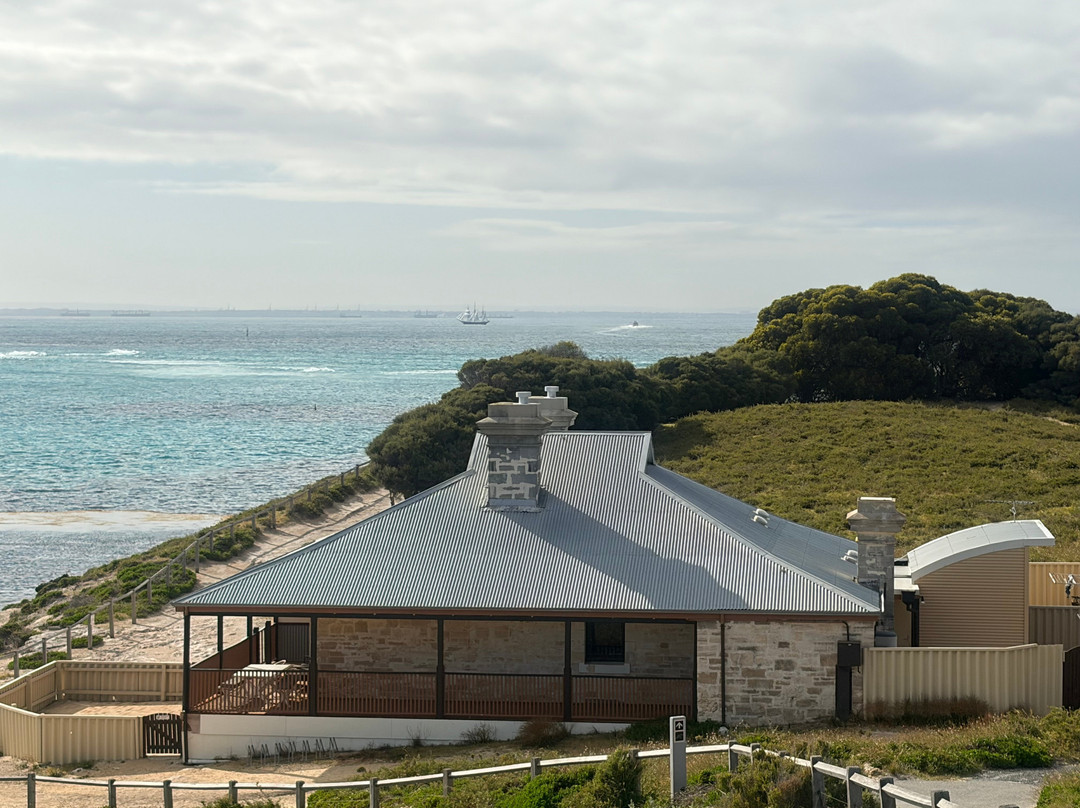
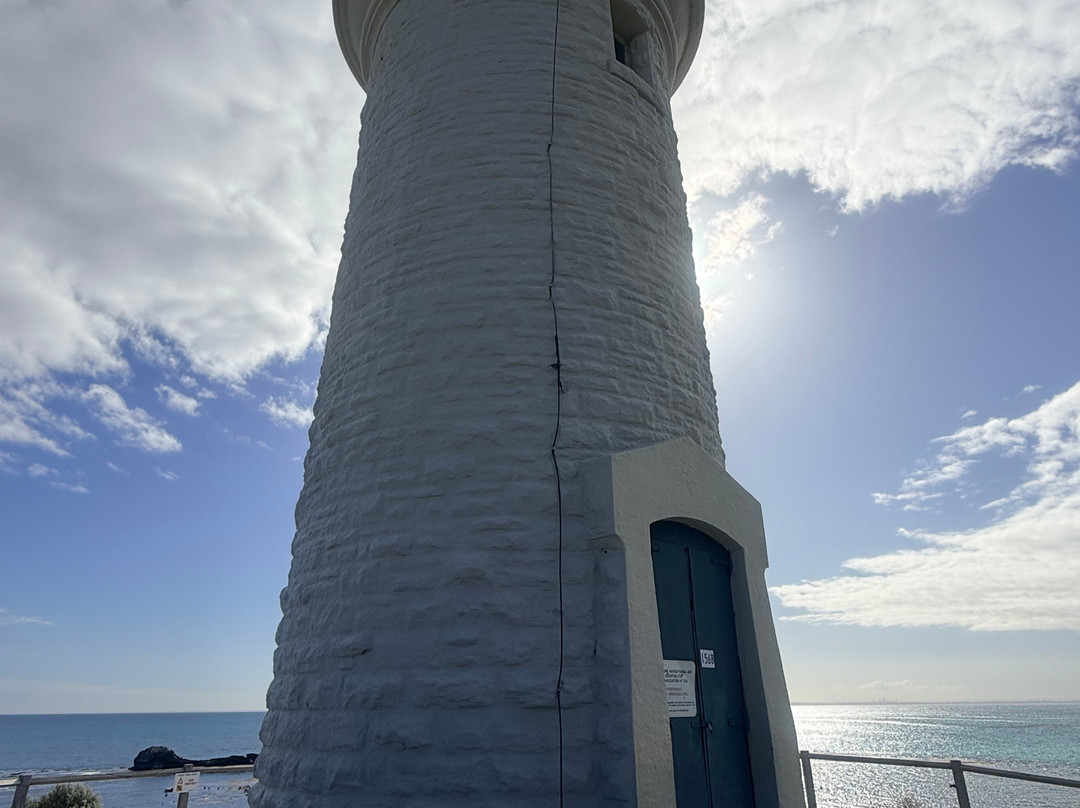
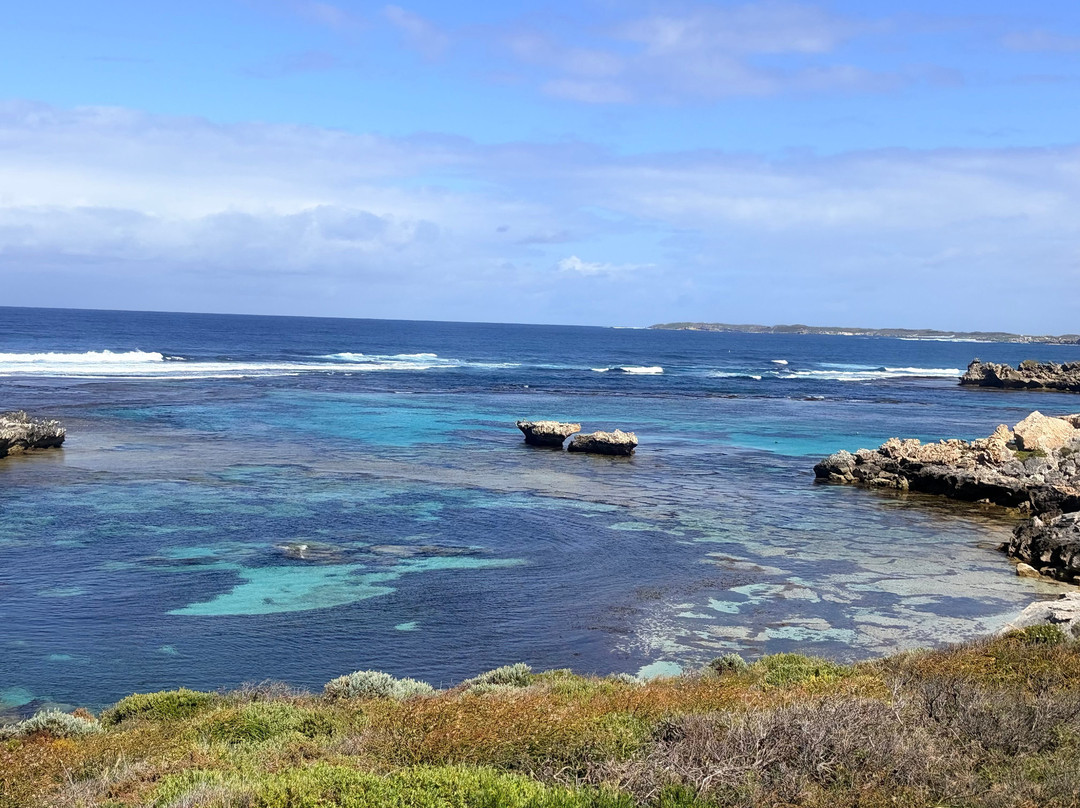
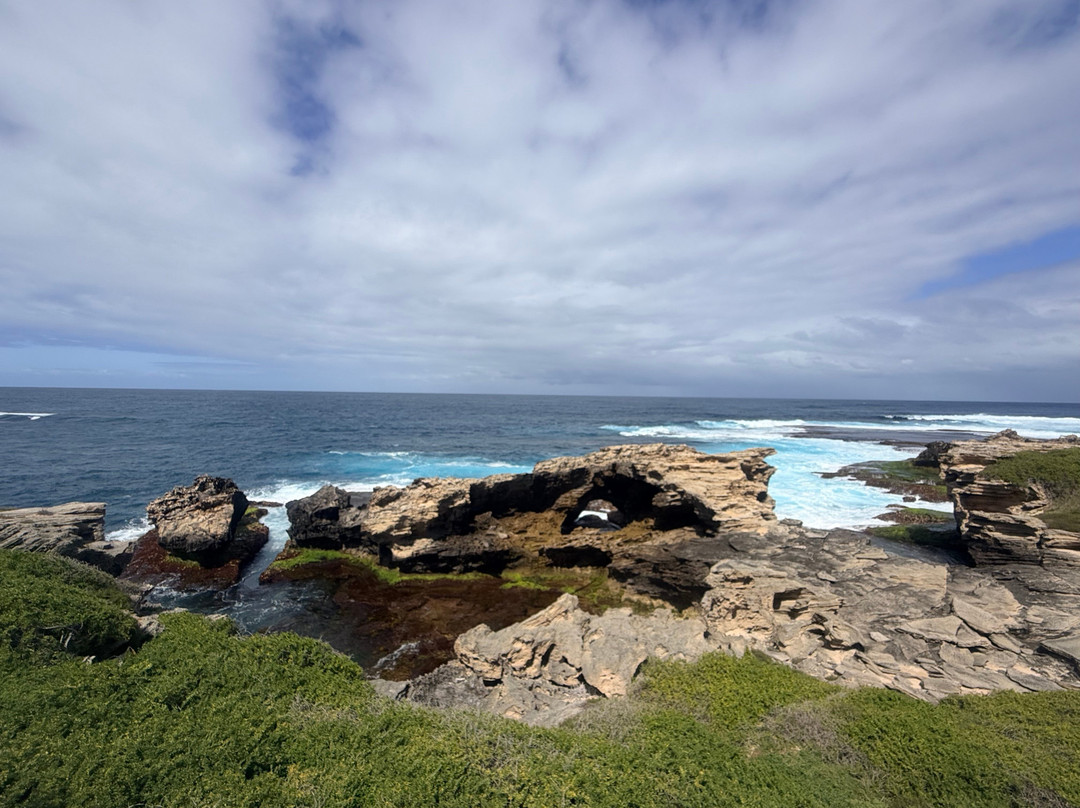
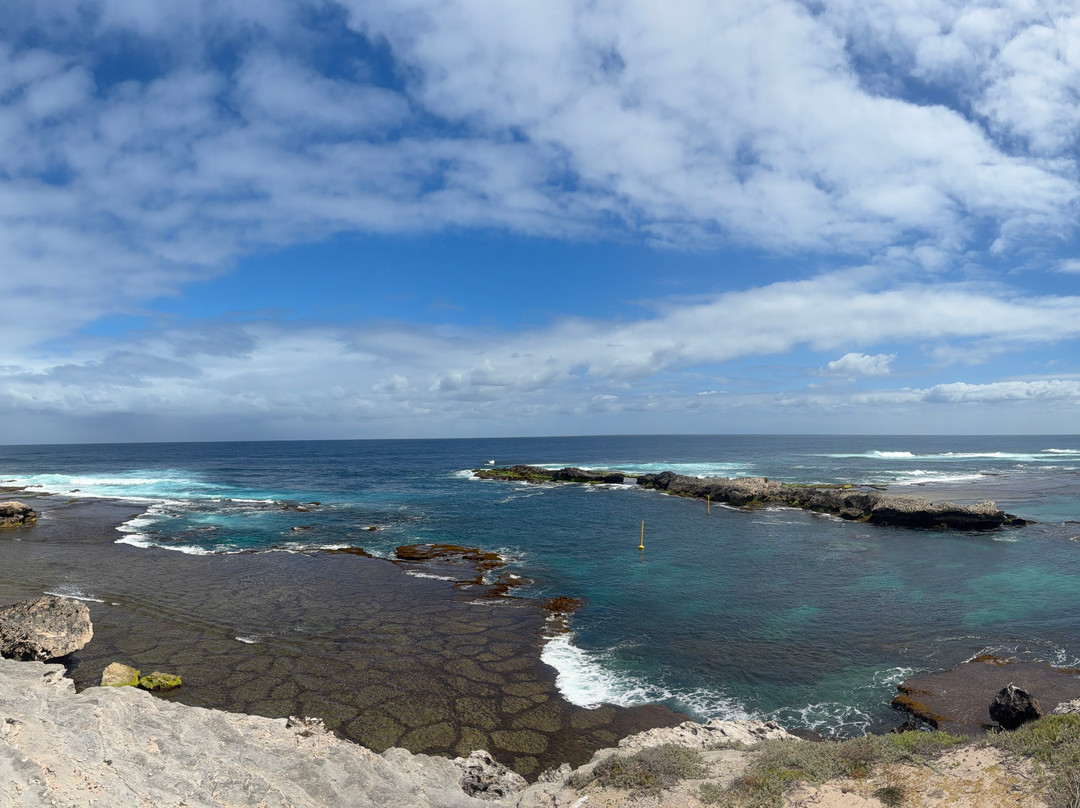
点评:I visited on 1 October 2026 with a friend. Visiting Rottnest Island has been a bucket list item of mine for years so I was looking forward it. We arrived on the first Sealink Ferry to beat the crowds, ate our breakfast from the Bakery before walking up to the lighthouse. The views were amazing and it was a great start to our day on Rottnest Island. We noticed a lot of construction around the Settlement but, in my ignorance, I thought it was to refurbish the historic buildings. Then we caught the “hop on, hop off” to explore the island. My expectations were not disappointed. It really is a beautiful place.
So it wasn’t until the trip back to the Settlement that the accommodation built around Geordie Bay was pointed out and we noticed more construction sites. My first impression of this new accommodation was, “how ugly”! It’s spoilt the beauty of Geordie Bay. When we arrived back at the settlement I realised the construction sites were not for repairing the historic structures but building new buildings and attractions.
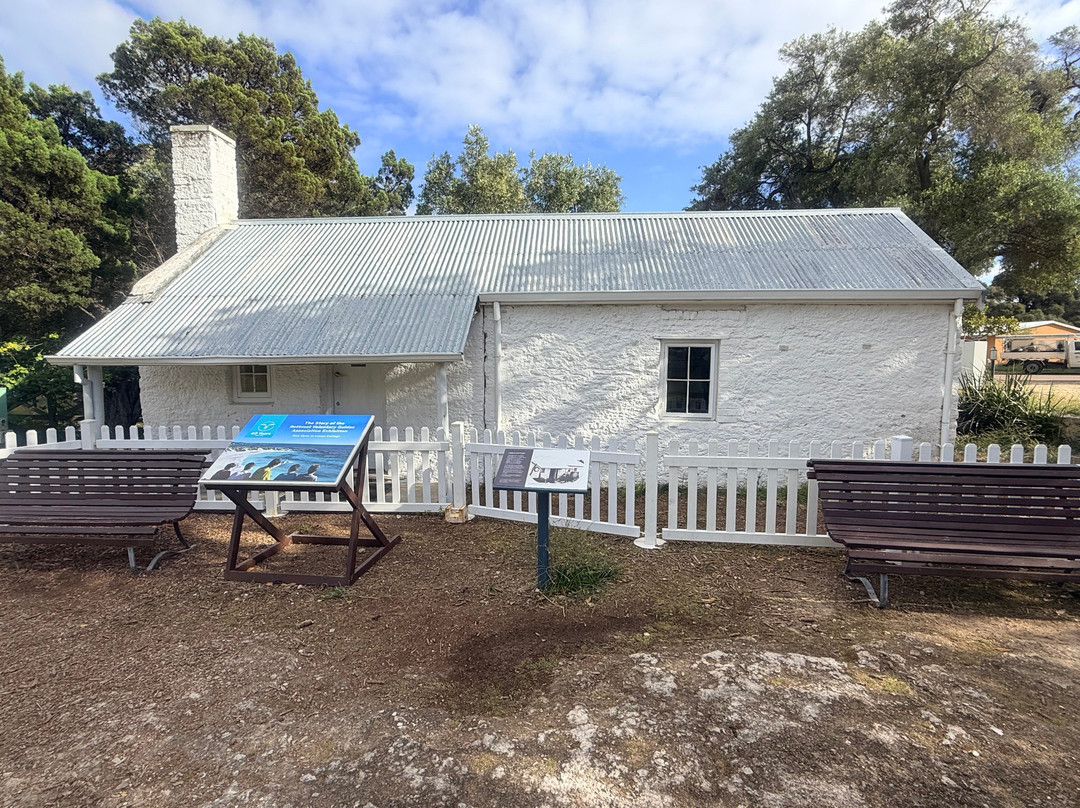
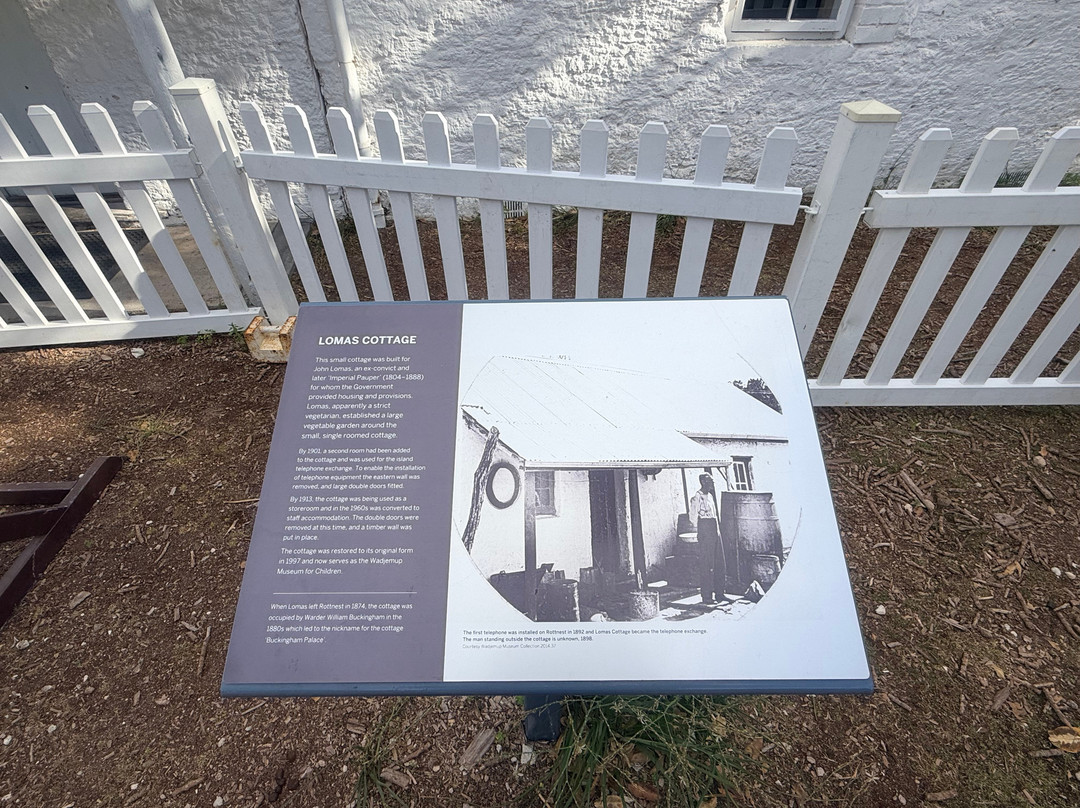
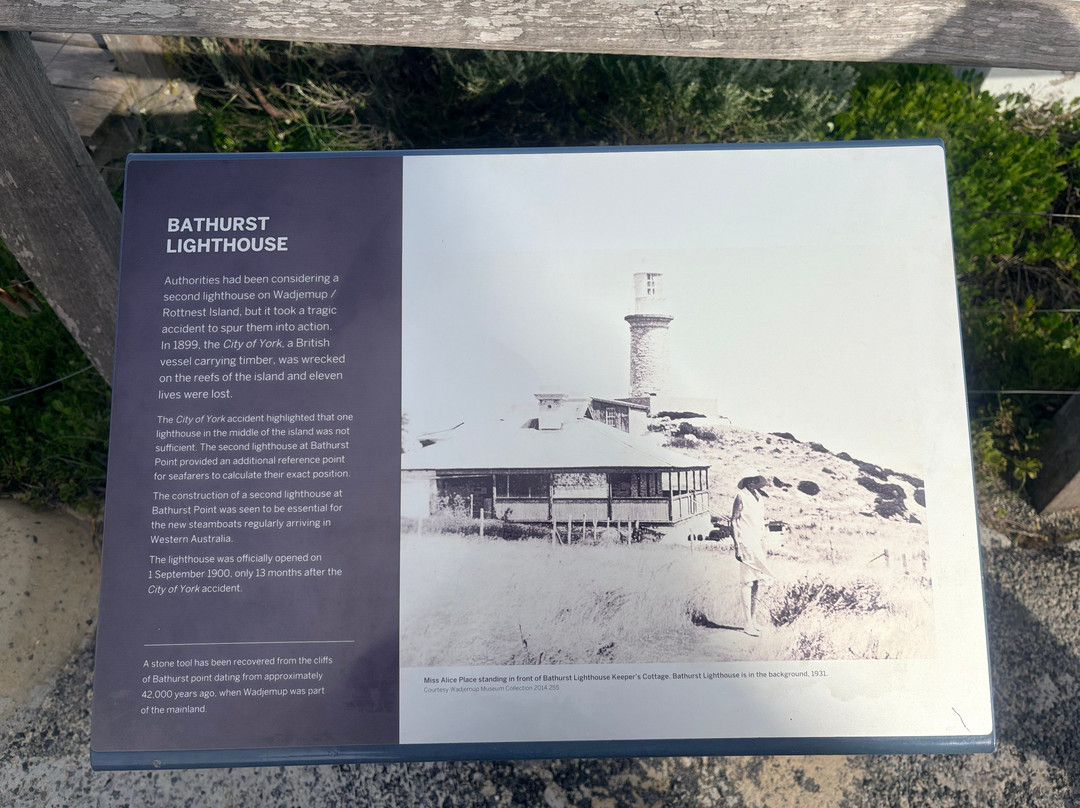
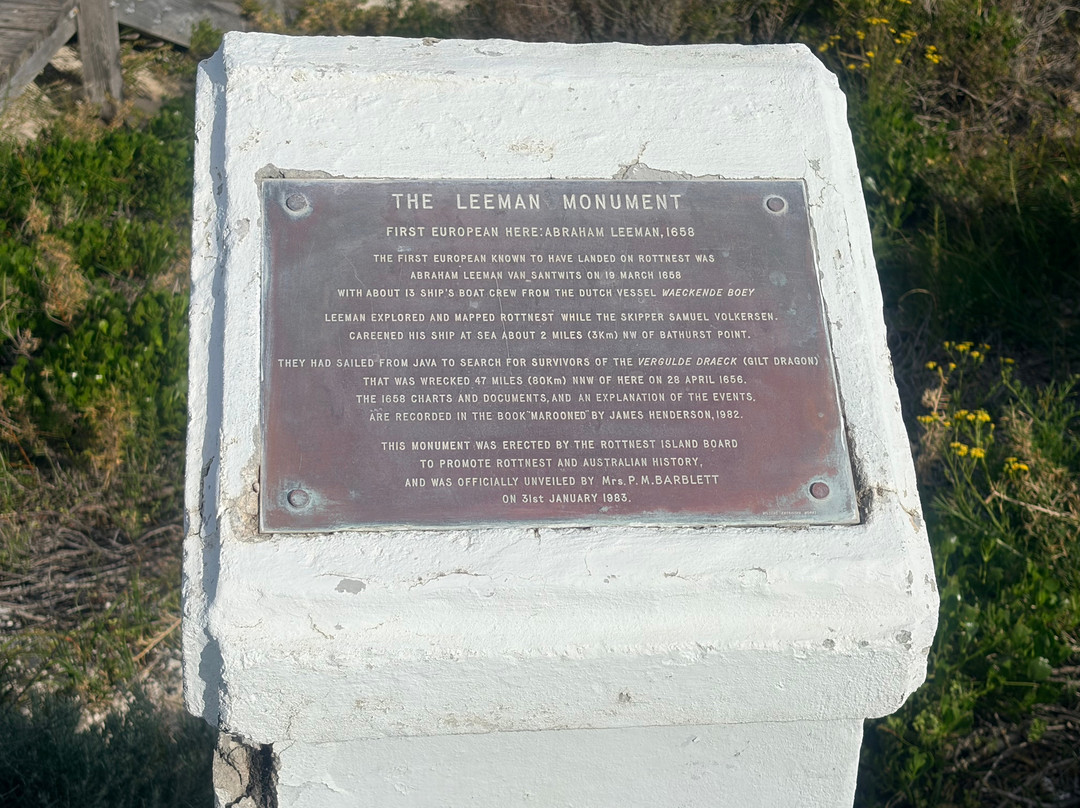
After we ate our lunch, we wandered around the settlement soaking up the history. It was at the museum that I read about the historic significance of Rottnest Island. I’m 60 and I don’t recall learning about Rottnest Island in history at school. So it was very sobering to learn that the settlement was a prison for over 4000 Aboriginal men and boys for nearly 100 years between 1838 and 1931 and it was these prisoners who built the original buildings. Records state there were around 373 deaths in custody but I find that difficult to believe. It’s very likely there were many more deaths that hadn’t been recorded. The settlement was also an internment camp for those deemed enemy aliens during WW1 & WW2 . But what really disgusted me is that in 1917 parts of the prison were used as accommodation for tourists, fourteen years before the jail was closed! Learning this information made me feel shock and sadness at what our ancestors had done. The sadness I felt was similar to how I felt visiting Port Arthur in Tasmania.
Despite there being a Rottnest Island Authority, overseeing the island, I can’t imagine how they can possibly promote or achieve reconciliation with the Whadjuk Noongar people and other Aboriginal groups and communities of Western Australia. All the new construction doesn’t show respect or acknowledge the significance of this sad historical place. It feels like we’re brushing anything we deem distasteful under the rug! Saying “sorry” isn’t enough, we also need to show our continued commitment to preserving indigenous links to their cultural heritage. Not to mention the impacts of turning Rottnest into a tourist Mecca will have on the environment!
翻译:我于2026年10月1日和一位朋友一同前往。多年来,游览罗特尼斯岛一直是我的心愿清单上的项目,因此我十分期待这次旅行。为了避开人群,我们搭乘了第一班Sealink渡轮抵达岛上,随后在面包店吃完早餐,便步行前往灯塔。那里的景色美得令人惊叹,为我们在罗特尼斯岛的一天开了个好头。我们注意到定居点周边有不少施工项目,但由于见识浅薄,我还以为那些是为了修缮历史建筑呢。随后我们乘坐“随上随下”巴士去游览整个岛屿。我的期待没有落空,那里确实是个美丽的地方。
直到返回定居点的路上,我们才看到建在乔迪湾周边的住宿设施,也注意到了更多建筑工地。我对这些新建的住宿设施的第一印象就是:“真丑!”它们毁了乔迪湾的美丽景色。当我们回到定居点后,我意识到那些施工现场并非用于修缮历史建筑,而是用来建造新建筑物和旅游景点。
吃完午饭后,我们在定居点里漫步,领略其历史韵味。正是在博物馆里,我了解到了洛特尼斯岛的历史意义。我今年60岁了,却不记得在学校的历史课上学过有关洛特尼斯岛的内容。得知这个定居点在1838年至1931年间的近100年里曾是关押着4000多名原住民男子与男孩的监狱,实在令人震惊;正是这些囚犯建造了最初的建筑物。记录显示,期间约有373人在关押期间死亡,但我很难相信这个数字。很可能还有更多死亡人数未被记录。该定居点还曾在一战和二战期间被用作关押所谓“敌国侨民”的拘留营。但真正让我感到恶心的是,在这座监狱关闭的14年前,也就是1917年时,监狱的部分区域竟被用作游客的住宿地!得知这一情况后,我对祖先们的所作所为感到震惊与悲哀。这种悲伤的情绪,与我参观塔斯马尼亚的亚瑟港时的感受相似。
尽管有罗特尼斯岛管理局负责监管这座岛屿。我无法想象他们要如何促进或实现与瓦贾克·努恩加尔人以及西澳大利亚州其他原住民群体和社区的和解。所有新修建的设施既未体现出对这片具有沉重历史意义之地的尊重,也未能承认其重要性。感觉我们就像是在把一切我们认为不顺眼的事情都掩盖起来!仅仅说一声“对不起”是不够的,我们还必须展现出持续致力于保护原住民与其文化遗产之间联系的决心。更不用说把罗特尼斯岛变成旅游胜地会对环境造成何种影响了!

© 2026 Tripadvisor 版权所有。
部分照片由 VFM Leonardo 提供。
TripAdvisor公司对外部网站的内容一概不负责。优惠价格中不含税和其他费用。
ICP证:沪B2-20200433
沪ICP备20013175号
 沪公网安备31010502005427号
鹰程信息技术(上海)有限公司