下载App
资质规则
旅行
账户
Peter-Chua
historical building
统一宫的点评
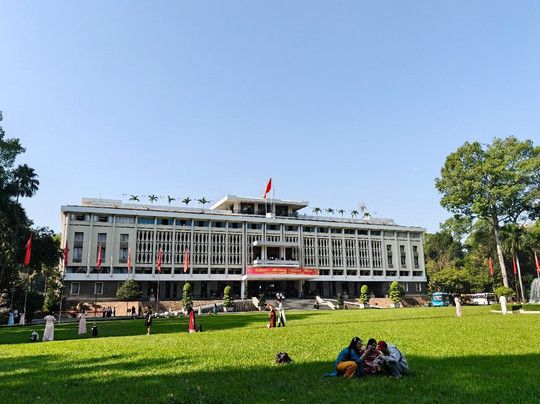
点评:The Independence Palace (Reunification Palace) in Ho Chi Minh City is the defining symbol of modern Vietnamese history. This iconic 1960s modernist building was the seat of the South Vietnamese government and the scene of the war's end on April 30, 1975, when a North Vietnamese tank breached its gates.
Beyond its historical weight, the palace is a perfectly preserved time capsule of the 1960s.
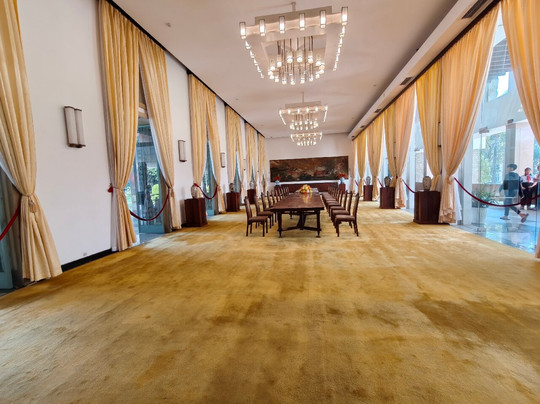
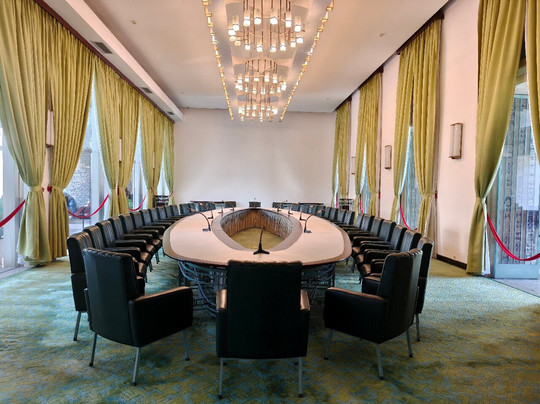
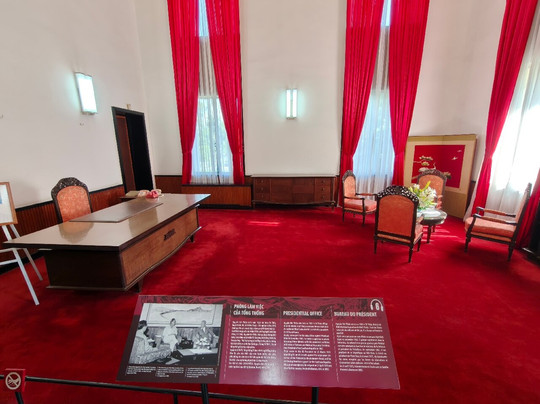
· Presidential offices & reception halls: Opulent state rooms like the Presidential Receiving Room and the elaborate Cabinet Chamber, used for diplomacy and government.
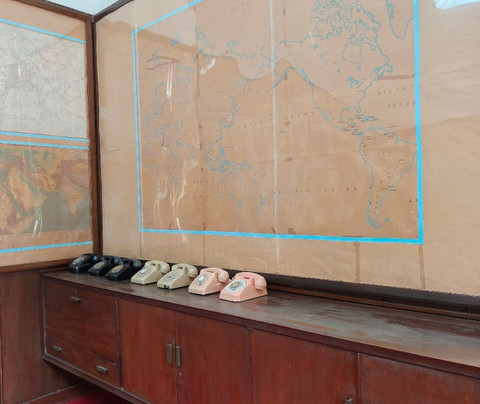
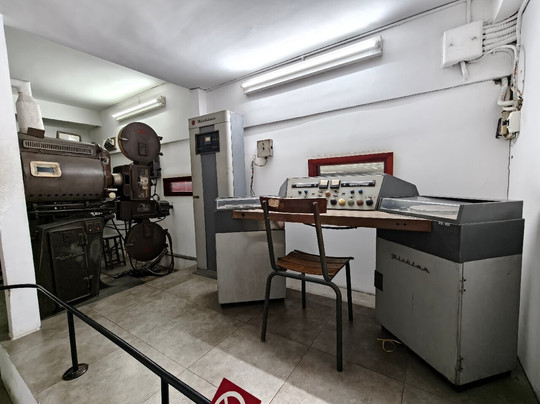
· War command room: A tense, map-lined chamber with original telecommunications equipment and battle maps still on the walls, showcasing the war's strategic planning.
· Underground bunker: (did not get to visit due to group tour Rushing for time)
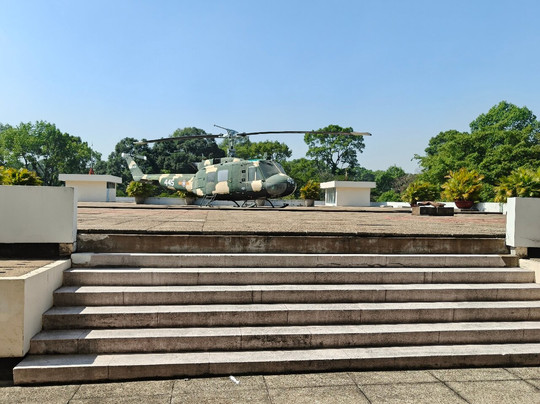
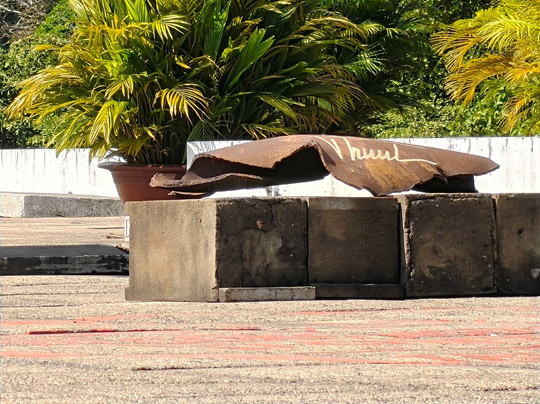
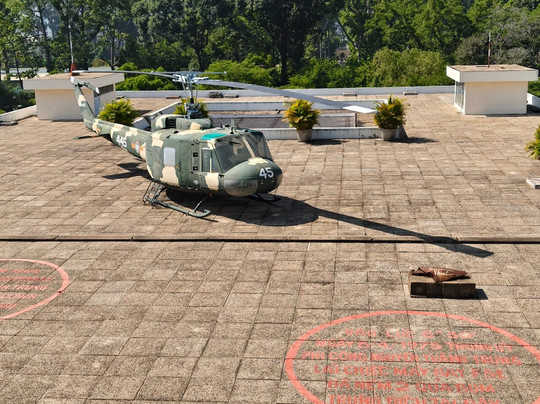
· Rooftop helipad: Crowned by a distinctive helipad, where a bomb planted in a 1962 coup left its signature—a reconstructed section marking the attempt to assassinate President Diem.
Today, as a museum, it offers an immersive journey through the architecture, political intrigue, and final moments of the Vietnam War.
Beyond its historical weight, the palace is a perfectly preserved time capsule of the 1960s.
· Presidential offices & reception halls: Opulent state rooms like the Presidential Receiving Room and the elaborate Cabinet Chamber, used for diplomacy and government.
· War command room: A tense, map-lined chamber with original telecommunications equipment and battle maps still on the walls, showcasing the war's strategic planning.
· Underground bunker: (did not get to visit due to group tour Rushing for time)
· Rooftop helipad: Crowned by a distinctive helipad, where a bomb planted in a 1962 coup left its signature—a reconstructed section marking the attempt to assassinate President Diem.
Today, as a museum, it offers an immersive journey through the architecture, political intrigue, and final moments of the Vietnam War.
翻译:胡志明市的独立宫(统一宫)是越南现代史的标志性象征。这座建于20世纪60年代的现代主义建筑曾是南越政府所在地,也是1975年4月30日北越坦克冲破宫门、战争结束的见证地。
除了其历史意义之外,这座宫殿也完美地保存了20世纪60年代的风貌。
· 总统办公室和接待厅:富丽堂皇的国事厅,例如总统接待室和装饰精美的内阁会议厅,用于外交和政府事务。
· 战争指挥室:一个气氛紧张、地图林立的房间,墙上至今仍保留着原始的通讯设备和作战地图,展现了战争的战略规划。
· 地下掩体:(由于跟团时间紧迫,未能参观)
· 屋顶直升机停机坪:这里曾是1962年政变中一枚炸弹的遗迹,如今已重建,以纪念当年刺杀吴廷琰总统的未遂事件。
如今,这里已成为一座博物馆,带领游客沉浸式地体验越南战争的建筑、政治阴谋和最后时刻。
除了其历史意义之外,这座宫殿也完美地保存了20世纪60年代的风貌。
· 总统办公室和接待厅:富丽堂皇的国事厅,例如总统接待室和装饰精美的内阁会议厅,用于外交和政府事务。
· 战争指挥室:一个气氛紧张、地图林立的房间,墙上至今仍保留着原始的通讯设备和作战地图,展现了战争的战略规划。
· 地下掩体:(由于跟团时间紧迫,未能参观)
· 屋顶直升机停机坪:这里曾是1962年政变中一枚炸弹的遗迹,如今已重建,以纪念当年刺杀吴廷琰总统的未遂事件。
如今,这里已成为一座博物馆,带领游客沉浸式地体验越南战争的建筑、政治阴谋和最后时刻。
© 2026 Tripadvisor 版权所有。
部分照片由 VFM Leonardo 提供。
TripAdvisor公司对外部网站的内容一概不负责。优惠价格中不含税和其他费用。
ICP证:沪B2-20200433
沪ICP备20013175号
 沪公网安备31010502005427号
鹰程信息技术(上海)有限公司