下载App
资质规则
旅行
账户

sannamoo
Must-visit historical site
胡志明陵的点评
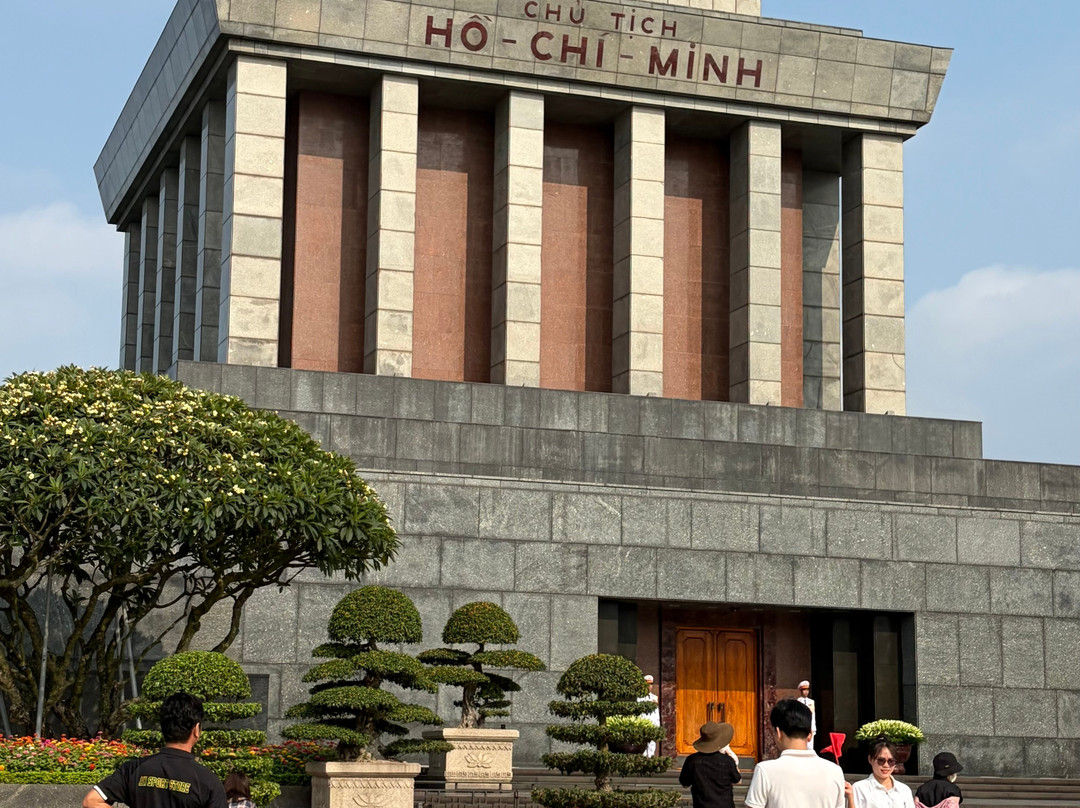
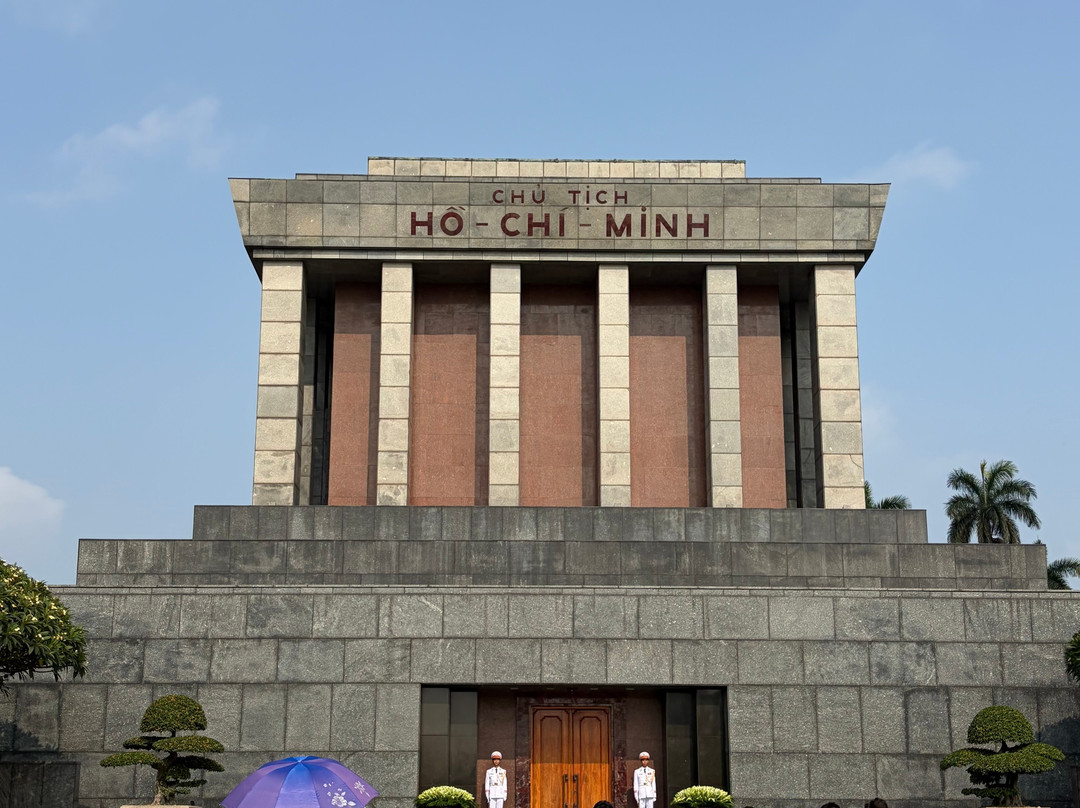
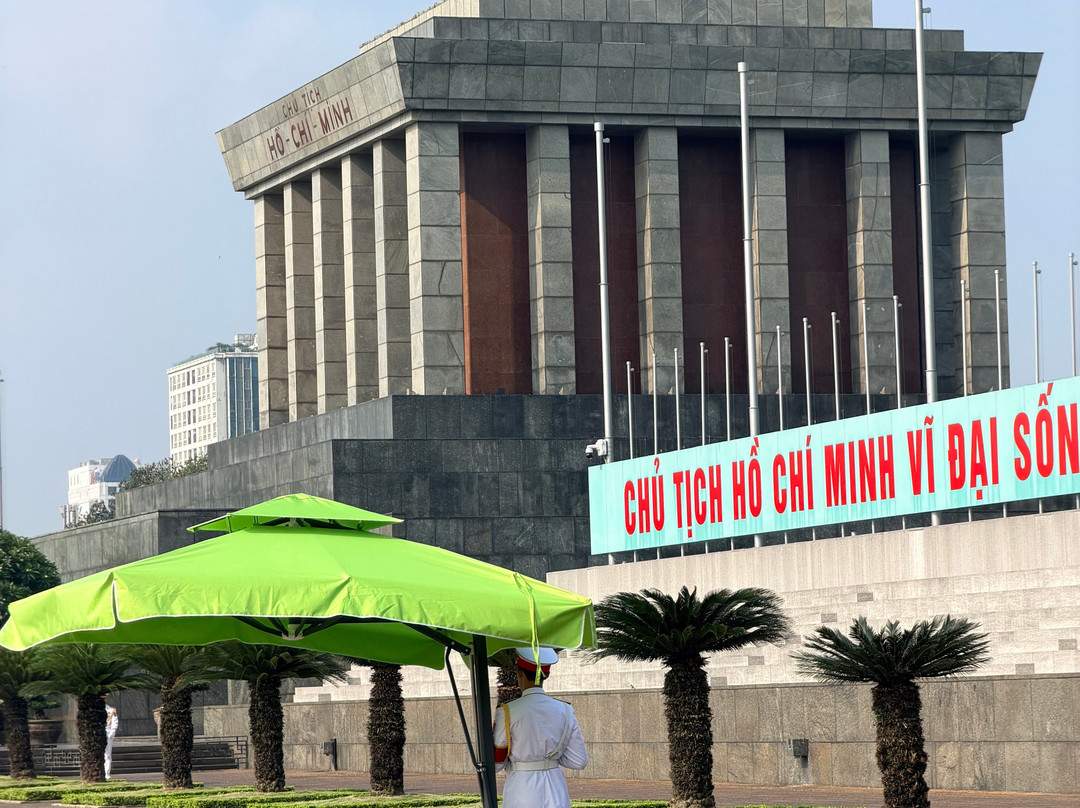
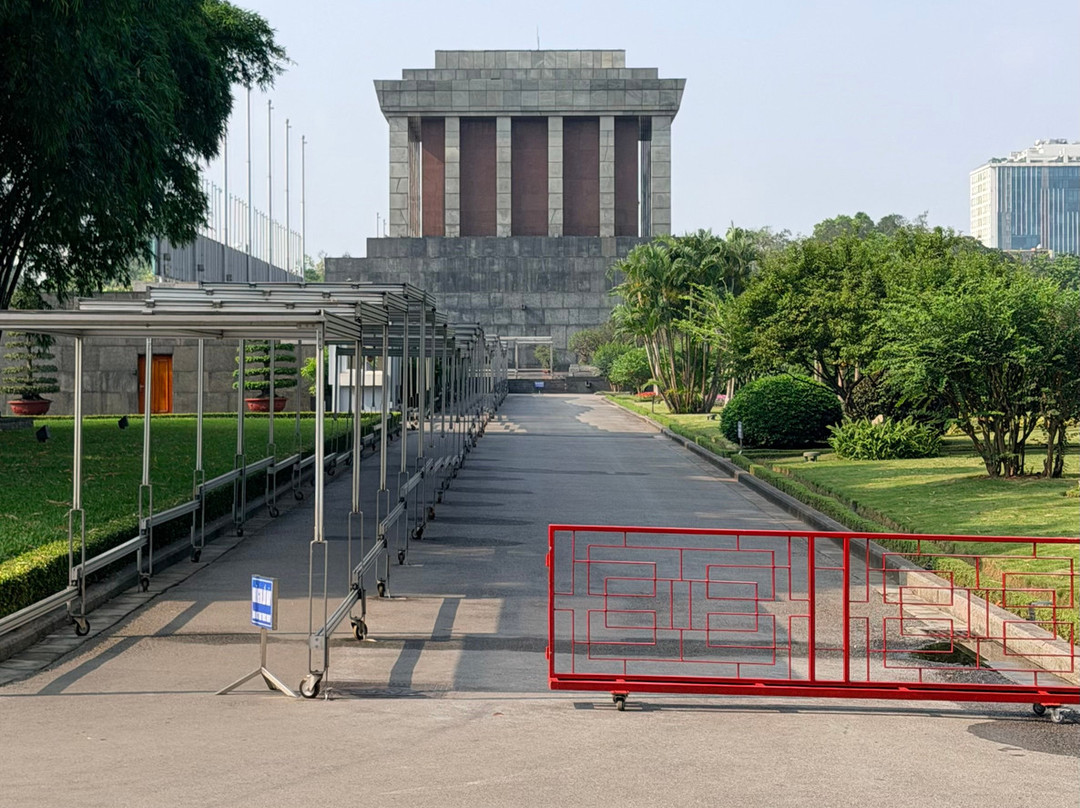
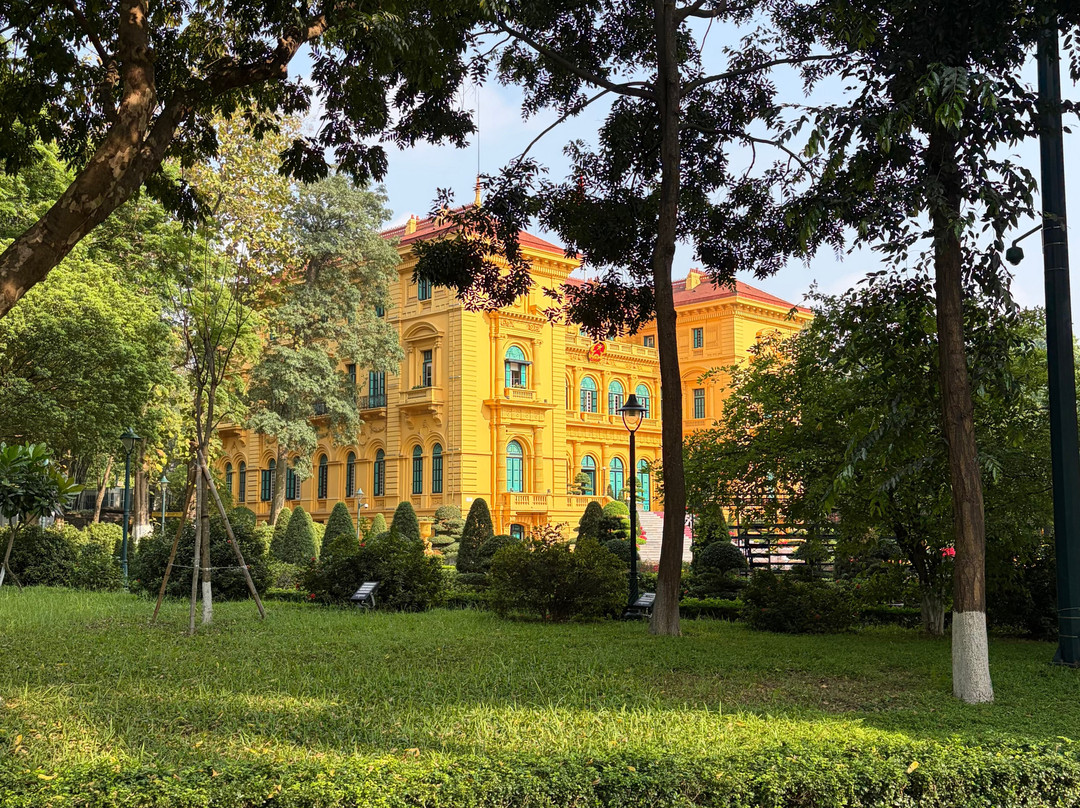
点评:The Ho Chi Minh Mausoleum is the final resting place of “Uncle Ho,” the revolutionary leader who founded modern Vietnam, and a powerful symbol of national unity, independence, and the country’s anti-colonial struggle. It stands in Ba Đình Square, where Ho Chi Minh declared Vietnam’s independence on September 2, 1945, establishing the Democratic Republic of Vietnam. The atmosphere was respectful and quiet as Vietnamese visitors paid their respects. The walk past Ho Chi Minh’s preserved body in the central, air-conditioned hall takes about 30 seconds, though the line outside can be long. Given the site’s importance, visitors must dress modestly: no shorts, short skirts, tank tops, sleeveless shirts, or revealing clothing. Wear light clothing, as it can be very hot and humid while you wait outside. Photography and video recording are prohibited inside, and visitors must not talk or stop while walking through the hall. I highly recommend visiting the Ho Chi Minh Museum, his modest Stilt House, the Presidential Palace, and the One Pillar Pagoda after the mausoleum.
翻译:胡志明陵墓是现代越南的缔造者、“胡伯伯”这位革命领袖的安息之地,也是国家团结、独立以及越南人民反殖民斗争的象征。陵墓坐落于巴亭广场上,1945年9月2日,胡志明正是在这里宣布越南独立,从而建立了越南民主共和国。众多越南民众怀着崇敬与肃穆的心情前来瞻仰、致敬。在装有空调的中央大厅内,从胡志明主席的遗体旁经过仅需大约30秒,不过大厅外的排队队伍可能相当长。鉴于此地的重要性,游客着装须得体:禁止穿着短裤、短裙、背心或无袖上衣等暴露的衣物。由于在外等候时天气可能非常炎热潮湿,建议穿轻薄舒适的衣物。大厅内严禁拍照或录像,游客在穿行时也不得交谈或停留。我极力推荐在参观完陵墓后,再去看看胡志明博物馆、他简朴的木桩屋、总统府以及独柱寺。

© 2026 Tripadvisor 版权所有。
部分照片由 VFM Leonardo 提供。
TripAdvisor公司对外部网站的内容一概不负责。优惠价格中不含税和其他费用。
ICP证:沪B2-20200433
沪ICP备20013175号
 沪公网安备31010502005427号
鹰程信息技术(上海)有限公司