下载App
资质规则
旅行
账户

DeanMurphy2020
aka Library of Celsus
塞尔苏斯图书馆的点评
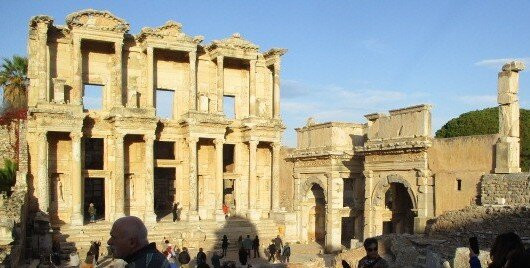
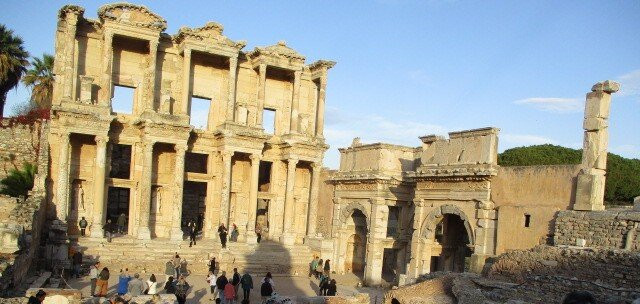
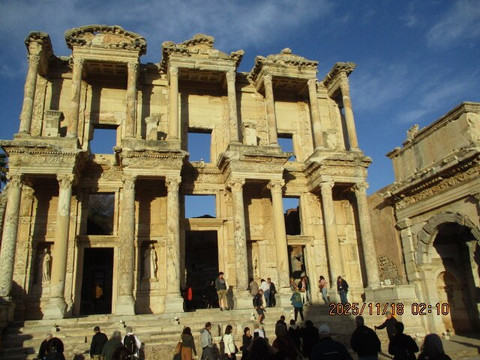
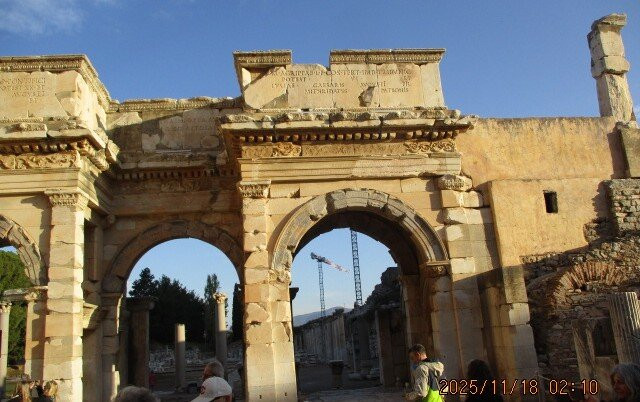
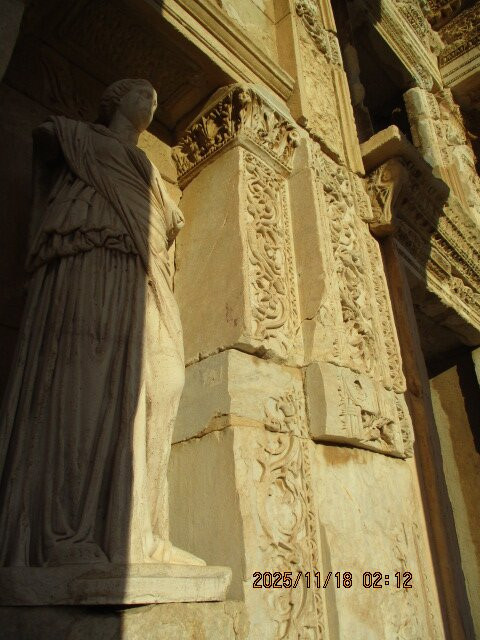
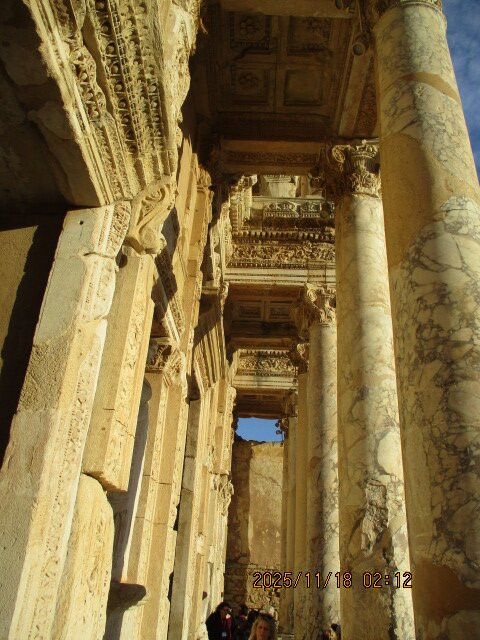
点评:Ephesus dates to the Neolithic era circa 6,000BCE, became a Greek settlement in the 900s BCE, and reconstructed in the 4th century BCE. Six centuries later, it became the Roman Empire’s fourth largest city and housed this significant ancient library, perhaps the largest after Alexandria's famed library. The library ruins with an ornate façade comprises the most striking structure in Ephesus. It also is a mausoleum containing the tomb of Gaius Julius Celsus. The library was constructed in 135AD by his son, Gaius Julius Auila, honoring dear, old Dad. Inscribed in marble are Sofia, Arete, Ennoia, Episteme, translated to: Wisdom, Virtue, Insight, Knowledge. Isn’t that the purpose of libraries? Much restoration was performed by the Austrian Archaeological Institute. Some of the original statutes were moved to the Ephesus Museum in Vienna in 1910. When travelling to Vienna, I was not aware of this museum but will visit the next I’m in the Austrian capital.
Without a guide or access to the Web for research, much of the history of this structure will be lost, just the appearance of ornate ruins. Research archaeological sites before arriving, to appreciate all these historic sites have to offer.
Without a guide or access to the Web for research, much of the history of this structure will be lost, just the appearance of ornate ruins. Research archaeological sites before arriving, to appreciate all these historic sites have to offer.
翻译:以弗所的历史可以追溯到公元前6000年左右的新石器时代,公元前900年代成为希腊人的定居点,并在公元前4世纪进行了重建。六个世纪后,它成为罗马帝国的第四大城市,并拥有这座重要的古代图书馆,其规模或许仅次于著名的亚历山大图书馆。这座图书馆遗址拥有华丽的正面,是以弗所最引人注目的建筑。它同时也是盖乌斯·尤利乌斯·塞尔苏斯的陵墓。图书馆由他的儿子盖乌斯·尤利乌斯·奥伊拉于公元135年建造,以纪念他敬爱的父亲。大理石上镌刻着“Sofia, Arete, Ennoia, Episteme”,意为:智慧、美德、洞察力、知识。这不正是图书馆的意义所在吗?奥地利考古研究所对图书馆进行了大量的修复工作。部分原有雕像于1910年被移至维也纳的以弗所博物馆。我去维也纳旅行时并不知道有这座博物馆,下次去奥地利首都时一定会去参观。
如果没有导游或网络资料,这座建筑的大部分历史将会湮没无闻,最终只会留下华丽的遗迹。建议在抵达前先了解一下考古遗址,以便更好地欣赏这些历史遗迹的魅力。
如果没有导游或网络资料,这座建筑的大部分历史将会湮没无闻,最终只会留下华丽的遗迹。建议在抵达前先了解一下考古遗址,以便更好地欣赏这些历史遗迹的魅力。

© 2026 Tripadvisor 版权所有。
部分照片由 VFM Leonardo 提供。
TripAdvisor公司对外部网站的内容一概不负责。优惠价格中不含税和其他费用。
ICP证:沪B2-20200433
沪ICP备20013175号
 沪公网安备31010502005427号
鹰程信息技术(上海)有限公司