
下载App
旅行
账户

F1061OAjamess
The Labyrinth in the Shadow of the Gods
普拉卡区的点评
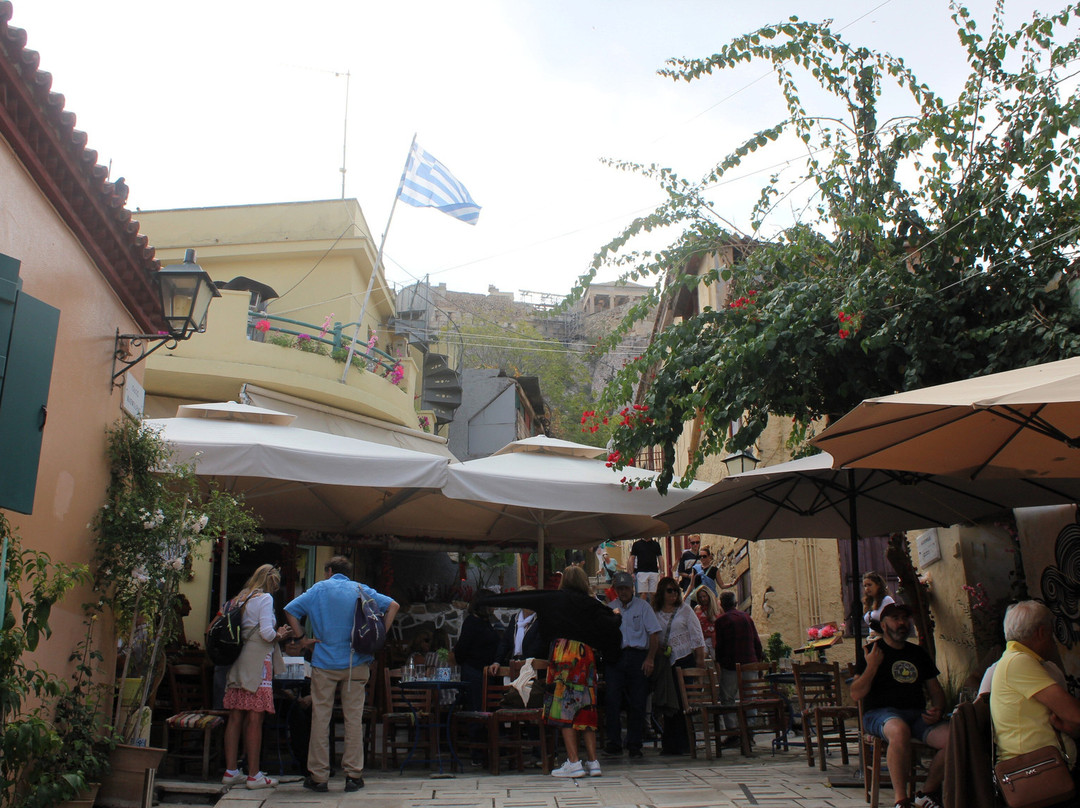
点评:After our tour of the Acropolis ended we descended the northern slopes and eventually found ourselves in the area known as Plaka. This is one of the oldest neighbourhoods in Athens. Nestled below the northern and eastern slops of the hill that dominates the city it a literal labyrinthine of narrow streets crammed with both houses and some of the best places to eat the entire city.
The neighbourhood is bounded by the Acropolis to the south and lays between Monastiriki Dquare to the west and Syntagma Square to the east. The name Plaka is from the ancient Greek Pliak Athena meaning Old Athens, while others believe it comes from the more common phrase Plaka meaning a place with ancient plaques
Plaka is thought to be the oldest district in Athens continuously occupied since at least 2,000 BC if not before. The Ancient Agora either borders it to the west and some of its buildings are within the accepted boundaries of the district.
Like the rest of Athens and Greece itself it has seen it’s highs and lows throughout the prevailing centuries including it’s share of warfare and invasion. Abandonment and fires as late as the 19th Century have left their marks.
Massive renovations in the district began in earnest in the later part of the 19th Century after Greece won its independence. As the ancient ruins were uncovered plans were put in place to preserve the area. Plaka has the strictest zoning rules in all of Athens severely, limiting new construction. All utility lines, cable, water, electricity, telephone, television and sewage must be buried in special easily accessible tunnels to preserve the look of the neighbourhood.
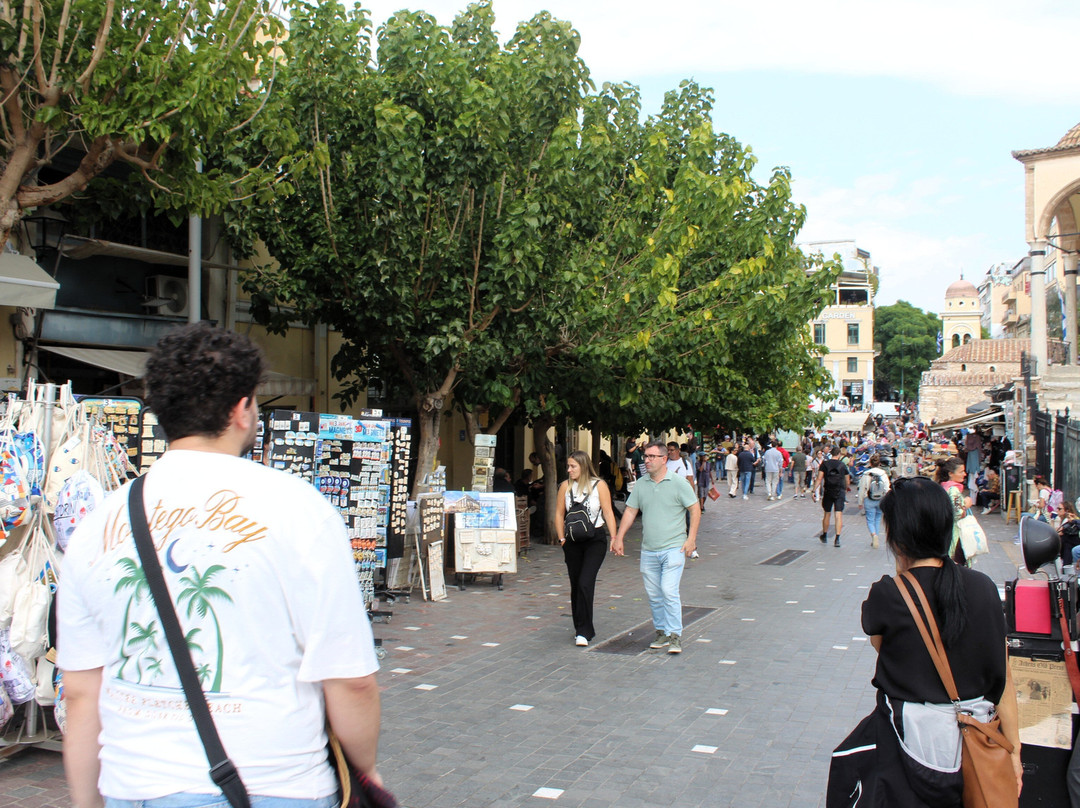
These days the only invaders are the throngs of tourists who wander its narrow streets or enjoy a meal at the hundreds of small restaurants and cafes, most with views of the neighbouring Acropolis.
The neighbourhood is bounded by the Acropolis to the south and lays between Monastiriki Dquare to the west and Syntagma Square to the east. The name Plaka is from the ancient Greek Pliak Athena meaning Old Athens, while others believe it comes from the more common phrase Plaka meaning a place with ancient plaques
Plaka is thought to be the oldest district in Athens continuously occupied since at least 2,000 BC if not before. The Ancient Agora either borders it to the west and some of its buildings are within the accepted boundaries of the district.
Like the rest of Athens and Greece itself it has seen it’s highs and lows throughout the prevailing centuries including it’s share of warfare and invasion. Abandonment and fires as late as the 19th Century have left their marks.
Massive renovations in the district began in earnest in the later part of the 19th Century after Greece won its independence. As the ancient ruins were uncovered plans were put in place to preserve the area. Plaka has the strictest zoning rules in all of Athens severely, limiting new construction. All utility lines, cable, water, electricity, telephone, television and sewage must be buried in special easily accessible tunnels to preserve the look of the neighbourhood.
These days the only invaders are the throngs of tourists who wander its narrow streets or enjoy a meal at the hundreds of small restaurants and cafes, most with views of the neighbouring Acropolis.
翻译:参观完卫城后,我们沿着北坡向下走,最终来到了普拉卡区。这里是雅典最古老的街区之一。它坐落在俯瞰全城的山丘北坡和东坡之下,宛如迷宫般狭窄的街道,街道两旁既有民居,也聚集着全城一些最棒的餐厅。
普拉卡区南临卫城,西至莫纳斯提里基广场,东至宪法广场。普拉卡(Plaka)这个名字源于古希腊语“Pliak Athena”,意为“古老的雅典”,也有人认为它来自更常见的短语“Plaka”,意为“有古代铭文的地方”。
普拉卡被认为是雅典最古老的街区,至少从公元前2000年甚至更早就有人居住。古集市位于普拉卡西侧,其中一些建筑也位于普拉卡的范围内。
与雅典乃至整个希腊一样,普拉卡区在漫长的历史长河中经历了兴衰沉浮,饱受战争和入侵的摧残。直至19世纪,这里仍留下了被遗弃和火灾的痕迹。
19世纪后期,希腊赢得独立后,普拉卡区开始进行大规模的改造。随着古代遗迹的重见天日,保护该地区的计划也随之制定。普拉卡区拥有雅典最严格的规划条例,对新建建筑有着严格的限制。所有公用设施线路,包括电缆、水、电、电话、电视和污水管道,都必须埋设在专用的、易于维护的隧道中,以保持街区的原貌。
如今,唯一“入侵者”便是熙熙攘攘的游客,他们漫步于狭窄的街道,或在数百家小餐馆和咖啡馆中享用美食,其中大多数都能欣赏到邻近的卫城美景。
普拉卡区南临卫城,西至莫纳斯提里基广场,东至宪法广场。普拉卡(Plaka)这个名字源于古希腊语“Pliak Athena”,意为“古老的雅典”,也有人认为它来自更常见的短语“Plaka”,意为“有古代铭文的地方”。
普拉卡被认为是雅典最古老的街区,至少从公元前2000年甚至更早就有人居住。古集市位于普拉卡西侧,其中一些建筑也位于普拉卡的范围内。
与雅典乃至整个希腊一样,普拉卡区在漫长的历史长河中经历了兴衰沉浮,饱受战争和入侵的摧残。直至19世纪,这里仍留下了被遗弃和火灾的痕迹。
19世纪后期,希腊赢得独立后,普拉卡区开始进行大规模的改造。随着古代遗迹的重见天日,保护该地区的计划也随之制定。普拉卡区拥有雅典最严格的规划条例,对新建建筑有着严格的限制。所有公用设施线路,包括电缆、水、电、电话、电视和污水管道,都必须埋设在专用的、易于维护的隧道中,以保持街区的原貌。
如今,唯一“入侵者”便是熙熙攘攘的游客,他们漫步于狭窄的街道,或在数百家小餐馆和咖啡馆中享用美食,其中大多数都能欣赏到邻近的卫城美景。


© 2025 Tripadvisor 版权所有。
部分照片由 VFM Leonardo 提供。
TripAdvisor公司对外部网站的内容一概不负责。优惠价格中不含税和其他费用。
ICP证:沪B2-20200433
沪ICP备20013175号
 沪公网安备31010502005427号
鹰程信息技术(上海)有限公司
