下载App
资质规则
旅行
账户

David D
In tribute to a local musician and founder of Gwo-ka music
Statue De Marcel Lollia的点评
点评:Tuesday 10th Febuary while walking around sightseeing and experiencing the delights of Pointe-à-Pitre, we spotted this statue.
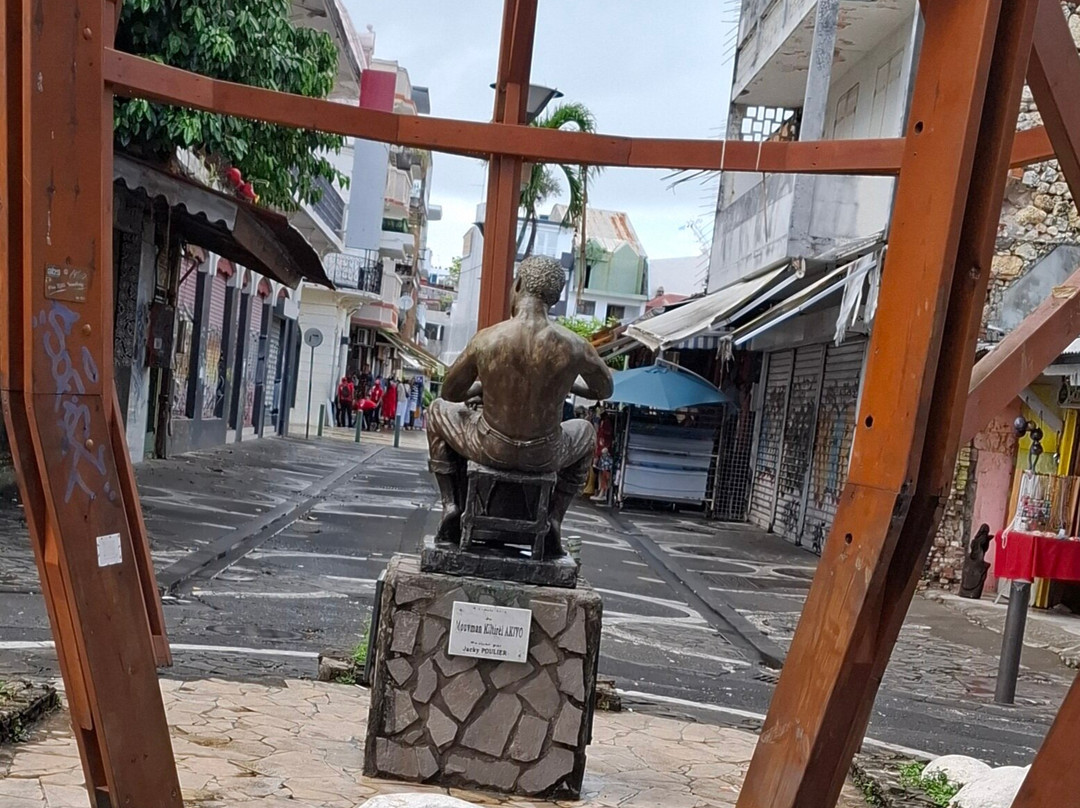
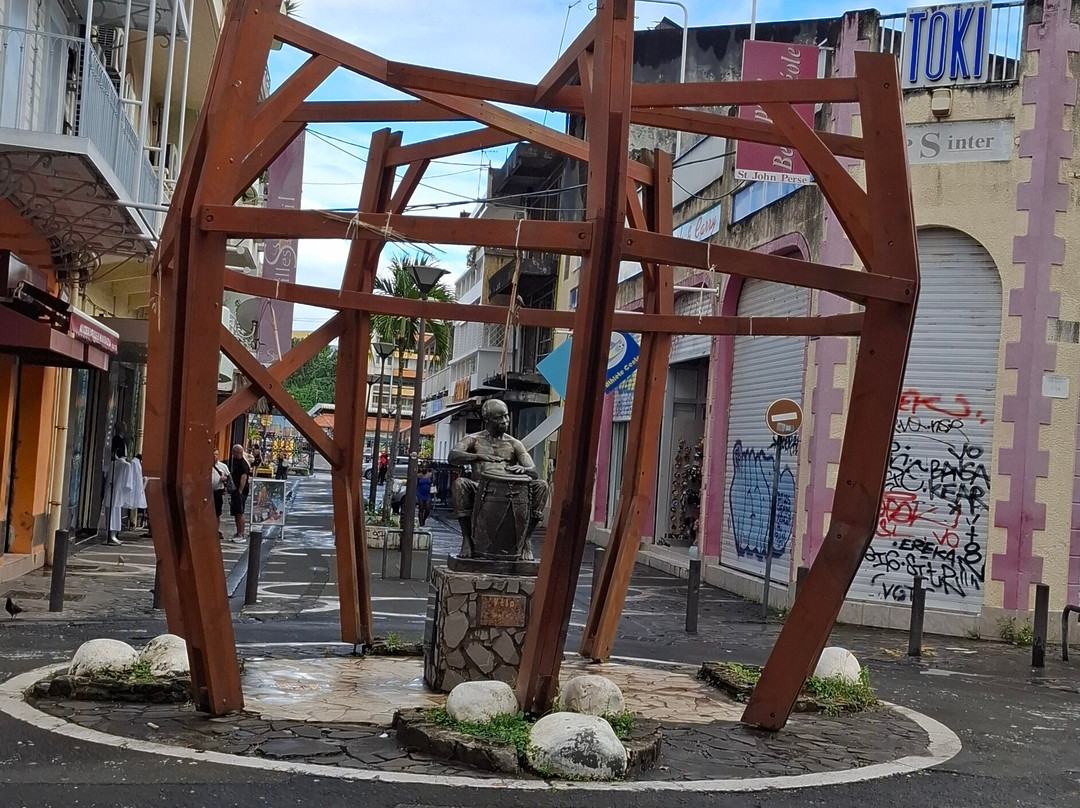
It stands on a paved circular roundabout at the intersection of Rue St. John Perse and Rue de Nozieres.
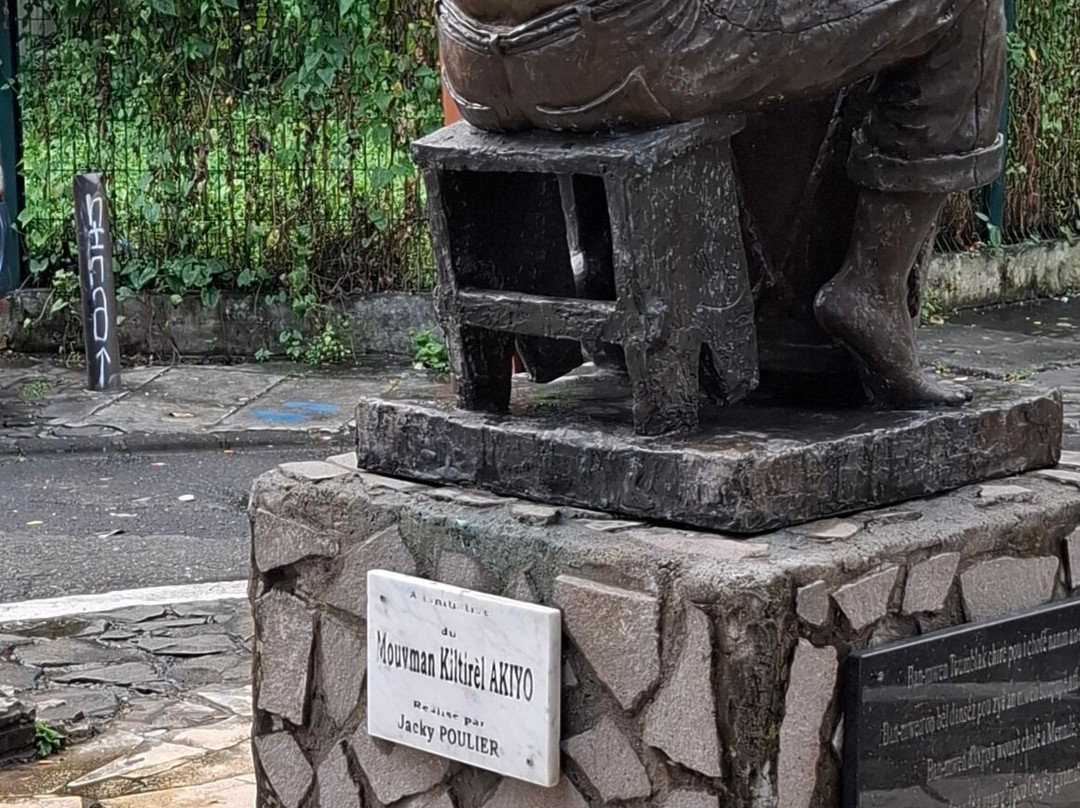
The statue is a tribute to Marcel Lollia, who was widely known by the nickname "Vélo,"
He was born on the 7th December 1931 in Pointe-à-Pitre, he also died there on the 5th June 1984 in his 54th year.
During his life he was a musician and achieved legendary status as a percussionist. He also popularised the style of music known as Gwo-ka.
He holds a revered position and is regarded by so many as a founding father and maestro of Gwo-ka (Gwoka) music. He is hailed as the cultural icon who promoted and preserved this traditional drum music.
This style of music was the way in which slaves expressed their emotions of sorrow, pain, their anguish and struggles. Along with their woes they also expressed hope through the sound of the drum.
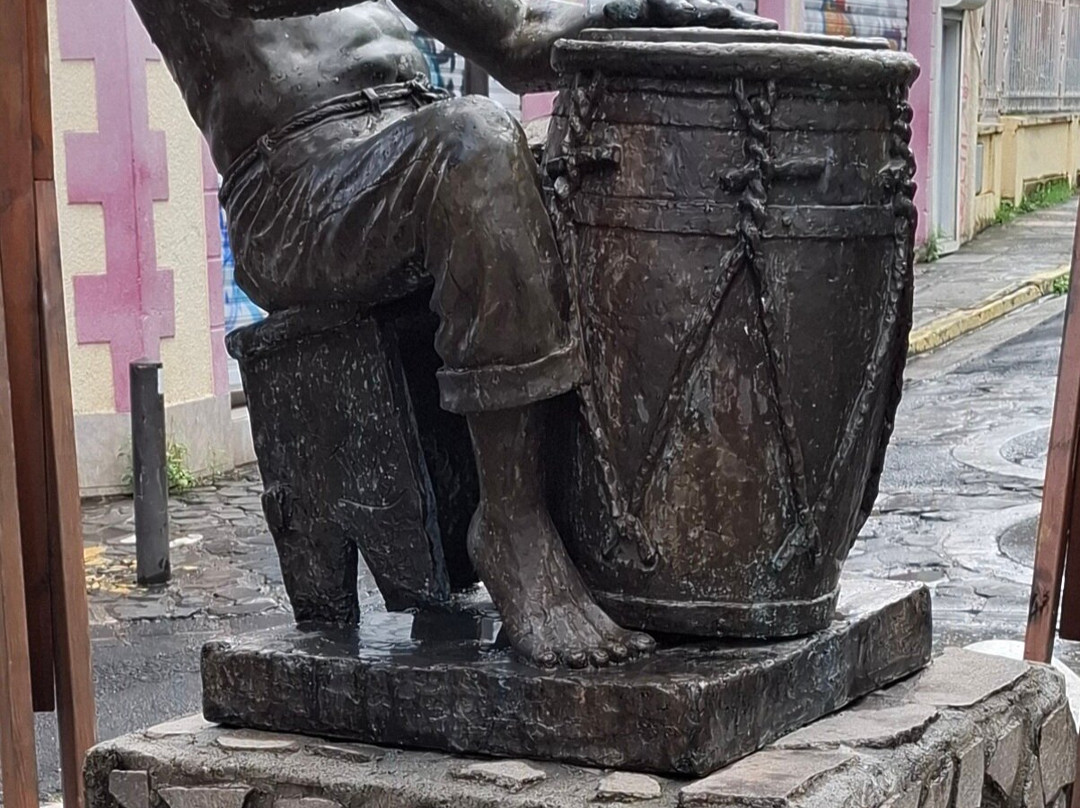
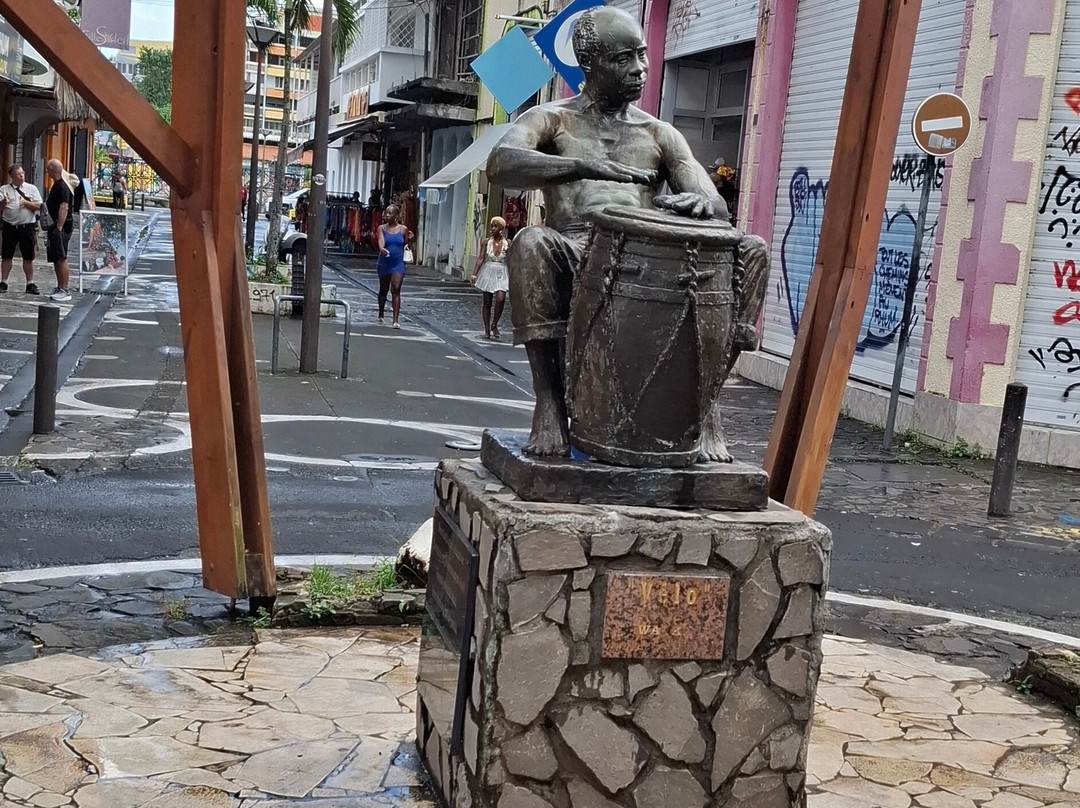
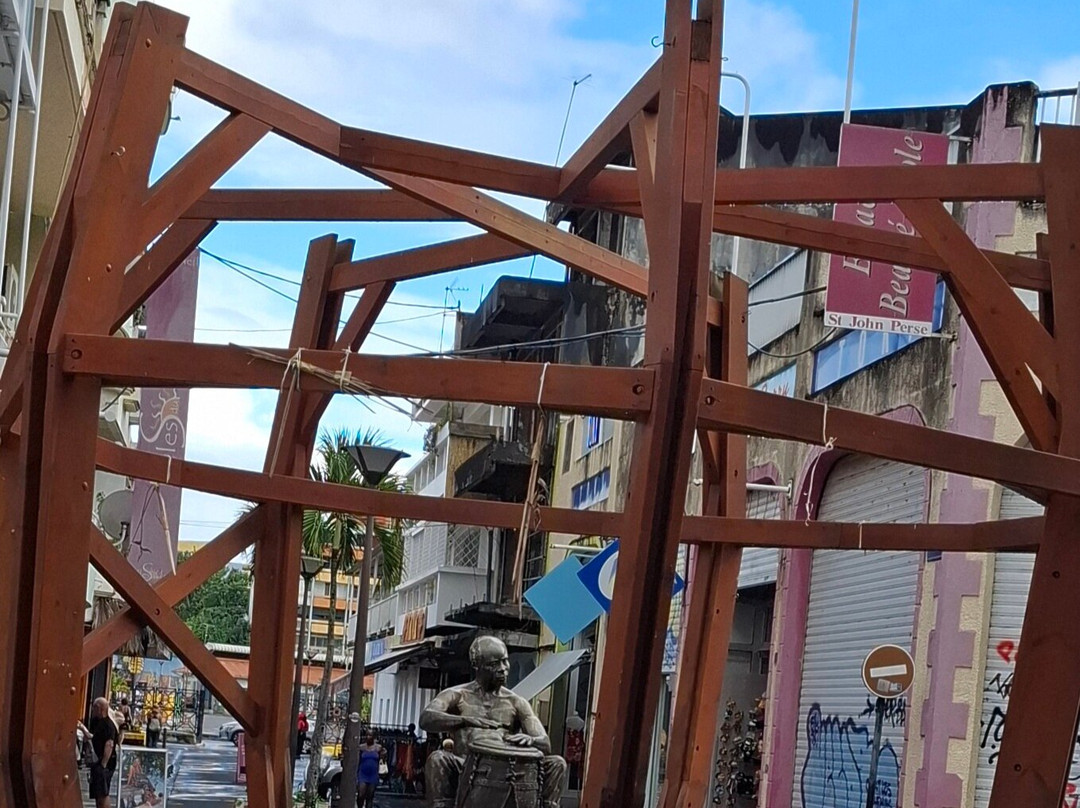
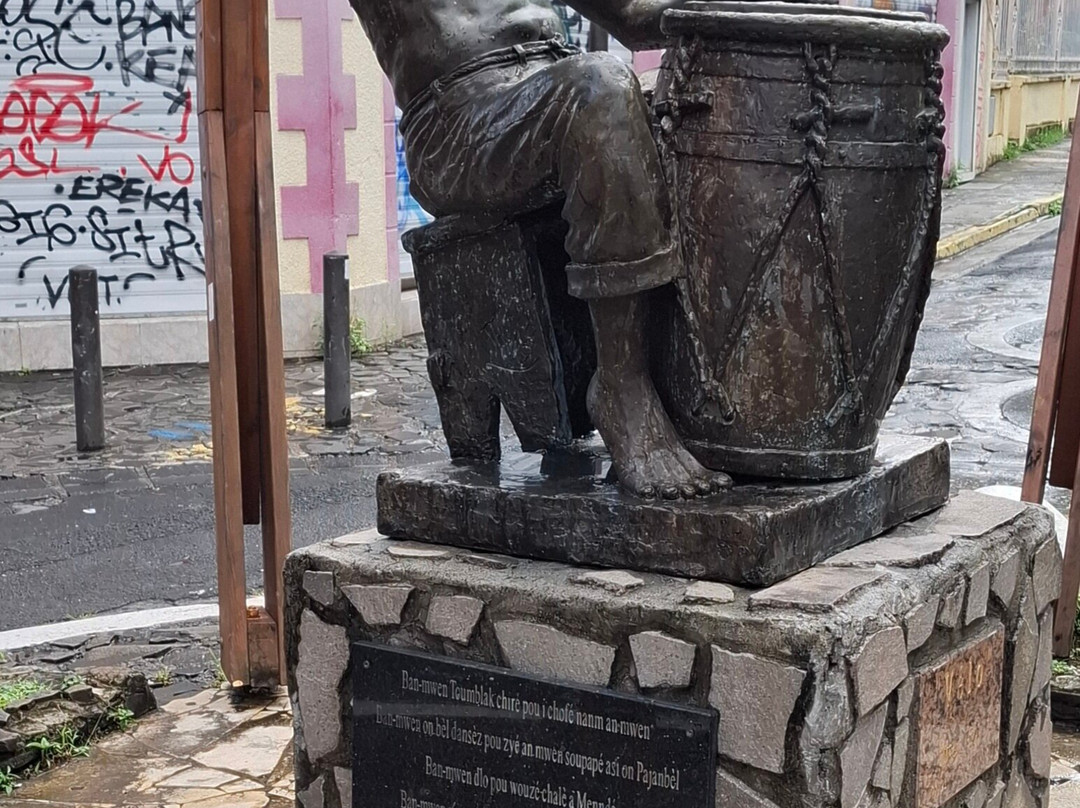
The statue which depicts "Vélo" in a seated position, playing the drums, it is positioned on a stone build plinth. It is all enclosed by rusted metal pillars and beams, which we thought resembled a drum shape, could be very wrong with that.
It stands on a paved circular roundabout at the intersection of Rue St. John Perse and Rue de Nozieres.
The statue is a tribute to Marcel Lollia, who was widely known by the nickname "Vélo,"
He was born on the 7th December 1931 in Pointe-à-Pitre, he also died there on the 5th June 1984 in his 54th year.
During his life he was a musician and achieved legendary status as a percussionist. He also popularised the style of music known as Gwo-ka.
He holds a revered position and is regarded by so many as a founding father and maestro of Gwo-ka (Gwoka) music. He is hailed as the cultural icon who promoted and preserved this traditional drum music.
This style of music was the way in which slaves expressed their emotions of sorrow, pain, their anguish and struggles. Along with their woes they also expressed hope through the sound of the drum.
The statue which depicts "Vélo" in a seated position, playing the drums, it is positioned on a stone build plinth. It is all enclosed by rusted metal pillars and beams, which we thought resembled a drum shape, could be very wrong with that.
翻译:2月10日星期二,我们在皮特尔角(Pointe-à-Pitre)漫步观光时,偶然发现了这座雕像。
它矗立在圣约翰·佩尔斯街(Rue St. John Perse)和诺齐埃尔街(Rue de Nozieres)交汇处的环形石板上。
这座雕像是为了纪念马塞尔·洛利亚(Marcel Lollia),他广为人知的昵称是“Vélo”。
他于1931年12月7日出生于皮特尔角,并于1984年6月5日逝世于此,享年54岁。
他生前是一位音乐家,作为打击乐演奏家享有盛誉。他还推广了一种名为“Gwo-ka”的音乐风格。
他备受尊崇,被许多人视为“Gwo-ka”音乐的创始人和大师。他被誉为推广和保护这种传统鼓乐的文化偶像。
这种音乐风格是奴隶们表达悲伤、痛苦、忧愁和挣扎的方式。他们也通过鼓声倾诉苦难,并寄托希望。
这座描绘“维洛”坐着击鼓的雕像,矗立在石砌基座上。雕像周围环绕着锈迹斑斑的金属柱和横梁,我们最初以为它们的形状像鼓,但现在看来可能大错特错。
它矗立在圣约翰·佩尔斯街(Rue St. John Perse)和诺齐埃尔街(Rue de Nozieres)交汇处的环形石板上。
这座雕像是为了纪念马塞尔·洛利亚(Marcel Lollia),他广为人知的昵称是“Vélo”。
他于1931年12月7日出生于皮特尔角,并于1984年6月5日逝世于此,享年54岁。
他生前是一位音乐家,作为打击乐演奏家享有盛誉。他还推广了一种名为“Gwo-ka”的音乐风格。
他备受尊崇,被许多人视为“Gwo-ka”音乐的创始人和大师。他被誉为推广和保护这种传统鼓乐的文化偶像。
这种音乐风格是奴隶们表达悲伤、痛苦、忧愁和挣扎的方式。他们也通过鼓声倾诉苦难,并寄托希望。
这座描绘“维洛”坐着击鼓的雕像,矗立在石砌基座上。雕像周围环绕着锈迹斑斑的金属柱和横梁,我们最初以为它们的形状像鼓,但现在看来可能大错特错。

© 2026 Tripadvisor 版权所有。
部分照片由 VFM Leonardo 提供。
TripAdvisor公司对外部网站的内容一概不负责。优惠价格中不含税和其他费用。
ICP证:沪B2-20200433
沪ICP备20013175号
 沪公网安备31010502005427号
鹰程信息技术(上海)有限公司