下载App
资质规则
旅行
账户

ImmerWandern
Inspiring experience, especially early in the morning
查理大桥的点评
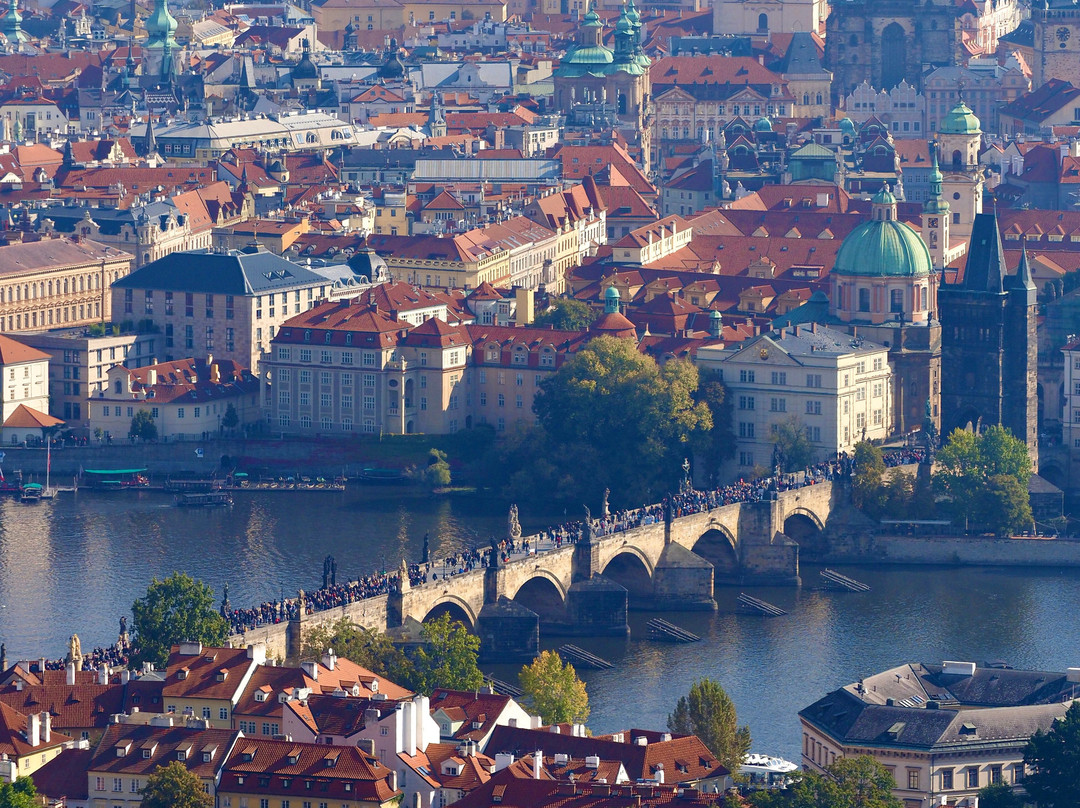
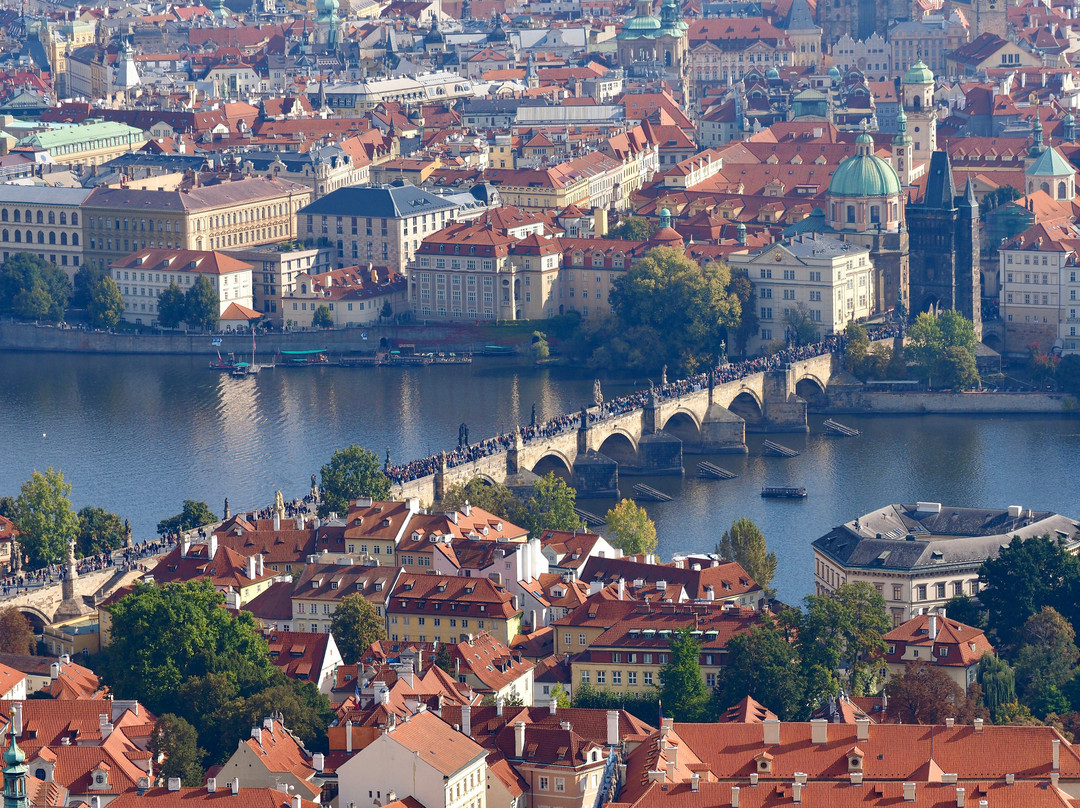
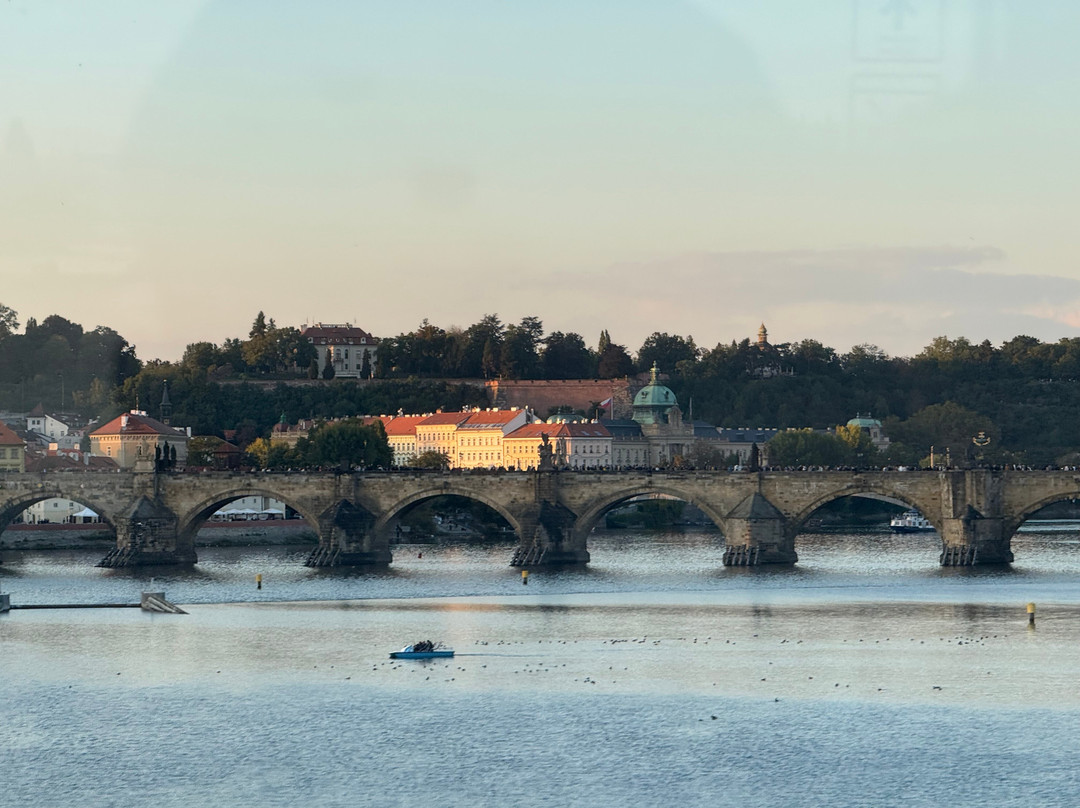
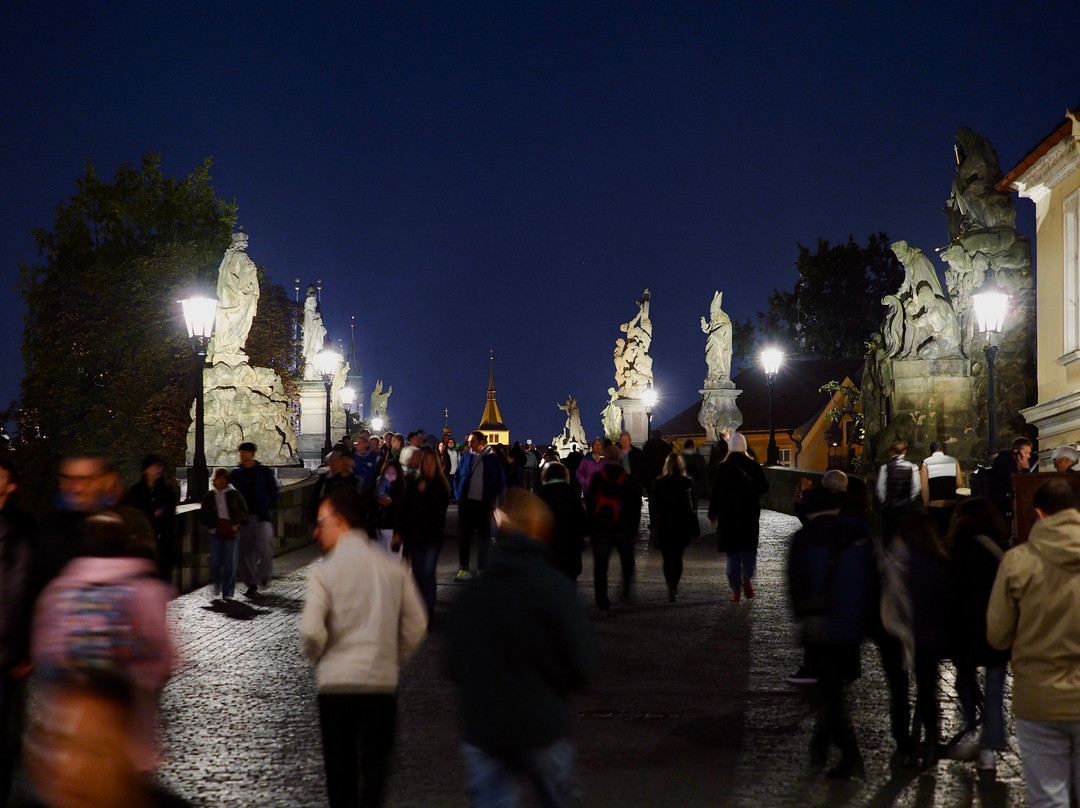
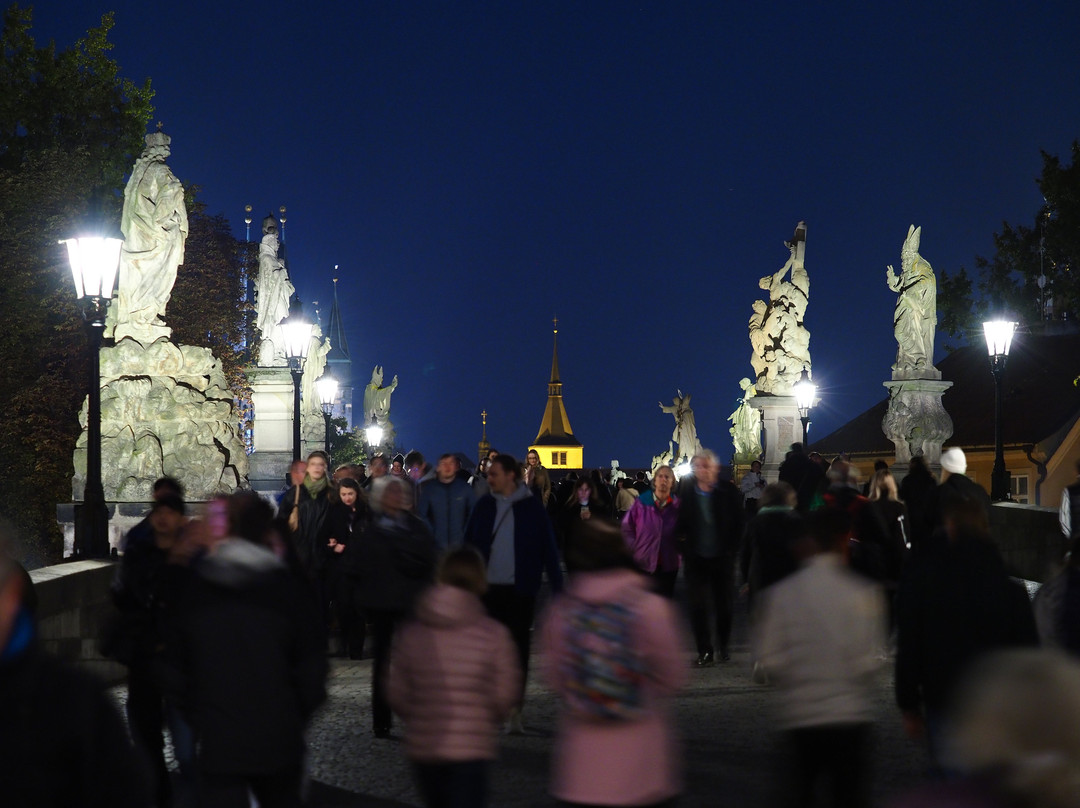
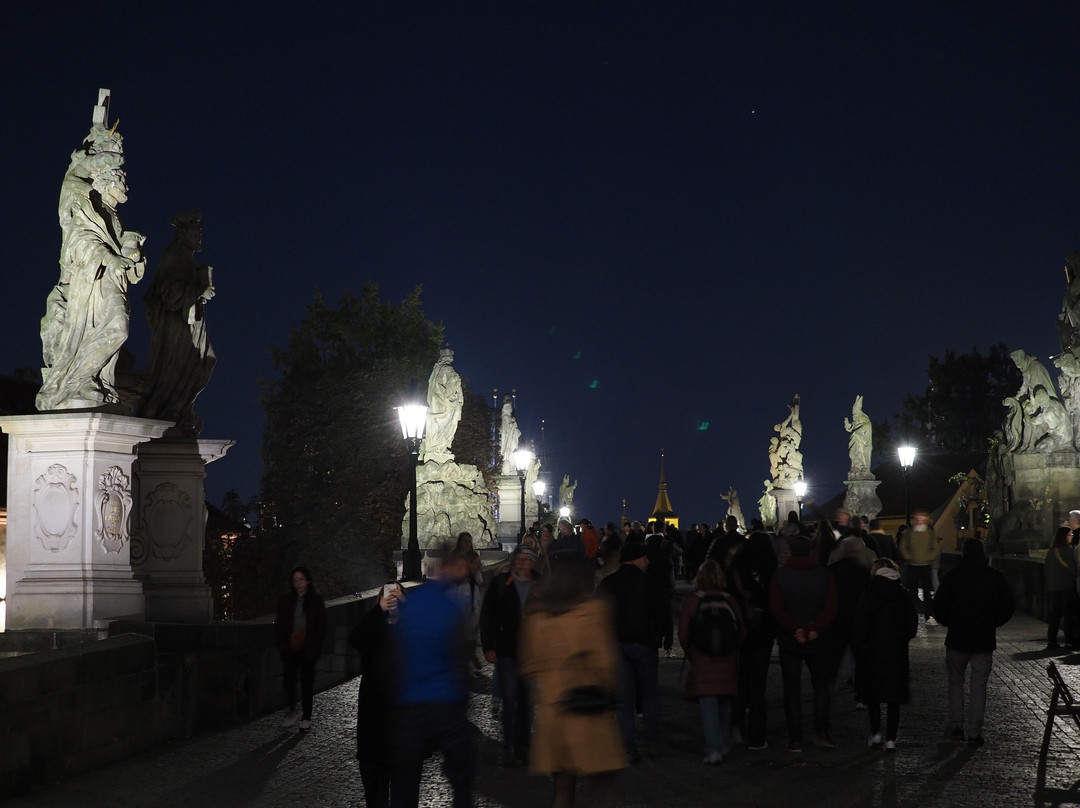
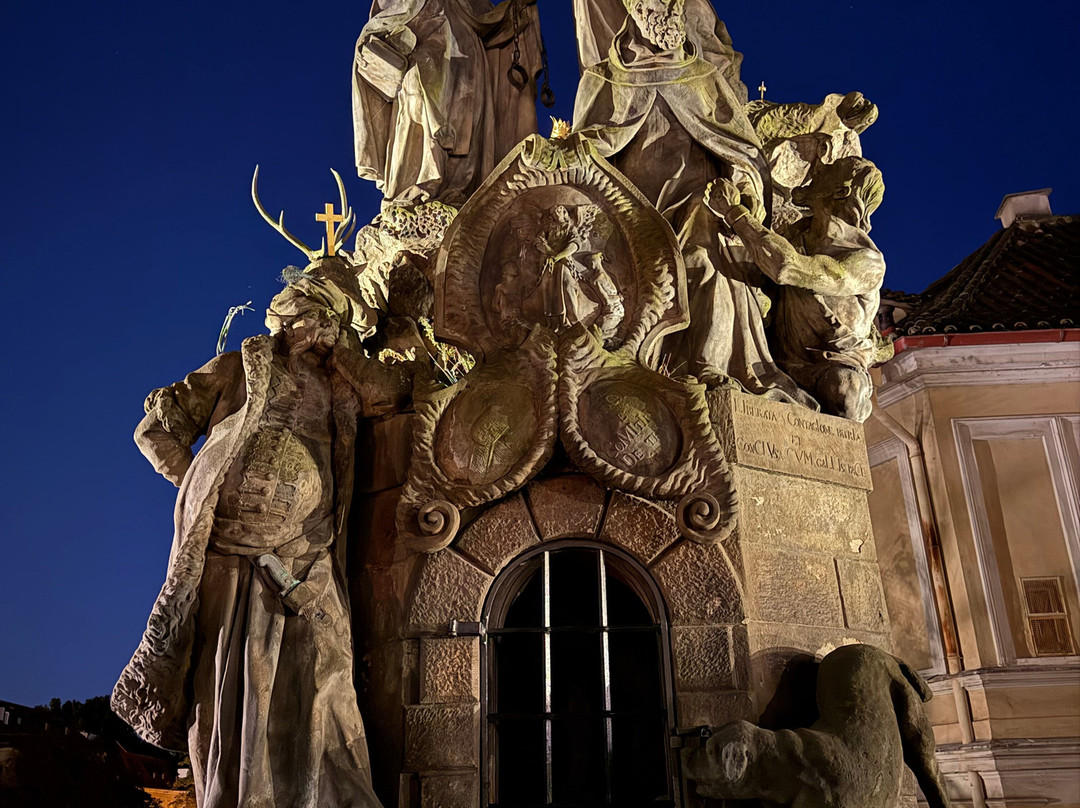
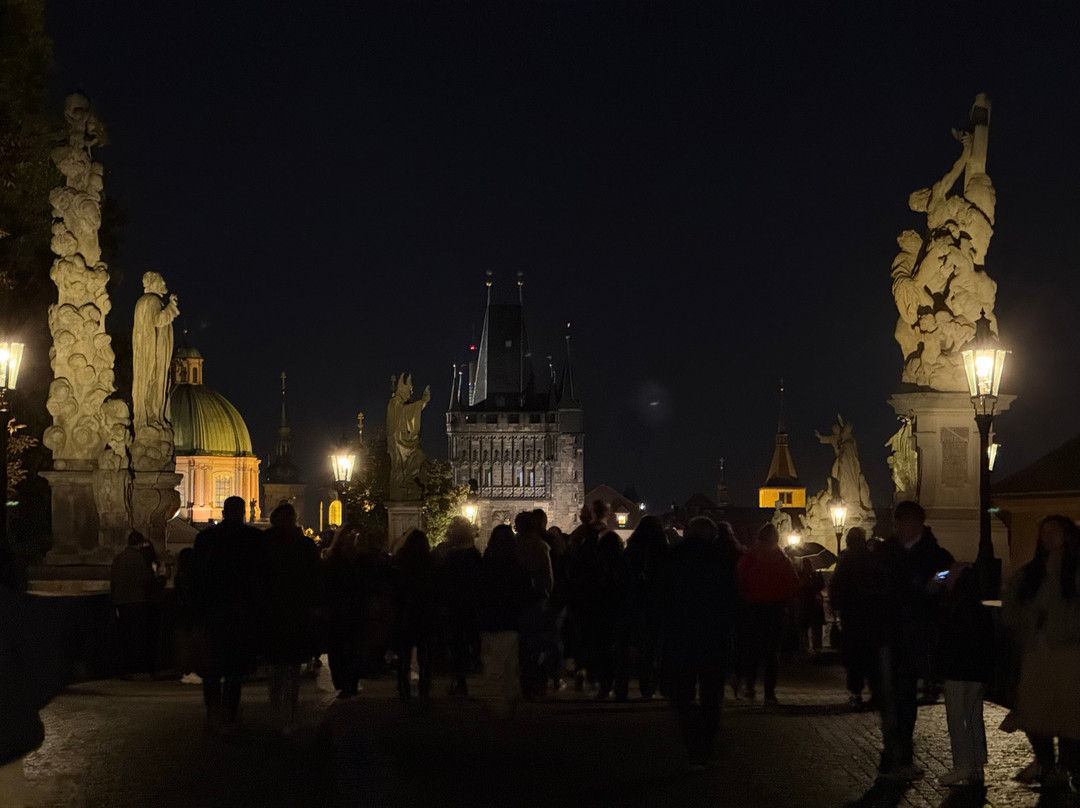
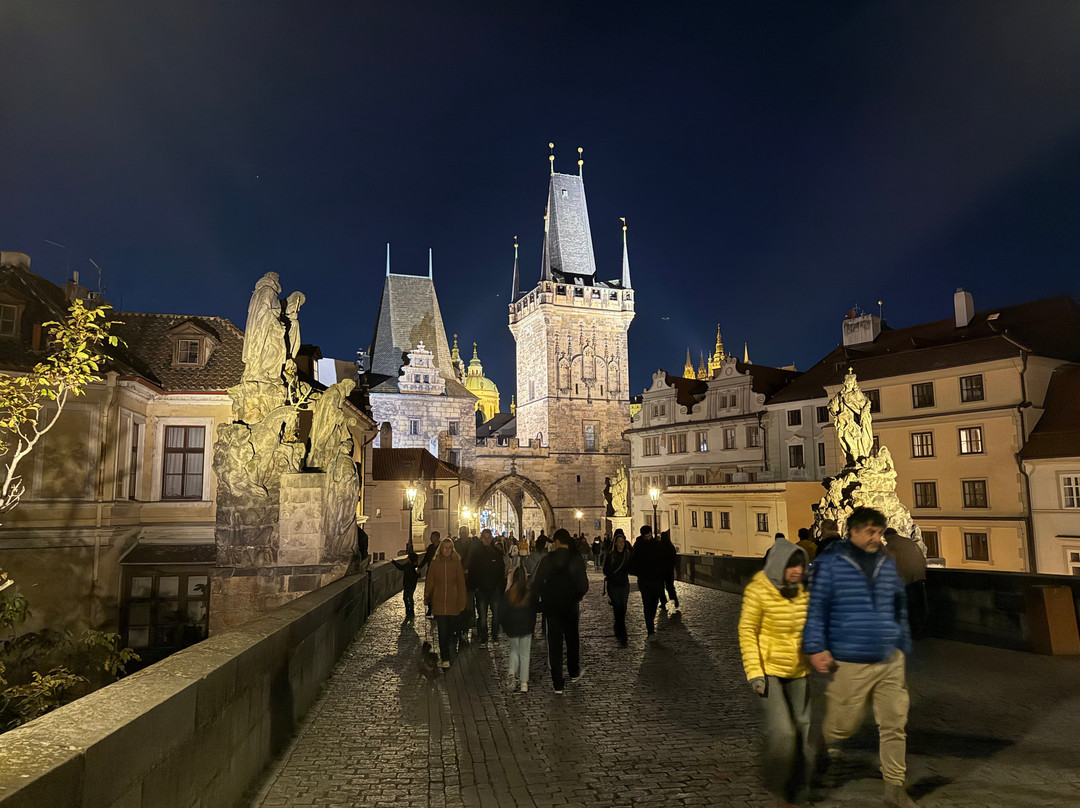
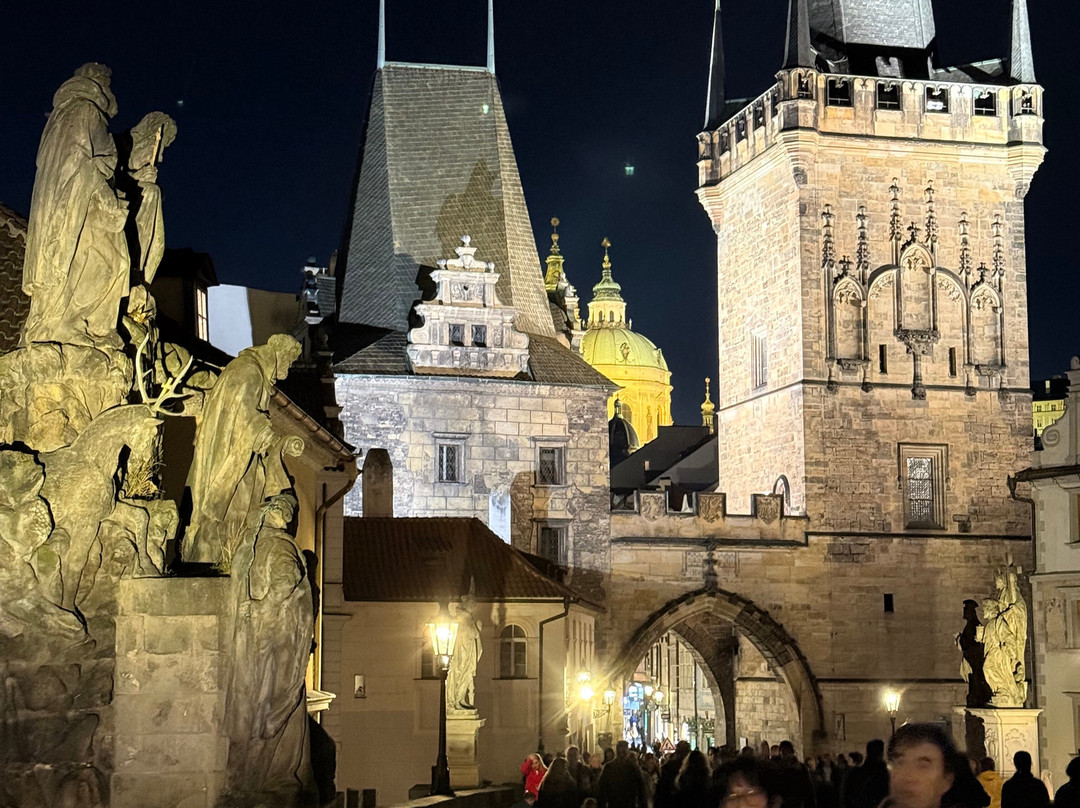
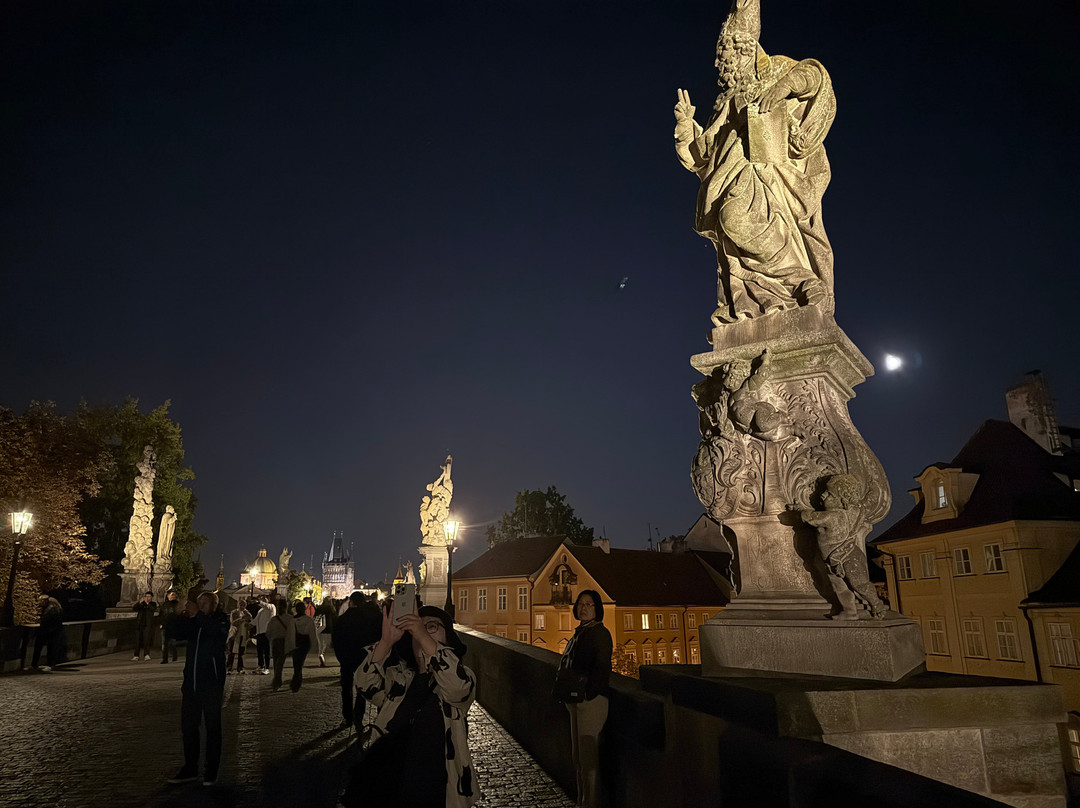
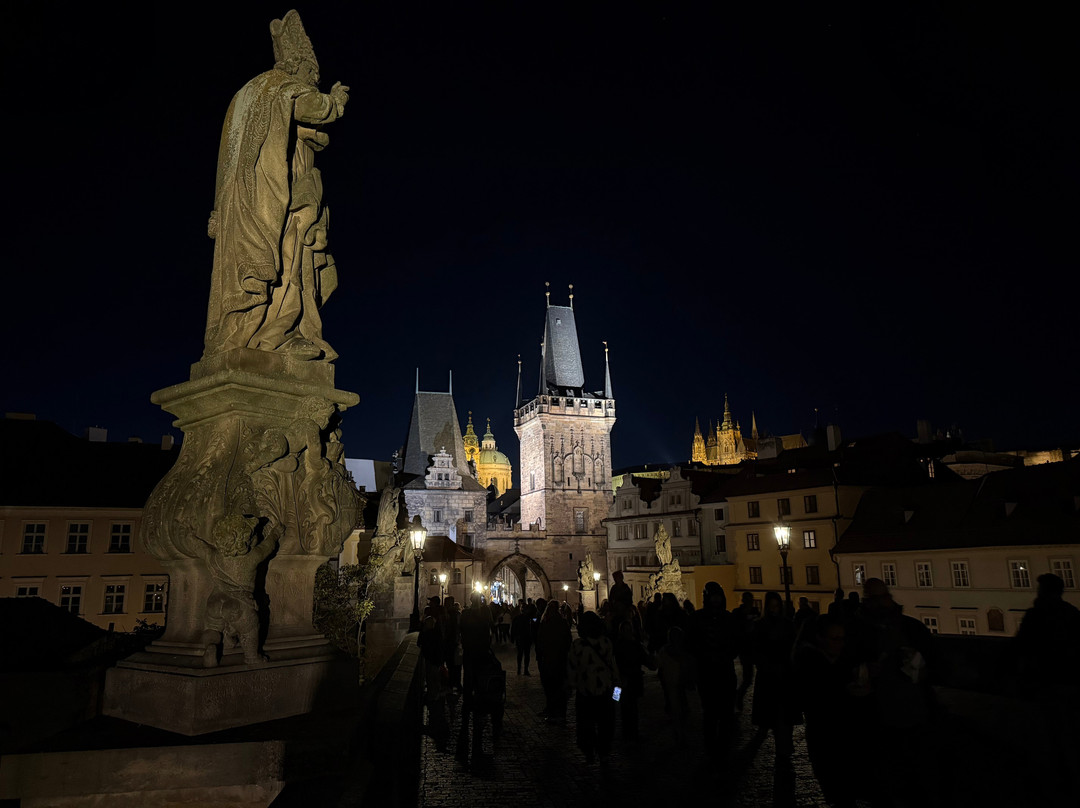
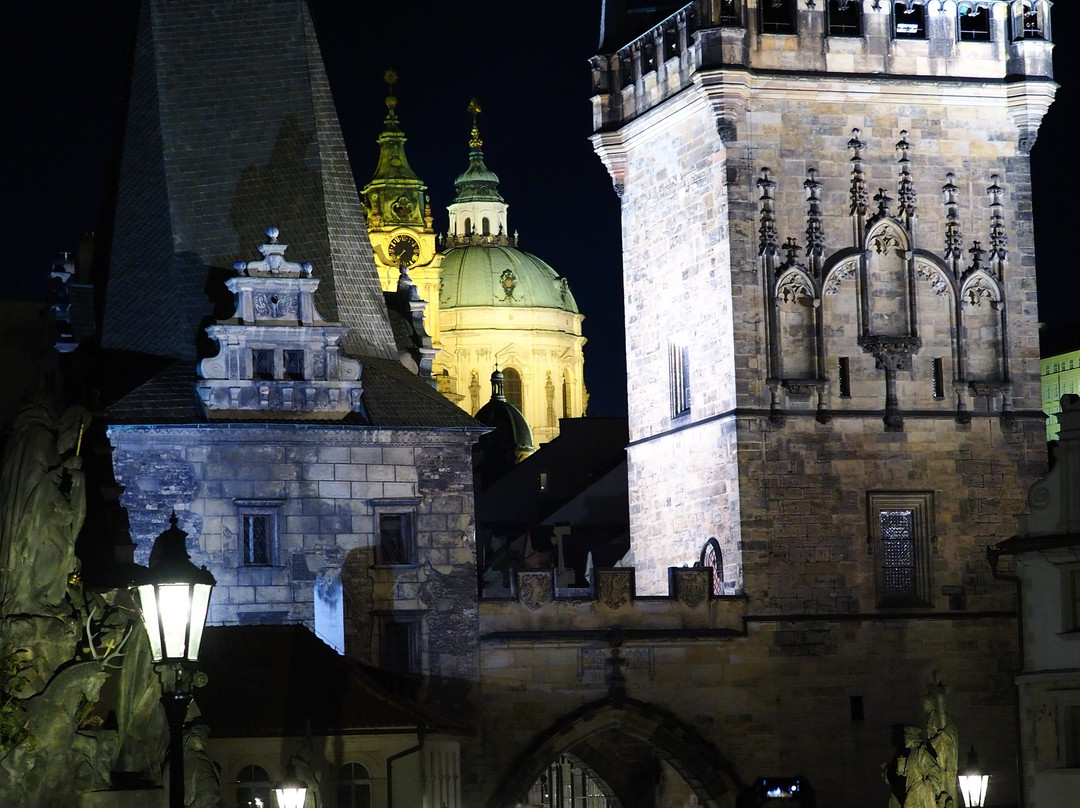
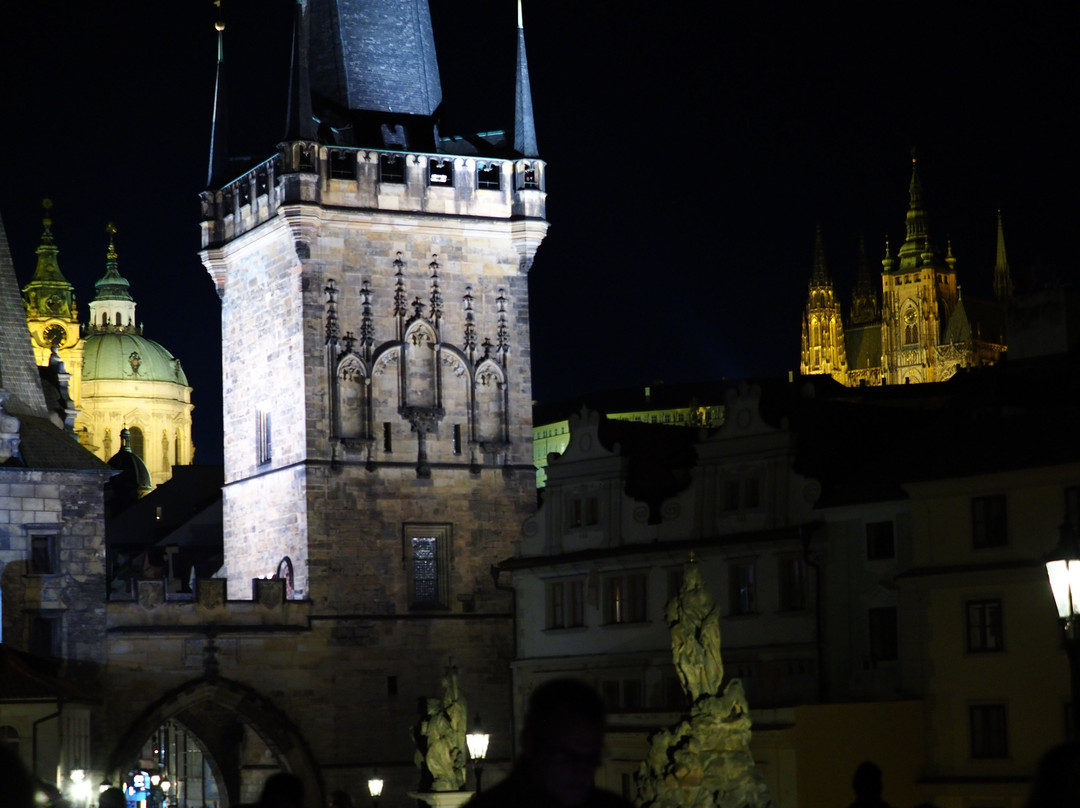
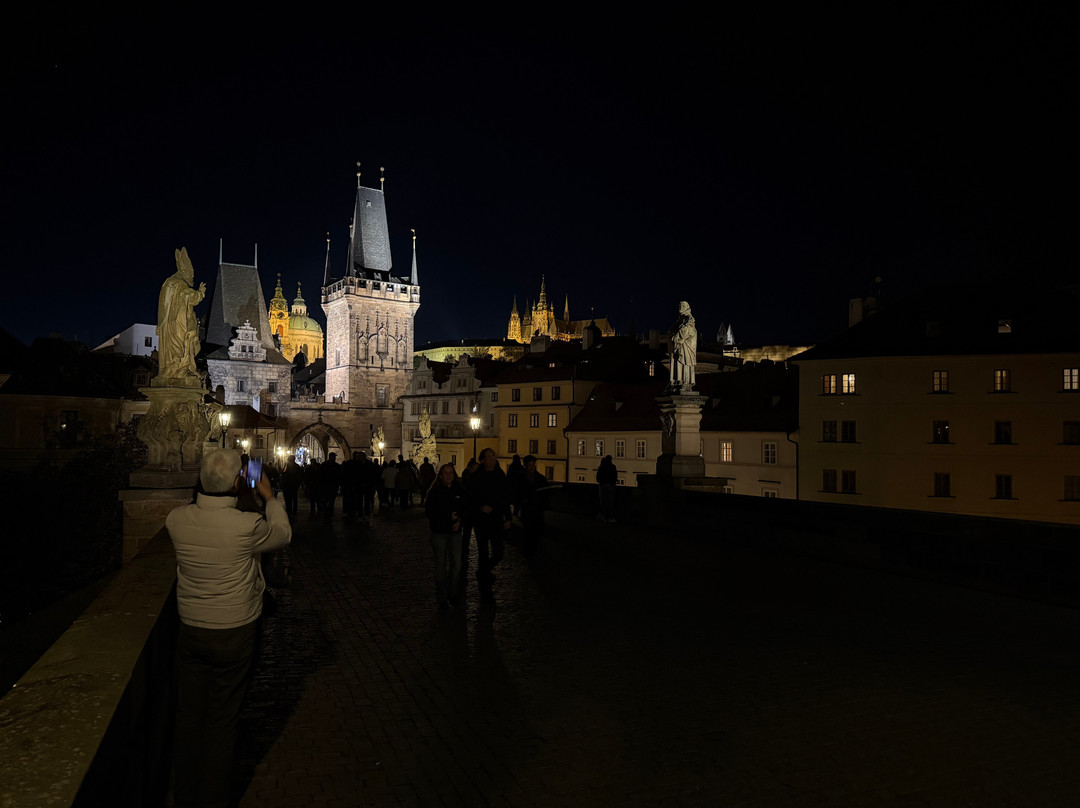
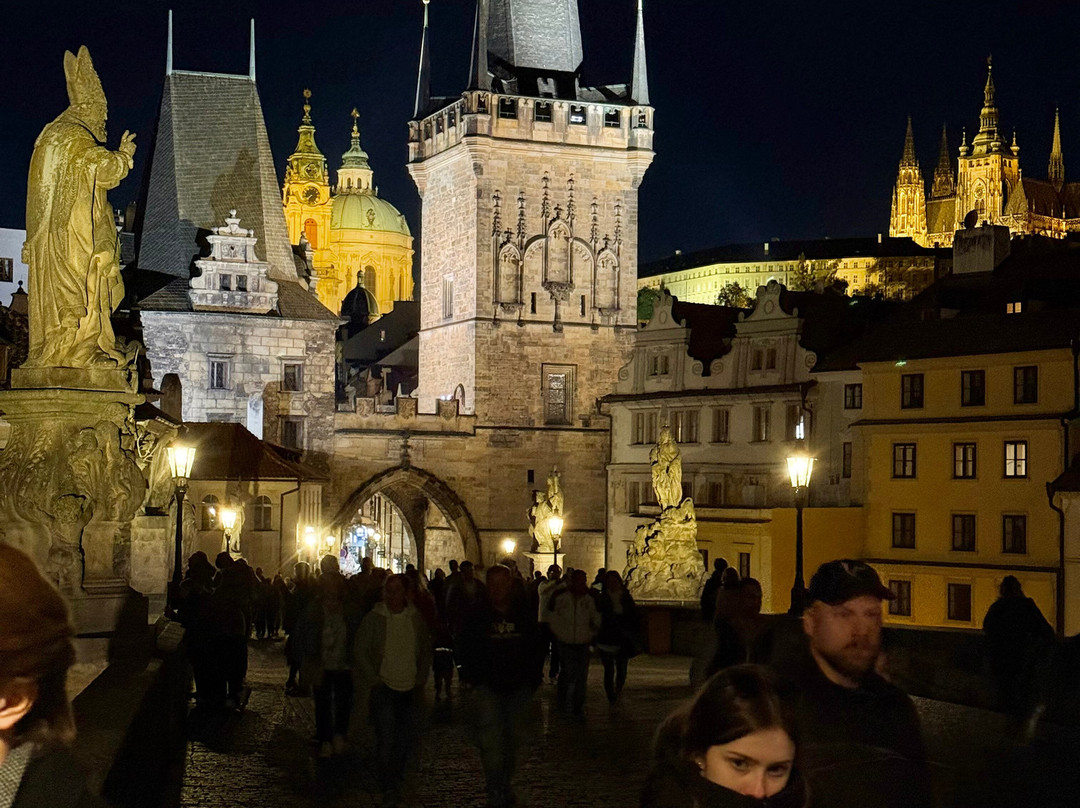
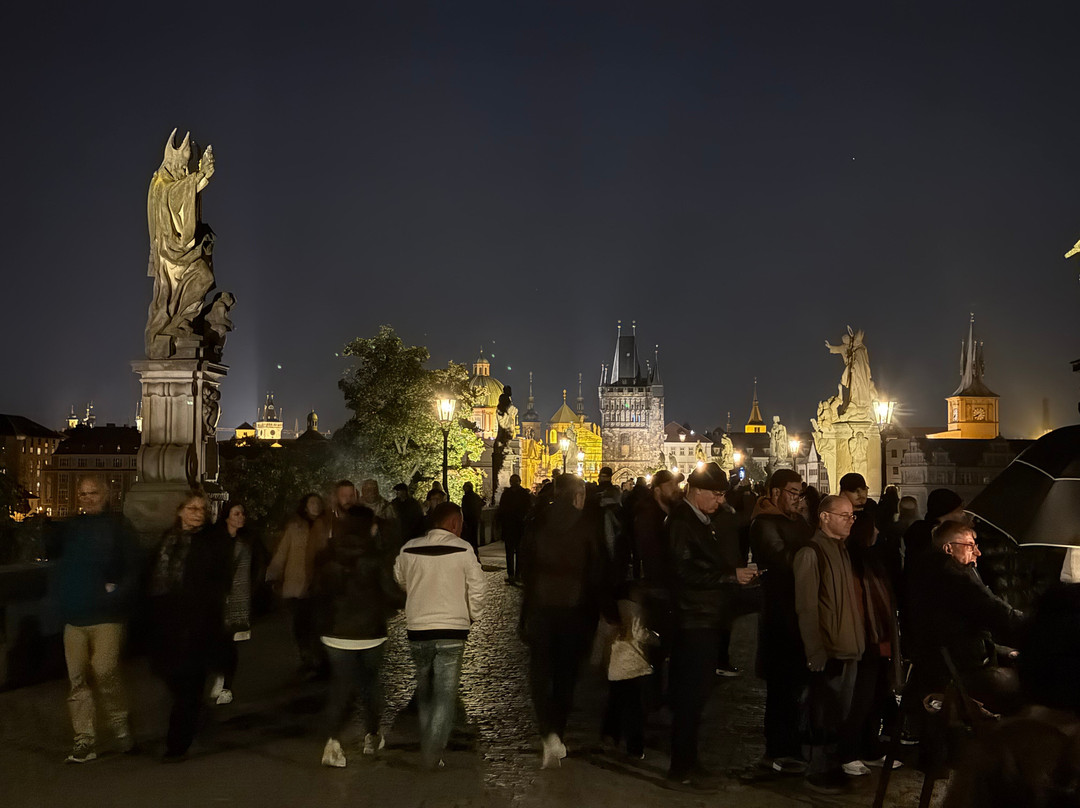
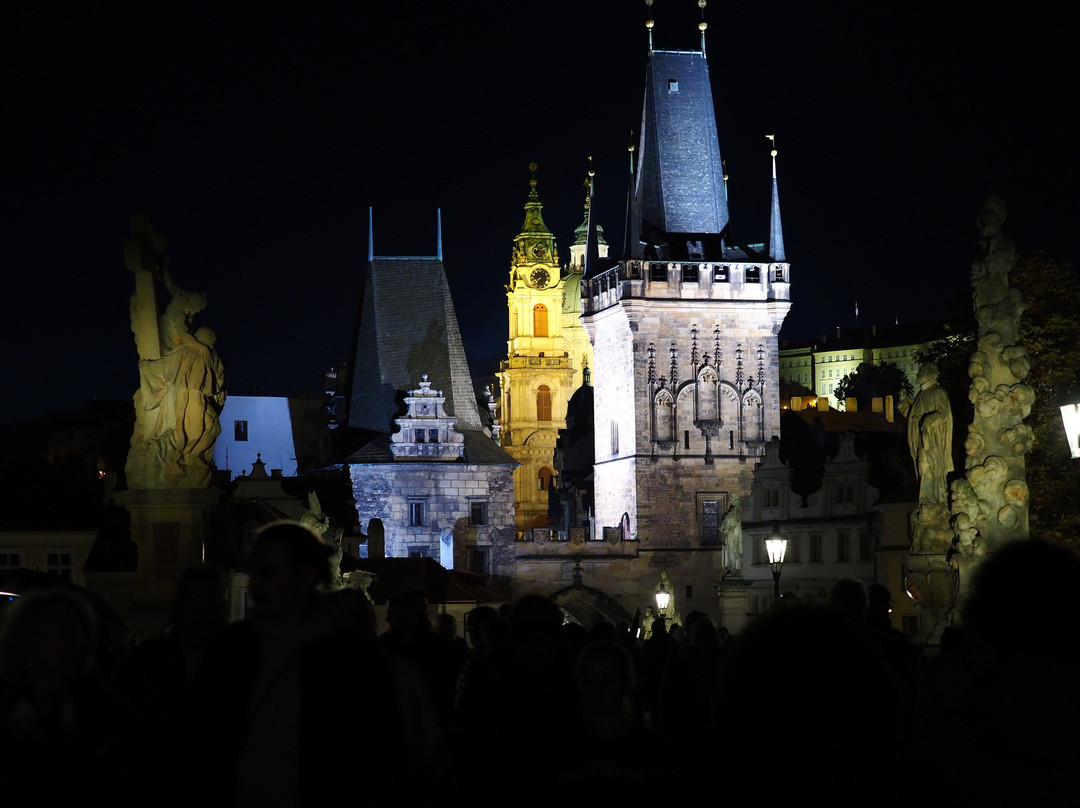
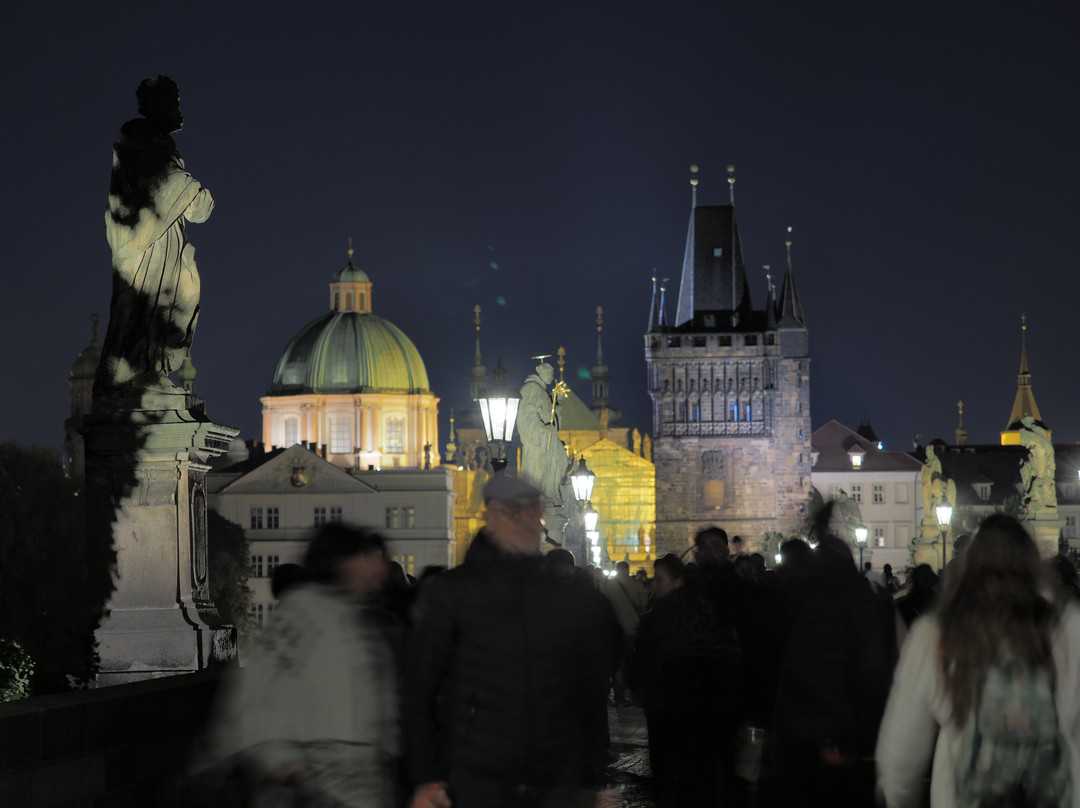
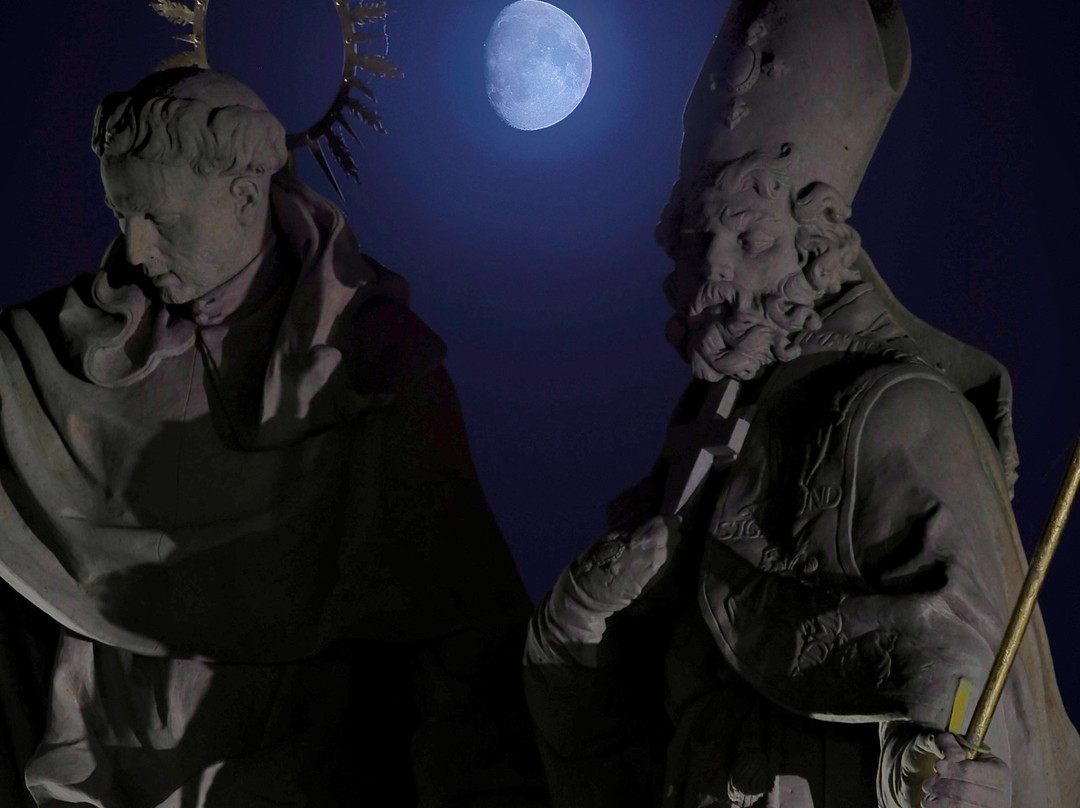
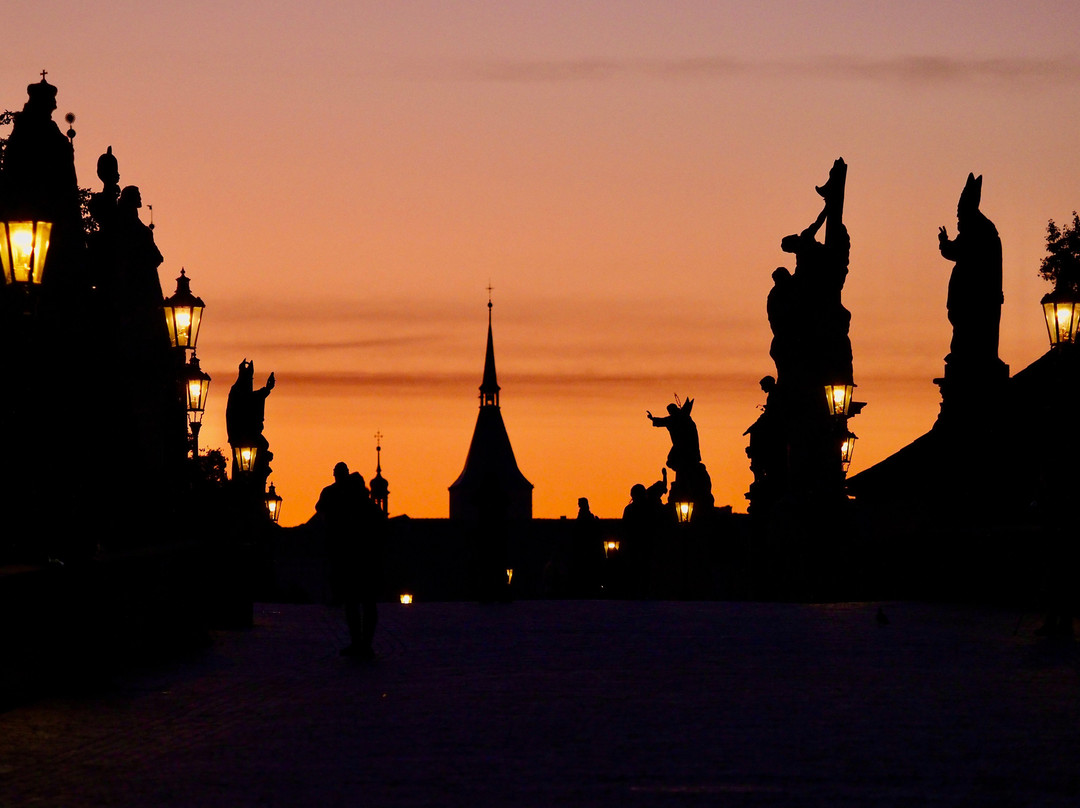
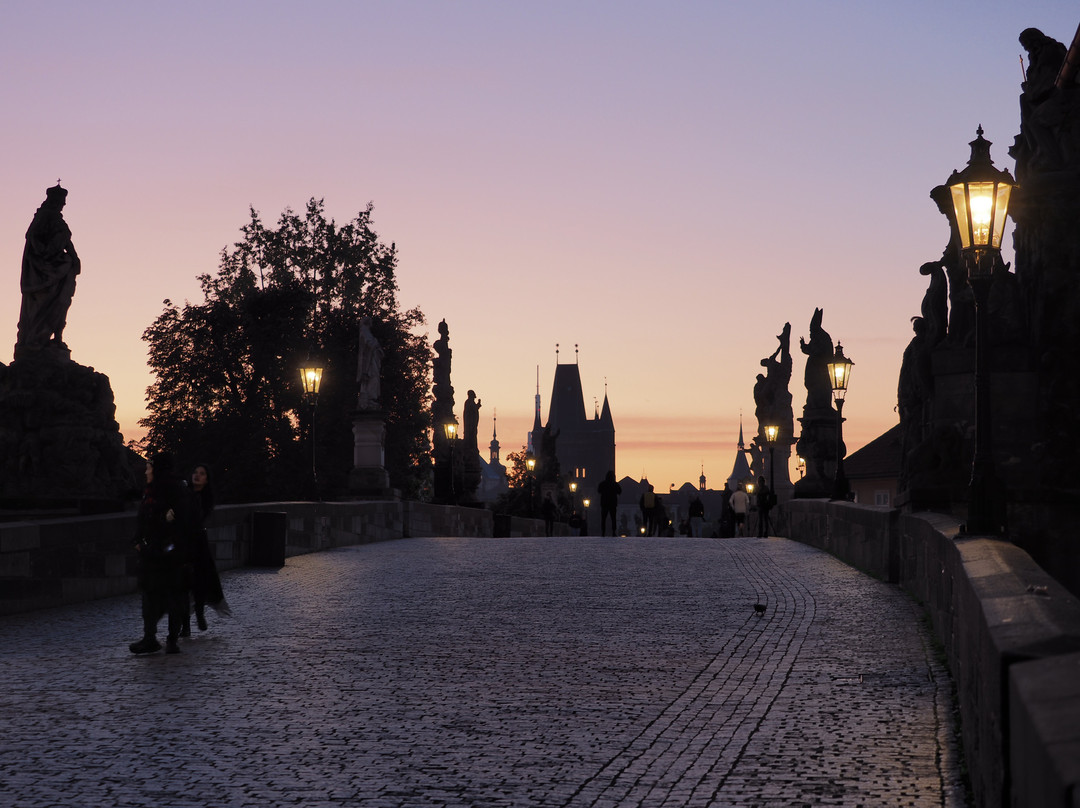
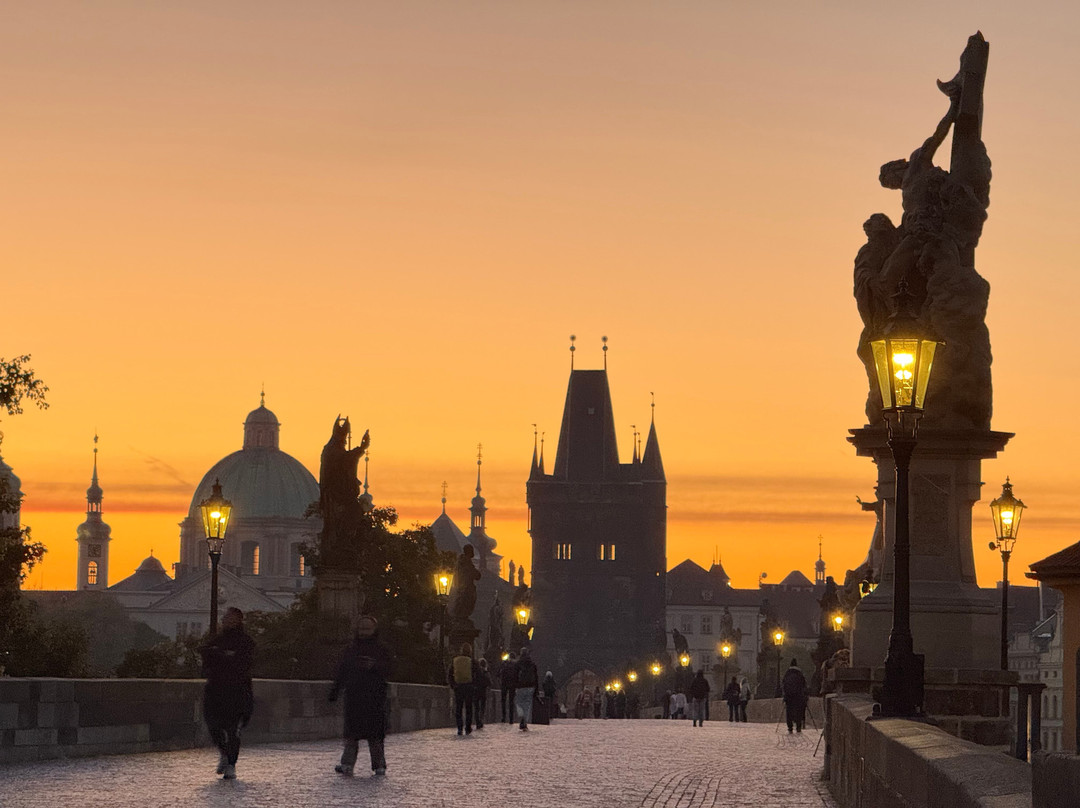
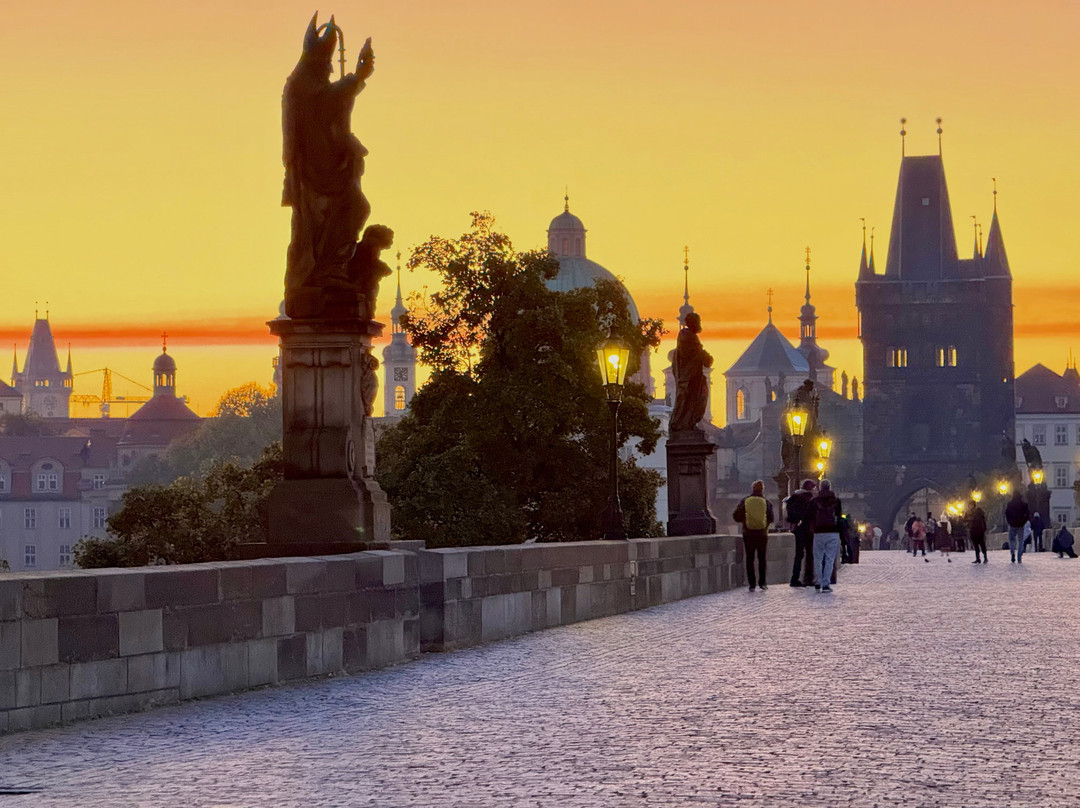
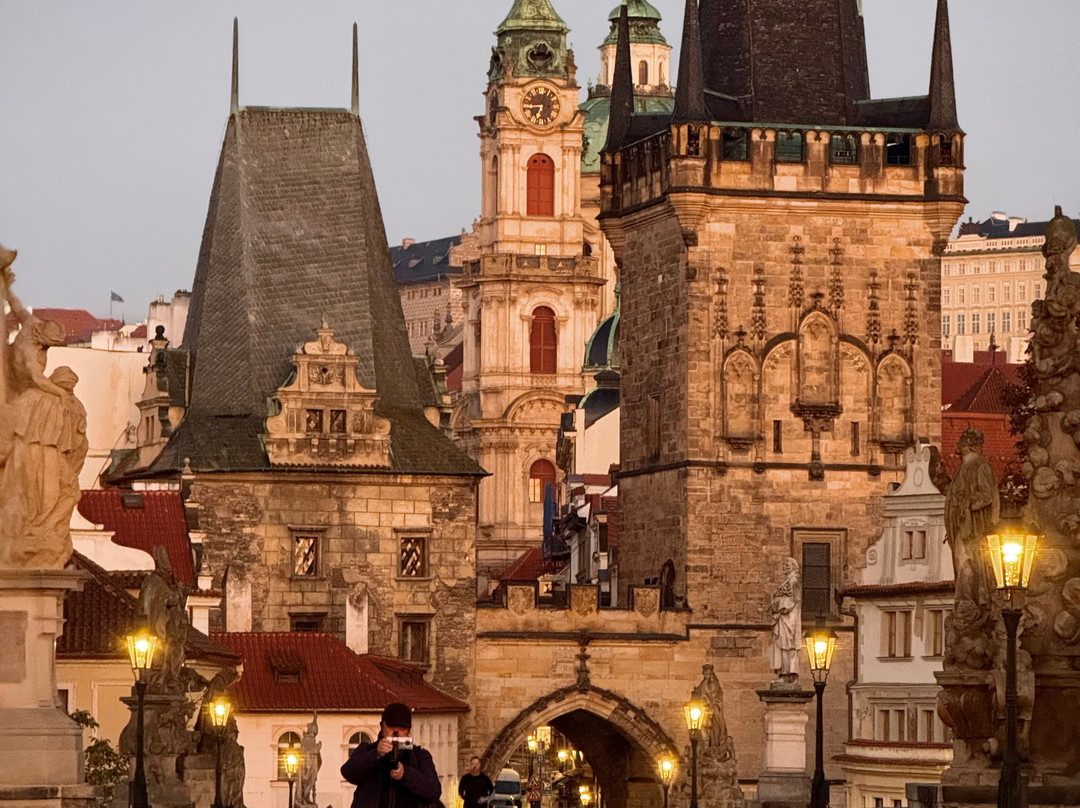
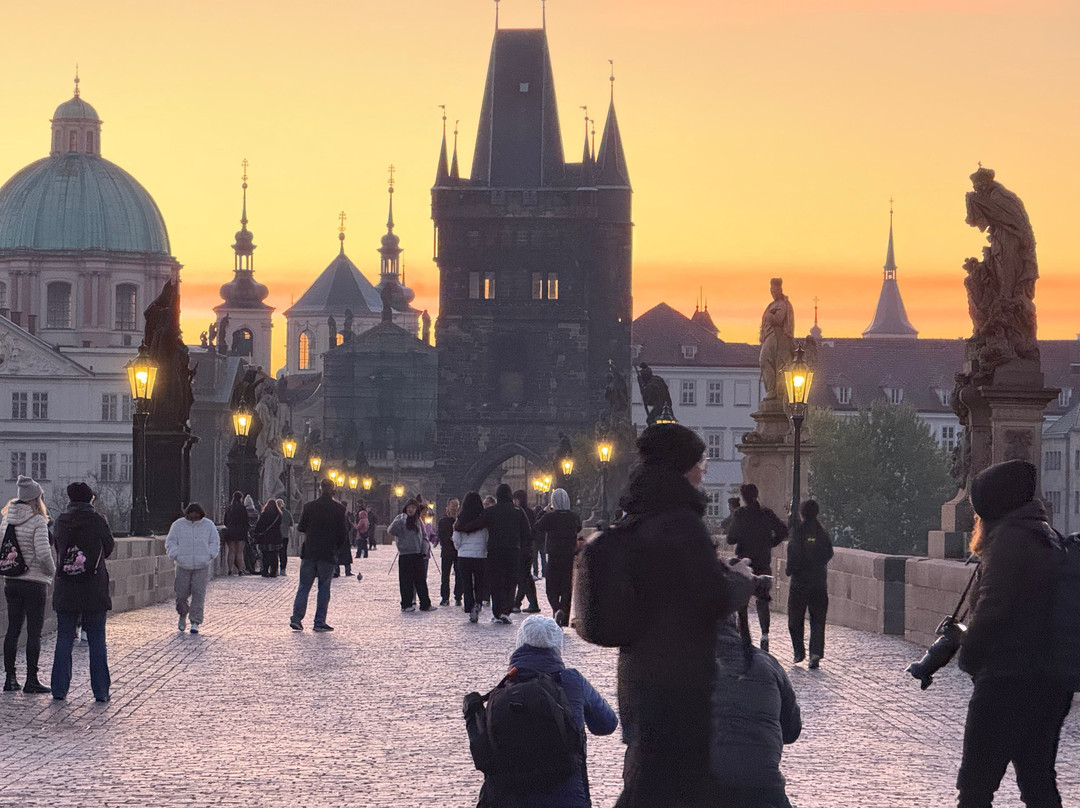
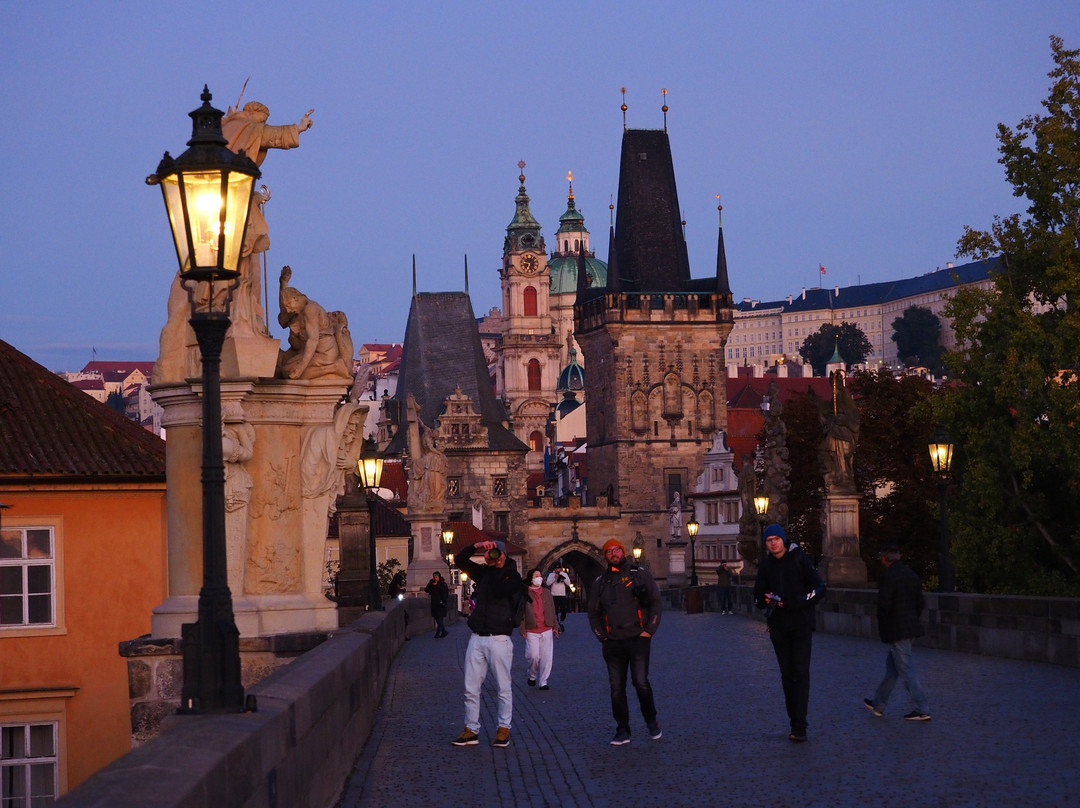
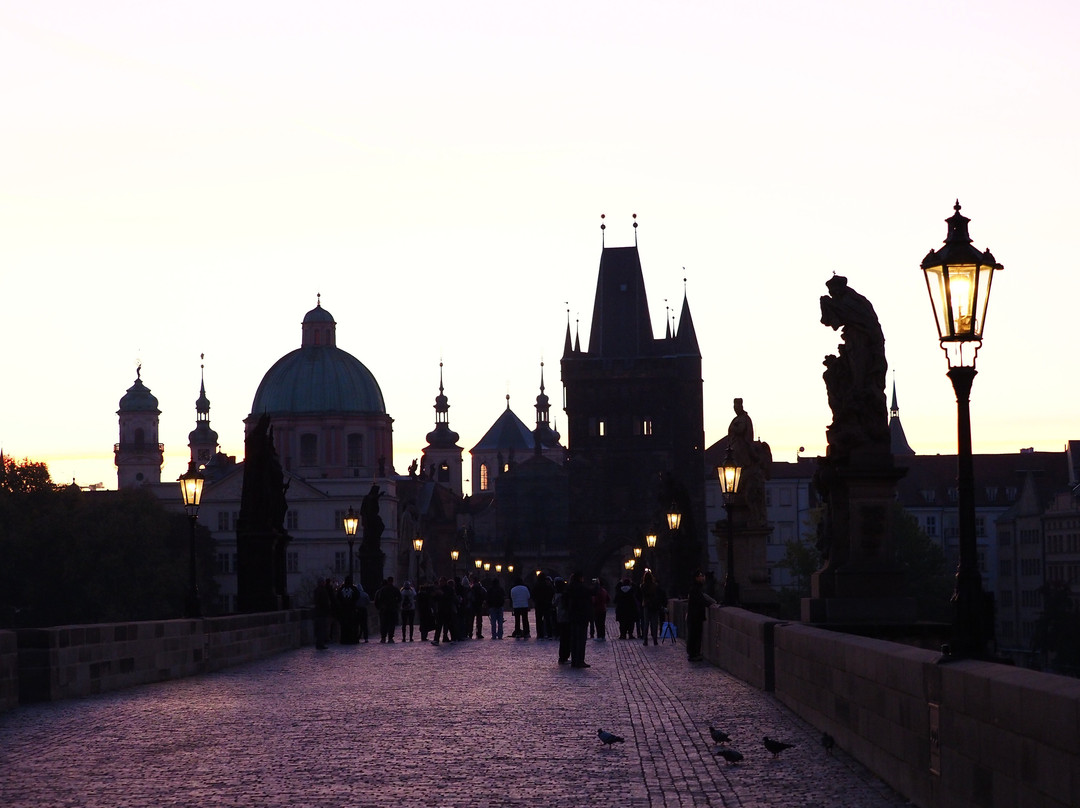
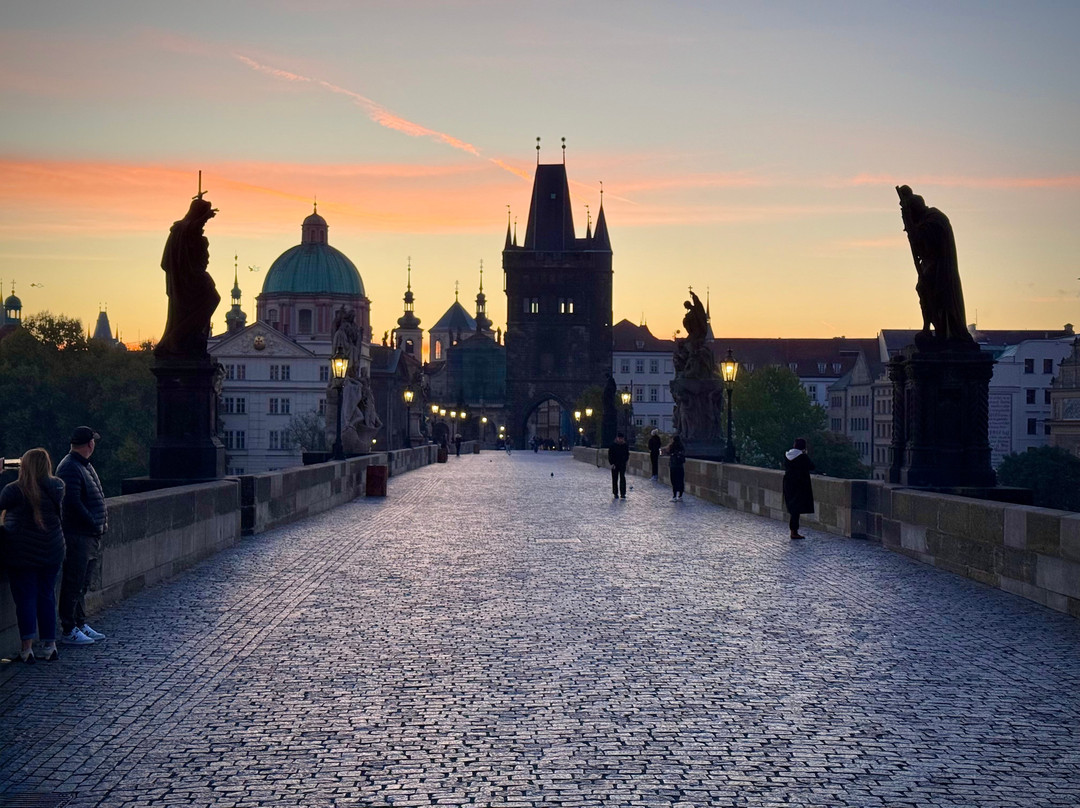
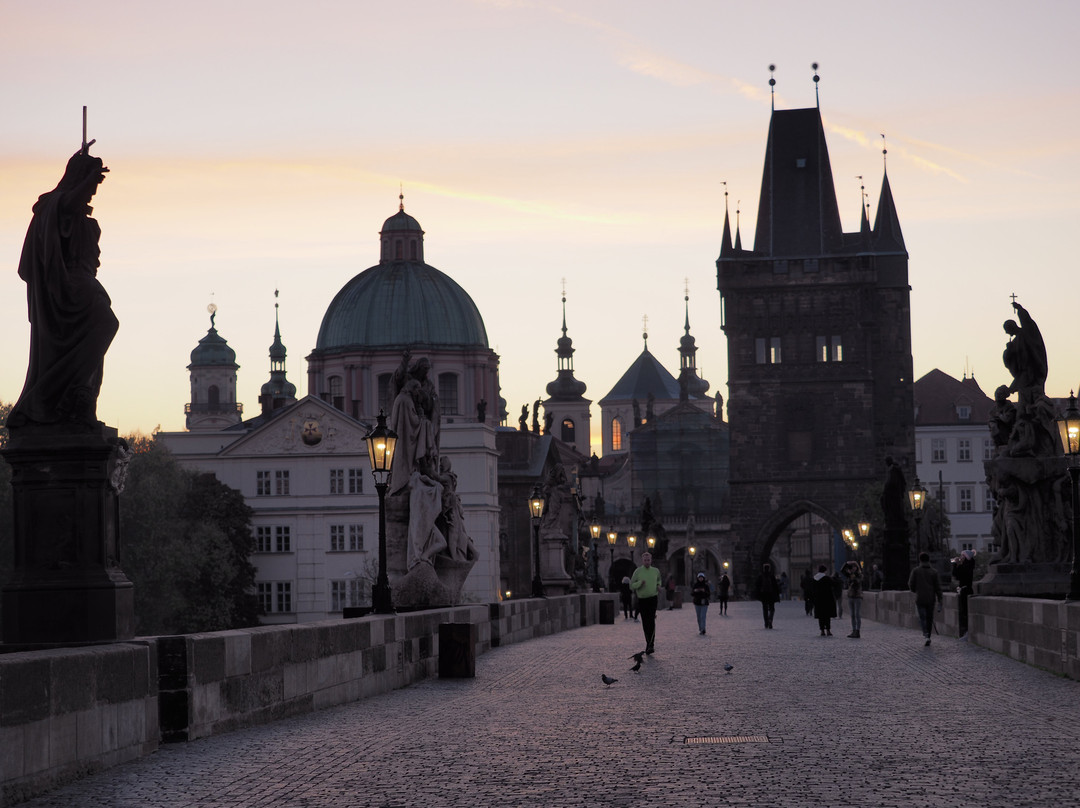
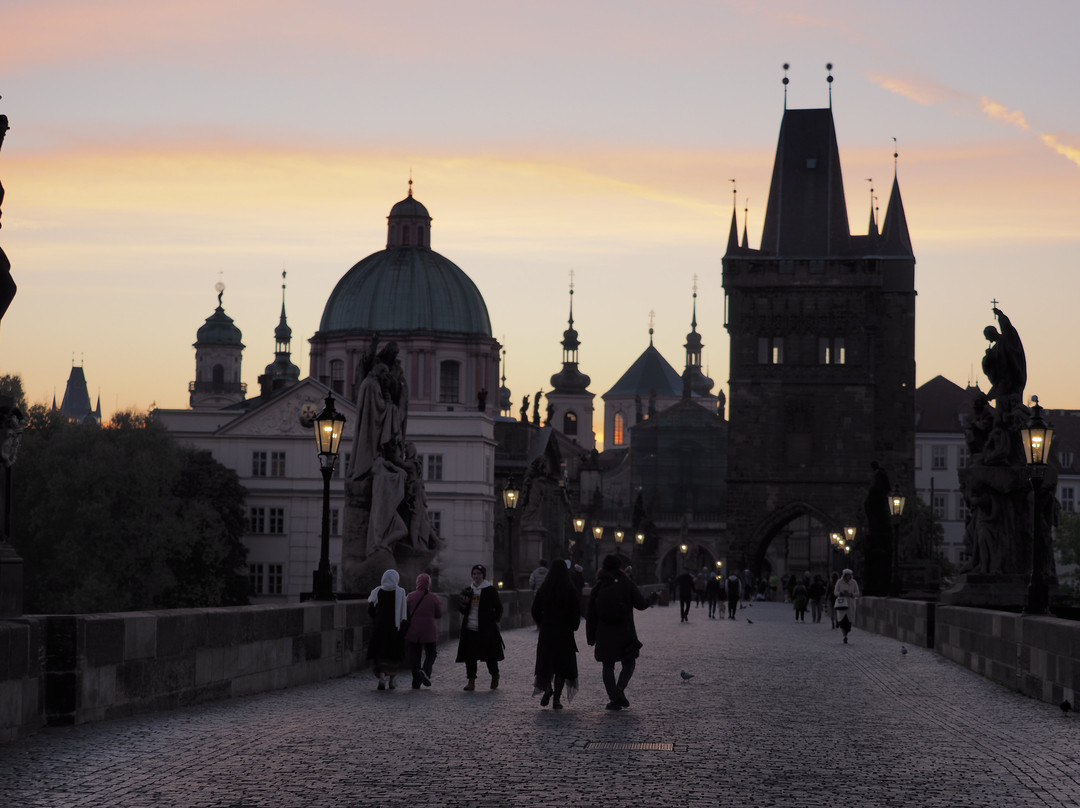
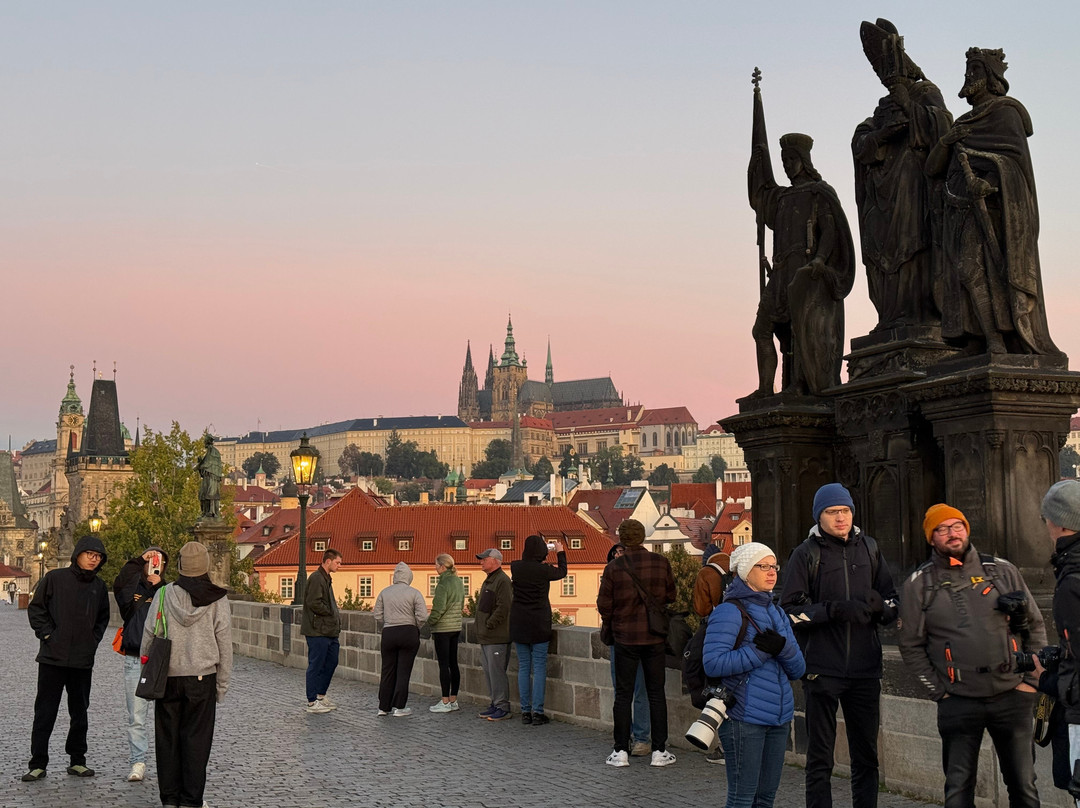
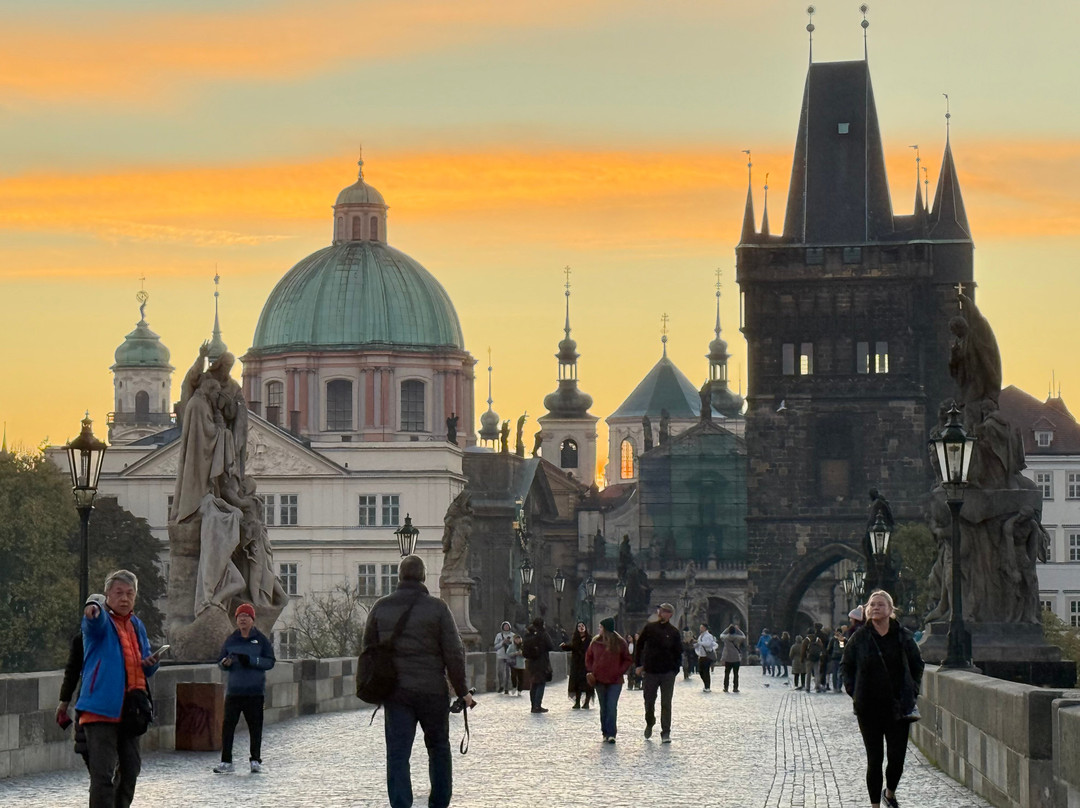
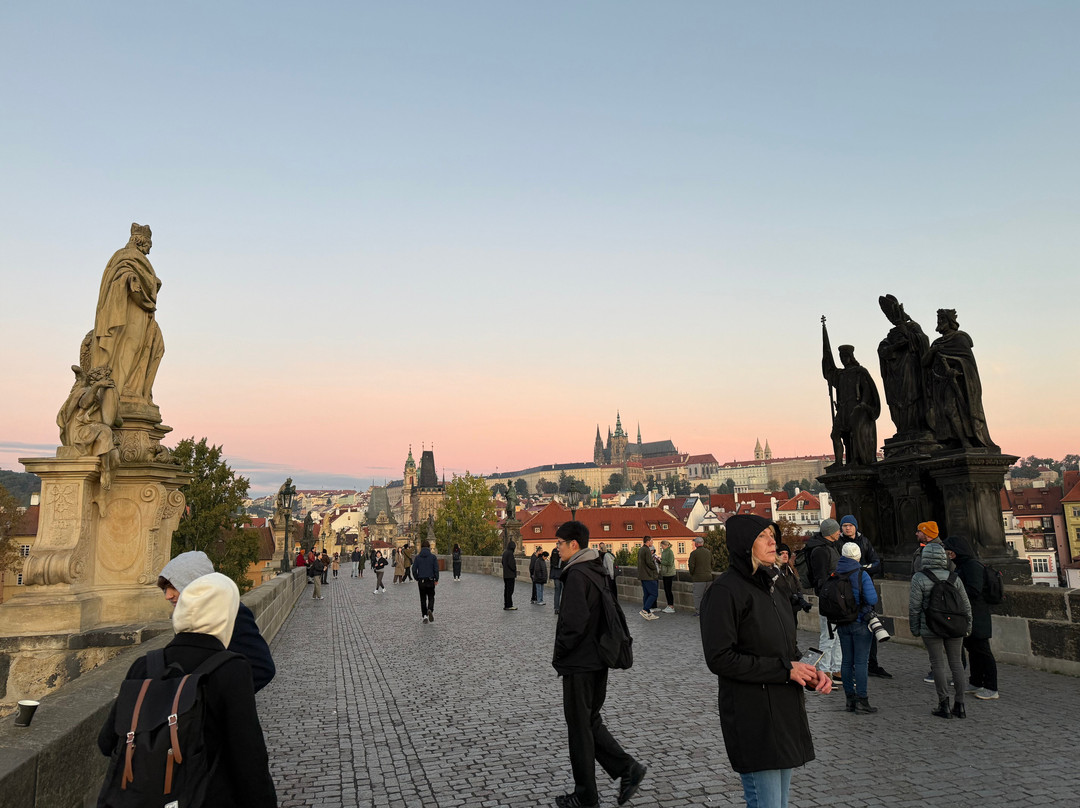
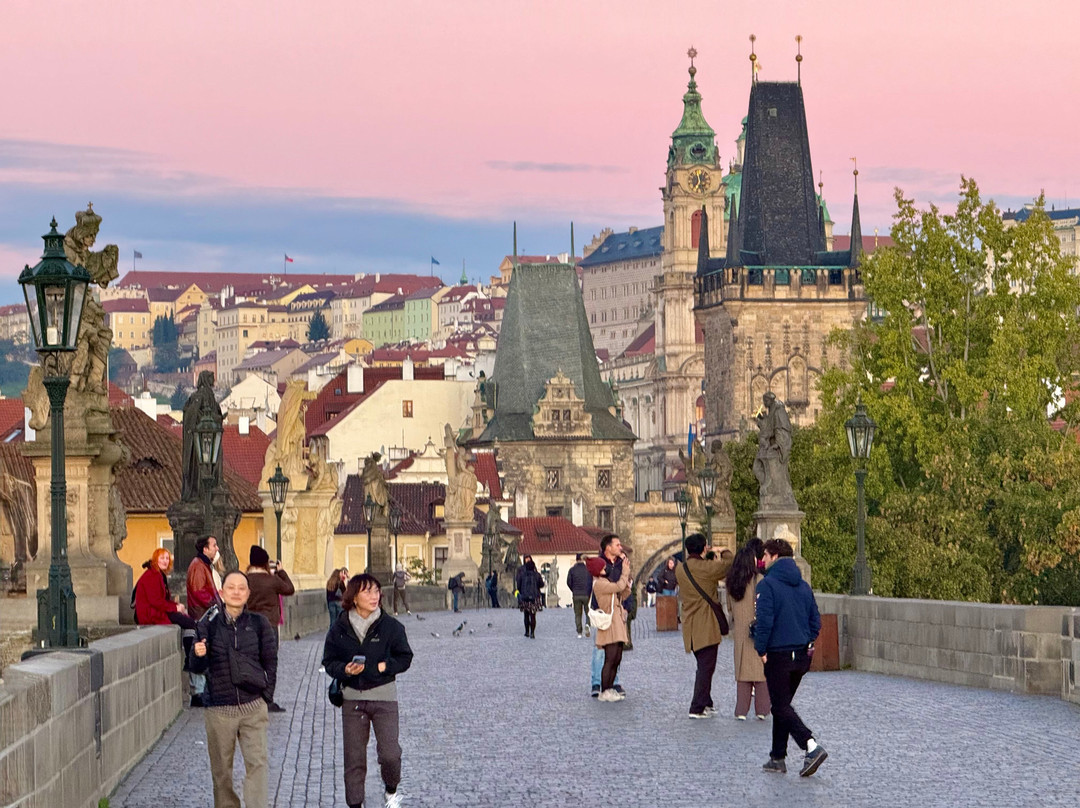
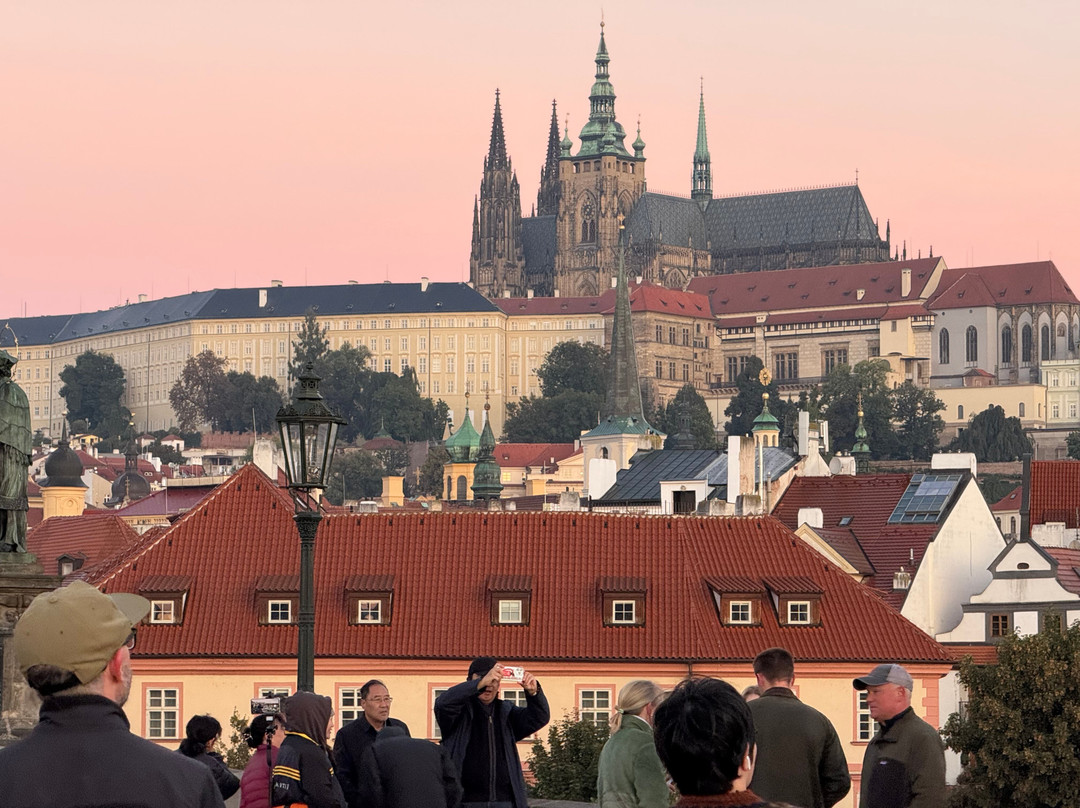
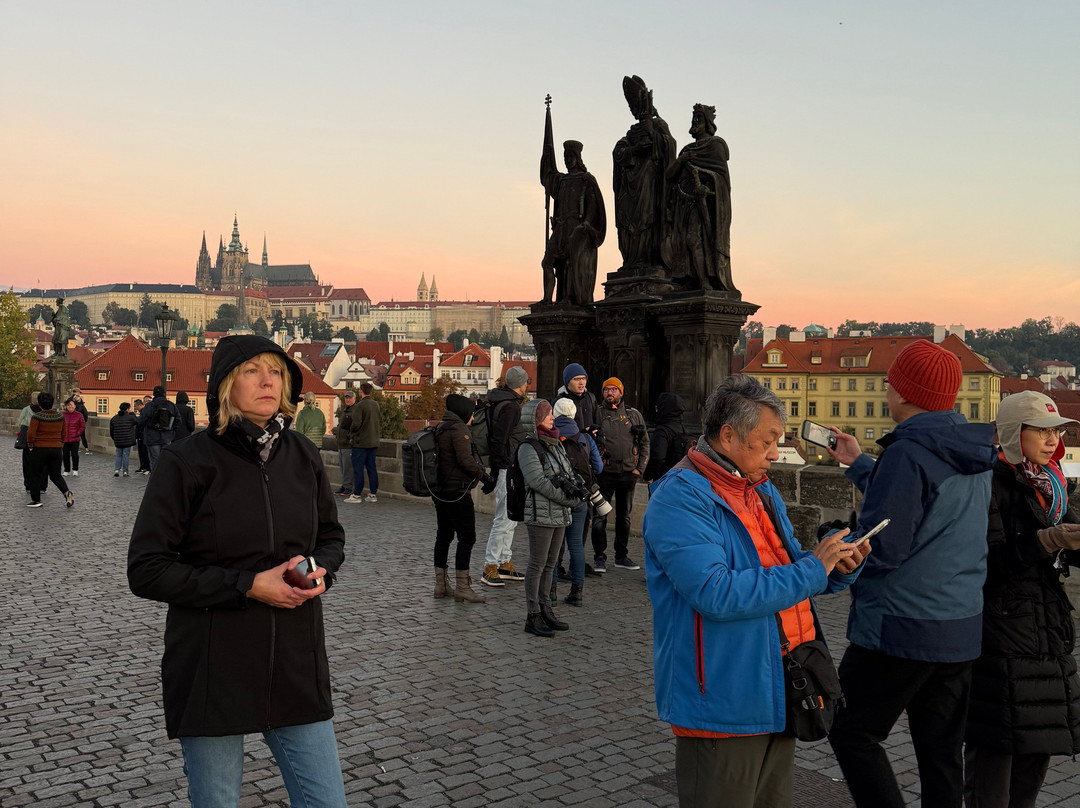
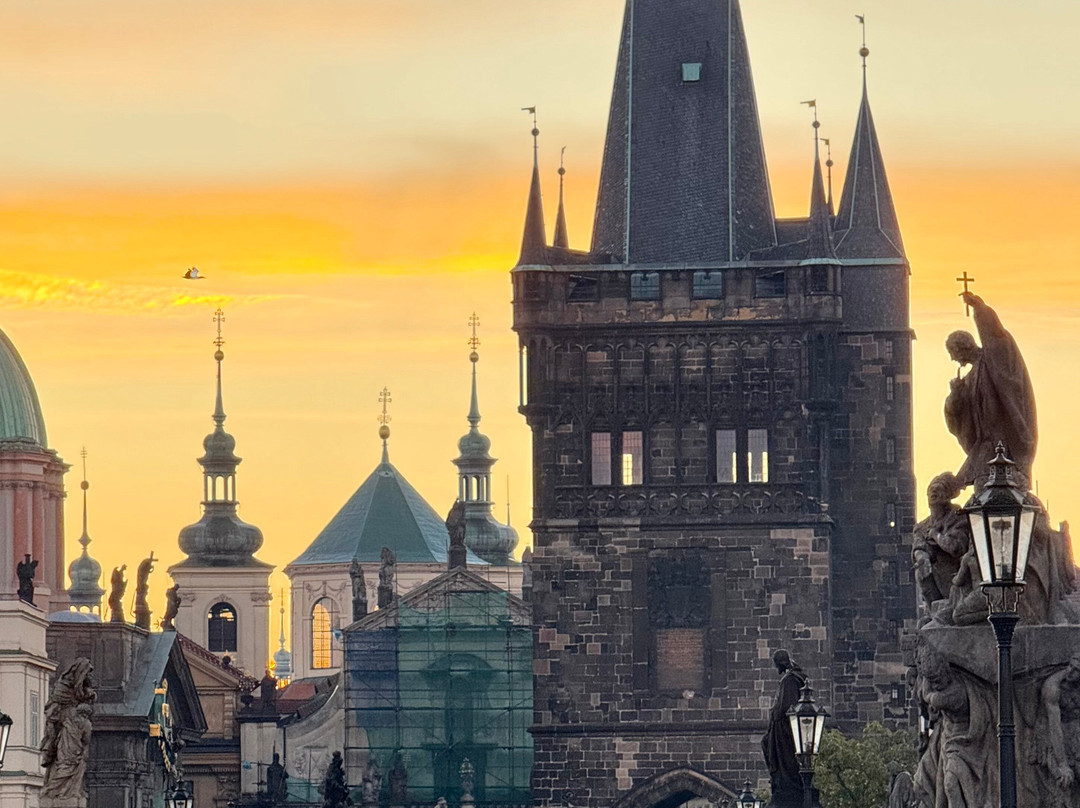
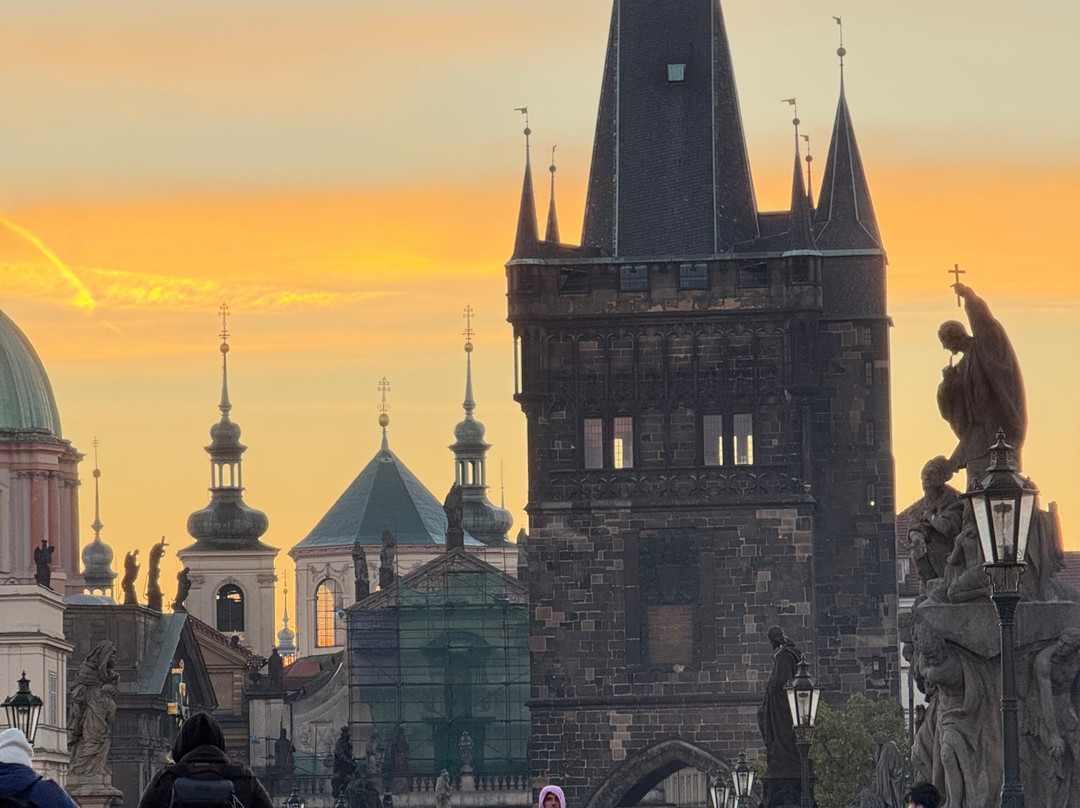
点评:The phrase "must see" is overused and it has lost its meaning in many cases. I have to say, however, that it does apply to Prague's Charles Bridge or Karluv Most. It is truly an iconic structure in Prague. This arched bridge, lined by statues of saints and book-ended by bridge towers is truly a sight (site?) to behold, especially early in the mornings. We stayed in the Mala Strana district to the west of the Vltava River and had crossed the bridge a few times during the day. It gets packed not long after breakfast and stays that way most of the day. The bridge remains crowded even at night, especially after dinner. Even so, the bridge is possibly even more interesting in the early evening and at night as the sun sets and street and city lights come on. Regardless of the time of day the bridge offered another perspective of Hradcany Castle and St. Vitus Cathedral rising to the west above it.
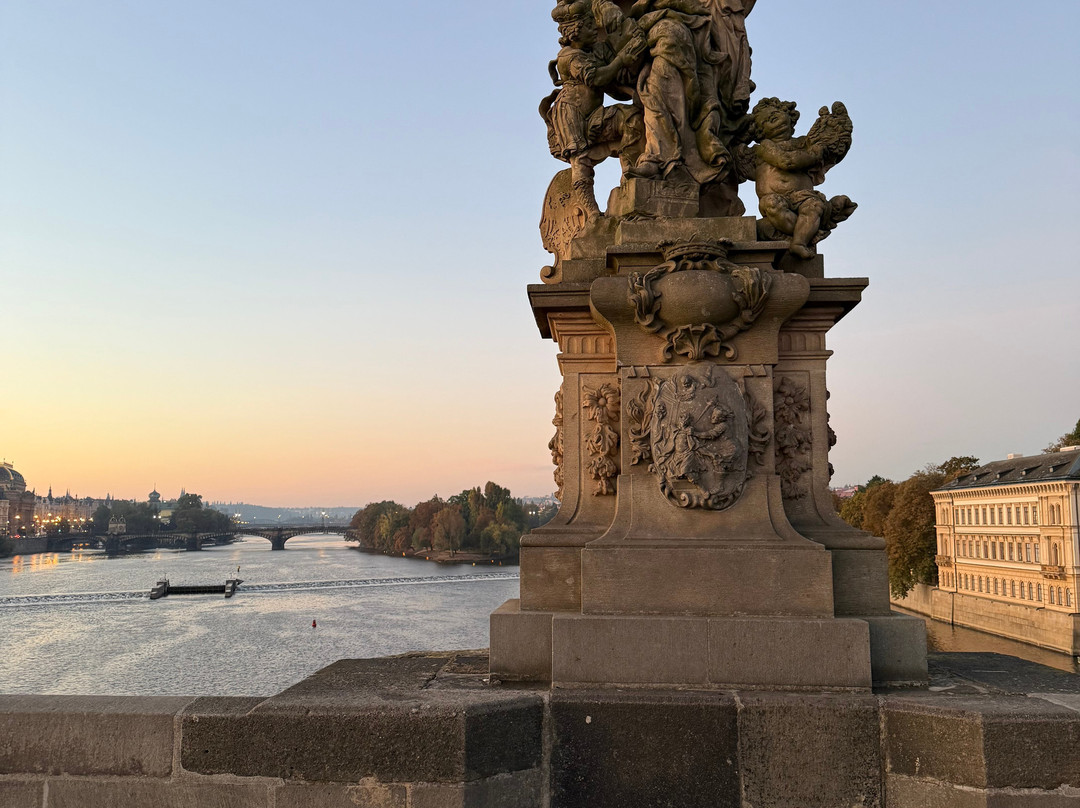
Be sure to view Charles Bridge from the Petrin Hill above Mala Strana as well as from the banks of Vltava.
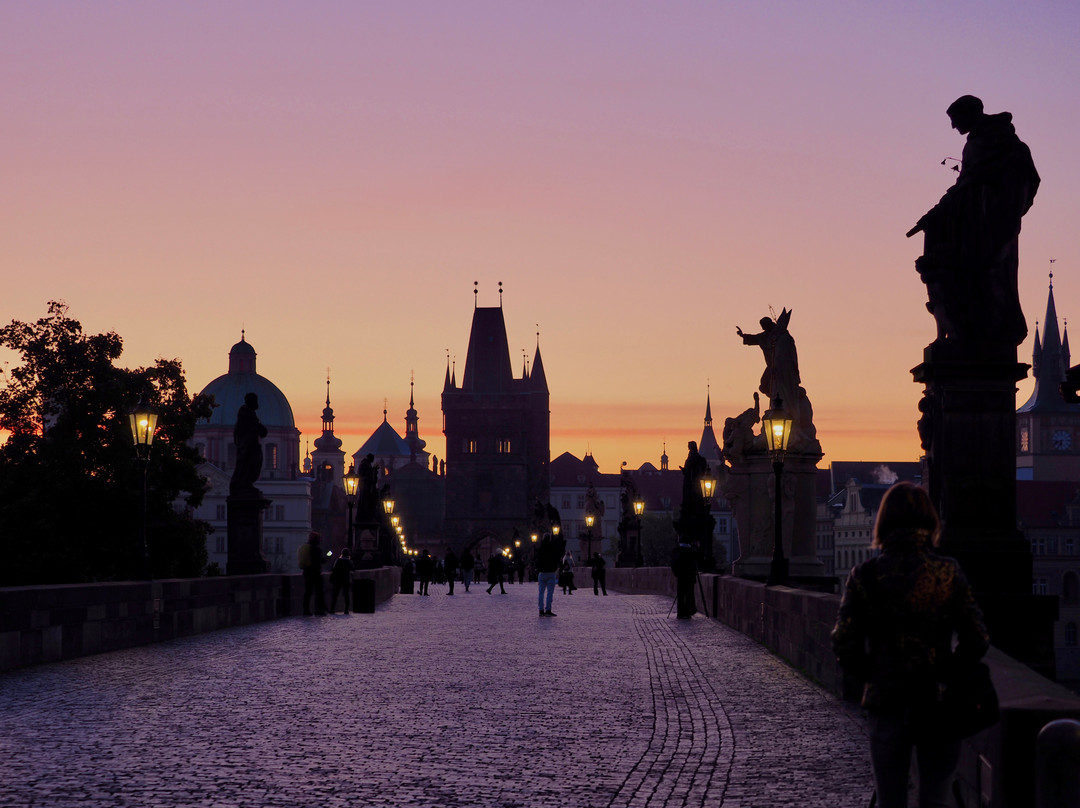
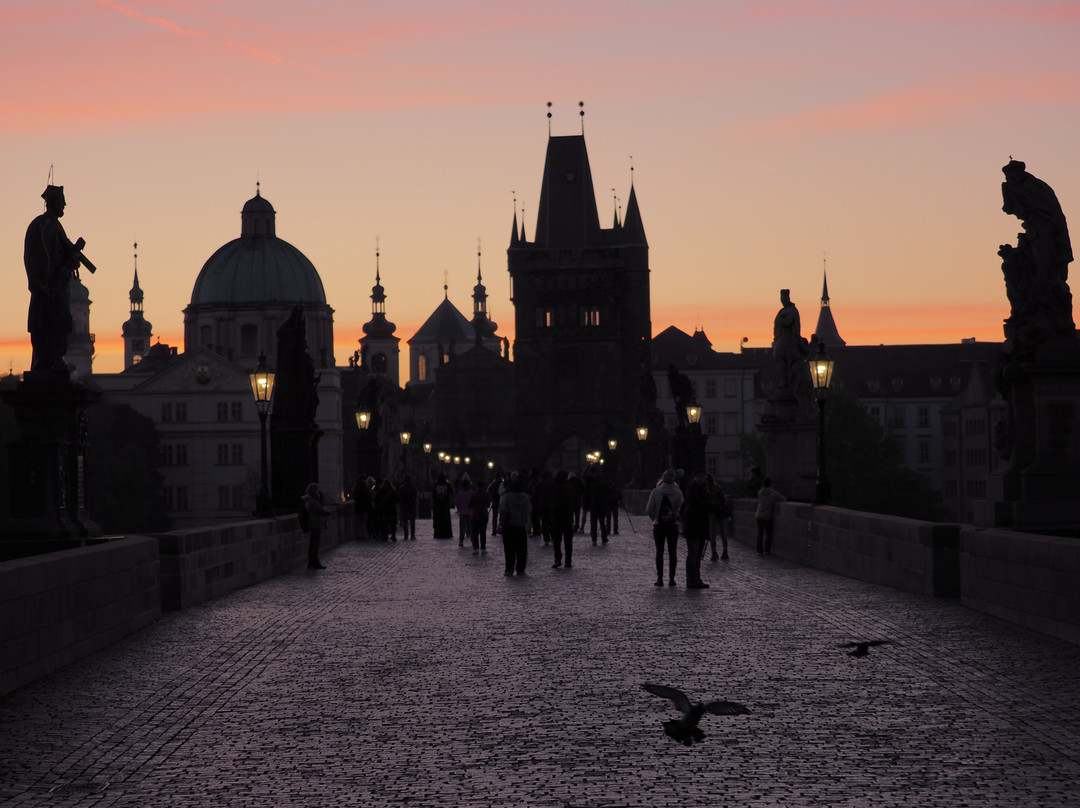
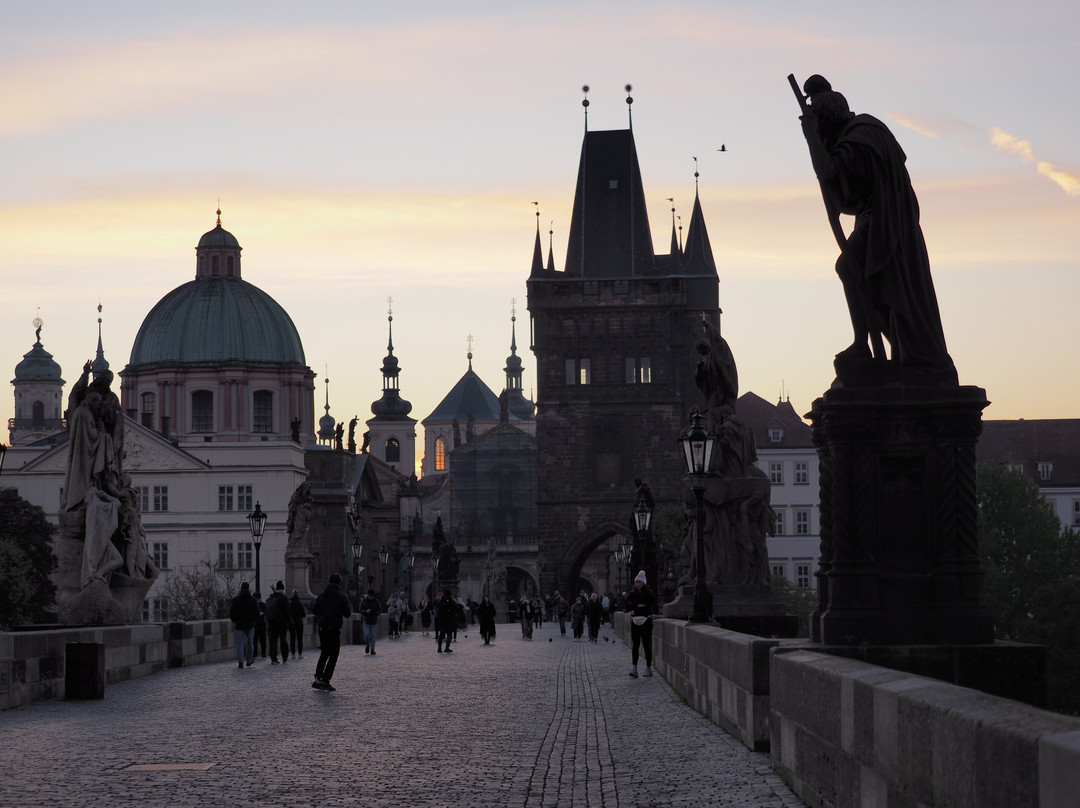
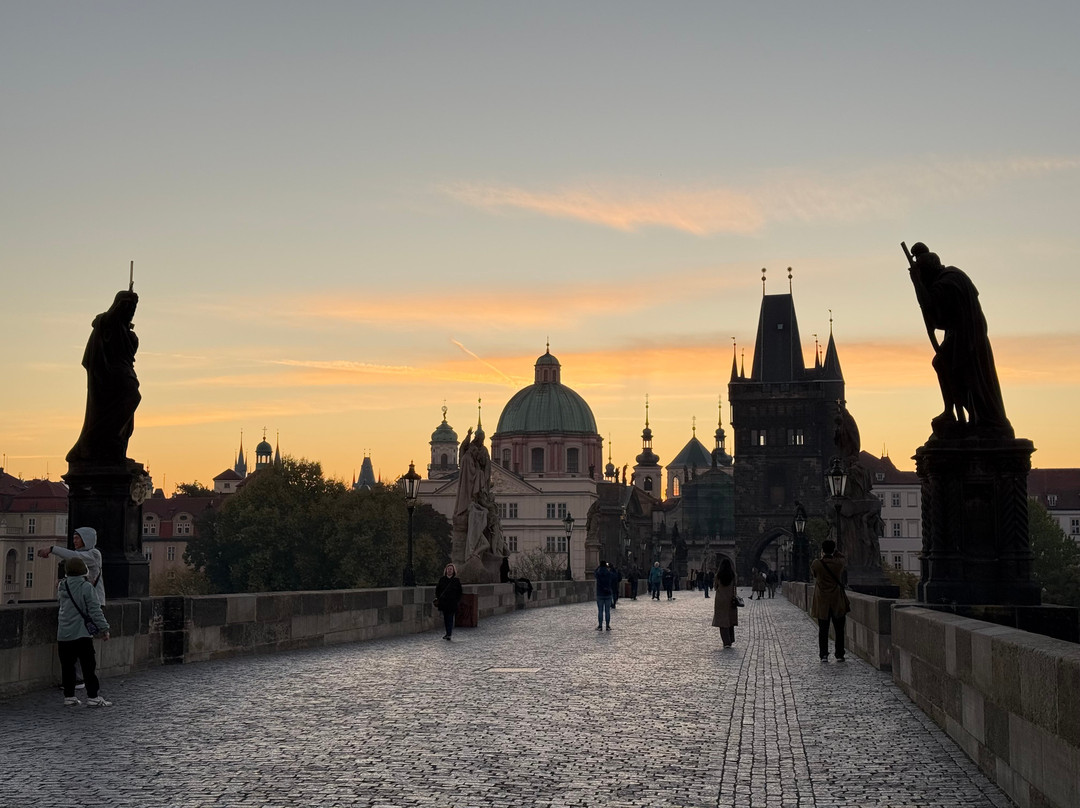
We had seen fog on the river and bridge one early morning but were headed elsewhere, and I made sure to get up before dawn the following day to try to experience that view fully for myself. I was the only in the family willing to do so but it was truly worth the effort. Even though is was a very cold morning the fog and mist had not formed overnight. The sky was clear and the silhouettes of the statues, bridge towers, and medieval city roofs against the changing colors of the dawn sky was breathtaking.
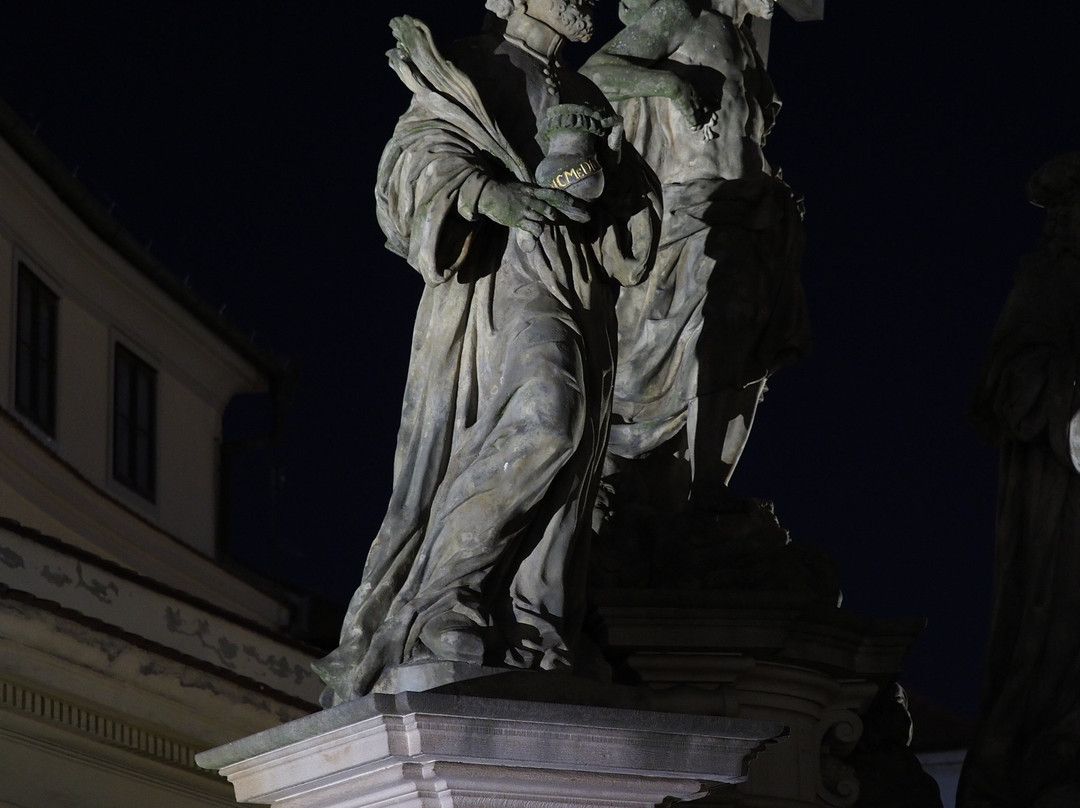
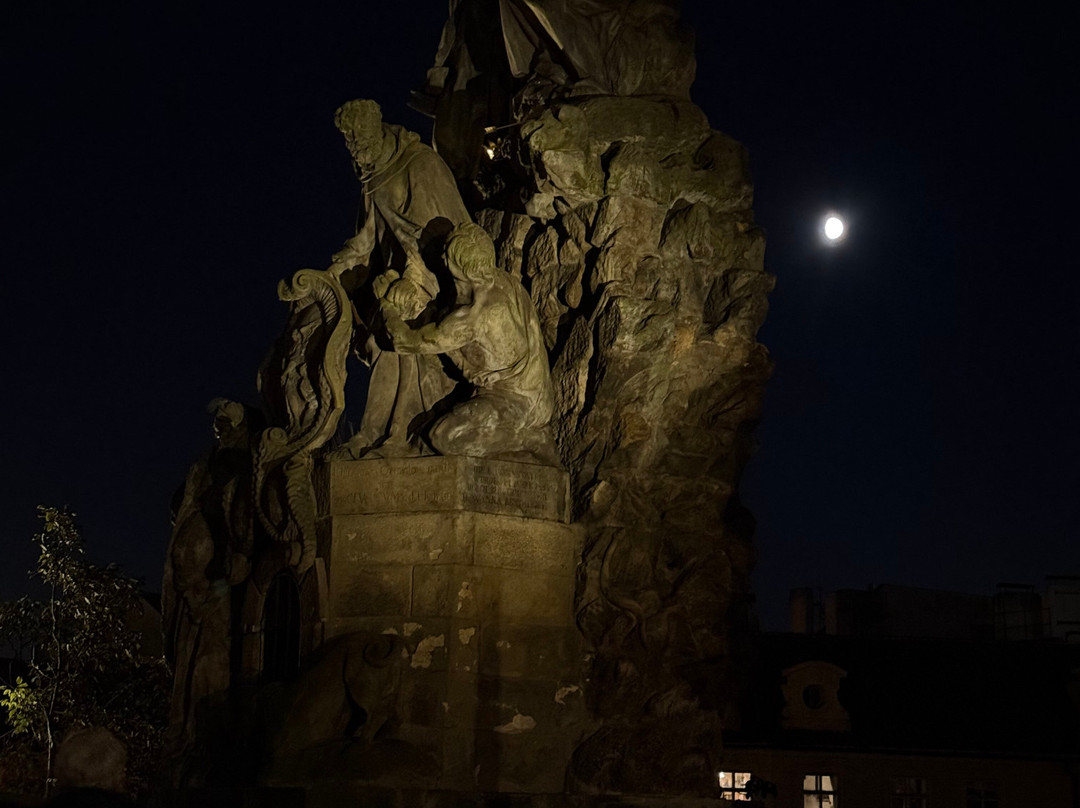
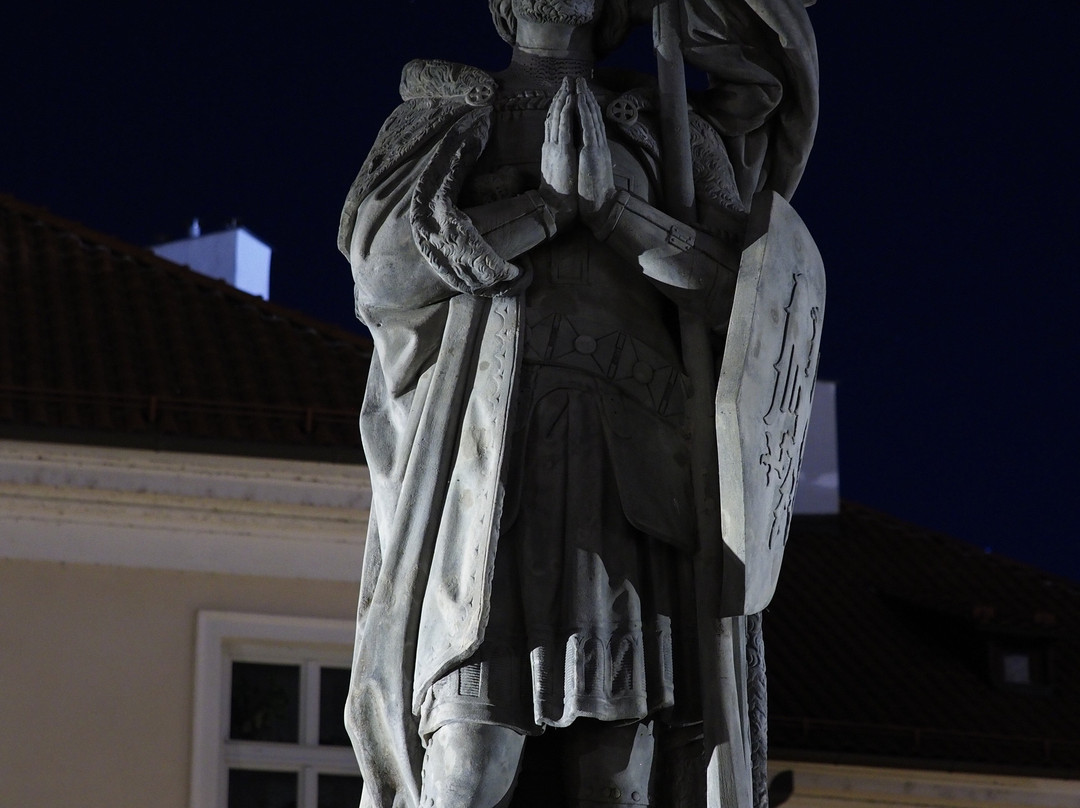
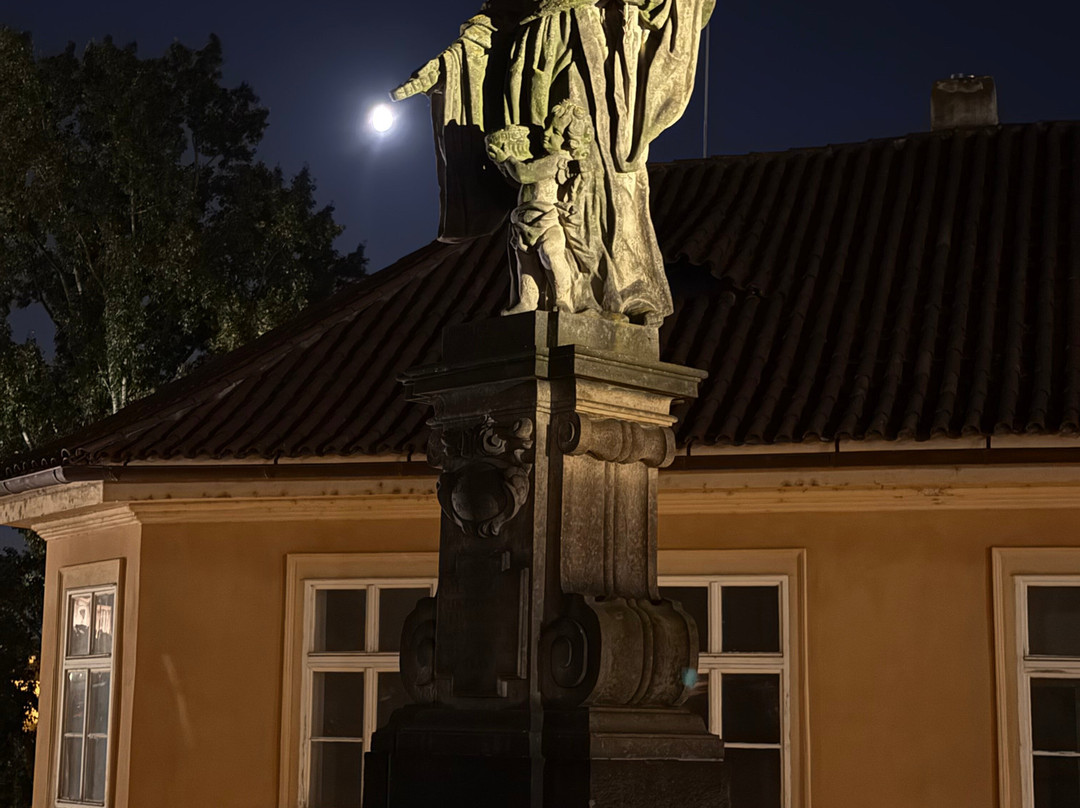
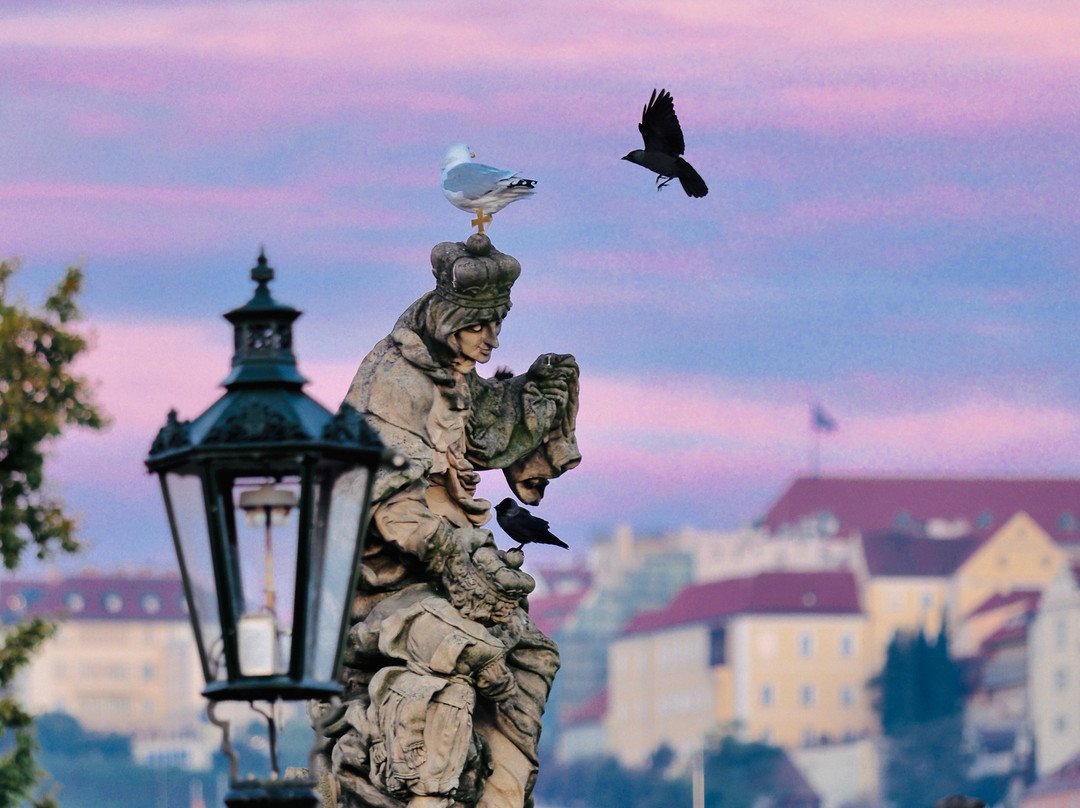
Construction on the bridge started in 1357, with Holy Roman Emperor Charles IV laying the foundation stone. Charles Bridge took 45 years to complete and was the only means of crossing the Vltava in Prague for 500 years. There are 30 statues lining the bridge. None of these statues are originals, damage over the decades (they were erected between 1683 and 1714) meant most have had to be replaced by copies. The history of Prague and the bridge are closely intertwined and beyond the scope of the review.
Be sure to view Charles Bridge from the Petrin Hill above Mala Strana as well as from the banks of Vltava.
We had seen fog on the river and bridge one early morning but were headed elsewhere, and I made sure to get up before dawn the following day to try to experience that view fully for myself. I was the only in the family willing to do so but it was truly worth the effort. Even though is was a very cold morning the fog and mist had not formed overnight. The sky was clear and the silhouettes of the statues, bridge towers, and medieval city roofs against the changing colors of the dawn sky was breathtaking.
Construction on the bridge started in 1357, with Holy Roman Emperor Charles IV laying the foundation stone. Charles Bridge took 45 years to complete and was the only means of crossing the Vltava in Prague for 500 years. There are 30 statues lining the bridge. None of these statues are originals, damage over the decades (they were erected between 1683 and 1714) meant most have had to be replaced by copies. The history of Prague and the bridge are closely intertwined and beyond the scope of the review.
翻译:“不容错过”这个说法被过度使用了,在很多情况下已经失去了原本的含义。不过我必须说,这个词用来形容布拉格的查理大桥或卡洛夫桥再合适不过了。它确实是布拉格的标志性建筑。这座拱形大桥两侧矗立着众多圣徒雕像,两端还有桥塔,实在是一处值得一看的景致,尤其是在清晨时分。我们住在伏尔塔瓦河以西的小城区,白天也多次走过这座桥。早餐过后不久,桥上便挤满了人,这一状况几乎会持续一整天。即使在夜间,桥上也依然人潮汹涌,尤其是在晚餐之后。不过,在傍晚时分和夜幕降临时,当太阳渐落、街道与城市的灯光相继亮起,这座桥显得更加迷人。无论何时,从桥上都能看到赫拉德恰尼城堡以及圣维特大教堂耸立在西边的另一番景致。一定要从马尔拉斯特拉纳上方的佩特任山上,以及从伏尔塔瓦河岸边欣赏查理大桥。
一天清晨,我们看到河上和桥上笼罩着雾气,但当时我们正要去别处。于是第二天天还没亮,我就早早起床,试图亲自领略那一美景。家里只有我一个人愿意这么做,但这一切努力绝对是值得的。尽管那天早晨非常寒冷,可雾气与薄雾却并非一夜之间形成的。天空晴朗,随着黎明天空色彩的变幻,雕像、桥塔以及中世纪城市屋顶的剪影显得格外迷人。
查理大桥的建造始于1357年,由神圣罗马帝国皇帝查理四世亲自奠基。大桥的修建历时45年,在之后的500年里,它一直是布拉格境内横跨伏尔塔瓦河的唯一通道。桥上排列着30座雕像,不过这些都不是原作。几十年来造成的损坏(这些雕像建于1683年至1714年间)导致大部分不得不被复制品所取代。布拉格的历史与这座桥的历史紧密相连,但这已超出了本文的讨论范围。
一天清晨,我们看到河上和桥上笼罩着雾气,但当时我们正要去别处。于是第二天天还没亮,我就早早起床,试图亲自领略那一美景。家里只有我一个人愿意这么做,但这一切努力绝对是值得的。尽管那天早晨非常寒冷,可雾气与薄雾却并非一夜之间形成的。天空晴朗,随着黎明天空色彩的变幻,雕像、桥塔以及中世纪城市屋顶的剪影显得格外迷人。
查理大桥的建造始于1357年,由神圣罗马帝国皇帝查理四世亲自奠基。大桥的修建历时45年,在之后的500年里,它一直是布拉格境内横跨伏尔塔瓦河的唯一通道。桥上排列着30座雕像,不过这些都不是原作。几十年来造成的损坏(这些雕像建于1683年至1714年间)导致大部分不得不被复制品所取代。布拉格的历史与这座桥的历史紧密相连,但这已超出了本文的讨论范围。

© 2026 Tripadvisor 版权所有。
部分照片由 VFM Leonardo 提供。
TripAdvisor公司对外部网站的内容一概不负责。优惠价格中不含税和其他费用。
ICP证:沪B2-20200433
沪ICP备20013175号
 沪公网安备31010502005427号
鹰程信息技术(上海)有限公司