下载App
资质规则
旅行
账户
TravelingSoccerLoon
Great Hike Up to the Archaeological Site of Ancient Thera
Mesa Vouno的点评
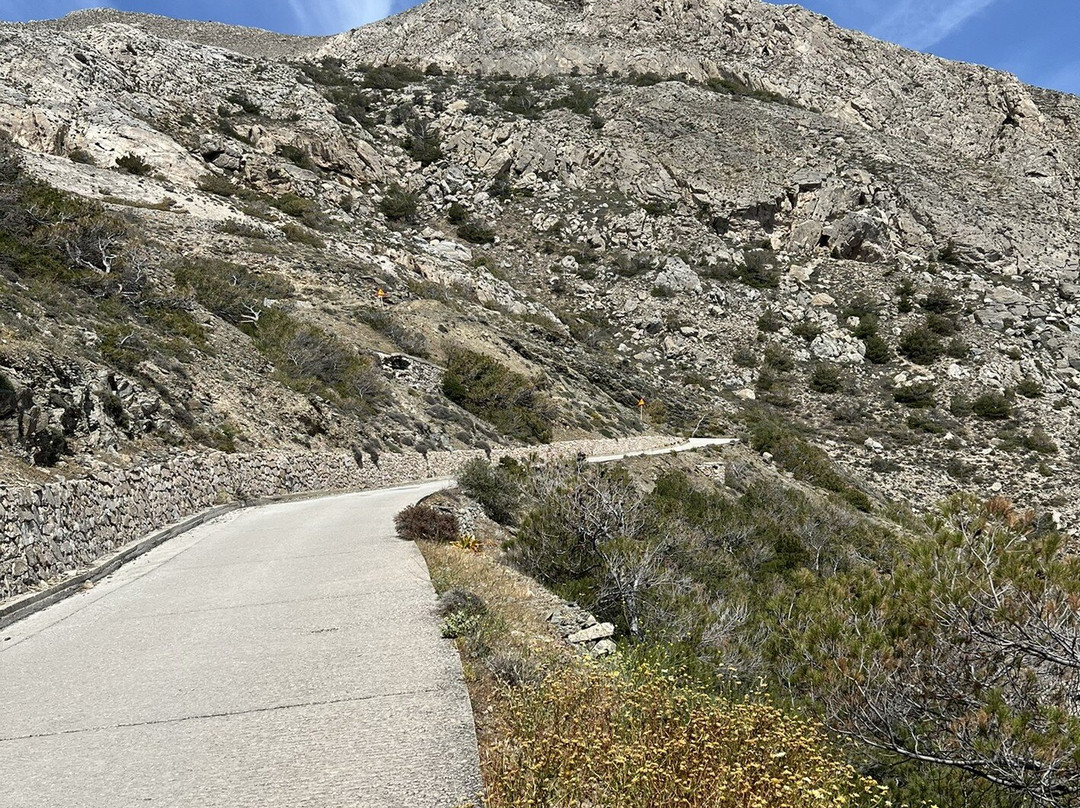
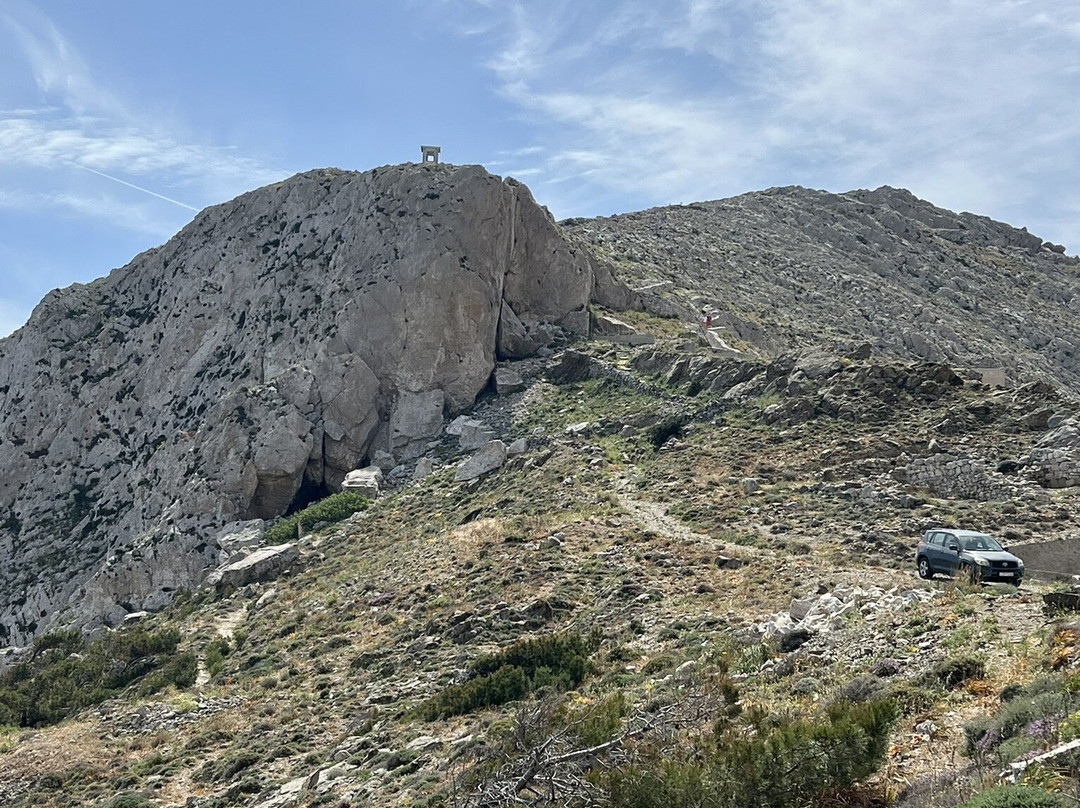
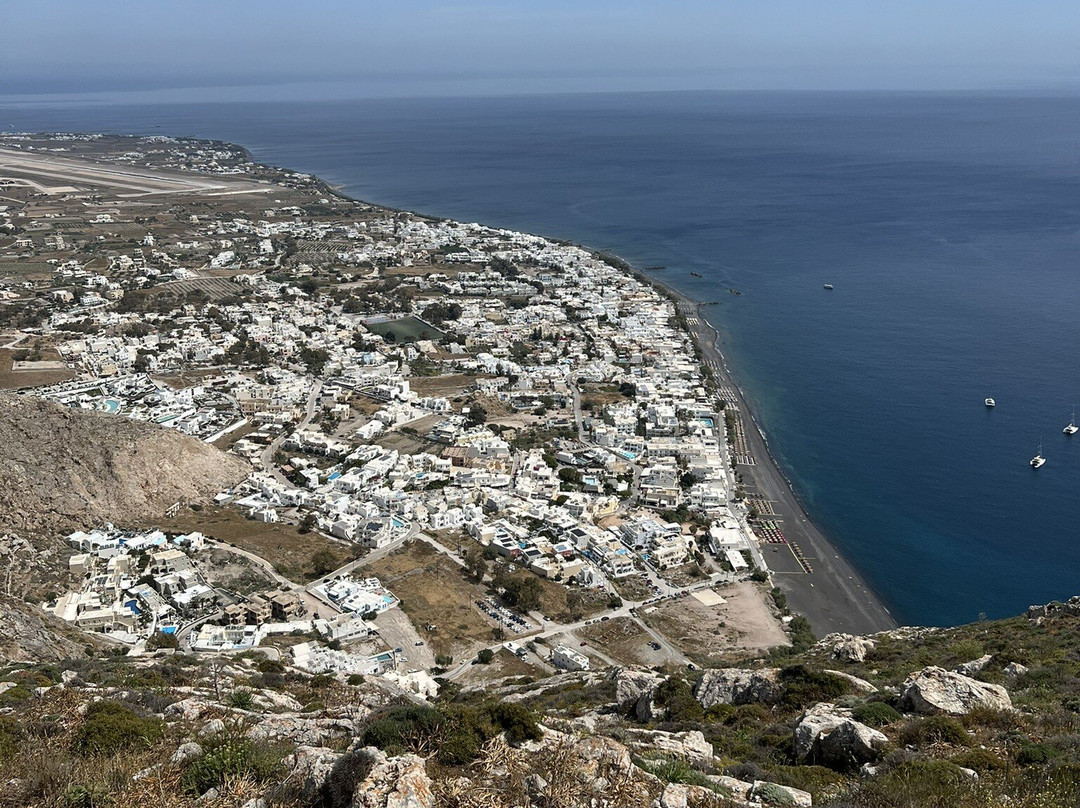
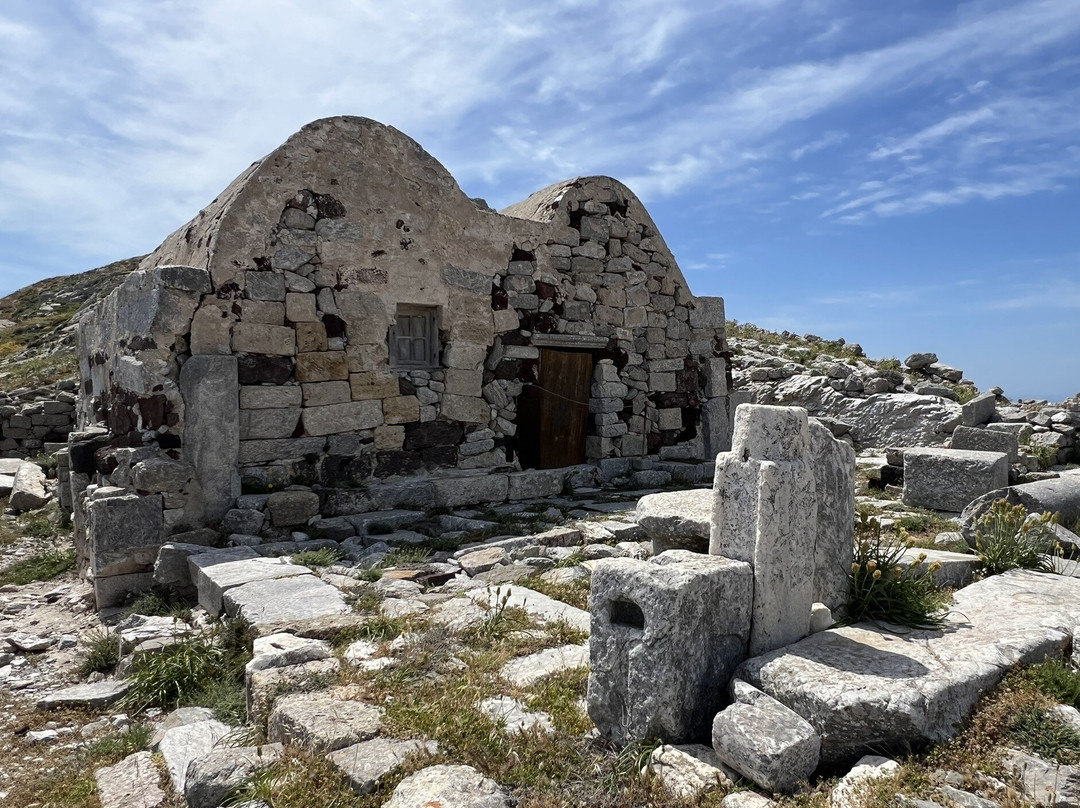
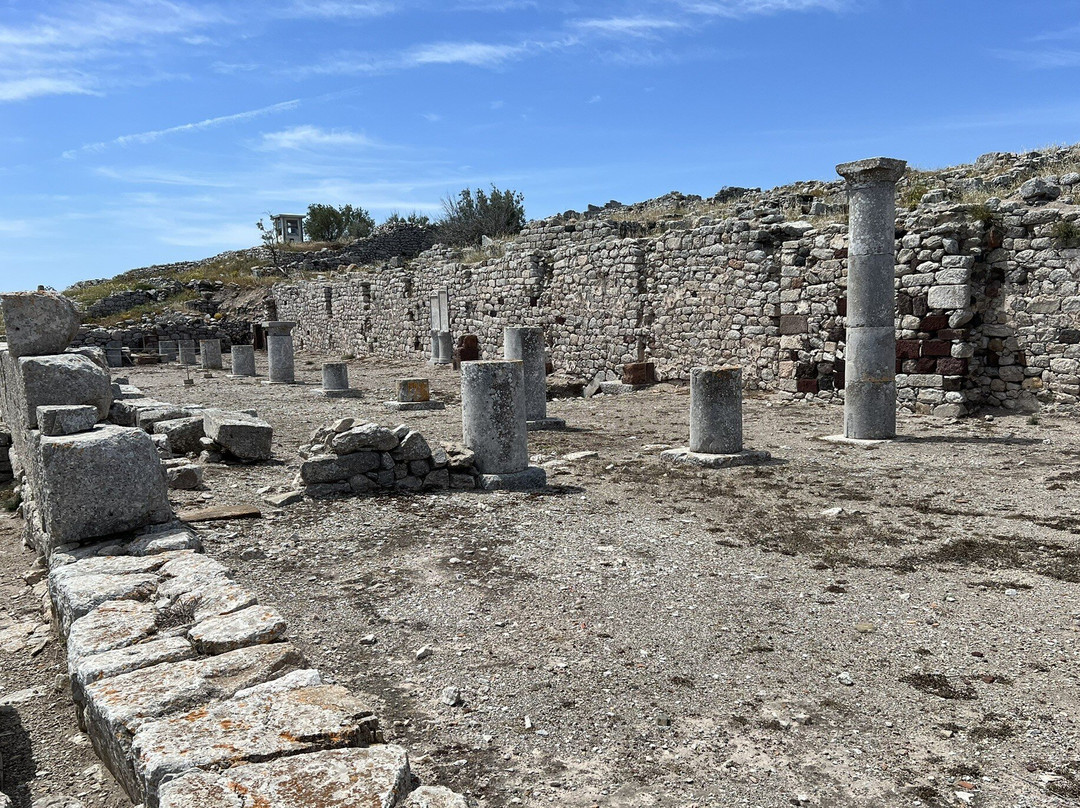
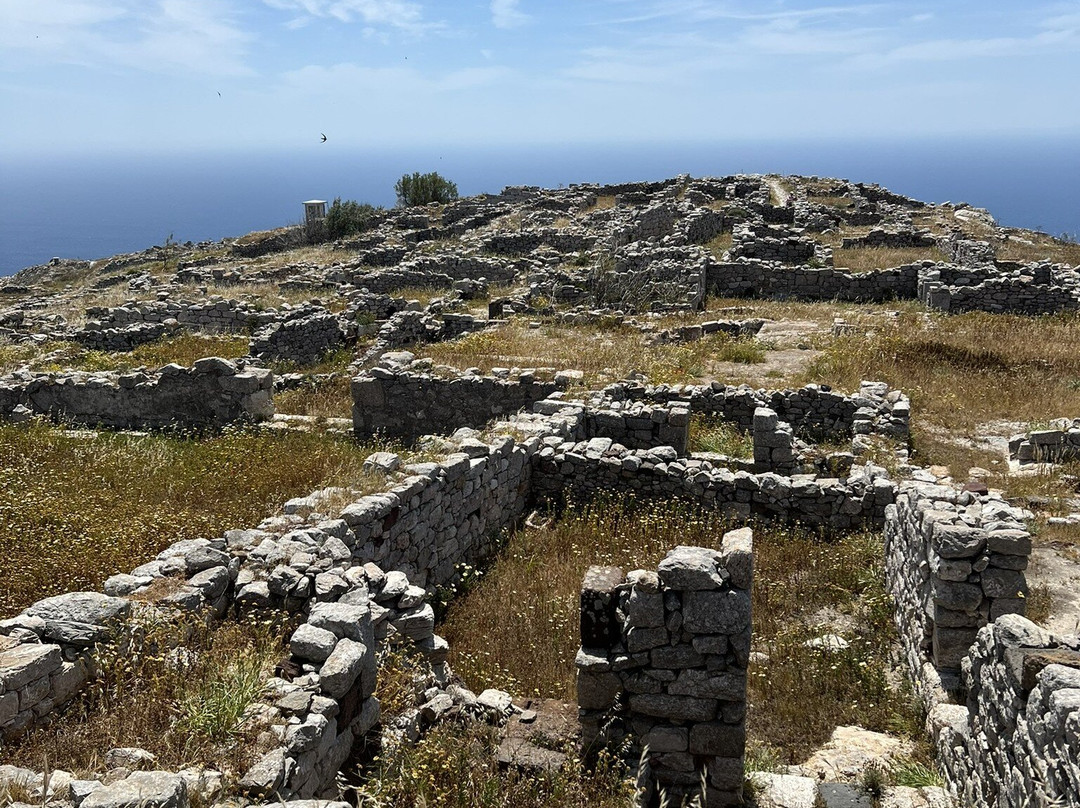
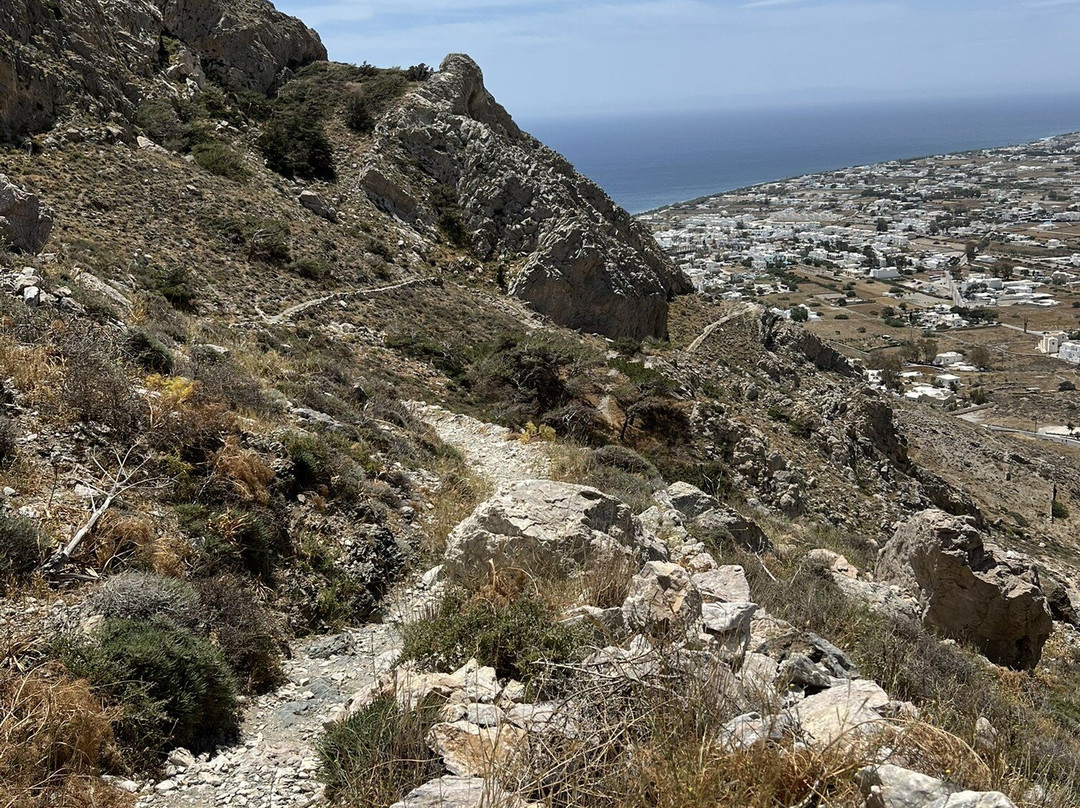
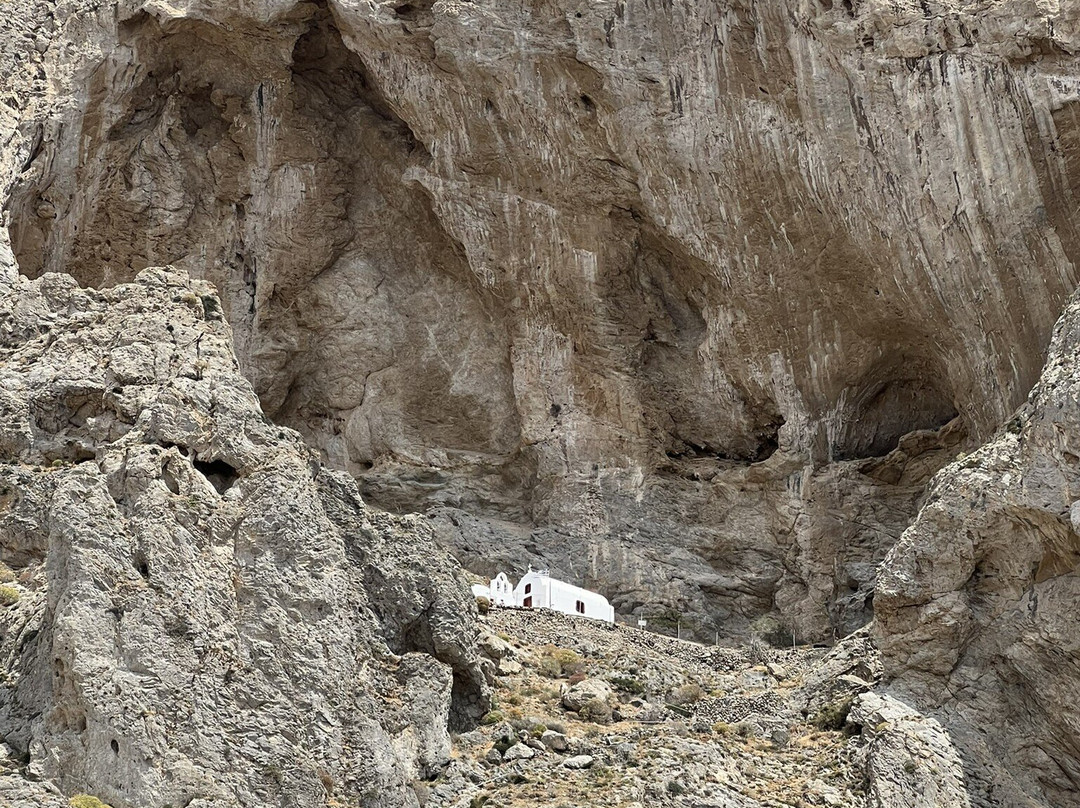
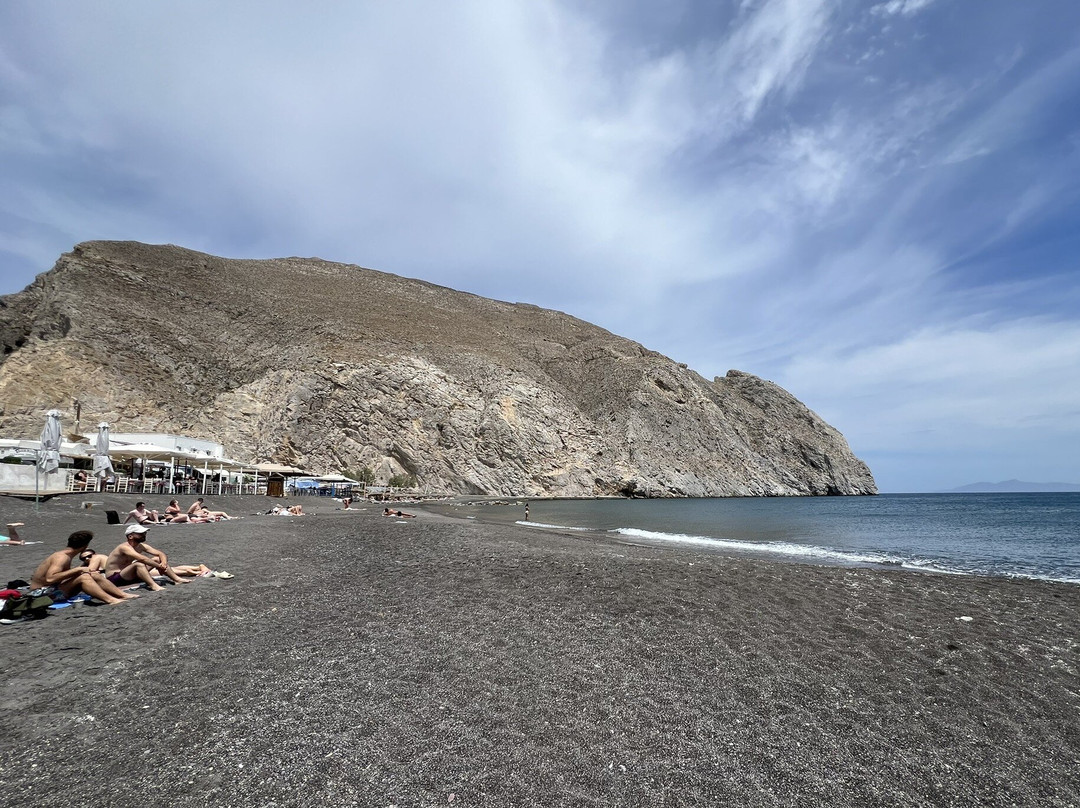
点评:Mesa Vouno is the mountain that separates the towns of Kamari and Perissa. This is where you will find the archaeological site of Ancient Thera built in a strategic position high above and overlooking the ocean below. It is a fascinating place dating back to at least the 9th century BC. It became of significant importance in the 3rd century BC when the Ptolemaic wartime fleet for the entire Aegean Sea was stationed here and the Romans were here later when they controlled the region. The ruins are surprisingly well maintained. It is well worth the €10 to enter, and I enjoyed visiting here more than Akrotiri because of the impressive natural setting. No audio guide but there is signage along the walking route in both Greek and English explaining what is being seen. The site can be reached by car from Kamari up a steep and winding road but there is limited parking. However, visiting also makes for a great hike. I began in Kamari and made the moderately strenuous climb up the paved switchbacks to the site. After visiting the site, I hiked down the unpaved and rugged trail to Perissa Beach. A total of 4 miles in just under 3 hours including visiting the archaeological site. This one-way hike is easy to do as you can catch a bus to Kamari from Fira and then return to Fira on a different bus from Perissa.
翻译:沃诺山(Mesa Vouno)是分隔卡马里(Kamari)和佩里萨(Perissa)两座城镇的山峰。古锡拉(Ancient Thera)遗址就坐落于此,地处战略要地,高耸于山巅之上,俯瞰着下方的海洋。这里历史悠久,至少可以追溯到公元前9世纪,令人着迷。公元前3世纪,托勒密王朝的舰队驻扎于此,统领整个爱琴海,古锡拉也因此变得举足轻重。后来,罗马人统治该地区时也曾在此驻扎。遗址保存得相当完好,令人惊叹。10欧元的门票物超所值,而且我个人更喜欢这里,而不是阿克罗蒂里(Akrotiri),因为这里的自然环境更加壮丽。遗址没有语音导览,但沿途的步行路线设有希腊语和英语的指示牌,解释着沿途的景致。从卡马里出发,沿着一条陡峭蜿蜒的道路驾车即可到达遗址,但停车位有限。不过,徒步旅行也是不错的选择。我从卡马里出发,沿着之字形铺砌的小路,攀登了一段难度适中的山路,最终到达了遗址。参观完遗址后,我沿着崎岖不平的土路徒步前往佩里萨海滩。全程4英里,耗时不到3小时,其中包括参观考古遗址的时间。这条单程徒步路线非常便捷,您可以从费拉搭乘巴士前往卡马里,然后再从佩里萨搭乘另一辆巴士返回费拉。

© 2026 Tripadvisor 版权所有。
部分照片由 VFM Leonardo 提供。
TripAdvisor公司对外部网站的内容一概不负责。优惠价格中不含税和其他费用。
ICP证:沪B2-20200433
沪ICP备20013175号
 沪公网安备31010502005427号
鹰程信息技术(上海)有限公司