下载App
资质规则
旅行
账户

inspiruption
Taking in the Opera at Sydney Opera House Should Be On Your To-Do List
悉尼歌剧院的点评
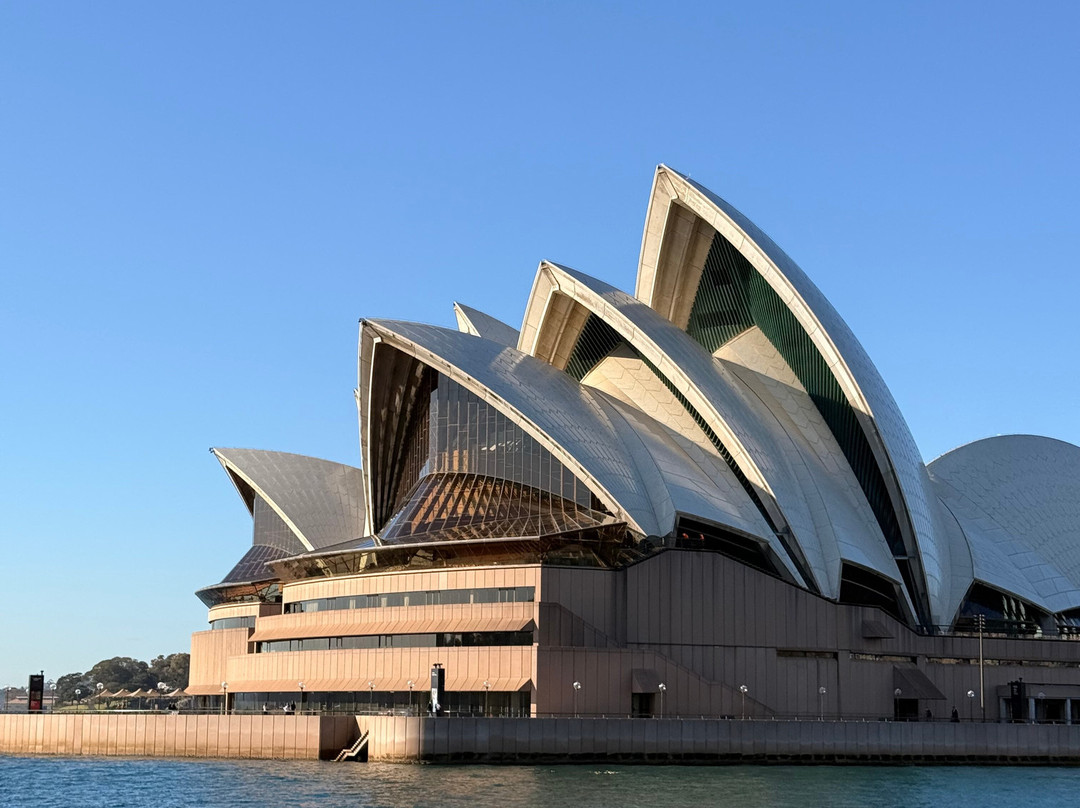
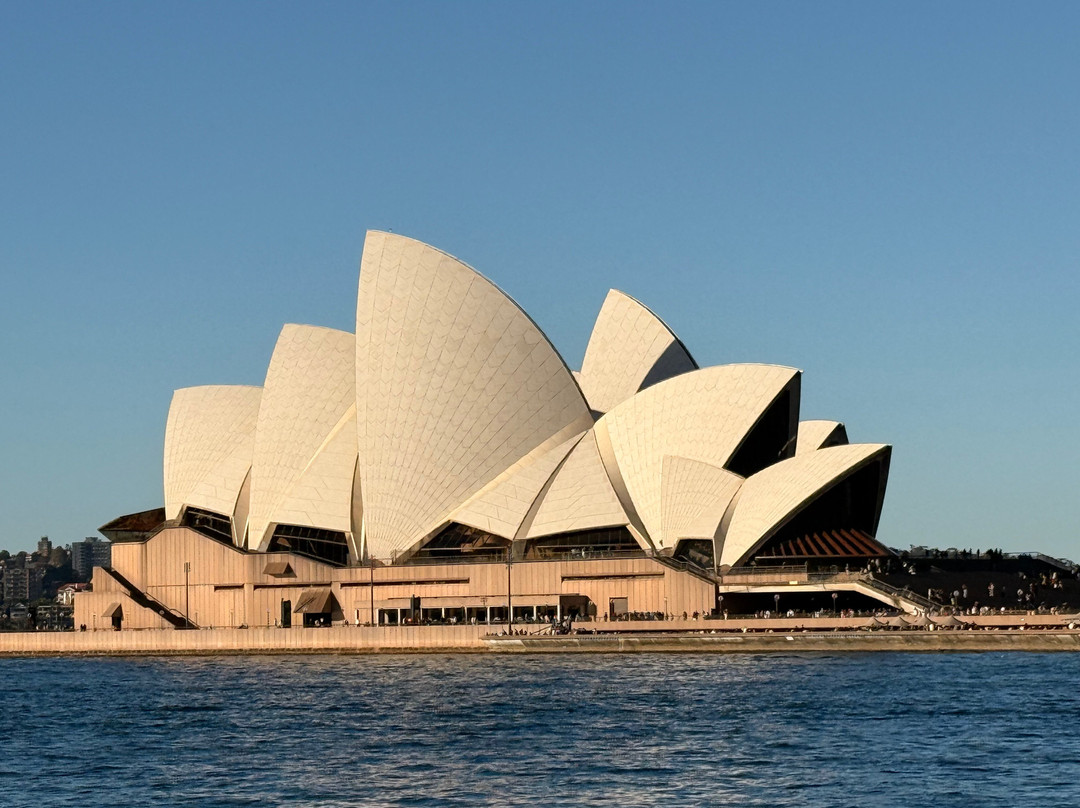
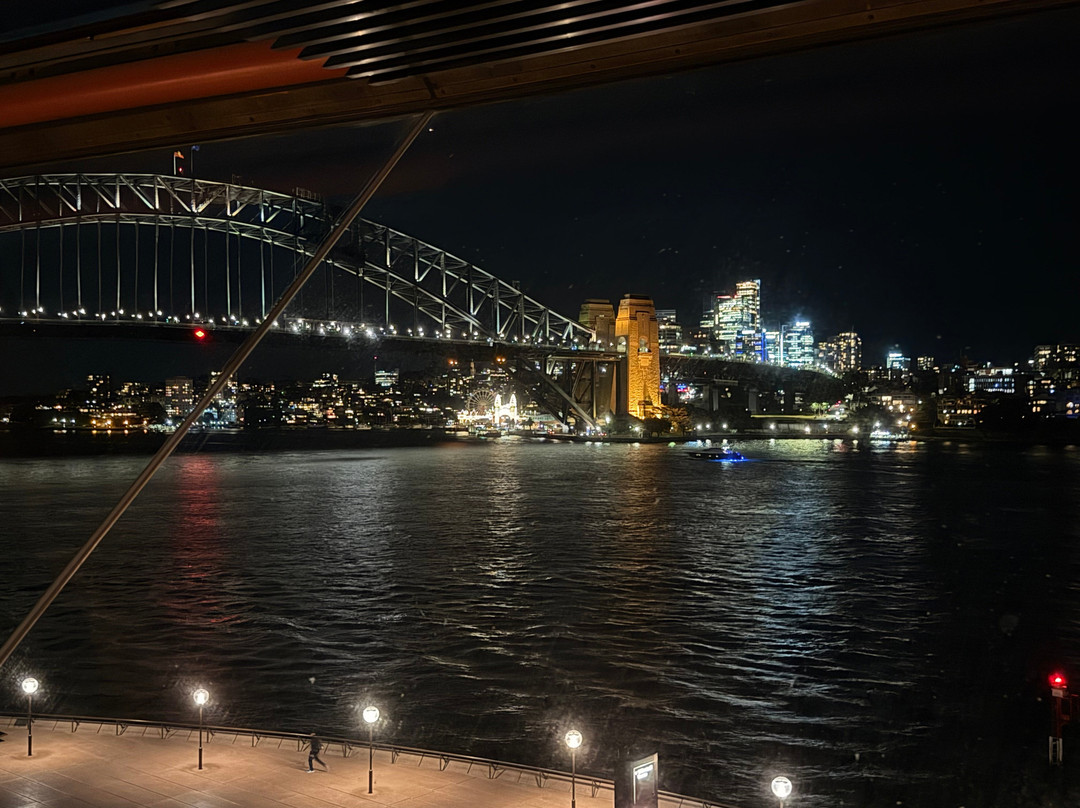
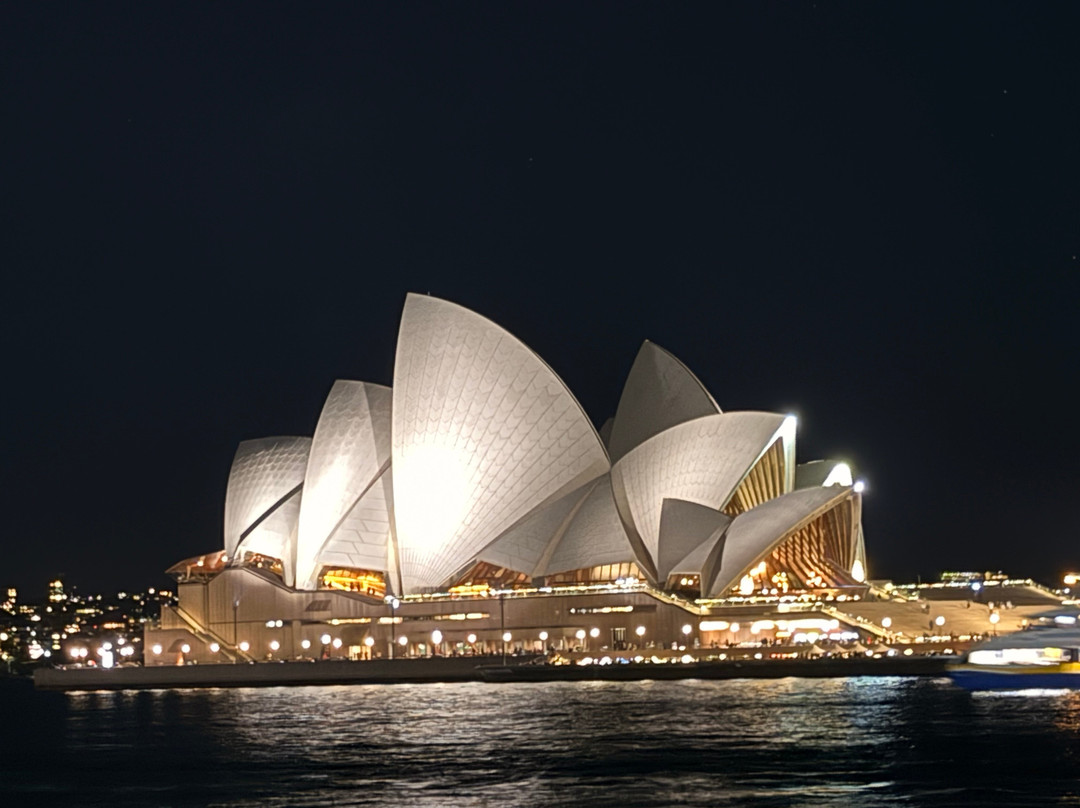
点评:Planning for the Sydney Opera House began in the late 1940s when Eugene Goossens, the Director of the New South Wales State Conservatorium of Music, lobbied for a suitable venue for large theatrical productions. The normal venue for such productions, the Sydney Town Hall, was not considered large enough. By 1954, Goossens succeeded in gaining the support of New South Wales Premier, Joseph Cahill, who called for designs for a dedicated opera house. It was also Goossens who insisted that Bennelong Point be the site: Cahill had wanted it to be on or near Wynyard Railway Station in the northwest of the central business district.
Designed by Danish architect, Jørn Utzon, but completed by an Australian architectural team, headed by Peter Hall, the building was formally opened by Queen Elizabeth II on October 20, 1973.
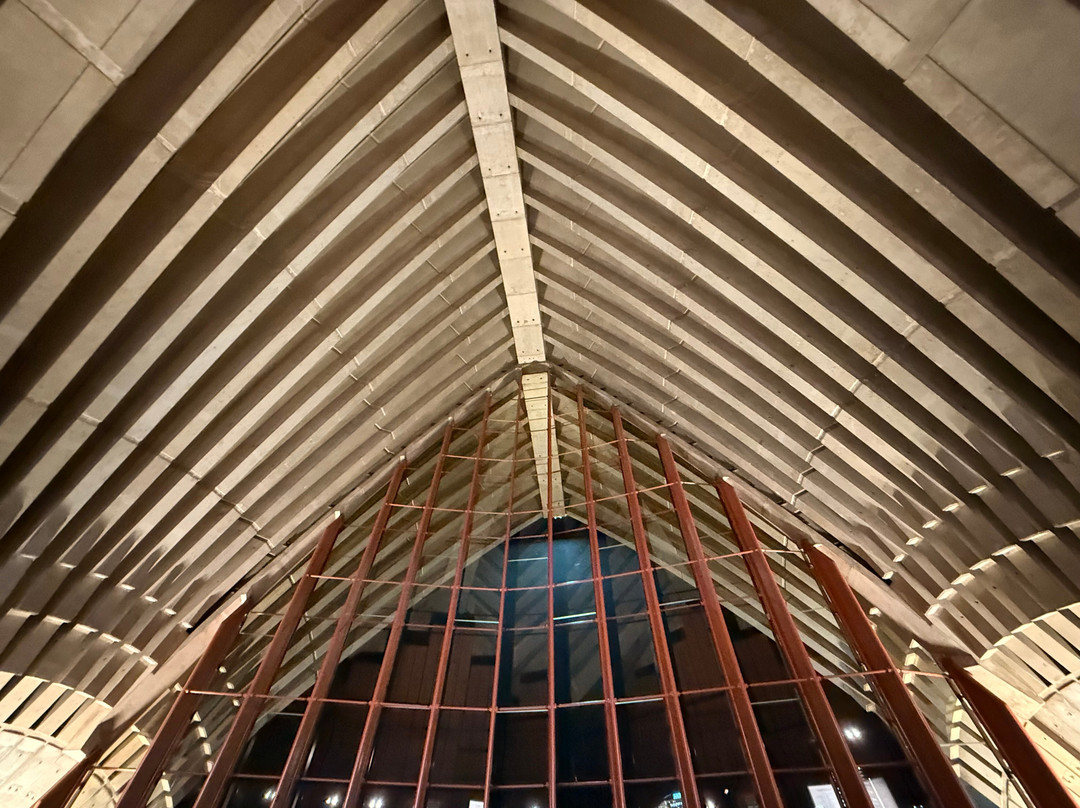
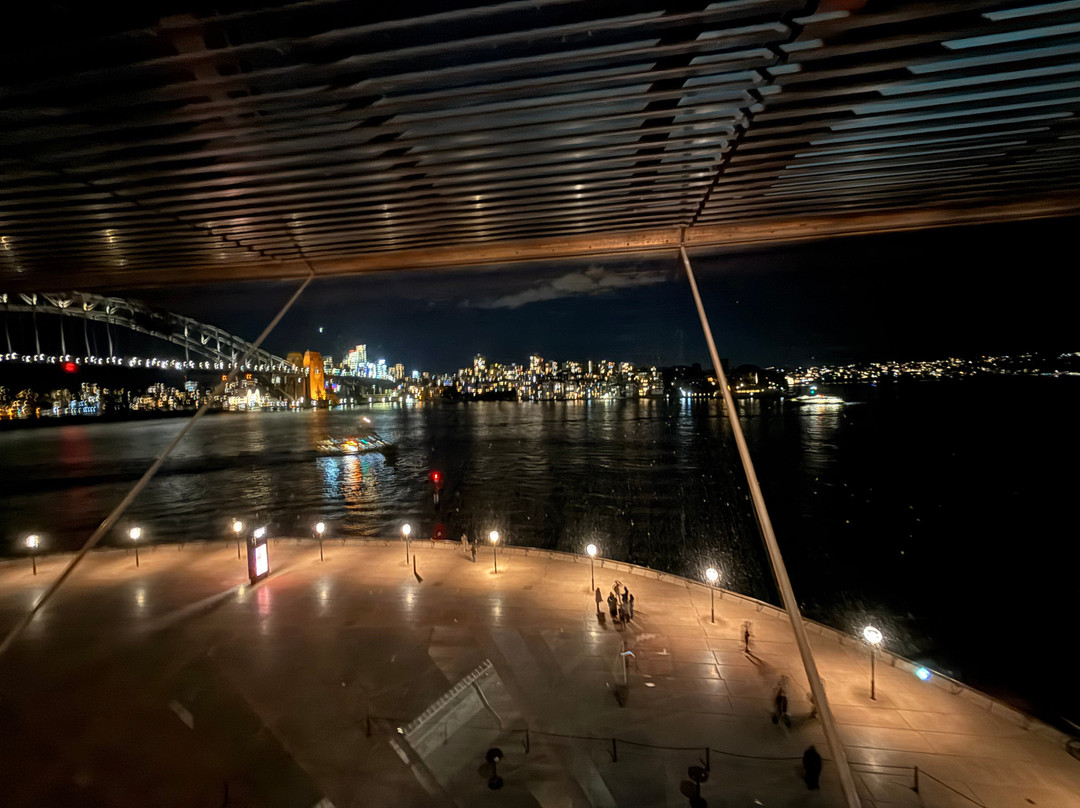
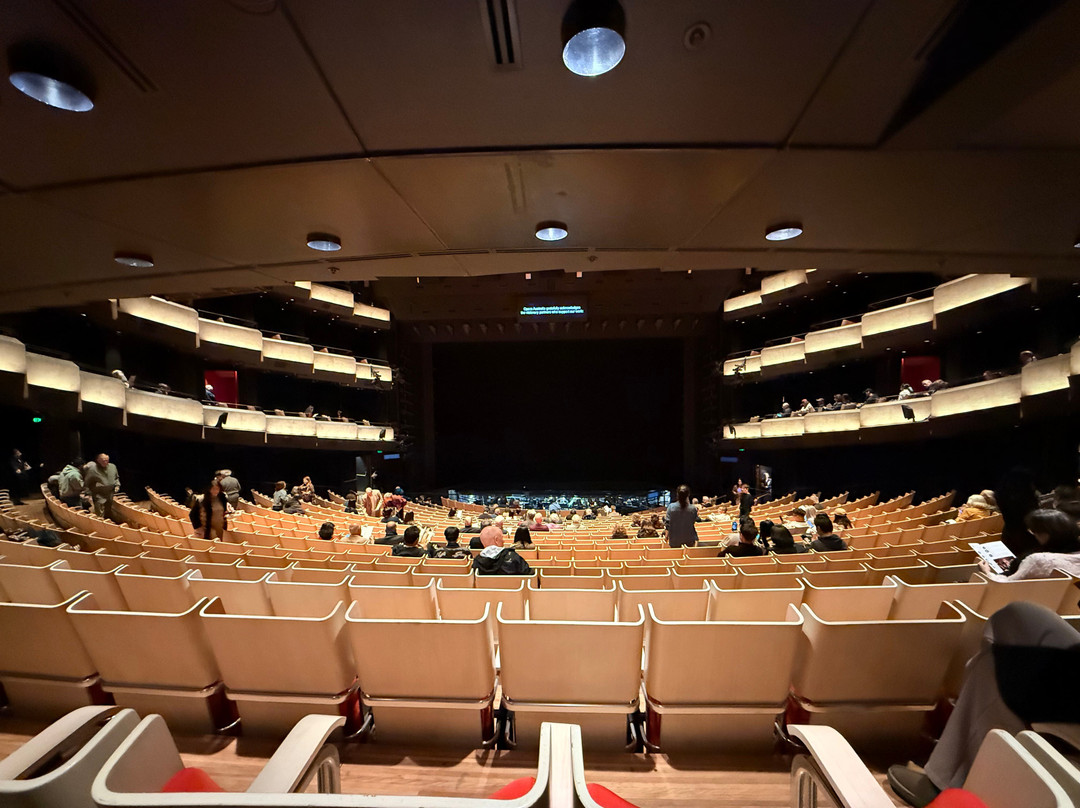
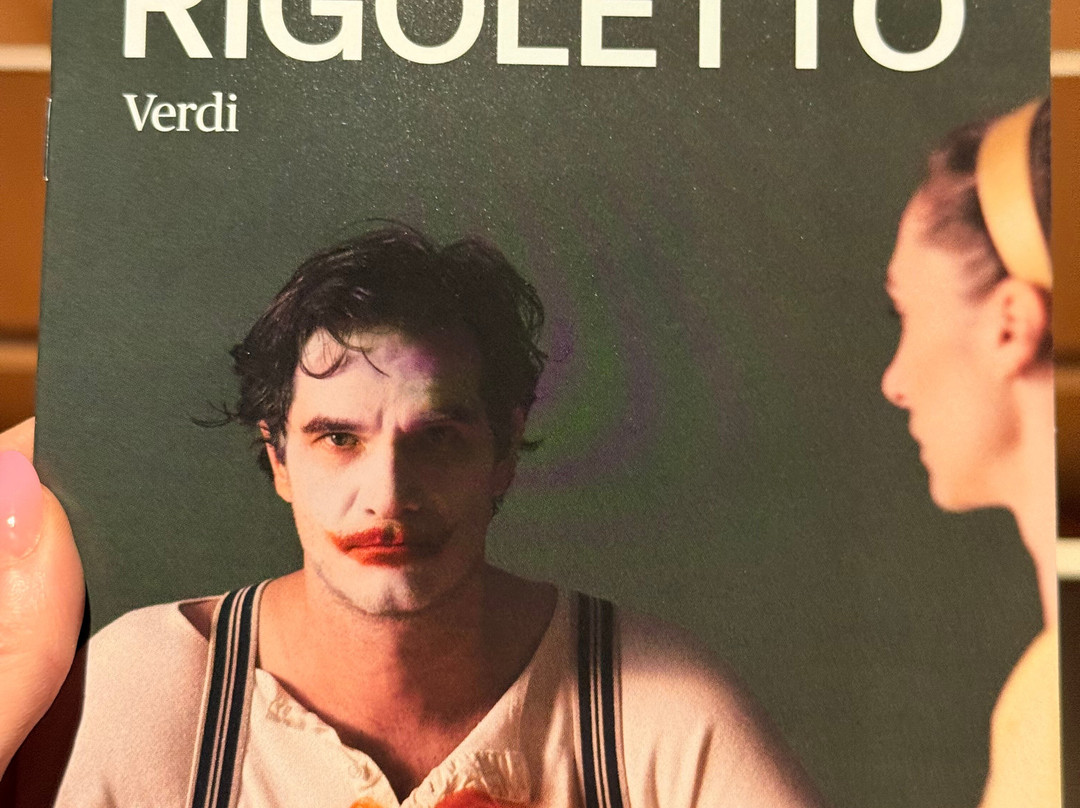
Our experience: It was worth it to get tickets to a performance. In our case, this was for "Rigoletto” and it was worth every penny. Sydney Opera House has the unique ability to build stage sets that are not just huge in height, but can rotate, allowing for a more elaborate, immersive experience. In addition, the acoustics are incredible.
Designed by Danish architect, Jørn Utzon, but completed by an Australian architectural team, headed by Peter Hall, the building was formally opened by Queen Elizabeth II on October 20, 1973.
Our experience: It was worth it to get tickets to a performance. In our case, this was for "Rigoletto” and it was worth every penny. Sydney Opera House has the unique ability to build stage sets that are not just huge in height, but can rotate, allowing for a more elaborate, immersive experience. In addition, the acoustics are incredible.
翻译:悉尼歌剧院的规划始于20世纪40年代末,当时新南威尔士州音乐学院院长尤金·古森斯致力于为大型戏剧演出寻找合适的场地。通常用于此类演出的悉尼市政厅被认为规模不够大。到1954年,古森斯成功获得了新南威尔士州州长约瑟夫·卡希尔的支持,后者随即下令设计一座专门的歌剧院。也是古森斯坚持要求将建筑选址在本尼朗角:卡希尔原本希望选址在中央商务区西北部的温亚德火车站或其附近。
这座建筑由丹麦建筑师约恩·乌松设计,但最终由以彼得·霍尔为首的澳大利亚建筑团队完成。1973年10月20日,伊丽莎白二世女王为其正式揭幕。
我们的体验:能买到演出票真是值得。就我们而言,确实如此。这次是为《弄臣》制作的舞台装置,每一分钱都花得值。悉尼歌剧院拥有独特的能力:能打造出不仅高度惊人,还能旋转的舞台布景,从而带来更为精致且身临其境的观演体验。此外,那里的音响效果也堪称绝佳。
这座建筑由丹麦建筑师约恩·乌松设计,但最终由以彼得·霍尔为首的澳大利亚建筑团队完成。1973年10月20日,伊丽莎白二世女王为其正式揭幕。
我们的体验:能买到演出票真是值得。就我们而言,确实如此。这次是为《弄臣》制作的舞台装置,每一分钱都花得值。悉尼歌剧院拥有独特的能力:能打造出不仅高度惊人,还能旋转的舞台布景,从而带来更为精致且身临其境的观演体验。此外,那里的音响效果也堪称绝佳。

© 2026 Tripadvisor 版权所有。
部分照片由 VFM Leonardo 提供。
TripAdvisor公司对外部网站的内容一概不负责。优惠价格中不含税和其他费用。
ICP证:沪B2-20200433
沪ICP备20013175号
 沪公网安备31010502005427号
鹰程信息技术(上海)有限公司