下载App
资质规则
旅行
账户

TanW195
Interesting historical site.
Habitation Clement的点评
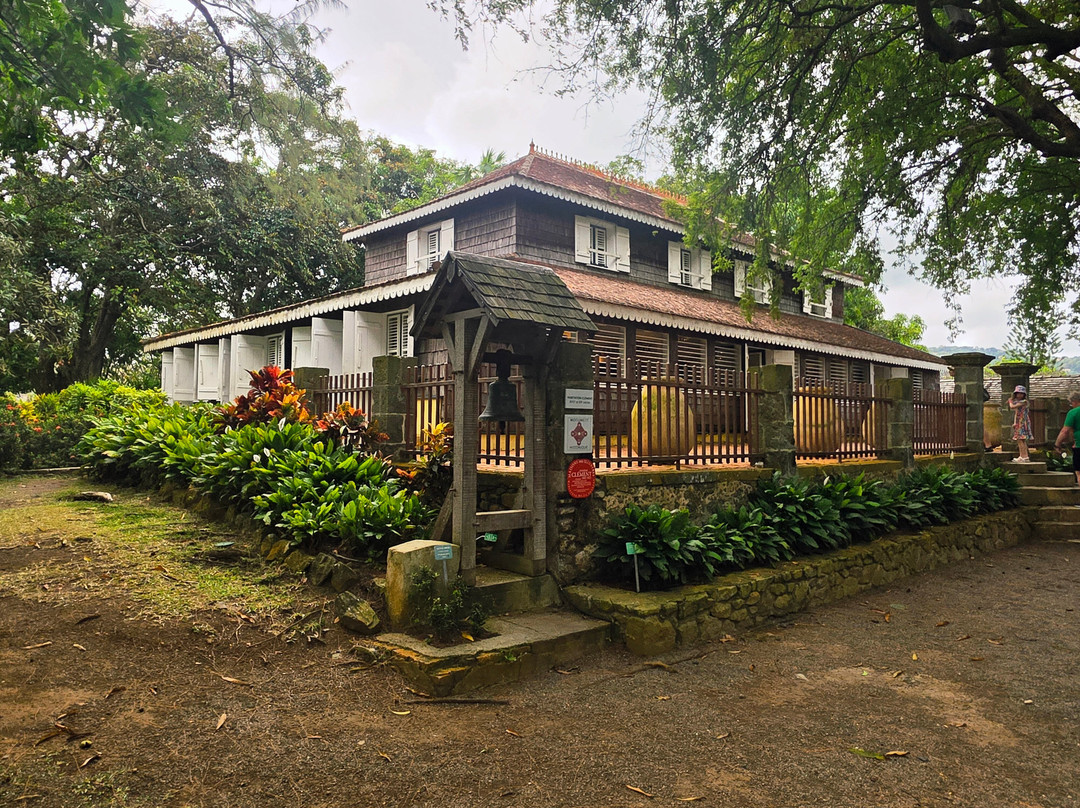
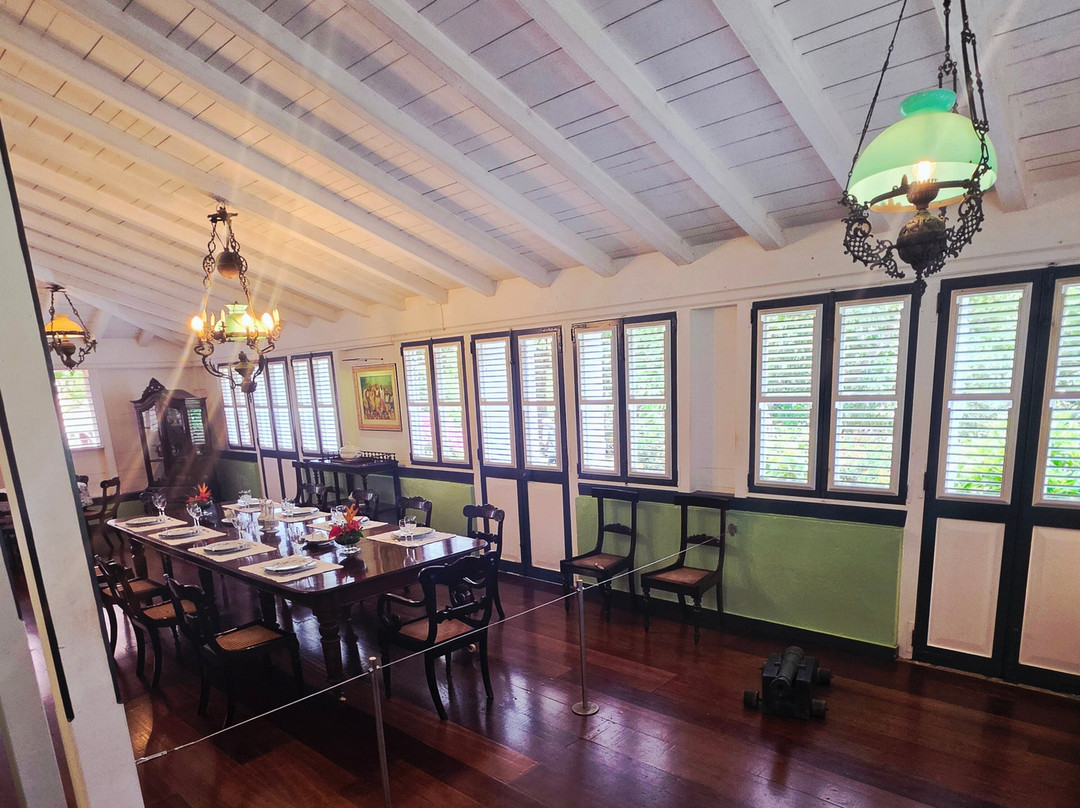
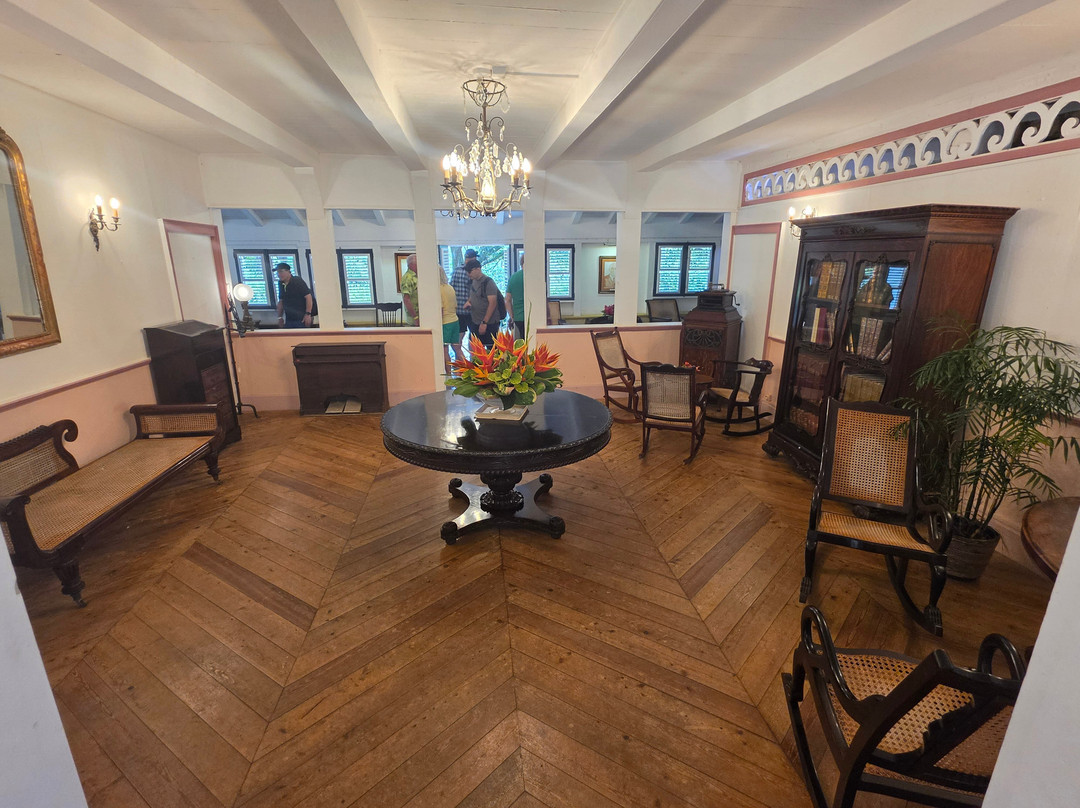
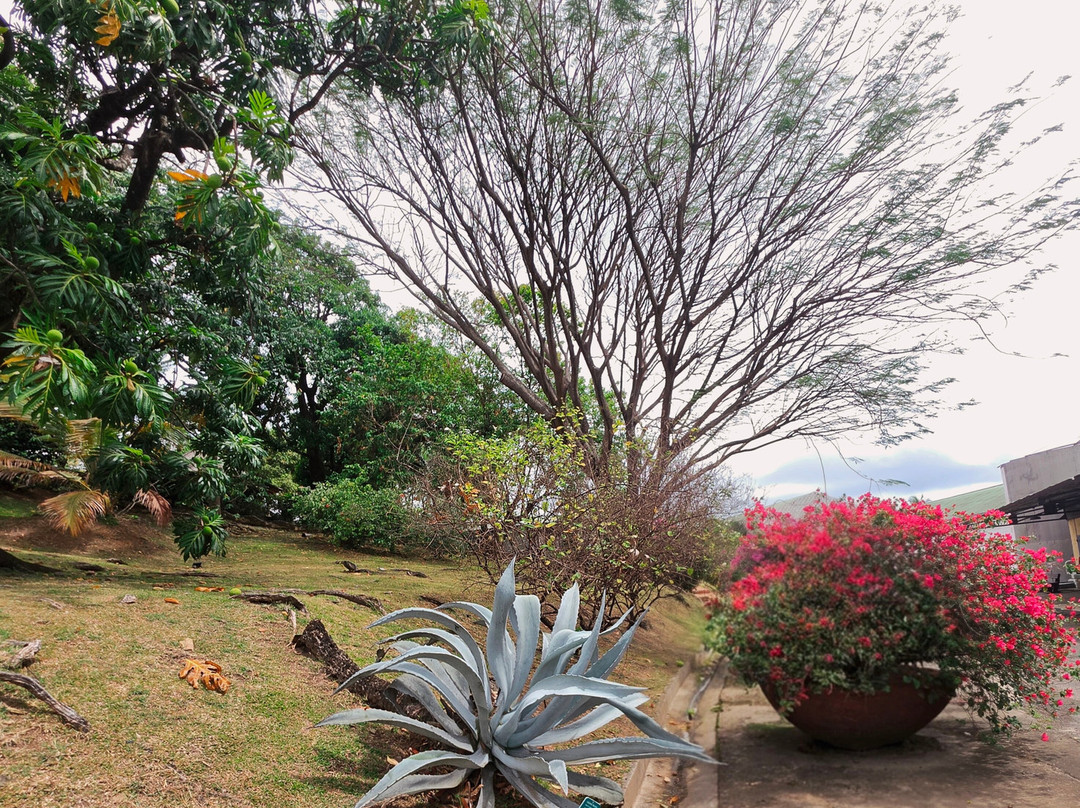
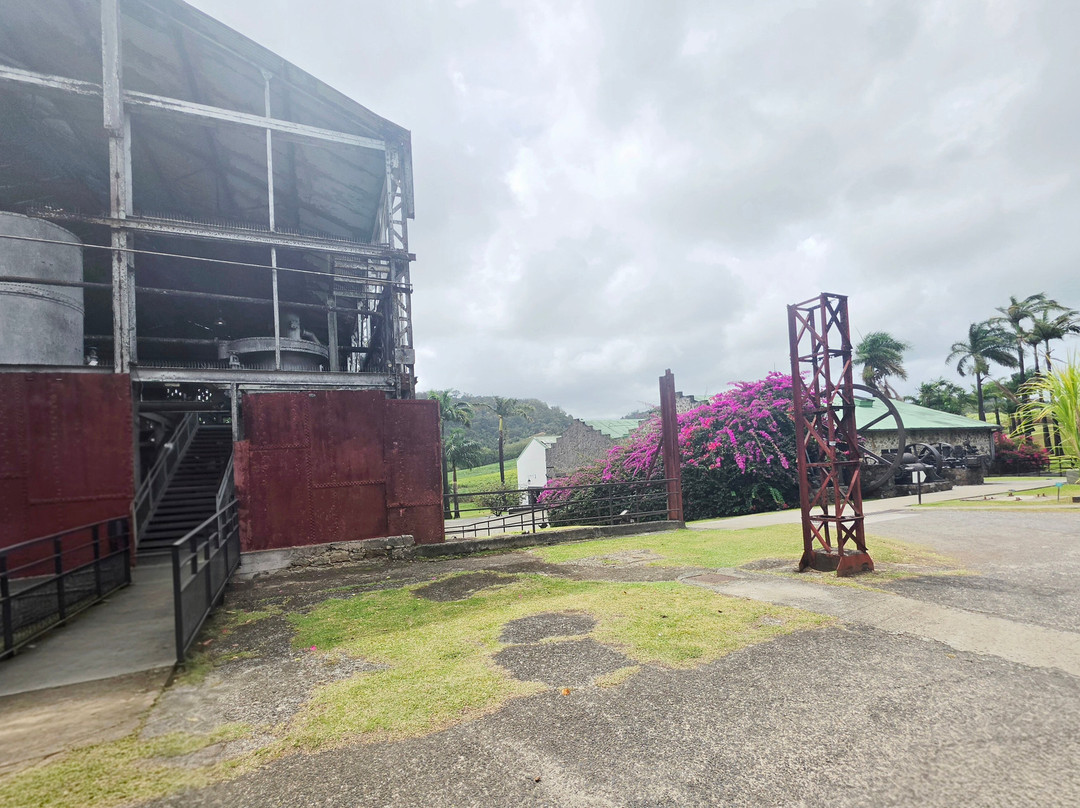
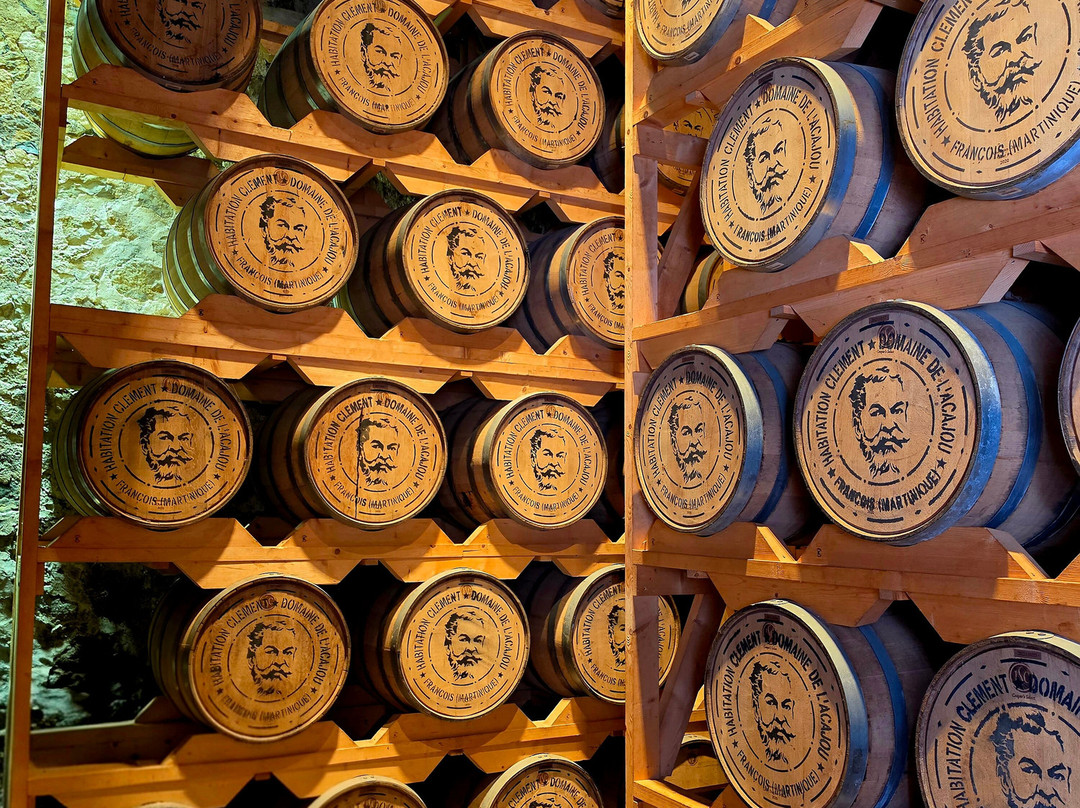
点评:My wife and I visited Habitation Clément as part of a cruise excursion. The grounds are undeniably beautiful and well maintained.
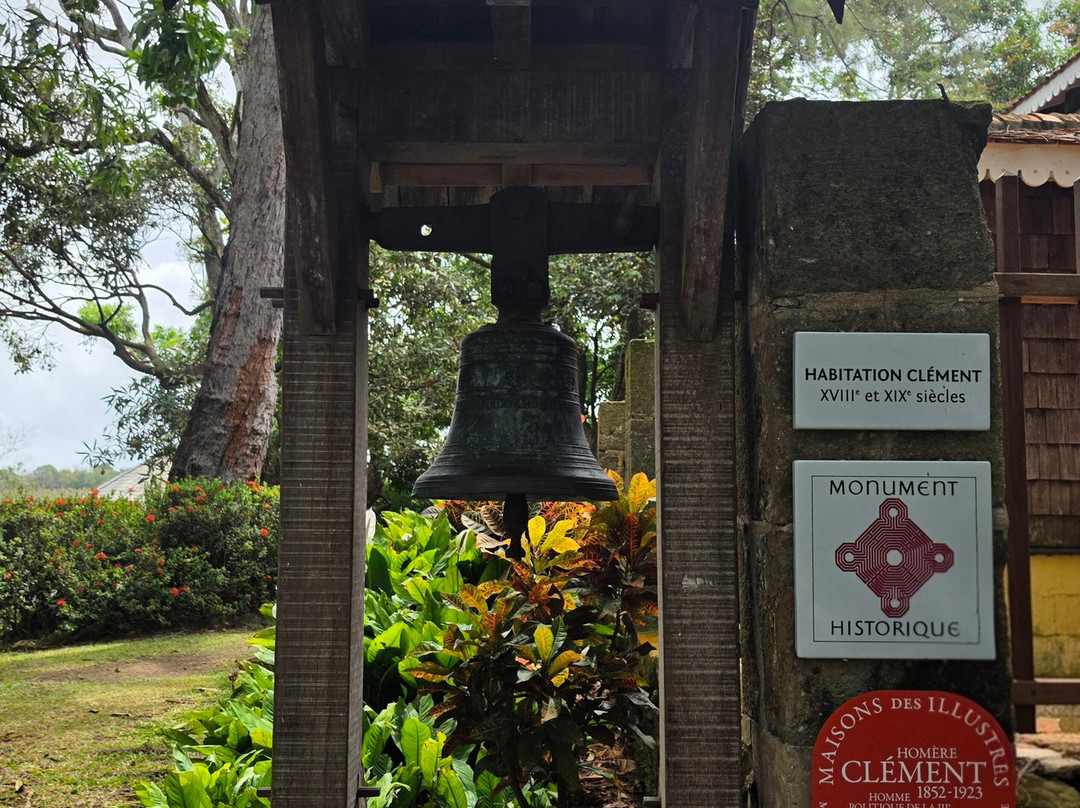
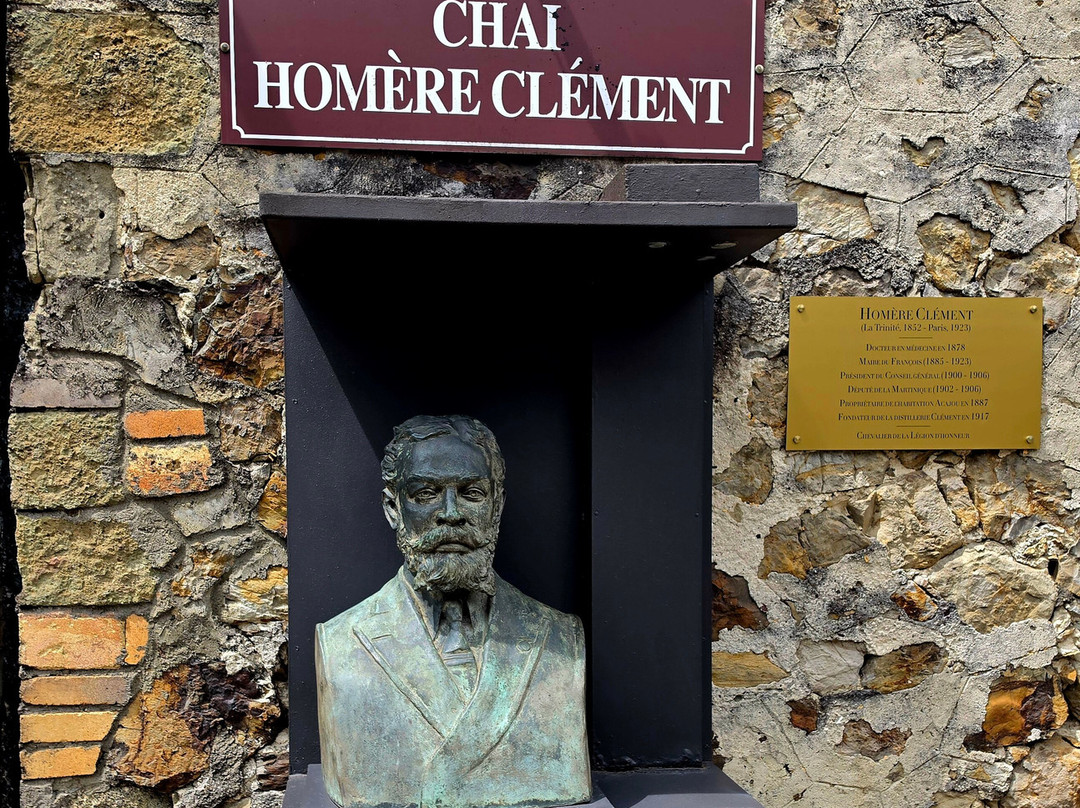
To be fair, I understand the plantation itself ultimately failed and was later purchased by Homère Clément, a descendant of enslaved people. That history adds complexity and is important to acknowledge.
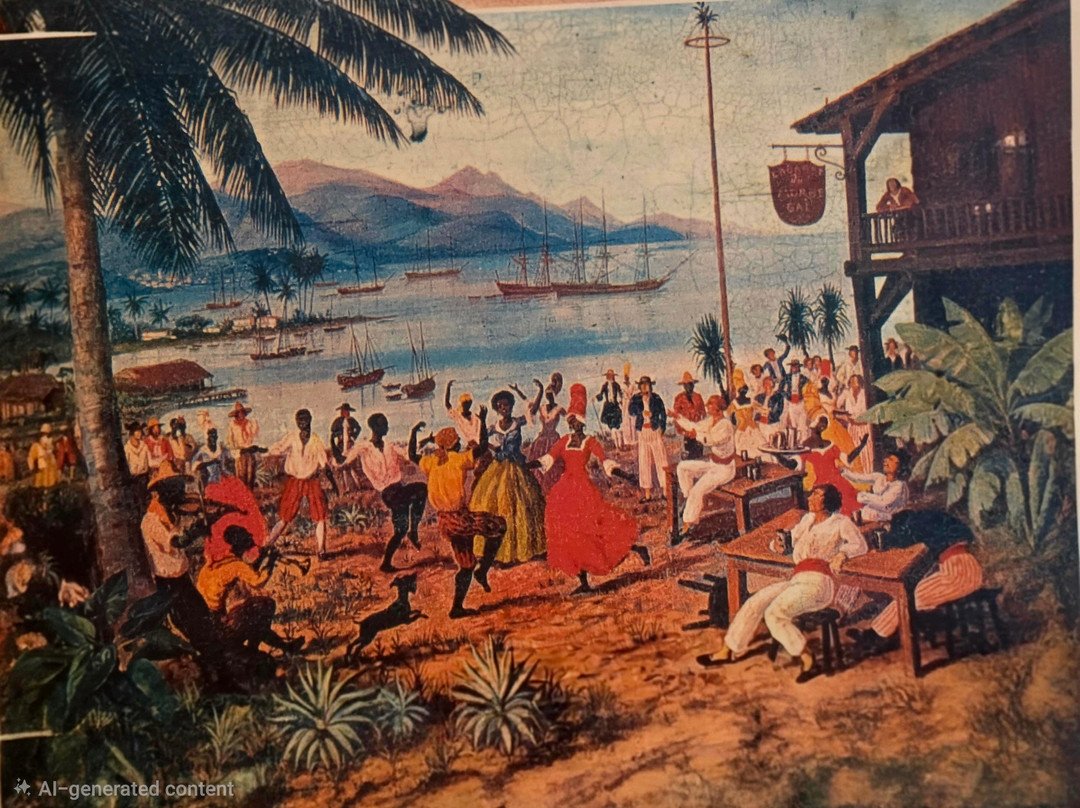
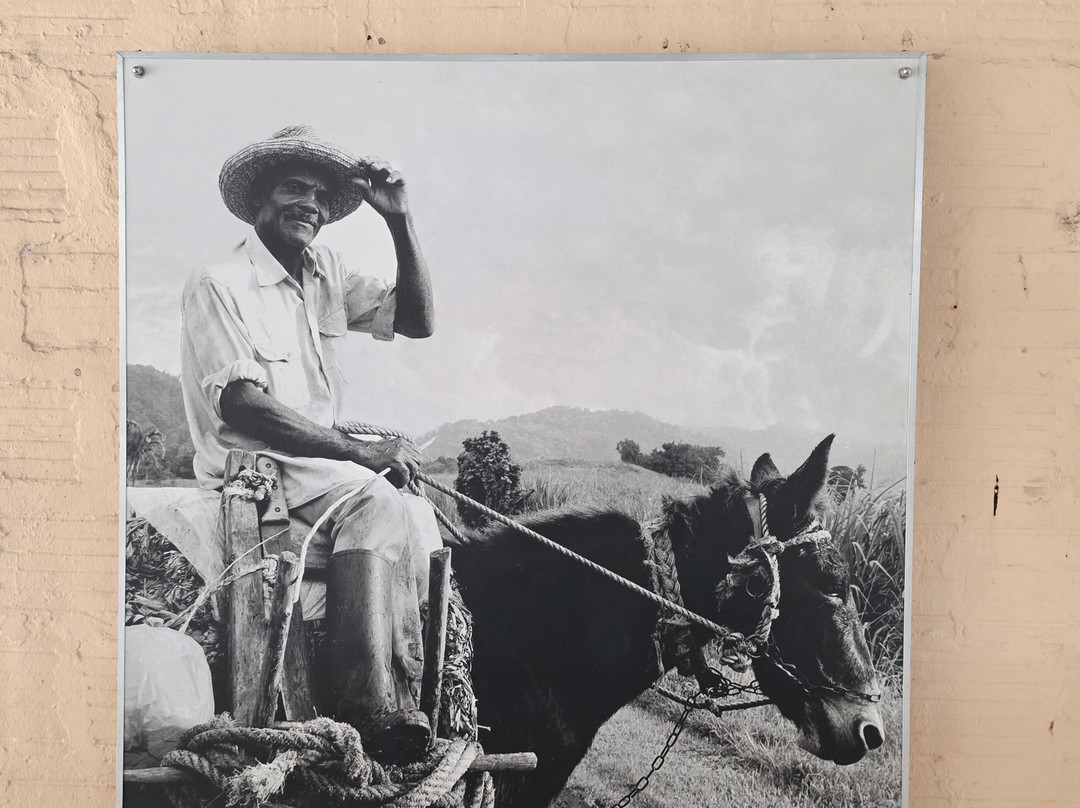
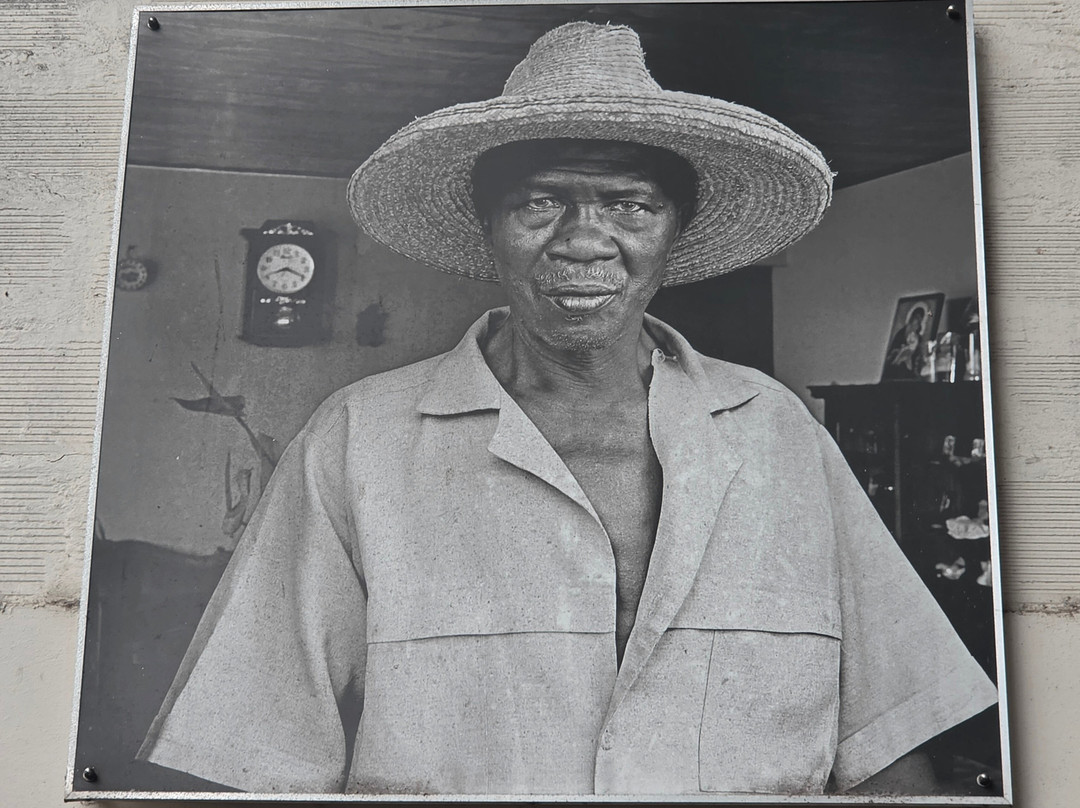
However, what deeply troubled me was how little acknowledgment was given to the land’s earlier history as a sugar plantation worked by enslaved people. For many visitors, especially those of us from the United States, plantations are not just historic sites. They are places tied to profound suffering, resilience, and generational impact, which makes that land feel sacred in many ways.
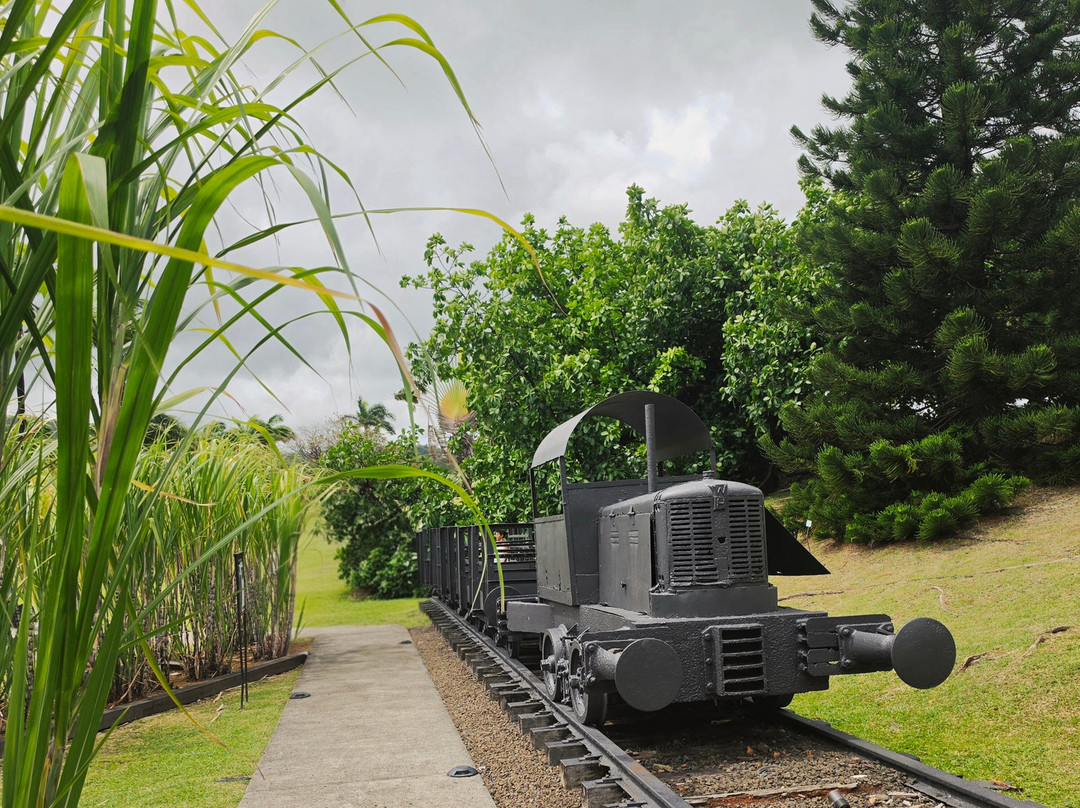
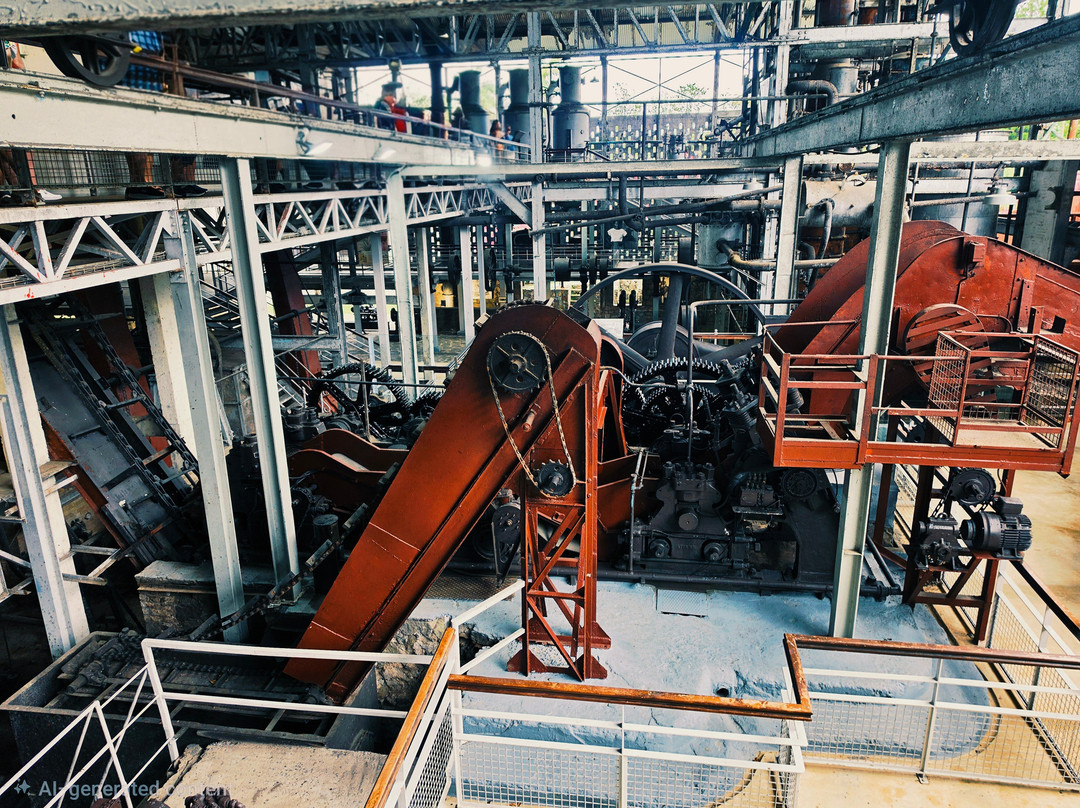
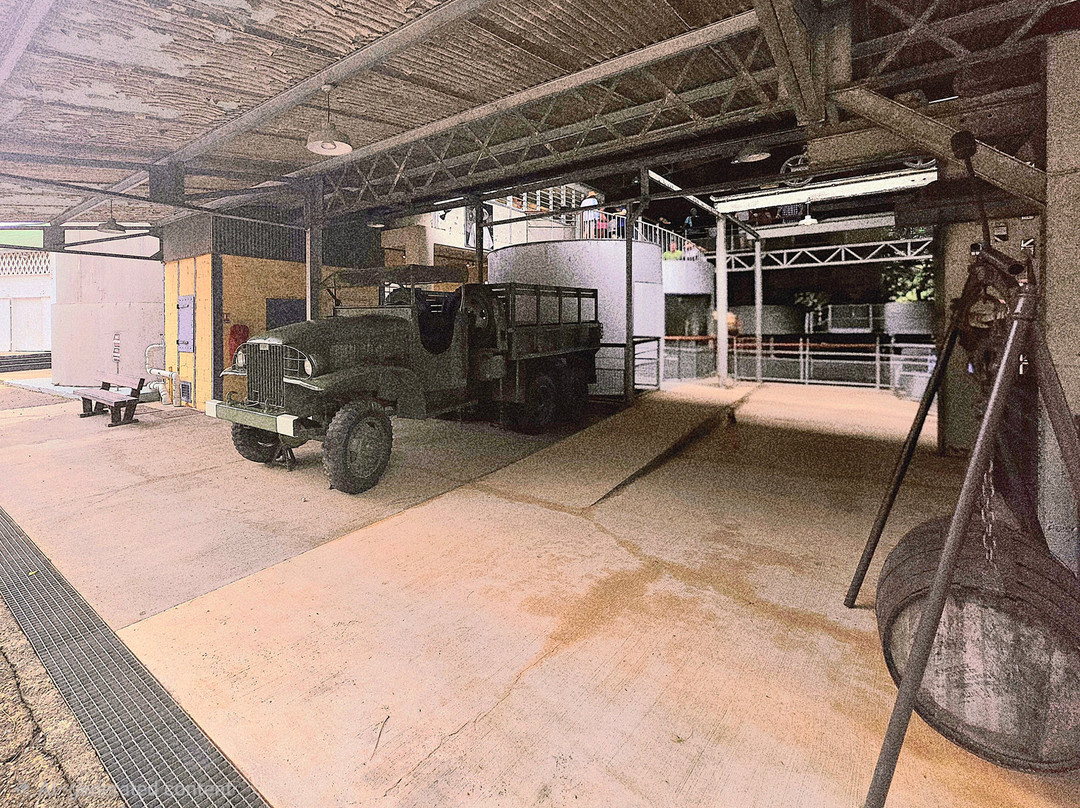
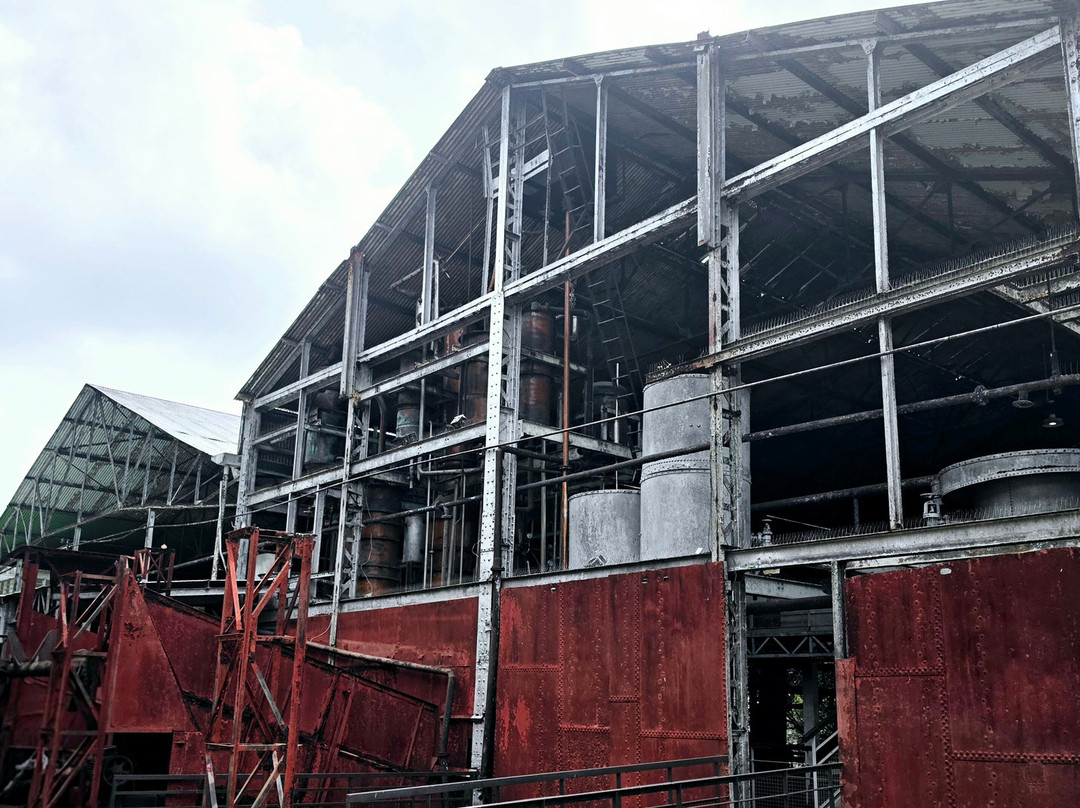
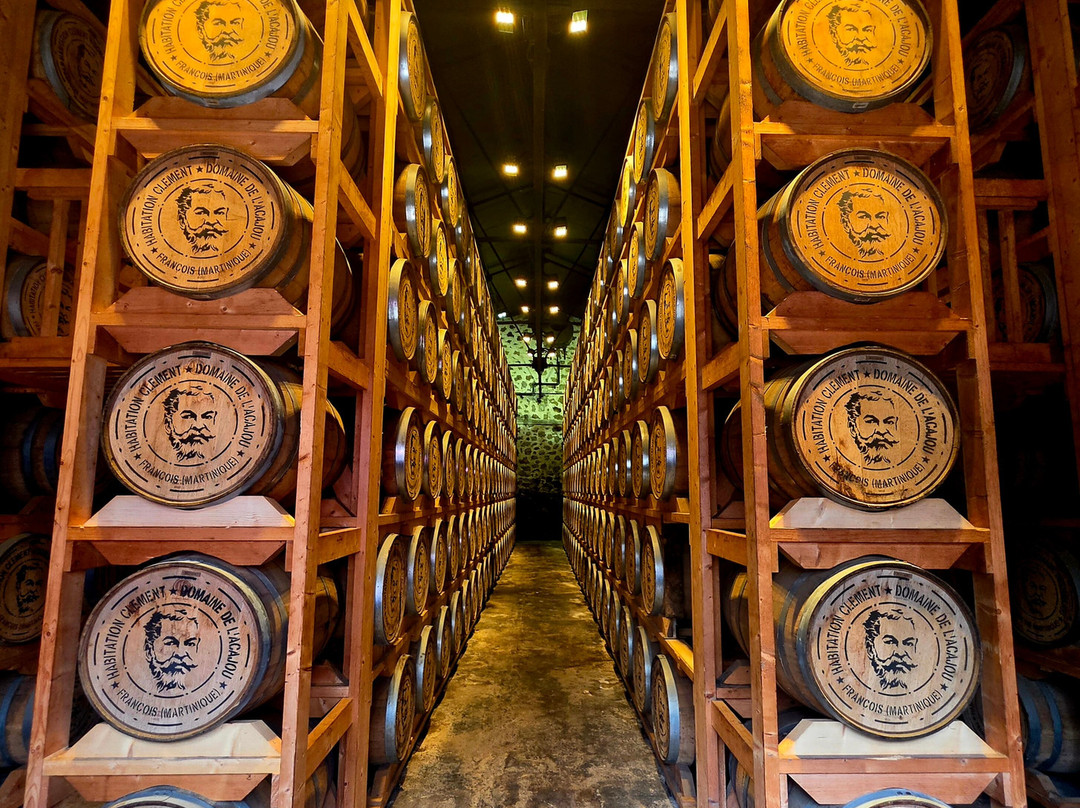
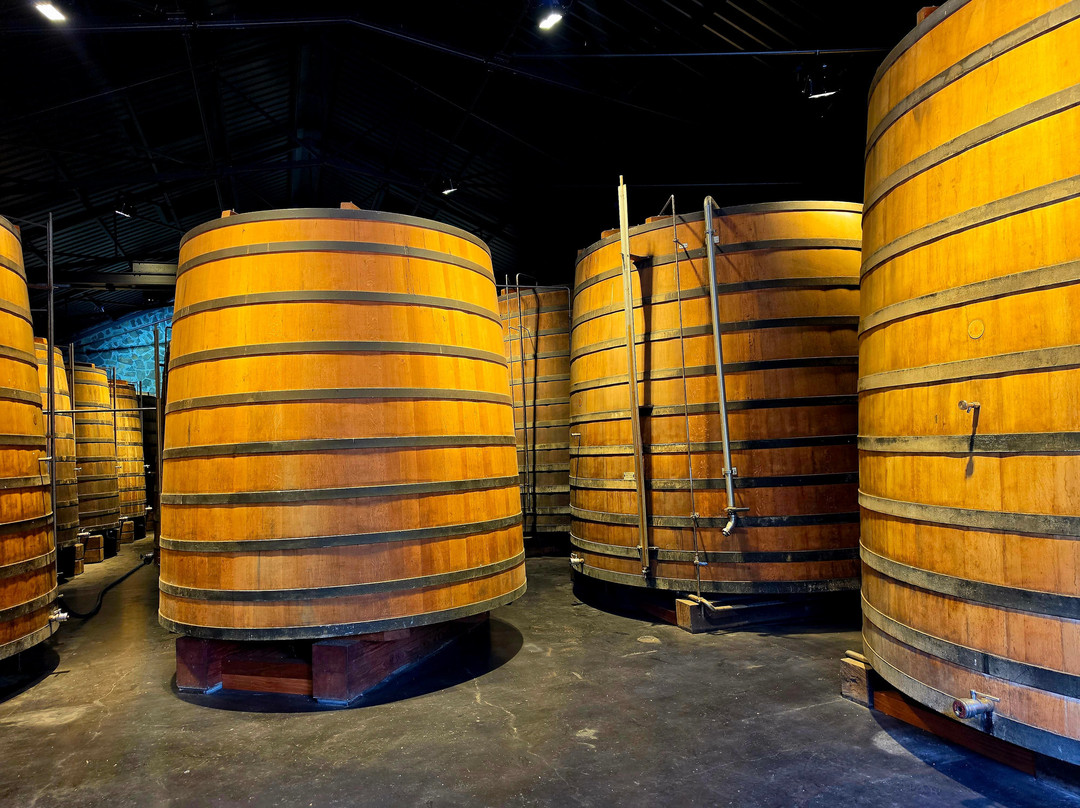
While the tour focused on the estate’s beauty and production, it seemed to gloss over the human cost behind it. I left feeling unsettled, as if more respect, context, or tribute should have been given to the lives and labor that shaped the property.
Recognizing that history more directly would not take away from the experience. It would deepen it and show the level of respect those individuals deserve.
To be fair, I understand the plantation itself ultimately failed and was later purchased by Homère Clément, a descendant of enslaved people. That history adds complexity and is important to acknowledge.
However, what deeply troubled me was how little acknowledgment was given to the land’s earlier history as a sugar plantation worked by enslaved people. For many visitors, especially those of us from the United States, plantations are not just historic sites. They are places tied to profound suffering, resilience, and generational impact, which makes that land feel sacred in many ways.
While the tour focused on the estate’s beauty and production, it seemed to gloss over the human cost behind it. I left feeling unsettled, as if more respect, context, or tribute should have been given to the lives and labor that shaped the property.
Recognizing that history more directly would not take away from the experience. It would deepen it and show the level of respect those individuals deserve.
翻译:我和妻子参加了一次邮轮岸上游览,参观了克莱蒙庄园。庄园景色优美,维护得也很好,这一点毋庸置疑。
平心而论,我知道这座种植园最终失败了,后来被奴隶的后裔霍梅尔·克莱蒙买下。这段历史增添了庄园的复杂性,也值得我们了解。
然而,真正让我感到不安的是,庄园对它早期作为奴隶劳作的糖料种植园的历史着墨甚少。对许多游客,尤其是我们这些来自美国的人来说,种植园不仅仅是历史遗迹。它们承载着深重的苦难、坚韧的精神和代代相传的影响,这使得这片土地在很多方面都显得神圣。
虽然参观的重点是庄园的美丽和生产,但似乎忽略了其背后沉重的人力代价。离开时,我感到很不安,仿佛庄园应该给予那些塑造了这片土地的人们更多的尊重、背景介绍和致敬。
更直接地了解这段历史并不会削弱参观体验。这将加深彼此的了解,并展现出这些人应有的尊重。
平心而论,我知道这座种植园最终失败了,后来被奴隶的后裔霍梅尔·克莱蒙买下。这段历史增添了庄园的复杂性,也值得我们了解。
然而,真正让我感到不安的是,庄园对它早期作为奴隶劳作的糖料种植园的历史着墨甚少。对许多游客,尤其是我们这些来自美国的人来说,种植园不仅仅是历史遗迹。它们承载着深重的苦难、坚韧的精神和代代相传的影响,这使得这片土地在很多方面都显得神圣。
虽然参观的重点是庄园的美丽和生产,但似乎忽略了其背后沉重的人力代价。离开时,我感到很不安,仿佛庄园应该给予那些塑造了这片土地的人们更多的尊重、背景介绍和致敬。
更直接地了解这段历史并不会削弱参观体验。这将加深彼此的了解,并展现出这些人应有的尊重。

© 2026 Tripadvisor 版权所有。
部分照片由 VFM Leonardo 提供。
TripAdvisor公司对外部网站的内容一概不负责。优惠价格中不含税和其他费用。
ICP证:沪B2-20200433
沪ICP备20013175号
 沪公网安备31010502005427号
鹰程信息技术(上海)有限公司