下载App
资质规则
旅行
账户

emmastaceyh
Animals should not suffer for entertainment
Ban Chang Thai - Elephant Camp的点评
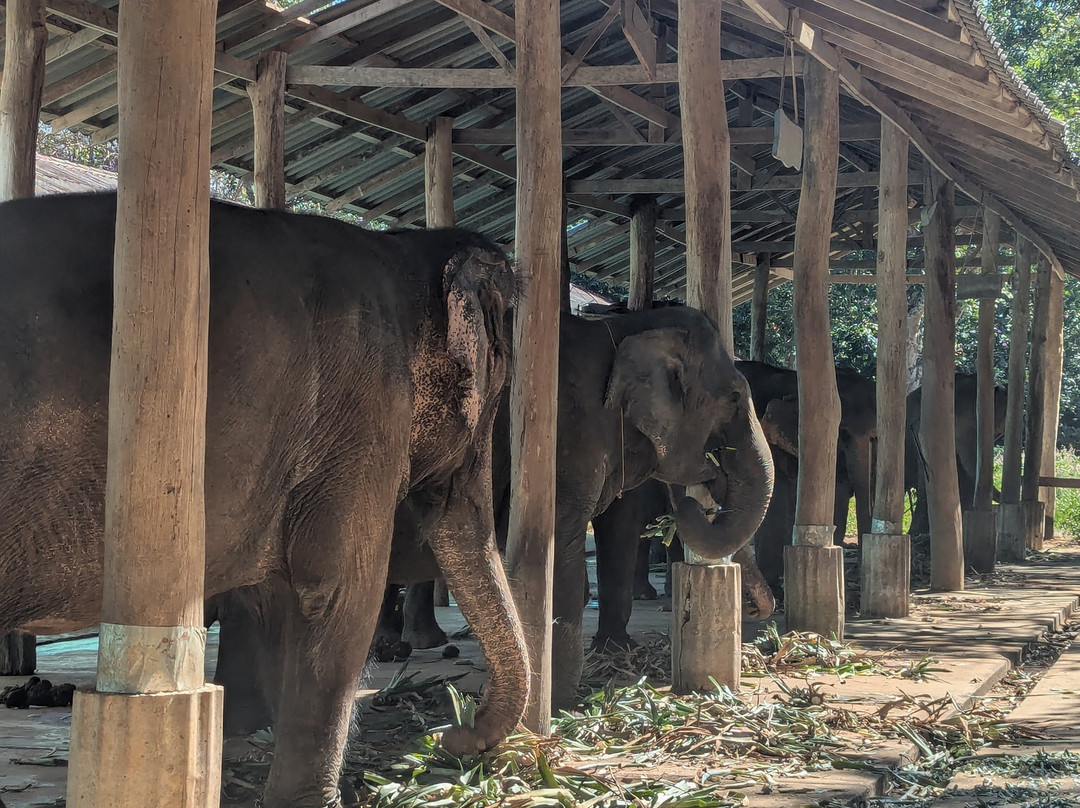
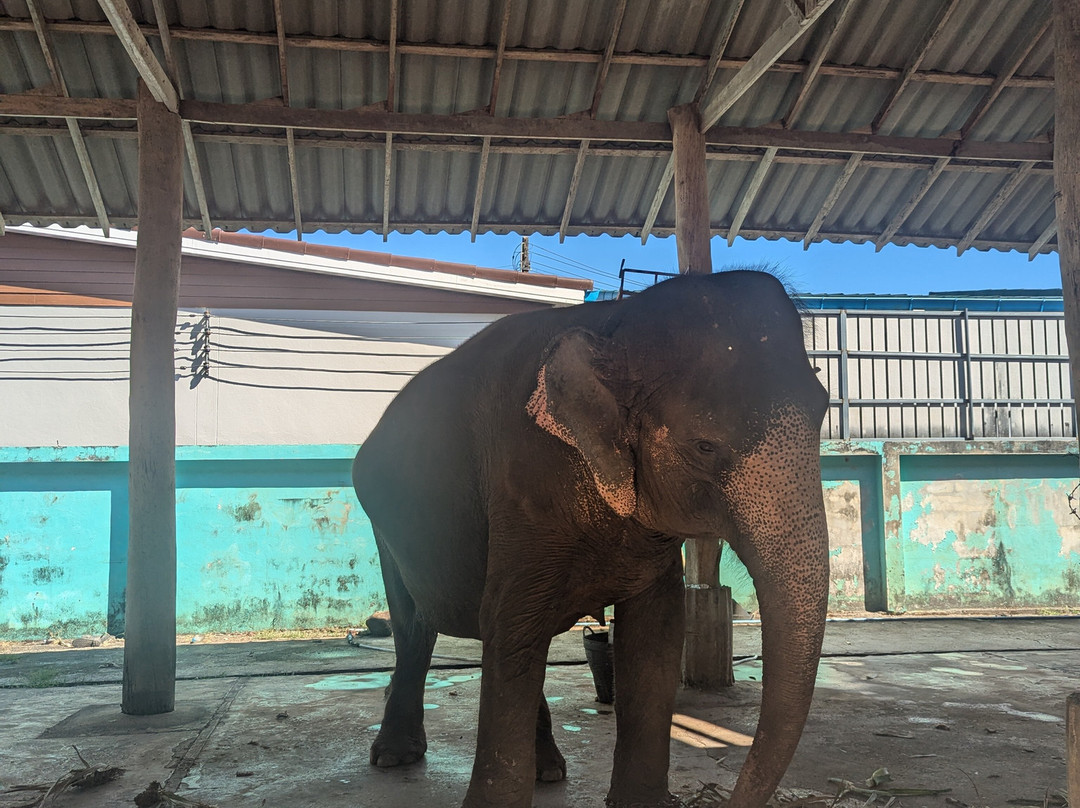
点评:This elephant camp is situated on the main road near Khlong Prao Beach and I was deeply concerned by what I saw. Several elephants were chained up next to the road for tourists to look at.
The elephants had very limited movement, were exposed to constant traffic and noise, and did not appear to have meaningful enrichment or freedom to behave naturally. One elephant, which appeared to be a younger female, was continuously swaying back and forth in a repetitive, trance-like motion for a long period of time. This behavior is widely recognised as a sign of stress or psychological distress in captive elephants.
Tourists can buy fruit to feed the elephants, which appeared to happen continuously throughout the day. Elephants have very specific dietary needs, and constant feeding by visitors can lead to overfeeding, digestive problems, and poor long-term health.
It’s also important for visitors to know that elephants’ spines are not designed to carry heavy loads. They are flexible and arched rather than rigid like horses. Tourism riding places static, repetitive pressure directly on the spine, often for many hours without proper recovery, causing long-term spinal and musculoskeletal damage.
Elephants are highly intelligent, social animals, and continual forced interaction with humans can cause significant psychological stress. In captive tourism settings, where elephants cannot choose when to retreat or rest, constant noise, touching, feeding, and proximity to people can overwhelm them. This chronic stress often manifests as repetitive behaviors such as swaying or rocking, which are widely recognised indicators of poor mental welfare, as witnessed.
I encourage other travelers to research ethical, no-riding elephant sanctuaries before visiting or supporting roadside camps like this. Tourism choices matter, and animals should not suffer for entertainment.
The elephants had very limited movement, were exposed to constant traffic and noise, and did not appear to have meaningful enrichment or freedom to behave naturally. One elephant, which appeared to be a younger female, was continuously swaying back and forth in a repetitive, trance-like motion for a long period of time. This behavior is widely recognised as a sign of stress or psychological distress in captive elephants.
Tourists can buy fruit to feed the elephants, which appeared to happen continuously throughout the day. Elephants have very specific dietary needs, and constant feeding by visitors can lead to overfeeding, digestive problems, and poor long-term health.
It’s also important for visitors to know that elephants’ spines are not designed to carry heavy loads. They are flexible and arched rather than rigid like horses. Tourism riding places static, repetitive pressure directly on the spine, often for many hours without proper recovery, causing long-term spinal and musculoskeletal damage.
Elephants are highly intelligent, social animals, and continual forced interaction with humans can cause significant psychological stress. In captive tourism settings, where elephants cannot choose when to retreat or rest, constant noise, touching, feeding, and proximity to people can overwhelm them. This chronic stress often manifests as repetitive behaviors such as swaying or rocking, which are widely recognised indicators of poor mental welfare, as witnessed.
I encourage other travelers to research ethical, no-riding elephant sanctuaries before visiting or supporting roadside camps like this. Tourism choices matter, and animals should not suffer for entertainment.
翻译:这个大象营地位于孔抛海滩附近的主干道旁,我所看到的景象令我深感担忧。几头大象被铁链拴在路边,供游客观赏。
这些大象活动范围非常有限,时刻暴露在车水马龙和嘈杂的环境中,似乎没有得到任何有意义的活动,也无法自由地展现自然的行为。其中一头看起来像是年轻的雌象,长时间地重复着一种恍惚的、重复的摇晃动作。这种行为被广泛认为是圈养大象承受压力或心理痛苦的表现。
游客可以购买水果喂大象,而且这种喂食似乎全天都在进行。大象的饮食需求非常特殊,游客的不断喂食会导致过度喂养、消化问题,并最终损害它们的长期健康。
此外,游客还应该了解,大象的脊柱并不适合承载重物。它们的脊柱是柔韧的,呈拱形,而不是像马那样僵硬。旅游骑乘会对大象的脊柱造成持续的、重复的压力,而且往往持续数小时,缺乏适当的休息,从而导致长期的脊柱和肌肉骨骼损伤。
大象是高度智慧的群居动物,持续的、被迫与人类互动会造成严重的心理压力。在圈养旅游环境中,大象无法自主选择何时休息或退却,持续不断的噪音、触摸、喂食以及与人类的近距离接触都会使它们不堪重负。这种慢性压力通常表现为重复性的行为,例如摇晃或摆动身体,这些行为已被广泛认为是心理健康状况不佳的指标,这一点已得到证实。
我鼓励其他旅行者在前往或支持此类路边营地之前,先研究一下符合伦理规范、禁止骑乘的大象保护区。旅游选择至关重要,动物不应为了娱乐而遭受痛苦。
这些大象活动范围非常有限,时刻暴露在车水马龙和嘈杂的环境中,似乎没有得到任何有意义的活动,也无法自由地展现自然的行为。其中一头看起来像是年轻的雌象,长时间地重复着一种恍惚的、重复的摇晃动作。这种行为被广泛认为是圈养大象承受压力或心理痛苦的表现。
游客可以购买水果喂大象,而且这种喂食似乎全天都在进行。大象的饮食需求非常特殊,游客的不断喂食会导致过度喂养、消化问题,并最终损害它们的长期健康。
此外,游客还应该了解,大象的脊柱并不适合承载重物。它们的脊柱是柔韧的,呈拱形,而不是像马那样僵硬。旅游骑乘会对大象的脊柱造成持续的、重复的压力,而且往往持续数小时,缺乏适当的休息,从而导致长期的脊柱和肌肉骨骼损伤。
大象是高度智慧的群居动物,持续的、被迫与人类互动会造成严重的心理压力。在圈养旅游环境中,大象无法自主选择何时休息或退却,持续不断的噪音、触摸、喂食以及与人类的近距离接触都会使它们不堪重负。这种慢性压力通常表现为重复性的行为,例如摇晃或摆动身体,这些行为已被广泛认为是心理健康状况不佳的指标,这一点已得到证实。
我鼓励其他旅行者在前往或支持此类路边营地之前,先研究一下符合伦理规范、禁止骑乘的大象保护区。旅游选择至关重要,动物不应为了娱乐而遭受痛苦。

© 2026 Tripadvisor 版权所有。
部分照片由 VFM Leonardo 提供。
TripAdvisor公司对外部网站的内容一概不负责。优惠价格中不含税和其他费用。
ICP证:沪B2-20200433
沪ICP备20013175号
 沪公网安备31010502005427号
鹰程信息技术(上海)有限公司