下载App
资质规则
旅行
账户

MarcusHurley
Wonderful restored 11th century cathedral
Svetitskhoveli Cathedral的点评
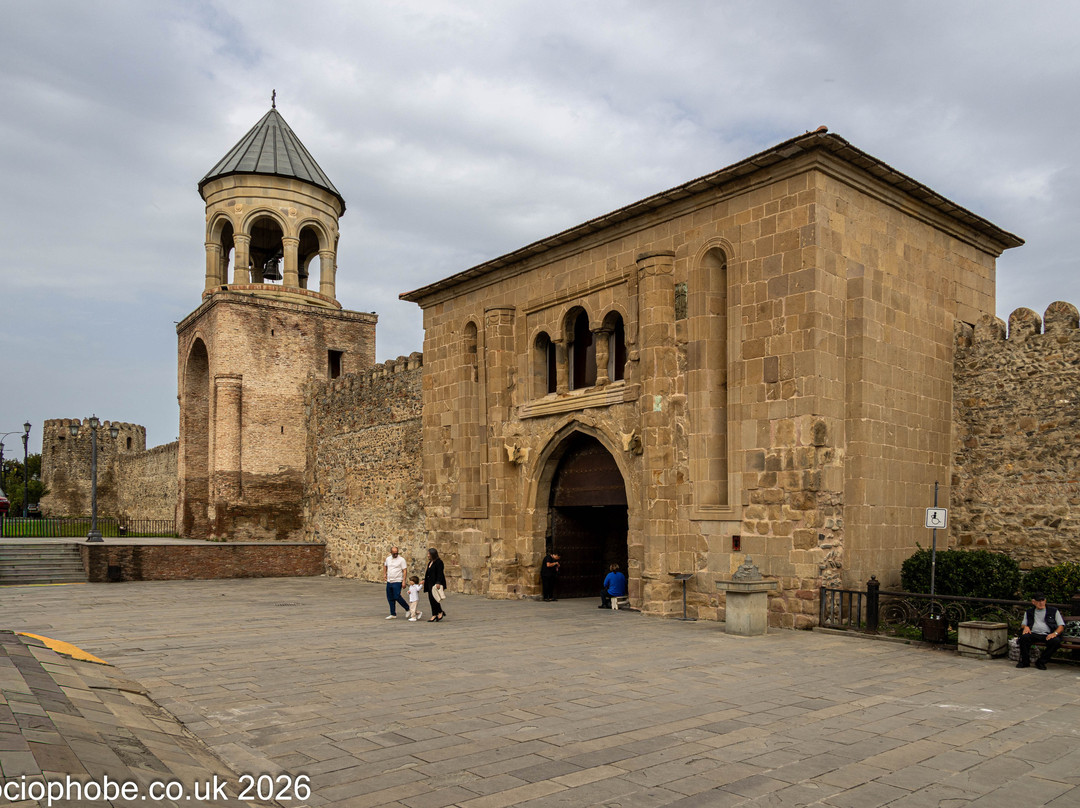
点评:The day was saved by our next stop, Mtskheta. This is an ancient city with over 4000 years documented history and was the old capital of Georgia before it moved to Tbilisi where it became a ceremonial city for coronations and burials. The city was sacked and razed by both the Arabs and Mongols so none of the older buildings survive. We walked through a processional way from the car park to the cathedral that was basically a line of shops and stalls with items aimed at tourists.
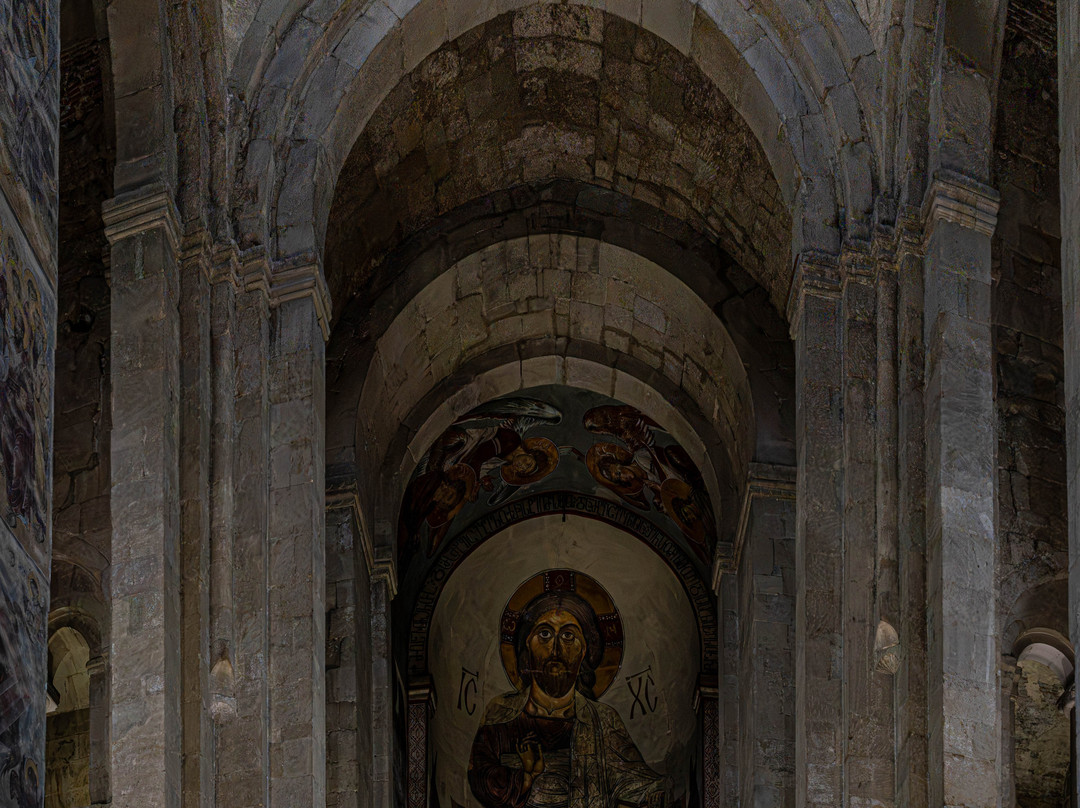
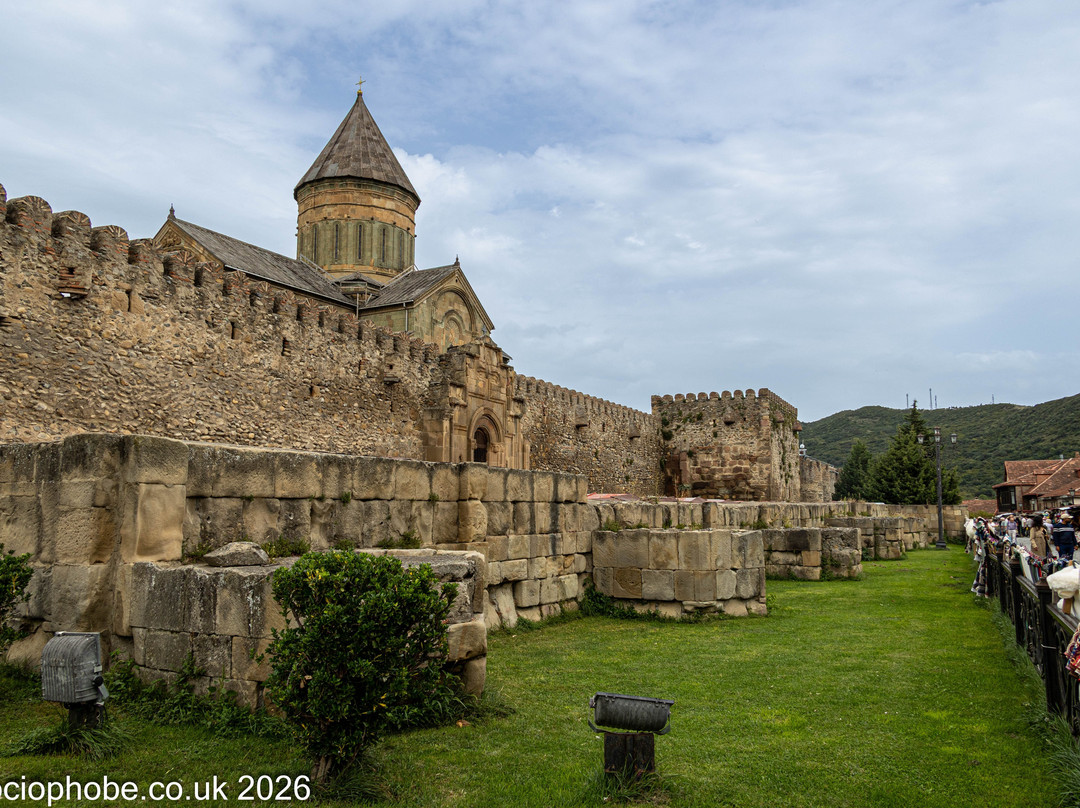
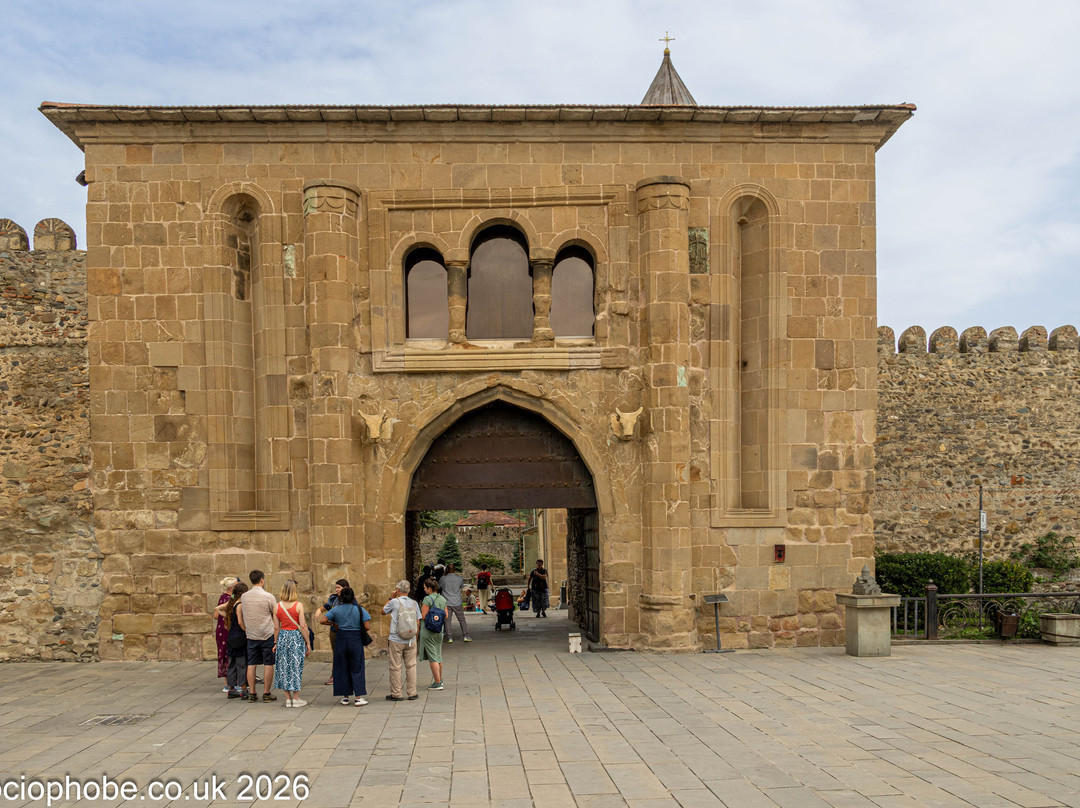
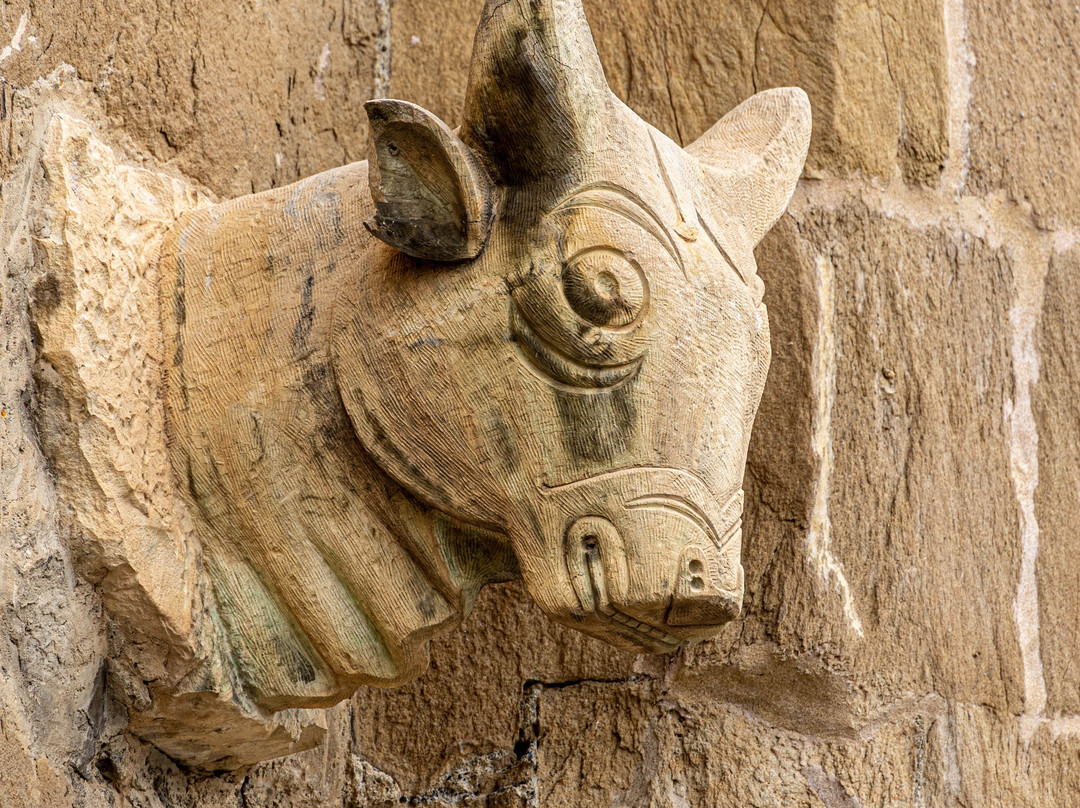
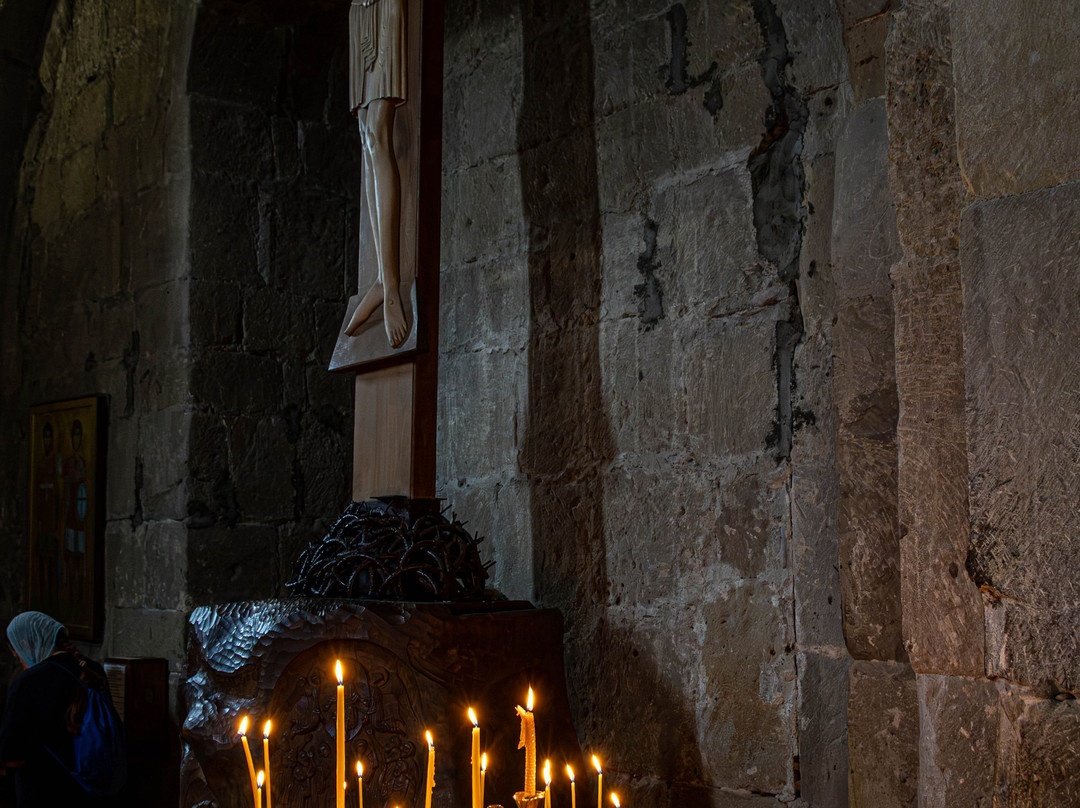
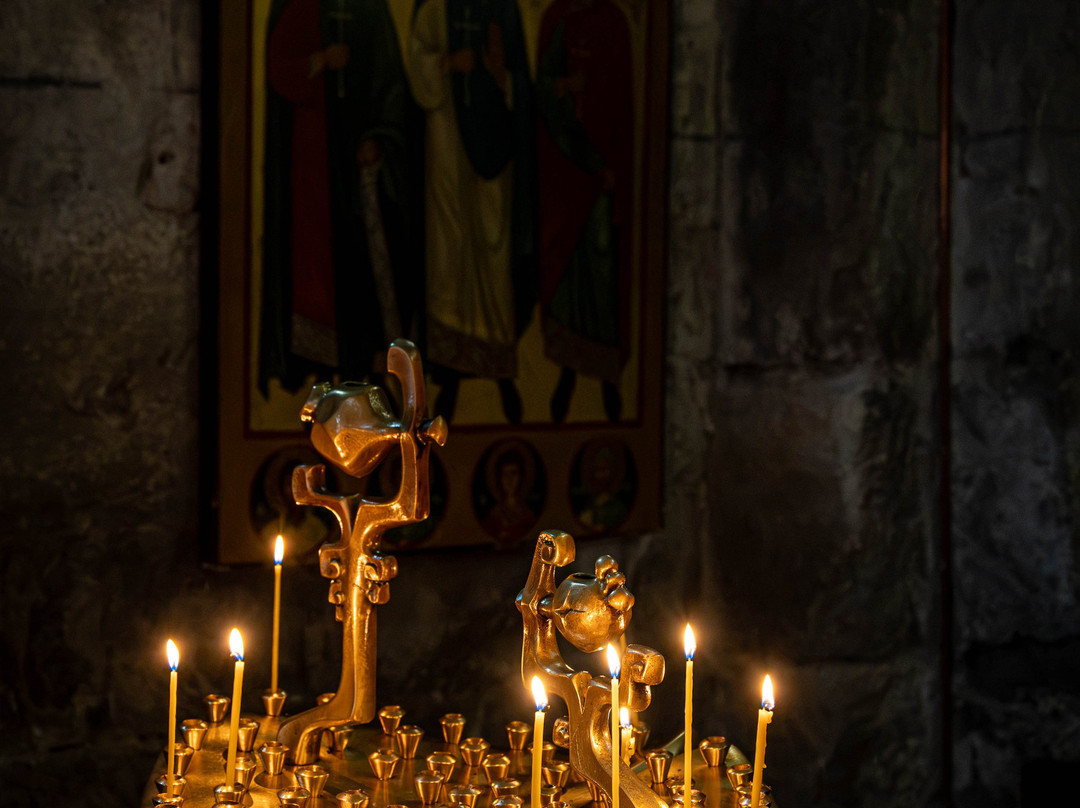
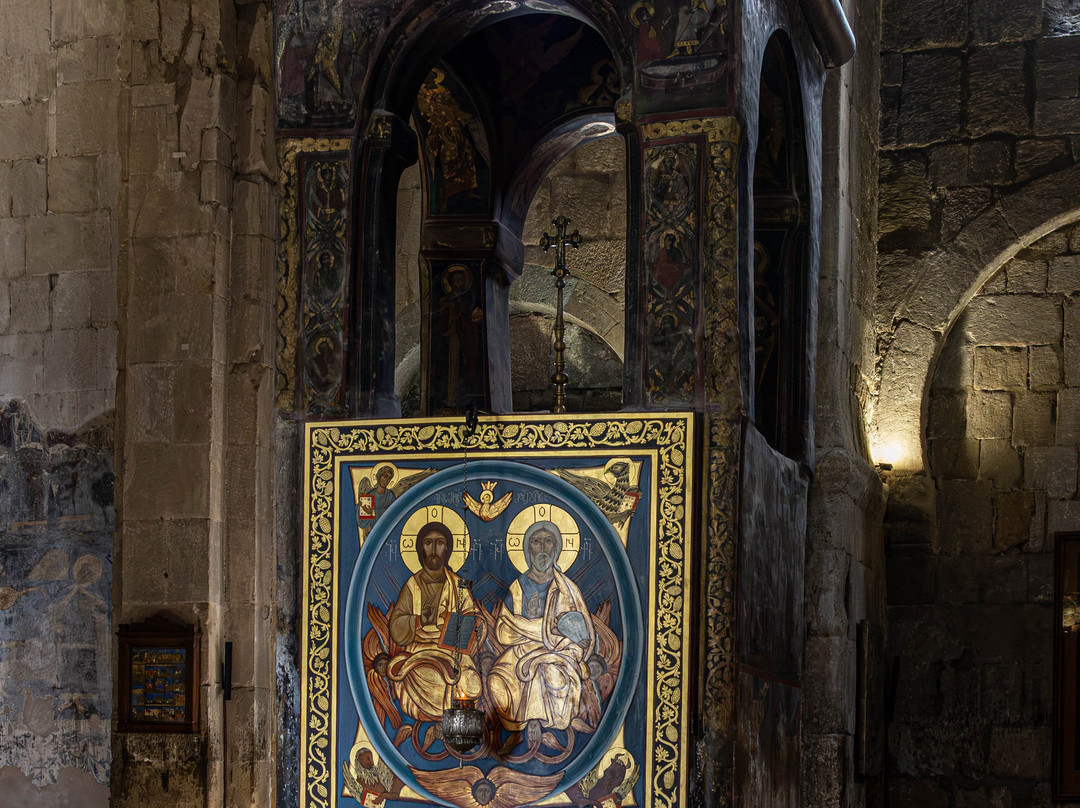
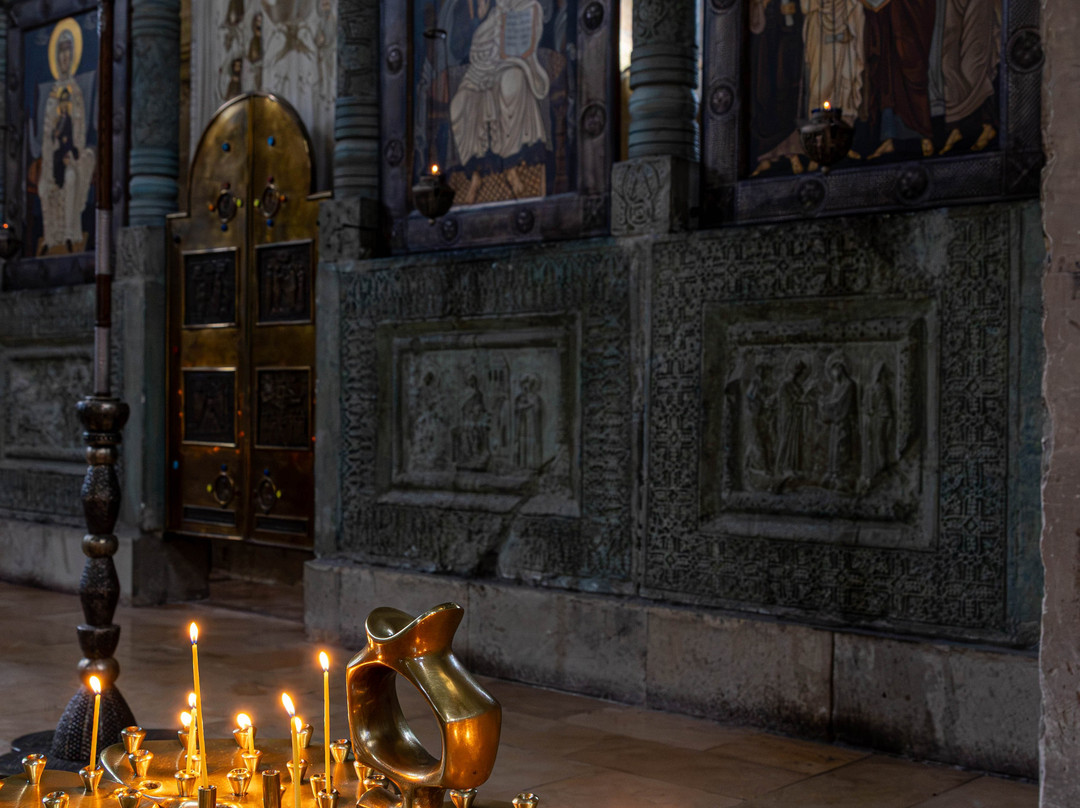
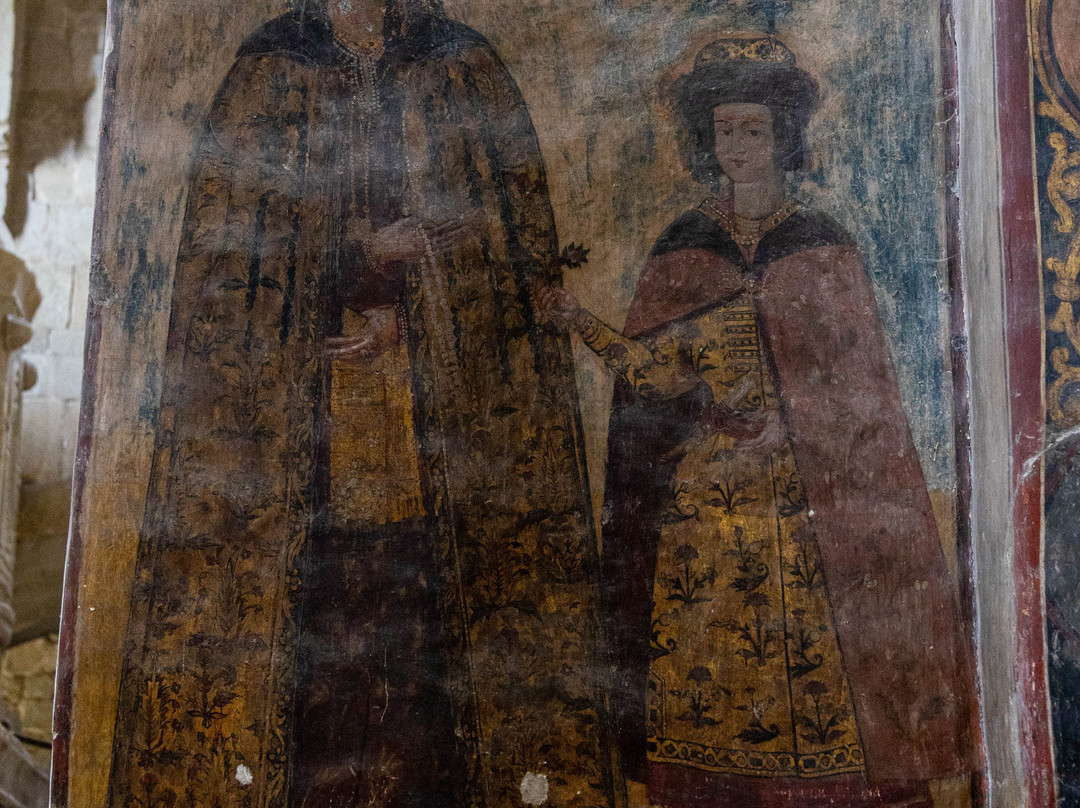
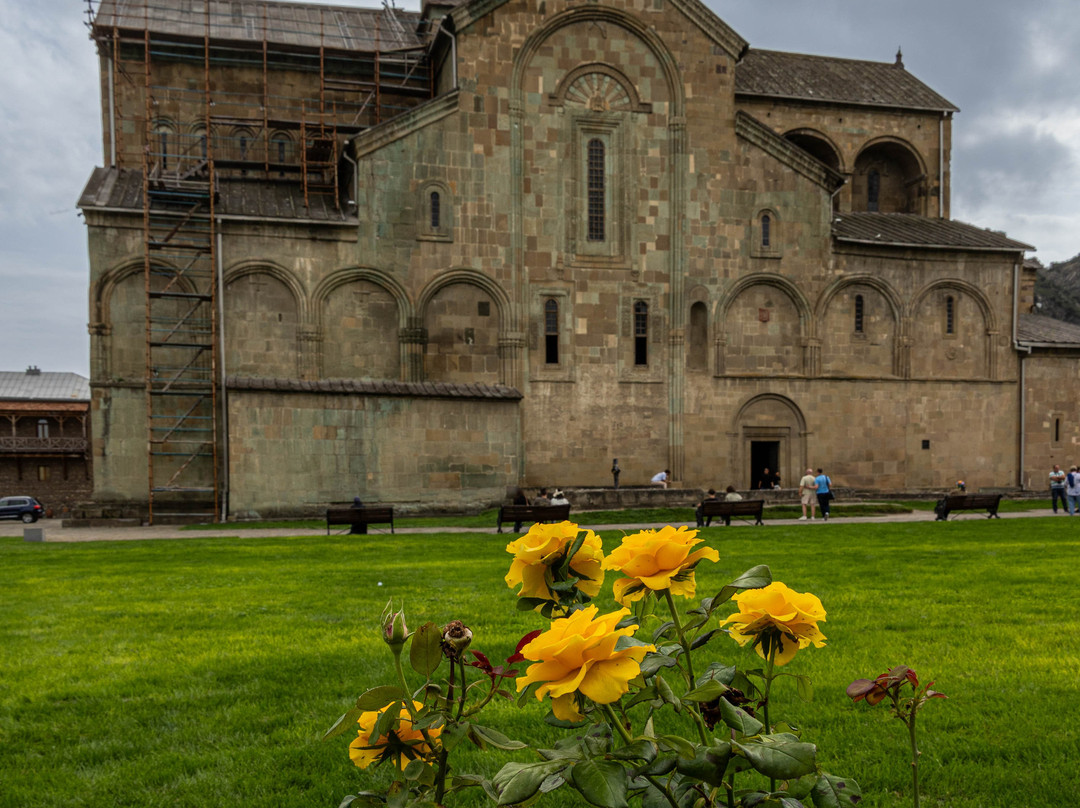
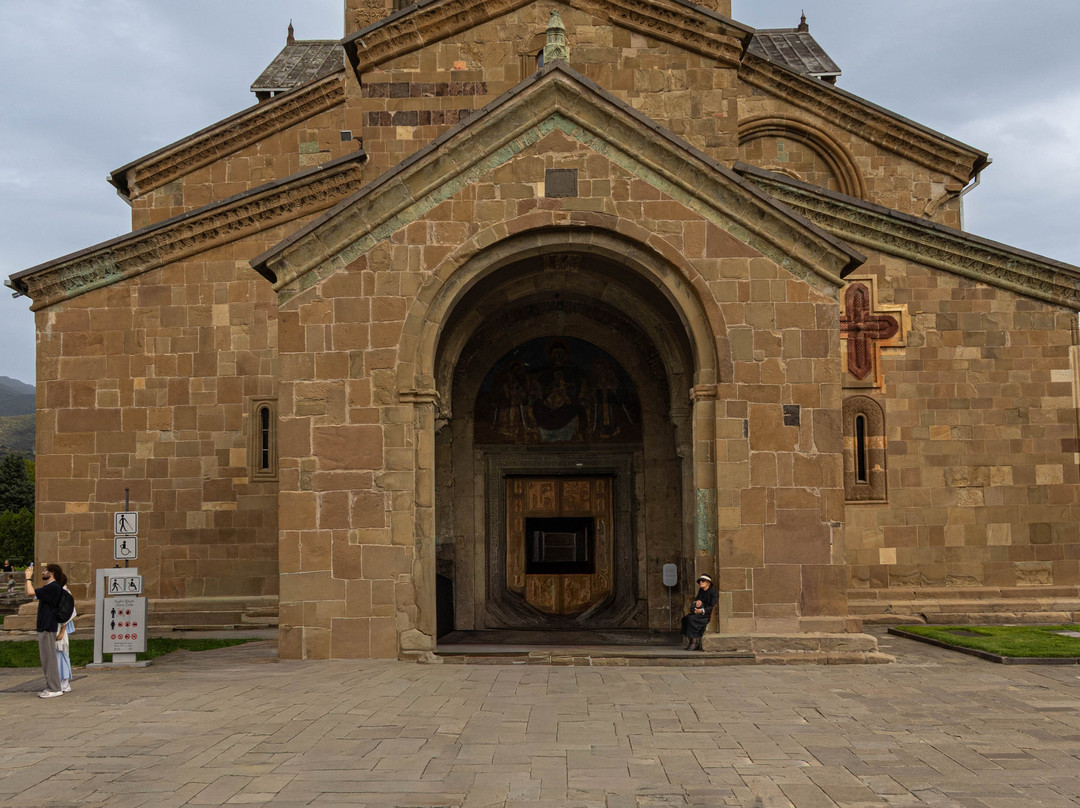
Svetitskhoveli Cathedral is an 11th century building (much reconstructed) set inside a walled complex. The building was wonderful and still in use, with incense candles lit, people praying at shrines and icons and even some bearded priests walking around. The walls were mostly plain but a far lighter coloured stone than in the Armenian churches and there was the occasional Eastern iconographic image. There is a large fresco of Christ Pantocrator but almost all the other frescoes on the walls were whitewashed by the Russians in the 1830s to make the interior look 'tidier'!!
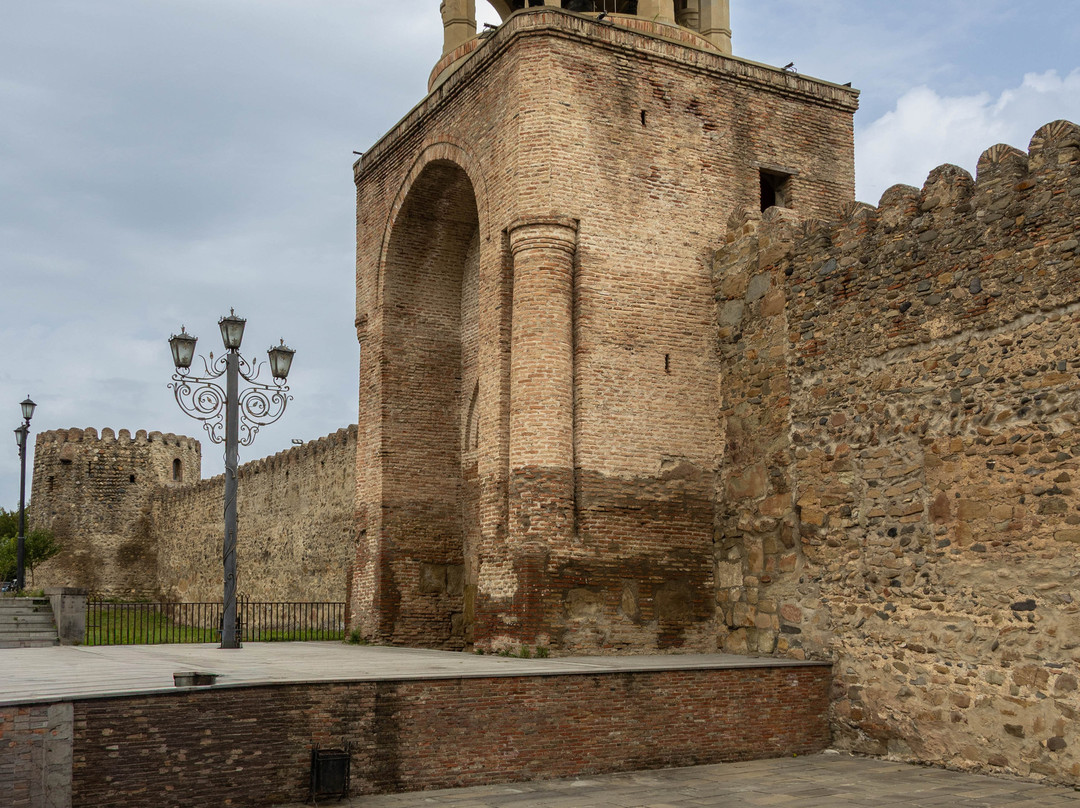
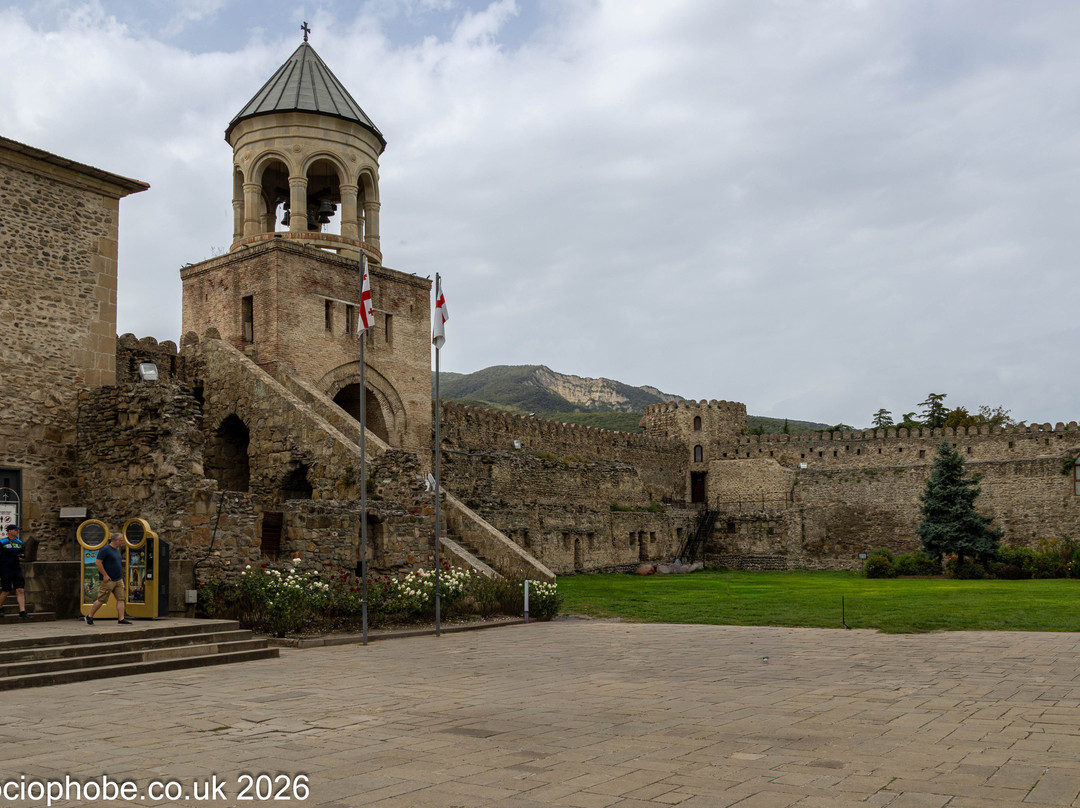
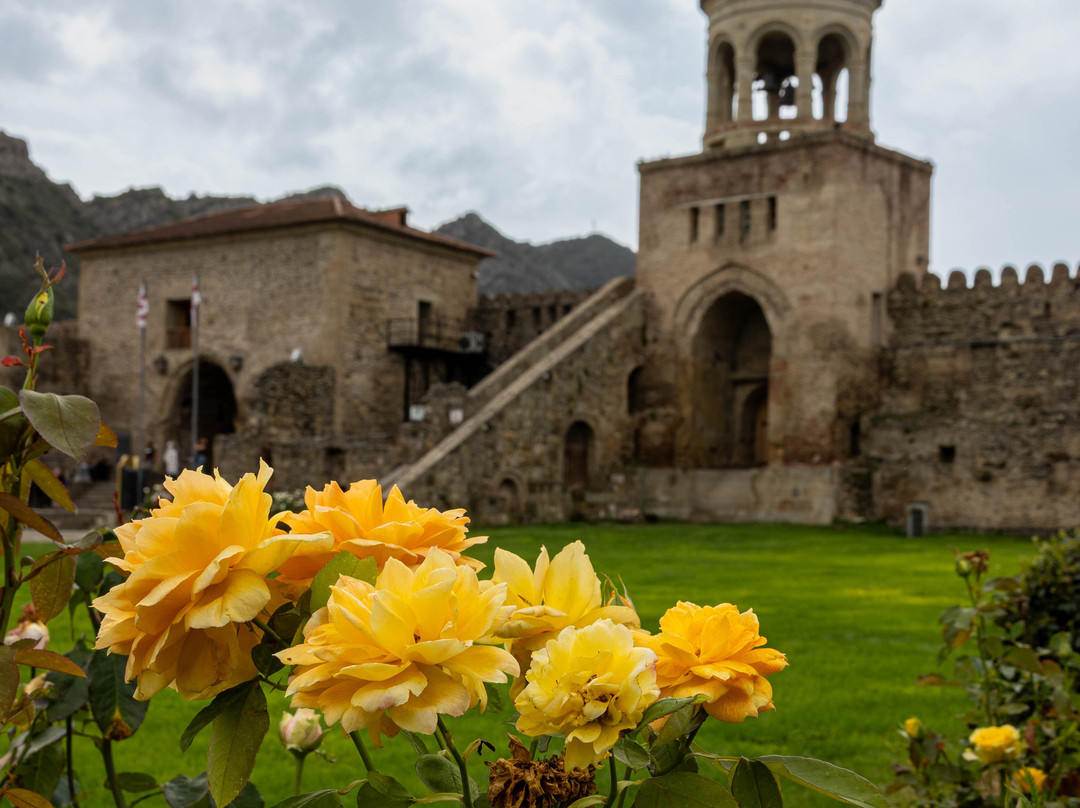
Inside the defensive walls there are pretty rose gardens as well as the remains of the Patriarch's Palace and it was nice to have such an open space to walk around and appreciate the cathedral in isolation. After we left the cathedral we got some ice cream and slowly made our way back to the coach.
Svetitskhoveli Cathedral is an 11th century building (much reconstructed) set inside a walled complex. The building was wonderful and still in use, with incense candles lit, people praying at shrines and icons and even some bearded priests walking around. The walls were mostly plain but a far lighter coloured stone than in the Armenian churches and there was the occasional Eastern iconographic image. There is a large fresco of Christ Pantocrator but almost all the other frescoes on the walls were whitewashed by the Russians in the 1830s to make the interior look 'tidier'!!
Inside the defensive walls there are pretty rose gardens as well as the remains of the Patriarch's Palace and it was nice to have such an open space to walk around and appreciate the cathedral in isolation. After we left the cathedral we got some ice cream and slowly made our way back to the coach.
翻译:多亏了我们的下一站——姆茨赫塔,这一天才得以圆满。这是一座有着4000多年有据可查的历史的古城,在格鲁吉亚的首都迁至第比利斯之前,它曾是该国的首都;后来则变成了举行加冕仪式和王室葬礼的礼仪之城。这座城市曾先后遭到阿拉伯人和蒙古人的洗劫与破坏,因此没有任何古老的建筑留存至今。我们从停车场沿着一条游行通道走向大教堂,这条通道上全是一排排面向游客售卖各种商品的商店和摊贩。斯韦蒂茨霍韦利大教堂是一座建于11世纪的建筑(经过多次重建),坐落于一道围墙环绕的区域内。这座教堂十分壮观且至今仍在使用:香火袅袅、烛光摇曳,人们则在圣坛和圣像前祈祷;甚至还能看到一些留着胡须的神父在四处走动。教堂的墙壁大多很朴素,不过使用的石材颜色比亚美尼亚教堂的石材要浅得多,偶尔还能见到一些东方风格的圣像图案。里面有一幅大型的“万能的主”基督壁画,但墙上的其他几乎所有壁画都在19世纪30年代被俄国人用白灰覆盖,只为让教堂内部看起来“更整洁”!!
防御墙内有漂亮的玫瑰园,还有牧首宫殿的遗迹。能有这样的开阔空间来漫步并独自欣赏大教堂,真是令人愉悦。离开大教堂后,我们买了些冰淇淋,然后慢悠悠地走回巴士处。
防御墙内有漂亮的玫瑰园,还有牧首宫殿的遗迹。能有这样的开阔空间来漫步并独自欣赏大教堂,真是令人愉悦。离开大教堂后,我们买了些冰淇淋,然后慢悠悠地走回巴士处。

© 2026 Tripadvisor 版权所有。
部分照片由 VFM Leonardo 提供。
TripAdvisor公司对外部网站的内容一概不负责。优惠价格中不含税和其他费用。
ICP证:沪B2-20200433
沪ICP备20013175号
 沪公网安备31010502005427号
鹰程信息技术(上海)有限公司