下载App
资质规则
旅行
账户

Paul V
Tasmania’s cruel convict history - solemn and real
坦奇监狱教堂遗址的点评
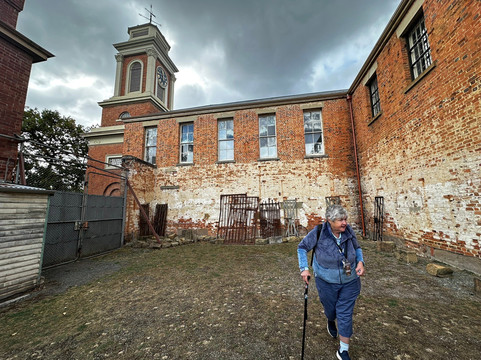
点评:As members of the national trust we were fortunate to be able to join the tour for no charge. The receptionist was very welcoming and informative and we had 20 minutes to look at the exhibits next to the entranceway. The highlight though was the guided tour which took some 90 minutes where Sharon (supposedly tour guide in training) was able to answer expert questions from my historian partner and provide context in terms of the increasing recognition of Tasmania’s convict past and acceptance of the role that it played in the development of the Tasmania lutrawina that we know today.
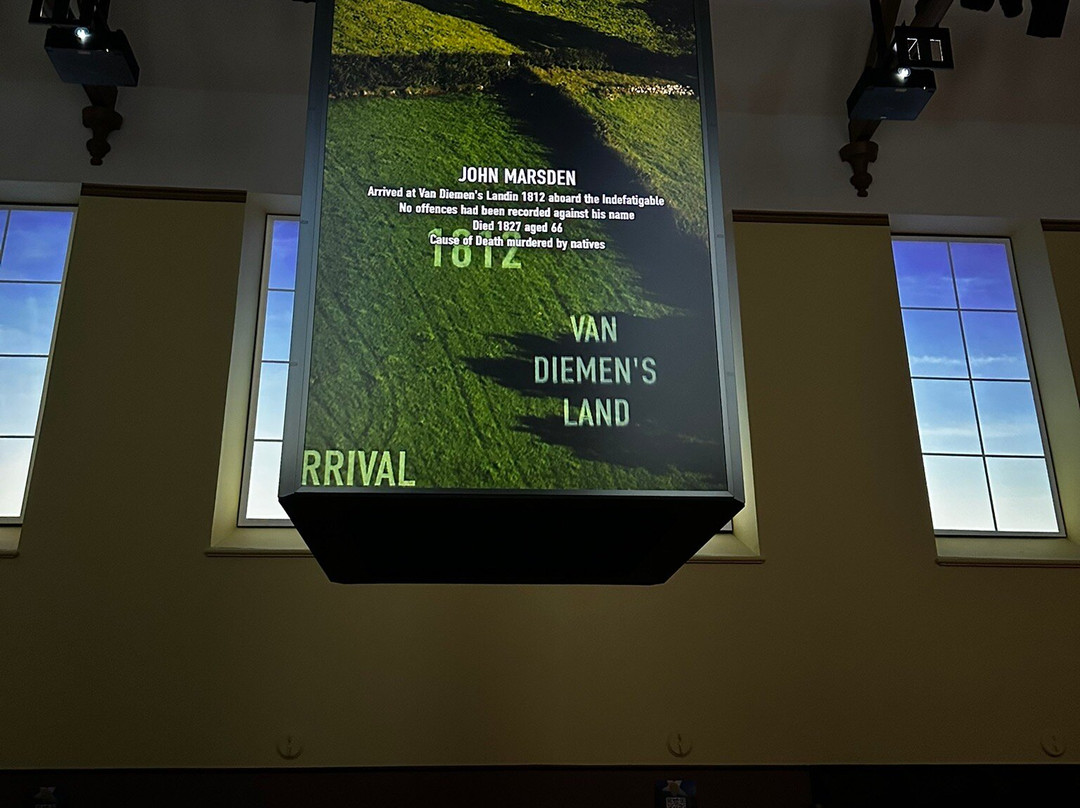
A cautionary warning. Most of Tasmania‘s convict history is shocking by any standards yet it is important that we acknowledge that this was the mindset of the ruling classes in those days. By definition property owners who were not starving determined the fate of the landless classes, so almost all of the convicts committed minor crimes to enable them to avoid starvation, yet they were treated like irredeemable criminals including children. At the end of the tour there is an AI assisted history of all the convicts who passed thru ‘the Tench’ you can even look up our Ancestors.
A cautionary warning. Most of Tasmania‘s convict history is shocking by any standards yet it is important that we acknowledge that this was the mindset of the ruling classes in those days. By definition property owners who were not starving determined the fate of the landless classes, so almost all of the convicts committed minor crimes to enable them to avoid starvation, yet they were treated like irredeemable criminals including children. At the end of the tour there is an AI assisted history of all the convicts who passed thru ‘the Tench’ you can even look up our Ancestors.
翻译:作为国民托管组织的成员,我们很幸运能够免费参加这次参观。接待员非常热情周到,知识渊博,我们有20分钟的时间参观入口旁的展品。不过,最精彩的还是大约90分钟的导览游,莎伦(据说是培训中的导游)回答了我历史学家伙伴的专家问题,并提供了背景信息,说明塔斯马尼亚囚犯历史的日益受到重视,以及它在塔斯马尼亚卢特拉维纳(Tasmania lutrawina)发展中所扮演的角色。
需要注意的是,塔斯马尼亚的大部分囚犯历史无论以何种标准衡量都令人震惊,但我们必须承认,这恰恰是当时统治阶级的思维模式。根据定义,没有挨饿的有产阶级决定了无地阶级的命运,因此几乎所有囚犯都犯下轻罪以避免挨饿,但他们却被当作不可救药的罪犯对待,包括儿童。在游览结束时,您将看到所有经过“丁鱥”的囚犯的人工智能辅助历史记录,您甚至可以查阅我们的祖先。
需要注意的是,塔斯马尼亚的大部分囚犯历史无论以何种标准衡量都令人震惊,但我们必须承认,这恰恰是当时统治阶级的思维模式。根据定义,没有挨饿的有产阶级决定了无地阶级的命运,因此几乎所有囚犯都犯下轻罪以避免挨饿,但他们却被当作不可救药的罪犯对待,包括儿童。在游览结束时,您将看到所有经过“丁鱥”的囚犯的人工智能辅助历史记录,您甚至可以查阅我们的祖先。

© 2026 Tripadvisor 版权所有。
部分照片由 VFM Leonardo 提供。
TripAdvisor公司对外部网站的内容一概不负责。优惠价格中不含税和其他费用。
ICP证:沪B2-20200433
沪ICP备20013175号
 沪公网安备31010502005427号
鹰程信息技术(上海)有限公司