下载App
资质规则
旅行
账户
Mairwen1
17
Free Entry & Uncrowded but Most Signage in French Only
马赛历史博物馆的点评
点评:An excellent museum with free entry and it’s walking distance from the Old Port so it was easy to include it in our itinerary.
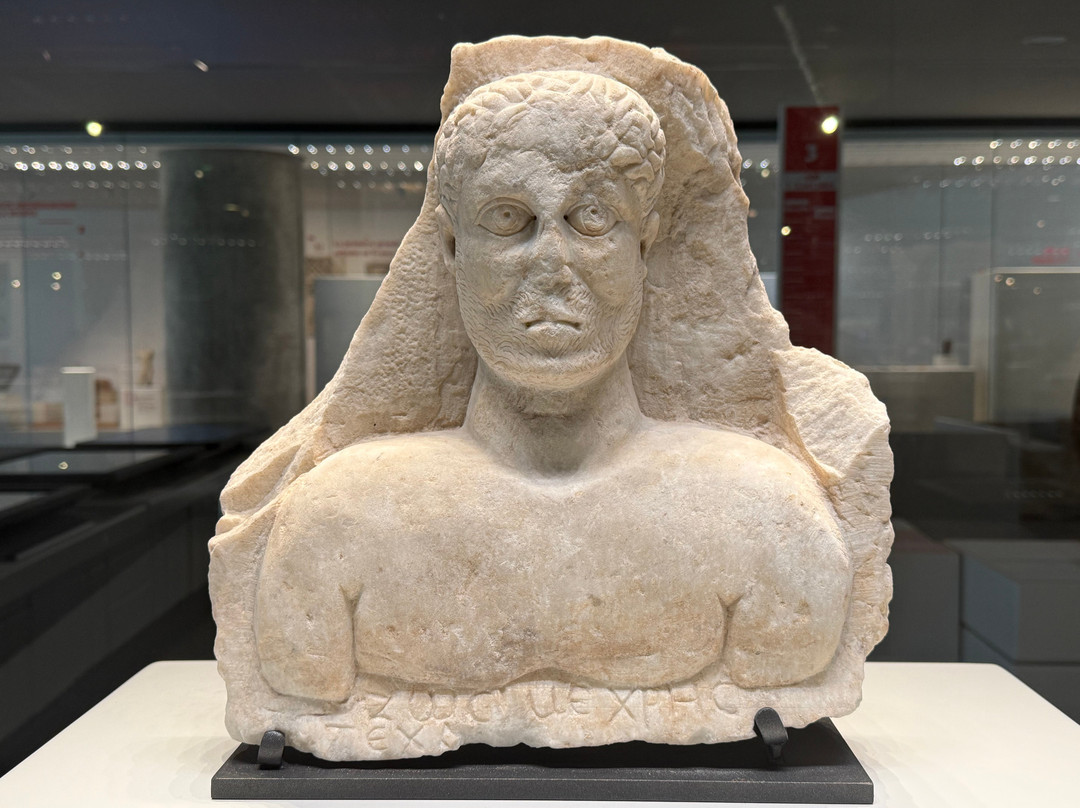
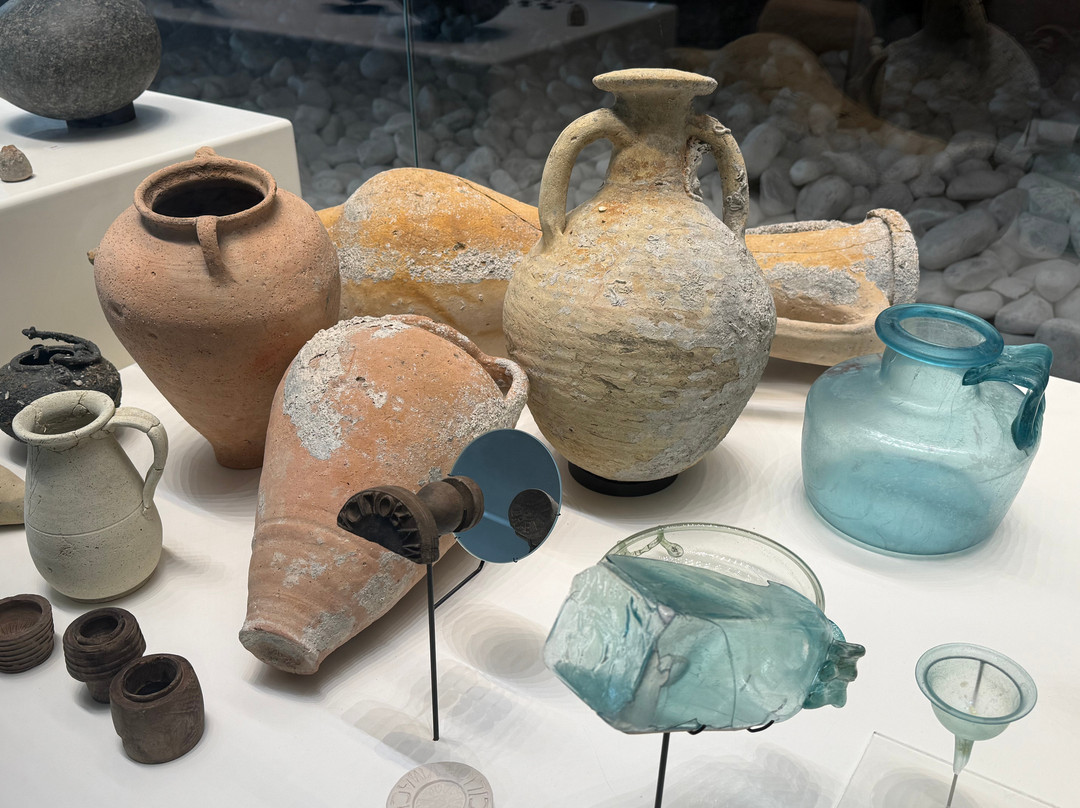
The museum is dedicated to the history of Marseille up to the present day but it’s definitely weighted towards the city’s ancient Greek and Roman origins.
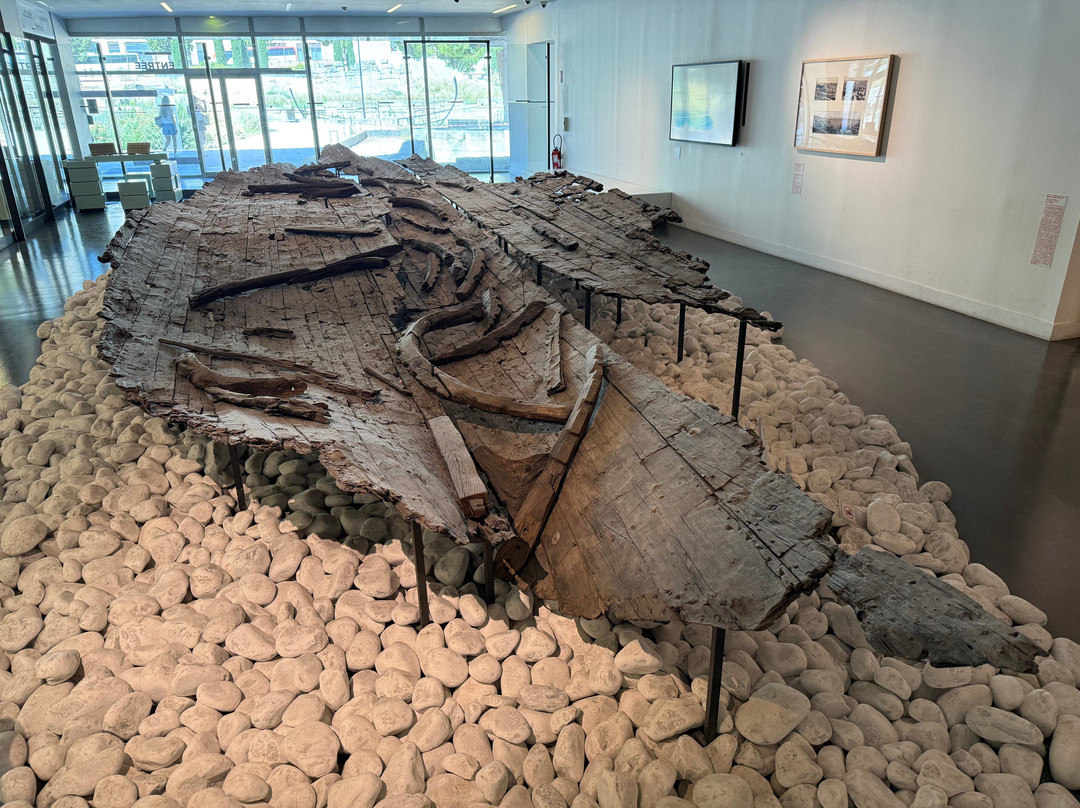
This is not surprising because many of the exhibits (including the ancient ships) were excavated from the museum grounds.
The open, grassy area out the front was the site of the early Greek city of Massalia and the ancient Roman port. Ancient Roman pavers and the ruins of the docks and quays can still be seen here.
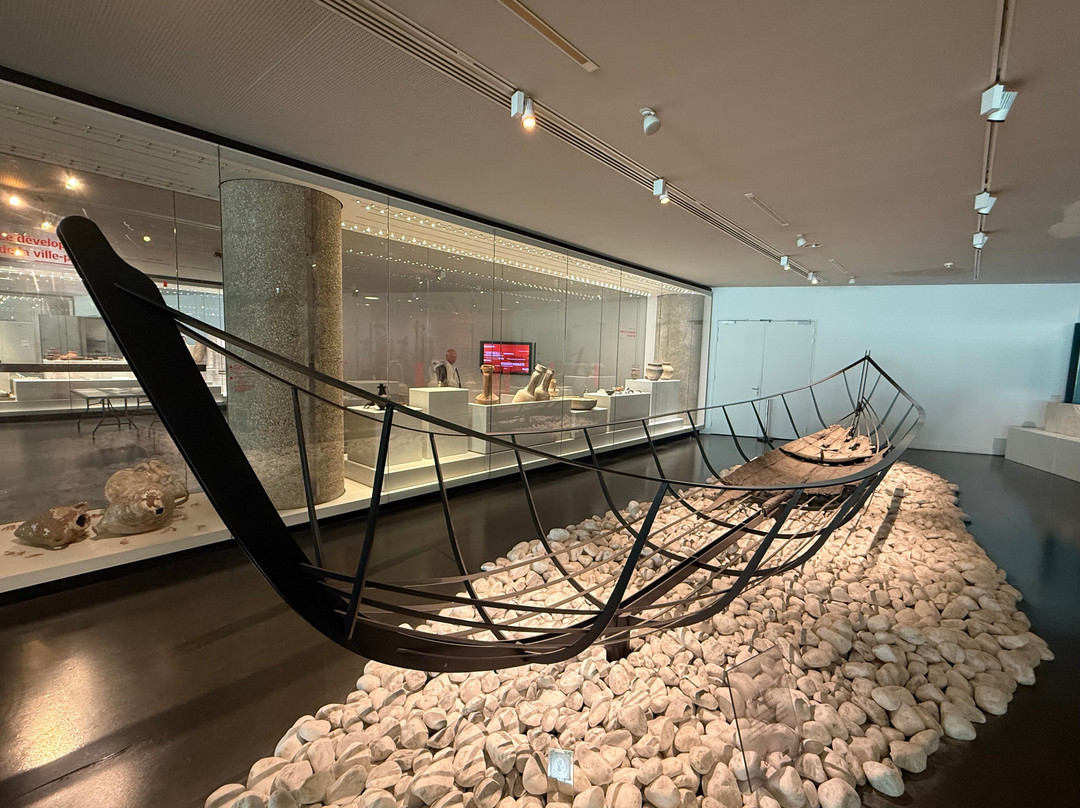
The ancient artefacts were uncovered in the 1960s when they started construction on the shopping centre behind the museum. The most impressive find was a large, 3rd century Roman trading vessel, known as ‘de la Bourse’. It was abandoned when the port silted up with brackish muck. It’s on display in the museum and is one of the largest preserved antique ships in the world.
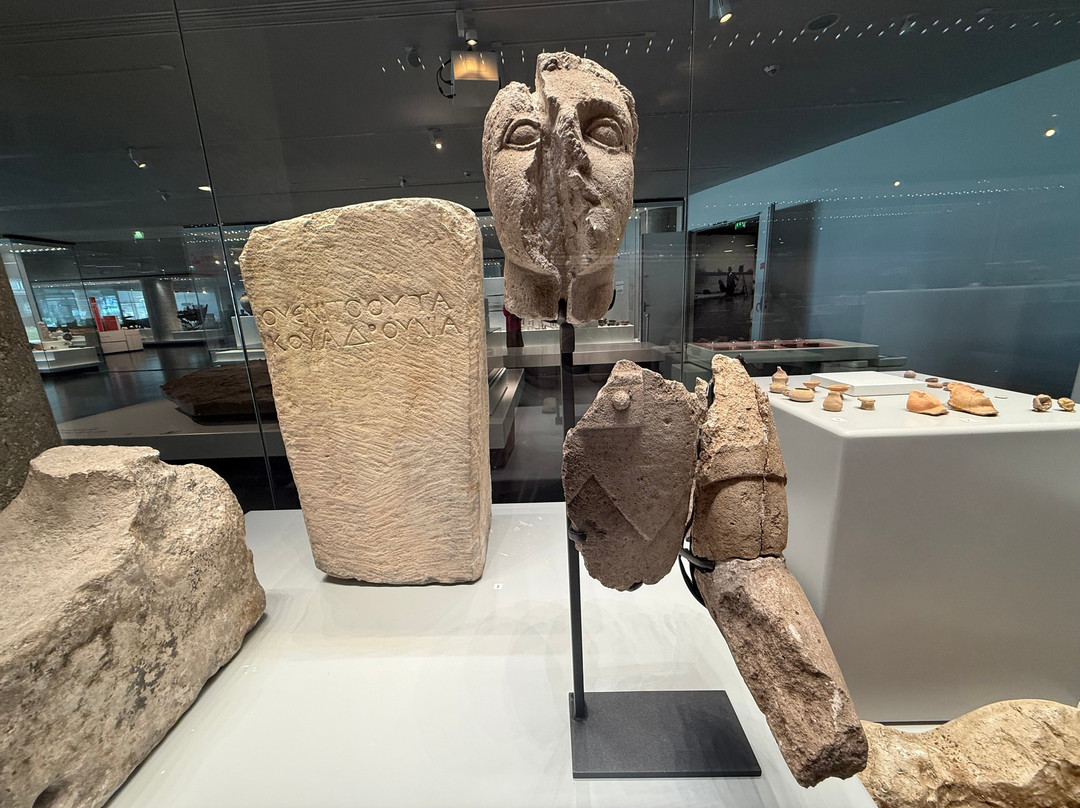
The display of ancient tombs and burial enclosures was also very interesting, although the skeletons might be a bit confronting if you have children with you.
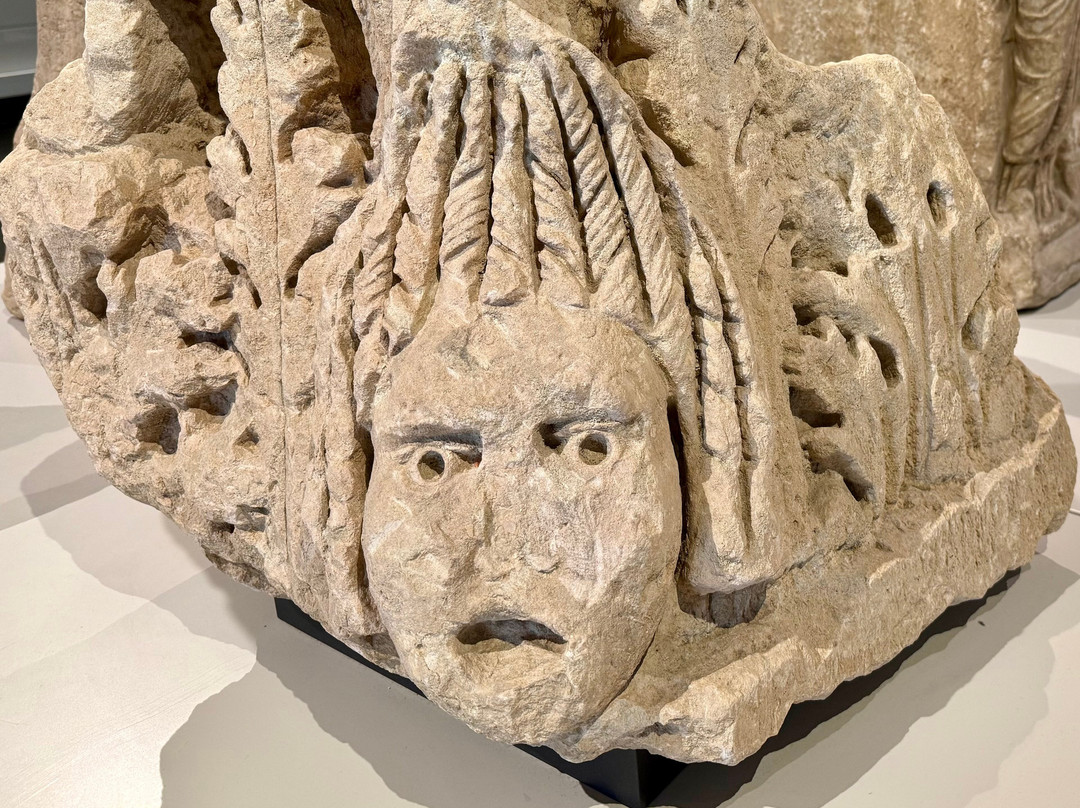
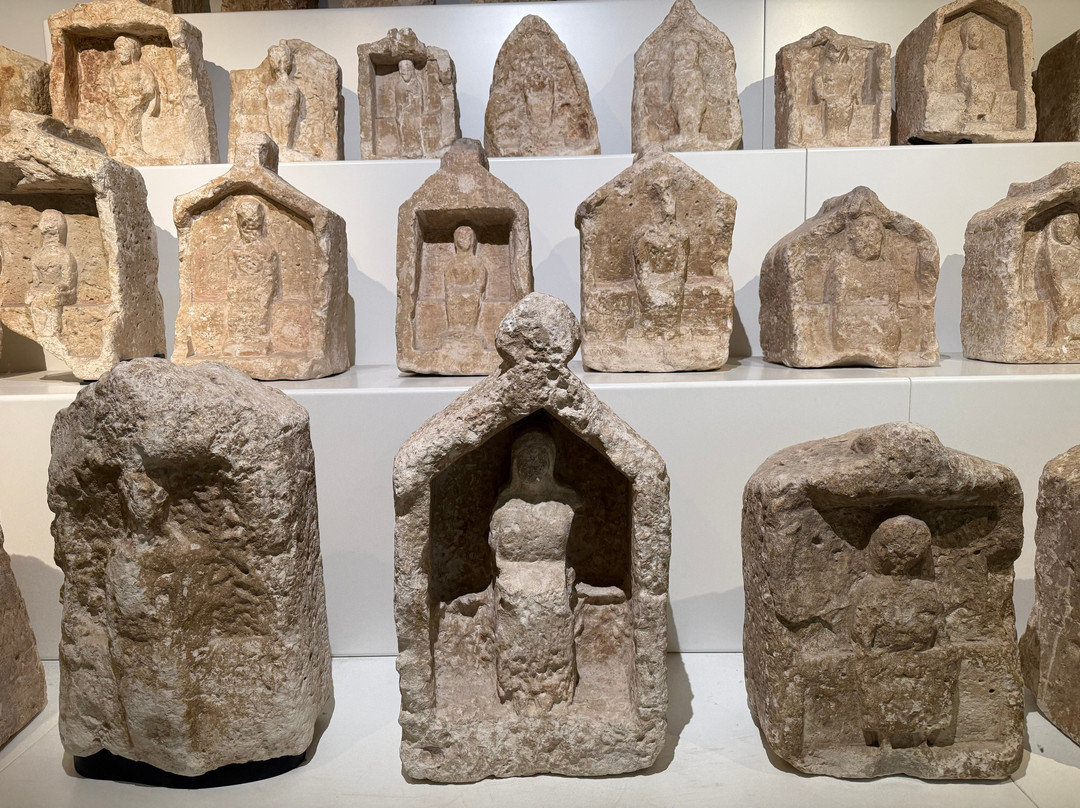
A wall containing around 50 small female gods caught my eye. These limestone figures each sit in their own tiny, temple-like niche and are display in row after row. These figures or ‘naiskoi’ were ancient goddesses, found in a Greek Ionian temple that dates back to 500 B.C. They are fairly worn so it was hard to make out their faces or any particular features, although each one was individual.
The museum follows a chronological order, with the collection of ancient ships nearest the entrance.
Exhibitions are well spaced out in stark, white rooms. In any case, it doesn’t seem to get crowded. Even in the middle of the day in summer, we had the place almost entirely to ourselves.
It’s only a relatively small museum and if you allow about an hour, it’s probably enough time to cover everything.
Unfortunately for us, information is mostly in French. Whilst there are some descriptive signs in both French and English, there’s not a lot and these mainly consisted of an introductory section at the entrance to each new room.
翻译:这是一座免费开放的优秀博物馆,距离老港口仅几步之遥,因此我们很轻松地就把它纳入了行程安排。
该博物馆致力于展示马赛从古至今的历史,不过内容更侧重于这座城市在古希腊和罗马时期的起源。
这并不奇怪,因为许多展品(包括那些古老的船只)都是在博物馆所在地发掘出来的。
博物馆的开放式……前方的草地地带曾是古希腊城市马萨利亚以及古罗马港口的所在地。如今在这里仍能看到古罗马时期的铺路石,以及码头与泊位的遗迹。
这些古代文物是在20世纪60年代被发现的——当时人们开始在博物馆后方建造购物中心。其中最引人注目的发现是一艘可追溯到3世纪的大型罗马商船,它被称为“德·拉·布尔号”。后来由于港口被咸水淤泥堵塞,这艘船便被弃用。它陈列在博物馆中,是世界上保存最完好的古船之一。
古代墓穴与葬礼用围墙的展示也相当有趣,不过如果您是带着孩子一同参观的话,那些骷髅可能会让他们有些害怕。
一堵刻有约50个小型女性神像的墙吸引了我的注意。这些石灰岩雕像各自安放在类似小庙宇的壁龛中,成排排列着。这些雕像或称作“naiskoi”,其实都是古代的女神。这些雕像发现于一座可追溯到公元前500年的希腊爱奥尼亚风格的神庙中。它们已经相当磨损,因此很难辨认出面部特征或任何细节,不过每一个雕像的造型都是独一无二的。
博物馆按时间顺序进行陈列,最古老的船只模型则陈列在入口附近。展品被有序地陈列在简洁素白的展厅中。无论如何,这里似乎很少出现拥挤的情况。即便是在夏季的正午,我们也几乎独占了整个展馆。这只是一个规模相对较小的博物馆,如果你预留一个小时左右的时间,应该就足以参观完所有展品。
对我们来说不幸的是,馆内的信息大多以法语呈现。虽然有一些描述性标识同时有法语和英语版本,但数量不多,且主要出现在每个新展厅的入口处作为介绍之用。

© 2026 Tripadvisor 版权所有。
部分照片由 VFM Leonardo 提供。
TripAdvisor公司对外部网站的内容一概不负责。优惠价格中不含税和其他费用。
ICP证:沪B2-20200433
沪ICP备20013175号
 沪公网安备31010502005427号
鹰程信息技术(上海)有限公司