下载App
资质规则
旅行
账户

Karrst
Another excellent museum of island life and history
Shetland Museum and Archives的点评
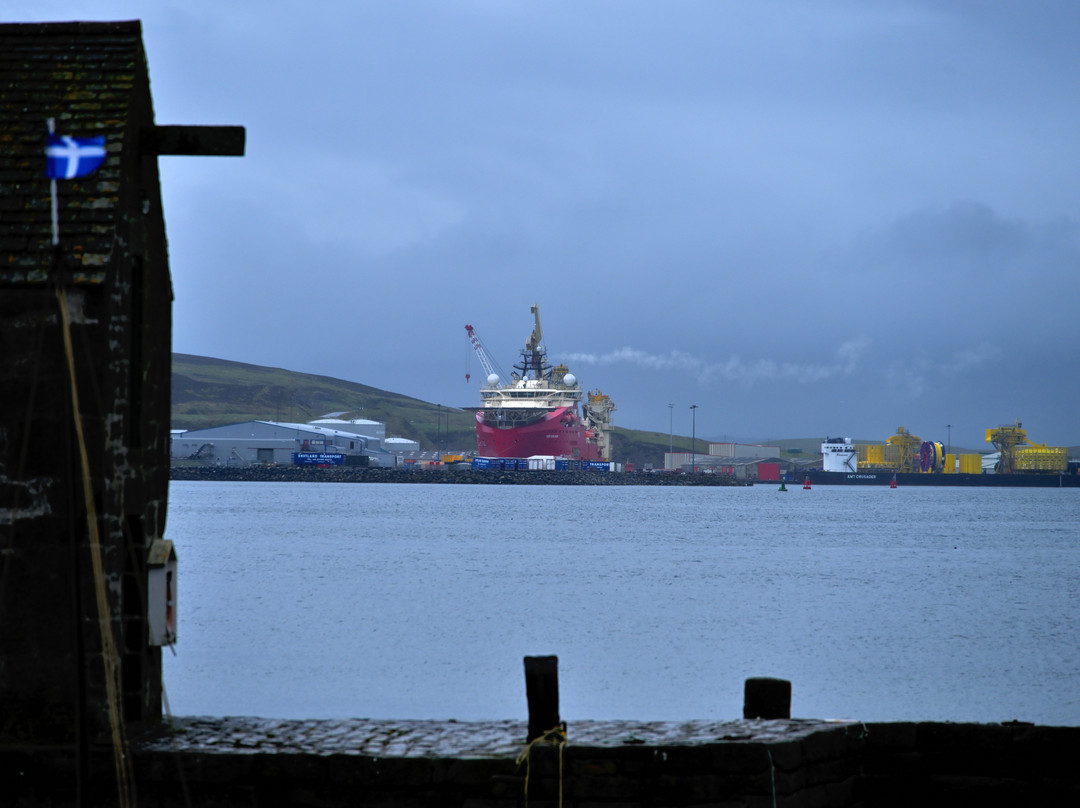
点评:The modern building of the Shetland Museum and Archives is situated on Hays Dock in the heart of Shetland's capital town of Lerwick.
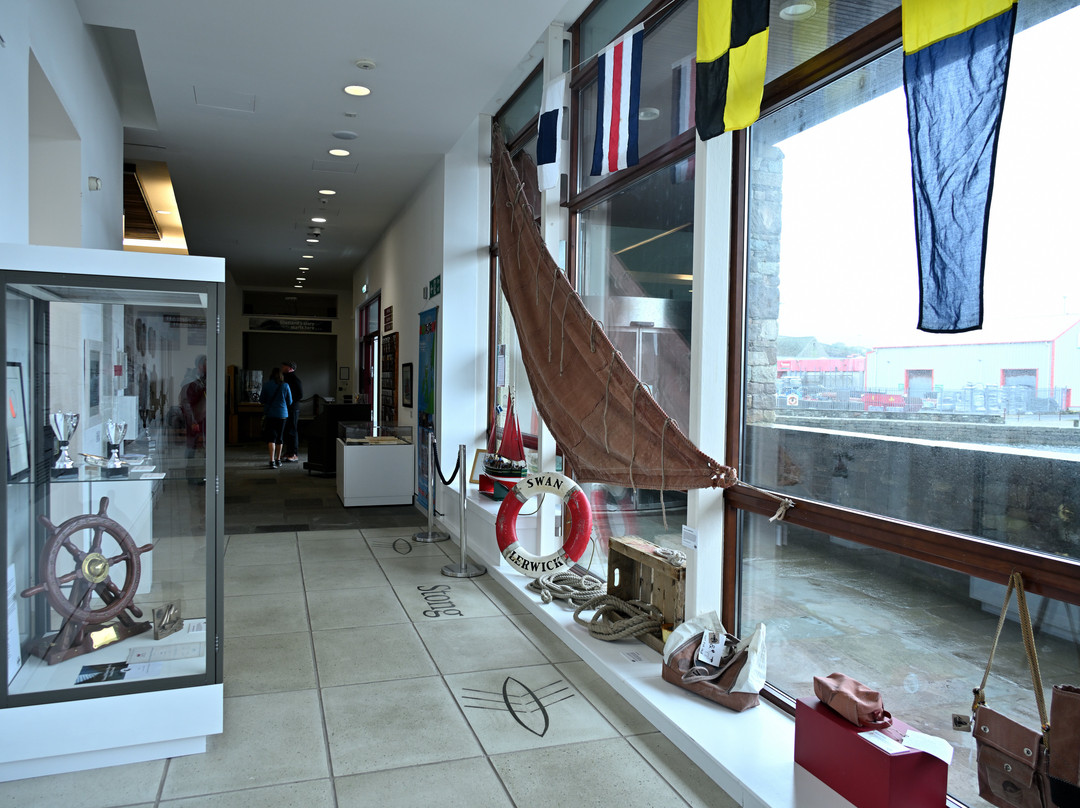
There is ample parking nearby, as you walk up to the museum you get views of the classic Shetland craft in working order which you can often see in use during the summer months, which form part of the exhibitions. Unfortunately for us the weather was not too good and we had to make do with the main museum.
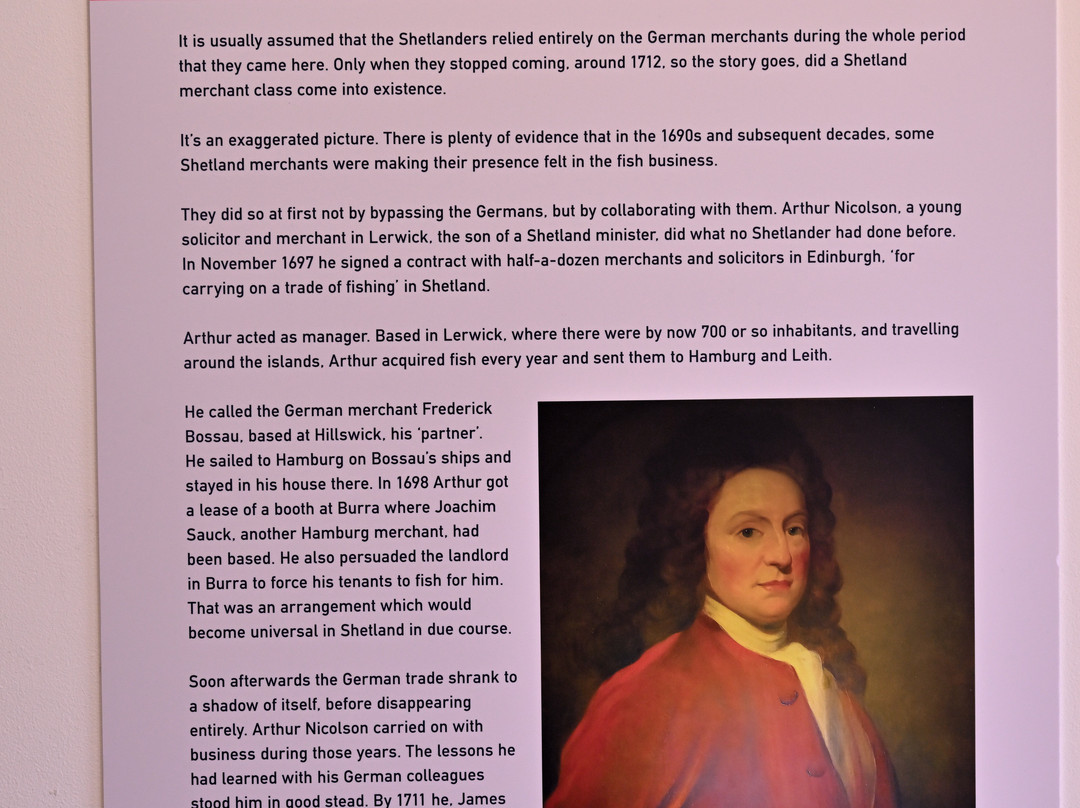
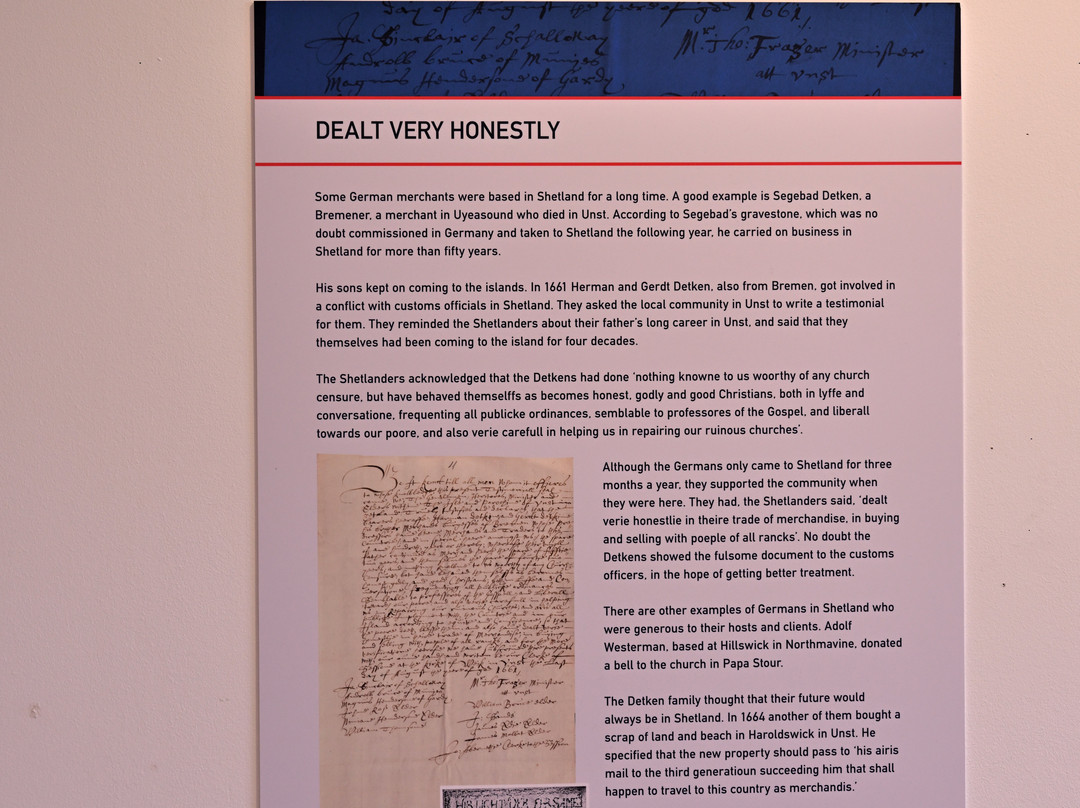
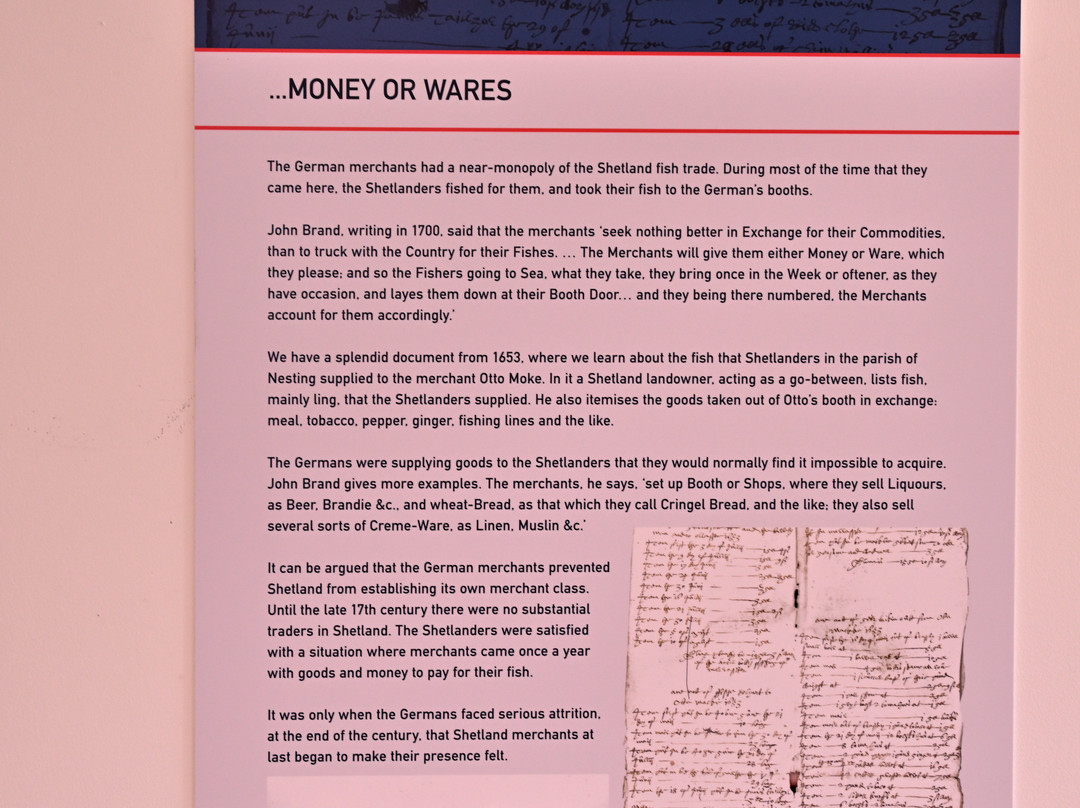
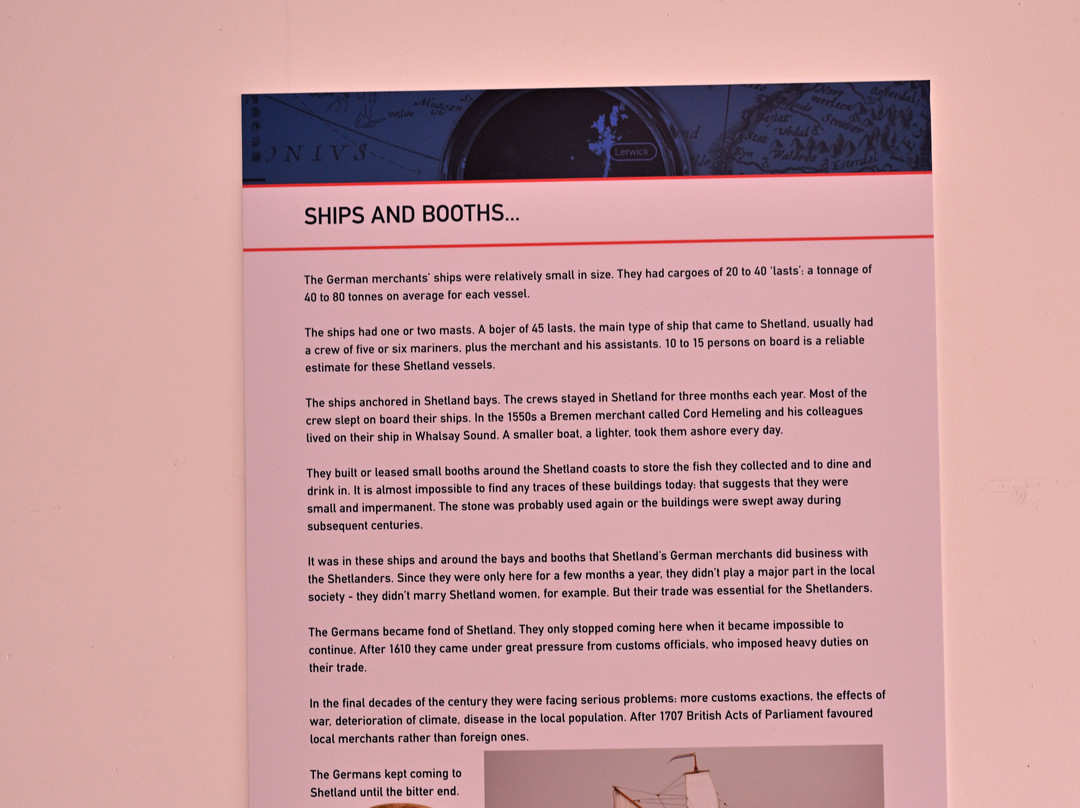
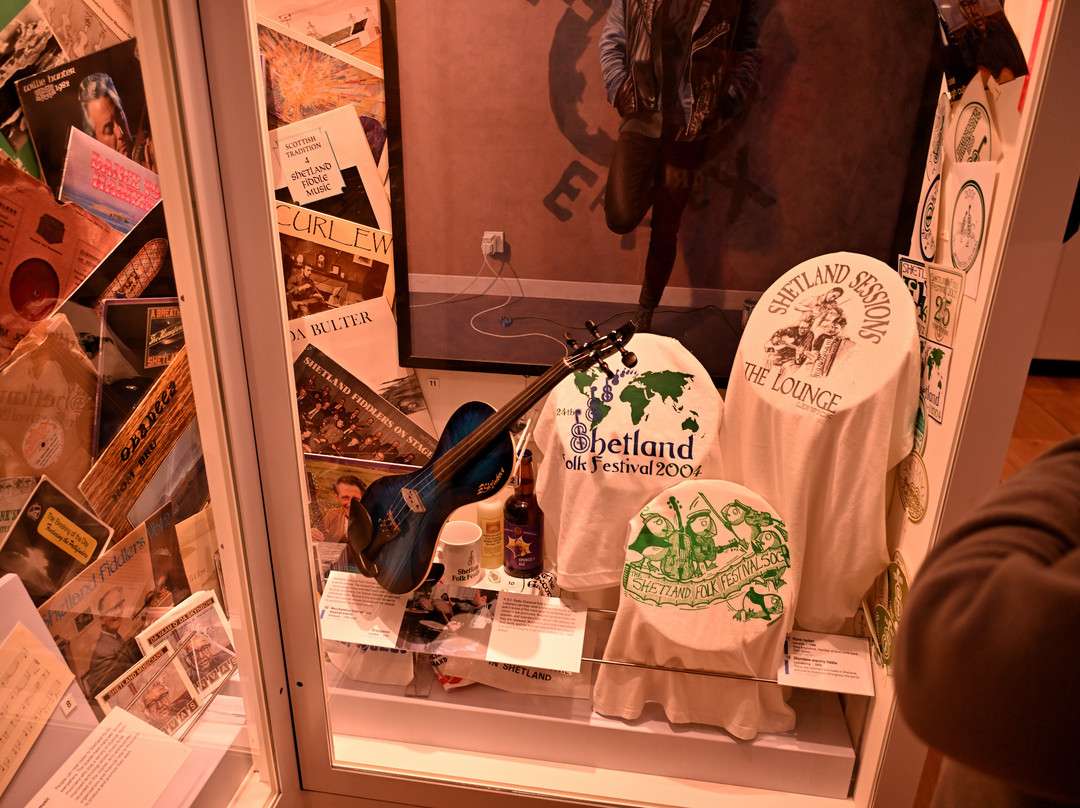
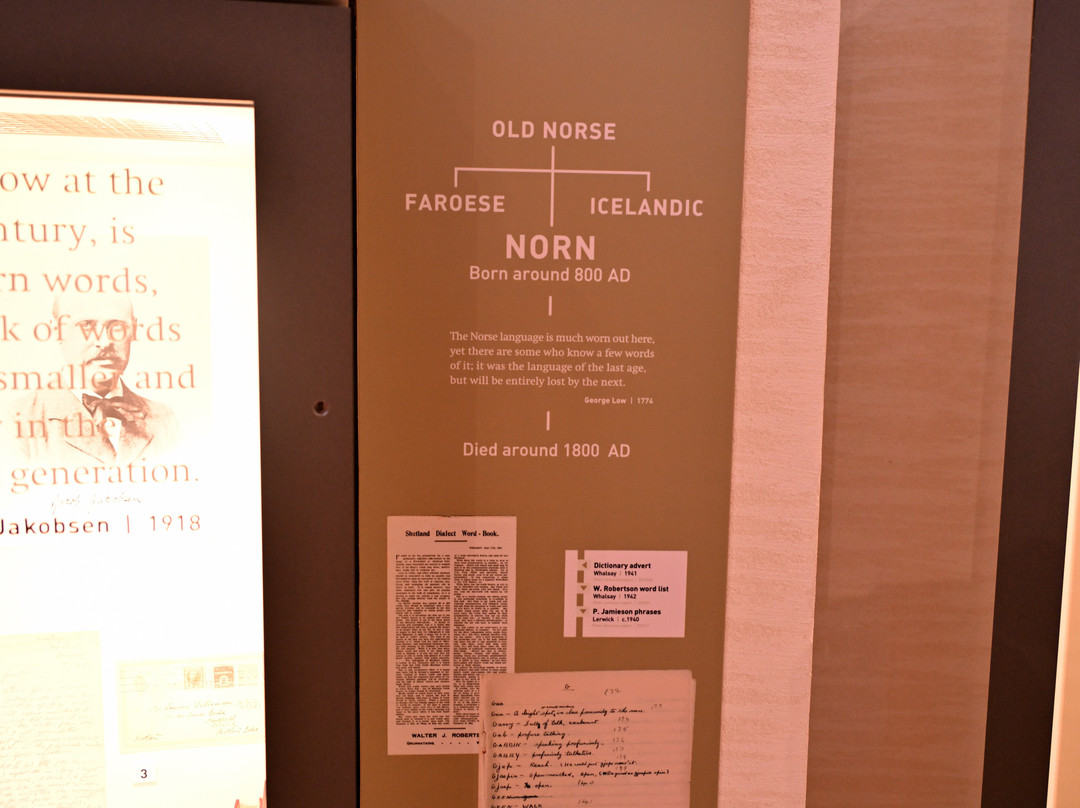
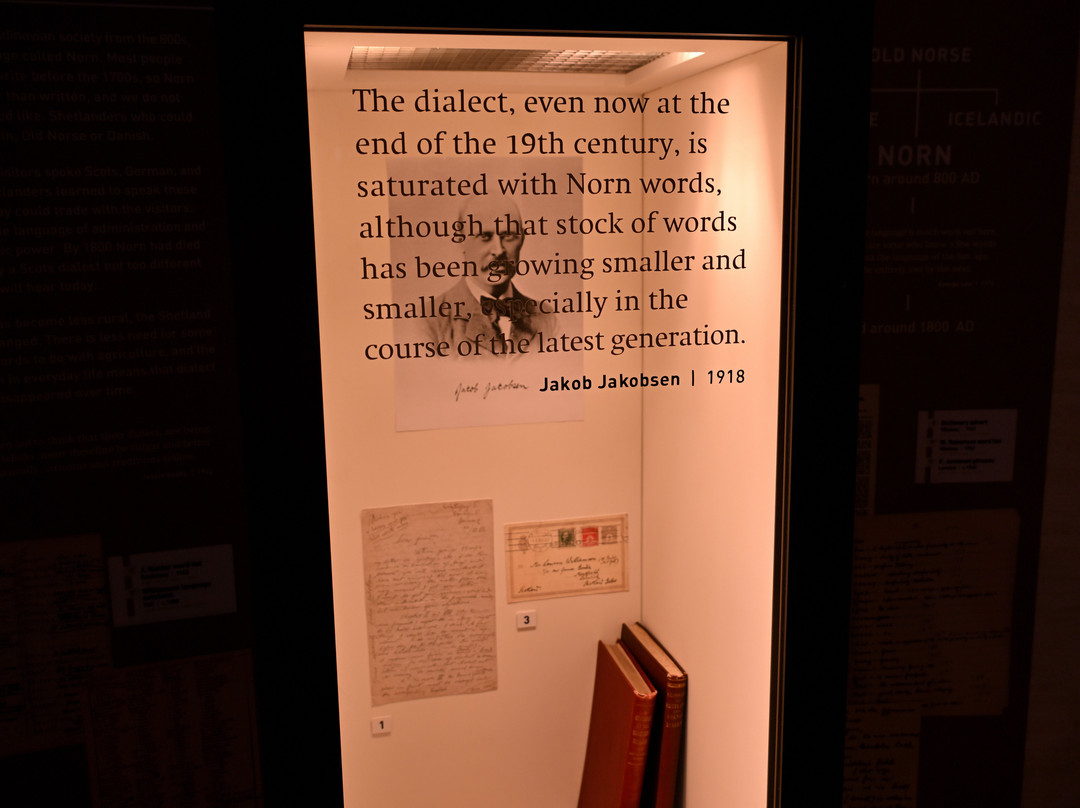
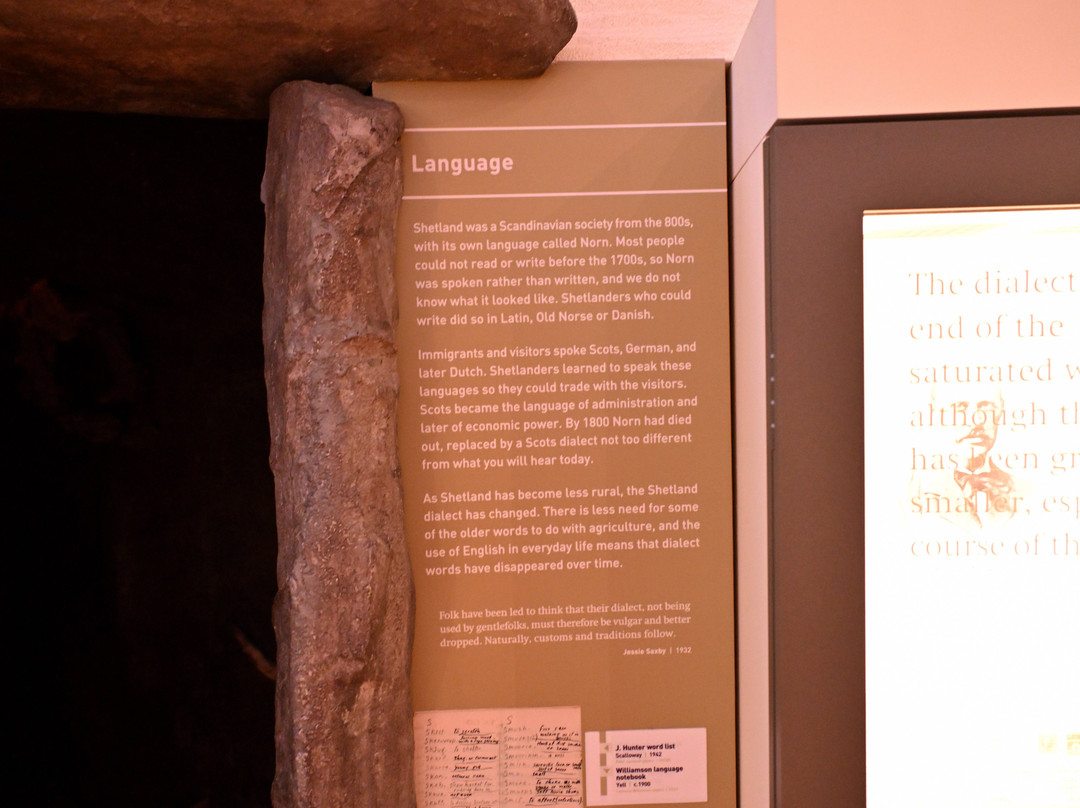
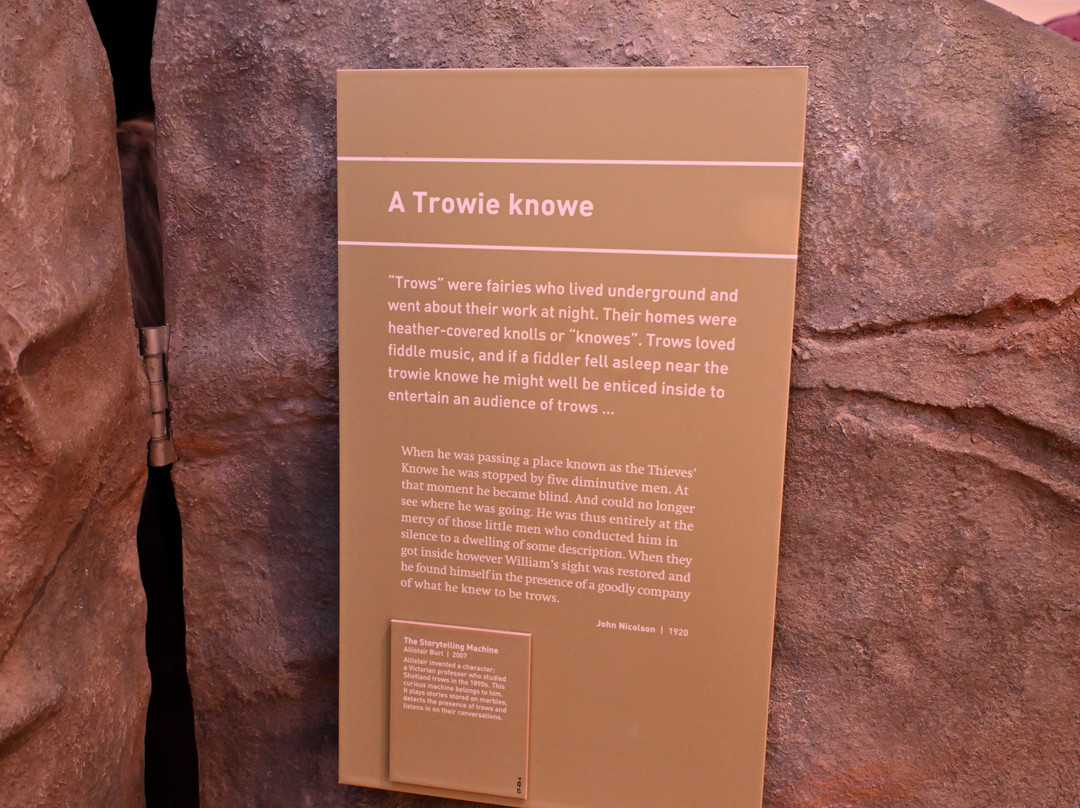
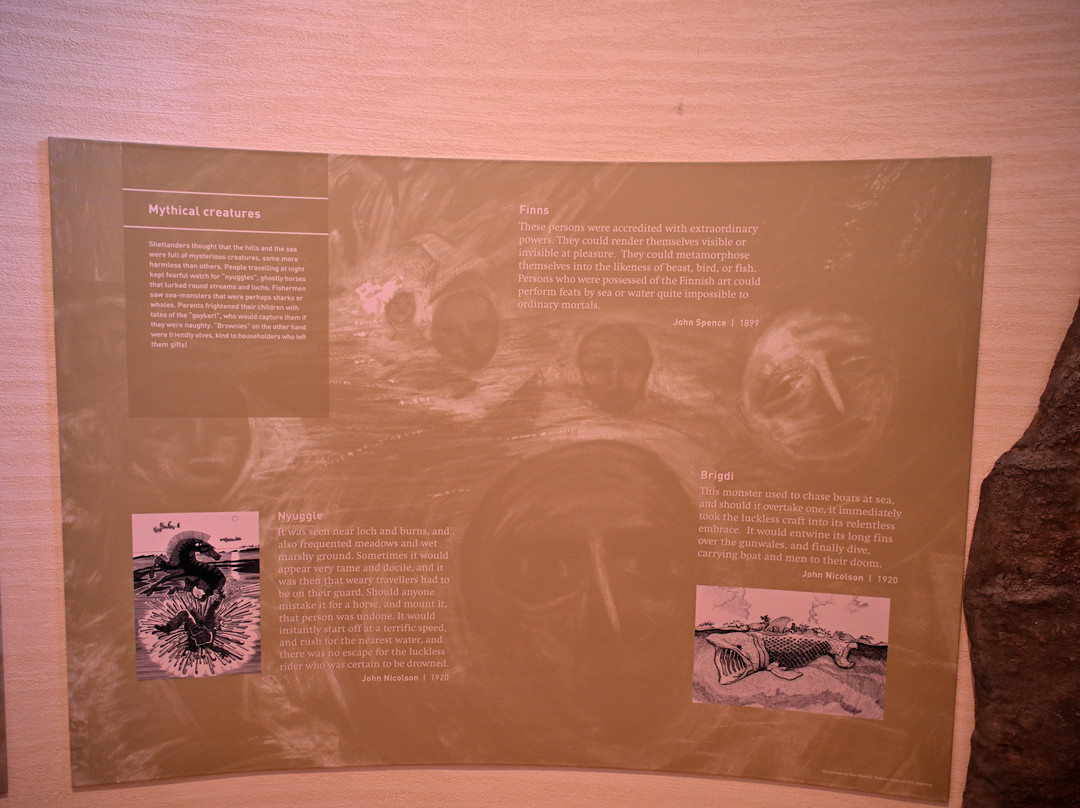
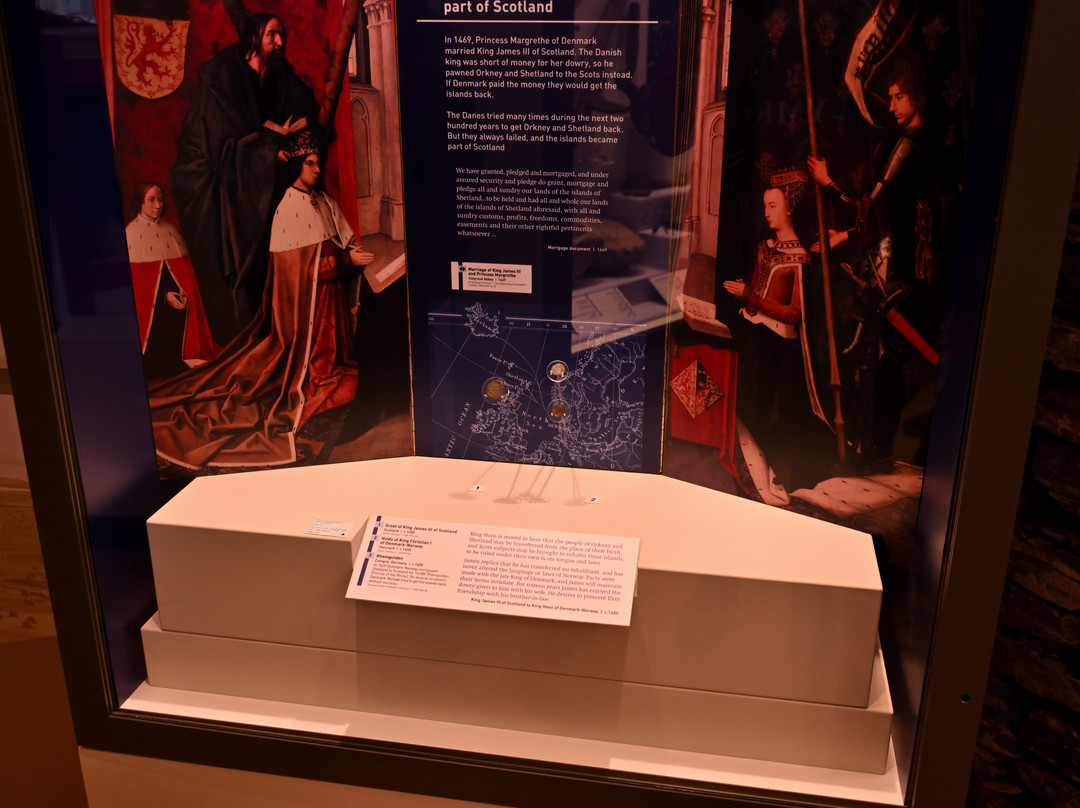
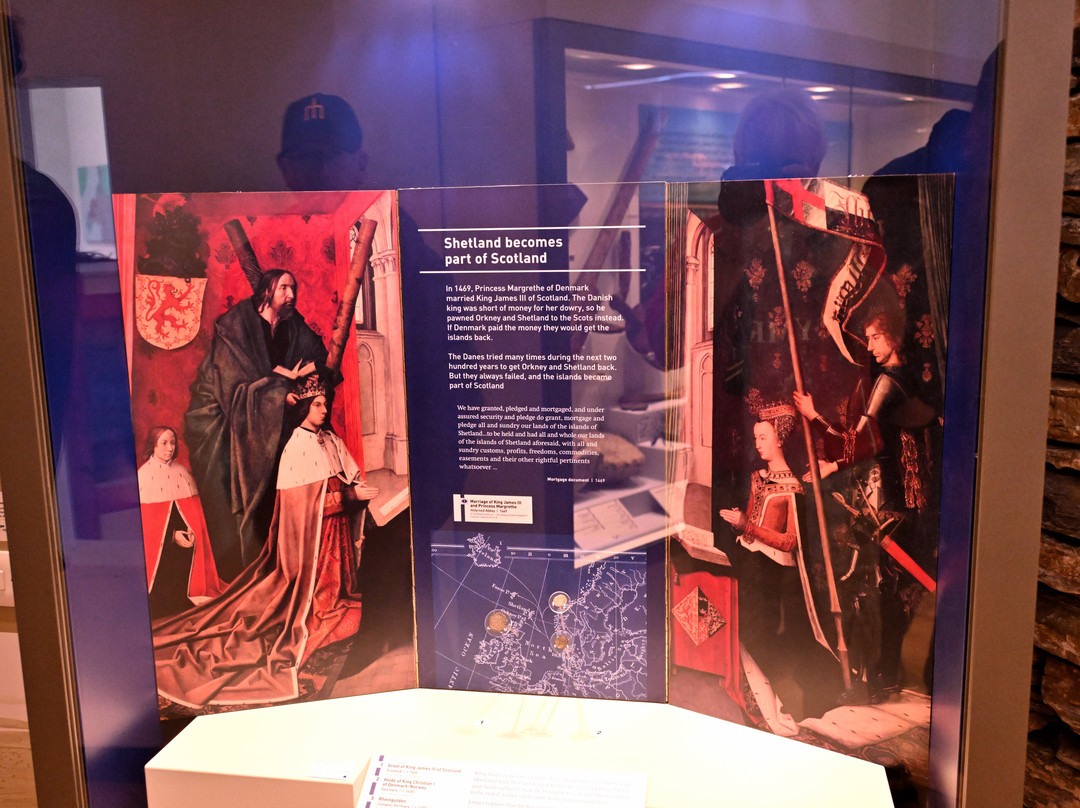
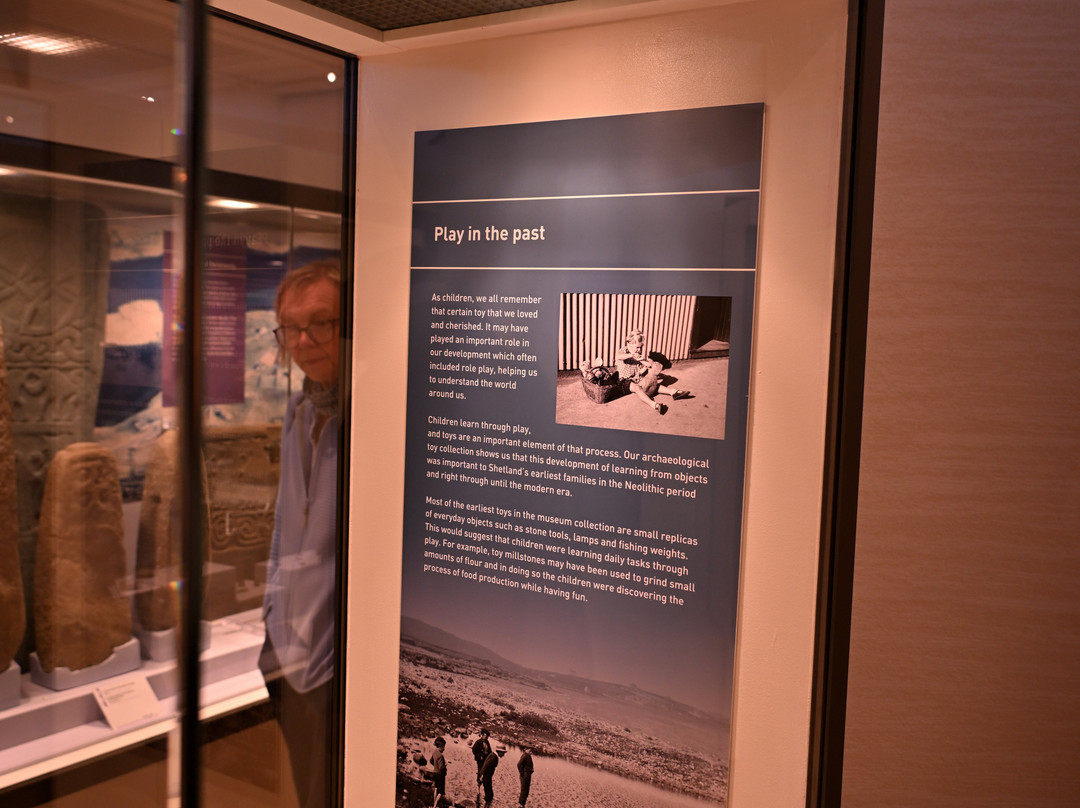
Inside you are met with a very open air space and friendly staff. There is a small souvenir shop as well. Staff were very friendly and helpful on the varied exhibitions with in the museum. There was even a well thought out cloakroom for all the wet weather gear that people had on, so that you need not carry with you making the museum more enjoyable world renowned collections, from geology and archeology, to island life, the fishing and maritime history, along with industries and the development of the island, during war and peace. Each display has excellent information on what the display is about or the history it depicts.
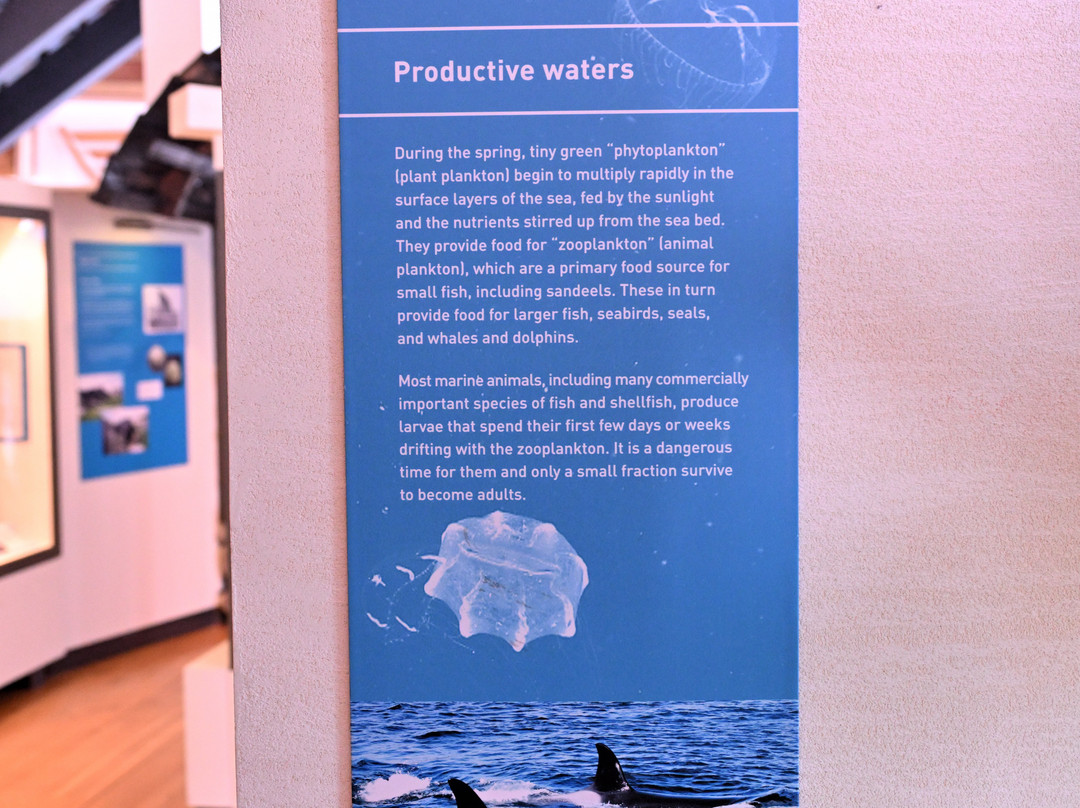
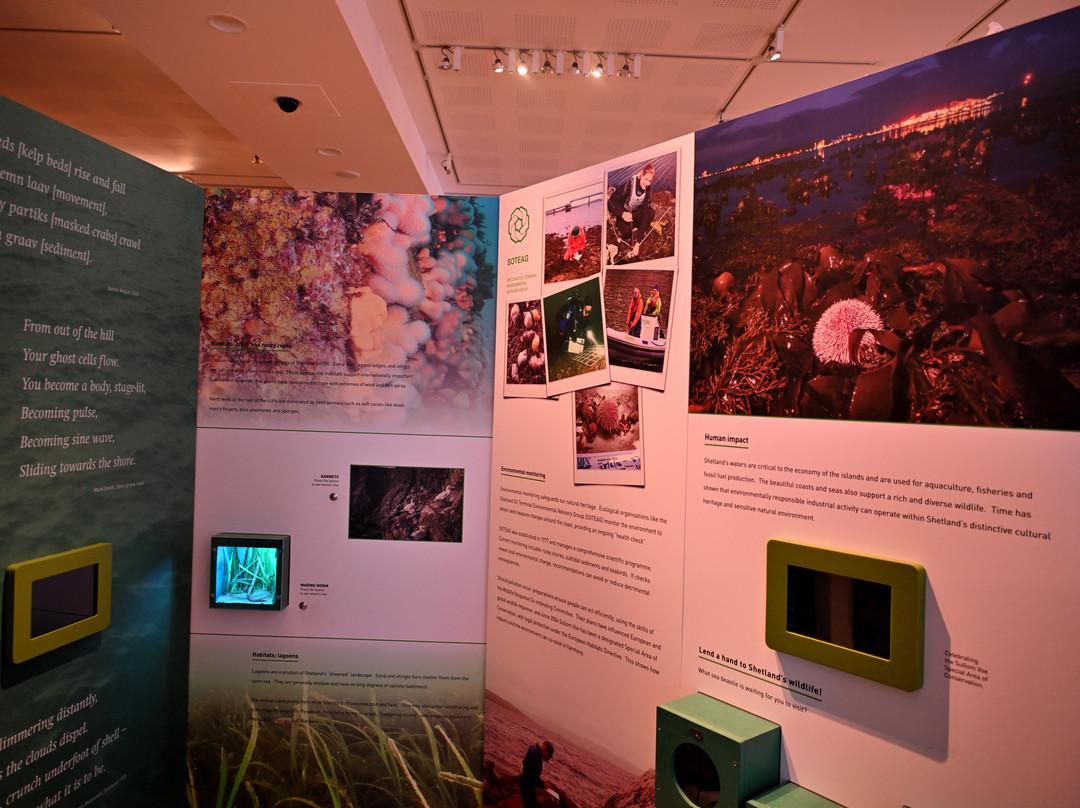
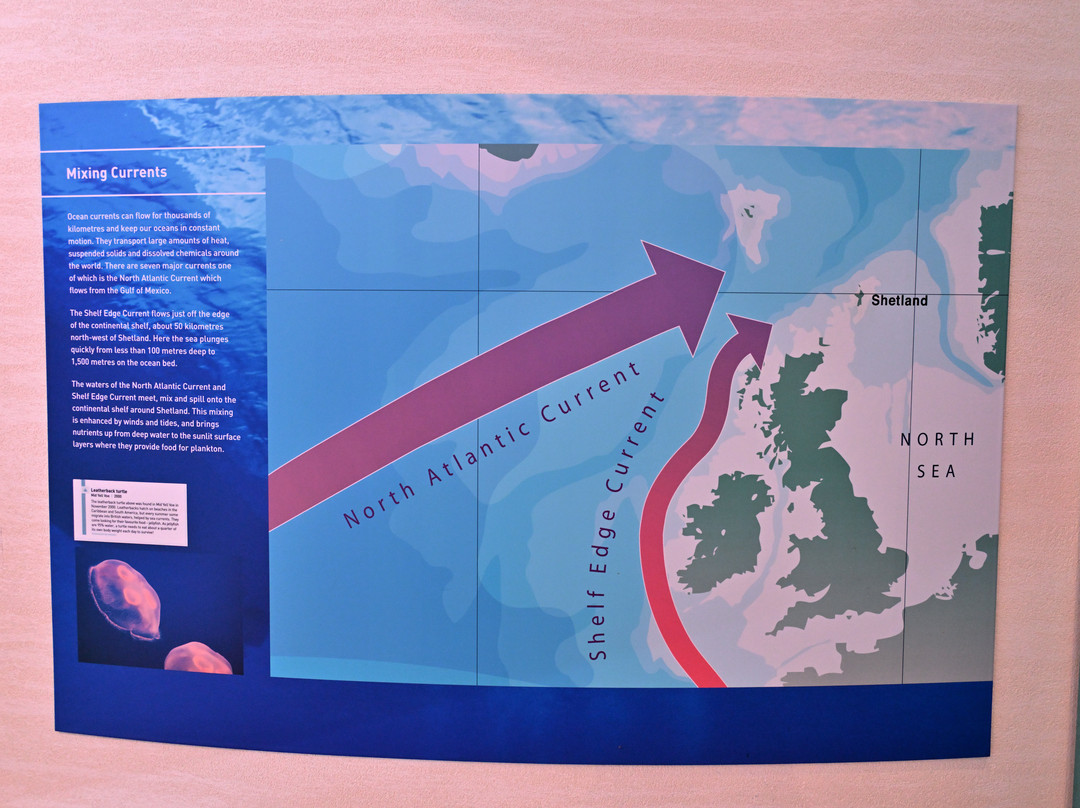
The Shetland Museum has a small, but excellent collection of natural sciences especially the geology with a wide variety of rocks and minerals, as well as numerous displays of plants and lichens. There is also displays of local bird and sea life.
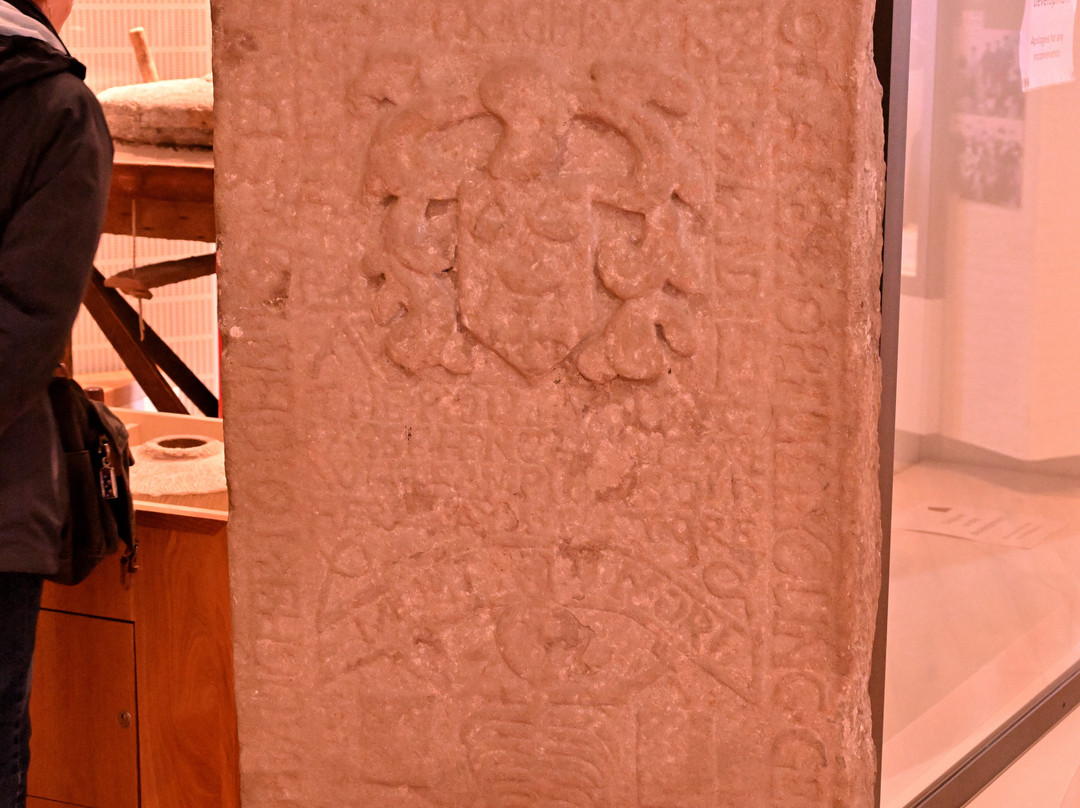
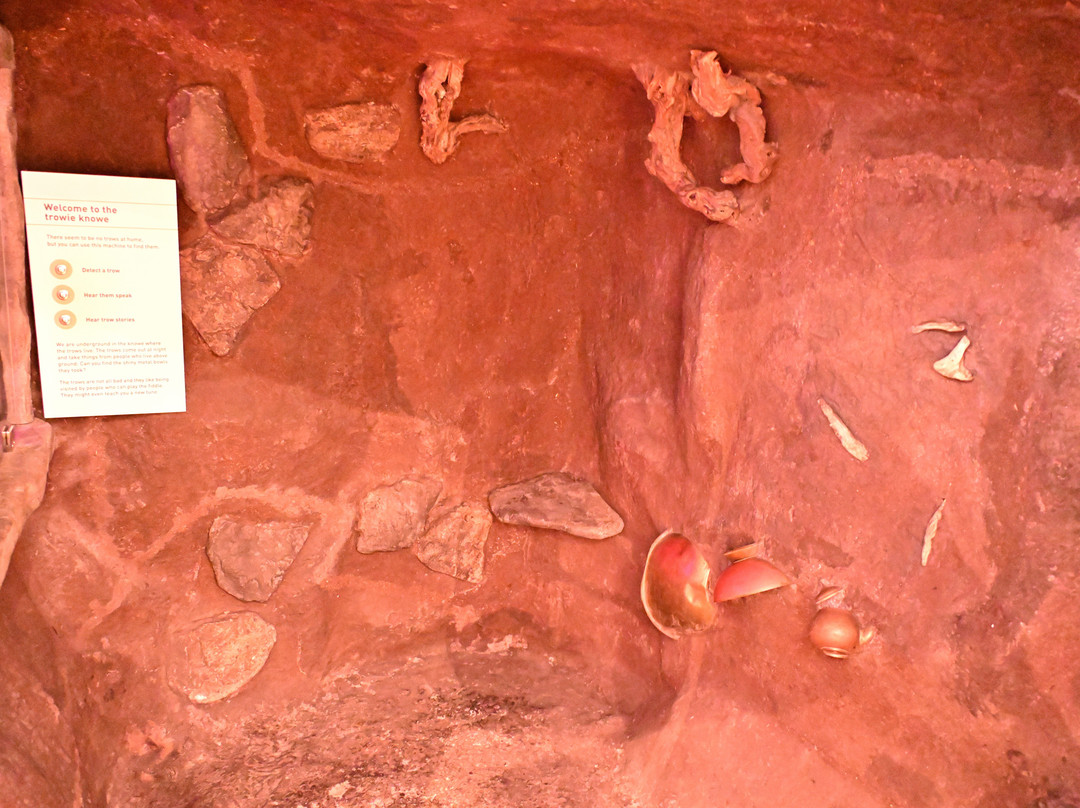
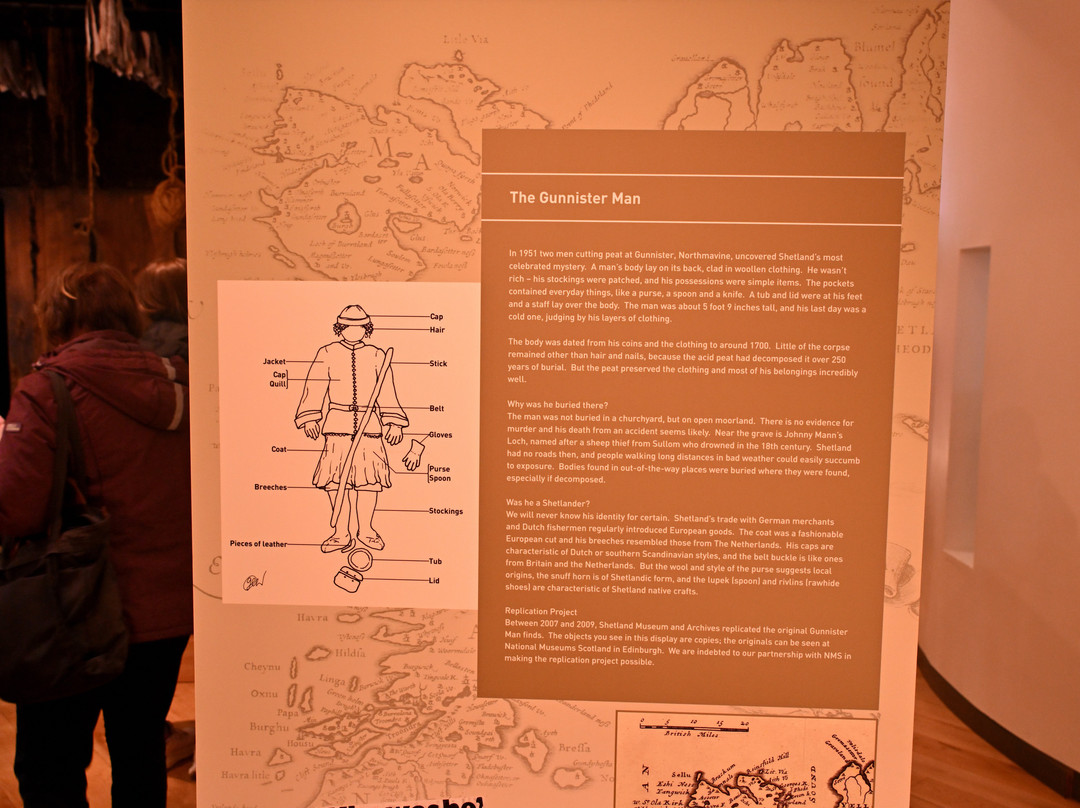
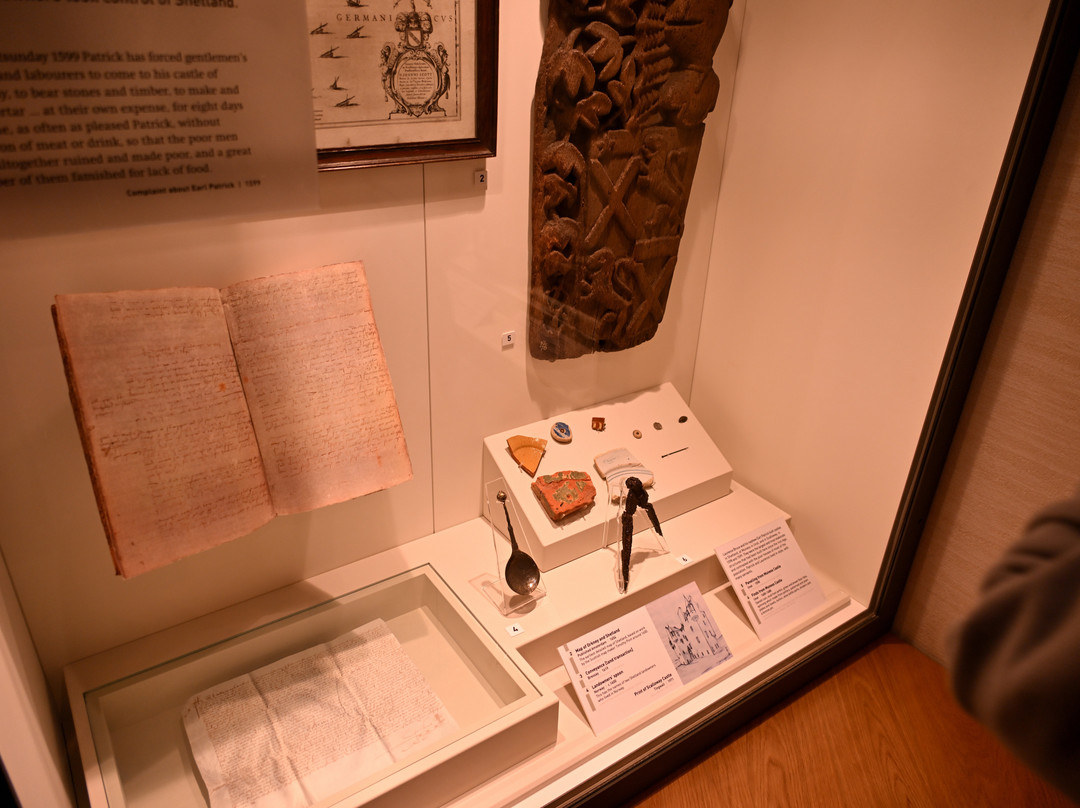
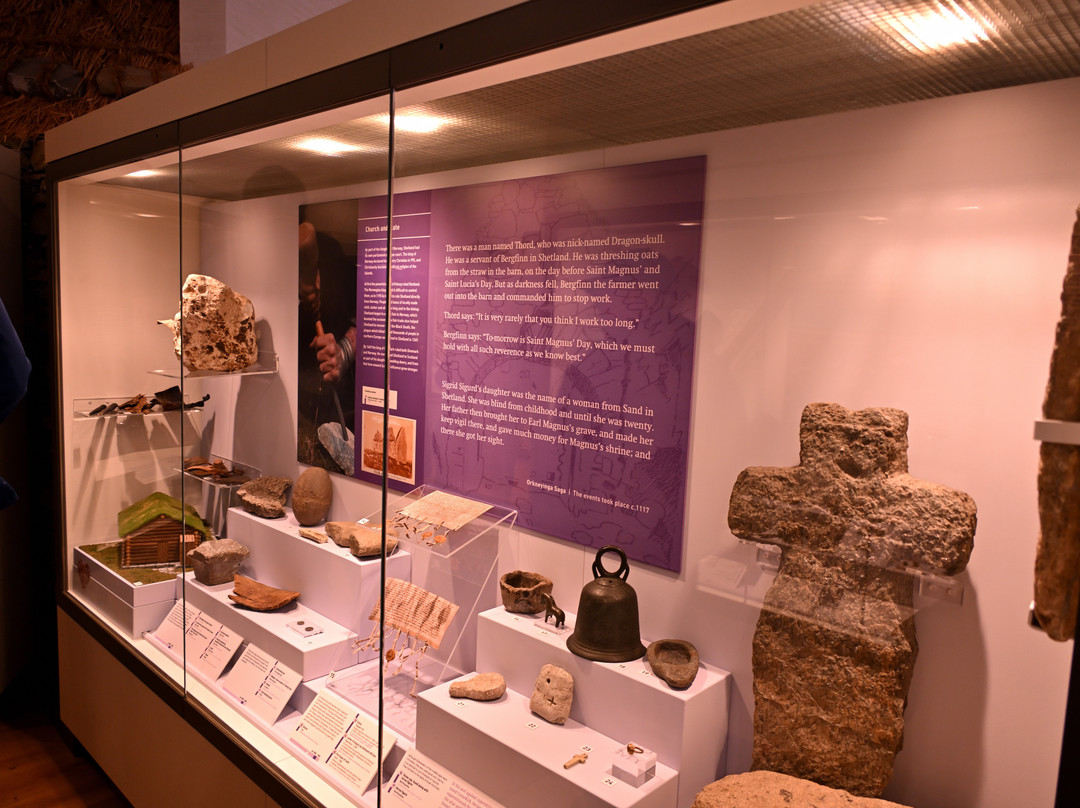
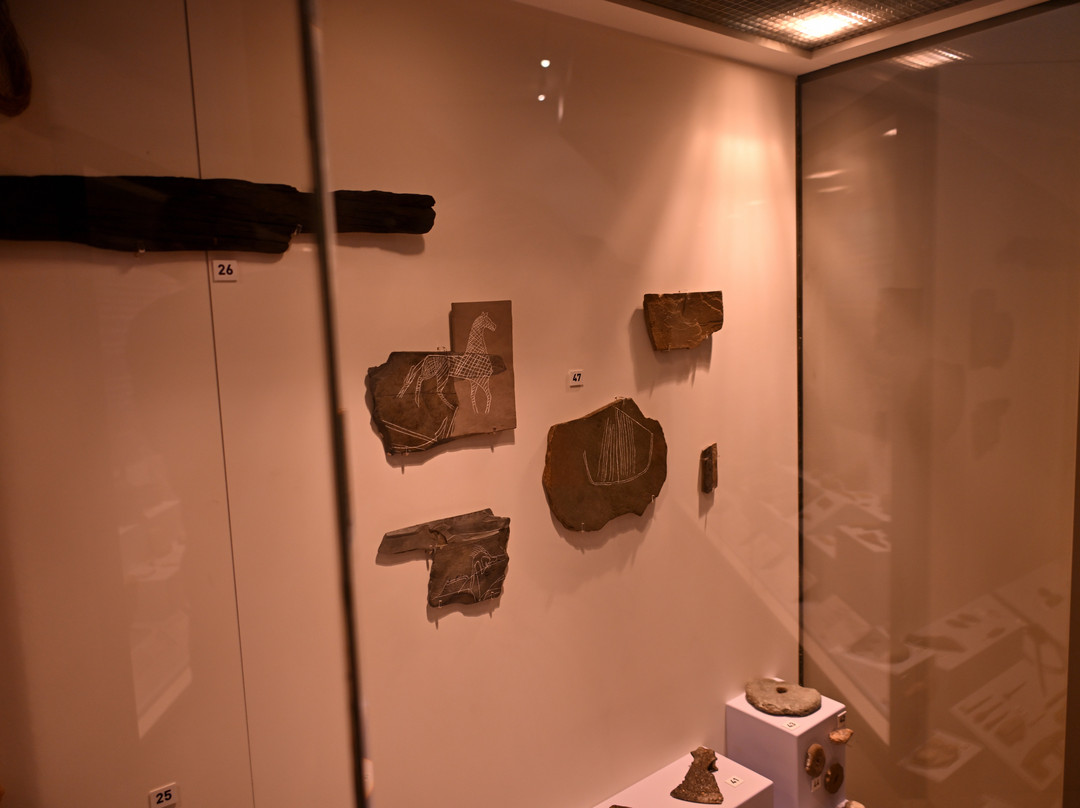
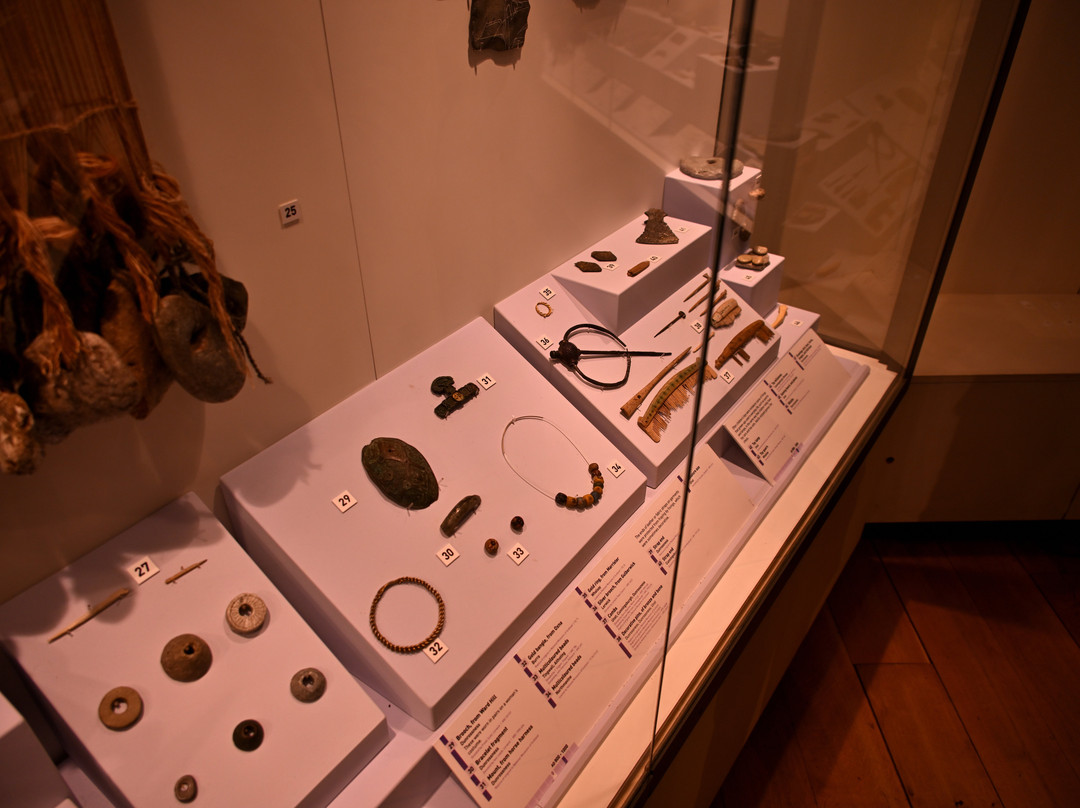
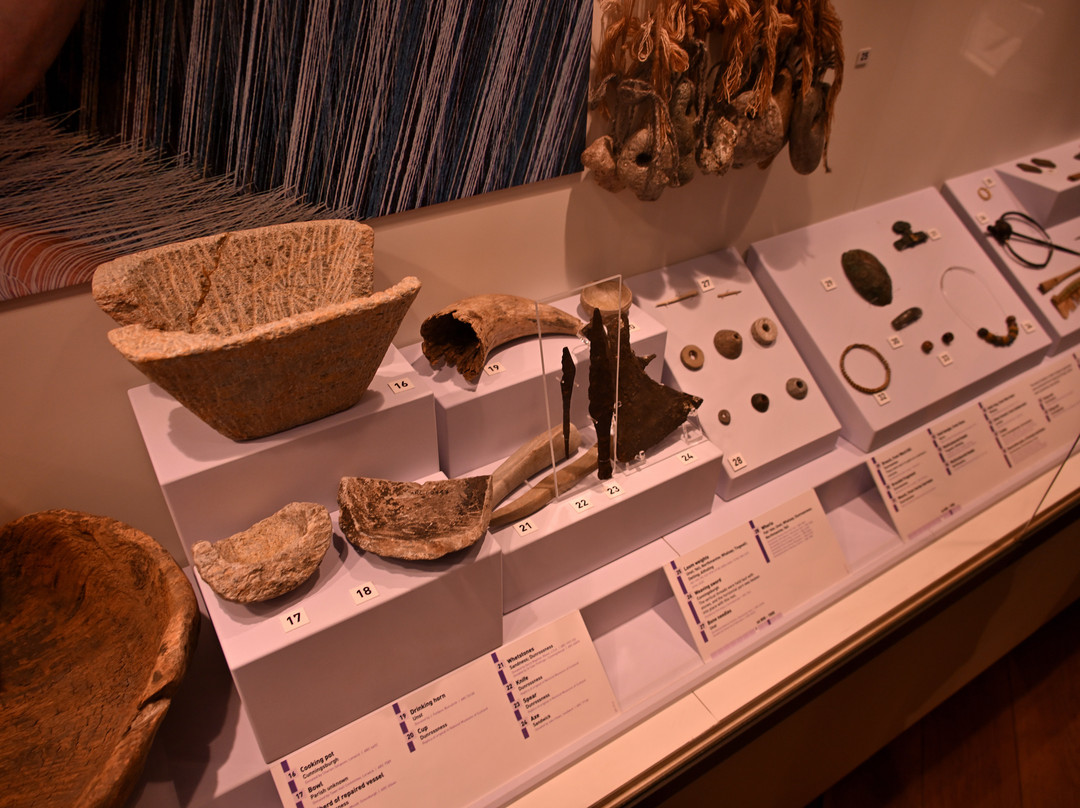
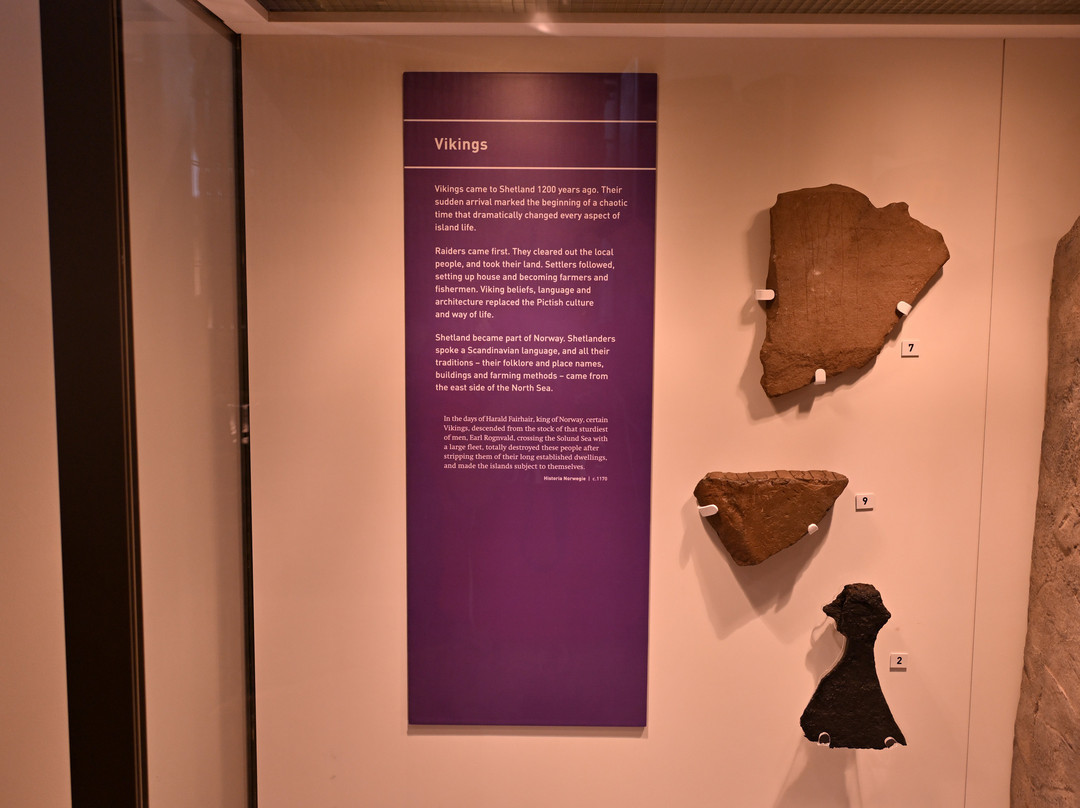
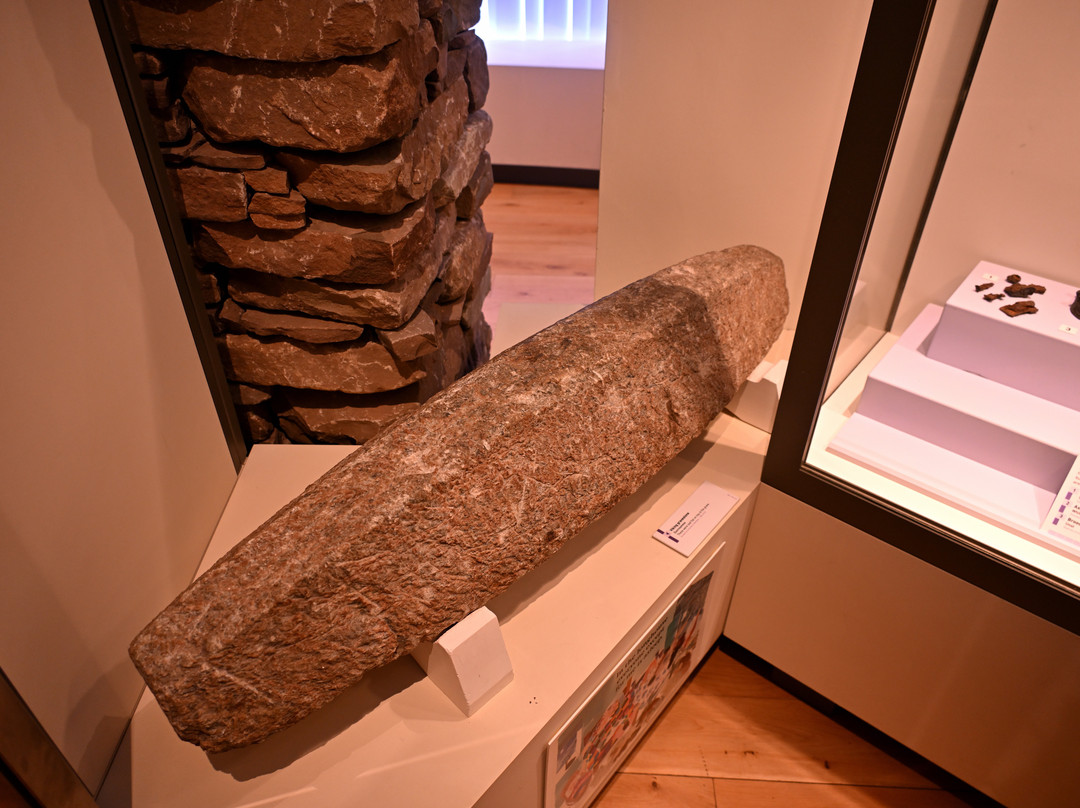
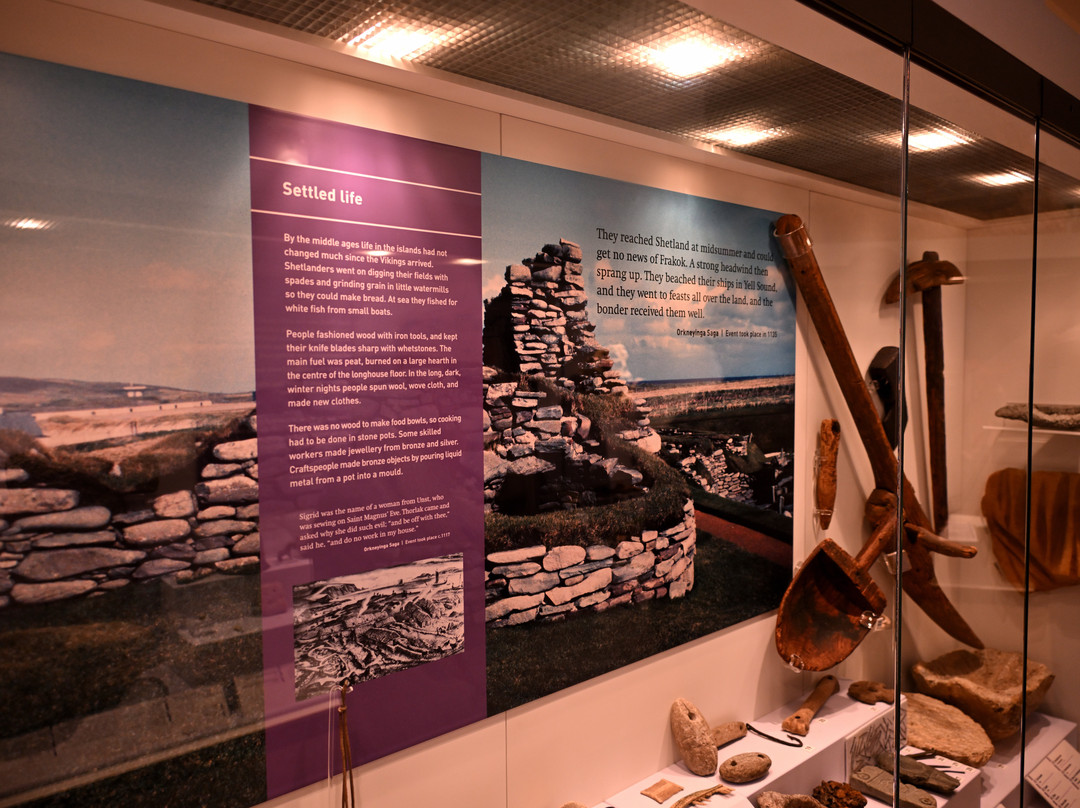
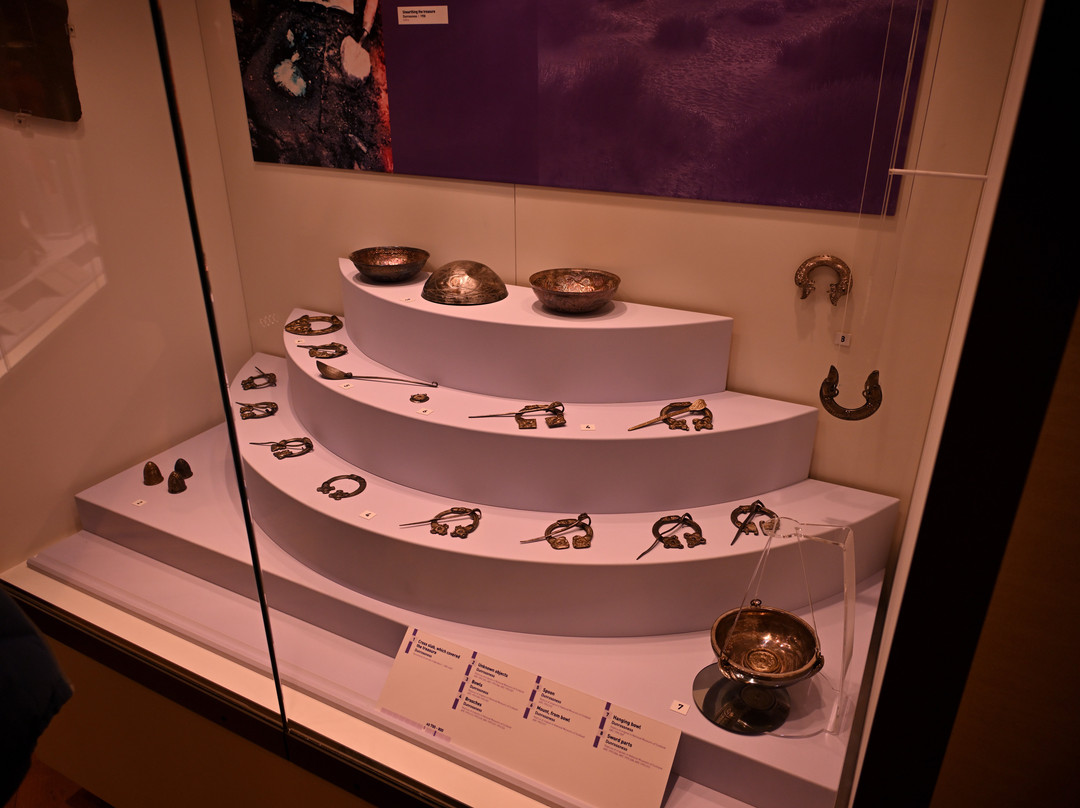
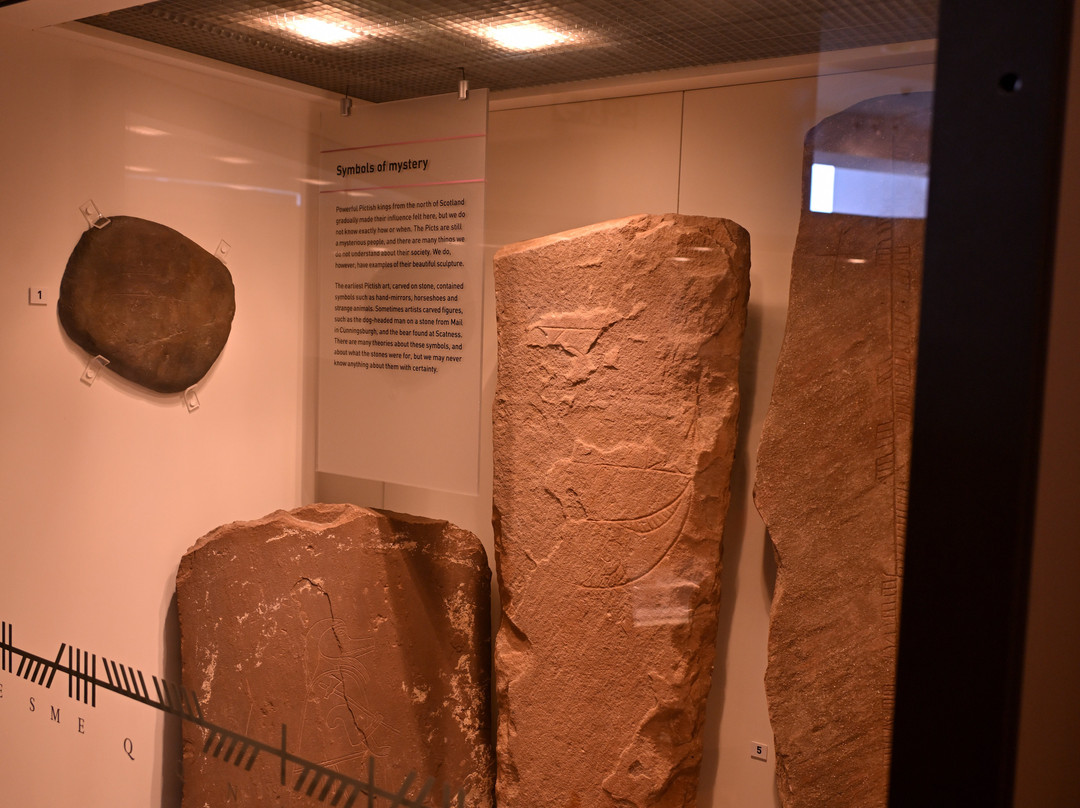
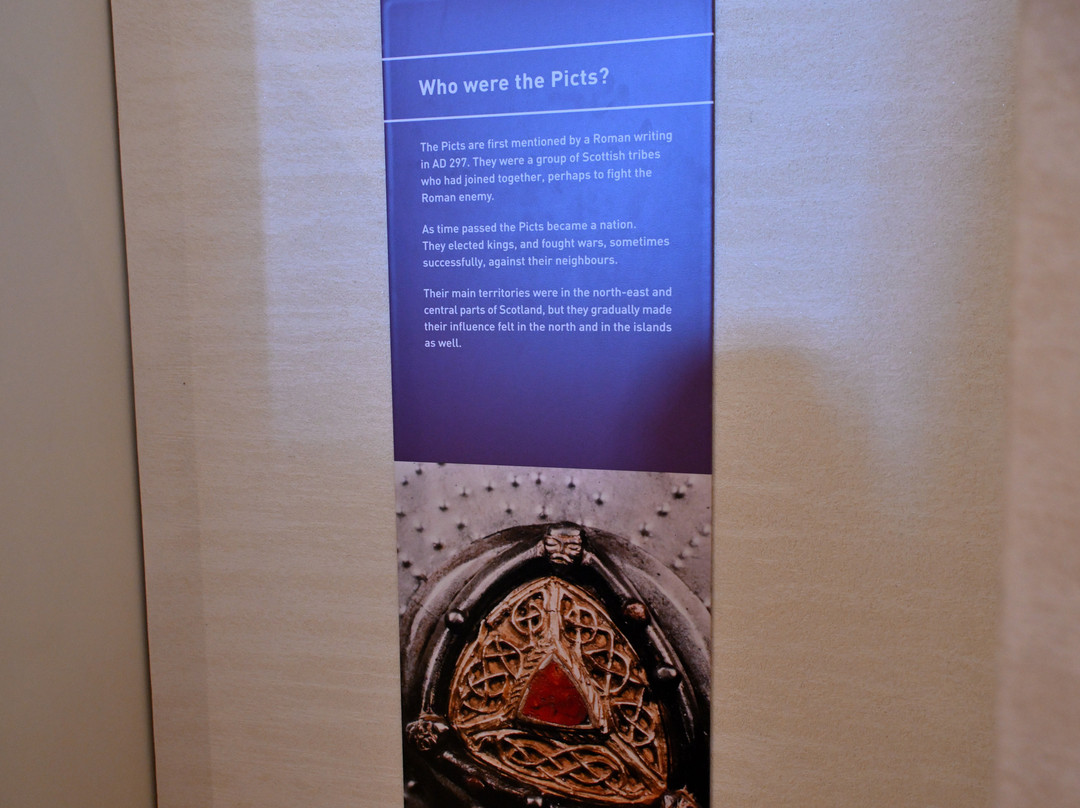
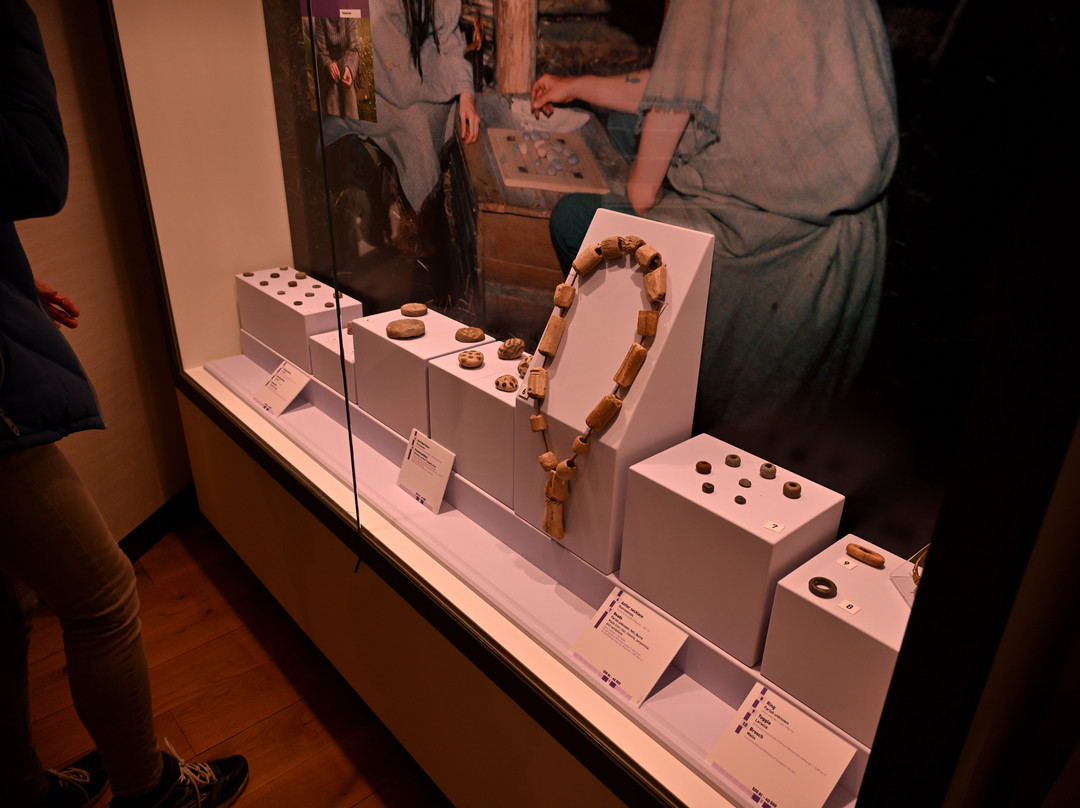
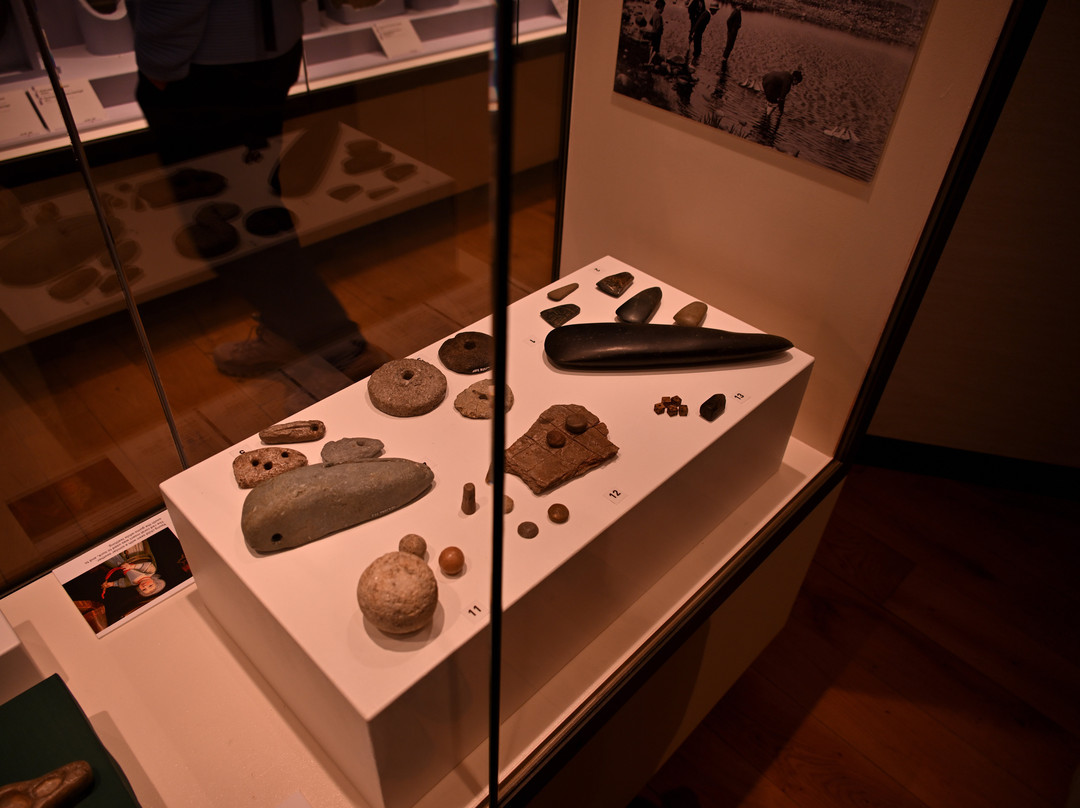
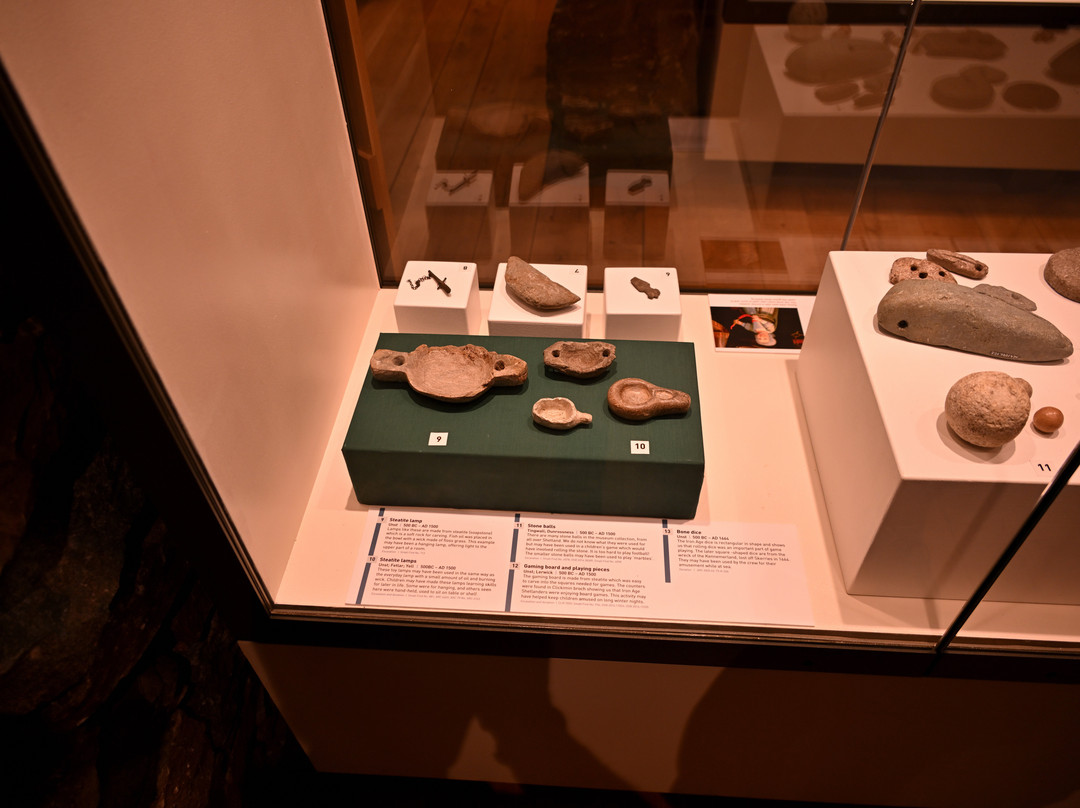
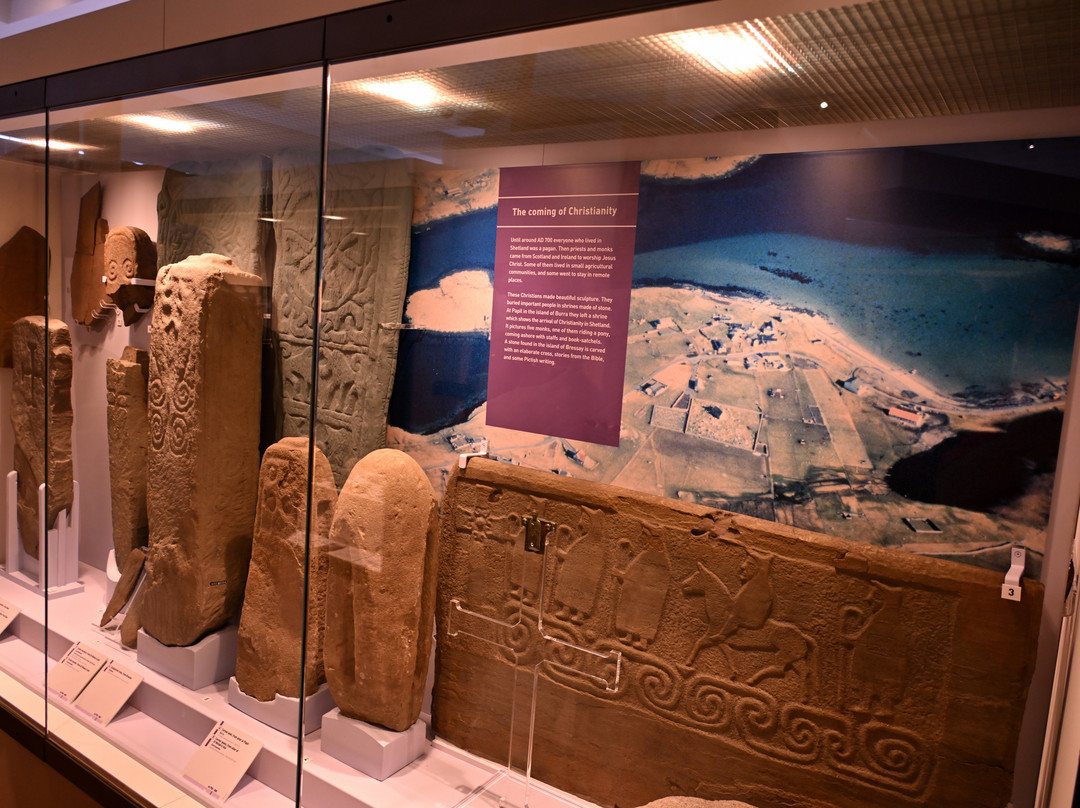
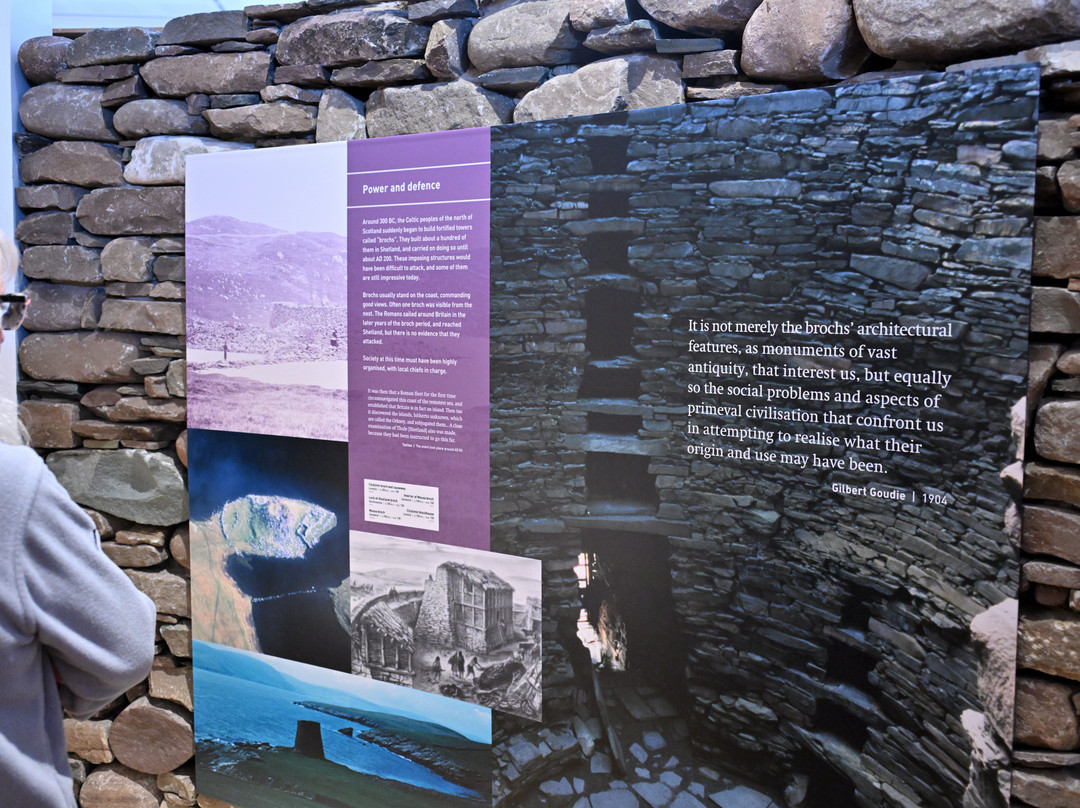
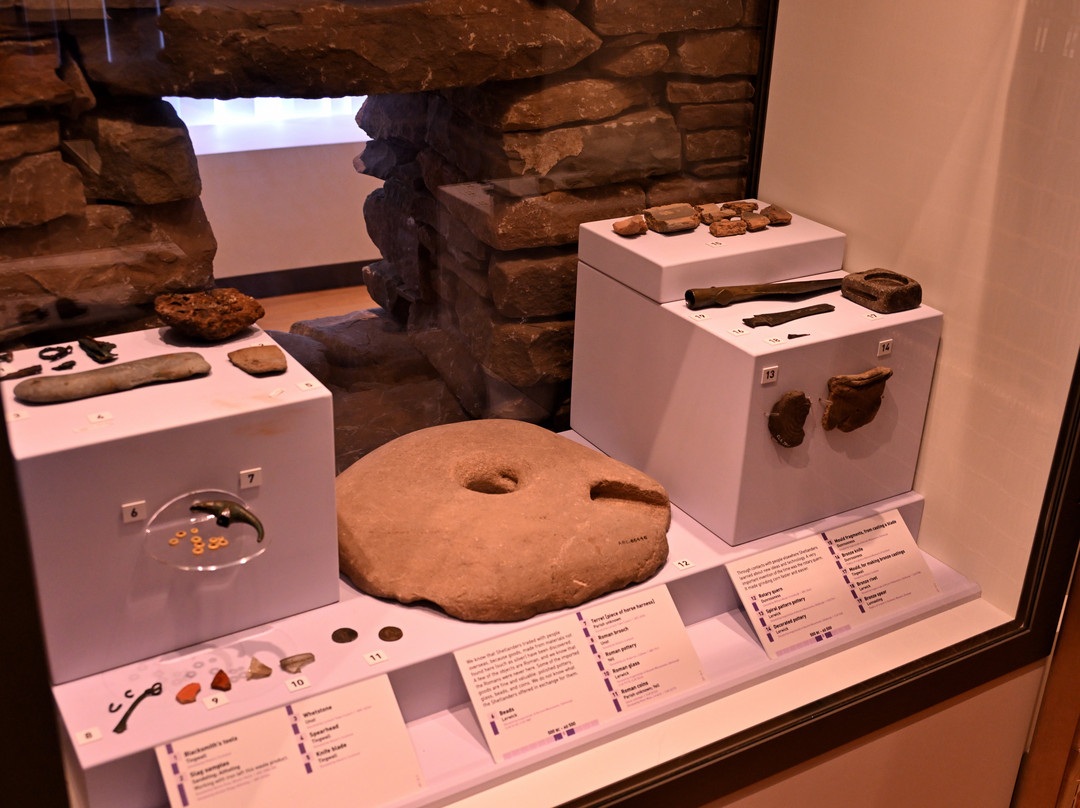
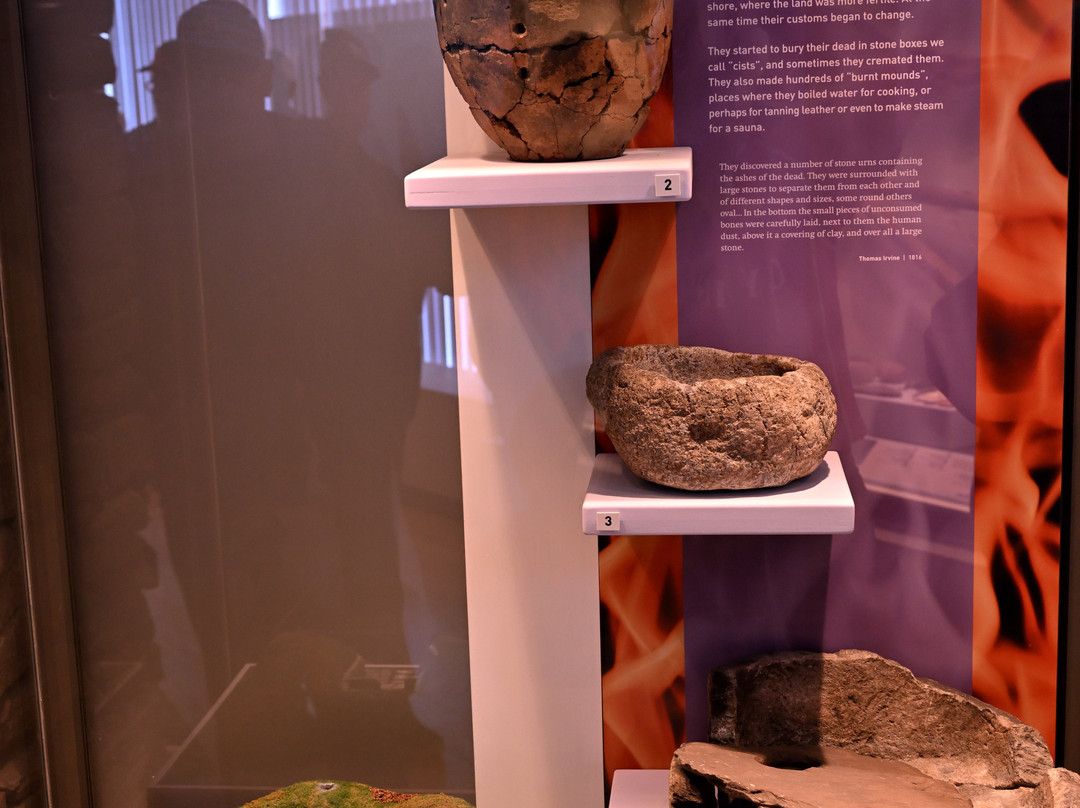
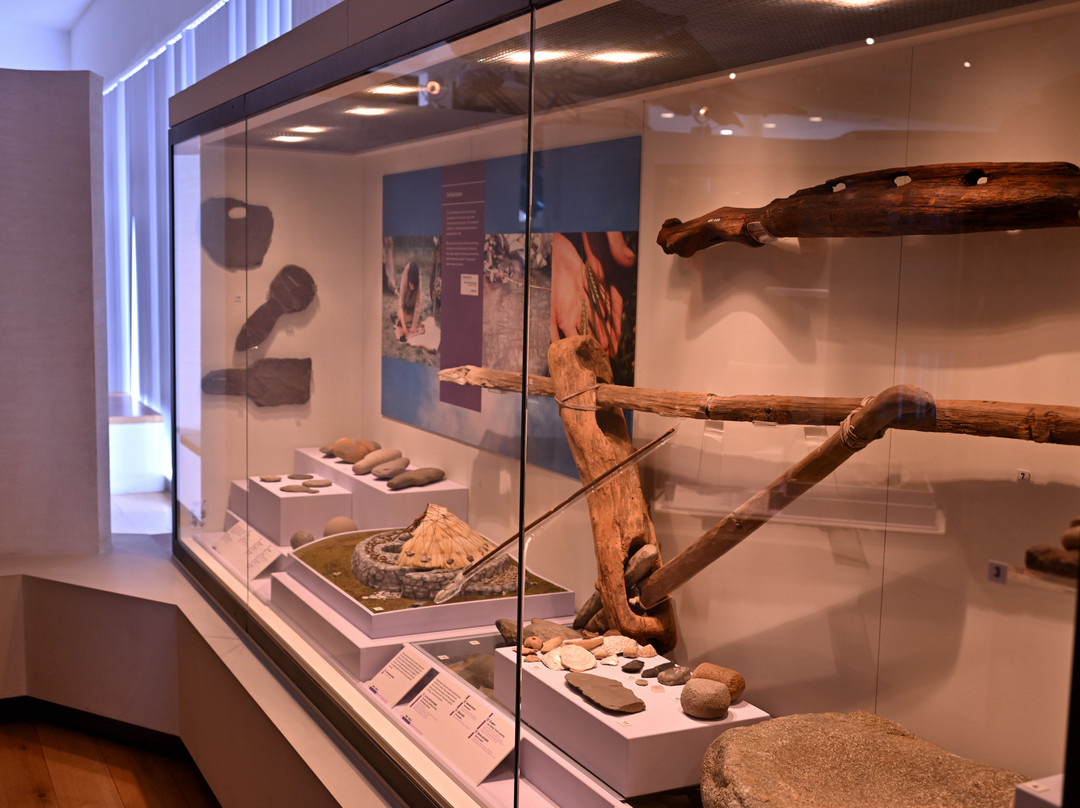
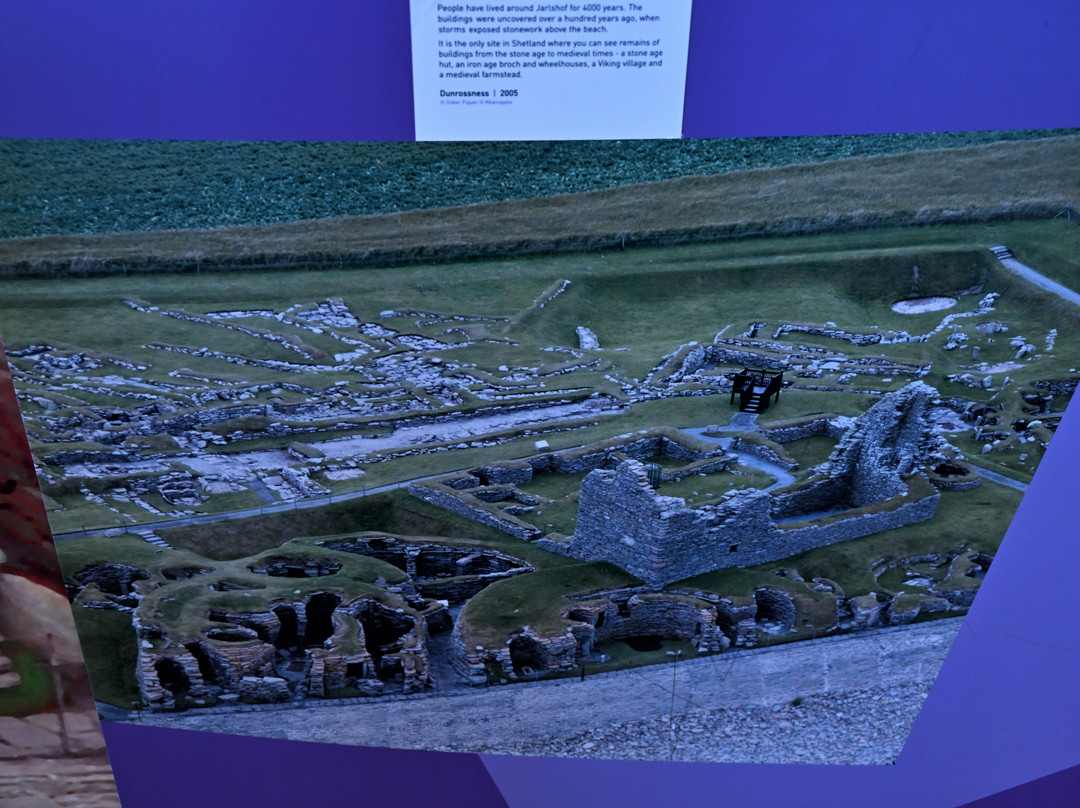
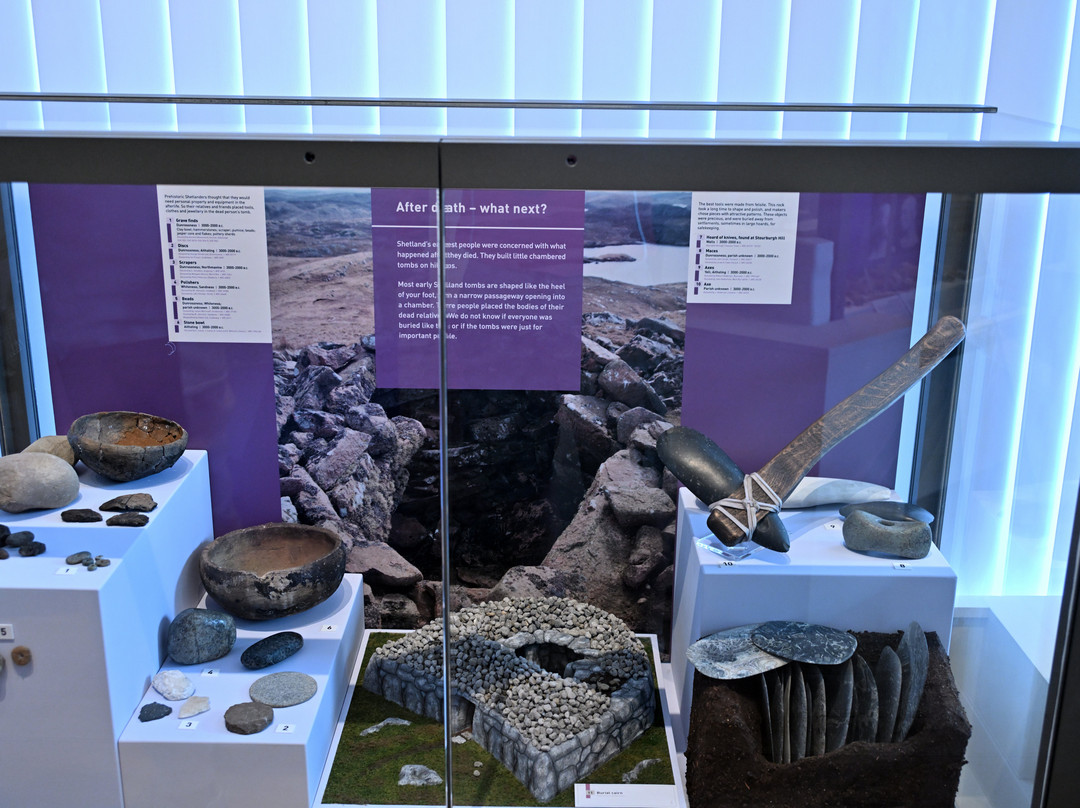
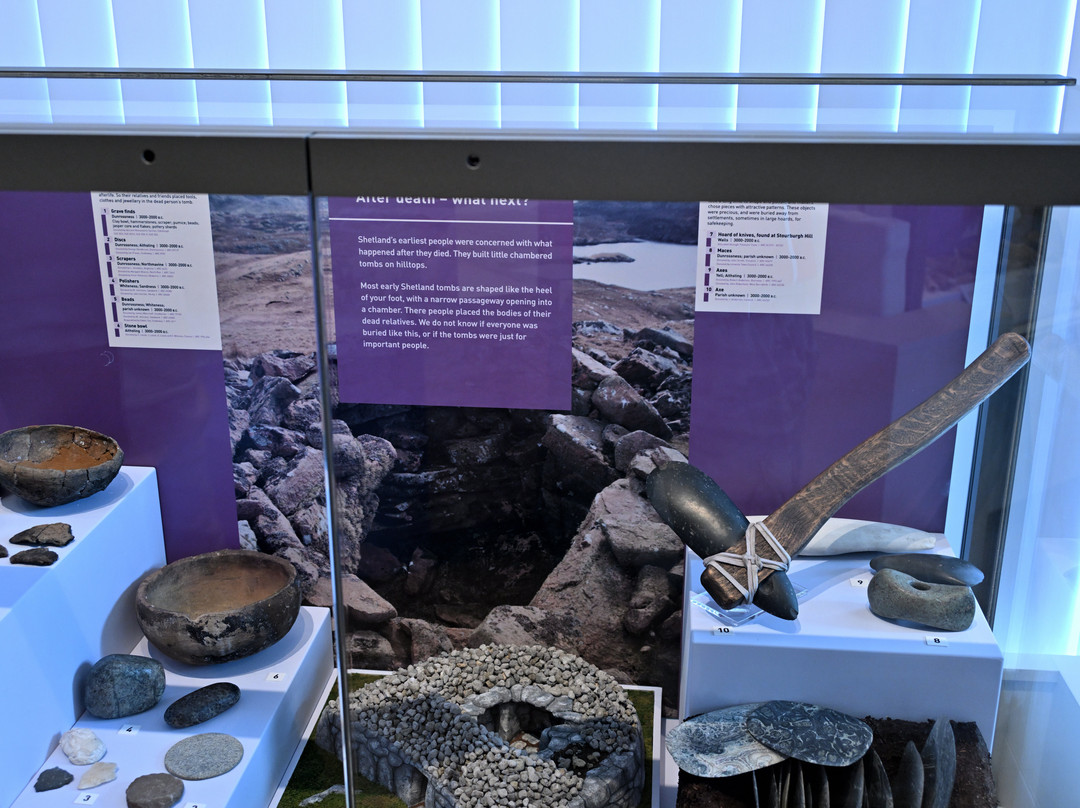
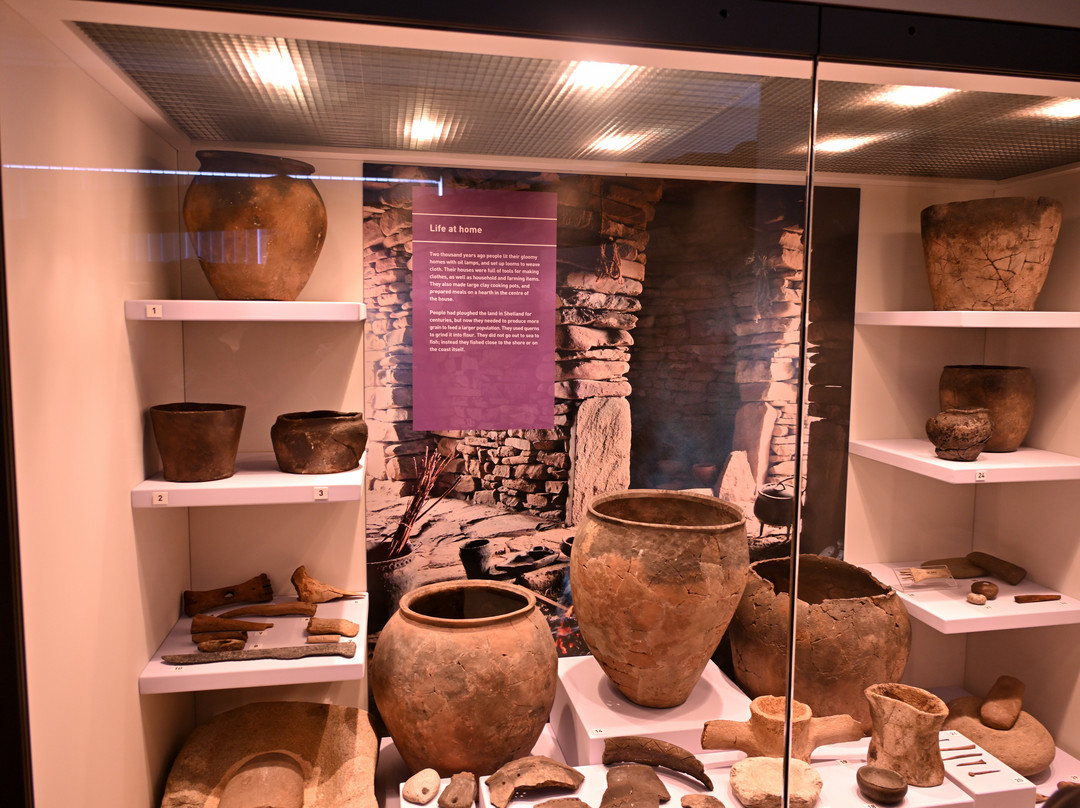
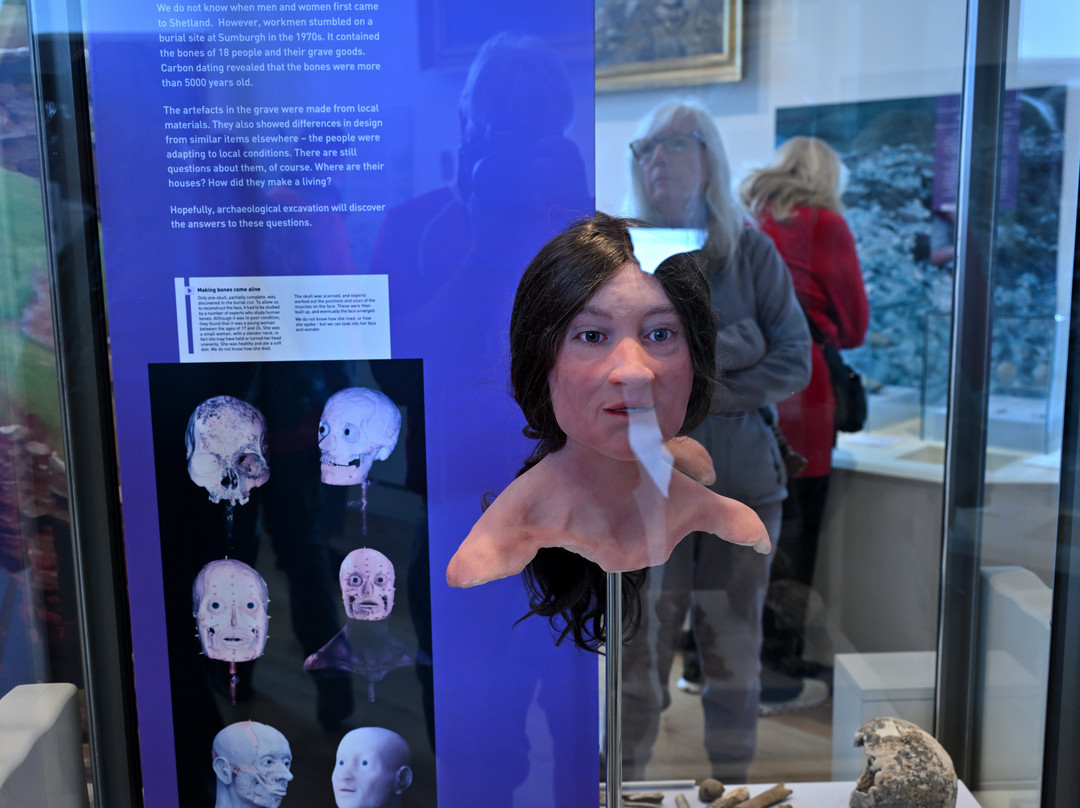
One of the museums largest sections is on Shetland’s archaeology, spanning discoveries from Neolithic inhabitants over 4000 B.C., numerous Iron Age, Picts and Viking artifacts through to the Medieval times. The artifacts from excavations and finds across the island make up elements, from domestic, farming, fishing and religion.
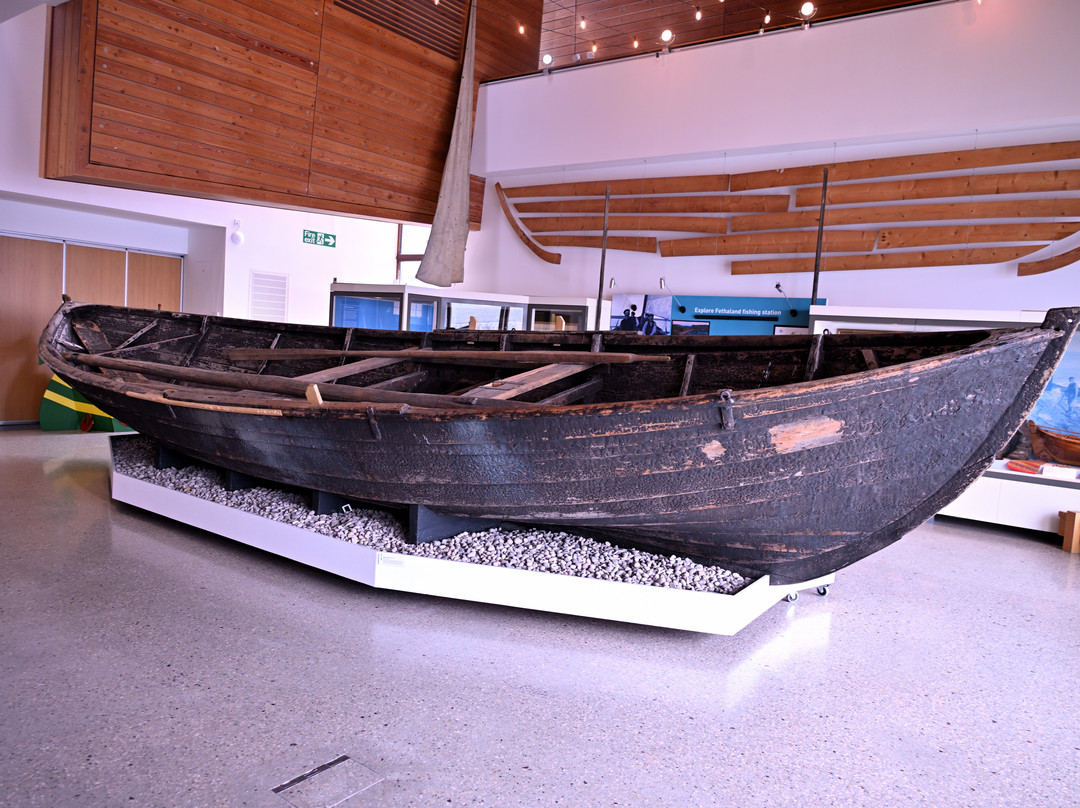
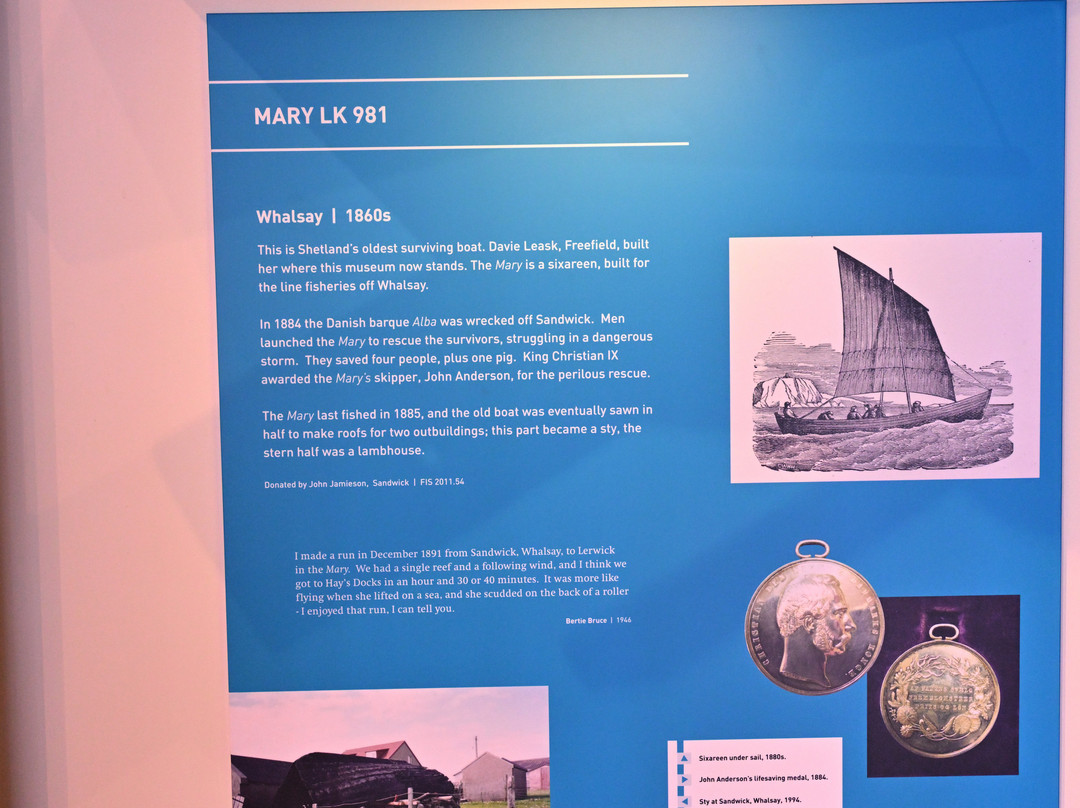
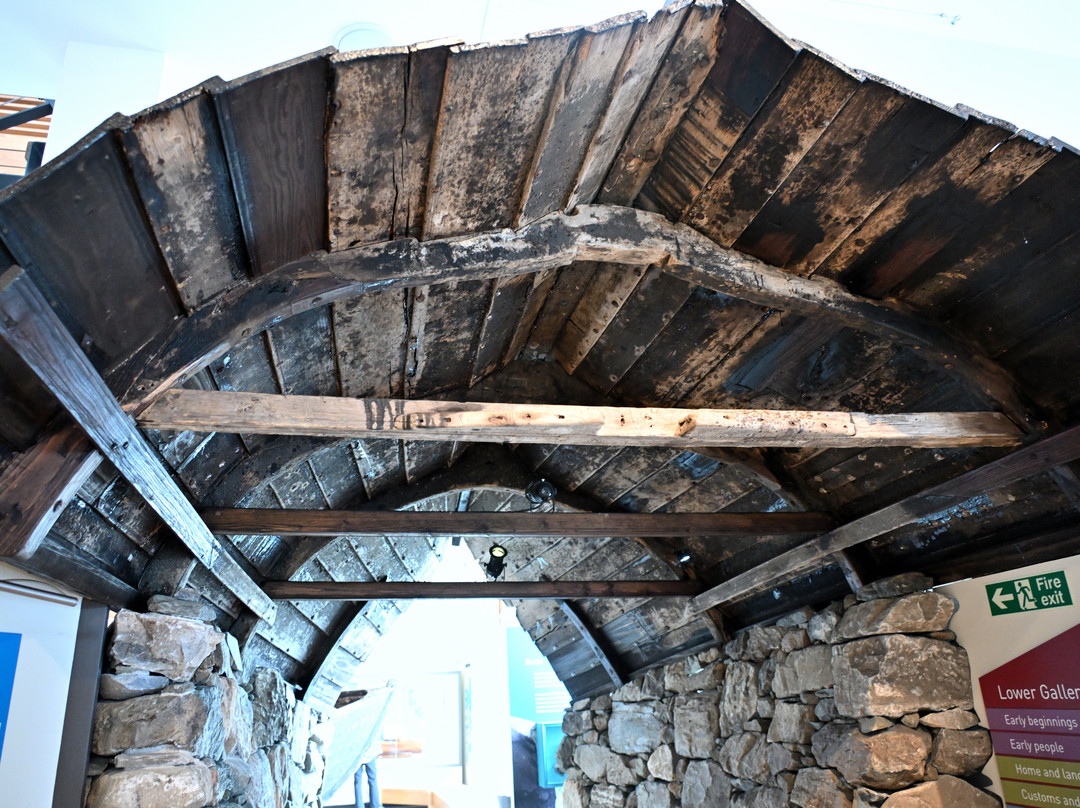
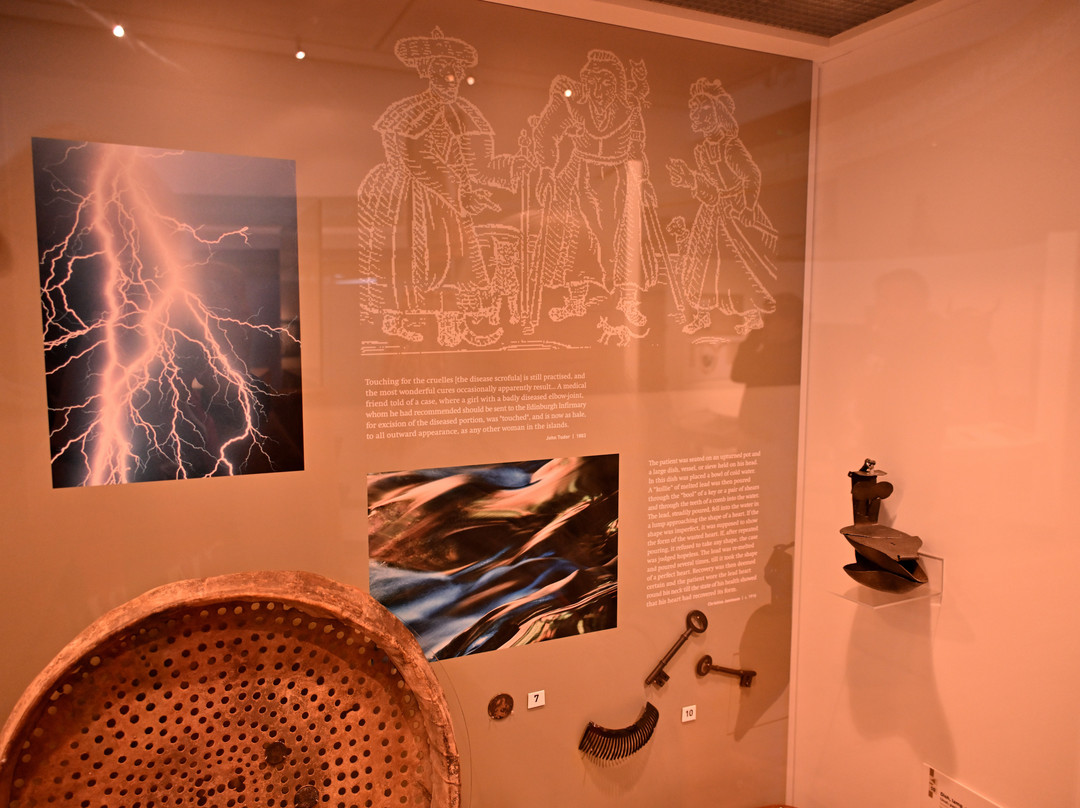
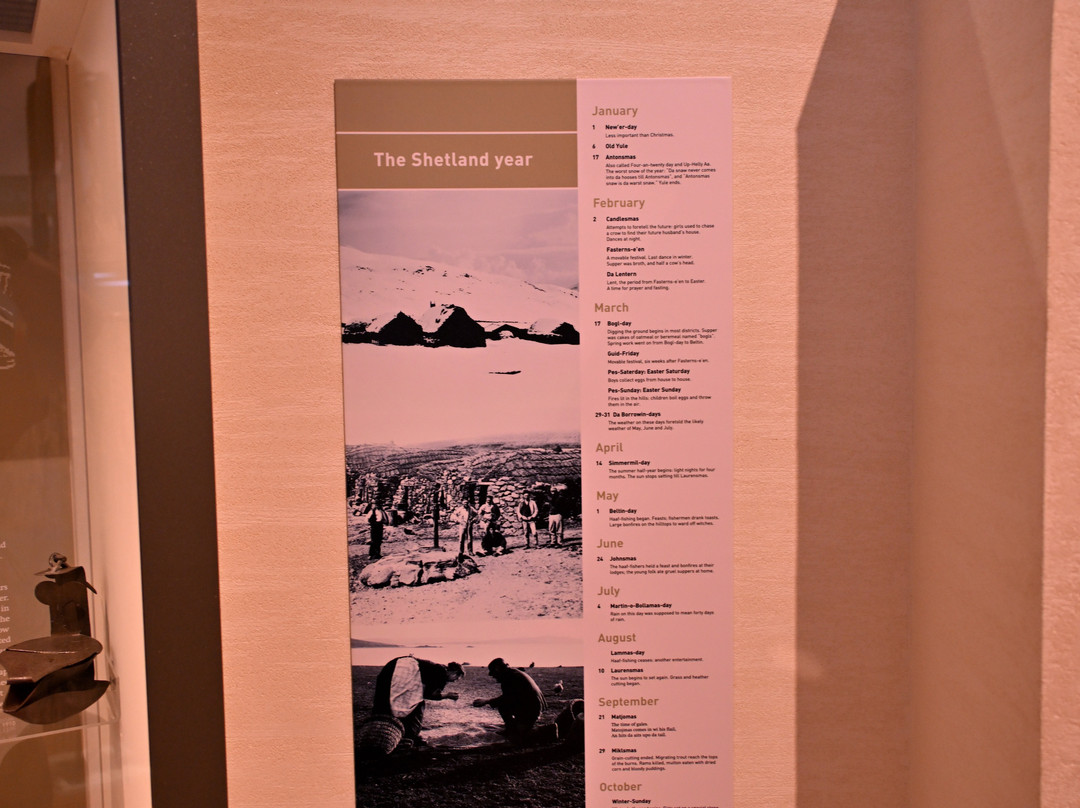
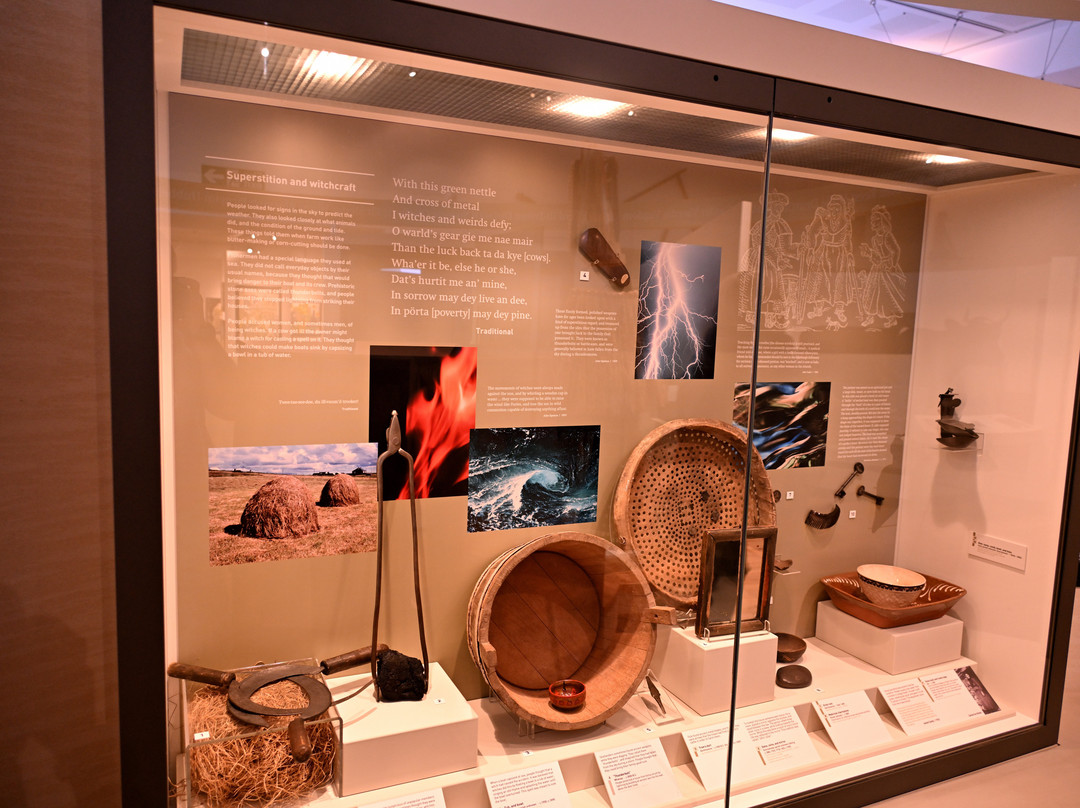
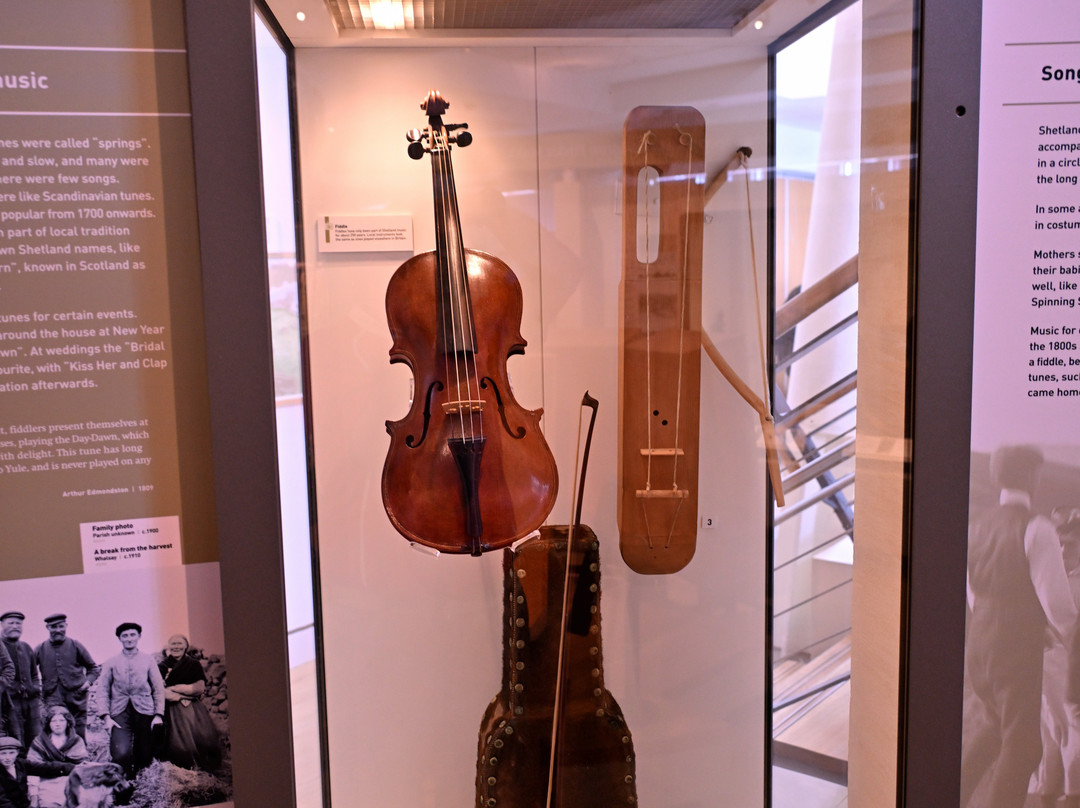
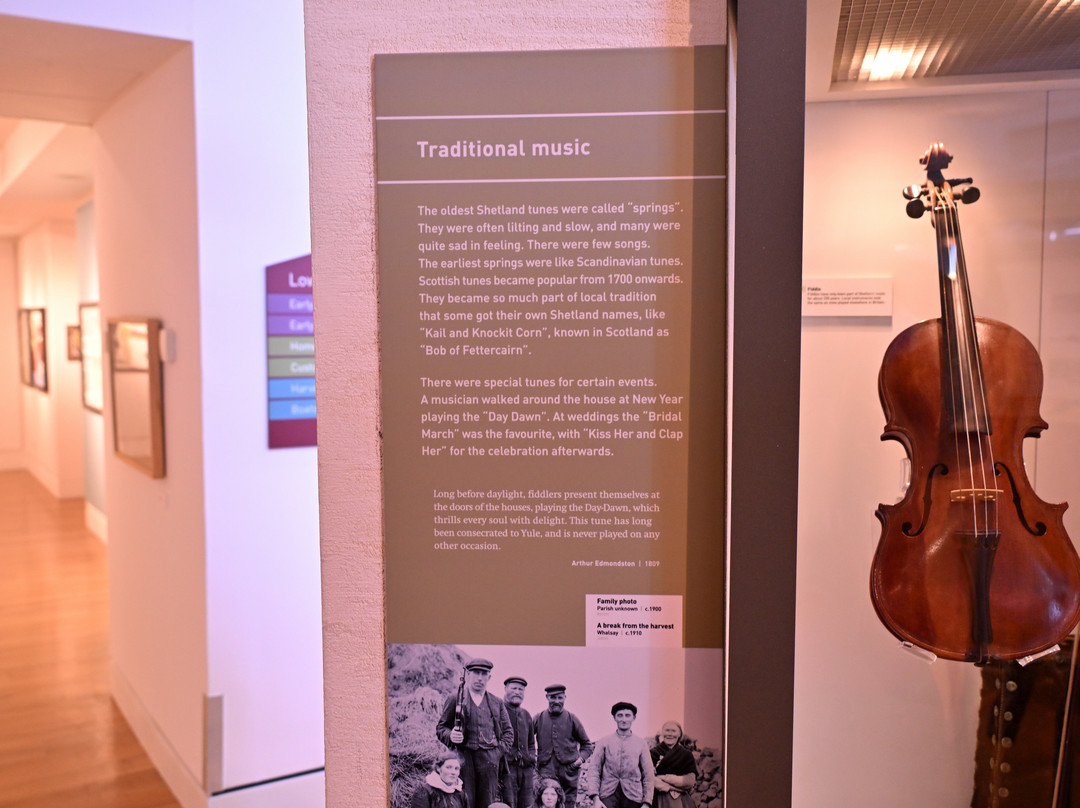
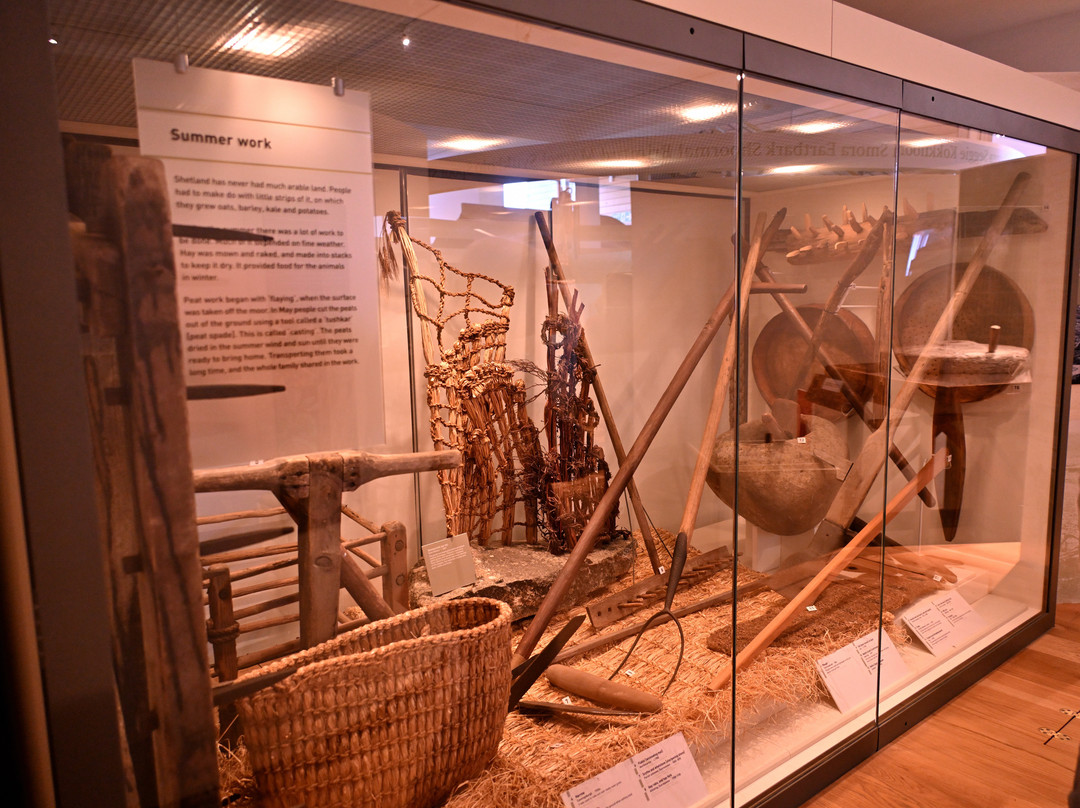
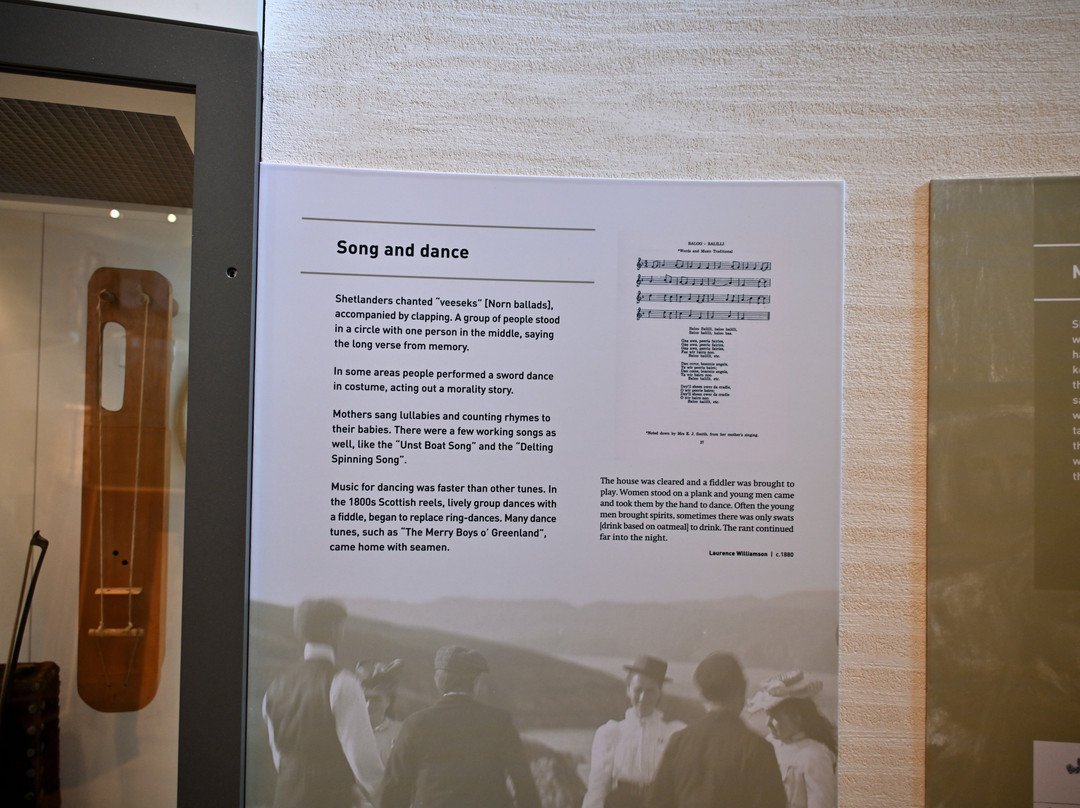
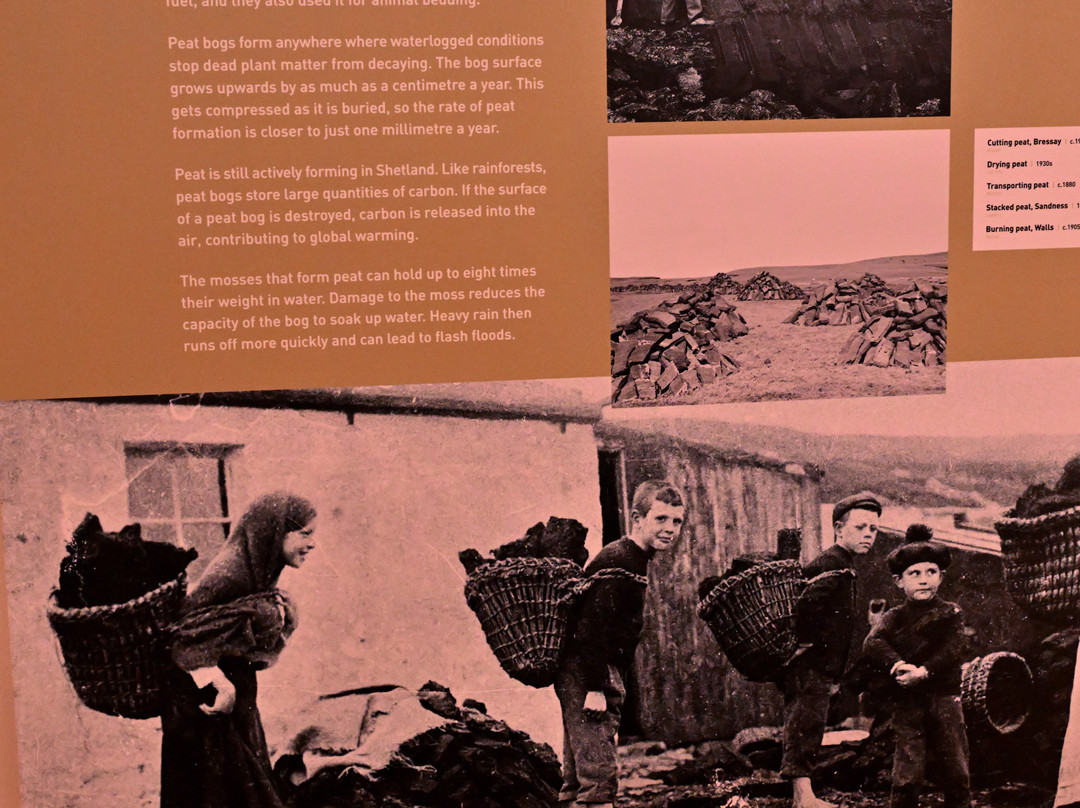
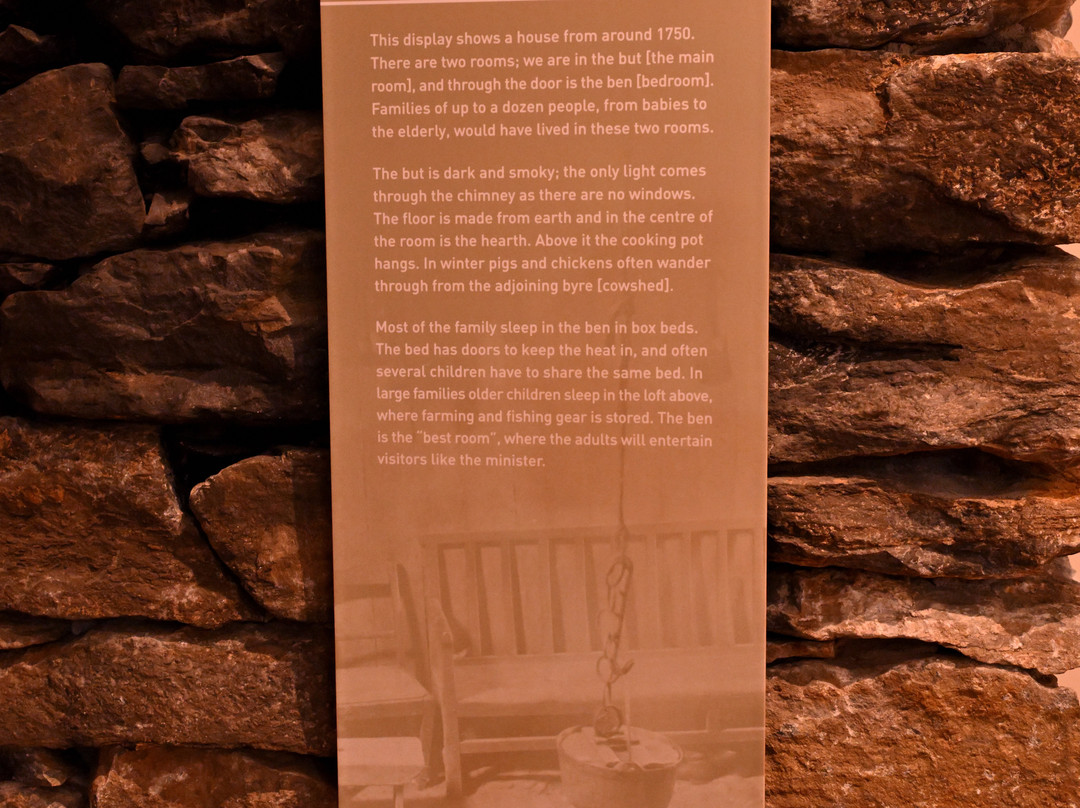
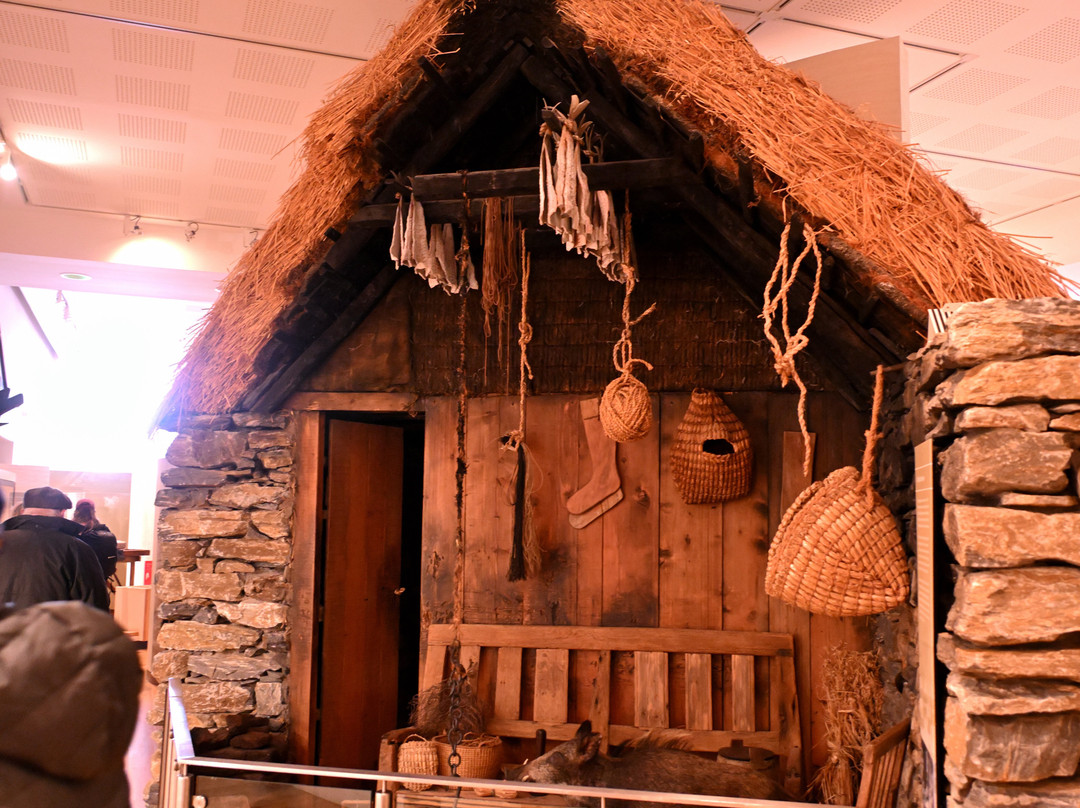
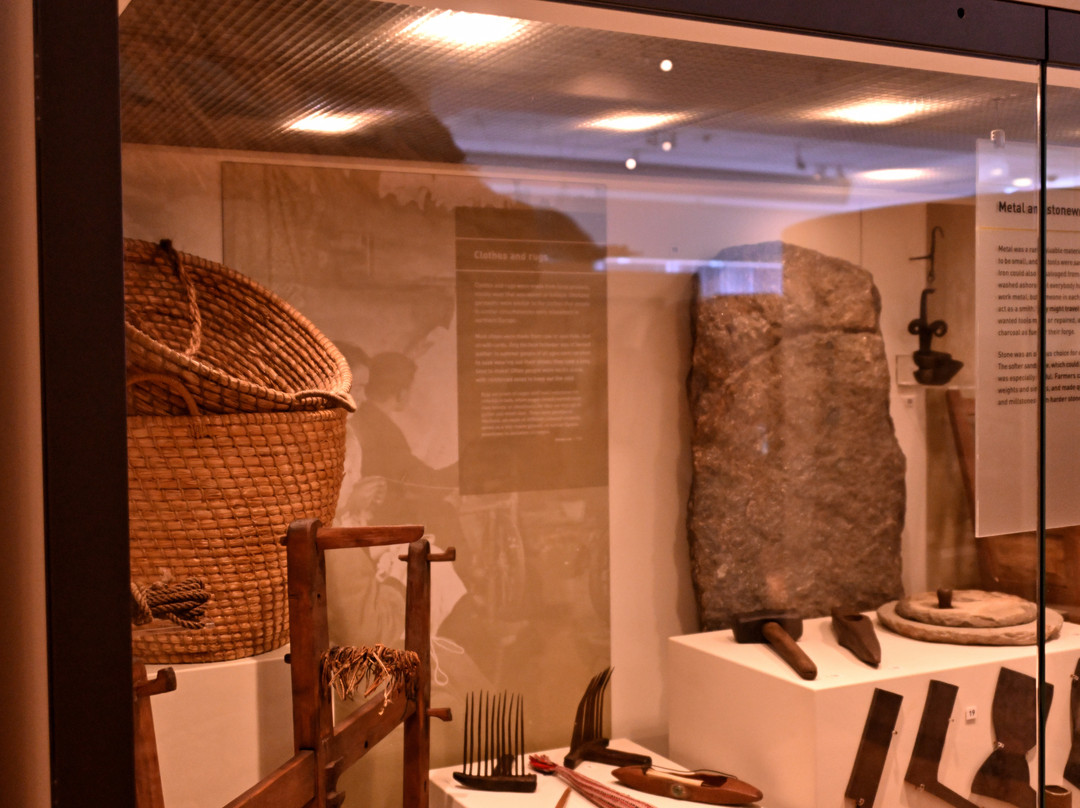
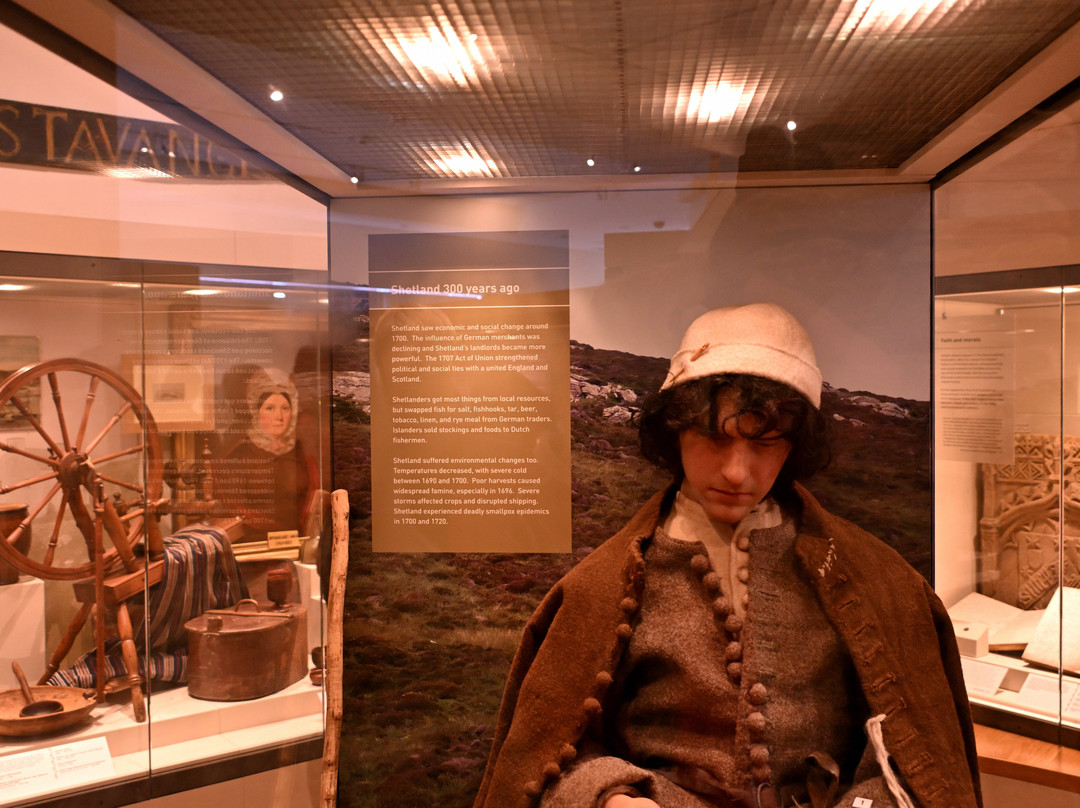
The early archeological section is followed by the Folklife collection between the period Medieval and modern times. This exhibition encompasses all aspects of island life, from subsistence living including fishing, farming and domestic. Artefacts in this collection are specific to a time when Shetland was a place distinct from anywhere else. The displays include ‘classic’ Shetland items such as the kishie (basket), tushkar (peat spade), fourareen (four-oared boat) and hap (shawl).
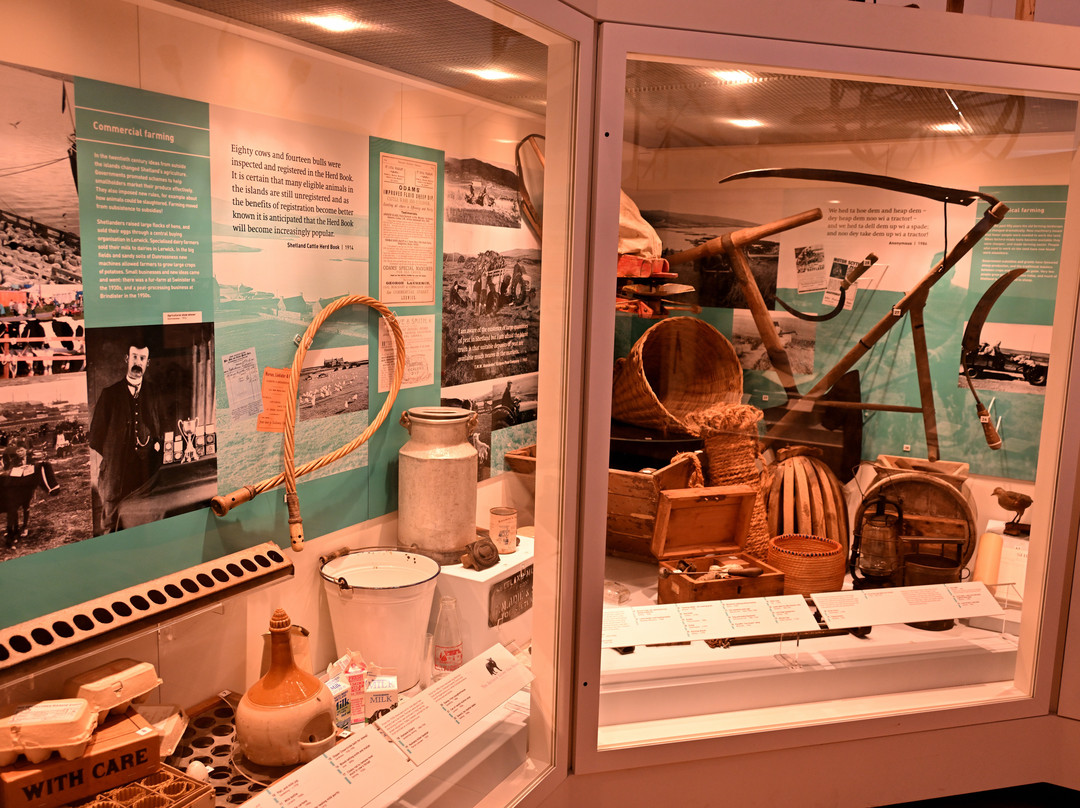
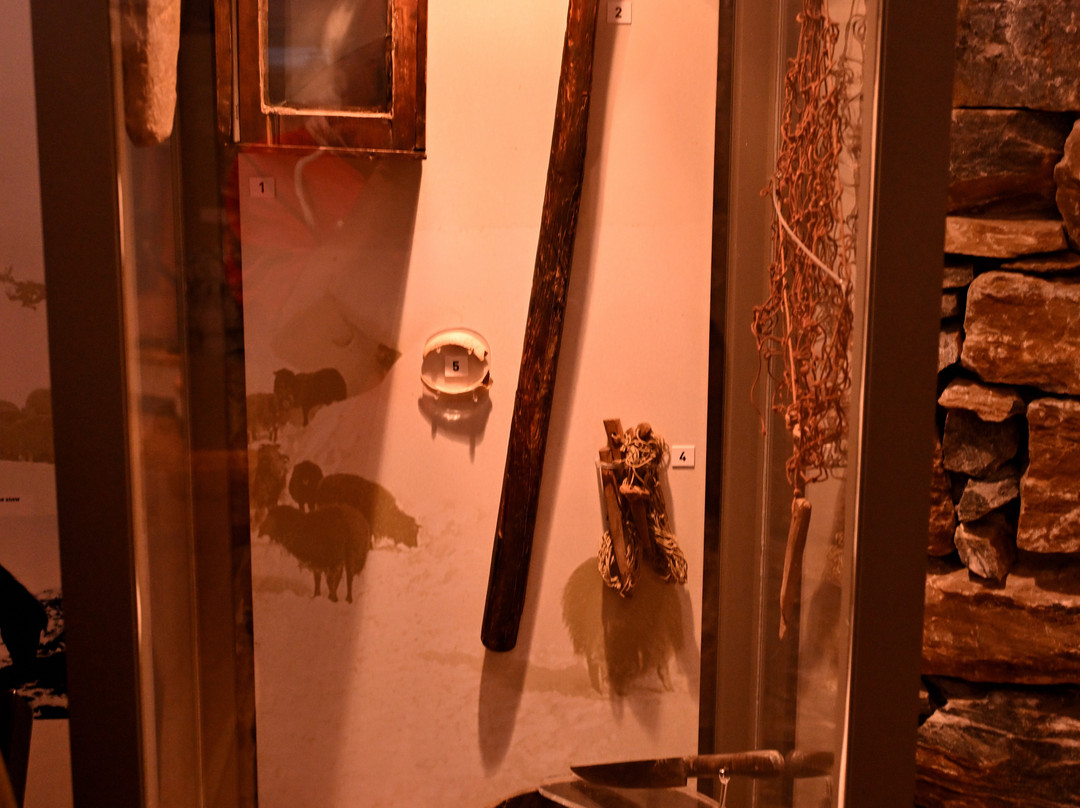
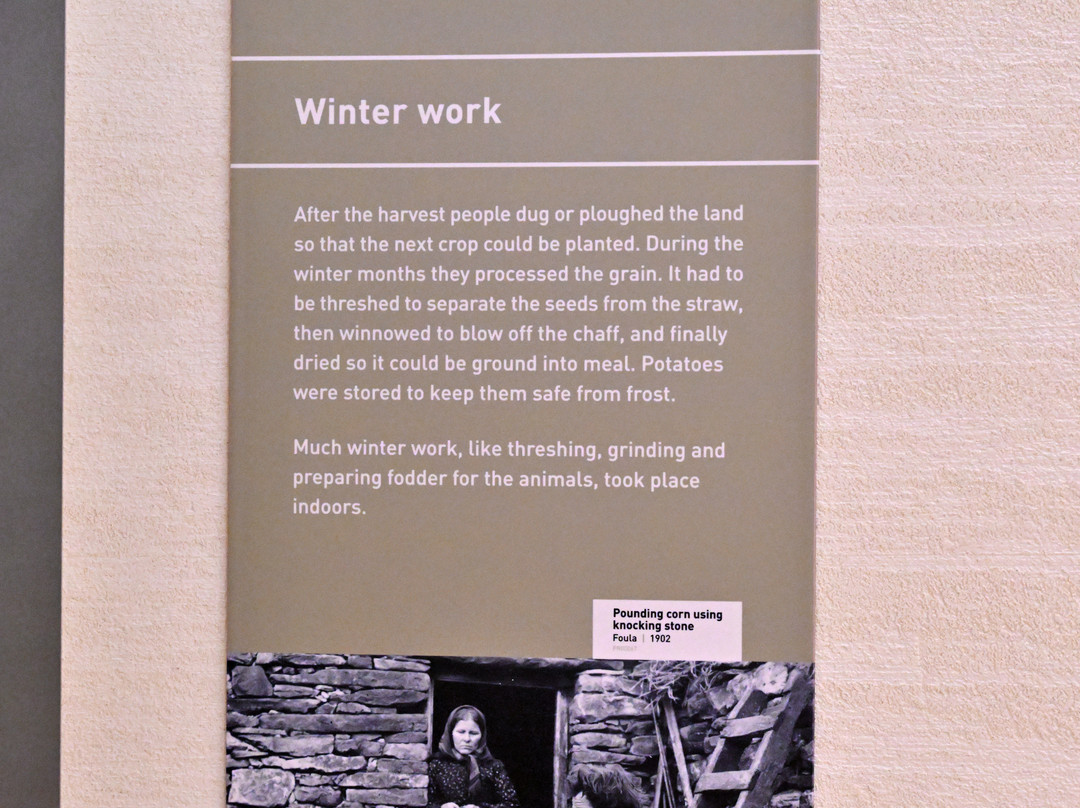
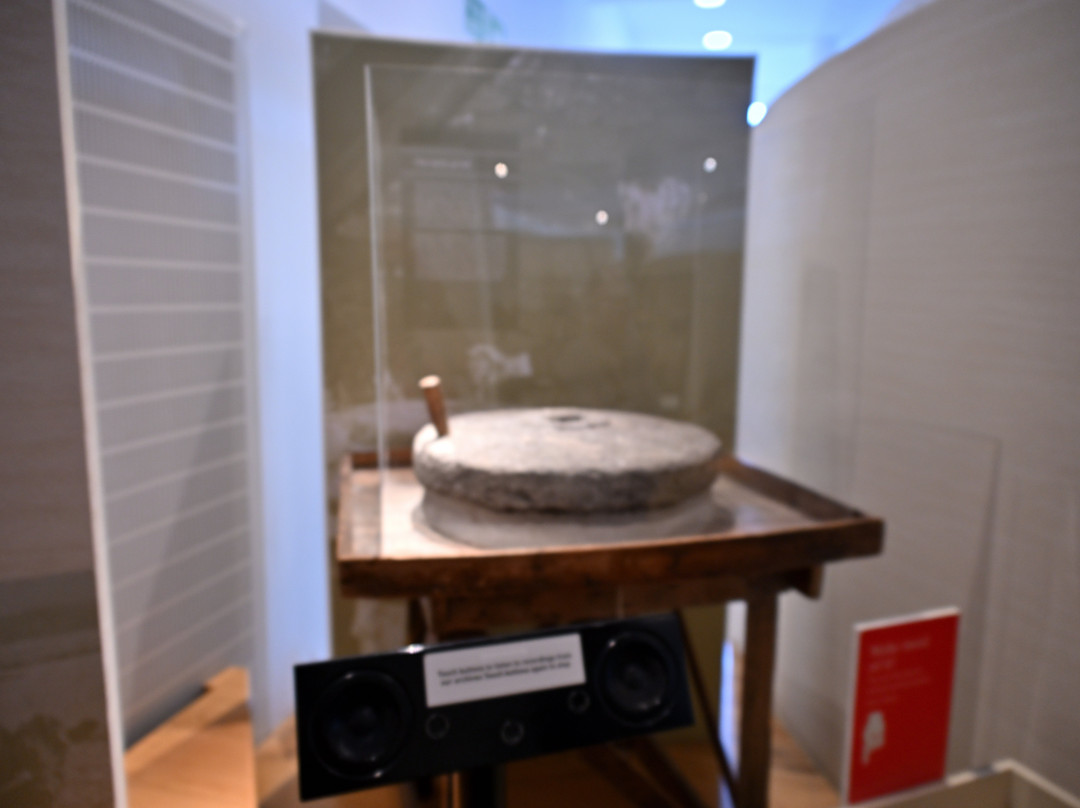
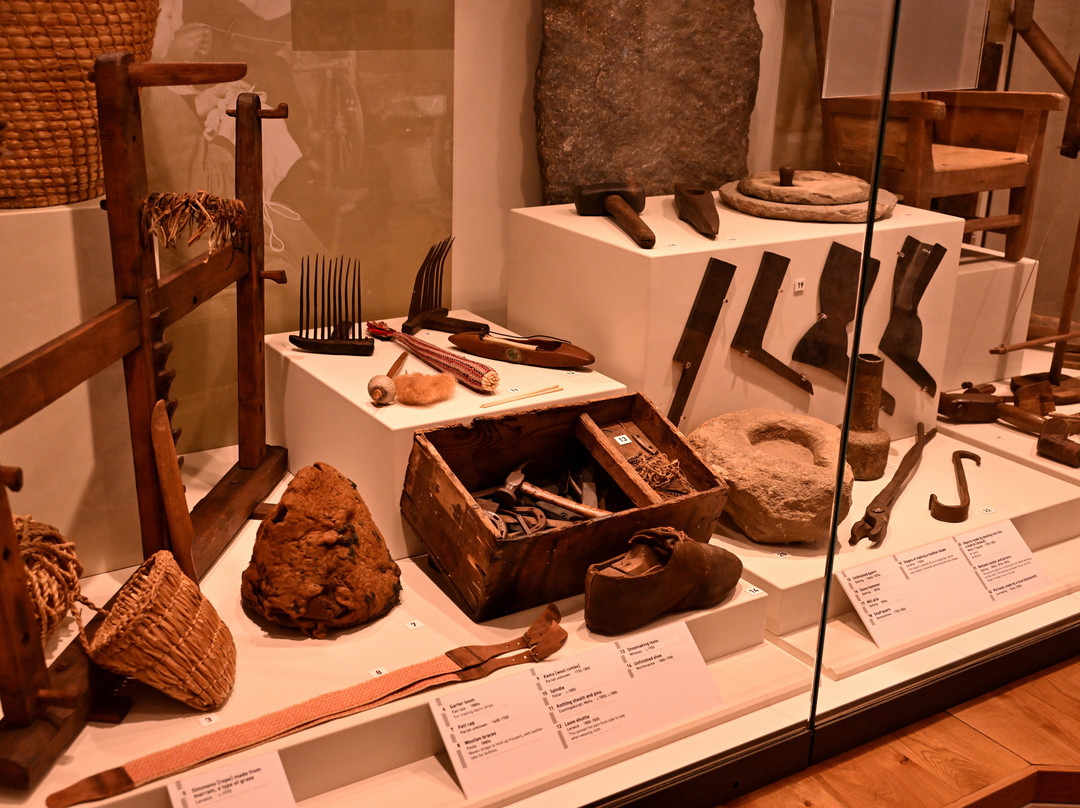
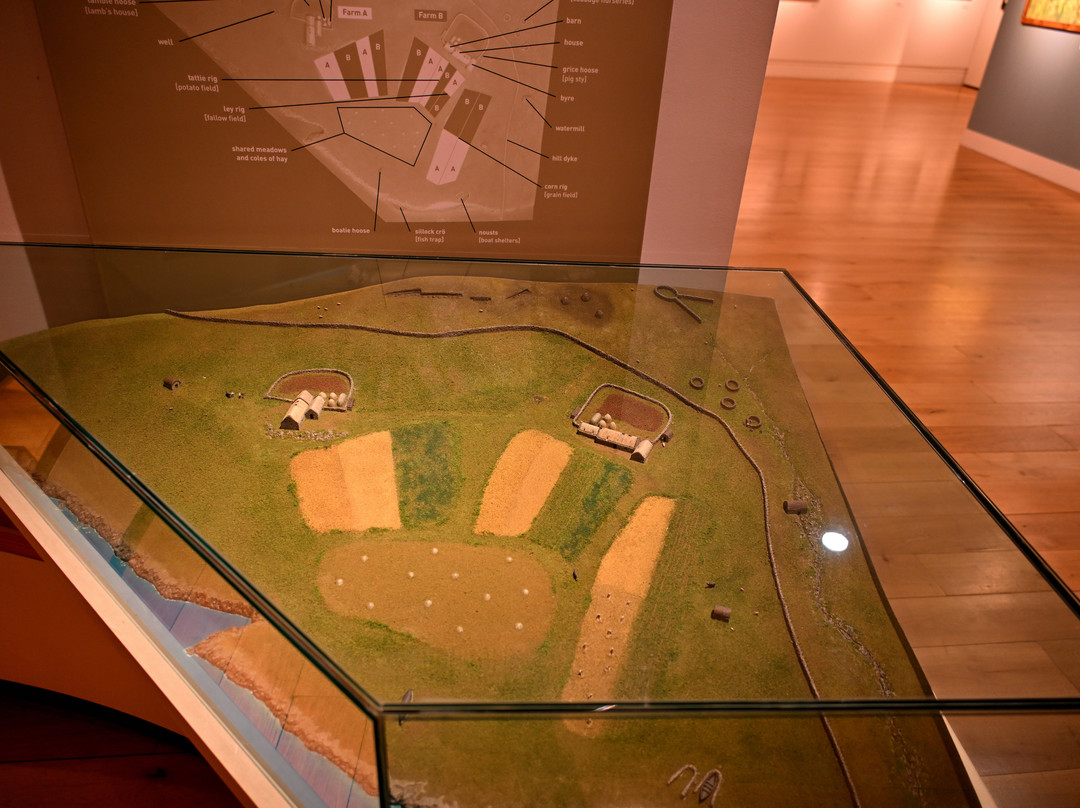
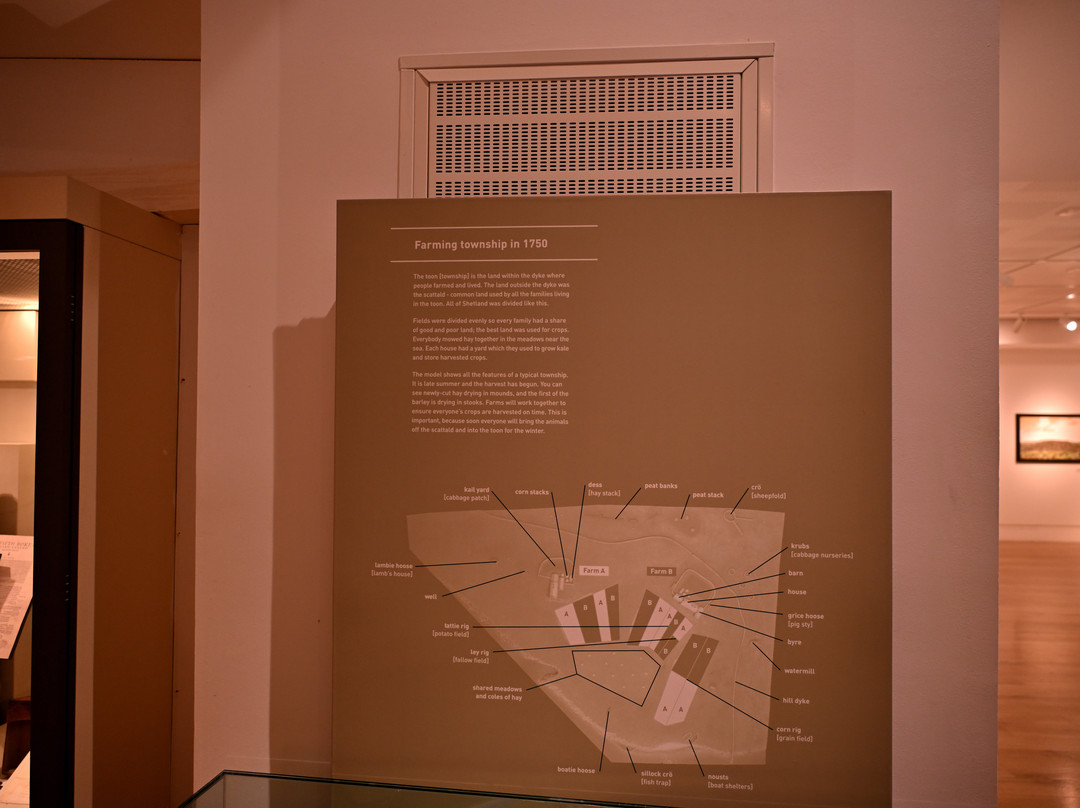
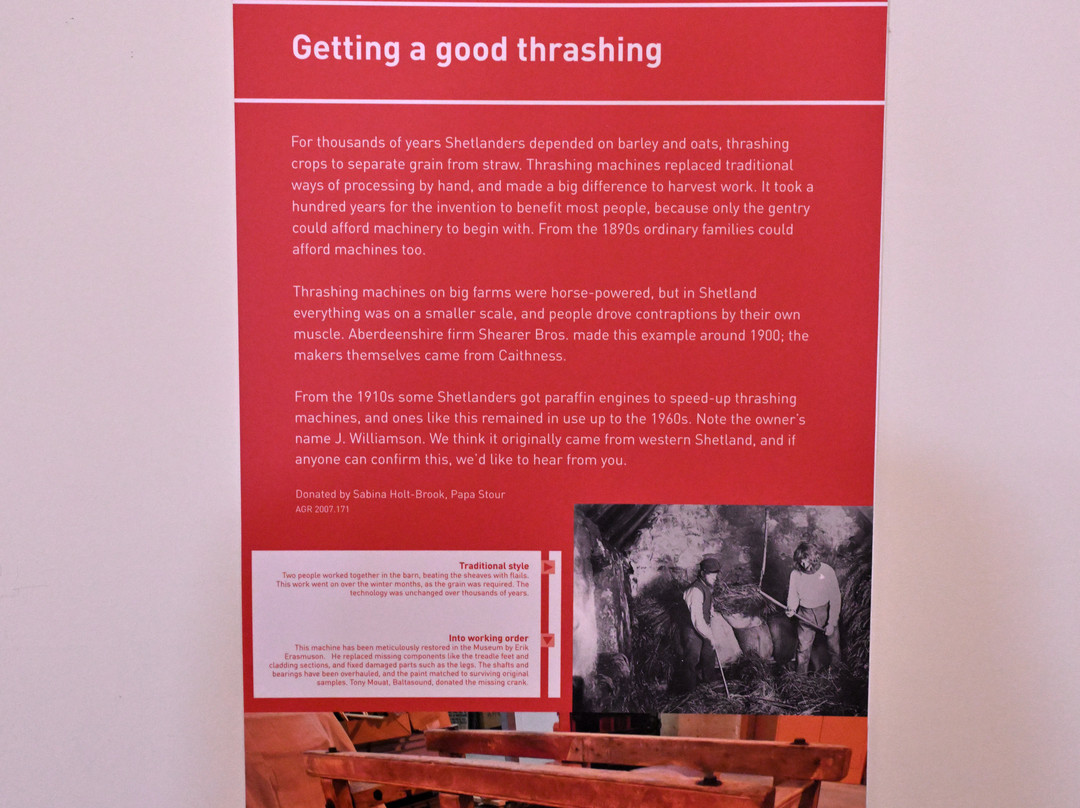
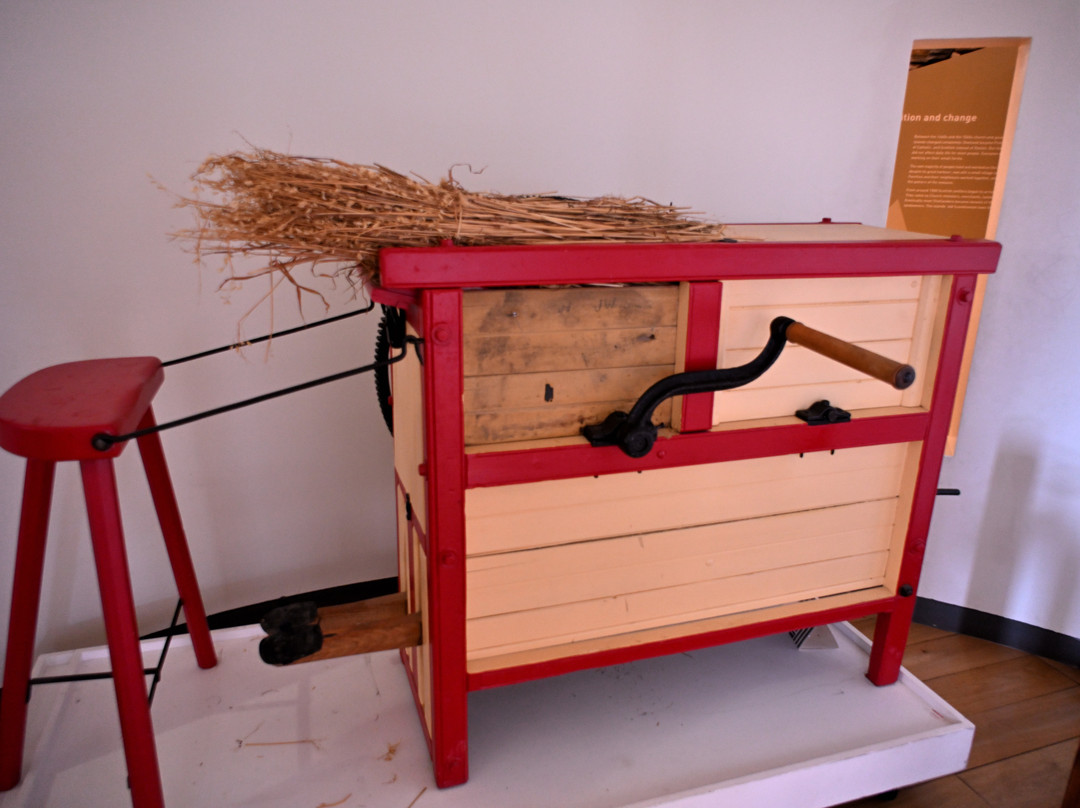
The extensive displays of these artefacts show that Shetlanders were self-supporting islanders, having to make everything they used from the resources available on land and from the sea. There are displays of how they grew their crops, implements for tillage, making hay and peat production. How they cultivated their grain, involving many processes and tool from harvesting, threshing, winnowing and grinding meal.
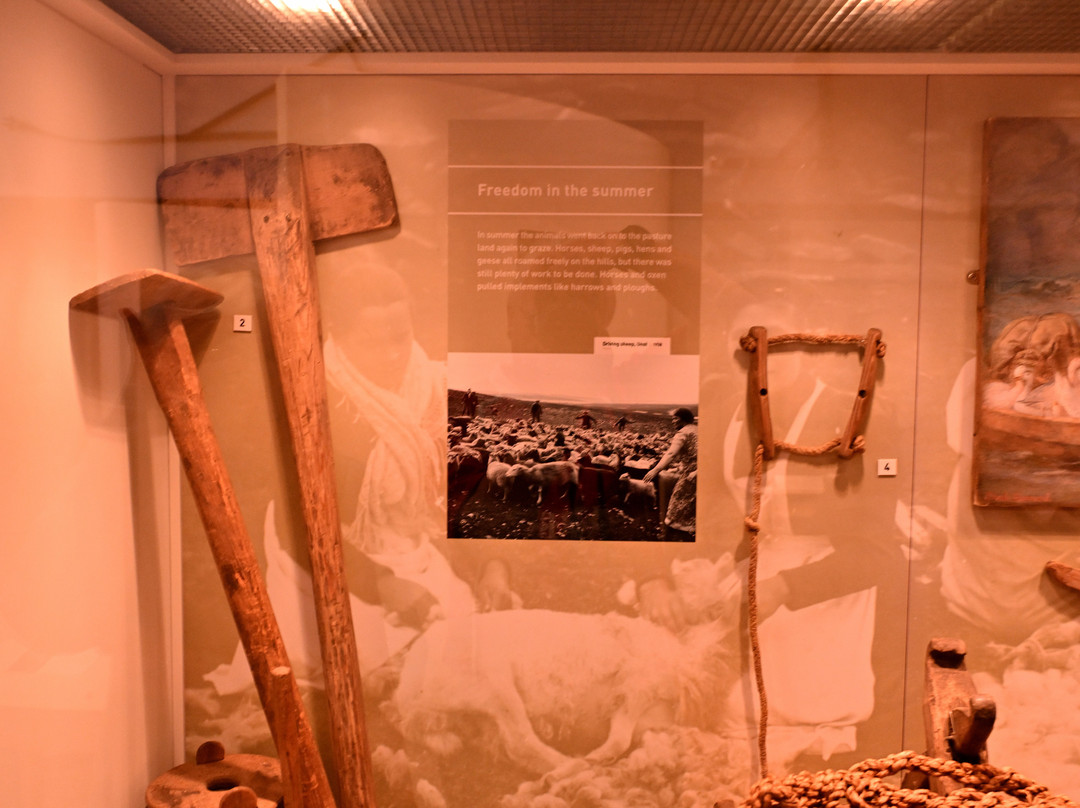
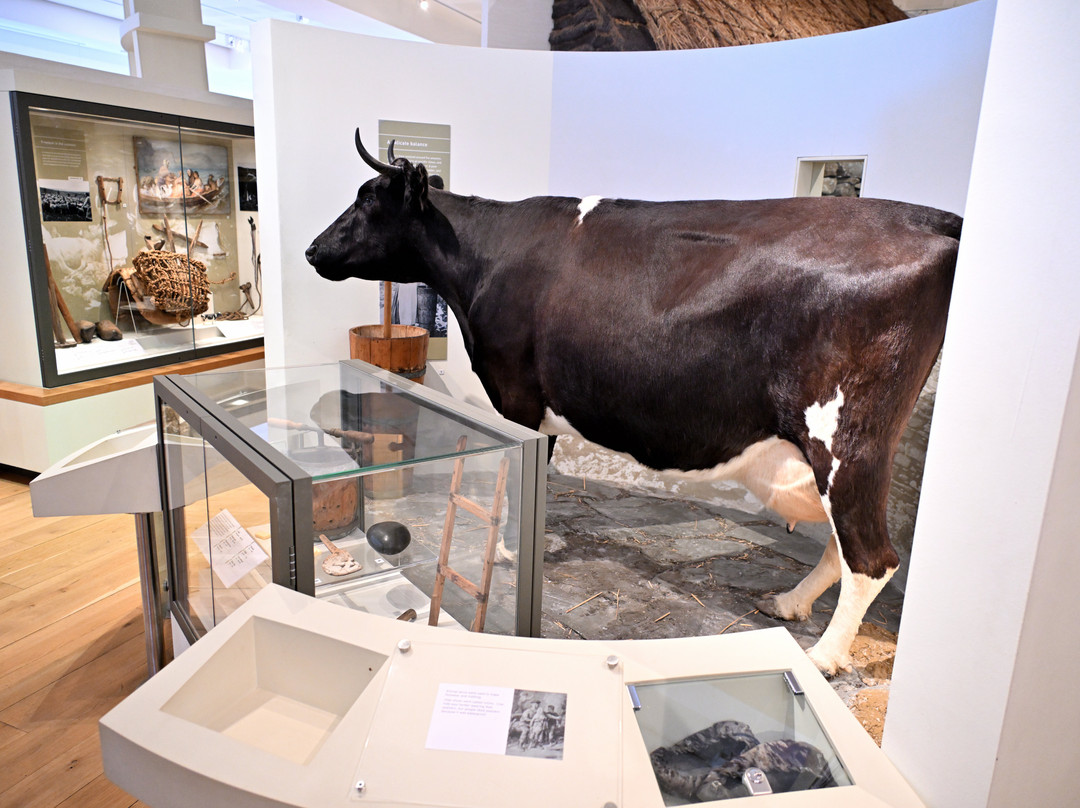
They also kept their own livestock and the various animals were used as working beast or for providing food, with examples of ploughs, harrows and for transporting of peat by pack-saddle. There are items used in milk processing, such as churning and butter-making.
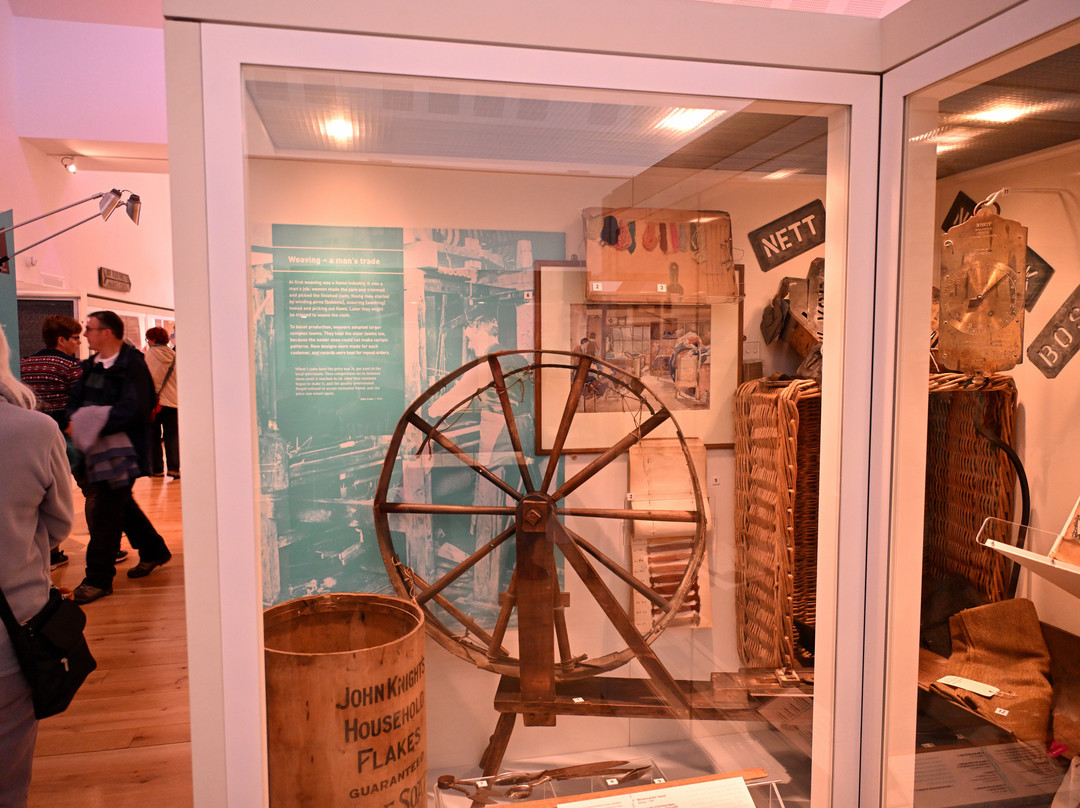
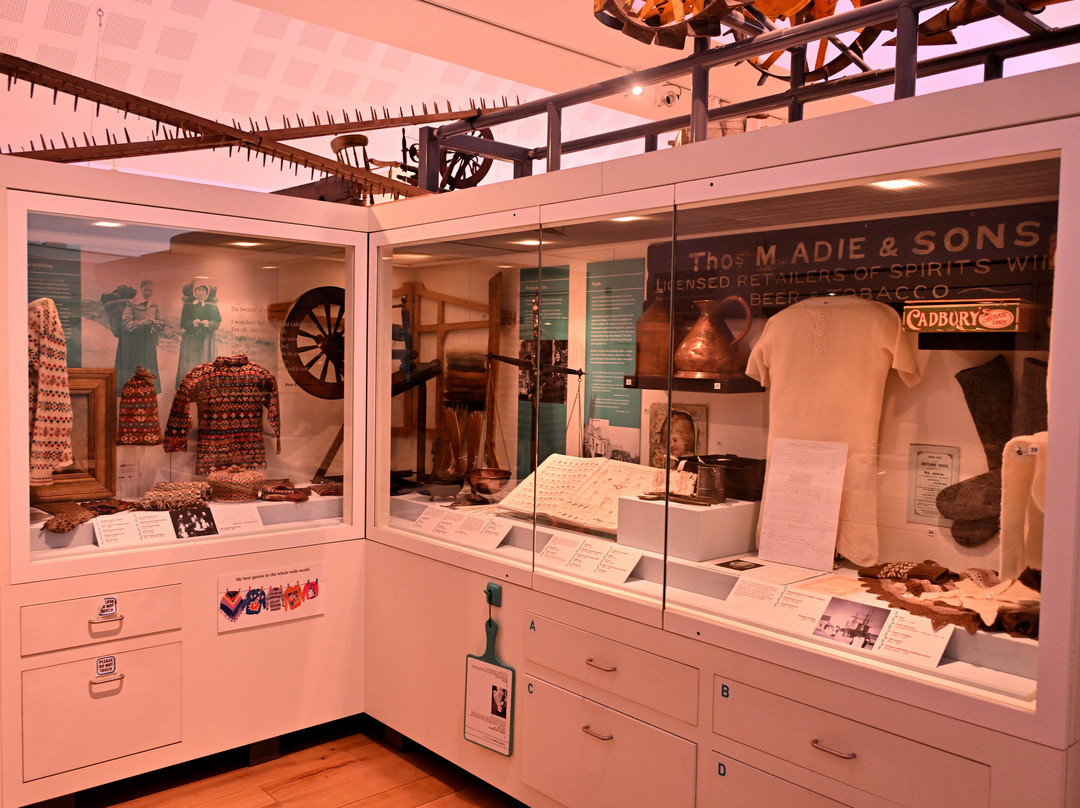
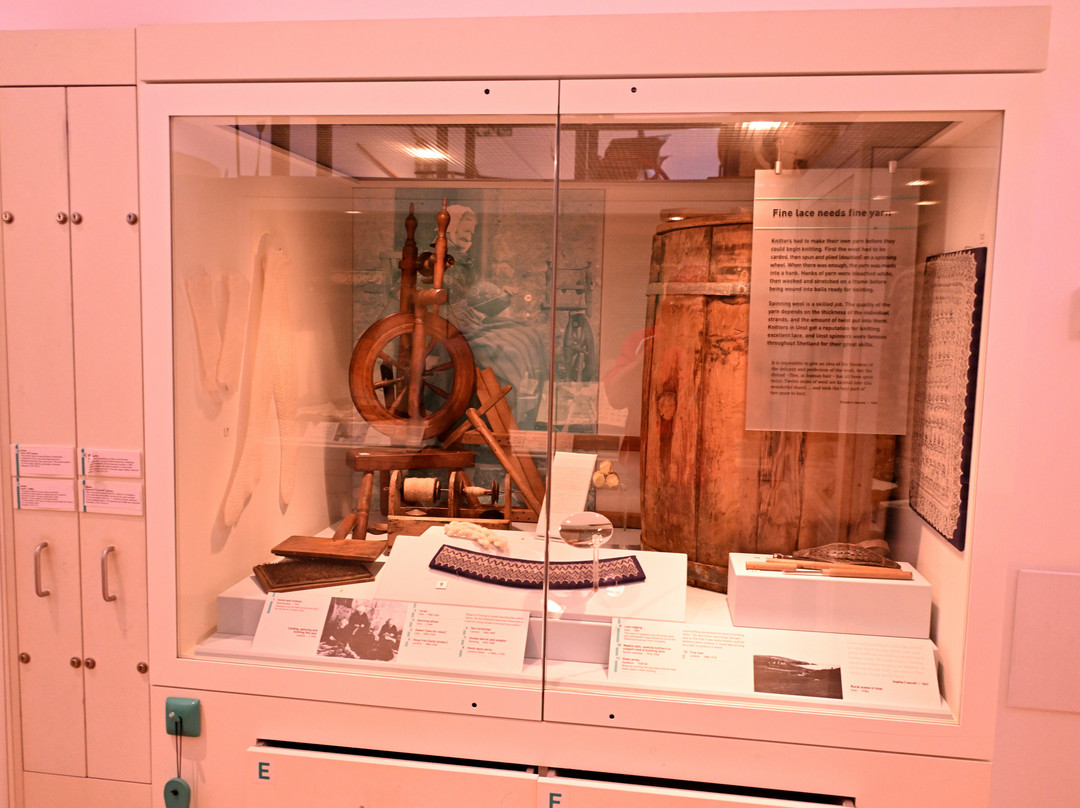
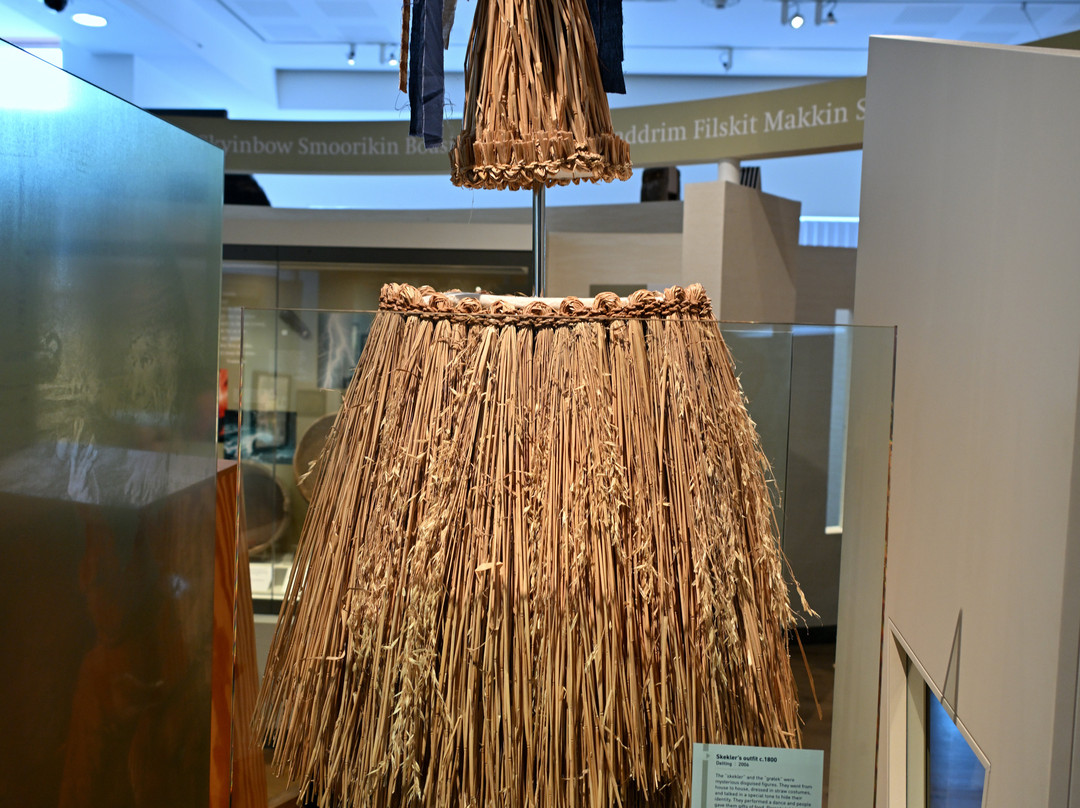
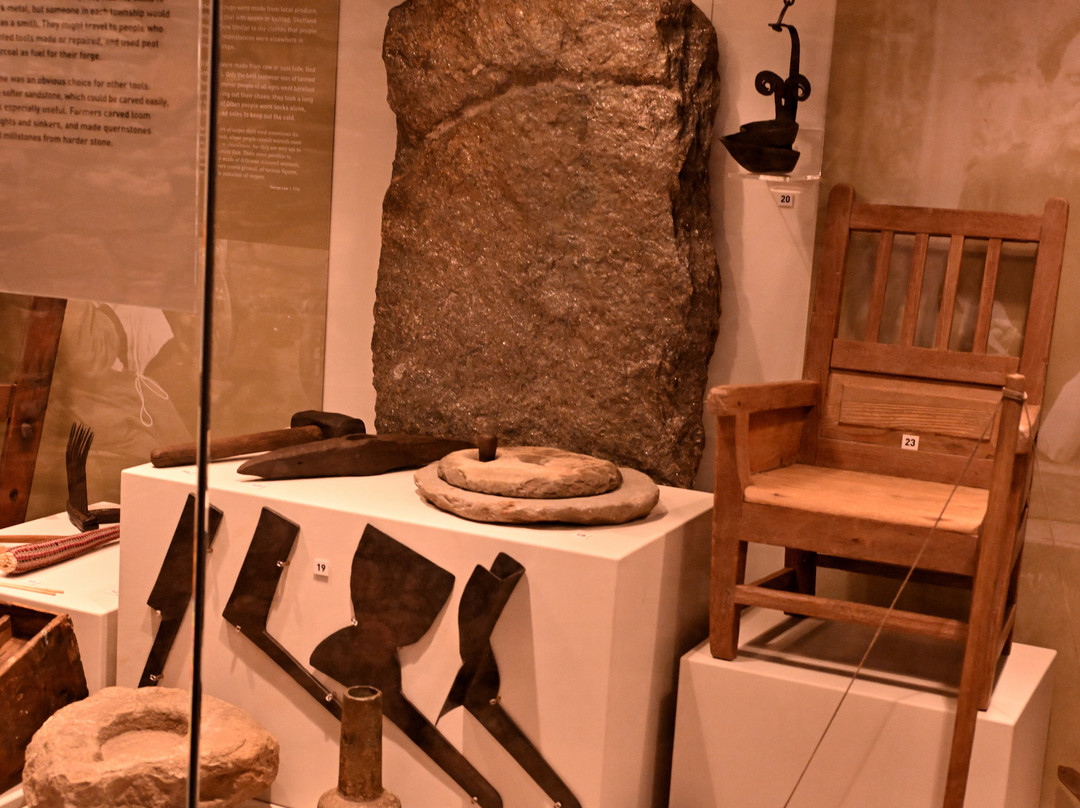
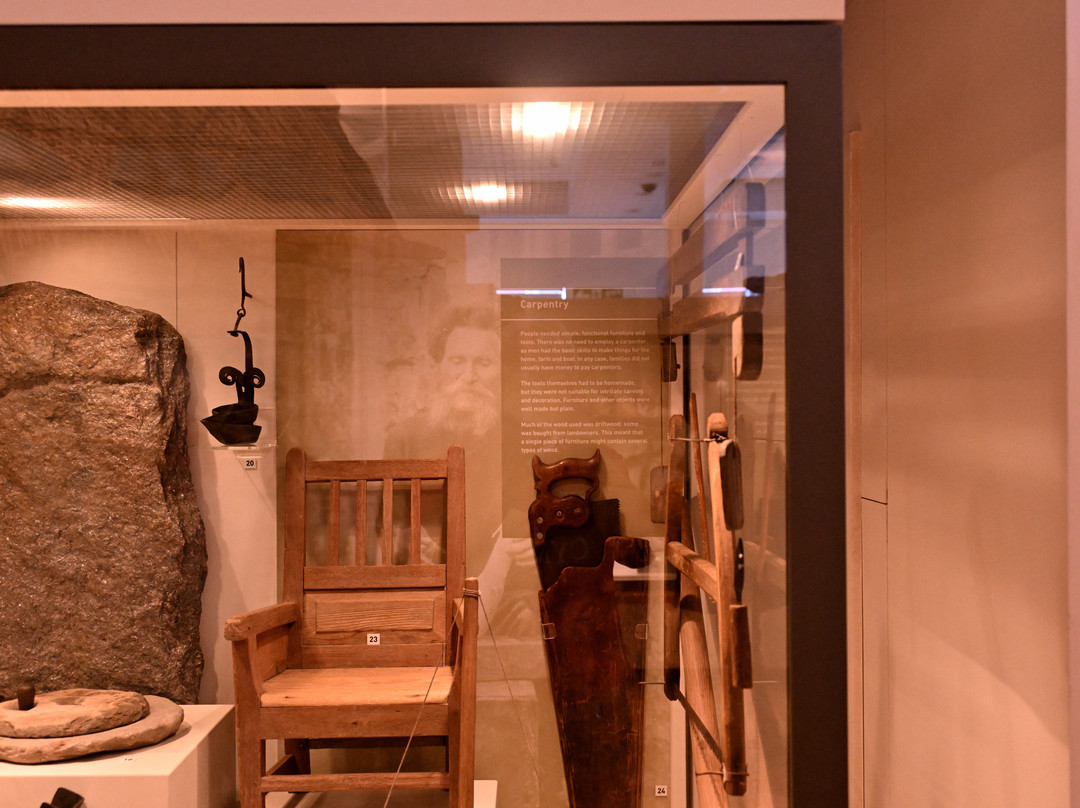
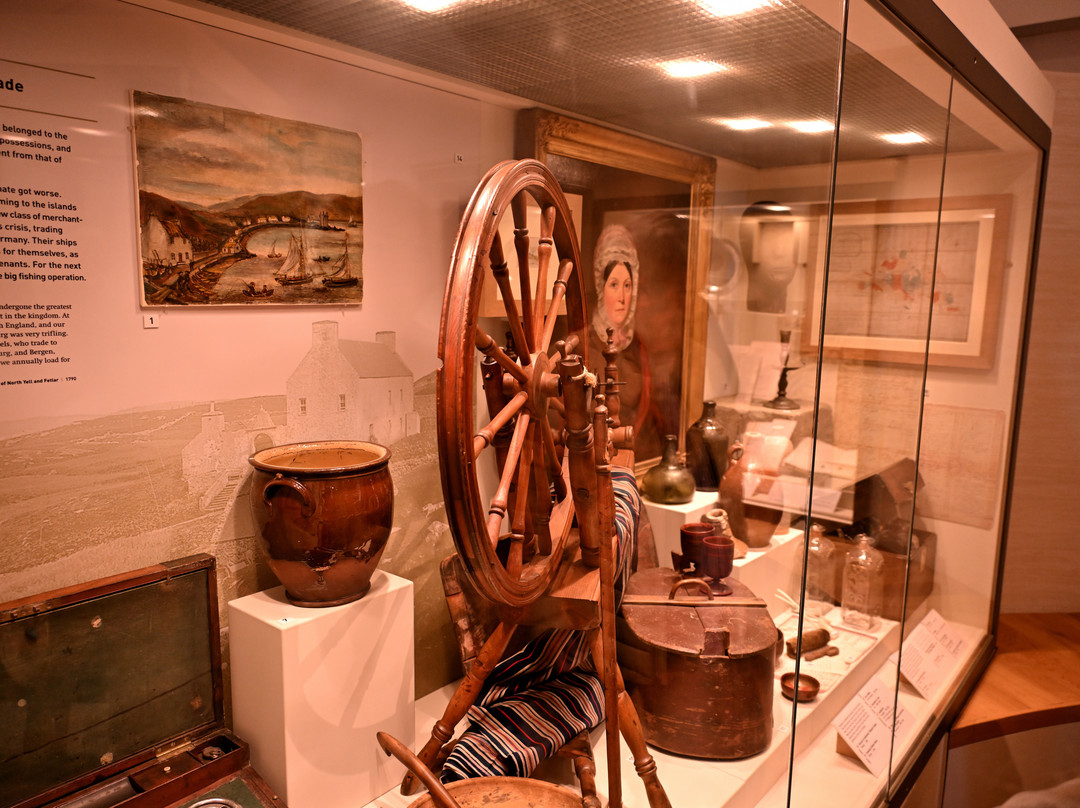
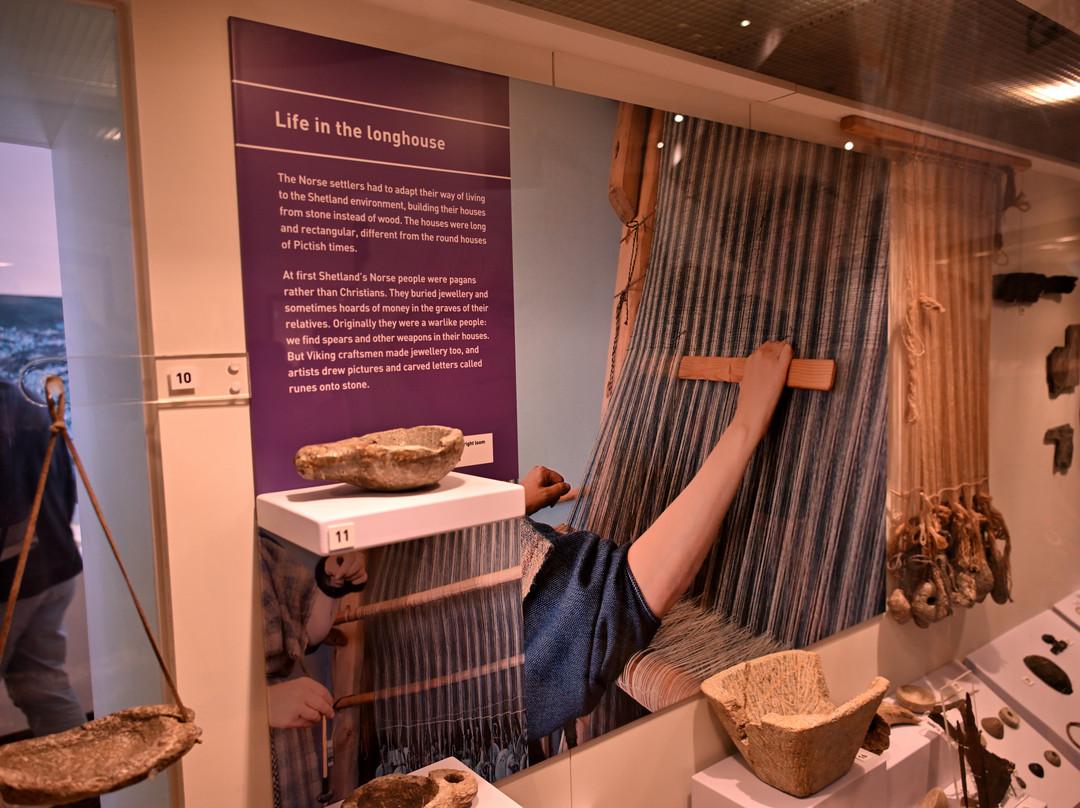
Traditional folklore often concerned everyday objects, items from the home include furniture, cooking, weaving and knitting. There are chairs made from driftwood, brand irons (griddles), taatit (tufted) rugs, and joopies (knitted undershirts).
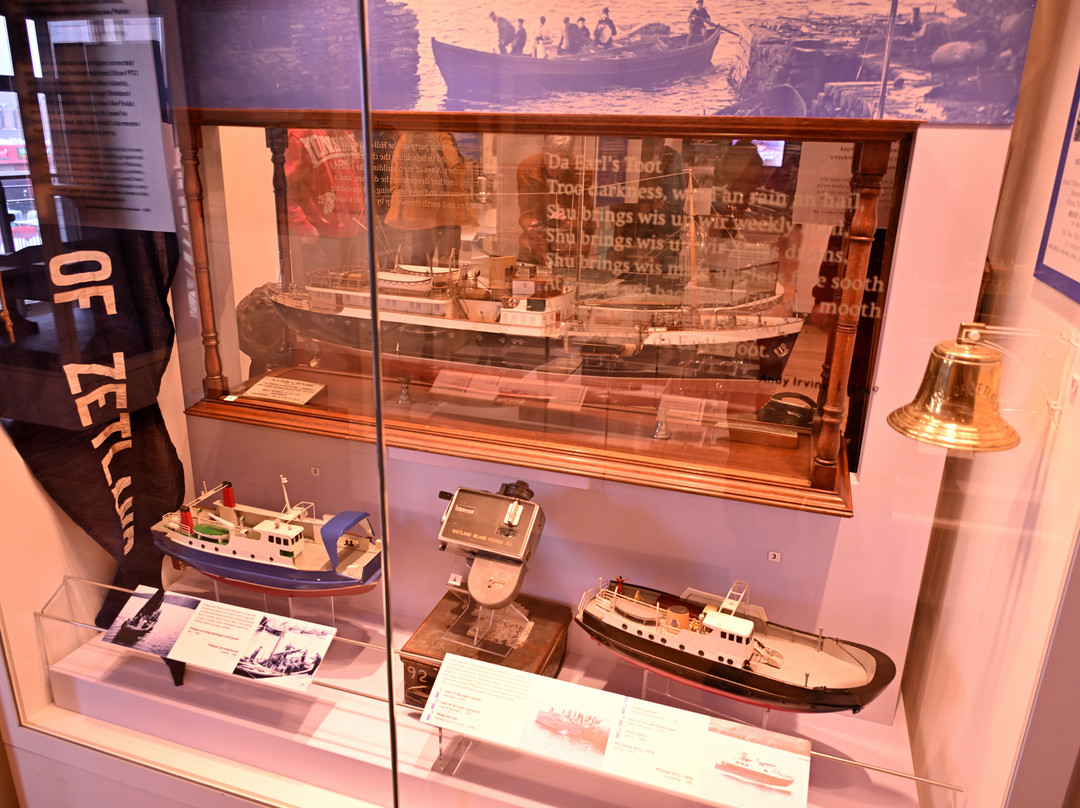
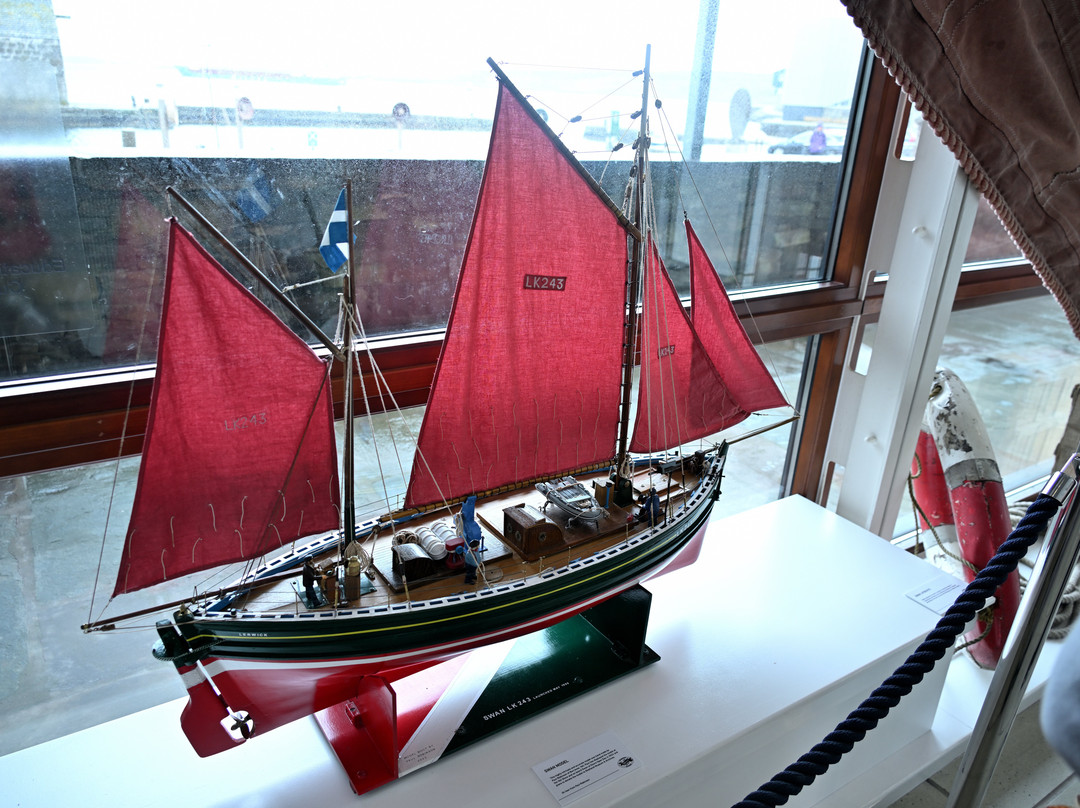
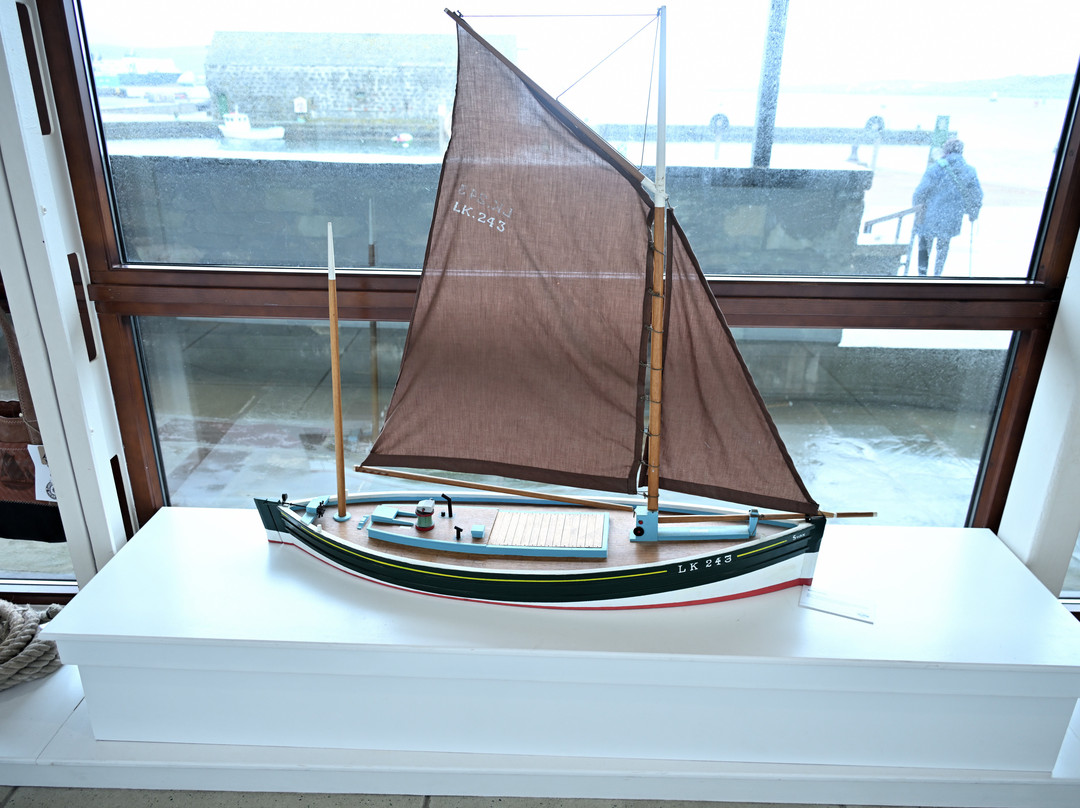
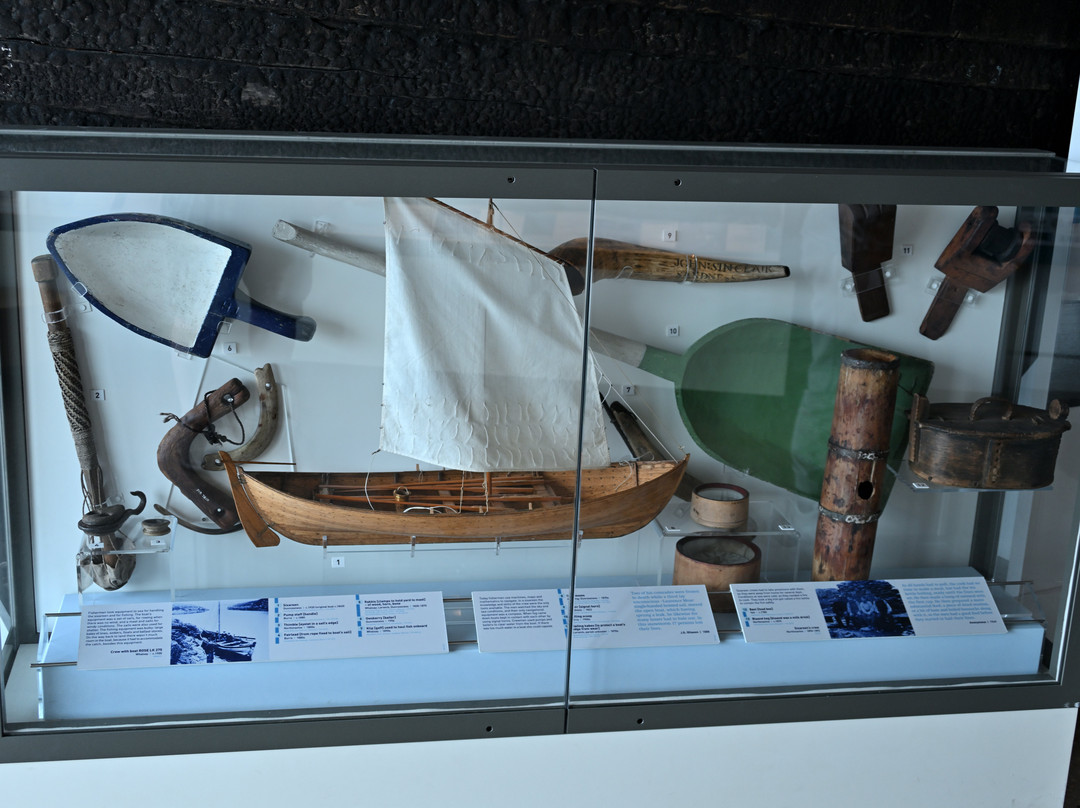
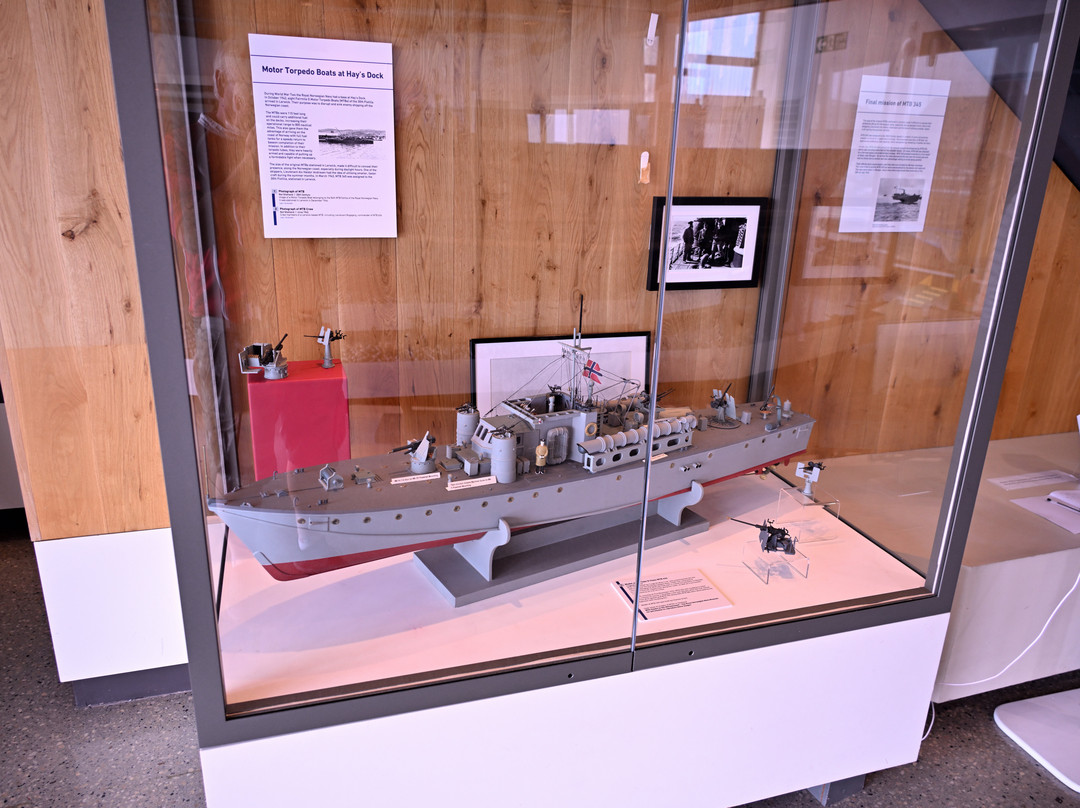
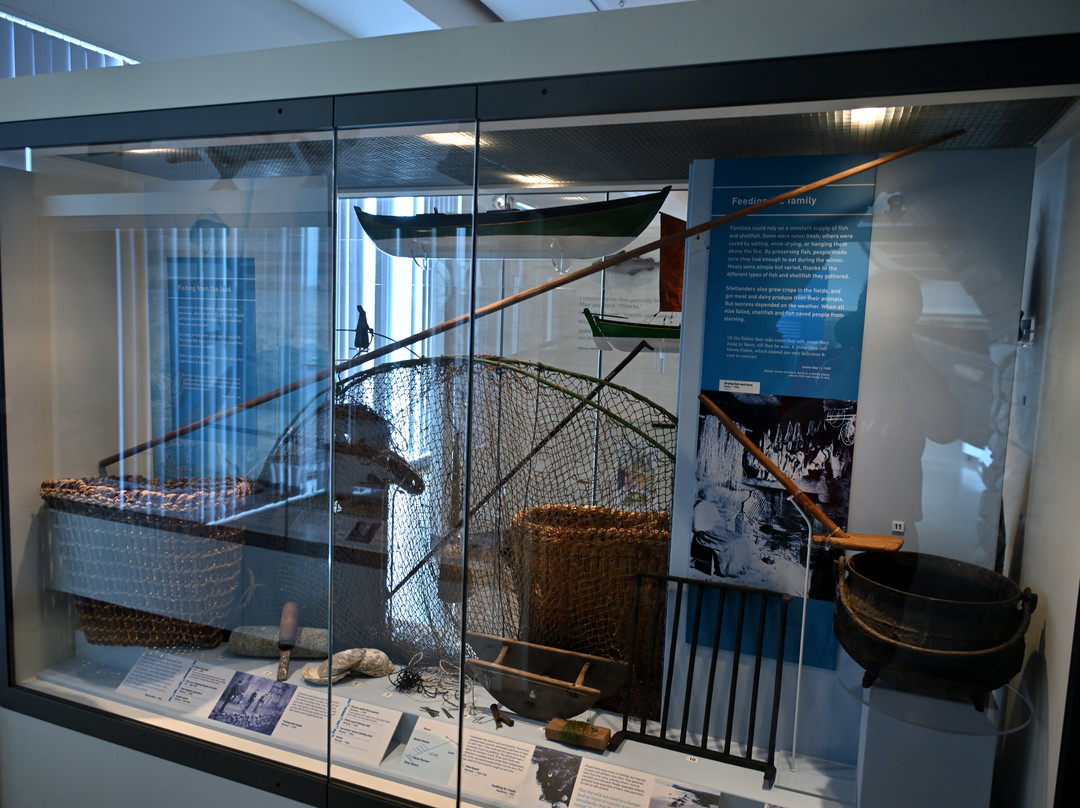
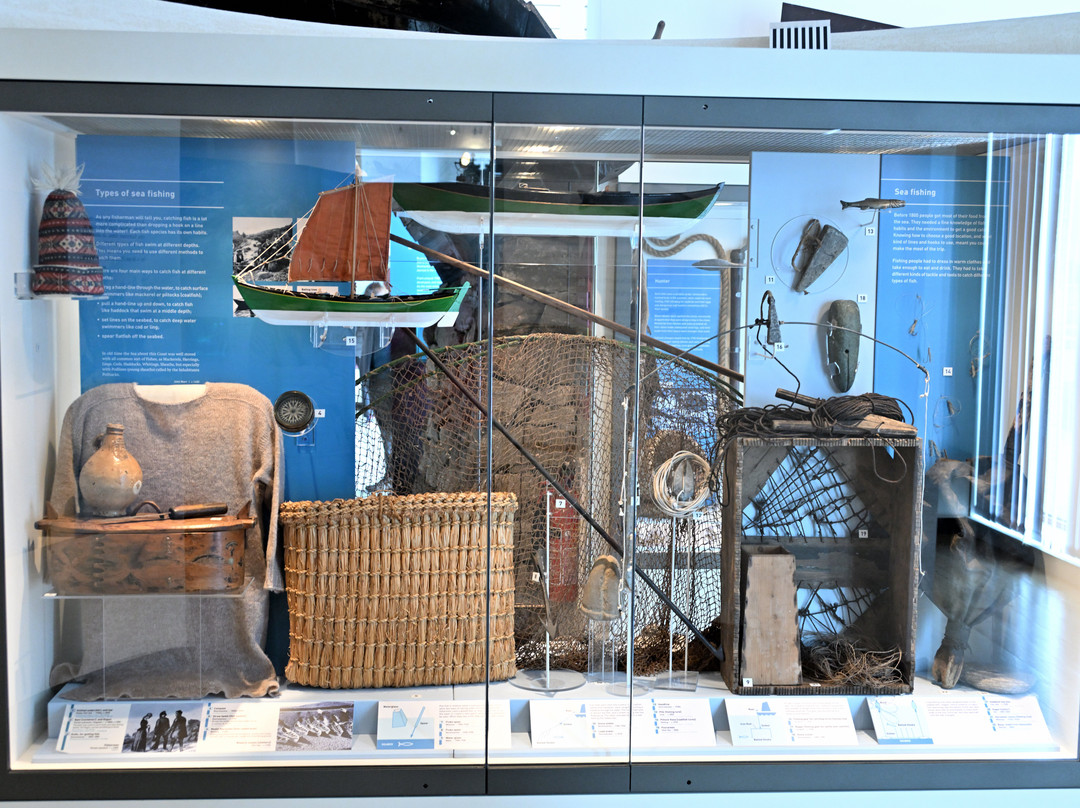
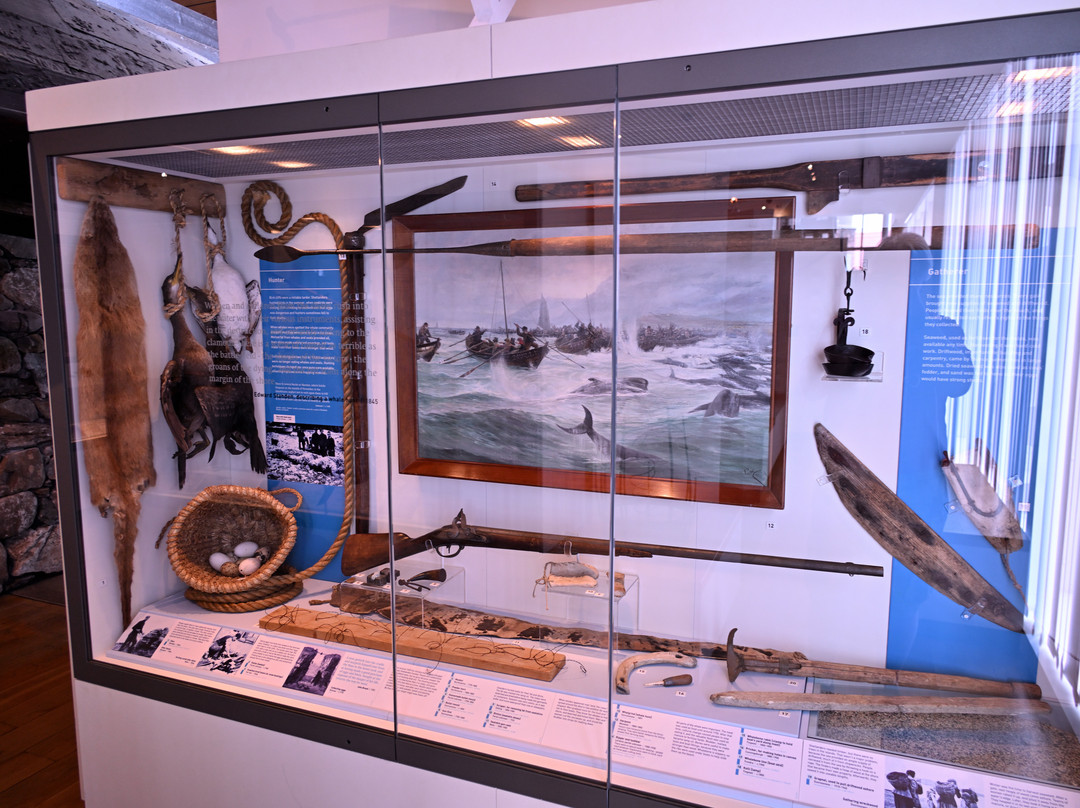
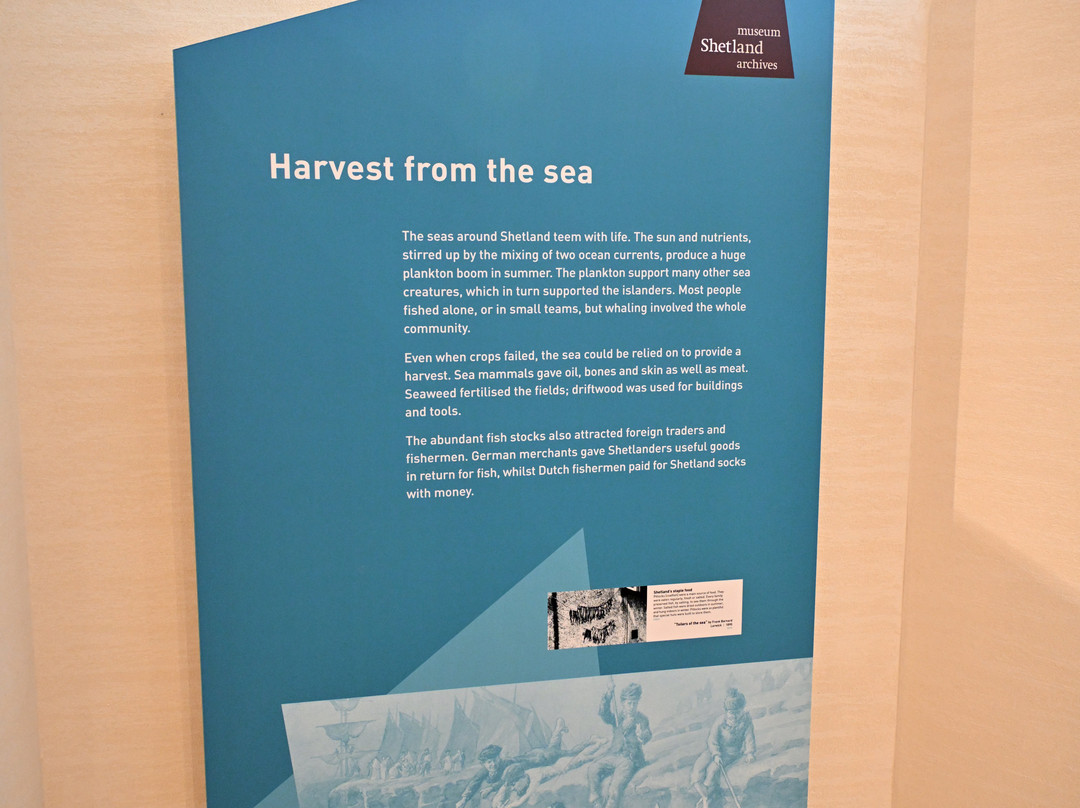
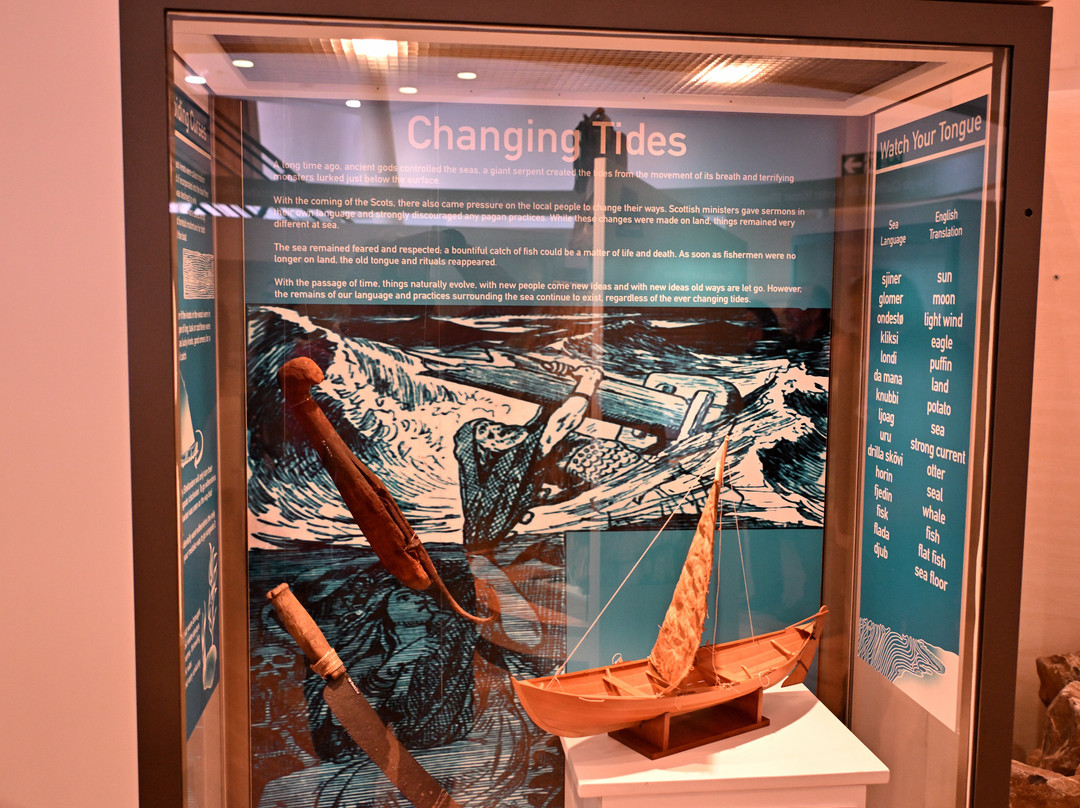
The sea was part of everyone’s life on Shetland being an island. The typical diet included fish, shellfish, seafowl and their eggs. There are displays of the gear to catch these using lines or net, and fishing from boat or shore. There are numerous types of hand-lines, as well as specialised baskets. There are full-sized boats and models of traditional craft, as well as equipment used in boat handling.
This "food for the table" existence eventually expanded into one of Shetlands great industries. The earliest commercial fishing used traditional gear and there are examples of this equipment.
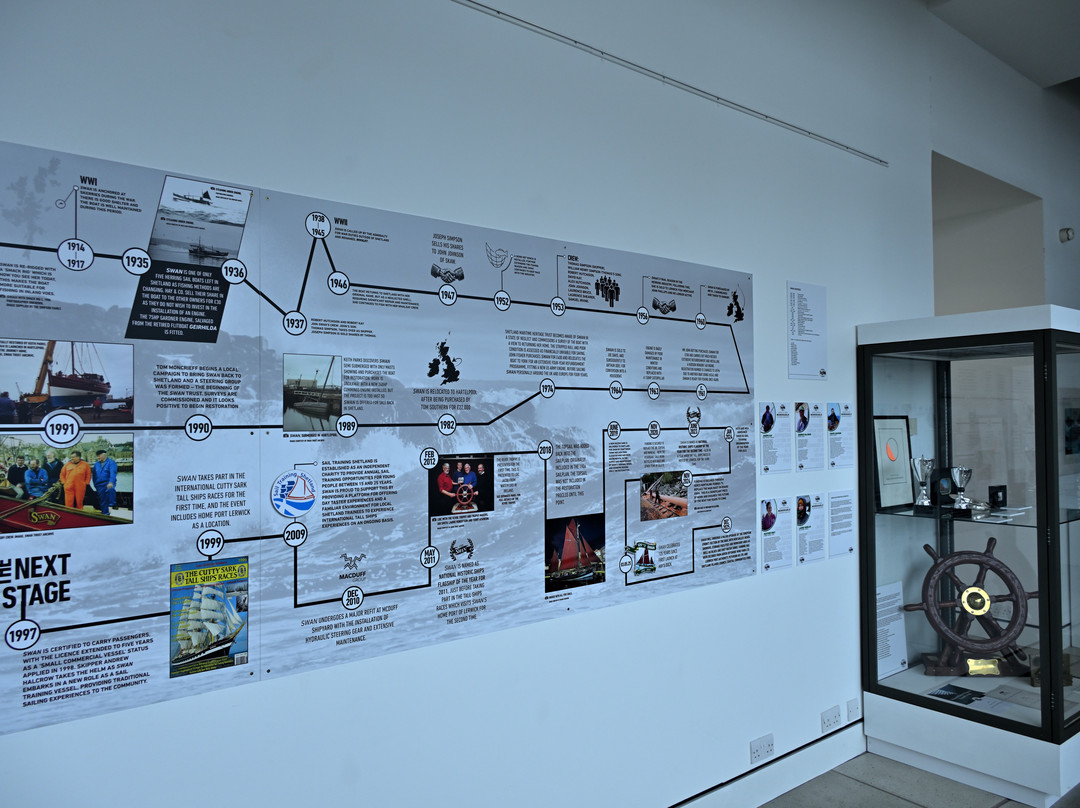
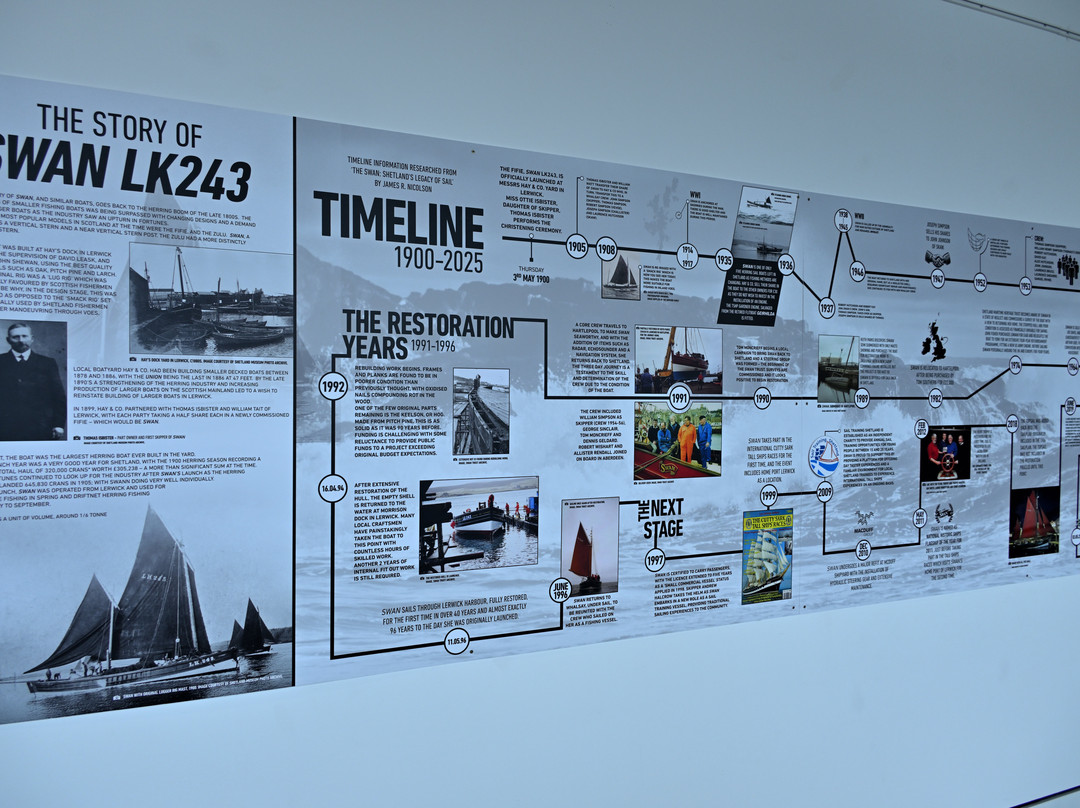
The commercial fishing exhibition follows the history of the ever-changing industry, from sail to motor, from lines to nets, and from quadrant to radar. Shetlanders abandoned indigenous technologies in the 19th century and adopted new fishing and navigation methods, and new types of boats. This is reminiscent of my own families history in Cornwall. From a grandfather whole sailed a herring boat, to uncles who manned trawlers after the war and cousins who captained the big modern ocean going fishing vessels.
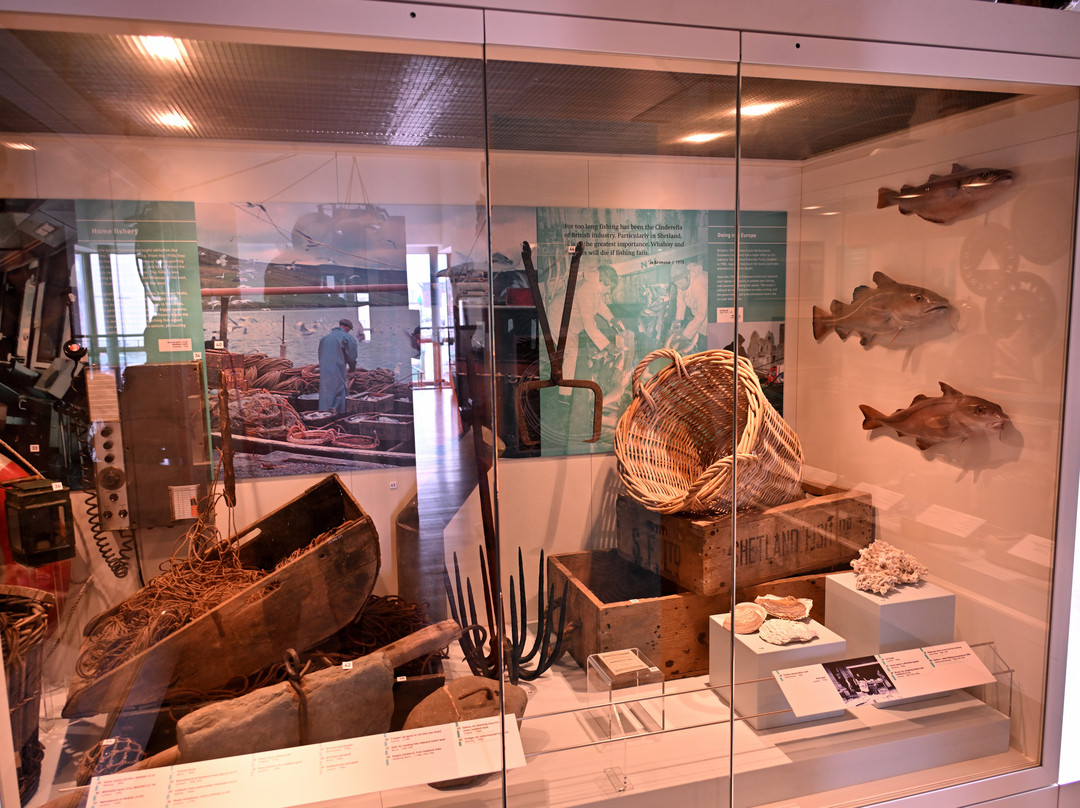
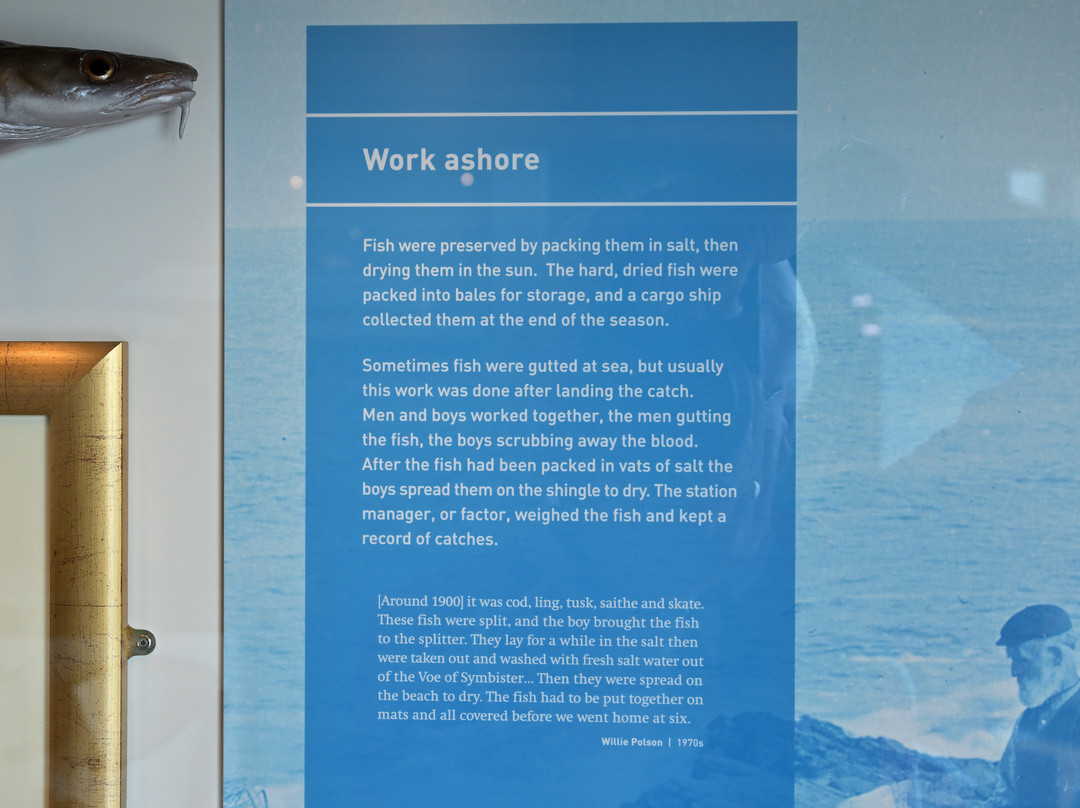
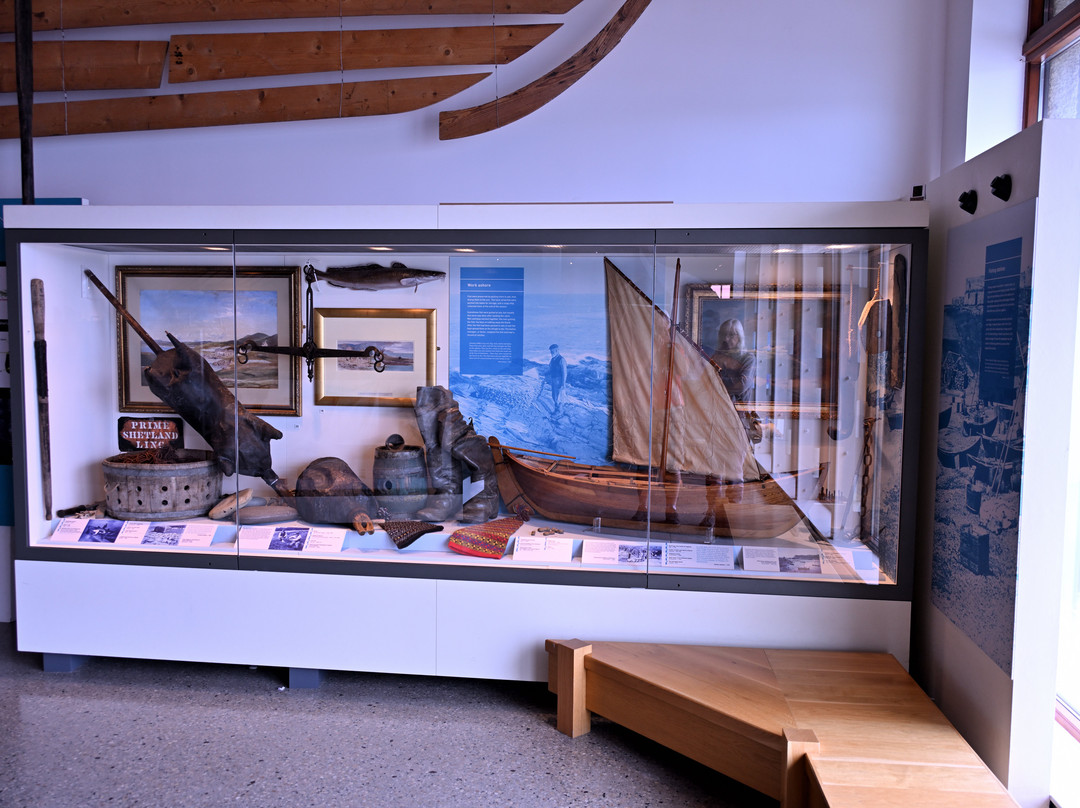
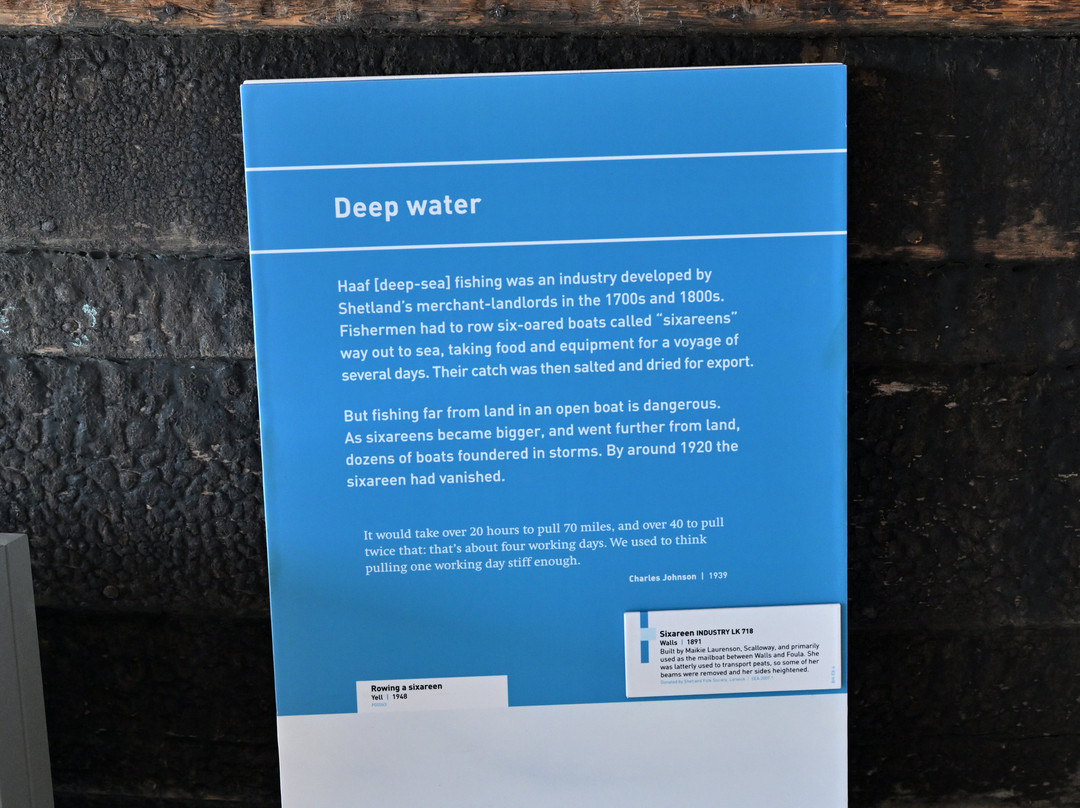
Traditionally, whitefish was the dominant catch and there is an extensive collection of objects from the exciting era of deep-sea cod fishing which include boats’ fixtures, navigational instruments and fish processing tools. Islanders also caught haddock in the local white fishery of 1850-1950. There are displays of all the equipment, from lines, buoys, sinkers, lanterns to line-haulers. Traditional equipment that became defunct when the industry moved to motor boats and catching by net from the 1940s.
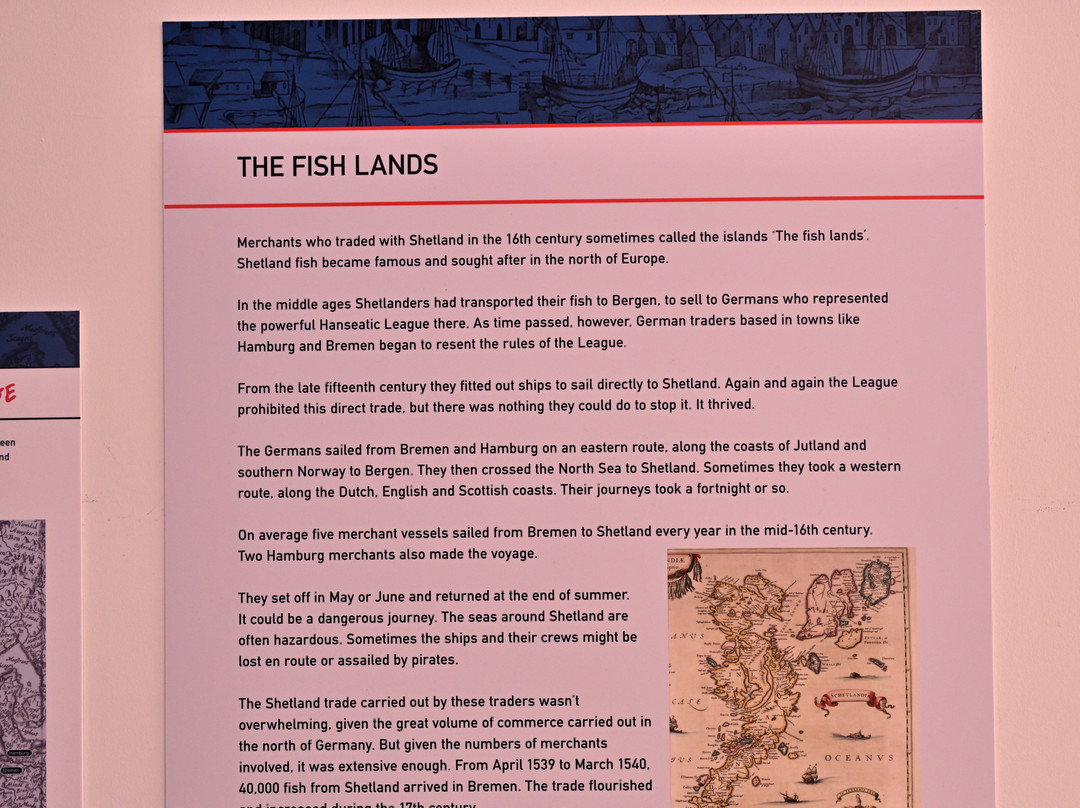
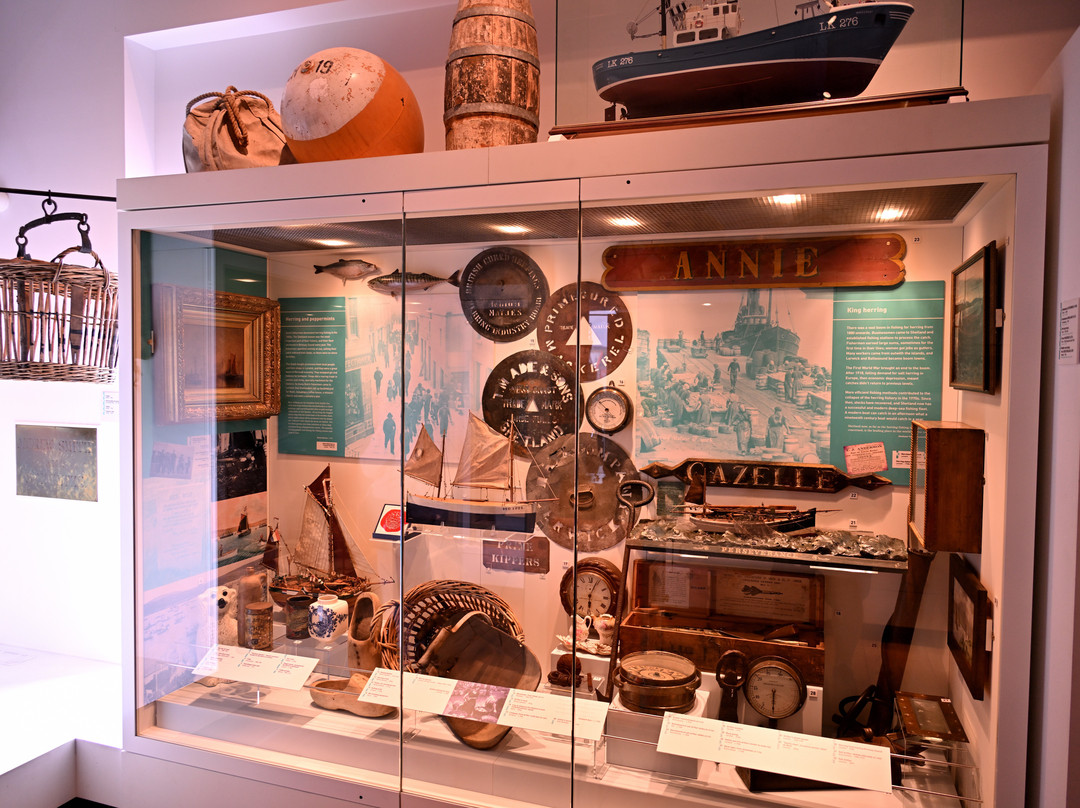
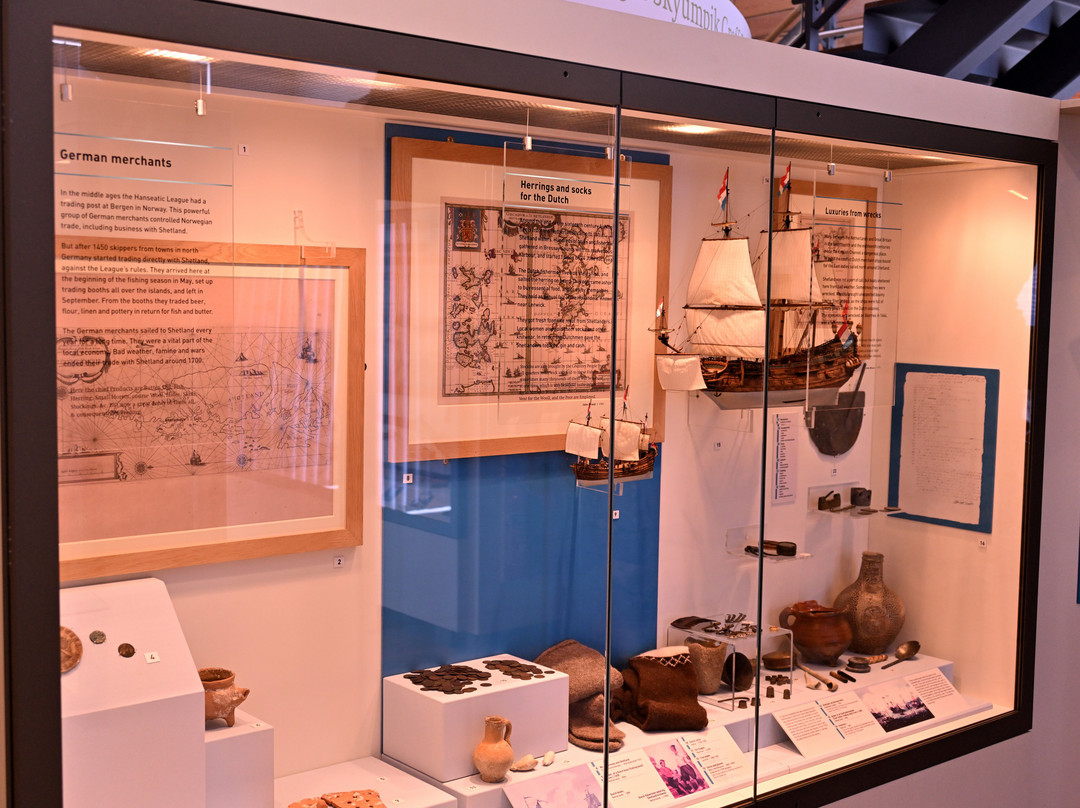
The pelagic sector also saw prosperity, starting with the Dutch fleet, there are reminders of these fishermen, like boat paintings and souvenirs of Lerwick. What was especially of interest to me was the Herring fishing section as both my great-grandfather and grandfather fished for herring off Cornwall so seeing the many artifacts from Shetlands’ own herring fishery, the gear for catching, also processing and barrel-making, brought back some memories of Cornish fishing villages.
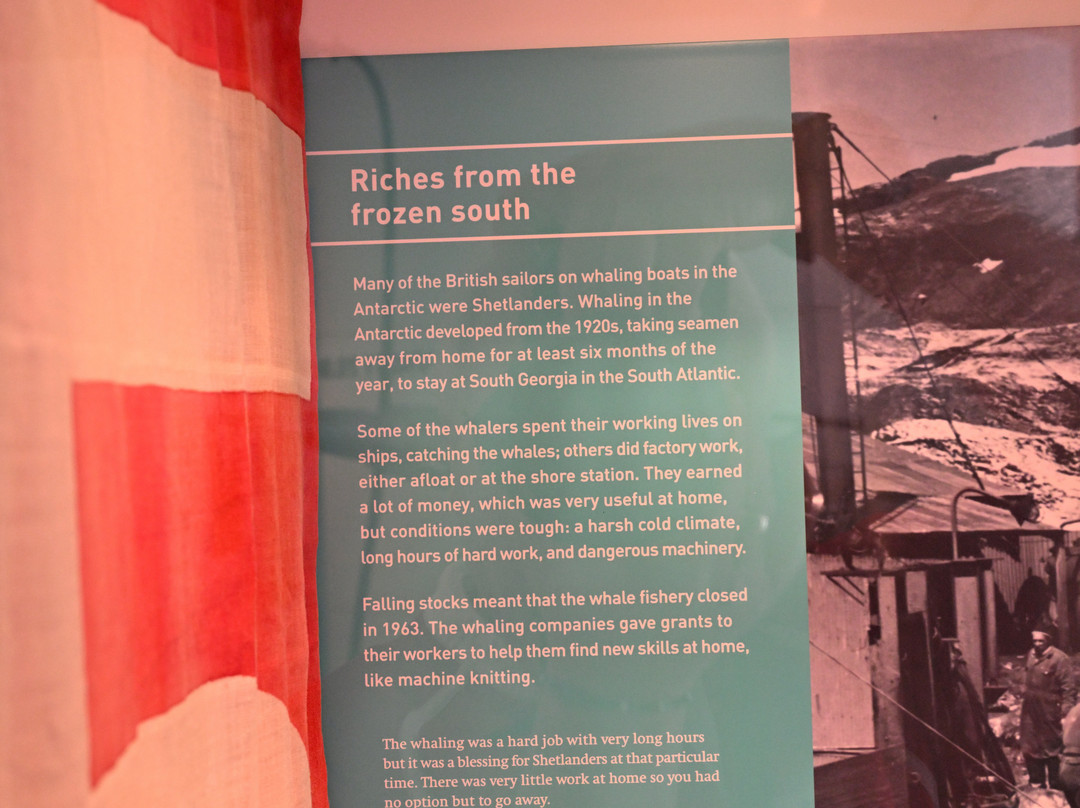
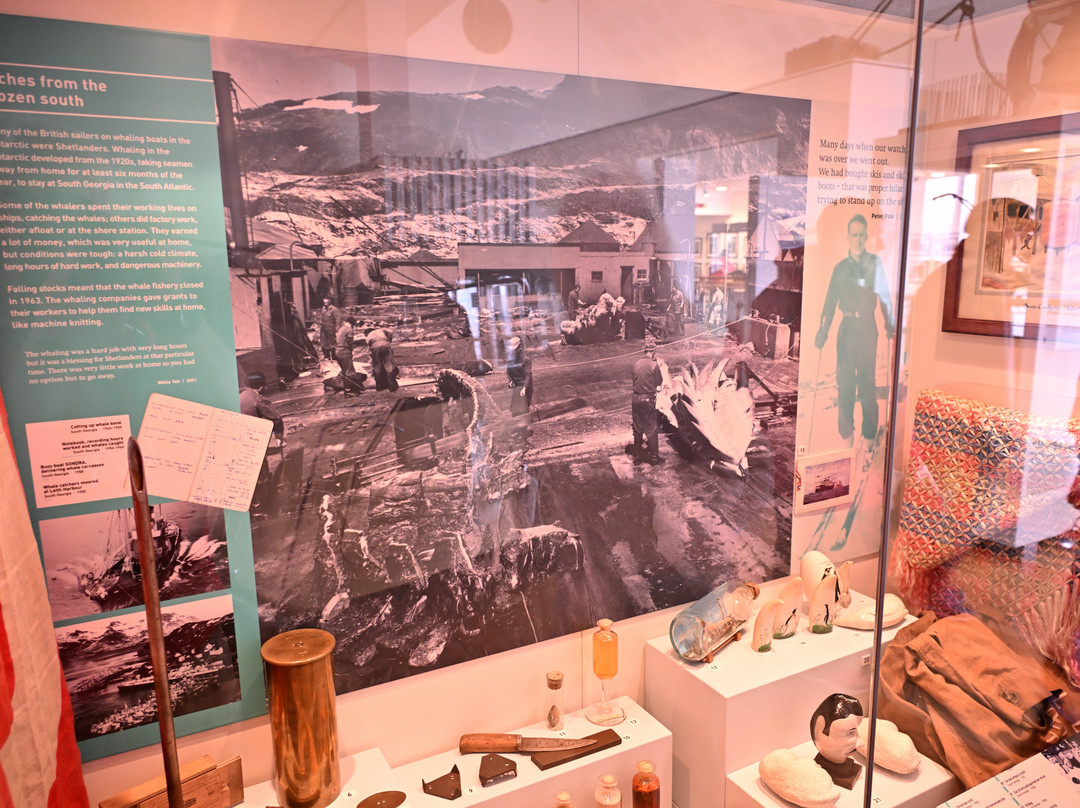
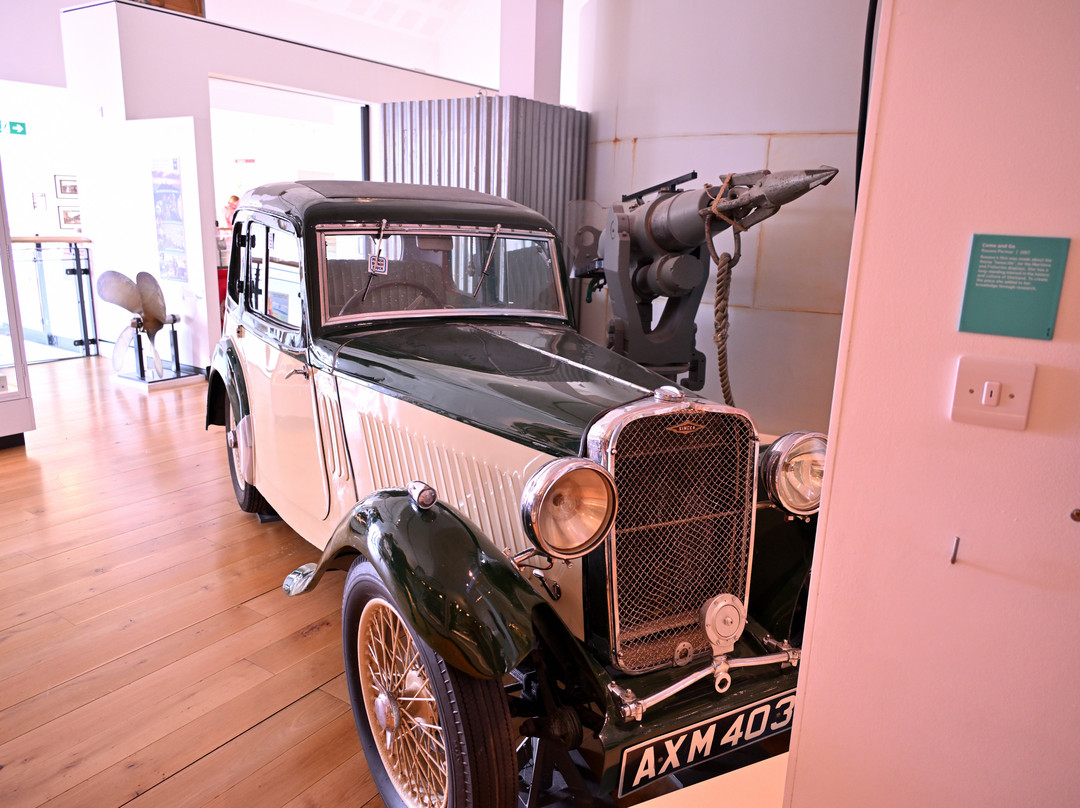
There was even a local commercial whaling industry in was the 20th century, with various items from the stations operating around 1900-1920. Later, islanders followed the industry to the South Atlantic, and the collection holds pieces of apparatus and whalers’ crafts, some of the larger items include a harpoon gun, down to the smallest such as painted penguins’ eggs.
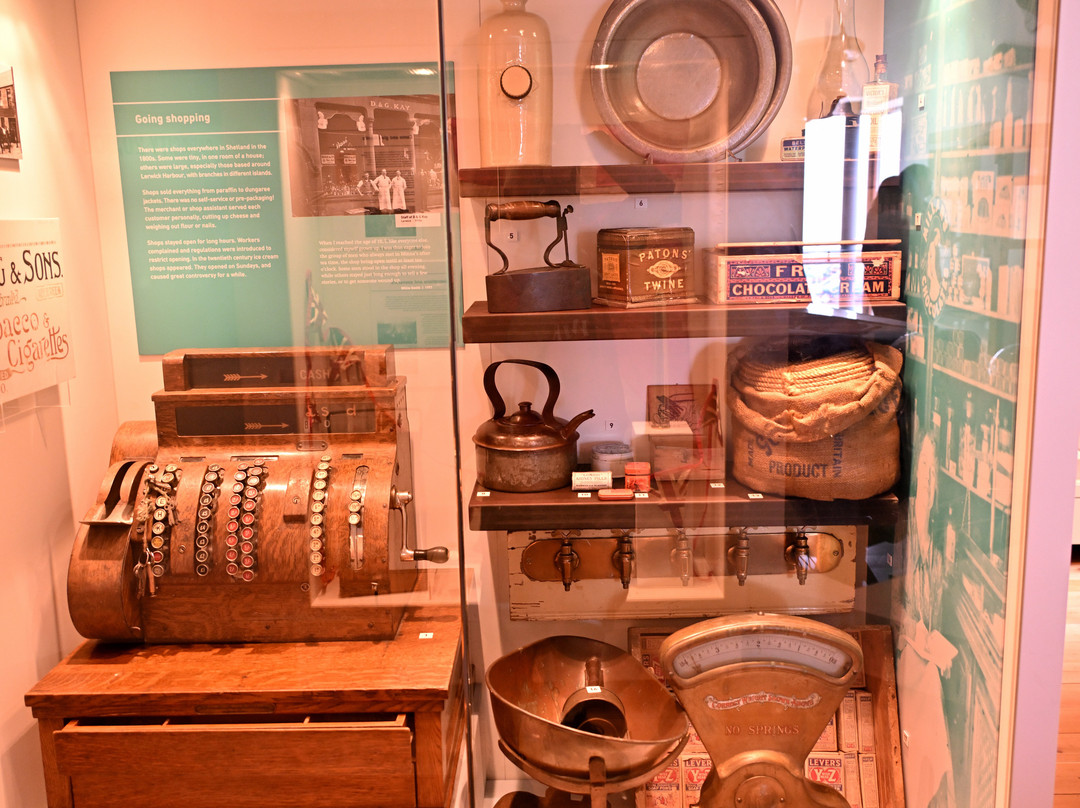
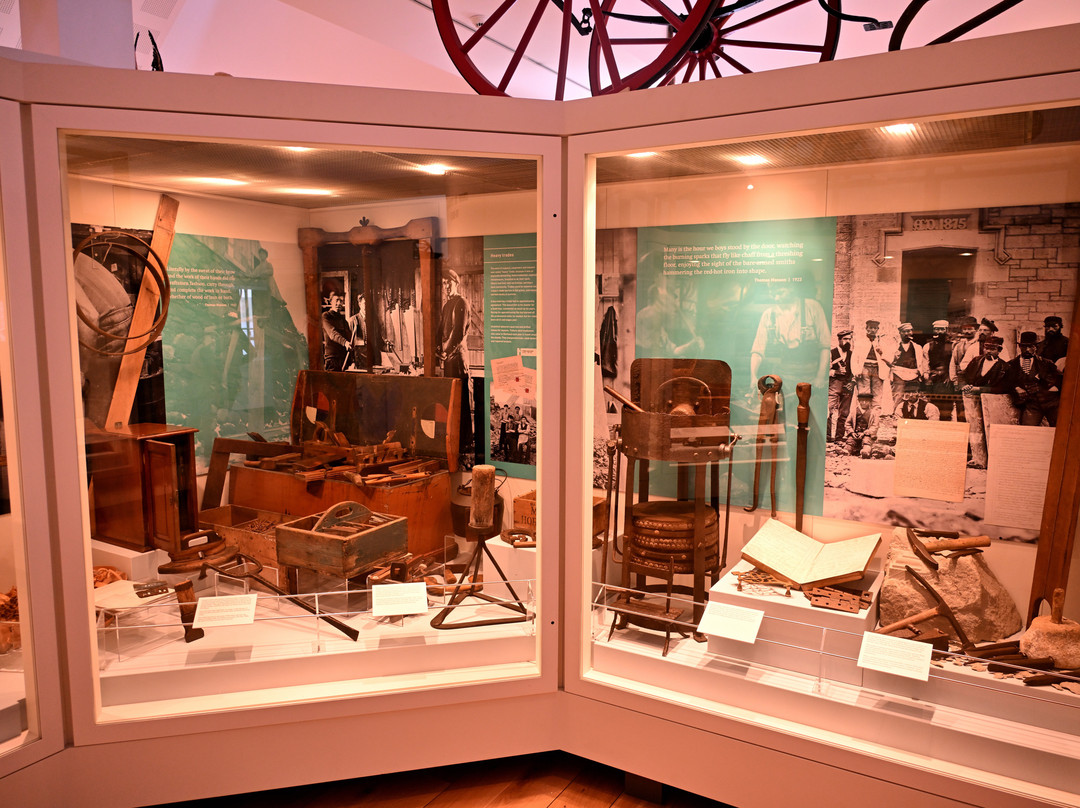
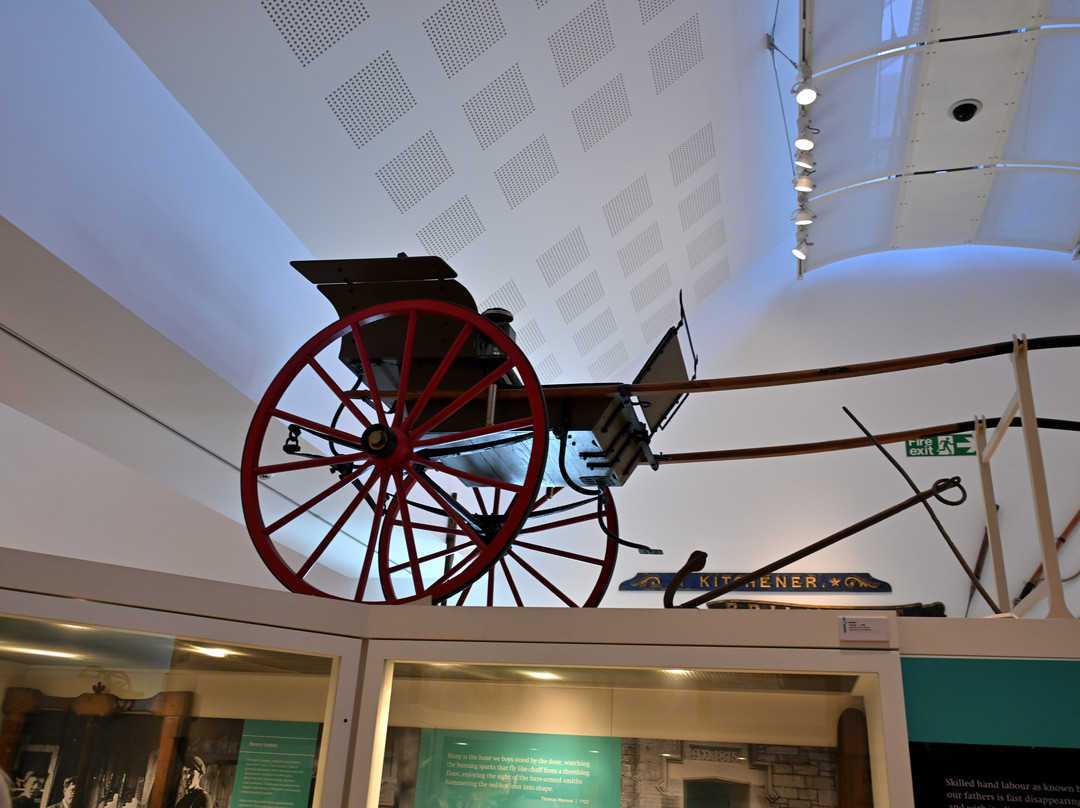
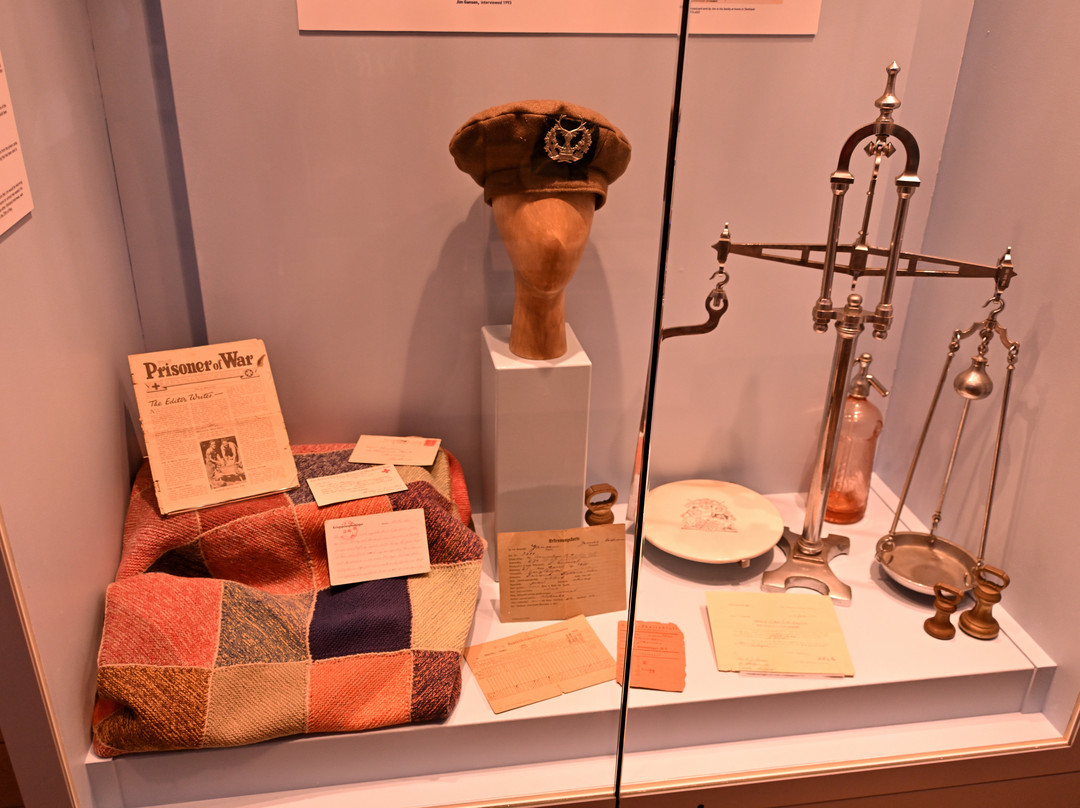
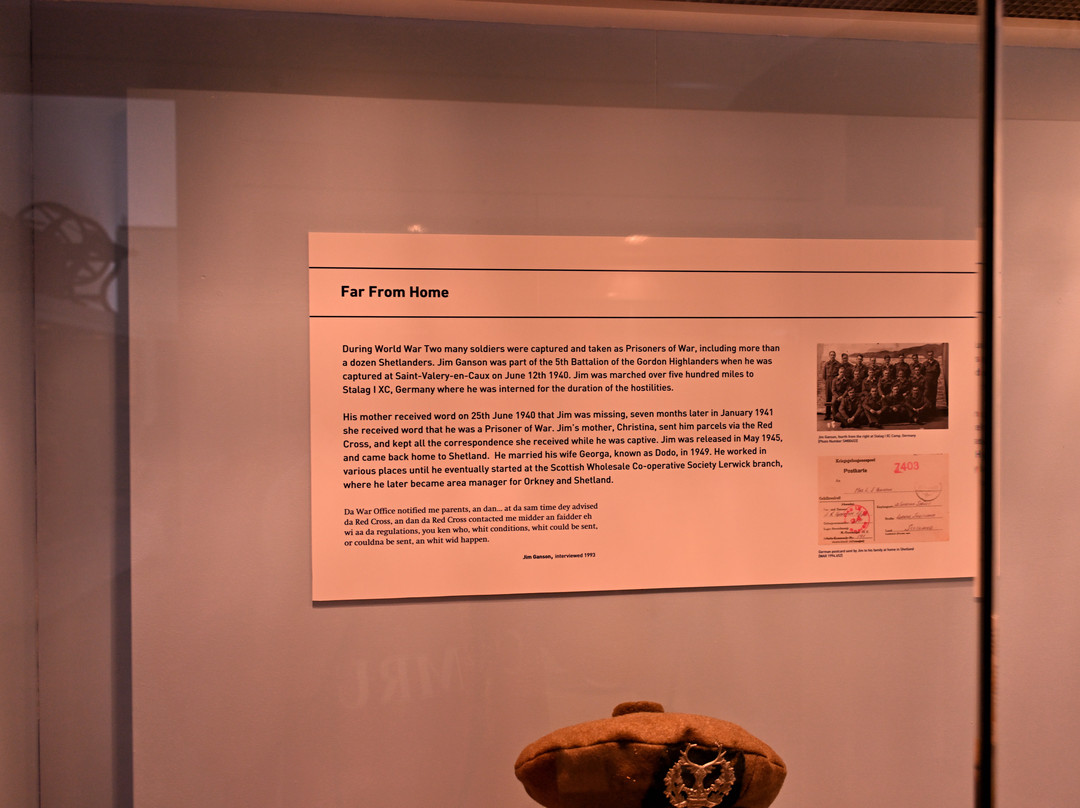
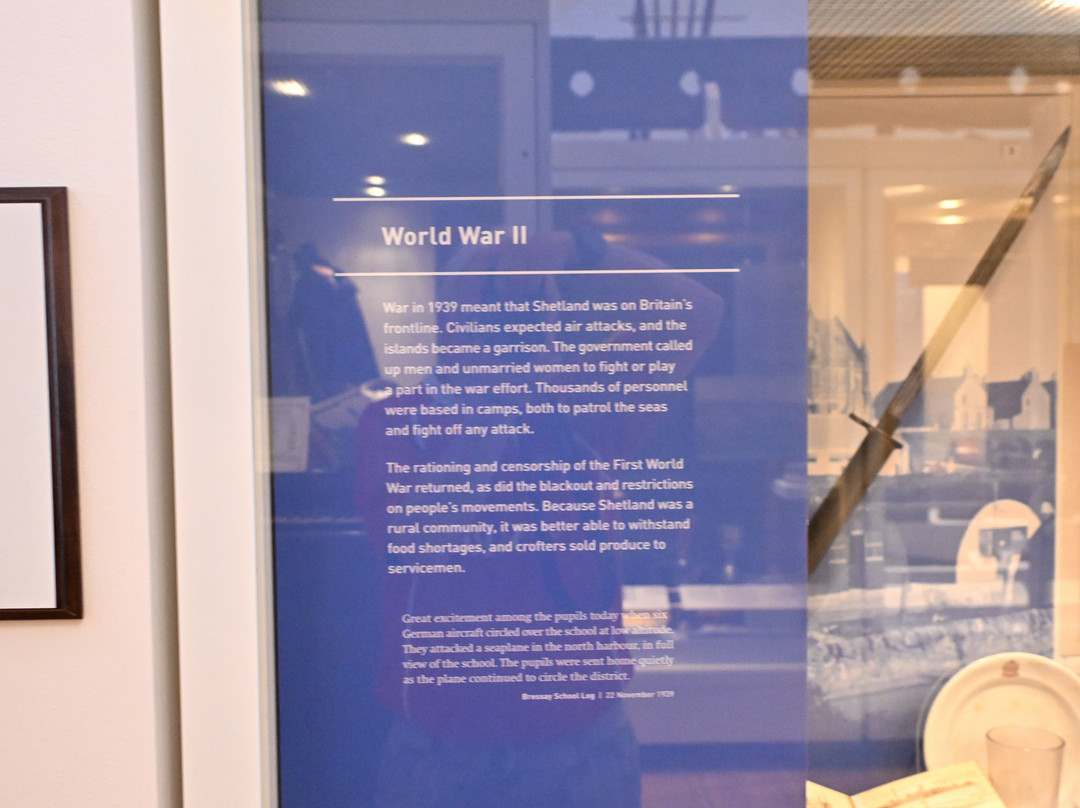
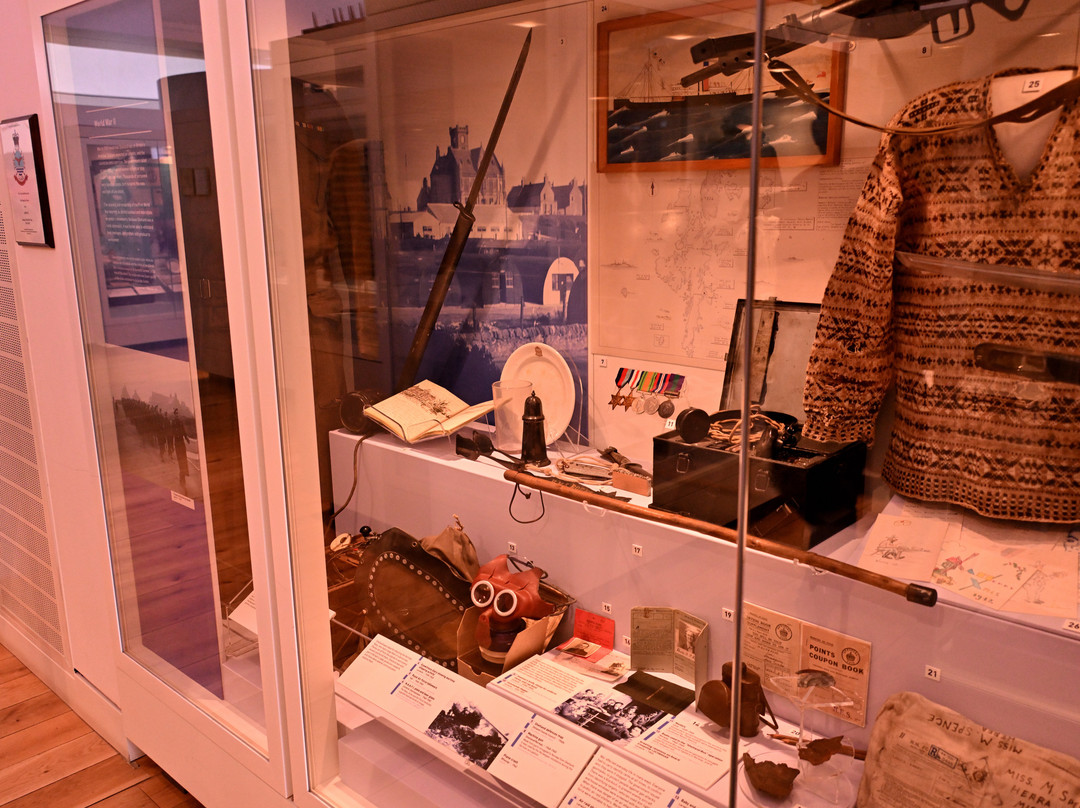
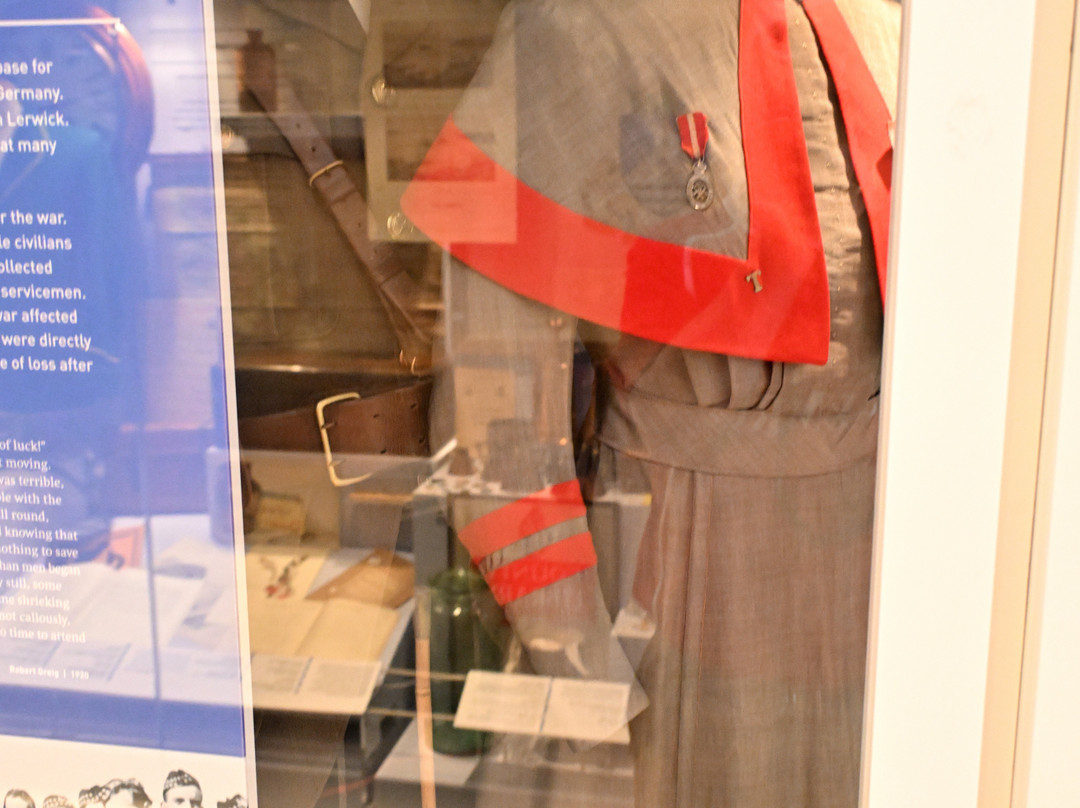
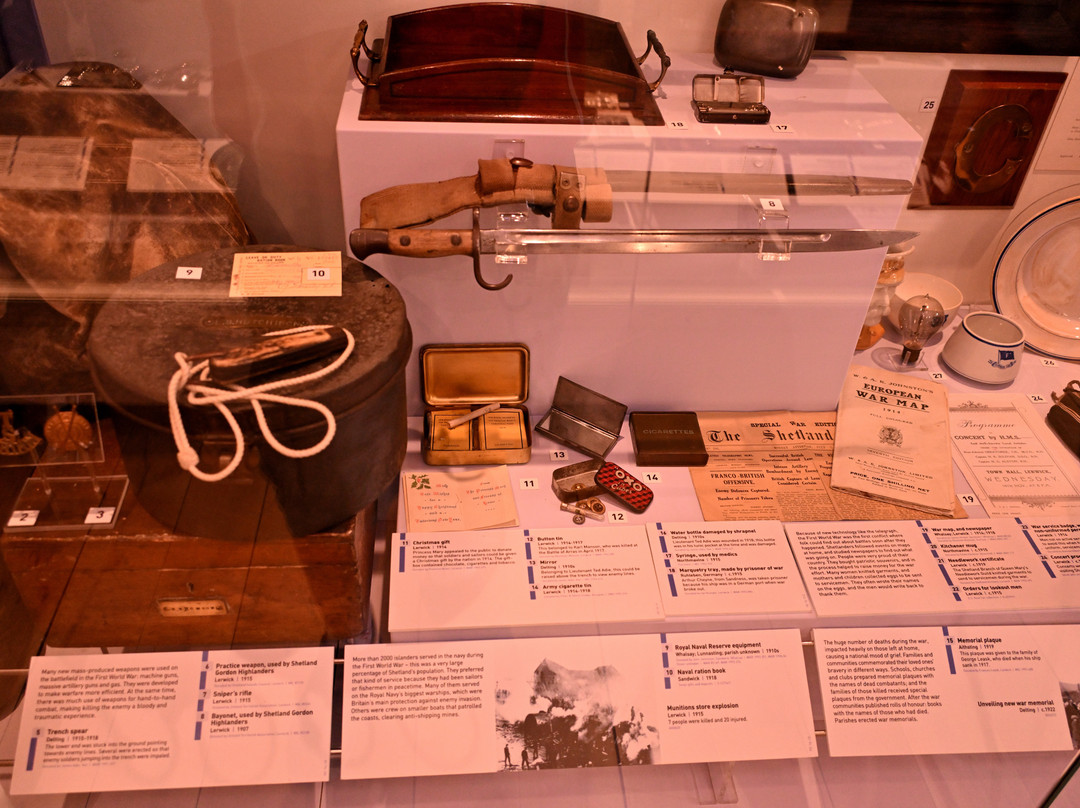
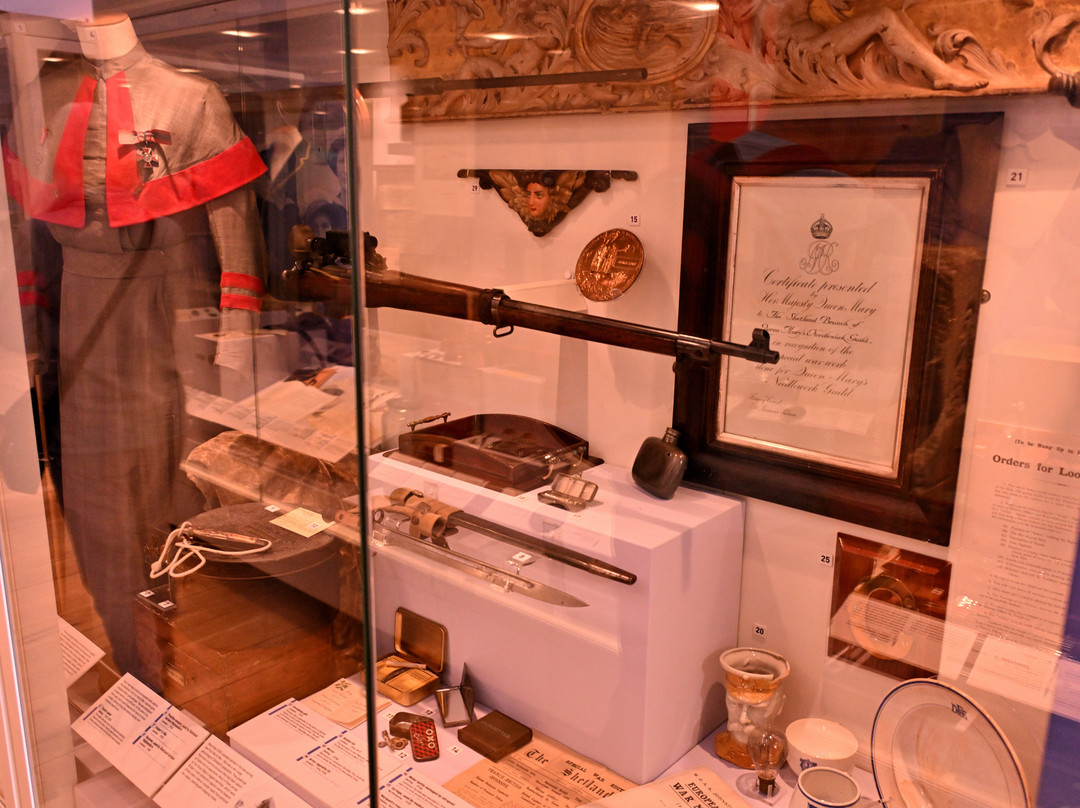
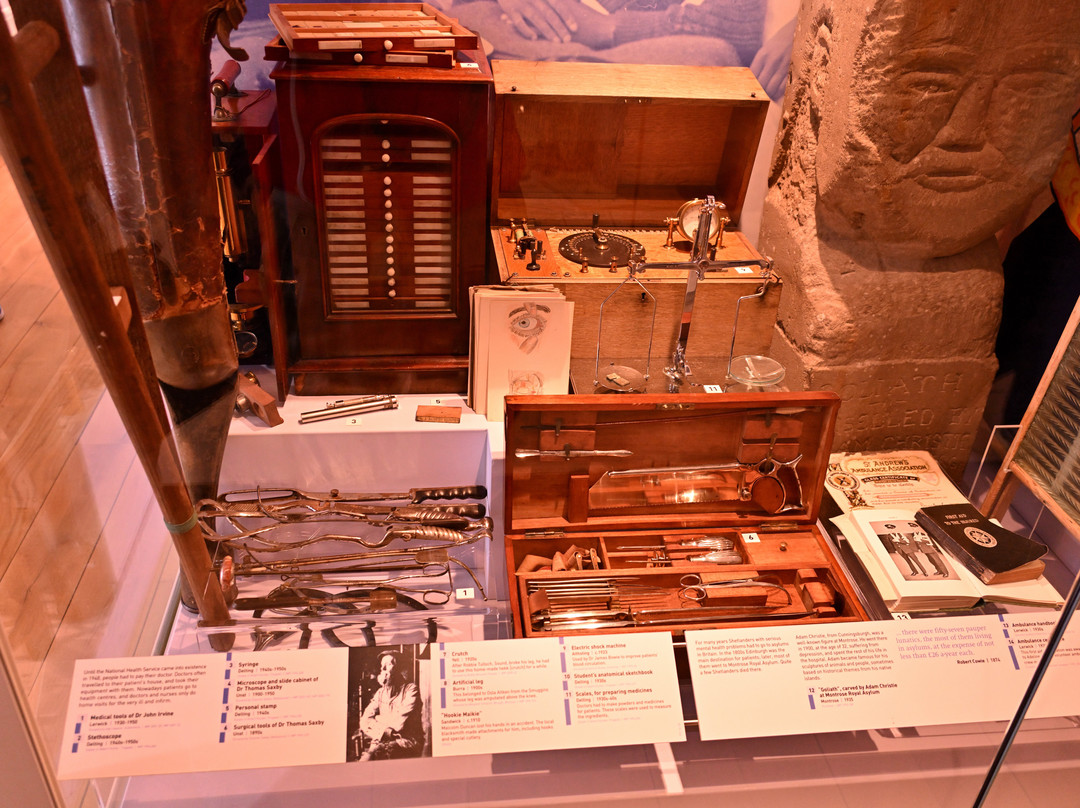
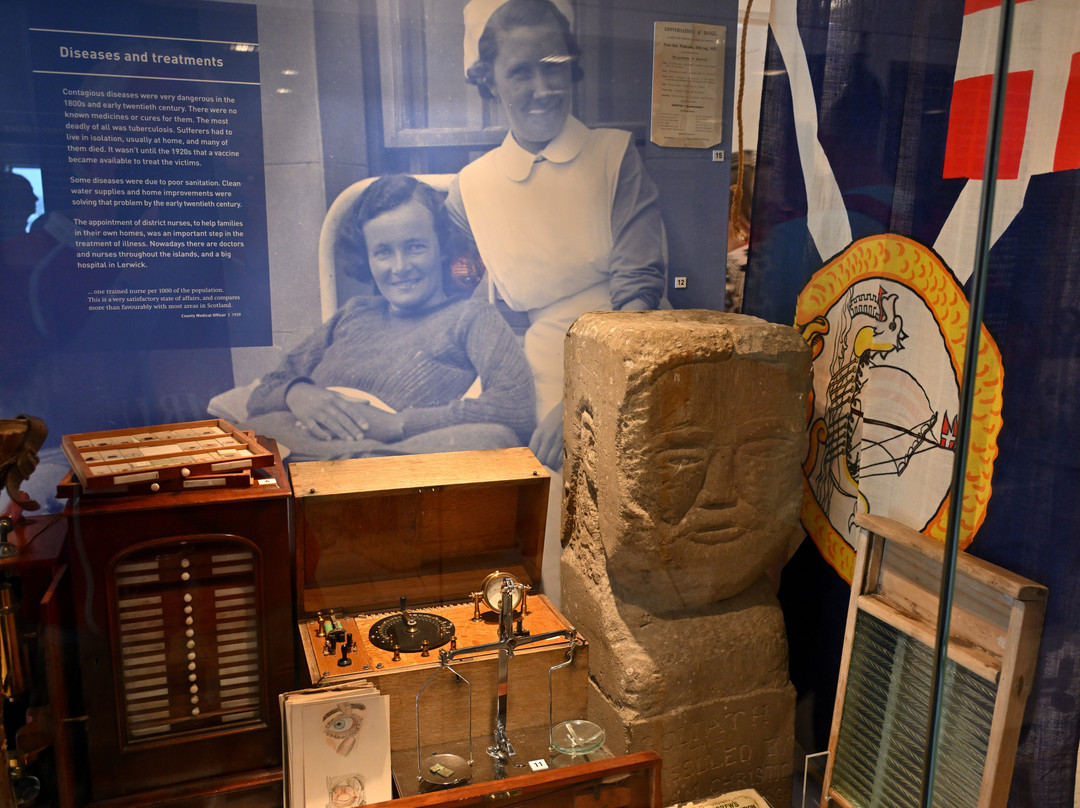
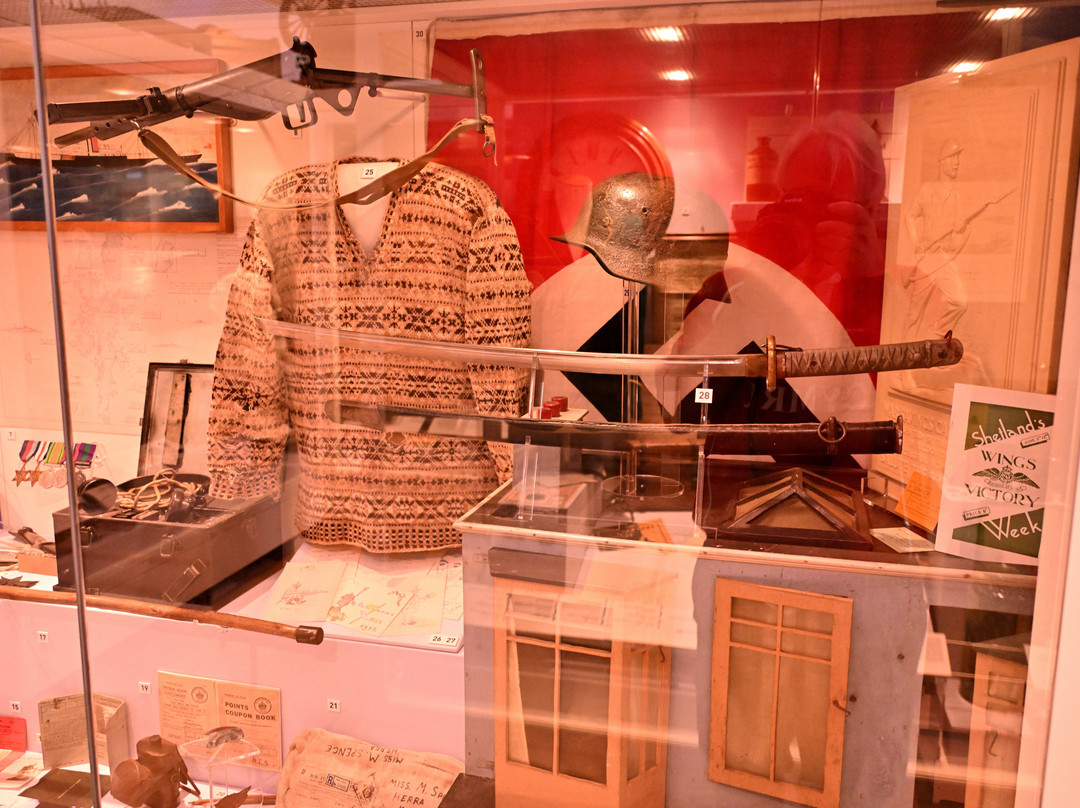
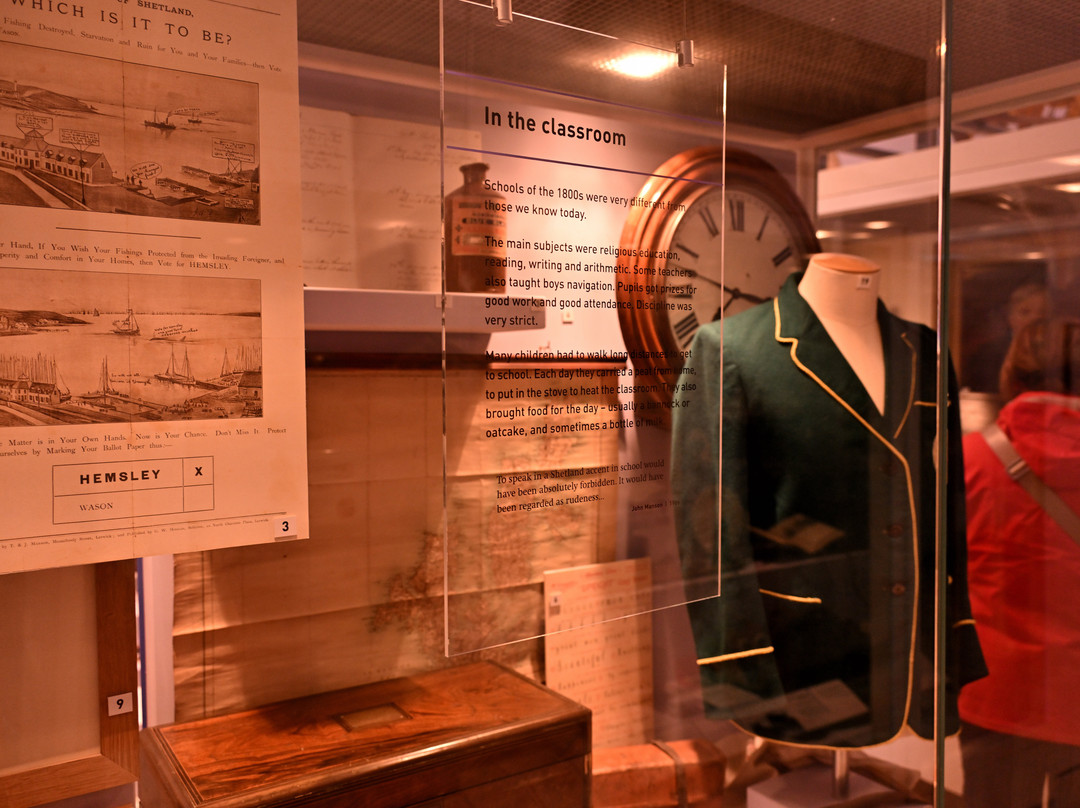
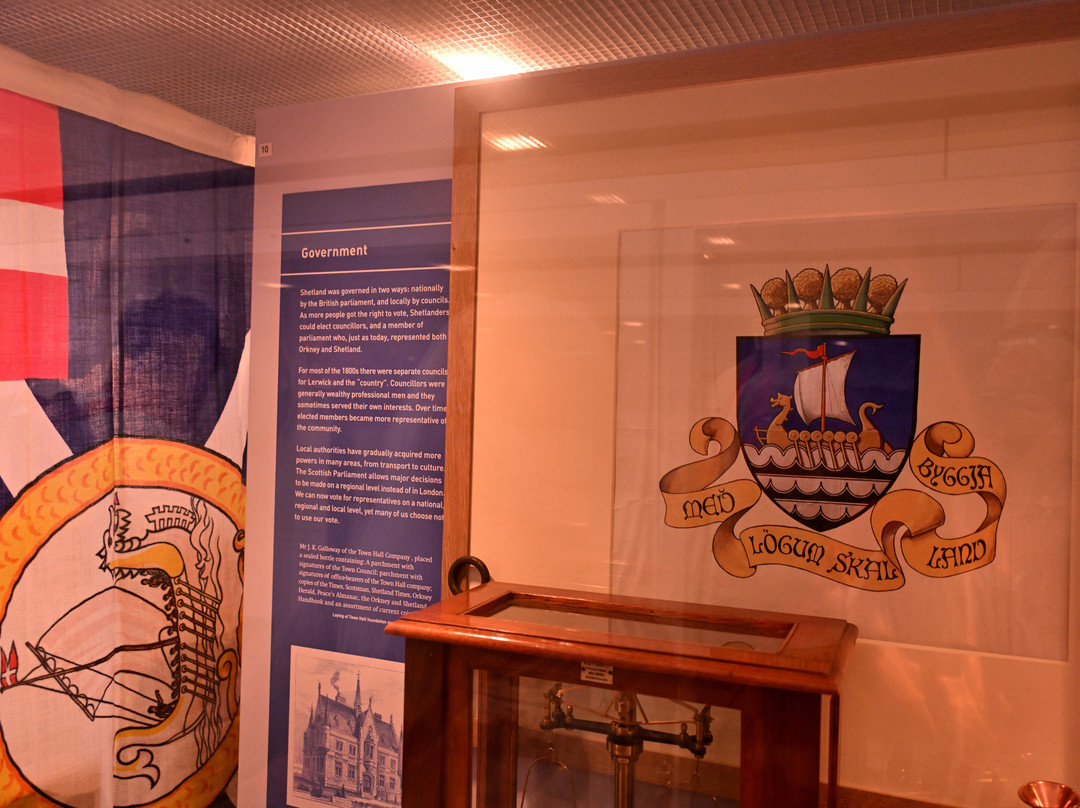
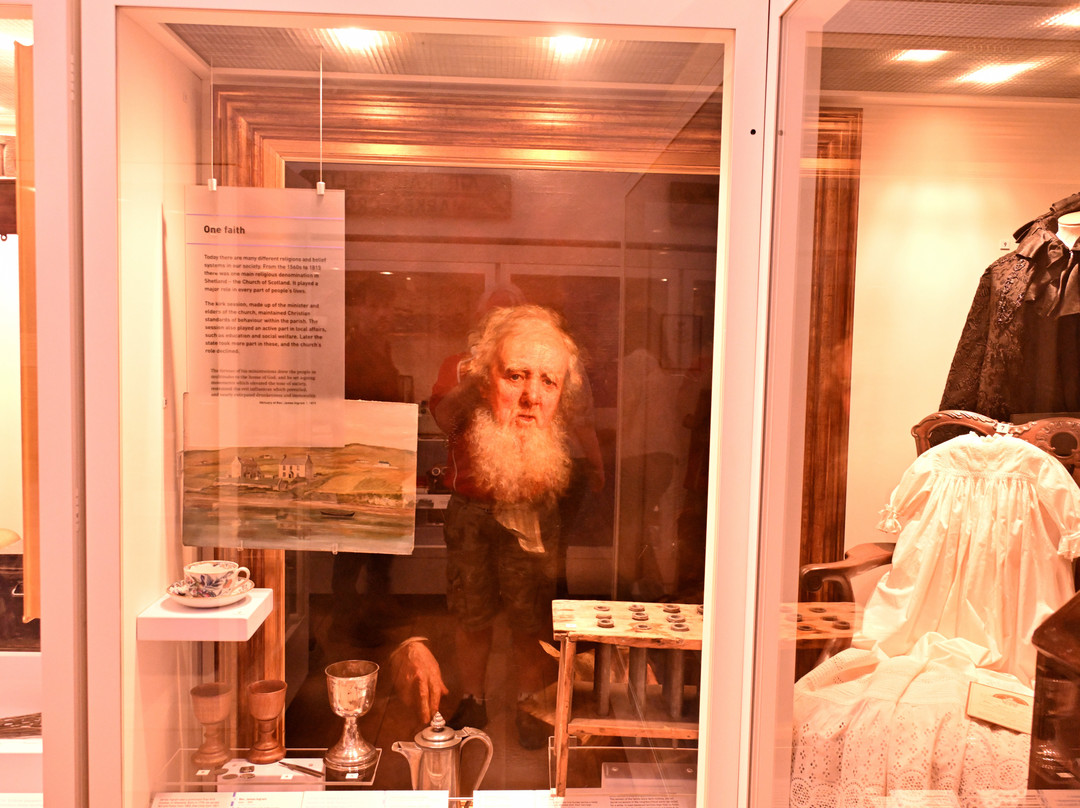
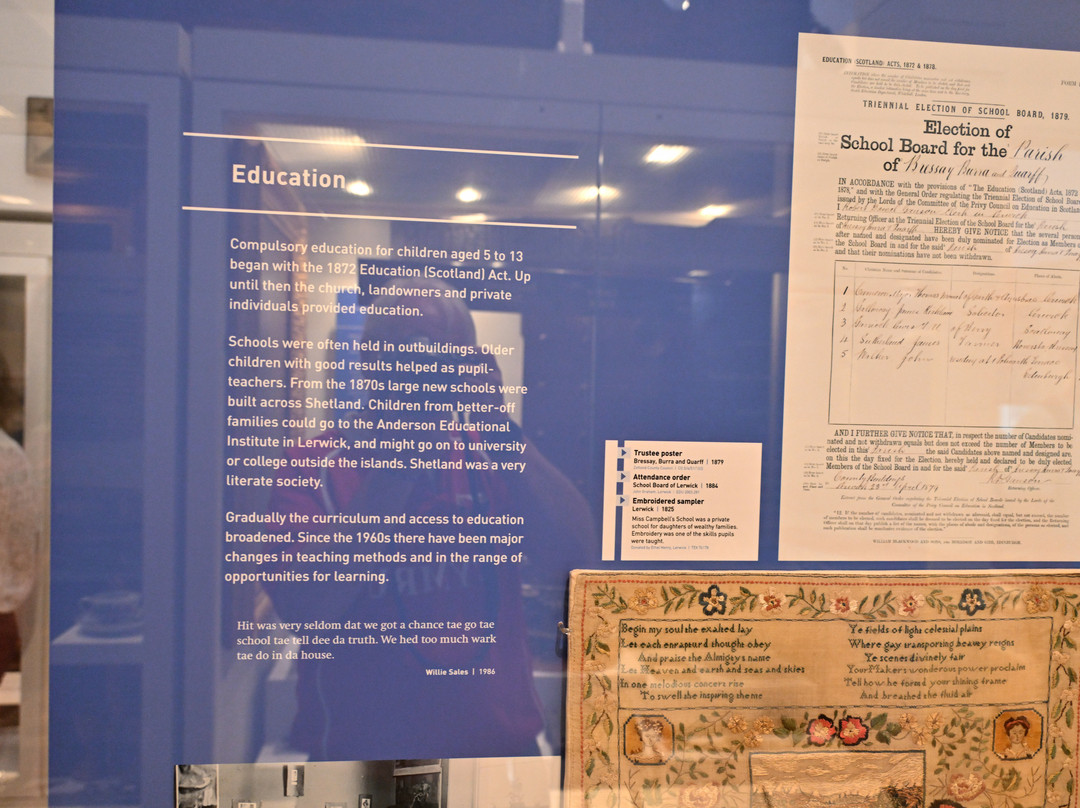
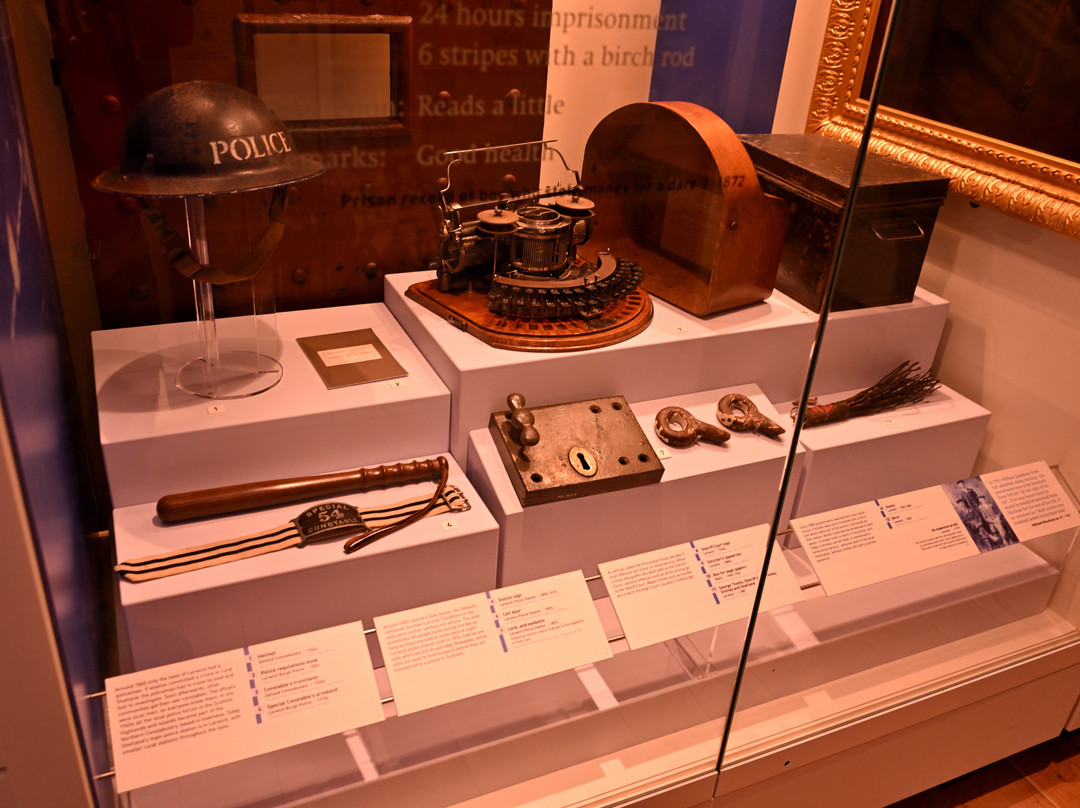
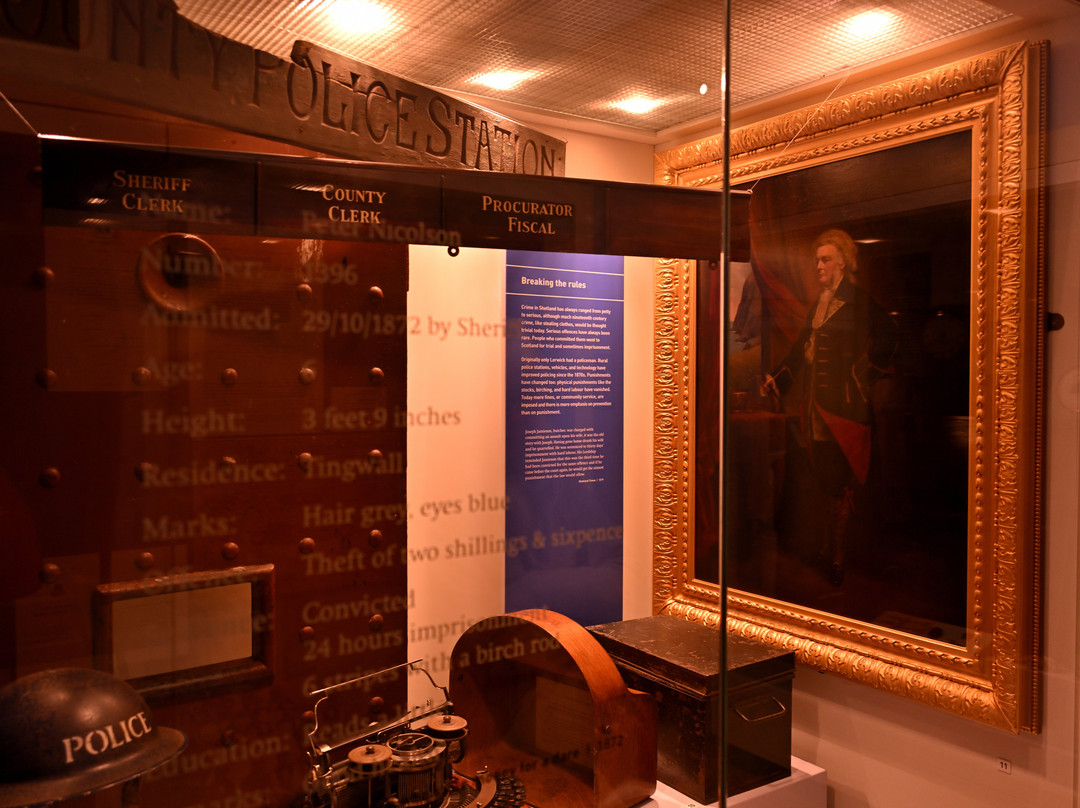
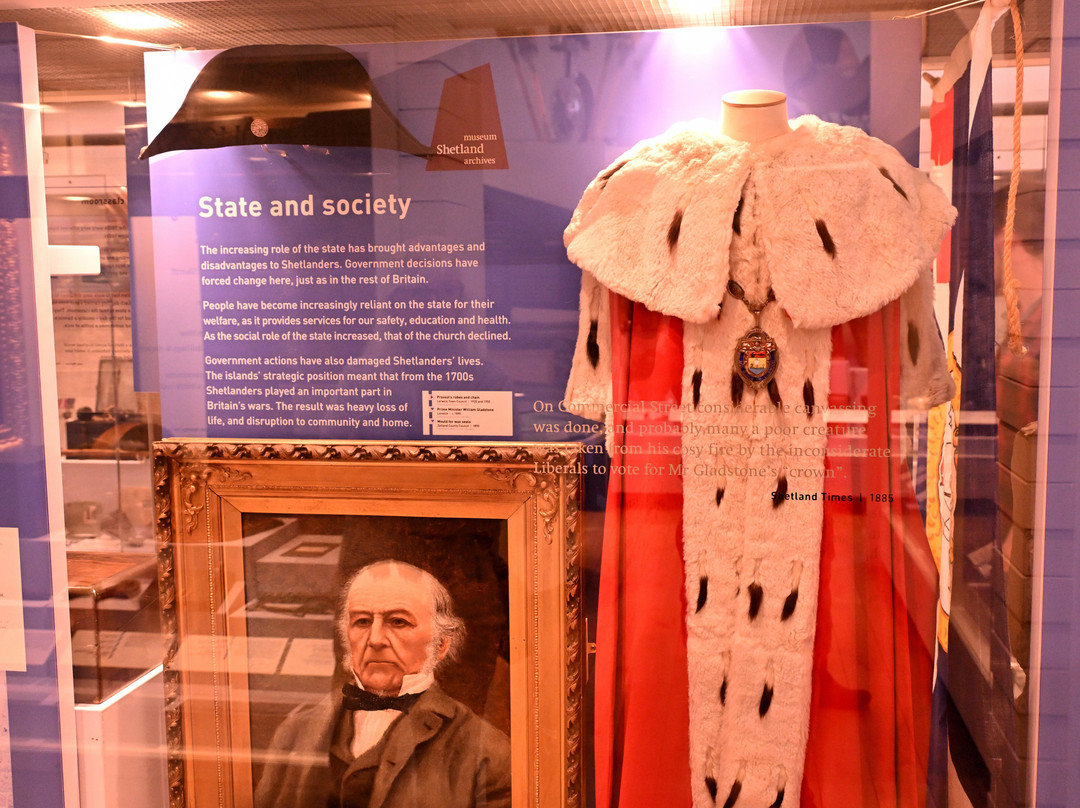
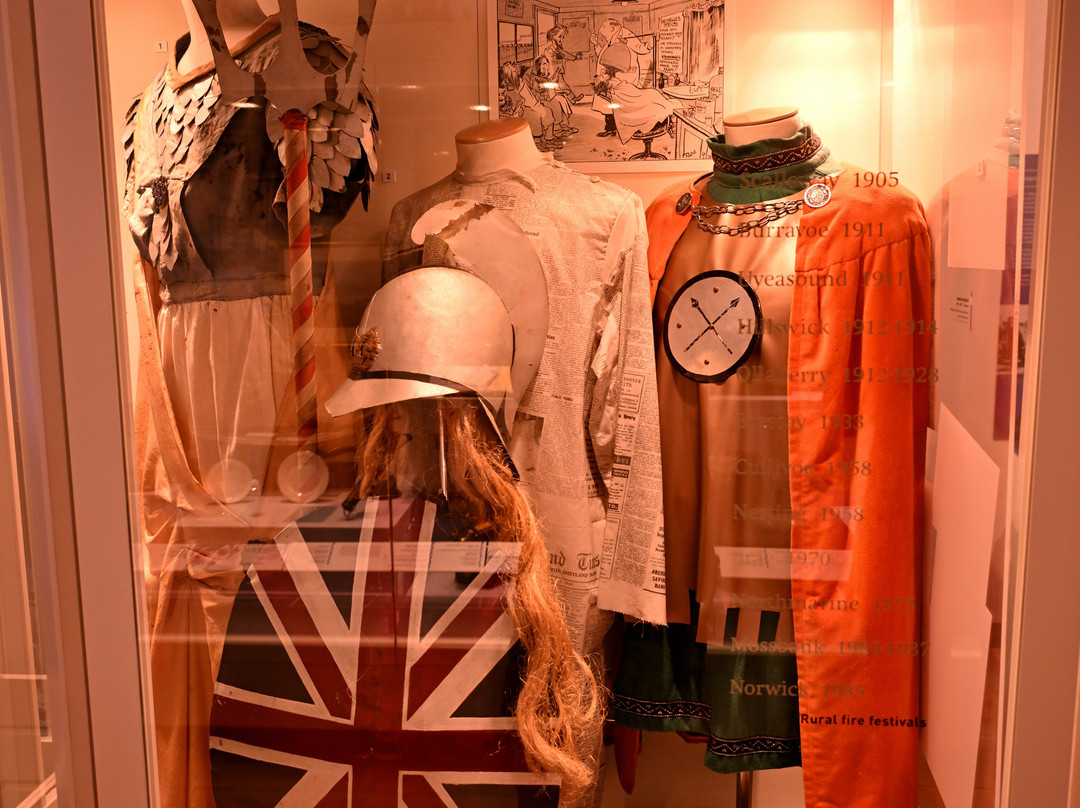
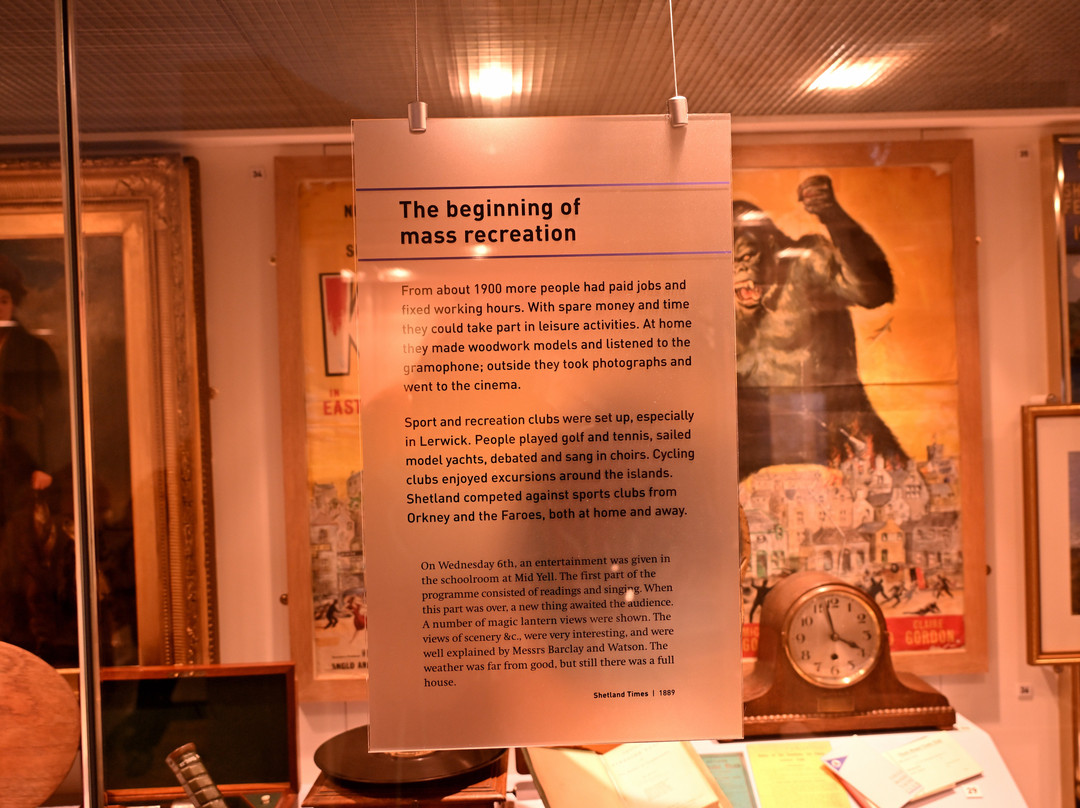
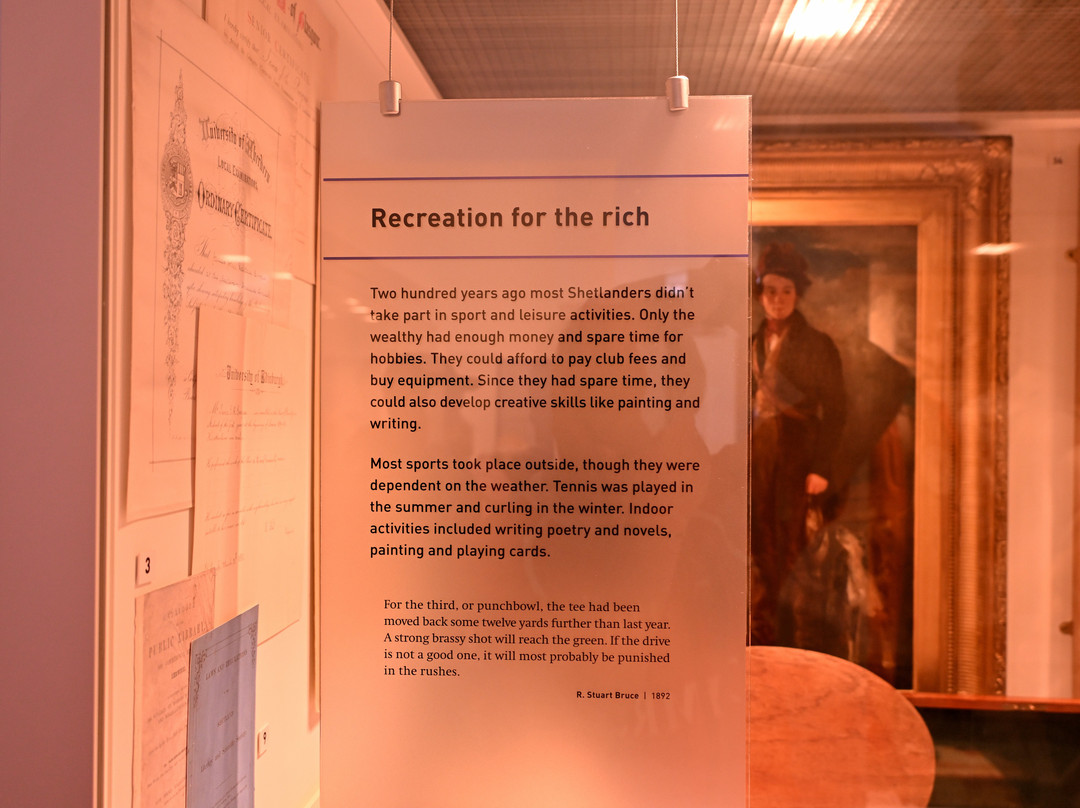
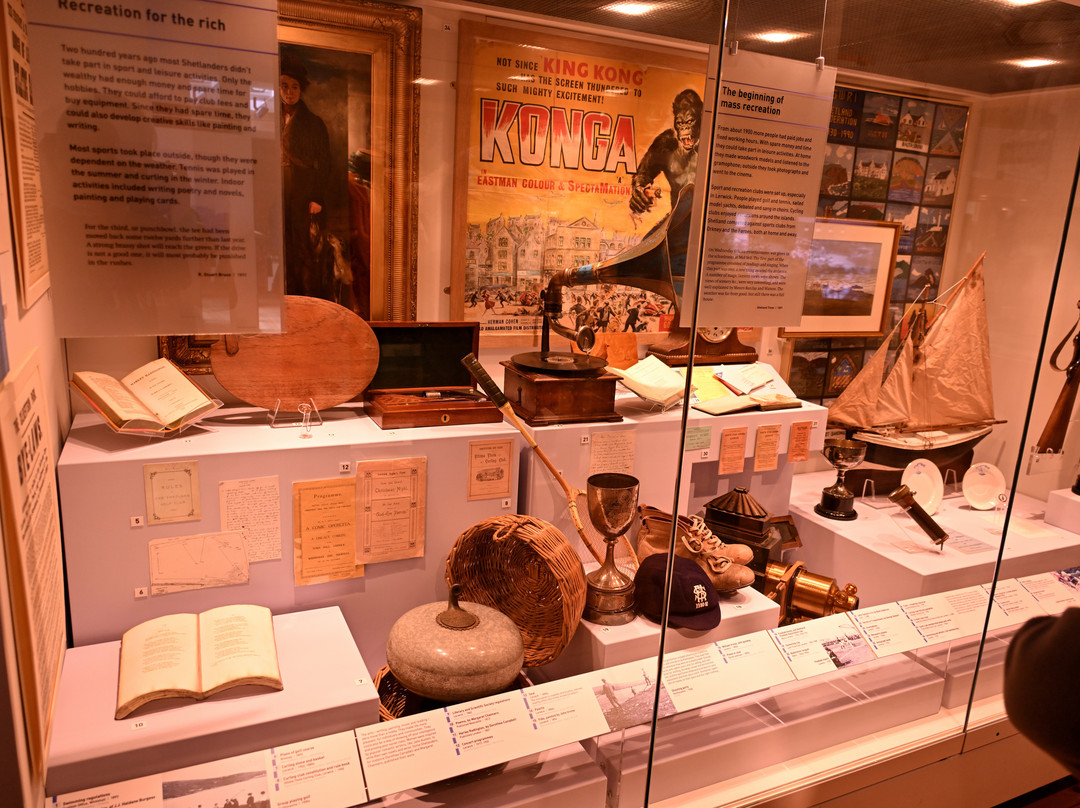
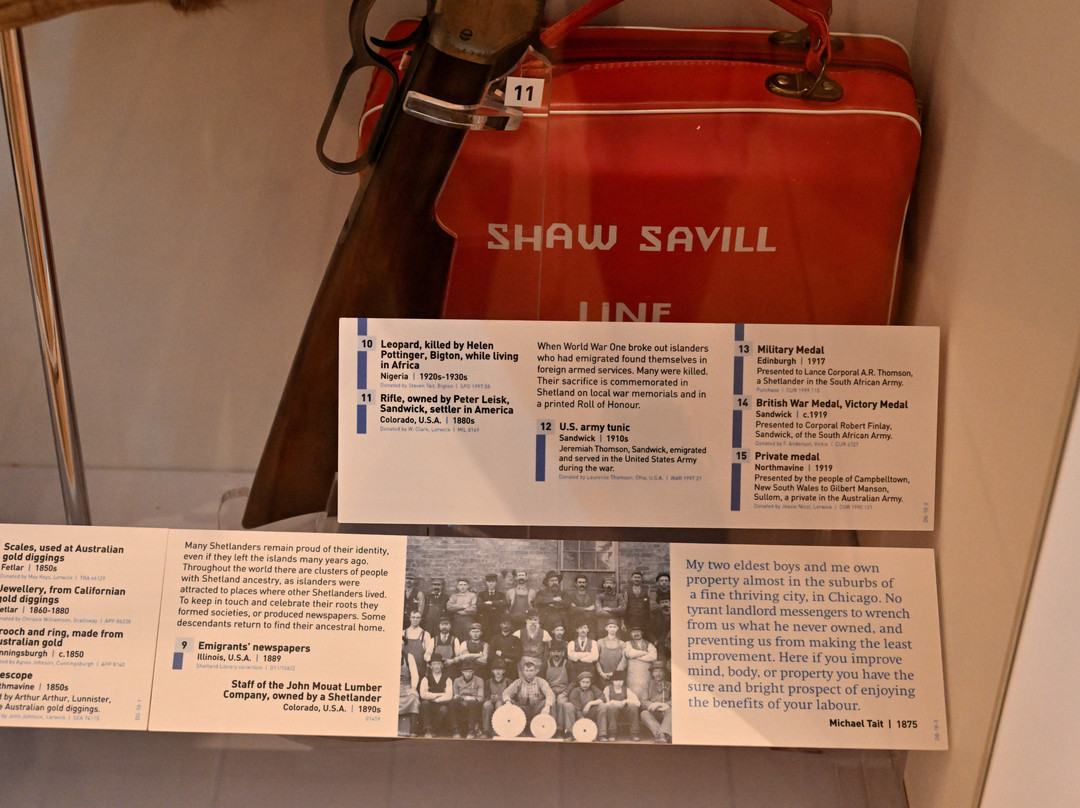
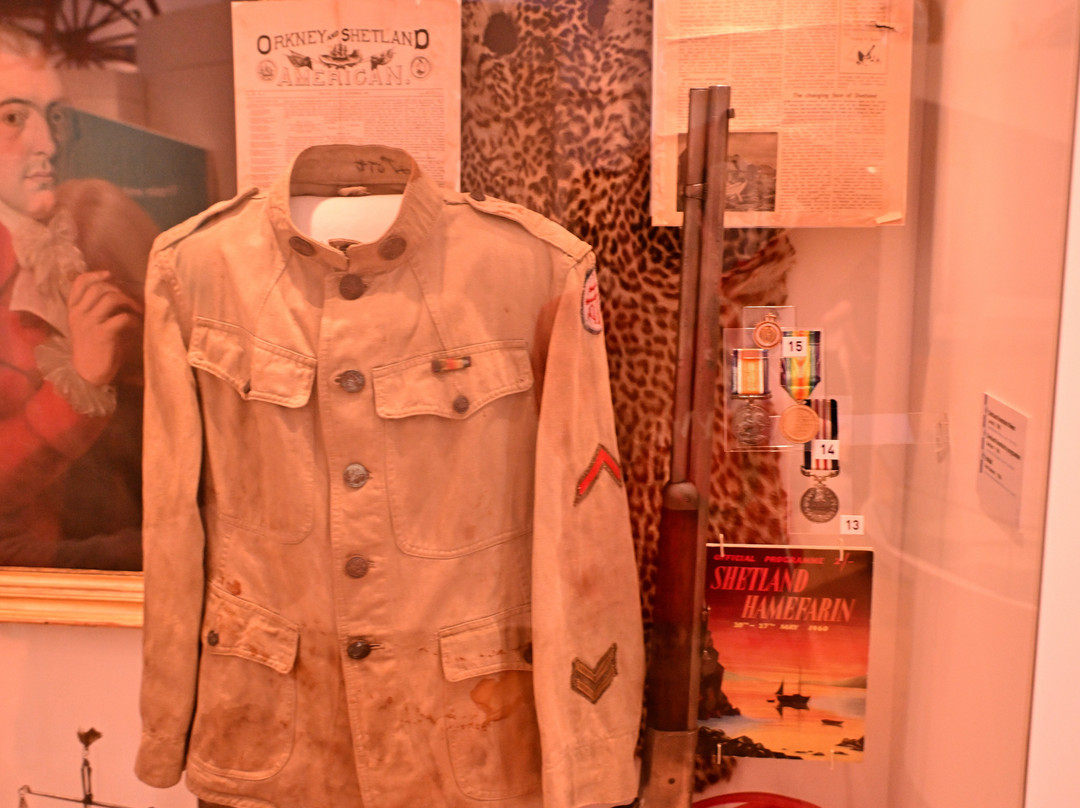
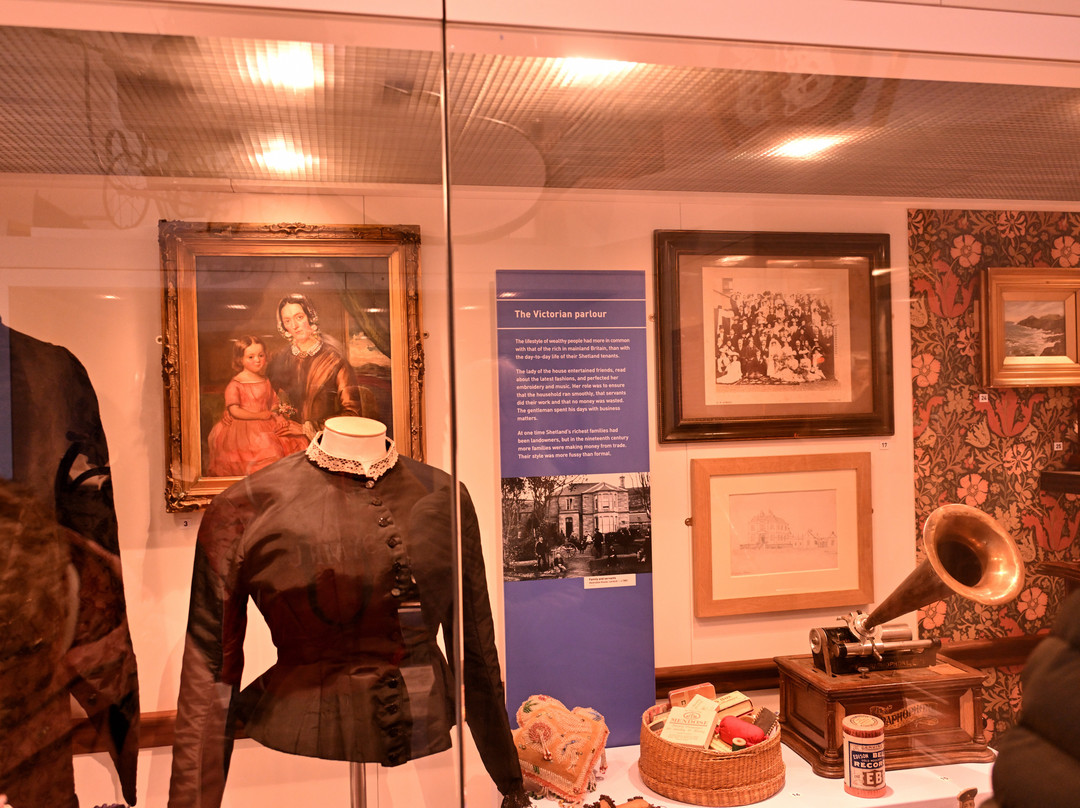
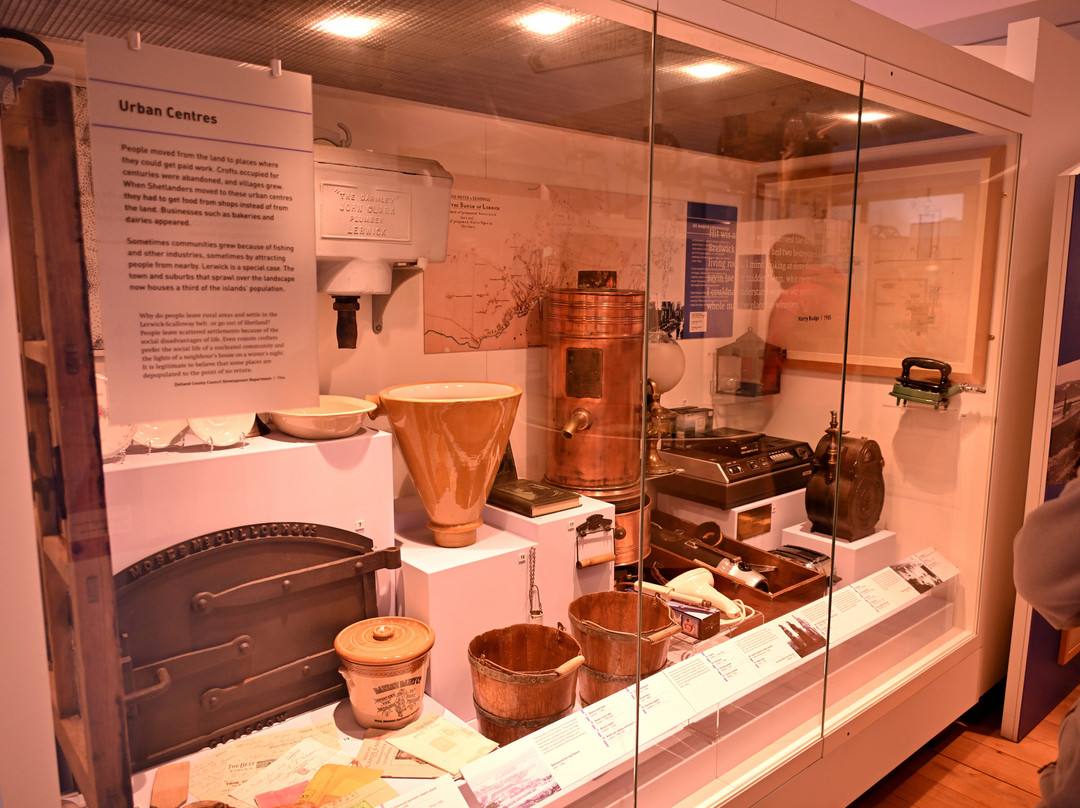
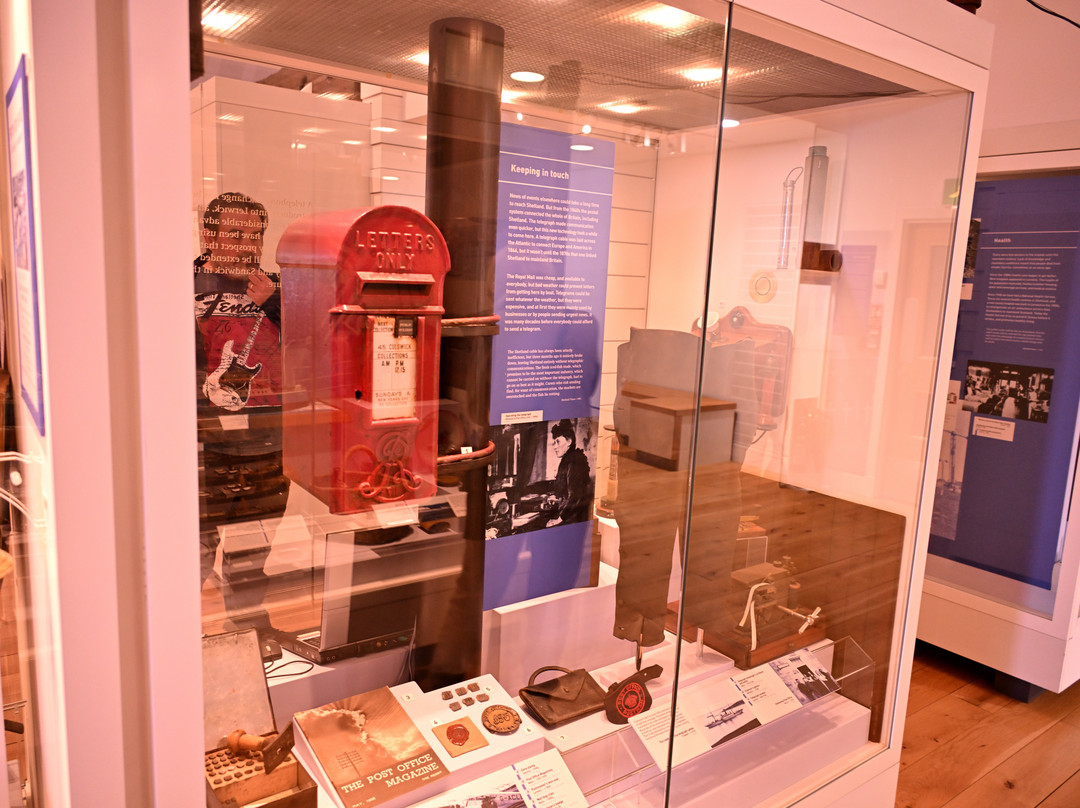
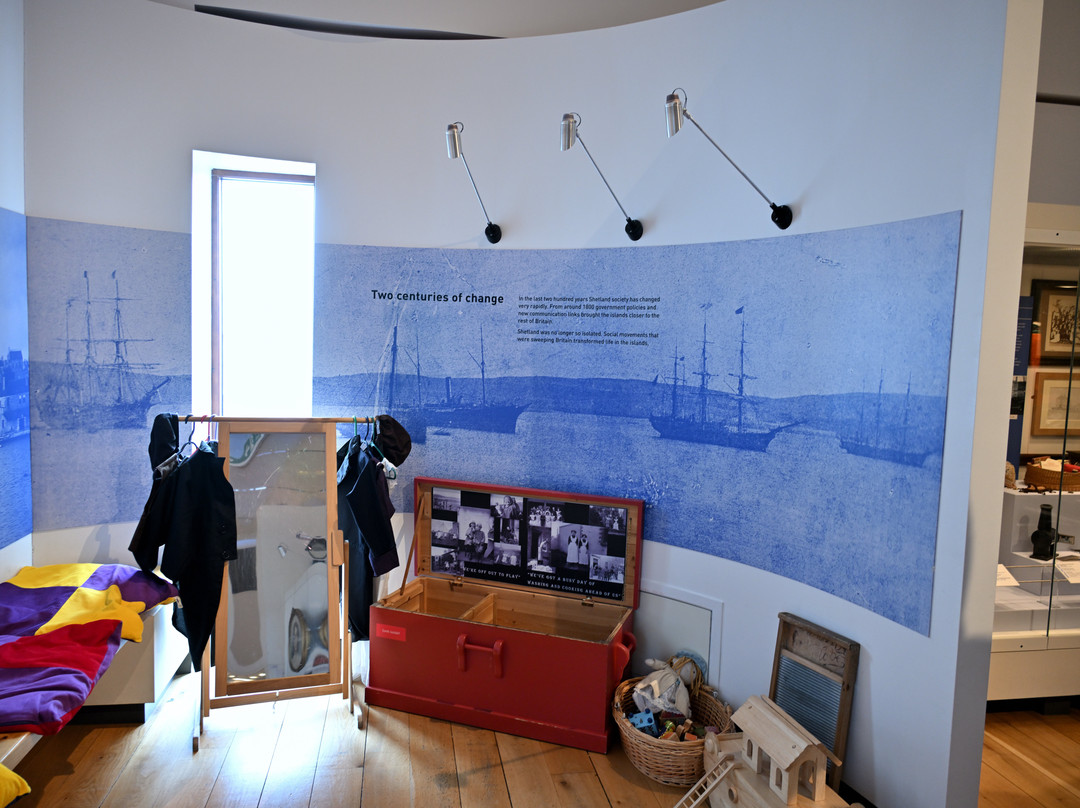
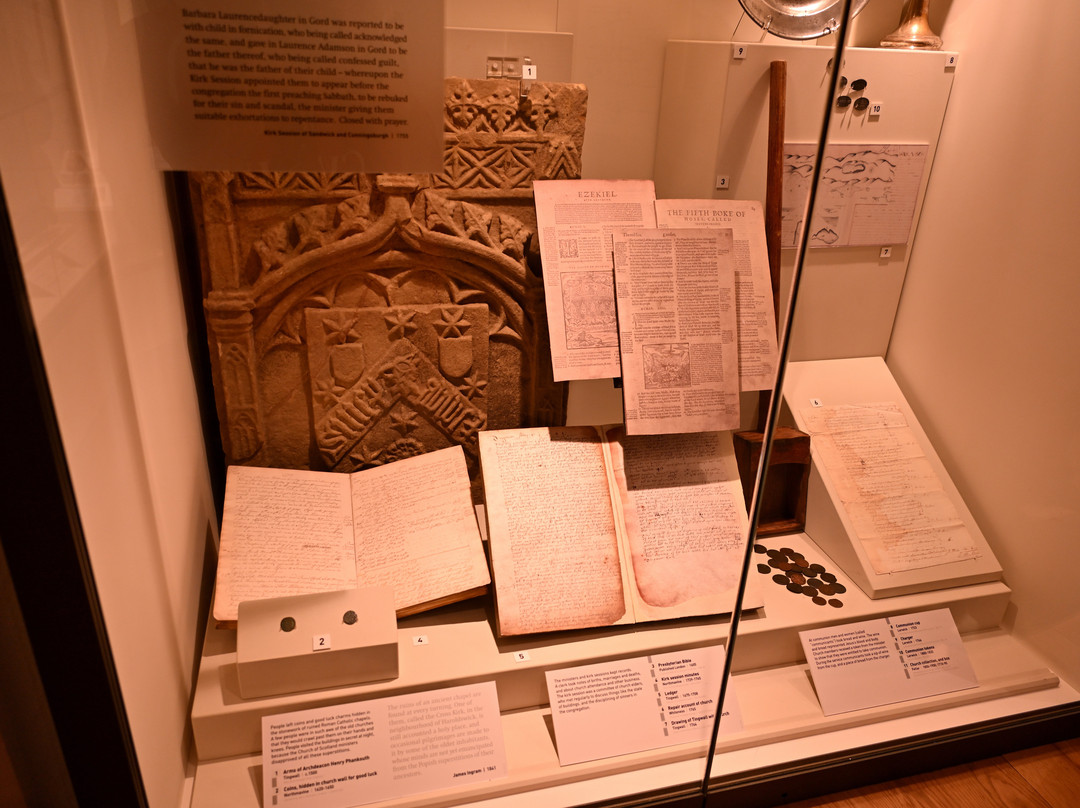
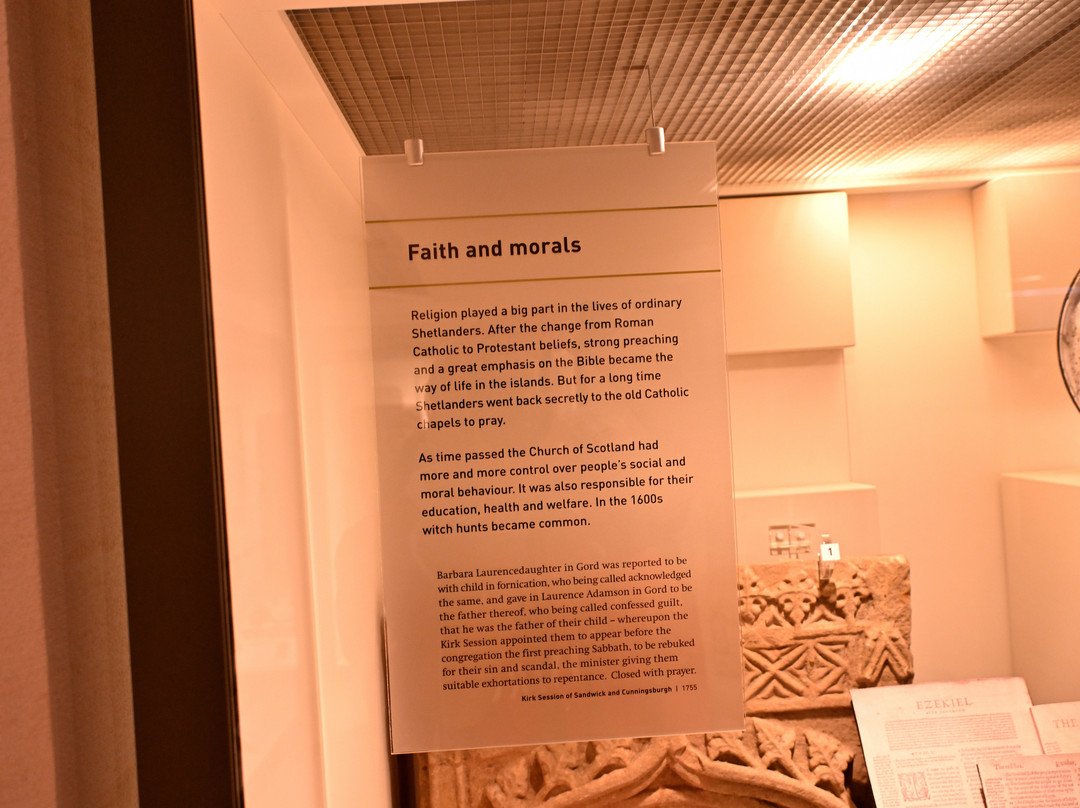
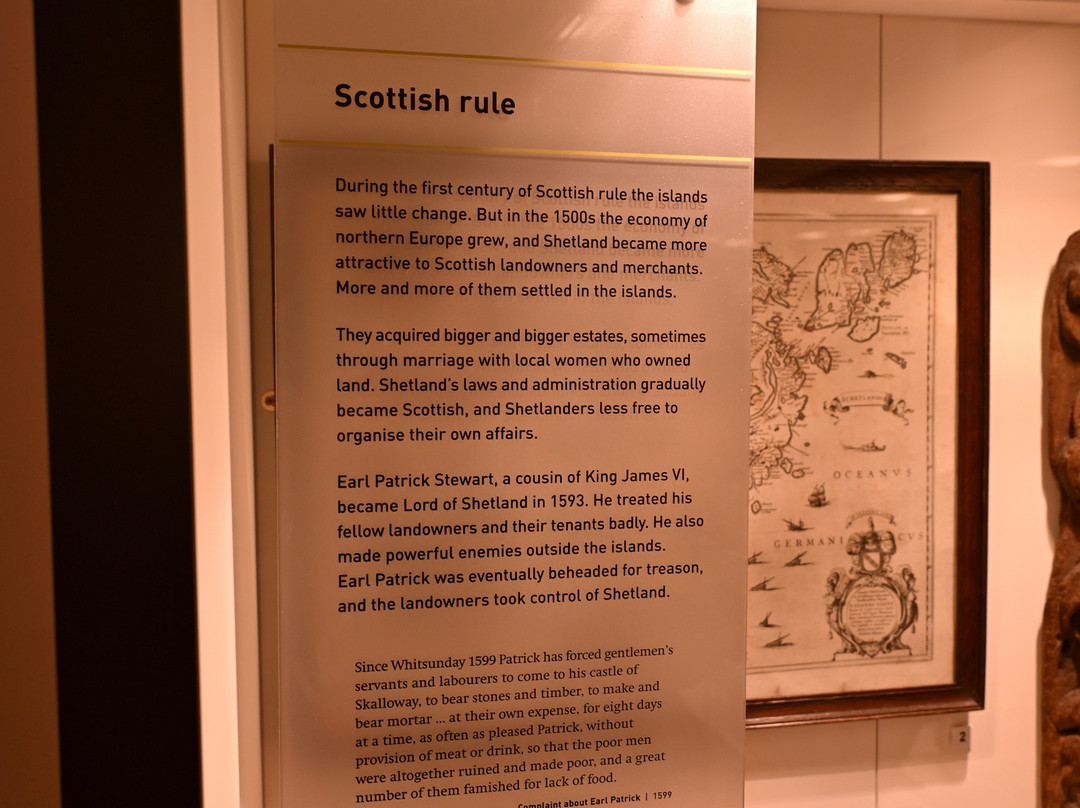
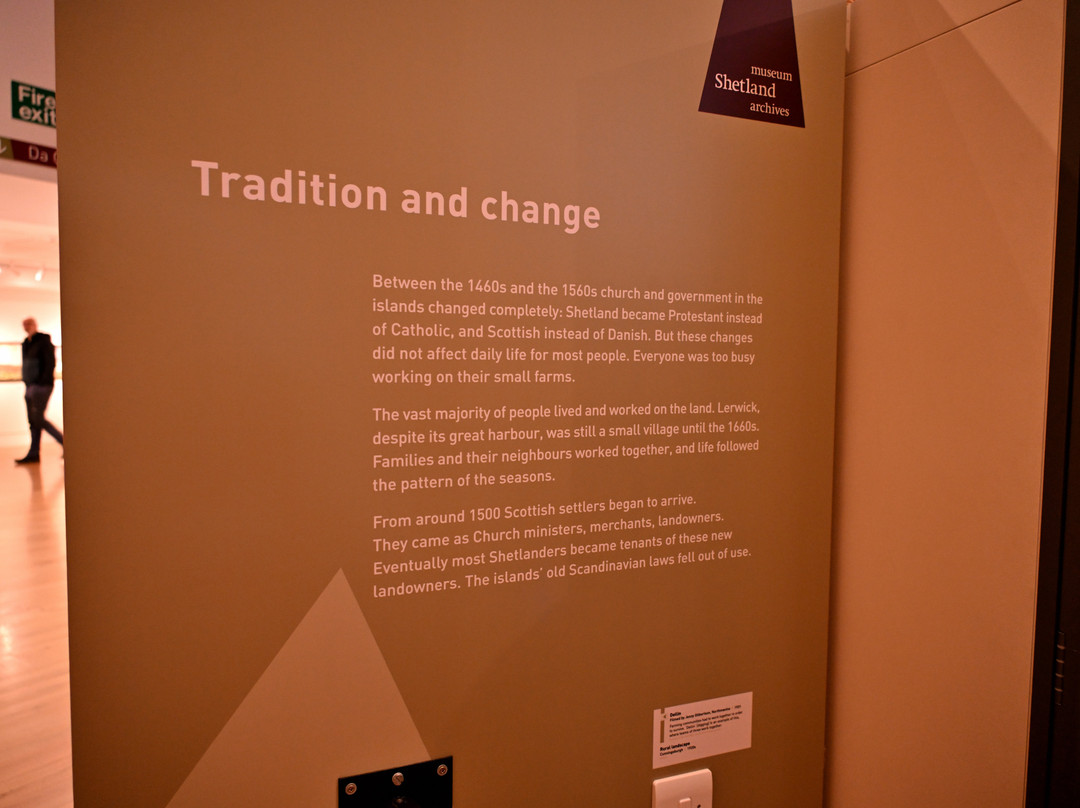
The Social History collection includes artefacts from the post-traditional era, in which Shetland society became similar to lifestyles elsewhere in Britain. In this period, islanders abandoned locally-made tools, furnishings and clothing, and relied on imports. This happened roughly from 1800 onwards, getting more marked as time went on. Artefacts in this collection include cultural, religious, governmental, warfare and communications objects. There are numerous displays which track this remarkable changing history, demonstrating the change to Shetland society as islanders moved to commercial farming, and people started buying services and goods from professional trades rather than making things themselves.
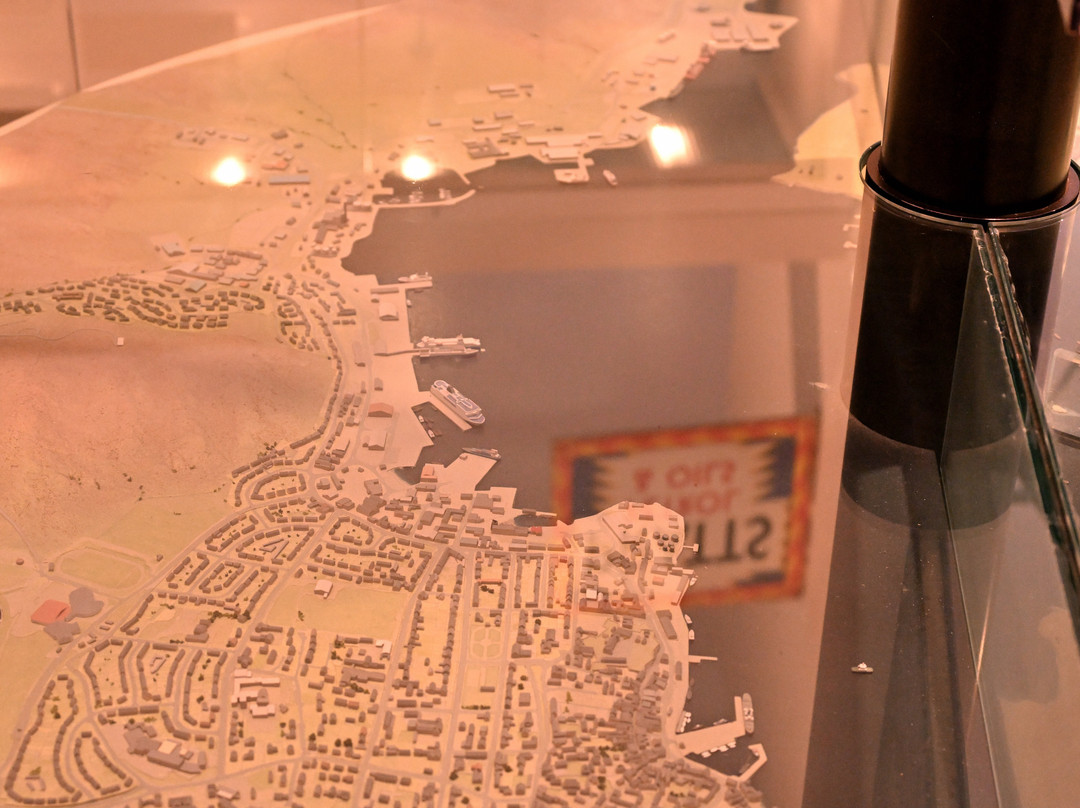
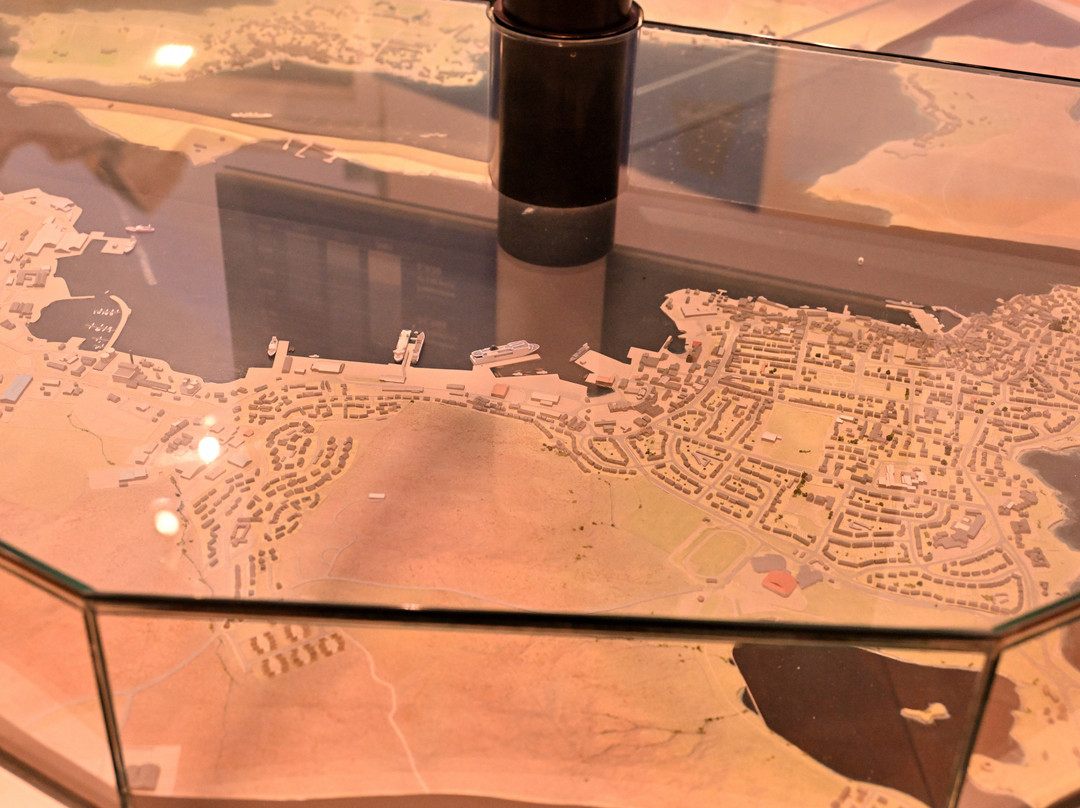
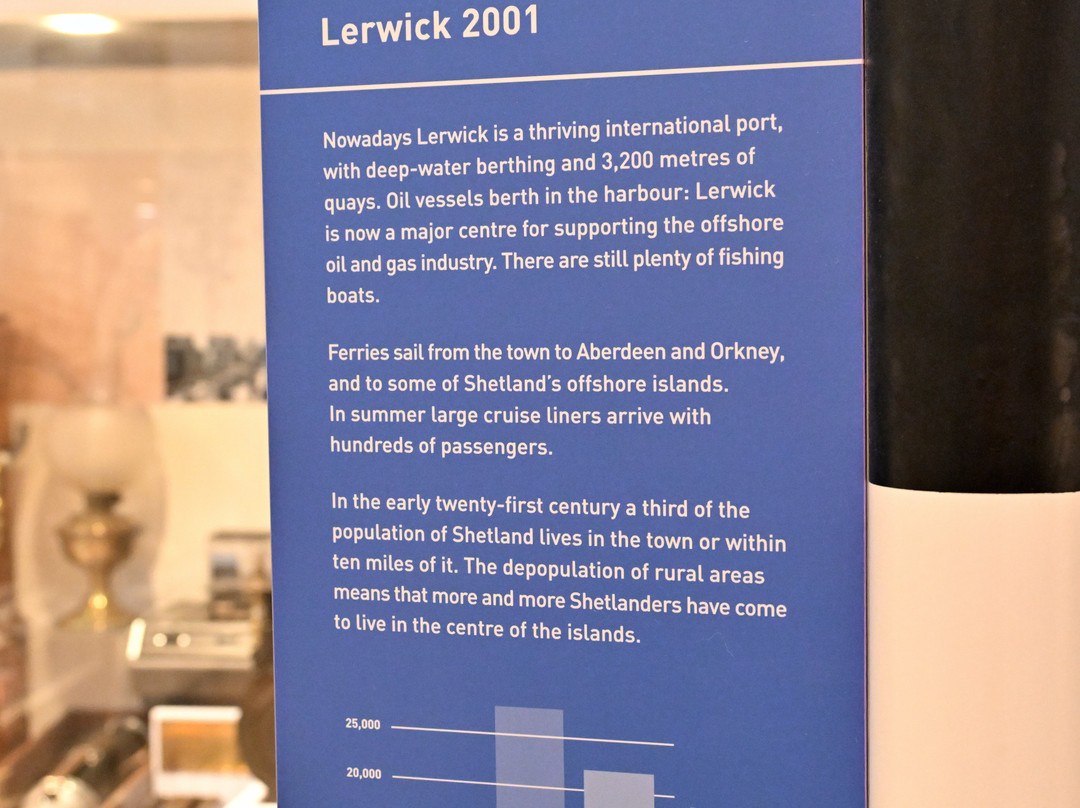
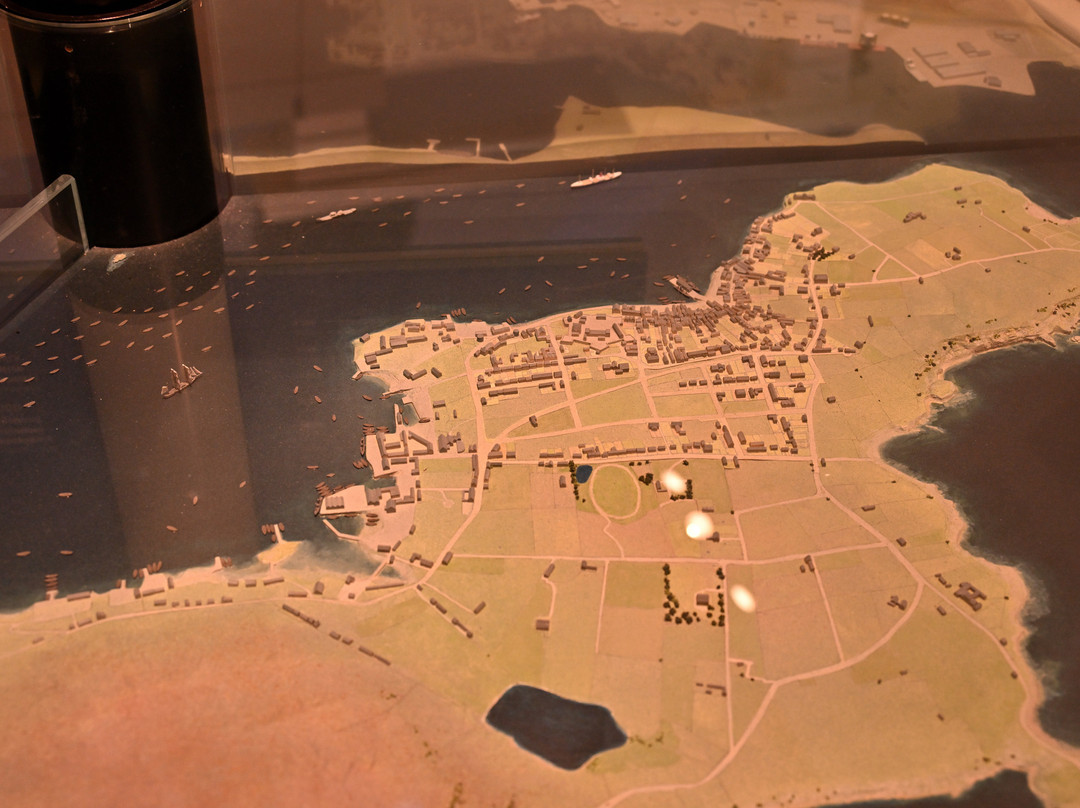
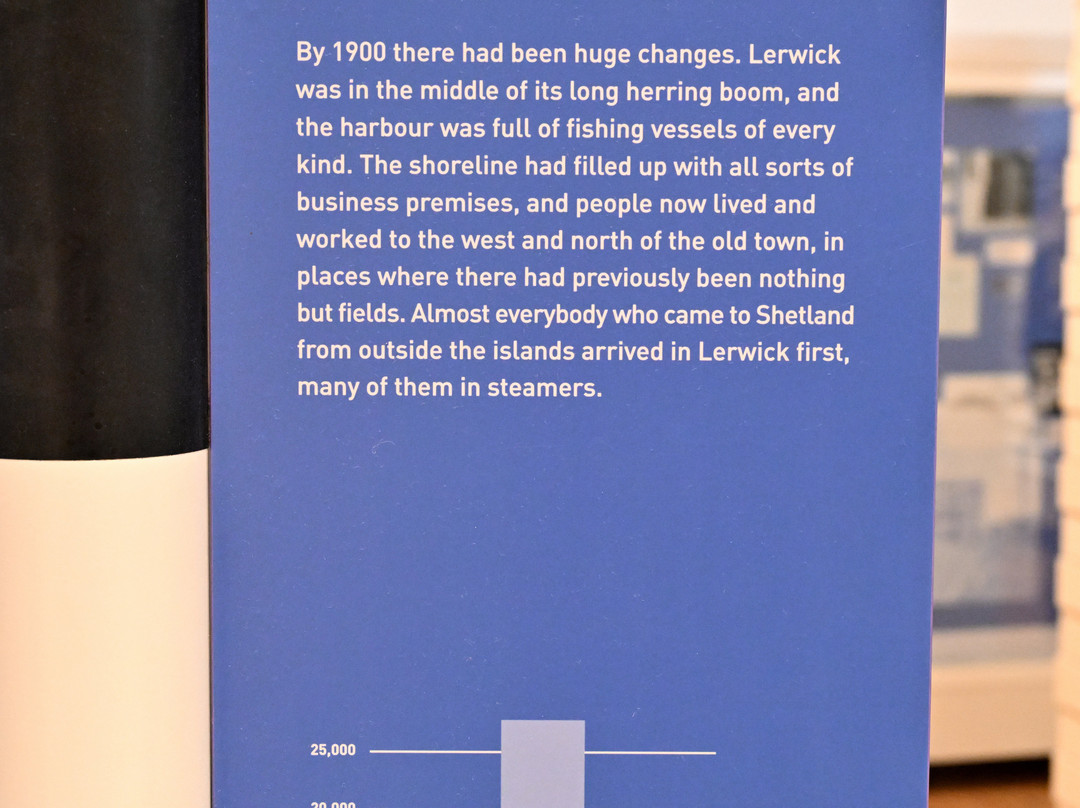
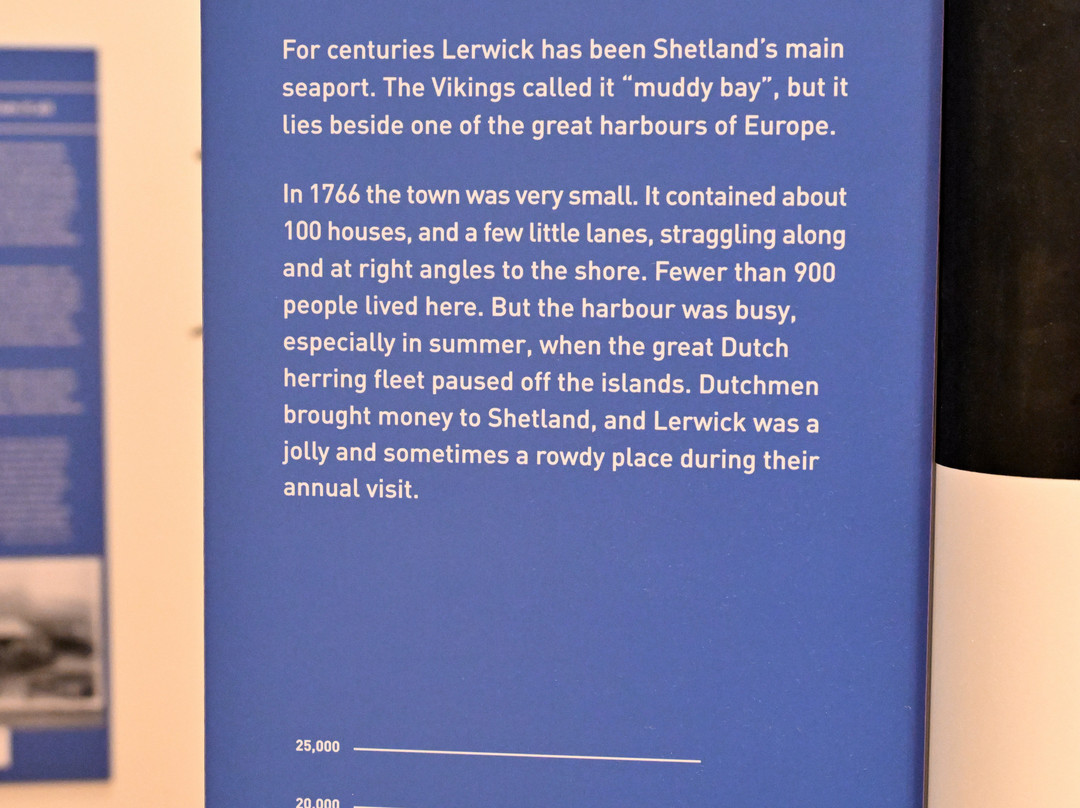
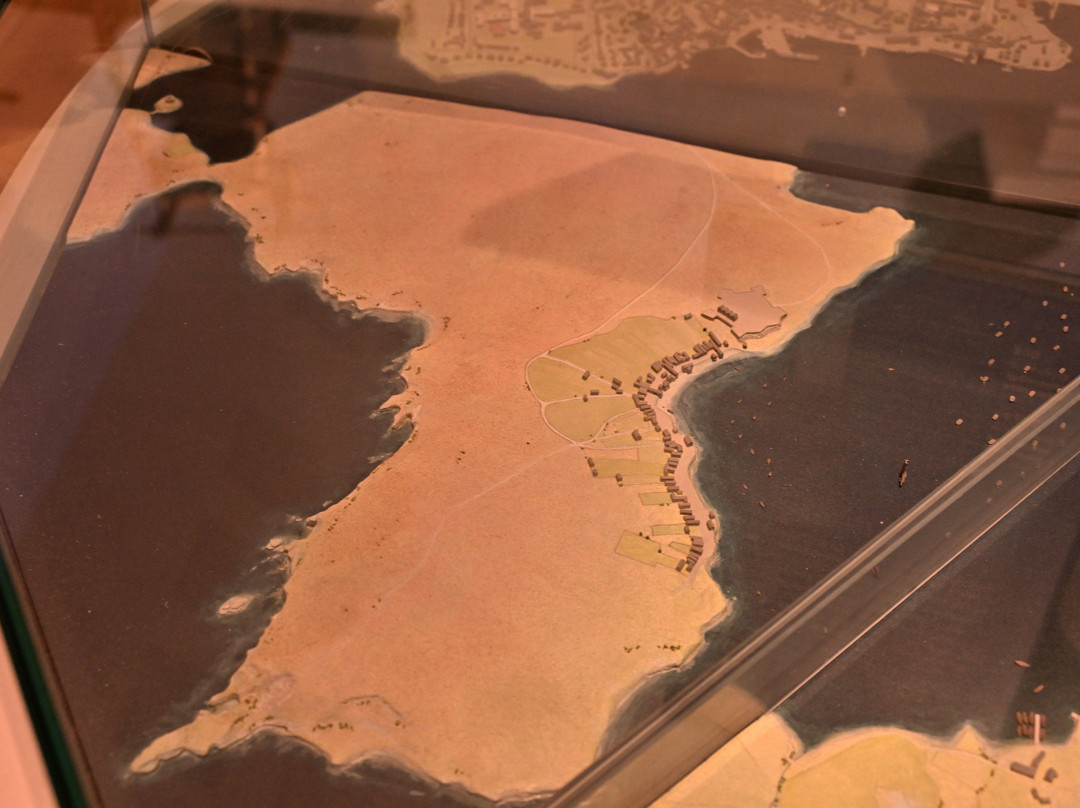
There is also a very interesting time lapse display on how Lerwick developed through each period of history, from a small fishing/trading village, to the busy major port it is today.
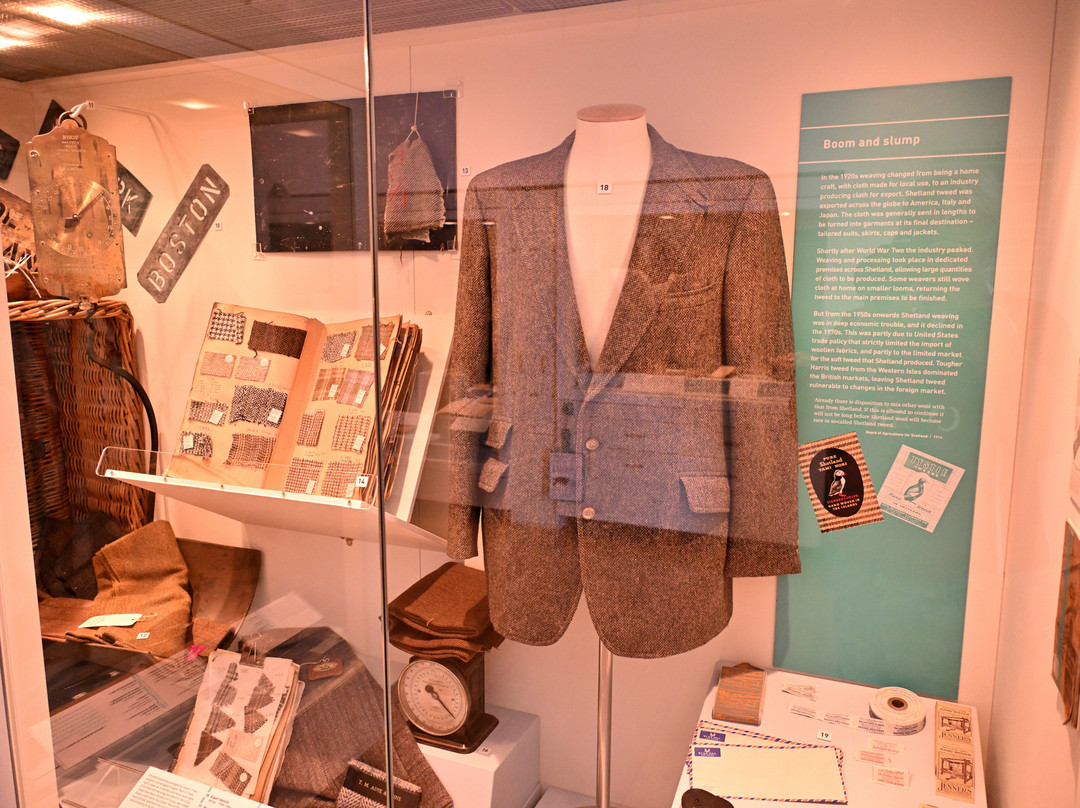
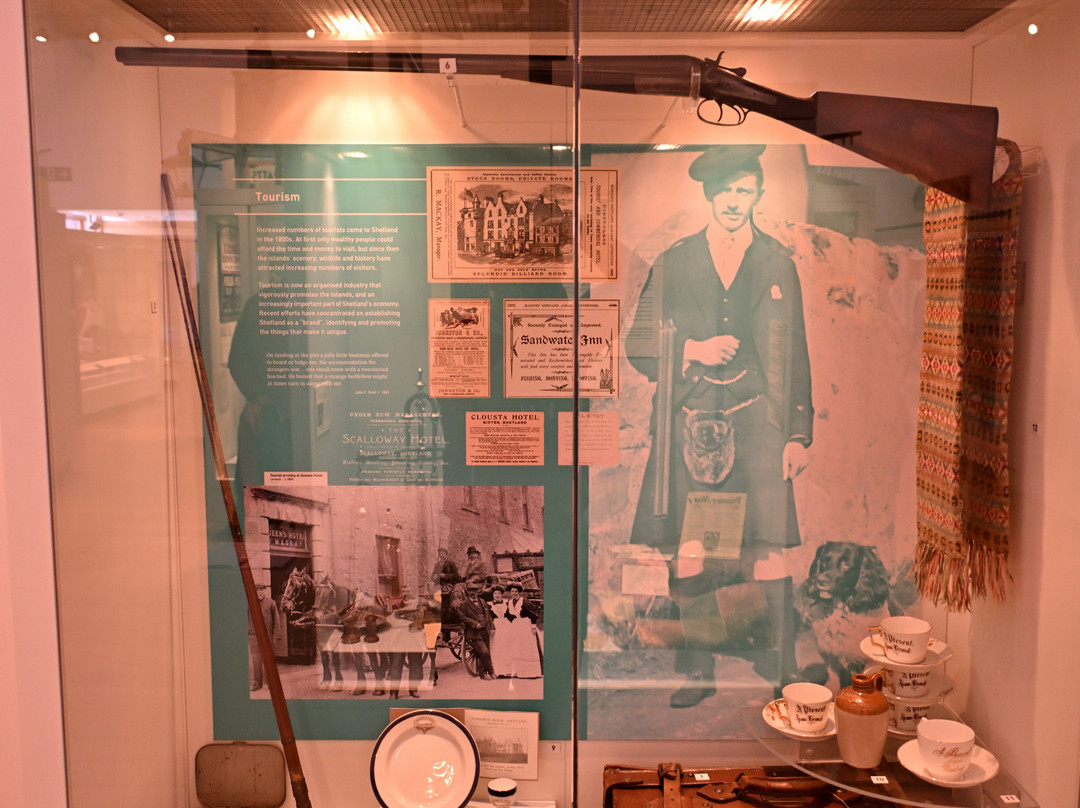
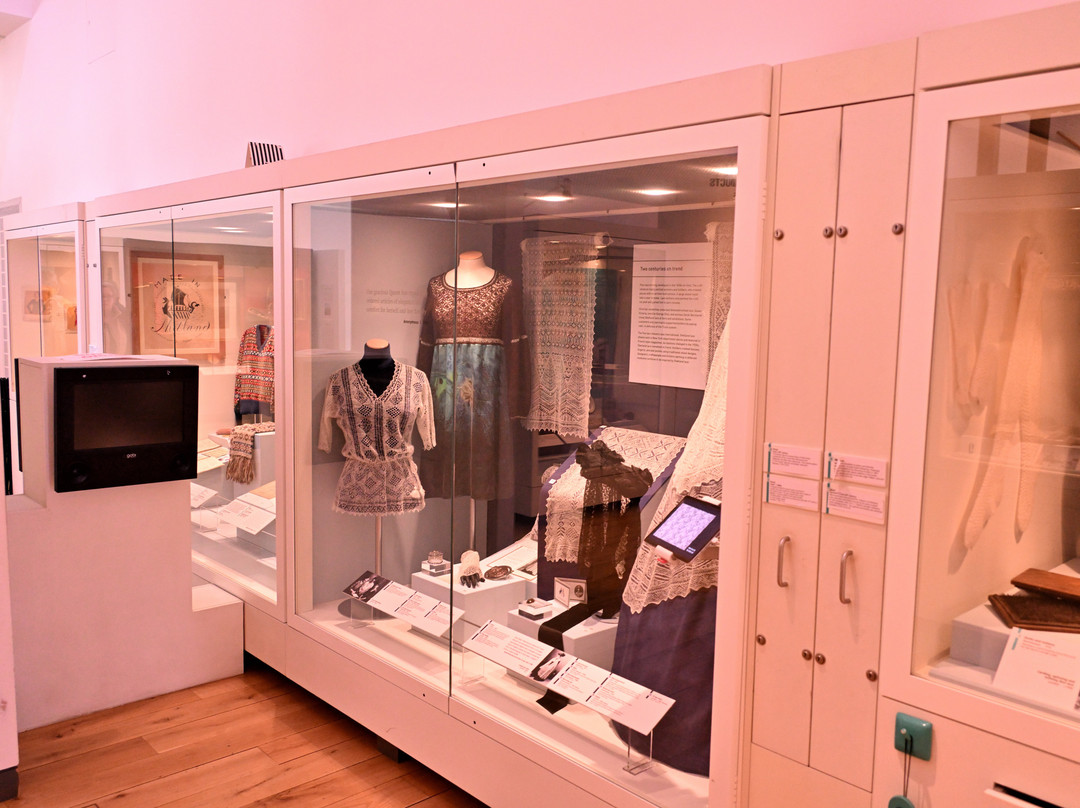
Then in the 19th century textiles became a commercial force in Shetland, enabling women to support family incomes. Islanders developed new products and adopted imported tools, while maintaining a focus on traditional hand production and finishing. There are some amazing displays of the exquisite and detailed work that the islanders are famous for.
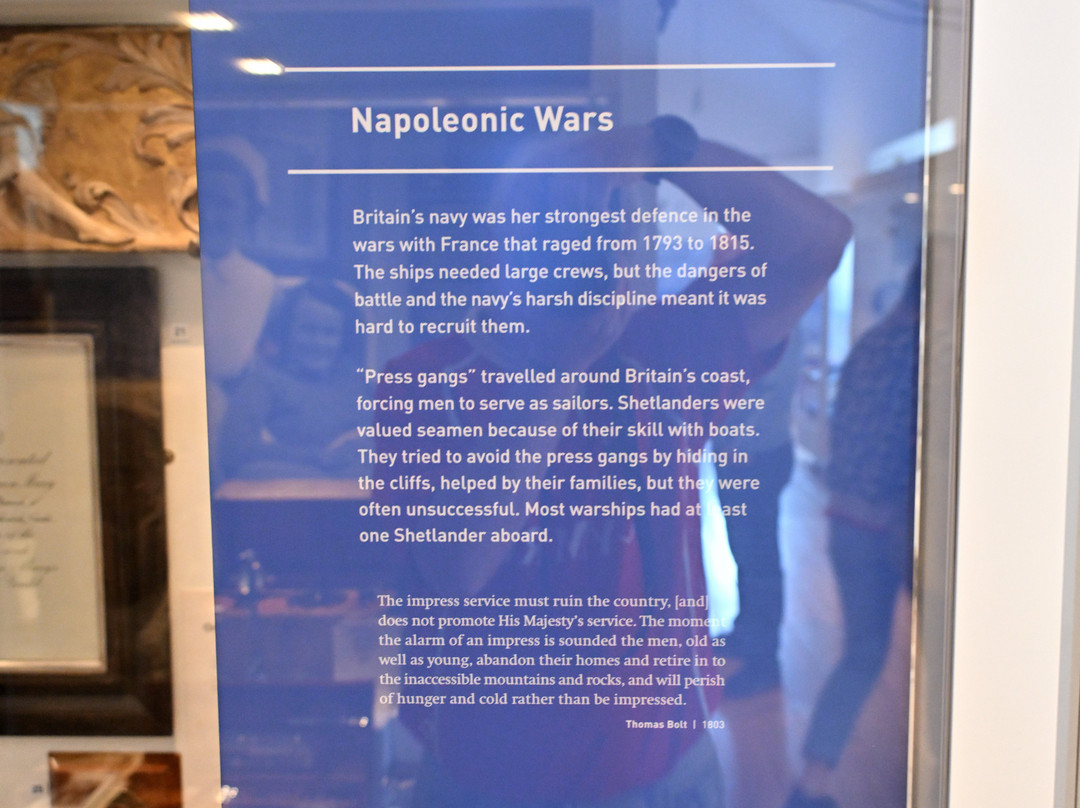
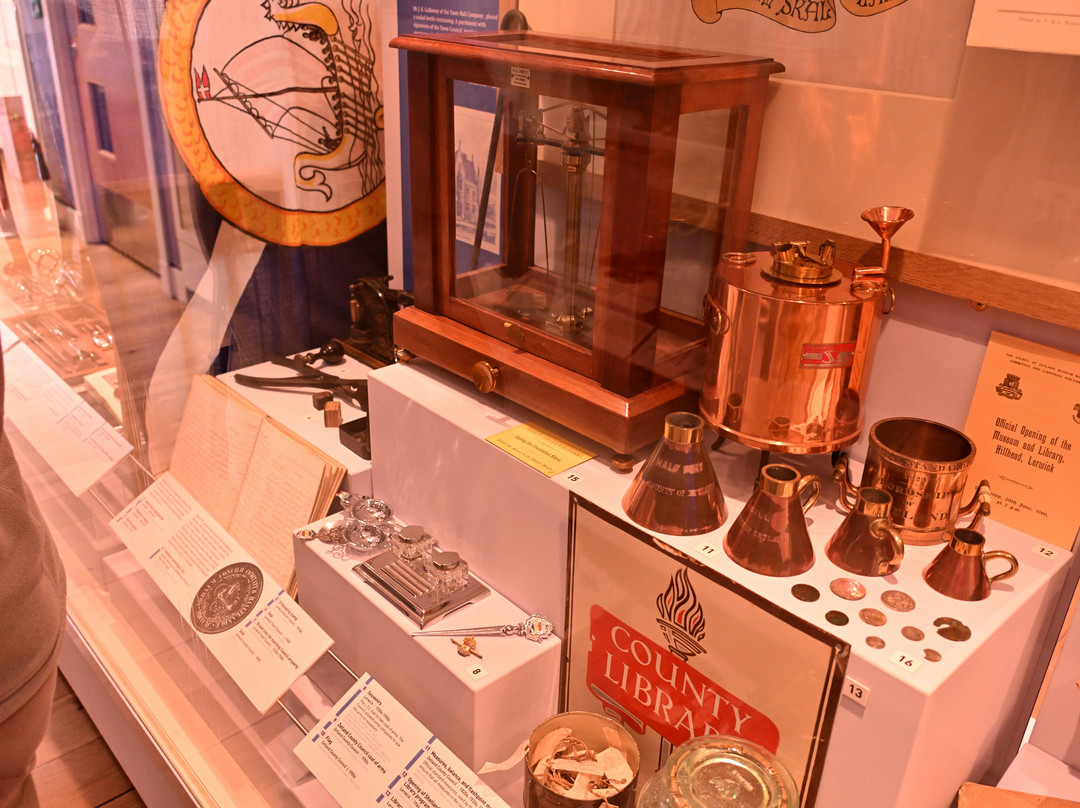
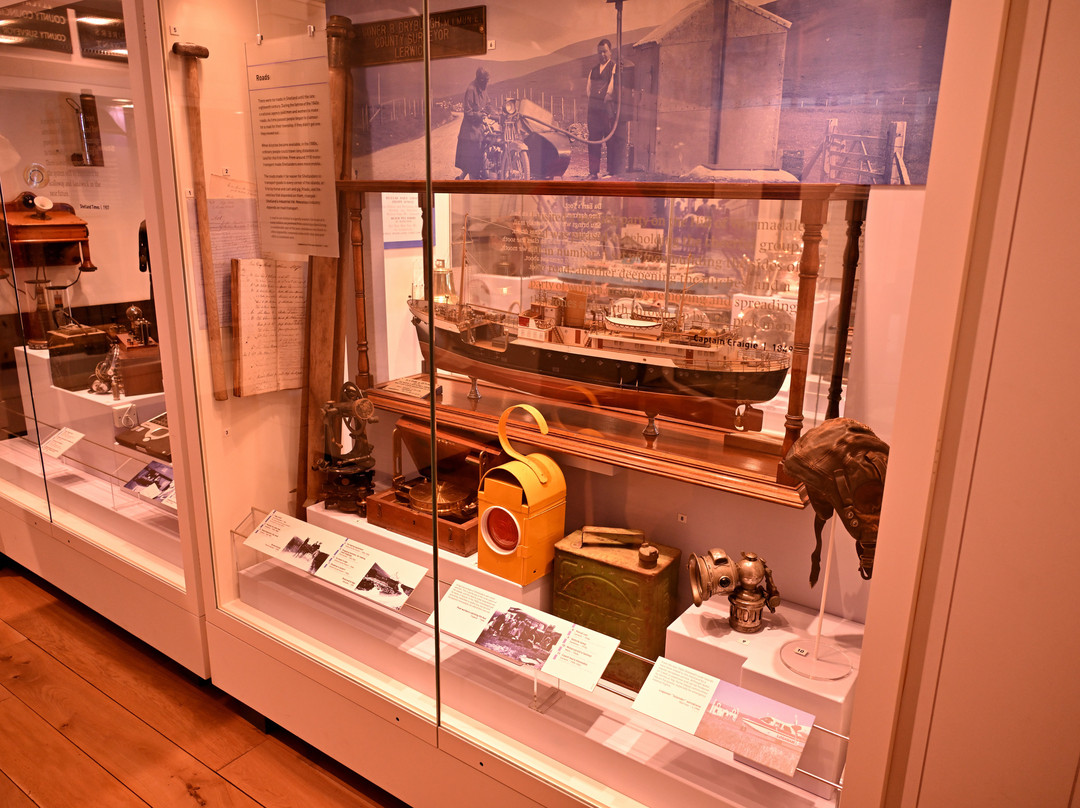
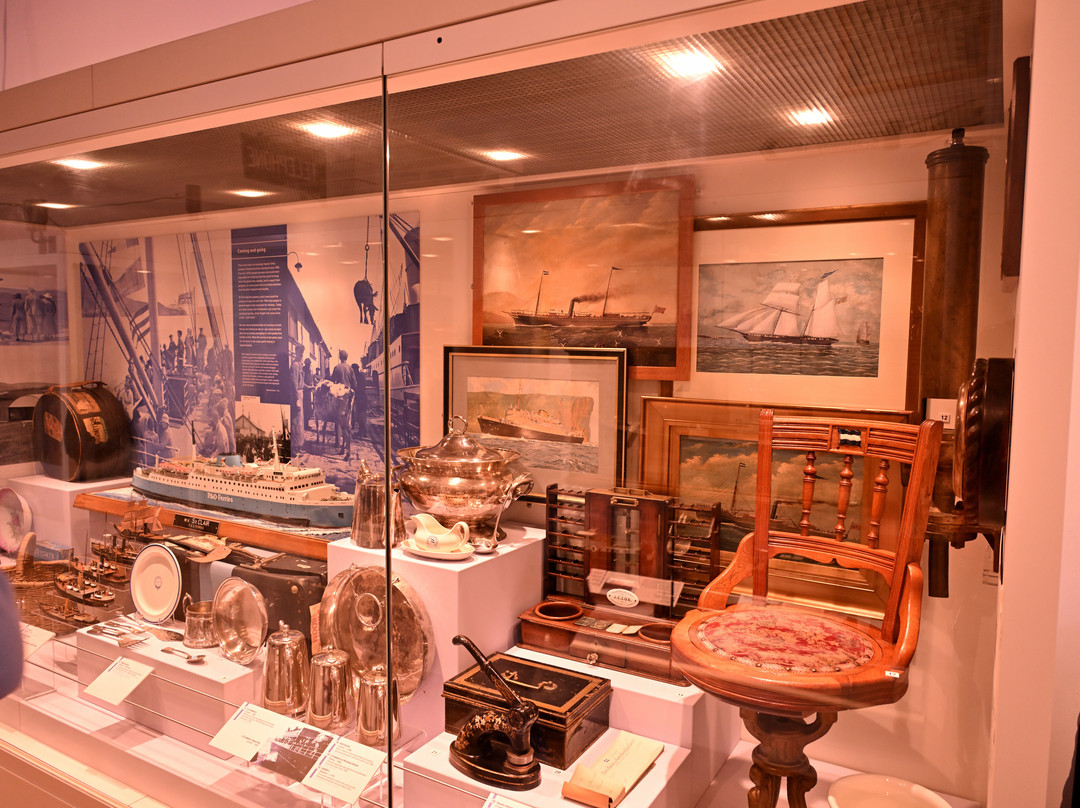
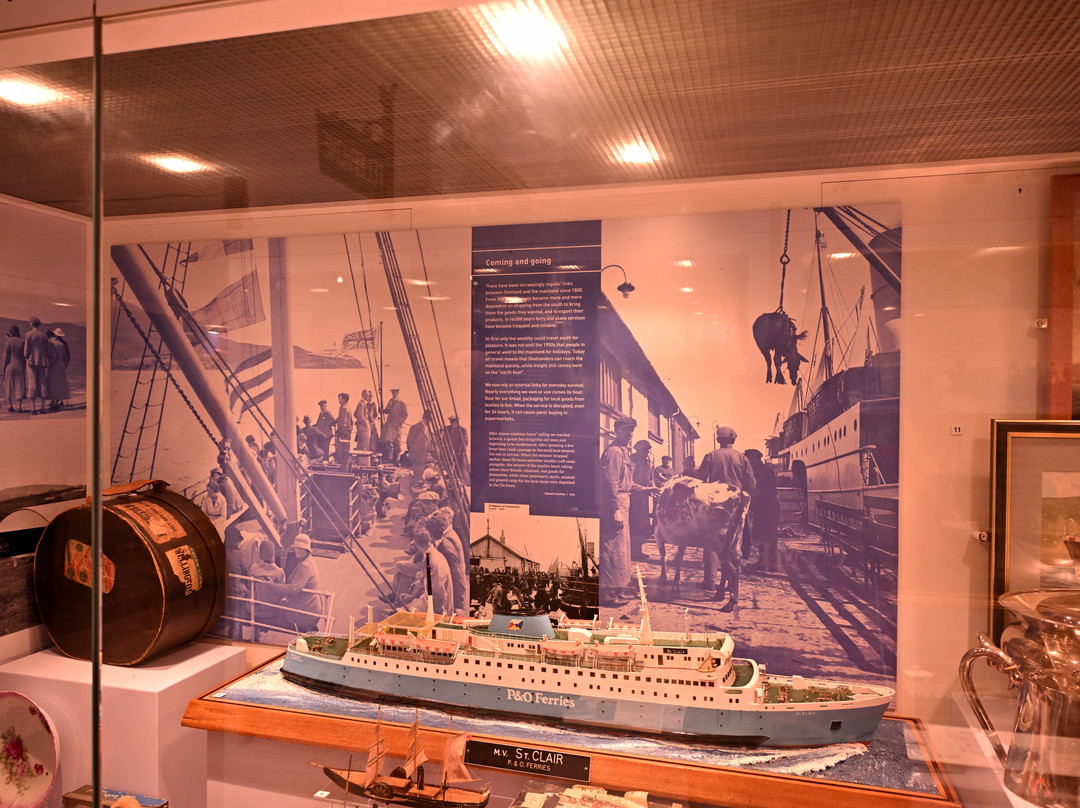
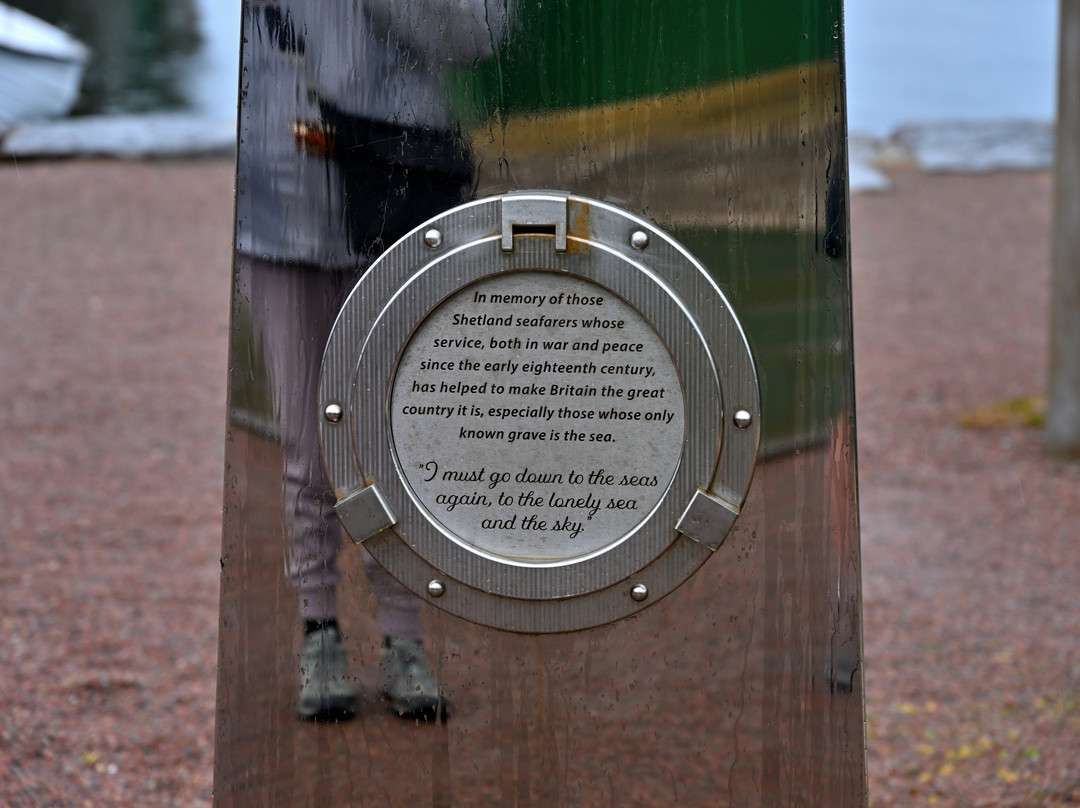
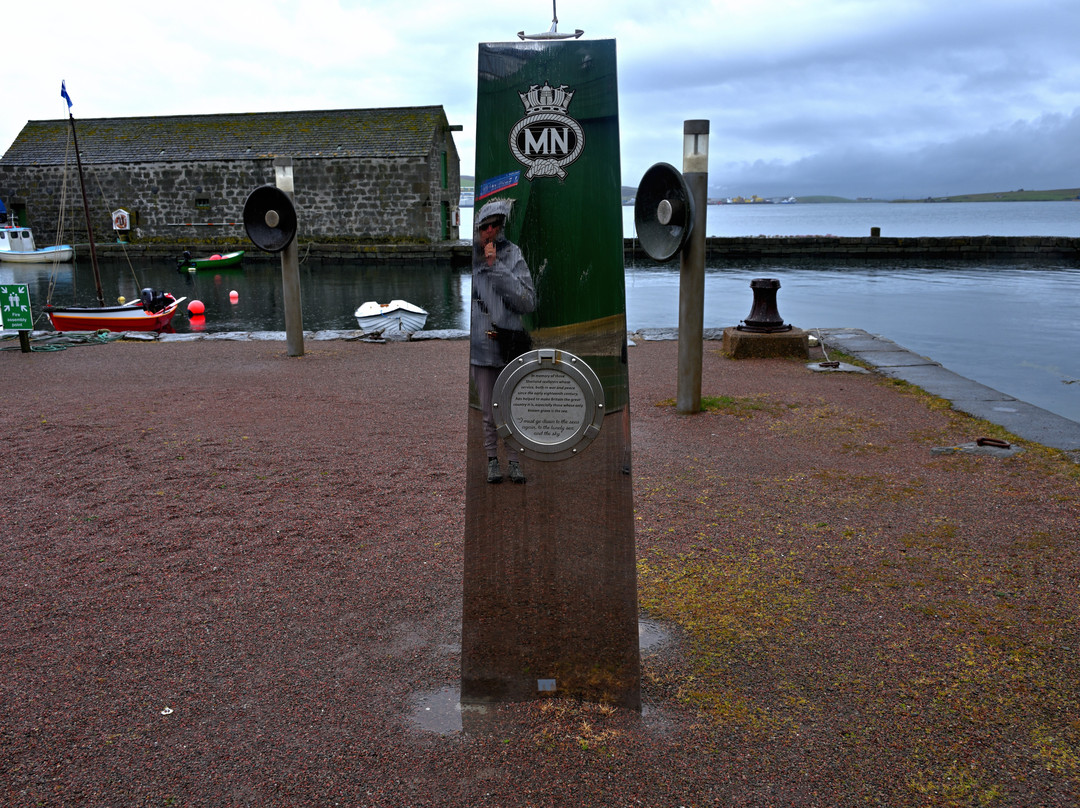
Being an island nation Britain’s merchant fleet was once the world’s largest, and for over 150 years it was also a vital part of Shetland’s economy, because seamen supported their families with wages from the sea. The displays in the museum encompasses islanders’ worldwide voyaging, with tools of their trade and souvenirs brought back.
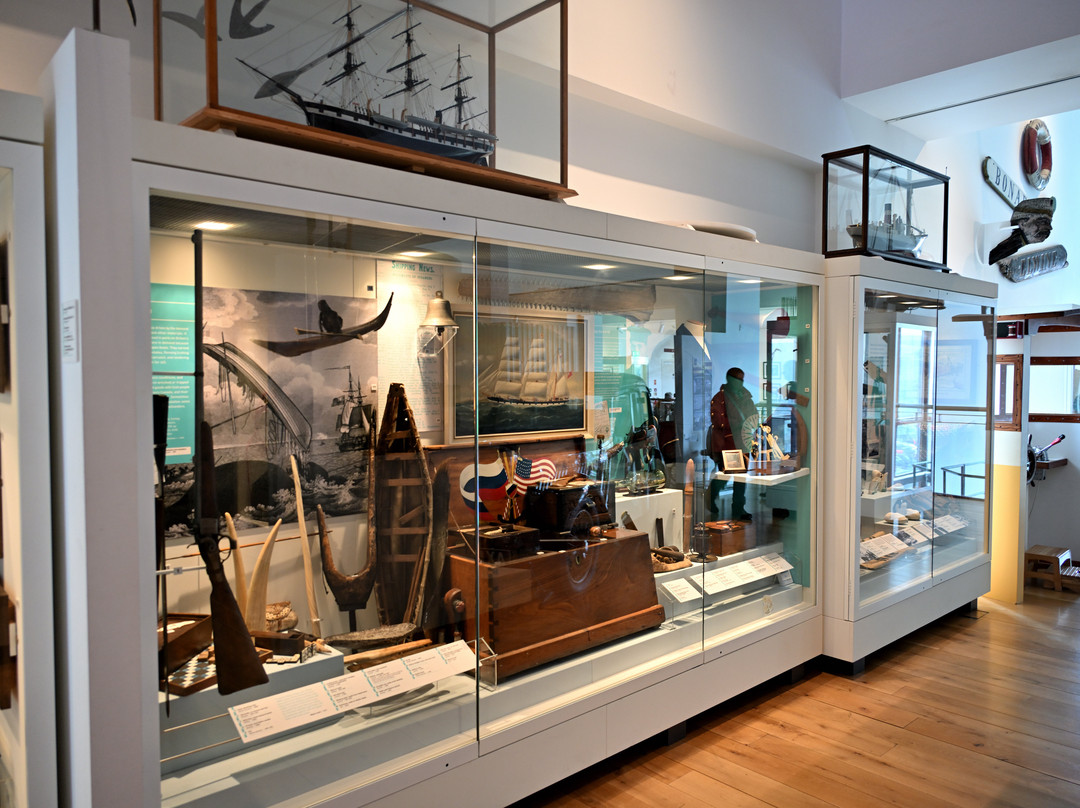
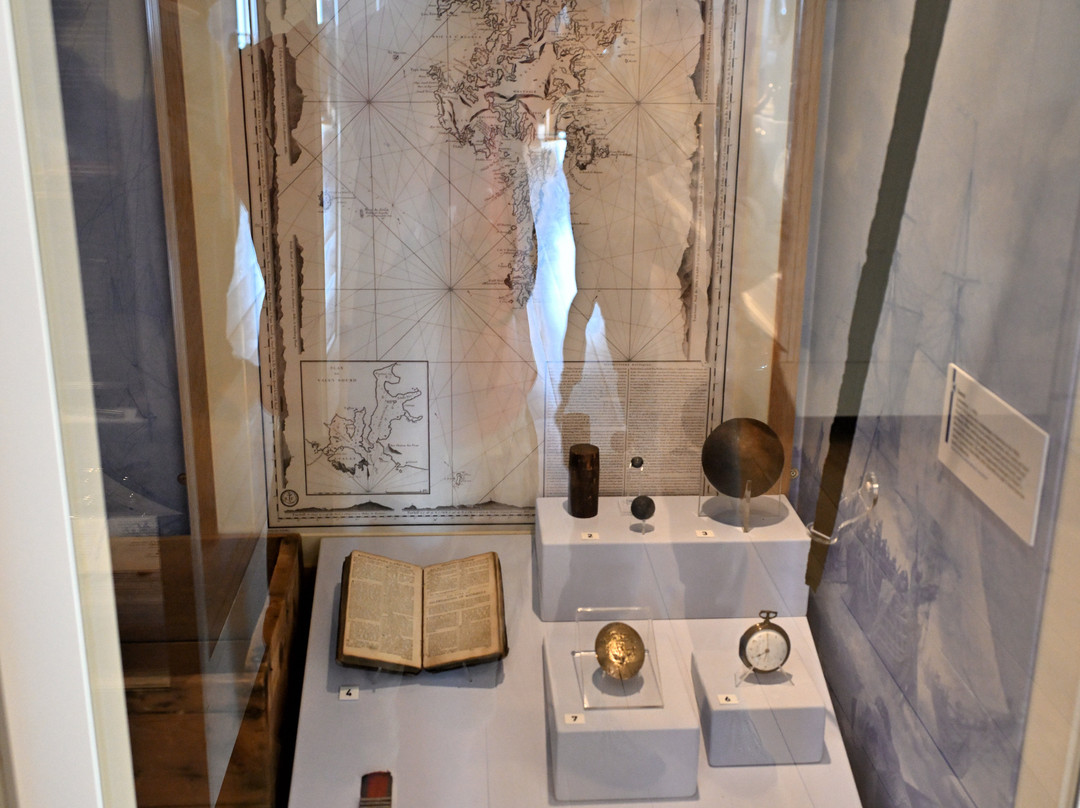
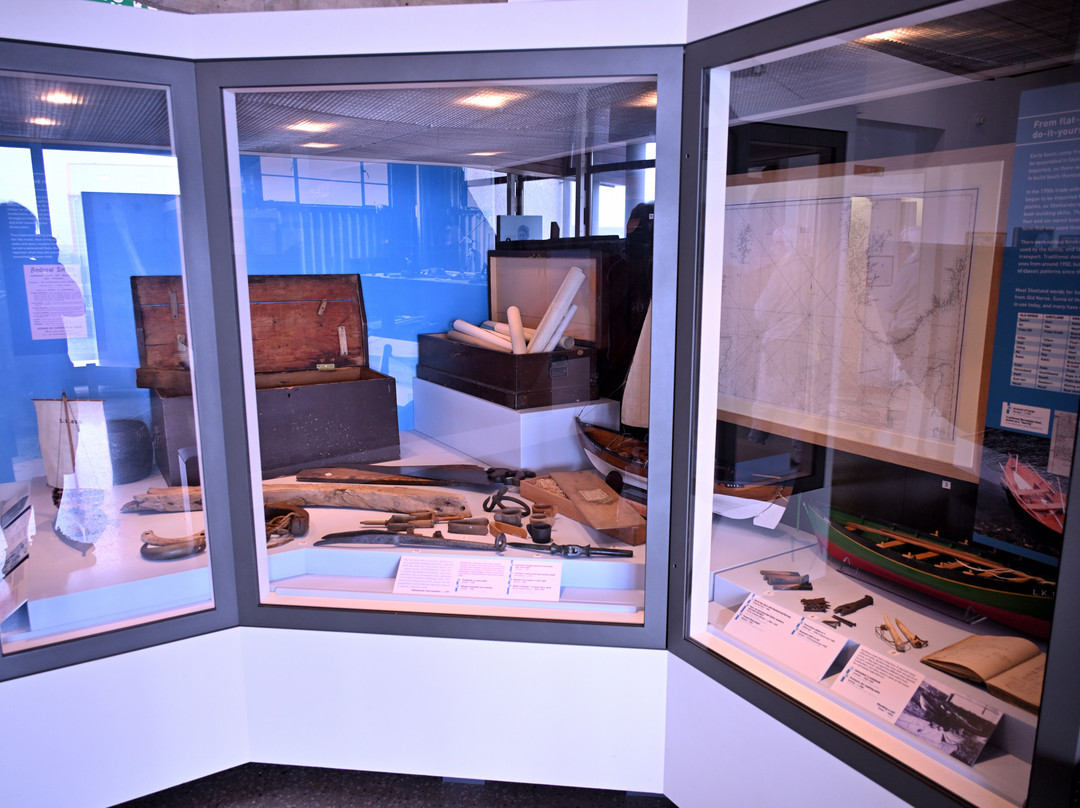
The largest and most detailed collection is from the classic era of sailing ships in the 19th century that were both romantic and dangerous. Most objects are mariners’ own tools, such as sailmaking equipment. Many Shetlanders became ship masters and the museum has sextants, telescopes and charts that they would have used every day. One of the largest maritime sectors around 1820-90 was the Arctic whaling, and there is many artifacts from this period, harpoons and other apparatus used for whaling and sealing.
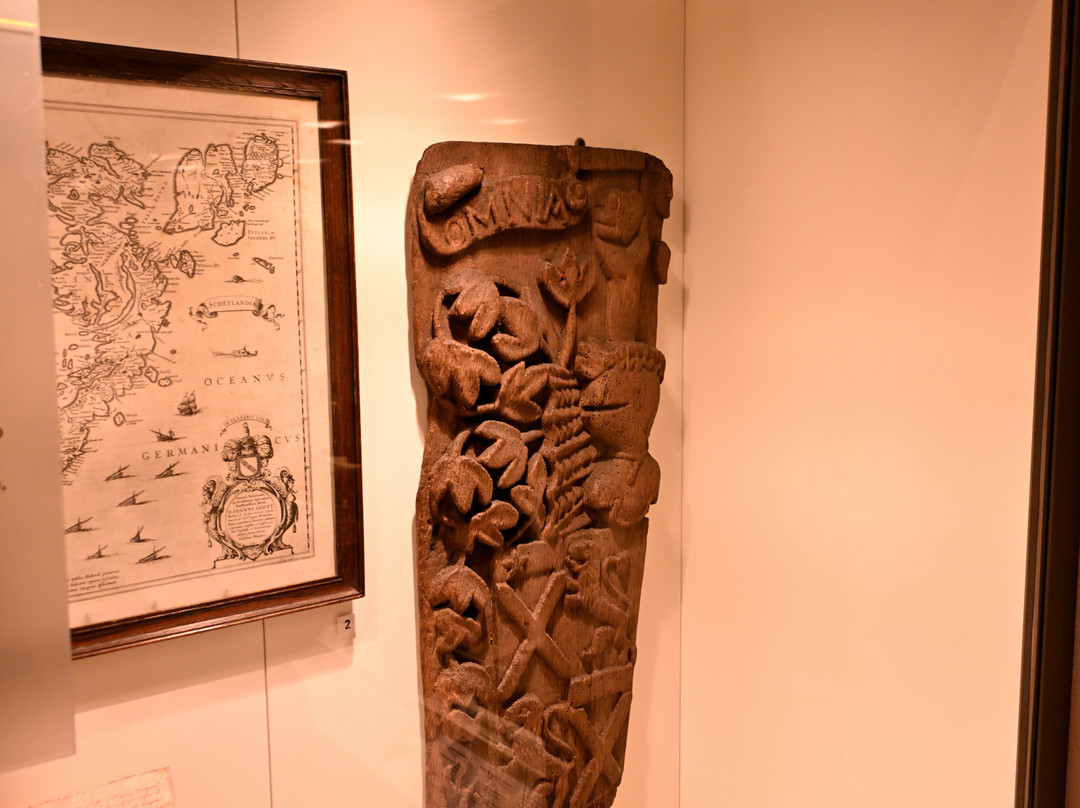
On long sea voyages men had time to create beautiful craft items through carving of wood, whale bone and ropework, with many examples in the display cases. There are also many gift and souvenirs that the sailors obtained from the indigenous peoples of the foreign lands they visited. There are artifacts from across the globe, from the Arctic, the Far East, Africa and South America.
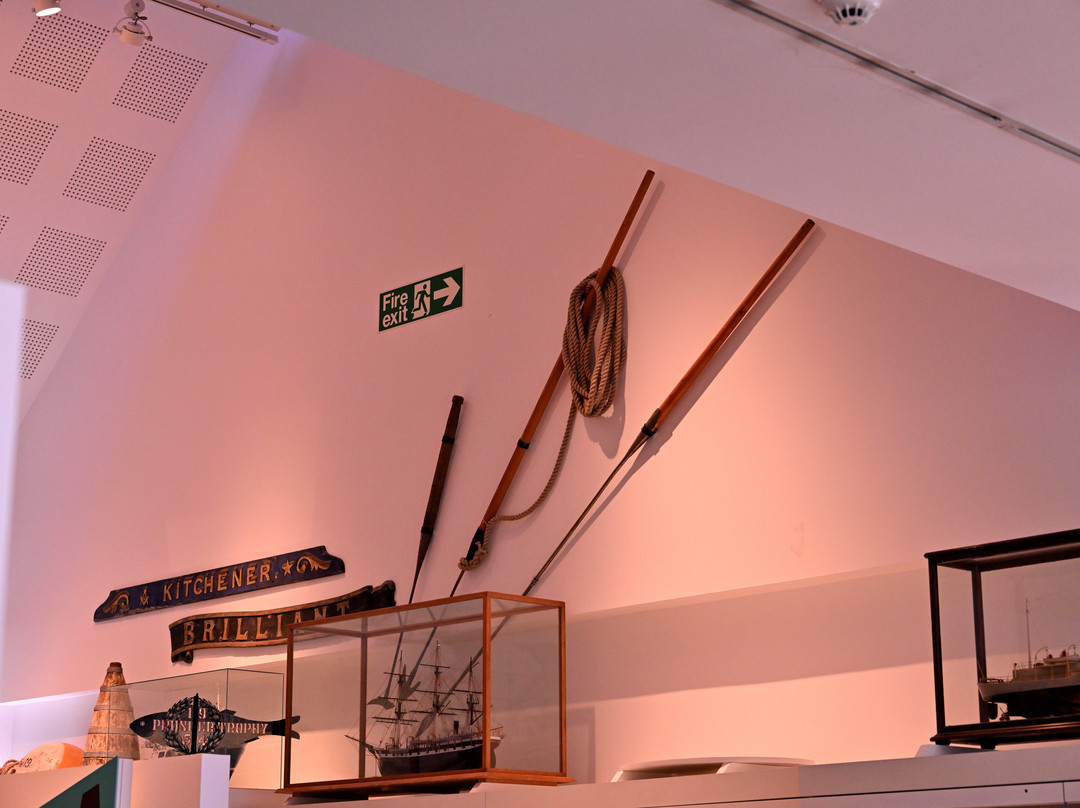
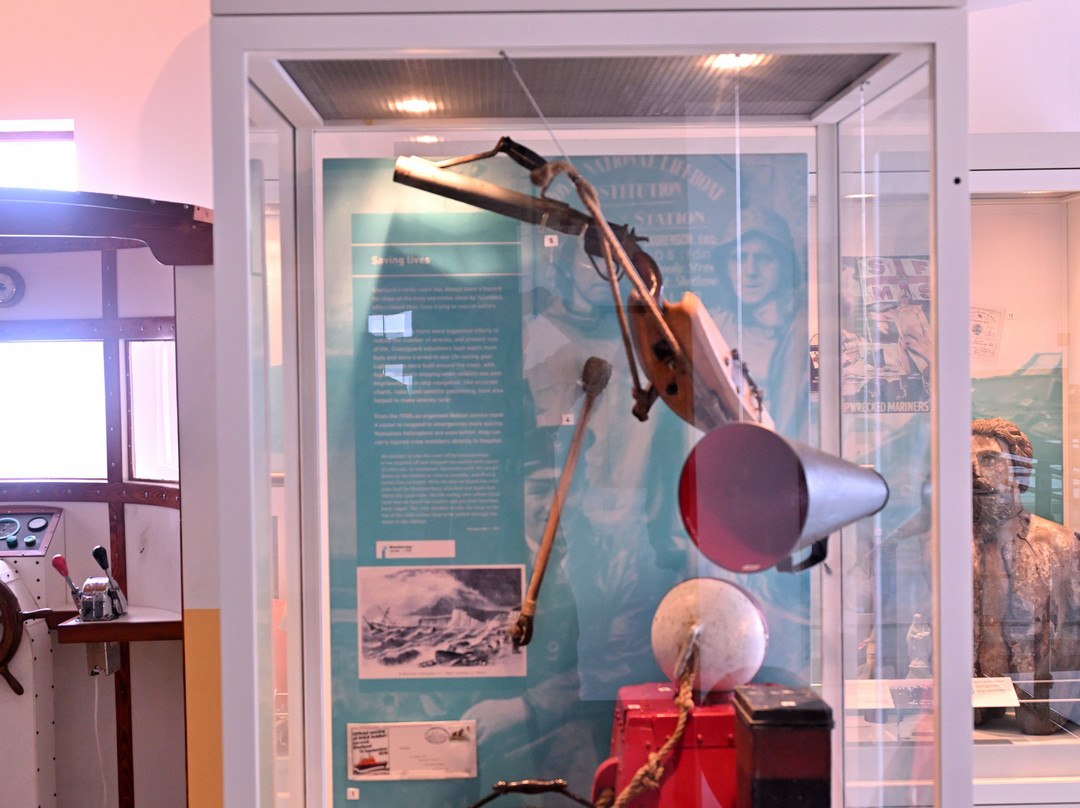
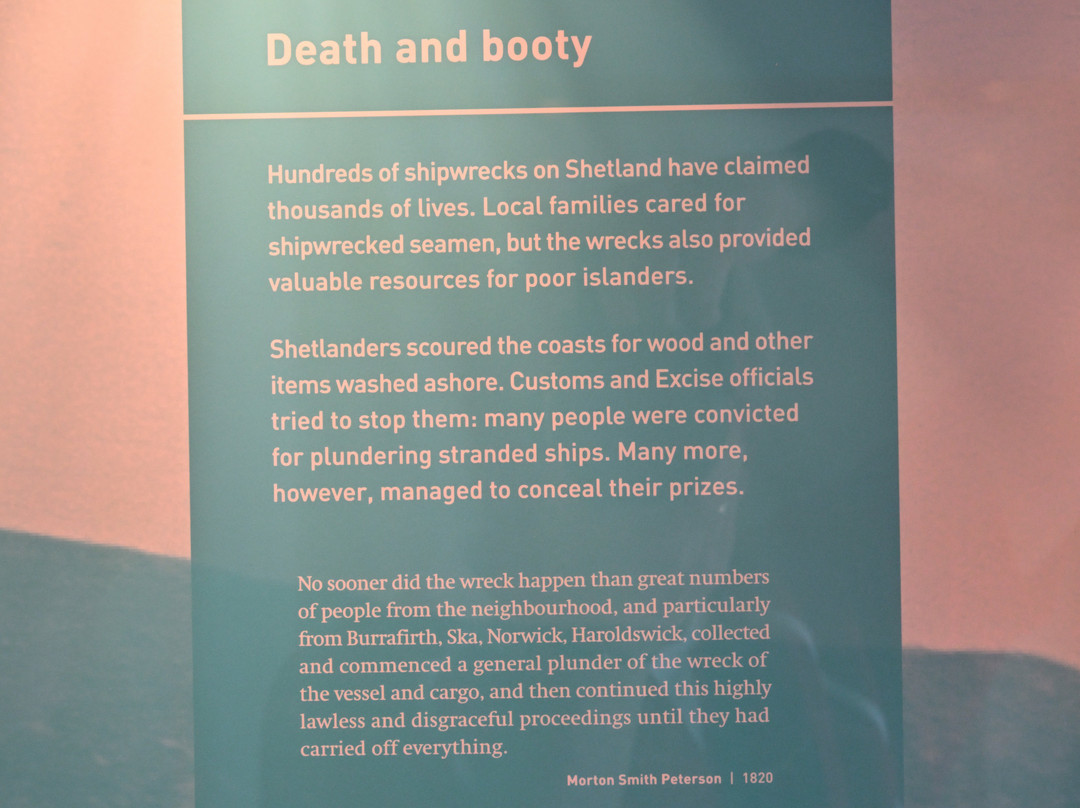
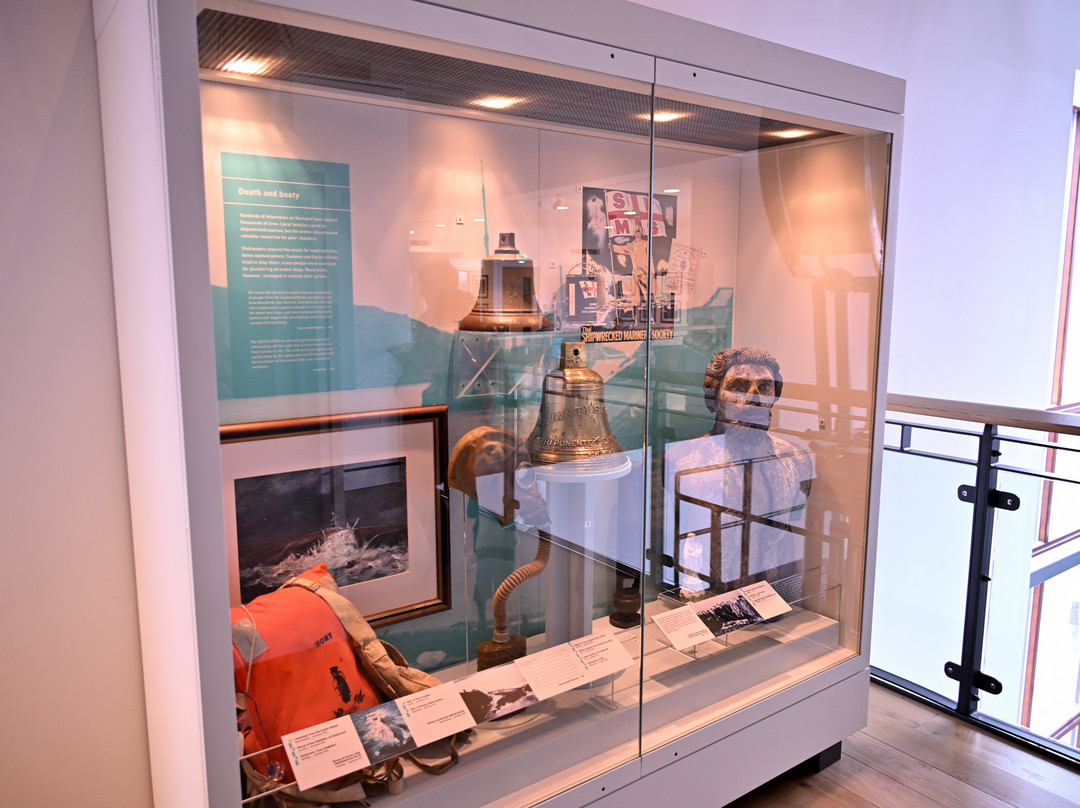
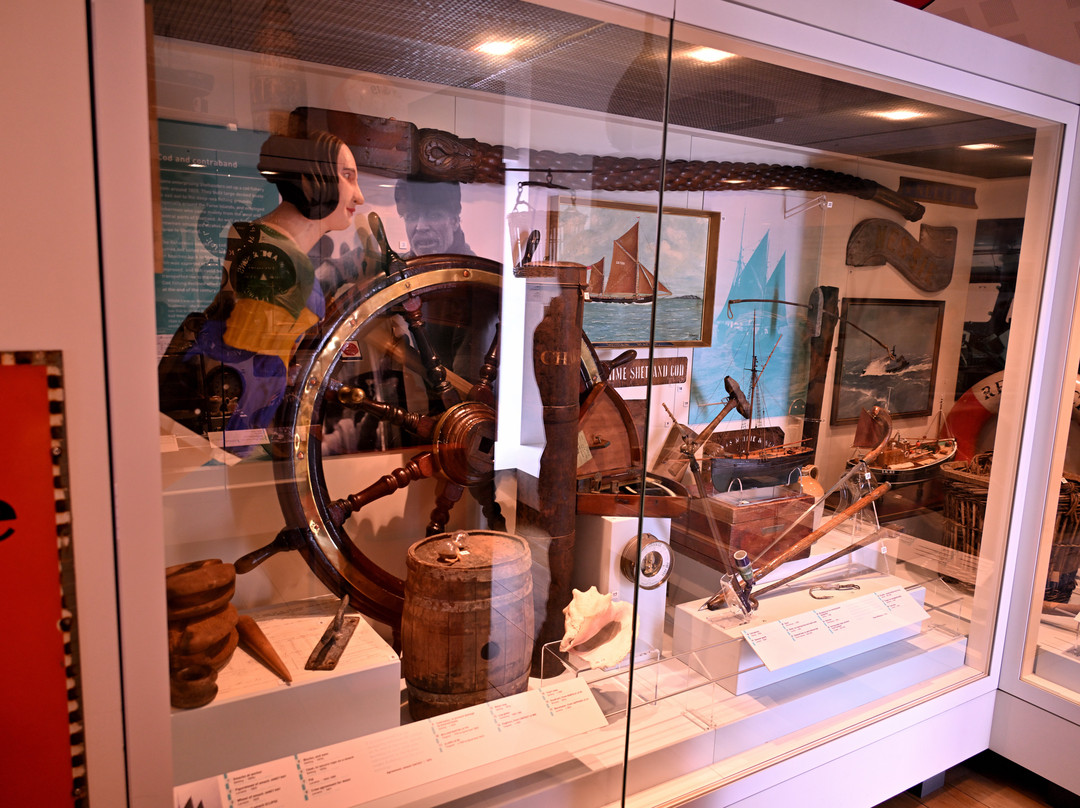
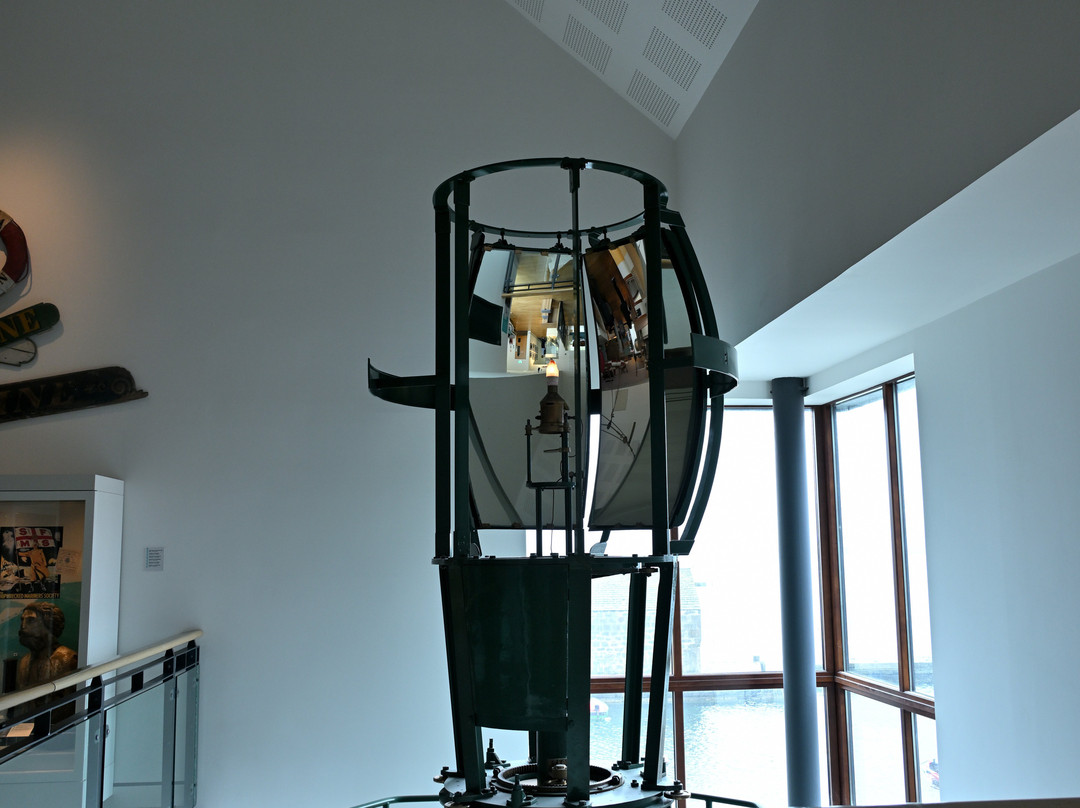
There are also displays of the Maritime services of Shetland that have have allowed safe navigation, and saved lives where shipwrecks occurred. Lighthouses and the equipment that was used within them. Coastguard rescue apparatus which was used to hoist people from ship to shore. There are also the tragic range of debris that is found along the beaches after shipwrecks. There are displays of nameboards, figureheads, lifebelts and furniture, along with some of the stories behind them.
We spent over two hours exploring this fascinating museum, crammed to the rafters with all you would want to know about Shetland. This is an ideal pace to spend some quality time learning about these islands and their proud inhabitants from diverse backgrounds and lineages. This is a must visit stop, especially if you have young children who are interested in the natural world, history and the development of the island communities from Neolithic to the present day. We visited on a very wet day and I think a lot of visitors had the same idea, so it was quite busy. However the musuem is so spacious and well set out that you never felt crowded. What a little gem.
There is ample parking nearby, as you walk up to the museum you get views of the classic Shetland craft in working order which you can often see in use during the summer months, which form part of the exhibitions. Unfortunately for us the weather was not too good and we had to make do with the main museum.
Inside you are met with a very open air space and friendly staff. There is a small souvenir shop as well. Staff were very friendly and helpful on the varied exhibitions with in the museum. There was even a well thought out cloakroom for all the wet weather gear that people had on, so that you need not carry with you making the museum more enjoyable world renowned collections, from geology and archeology, to island life, the fishing and maritime history, along with industries and the development of the island, during war and peace. Each display has excellent information on what the display is about or the history it depicts.
The Shetland Museum has a small, but excellent collection of natural sciences especially the geology with a wide variety of rocks and minerals, as well as numerous displays of plants and lichens. There is also displays of local bird and sea life.
One of the museums largest sections is on Shetland’s archaeology, spanning discoveries from Neolithic inhabitants over 4000 B.C., numerous Iron Age, Picts and Viking artifacts through to the Medieval times. The artifacts from excavations and finds across the island make up elements, from domestic, farming, fishing and religion.
The early archeological section is followed by the Folklife collection between the period Medieval and modern times. This exhibition encompasses all aspects of island life, from subsistence living including fishing, farming and domestic. Artefacts in this collection are specific to a time when Shetland was a place distinct from anywhere else. The displays include ‘classic’ Shetland items such as the kishie (basket), tushkar (peat spade), fourareen (four-oared boat) and hap (shawl).
The extensive displays of these artefacts show that Shetlanders were self-supporting islanders, having to make everything they used from the resources available on land and from the sea. There are displays of how they grew their crops, implements for tillage, making hay and peat production. How they cultivated their grain, involving many processes and tool from harvesting, threshing, winnowing and grinding meal.
They also kept their own livestock and the various animals were used as working beast or for providing food, with examples of ploughs, harrows and for transporting of peat by pack-saddle. There are items used in milk processing, such as churning and butter-making.
Traditional folklore often concerned everyday objects, items from the home include furniture, cooking, weaving and knitting. There are chairs made from driftwood, brand irons (griddles), taatit (tufted) rugs, and joopies (knitted undershirts).
The sea was part of everyone’s life on Shetland being an island. The typical diet included fish, shellfish, seafowl and their eggs. There are displays of the gear to catch these using lines or net, and fishing from boat or shore. There are numerous types of hand-lines, as well as specialised baskets. There are full-sized boats and models of traditional craft, as well as equipment used in boat handling.
This "food for the table" existence eventually expanded into one of Shetlands great industries. The earliest commercial fishing used traditional gear and there are examples of this equipment.
The commercial fishing exhibition follows the history of the ever-changing industry, from sail to motor, from lines to nets, and from quadrant to radar. Shetlanders abandoned indigenous technologies in the 19th century and adopted new fishing and navigation methods, and new types of boats. This is reminiscent of my own families history in Cornwall. From a grandfather whole sailed a herring boat, to uncles who manned trawlers after the war and cousins who captained the big modern ocean going fishing vessels.
Traditionally, whitefish was the dominant catch and there is an extensive collection of objects from the exciting era of deep-sea cod fishing which include boats’ fixtures, navigational instruments and fish processing tools. Islanders also caught haddock in the local white fishery of 1850-1950. There are displays of all the equipment, from lines, buoys, sinkers, lanterns to line-haulers. Traditional equipment that became defunct when the industry moved to motor boats and catching by net from the 1940s.
The pelagic sector also saw prosperity, starting with the Dutch fleet, there are reminders of these fishermen, like boat paintings and souvenirs of Lerwick. What was especially of interest to me was the Herring fishing section as both my great-grandfather and grandfather fished for herring off Cornwall so seeing the many artifacts from Shetlands’ own herring fishery, the gear for catching, also processing and barrel-making, brought back some memories of Cornish fishing villages.
There was even a local commercial whaling industry in was the 20th century, with various items from the stations operating around 1900-1920. Later, islanders followed the industry to the South Atlantic, and the collection holds pieces of apparatus and whalers’ crafts, some of the larger items include a harpoon gun, down to the smallest such as painted penguins’ eggs.
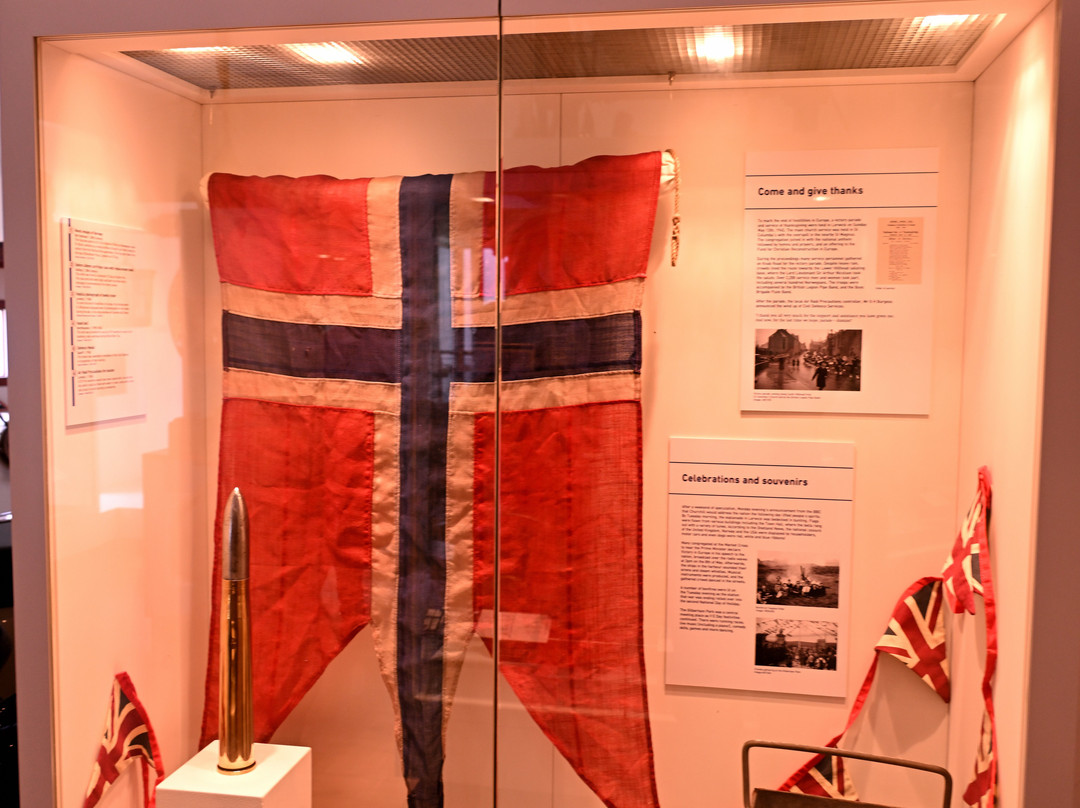
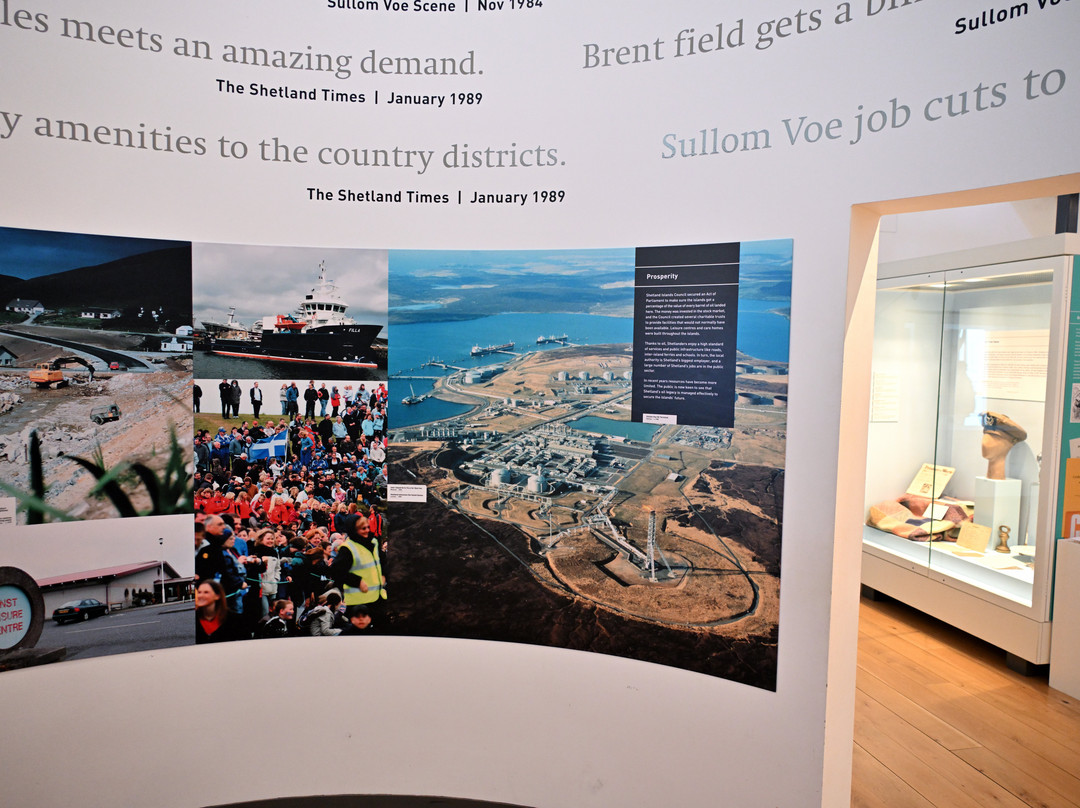
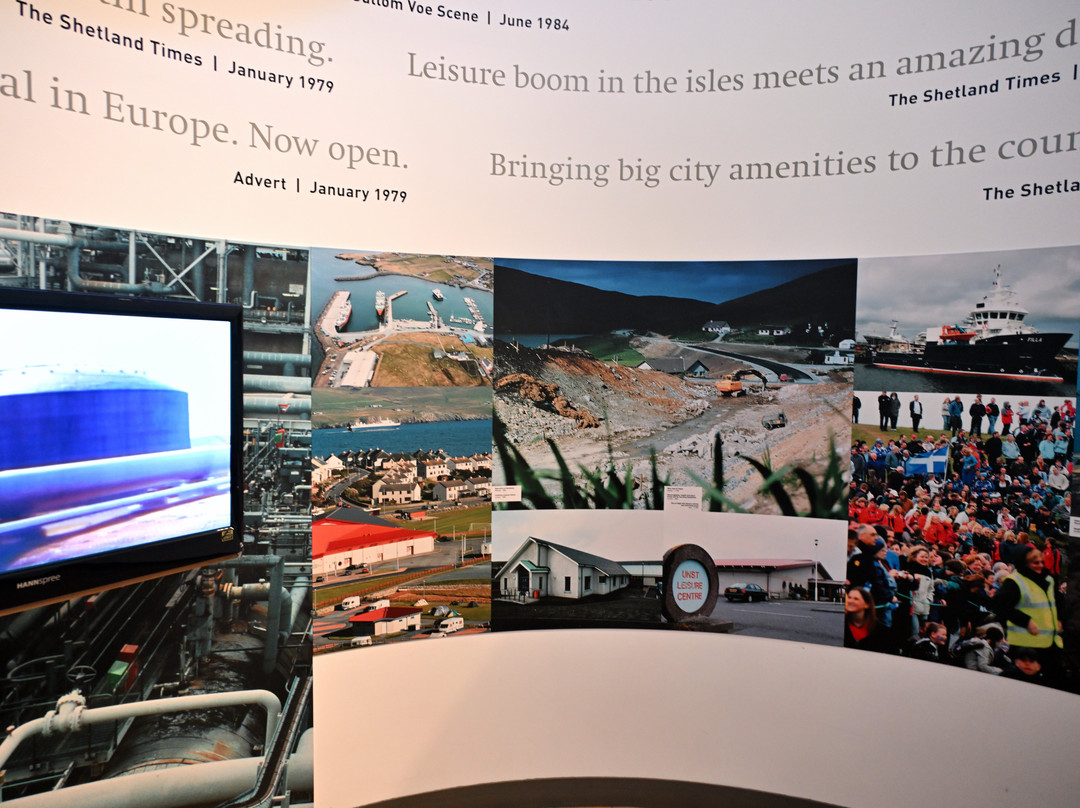
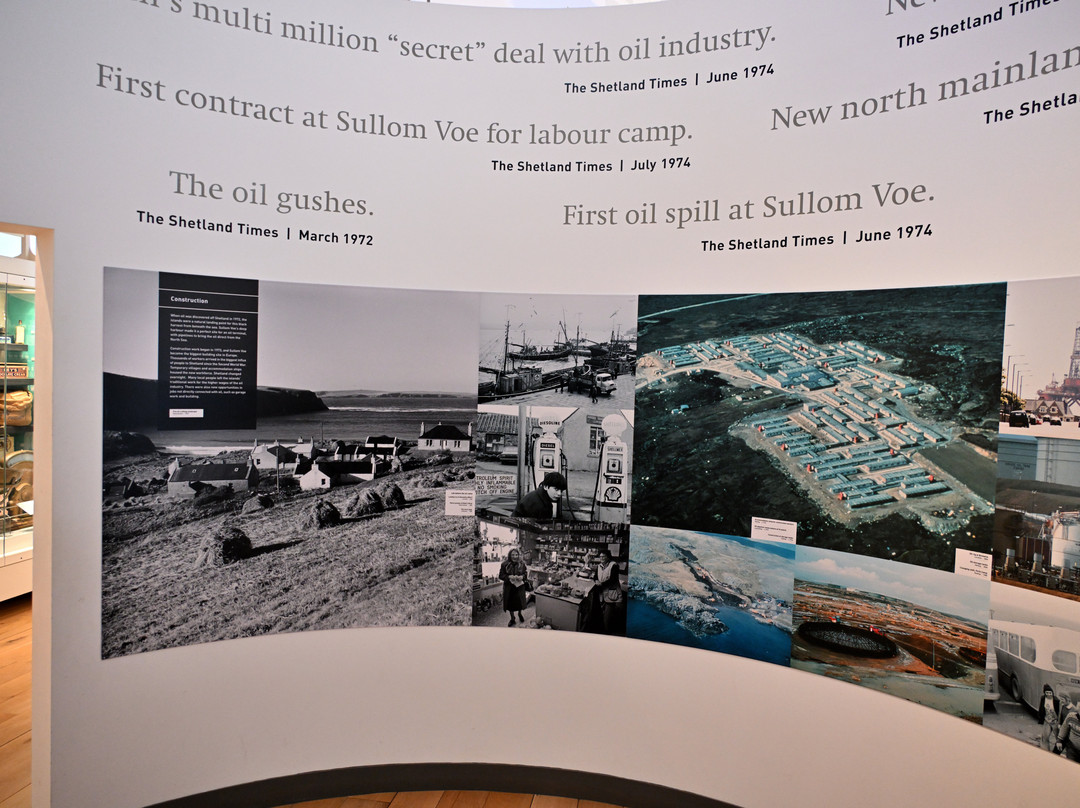
The Social History collection includes artefacts from the post-traditional era, in which Shetland society became similar to lifestyles elsewhere in Britain. In this period, islanders abandoned locally-made tools, furnishings and clothing, and relied on imports. This happened roughly from 1800 onwards, getting more marked as time went on. Artefacts in this collection include cultural, religious, governmental, warfare and communications objects. There are numerous displays which track this remarkable changing history, demonstrating the change to Shetland society as islanders moved to commercial farming, and people started buying services and goods from professional trades rather than making things themselves.
There is also a very interesting time lapse display on how Lerwick developed through each period of history, from a small fishing/trading village, to the busy major port it is today.
Then in the 19th century textiles became a commercial force in Shetland, enabling women to support family incomes. Islanders developed new products and adopted imported tools, while maintaining a focus on traditional hand production and finishing. There are some amazing displays of the exquisite and detailed work that the islanders are famous for.
Being an island nation Britain’s merchant fleet was once the world’s largest, and for over 150 years it was also a vital part of Shetland’s economy, because seamen supported their families with wages from the sea. The displays in the museum encompasses islanders’ worldwide voyaging, with tools of their trade and souvenirs brought back.
The largest and most detailed collection is from the classic era of sailing ships in the 19th century that were both romantic and dangerous. Most objects are mariners’ own tools, such as sailmaking equipment. Many Shetlanders became ship masters and the museum has sextants, telescopes and charts that they would have used every day. One of the largest maritime sectors around 1820-90 was the Arctic whaling, and there is many artifacts from this period, harpoons and other apparatus used for whaling and sealing.
On long sea voyages men had time to create beautiful craft items through carving of wood, whale bone and ropework, with many examples in the display cases. There are also many gift and souvenirs that the sailors obtained from the indigenous peoples of the foreign lands they visited. There are artifacts from across the globe, from the Arctic, the Far East, Africa and South America.
There are also displays of the Maritime services of Shetland that have have allowed safe navigation, and saved lives where shipwrecks occurred. Lighthouses and the equipment that was used within them. Coastguard rescue apparatus which was used to hoist people from ship to shore. There are also the tragic range of debris that is found along the beaches after shipwrecks. There are displays of nameboards, figureheads, lifebelts and furniture, along with some of the stories behind them.
We spent over two hours exploring this fascinating museum, crammed to the rafters with all you would want to know about Shetland. This is an ideal pace to spend some quality time learning about these islands and their proud inhabitants from diverse backgrounds and lineages. This is a must visit stop, especially if you have young children who are interested in the natural world, history and the development of the island communities from Neolithic to the present day. We visited on a very wet day and I think a lot of visitors had the same idea, so it was quite busy. However the musuem is so spacious and well set out that you never felt crowded. What a little gem.
翻译:设得兰博物馆和档案馆的现代化建筑坐落在设得兰首府勒威克市中心的黑斯码头。
附近有充足的停车位。步行前往博物馆的途中,您可以欣赏到仍在使用的经典设得兰船只,这些船只在夏季经常会投入使用,并作为展览的一部分展出。可惜的是,我们去的时候天气不太好,只能参观主展厅。
进入博物馆,首先映入眼帘的是一个宽敞明亮的空间,工作人员也十分友好。馆内还设有一家小型纪念品商店。工作人员非常热情,乐于助人,为我们讲解了馆内丰富多彩的展览。博物馆甚至还贴心地设置了衣帽间,方便游客存放雨具,这样就不用随身携带了,让参观体验更加轻松愉快。博物馆收藏了世界闻名的藏品,涵盖地质学、考古学、岛屿生活、渔业和航海史,以及岛屿在战争与和平时期的工业发展和历史。每个展品都配有详尽的介绍,阐述了展品的内容或所展现的历史。
设得兰博物馆虽然规模不大,但自然科学藏品却十分丰富,尤其地质学方面,拥有种类繁多的岩石和矿物,以及大量的植物和地衣标本。此外,馆内还展出当地的鸟类和海洋生物。
博物馆最大的展区之一是设得兰考古展区,涵盖了从公元前4000年以上的新石器时代居民,到铁器时代、皮克特人和维京人时期,直至中世纪的众多文物。这些来自全岛各地发掘和发现的文物,构成了生活、农业、渔业和宗教等各个方面的展品。
早期考古展区之后是民俗生活展区,展品涵盖了中世纪至近代时期。该展览囊括了岛屿生活的方方面面,从捕鱼、耕作到家庭生活等自给自足的生活方式,无所不包。这些藏品展现了设得兰岛独树一帜的时代风貌。展品包括设得兰群岛的“经典”物品,例如基希(篮子)、图什卡(泥炭铲)、四桨船和哈普(披肩)。
这些丰富的展品表明,设得兰群岛居民是自给自足的岛民,他们必须利用陆地和海洋资源制作所有生活用品。展品展示了他们如何种植作物、耕作工具、干草制作和泥炭生产。他们如何种植谷物,涉及收割、脱粒、扬谷和磨粉等诸多工序和工具。
他们还饲养牲畜,各种动物既可作为役畜,也可作为食物来源。展品包括犁、耙以及用驮鞍运输泥炭的工具。此外,还有用于牛奶加工的工具,例如搅乳器和黄油制作器。
传统民间传说通常与日常用品有关,家居用品包括家具、炊具、纺织和编织用品。这里有漂流木制成的椅子、烙铁(烤盘)、簇绒地毯和针织内衣。
作为设得兰群岛的一部分,大海是岛上居民生活的重要组成部分。典型的食物包括鱼类、贝类、海禽及其蛋。展览展示了用钓线或渔网捕捞这些海鲜的渔具,以及在船上或岸边捕鱼的方式。这里还有多种手钓线和特制的渔网篮。此外,还有全尺寸的船只、传统船只的模型以及船舶操作设备。
这种“餐桌上的食物”最终发展成为设得兰群岛的支柱产业之一。最早的商业捕鱼使用传统渔具,展览中也展出了这些渔具的实物。
商业捕鱼展览追溯了这一不断发展的产业的历史,从帆船到机动船,从钓线到渔网,从象限仪到雷达。19世纪,设得兰群岛居民放弃了本土技术,转而采用新的捕鱼和航海方法以及新型船只。这让我想起了我家族在康沃尔郡的历史。从祖父一辈子驾驶鲱鱼船出海,到战后在拖网渔船上掌舵的叔叔们,再到驾驶大型现代远洋渔船的堂兄弟们,都与渔业有着千丝万缕的联系。
传统上,白鱼是当地的主要渔获,这里收藏了大量来自激动人心的深海鳕鱼捕捞时代的物品,包括船上的各种设备、导航仪器和鱼类加工工具。1850年至1950年间,岛民们也曾在当地的白鱼渔业中捕捞黑线鳕。这里展出了所有当时的渔具,从渔线、浮标、铅坠、灯笼到收线器,应有尽有。这些传统渔具随着20世纪40年代渔业转向机动船和渔网捕捞而逐渐被淘汰。
远洋捕捞业也曾蓬勃发展,这要归功于荷兰船队的崛起。这里还保留着一些与这些渔民有关的物品,例如船只绘画和勒威克的纪念品。最令我感兴趣的是鲱鱼捕捞展区,因为我的曾祖父和祖父都曾在康沃尔郡附近海域捕捞鲱鱼。看到来自设得兰群岛鲱鱼渔业的众多文物,包括捕捞工具、加工设备以及制桶工艺,让我回忆起康沃尔郡的渔村生活。
20世纪,当地甚至还发展过商业捕鲸业,展品中包含1900年至1920年间运营的捕鲸站的各种物品。后来,岛民们追随捕鲸业的脚步来到南大西洋,馆藏中也包括一些捕鲸设备和船只,从大型的鱼叉枪到小型的彩绘企鹅蛋,应有尽有。
社会历史展区则展出了后传统时代的文物,在这个时期,设得兰群岛的社会生活方式逐渐与英国其他地区趋于相似。岛民们放弃了本地制造的工具、家具和服装,转而依赖进口。这种情况大约从1800年开始,随着时间的推移愈发明显。馆藏文物涵盖文化、宗教、政府、战争和通讯等领域。众多展品追溯了这段非凡的历史变迁,展现了设得兰群岛社会随着岛民转向商业农业而发生的转变,人们开始从专业人士那里购买商品和服务,而非自己动手制作。
此外,还有一个非常有趣的延时摄影展,展示了勒威克在不同历史时期的发展历程,从一个小型渔村/贸易村发展成为如今繁忙的主要港口。
到了19世纪,纺织业成为设得兰群岛的支柱产业,使妇女能够补贴家用。岛民们开发新产品并采用进口工具,同时仍然注重传统的手工制作和加工工艺。这里展出了一些令人惊叹的精美作品,展现了岛民们闻名遐迩的精湛技艺。
作为岛国,英国的商船队曾是世界规模最大的,并且在150多年的时间里,它也是设得兰群岛经济的重要组成部分,因为海员们靠海上收入养家糊口。博物馆的展品涵盖了岛民的环球航行,包括他们的工具和带回的纪念品。
馆藏最丰富、最详尽的展品来自19世纪帆船时代的经典航海时期,那时的航海既浪漫又危险。大多数展品都是水手们自己的工具,例如帆具。许多设得兰人成为了船长,博物馆里陈列着他们日常使用的六分仪、望远镜和海图。1820年至1890年间,北极捕鲸业是设得兰群岛最重要的海上产业之一,博物馆里收藏了许多这一时期的文物,包括鱼叉和其他用于捕鲸和海豹捕猎的工具。
在漫长的海上航行中,水手们有时间制作精美的手工艺品,例如木雕、鲸骨雕刻和绳索编织,许多展品都陈列在展柜中。这里还陈列着许多水手们从他们到访的异国他乡的土著居民那里获得的礼物和纪念品。这些文物来自世界各地,包括北极、远东、非洲和南美洲。
此外,这里还展示了设得兰群岛的海事服务,这些服务保障了航行安全,并在沉船事故中挽救了生命。灯塔及其内部设备,以及海岸警卫队用于将遇难者从船上吊到岸上的救援设备,都一一呈现。这里还展出了沉船后在海滩上发现的各种令人痛心的残骸,例如船名牌、船首像、救生圈和家具,以及它们背后的故事。
我们花了两个多小时探索这座引人入胜的博物馆,这里琳琅满目,应有尽有,满足你对设得兰群岛的一切好奇。这样的节奏非常适合花时间深入了解这些岛屿及其拥有不同背景和血统的骄傲居民。这里绝对值得一去,尤其适合带着对自然世界、历史以及岛屿社区从新石器时代至今发展历程感兴趣的小朋友。我们去的那天雨下得很大,我想很多游客也和我们一样,所以人很多。不过,博物馆非常宽敞,布局也很合理,所以一点也不觉得拥挤。真是个宝藏小馆。
附近有充足的停车位。步行前往博物馆的途中,您可以欣赏到仍在使用的经典设得兰船只,这些船只在夏季经常会投入使用,并作为展览的一部分展出。可惜的是,我们去的时候天气不太好,只能参观主展厅。
进入博物馆,首先映入眼帘的是一个宽敞明亮的空间,工作人员也十分友好。馆内还设有一家小型纪念品商店。工作人员非常热情,乐于助人,为我们讲解了馆内丰富多彩的展览。博物馆甚至还贴心地设置了衣帽间,方便游客存放雨具,这样就不用随身携带了,让参观体验更加轻松愉快。博物馆收藏了世界闻名的藏品,涵盖地质学、考古学、岛屿生活、渔业和航海史,以及岛屿在战争与和平时期的工业发展和历史。每个展品都配有详尽的介绍,阐述了展品的内容或所展现的历史。
设得兰博物馆虽然规模不大,但自然科学藏品却十分丰富,尤其地质学方面,拥有种类繁多的岩石和矿物,以及大量的植物和地衣标本。此外,馆内还展出当地的鸟类和海洋生物。
博物馆最大的展区之一是设得兰考古展区,涵盖了从公元前4000年以上的新石器时代居民,到铁器时代、皮克特人和维京人时期,直至中世纪的众多文物。这些来自全岛各地发掘和发现的文物,构成了生活、农业、渔业和宗教等各个方面的展品。
早期考古展区之后是民俗生活展区,展品涵盖了中世纪至近代时期。该展览囊括了岛屿生活的方方面面,从捕鱼、耕作到家庭生活等自给自足的生活方式,无所不包。这些藏品展现了设得兰岛独树一帜的时代风貌。展品包括设得兰群岛的“经典”物品,例如基希(篮子)、图什卡(泥炭铲)、四桨船和哈普(披肩)。
这些丰富的展品表明,设得兰群岛居民是自给自足的岛民,他们必须利用陆地和海洋资源制作所有生活用品。展品展示了他们如何种植作物、耕作工具、干草制作和泥炭生产。他们如何种植谷物,涉及收割、脱粒、扬谷和磨粉等诸多工序和工具。
他们还饲养牲畜,各种动物既可作为役畜,也可作为食物来源。展品包括犁、耙以及用驮鞍运输泥炭的工具。此外,还有用于牛奶加工的工具,例如搅乳器和黄油制作器。
传统民间传说通常与日常用品有关,家居用品包括家具、炊具、纺织和编织用品。这里有漂流木制成的椅子、烙铁(烤盘)、簇绒地毯和针织内衣。
作为设得兰群岛的一部分,大海是岛上居民生活的重要组成部分。典型的食物包括鱼类、贝类、海禽及其蛋。展览展示了用钓线或渔网捕捞这些海鲜的渔具,以及在船上或岸边捕鱼的方式。这里还有多种手钓线和特制的渔网篮。此外,还有全尺寸的船只、传统船只的模型以及船舶操作设备。
这种“餐桌上的食物”最终发展成为设得兰群岛的支柱产业之一。最早的商业捕鱼使用传统渔具,展览中也展出了这些渔具的实物。
商业捕鱼展览追溯了这一不断发展的产业的历史,从帆船到机动船,从钓线到渔网,从象限仪到雷达。19世纪,设得兰群岛居民放弃了本土技术,转而采用新的捕鱼和航海方法以及新型船只。这让我想起了我家族在康沃尔郡的历史。从祖父一辈子驾驶鲱鱼船出海,到战后在拖网渔船上掌舵的叔叔们,再到驾驶大型现代远洋渔船的堂兄弟们,都与渔业有着千丝万缕的联系。
传统上,白鱼是当地的主要渔获,这里收藏了大量来自激动人心的深海鳕鱼捕捞时代的物品,包括船上的各种设备、导航仪器和鱼类加工工具。1850年至1950年间,岛民们也曾在当地的白鱼渔业中捕捞黑线鳕。这里展出了所有当时的渔具,从渔线、浮标、铅坠、灯笼到收线器,应有尽有。这些传统渔具随着20世纪40年代渔业转向机动船和渔网捕捞而逐渐被淘汰。
远洋捕捞业也曾蓬勃发展,这要归功于荷兰船队的崛起。这里还保留着一些与这些渔民有关的物品,例如船只绘画和勒威克的纪念品。最令我感兴趣的是鲱鱼捕捞展区,因为我的曾祖父和祖父都曾在康沃尔郡附近海域捕捞鲱鱼。看到来自设得兰群岛鲱鱼渔业的众多文物,包括捕捞工具、加工设备以及制桶工艺,让我回忆起康沃尔郡的渔村生活。
20世纪,当地甚至还发展过商业捕鲸业,展品中包含1900年至1920年间运营的捕鲸站的各种物品。后来,岛民们追随捕鲸业的脚步来到南大西洋,馆藏中也包括一些捕鲸设备和船只,从大型的鱼叉枪到小型的彩绘企鹅蛋,应有尽有。
社会历史展区则展出了后传统时代的文物,在这个时期,设得兰群岛的社会生活方式逐渐与英国其他地区趋于相似。岛民们放弃了本地制造的工具、家具和服装,转而依赖进口。这种情况大约从1800年开始,随着时间的推移愈发明显。馆藏文物涵盖文化、宗教、政府、战争和通讯等领域。众多展品追溯了这段非凡的历史变迁,展现了设得兰群岛社会随着岛民转向商业农业而发生的转变,人们开始从专业人士那里购买商品和服务,而非自己动手制作。
此外,还有一个非常有趣的延时摄影展,展示了勒威克在不同历史时期的发展历程,从一个小型渔村/贸易村发展成为如今繁忙的主要港口。
到了19世纪,纺织业成为设得兰群岛的支柱产业,使妇女能够补贴家用。岛民们开发新产品并采用进口工具,同时仍然注重传统的手工制作和加工工艺。这里展出了一些令人惊叹的精美作品,展现了岛民们闻名遐迩的精湛技艺。
作为岛国,英国的商船队曾是世界规模最大的,并且在150多年的时间里,它也是设得兰群岛经济的重要组成部分,因为海员们靠海上收入养家糊口。博物馆的展品涵盖了岛民的环球航行,包括他们的工具和带回的纪念品。
馆藏最丰富、最详尽的展品来自19世纪帆船时代的经典航海时期,那时的航海既浪漫又危险。大多数展品都是水手们自己的工具,例如帆具。许多设得兰人成为了船长,博物馆里陈列着他们日常使用的六分仪、望远镜和海图。1820年至1890年间,北极捕鲸业是设得兰群岛最重要的海上产业之一,博物馆里收藏了许多这一时期的文物,包括鱼叉和其他用于捕鲸和海豹捕猎的工具。
在漫长的海上航行中,水手们有时间制作精美的手工艺品,例如木雕、鲸骨雕刻和绳索编织,许多展品都陈列在展柜中。这里还陈列着许多水手们从他们到访的异国他乡的土著居民那里获得的礼物和纪念品。这些文物来自世界各地,包括北极、远东、非洲和南美洲。
此外,这里还展示了设得兰群岛的海事服务,这些服务保障了航行安全,并在沉船事故中挽救了生命。灯塔及其内部设备,以及海岸警卫队用于将遇难者从船上吊到岸上的救援设备,都一一呈现。这里还展出了沉船后在海滩上发现的各种令人痛心的残骸,例如船名牌、船首像、救生圈和家具,以及它们背后的故事。
我们花了两个多小时探索这座引人入胜的博物馆,这里琳琅满目,应有尽有,满足你对设得兰群岛的一切好奇。这样的节奏非常适合花时间深入了解这些岛屿及其拥有不同背景和血统的骄傲居民。这里绝对值得一去,尤其适合带着对自然世界、历史以及岛屿社区从新石器时代至今发展历程感兴趣的小朋友。我们去的那天雨下得很大,我想很多游客也和我们一样,所以人很多。不过,博物馆非常宽敞,布局也很合理,所以一点也不觉得拥挤。真是个宝藏小馆。

© 2026 Tripadvisor 版权所有。
部分照片由 VFM Leonardo 提供。
TripAdvisor公司对外部网站的内容一概不负责。优惠价格中不含税和其他费用。
ICP证:沪B2-20200433
沪ICP备20013175号
 沪公网安备31010502005427号
鹰程信息技术(上海)有限公司