下载App
资质规则
旅行
账户
ITRT
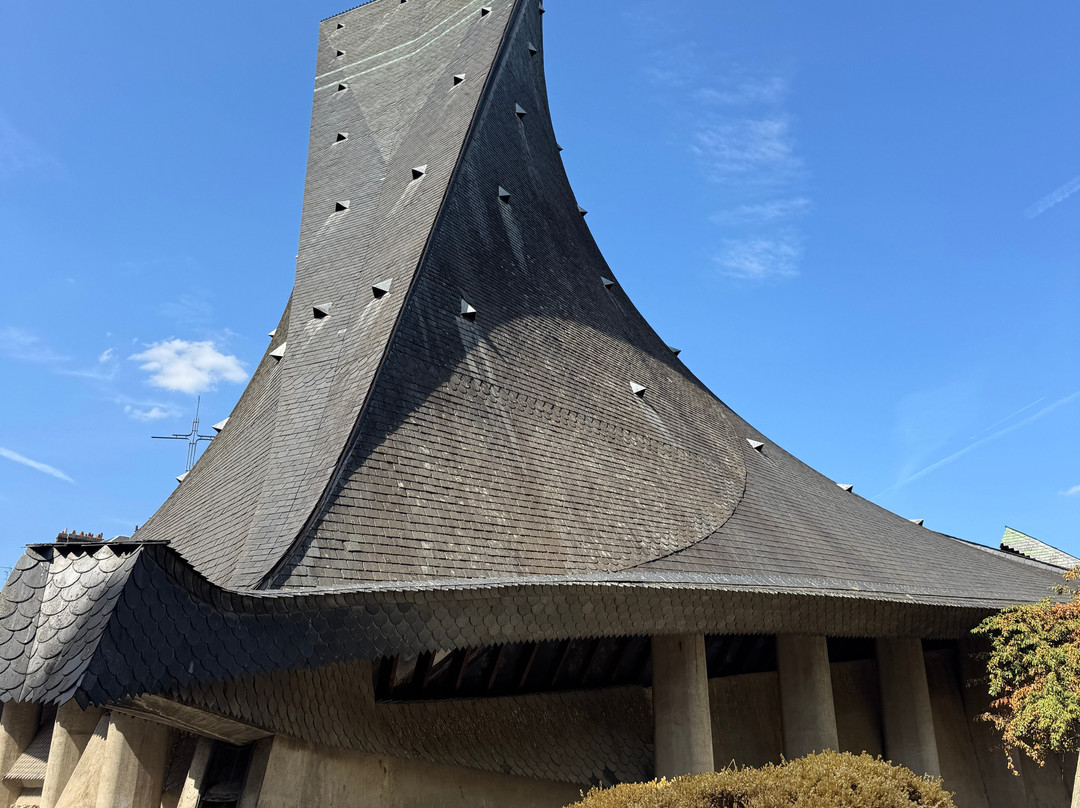
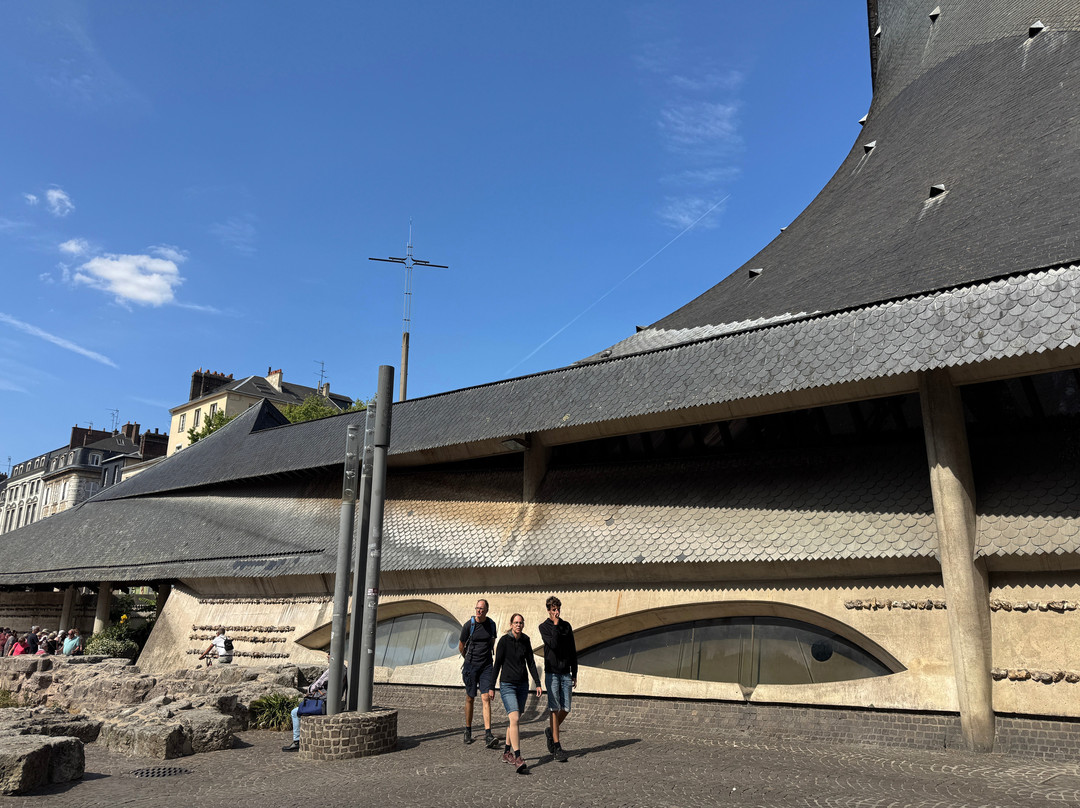
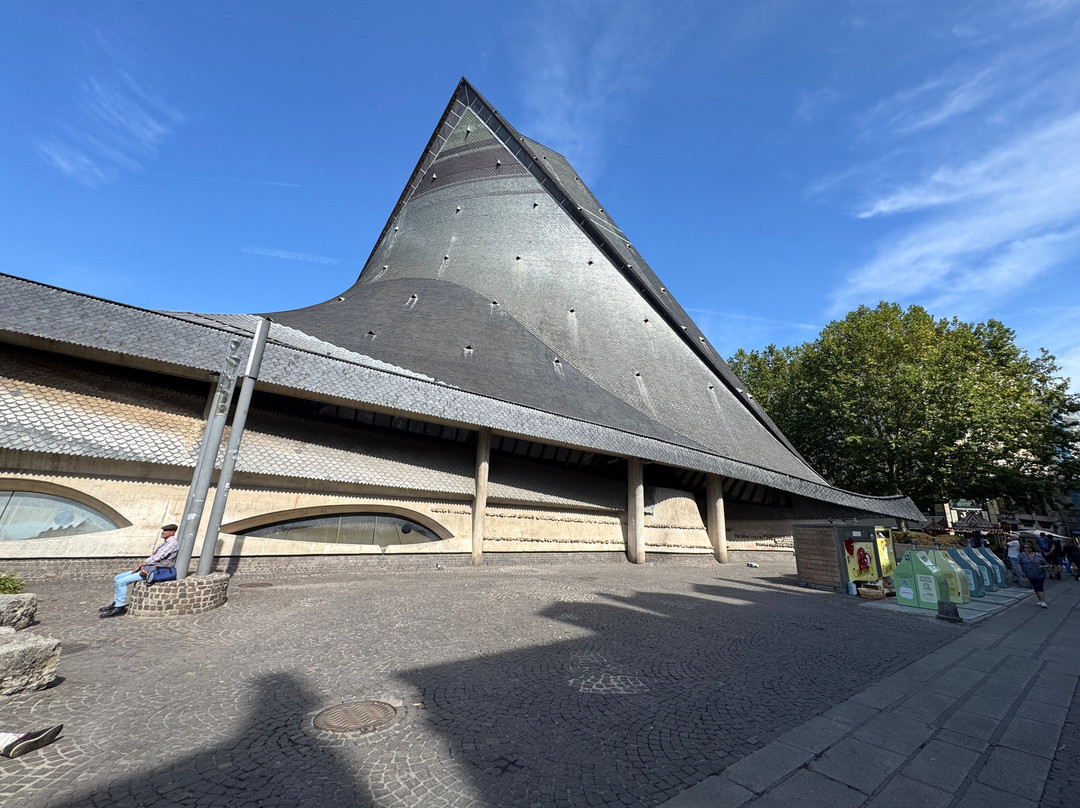
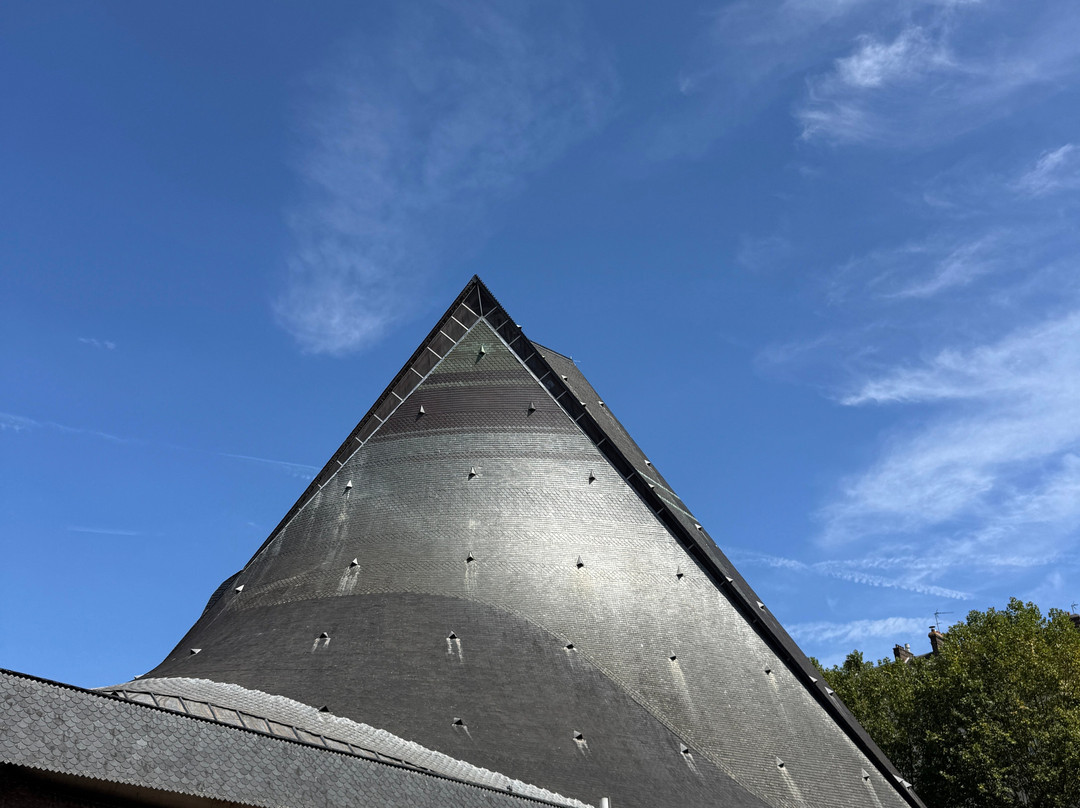
Nicknamed “Overturned Boat”
L’église sainte Jeanne d’Arc的点评
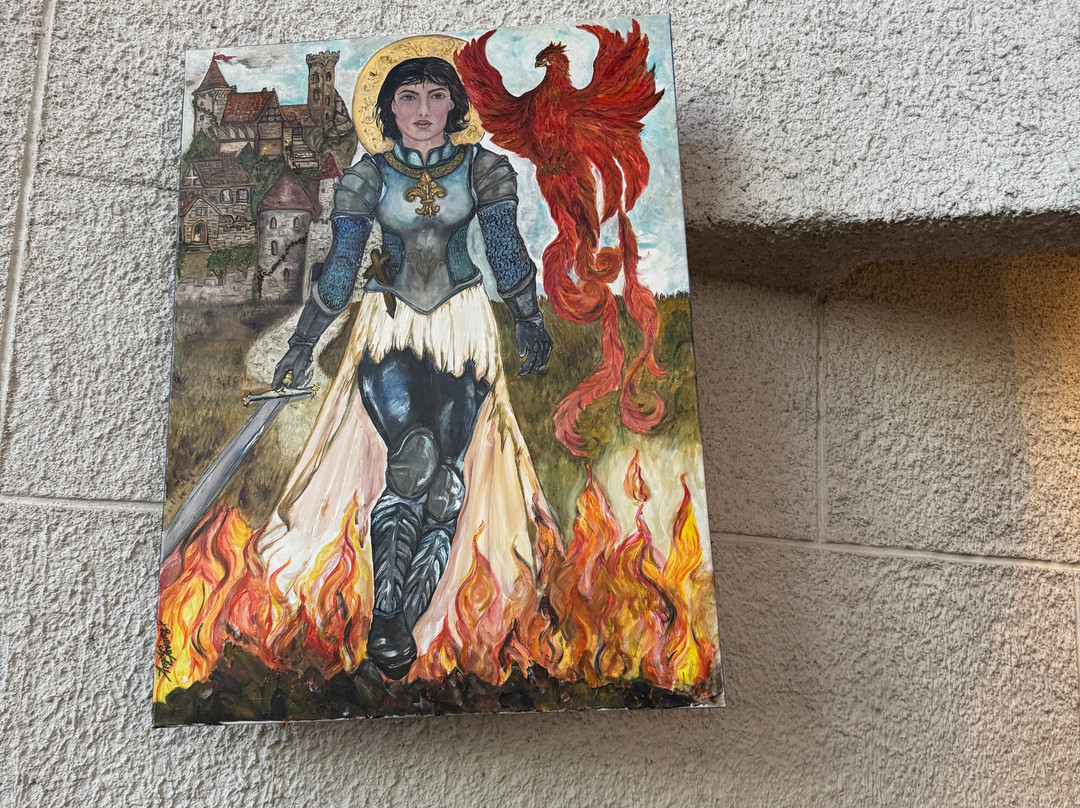
点评:No visit to Rouen, France would be complete without a visit without a visit to this church honoring the heroine of France Jeanne d’Arc. It is dedicated to the Patron Saint of France. In the 15th century, translators changed her name to the English version Joan of Arc. She is a national heroine of France who led French armies to victory during the Hundred Years' War and the patron saint of France. Our guide told us she was burned three times and her ashes scattered in the Seine River. Her final word was “Jesus”.
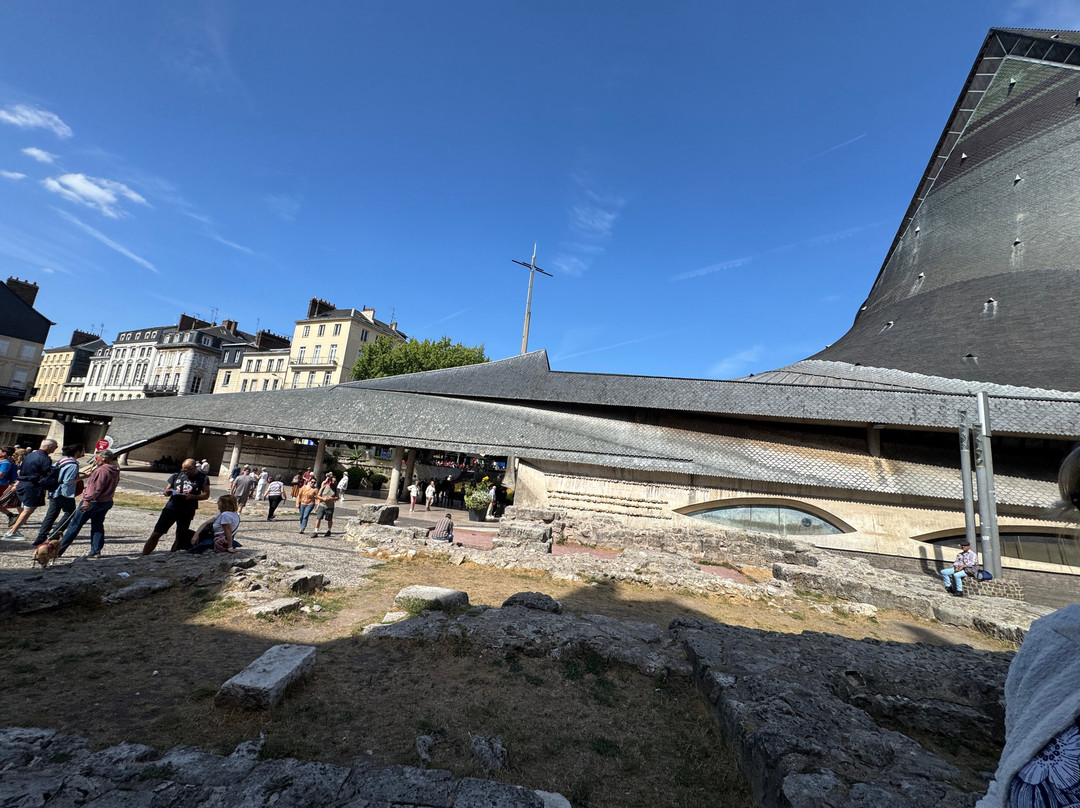
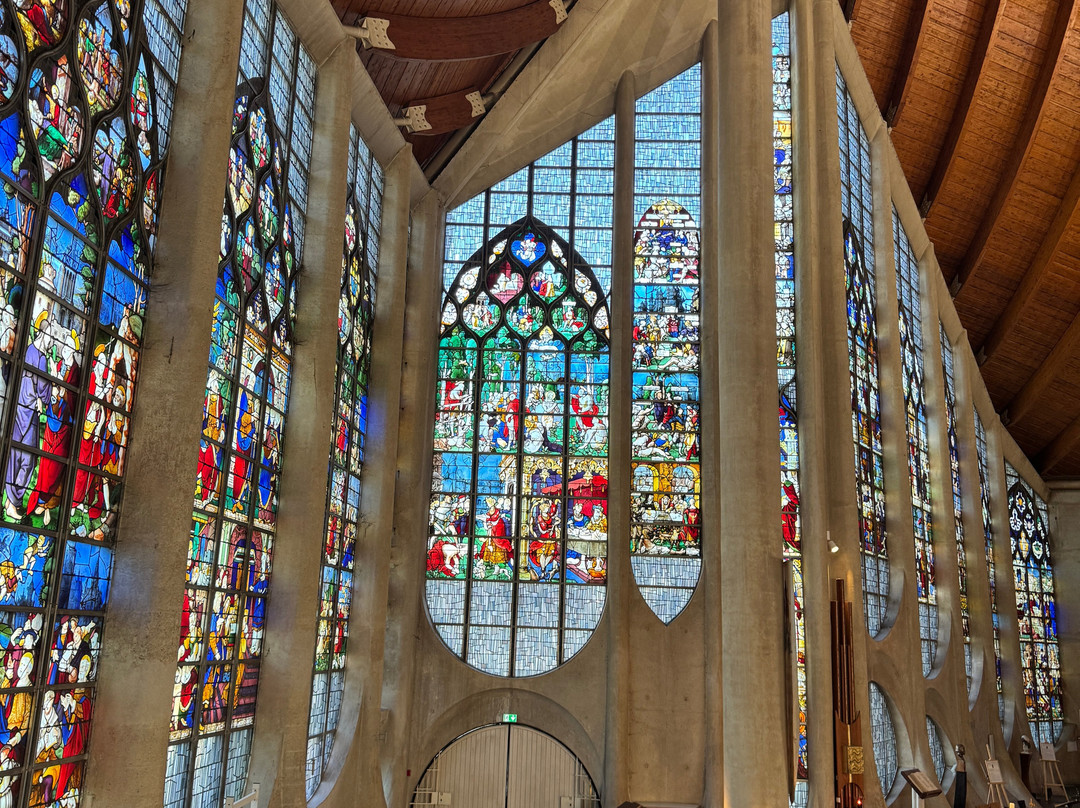
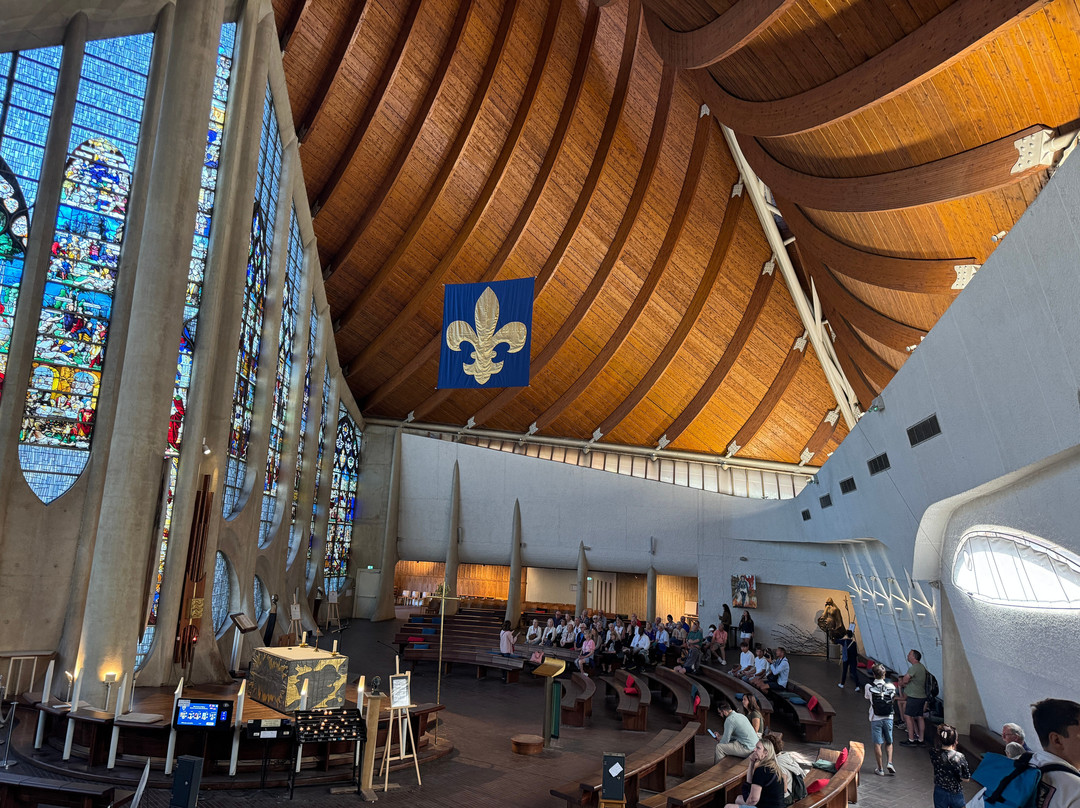
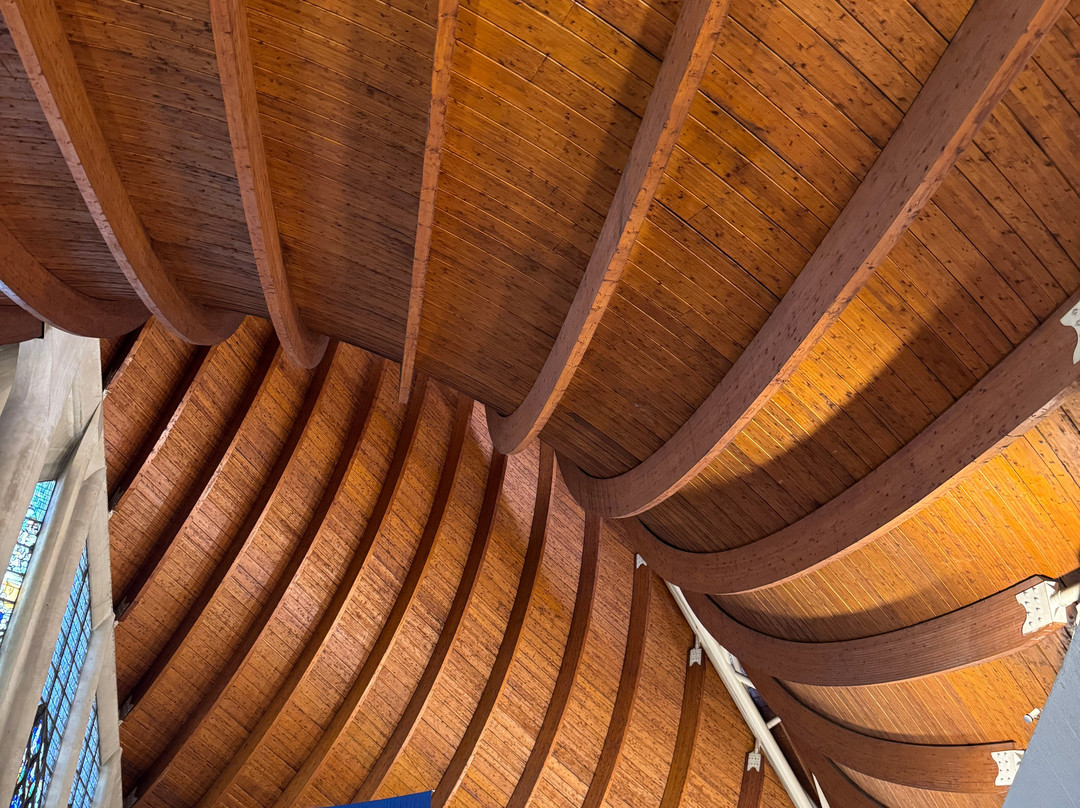
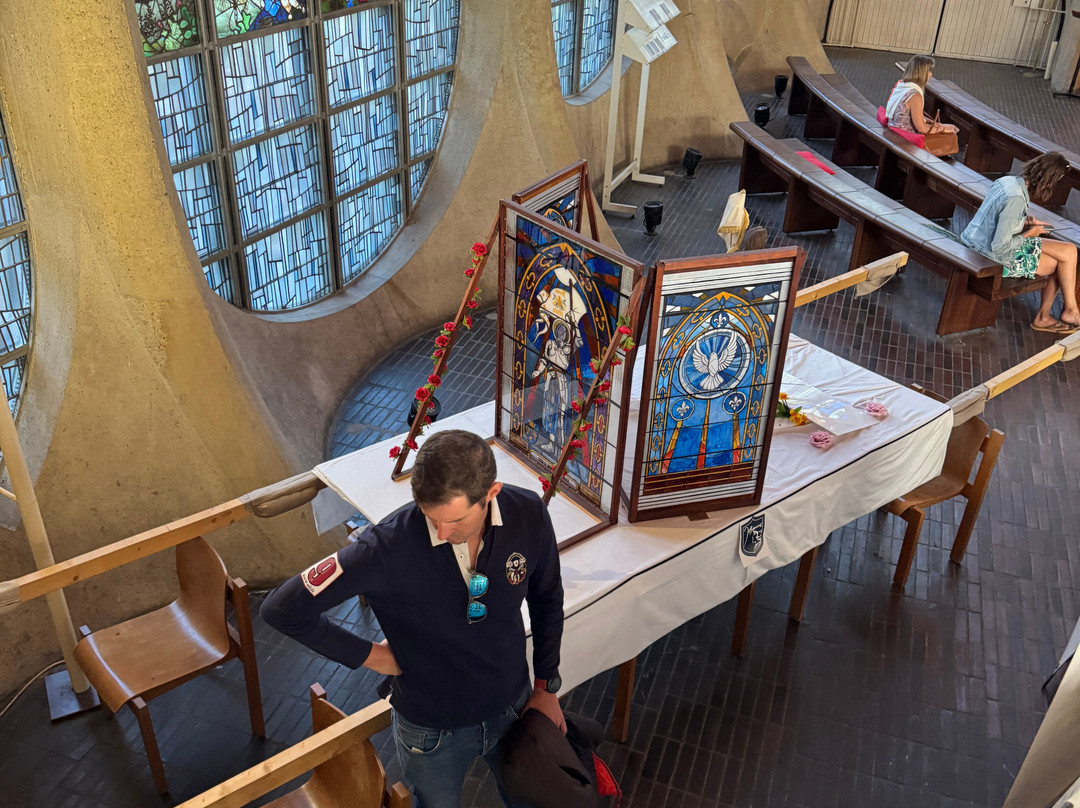
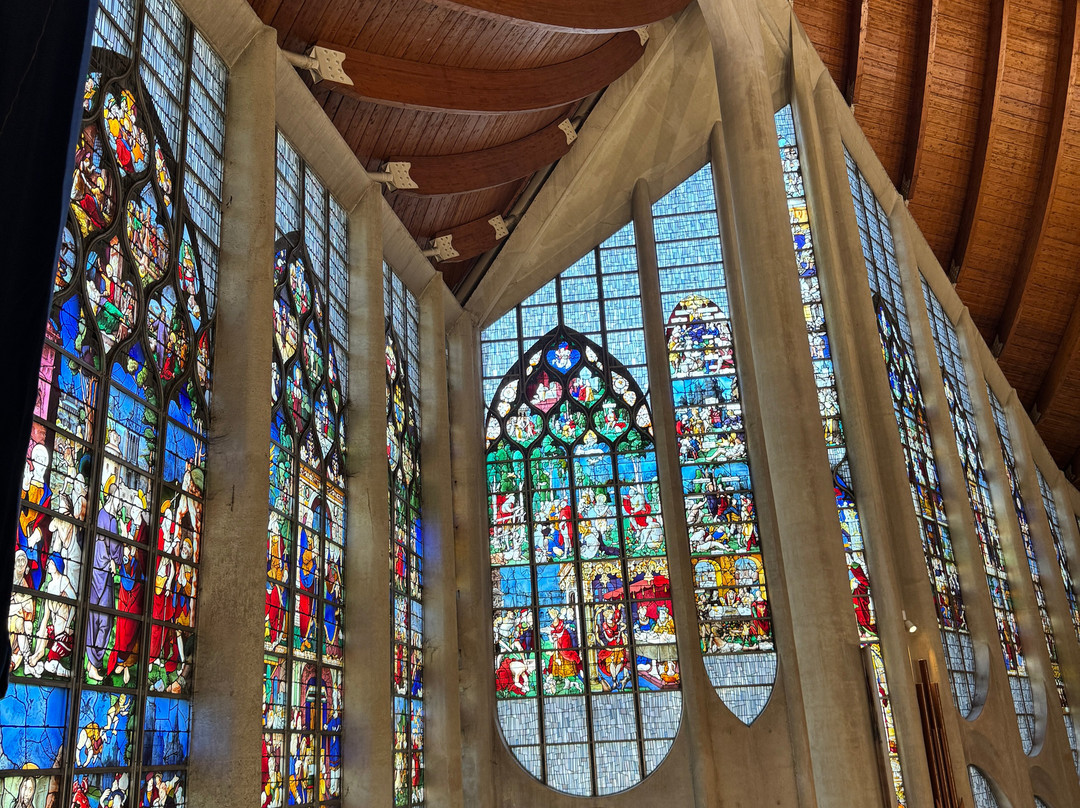
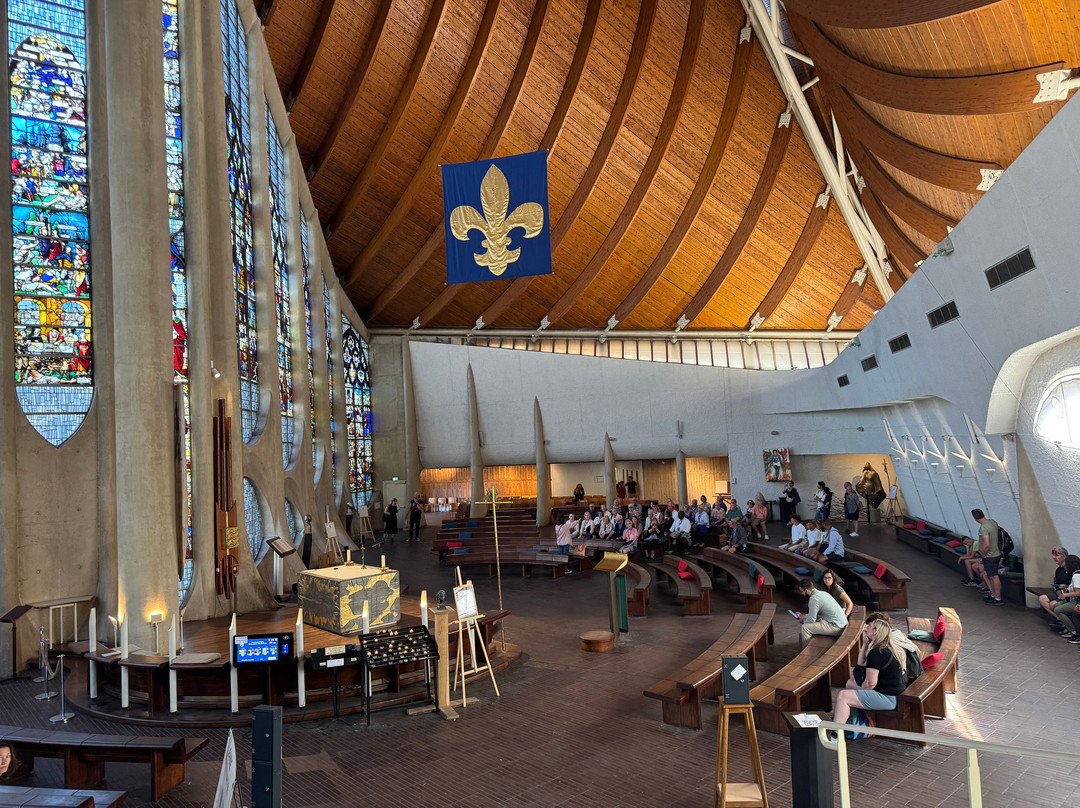
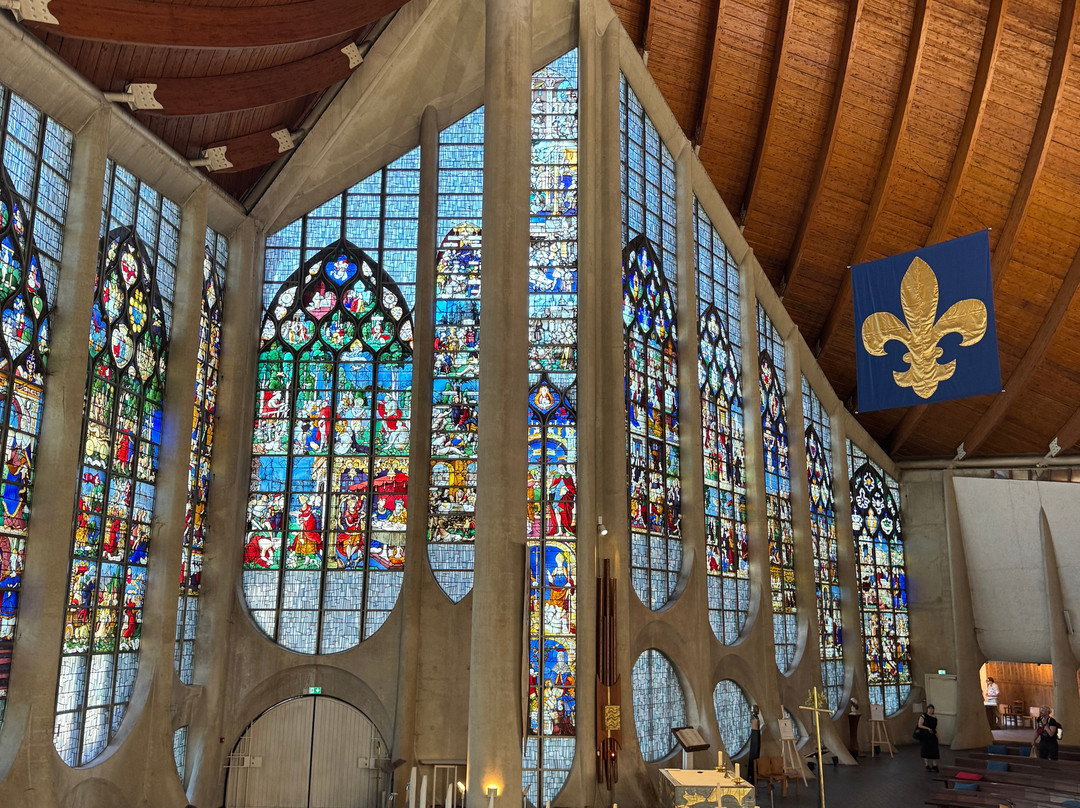
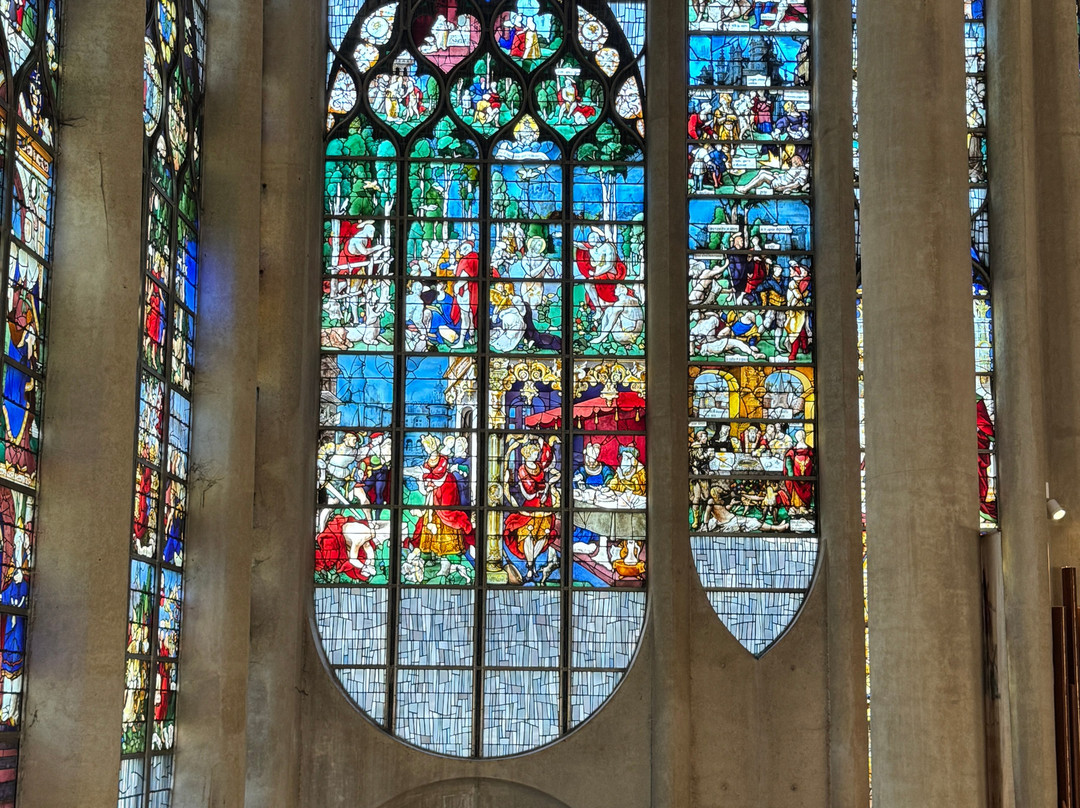
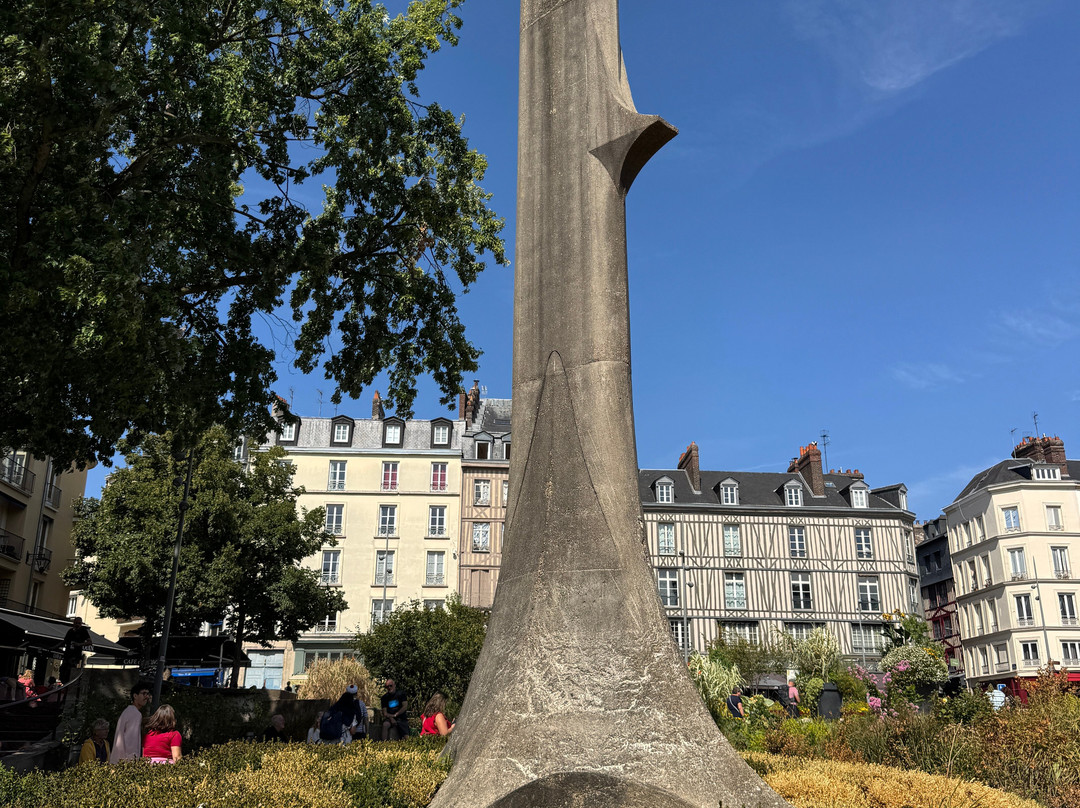
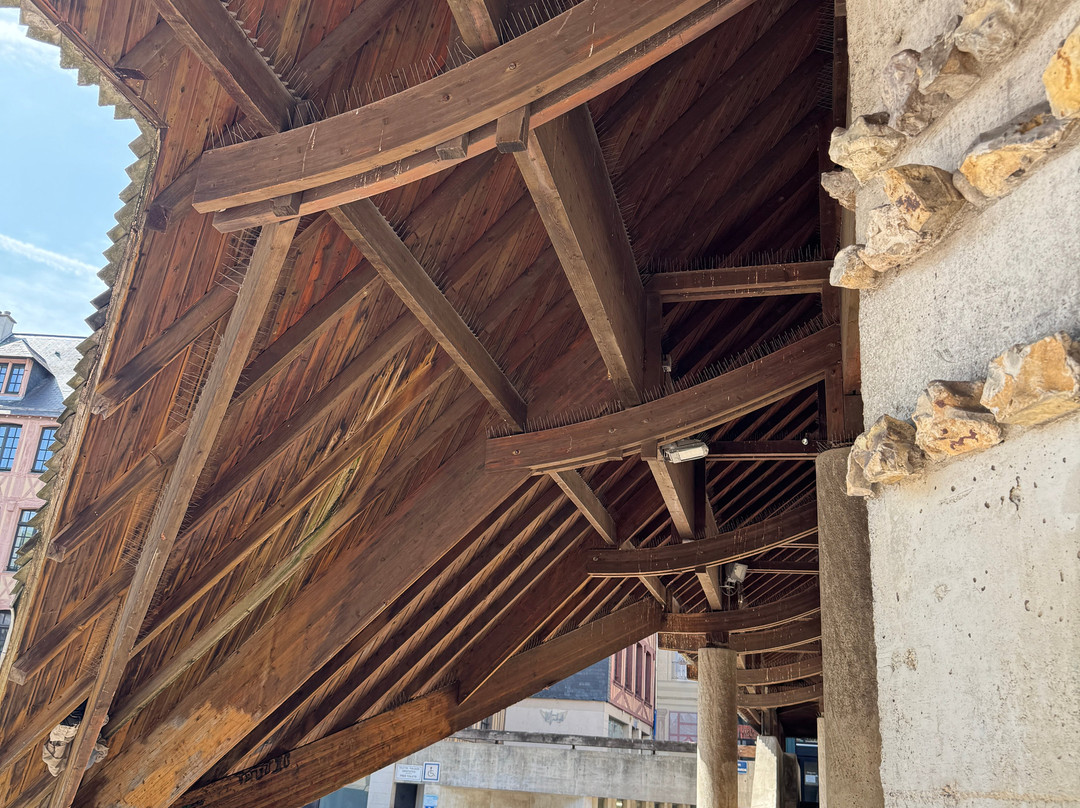
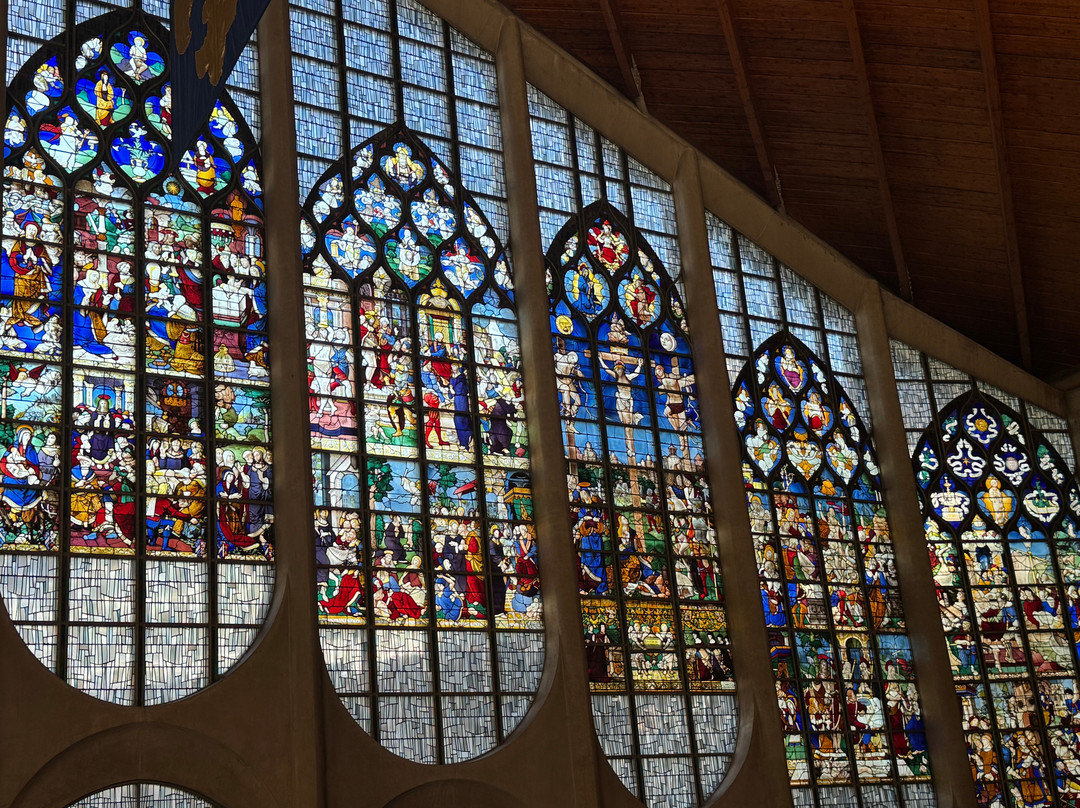
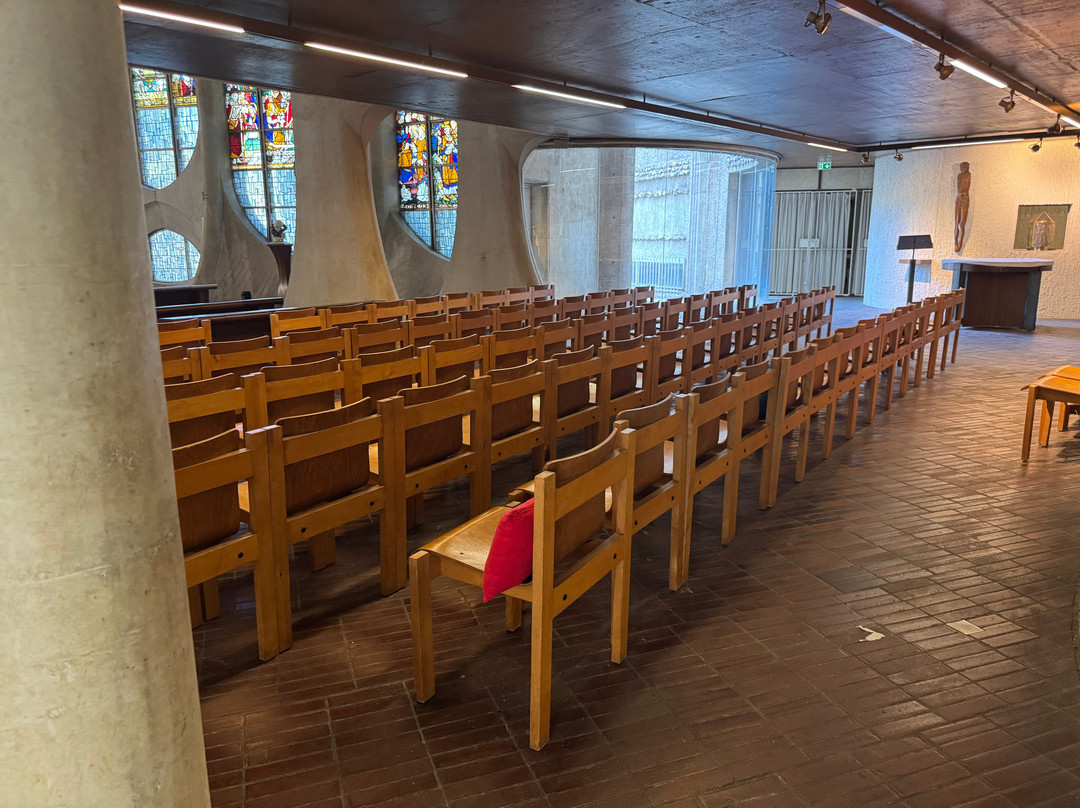
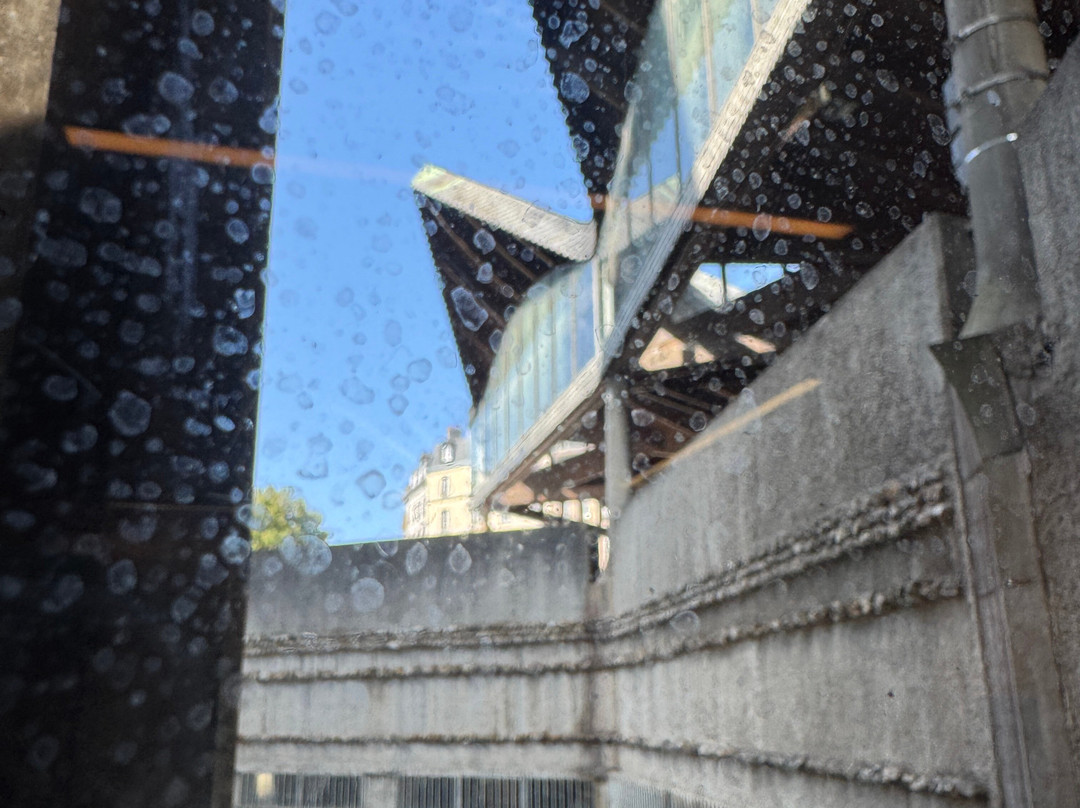
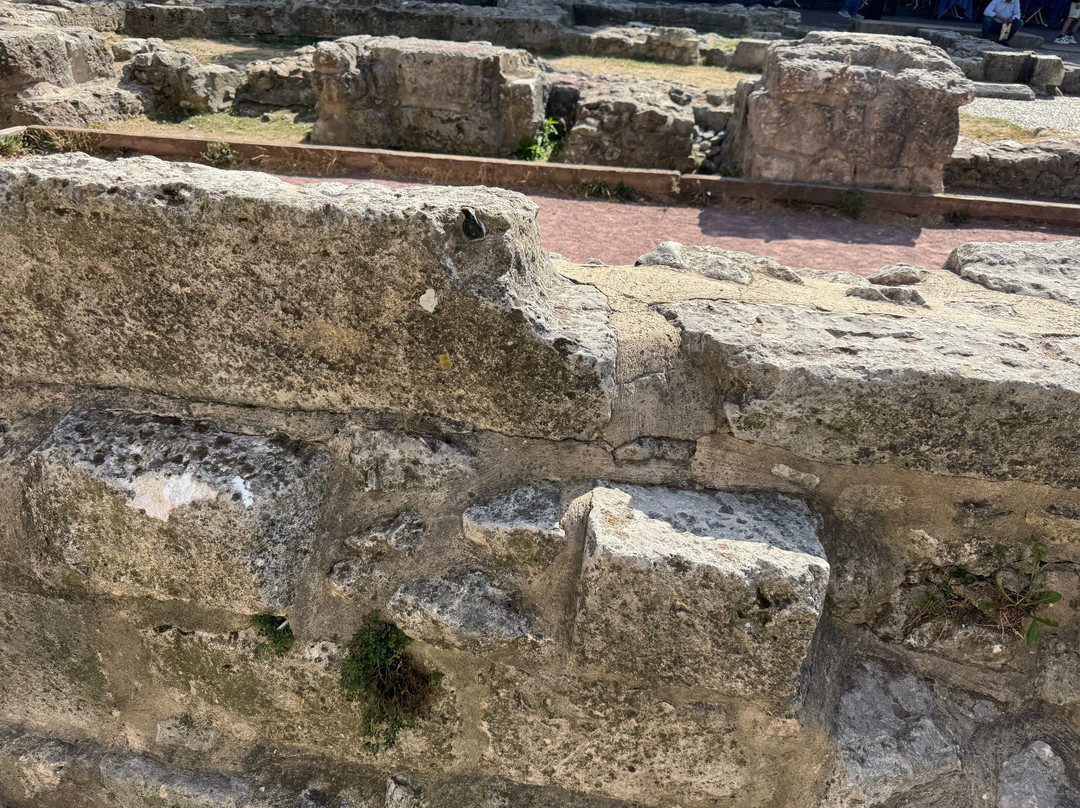
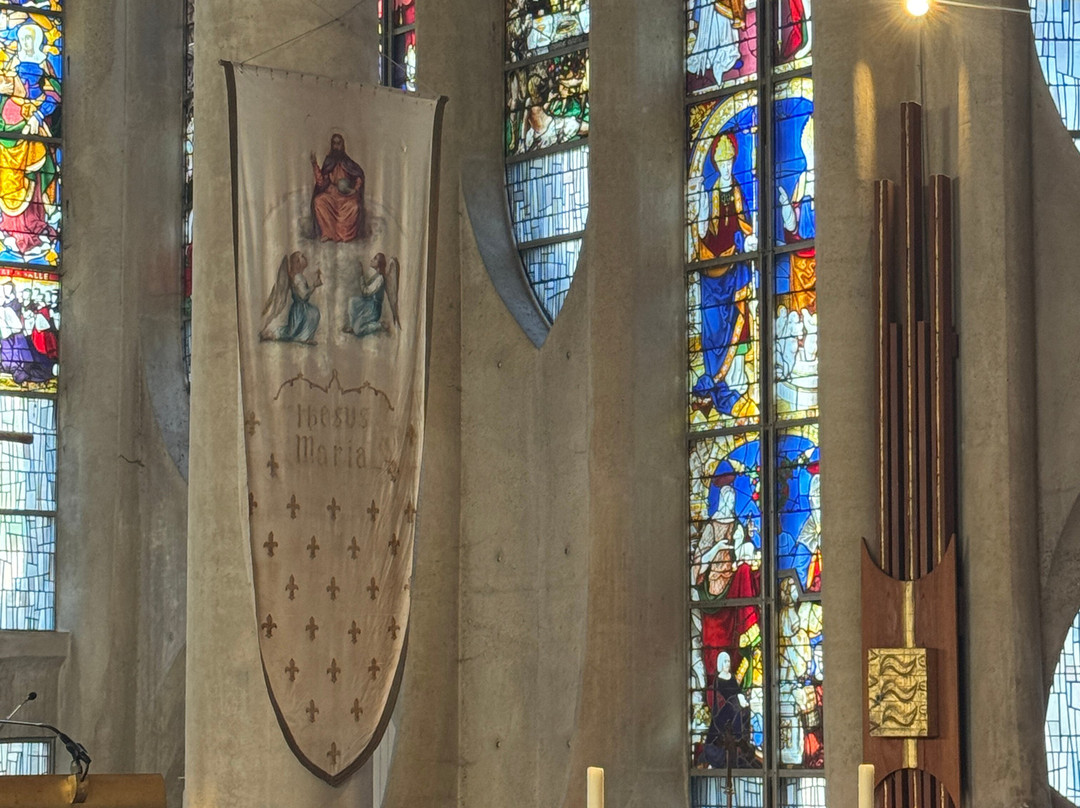
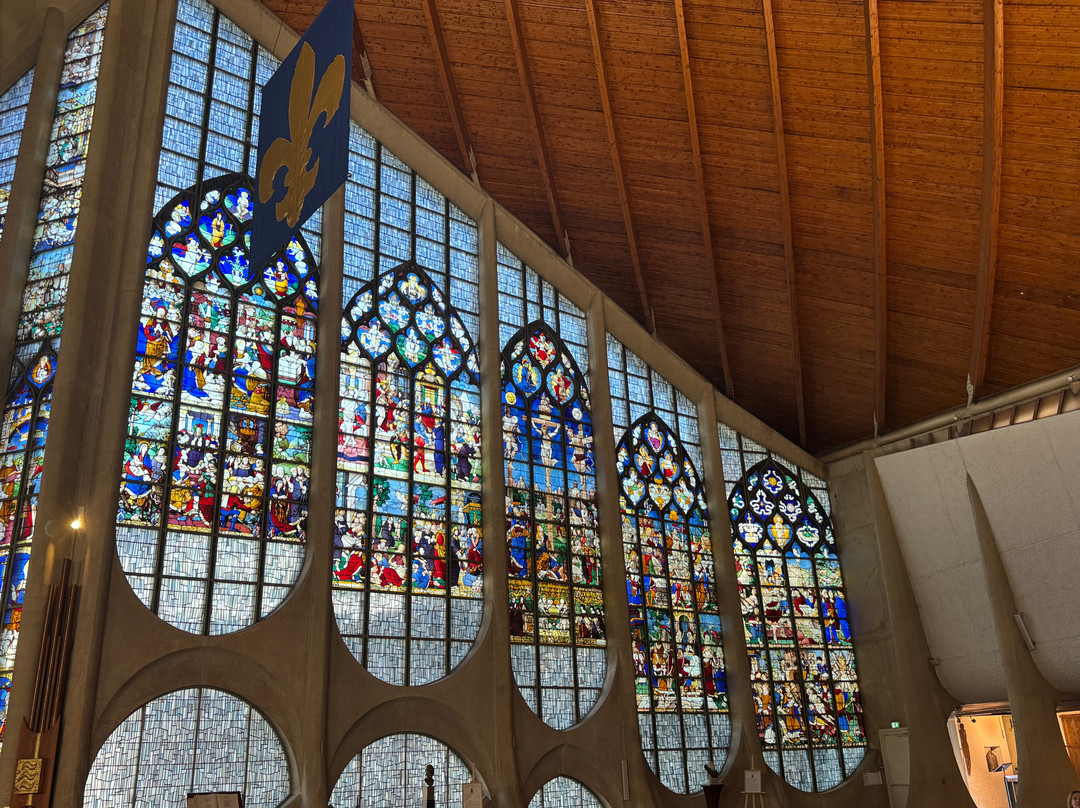
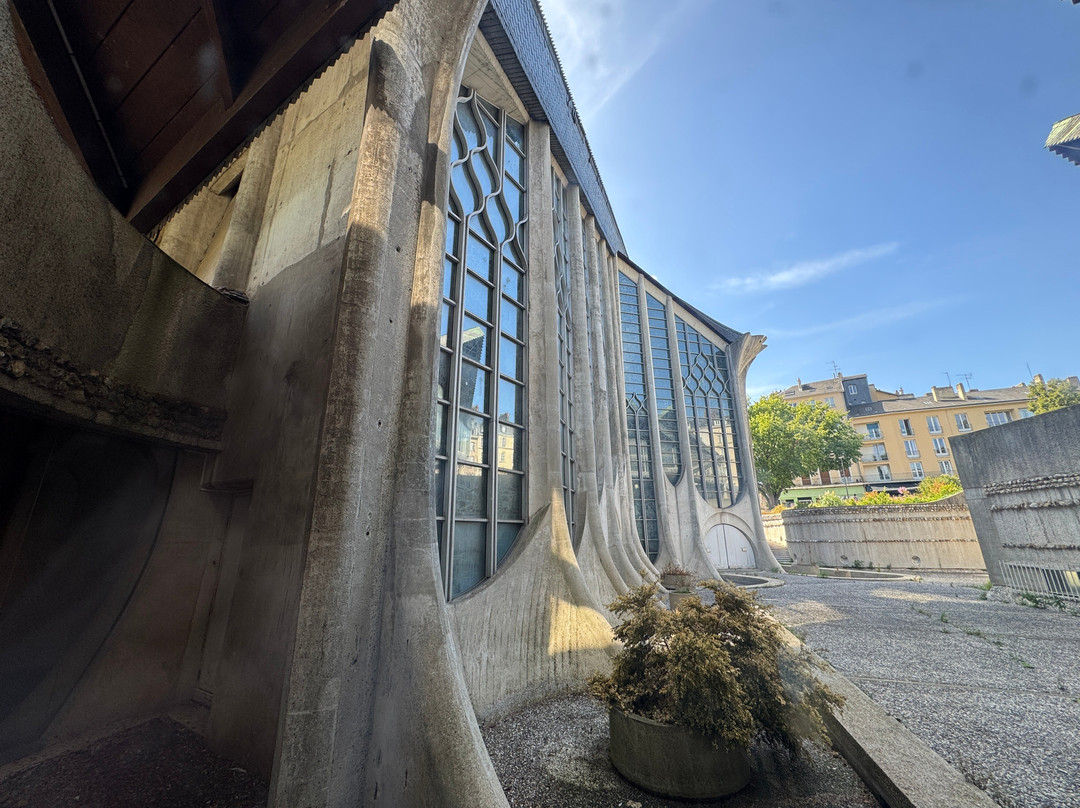
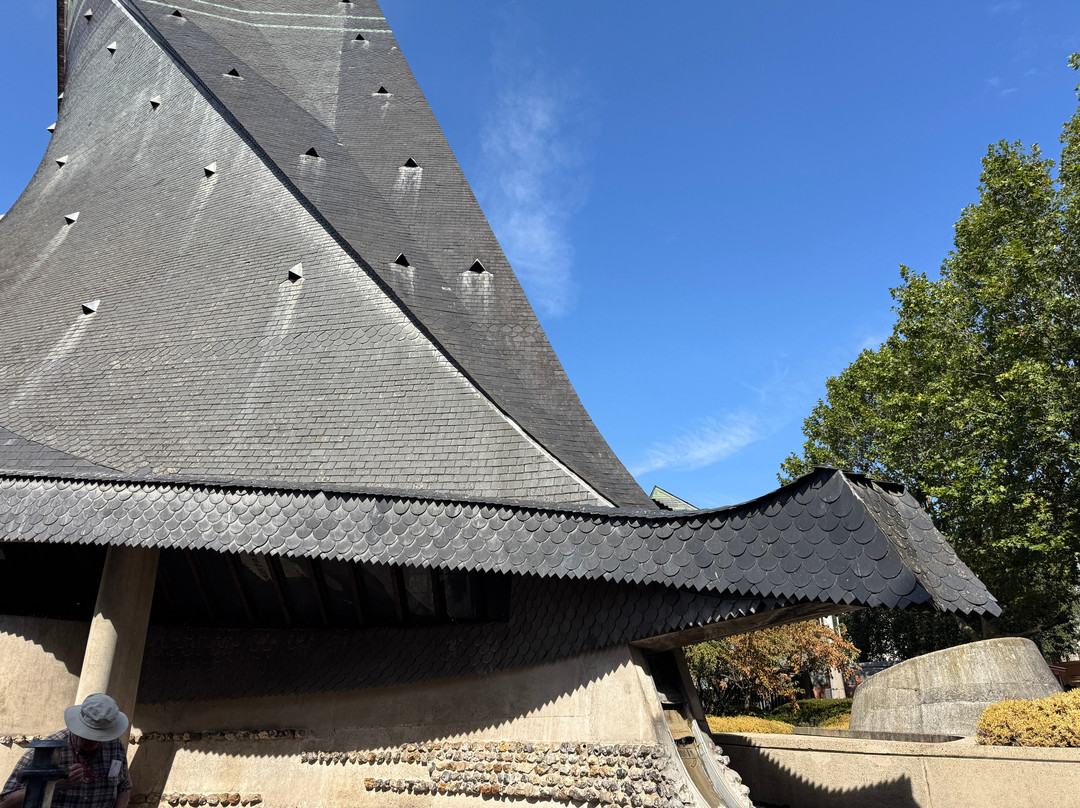
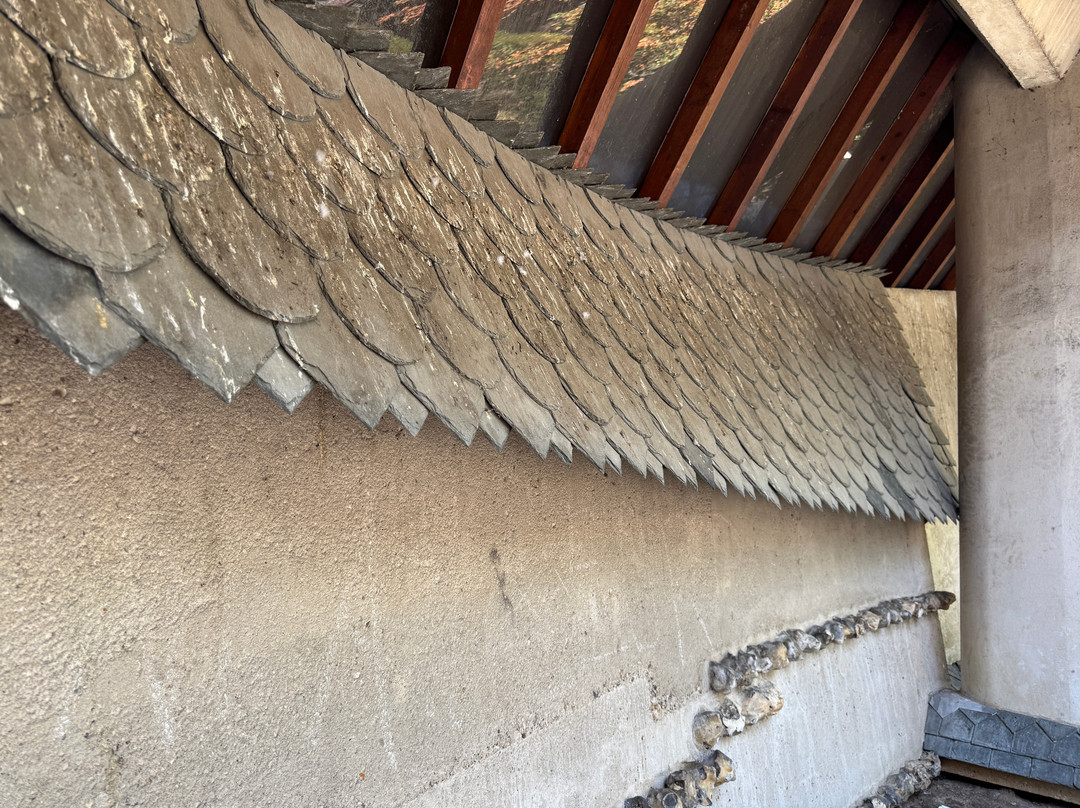
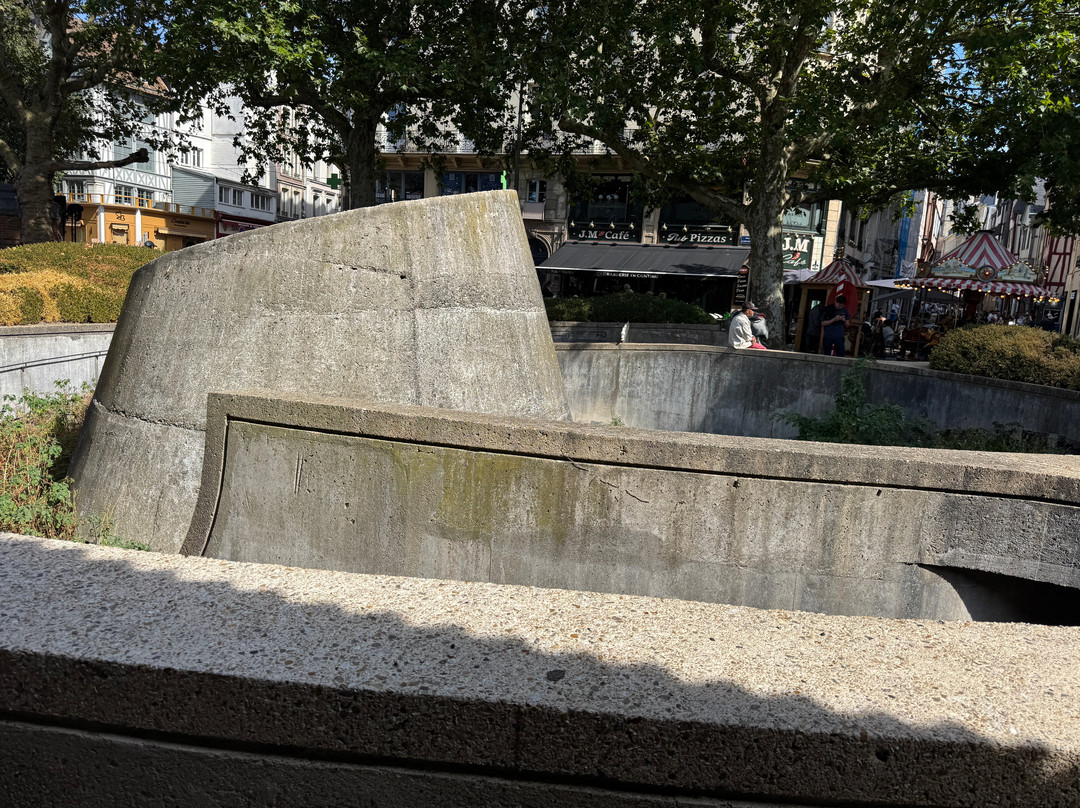
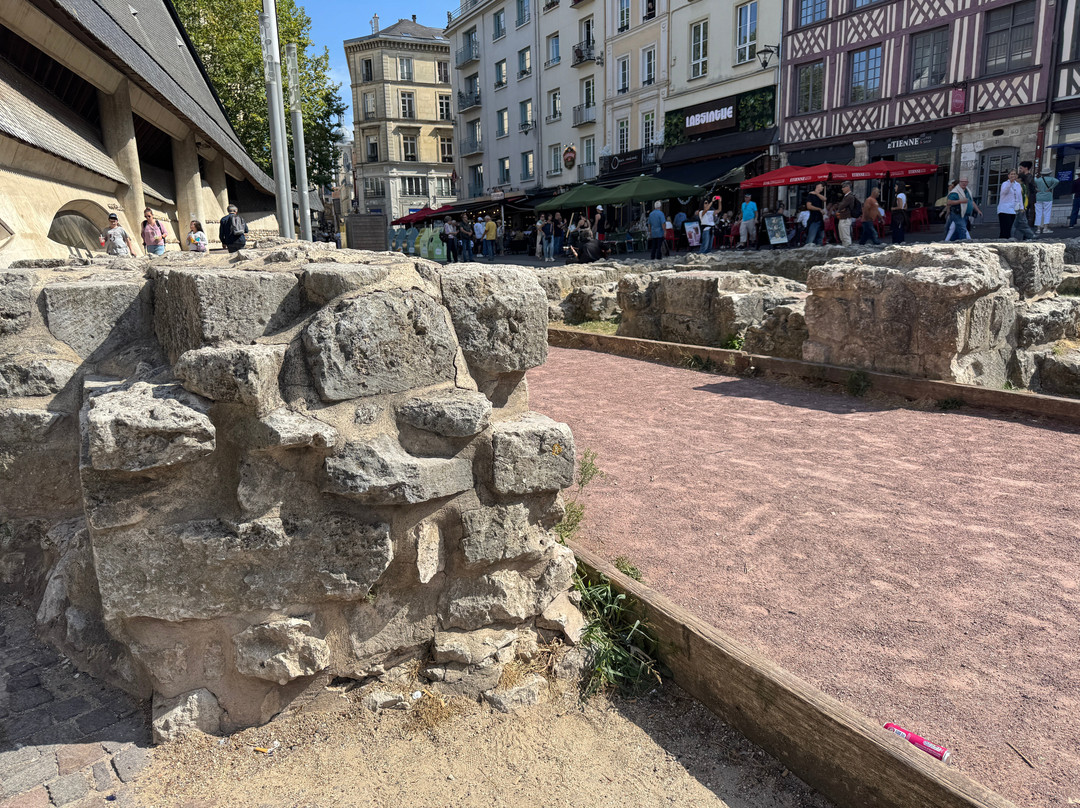
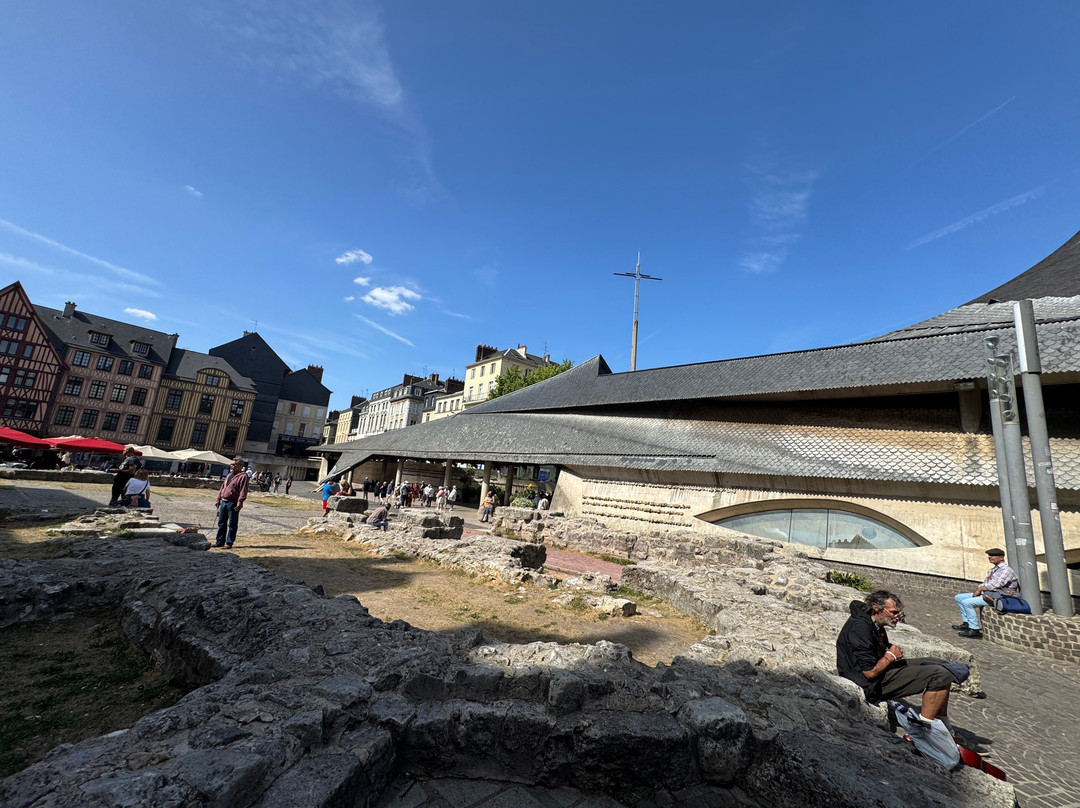
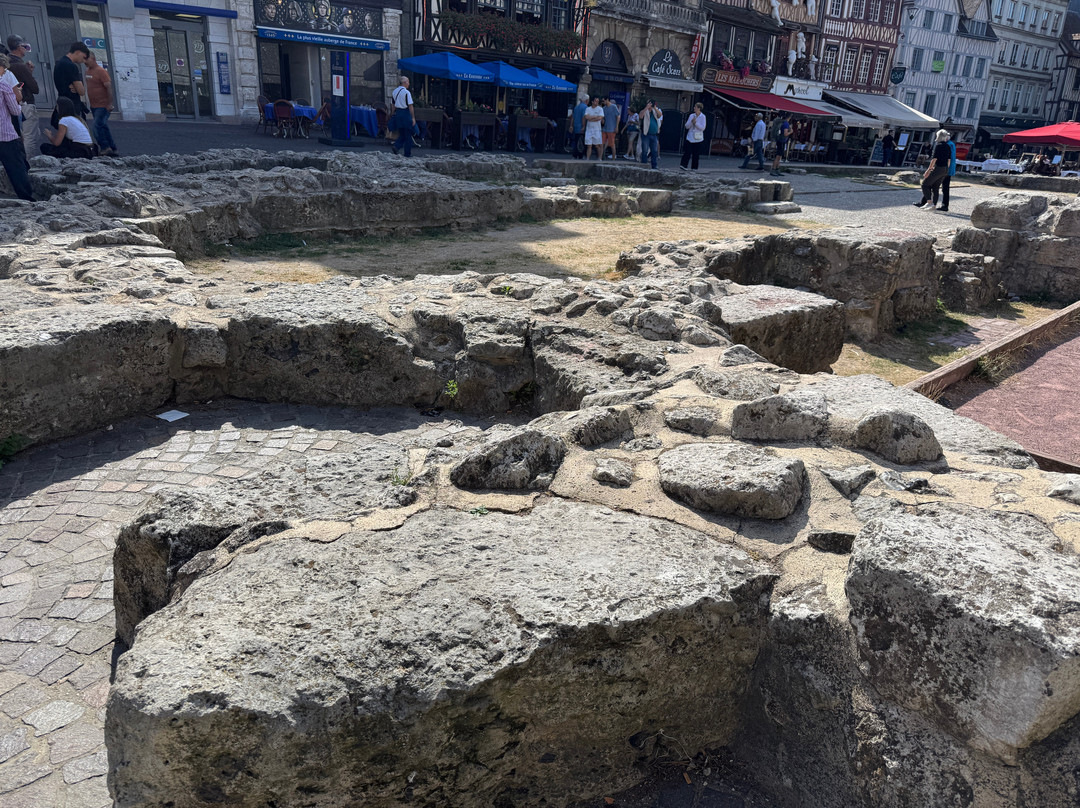
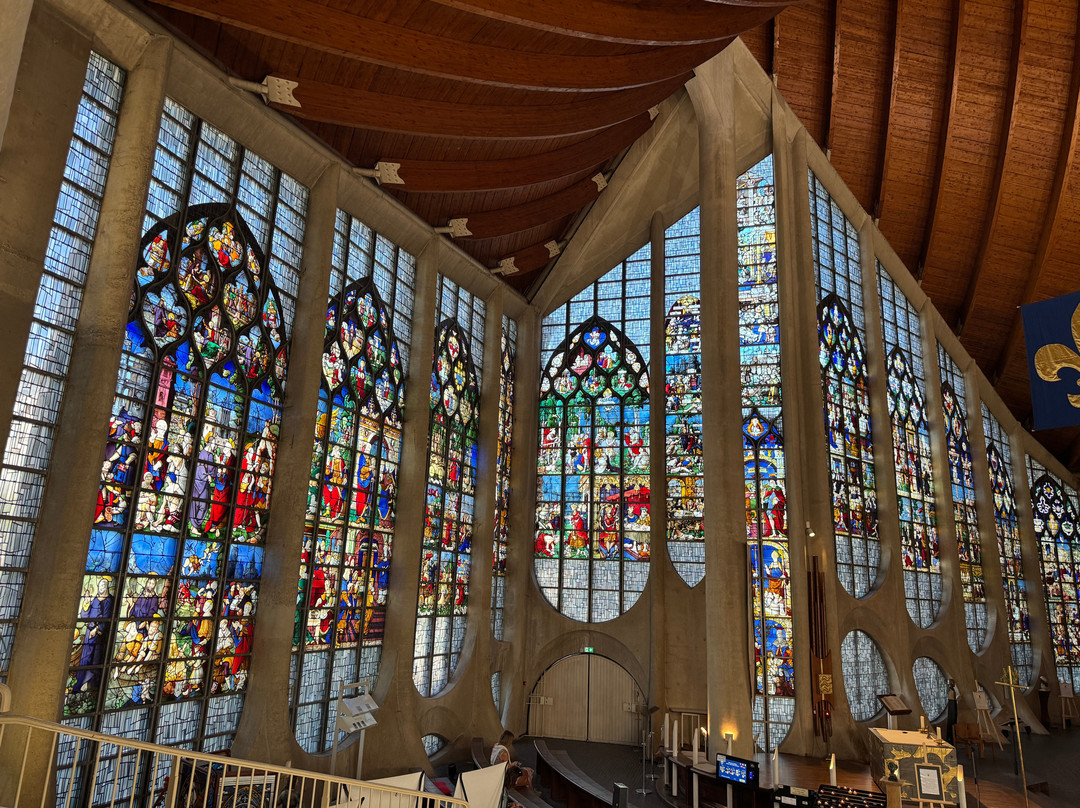
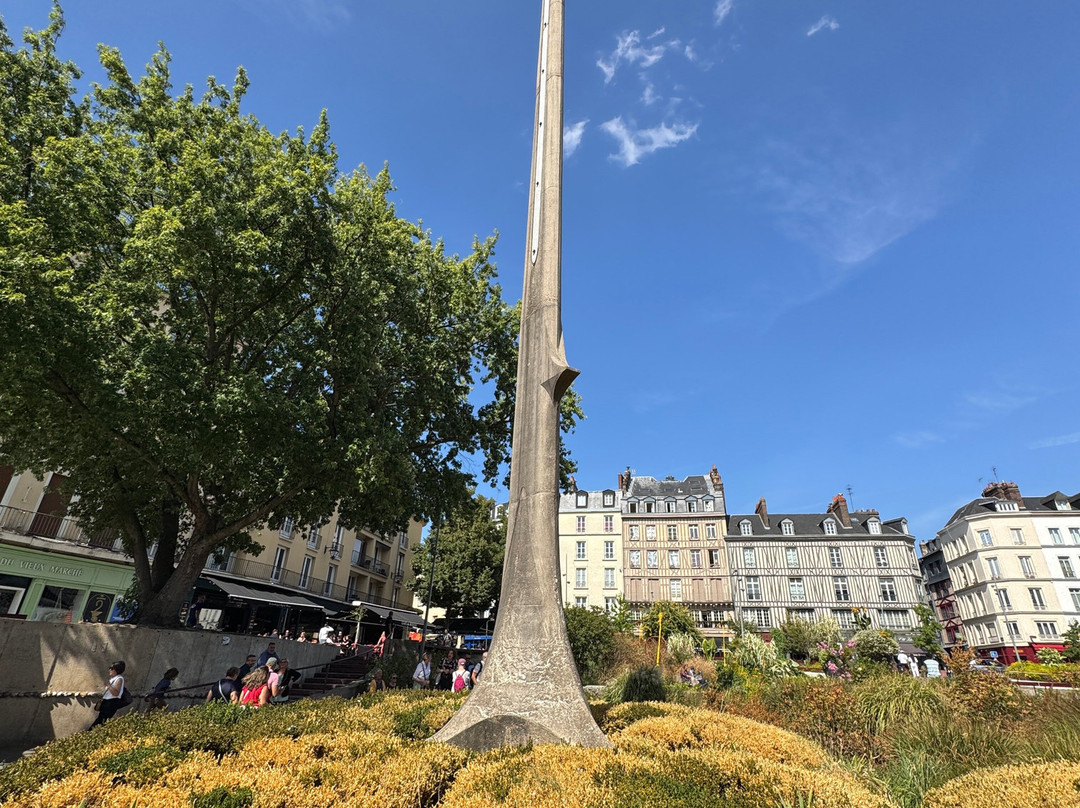
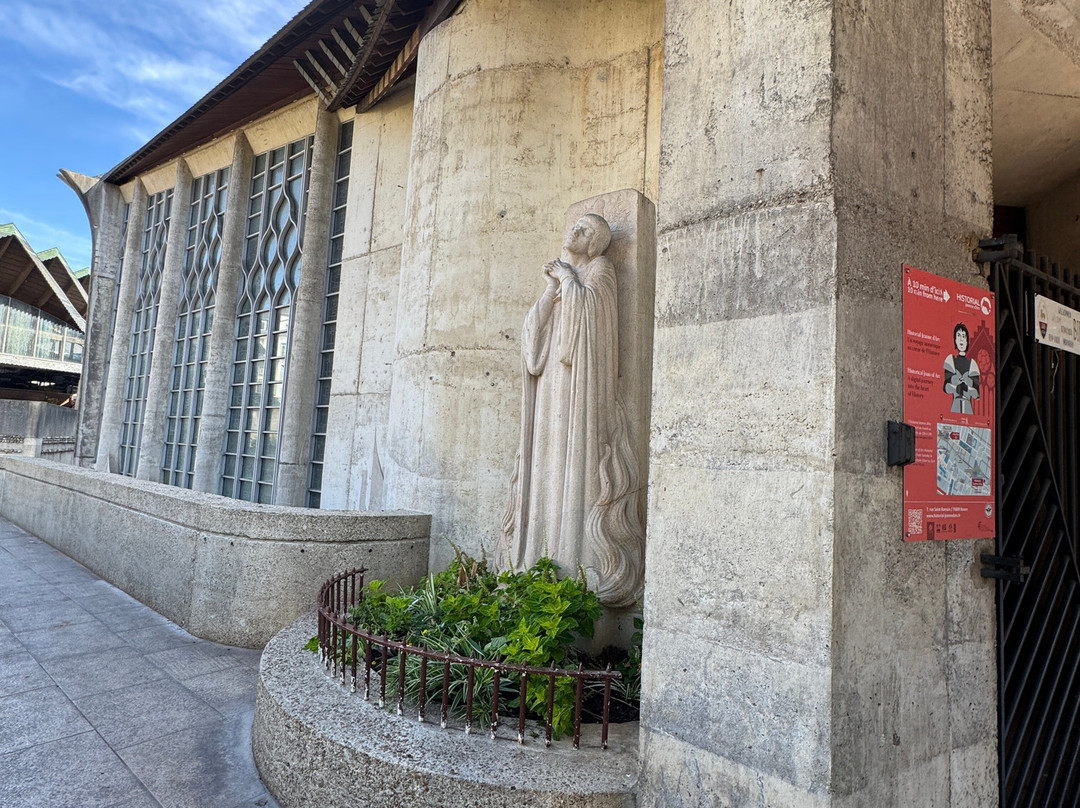
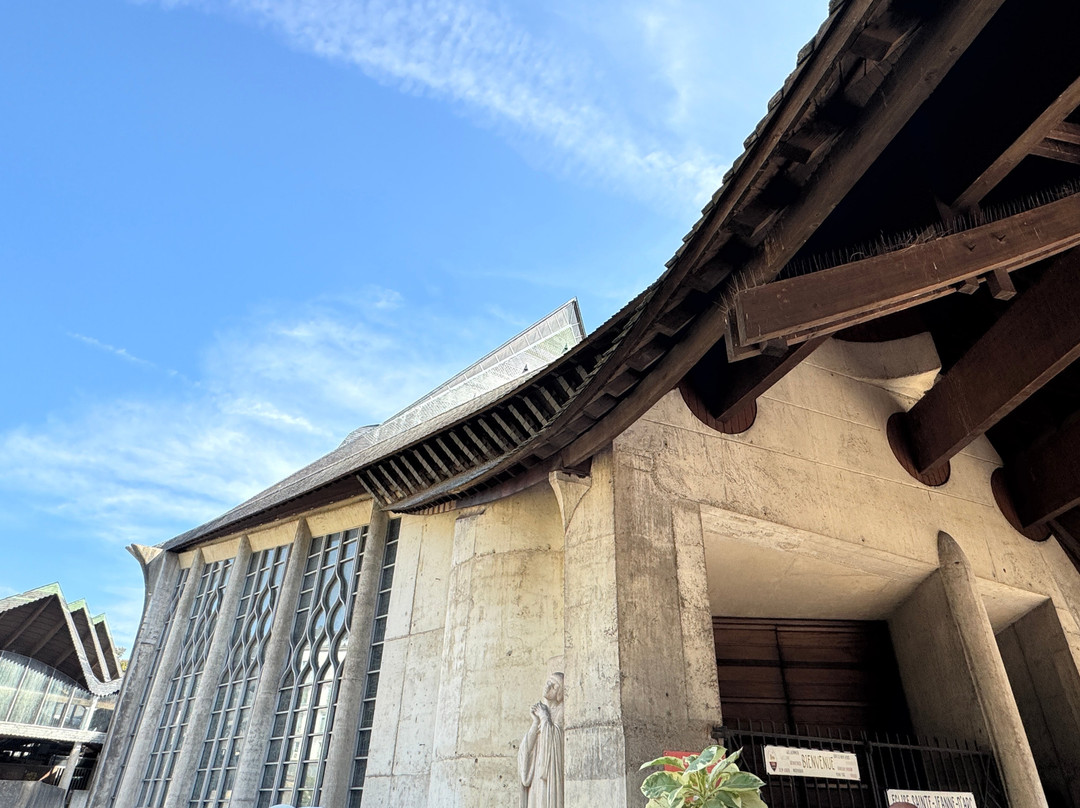
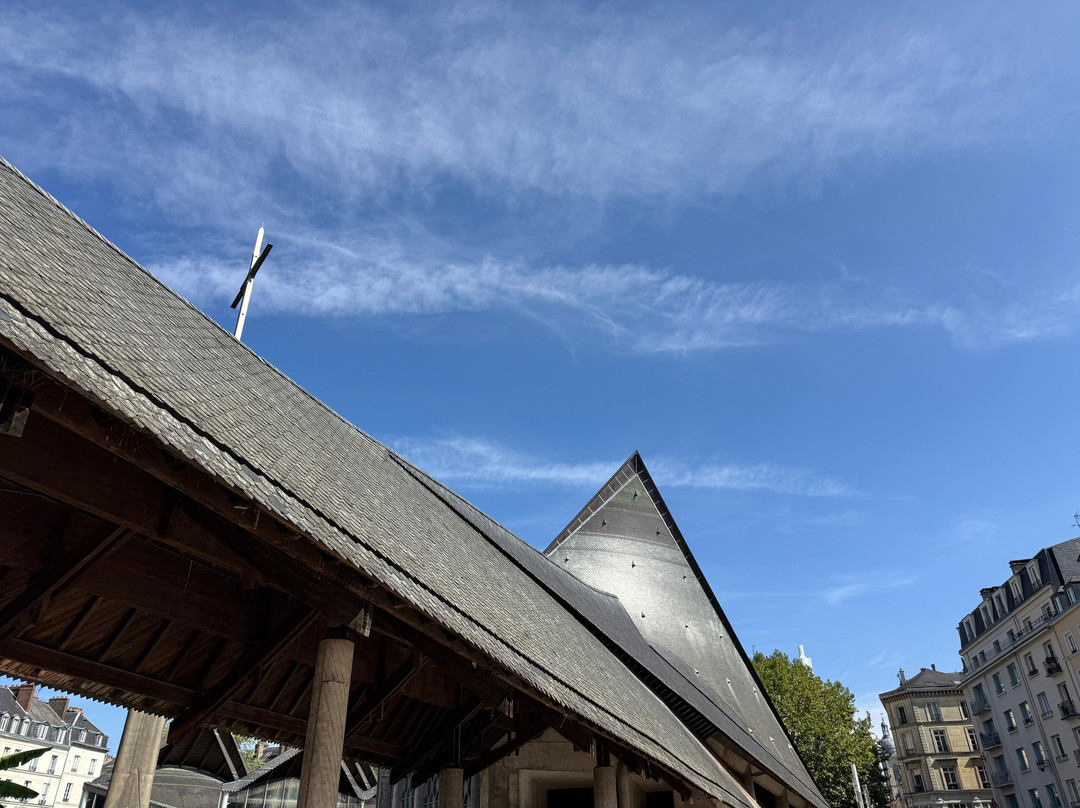
Opened in 1979, the church is in Rouen’s Old Market Square where Joan was burned at the stake for heresy in 1431. Louis Arretche, the architect, designed a church that resembled an overturned Viking boat. The exterior with its slate and copper roof curves were meant to suggest the sea, a reference to local Norman heritage as well as the flames that consumed Joan of Arc. The interior is made of wood and has a wall of stained-lass windows. The fish-shaped windows add to its overall appeal. The fish symbol was used because it is the representation of the ancient symbol for Jesus Christ and serves as Rouen’s tribute to its Viking and fishing history along the Seine River. The large wall behind the main altar are Renaissance stained-glass windows from the Church of St. Vincent destroyed in 1944 bathe the interior with kaleidoscope of color. The windows were salvaged from the nearby Church of Saint Vincent, which was destroyed during World War II. The panels show scenes from the life of Christ, the Passion, the Crucifixion, and figures like Saint Peter, Saint Anne, and Saint Anthony of Padua. The pieces of stone and foundations in front of the church are the ruins of the Church of Saint-Sauveur which was destroyed during World War II bombings. To the left of the entrance is a large cross and a garden marking the execution site.
Opened in 1979, the church is in Rouen’s Old Market Square where Joan was burned at the stake for heresy in 1431. Louis Arretche, the architect, designed a church that resembled an overturned Viking boat. The exterior with its slate and copper roof curves were meant to suggest the sea, a reference to local Norman heritage as well as the flames that consumed Joan of Arc. The interior is made of wood and has a wall of stained-lass windows. The fish-shaped windows add to its overall appeal. The fish symbol was used because it is the representation of the ancient symbol for Jesus Christ and serves as Rouen’s tribute to its Viking and fishing history along the Seine River. The large wall behind the main altar are Renaissance stained-glass windows from the Church of St. Vincent destroyed in 1944 bathe the interior with kaleidoscope of color. The windows were salvaged from the nearby Church of Saint Vincent, which was destroyed during World War II. The panels show scenes from the life of Christ, the Passion, the Crucifixion, and figures like Saint Peter, Saint Anne, and Saint Anthony of Padua. The pieces of stone and foundations in front of the church are the ruins of the Church of Saint-Sauveur which was destroyed during World War II bombings. To the left of the entrance is a large cross and a garden marking the execution site.
翻译:到访法国鲁昂时,若不顺道参观这座纪念法国女英雄贞德的教堂,那就不算完整的游览。这座教堂是为纪念法国的守护圣人而建。15世纪时,翻译者们将她的名字译成了英文版的“Joan of Arc”。贞德是法国的民族女英雄,曾在百年战争中带领法军取得胜利,她也是法国的守护圣人。我们的导游告诉我们,贞德曾被火刑处死三次,她的骨灰则被撒入了塞纳河。她临终前说的最后一句话是:“耶稣”。
这座教堂建于1979年,坐落于鲁昂的老市场广场上——1431年,圣女贞德正是在这里因被判定为异端而遭火刑。建筑师路易·阿雷切设计的这座教堂外形酷似一艘翻转过来的维京船。其外部的石板与铜制屋顶呈弧形,旨在象征大海,既体现了诺曼底的地域文化特色,也暗喻吞噬了圣女贞德的火焰。教堂内部以木结构为主,还有一面彩色玻璃窗墙。那些鱼形窗户增添了建筑的整体美感。选用鱼的图案是因为它代表着耶稣基督的古老象征,同时也体现了鲁昂对塞纳河畔维京人与渔业历史的致敬。主祭坛后方的巨大墙面上,排列着来自圣文森特教堂的文艺复兴风格彩绘玻璃窗——该教堂于1944年被毁——这些玻璃窗为整个室内空间带来了如万花筒般绚丽的色彩。这些玻璃窗是从附近的圣文森特教堂抢救下来的。该教堂在第二次世界大战期间被摧毁。这些石板上刻有基督生平、受难及被钉十字架的场景,还有圣彼得、圣安娜以及帕多瓦的圣安东尼等人物形象。教堂前的石块与地基则是圣救世主教堂的遗迹,它同样毁于二战期间的轰炸。入口左侧有一个巨大的十字架以及一座花园,那里正是行刑地点。
这座教堂建于1979年,坐落于鲁昂的老市场广场上——1431年,圣女贞德正是在这里因被判定为异端而遭火刑。建筑师路易·阿雷切设计的这座教堂外形酷似一艘翻转过来的维京船。其外部的石板与铜制屋顶呈弧形,旨在象征大海,既体现了诺曼底的地域文化特色,也暗喻吞噬了圣女贞德的火焰。教堂内部以木结构为主,还有一面彩色玻璃窗墙。那些鱼形窗户增添了建筑的整体美感。选用鱼的图案是因为它代表着耶稣基督的古老象征,同时也体现了鲁昂对塞纳河畔维京人与渔业历史的致敬。主祭坛后方的巨大墙面上,排列着来自圣文森特教堂的文艺复兴风格彩绘玻璃窗——该教堂于1944年被毁——这些玻璃窗为整个室内空间带来了如万花筒般绚丽的色彩。这些玻璃窗是从附近的圣文森特教堂抢救下来的。该教堂在第二次世界大战期间被摧毁。这些石板上刻有基督生平、受难及被钉十字架的场景,还有圣彼得、圣安娜以及帕多瓦的圣安东尼等人物形象。教堂前的石块与地基则是圣救世主教堂的遗迹,它同样毁于二战期间的轰炸。入口左侧有一个巨大的十字架以及一座花园,那里正是行刑地点。

© 2026 Tripadvisor 版权所有。
部分照片由 VFM Leonardo 提供。
TripAdvisor公司对外部网站的内容一概不负责。优惠价格中不含税和其他费用。
ICP证:沪B2-20200433
沪ICP备20013175号
 沪公网安备31010502005427号
鹰程信息技术(上海)有限公司