下载App
资质规则
旅行
账户

JRossillo
A College with a Long and Distinguished History
William & Mary的点评
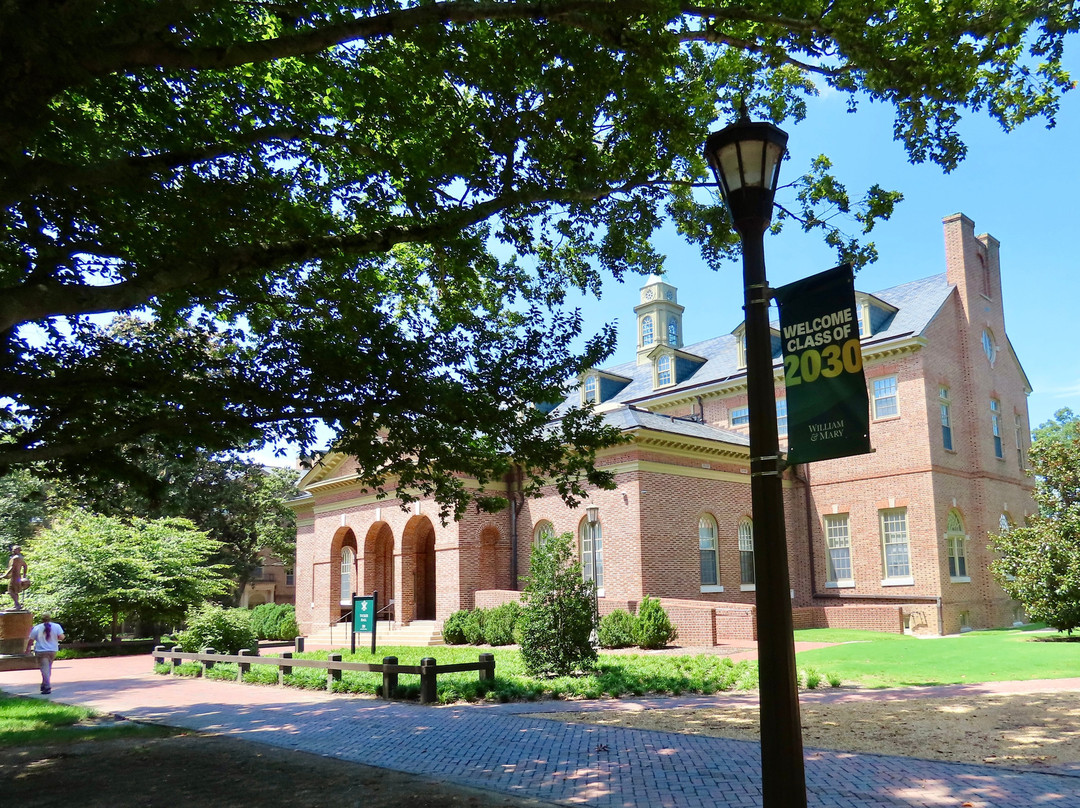
点评:It was a true pleasure to visit William & Mary recently. As an educator working with students who are keen on attending, stopping by this campus was particularly special. The grounds are breathtaking, seamlessly bringing together the past, present, and future.
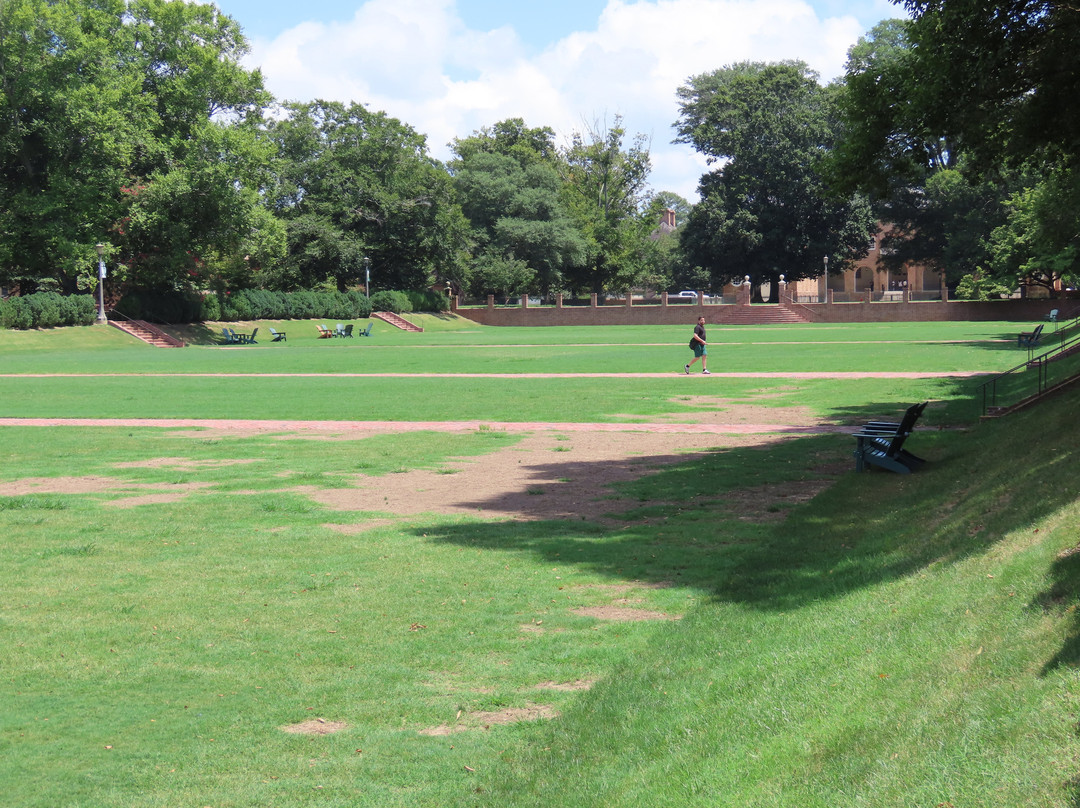
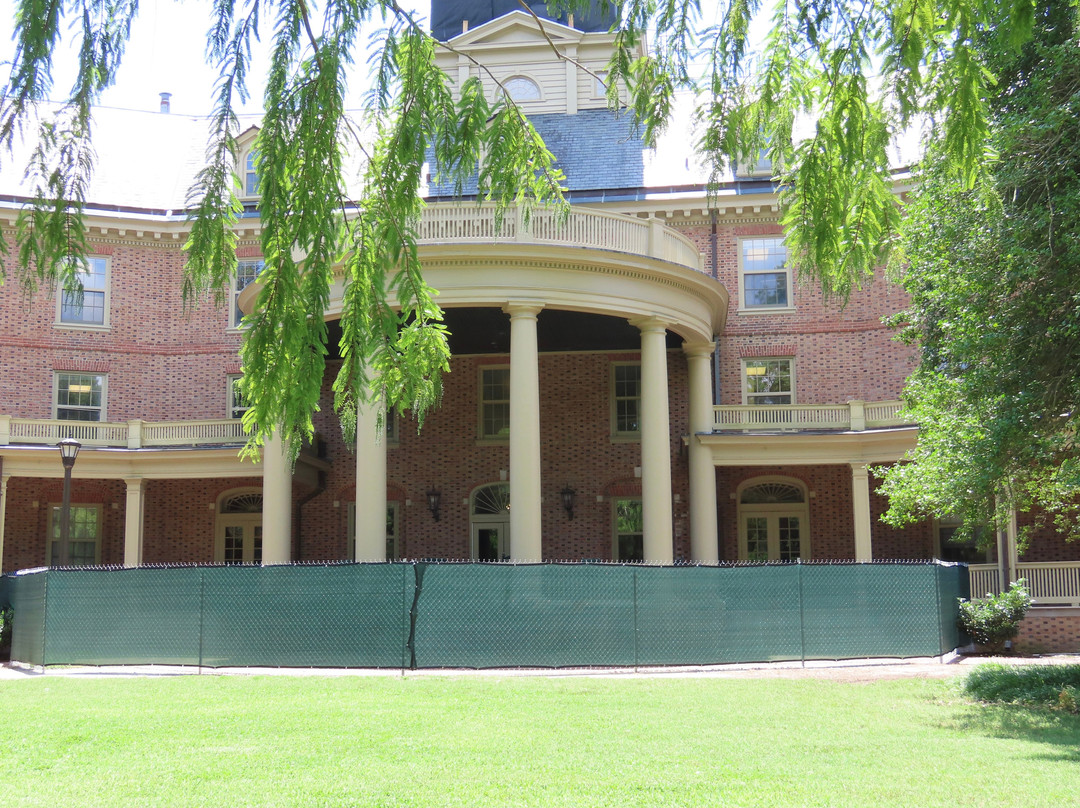
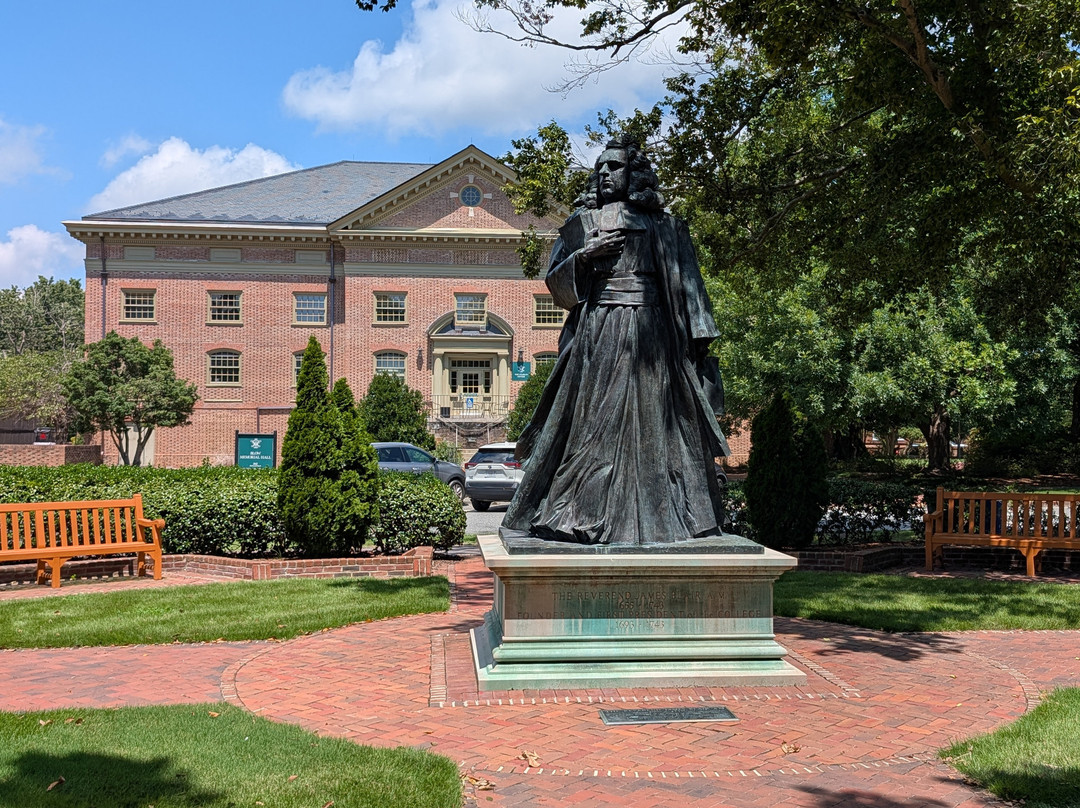
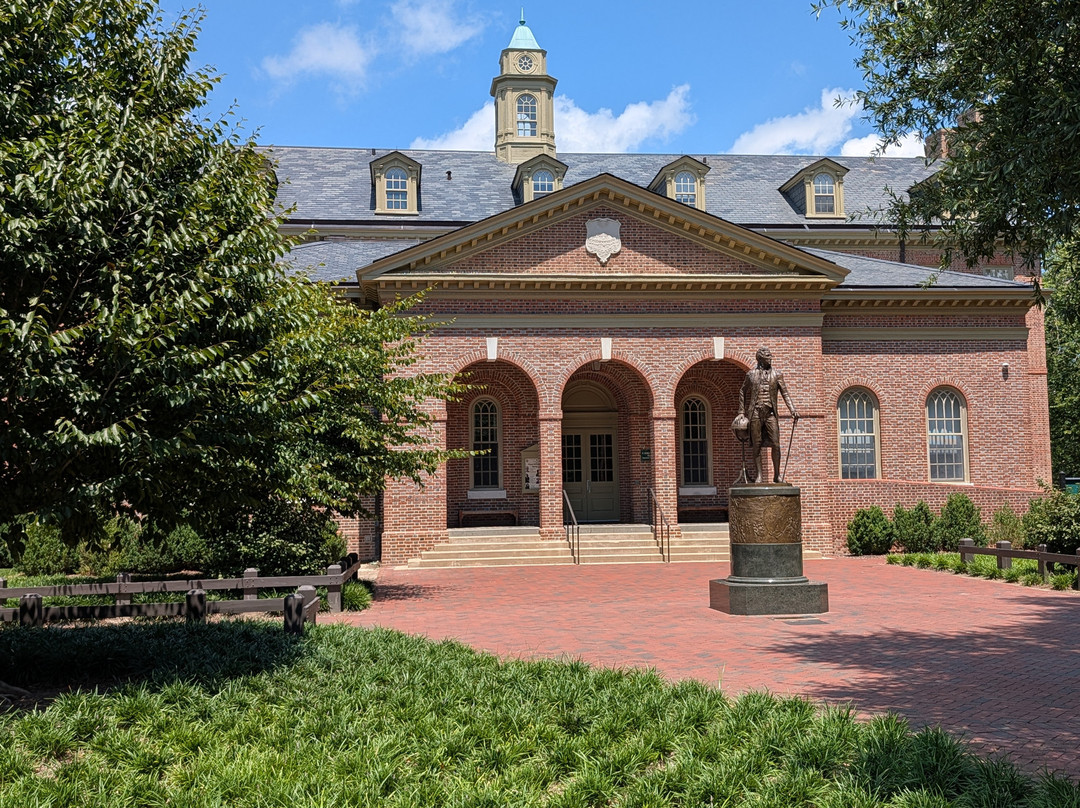
As you have read the 2nd oldest institution of higher education in the nation (chartered in 1693), the history here is tangible. Walking past the Sunken Garden, I couldn't help but think of the generations of students who have enjoyed the exact same view. The way the historical and modern architecture blend across campus is deeply impressive.
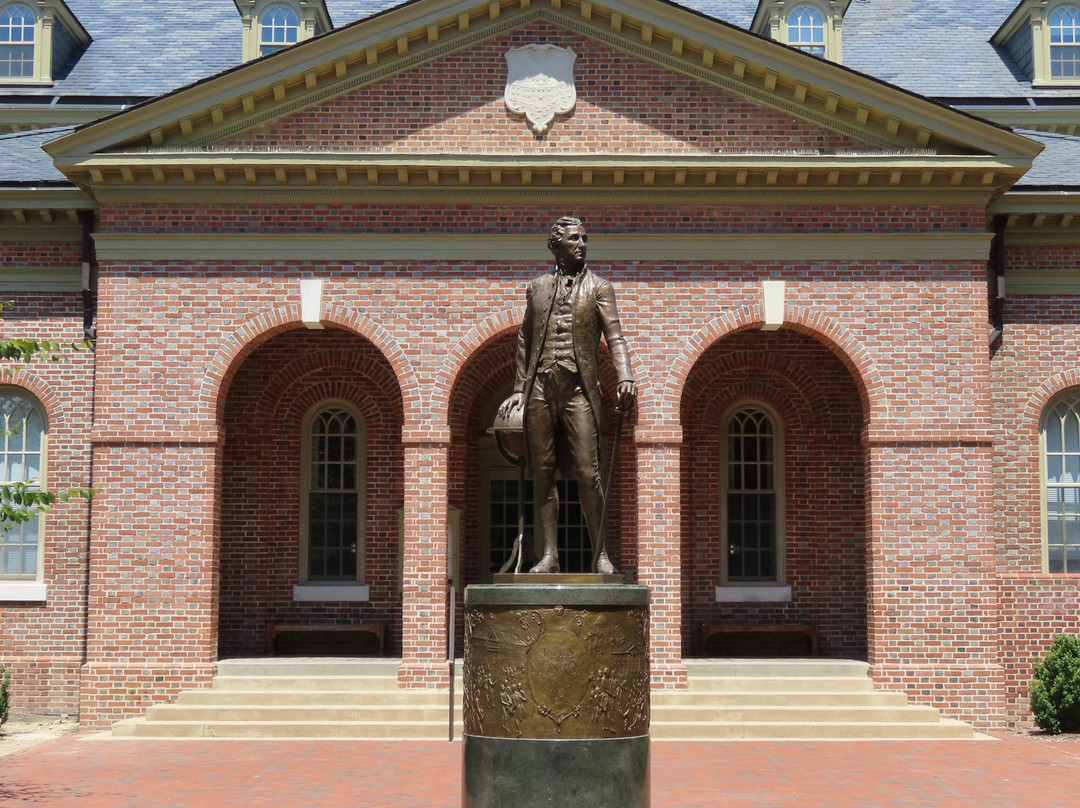
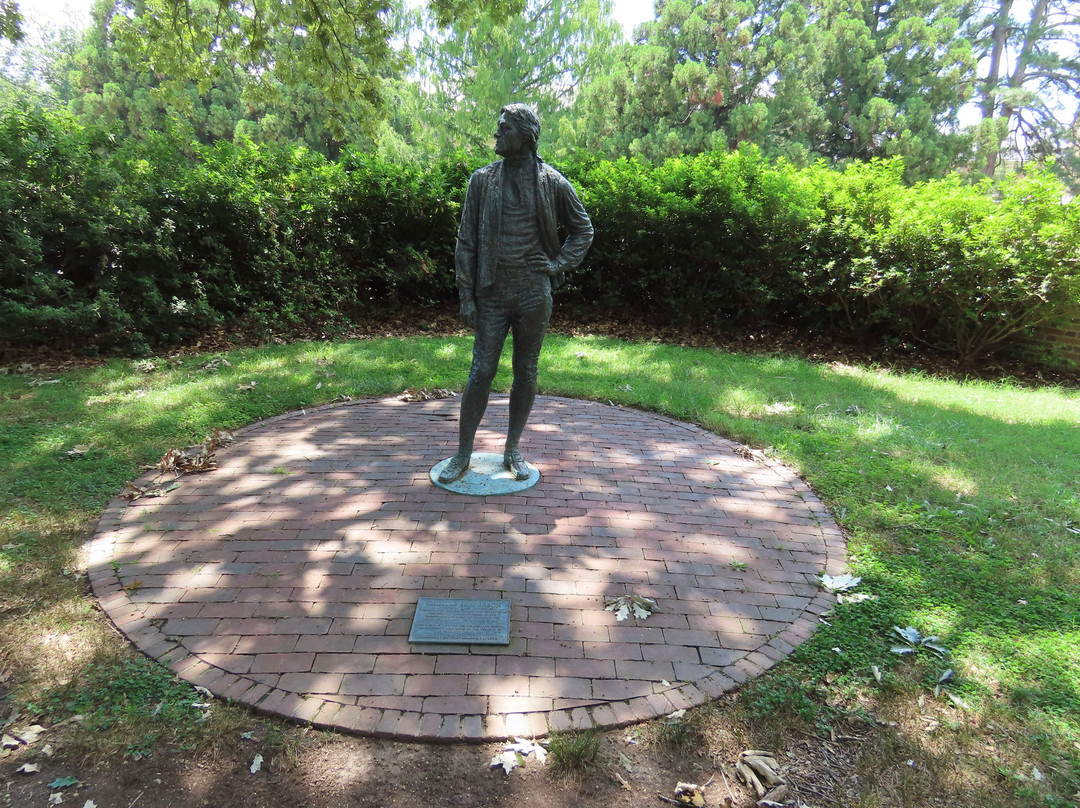
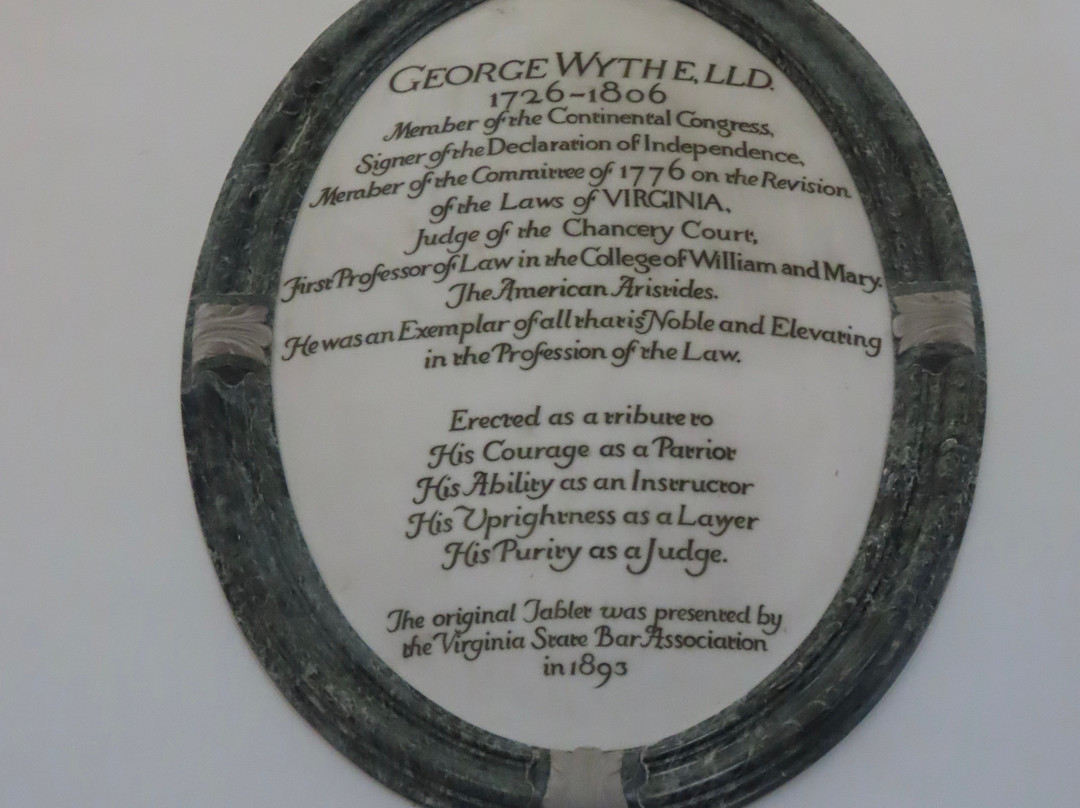
Often called the "Alma Mater of the Nation," William & Mary educated four U.S. presidents—Thomas Jefferson, James Monroe, and John Tyler all completed their undergraduate studies here, while George Washington earned his surveyor’s license and later served as the university’s first American chancellor. In 1779, Jefferson and his mentor George Wythe established the nation’s first law school here, now known as the Marshall-Wythe School of Law (named after Wythe and former Chief Justice John Marshall, a W&M alumnus).
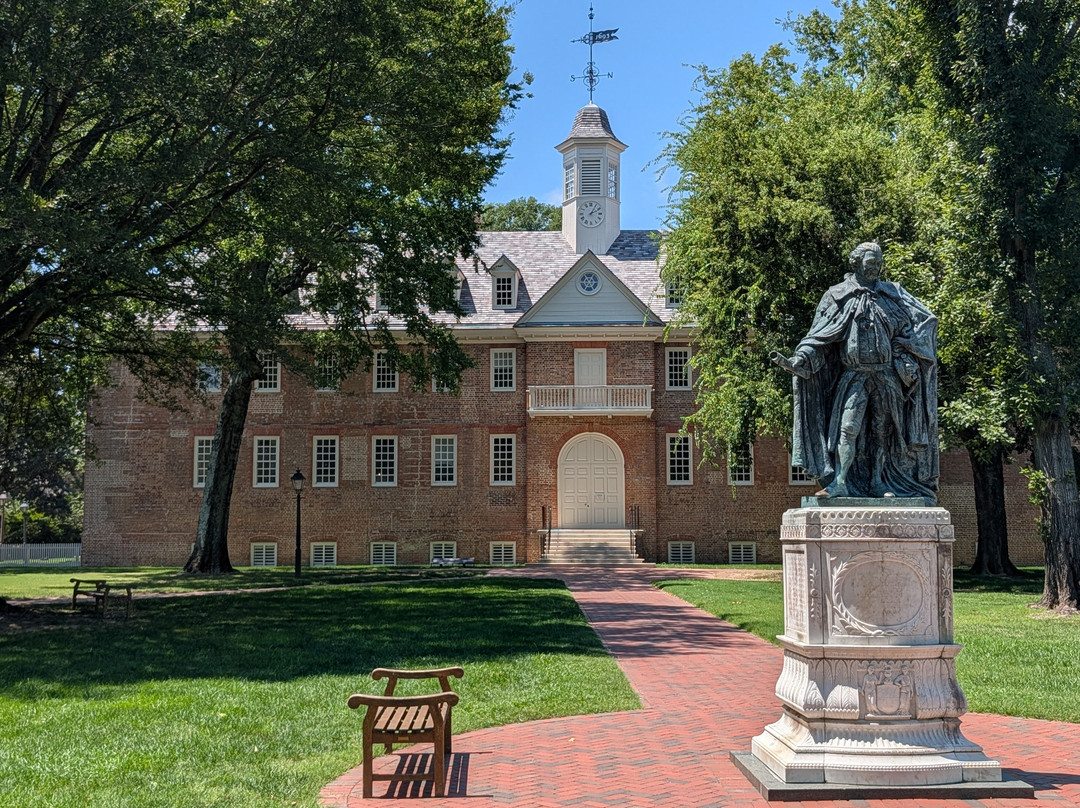
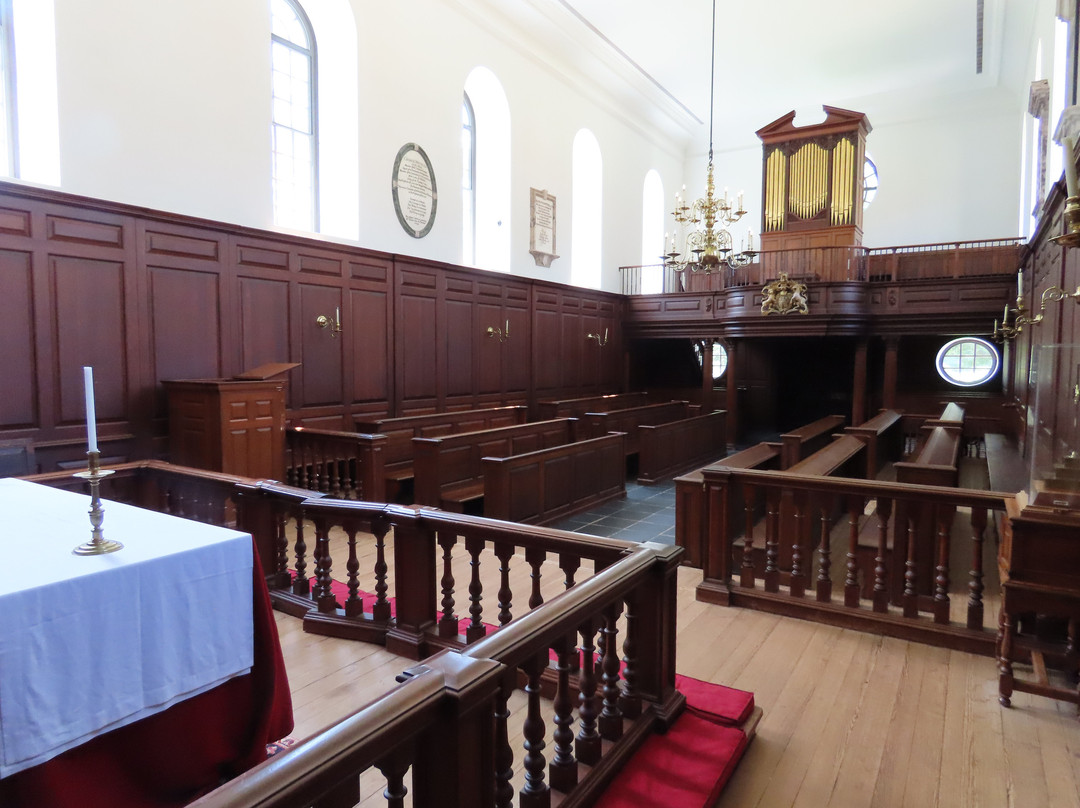
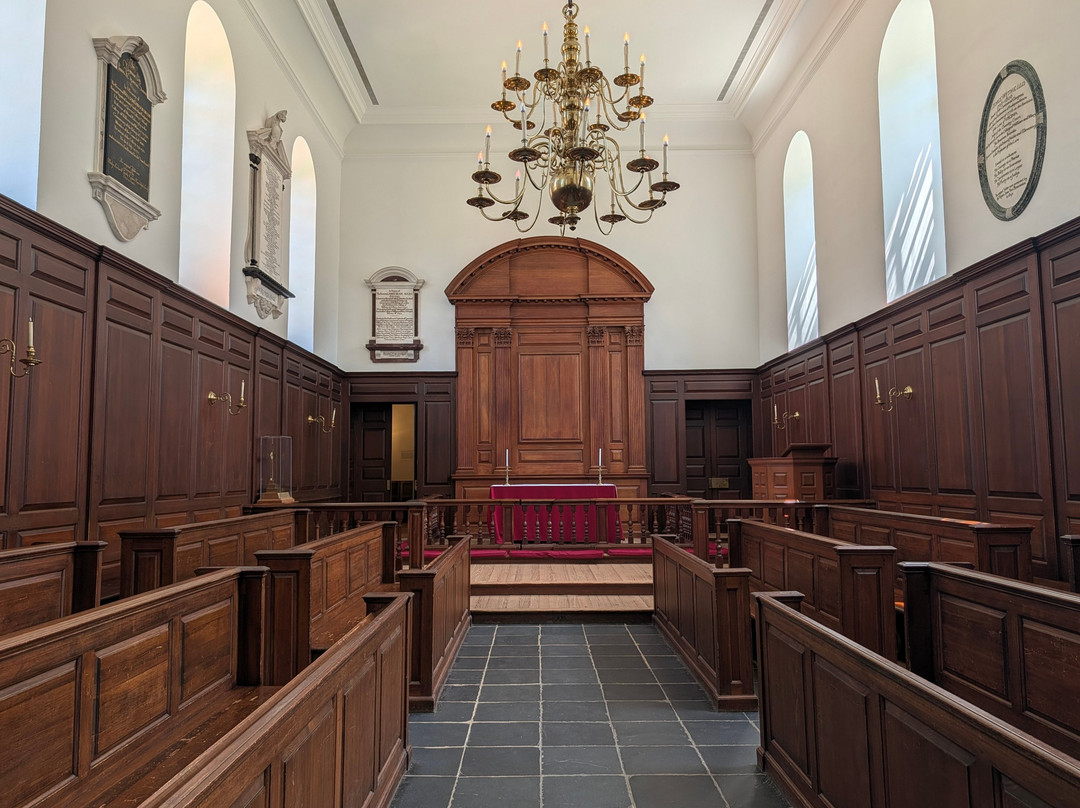
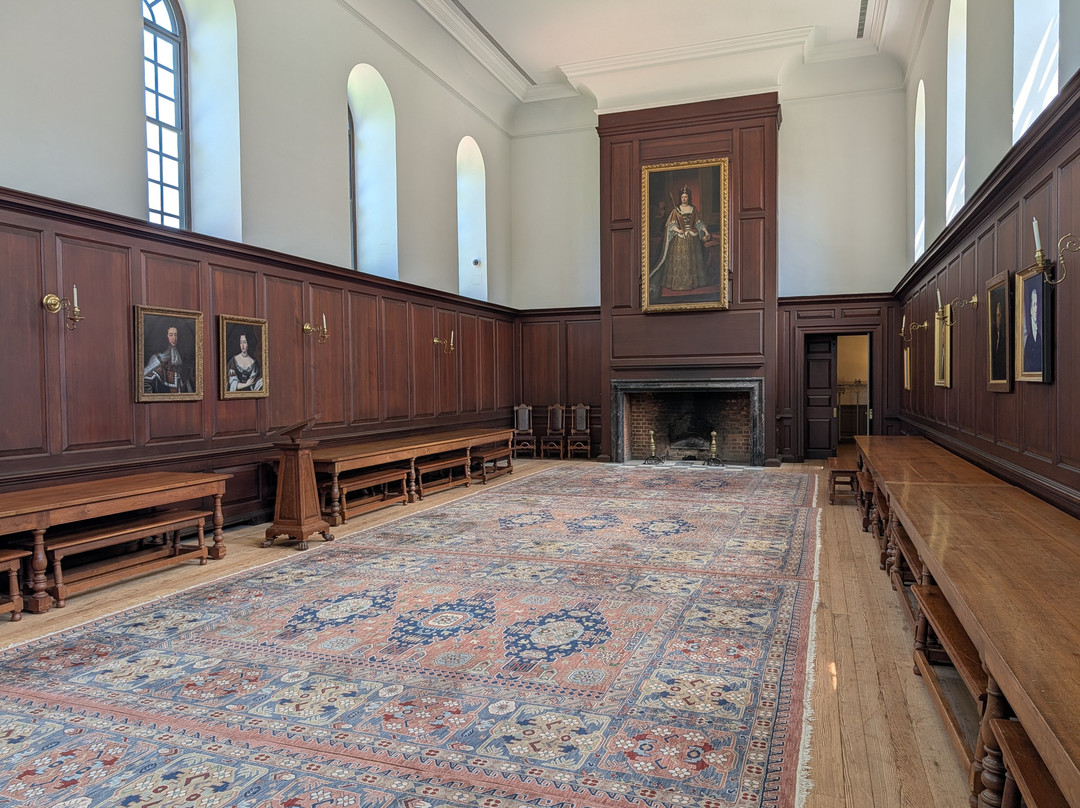
The true centerpiece of campus is the Sir Christopher Wren Building, constructed between 1695 and 1700—making it older than Colonial Williamsburg itself. Often referred to as the "Soul of the College," it is a must-see. Stepping inside to view the chapel and the Great Hall is an incredible experience for any history buff, imagining centuries of students attending classes, meals, and services under that roof.
Flanking the Wren Building are two other remarkable historical treasures:
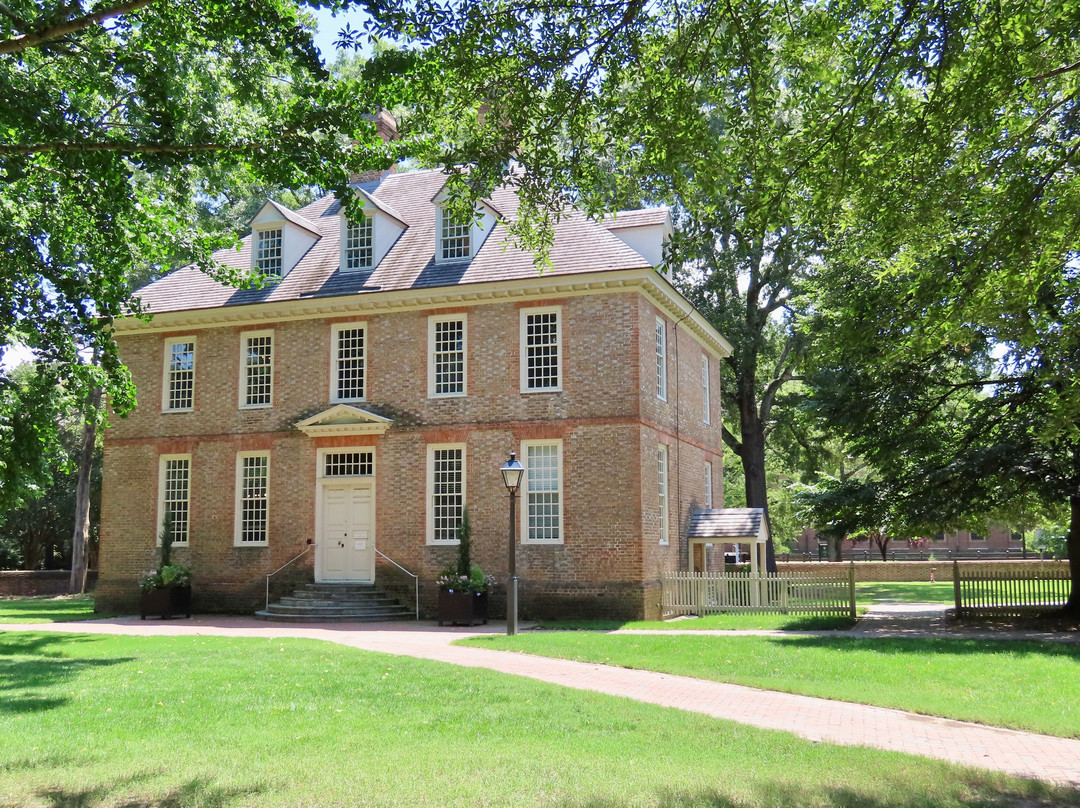
The President’s House: The oldest official college president's residence in the country. Lord Cornwallis evicted the college president to use it as his headquarters during the Revolutionary War, and it later served as a French military hospital during the Siege of Yorktown and a Union hospital during the Civil War. The first floor remains open to visitors today.
The Brafferton: Built in 1723, this historic building originally housed Indigenous students and their teacher.
Beyond the rich history, I have so much practical insight to take back to my students and their families—including the fact that William & Mary transitioned into a top-tier, state-supported public university in 1906.
If you ever have the chance to explore the campus, enjoy your visit!
As you have read the 2nd oldest institution of higher education in the nation (chartered in 1693), the history here is tangible. Walking past the Sunken Garden, I couldn't help but think of the generations of students who have enjoyed the exact same view. The way the historical and modern architecture blend across campus is deeply impressive.
Often called the "Alma Mater of the Nation," William & Mary educated four U.S. presidents—Thomas Jefferson, James Monroe, and John Tyler all completed their undergraduate studies here, while George Washington earned his surveyor’s license and later served as the university’s first American chancellor. In 1779, Jefferson and his mentor George Wythe established the nation’s first law school here, now known as the Marshall-Wythe School of Law (named after Wythe and former Chief Justice John Marshall, a W&M alumnus).
The true centerpiece of campus is the Sir Christopher Wren Building, constructed between 1695 and 1700—making it older than Colonial Williamsburg itself. Often referred to as the "Soul of the College," it is a must-see. Stepping inside to view the chapel and the Great Hall is an incredible experience for any history buff, imagining centuries of students attending classes, meals, and services under that roof.
Flanking the Wren Building are two other remarkable historical treasures:
The President’s House: The oldest official college president's residence in the country. Lord Cornwallis evicted the college president to use it as his headquarters during the Revolutionary War, and it later served as a French military hospital during the Siege of Yorktown and a Union hospital during the Civil War. The first floor remains open to visitors today.
The Brafferton: Built in 1723, this historic building originally housed Indigenous students and their teacher.
Beyond the rich history, I have so much practical insight to take back to my students and their families—including the fact that William & Mary transitioned into a top-tier, state-supported public university in 1906.
If you ever have the chance to explore the campus, enjoy your visit!
翻译:最近参观威廉与玛丽学院真是一次极其愉快的体验。作为一名致力于帮助学生实现求学梦想的教育工作者,能够亲临这座校园对我来说意义非凡。校园景色美得令人惊叹,完美地将过去、现在与未来融为一体。
作为美国历史第二悠久的高等学府(创立于1693年),这里的历史气息扑面而来。漫步穿过下沉式花园时……我不禁想到,多少代学生都曾欣赏过完全相同的景色。校园内历史建筑与现代建筑交相辉映,实在令人赞叹不已。
威廉与玛丽学院常被誉为“国家的母校”。这里走出了四位美国总统:托马斯·杰斐逊、詹姆斯·门罗和约翰·泰勒均在学院完成了本科学业;乔治·华盛顿则在此获得了测量师执照,后来还担任了该大学的首位美国籍校长。1779年……杰斐逊和他的导师乔治·怀斯在此创办了美国第一所法学院,如今该学院被称为马歇尔-怀斯法学院(以怀斯以及威廉与玛丽学院的校友、前首席大法官约翰·马歇尔的名字命名)。
校园的真正核心建筑则是克里斯托弗·雷恩爵士大楼,它建于1695年至1700年间,历史甚至比殖民时期的威廉斯堡还要悠久。这座大楼常被誉为“学院的灵魂”,绝对值得一观。走进小教堂和大礼堂,对任何历史爱好者来说都是一次难以忘怀的体验——可以想象几个世纪以来,无数学生都在这屋檐下上课、用餐以及参加宗教仪式。
雷恩大楼两侧还有两处极具历史价值的瑰宝:
总统官邸:这是美国最古老的大学校长官邸。美国独立战争期间,康沃利斯勋爵将校长赶出官邸,将其用作自己的指挥部。后来,它在约克镇围城战期间充当法国军的野战医院,在内战期间则作为联邦军的医院使用。如今,一楼仍对游客开放。
布拉弗顿楼:建于1723年,这座历史悠久的建筑最初是供原住民学生及其教师居住的地方。
除了深厚的历史底蕴外,我还有许多实用的知识可以带回去分享给我的学生和他们的家人——比如威廉与玛丽学院在1906年转型为一所由州政府资助的顶尖公立大学这一事实。如果你有机会游览校园,愿你玩得愉快!
作为美国历史第二悠久的高等学府(创立于1693年),这里的历史气息扑面而来。漫步穿过下沉式花园时……我不禁想到,多少代学生都曾欣赏过完全相同的景色。校园内历史建筑与现代建筑交相辉映,实在令人赞叹不已。
威廉与玛丽学院常被誉为“国家的母校”。这里走出了四位美国总统:托马斯·杰斐逊、詹姆斯·门罗和约翰·泰勒均在学院完成了本科学业;乔治·华盛顿则在此获得了测量师执照,后来还担任了该大学的首位美国籍校长。1779年……杰斐逊和他的导师乔治·怀斯在此创办了美国第一所法学院,如今该学院被称为马歇尔-怀斯法学院(以怀斯以及威廉与玛丽学院的校友、前首席大法官约翰·马歇尔的名字命名)。
校园的真正核心建筑则是克里斯托弗·雷恩爵士大楼,它建于1695年至1700年间,历史甚至比殖民时期的威廉斯堡还要悠久。这座大楼常被誉为“学院的灵魂”,绝对值得一观。走进小教堂和大礼堂,对任何历史爱好者来说都是一次难以忘怀的体验——可以想象几个世纪以来,无数学生都在这屋檐下上课、用餐以及参加宗教仪式。
雷恩大楼两侧还有两处极具历史价值的瑰宝:
总统官邸:这是美国最古老的大学校长官邸。美国独立战争期间,康沃利斯勋爵将校长赶出官邸,将其用作自己的指挥部。后来,它在约克镇围城战期间充当法国军的野战医院,在内战期间则作为联邦军的医院使用。如今,一楼仍对游客开放。
布拉弗顿楼:建于1723年,这座历史悠久的建筑最初是供原住民学生及其教师居住的地方。
除了深厚的历史底蕴外,我还有许多实用的知识可以带回去分享给我的学生和他们的家人——比如威廉与玛丽学院在1906年转型为一所由州政府资助的顶尖公立大学这一事实。如果你有机会游览校园,愿你玩得愉快!

© 2026 Tripadvisor 版权所有。
部分照片由 VFM Leonardo 提供。
TripAdvisor公司对外部网站的内容一概不负责。优惠价格中不含税和其他费用。
ICP证:沪B2-20200433
沪ICP备20013175号
 沪公网安备31010502005427号
鹰程信息技术(上海)有限公司