下载App
资质规则
旅行
账户

Carol B
KINGSTON LACY - STILL BEAUTIFUL AFTER 30 YEARS
Kingston Lacy的点评
点评:Tuesday 8th September 2026 – My husband and I went to visit Kinston Lacy under the care of The National Trust, which has an interesting history. We last visited here some 30 years ago and found it still very beautiful..
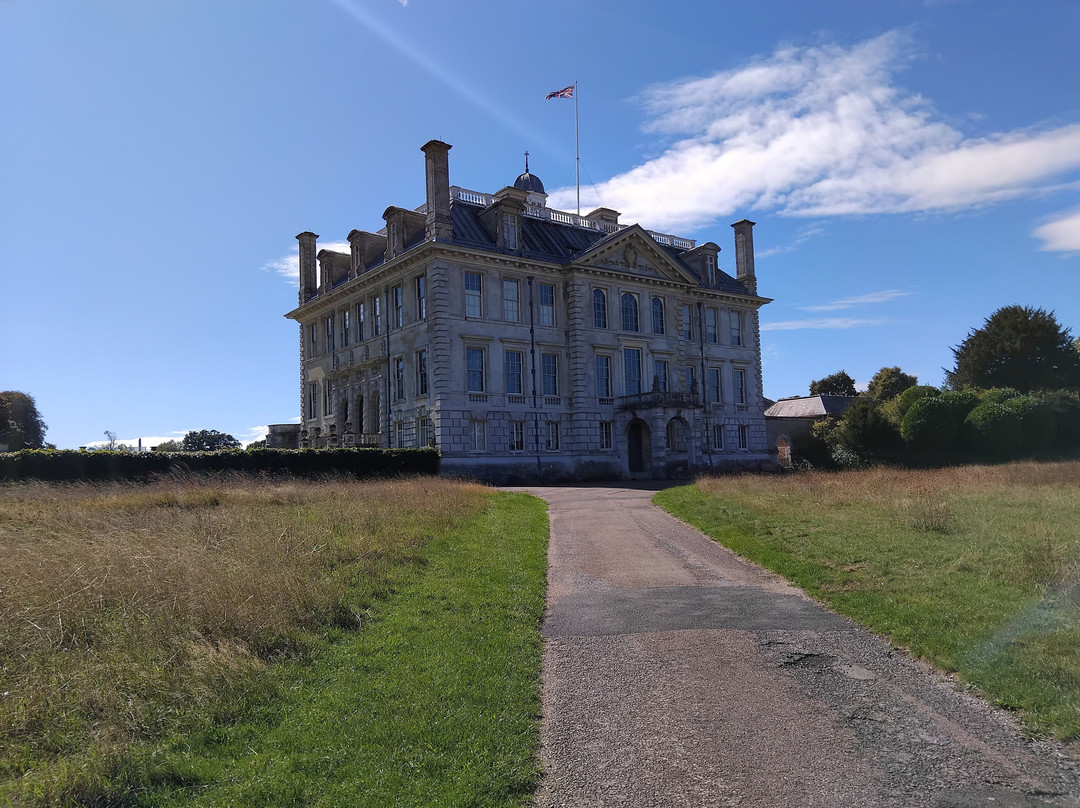
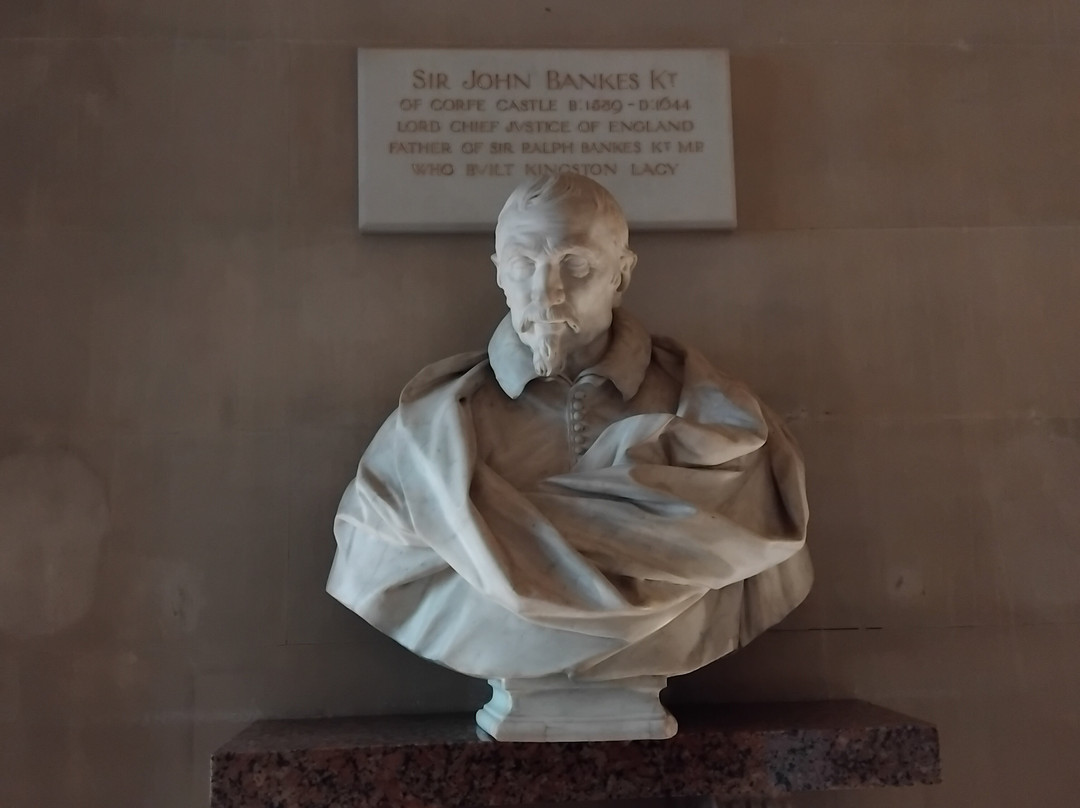
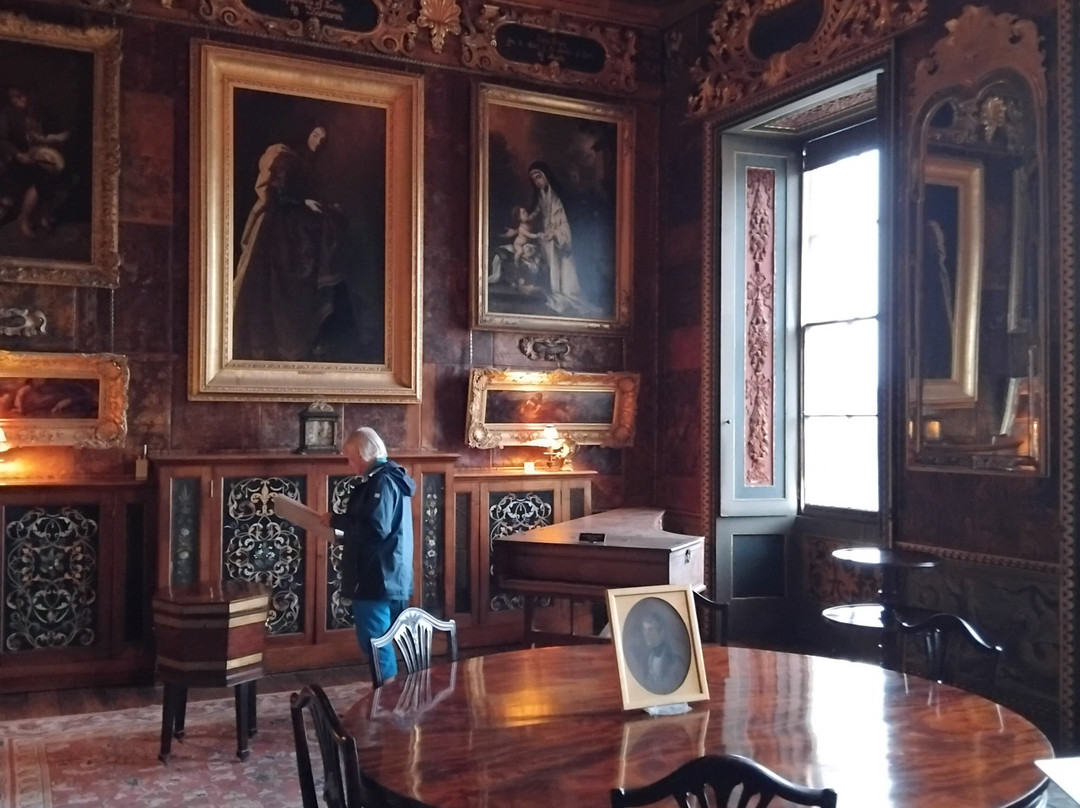
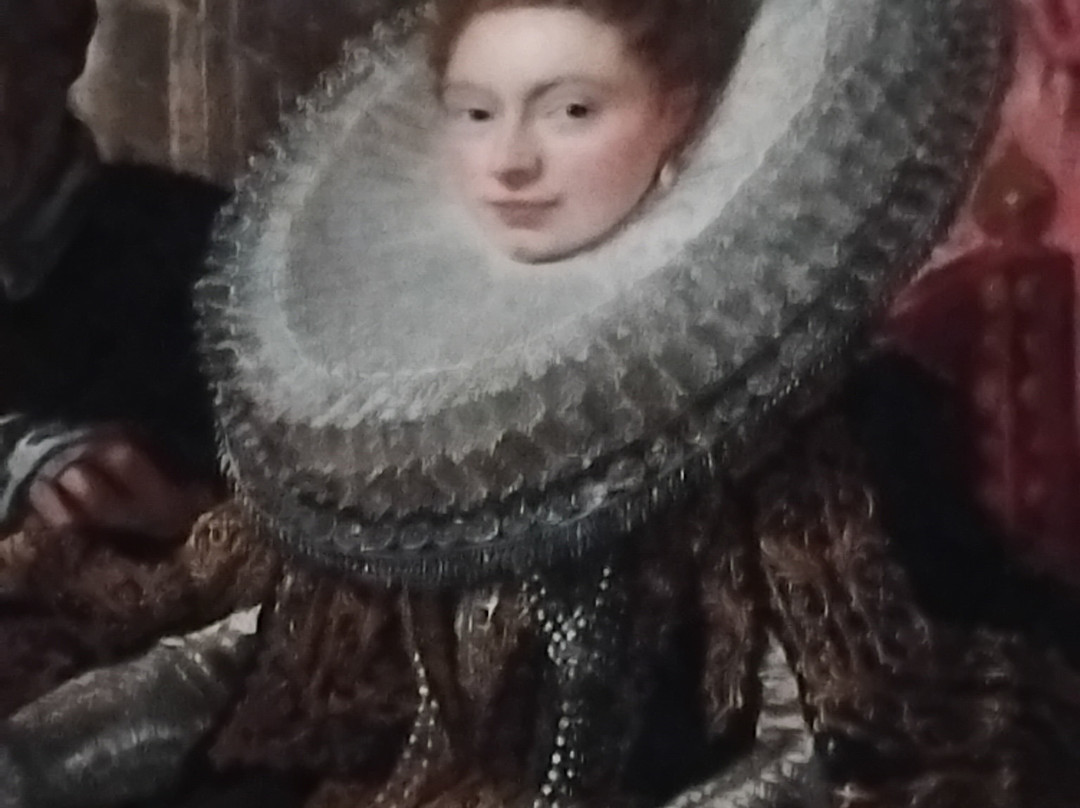
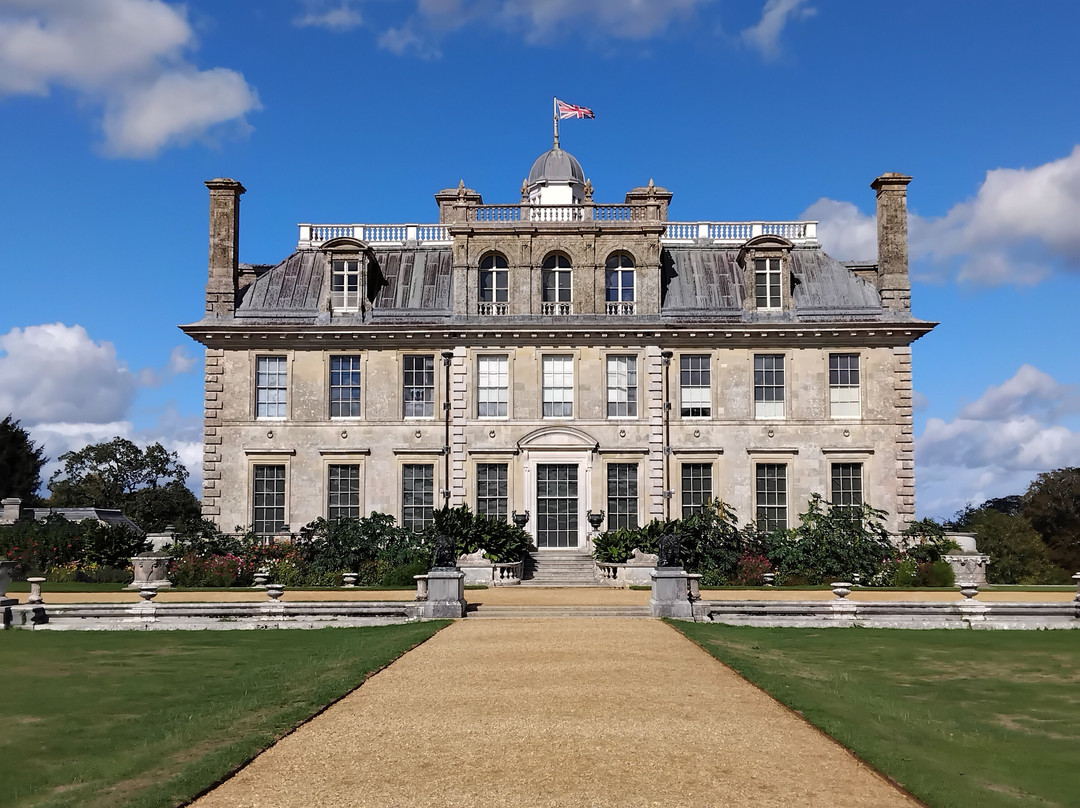
Kinston Lacy was home to the Bankes family for more than 300 years from the 17th Century. The house today is largely the 19th Century creation of William John Bankes, who embellished the interiors and added to a significant art collection including paintings by Sir Peter Lely, Titian and Rubens.
The house is set at the heart of an 8,500 acre parkland and estate, which is grazed by the Bankes family’s beloved Red Ruby Devon cattle and the estate also includes the Iron Age hill fort The Bradbury Rings.
The name Kingston Lacy comes from the De Lacy family, who owned the estate when it formed part of the royal manor of nearby Wimborne. Remains of the medieval manor house are sited just north of the current mansion. The manor attracted visits from English kings Henry III, Henry IV and Henry V, but was in ruins by the late 15th Century.
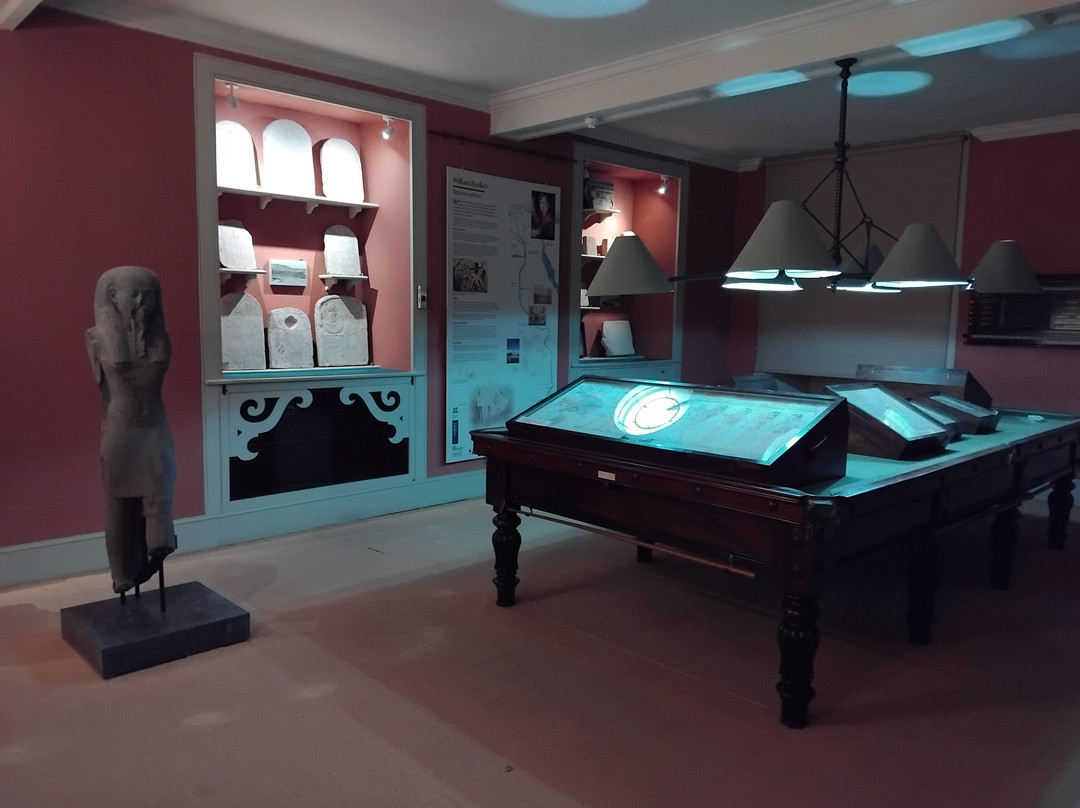
Frances and Henry’s son, William John Bankes (1786-1855) had a keen interest the in the culture of Ancient Egypt and was a pioneer of archaeological excavation in the country. He made highly accurate drawings of temple sites and hieroglyphic inscriptions. He was also responsible for the extensive collection of Egyptian artefacts on show including The Philae Obelisk, which he removed with permission from the Ottoman ruler Mohammed Ali, from the island of Philae and which now stands in the centre of the formal south lawn.
During the Second World War, Kingston Lacy park was turned into a military hospital for D-Day casualties. The American 106th General Hospital operated there from 1944 to 1945. The complex had 100 buildings and treated more than 20,000 patients.
The National Trust took over Kingston Lacy in 1981; extensive conservation work was needed including structural reinforcements, dry rot treatment and conservation of the paintings. The Japanese Garden was re-imaged in 2005 and the kitchen garden is now currently undergoing conservation work.
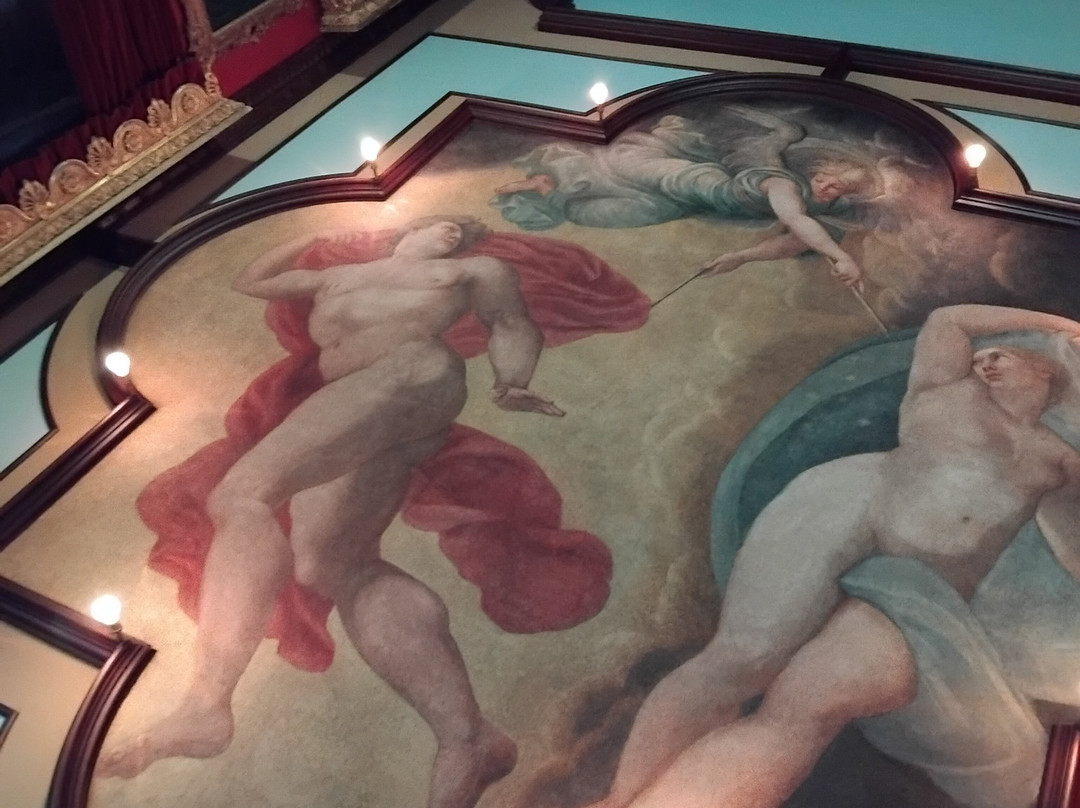
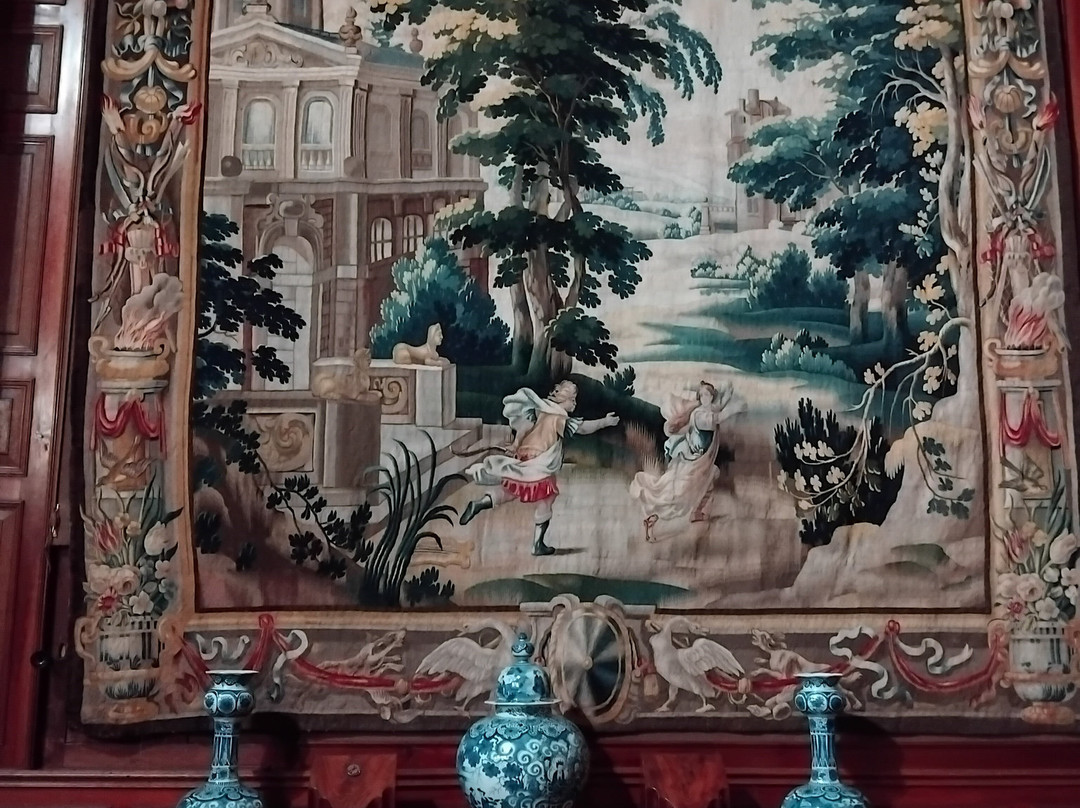
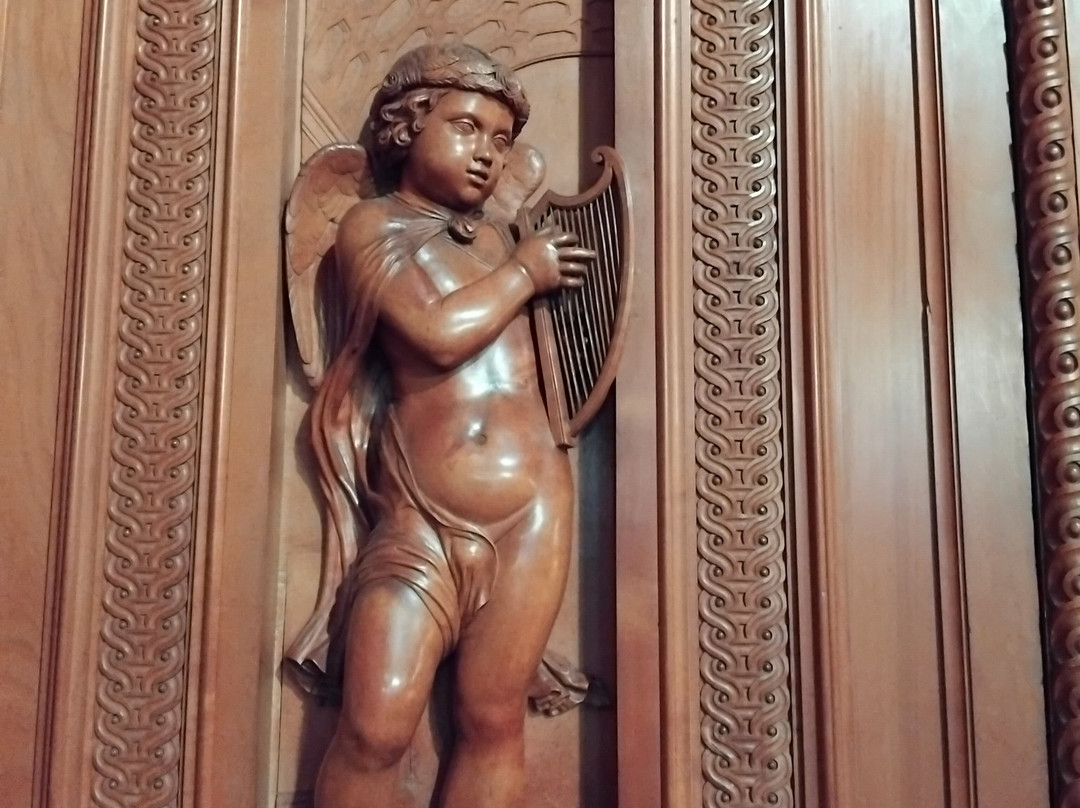
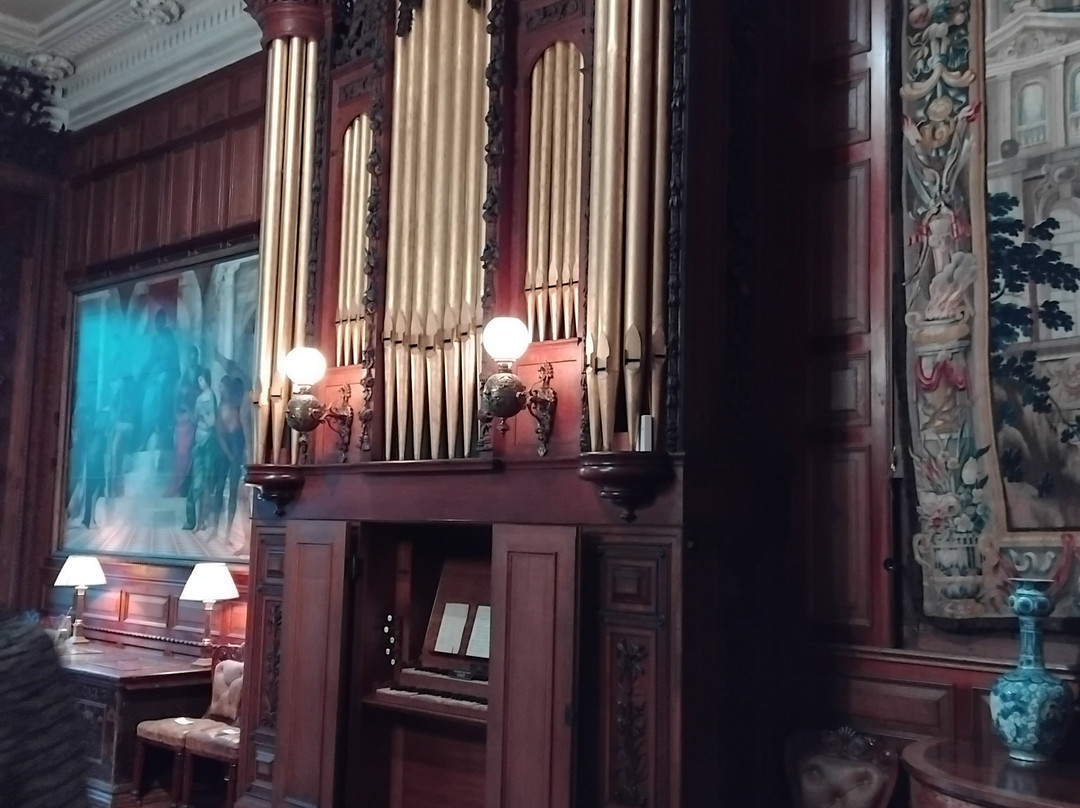
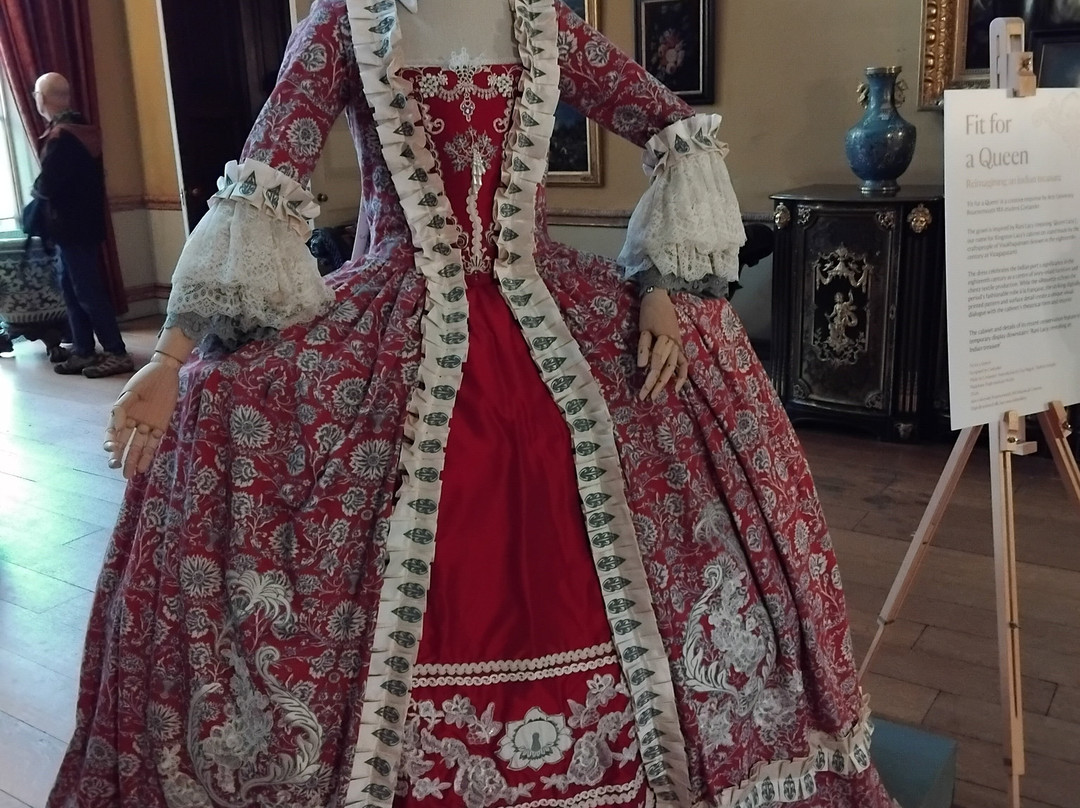
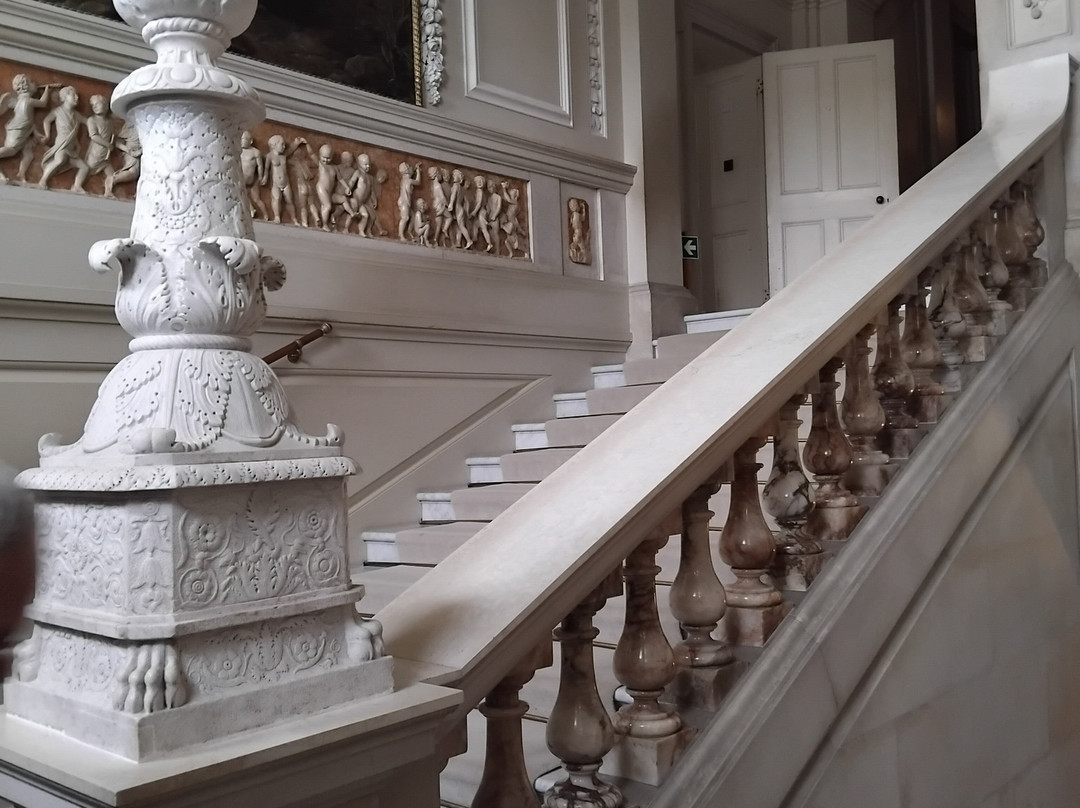
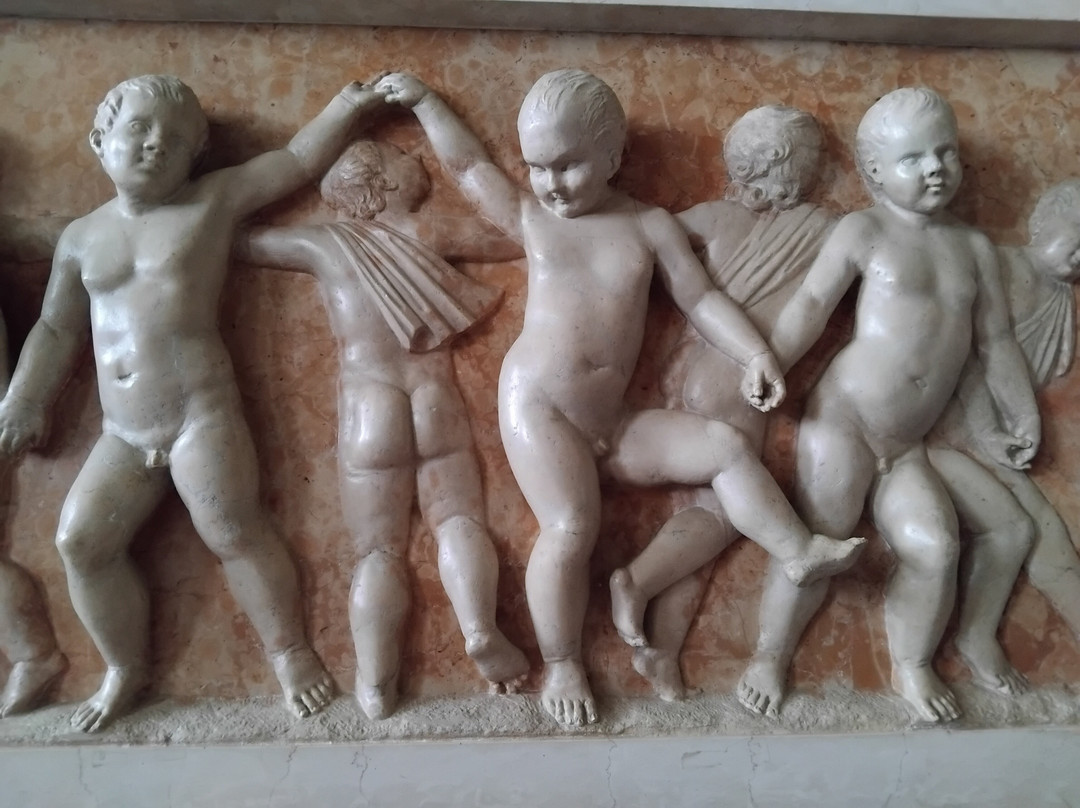
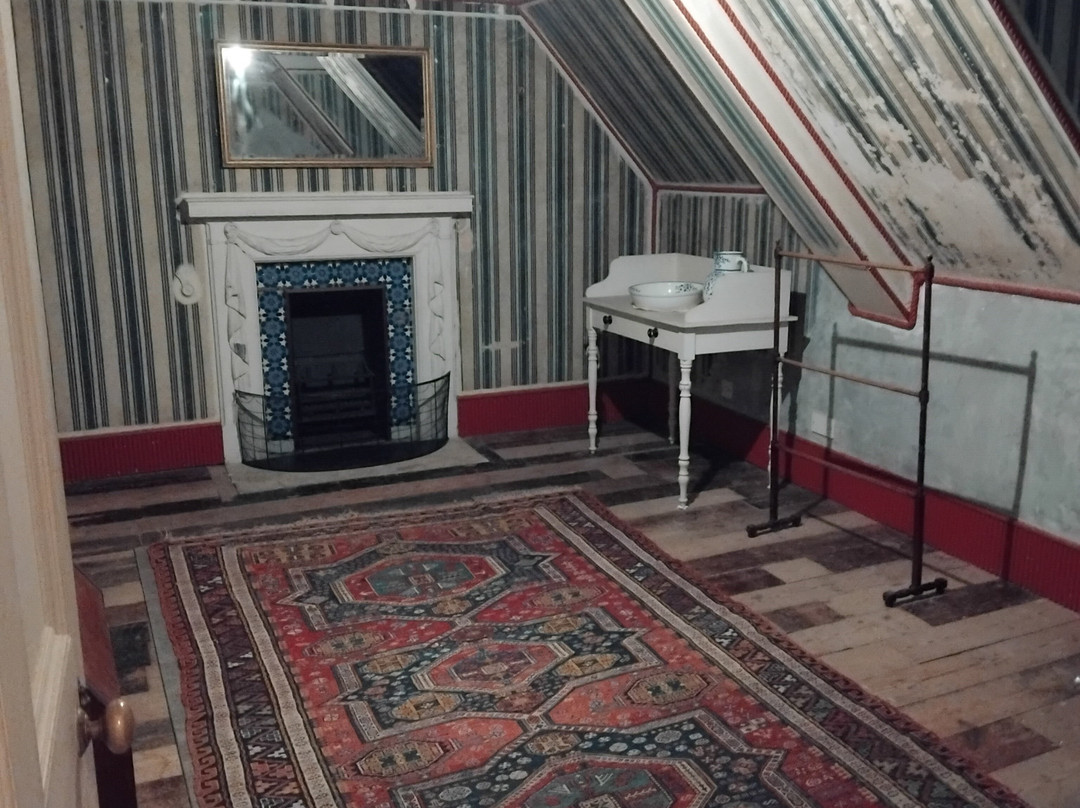
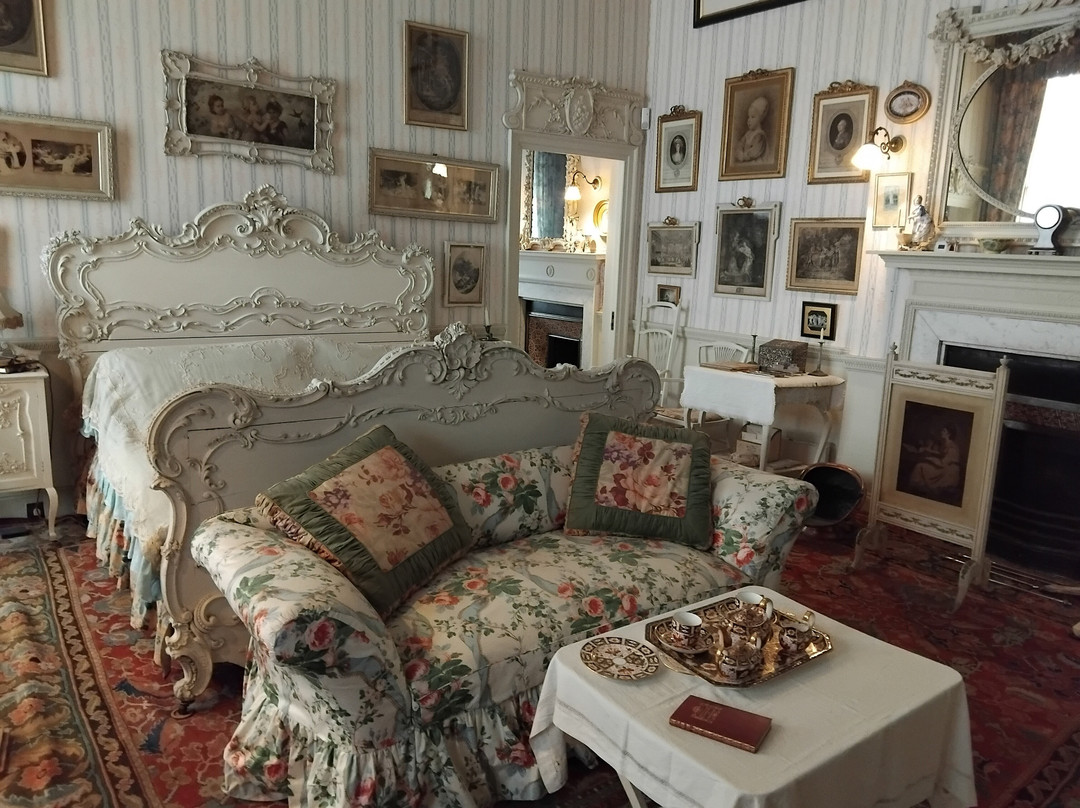
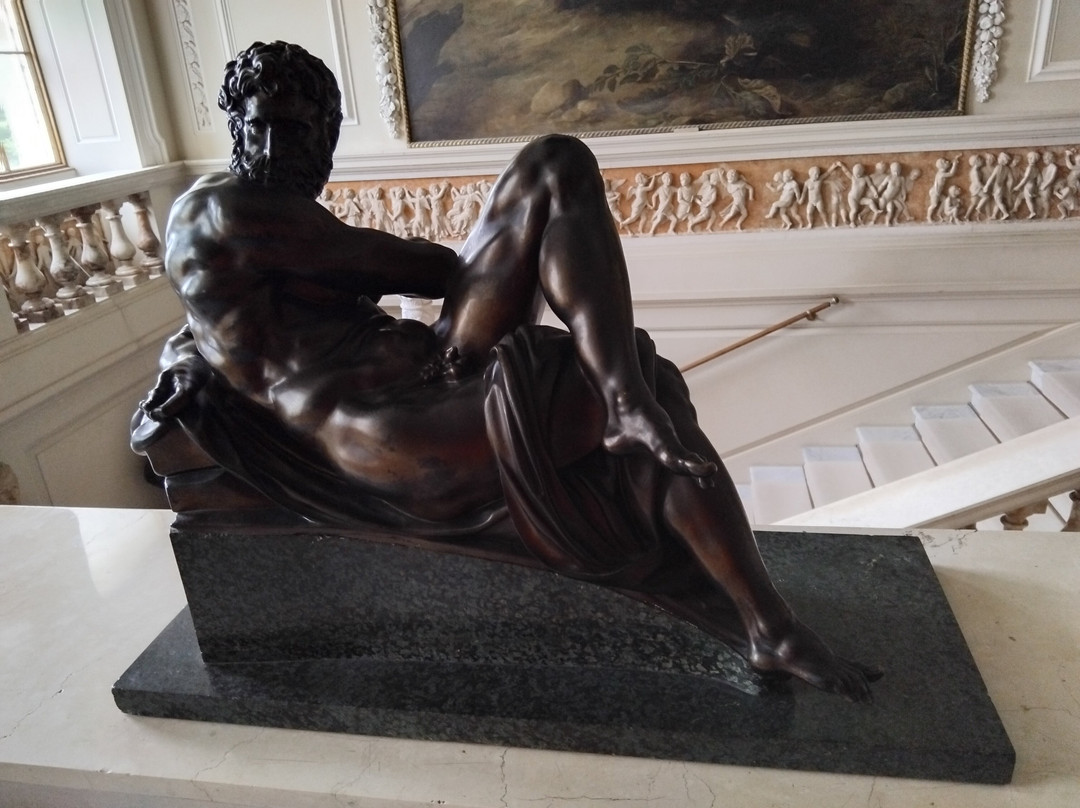
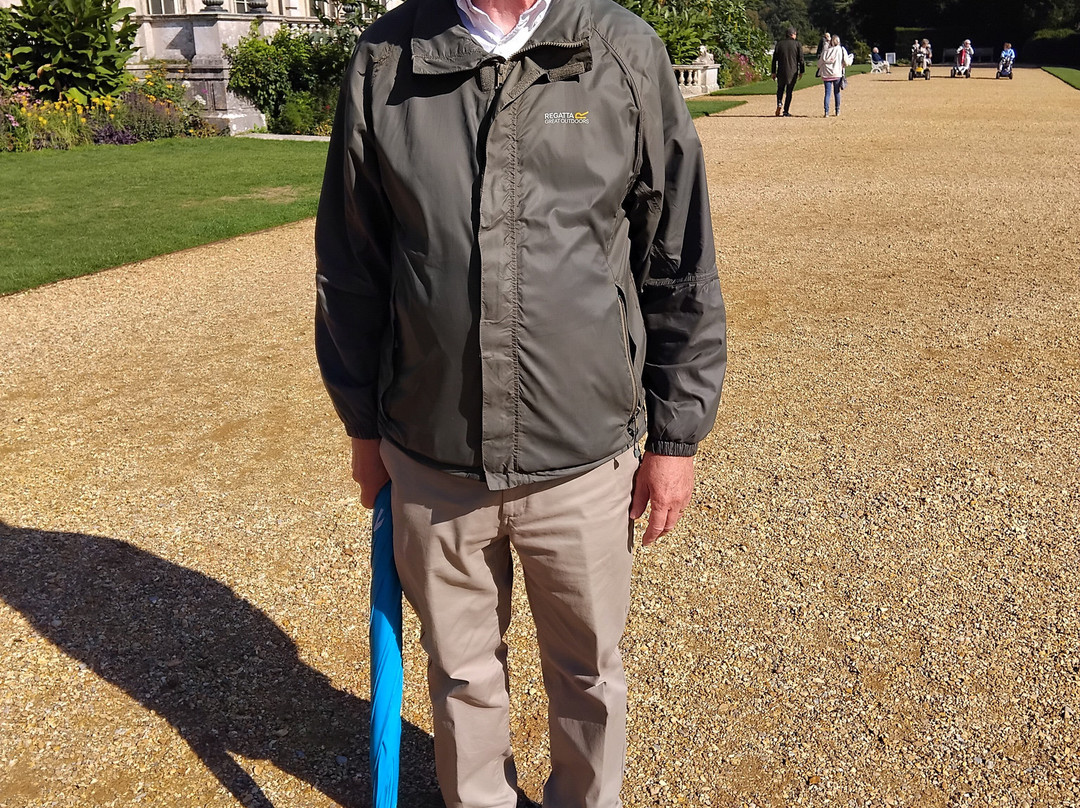
My husband and I spent over three hours wandering round this very impressive house with its fine interiors and wonderful ceiling artwork, Classical paintings and decorative furniture. There were an awful lot of steps to go up and down, so it is not for the less mobile or faint hearted. My right hip started to hurt later on, so we did not get to see all the gardens.
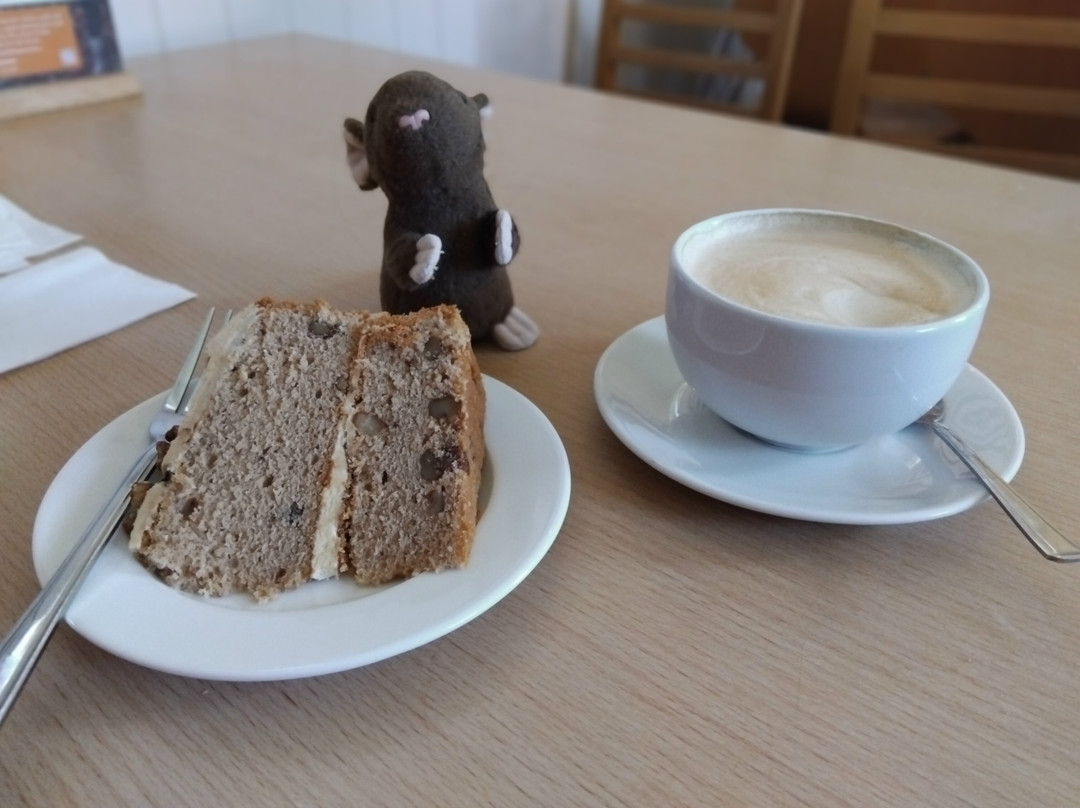
My husband and I by now were in need of refreshments, so we went to the ‘Stables’ tearoom, where we indulged in slices of coffee and walnut cake and my husband had a pot of tea and I had a pumpkin decaffeinated latte coffee. I found inspiration here and I wrote a poem called ‘We Have Created A Monster For Ourselves’. We spent a nice a nice hour here.
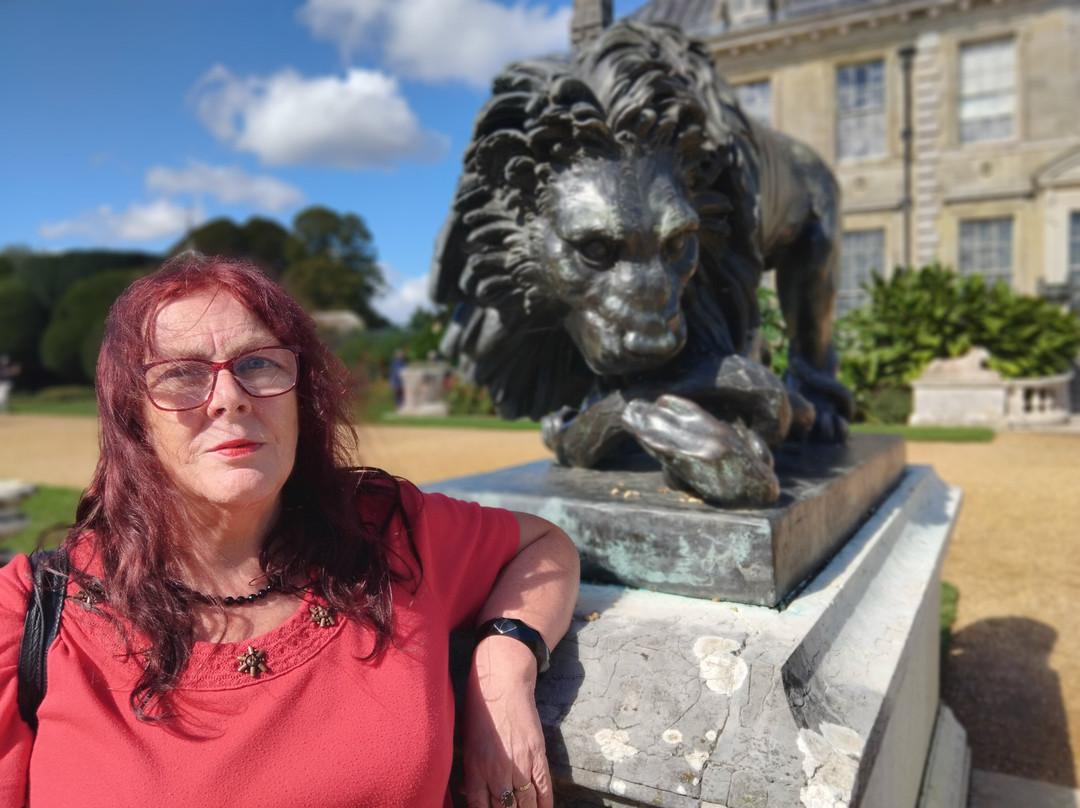
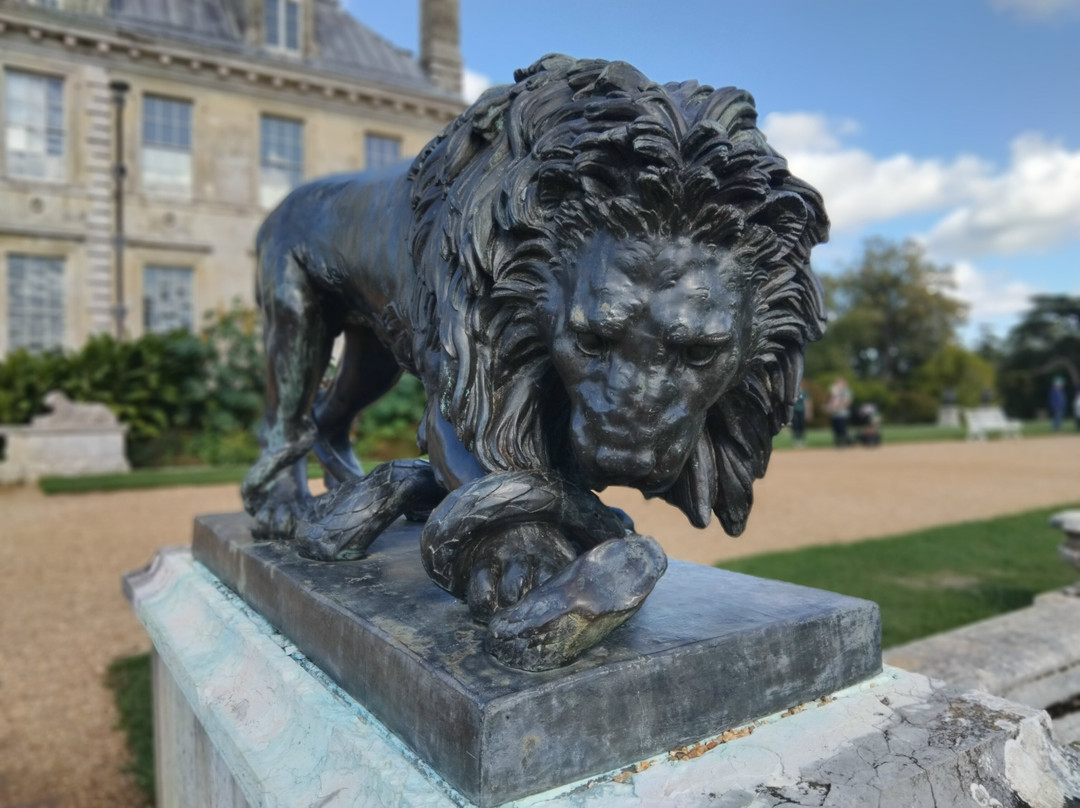
Afterwards, My husband and I visited the gardens we looked at The Lavender Garden and strolled out on to the formal south lawn and looked at ‘The Philae Obelisk’. We also took some nice photos of us by the very large bronze lion’s statues, which were very impressive. We left here as the house was closing at 5.00 pm.
Kinston Lacy was home to the Bankes family for more than 300 years from the 17th Century. The house today is largely the 19th Century creation of William John Bankes, who embellished the interiors and added to a significant art collection including paintings by Sir Peter Lely, Titian and Rubens.
The house is set at the heart of an 8,500 acre parkland and estate, which is grazed by the Bankes family’s beloved Red Ruby Devon cattle and the estate also includes the Iron Age hill fort The Bradbury Rings.
The name Kingston Lacy comes from the De Lacy family, who owned the estate when it formed part of the royal manor of nearby Wimborne. Remains of the medieval manor house are sited just north of the current mansion. The manor attracted visits from English kings Henry III, Henry IV and Henry V, but was in ruins by the late 15th Century.
Frances and Henry’s son, William John Bankes (1786-1855) had a keen interest the in the culture of Ancient Egypt and was a pioneer of archaeological excavation in the country. He made highly accurate drawings of temple sites and hieroglyphic inscriptions. He was also responsible for the extensive collection of Egyptian artefacts on show including The Philae Obelisk, which he removed with permission from the Ottoman ruler Mohammed Ali, from the island of Philae and which now stands in the centre of the formal south lawn.
During the Second World War, Kingston Lacy park was turned into a military hospital for D-Day casualties. The American 106th General Hospital operated there from 1944 to 1945. The complex had 100 buildings and treated more than 20,000 patients.
The National Trust took over Kingston Lacy in 1981; extensive conservation work was needed including structural reinforcements, dry rot treatment and conservation of the paintings. The Japanese Garden was re-imaged in 2005 and the kitchen garden is now currently undergoing conservation work.
My husband and I spent over three hours wandering round this very impressive house with its fine interiors and wonderful ceiling artwork, Classical paintings and decorative furniture. There were an awful lot of steps to go up and down, so it is not for the less mobile or faint hearted. My right hip started to hurt later on, so we did not get to see all the gardens.
My husband and I by now were in need of refreshments, so we went to the ‘Stables’ tearoom, where we indulged in slices of coffee and walnut cake and my husband had a pot of tea and I had a pumpkin decaffeinated latte coffee. I found inspiration here and I wrote a poem called ‘We Have Created A Monster For Ourselves’. We spent a nice a nice hour here.
Afterwards, My husband and I visited the gardens we looked at The Lavender Garden and strolled out on to the formal south lawn and looked at ‘The Philae Obelisk’. We also took some nice photos of us by the very large bronze lion’s statues, which were very impressive. We left here as the house was closing at 5.00 pm.
翻译:2026年9月8日,星期二——我和丈夫在英国国家信托基金的安排下参观了金斯顿·莱西庄园,这座庄园有着颇为有趣的历史。我们上一次造访这里是在约30年前,当时就觉得它美不胜收。
自17世纪起, Bankes家族便在金斯顿·莱西庄园定居,至今已逾300年。如今的庄园建筑大体上是由威廉·约翰·Bankes在19世纪时修建的;他不仅精心修饰了室内装潢,还大幅扩充了艺术收藏,其中便包括彼得·莱利爵士所绘的画作。提香与鲁本斯。
这座宅邸坐落于一片面积达8,500英亩的公园与庄园中心,庄园里有班克斯家族饲养的心爱牛种——红宝石德文牛。庄园内还有铁器时代的山丘堡垒“布拉德伯里环”。
“金斯顿·莱西”这一名称源自德·莱西家族,当初该庄园还是附近温伯恩皇家庄园的一部分时便由他们所有。如今的主宅北面,仍可见中世纪庄园宅邸的遗迹。这座庄园曾迎来英格兰国王亨利三世、亨利四世和亨利五世的到访,但到了15世纪末已沦为一片废墟。
弗朗西斯与亨利的儿子威廉·约翰·班克斯(1786-1855)对古埃及文化抱有浓厚兴趣,堪称埃及考古发掘的先驱。他绘制了众多神庙遗址及象形文字铭文的精确图画。他还负责收藏并展出大量埃及文物,其中包括菲莱方尖碑。该石柱是他在获得奥斯曼统治者穆罕默德·阿里的许可后,从菲莱岛上拆除下来的,如今它矗立在南侧正式草坪的中央。
第二次世界大战期间,金斯顿·莱西公园被改作诺曼底登陆伤员的军用医院。1944年至1945年间,美国第106综合医院在此运营。该医疗区共有100栋建筑,共治疗了超过2万名病人。1981年,国家信托基金会接手了金斯顿·拉西庄园;当时需要进行大量的保护工作,包括结构加固、木腐病治理以及壁画的修复。日本花园于2005年重新整修,如今菜园也正在实施保护工程。
我和丈夫花了三个多小时游览这座令人印象深刻的庄园,欣赏其精美的室内装饰、华丽的天花板艺术、古典绘画以及富有装饰性的家具。需要上下攀爬的台阶实在太多了,因此不适合行动不便或胆子较小的人。后来我的右臀开始疼痛起来,所以我们没能游览完所有的花园。
我和丈夫此时都急需补充点能量,于是便去了“马厩”茶室。在那里我们尽情享用了咖啡核桃蛋糕;我丈夫泡了一壶茶,我则喝了一杯无咖啡因的南瓜拿铁。我在这里获得了灵感,于是写了一首名为《我们为自己创造了怪物》的诗。我们在这里度过了愉快的一个小时。
之后,我和丈夫参观了花园,观看了薰衣草园,又在整齐有序的南草坪上漫步,欣赏了“菲莱方尖碑”。我们还在那些极为壮观的巨大青铜狮子雕像旁拍了不少美照。由于宫殿定于下午5点闭馆,我们便离开了。
自17世纪起, Bankes家族便在金斯顿·莱西庄园定居,至今已逾300年。如今的庄园建筑大体上是由威廉·约翰·Bankes在19世纪时修建的;他不仅精心修饰了室内装潢,还大幅扩充了艺术收藏,其中便包括彼得·莱利爵士所绘的画作。提香与鲁本斯。
这座宅邸坐落于一片面积达8,500英亩的公园与庄园中心,庄园里有班克斯家族饲养的心爱牛种——红宝石德文牛。庄园内还有铁器时代的山丘堡垒“布拉德伯里环”。
“金斯顿·莱西”这一名称源自德·莱西家族,当初该庄园还是附近温伯恩皇家庄园的一部分时便由他们所有。如今的主宅北面,仍可见中世纪庄园宅邸的遗迹。这座庄园曾迎来英格兰国王亨利三世、亨利四世和亨利五世的到访,但到了15世纪末已沦为一片废墟。
弗朗西斯与亨利的儿子威廉·约翰·班克斯(1786-1855)对古埃及文化抱有浓厚兴趣,堪称埃及考古发掘的先驱。他绘制了众多神庙遗址及象形文字铭文的精确图画。他还负责收藏并展出大量埃及文物,其中包括菲莱方尖碑。该石柱是他在获得奥斯曼统治者穆罕默德·阿里的许可后,从菲莱岛上拆除下来的,如今它矗立在南侧正式草坪的中央。
第二次世界大战期间,金斯顿·莱西公园被改作诺曼底登陆伤员的军用医院。1944年至1945年间,美国第106综合医院在此运营。该医疗区共有100栋建筑,共治疗了超过2万名病人。1981年,国家信托基金会接手了金斯顿·拉西庄园;当时需要进行大量的保护工作,包括结构加固、木腐病治理以及壁画的修复。日本花园于2005年重新整修,如今菜园也正在实施保护工程。
我和丈夫花了三个多小时游览这座令人印象深刻的庄园,欣赏其精美的室内装饰、华丽的天花板艺术、古典绘画以及富有装饰性的家具。需要上下攀爬的台阶实在太多了,因此不适合行动不便或胆子较小的人。后来我的右臀开始疼痛起来,所以我们没能游览完所有的花园。
我和丈夫此时都急需补充点能量,于是便去了“马厩”茶室。在那里我们尽情享用了咖啡核桃蛋糕;我丈夫泡了一壶茶,我则喝了一杯无咖啡因的南瓜拿铁。我在这里获得了灵感,于是写了一首名为《我们为自己创造了怪物》的诗。我们在这里度过了愉快的一个小时。
之后,我和丈夫参观了花园,观看了薰衣草园,又在整齐有序的南草坪上漫步,欣赏了“菲莱方尖碑”。我们还在那些极为壮观的巨大青铜狮子雕像旁拍了不少美照。由于宫殿定于下午5点闭馆,我们便离开了。

© 2026 Tripadvisor 版权所有。
部分照片由 VFM Leonardo 提供。
TripAdvisor公司对外部网站的内容一概不负责。优惠价格中不含税和其他费用。
ICP证:沪B2-20200433
沪ICP备20013175号
 沪公网安备31010502005427号
鹰程信息技术(上海)有限公司