下载App
资质规则
旅行
账户

Qiuming F
Stroll Around Gamla Stan (Old Town), Stockholm
斯德哥尔摩古城的点评
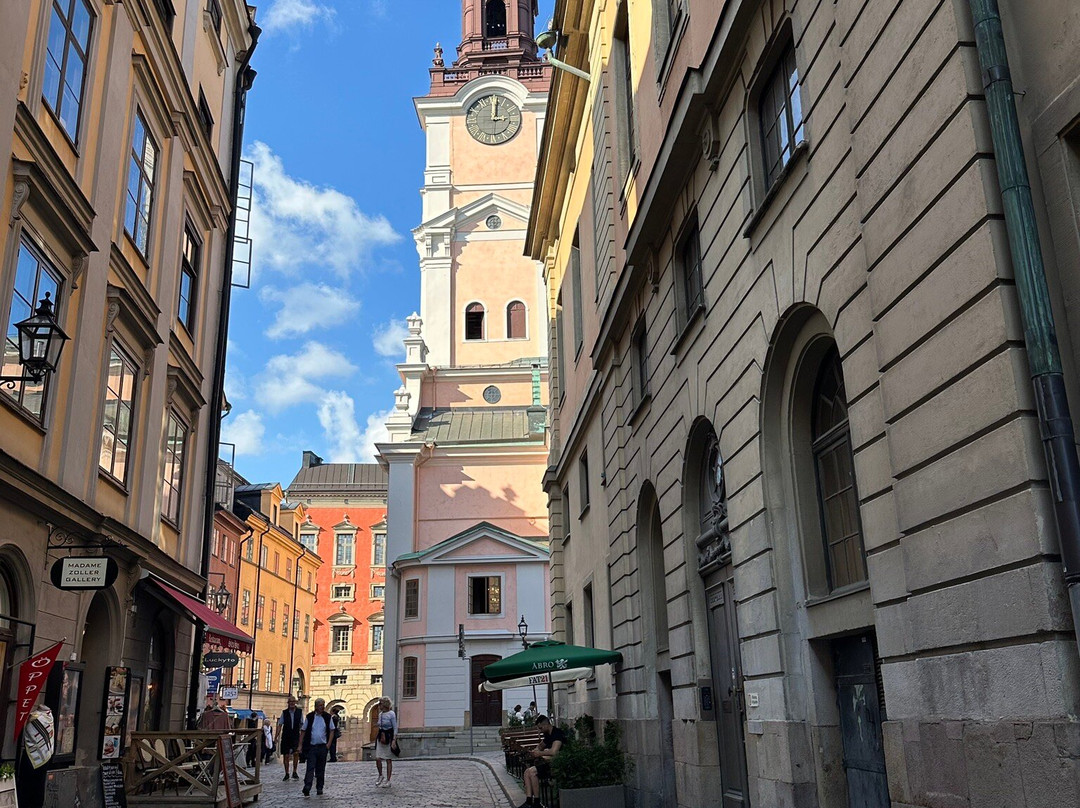
点评:Gamla Stan offers a compact walk through Stockholm’s historic core, where Baroque and Renaissance-style façades sit on medieval street layouts. The area feels cohesive, with narrow streets opening into small squares and waterfront views.
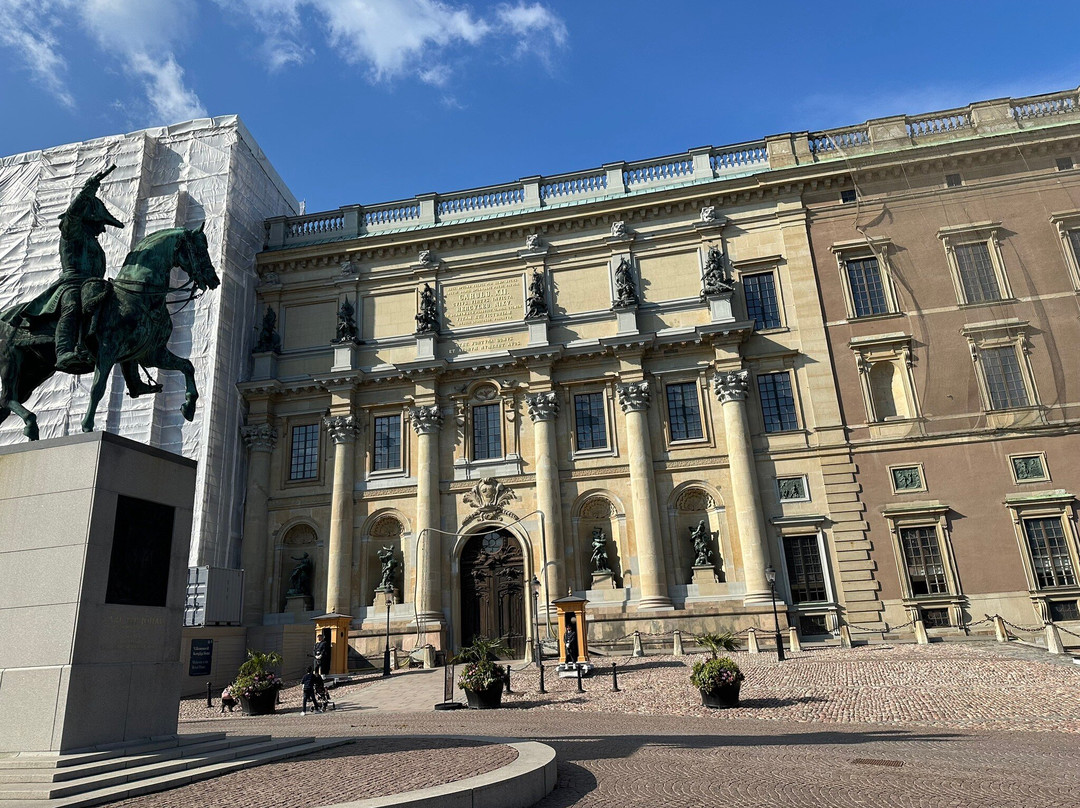
At the slope beside the Royal Palace of Stockholm, the equestrian statue of Charles XIV John stands out as a key landmark. He was originally a French marshal who became Sweden’s crown prince in 1810 and later king, founding the current royal line. The statue marks the main approach to the palace.
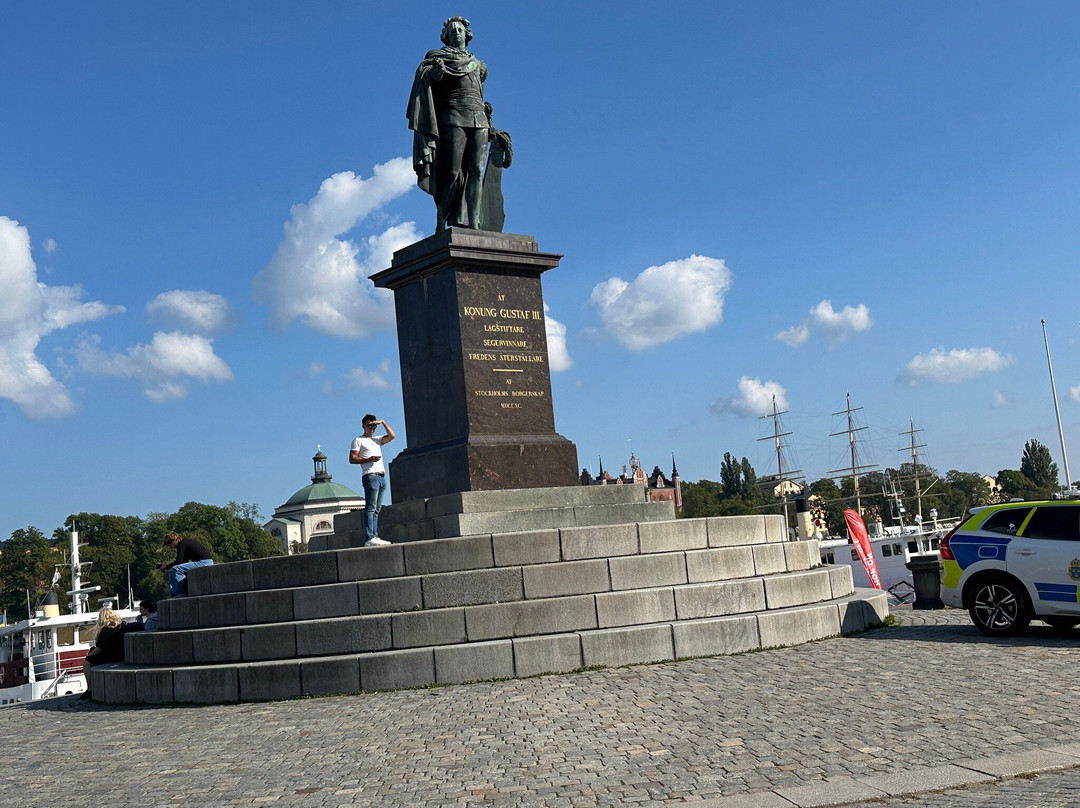
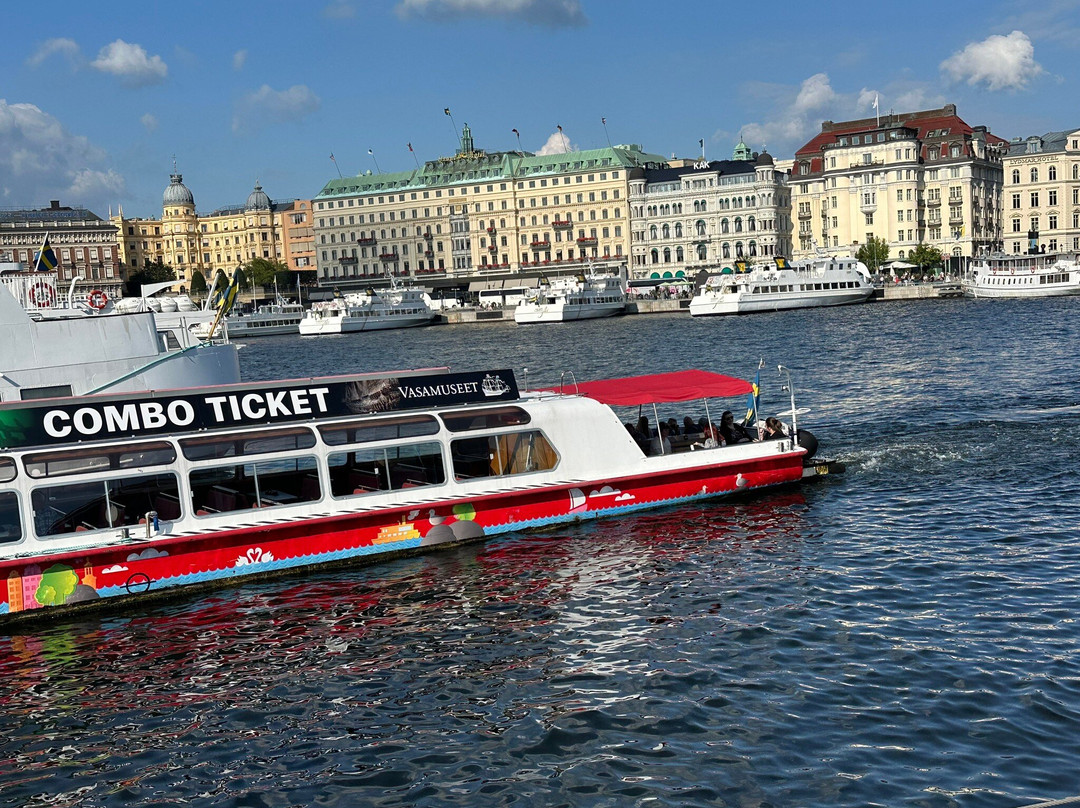
A short walk toward the waterfront leads to a square with the statue of Gustav III, facing the harbor. This area offers open views across the water toward the Nationalmuseum and nearby historic buildings, with frequent boat traffic adding movement to the scene.
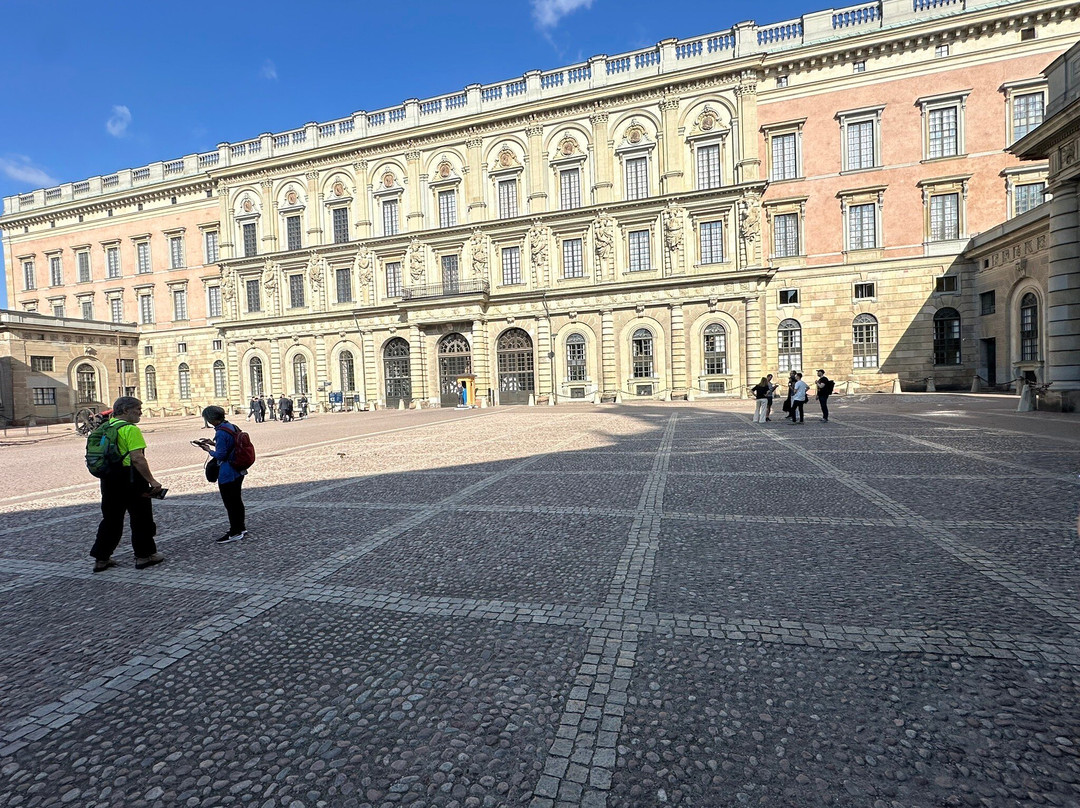
The Royal Palace of Stockholm itself dates from 1679–1769 and presents a consistent Baroque exterior.
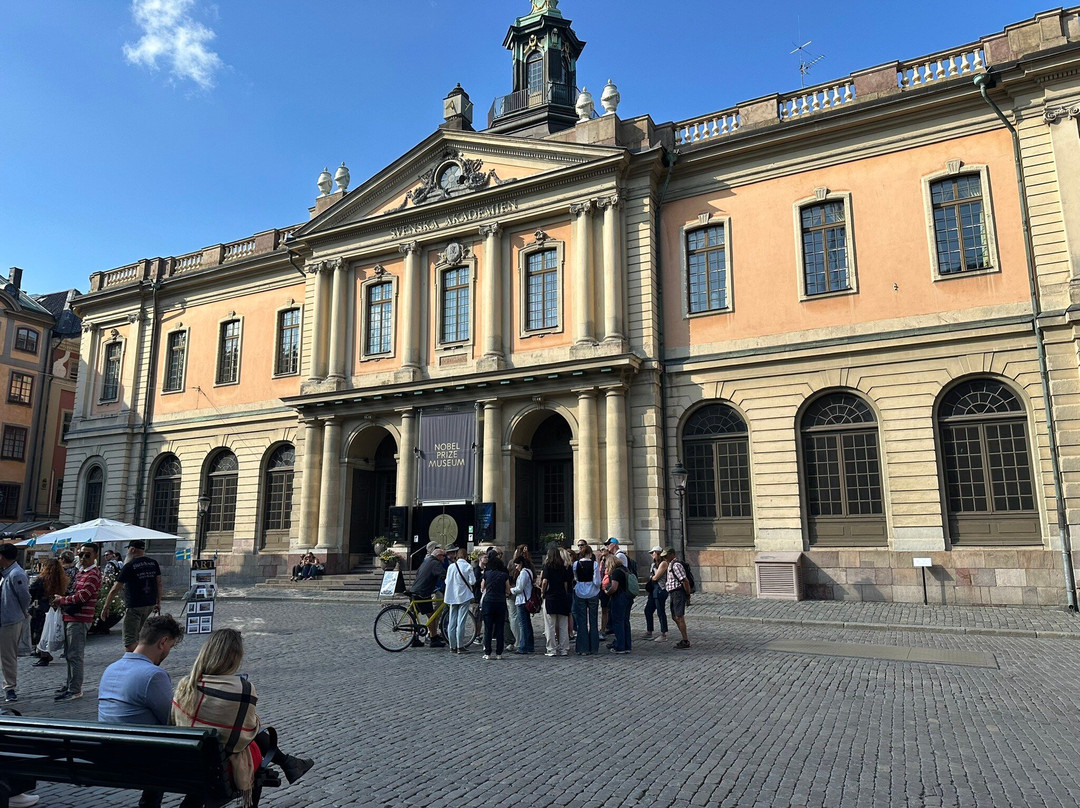
Nearby, the Nobel Prize Museum provides a modern contrast, focusing on Nobel Prize history in a smaller, easily visited space.
At the slope beside the Royal Palace of Stockholm, the equestrian statue of Charles XIV John stands out as a key landmark. He was originally a French marshal who became Sweden’s crown prince in 1810 and later king, founding the current royal line. The statue marks the main approach to the palace.
A short walk toward the waterfront leads to a square with the statue of Gustav III, facing the harbor. This area offers open views across the water toward the Nationalmuseum and nearby historic buildings, with frequent boat traffic adding movement to the scene.
The Royal Palace of Stockholm itself dates from 1679–1769 and presents a consistent Baroque exterior.
Nearby, the Nobel Prize Museum provides a modern contrast, focusing on Nobel Prize history in a smaller, easily visited space.
翻译:老城区(Gamla Stan)是一条紧凑的步行路线,带您领略斯德哥尔摩的历史核心,巴洛克和文艺复兴风格的建筑立面与中世纪的街道布局交相辉映。这里整体和谐统一,狭窄的街道通向小广场,并可欣赏到迷人的水岸风光。
在斯德哥尔摩皇宫旁的山坡上,查理十四世·约翰的骑马雕像格外引人注目,成为一处重要的地标。他原为法国元帅,于1810年成为瑞典王储,后登基为国王,并建立了瑞典现今的王室血统。这座雕像标志着通往皇宫的主要入口。
沿着水岸漫步片刻,即可到达一个广场,广场上矗立着古斯塔夫三世的雕像,面向港口。从这里可以饱览水面风光,远眺国家博物馆和附近的古老建筑,往来的船只也为这片区域增添了几分生机。
斯德哥尔摩皇宫本身的历史可以追溯到1679年至1769年,其外观呈现出统一的巴洛克风格。
附近的诺贝尔奖博物馆则呈现出一种现代的对比,它在一个较小、易于参观的空间里,着重介绍诺贝尔奖的历史。
在斯德哥尔摩皇宫旁的山坡上,查理十四世·约翰的骑马雕像格外引人注目,成为一处重要的地标。他原为法国元帅,于1810年成为瑞典王储,后登基为国王,并建立了瑞典现今的王室血统。这座雕像标志着通往皇宫的主要入口。
沿着水岸漫步片刻,即可到达一个广场,广场上矗立着古斯塔夫三世的雕像,面向港口。从这里可以饱览水面风光,远眺国家博物馆和附近的古老建筑,往来的船只也为这片区域增添了几分生机。
斯德哥尔摩皇宫本身的历史可以追溯到1679年至1769年,其外观呈现出统一的巴洛克风格。
附近的诺贝尔奖博物馆则呈现出一种现代的对比,它在一个较小、易于参观的空间里,着重介绍诺贝尔奖的历史。

© 2026 Tripadvisor 版权所有。
部分照片由 VFM Leonardo 提供。
TripAdvisor公司对外部网站的内容一概不负责。优惠价格中不含税和其他费用。
ICP证:沪B2-20200433
沪ICP备20013175号
 沪公网安备31010502005427号
鹰程信息技术(上海)有限公司