下载App
资质规则
旅行
账户

SaladDaysSally
Skip the Crowds at the Hoh Rain Forest and Go to the Quinault Rain Forest!
Quinault Rain Forest的点评
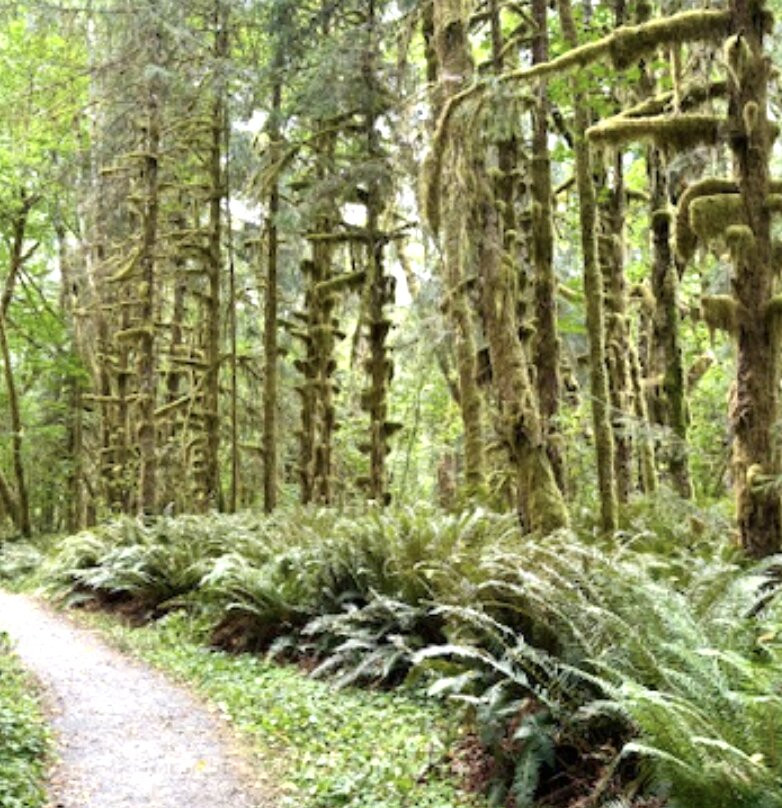
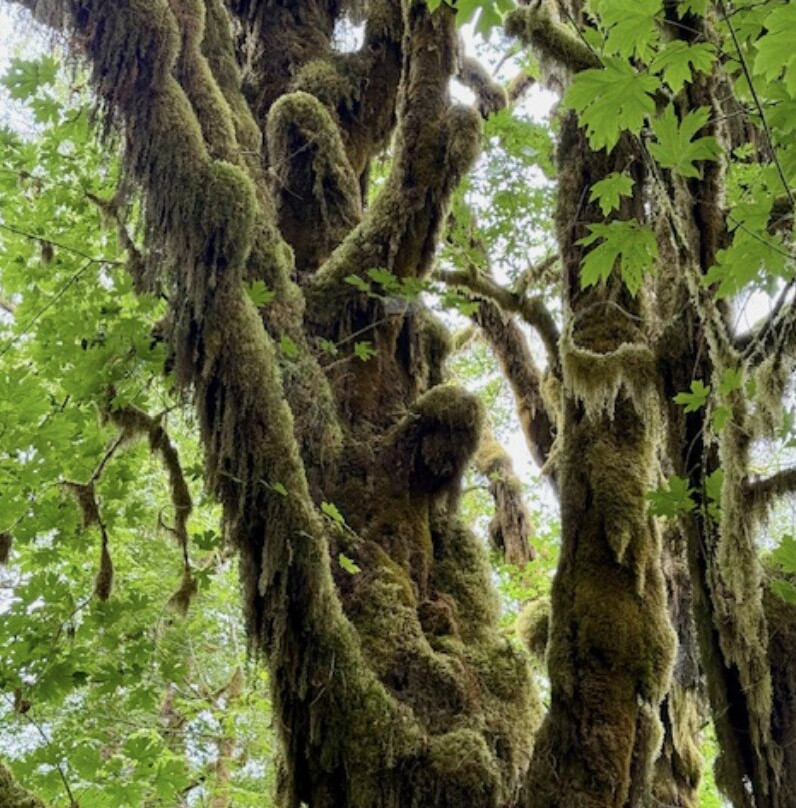
点评:Skip the Crowds at the Hoh Rain Forest and Go to the Quinault Rain Forest! We took a fantastic, free, ranger-led tour of the Quinquault Forest in Olympia NP. Please note the epiphytes in my photos. Epiphytes are things that grow on other things, like moss on trees. This forest contains maple, western hemlock, sica spruce, and red cedar trees, as well as sword ferns, lady fern, and deer fern. Trees arrived in this forest about 12,000 years ago.
Let's talk for a moment about this abundance of green. We learned that the green color comes from nitrogen (that part we knew...). What brings the nitrogen? Salmon. How? Well, there's a creek that runs through the forest. Salmon swim from the creek out to the ocean. They eat algae, come back and spawn in the creek, and then die. The salmon carcasses have stores of nitrogen from the algae they ate. That's the chain of events. We spent about two hours here, including the time with the ranger. Indeed, every day is a school day, and we learned so much from this ranger-led tour. And we saw less than a dozen people the entire afternoon. The trees were all ours. I am so glad we went here.
Let's talk for a moment about this abundance of green. We learned that the green color comes from nitrogen (that part we knew...). What brings the nitrogen? Salmon. How? Well, there's a creek that runs through the forest. Salmon swim from the creek out to the ocean. They eat algae, come back and spawn in the creek, and then die. The salmon carcasses have stores of nitrogen from the algae they ate. That's the chain of events. We spent about two hours here, including the time with the ranger. Indeed, every day is a school day, and we learned so much from this ranger-led tour. And we saw less than a dozen people the entire afternoon. The trees were all ours. I am so glad we went here.
翻译:避开霍河雨林的拥挤人潮,去奎诺特雨林吧!我们参加了奥林匹亚国家公园奎诺特雨林的免费导览游,由护林员带领,体验了一次精彩的旅程。请注意我照片中的附生植物。附生植物是指生长在其他植物上的生物,例如树上的苔藓。这片雨林生长着枫树、西部铁杉、白云杉和红杉,以及剑蕨、金鱼藻和鹿蕨。大约12000年前,树木就来到了这片雨林。
让我们来聊聊这片郁郁葱葱的绿色吧。我们了解到,绿色来自氮(这一点我们早就知道了……)。那么,是什么带来了氮呢?鲑鱼。它是如何带来的呢?一条小溪流经这片雨林。鲑鱼从溪流游向大海。它们以藻类为食,然后返回溪流产卵,最后死去。鲑鱼尸体里储存着它们吃过的藻类中的氮。这就是整个过程。我们在这里待了大约两个小时,包括和护林员一起的时间。真是活到老学到老,我们从这次护林员带领的游览中学到了很多。而且整个下午我们只遇到了不到十几个人。这些树木仿佛都属于我们。我真庆幸我们来了这里。
让我们来聊聊这片郁郁葱葱的绿色吧。我们了解到,绿色来自氮(这一点我们早就知道了……)。那么,是什么带来了氮呢?鲑鱼。它是如何带来的呢?一条小溪流经这片雨林。鲑鱼从溪流游向大海。它们以藻类为食,然后返回溪流产卵,最后死去。鲑鱼尸体里储存着它们吃过的藻类中的氮。这就是整个过程。我们在这里待了大约两个小时,包括和护林员一起的时间。真是活到老学到老,我们从这次护林员带领的游览中学到了很多。而且整个下午我们只遇到了不到十几个人。这些树木仿佛都属于我们。我真庆幸我们来了这里。

© 2026 Tripadvisor 版权所有。
部分照片由 VFM Leonardo 提供。
TripAdvisor公司对外部网站的内容一概不负责。优惠价格中不含税和其他费用。
ICP证:沪B2-20200433
沪ICP备20013175号
 沪公网安备31010502005427号
鹰程信息技术(上海)有限公司