下载App
资质规则
旅行
账户

VadimM67
How to get to the necropolises of Cerveteri? UNESCO World Heritage Site.
Necropoli della Banditaccia的点评
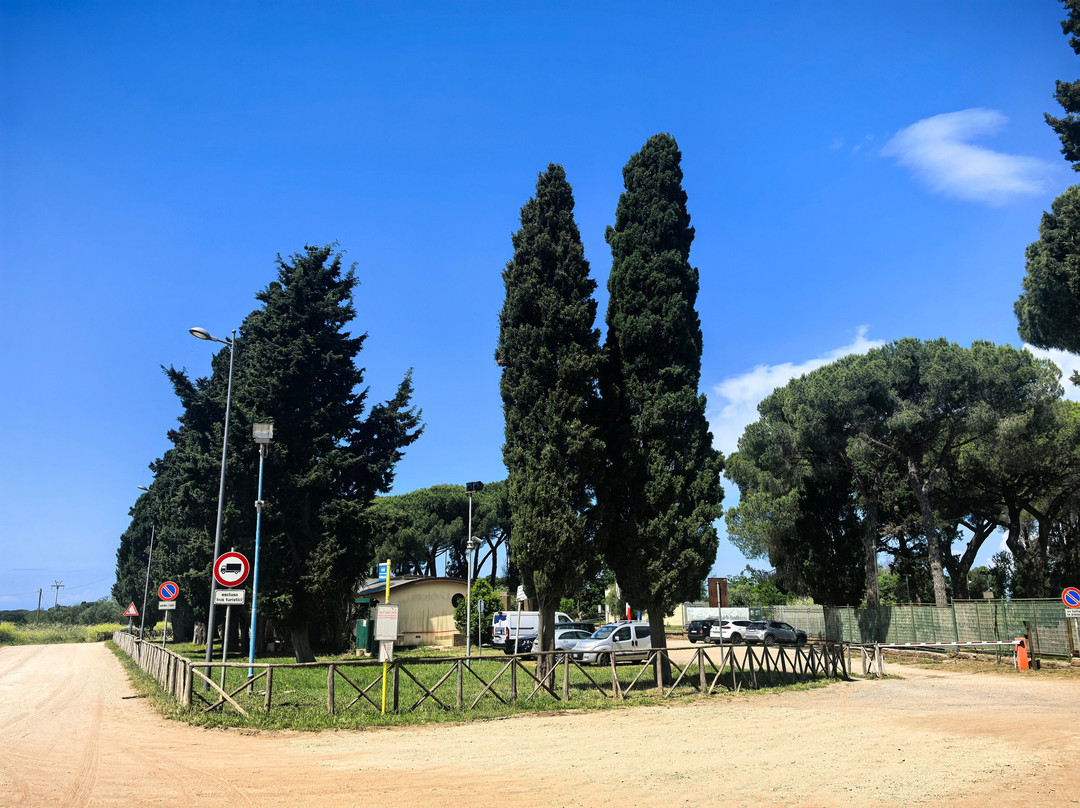
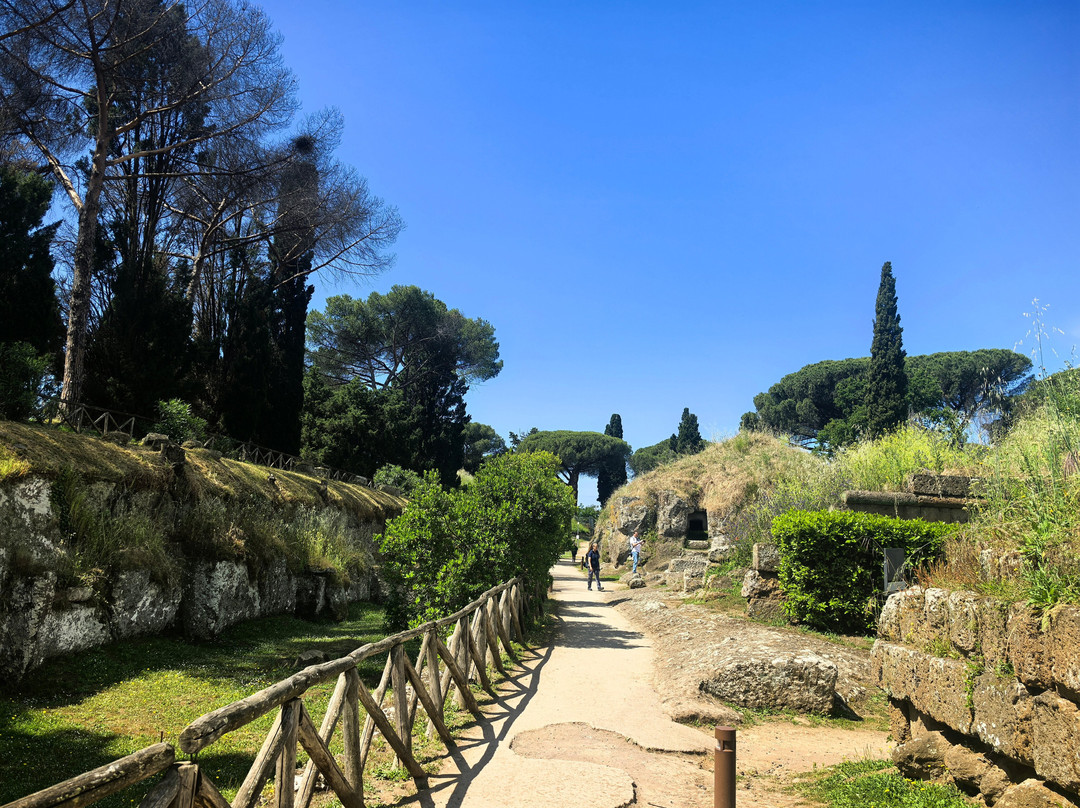
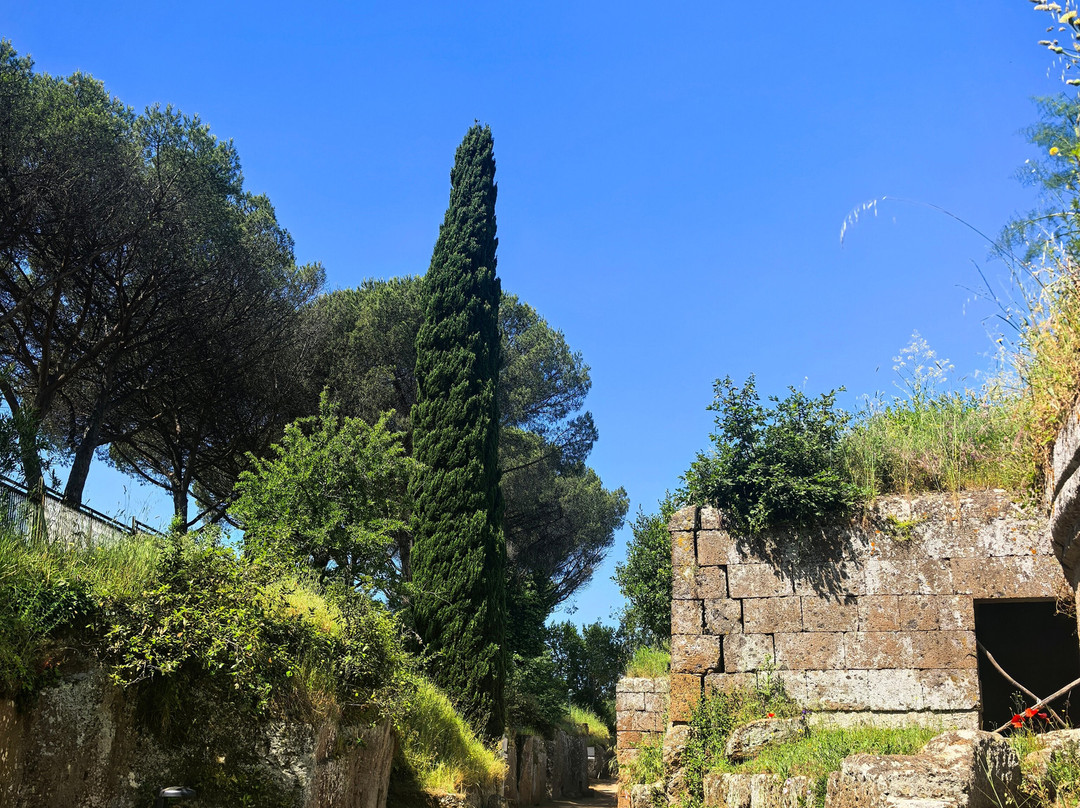
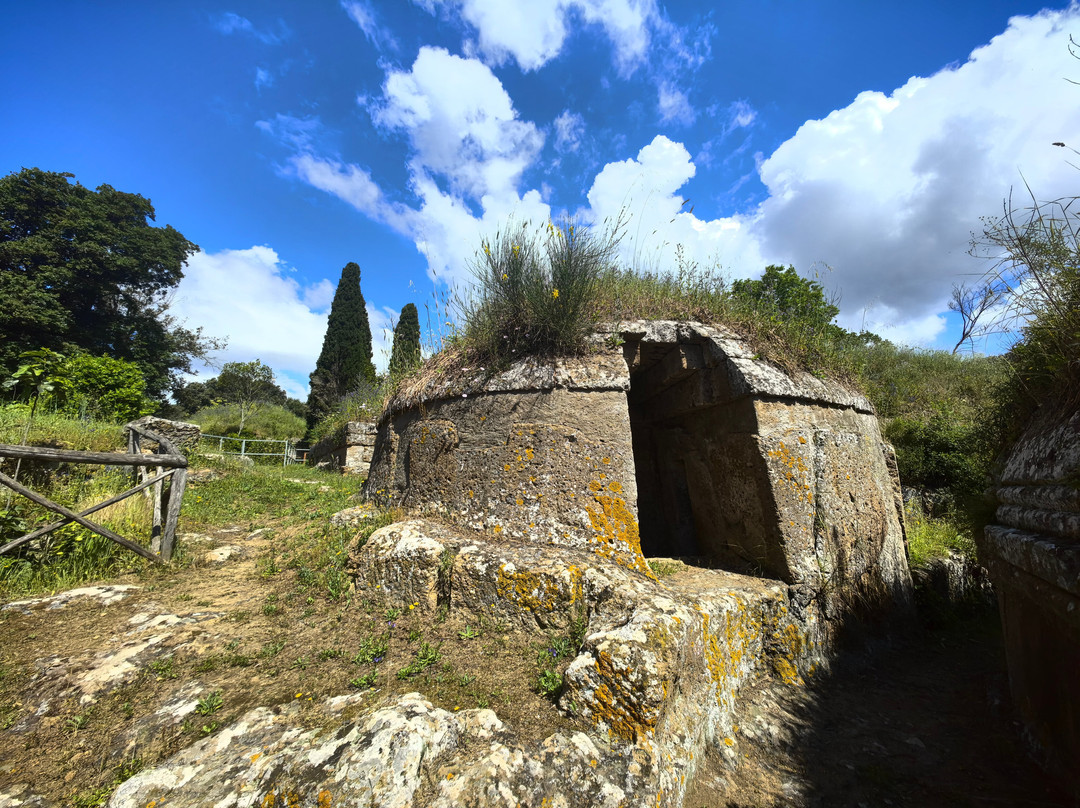
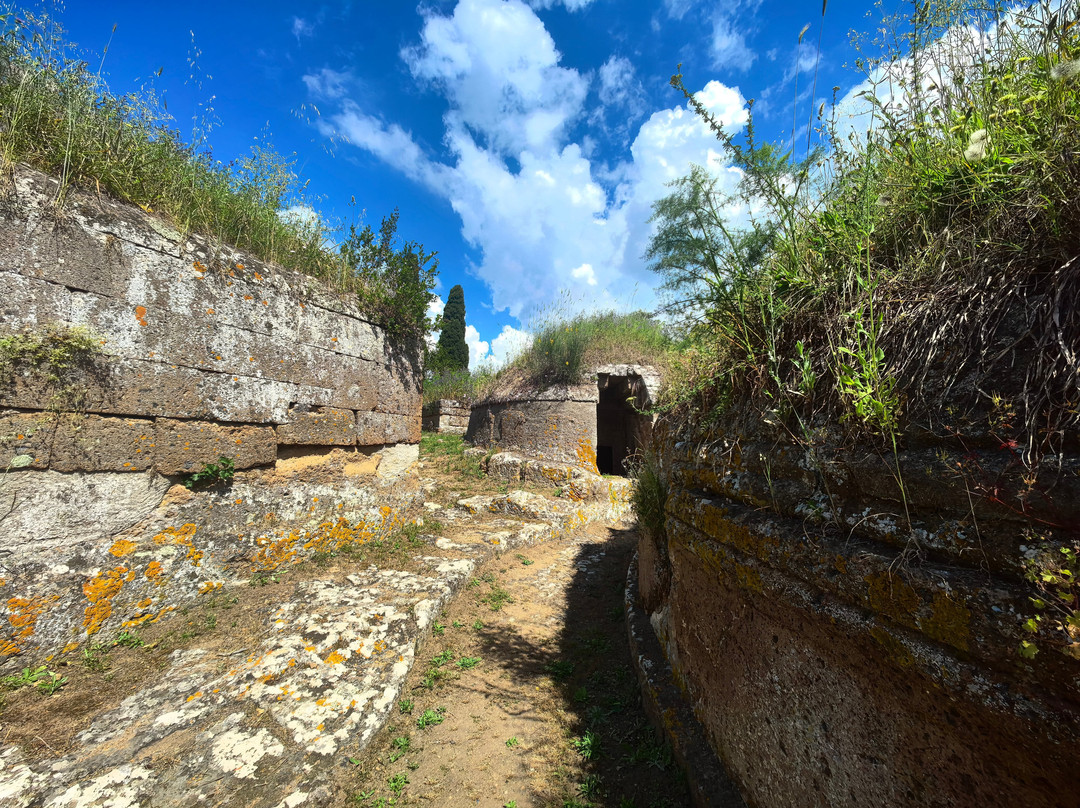
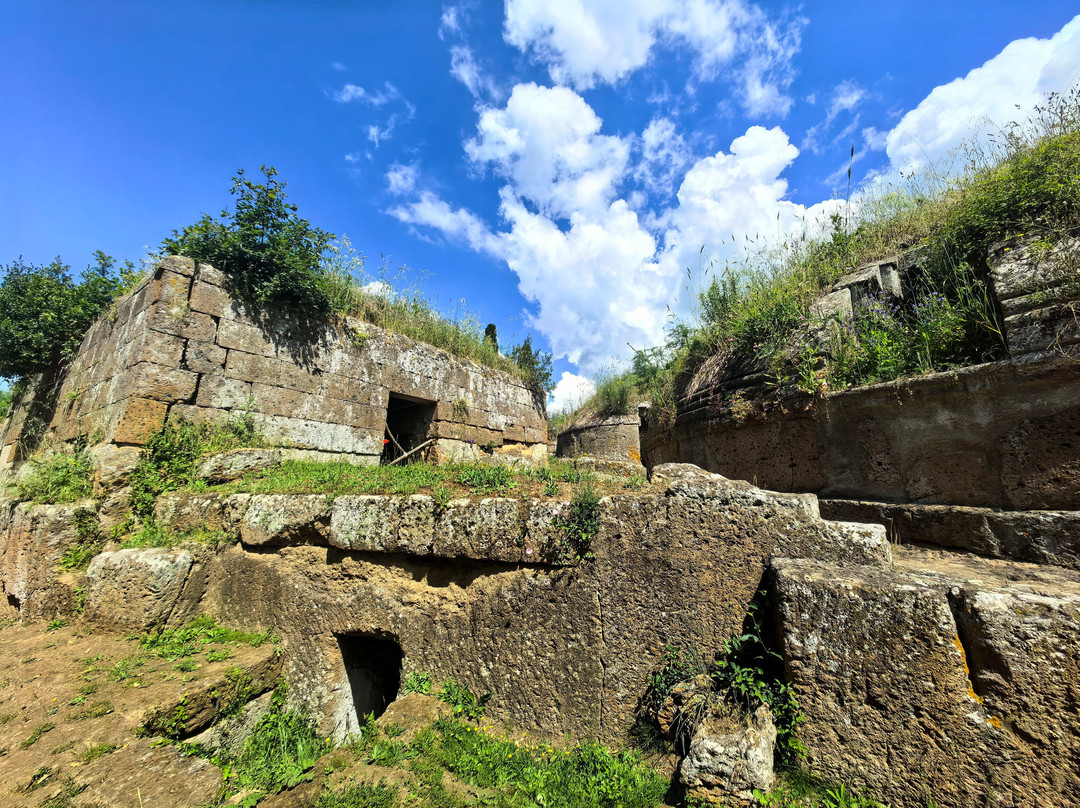
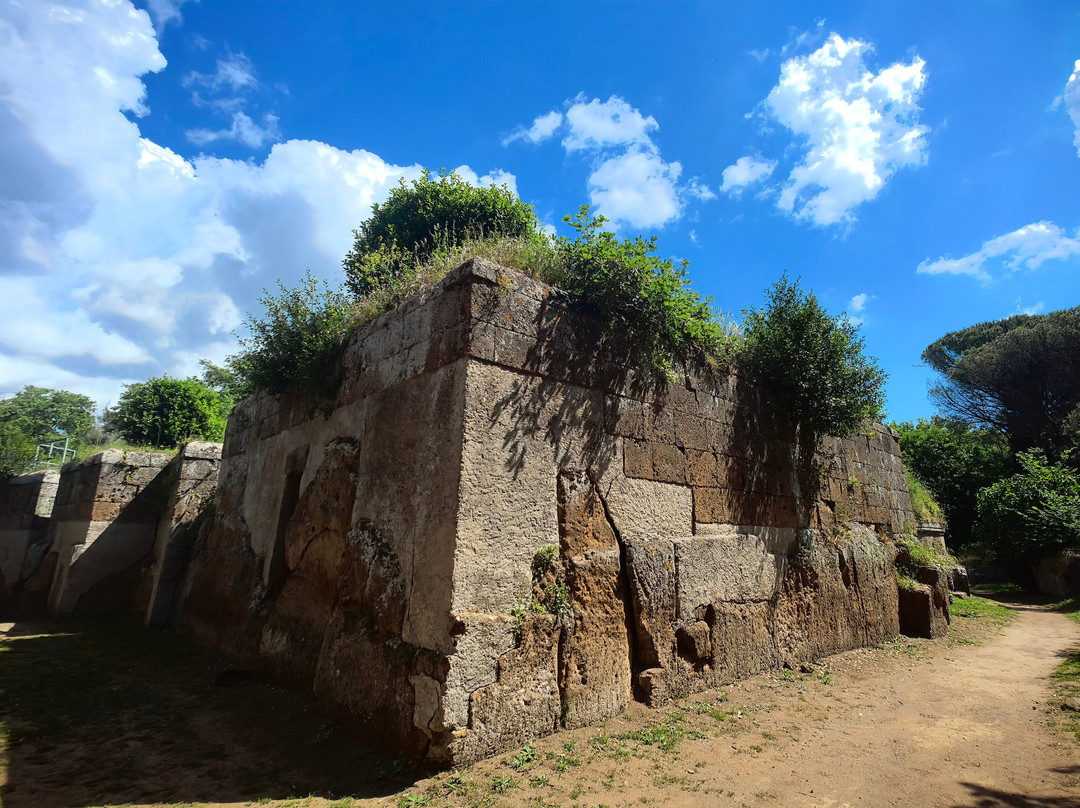
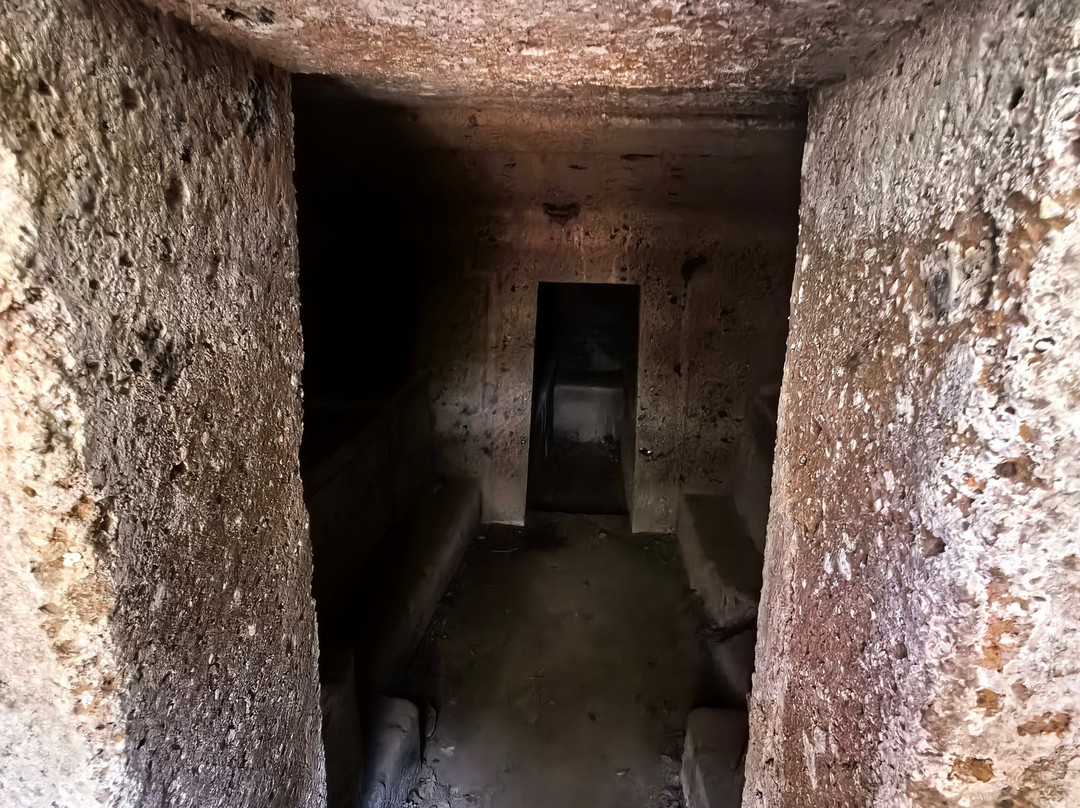
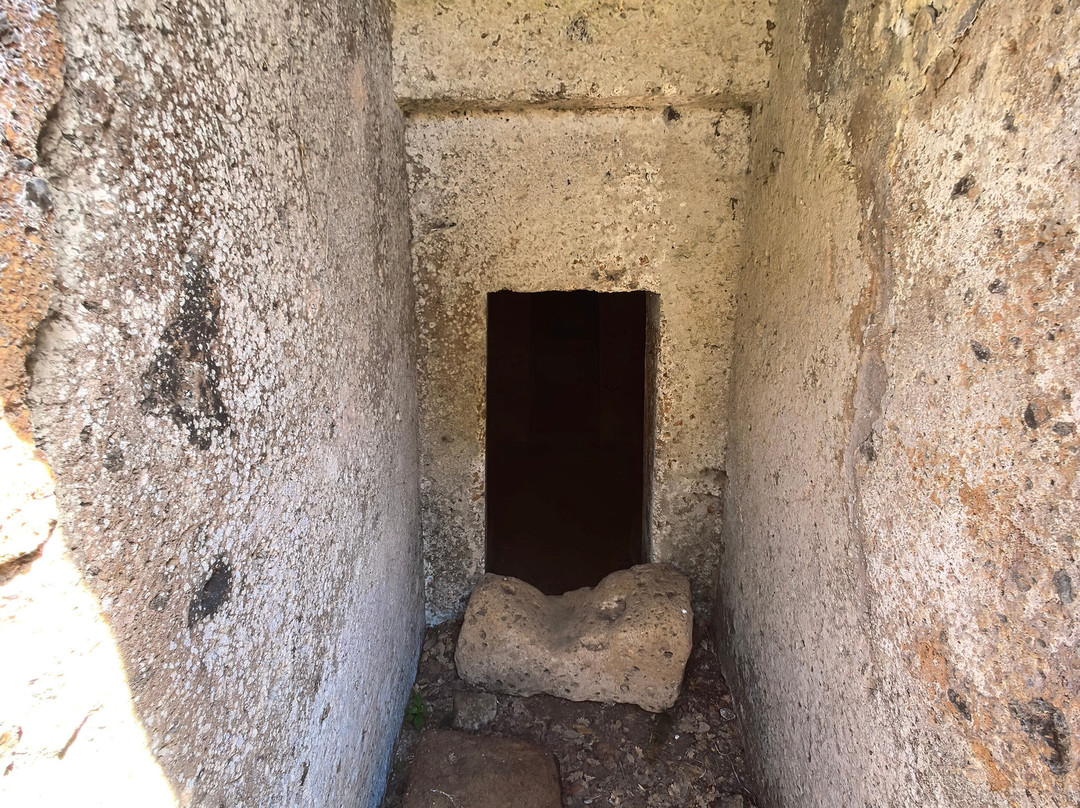
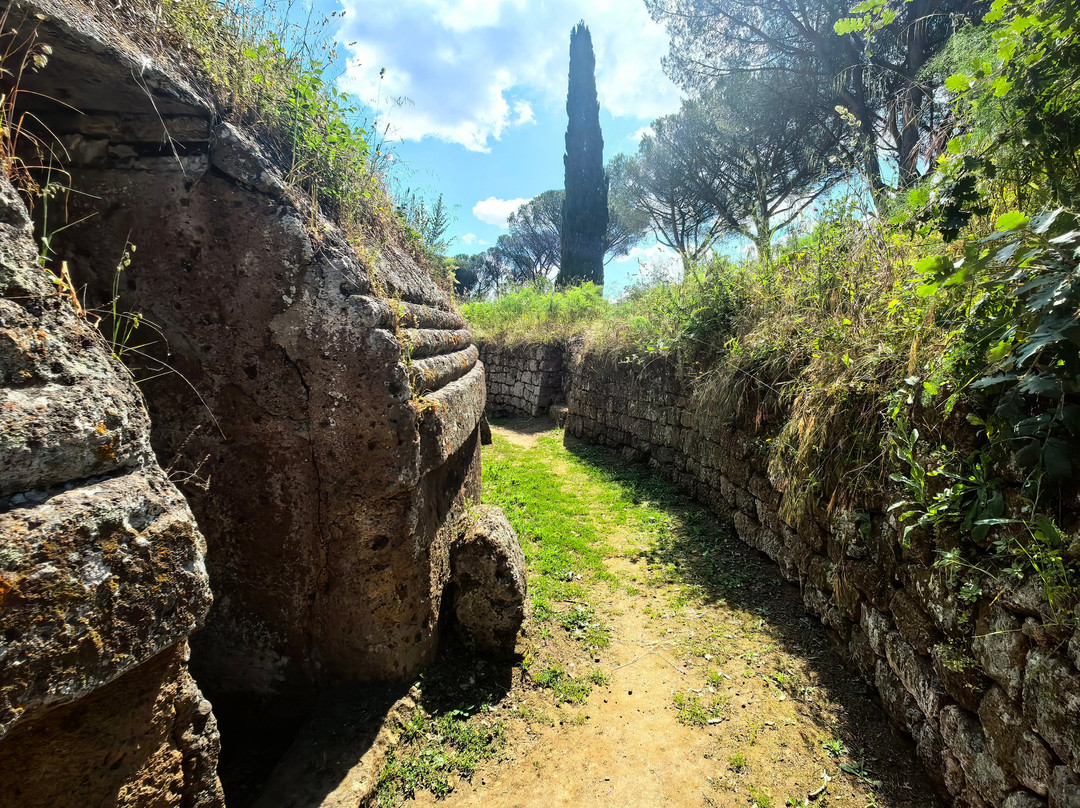
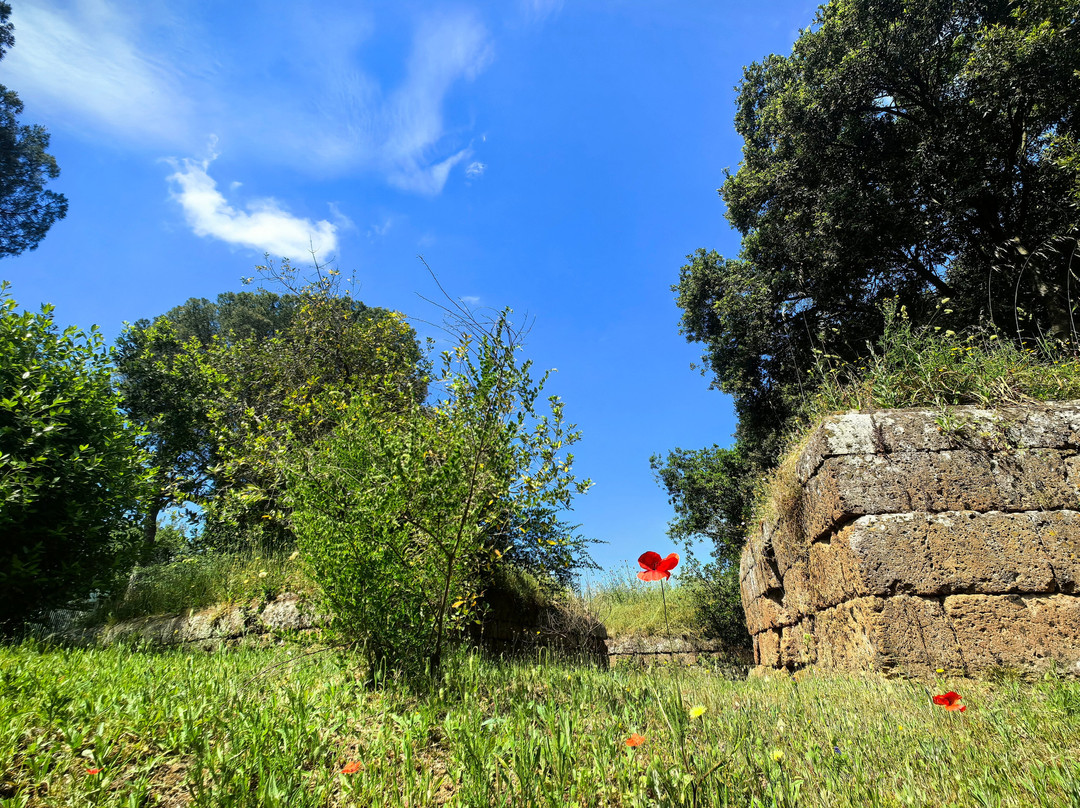
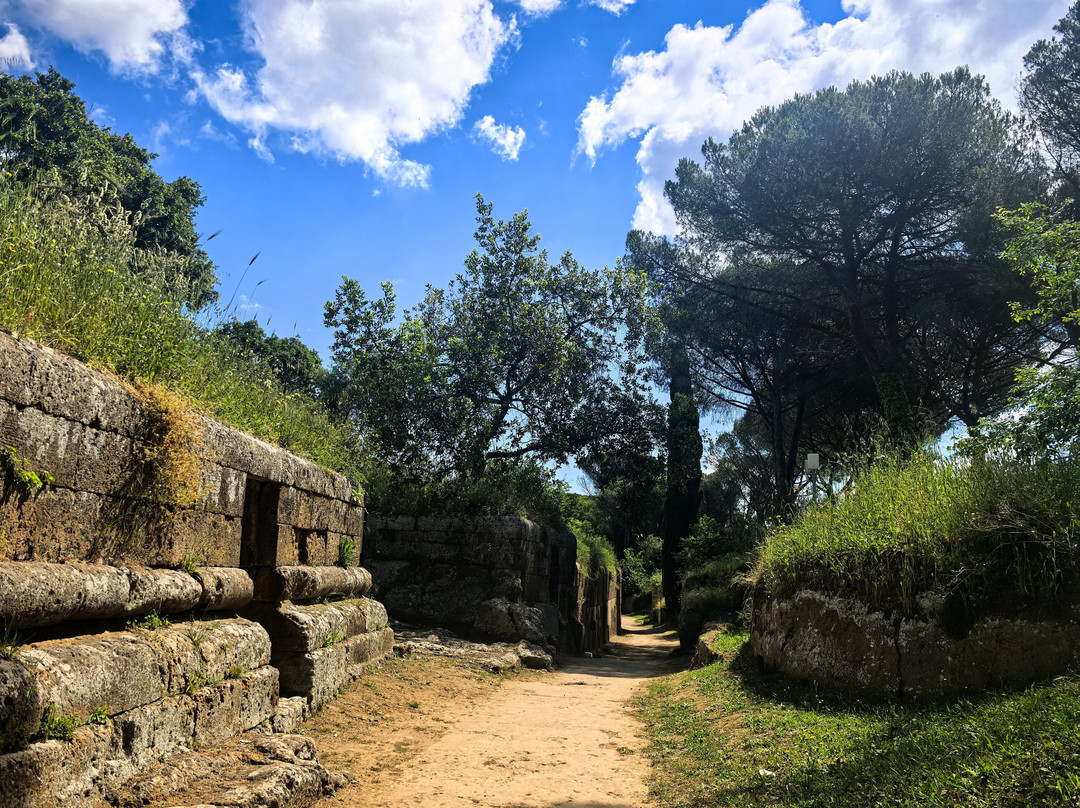
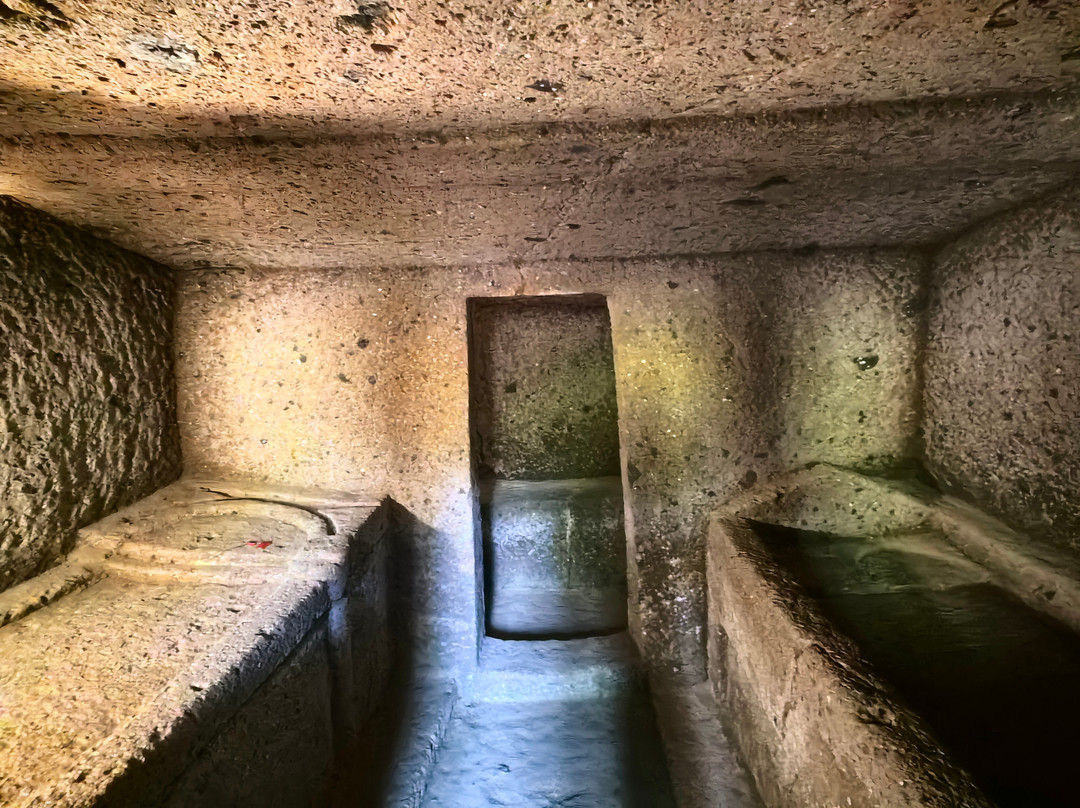
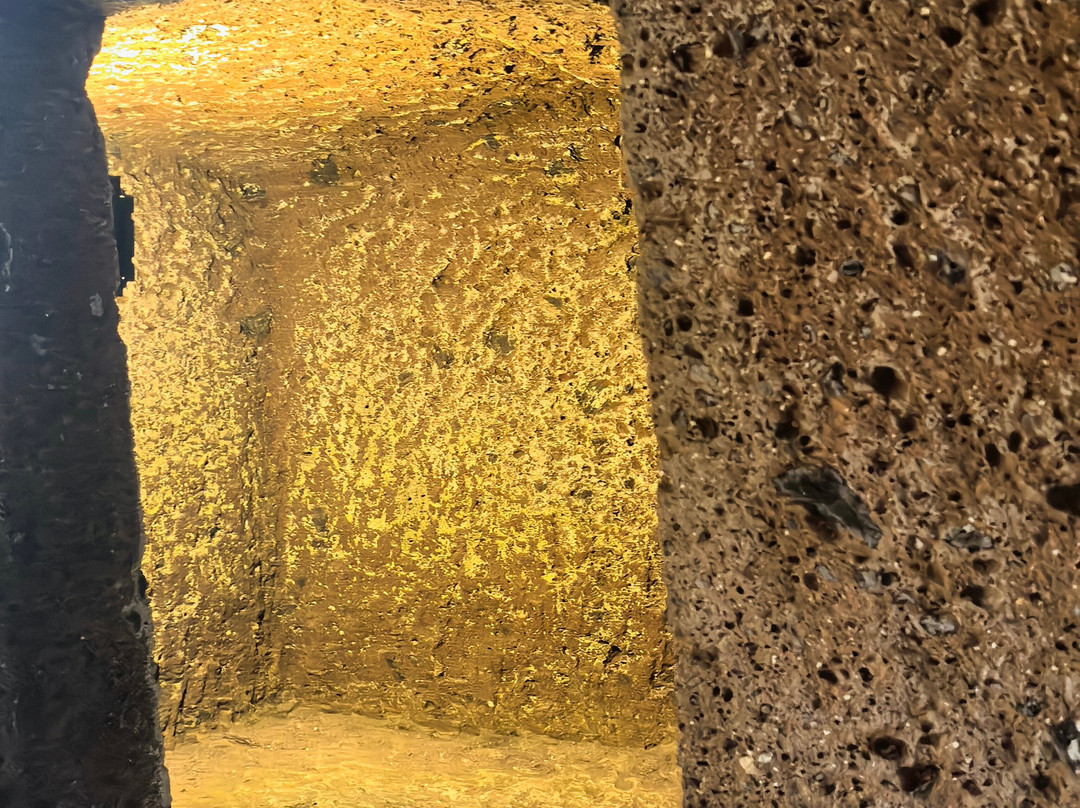
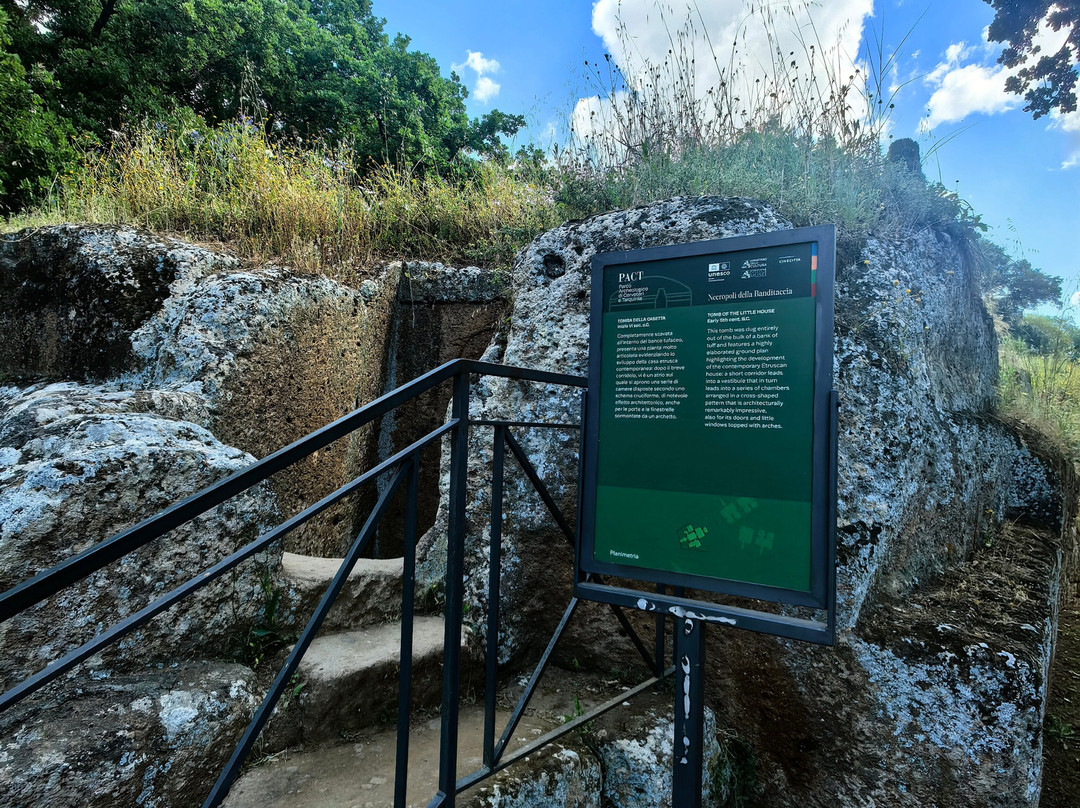
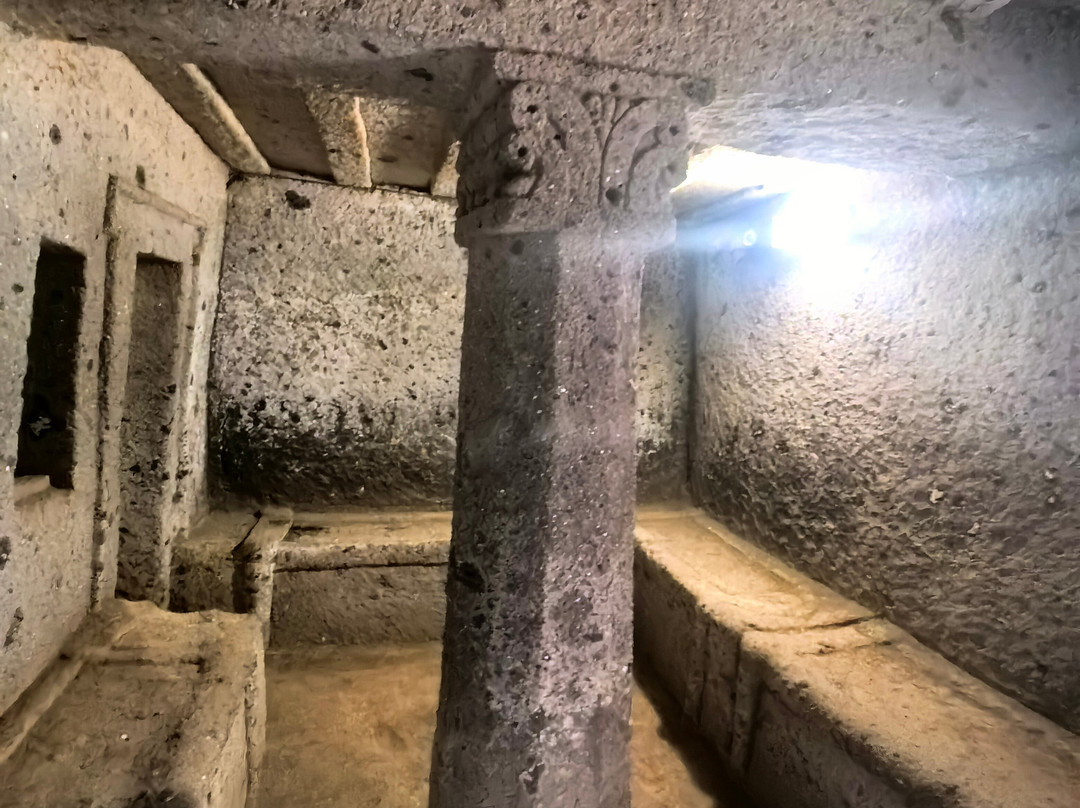
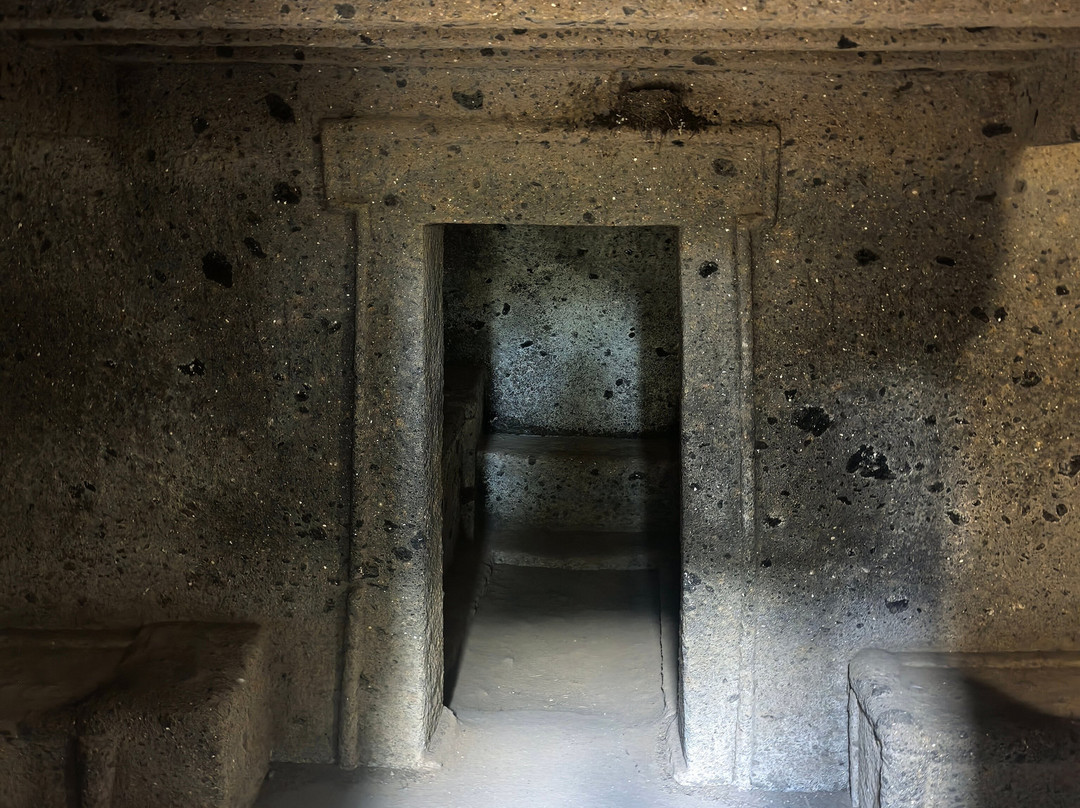
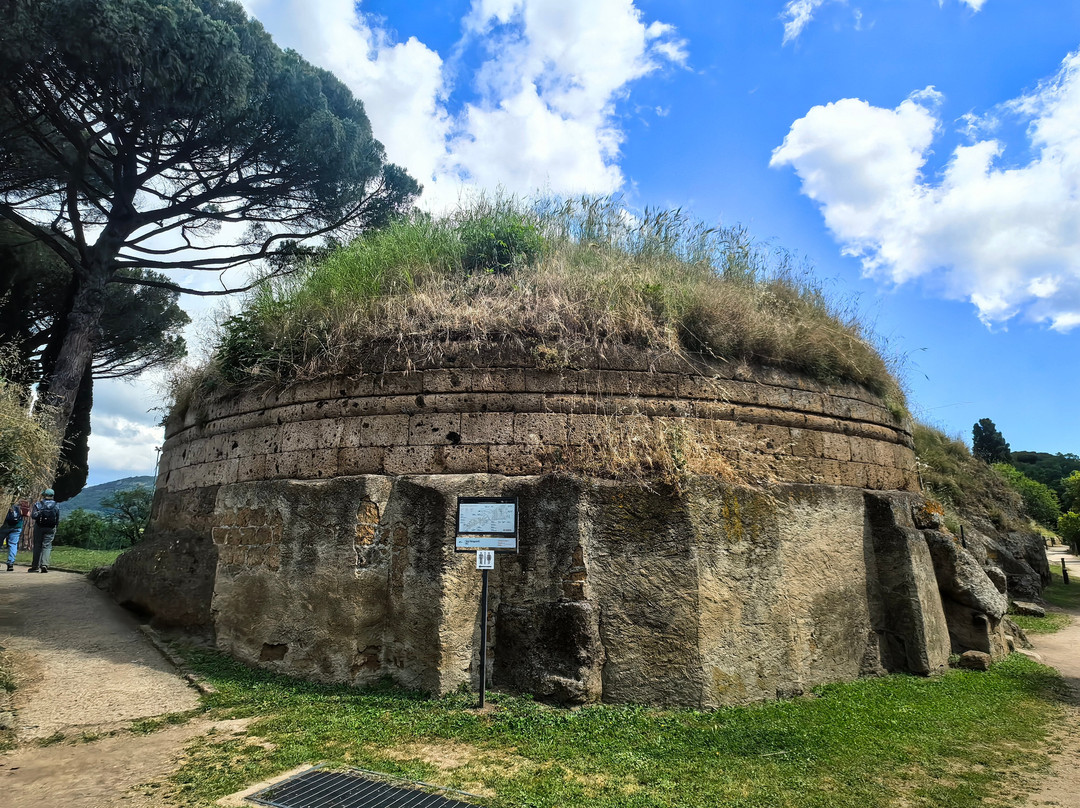
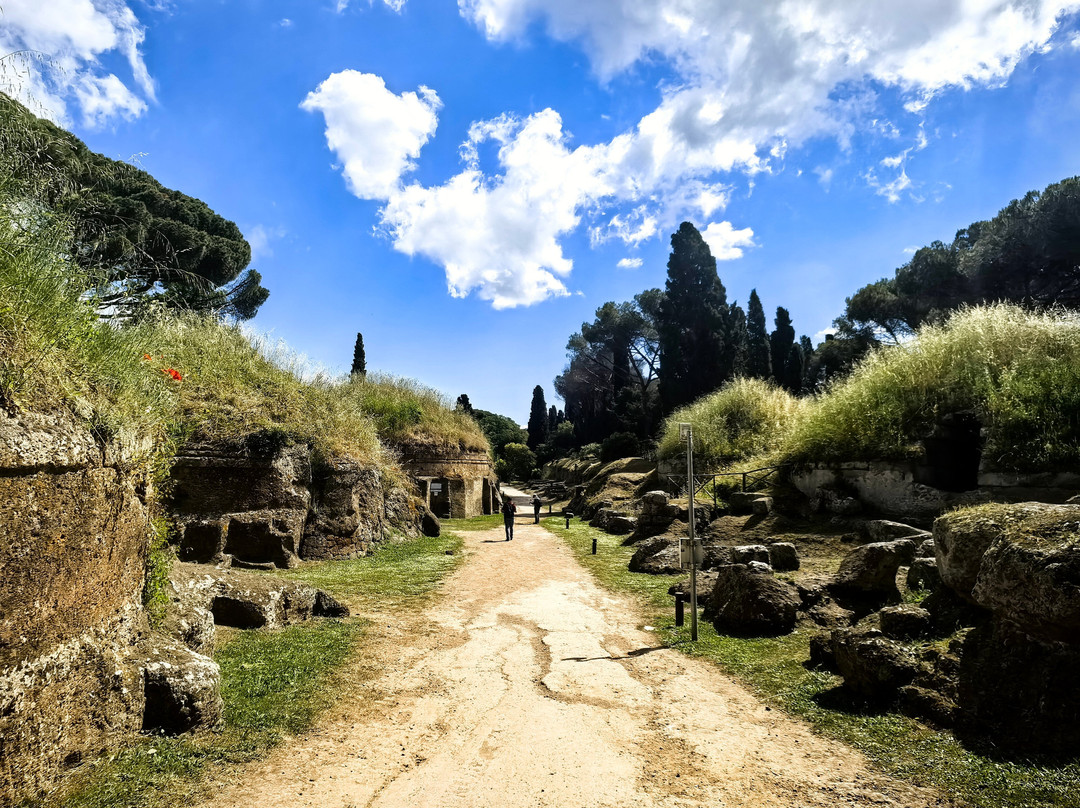
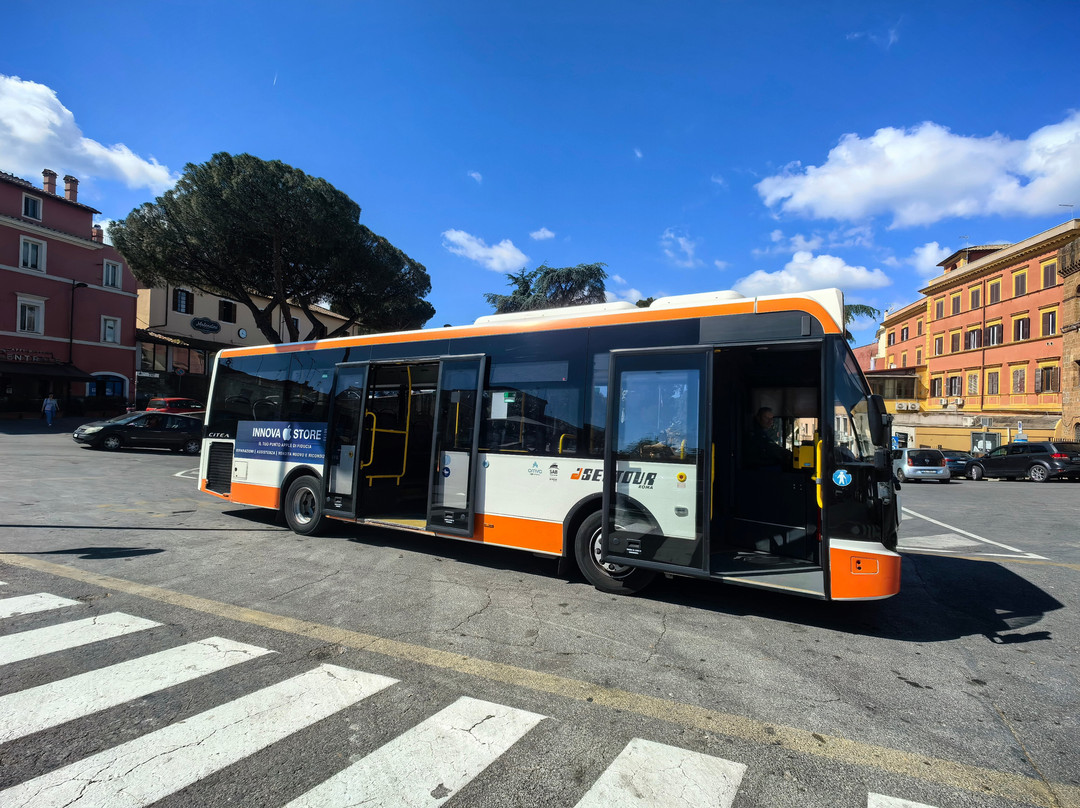
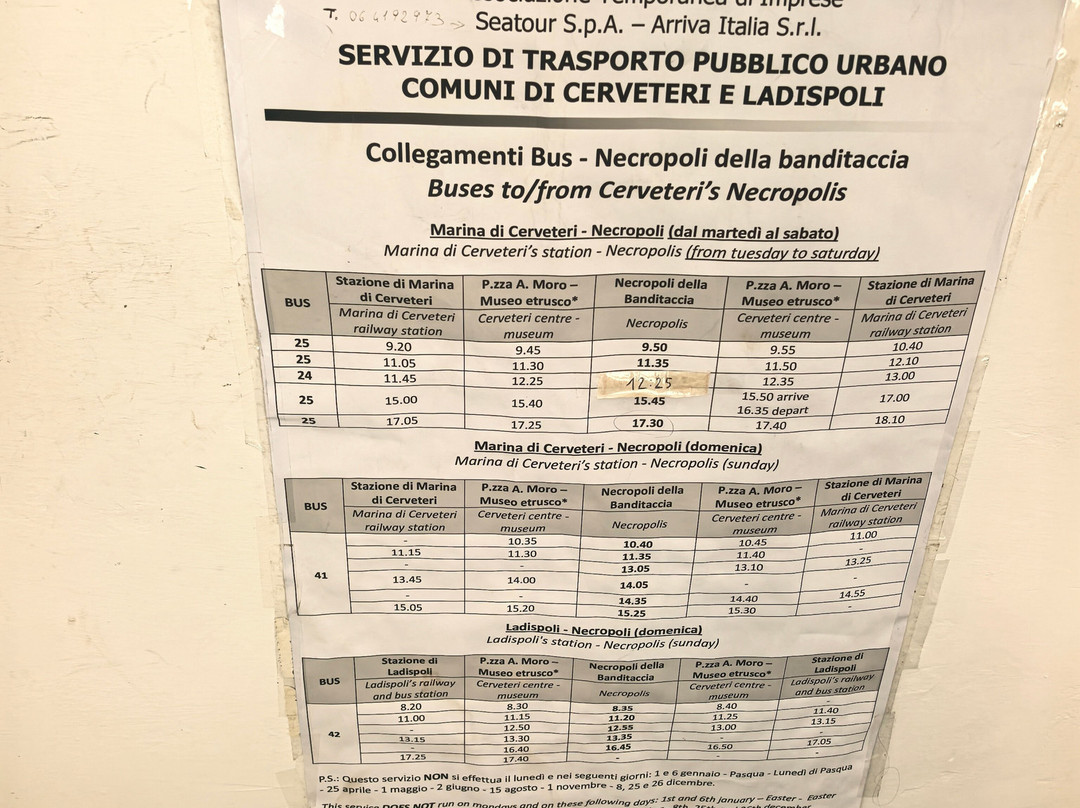
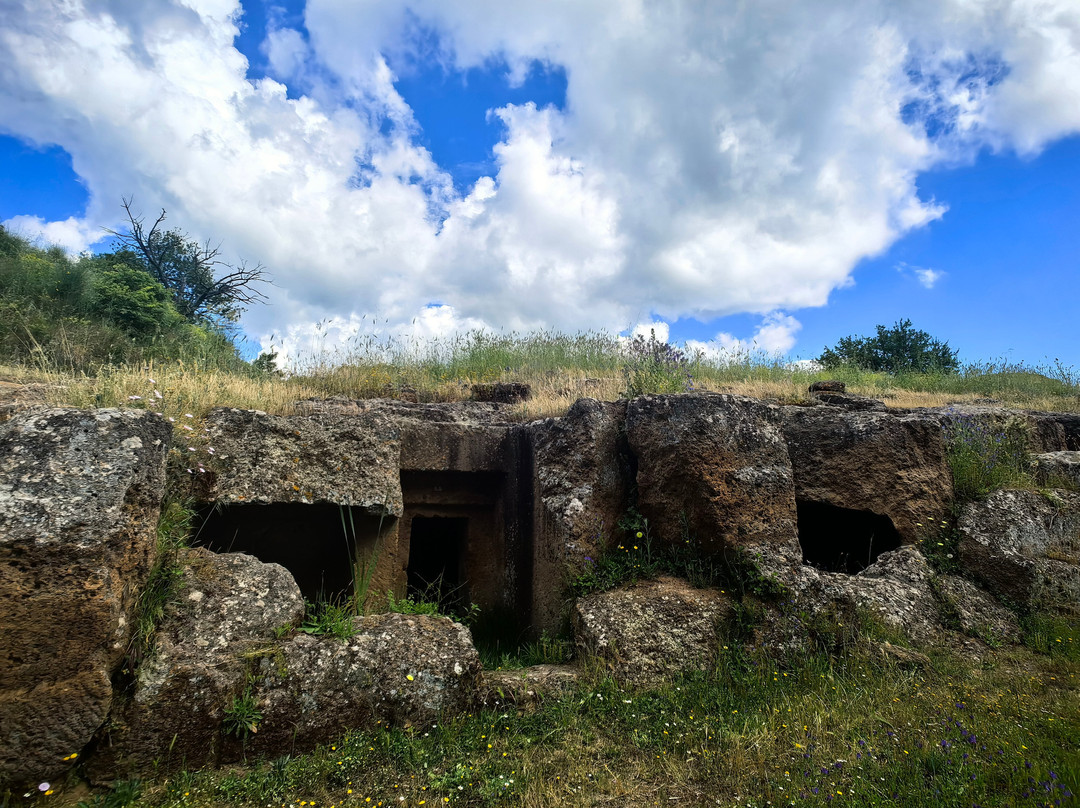
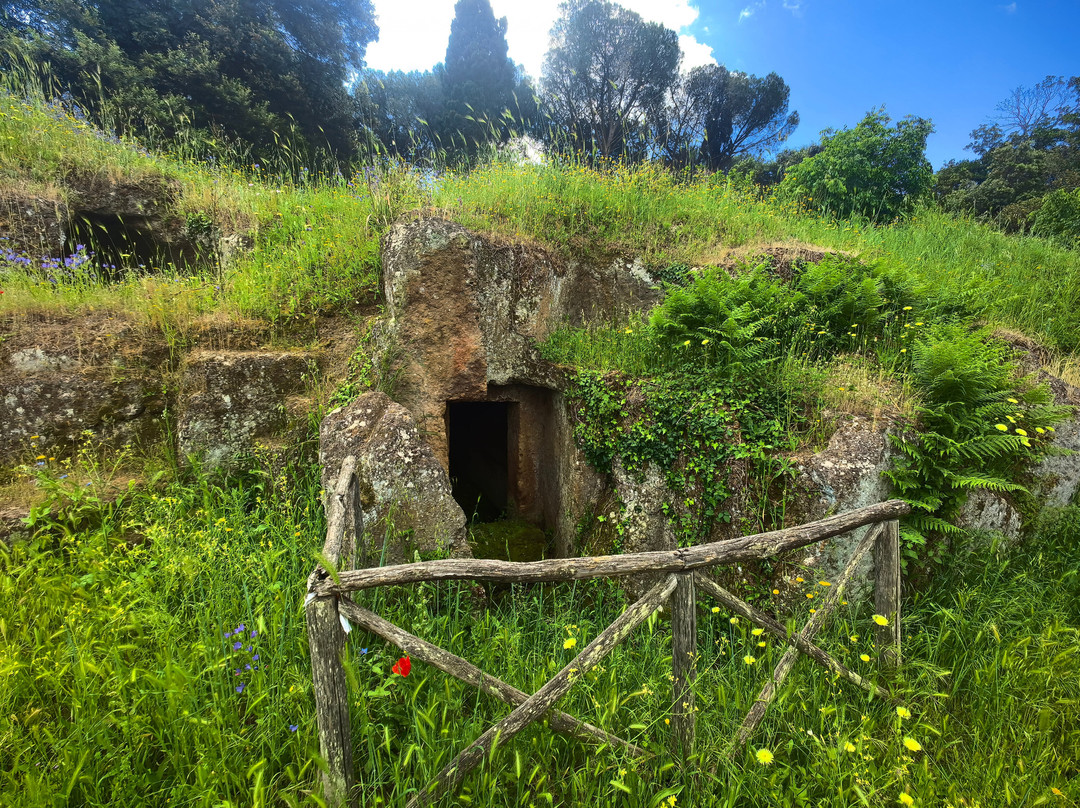
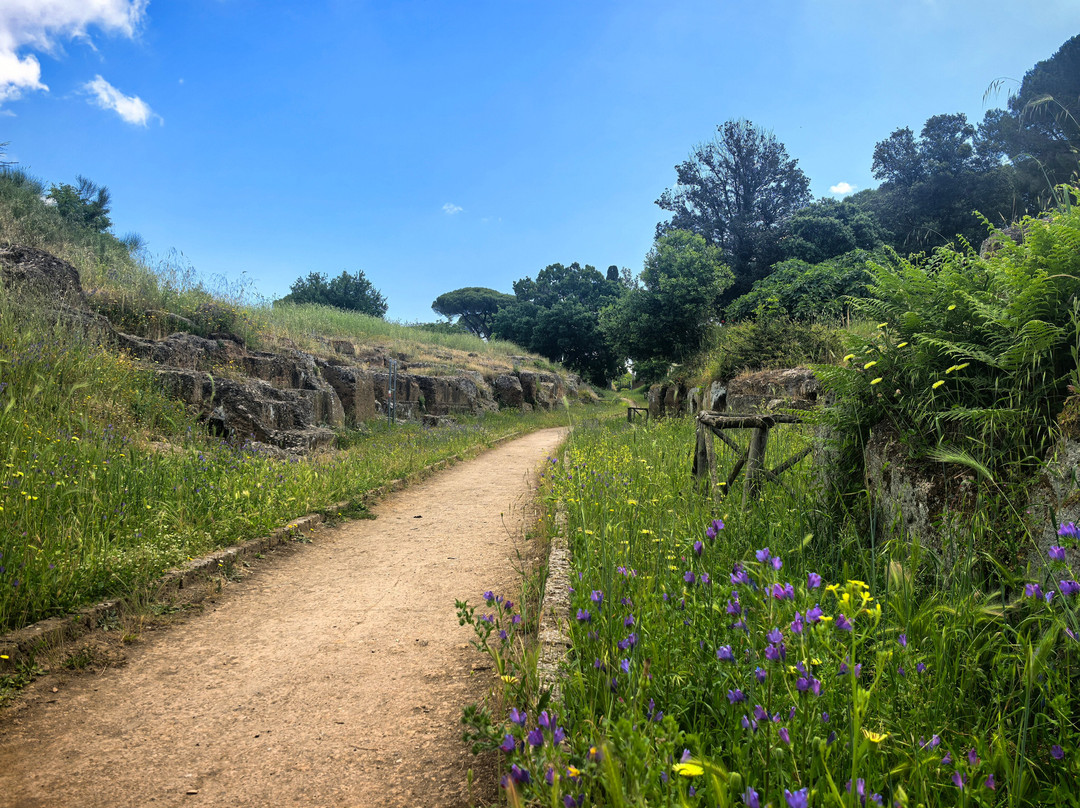
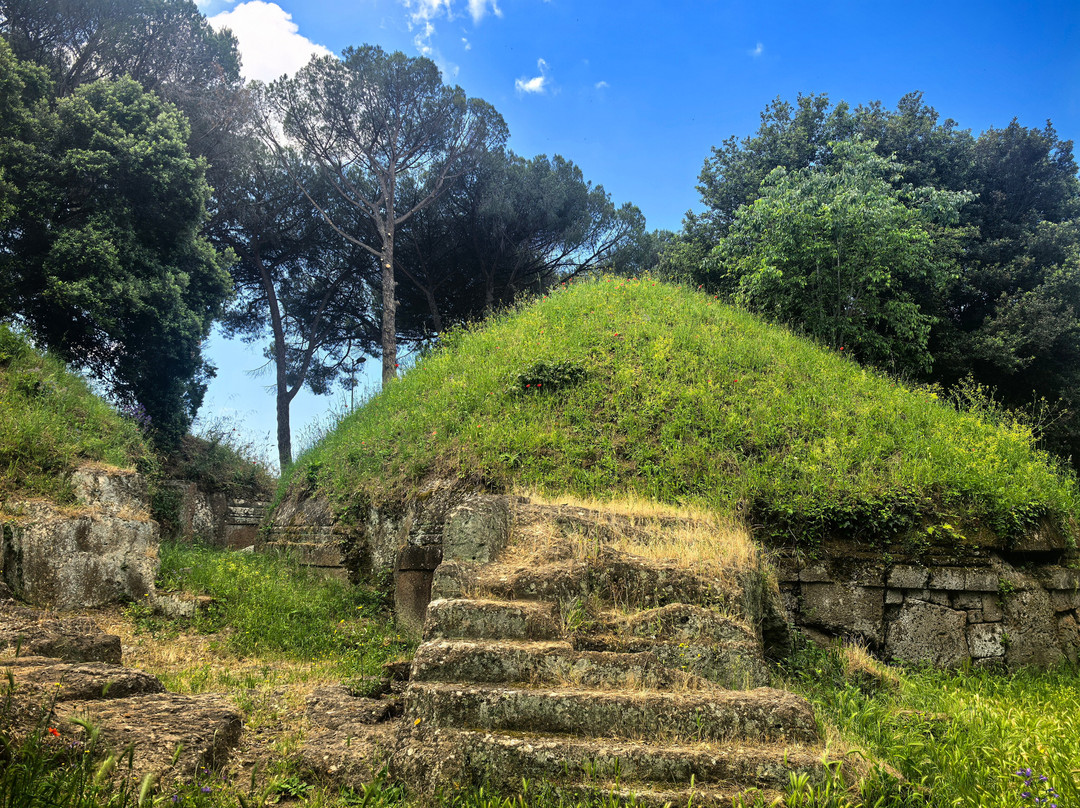
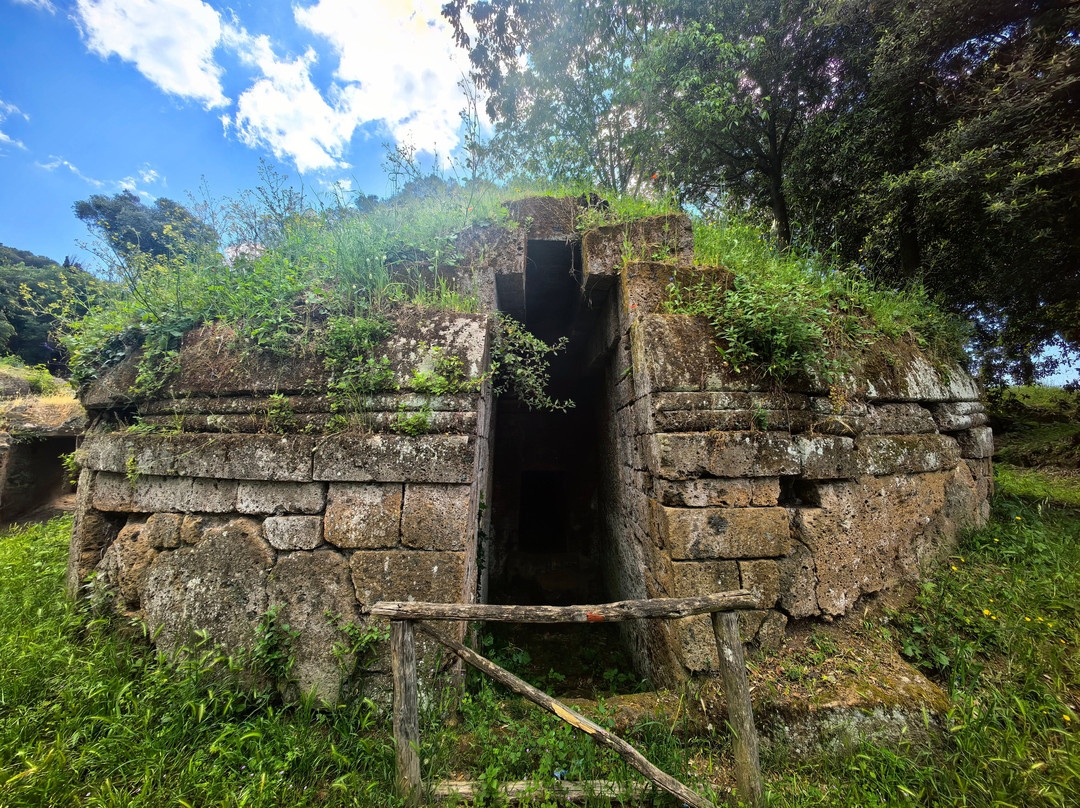
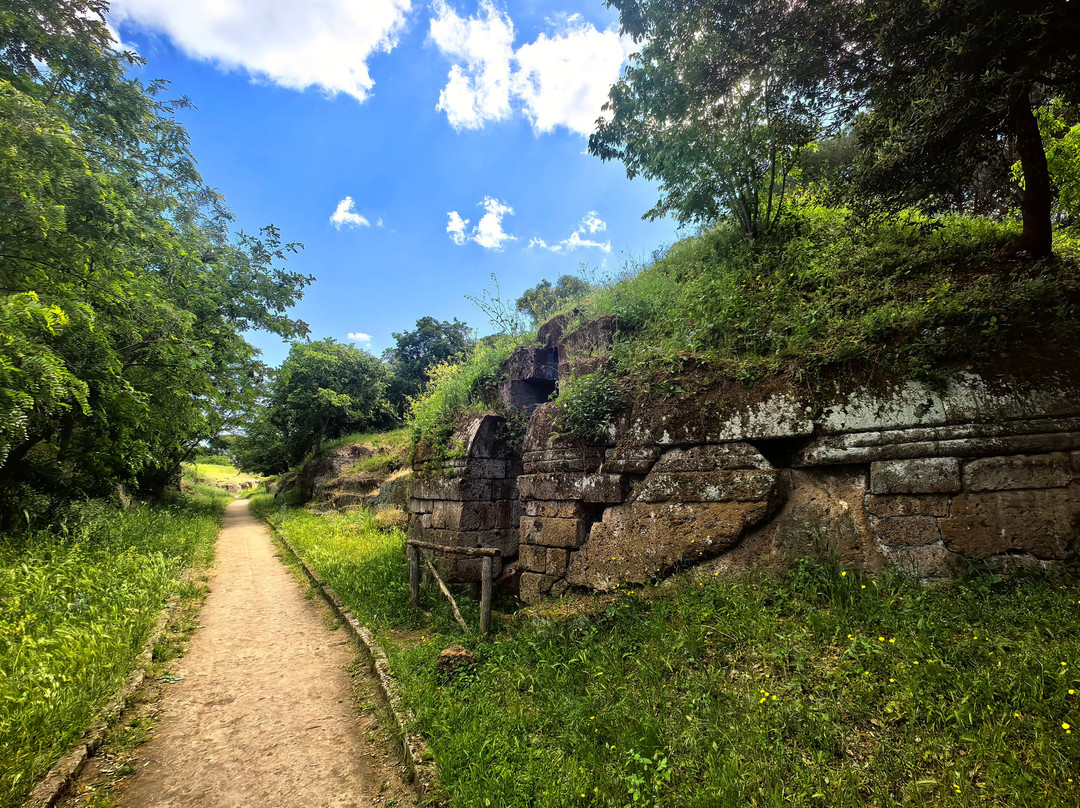
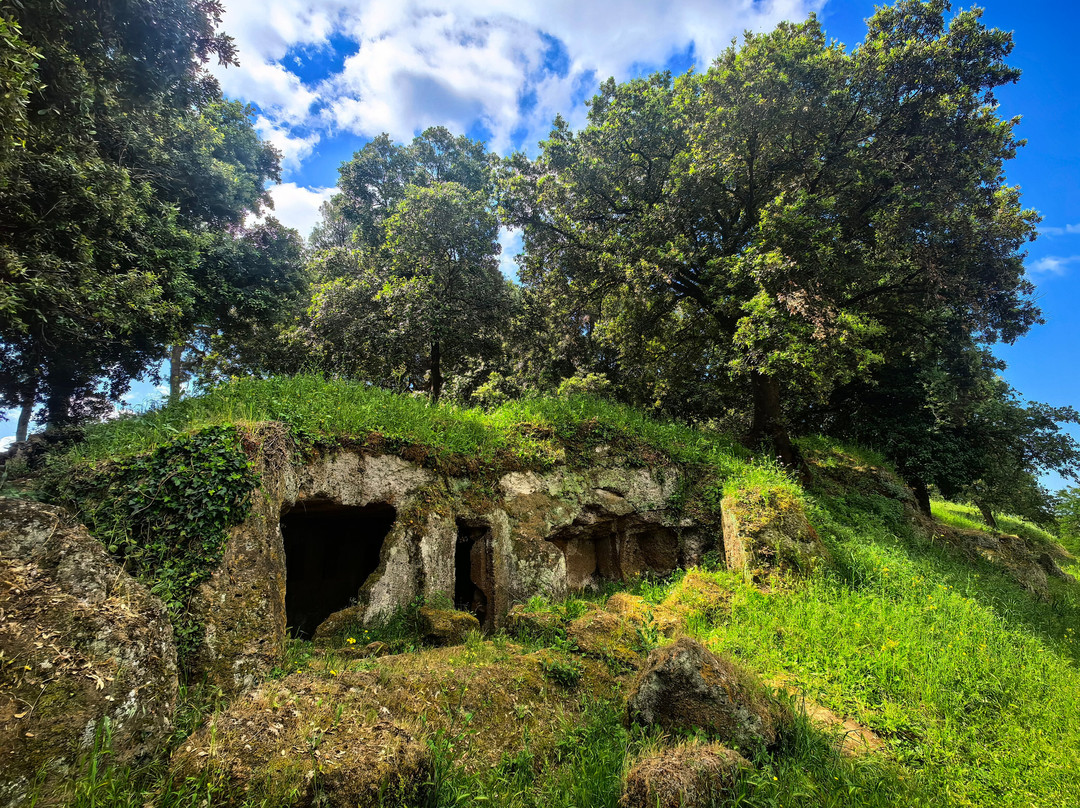
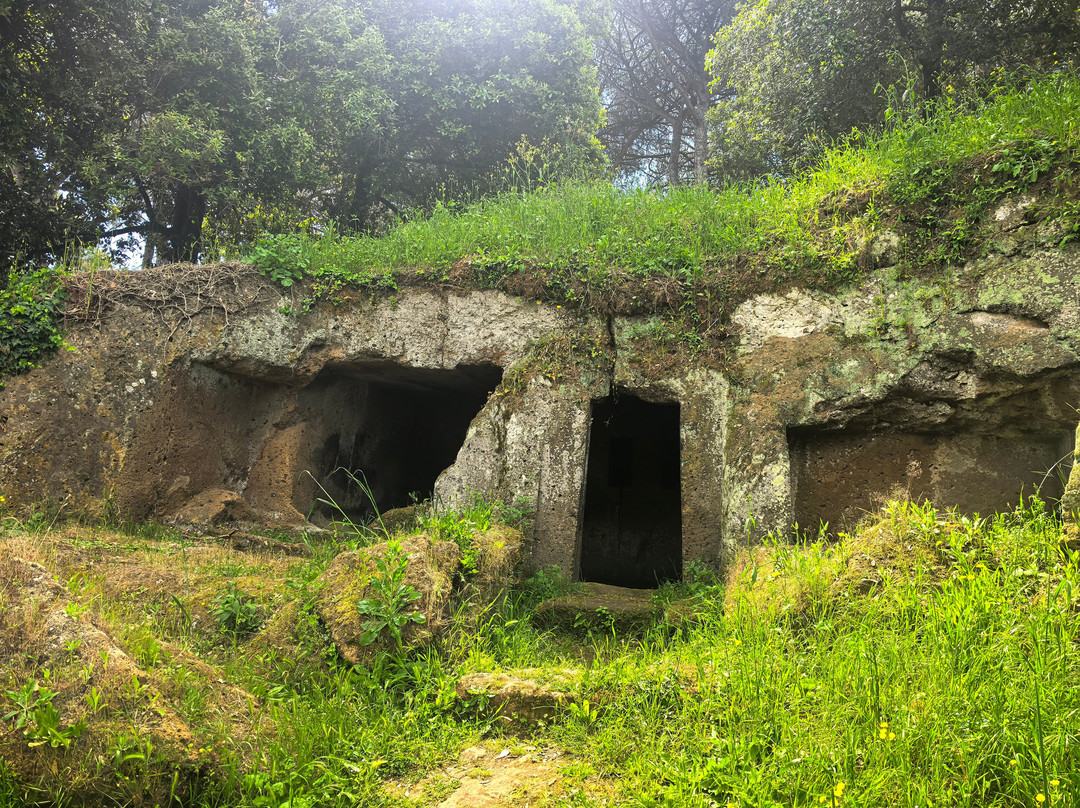
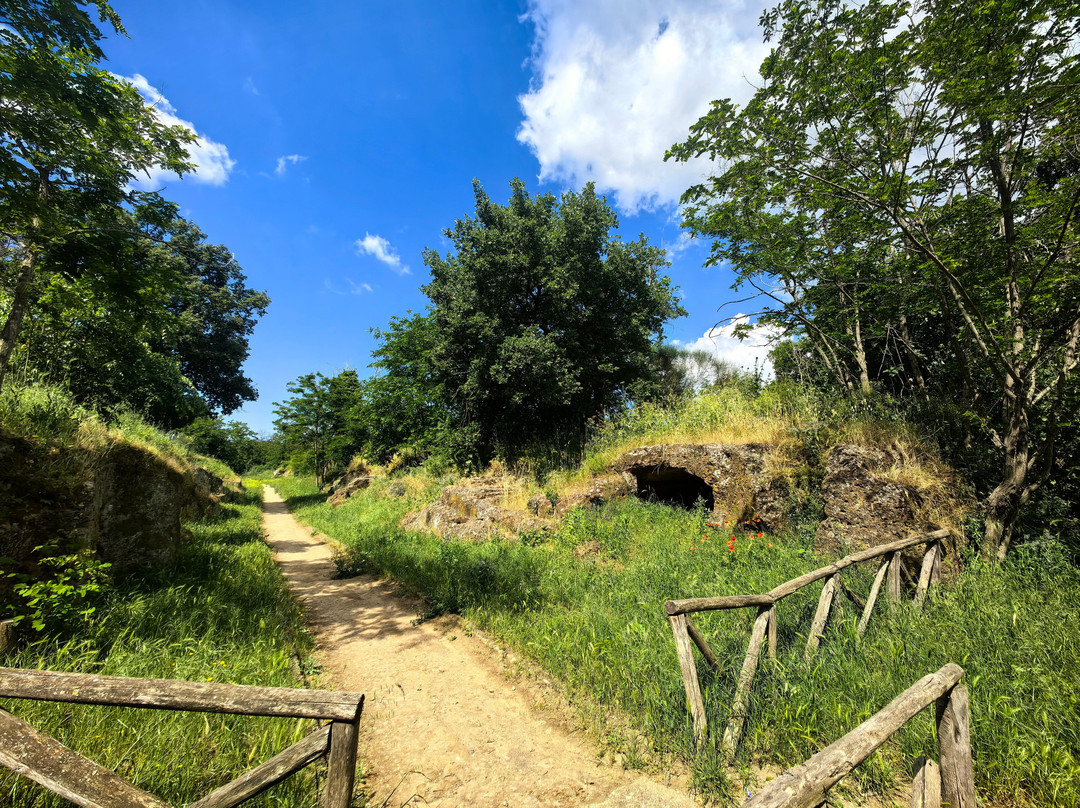
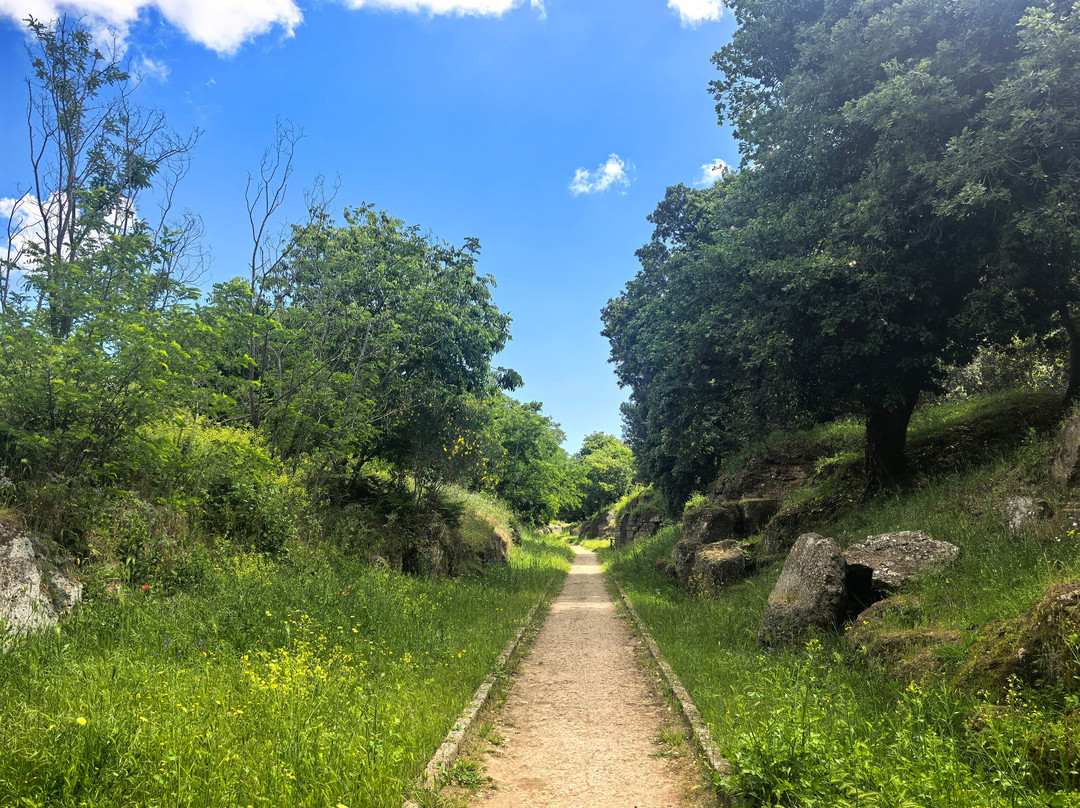
点评:Of the 60 UNESCO World Heritage Sites, there are less than a dozen that I have not visited, so a half-day trip with my daughter was part of the program of my visit to Rome this time. In fact, the site is dedicated to two monuments of the mysterious Etruscan civilization – in Cerveteri and in Tarquinia. However, Tarquinia is twice as far from Rome, so we went to Cerveteri. You can't get directly to Cerveteri from Rome, it's a small town. Except maybe in a rented car. If you choose public transport, then the choice has traditionally fallen on your favorite Train station. You need to go to Ladispoli or, alternatively, further to Marina di Cerveteri. Trains from Termini leave every 30-40 minutes. After leaving our luggage in the luggage room, as we were traveling to Naples in the evening, we set off. From the square in front of Ladispoli station, we immediately boarded a bus to Cerveteri (ticket 1.1 euros). Naturally, they have agreed on a schedule. There are 8-10 kilometers between them. The bus goes to the central square of this town named after Prime Minister Aldo Moro, who was killed by the Rosse Brigade. We walked to the necropolises, but it turns out that we could safely drive to and from them. The bus departs from the tourist office. The main street of the necropolis, Via degli Inferi, was excavated in 1927 by the expedition of Raniero Mengarelli. Although many Etruscan artifacts ended up in museums and private collections as early as the 19th century. Part of the necropolis is fenced and the entrance fee is 10 euros. My daughter, still a schoolgirl, is free of charge – in Italy they stimulate the cultural development of young people. Of course, there is nothing inside the tombs - everything has been in museums for a long time, for example, one of the Vatican museums is Etruscan. In addition, the funeral culture of the Etruscans was ascetic, the dead were not provided with everything necessary for the eternal journey, as, for example, in Egypt.
翻译:在60处联合国教科文组织世界遗产中,我还没去过的不到12处,所以这次罗马之行,我特意安排了半天时间带女儿去参观。事实上,这个世界遗产涵盖了神秘的伊特鲁里亚文明的两处遗迹——分别位于切尔韦泰里和塔尔奎尼亚。不过,塔尔奎尼亚距离罗马的距离是切尔韦泰里的两倍,所以我们选择了切尔韦泰里。切尔韦泰里是个小镇,从罗马没有直达的交通工具,除非租车。如果选择公共交通,通常需要前往你常去的火车站。你需要先到拉迪斯波利站,或者再往前走一点到切尔韦泰里滨海站。从罗马特米尼火车站出发的火车每30-40分钟一班。由于我们晚上要去那不勒斯,所以把行李寄存在行李寄存处后,我们就出发了。在拉迪斯波利火车站前的广场上,我们直接搭乘了一辆前往切尔韦泰里的巴士(票价1.1欧元)。当然,他们事先商定好了行程安排。两地相距8-10公里。巴士会开到这座以首相阿尔多·莫罗(Aldo Moro)命名的城镇的中心广场,莫罗首相被罗塞旅杀害。我们原本打算步行前往墓地,但后来发现开车往返也很安全。巴士从游客中心出发。墓地的主街“地狱街”(Via degli Inferi)于1927年由拉涅罗·门加雷利(Raniero Mengarelli)的探险队发掘。尽管早在19世纪,许多伊特鲁里亚文物就已进入博物馆和私人收藏。墓地的一部分被围了起来,门票10欧元。我的女儿还是个学生,所以免费——在意大利,他们鼓励年轻人进行文化熏陶。当然,墓穴里什么也没有——所有东西都早已被博物馆收藏,例如,梵蒂冈博物馆就收藏了伊特鲁里亚文物。此外,伊特鲁里亚人的丧葬文化是苦行主义的,死者并没有像埃及人那样,得到永恒旅程所需的一切。

© 2026 Tripadvisor 版权所有。
部分照片由 VFM Leonardo 提供。
TripAdvisor公司对外部网站的内容一概不负责。优惠价格中不含税和其他费用。
ICP证:沪B2-20200433
沪ICP备20013175号
 沪公网安备31010502005427号
鹰程信息技术(上海)有限公司