下载App
资质规则
旅行
账户
ITRT
Once Known as "the Golden Beach"
奥马哈海滩的点评
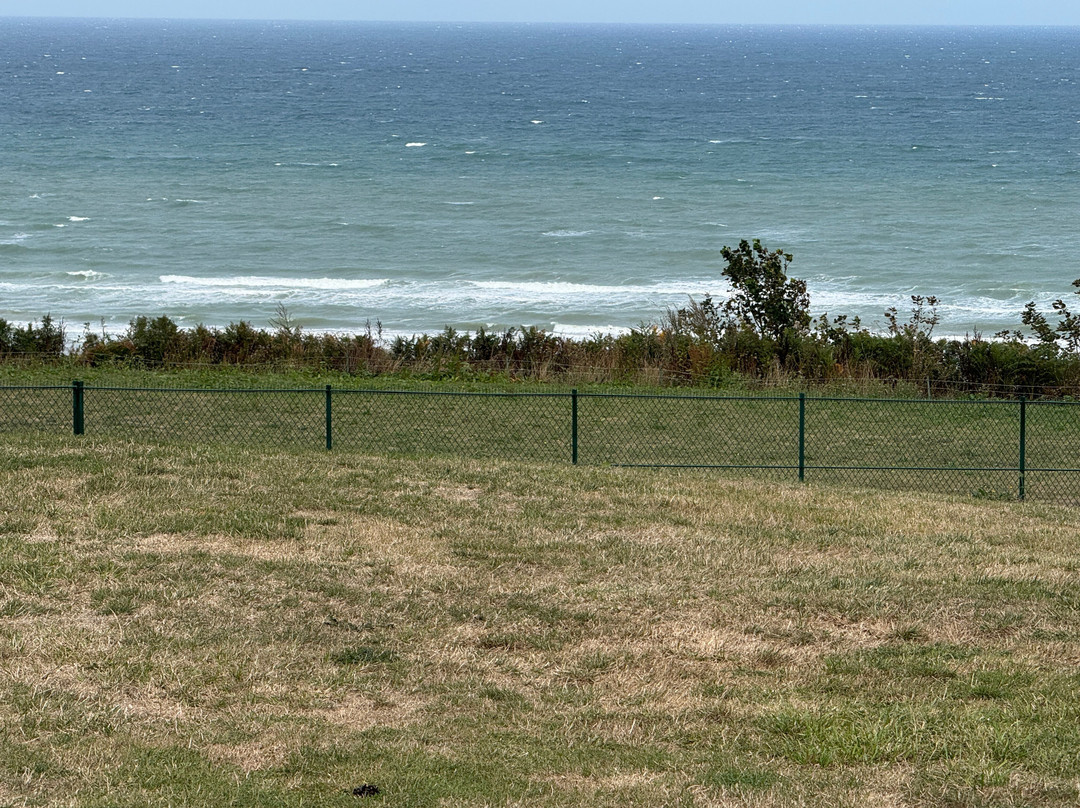
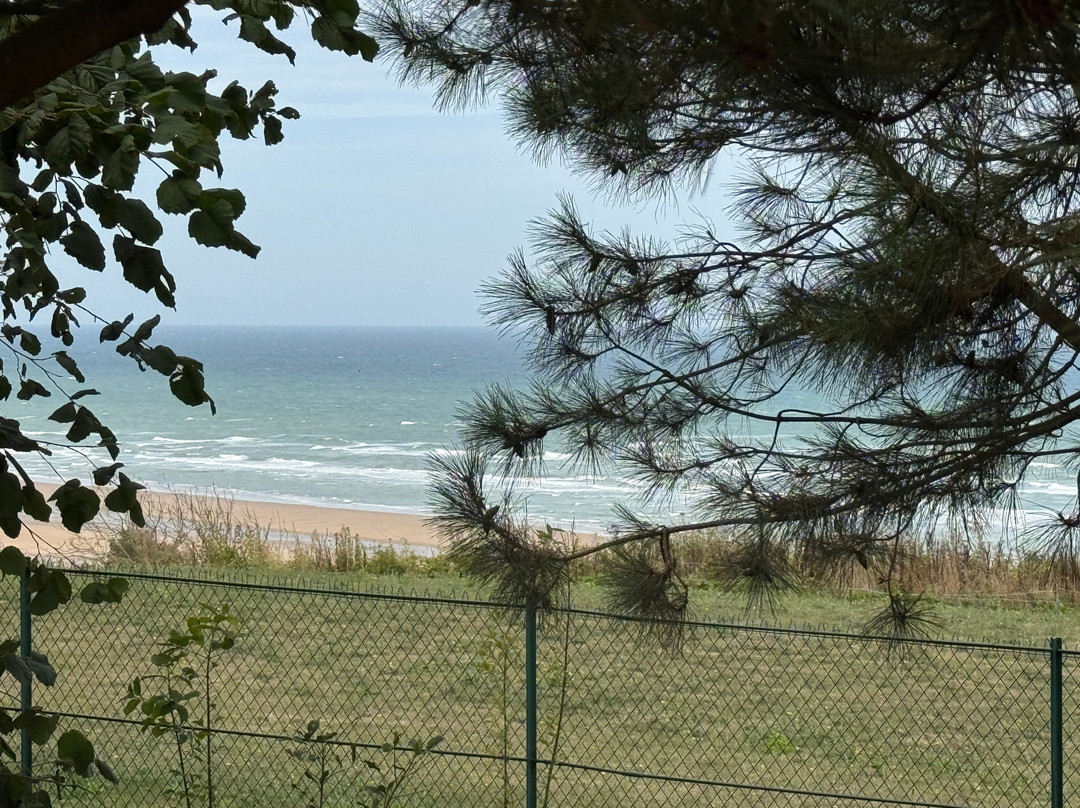
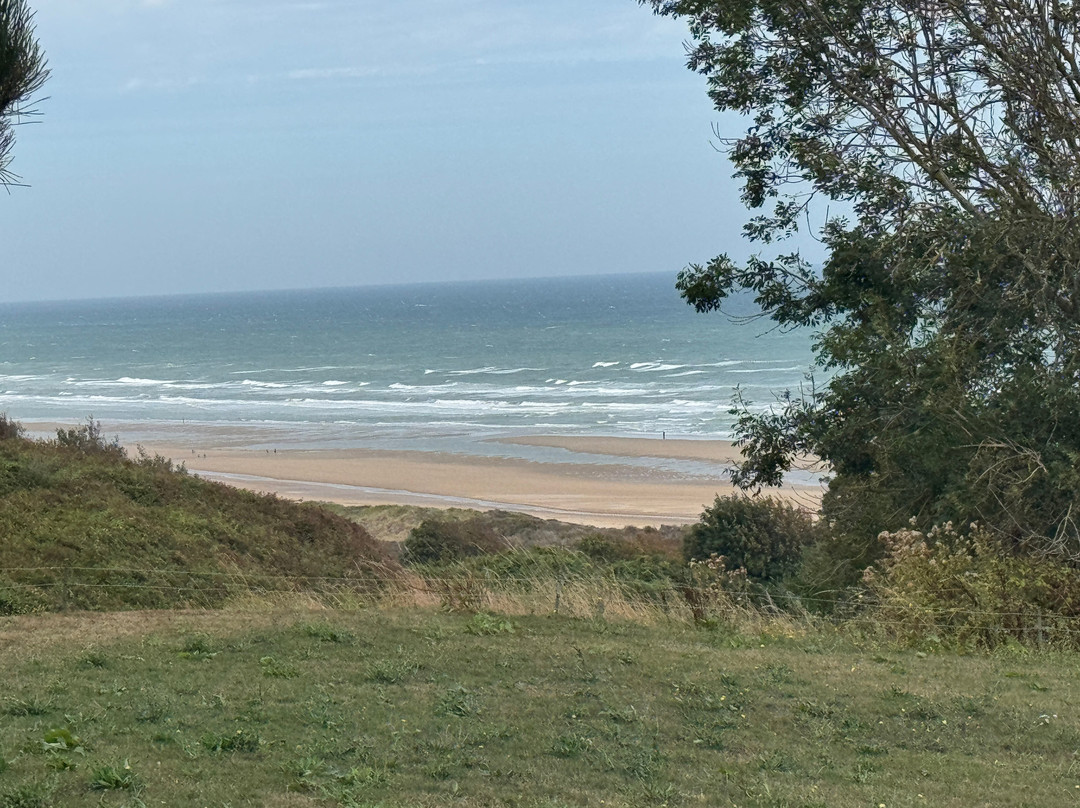
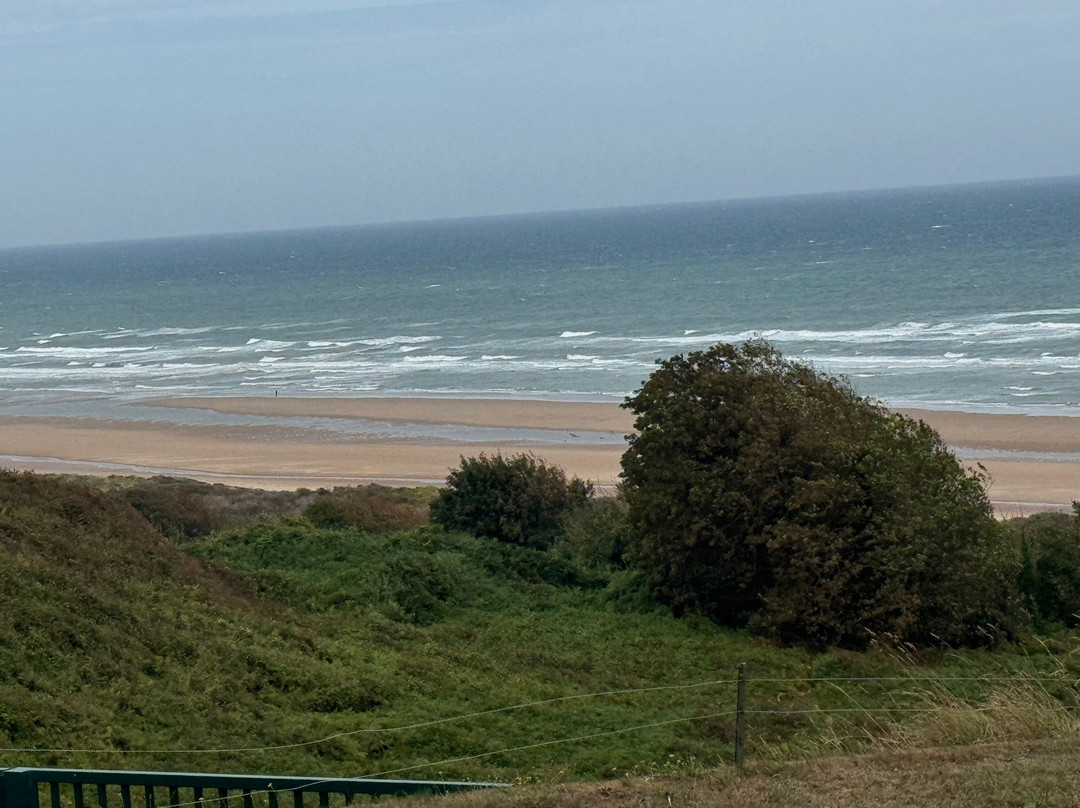
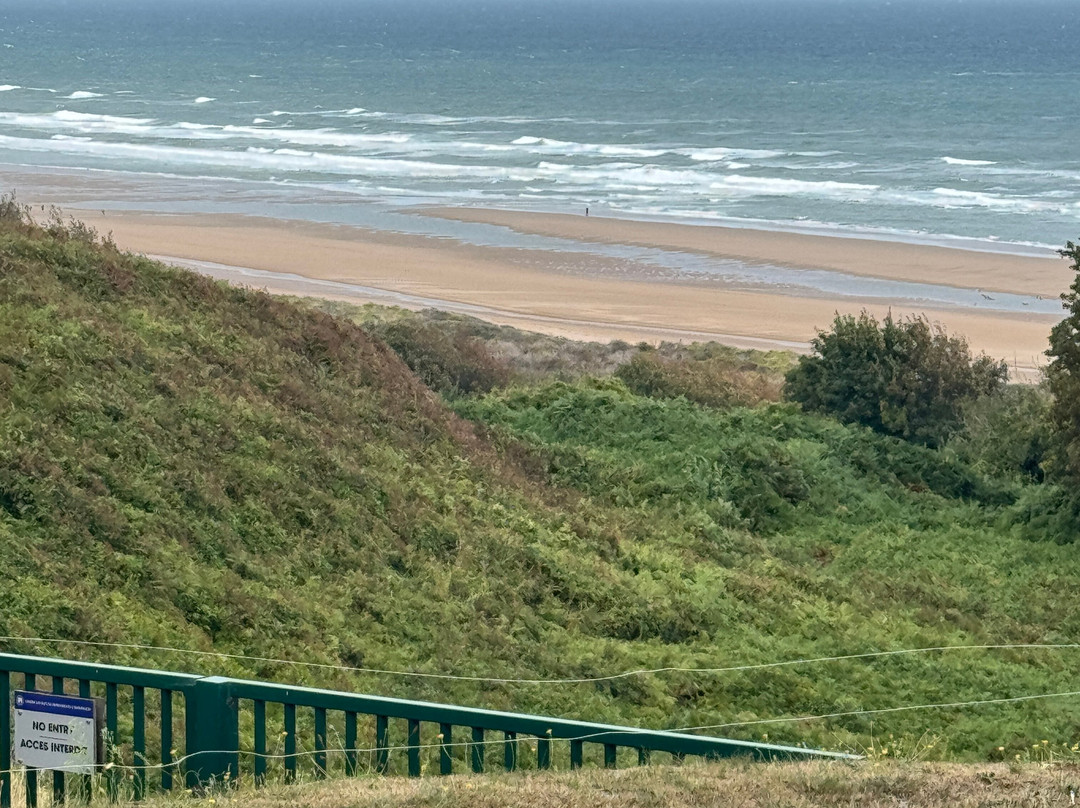
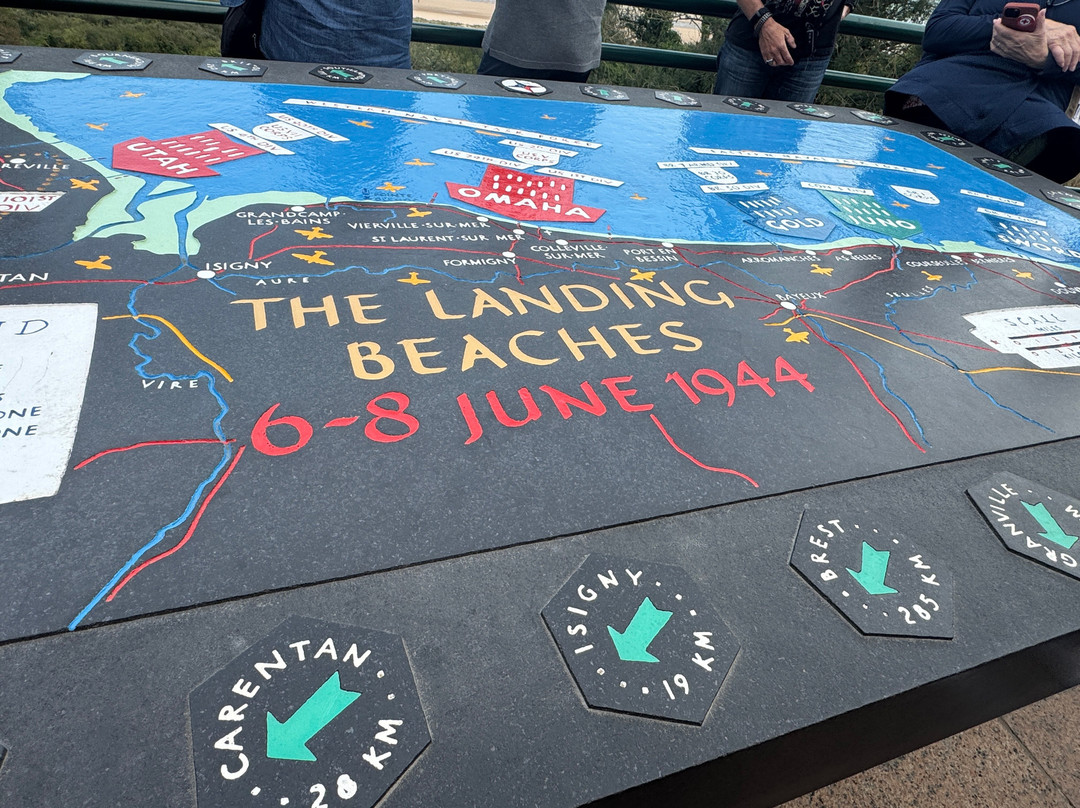
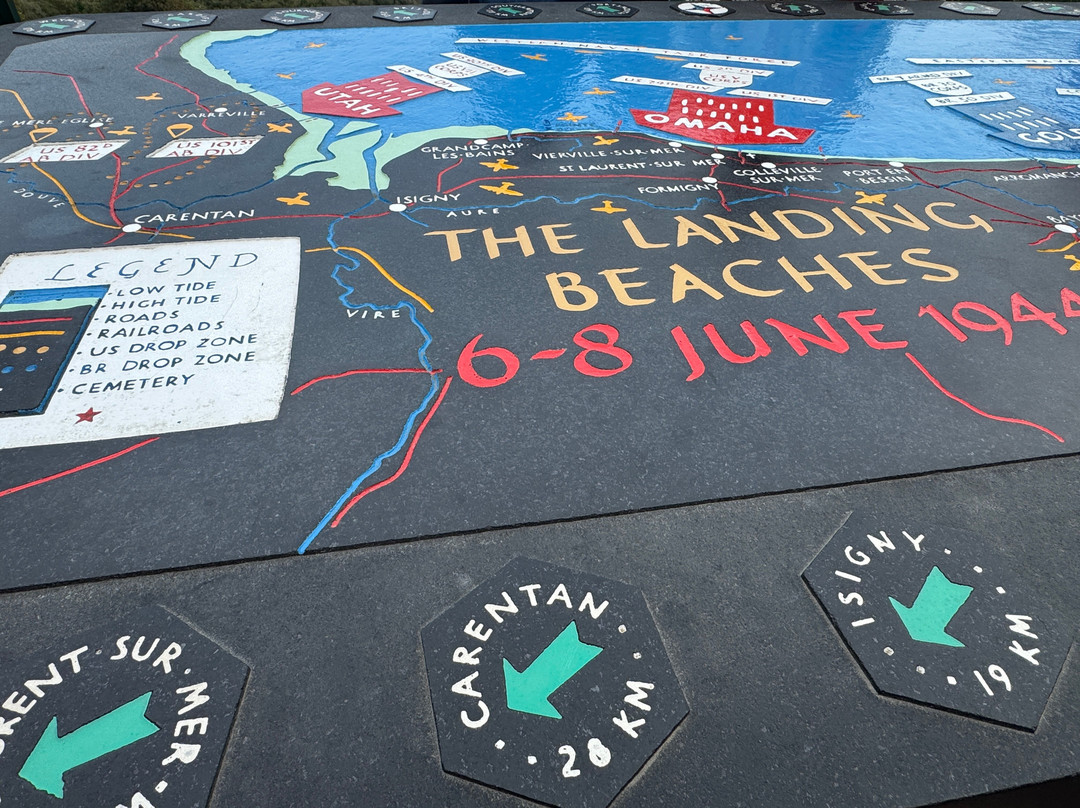
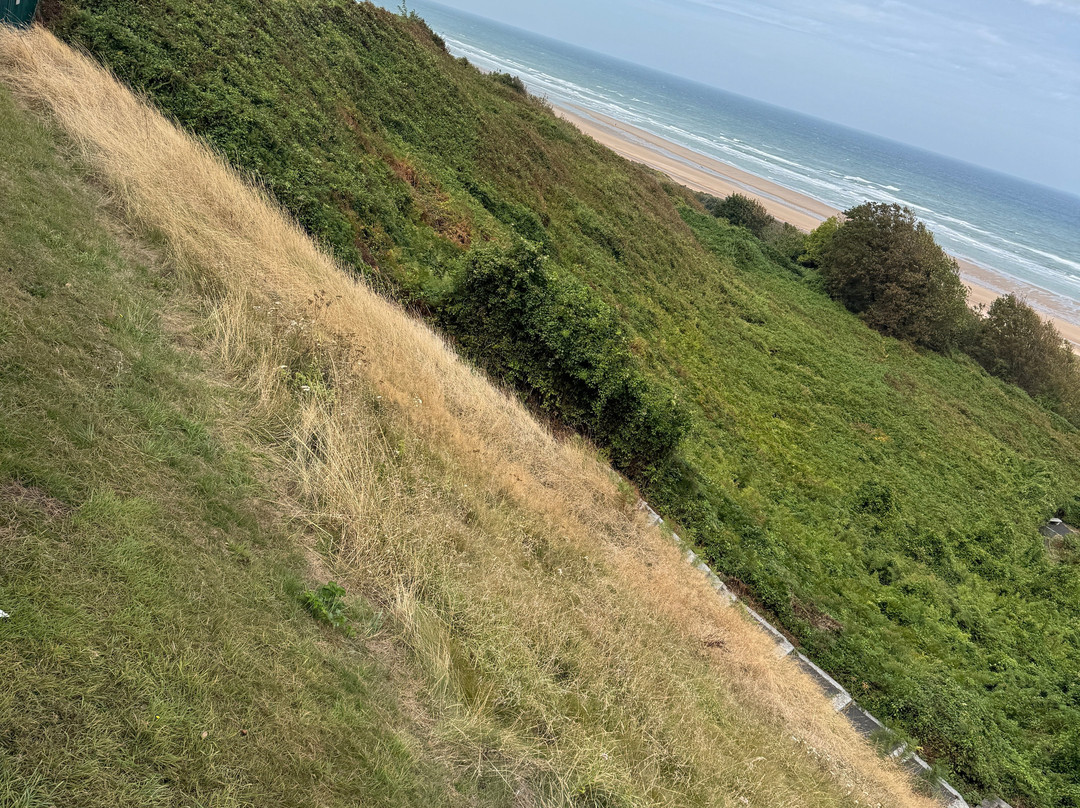
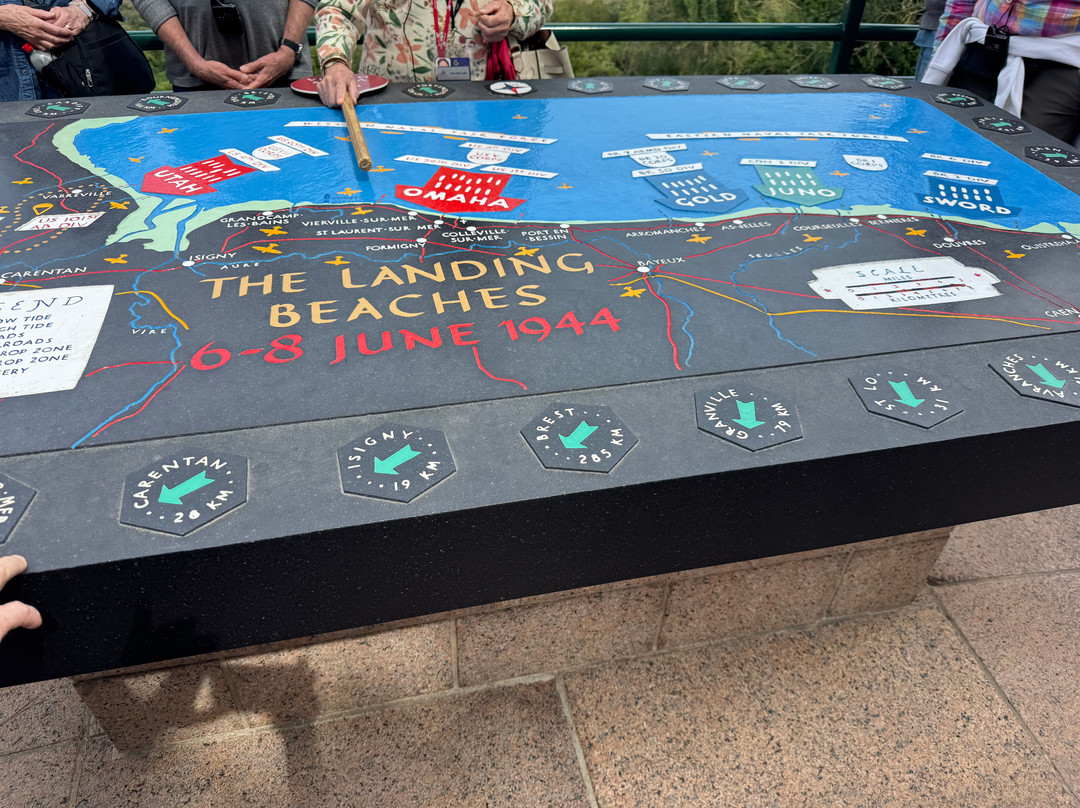
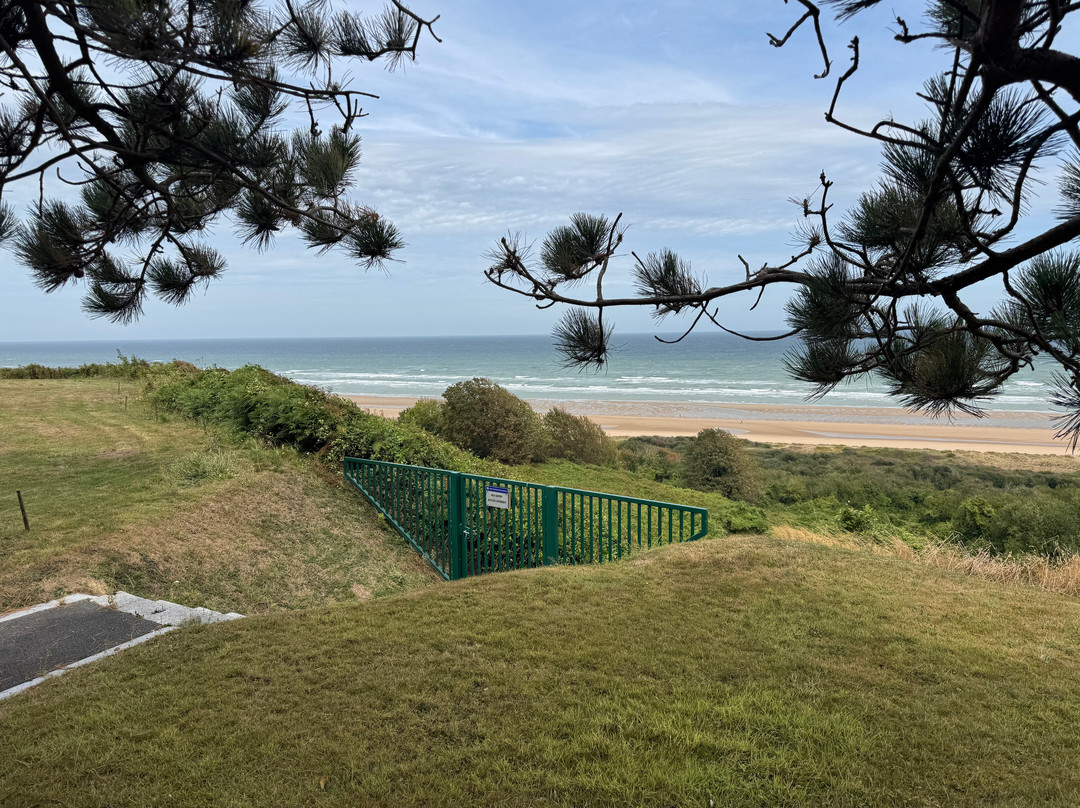
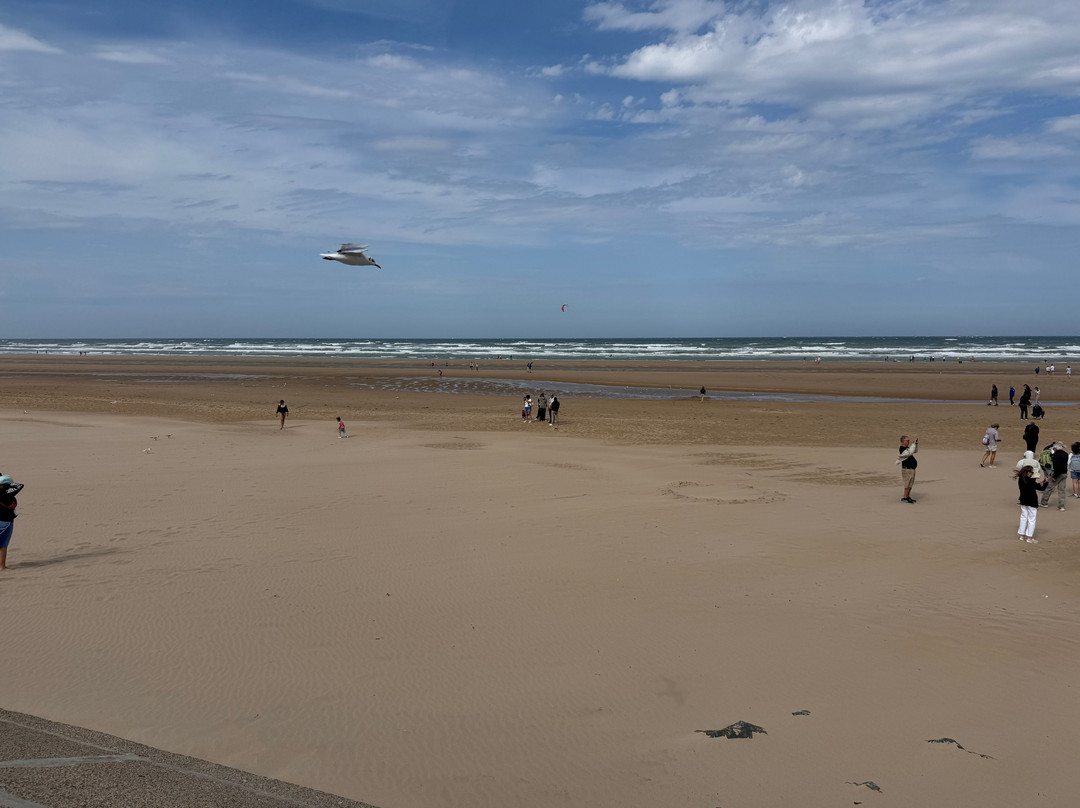
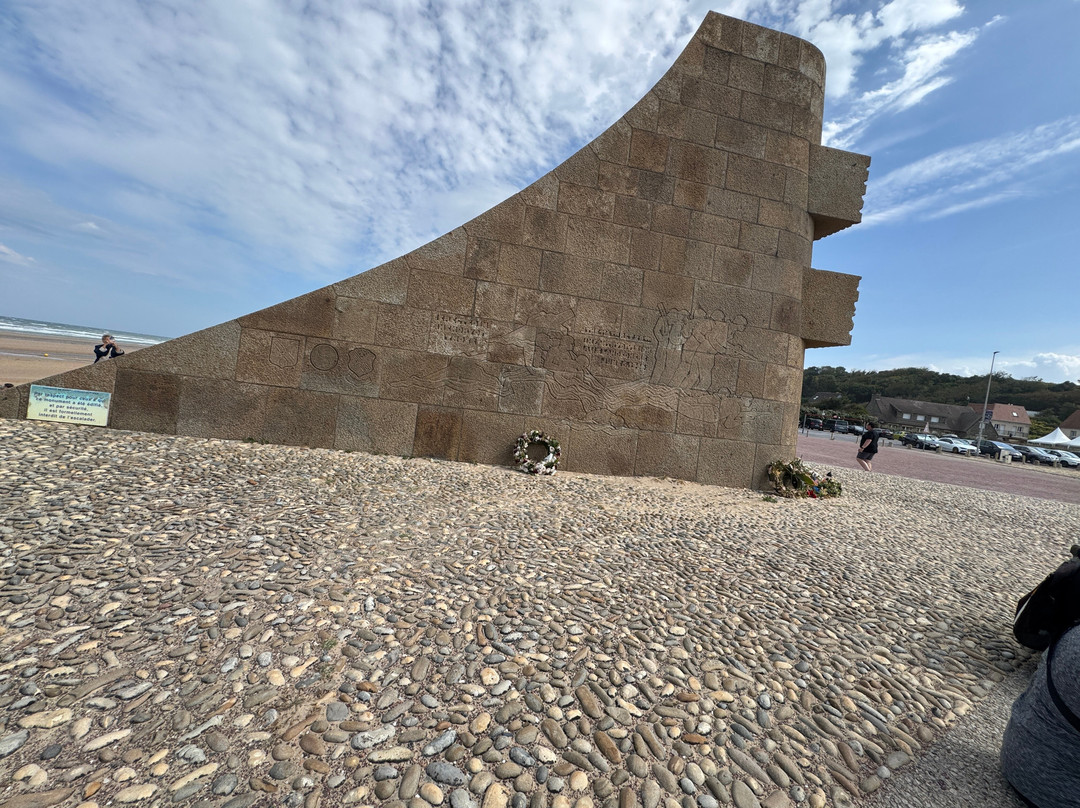
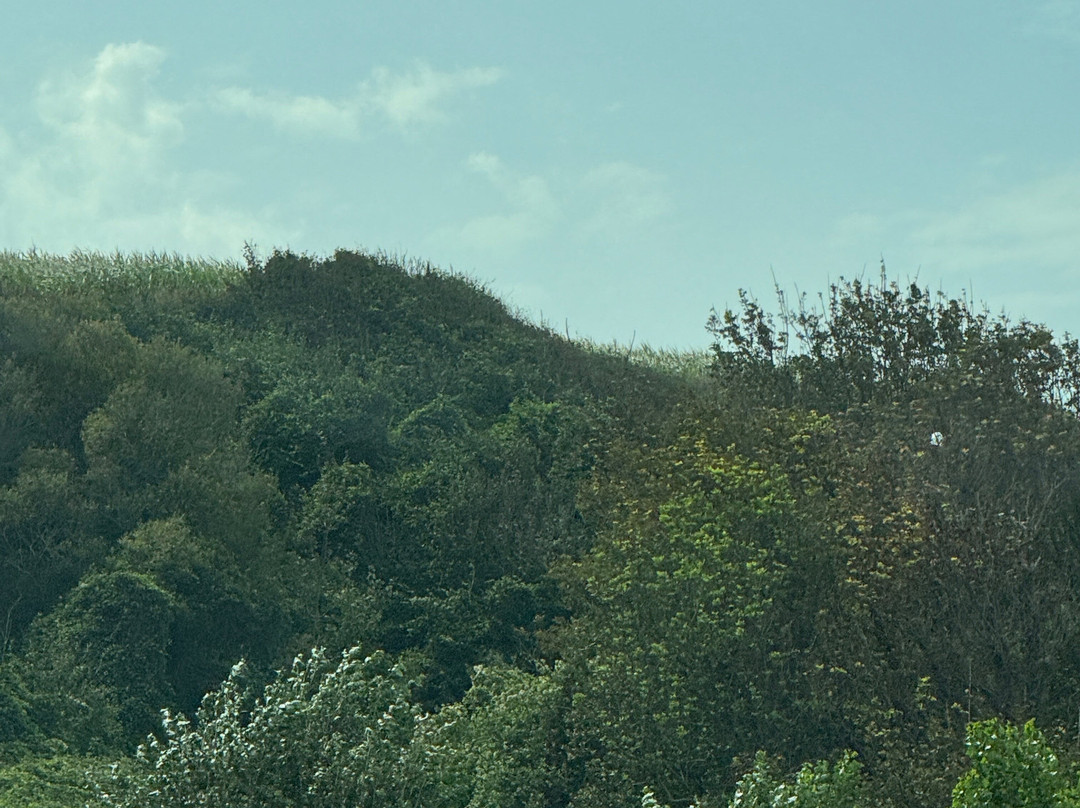
点评:Before World War II, Omaha Beach was known as “The Golden Beach”. It was a family-oriented seaside resort. Later, the WW II Allies code named it “Omaha”. Omaha Beach was one of the five sectors of the Allied invasion of German-occupied France in the Normandy landings on June 6, 1944. Omaha Beach is where United States troops stormed the coastline during the D-Day Invasion. Allied planners chose short code names to reduce the risk of revealing their actual objectives. The Americans chose Omaha, a recognizable city in Nebraska. This beach became known as “Bloody Omaha”. Approximately 2400+ Americans were killed on the first day of the invasion. As you stand on the beach and look back at the bluffs, it is easy to understand why 96% of the troops became casualties. Pre-landing bombardments and aerial bombings were ineffective causing the troops to be easy target for the Germans and their gunfire from the bluffs as well as the mines and barbed wires placed on the sand.
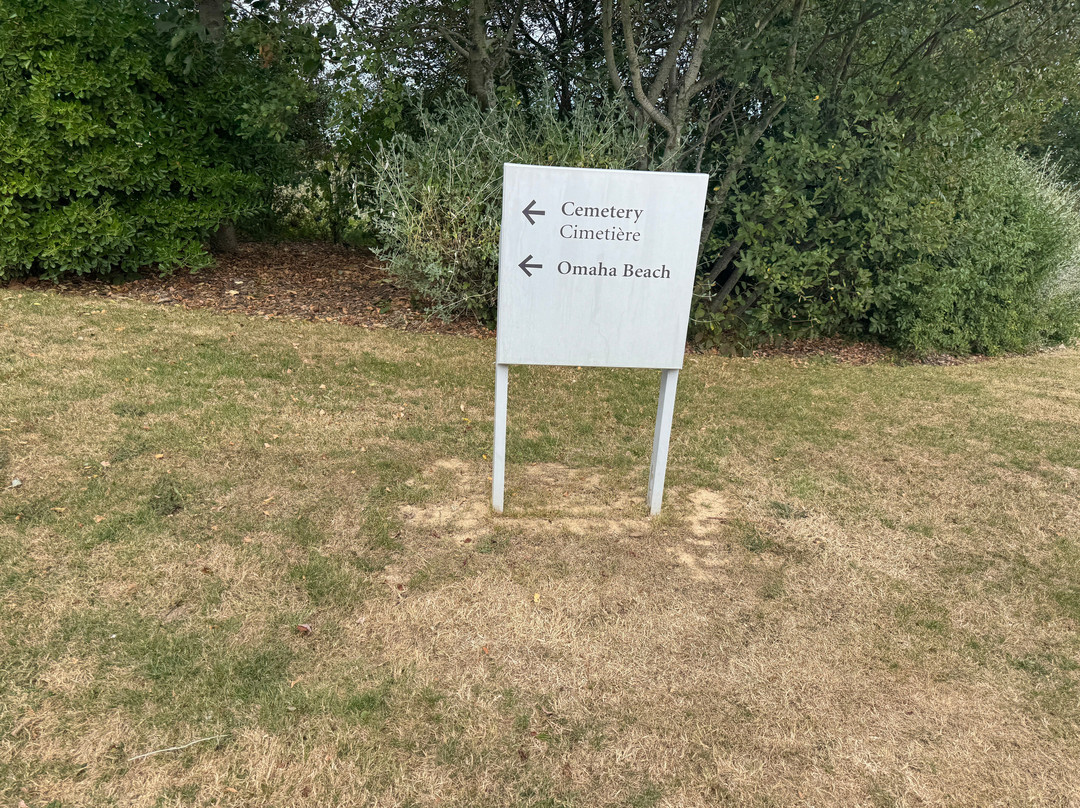
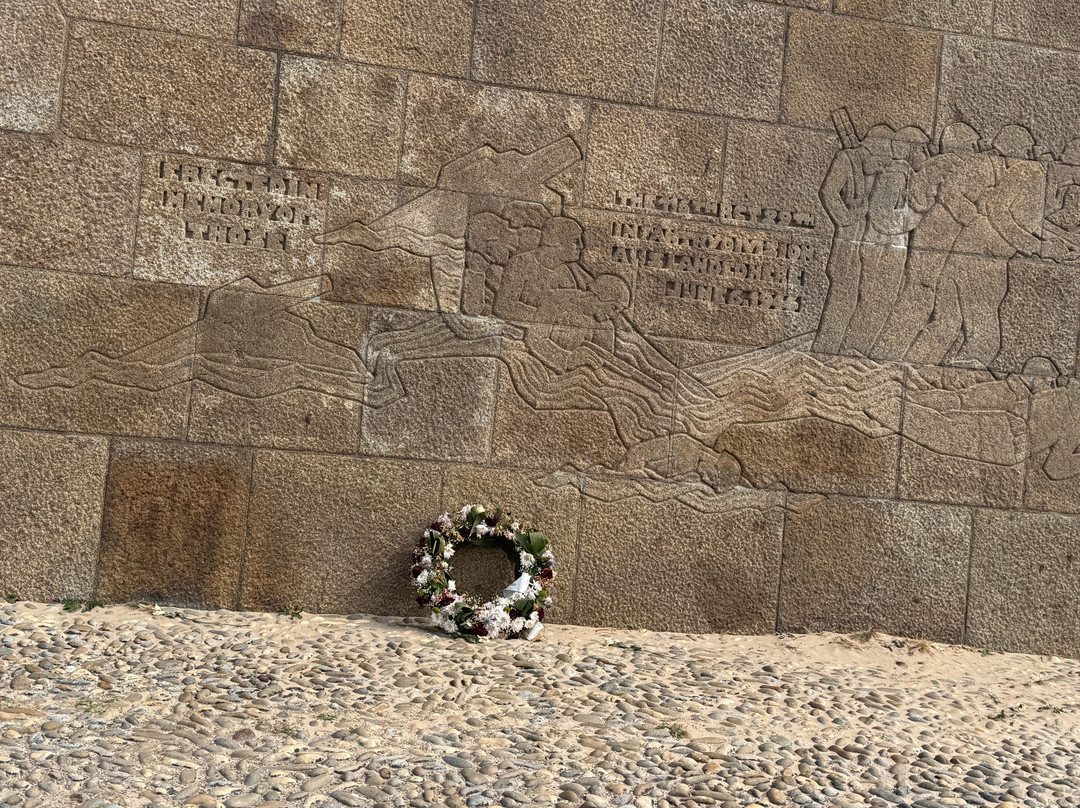
This left one-third to one-half of the American troops with no cover. During the first hour of the landing, 96% of the troops became casualties. The dead were cleared from the beaches and placed in a temporary field cemetery and marked with a numbered wooden stake. The graves were dug by German prisoners of war. After the war, families could choose to have the remains permanently interred in an overseas cemetery like the Normandy American Cemetery, or to have the remains repatriated to the United States for burial in family plots. There are two memorials overlooking the central part of the beach where the first
landing happened.
While there, blowing sand forced most of us to seek shelter in the tour bus. The sand felt like sharp pieces of something hitting one’s skin. I did some research at home and learned that the sand on Omaha Beach is comprised of shrapnel that was broken down in small pieces following World War II. There are two memorials overlooking the central part of the beach area. Part of the fictional movie “Saving Private Ryan” was filmed here and is based on a true story of the Nilland brothers from Tonawanda, New York.
翻译:第二次世界大战之前,奥马哈海滩被称为“黄金海滩”,是一处适合家庭游玩的海滨度假地。后来,盟军为其赋予了“奥马哈”这一代号。1944年6月6日,在诺曼底登陆行动中,奥马哈海滩是盟军入侵德国占领下的法国的五个登陆区域之一。正是在这片海滩上,美国军队在“D日”发动了对海岸线的强攻。盟军策划者选用简短的代号,以降低泄露真实作战目标的风险。美国人选择了内布拉斯加州这座知名度颇高的城市——奥马哈作为登陆点。这片海滩随后便被称为“血腥奥马哈”。在登陆首日,就有约2400名美军士兵阵亡。当你站在海滩上回望身后的悬崖时,就不难理解为何96%的士兵都成了牺牲品了。登陆前的炮击与空袭收效甚微,导致美军极易成为德军的靶子——德军从高地上开火射击,沙滩上也布设了大量地雷与带刺铁丝网。
这使得三分之一到一半的美军士兵没有任何掩护。在登陆后的第一个小时内,96%的士兵都伤亡惨重。阵亡者被从沙滩上移走,安置在临时野战墓地中,并用编了号的木桩作为标记。这些坟墓是由德国战俘挖掘的。战后,家属们可以选择将遗骸永久安葬在诸如诺曼底美军公墓这样的海外墓地,或者将遗骸送回美国并安葬在家族墓地里。有两座纪念碑矗立在最初登陆地点的海滩中央上方。
在那里,狂风卷起的沙粒逼得我们大多数人不得不躲进旅游巴士里。那些沙子摸起来就像是尖锐的碎片在刮擦皮肤。我在家里做了些研究,得知奥马哈海滩上的沙子其实是二战后遗留下来的弹片破碎后形成的。有两座纪念碑矗立在海滩中央一带。电影《拯救大兵瑞恩》的部分场景就是在这里拍摄的,影片根据纽约州托纳旺达的尼兰德兄弟的真实经历改编。

© 2026 Tripadvisor 版权所有。
部分照片由 VFM Leonardo 提供。
TripAdvisor公司对外部网站的内容一概不负责。优惠价格中不含税和其他费用。
ICP证:沪B2-20200433
沪ICP备20013175号
 沪公网安备31010502005427号
鹰程信息技术(上海)有限公司