下载App
旅行
账户

IngridK1647
Lovely elephants
Krabi Elephant Heaven的点评
点评:As a person from central Europe, I rarely encounter elephants—no work traditions, no village gardens with them. We only saw them in ZOO or circuses. My knowledge comes mainly from articles and discussions.
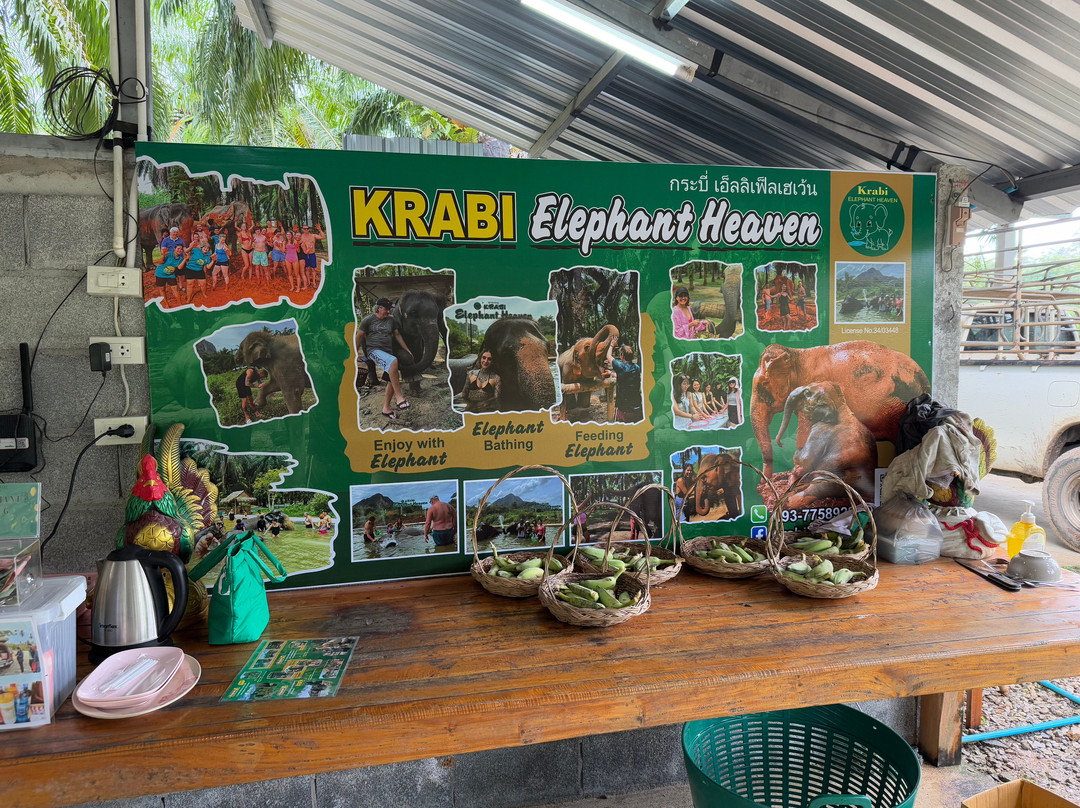
I have seen a poster from this organisation offering the tour
1. Walking - Walk with your elephant in the jungle and feed your elephant.
2. Mud spa - Get mad spa with skin and relax elephant.
3. Bathing - Take a bath with your elephant in the river.
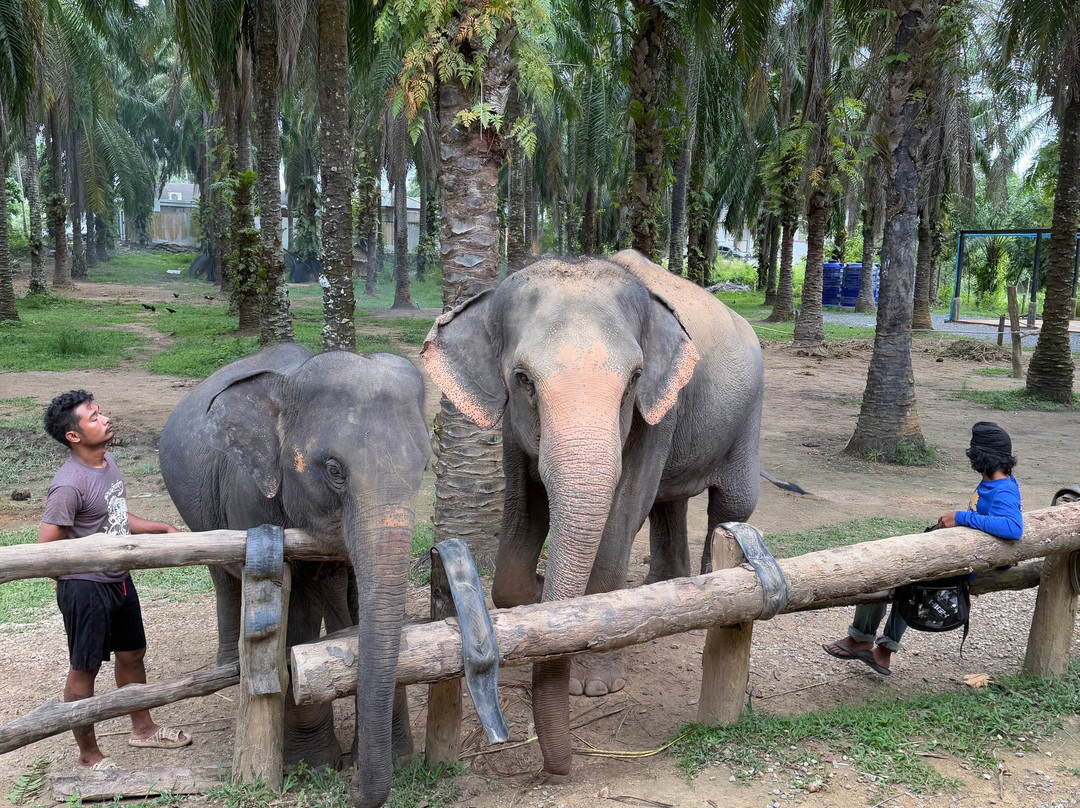
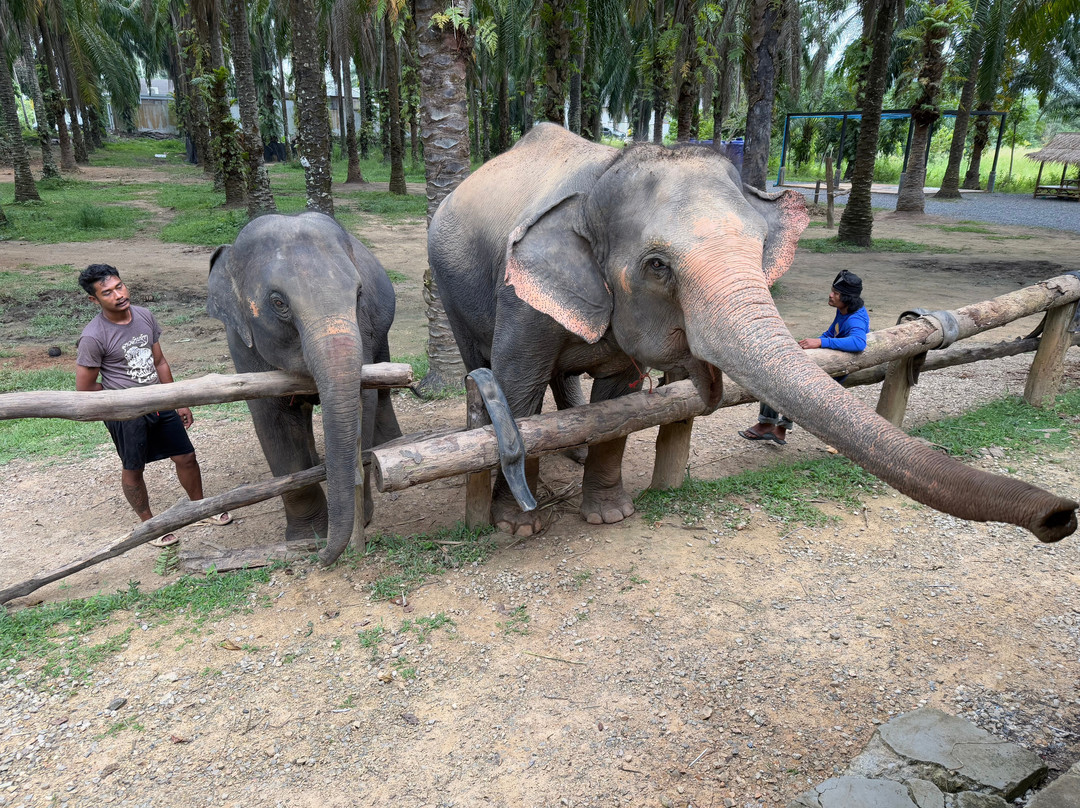
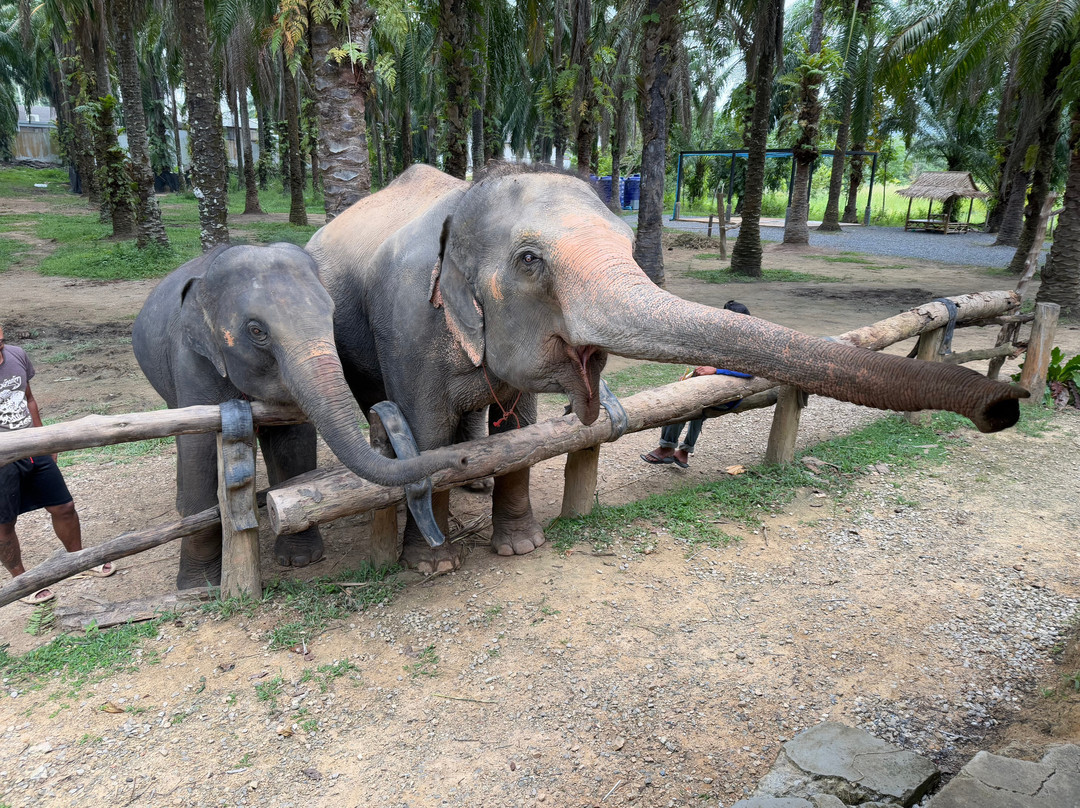
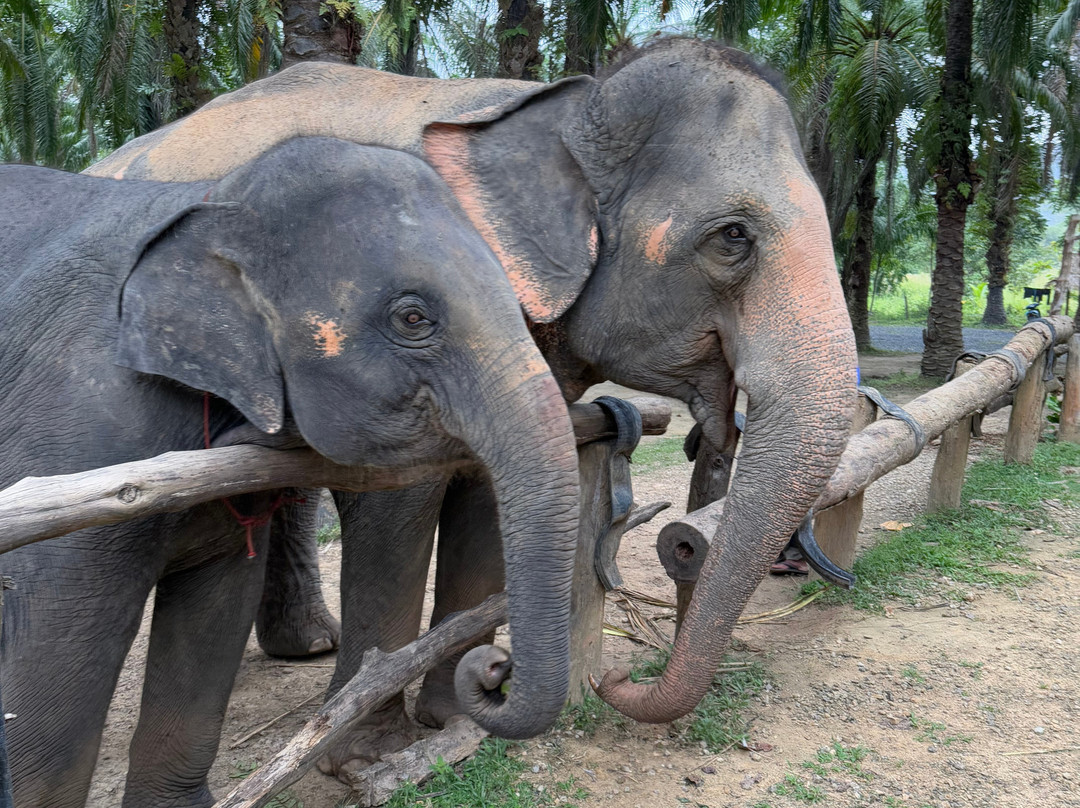
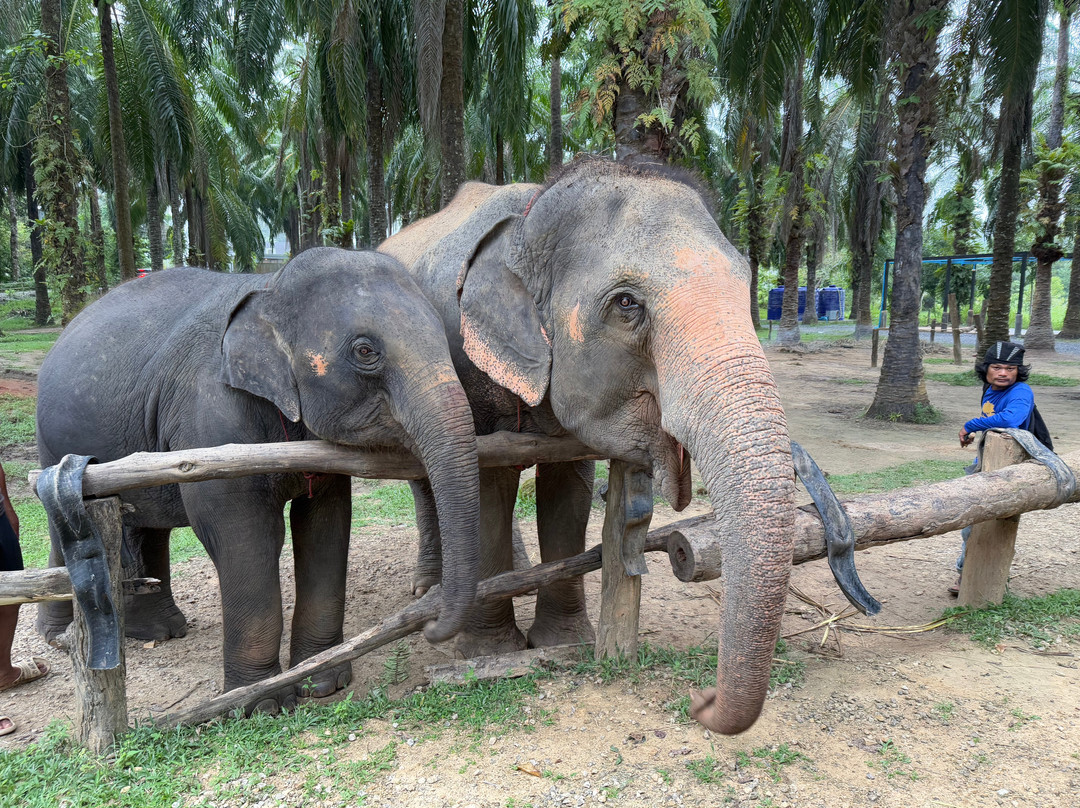
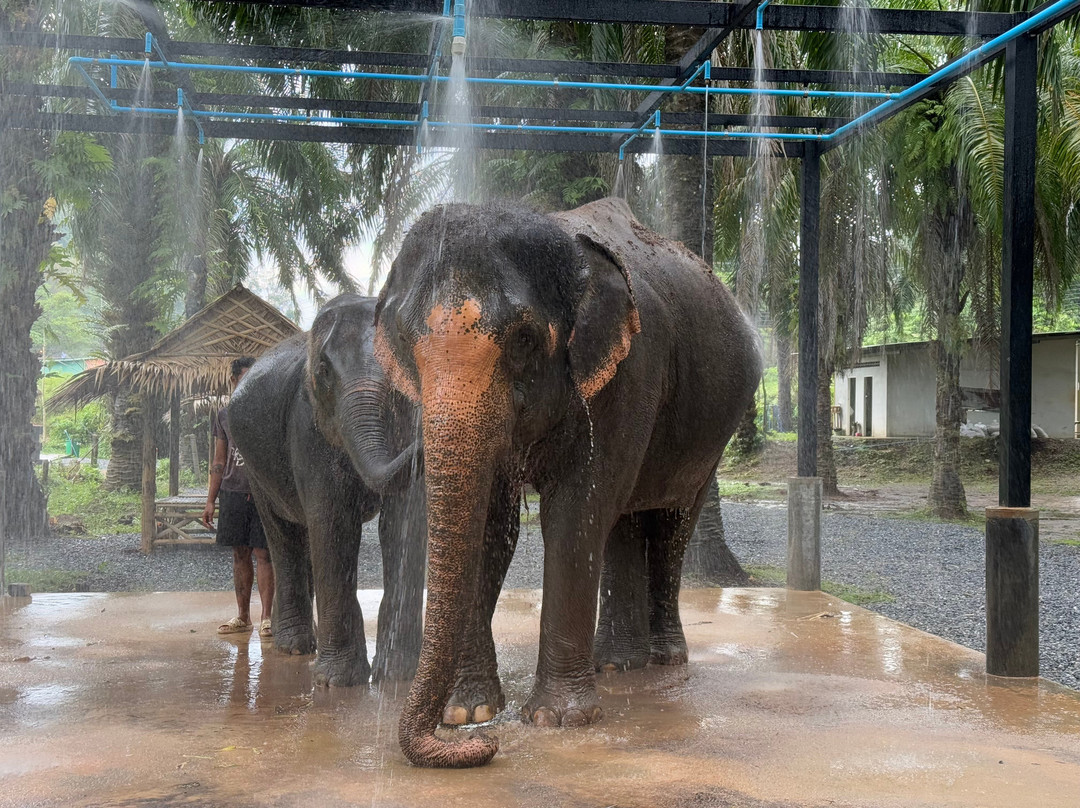
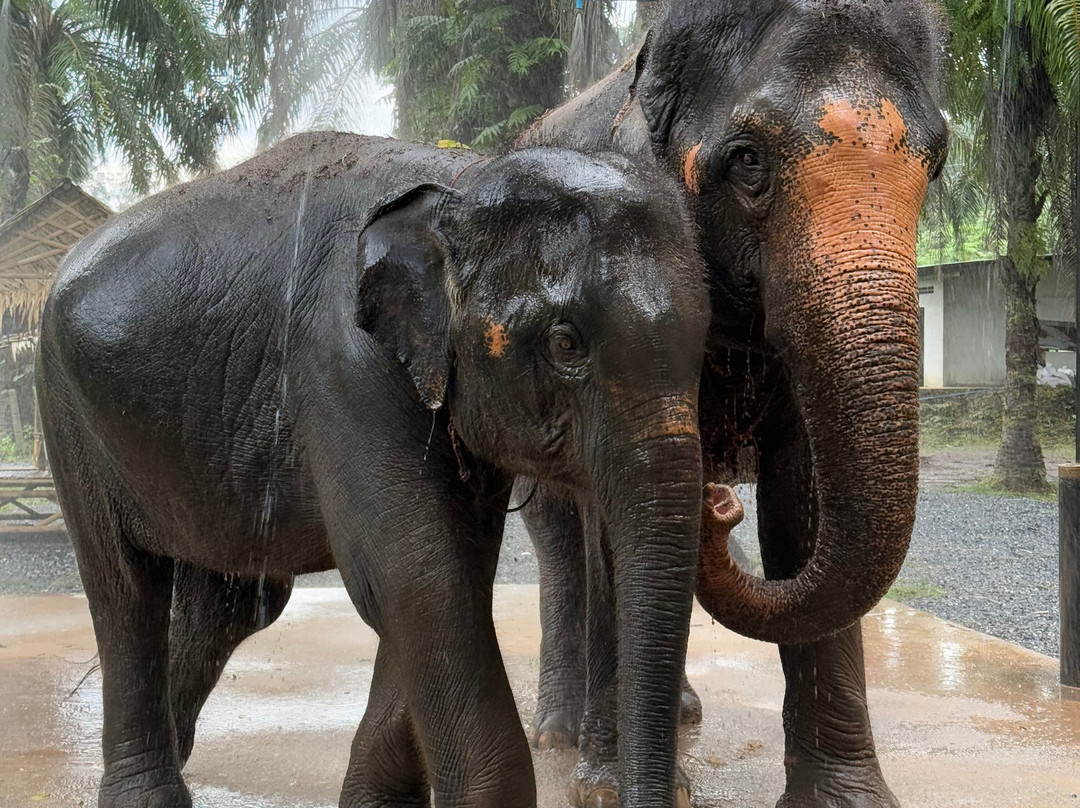
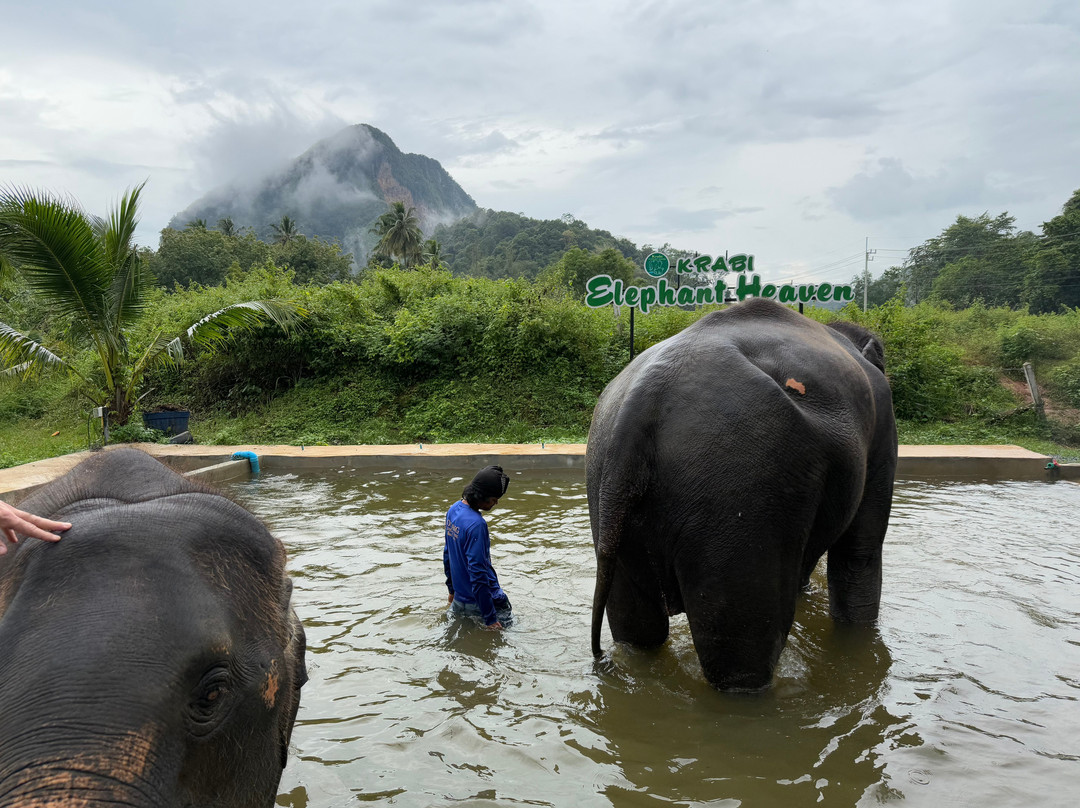
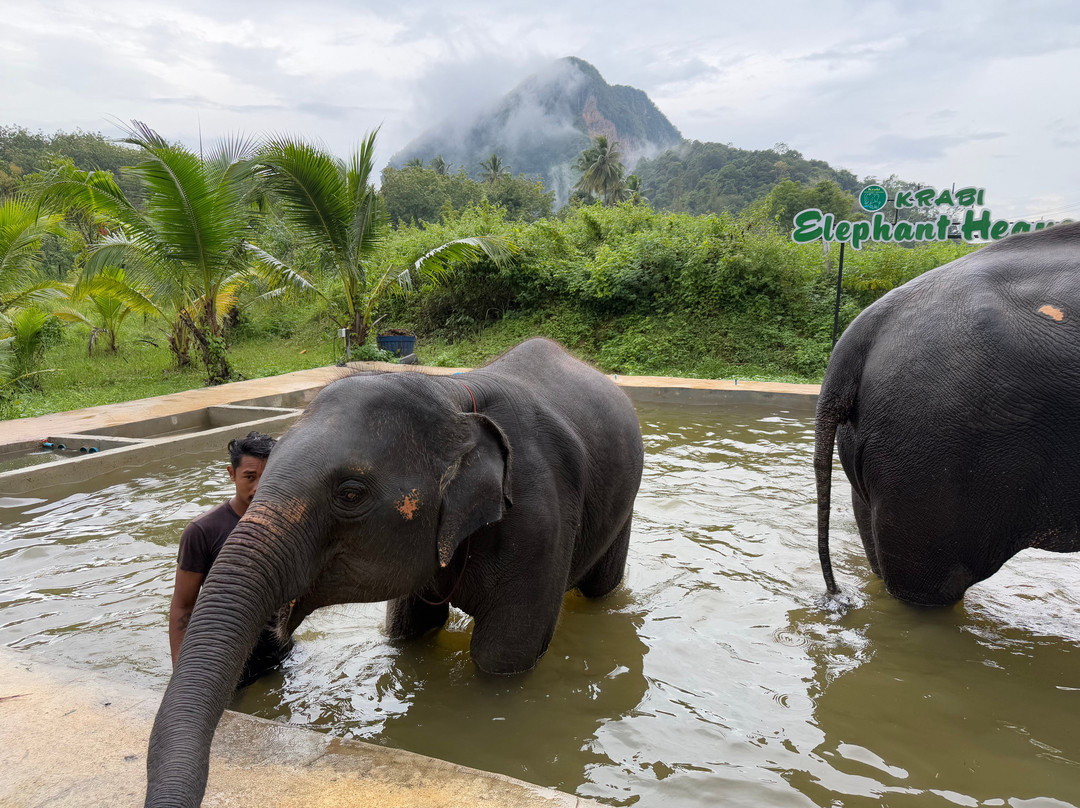
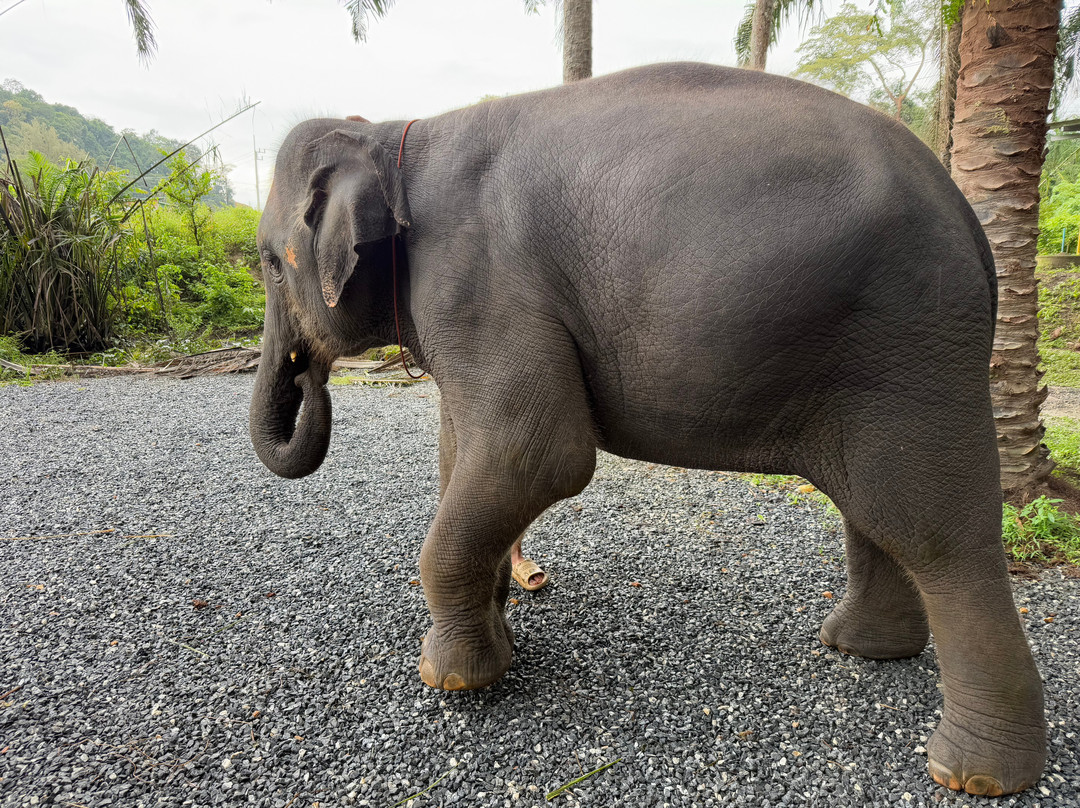
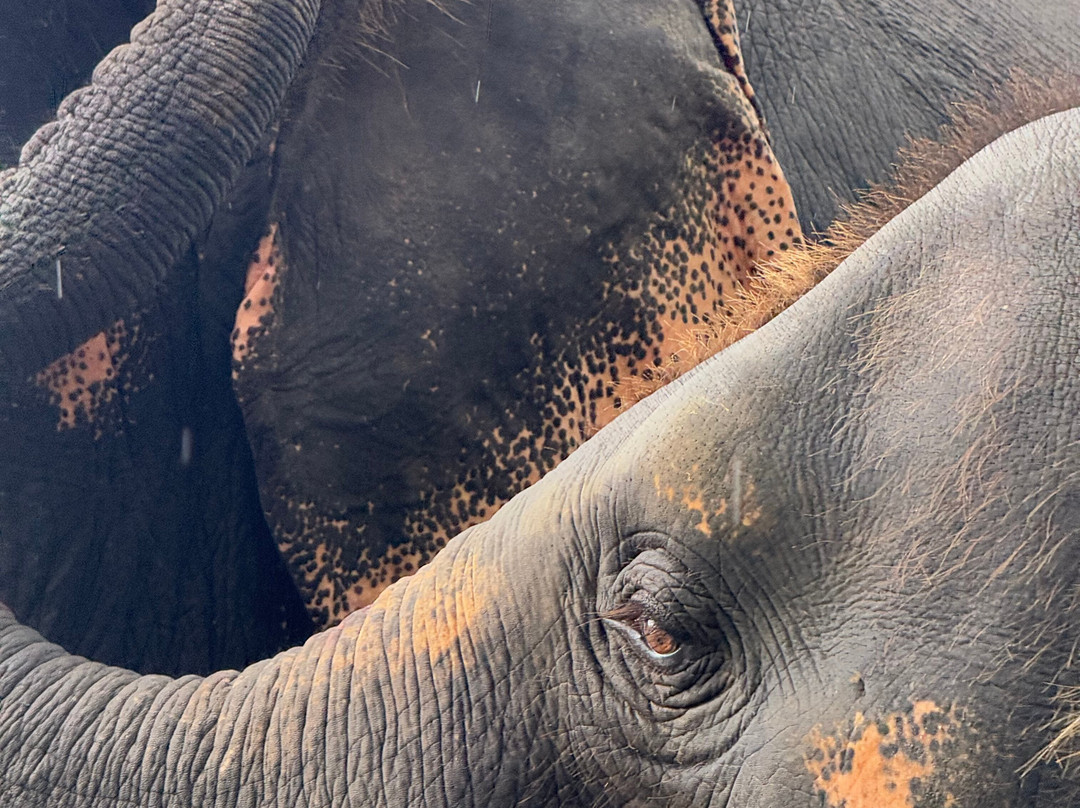
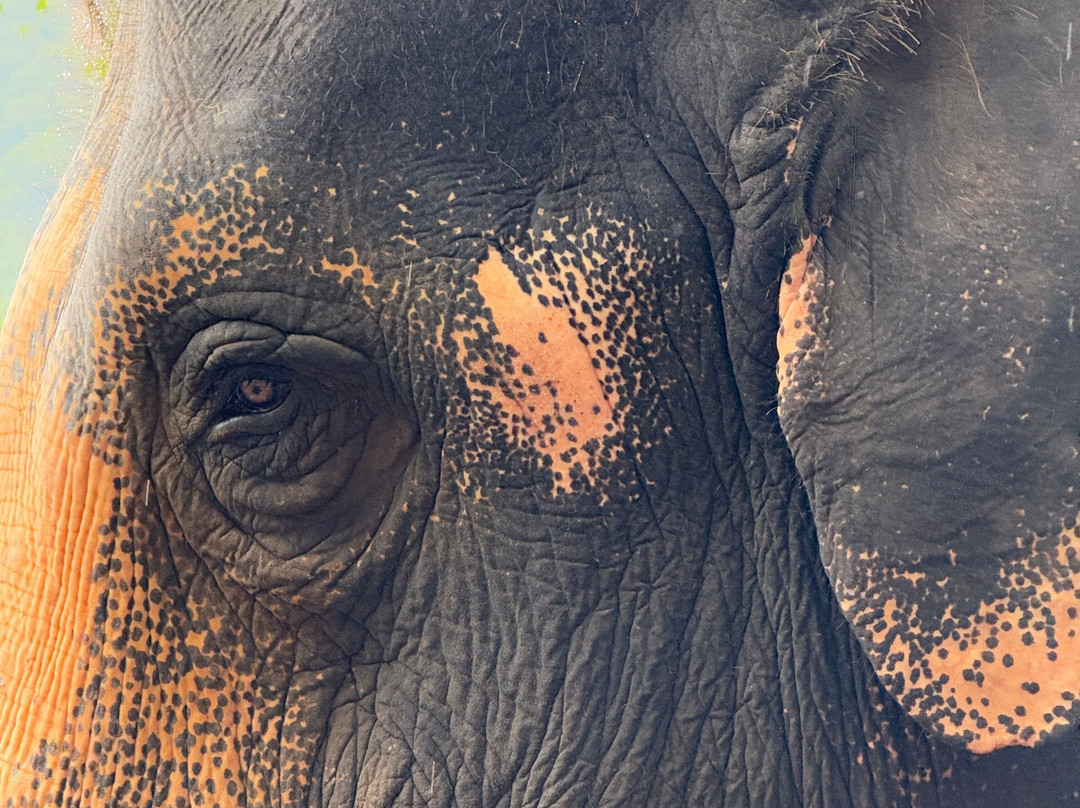
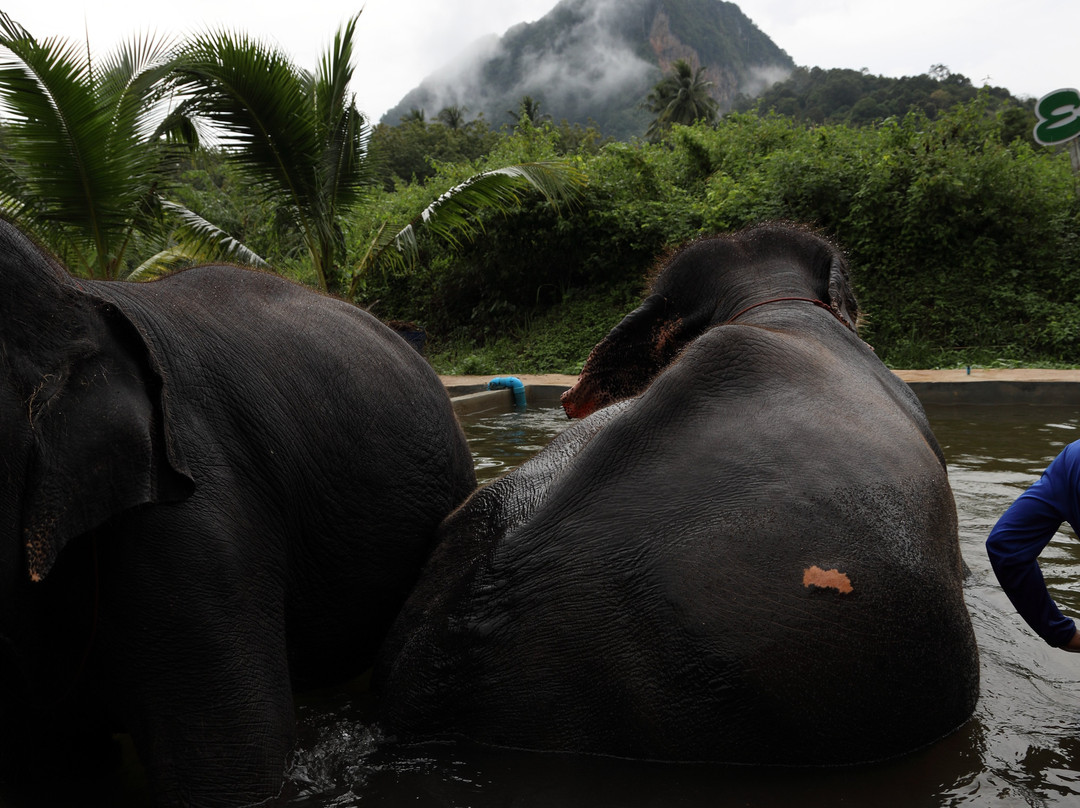
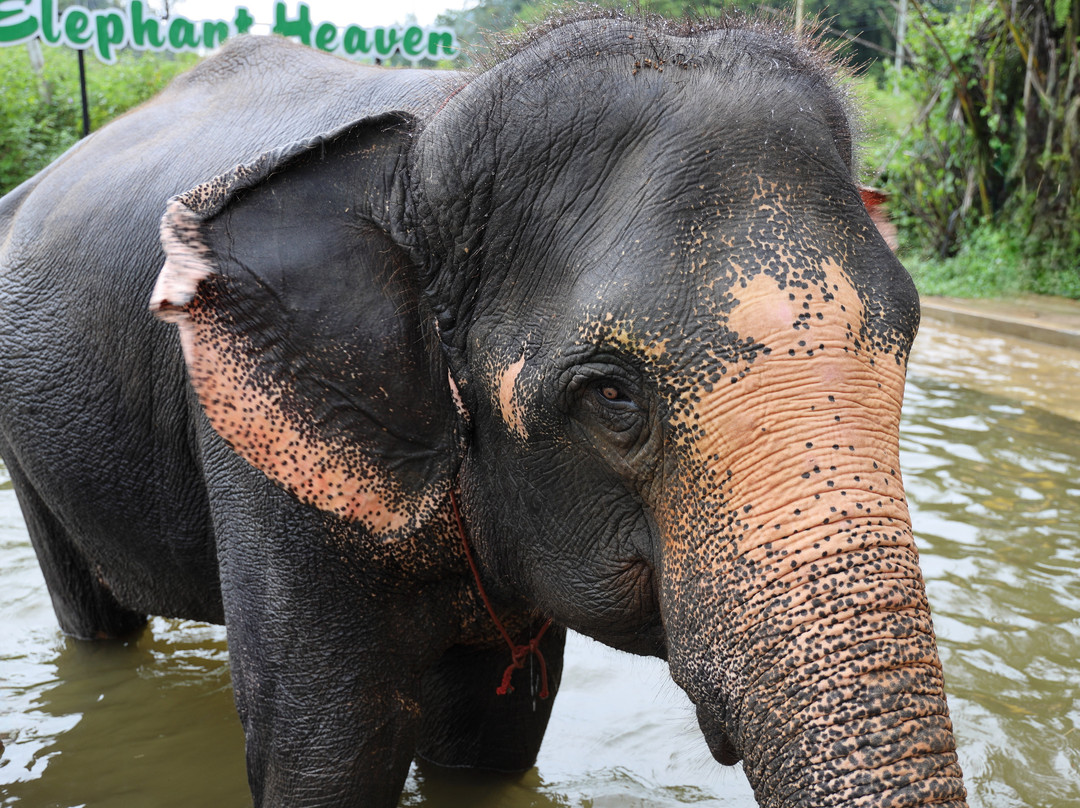
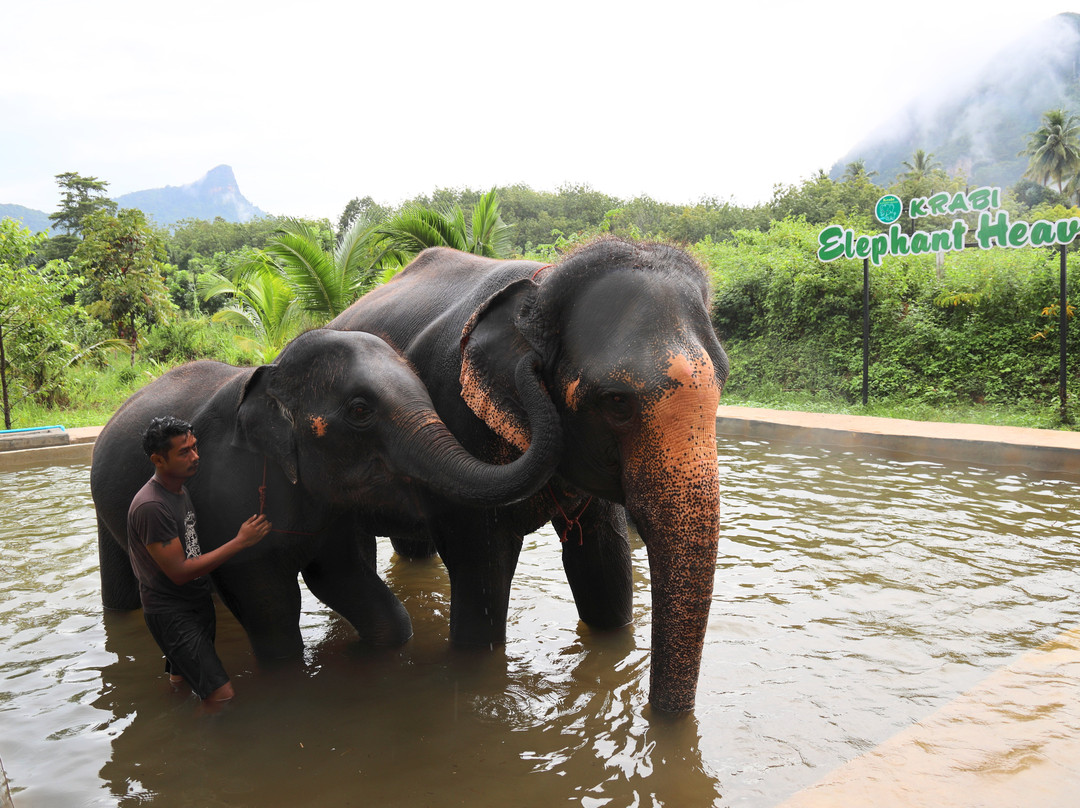
I guess I had high expectations... We saw two elephants, Natalie (20 years old) and Lilly (5 years old). The elephants were lovely, amazing, I enjoyed seeing them. Our tour - no elephant walk in the jungle, no mud spa, no bath in the river.
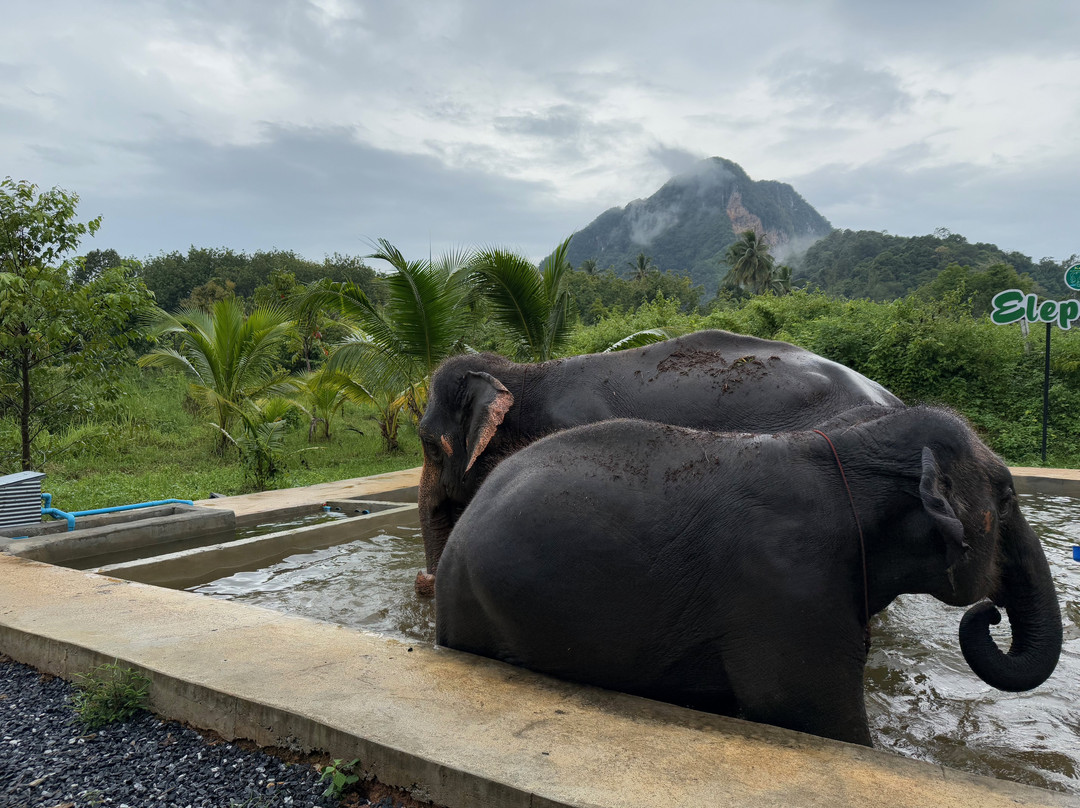
I’m baffled—some Google and Facebook reviews show elephants in a pool, like we saw, while others show them splashing in a river or wallowing in mud. It seems like the same organization, but the tours happened in two different locations—one from the poster and the other was ours.
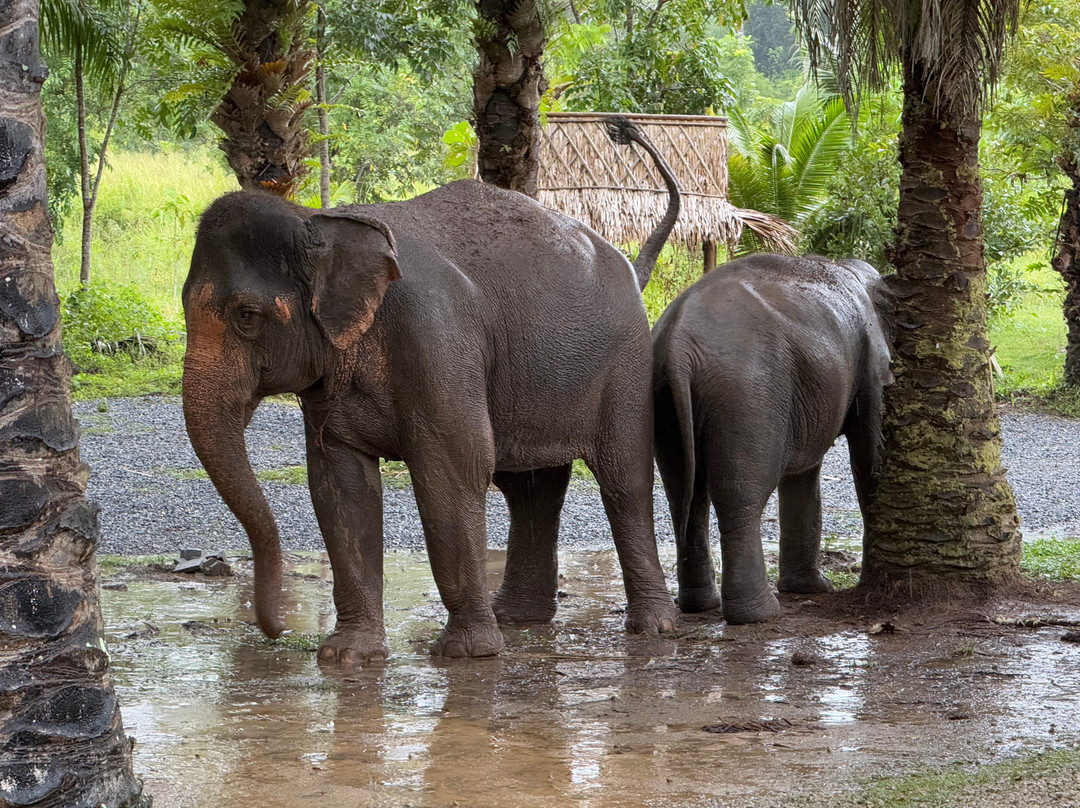
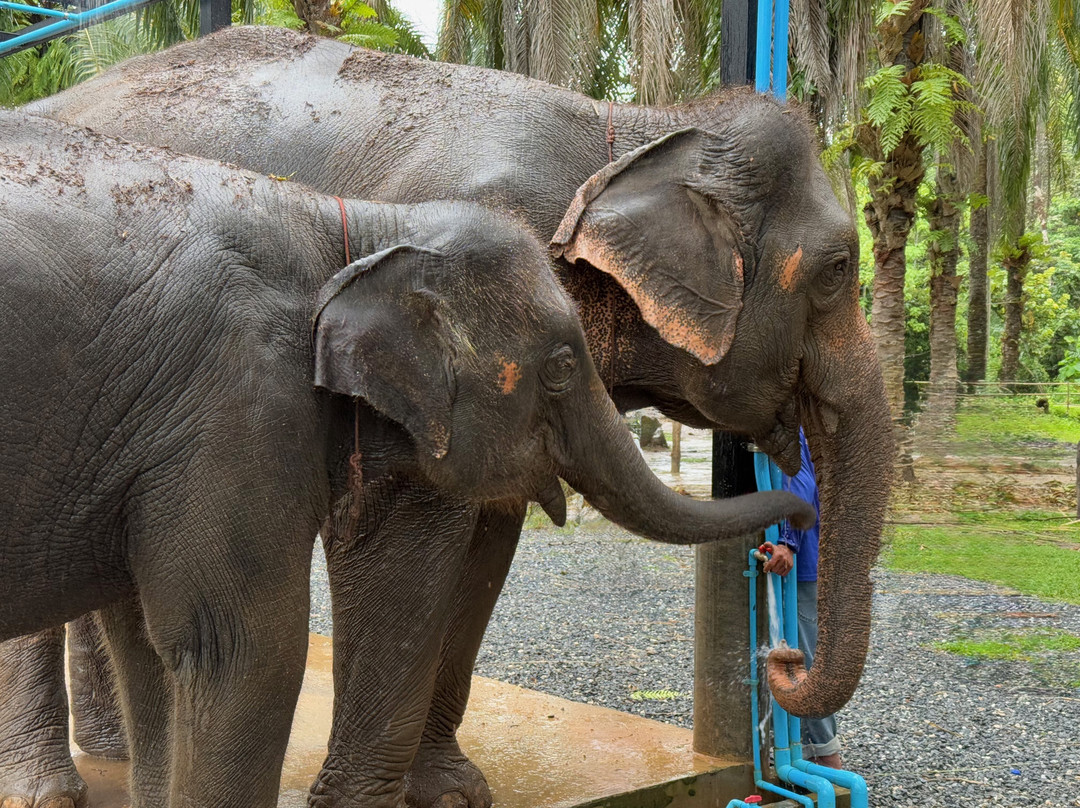
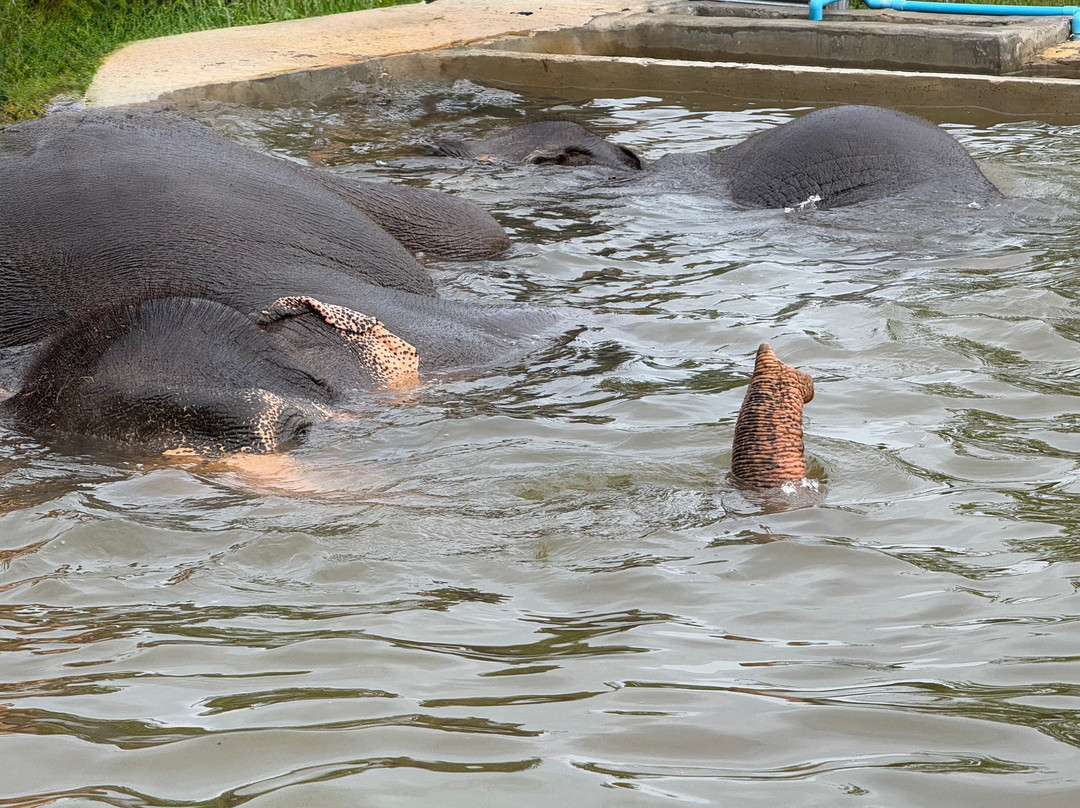
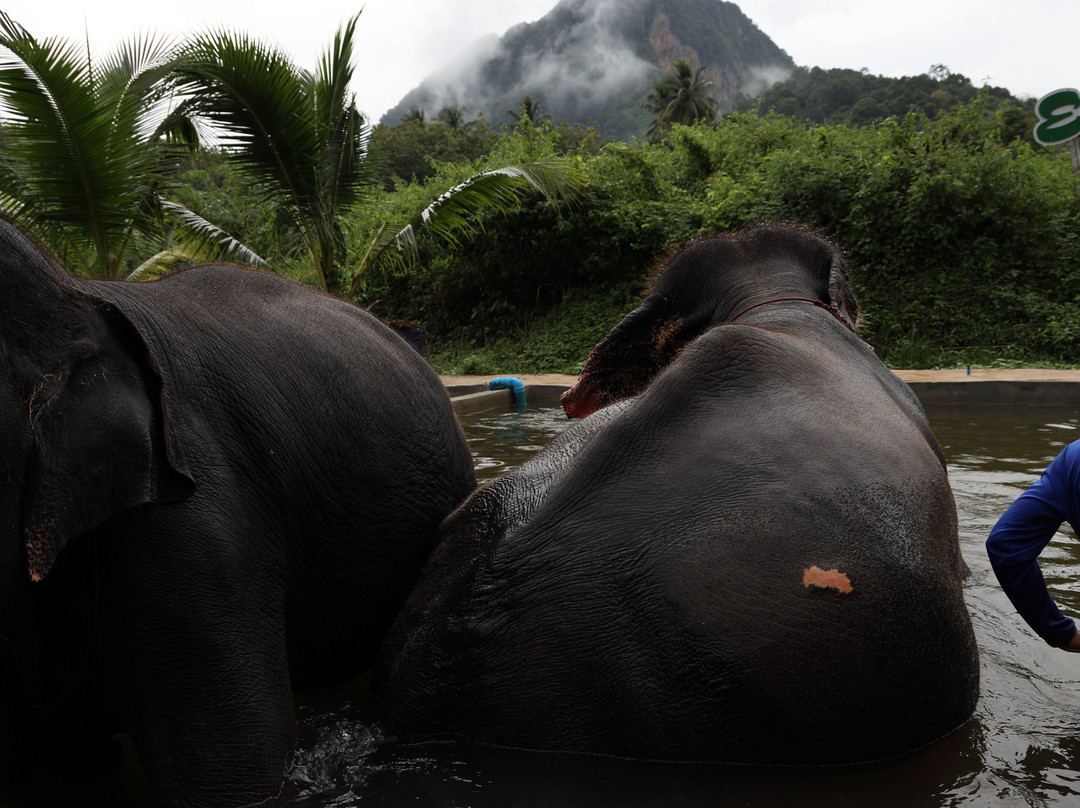
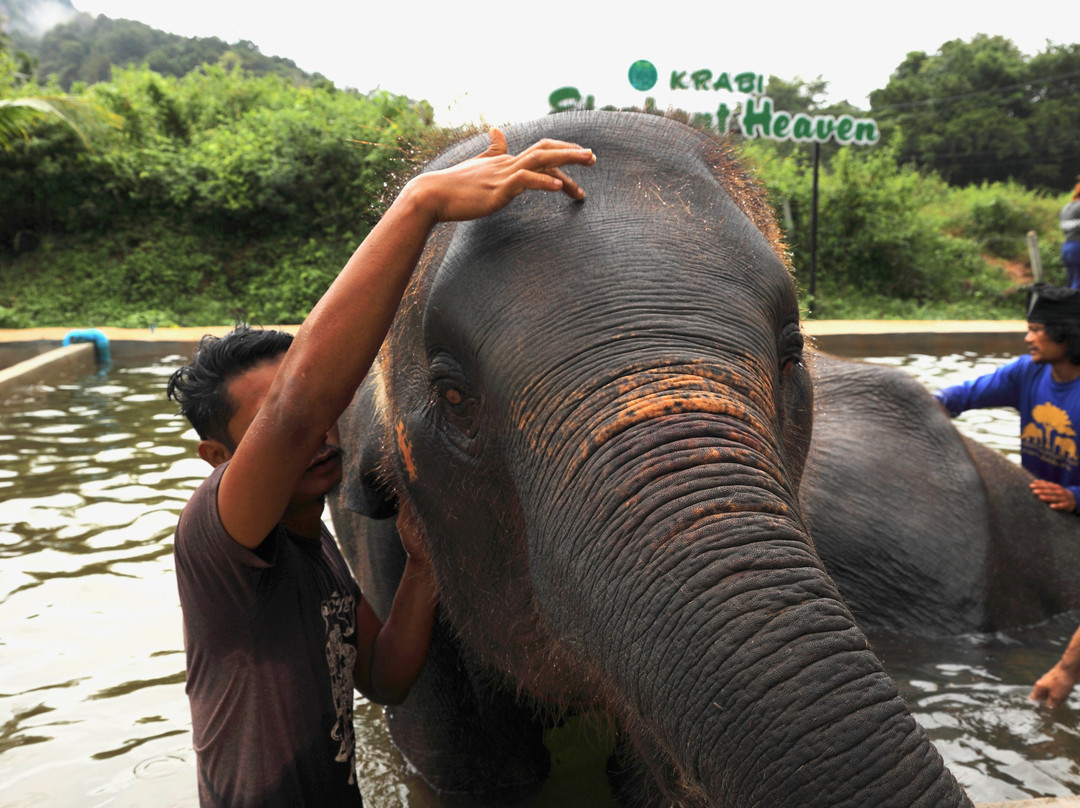
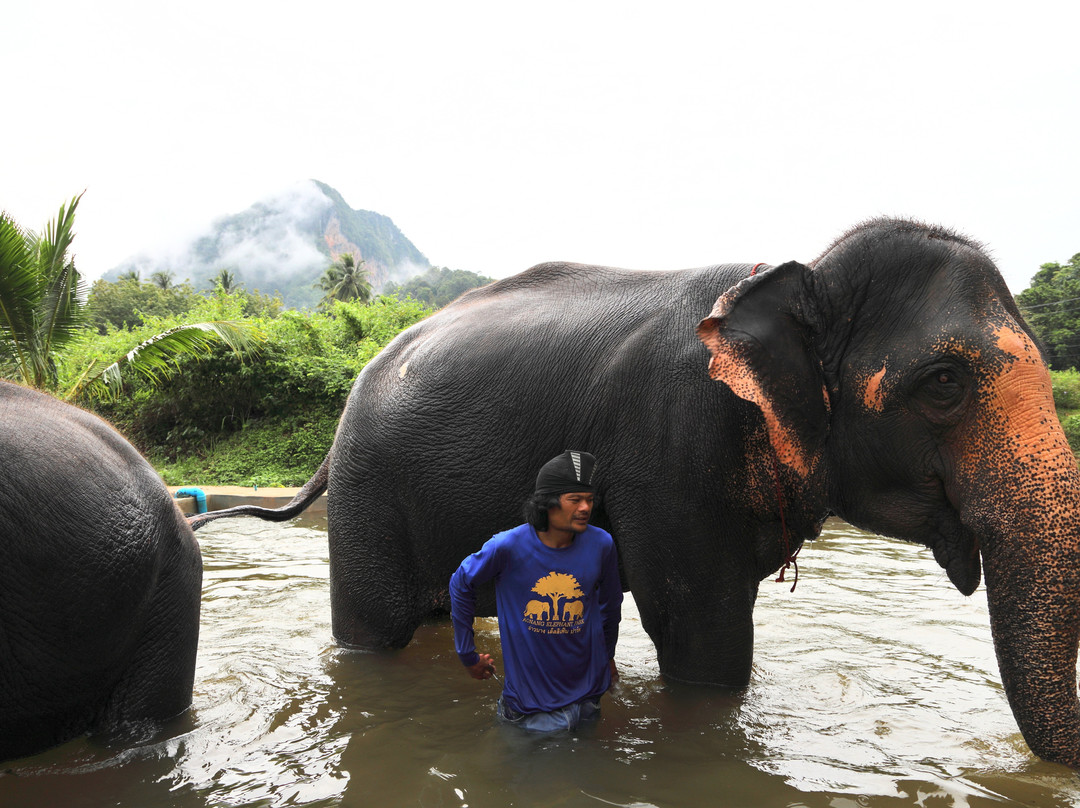
Having seen some videos of ethical elephant farms, I was surprised that where we were we only saw 2 elephants... who seemed to be ready to be fed, then they were led under this iron structure where they showered and then they were taken to a pool where people could scrub them with brushes and the rest of us could take pictures around them... and when we were finished more people came and led the same elephants back into the pool... and when we were finished more people came and led the same elephants back into the pool.
I have to admit that I didn't like it at all...
It seemed to me that there was very little space overall... do they really only have 2 elephants?
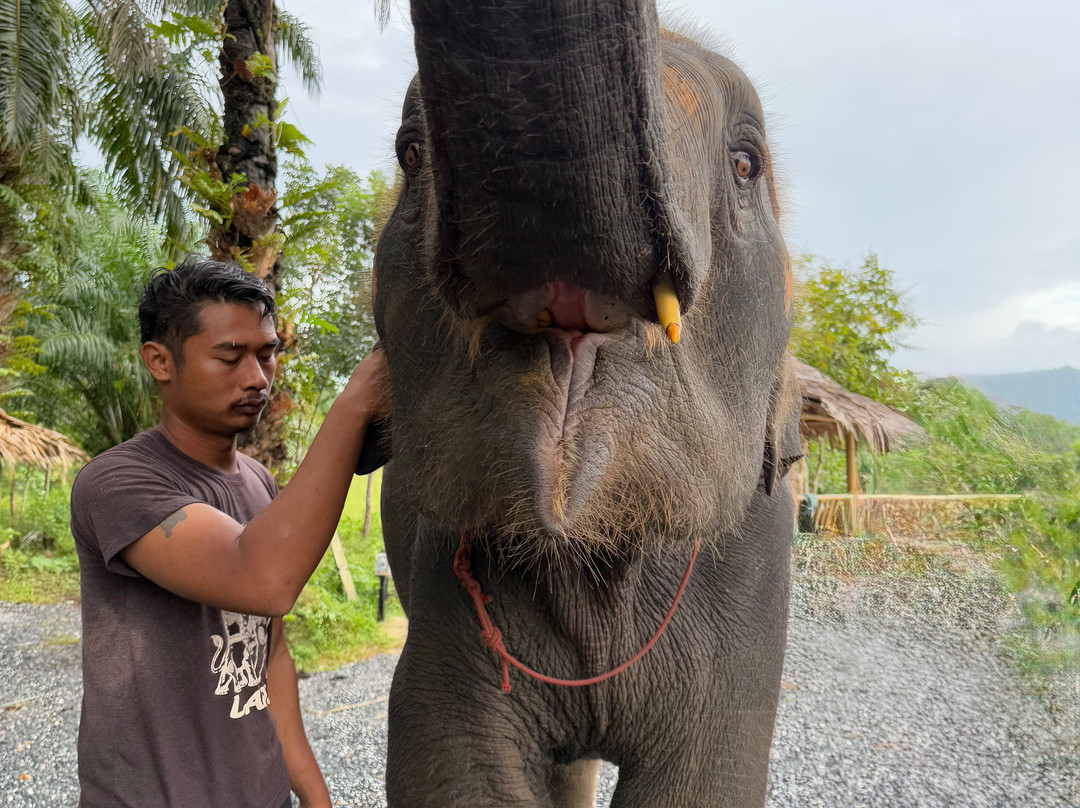
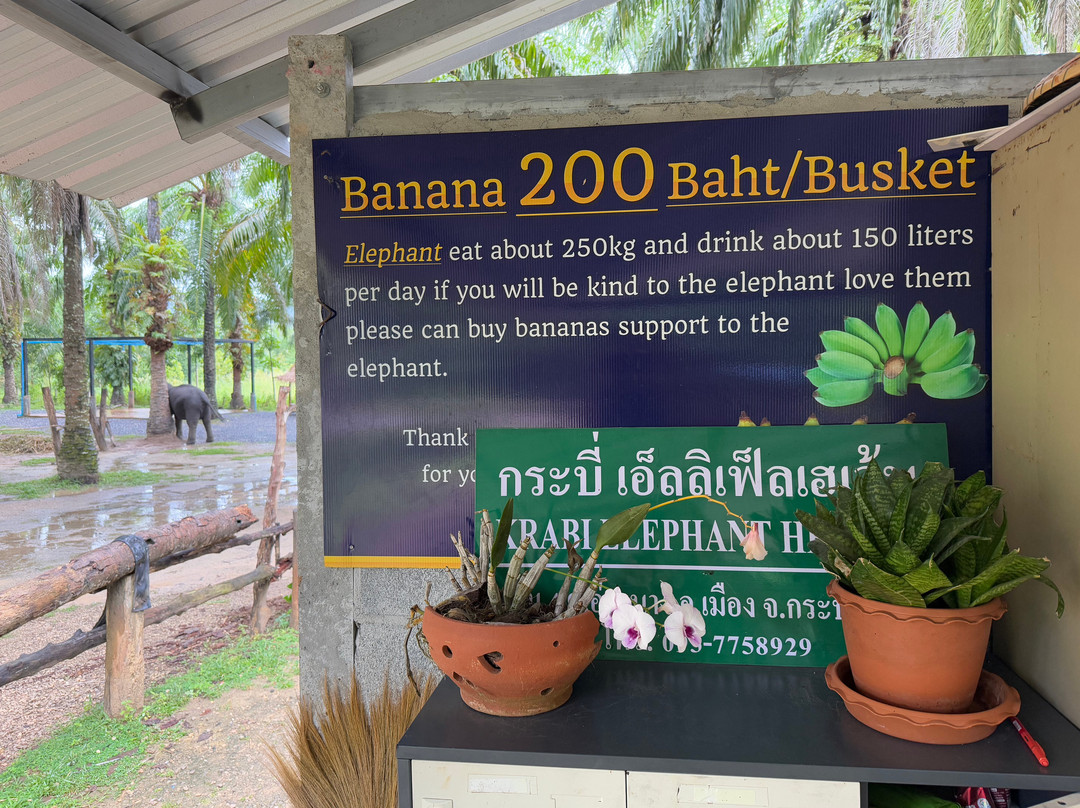
We could pay 200 baths for a basket of bananas and feed our elephants.
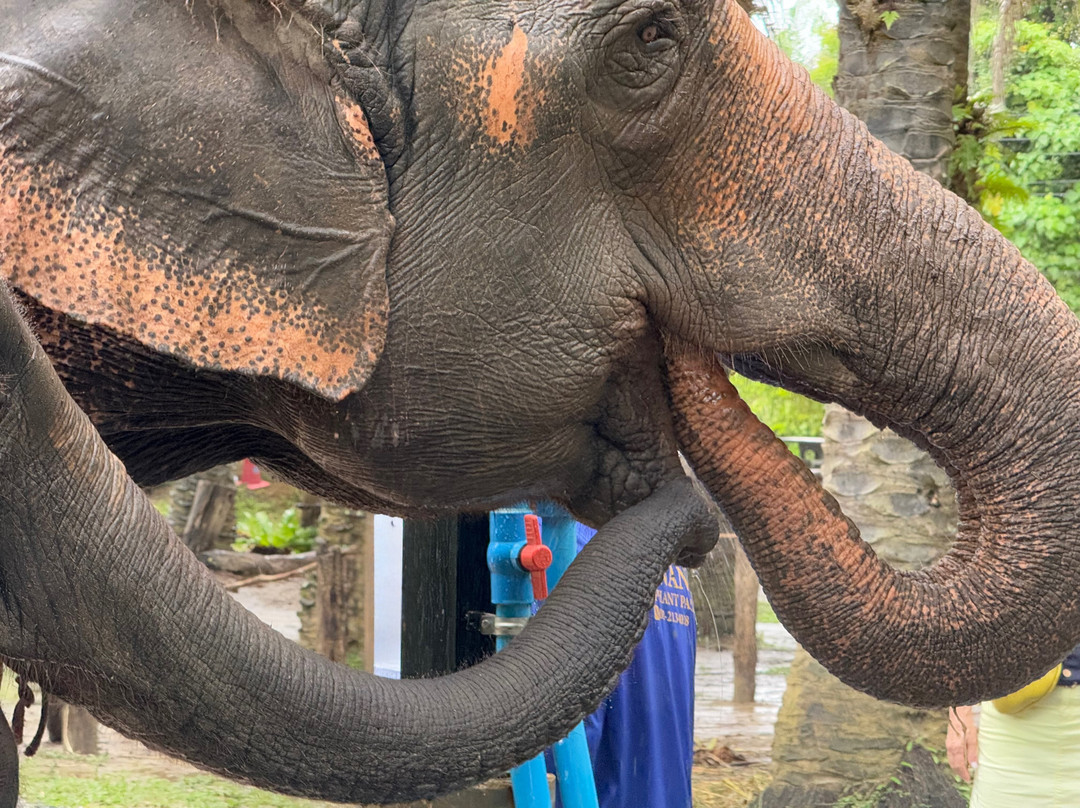
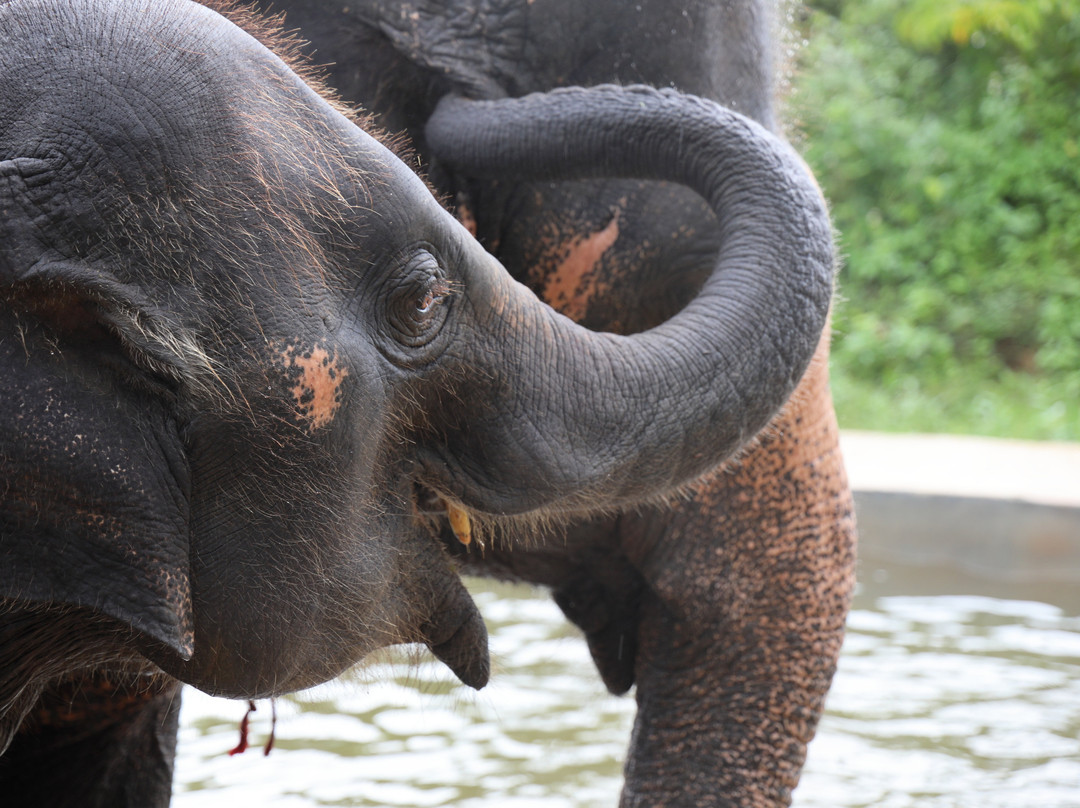
Summary I really liked seeing the elephants with my own eyes and closer than in the zoo. I liked it when they splashed water at us with their trunks.
With my ASD, I couldn’t imagine going into the pool and cleaning the dirt off the elephants. I kept thinking about what the water would look like under a microscope…
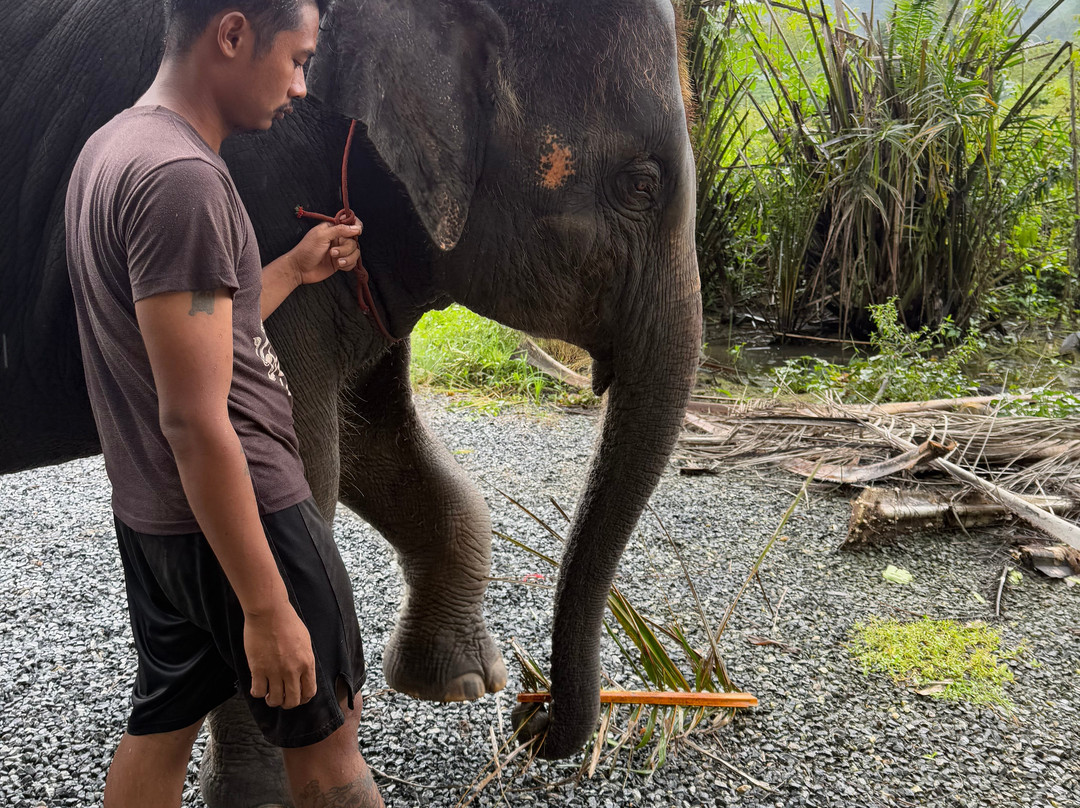
I didn't see any mahouts with sticks in their hands, nor did I see them being prodded or beaten in any way, nor did I see them raising their voices in any way. Nor did they look thin to me. I saw one of the men hug the elephant and press his head against it, smiling. He was very friendly with elephants, cuddling with them.
World Animal Protection
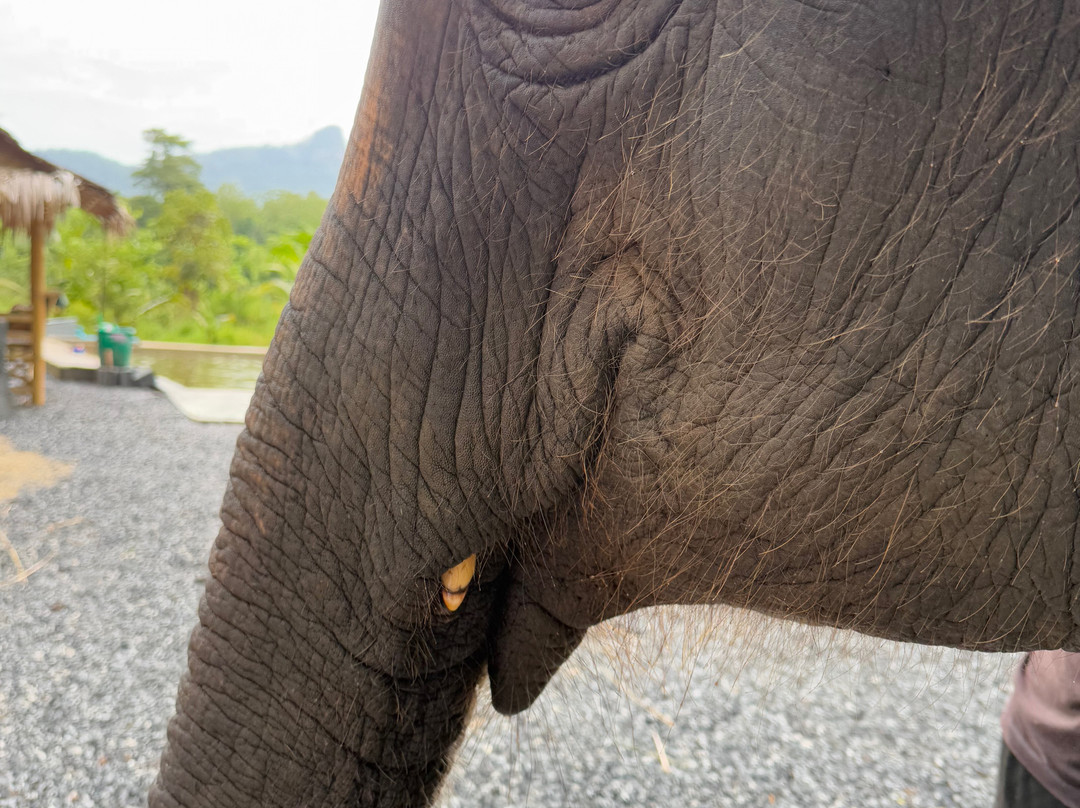
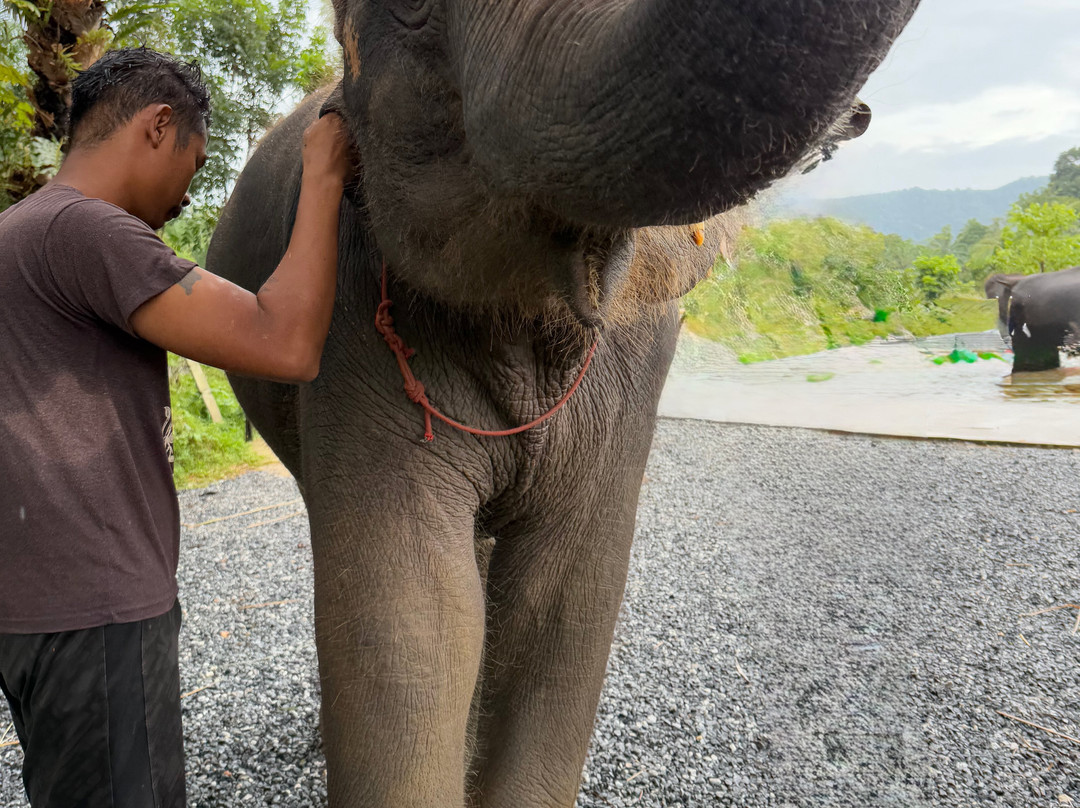
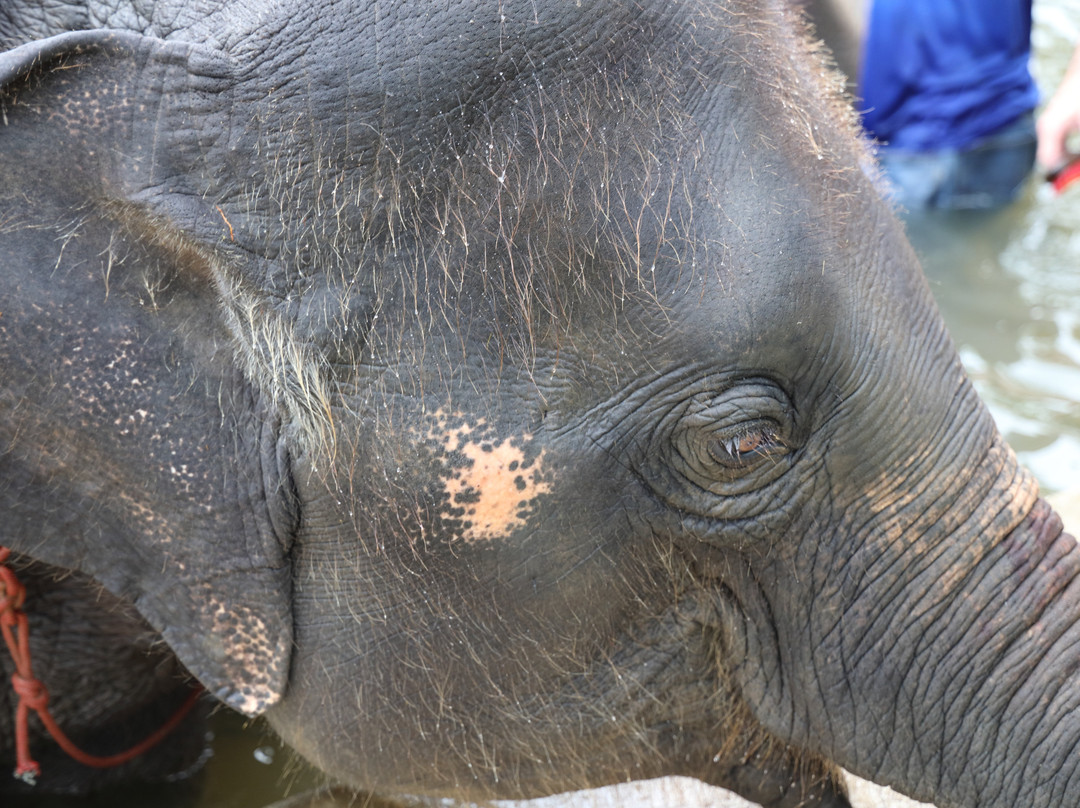
- Controlling the elephant by squeezing its ear: In many of the videos I have taken there, the worker can be seen to squeeze its ear. Elephants have very sensitive skin and are able to sense gentle touch, which can be used to give subtle commands or guidance. This method is a form of physical handling that can be very painful and stressful for elephants. Elephant trainers signal to elephants what to do by squeezing their ears. This is a way of keeping the animals under control, especially when they are around people. This method is often justified by the long tradition and experience of the mahouts. WAP is highly critical of practices such as elephant ear squeezing and considers them inhumane and unacceptable. All methods that involve physical pressure on sensitive parts of the elephant's body, such as the ears, should be reconsidered in favour of less invasive and positive training techniques.
- Is touching an elephant okay? Only visit places where you can look but not touch. Elephants are wild animals and belong in the wild. If a venue allows you to get close enough to ride, bathe or touch them, it is because they have been cruelly trained.
- To bathe or not to bathe: "When tourists support bathing establishments, they are supporting this cruelty behind the scenes and helping the industry to thrive. Venues offering these experiences also falsely claim to be 'sanctuaries', 'rescue centres' and 'ethical', deceiving well-meaning tourists.
I have no idea what happy elephants or unhappy elephants look like... I don't dare to assess their state of mind from an hour visit.
This visit was quite short, 10:19-11:14 (55 minutes) with elephants.. The rest was the trip from-to Ao Nang.
I have seen a poster from this organisation offering the tour
1. Walking - Walk with your elephant in the jungle and feed your elephant.
2. Mud spa - Get mad spa with skin and relax elephant.
3. Bathing - Take a bath with your elephant in the river.
I guess I had high expectations... We saw two elephants, Natalie (20 years old) and Lilly (5 years old). The elephants were lovely, amazing, I enjoyed seeing them. Our tour - no elephant walk in the jungle, no mud spa, no bath in the river.
I’m baffled—some Google and Facebook reviews show elephants in a pool, like we saw, while others show them splashing in a river or wallowing in mud. It seems like the same organization, but the tours happened in two different locations—one from the poster and the other was ours.
Having seen some videos of ethical elephant farms, I was surprised that where we were we only saw 2 elephants... who seemed to be ready to be fed, then they were led under this iron structure where they showered and then they were taken to a pool where people could scrub them with brushes and the rest of us could take pictures around them... and when we were finished more people came and led the same elephants back into the pool... and when we were finished more people came and led the same elephants back into the pool.
I have to admit that I didn't like it at all...
It seemed to me that there was very little space overall... do they really only have 2 elephants?
We could pay 200 baths for a basket of bananas and feed our elephants.
Summary I really liked seeing the elephants with my own eyes and closer than in the zoo. I liked it when they splashed water at us with their trunks.
With my ASD, I couldn’t imagine going into the pool and cleaning the dirt off the elephants. I kept thinking about what the water would look like under a microscope…
I didn't see any mahouts with sticks in their hands, nor did I see them being prodded or beaten in any way, nor did I see them raising their voices in any way. Nor did they look thin to me. I saw one of the men hug the elephant and press his head against it, smiling. He was very friendly with elephants, cuddling with them.
World Animal Protection
- Controlling the elephant by squeezing its ear: In many of the videos I have taken there, the worker can be seen to squeeze its ear. Elephants have very sensitive skin and are able to sense gentle touch, which can be used to give subtle commands or guidance. This method is a form of physical handling that can be very painful and stressful for elephants. Elephant trainers signal to elephants what to do by squeezing their ears. This is a way of keeping the animals under control, especially when they are around people. This method is often justified by the long tradition and experience of the mahouts. WAP is highly critical of practices such as elephant ear squeezing and considers them inhumane and unacceptable. All methods that involve physical pressure on sensitive parts of the elephant's body, such as the ears, should be reconsidered in favour of less invasive and positive training techniques.
- Is touching an elephant okay? Only visit places where you can look but not touch. Elephants are wild animals and belong in the wild. If a venue allows you to get close enough to ride, bathe or touch them, it is because they have been cruelly trained.
- To bathe or not to bathe: "When tourists support bathing establishments, they are supporting this cruelty behind the scenes and helping the industry to thrive. Venues offering these experiences also falsely claim to be 'sanctuaries', 'rescue centres' and 'ethical', deceiving well-meaning tourists.
I have no idea what happy elephants or unhappy elephants look like... I don't dare to assess their state of mind from an hour visit.
This visit was quite short, 10:19-11:14 (55 minutes) with elephants.. The rest was the trip from-to Ao Nang.
翻译:作为一个来自中欧的人,我很少遇到大象——没有工作传统,没有与大象一起的乡村花园。我们只在动物园或马戏团看到它们。我的知识主要来自文章和讨论。
我看到过一张该组织提供的旅游海报
1. 散步 - 和你的大象一起在丛林中散步并喂食。
2. 泥浴 - 疯狂地给大象做皮肤水疗,放松大象。
3. 洗澡 - 和你的大象一起在河里洗澡。
我想我的期望很高……我们看到了两头大象,娜塔莉(20 岁)和莉莉(5 岁)。大象很可爱,很神奇,我很喜欢看它们。我们的旅行——没有在丛林中散步,没有泥浴,也没有在河里洗澡。
我很困惑——一些谷歌和 Facebook 评论显示大象在水池里,就像我们看到的那样,而另一些则显示它们在河里嬉戏或在泥里打滚。看起来是同一个组织,但参观地点不同——一个在海报上,另一个在我们这里。
看过一些道德大象农场的视频后,我很惊讶,我们只看到了两头大象……它们似乎已经准备好喂食了,然后它们被带到一个铁结构下面,在那里它们洗澡,然后被带到一个水池里,人们可以用刷子给它们擦洗,我们其他人可以在它们周围拍照……当我们洗完澡后,更多的人来了,把同样的大象带回了水池……当我们洗完澡后,更多的人来了,把同样的大象带回了水池。
我不得不承认我一点也不喜欢它……
在我看来,总的来说空间很小……他们真的只有两头大象吗?
我们可以花 200 泰铢买一篮香蕉,然后喂我们的大象。
总结我真的很喜欢亲眼看到大象,而且比在动物园里更近。我喜欢它们用鼻子向我们泼水。
由于患有自闭症,我无法想象自己走进水池,为大象清理泥土。我一直在想,水在显微镜下会是什么样子……
我没有看到任何象夫手里拿着棍子,也没有看到他们被戳或被打,也没有看到他们以任何方式提高声音。在我看来,他们看起来也不瘦。我看到其中一个男人拥抱大象,把头靠在大象身上,面带微笑。他对大象很友好,和它们依偎在一起。
世界动物保护组织
- 通过挤压大象的耳朵来控制大象:在我拍摄的许多视频中,可以看到工人挤压大象的耳朵。大象的皮肤非常敏感,能够感觉到温柔的触摸,这可以用来发出微妙的命令或指导。这种方法是一种身体上的处理方式,对大象来说可能非常痛苦和紧张。大象训练员通过挤压大象的耳朵来向大象发出信号。这是控制动物的一种方式,尤其是当它们在人类周围时。这种方法通常被驯象师的悠久传统和经验所证明。WAP 强烈批评挤压大象耳朵等做法,认为这些做法不人道且不可接受。所有涉及对大象身体敏感部位(如耳朵)施加物理压力的方法都应重新考虑,转而采用侵入性较小且积极的训练技术。
- 触摸大象可以吗?只去可以看但不能触摸的地方。大象是野生动物,属于野外。如果某个场所允许您靠近它们进行骑乘、洗澡或触摸,那是因为它们受过残忍的训练。
- 洗澡还是不洗澡:“当游客支持洗浴场所时,他们实际上是在支持幕后的残忍行为,帮助该行业蓬勃发展。提供这些体验的场所还谎称自己是‘庇护所’、‘救援中心’和‘道德’,欺骗善意的游客。
我不知道快乐的大象或不快乐的大象是什么样子……我不敢从一个小时的参观中判断它们的心理状态。
这次参观很短,10:19-11:14(55 分钟)与大象在一起。剩下的是从奥南到奥南的旅程。
我看到过一张该组织提供的旅游海报
1. 散步 - 和你的大象一起在丛林中散步并喂食。
2. 泥浴 - 疯狂地给大象做皮肤水疗,放松大象。
3. 洗澡 - 和你的大象一起在河里洗澡。
我想我的期望很高……我们看到了两头大象,娜塔莉(20 岁)和莉莉(5 岁)。大象很可爱,很神奇,我很喜欢看它们。我们的旅行——没有在丛林中散步,没有泥浴,也没有在河里洗澡。
我很困惑——一些谷歌和 Facebook 评论显示大象在水池里,就像我们看到的那样,而另一些则显示它们在河里嬉戏或在泥里打滚。看起来是同一个组织,但参观地点不同——一个在海报上,另一个在我们这里。
看过一些道德大象农场的视频后,我很惊讶,我们只看到了两头大象……它们似乎已经准备好喂食了,然后它们被带到一个铁结构下面,在那里它们洗澡,然后被带到一个水池里,人们可以用刷子给它们擦洗,我们其他人可以在它们周围拍照……当我们洗完澡后,更多的人来了,把同样的大象带回了水池……当我们洗完澡后,更多的人来了,把同样的大象带回了水池。
我不得不承认我一点也不喜欢它……
在我看来,总的来说空间很小……他们真的只有两头大象吗?
我们可以花 200 泰铢买一篮香蕉,然后喂我们的大象。
总结我真的很喜欢亲眼看到大象,而且比在动物园里更近。我喜欢它们用鼻子向我们泼水。
由于患有自闭症,我无法想象自己走进水池,为大象清理泥土。我一直在想,水在显微镜下会是什么样子……
我没有看到任何象夫手里拿着棍子,也没有看到他们被戳或被打,也没有看到他们以任何方式提高声音。在我看来,他们看起来也不瘦。我看到其中一个男人拥抱大象,把头靠在大象身上,面带微笑。他对大象很友好,和它们依偎在一起。
世界动物保护组织
- 通过挤压大象的耳朵来控制大象:在我拍摄的许多视频中,可以看到工人挤压大象的耳朵。大象的皮肤非常敏感,能够感觉到温柔的触摸,这可以用来发出微妙的命令或指导。这种方法是一种身体上的处理方式,对大象来说可能非常痛苦和紧张。大象训练员通过挤压大象的耳朵来向大象发出信号。这是控制动物的一种方式,尤其是当它们在人类周围时。这种方法通常被驯象师的悠久传统和经验所证明。WAP 强烈批评挤压大象耳朵等做法,认为这些做法不人道且不可接受。所有涉及对大象身体敏感部位(如耳朵)施加物理压力的方法都应重新考虑,转而采用侵入性较小且积极的训练技术。
- 触摸大象可以吗?只去可以看但不能触摸的地方。大象是野生动物,属于野外。如果某个场所允许您靠近它们进行骑乘、洗澡或触摸,那是因为它们受过残忍的训练。
- 洗澡还是不洗澡:“当游客支持洗浴场所时,他们实际上是在支持幕后的残忍行为,帮助该行业蓬勃发展。提供这些体验的场所还谎称自己是‘庇护所’、‘救援中心’和‘道德’,欺骗善意的游客。
我不知道快乐的大象或不快乐的大象是什么样子……我不敢从一个小时的参观中判断它们的心理状态。
这次参观很短,10:19-11:14(55 分钟)与大象在一起。剩下的是从奥南到奥南的旅程。



© 2026 Tripadvisor 版权所有。
部分照片由 VFM Leonardo 提供。
TripAdvisor公司对外部网站的内容一概不负责。优惠价格中不含税和其他费用。
ICP证:沪B2-20200433
沪ICP备20013175号
 沪公网安备31010502005427号
鹰程信息技术(上海)有限公司