下载App
资质规则
旅行
账户

Borromean-Walker
The Magnificent Bulls of Blickling Mansion
Blickling Estate的点评
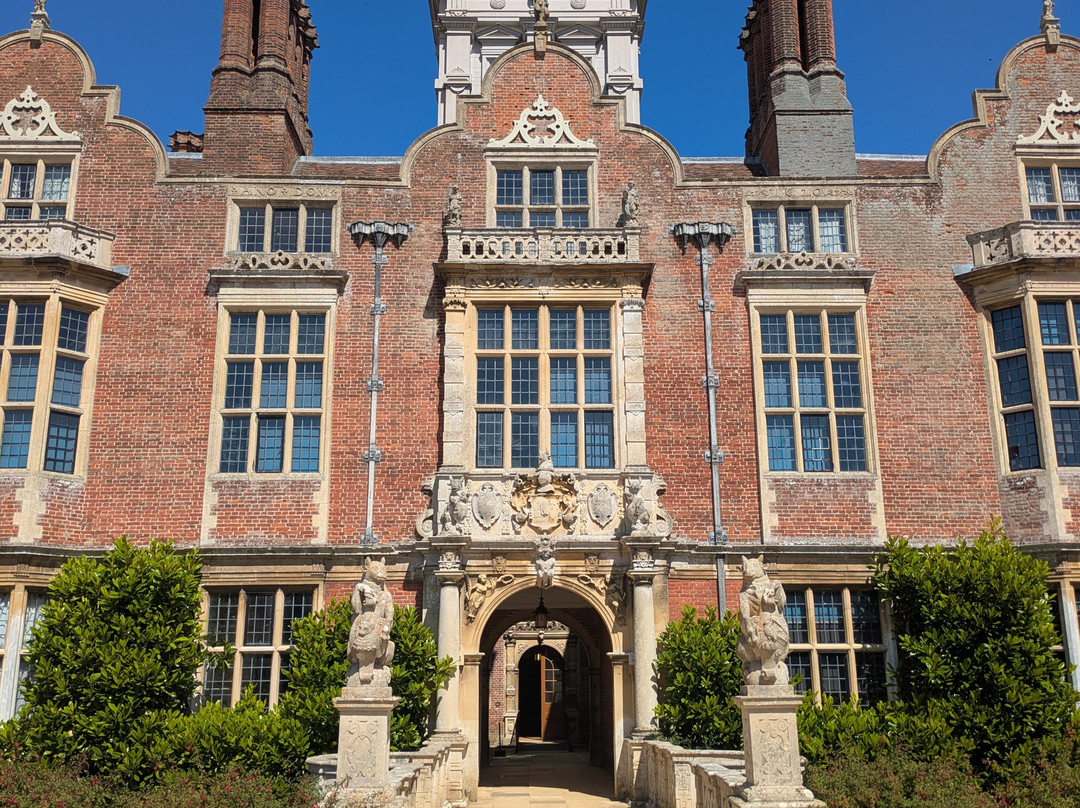
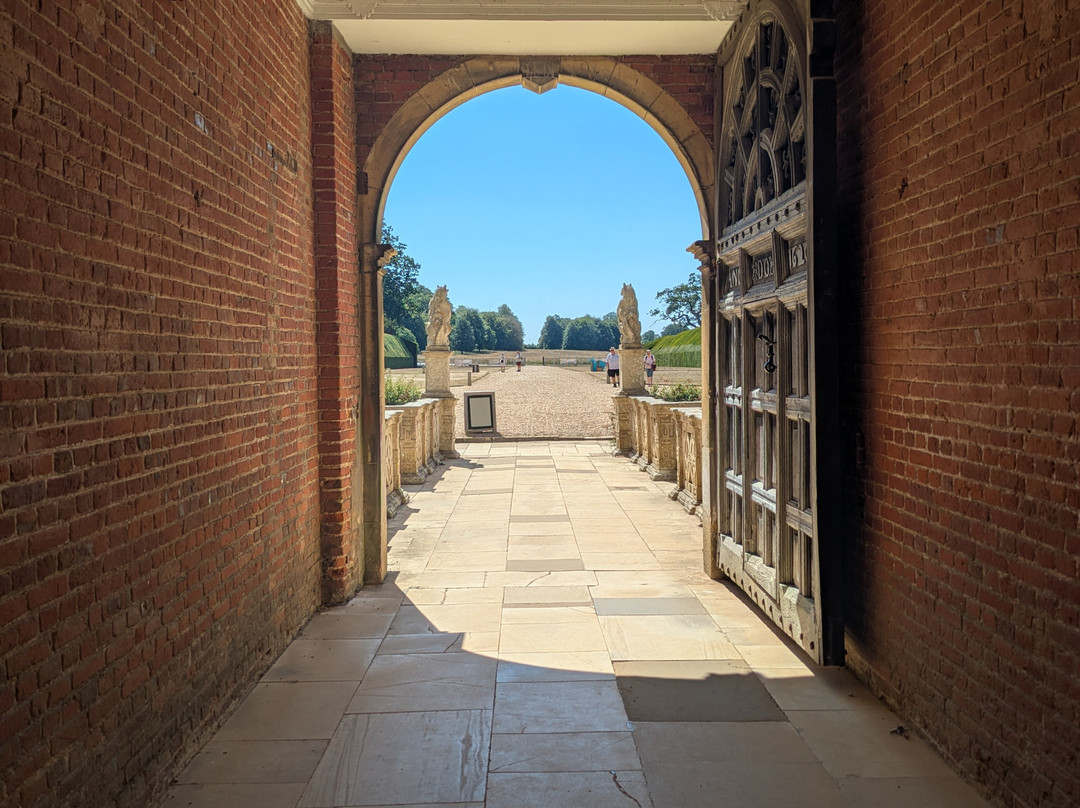
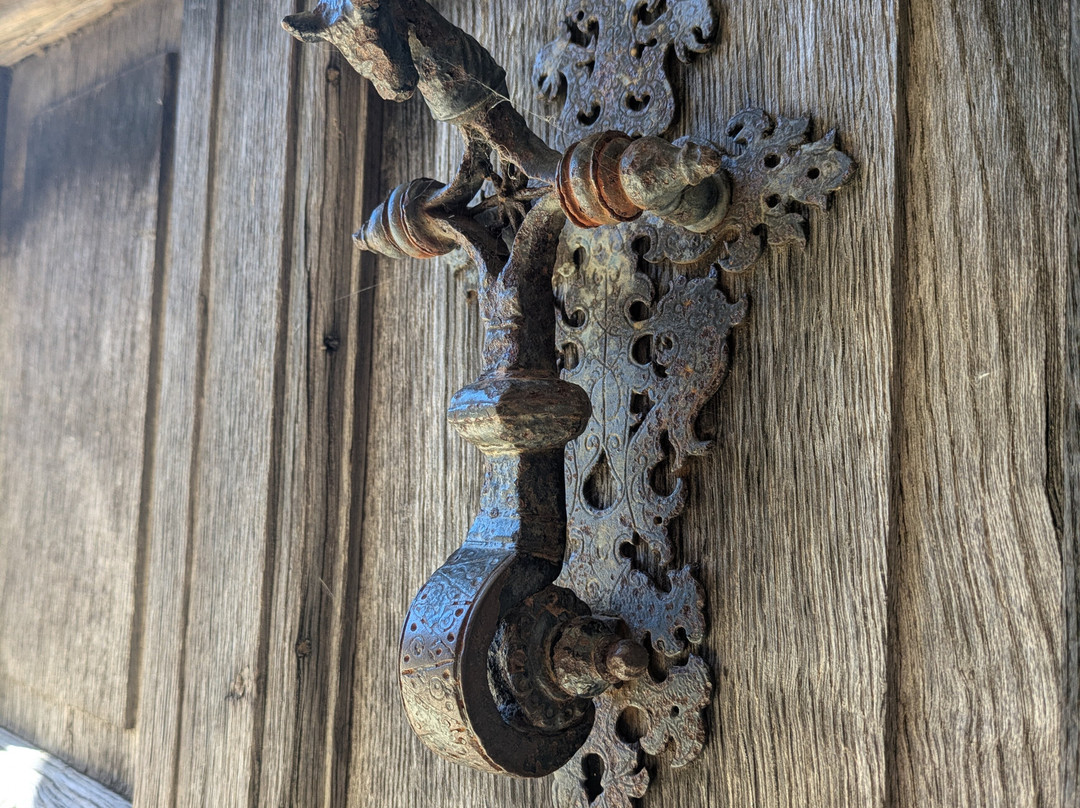
点评:On possibly the hottest August afternoon we parked up and dragged our tired doggie away from the estate tourism and souvenir shop; laden with treats, ice cream and woody aromas. Skirting the high walled gardens we passed through a cast iron gated entrance to come face to face with the most imposing Jacobean mansion, thought to be the birth place of Anne Boleyn. Flanking the building over the lawns were statues that looked (from a distance) like giant squirrels! On closer inspection we found them to be bulls, the historic, heraldic symbol of the Boleyn family. Henry Hobart bought Blickling in 1616 and took the "bull" as his own emblem signifying, power, strength, vitality and tenacity. With dog we were unable to study the manor's interior. Next time we will return to seek the architectural "bull" details, possibly on the cornices and ornate ceiling. Instead we found one cast in ironwork (as a door knocker) and then completed our exploration by roaming the largest second hand book shop of our trip. Before leaving we made a purchase of an ice lolly in the busy cafe. There were barely seats available but it was cool, tidy and the staff were on the ball to keep the customers content. We idled away an hour or so which would have extended had we explored inside the mansion.
翻译:在那个可能是最炎热的八月午后,我们停下车,牵着疲惫不堪的爱犬离开了那处旅游景点和纪念品商店——那里堆满了零食、冰淇淋,还弥漫着木头的香气。沿着高墙环绕的花园行走,我们穿过一个铸铁门,眼前便出现了一座极为气派的詹姆士一世风格的豪宅,据说这里就是安妮·博林的出生地。在草坪上,豪宅两侧矗立着几座雕像,从远处看宛如巨大的松鼠!仔细观察后,我们发现那些图案其实是公牛——这是博林家族历史上所使用的纹章象征。1616年,亨利·霍巴特买下了布利克林庄园,并将“公牛”作为自己的标志,以象征权力、力量、活力与坚韧。由于时间有限,我们未能仔细考察庄园的内部结构。下次我们会再回来,寻找那些隐藏在飞檐或华丽天花板上的“公牛”图案。我们只找到了一个铁制铸件(用作门环),随后便漫步于此行中规模最大的旧书店来完成我们的探索之旅。离开前,我们在热闹的咖啡馆里买了一支冰棒。尽管几乎没有空位,但店内凉爽又整洁,工作人员也忙而不乱,尽力让顾客满意。我们在这里消磨了大约一个小时;倘若当时走进那座大宅内参观,时间恐怕还会更长。

© 2026 Tripadvisor 版权所有。
部分照片由 VFM Leonardo 提供。
TripAdvisor公司对外部网站的内容一概不负责。优惠价格中不含税和其他费用。
ICP证:沪B2-20200433
沪ICP备20013175号
 沪公网安备31010502005427号
鹰程信息技术(上海)有限公司