下载App
旅行
账户
laczkozsu
The two faces of the Main Square
马约尔广场的点评
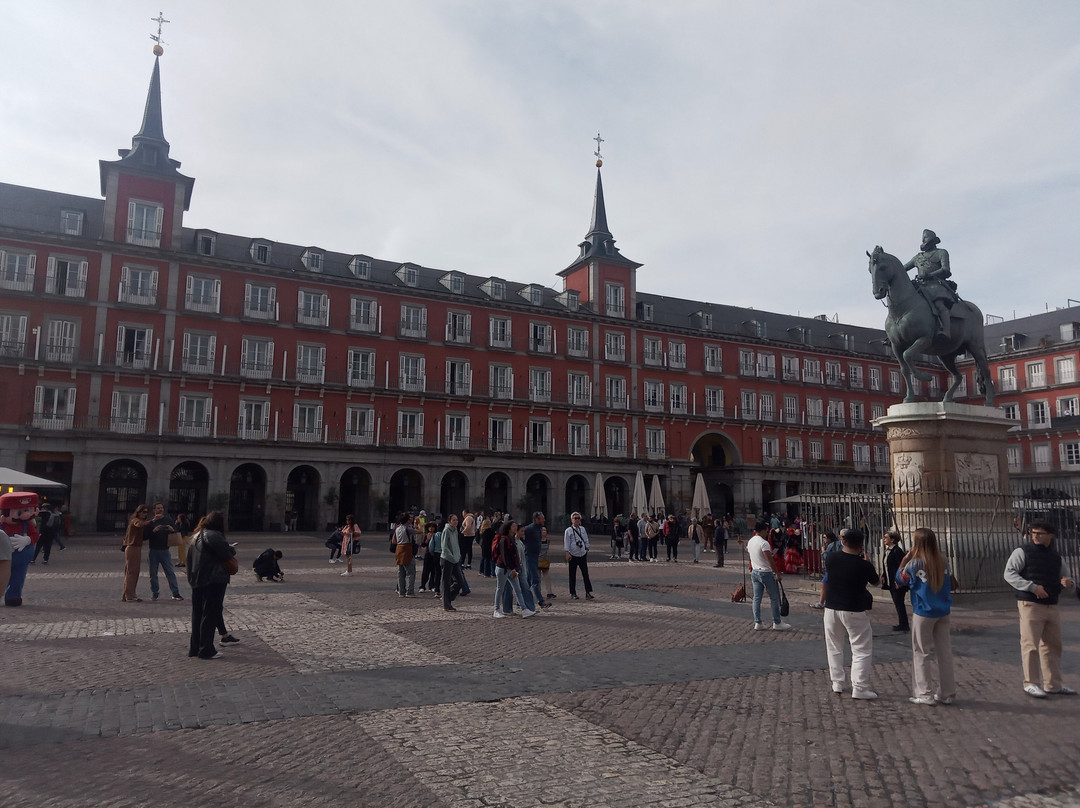
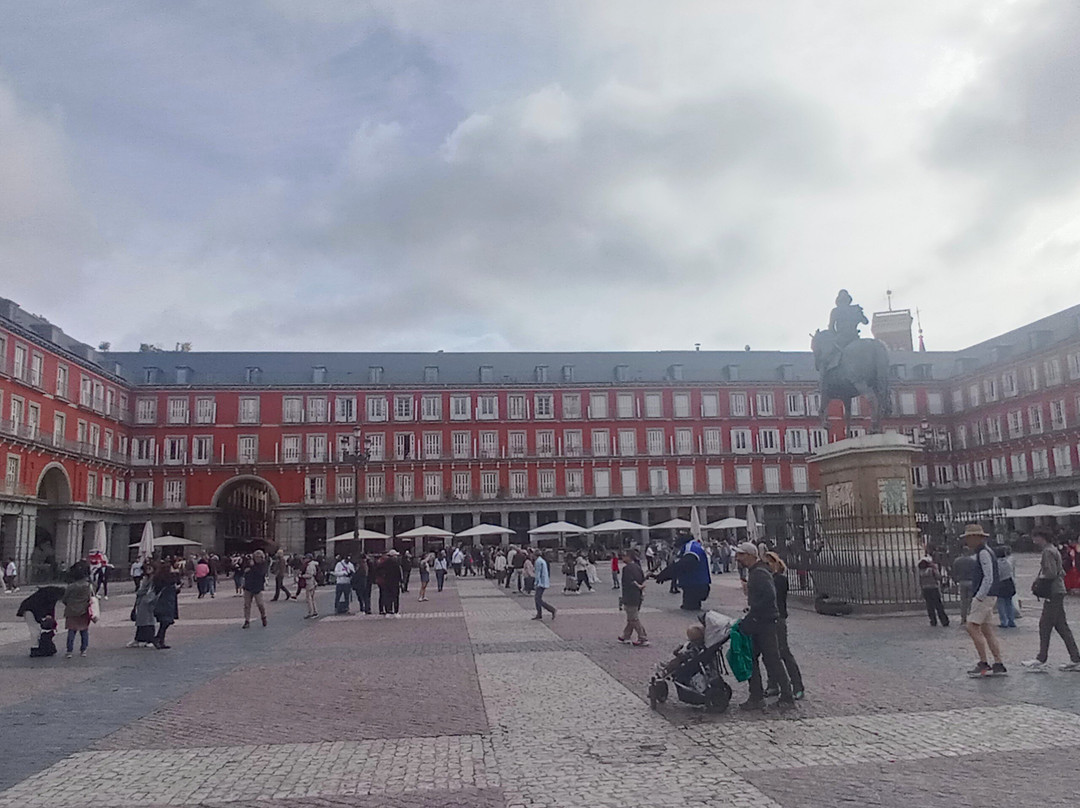
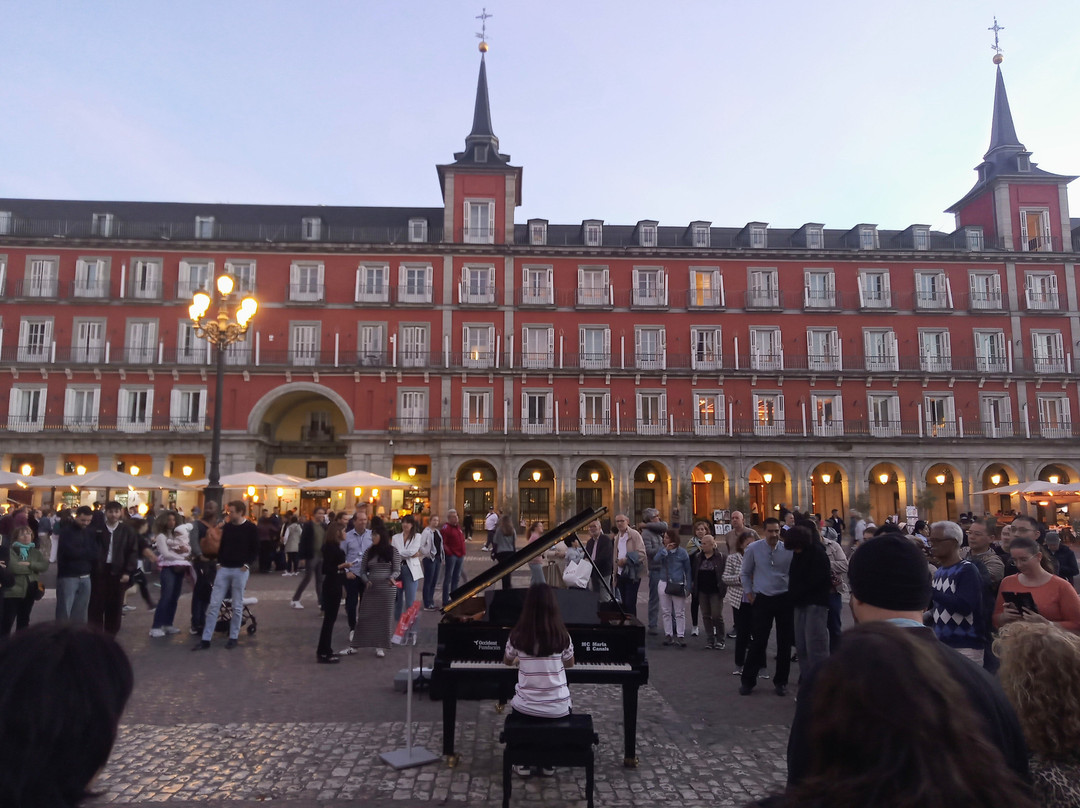
点评:We can go back 400 years in history. The red-brick buildings in the square feature traditional Habsburg architectural elements, such as hipped roofs and slender towers. Today, it is no longer the center of city life, but it is still the site of the Christmas market. Cafés, tapas bars, and shops are lined up under the arcades. The square, designed in 1617, was once the scene of bullfights, knights' tournaments and theatrical performances, but it was also the site of cruel executions. In the center of the square stands an equestrian statue of Philip III. Surrounding it are street musicians, portrait painters and the hustle and bustle of everyday life. We stopped for a moment to relax. The Panaderia building features allegorical frescoes dating back to 1992. It is good to know that the city's tourist information center is located on the ground floor. We returned here on our last evening. We really liked the illuminated square, and they had set up two pianos and were holding some kind of competition. It was an interesting experience.
翻译:我们可以追溯到四百年前的历史。广场上的红砖建筑展现了传统的哈布斯堡建筑元素,例如坡屋顶和纤细的塔楼。如今,这里不再是城市生活的中心,但仍然是圣诞市场的所在地。咖啡馆、小吃店和商店林立在拱廊之下。这座建于1617年的广场曾是斗牛、骑士比武和戏剧表演的场所,但也曾是残酷处决的场所。广场中央矗立着菲利普三世的骑马雕像。雕像周围是街头艺人、肖像画家和熙熙攘攘的日常生活。我们在此稍作停留,放松片刻。面包店的建筑内绘有可追溯至1992年的寓言壁画。值得一提的是,城市旅游信息中心就位于一楼。我们在离开前的最后一个晚上又回到了这里。我们非常喜欢那个灯光璀璨的广场,他们在那里摆放了两架钢琴,似乎正在举办某种比赛。这是一次有趣的体验。

© 2026 Tripadvisor 版权所有。
部分照片由 VFM Leonardo 提供。
TripAdvisor公司对外部网站的内容一概不负责。优惠价格中不含税和其他费用。
ICP证:沪B2-20200433
沪ICP备20013175号
 沪公网安备31010502005427号
鹰程信息技术(上海)有限公司