下载App
资质规则
旅行
账户

Atieh
An Extraordinary Journey Through Human Civilization — From Cyrus the Great to Ancient Egypt, Sumer and Greece
大英博物馆的点评
点评:The British Museum is on another level.
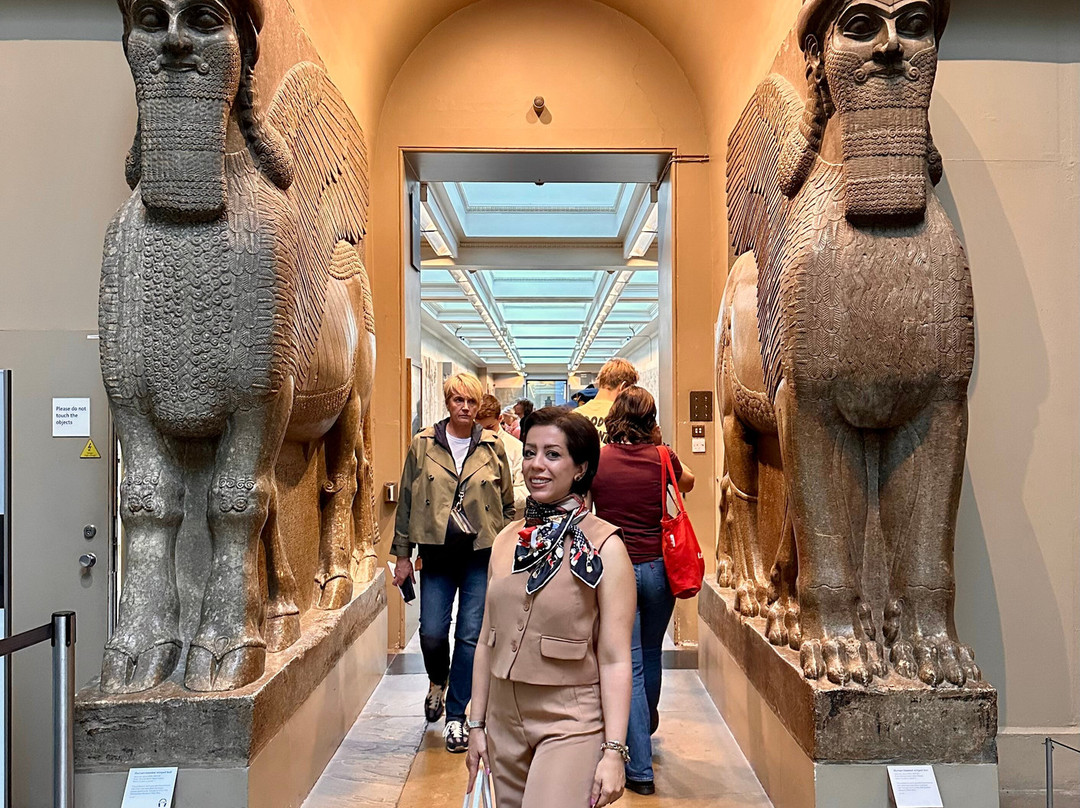
I came expecting an impressive museum, but I left feeling as though I had travelled through thousands of years of human civilisation in a single building.
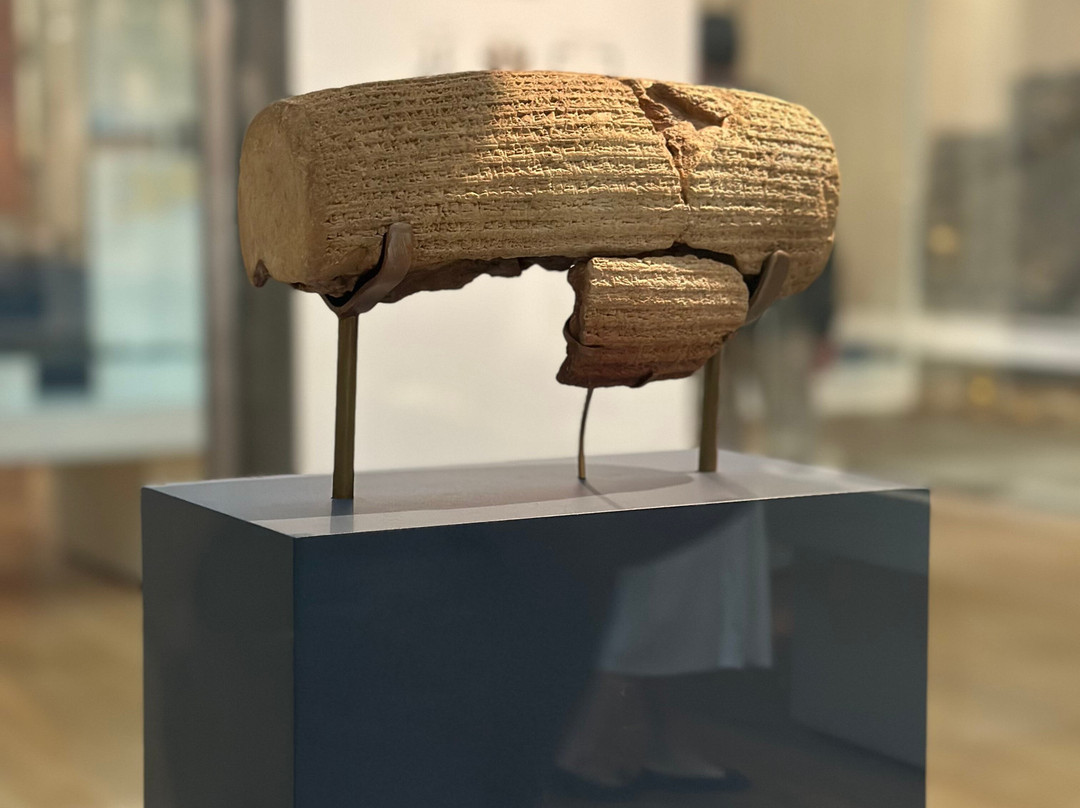
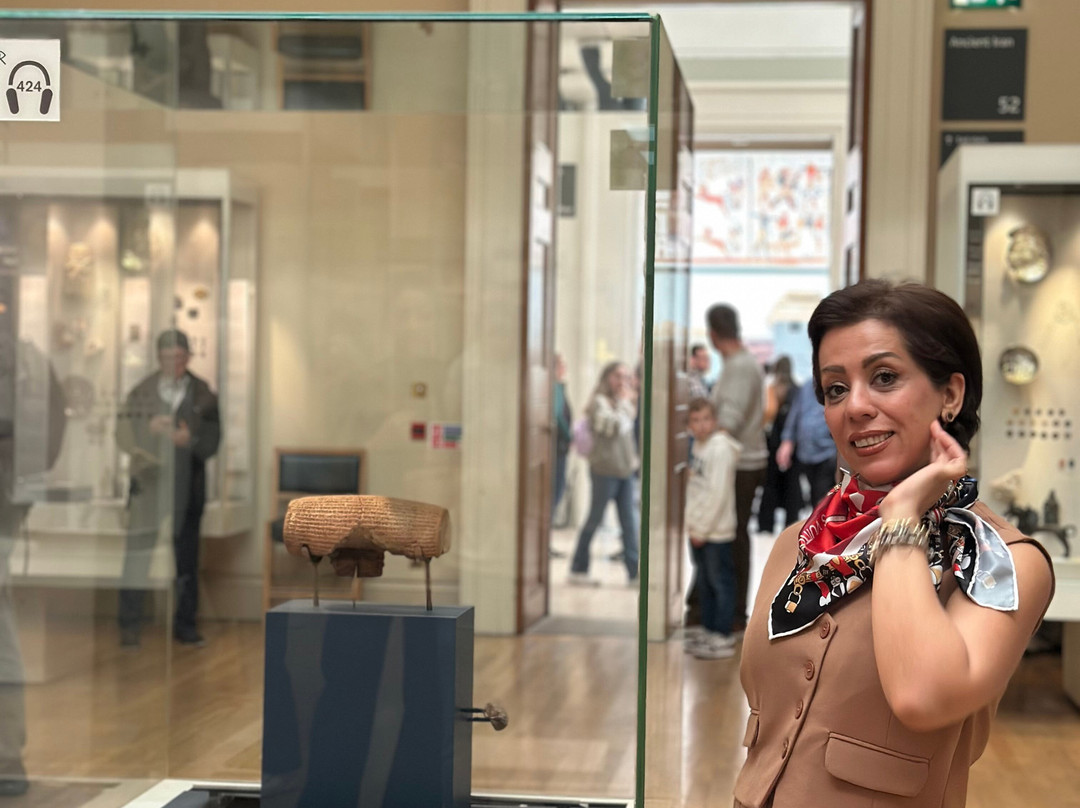
The Ancient Iran gallery — Room 52 — was particularly meaningful to me. Seeing the Cyrus Cylinder, associated with Cyrus the Great and the conquest of Babylon in 539 BC, is an extraordinary experience. The museum identifies it as a Babylonian inscription recording Cyrus’s conquest and his restoration of religious images and temples. (British Museum)
But the Cyrus Cylinder is only part of what makes the Iranian section remarkable.
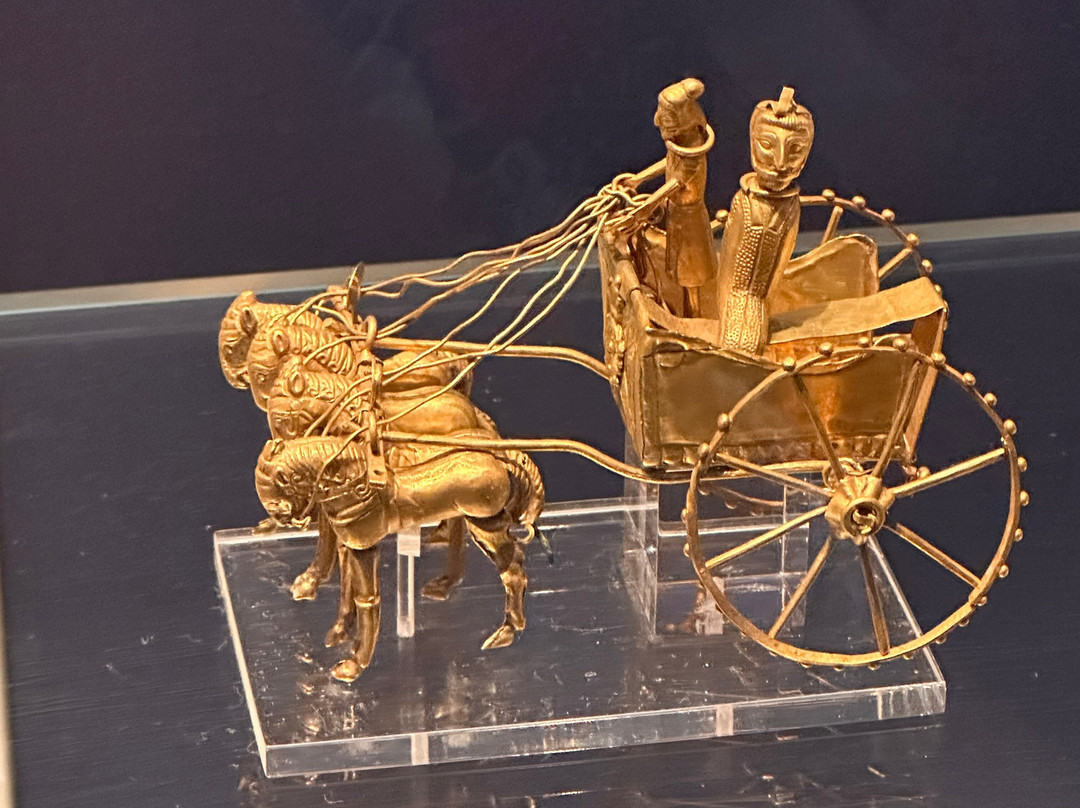
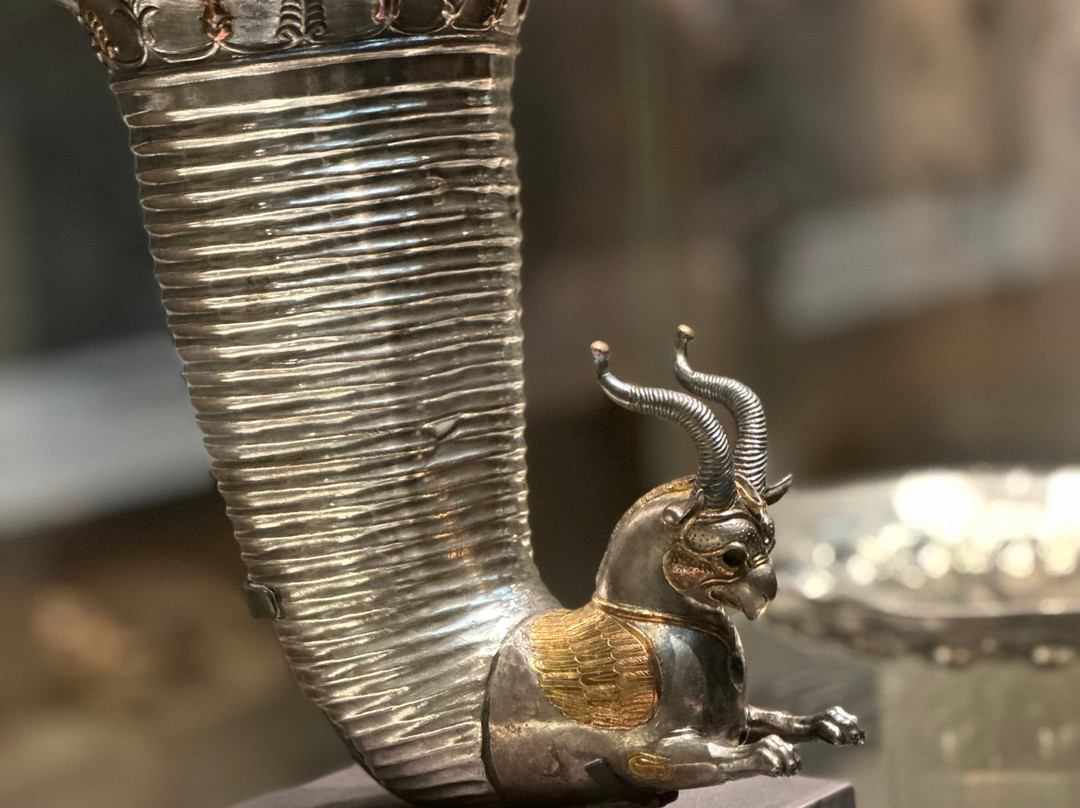
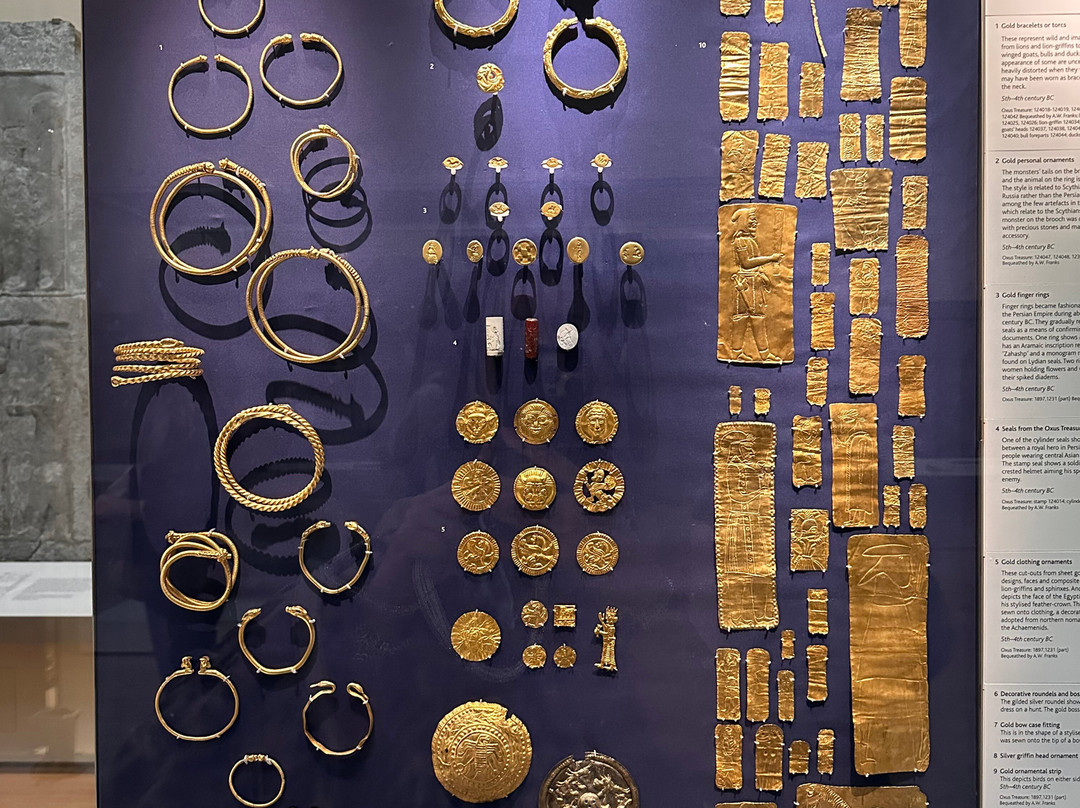
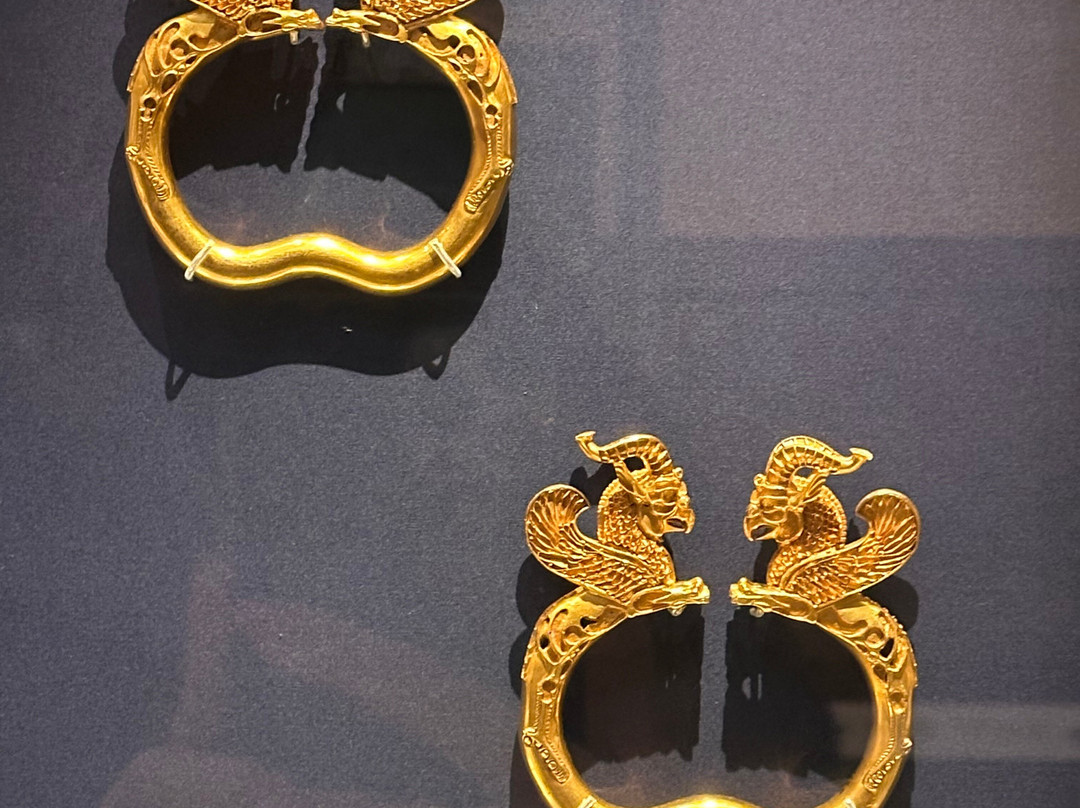
The Oxus Treasure is breathtaking, especially the Achaemenid gold jewellery and the famous gold armlets with griffin and animal terminals. The craftsmanship is astonishing when you realise that these pieces date to roughly the 5th–4th centuries BC. Some even retain turquoise or other traces of ancient inlay work. (British Museum)
For someone interested in fashion, jewellery and craftsmanship, these objects are fascinating because they demonstrate that luxury, ornament and sophisticated goldsmithing were already extraordinarily advanced more than two thousand years ago.
Then you leave Iran and suddenly you are standing in front of the Rosetta Stone — one of the most famous archaeological objects in the world — and the experience becomes almost surreal.
The Egyptian galleries are extraordinary as well. The mummies, coffins, sculptures, funerary objects and hieroglyphic inscriptions give an incredible sense of how sophisticated ancient Egyptian culture was.
Then comes Mesopotamia and Sumer: the Standard of Ur, ancient jewellery, cylinder seals and objects from some of the earliest urban civilisations on Earth. It is difficult not to think about how much of modern civilisation — writing, administration, trade, art and urban life — has roots in these ancient worlds.
And the Greek galleries are spectacular. Ancient sculpture, architecture and the extraordinary collection connected with the Parthenon make you realise how much artistic influence Greek civilisation has had on the world.
One correction that is important for anyone planning a visit: I was expecting to see the famous Code of Hammurabi, but the original stele is actually in the Louvre in Paris, not the British Museum. The British Museum nevertheless has an extraordinary collection of Babylonian, Assyrian and Mesopotamian material.
What struck me most was the sheer scale of the collection.
Iranian civilisation. Mesopotamia. Sumer. Babylon. Assyria. Egypt. Greece. Rome. Europe. Asia. Africa.
You don’t feel like you are visiting a museum.
You feel like you are walking through human history itself.
If I had the opportunity, I would honestly stay inside for several days — not because I couldn’t see the highlights in one visit, but because almost every object deserves time, context and attention.
For me, this is not a place to rush through with a checklist.
Come with time. Come curious. And let yourself get lost in it.
I came expecting an impressive museum, but I left feeling as though I had travelled through thousands of years of human civilisation in a single building.
The Ancient Iran gallery — Room 52 — was particularly meaningful to me. Seeing the Cyrus Cylinder, associated with Cyrus the Great and the conquest of Babylon in 539 BC, is an extraordinary experience. The museum identifies it as a Babylonian inscription recording Cyrus’s conquest and his restoration of religious images and temples. (British Museum)
But the Cyrus Cylinder is only part of what makes the Iranian section remarkable.
The Oxus Treasure is breathtaking, especially the Achaemenid gold jewellery and the famous gold armlets with griffin and animal terminals. The craftsmanship is astonishing when you realise that these pieces date to roughly the 5th–4th centuries BC. Some even retain turquoise or other traces of ancient inlay work. (British Museum)
For someone interested in fashion, jewellery and craftsmanship, these objects are fascinating because they demonstrate that luxury, ornament and sophisticated goldsmithing were already extraordinarily advanced more than two thousand years ago.
Then you leave Iran and suddenly you are standing in front of the Rosetta Stone — one of the most famous archaeological objects in the world — and the experience becomes almost surreal.
The Egyptian galleries are extraordinary as well. The mummies, coffins, sculptures, funerary objects and hieroglyphic inscriptions give an incredible sense of how sophisticated ancient Egyptian culture was.
Then comes Mesopotamia and Sumer: the Standard of Ur, ancient jewellery, cylinder seals and objects from some of the earliest urban civilisations on Earth. It is difficult not to think about how much of modern civilisation — writing, administration, trade, art and urban life — has roots in these ancient worlds.
And the Greek galleries are spectacular. Ancient sculpture, architecture and the extraordinary collection connected with the Parthenon make you realise how much artistic influence Greek civilisation has had on the world.
One correction that is important for anyone planning a visit: I was expecting to see the famous Code of Hammurabi, but the original stele is actually in the Louvre in Paris, not the British Museum. The British Museum nevertheless has an extraordinary collection of Babylonian, Assyrian and Mesopotamian material.
What struck me most was the sheer scale of the collection.
Iranian civilisation. Mesopotamia. Sumer. Babylon. Assyria. Egypt. Greece. Rome. Europe. Asia. Africa.
You don’t feel like you are visiting a museum.
You feel like you are walking through human history itself.
If I had the opportunity, I would honestly stay inside for several days — not because I couldn’t see the highlights in one visit, but because almost every object deserves time, context and attention.
For me, this is not a place to rush through with a checklist.
Come with time. Come curious. And let yourself get lost in it.
翻译:大英博物馆简直超乎想象。
我原以为会看到一座令人印象深刻的博物馆,但离开时却感觉仿佛在一栋建筑里穿越了数千年的人类文明史。
其中的古代伊朗展厅——52号展厅——对我而言意义非凡。能够亲眼见到与居鲁士大帝以及公元前539年巴比伦征服事件相关的居鲁士圆筒,真是一次非同寻常的体验。该博物馆将其认定为一块巴比伦铭文,记载了居鲁士的征服事迹以及他恢复宗教雕像与庙宇的举动。(大英博物馆)
不过,让伊朗文物展区如此引人注目的并不仅仅是居鲁士圆筒。
奥克苏斯宝藏令人叹为观止,尤其是阿契美尼德王朝时期的黄金首饰,以及那些带有狮鹫与动物图案的著名金手镯。当了解到这些物品的历史可追溯至公元前5至4世纪时,其精湛工艺更显得令人惊叹。有些器物上甚至还保留着绿松石或其他古代镶嵌工艺的痕迹。(大英博物馆)
对于对时尚、珠宝及工艺感兴趣的人来说,这些物件极具吸引力,因为它们证明:早在两千多年前,奢侈品制作、装饰艺术以及金匠工艺便已达到了极为高超的水平。随后你离开伊朗,骤然间便站在了罗塞塔石碑前——这是世界上最著名的考古文物之一——那种体验几乎有些超现实。
埃及文物展厅同样精彩非凡。那些木乃伊、棺椁、雕塑、丧葬用品以及象形文字铭文,让人深切感受到古埃及文化的高度发达与精致。
接下来是美索不达米亚与苏美尔展区:乌尔军旗、古代珠宝……这些圆柱形印章以及各种文物都源自地球上一些最古老的城市文明。不难想象,现代文明的诸多方面——文字、行政管理、贸易、艺术以及城市生活——其实都根植于这些古代文明之中。
希腊艺术展区同样令人叹为观止。那些古老的雕塑、建筑,以及与帕特农神庙相关的珍贵藏品,都让人深刻体会到希腊文明对世界艺术所产生的巨大影响。有一个纠正点对任何计划前往参观的人来说都很重要:我原以为能看到著名的《汉谟拉比法典》,但实际上那块原版石碑保存在巴黎的卢浮宫,而非大英博物馆。不过,大英博物馆同样收藏着大量与巴比伦、亚述及美索不达米亚相关的珍贵文物。
最让我惊叹的便是这些藏品的庞大规模。
伊朗文明。美索不达米亚。苏美尔。巴比伦。亚述。埃及。希腊。罗马。欧洲。亚洲。非洲。你不会觉得自己是在参观博物馆。
你会感觉自己正徜徉在人类历史的长河之中。
如果有机会,我真心想在里面待上好几天——并非因为一次参观无法看完所有亮点,而是因为几乎每一件展品都值得花时间去了解其背景与意义。
对我而言,这里绝对不是一个可以照着清单匆匆浏览的地方。
请带着充裕的时间与好奇心前来吧。让自己完全沉浸其中吧。
我原以为会看到一座令人印象深刻的博物馆,但离开时却感觉仿佛在一栋建筑里穿越了数千年的人类文明史。
其中的古代伊朗展厅——52号展厅——对我而言意义非凡。能够亲眼见到与居鲁士大帝以及公元前539年巴比伦征服事件相关的居鲁士圆筒,真是一次非同寻常的体验。该博物馆将其认定为一块巴比伦铭文,记载了居鲁士的征服事迹以及他恢复宗教雕像与庙宇的举动。(大英博物馆)
不过,让伊朗文物展区如此引人注目的并不仅仅是居鲁士圆筒。
奥克苏斯宝藏令人叹为观止,尤其是阿契美尼德王朝时期的黄金首饰,以及那些带有狮鹫与动物图案的著名金手镯。当了解到这些物品的历史可追溯至公元前5至4世纪时,其精湛工艺更显得令人惊叹。有些器物上甚至还保留着绿松石或其他古代镶嵌工艺的痕迹。(大英博物馆)
对于对时尚、珠宝及工艺感兴趣的人来说,这些物件极具吸引力,因为它们证明:早在两千多年前,奢侈品制作、装饰艺术以及金匠工艺便已达到了极为高超的水平。随后你离开伊朗,骤然间便站在了罗塞塔石碑前——这是世界上最著名的考古文物之一——那种体验几乎有些超现实。
埃及文物展厅同样精彩非凡。那些木乃伊、棺椁、雕塑、丧葬用品以及象形文字铭文,让人深切感受到古埃及文化的高度发达与精致。
接下来是美索不达米亚与苏美尔展区:乌尔军旗、古代珠宝……这些圆柱形印章以及各种文物都源自地球上一些最古老的城市文明。不难想象,现代文明的诸多方面——文字、行政管理、贸易、艺术以及城市生活——其实都根植于这些古代文明之中。
希腊艺术展区同样令人叹为观止。那些古老的雕塑、建筑,以及与帕特农神庙相关的珍贵藏品,都让人深刻体会到希腊文明对世界艺术所产生的巨大影响。有一个纠正点对任何计划前往参观的人来说都很重要:我原以为能看到著名的《汉谟拉比法典》,但实际上那块原版石碑保存在巴黎的卢浮宫,而非大英博物馆。不过,大英博物馆同样收藏着大量与巴比伦、亚述及美索不达米亚相关的珍贵文物。
最让我惊叹的便是这些藏品的庞大规模。
伊朗文明。美索不达米亚。苏美尔。巴比伦。亚述。埃及。希腊。罗马。欧洲。亚洲。非洲。你不会觉得自己是在参观博物馆。
你会感觉自己正徜徉在人类历史的长河之中。
如果有机会,我真心想在里面待上好几天——并非因为一次参观无法看完所有亮点,而是因为几乎每一件展品都值得花时间去了解其背景与意义。
对我而言,这里绝对不是一个可以照着清单匆匆浏览的地方。
请带着充裕的时间与好奇心前来吧。让自己完全沉浸其中吧。

© 2026 Tripadvisor 版权所有。
部分照片由 VFM Leonardo 提供。
TripAdvisor公司对外部网站的内容一概不负责。优惠价格中不含税和其他费用。
ICP证:沪B2-20200433
沪ICP备20013175号
 沪公网安备31010502005427号
鹰程信息技术(上海)有限公司