下载App
资质规则
旅行
账户

Suren A
Highly recommend to visit this place in Armenia
Radio Optical Observatory ROT-54的点评
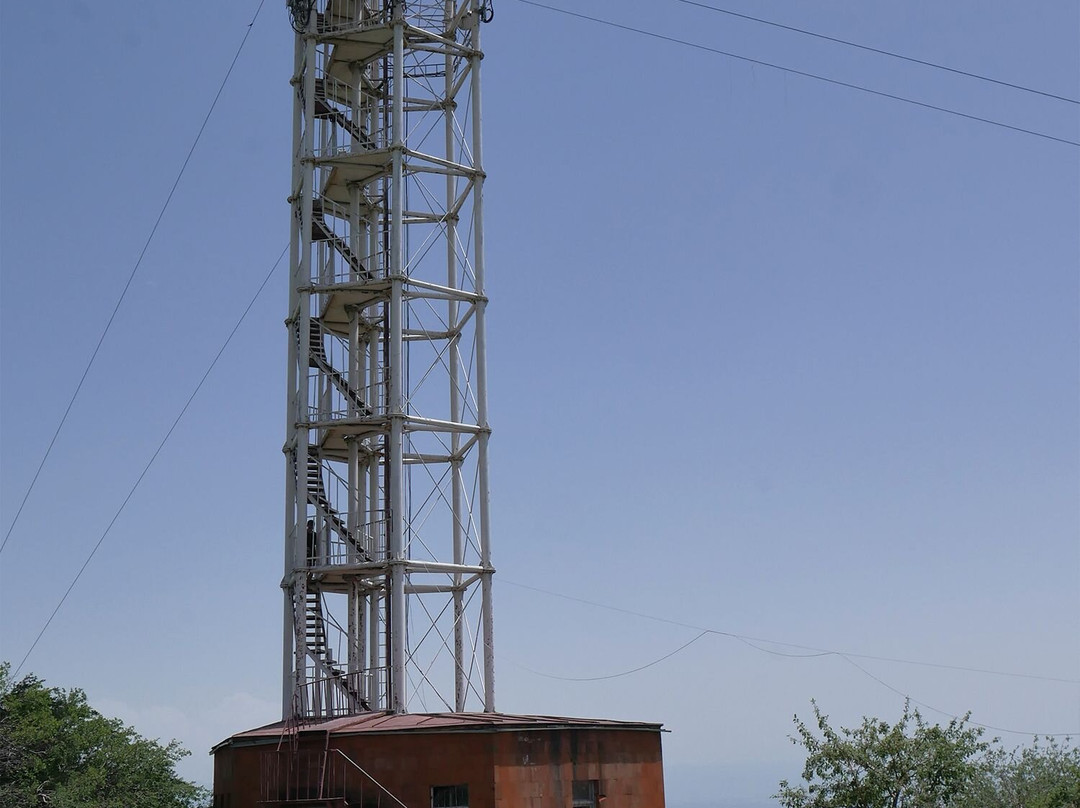
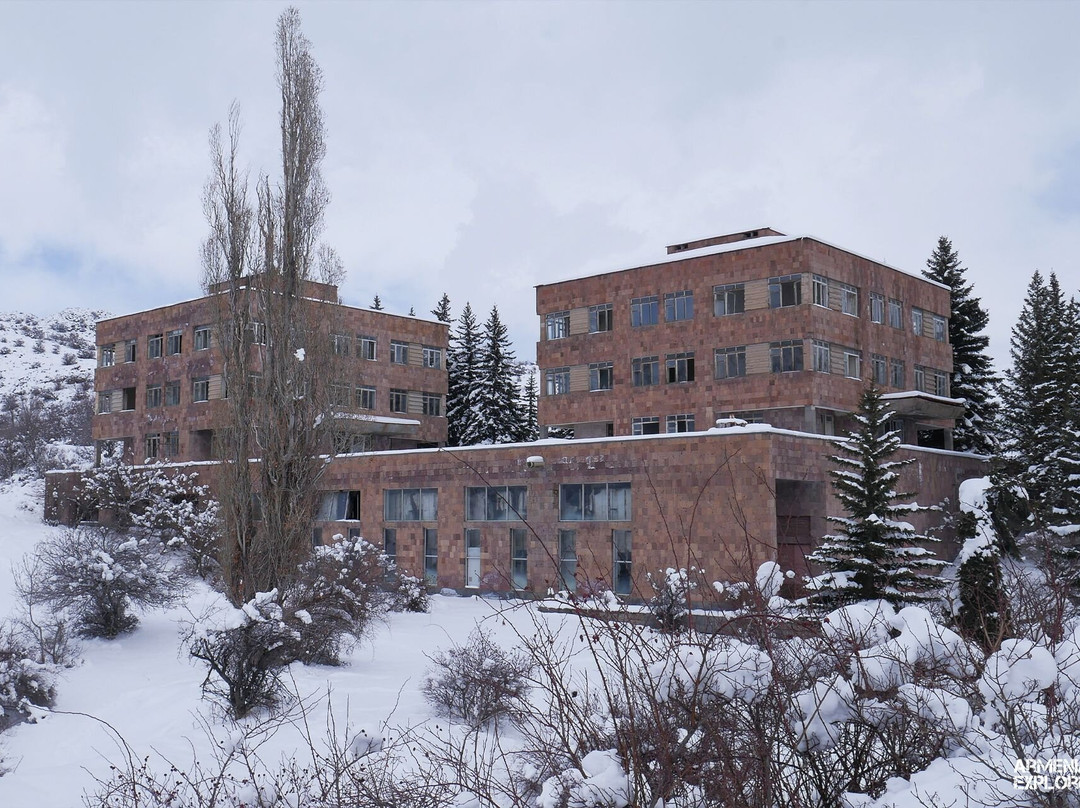
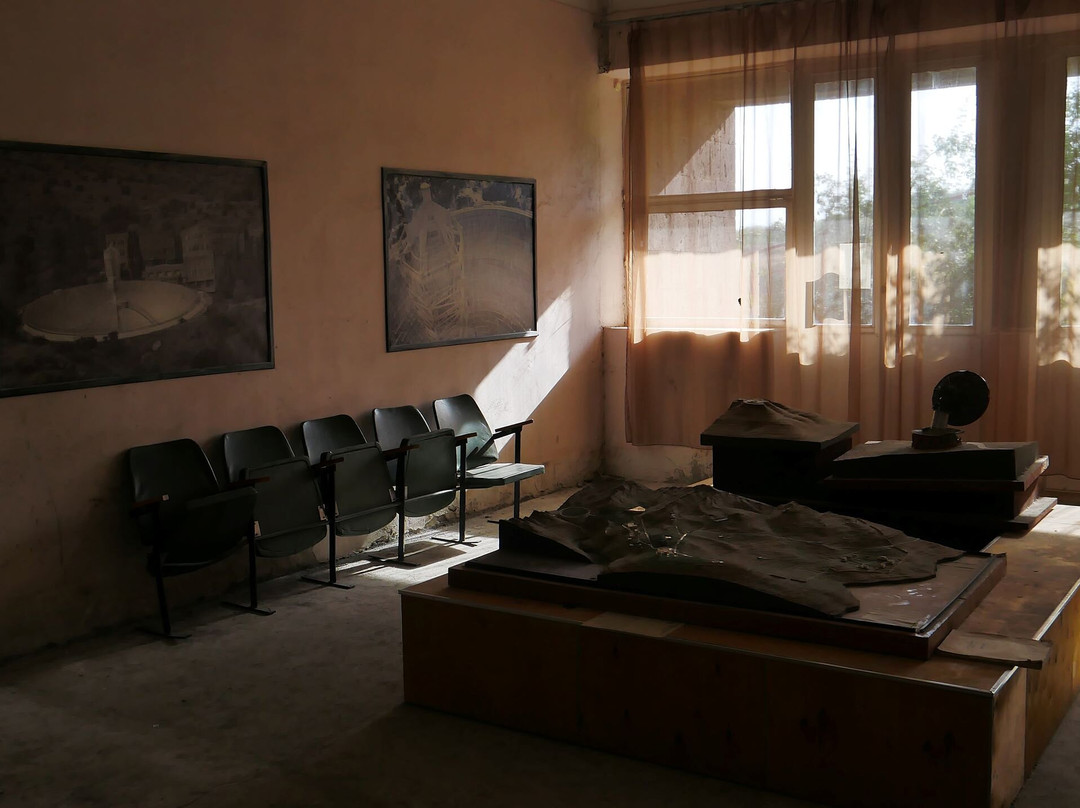
点评:This is one of the most popular urbex locations in Armenia, attracting visitors from around the world. I visit it regularly to guide travelers there, and they are always genuinely impressed when they see it.
Below is a brief overview of the place.
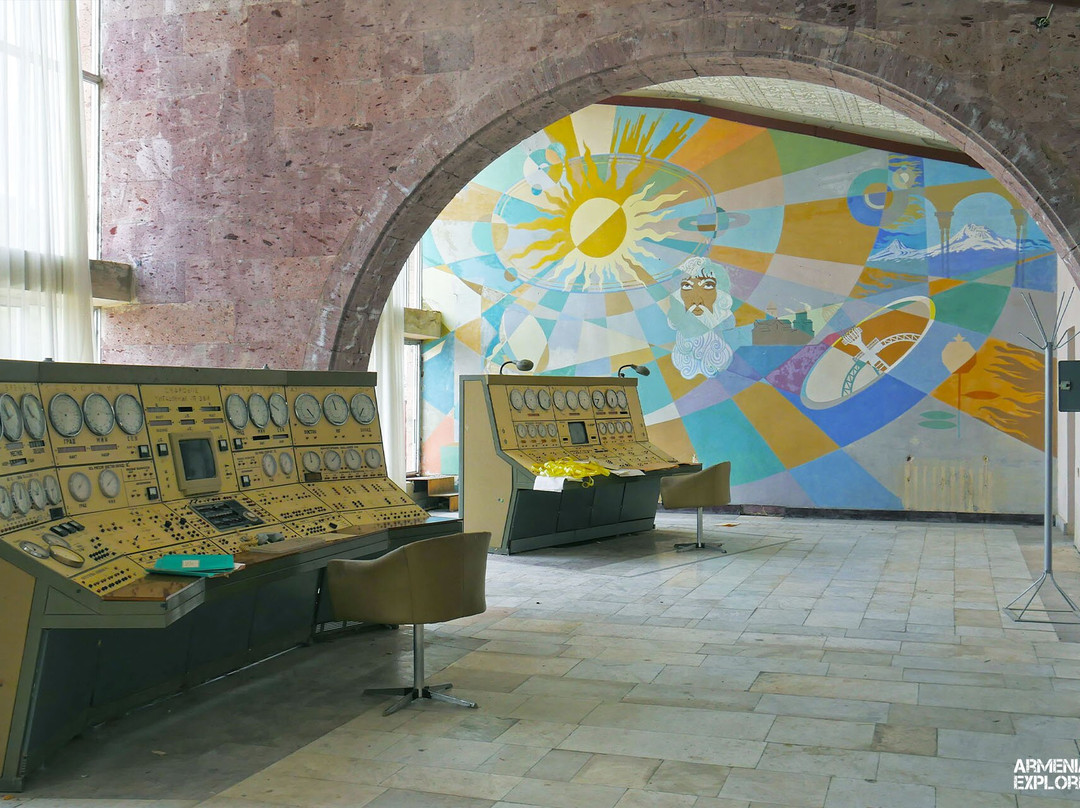
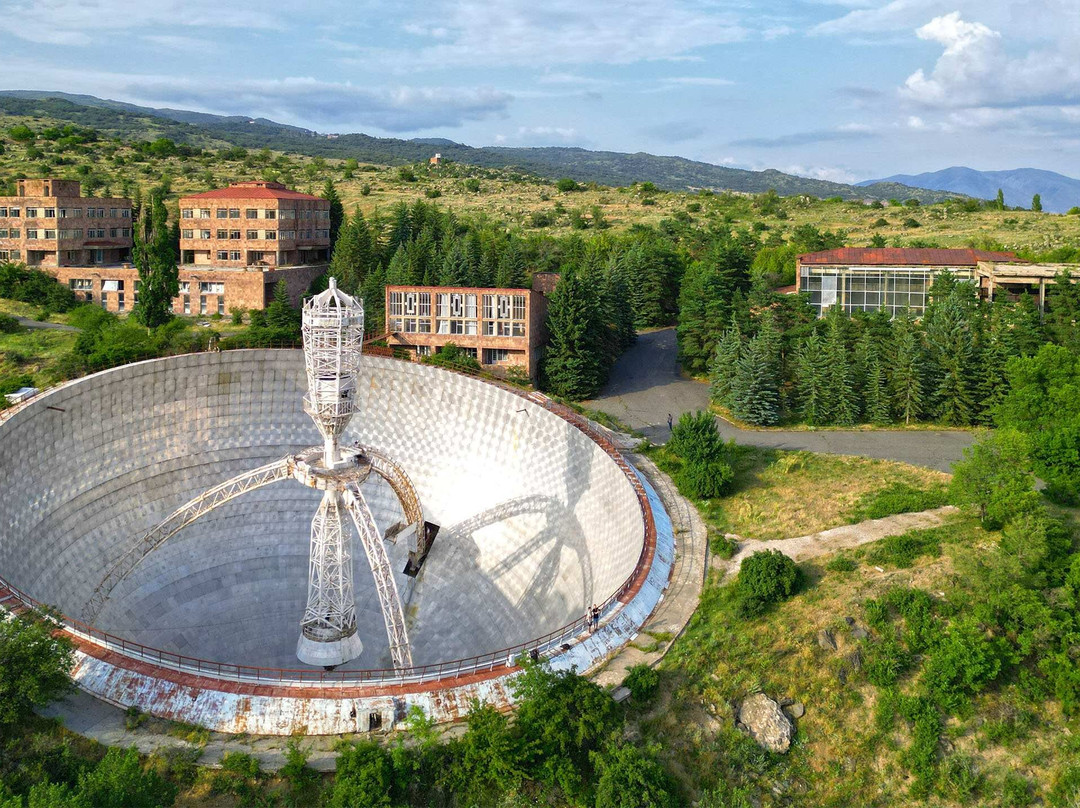
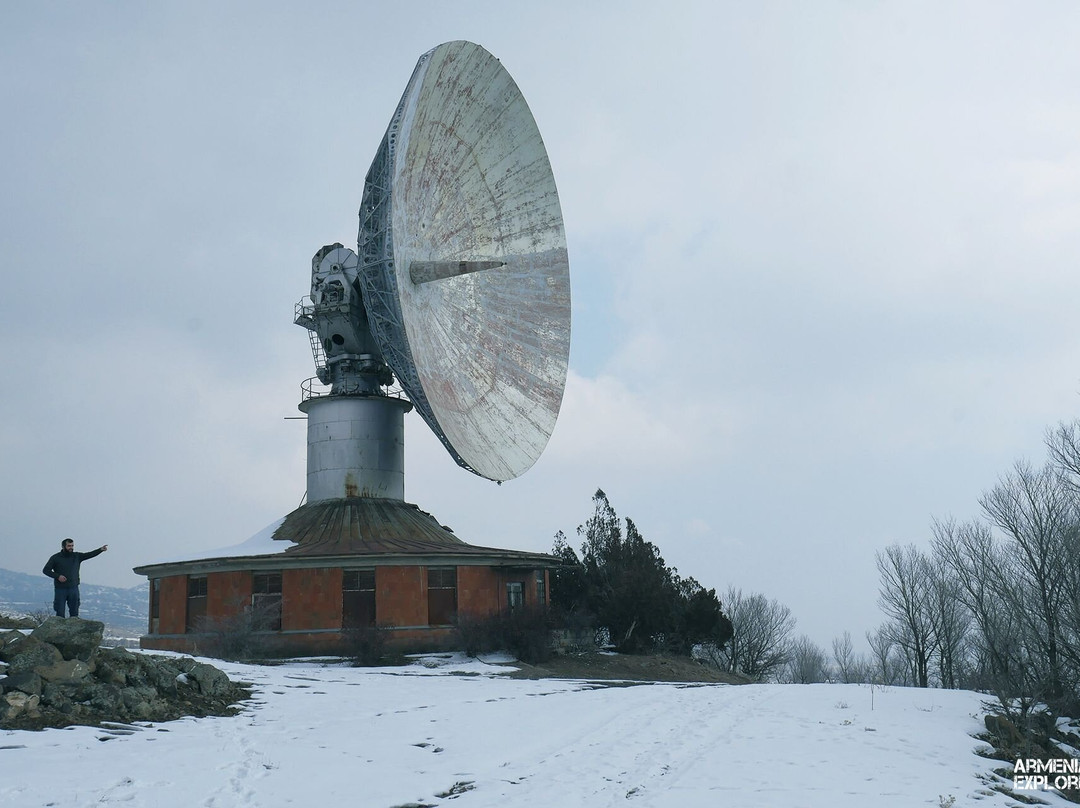
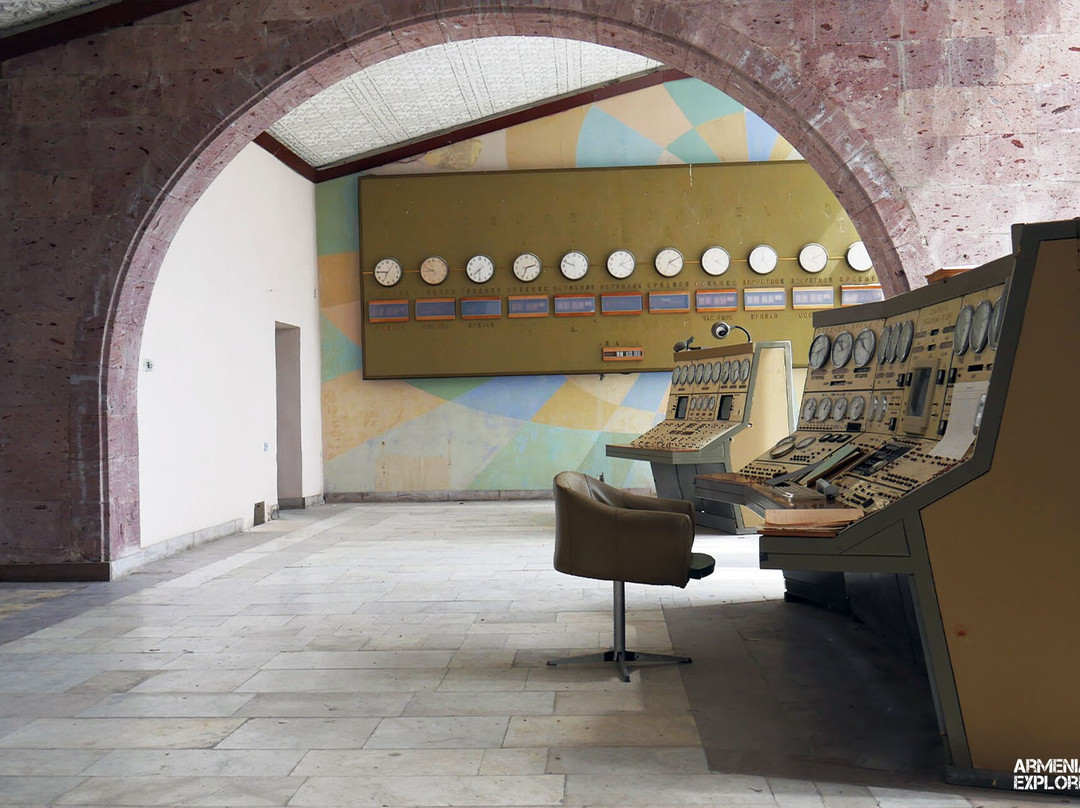
The ROT-54 (Radio-Optical Telescope) was designed by Armenian scientist Paris Herouni. A prominent physicist and radio engineer, Herouni not only conceived the project but also led its construction and development through the Institute for Radiophysics and Electronics (IRPhE) of the Armenian Academy of Sciences, which he directed. This giant radio-optical telescope stands as one of Armenia’s most fascinating scientific marvels, inherited from the Soviet era.
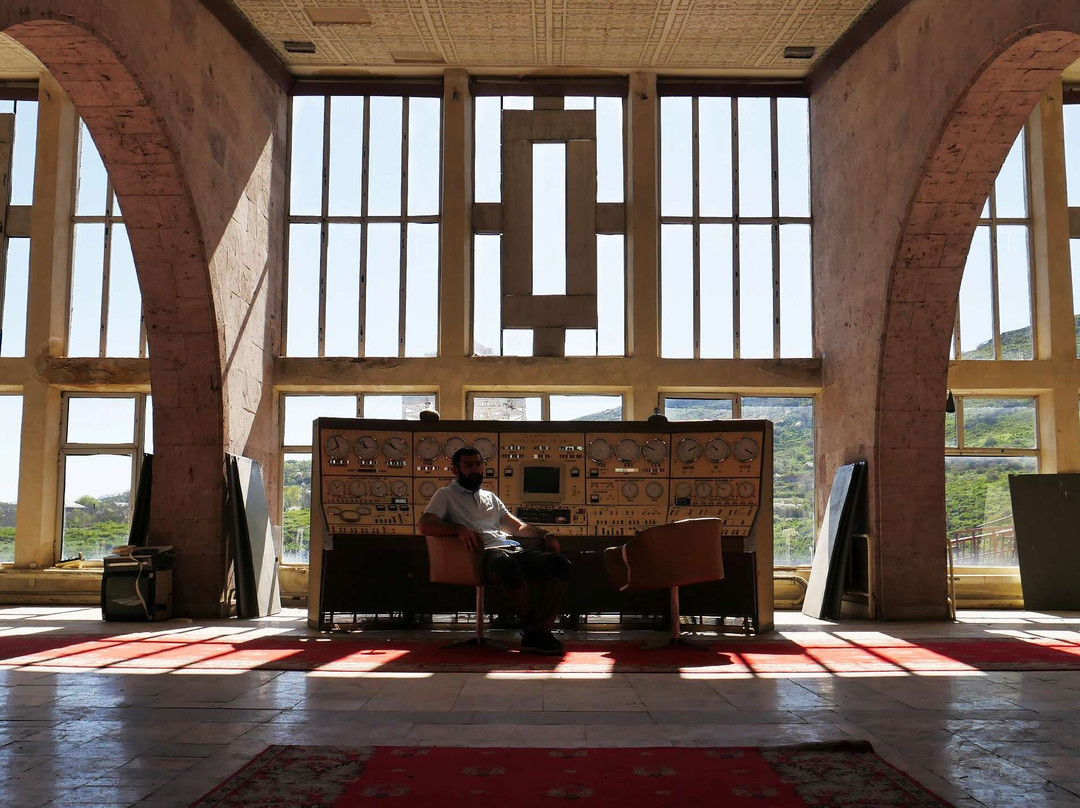
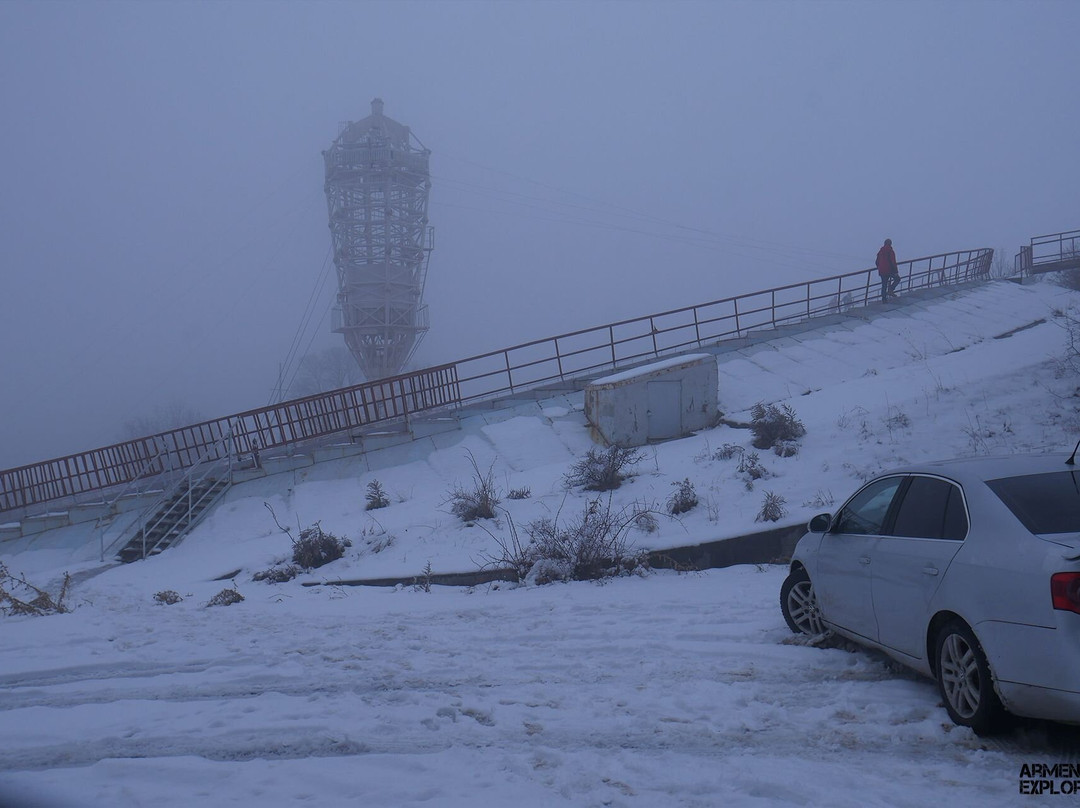
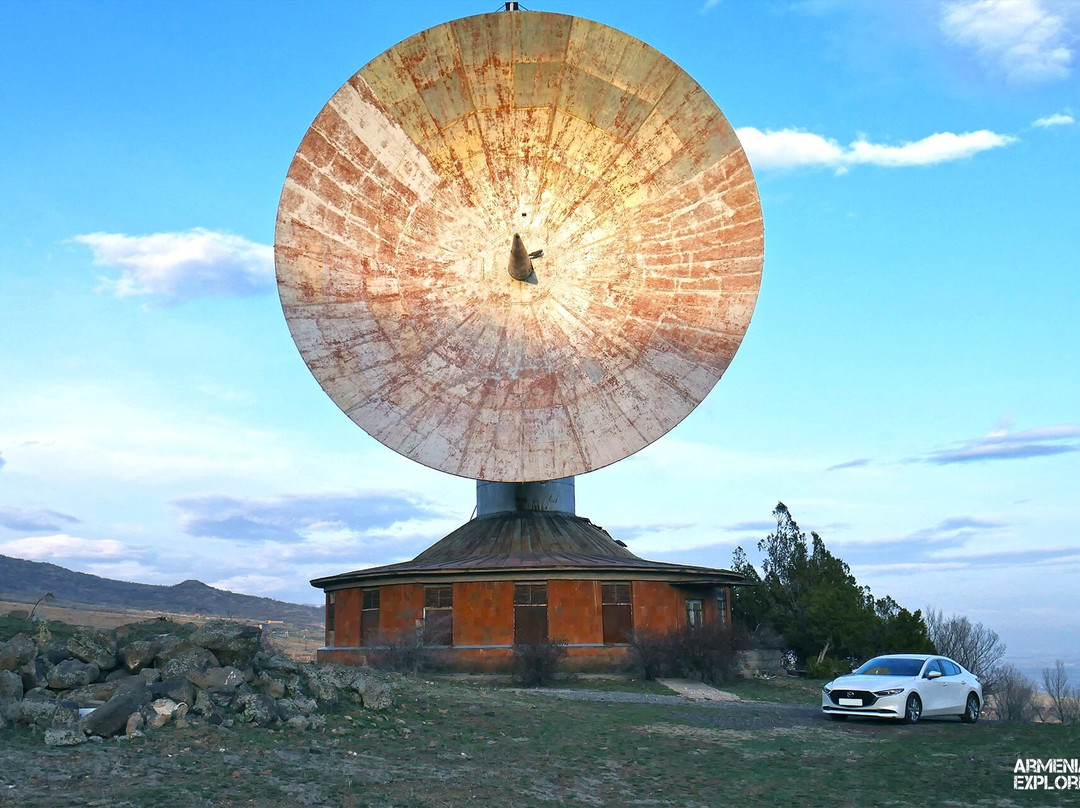
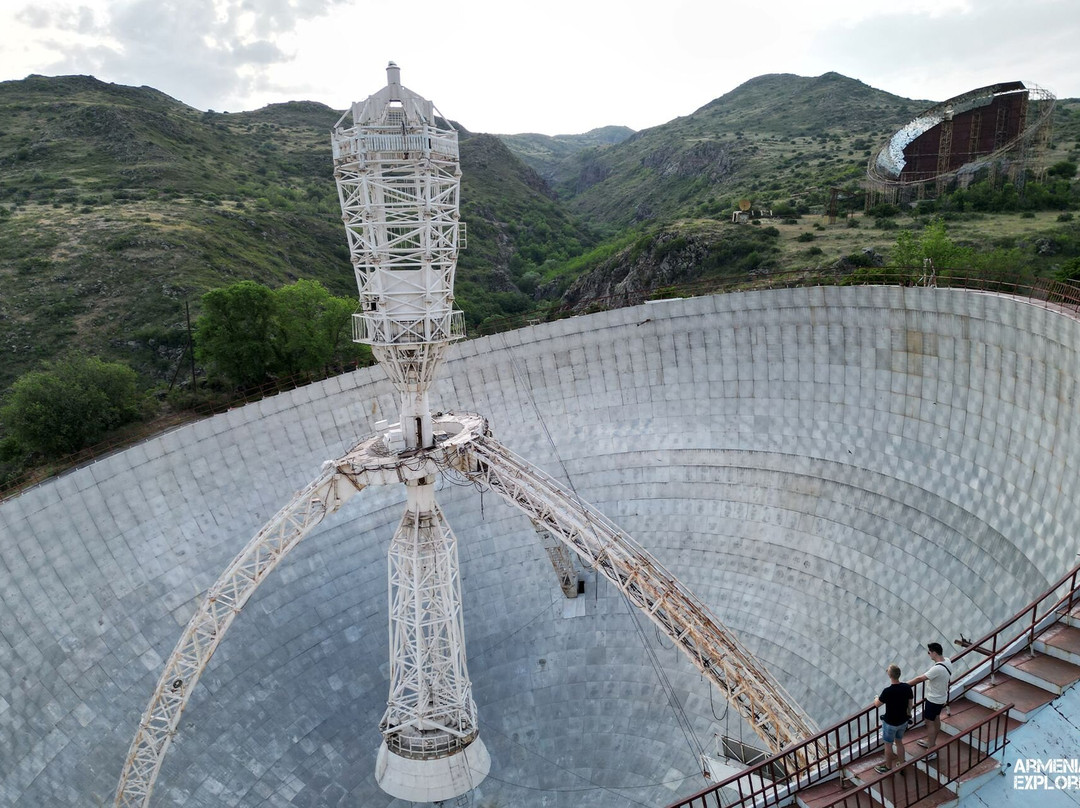
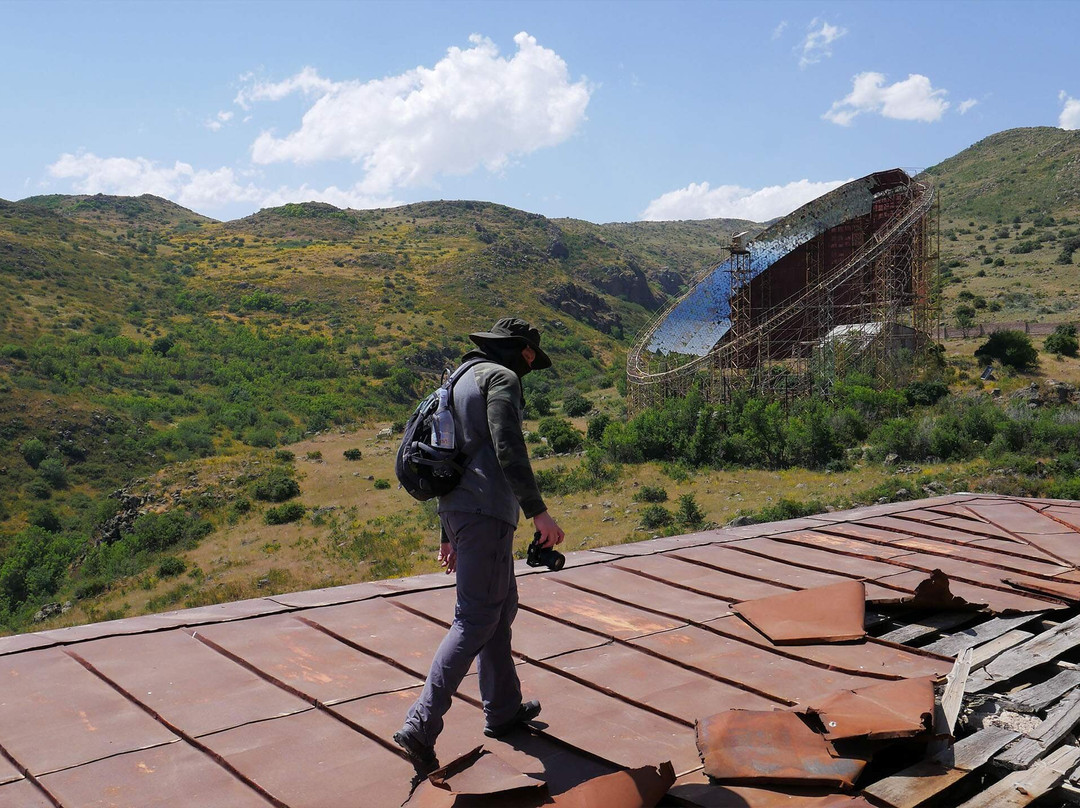
Constructed between 1975 and 1985, the telescope became operational in 1986 and continued until 1990 when it ceased operations due to financial and technical challenges. A restoration proposal emerged in the mid-1990s, leading to a modernization phase between 1995 and 2010, which included the installation of new control computers and updated feeds. Observations were resumed in collaboration with the Astronomical Society of Russia and the National Technical University of Athens. However, in 2012, operations were halted once more due to a control arm failure that immobilized the secondary mirror. The ROT-54/2.6 consists of 4,000 mirrors, a large two-mirror antenna with a diameter of 54 meters, which is combined with an optical telescope with a diameter of 2.6 meters.
During its operational years, the ROT-54/2.6 made significant contributions to astrophysics. Notably, it recorded a powerful radio flare on the red giant star Eta Gemini in 1985, where such flares had not been observed before. The telescope’s high sensitivity allowed it to detect faint radio waves from distant stars and galaxies, providing valuable data to the scientific community.
Below is a brief overview of the place.
The ROT-54 (Radio-Optical Telescope) was designed by Armenian scientist Paris Herouni. A prominent physicist and radio engineer, Herouni not only conceived the project but also led its construction and development through the Institute for Radiophysics and Electronics (IRPhE) of the Armenian Academy of Sciences, which he directed. This giant radio-optical telescope stands as one of Armenia’s most fascinating scientific marvels, inherited from the Soviet era.
Constructed between 1975 and 1985, the telescope became operational in 1986 and continued until 1990 when it ceased operations due to financial and technical challenges. A restoration proposal emerged in the mid-1990s, leading to a modernization phase between 1995 and 2010, which included the installation of new control computers and updated feeds. Observations were resumed in collaboration with the Astronomical Society of Russia and the National Technical University of Athens. However, in 2012, operations were halted once more due to a control arm failure that immobilized the secondary mirror. The ROT-54/2.6 consists of 4,000 mirrors, a large two-mirror antenna with a diameter of 54 meters, which is combined with an optical telescope with a diameter of 2.6 meters.
During its operational years, the ROT-54/2.6 made significant contributions to astrophysics. Notably, it recorded a powerful radio flare on the red giant star Eta Gemini in 1985, where such flares had not been observed before. The telescope’s high sensitivity allowed it to detect faint radio waves from distant stars and galaxies, providing valuable data to the scientific community.
翻译:这里是亚美尼亚最受欢迎的城市探险地点之一,吸引着来自世界各地的游客。我经常带游客来这里参观,他们每次看到这里都惊叹不已。
以下是该地点的简要介绍。
ROT-54(射电光学望远镜)由亚美尼亚科学家帕里斯·赫鲁尼设计。赫鲁尼是一位杰出的物理学家和无线电工程师,他不仅构思了这个项目,还通过他所领导的亚美尼亚科学院射电物理与电子研究所(IRPhE)领导了望远镜的建造和开发。这座巨大的射电光学望远镜是亚美尼亚最令人叹为观止的科学奇迹之一,它继承自苏联时期。
该望远镜于1975年至1985年间建造,1986年投入使用,并一直运行到1990年,后因资金和技术方面的挑战而停止运行。 20世纪90年代中期,一项修复方案出台,并于1995年至2010年间进行了现代化改造,包括安装新的控制计算机和更新馈源。随后,在与俄罗斯天文学会和雅典国立技术大学的合作下,观测工作得以恢复。然而,2012年,由于控制臂故障导致副镜无法移动,观测工作再次暂停。ROT-54/2.6望远镜由4000面镜子组成,配备一个直径54米的大型双镜天线和一个直径2.6米的光学望远镜。
在其运行期间,ROT-54/2.6望远镜为天体物理学做出了重大贡献。尤其值得一提的是,它在1985年观测到了红巨星双子座η星上一次强烈的射电耀斑,这是此前从未观测到的此类耀斑。该望远镜的高灵敏度使其能够探测到来自遥远恒星和星系的微弱无线电波,为科学界提供了宝贵的数据。
以下是该地点的简要介绍。
ROT-54(射电光学望远镜)由亚美尼亚科学家帕里斯·赫鲁尼设计。赫鲁尼是一位杰出的物理学家和无线电工程师,他不仅构思了这个项目,还通过他所领导的亚美尼亚科学院射电物理与电子研究所(IRPhE)领导了望远镜的建造和开发。这座巨大的射电光学望远镜是亚美尼亚最令人叹为观止的科学奇迹之一,它继承自苏联时期。
该望远镜于1975年至1985年间建造,1986年投入使用,并一直运行到1990年,后因资金和技术方面的挑战而停止运行。 20世纪90年代中期,一项修复方案出台,并于1995年至2010年间进行了现代化改造,包括安装新的控制计算机和更新馈源。随后,在与俄罗斯天文学会和雅典国立技术大学的合作下,观测工作得以恢复。然而,2012年,由于控制臂故障导致副镜无法移动,观测工作再次暂停。ROT-54/2.6望远镜由4000面镜子组成,配备一个直径54米的大型双镜天线和一个直径2.6米的光学望远镜。
在其运行期间,ROT-54/2.6望远镜为天体物理学做出了重大贡献。尤其值得一提的是,它在1985年观测到了红巨星双子座η星上一次强烈的射电耀斑,这是此前从未观测到的此类耀斑。该望远镜的高灵敏度使其能够探测到来自遥远恒星和星系的微弱无线电波,为科学界提供了宝贵的数据。




© 2026 Tripadvisor 版权所有。
部分照片由 VFM Leonardo 提供。
TripAdvisor公司对外部网站的内容一概不负责。优惠价格中不含税和其他费用。
ICP证:沪B2-20200433
沪ICP备20013175号
 沪公网安备31010502005427号
鹰程信息技术(上海)有限公司